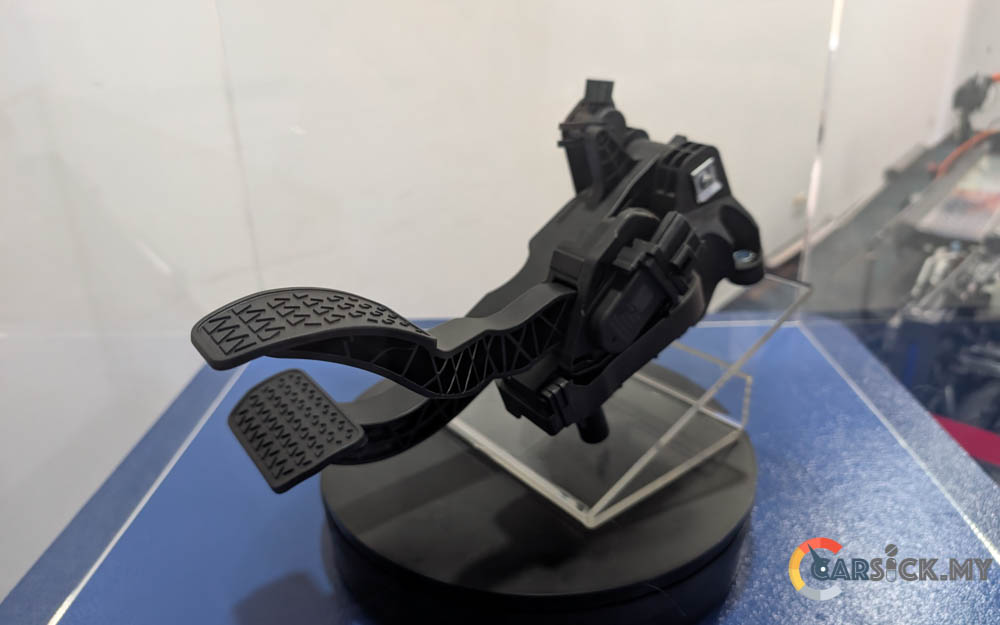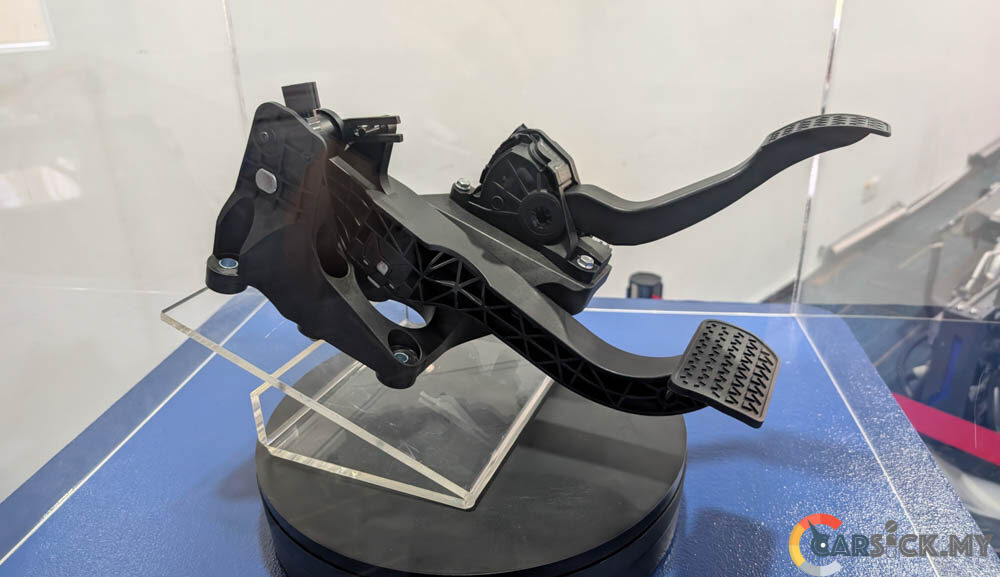

Suria Component Manufacturing (M) Sdn. Bhd. (Suria) has signed a Memorandum of Understanding (MoU) with China’s Suzhou CEPP Electronics to establish a joint venture focused on developing and manufacturing more advanced automotive components in Malaysia. The proposed collaboration will see Suria, a wholly Malaysian-owned automotive component manufacturer, holding the majority stake in the new venture. Its initial focus will be on next-generation accelerator and brake pedal systems, with longer-term plans to explore electronic throttle control (ETC), brake-by-wire and other intelligent drive-by-wire technologies.
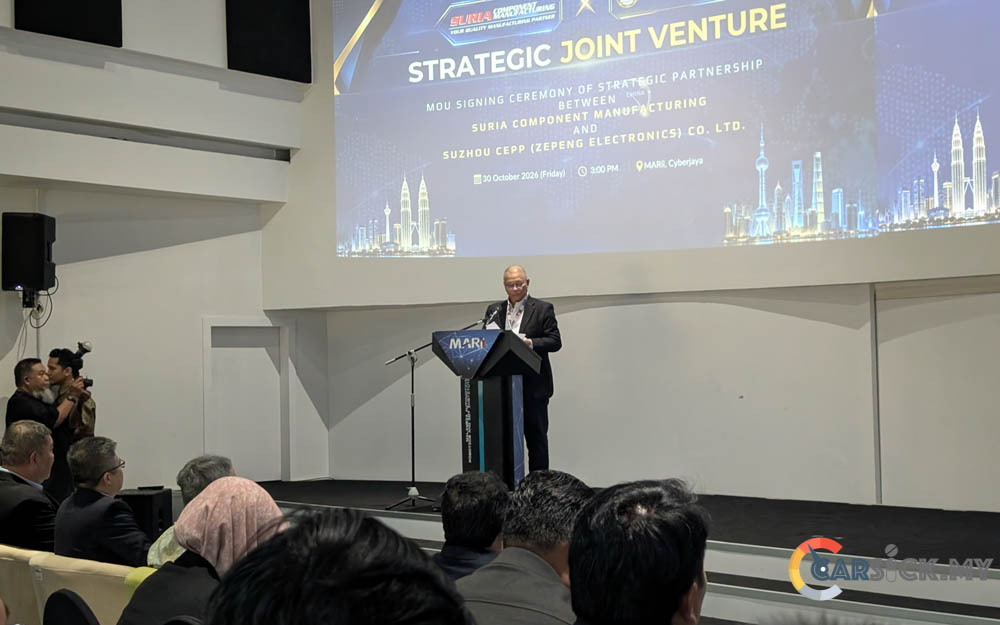 The signing ceremony was witnessed by Perodua President and Chief Executive Officer Dato’ Sri Zainal Abidin Ahmad, highlighting the potential relevance of the collaboration to Malaysia’s automotive supply chain. The joint venture will be supported by an initial investment of RM5 million and implemented through three development phases. These will cover the establishment of local research and testing facilities, new manufacturing operations, and the gradual development of more sophisticated electronic pedal technologies.
The first phase will involve setting up research, development and testing capabilities in Malaysia, supported by technical expertise from Suzhou CEPP Electronics. The planned facilities will cover component design, material characterisation, structural strength and fatigue testing, functional performance assessments, environmental testing and durability evaluation.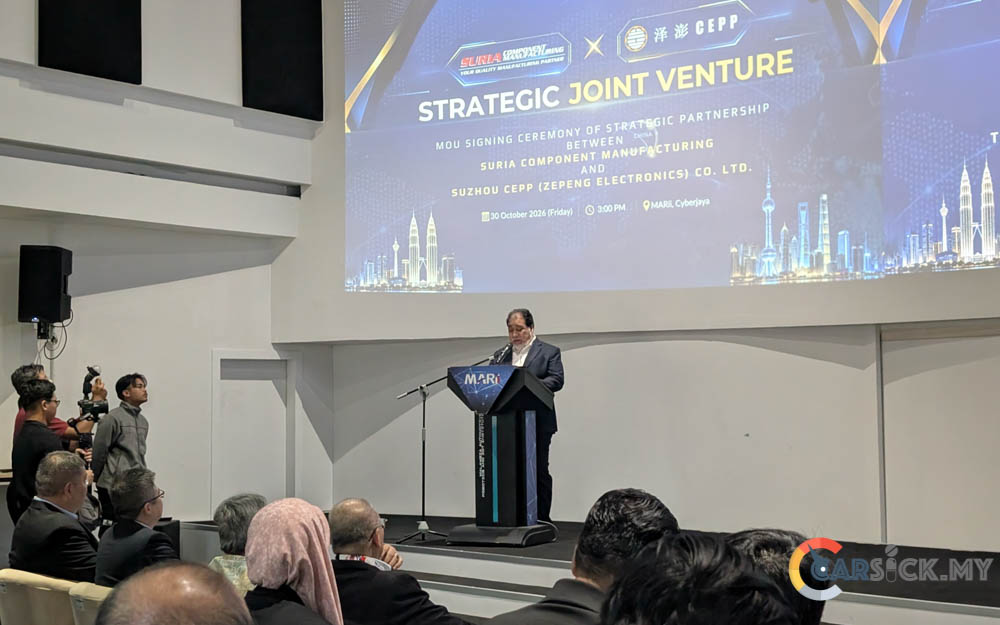
The first batch of testing equipment is already being shipped to Malaysia, with the facilities expected to become operational in early Q1 2027. This is intended to give local engineers greater involvement in the development, testing and validation of automotive components rather than limiting their roles to conventional manufacturing activities.
According to Suria Managing Director Tn Hj. Musa Zahidin bin Tan Sri Ahmad Zaidee, the collaboration will focus on developing electronic throttle control systems and smart brake-by-wire assemblies. These systems are expected to incorporate contactless Hall-effect angular position sensors and force-feedback simulation mechanisms, which are designed to translate driver inputs into electronic signals for vehicle control systems.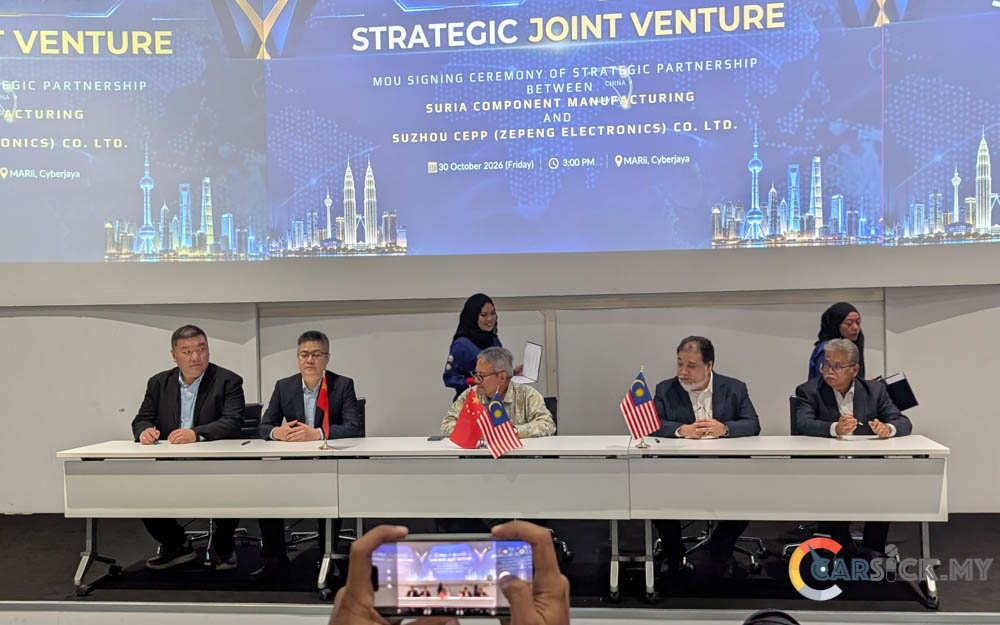
The development of such technologies represents a shift from traditional mechanical pedal linkages towards electronically controlled vehicle interfaces. However, these systems also require more demanding engineering processes, particularly in sensor accuracy, electronic redundancy, functional safety and long-term reliability. The second phase is targeted for completion by the end of Q1 2027, when the joint venture plans to establish dedicated manufacturing facilities for accelerator and brake pedal assemblies.
These operations will include advanced plastic injection moulding machines alongside dedicated production and assembly lines for both mechanical and electronic pedal systems. Electronic accelerator pedals, in particular, involve more complex manufacturing requirements than conventional mechanical units. Their construction combines precision mechanical components with electronic sensors and interfaces that must communicate accurately with a vehicle’s control systems. This makes specialised assembly, calibration and end-of-line testing essential parts of the production process.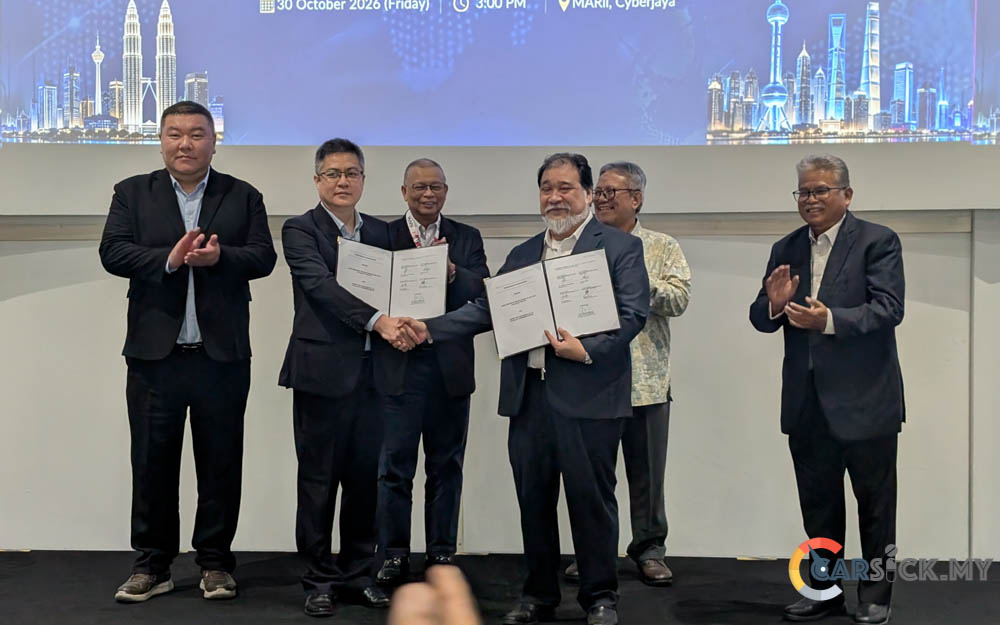
The third phase will concentrate on developing more advanced electronic pedal technologies, including systems intended for future electromechanical braking (EMB) applications. Unlike conventional hydraulic braking systems, EMB uses electronic controls and electrically operated actuators to generate braking force. The technology requires reliable electronic interfaces, sensors and extensive functional safety validation before it can be adopted in production vehicles.
Suzhou CEPP Electronics President Wang Muhao said the company sees the collaboration as an opportunity to contribute its technical knowledge and manufacturing experience to Malaysia’s automotive industry. He also pointed to the growing adoption of newer automotive technologies, including electric vehicles, in Malaysia. While some of these technologies have achieved wider adoption in China, the partnership is intended to support their development and application within the Malaysian automotive ecosystem.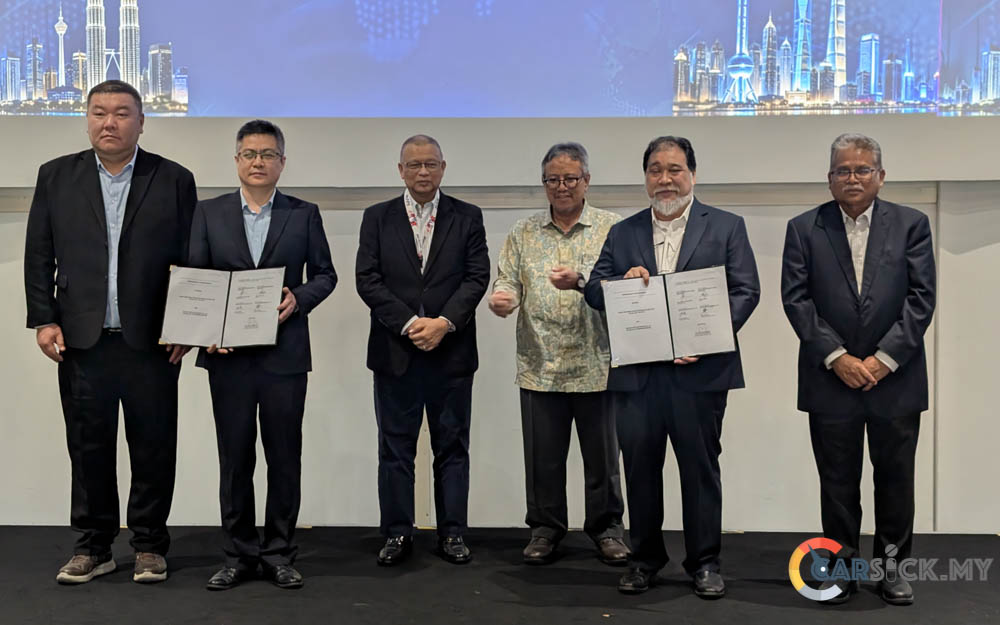
Suzhou CEPP Electronics specialises in automotive pedal development and manufacturing, with experience covering lightweight pedal assemblies, electronic accelerator pedals and sensor technologies. The company is also involved in Tier 1 and Tier 2 automotive supply chains serving vehicle manufacturers in China. Meanwhile, Suria has been involved in Malaysia’s automotive component industry since 2000, with its core business covering automotive pedal assemblies and precision component manufacturing.
The company is already part of Perodua’s supplier network, including the supply of components for the national carmaker’s first battery electric vehicle, the QV-E. The proposed joint venture could therefore provide additional technical and manufacturing capabilities to support Perodua’s existing and future vehicle programmes.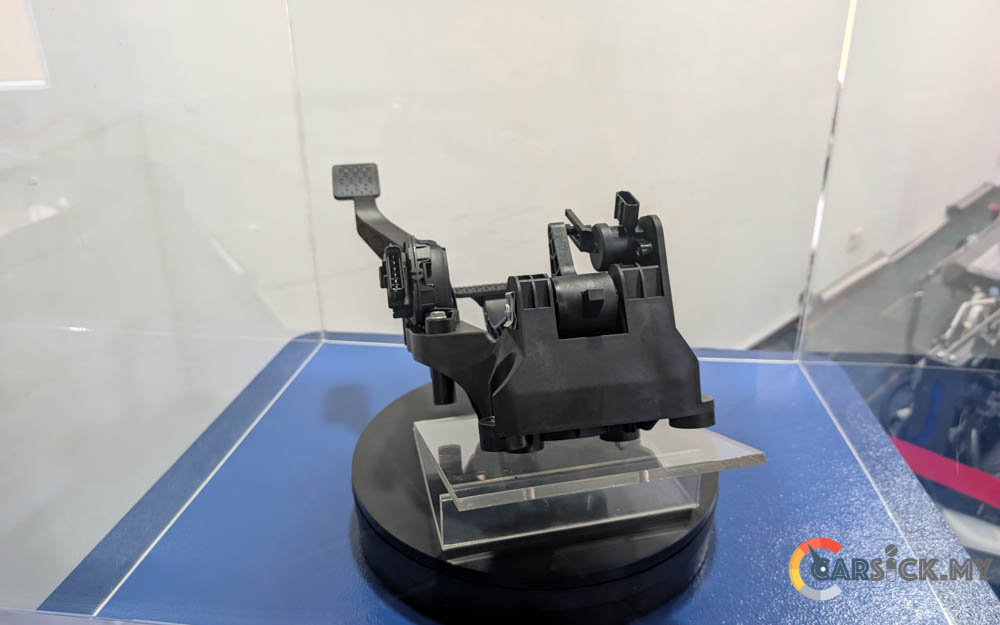
Datuk Dr. Aminar Rashid Salleh, Chairman of the Malaysia Automotive, Robotics and IoT Institute (MARii), said the collaboration reflects the importance of developing local engineering and technological capabilities alongside manufacturing operations. For Malaysia, the move could provide an opportunity to expand its role in automotive component development, particularly as vehicle manufacturers increasingly incorporate electronic systems into their products.
Beyond its immediate manufacturing objectives, the joint venture is expected to create opportunities for Malaysian engineers to gain experience in advanced automotive technologies, while improving local research, development and testing capabilities. If the planned phases progress as scheduled, the partnership could also position the Malaysian operation to participate in more advanced component development and potentially serve a wider regional automotive supply chain.