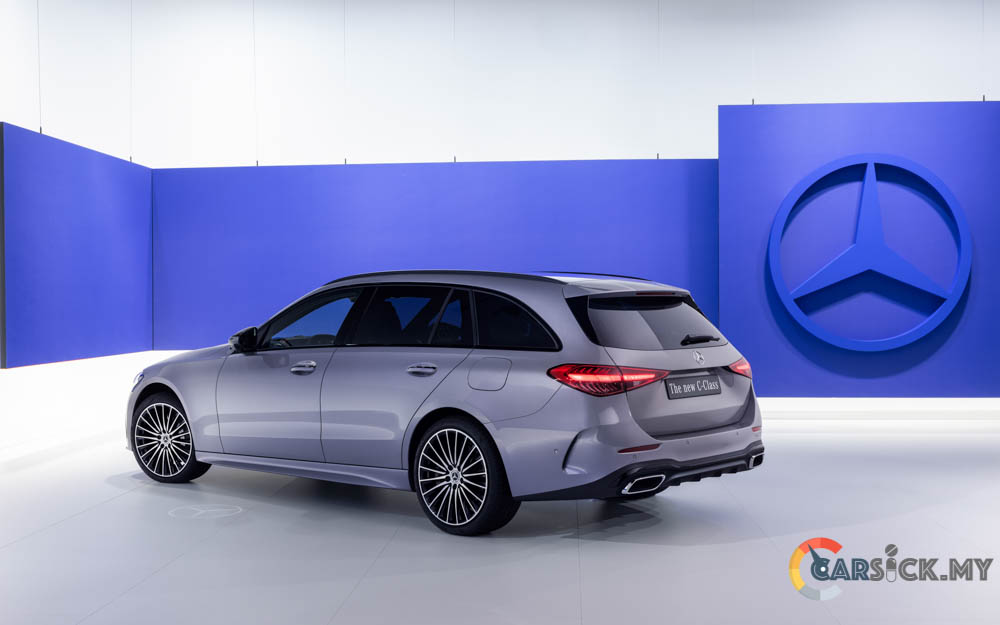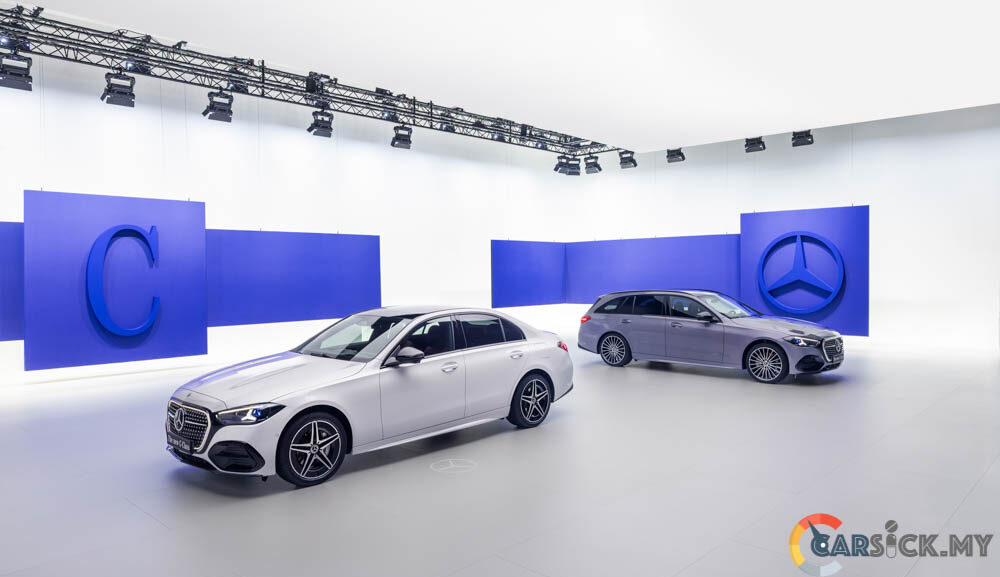

Mercedes-Benz has unveiled the extensively updated C-Class Saloon and Estate, bringing the brand’s best-selling model family into a new era with sharper styling, upgraded electrified powertrains, enhanced comfort and a significantly more intelligent digital experience.
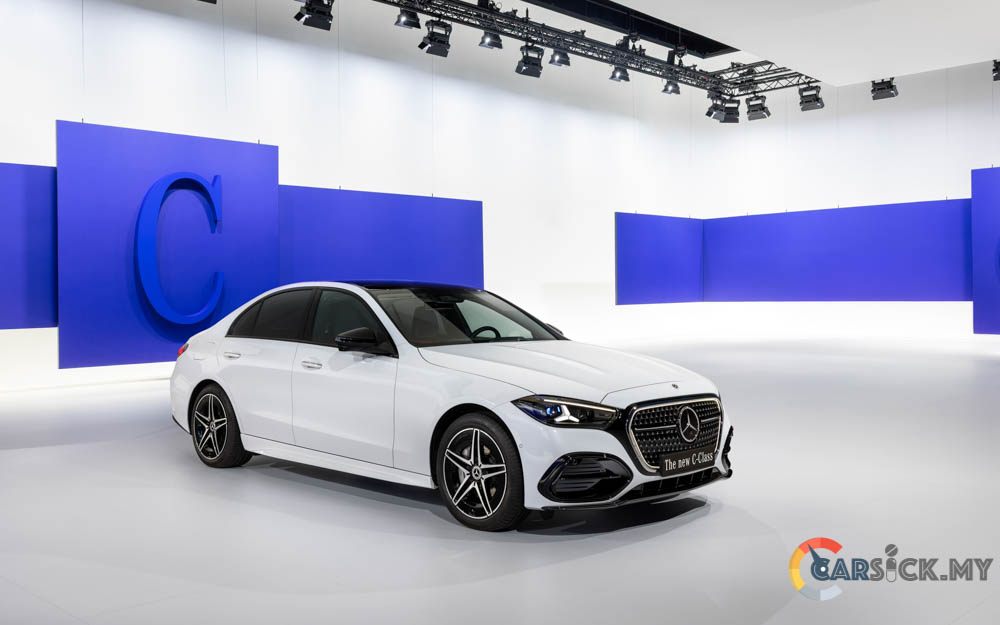 Described as the most comprehensive technical upgrade in the history of the C-Class, the latest models retain the familiar character of the nameplate while introducing technology and features designed to make the cars more efficient, comfortable and connected. Ordering for the new C-Class begins on 18 August 2026, with German prices starting from €41,045 excluding VAT for the C 200 Saloon.
The latest C-Class retains its athletic silhouette but gains a more expressive appearance, particularly at the front. A redesigned radiator grille features a prominent chrome surround with integrated contour lighting, while hot-stamped three-pointed stars add greater visual depth. New headlamps feature a distinctive star-inspired daytime running light signature, while the Saloon also receives star-patterned taillights. Depending on the market, the central Mercedes-Benz star can also be illuminated.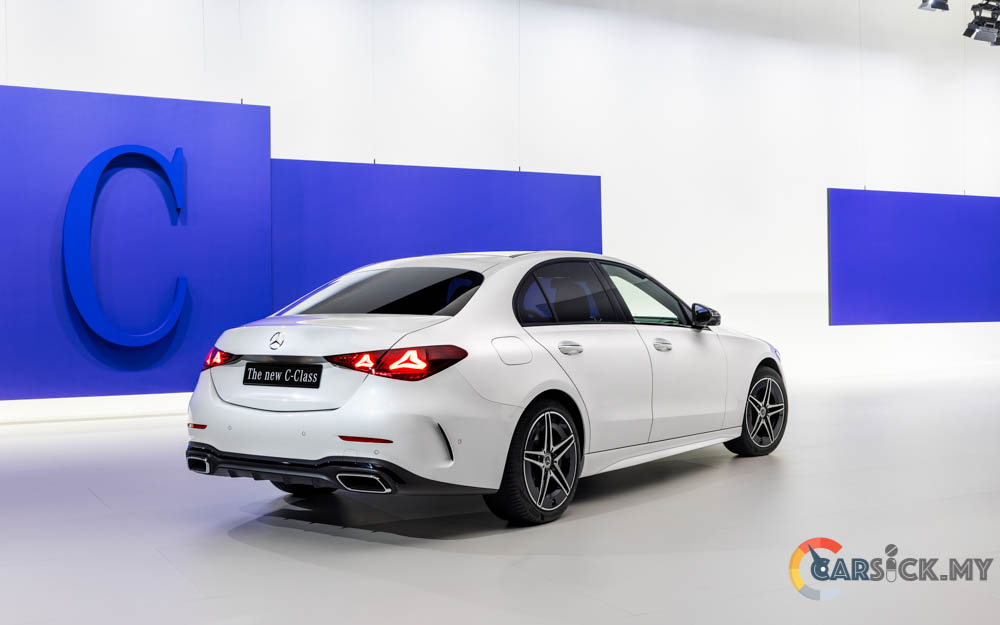
The exterior changes are complemented by redesigned bumpers, new wheel designs ranging from 17 to 19 inches and two new paint colours: lavender silver metallic and moody sky grey metallic. For customers seeking a sportier appearance, the C-Class also introduces AMG Line Plus for the first time, adding features such as black exterior detailing, sports seats, red stitching and red seat belts.
Inside, Mercedes-Benz has further developed the C-Class into what it describes as a personal retreat, combining premium materials with technology derived from larger models such as the S-Class. The digital cockpit consists of a 12.3-inch instrument cluster and an 11.9-inch portrait-format central display. The revised multifunction steering wheel retains physical controls, including rocker switches for cruise control and DISTRONIC alongside a roller for volume adjustment.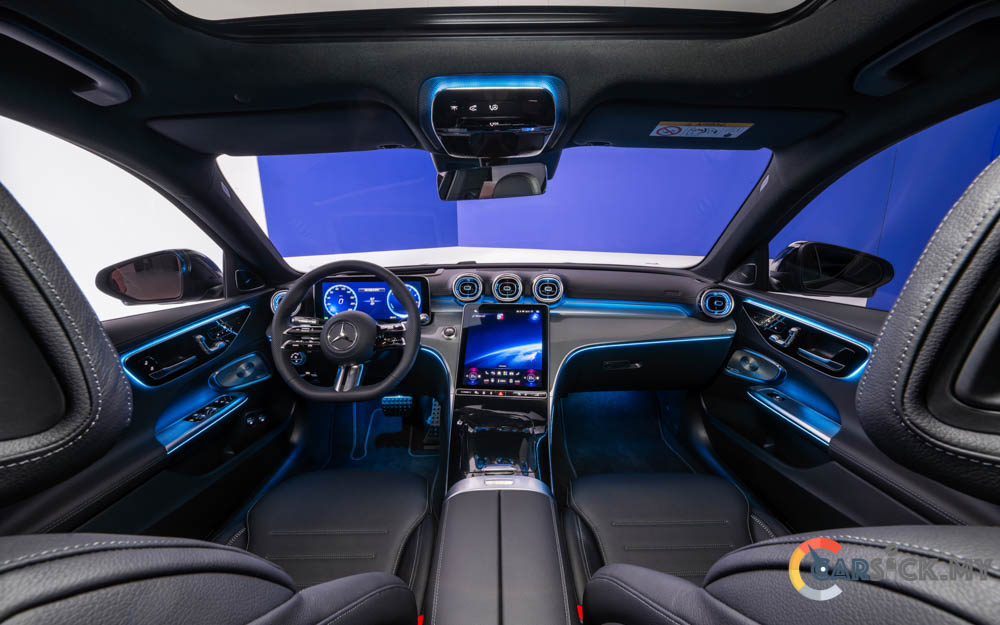
The biggest technological development is the latest-generation MBUX system, which introduces an AI-powered MBUX Virtual Assistant operating through Mercedes-Benz’s MB.OS. The system combines AI technologies from ChatGPT, Microsoft Bing and Google Gemini, allowing it to handle more complex conversations while retaining context during interactions.
The assistant can also help with navigation, answer questions, identify music and podcasts, and provide information such as weather, currency conversions and stock prices. Mercedes-Benz has also enhanced the C-Class’s comfort credentials with optional multi-contour seats featuring massage functions and adjustable lumbar support. The optional AIR-BALANCE Package adds cabin fragrance and air filtration, while an upgraded Burmester 3D Surround Sound System with Dolby Atmos uses 15 speakers and a 710-watt amplifier.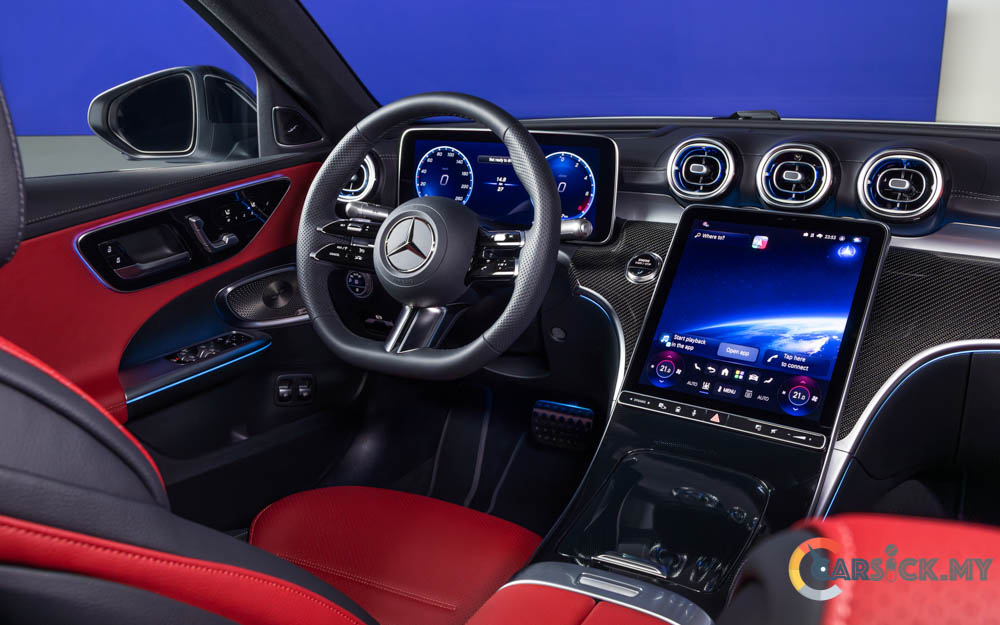
Ambient lighting offers 64 selectable colours and 10 colour worlds, with the system also capable of responding to certain vehicle functions such as climate-control adjustments and blind-spot warnings. Rather than moving exclusively towards fully electric propulsion, Mercedes-Benz is continuing to offer a broad range of electrified petrol and diesel engines alongside plug-in hybrids.
The four-cylinder combustion engines feature second-generation integrated starter-generator technology, providing up to 17 kW of additional output and 205 Nm of additional torque. The 48-volt electrical system supports functions including coasting and energy recuperation, helping improve efficiency.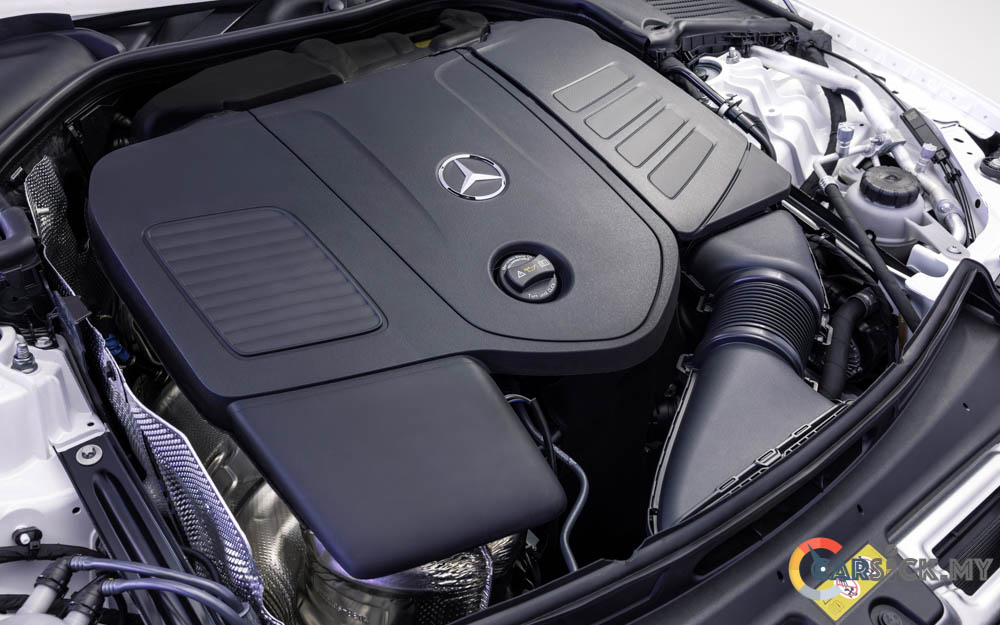
The updated two-litre M 254 EVO petrol engine also gains an electric auxiliary compressor designed to reduce turbo lag and deliver more immediate power at low engine speeds. The C 200 produces 130 kW (177 hp) and 270 Nm, while the C 250 develops 160 kW (218 hp) and 320 Nm. At the top of the conventional petrol range, the C 300 produces 190 kW (258 hp) and 400 Nm. Diesel buyers continue to be catered for with the updated OM 654 EVO four-cylinder engine, offered in 120 kW (163 hp) and 147 kW (200 hp) versions. The engine is also compatible with HVO100, B10 and B20 biofuels.
For customers seeking greater electrification without giving up the flexibility of a combustion engine, the C-Class plug-in hybrid range continues with a substantial electric-driving capability. The C 400 e 4MATIC Saloon and Estate combine a four-cylinder petrol engine with an electric motor to deliver up to 290 kW (395 hp) and 650 Nm. Their 19.53 kWh usable battery provides an electric range of up to 100km under the WLTP cycle. The plug-in hybrids can be charged at up to 11 kW using AC charging, while DC fast charging is supported at up to 55 kW.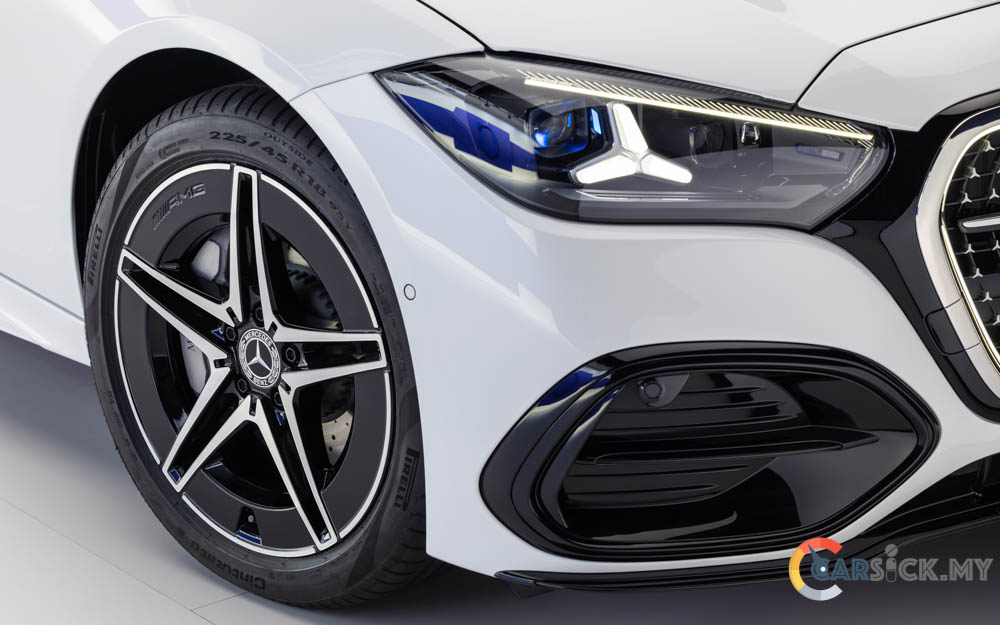
Mercedes-Benz has also revised the C-Class chassis, with the suspension tuned to provide sharper responses while maintaining the model’s established long-distance comfort. Rear-axle steering remains available, with up to 2.5 degrees of steering angle reducing the turning circle by 43 centimetres to 10.64 metres. At lower speeds, the rear wheels turn in the opposite direction to the front wheels to improve manoeuvrability, while at higher speeds they turn in the same direction to improve stability.
The emphasis on refinement extends to noise suppression. Aerodynamic improvements, additional insulation and revised exhaust-system mounting are designed to create a quieter cabin, with the Saloon achieving a drag coefficient from 0.24 and the Estate from 0.26. Technology upgrades extend into the C-Class’s driver assistance systems. Depending on specification, the car can be equipped with up to 10 cameras, five radar sensors and 12 ultrasonic sensors, all working with MB.OS to process information about the surrounding environment.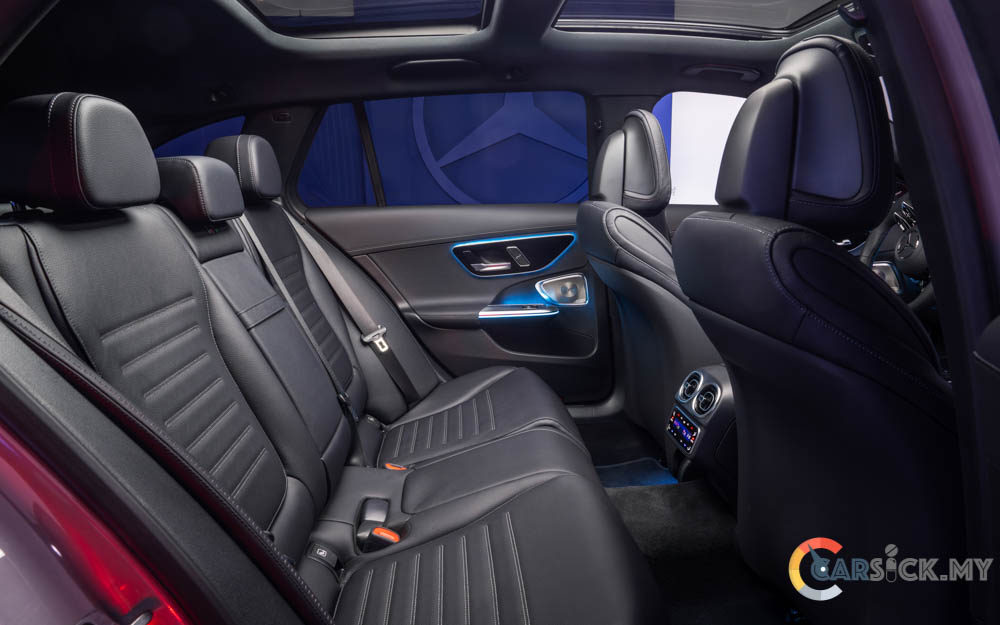
Available MB.DRIVE functions include lane-change assistance, adaptive driving support and parking assistance. The system can also assist with reversing and trailer manoeuvring, while the Parking Package with a 360-degree camera makes finding and using parking spaces easier.
Navigation has also taken a major step forward. MBUX Surround Navigation combines route guidance with a real-time 3D representation of the surrounding environment, while augmented-reality navigation, previously available in models such as the S-Class and EQS, is now offered in the C-Class.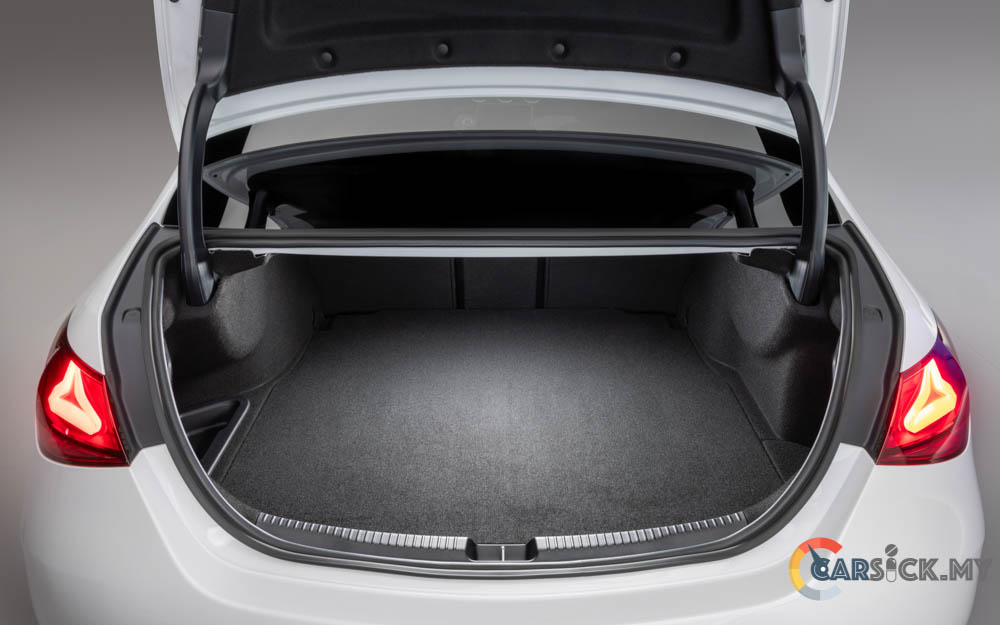
The navigation system is based on Google Maps and integrates Google Cloud’s Automotive AI Agent, allowing drivers to use conversational commands to search for destinations, charging stations and parking spaces, including availability information.
The C-Class Estate continues to provide an alternative for buyers who want the styling and driving character of the C-Class with additional load-carrying ability. It offers 490 litres of luggage capacity with the rear seats in place, expanding to 1,510 litres when the 40:20:40 split-folding rear seats are lowered. An EASY-PACK tailgate is fitted as standard, further improving everyday usability.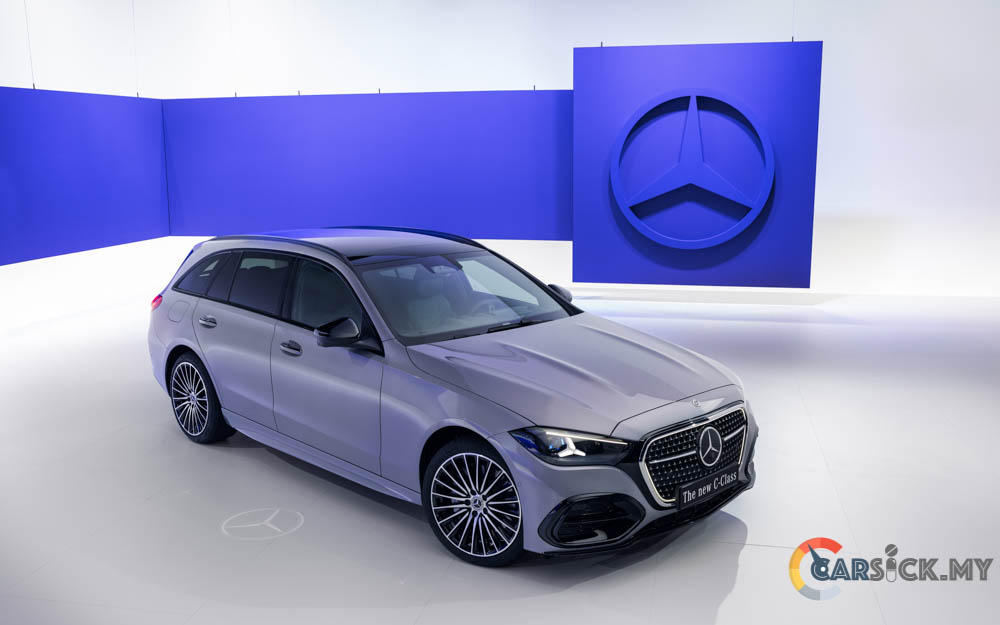
Overall, the latest Mercedes-Benz C-Class represents a substantial evolution rather than a fundamental departure. Its familiar proportions and combustion-engine options remain, but they are now supported by stronger electrification, a more advanced software platform, AI-powered interaction and a wider range of driver assistance technologies.