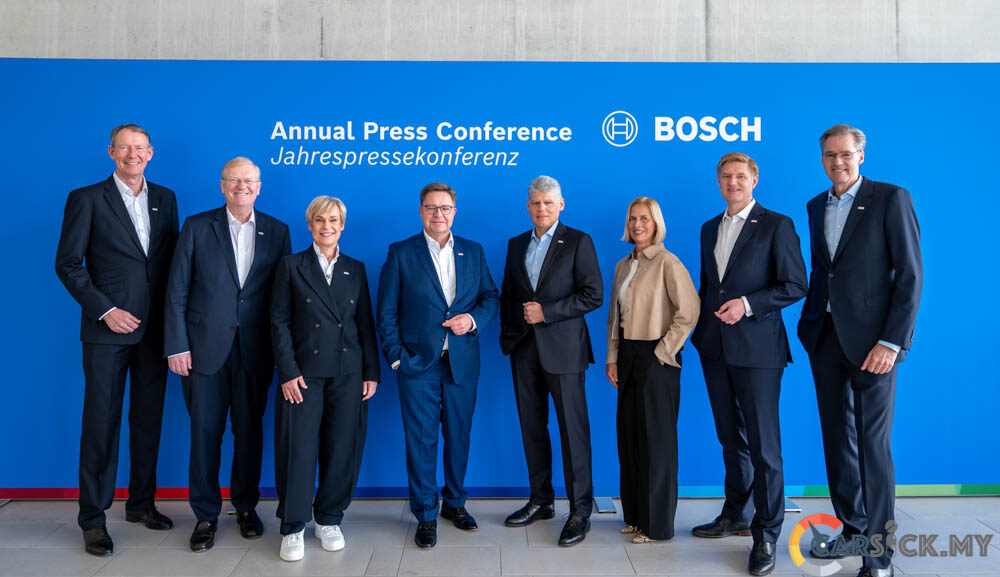

Despite mounting geopolitical tensions and evolving trade barriers, Bosch Group is entering 2026 with a firm commitment to growth, innovation, and long-term competitiveness. Backed by substantial investments and a forward-looking strategy, the company aims to strengthen its global position while navigating an increasingly complex economic landscape.
In 2025, Bosch allocated approximately €12 billion toward research, development, and capital expenditure—underscoring its dedication to future technologies. This investment momentum will continue into 2026, as the company targets sales growth of between 2 and 5 percent, alongside an operating EBIT margin of 4 to 6 percent. According to Stefan Hartung, Bosch’s focus on automation, digitalisation, electrification, and artificial intelligence is central to driving sustainable and profitable expansion.
The company’s innovative capabilities remain a key strength. With around 6,300 patents filed in 2025, Bosch once again ranked among Europe’s leading patent applicants and maintained its position as Germany’s top innovator. Financially, the group recorded €91.0 billion in revenue for 2025, reflecting modest growth despite economic headwinds. However, profitability was impacted by structural adjustments, including €2.7 billion in provisions tied to workforce and organisational changes.
In Malaysia, Robert Bosch Sdn Bhd continues to play a strategic role in the company’s regional ambitions. The local operation reported total net sales of €1.408 billion (RM6.807 billion) in 2025, though this marked a decline amid softer market conditions. Consolidated sales to third parties also fell, reflecting cautious spending trends.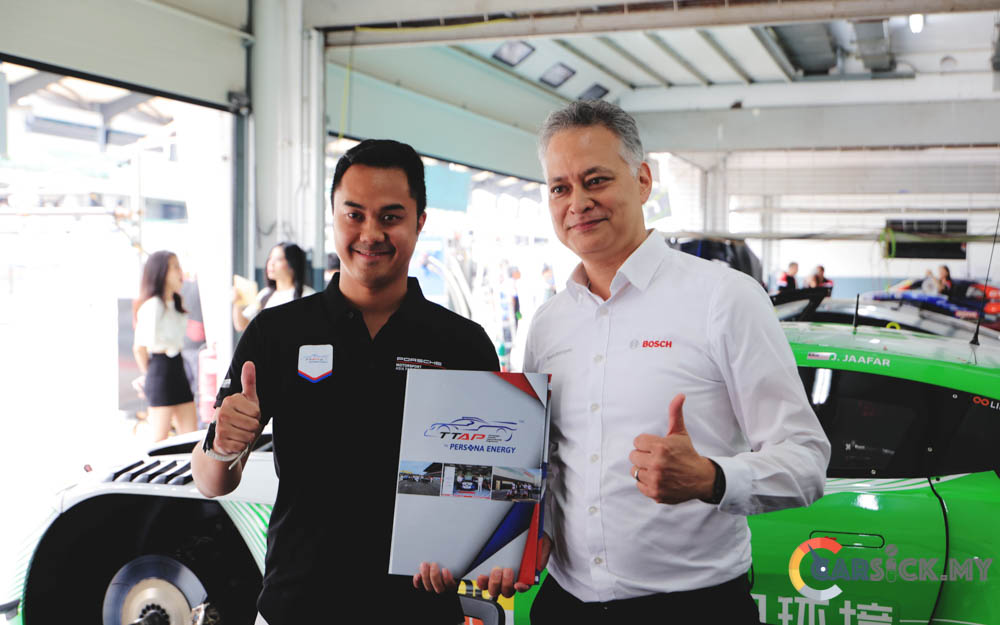
Managing Director Darren Chan highlighted that while the global environment remains unpredictable, Malaysia offers a relatively stable platform for long-term investment. Bosch is therefore doubling down on its strengths—leveraging engineering expertise, manufacturing capabilities, and global connectivity—while working closely with government stakeholders to support talent development and localise automotive value chains.
Bosch’s Penang operations remain a cornerstone of its Southeast Asian strategy, serving as its largest high-tech engineering hub in the region. The facility supports a wide range of activities, including mobility electronics, semiconductor production, and power tools manufacturing, reinforcing Malaysia’s role in Bosch’s global ecosystem.
Under its “Strategy 2030” framework, Bosch is prioritising innovation and differentiation to remain competitive in a challenging global market. While cost efficiency remains critical, the company views technological leadership as the primary driver of growth—particularly in the automotive sector, where pricing pressures are intensifying.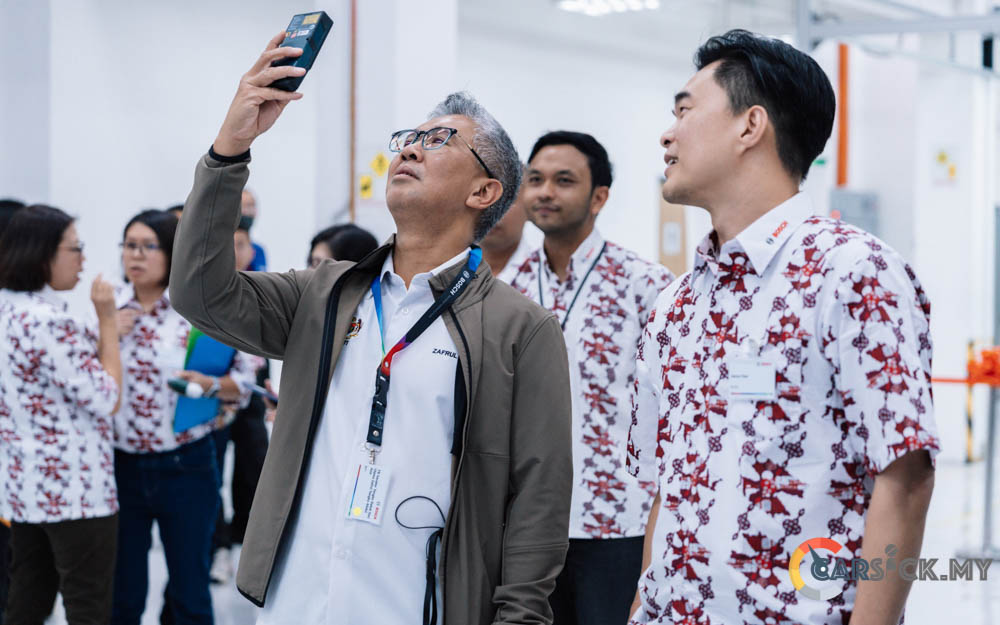
Bosch’s global footprint allows it to tailor solutions to regional demands while maintaining consistent quality standards. This adaptability is seen as a key advantage in navigating diverse market conditions and evolving customer expectations.
Innovation in sensor technology, microelectronics, and artificial intelligence is expected to unlock new growth opportunities. Bosch is positioning itself at the forefront of these developments, particularly in robotics and automated driving. Advanced sensor platforms are enabling machines to operate in complex environments, while automotive sensors are enhancing vehicle awareness even in the absence of GPS or camera input.
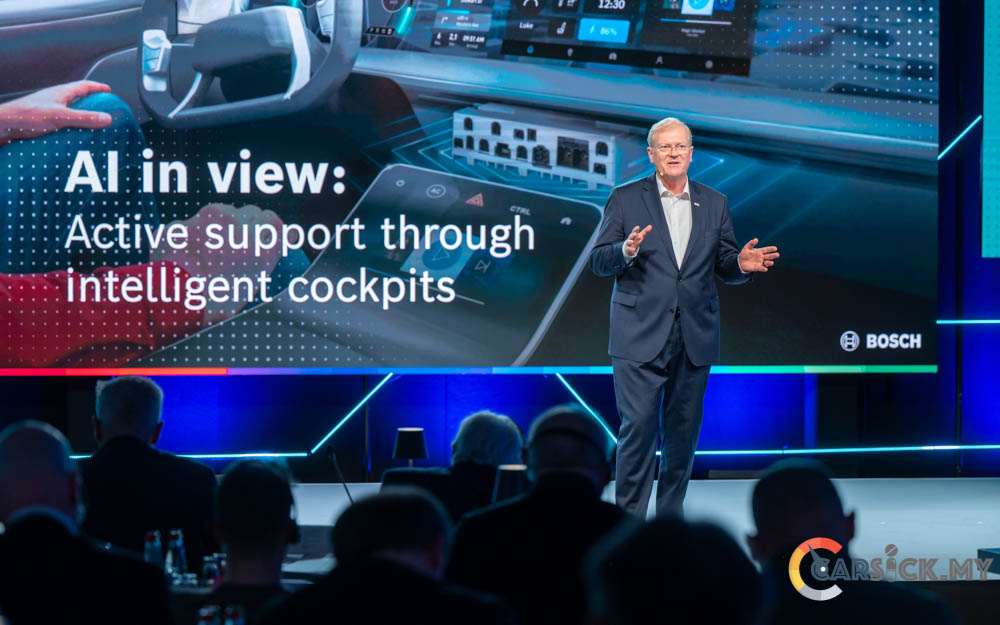
The company is also expanding its footprint in software-defined mobility, with expectations that the automotive software market could reach €200 billion by 2030. Bosch’s AI-powered solutions aim to transform driving into a personalised experience, integrating intelligent systems that adapt to individual users and improve safety.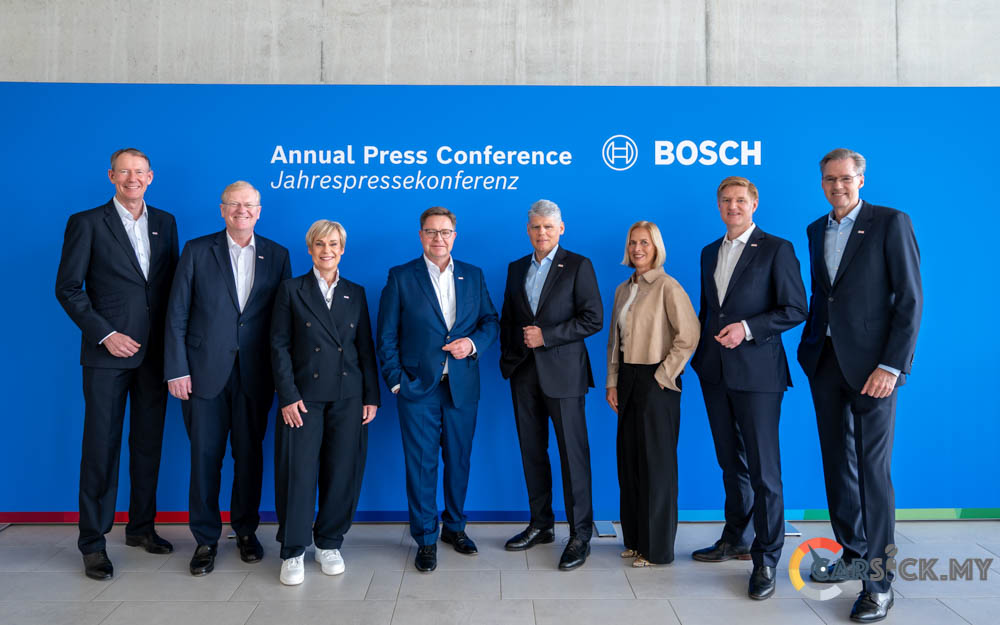
Electrification remains another major focus area. With plans to deliver over 7 million electric mobility components in 2026, Bosch is scaling its presence in the EV ecosystem. Strategic partnerships, such as its joint venture in India, further strengthen its capabilities in developing electric powertrains.
Beyond mobility, Bosch is leveraging AI to enhance its consumer goods and services portfolio. From smart home appliances with integrated voice control to AI-powered professional tools, the company is redefining user experiences across multiple segments. Its services division is also expected to see strong growth, driven by digital mobility solutions and AI-based applications for logistics and fleet management.
Despite a challenging environment, Bosch maintained solid financial fundamentals in 2025, including a positive free cash flow and a strong equity ratio. While liquidity declined slightly, the company continues to demonstrate resilience and the capacity to fund its future investments.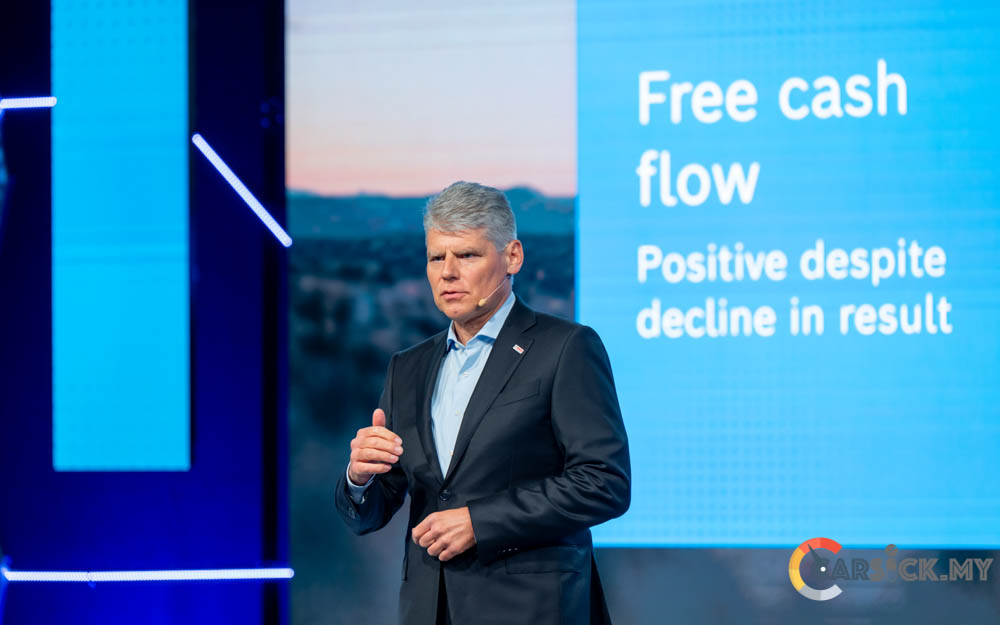
Looking ahead, Bosch anticipates moderate global economic growth in 2026, with persistent uncertainty driven by geopolitical developments and inflationary pressures. Nevertheless, early indicators show stable performance, with revenue in the first quarter holding steady and even improving when adjusted for currency effects.
As noted by Chief Financial Officer Markus Forschner, strengthening competitiveness remains the foundation for future success. By enhancing operational efficiency and expanding access to capital markets, Bosch is positioning itself to seize emerging opportunities while weathering ongoing challenges.