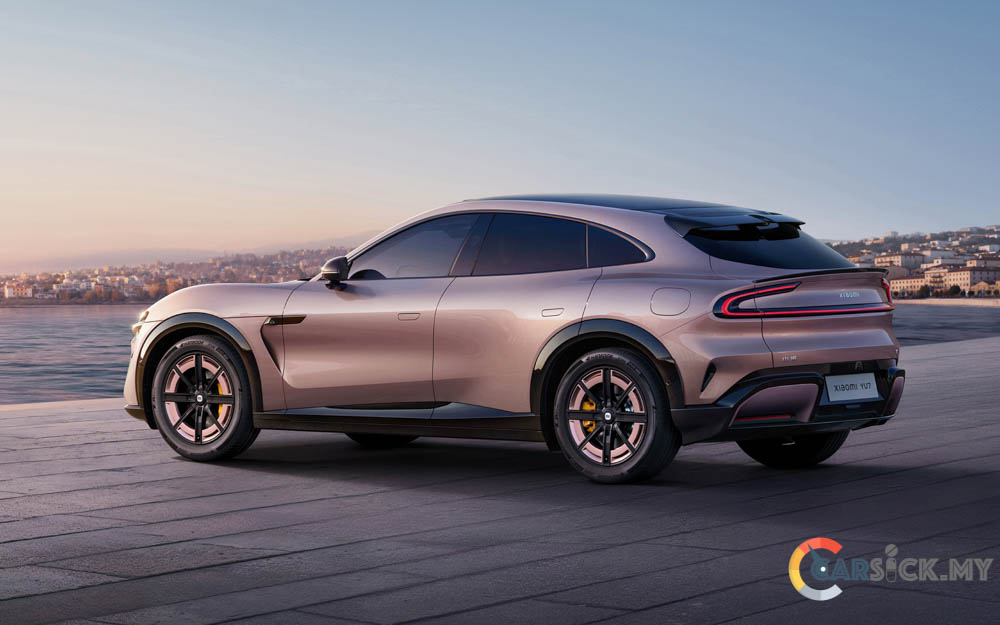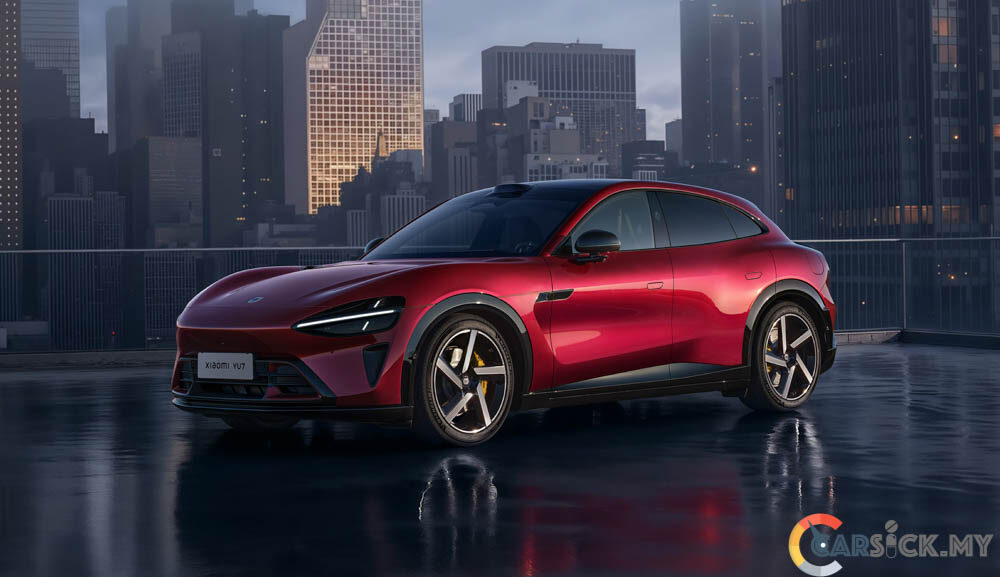

Xiaomi EV has announced what it describes as a first for autonomous driving at Germany’s Nürburgring Nordschleife, after a Xiaomi YU7 GT equipped with the Track Package completed the 20.8-kilometre circuit without a human driver behind the wheel. The run was officially timed at 10 minutes and 29.483 seconds and was conducted under Nürburgring certification procedures.
 The achievement has also led to the creation of a new Nürburgring category for autonomous driving within the electric vehicle segment, reflecting growing industry interest in testing advanced driver-assistance and self-driving technologies in demanding environments.
Often referred to as one of the most challenging racetracks in the world, the Nürburgring Nordschleife features 73 corners, significant elevation changes and constantly shifting road conditions. During the test, the YU7 GT reportedly handled the entire course autonomously, managing steering, braking and acceleration through a variety of high-speed and technical sections.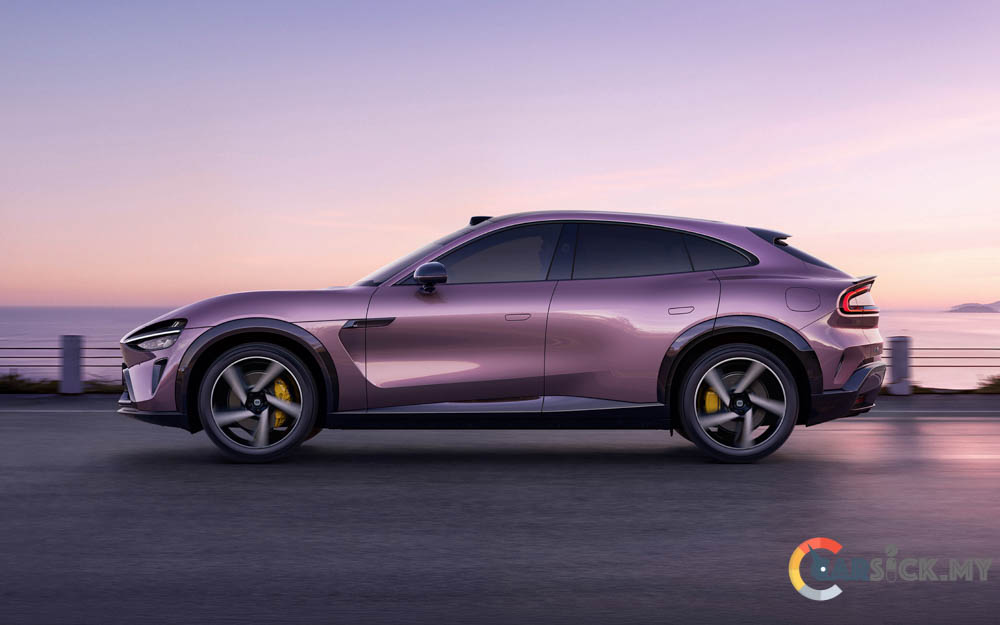
While the lap highlights the progress of Xiaomi’s autonomous driving programme, it also serves as a controlled demonstration rather than a reflection of everyday driving conditions. Public roads present a much wider range of unpredictable variables, including pedestrians, cyclists and complex traffic scenarios that differ considerably from a closed circuit environment.
The test comes as Xiaomi continues to expand its autonomous driving capabilities. Since introducing Xiaomi HAD in 2024, the company has invested heavily in artificial intelligence and vehicle control systems. Earlier this year, Xiaomi unveiled a new vehicle platform based on its Xiaomi XLA architecture and MiMo-Embodied foundation model, which is designed to improve environmental understanding, decision-making and vehicle response.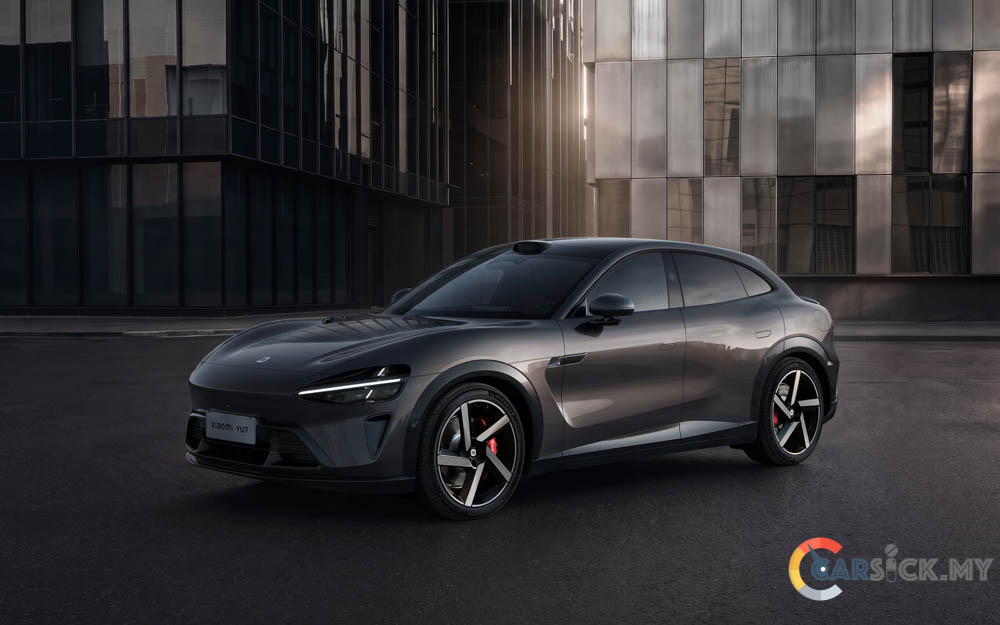
According to Xiaomi, its autonomous driving system relies on an end-to-end architecture combined with vehicle dynamics modelling. This allows the system to monitor road conditions and vehicle behaviour in real time while adjusting steering, braking and power delivery accordingly. The company says these capabilities become particularly important during high-speed operation where maintaining vehicle stability is critical.
Beyond the headline lap time, the Nürburgring project provides Xiaomi with valuable data that can be used to refine software algorithms, improve vehicle dynamics models and strengthen safety systems. Such testing is increasingly common among manufacturers developing autonomous technologies, as extreme conditions can reveal limitations that may not appear during conventional road testing.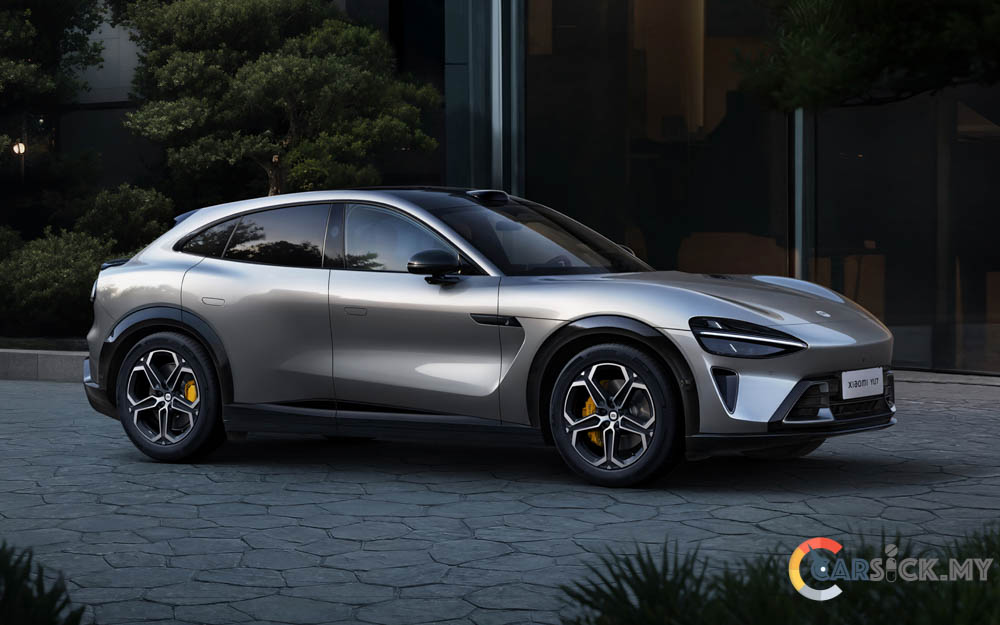
Although the achievement marks a notable technical demonstration for Xiaomi, the broader challenge for the automotive industry remains proving that autonomous systems can operate safely and reliably across the countless situations encountered in everyday driving. The Nürburgring lap represents a step in that direction, but it is unlikely to settle ongoing debates surrounding the readiness of fully autonomous vehicles for widespread public use.