
When Toyota launched its electric vehicle line-up in Malaysia, it introduced three rather different vehicles at the same time. Among them, the bZ4X and the all-electric Hilux naturally stole most of the attention. After all, one is an electric SUV, while the other is a Hilux that has ditched its diesel engine. That’s quite a conversation starter. However, quietly sitting to the side of the stage was another newcomer: the Toyota Urban Cruiser.
 Unlike its siblings, this little crossover doesn’t exactly scream for attention. Instead, it is designed to be a compact, family-friendly electric vehicle that makes urban driving a little easier. Not too long ago, Toyota gave me the opportunity to spend some time getting acquainted with the Urban Cruiser. And that got me thinking: does this little EV actually live up to its name? More importantly, is it a worthy companion for conquering the urban jungle? Let’s find out.
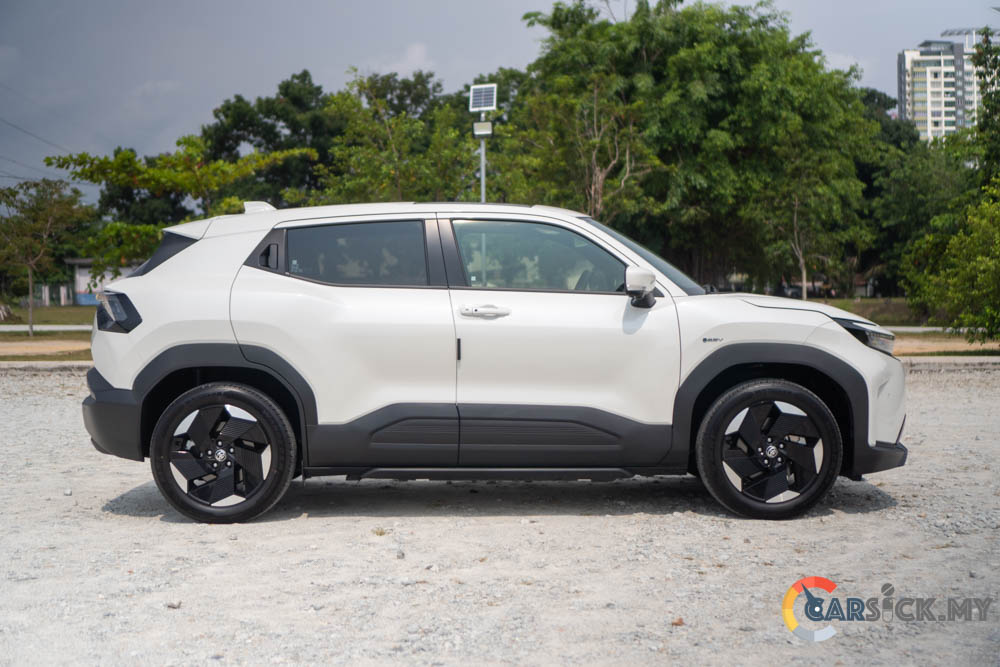
If you’re going to call your car the Urban Cruiser, it had better be able to handle the urban environment. Thankfully, the first thing working in its favour is its size. The Urban Cruiser has quite a compact footprint. In fact, to put things into perspective, it is roughly the same size as the Toyota C-HR, another compact SUV from the Japanese automaker. This means squeezing through Kuala Lumpur’s notoriously tight streets shouldn’t be much of a problem. Finding a parking spot should be relatively painless too, especially when you consider that this isn’t one of those oversized SUVs that requires half a car park just to manoeuvre.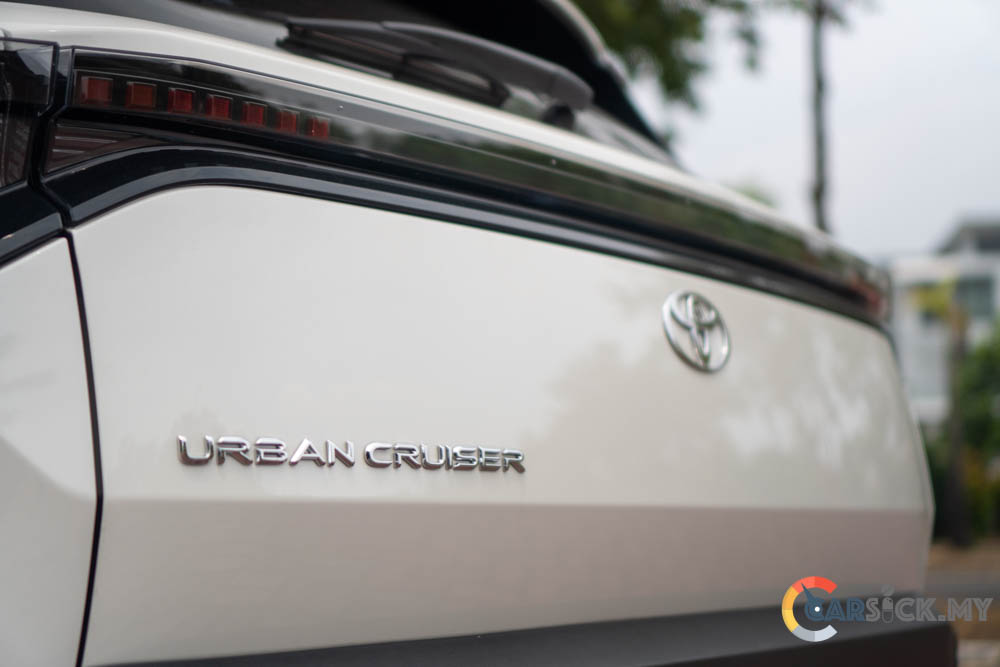
And if you’re not particularly confident with your parking skills, the 360-degree camera should come in handy. Although, as we’ll discuss later, there’s still some room for improvement in the camera department. Despite its compact dimensions, the Urban Cruiser also gets SUV-like ground clearance. This is useful when dealing with the occasional uneven road surfaces, potholes and other surprises that Malaysian roads love to throw at us. So far, Toyota seems to have got the formula right. It’s small enough to nip around town, while the Cruiser part of its name brings to mind the Land Cruiser, a vehicle famous for going just about anywhere. Of course, I wouldn’t recommend taking this little EV on a Land Cruiser adventure. 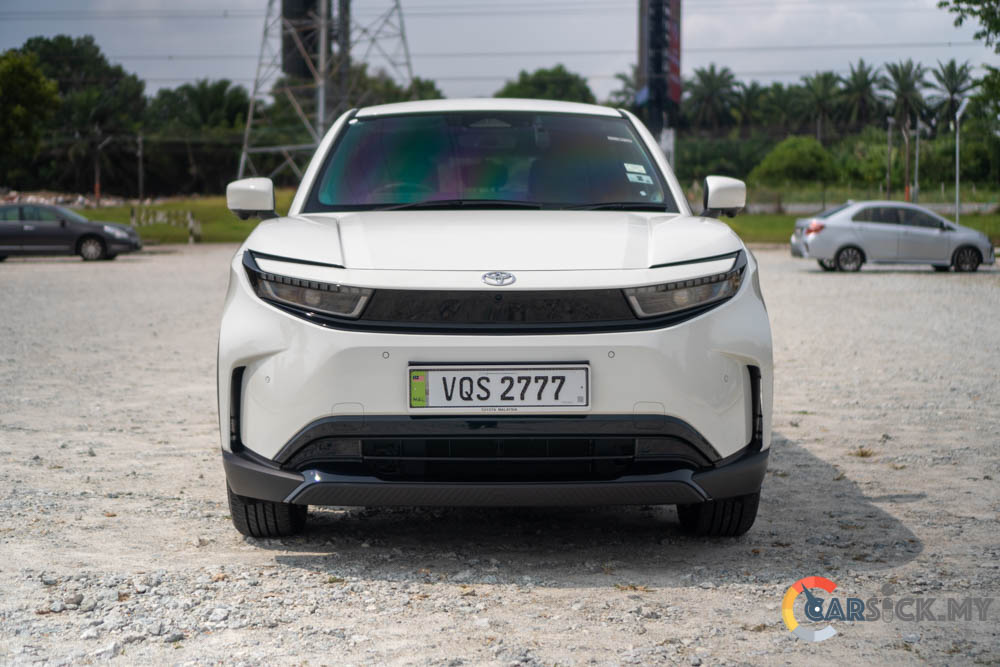
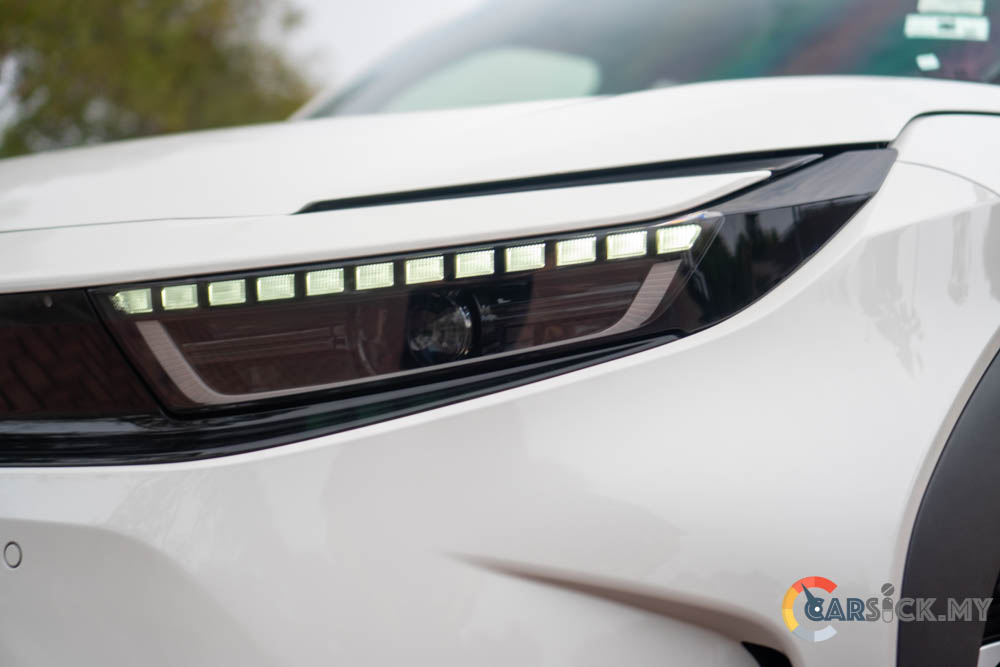
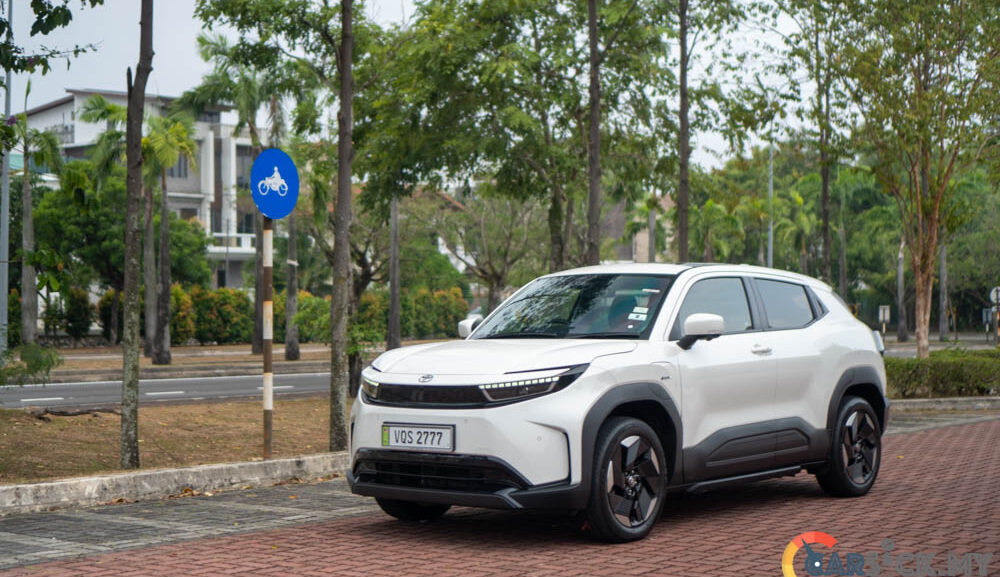
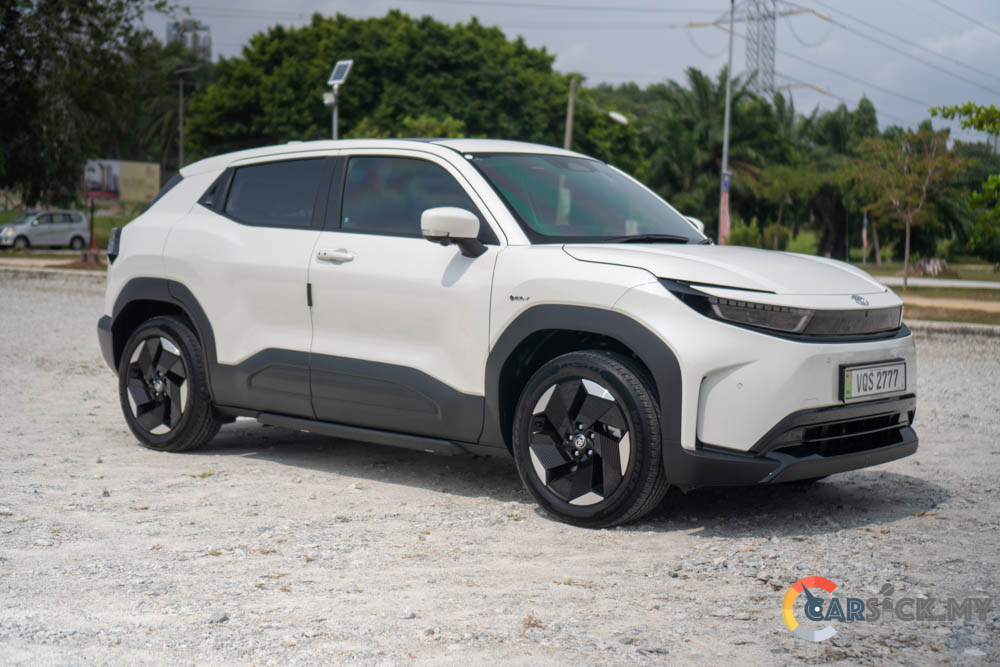
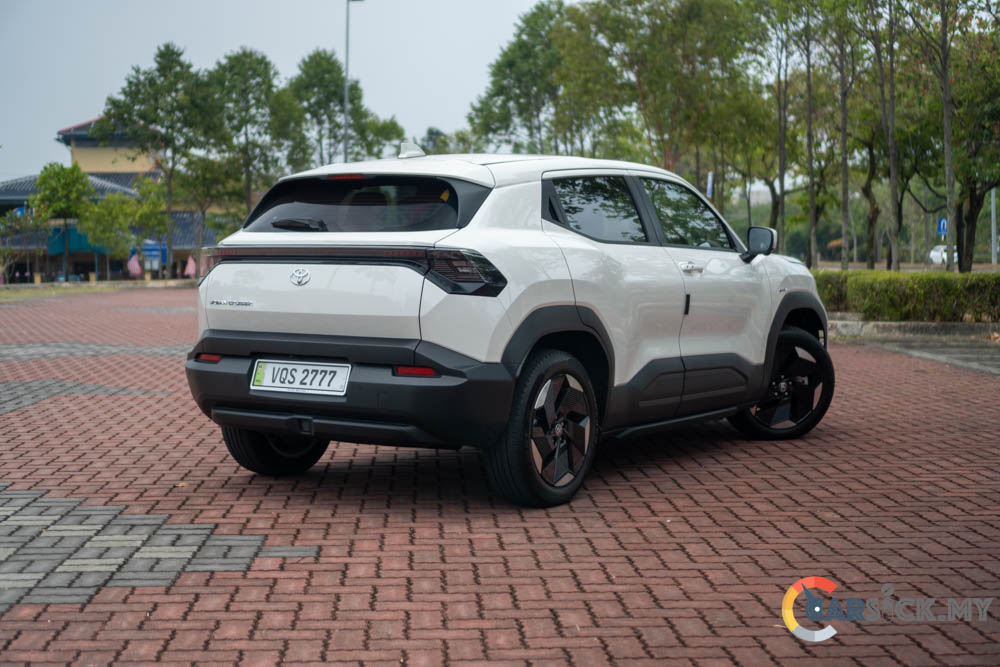
Moving on to its exterior, the Urban Cruiser is actually quite an interesting-looking vehicle. For starters, you don’t see many of them on the road, which already gives it a little exclusivity. The first time I saw it under natural lighting, I thought it looked considerably funkier than it did during the launch. In fact, it almost looked like a different vehicle. Perhaps it’s one of those cars that simply looks better outside the bright lights of a launch event. What caught my attention most was just how small and cute it looked in person. Somehow, its proportions make it appear much more compact than I initially expected. Up front, the Urban Cruiser gets a design that shares some resemblance with other Toyota models. However, I would describe its front-end styling as a bit of a marmite design. You’ll either love it or hate it. There’s probably not much room in between. The headlights are fully LED, as you’d expect from a modern-day vehicle, and they blend nicely with the black trim running across the front. 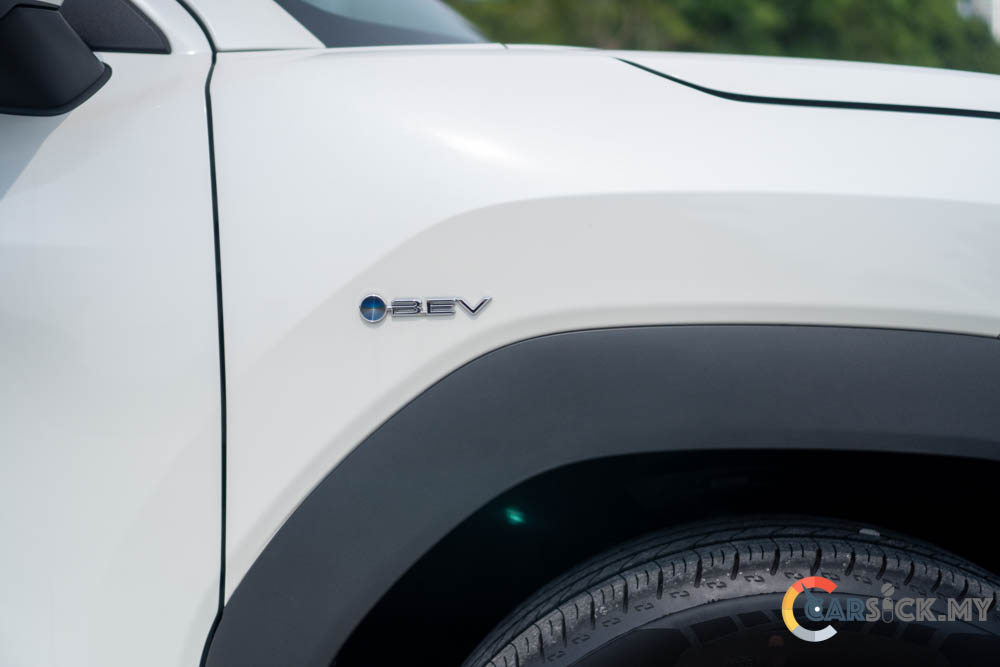
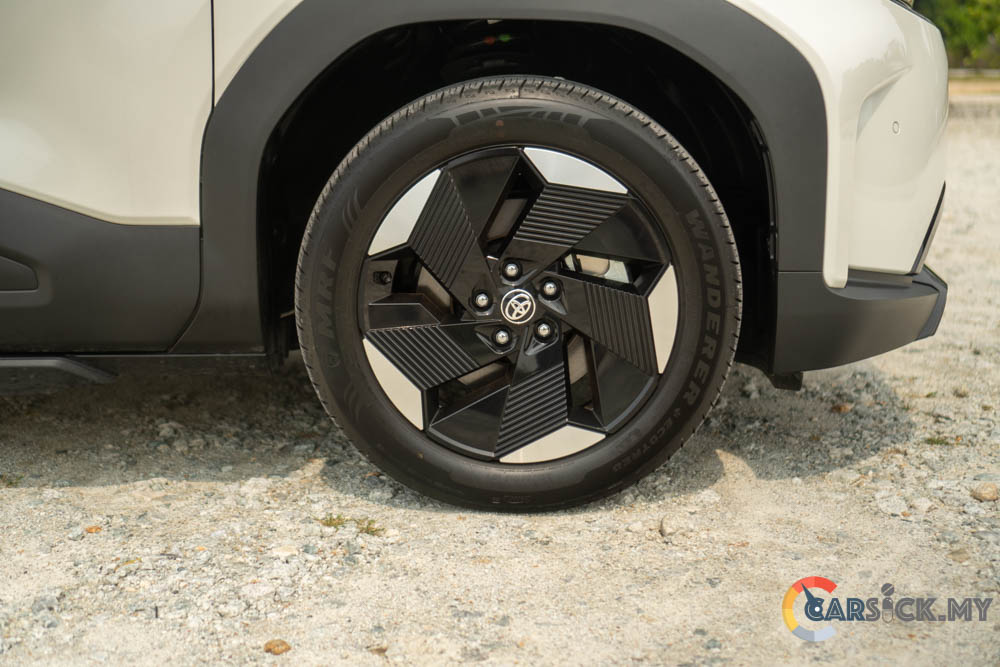
Moving to the sides, you’ll find BEV badges on both front fenders. These are there to remind everyone that Toyota does, in fact, have a fully electric vehicle in its line-up. It’s a little badge that might come in handy when your neighbours ask whether Toyota finally makes EVs. To give it a more rugged SUV appearance, the lower sections of the body are covered in black plastic cladding. Some people might not be particularly fond of this design element, but personally, I don’t mind it. As for the wheels, the Urban Cruiser rides on a set of 18-inch aerodynamically optimised alloy wheels. They’re designed to reduce aerodynamic drag at higher speeds and are wrapped in 215/55 R18 tyres. However, I have to admit that the tyres aren’t quite as wide as I would have expected for an EV. Then again, this isn’t exactly a performance-oriented electric SUV. 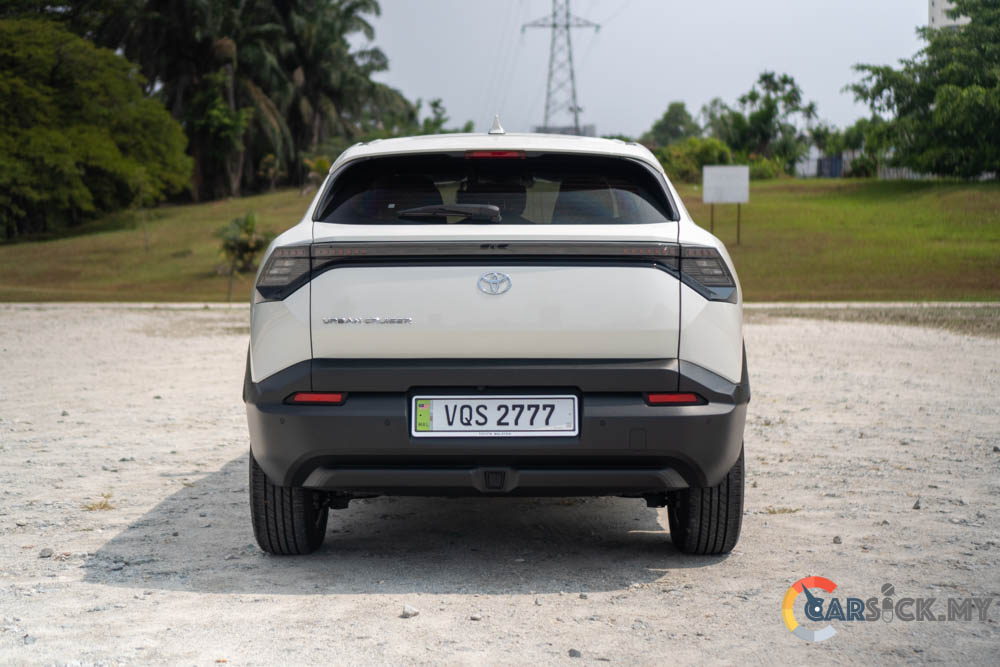
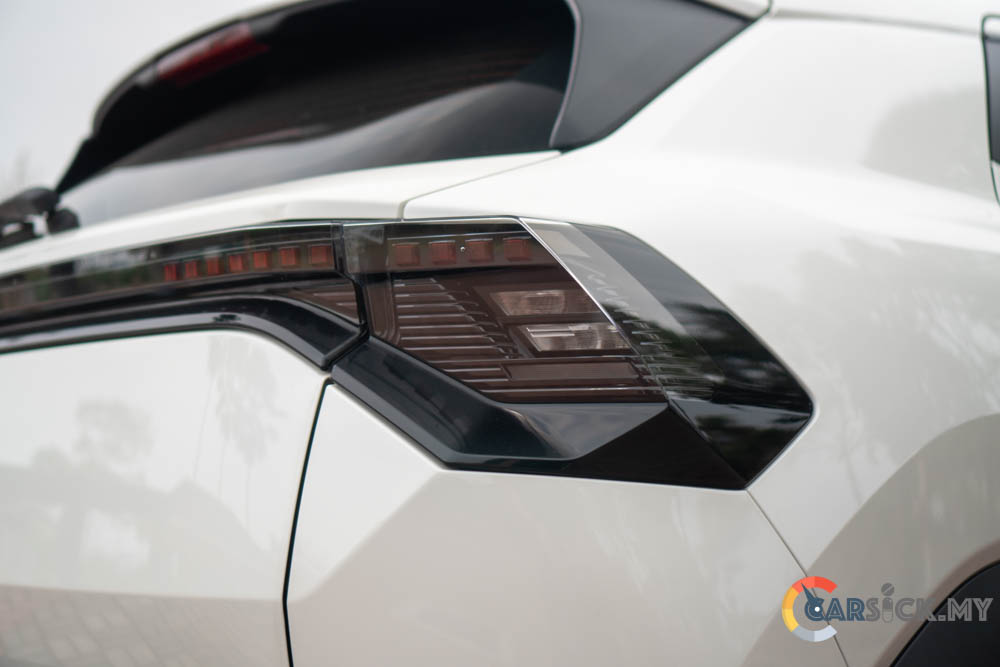
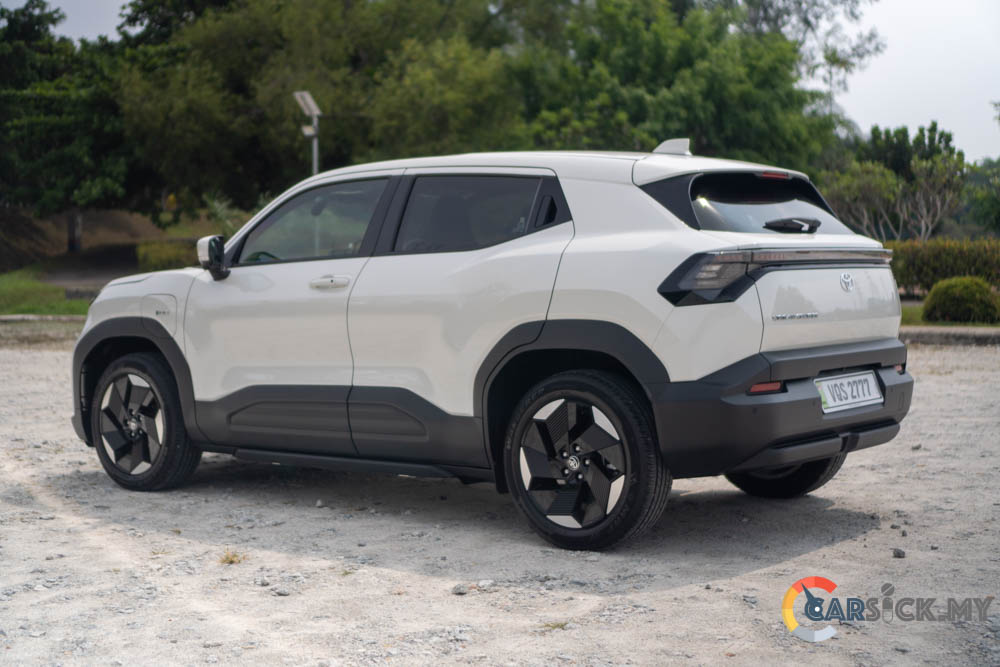
At the rear, the most distinctive design element is the glass panel stretching across the entire width of the tailgate. At first glance, it looks as though there’s a light bar hidden underneath it. But apparently, there’s nothing inside. It’s a little unusual, but at least it gives the Urban Cruiser something distinctive to show off. You also get full LED taillights, which look particularly nice when illuminated. The rear bumper features more black plastic cladding, and it almost dominates the entire lower section. Overall, I wouldn’t call the Urban Cruiser a head-turner, but I don’t think it’s an ugly vehicle either. It’s an inoffensive design that should appeal to buyers who prefer something a little more conventional. And considering how polarising some modern EV designs can be, that’s not necessarily a bad thing.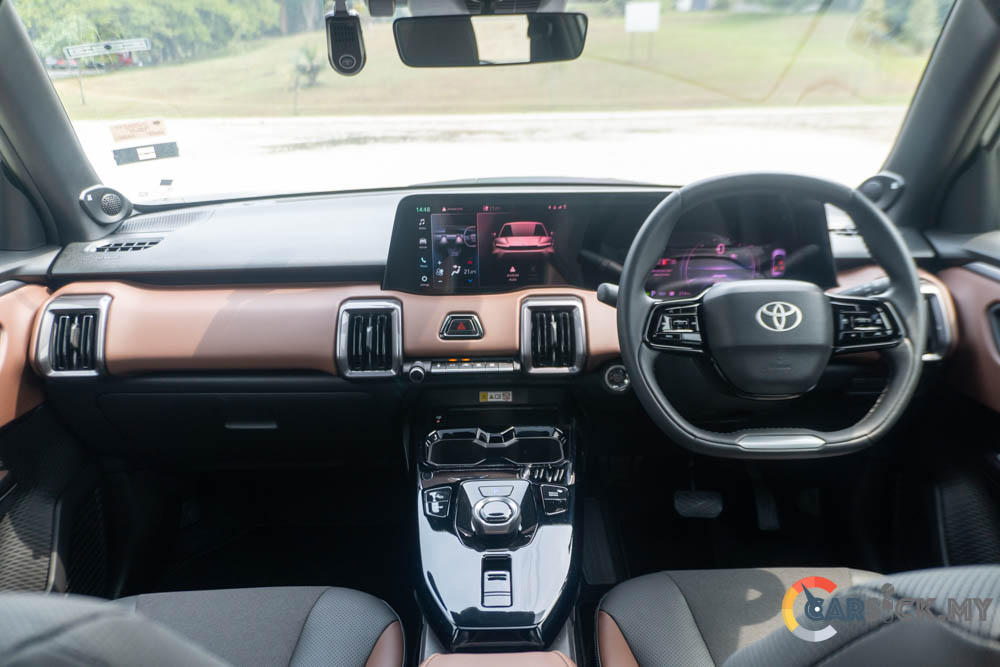
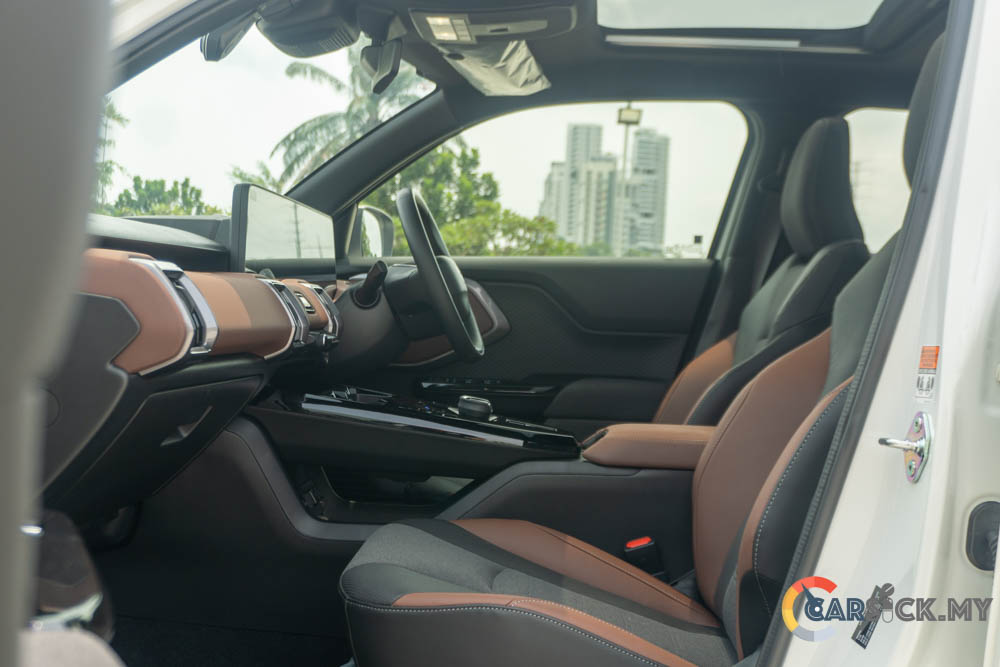
Step inside, and you’ll immediately find that the Urban Cruiser has an interior that feels vaguely familiar, yet unique in its own right. Toyota has opted for a dual-tone interior, combining dark brown and black to give the cabin a more premium appearance. I have to say, the colour combination is rather tastefully executed. It gives the interior a little more character without looking like someone went overboard with the colour palette. The overall fit and finish are also pretty decent. Everything feels well put together, and I didn’t encounter any unwanted creaks or rattles when driving over uneven roads.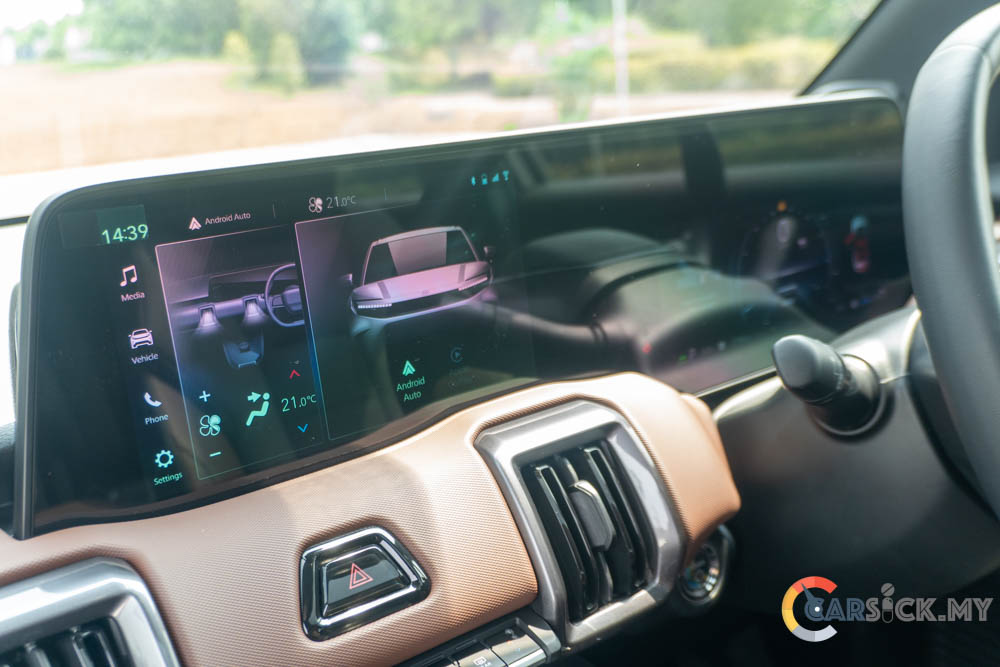
On the dashboard, you’ll find two displays housed within a large glass panel. These comprise a 10.25-inch digital instrument cluster and a 10.1-inch infotainment display. Now, having two screens on a dashboard isn’t exactly revolutionary these days. Almost every manufacturer seems to be competing to see who can fit the biggest display into their cars. However, Toyota has put some thought into how these two screens are integrated, rather than simply sticking two rectangular displays onto the dashboard and calling it a day. More importantly, Toyota hasn’t completely abandoned physical buttons. You still get dedicated controls for the climate system and volume adjustment. And honestly, that’s something I appreciate. Sometimes, I just want to adjust the air-conditioning without having to navigate through three different menus. 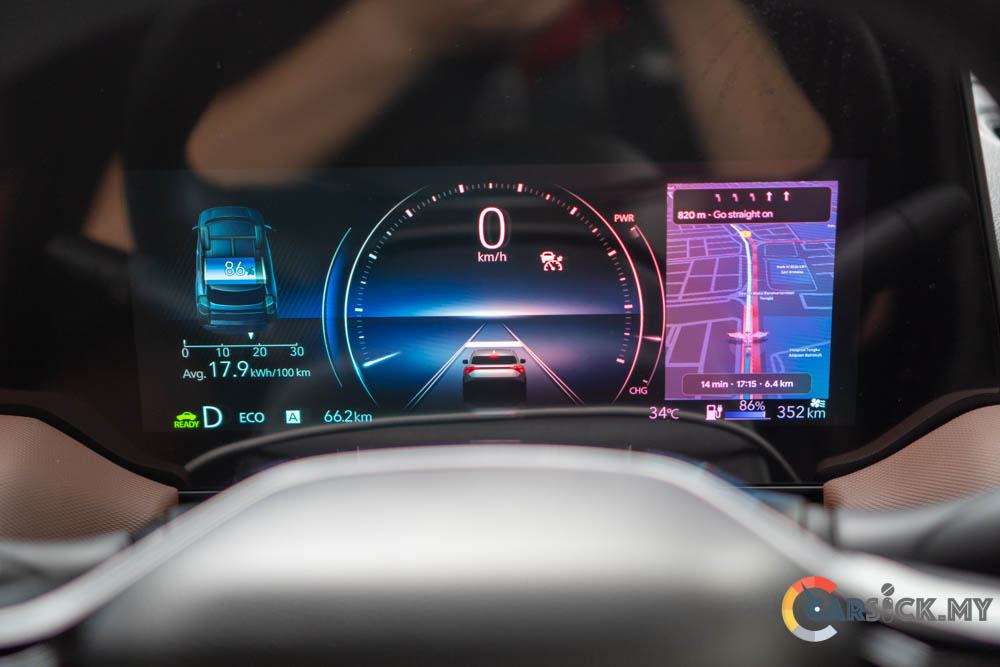
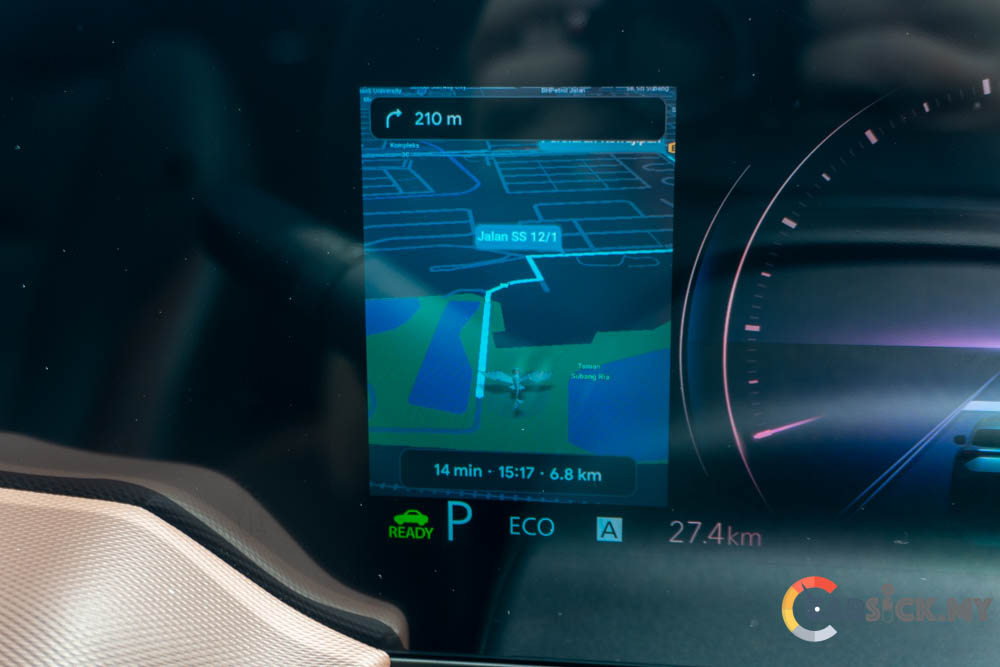
Speaking of the instrument cluster, this is actually one of the more interesting displays I’ve come across in a Toyota sold in Malaysia. Unlike the instrument clusters found in some of its other models, the one in the Urban Cruiser feels much more integrated into the overall dashboard design. But here’s where things get interesting. When connected to Android Auto, navigation information from Waze or Google Maps can also be displayed on the instrument cluster. That’s a rather useful feature, especially if you’re someone who relies heavily on navigation. You no longer have to keep glancing towards the centre infotainment screen to figure out where you’re supposed to turn. The display is also fairly high-resolution, making it pleasant to look at. Most of the driving information you need is readily available, so there’s little reason to dig through the infotainment system just to find basic information. 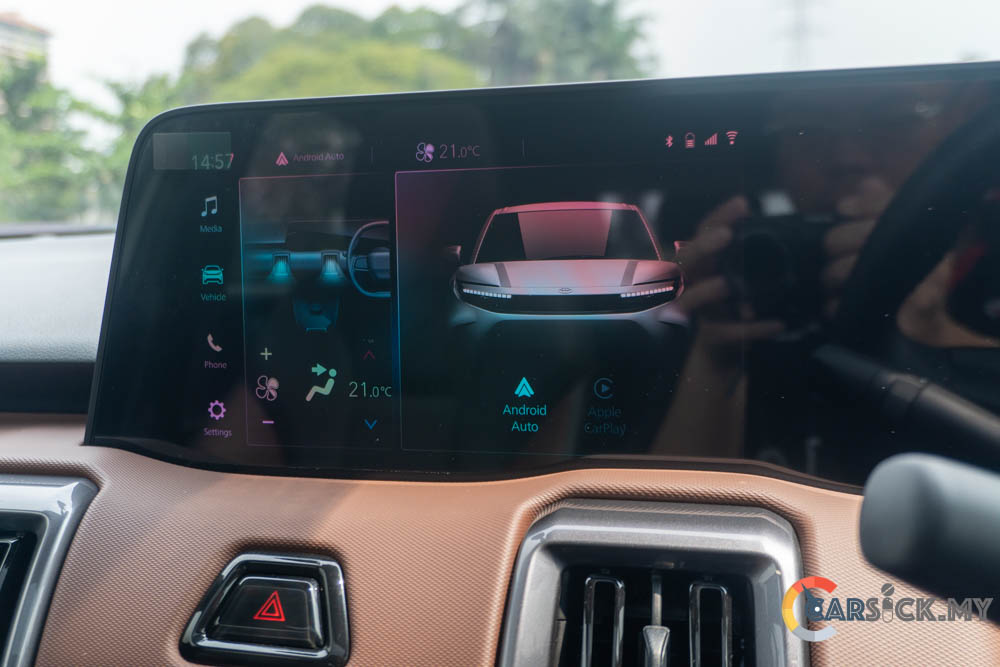
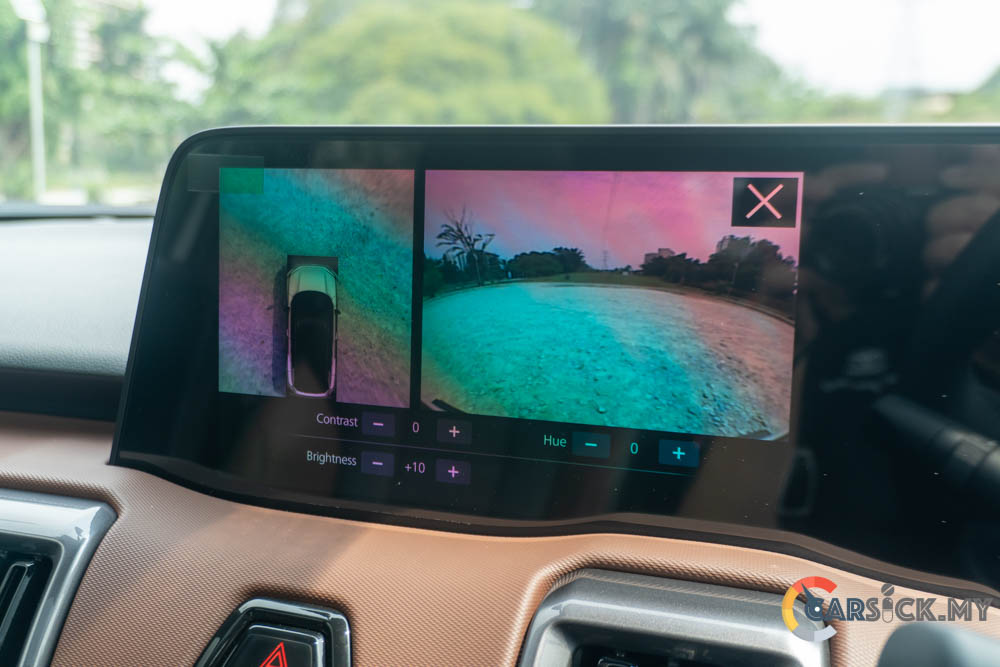
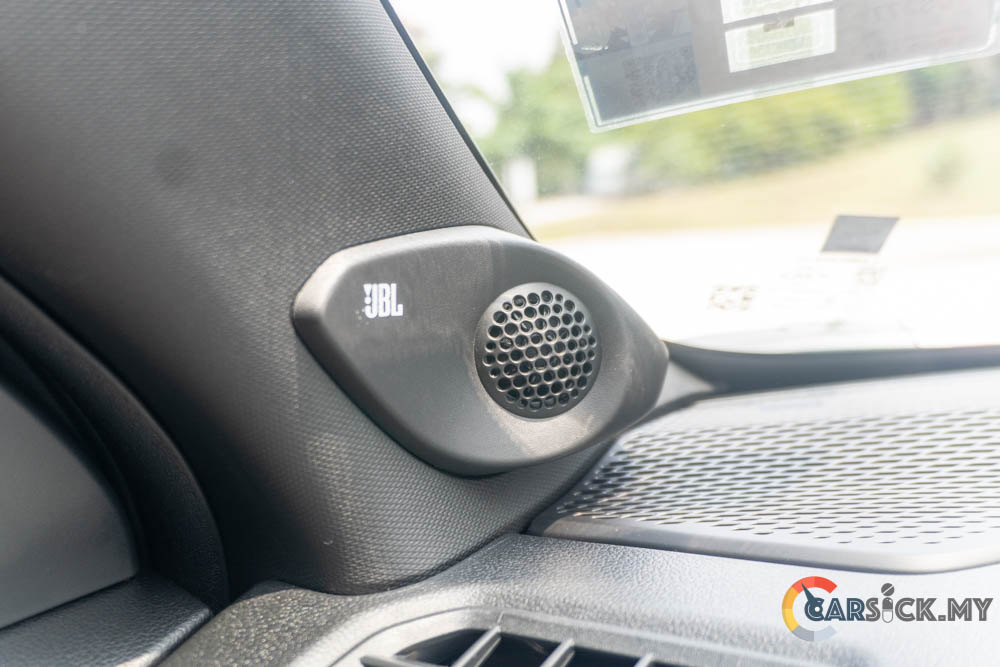
Speaking of infotainment, the system in the Urban Cruiser feels considerably more user-friendly than the one found in the Camry. It’s not only easier to navigate, but also feels much better integrated into the cabin. Rather than looking like a separate aftermarket head unit, as you might find in some of Toyota’s more affordable models, it feels like a proper part of the vehicle. You also get modern-day conveniences such as wireless Android Auto and Apple CarPlay, along with a 360-degree camera. Unfortunately, the camera system isn’t quite as impressive as I’d hoped. The image quality could certainly be better, as the camera feed doesn’t look particularly high-definition. It’s usable, but at this price point, I’d expect something a little sharper. At least Toyota has given the Urban Cruiser a nine-speaker JBL premium audio system. So, naturally, I had to give it a listen. After spending some time with it, I found that the audio quality was reasonably crisp. However, it somehow lacked the bass I was hoping for, even though there’s a dedicated subwoofer in the system. Perhaps I’m asking for too much, but when there’s a JBL badge involved, expectations tend to be a little higher.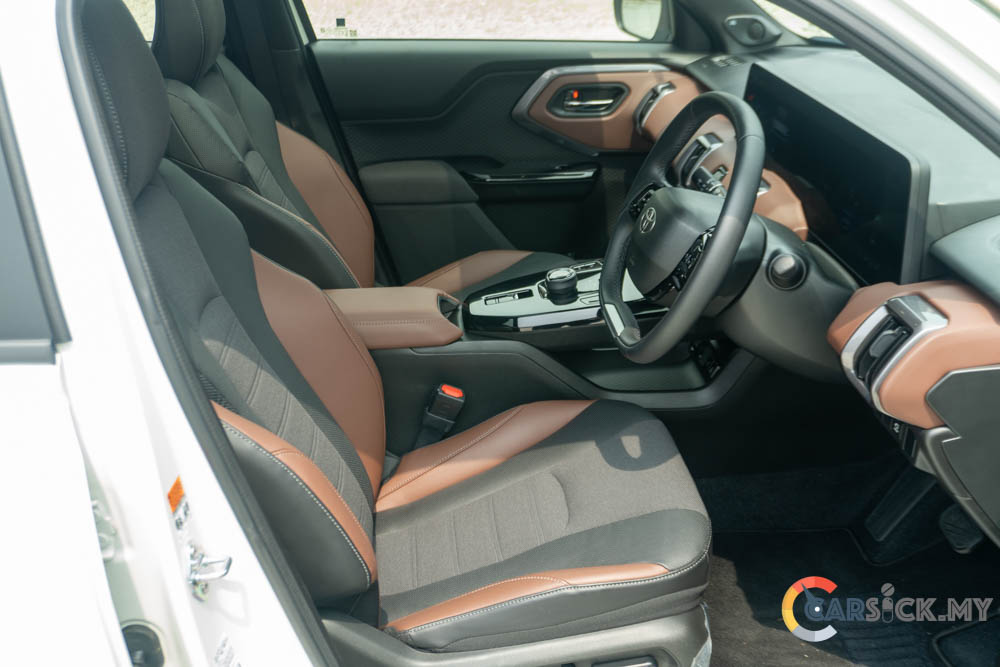
As for the driver’s seat, Toyota has covered it in a combination of leatherette and cloth. The seats look rather fancy, particularly with their dual-tone colour combination. However, one thing I noticed almost immediately was the seating position. The driver’s seat is positioned quite high in the cabin, almost giving you the commanding view you’d normally associate with a much larger SUV. Now, I know plenty of people buy SUVs specifically for that elevated seating position, so this isn’t necessarily a bad thing. Personally, though, I would have preferred the seat to go a little lower. Then again, that’s just my personal preference. Apart from that, the seating position is pretty good, and the ergonomics are spot on. All the buttons and switches are within easy reach, so there’s very little to complain about.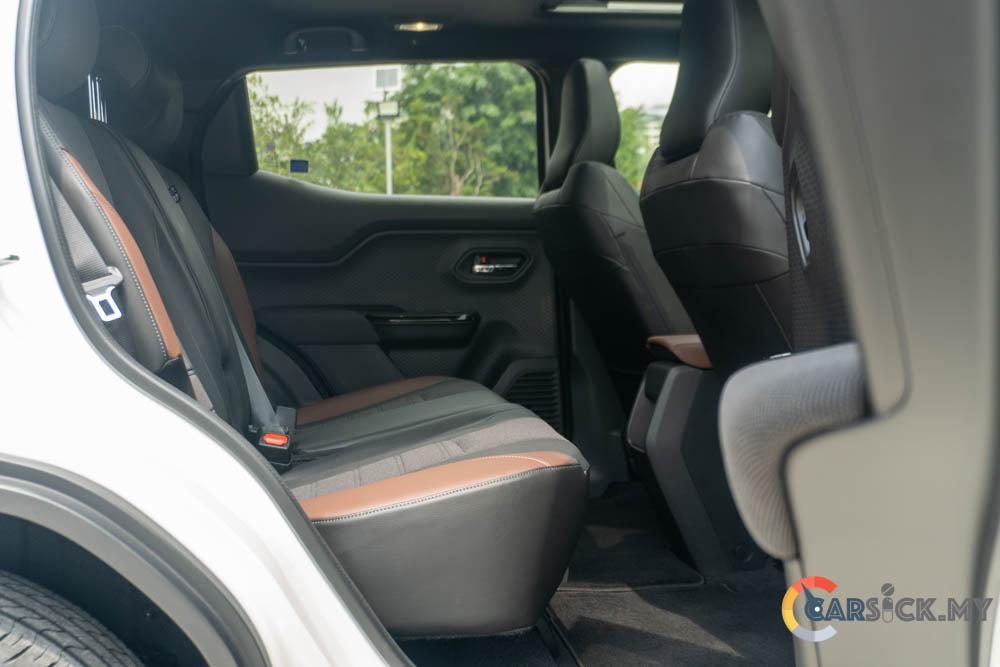
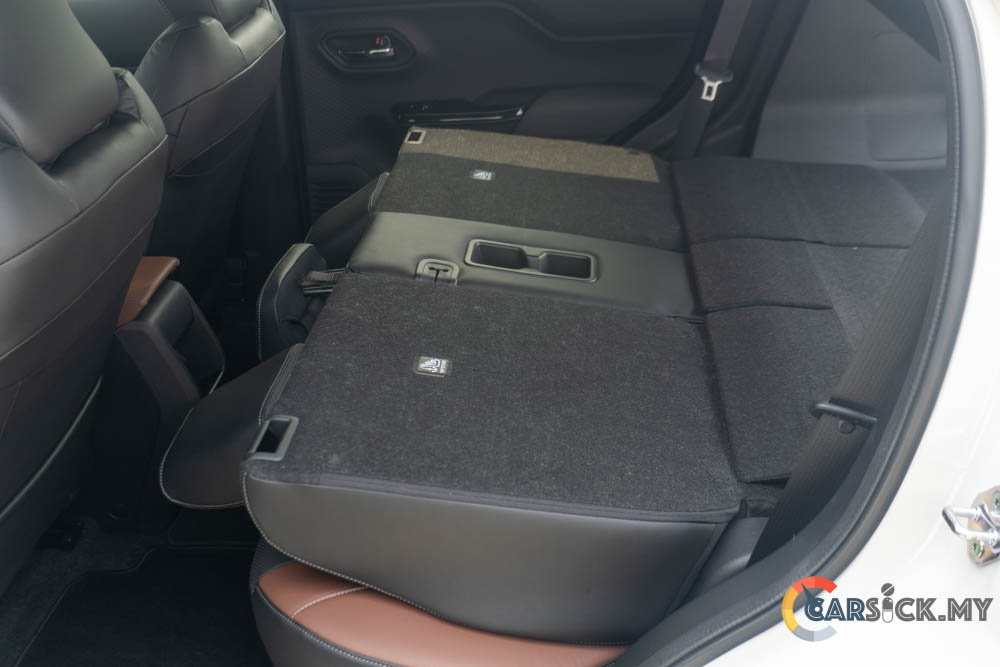
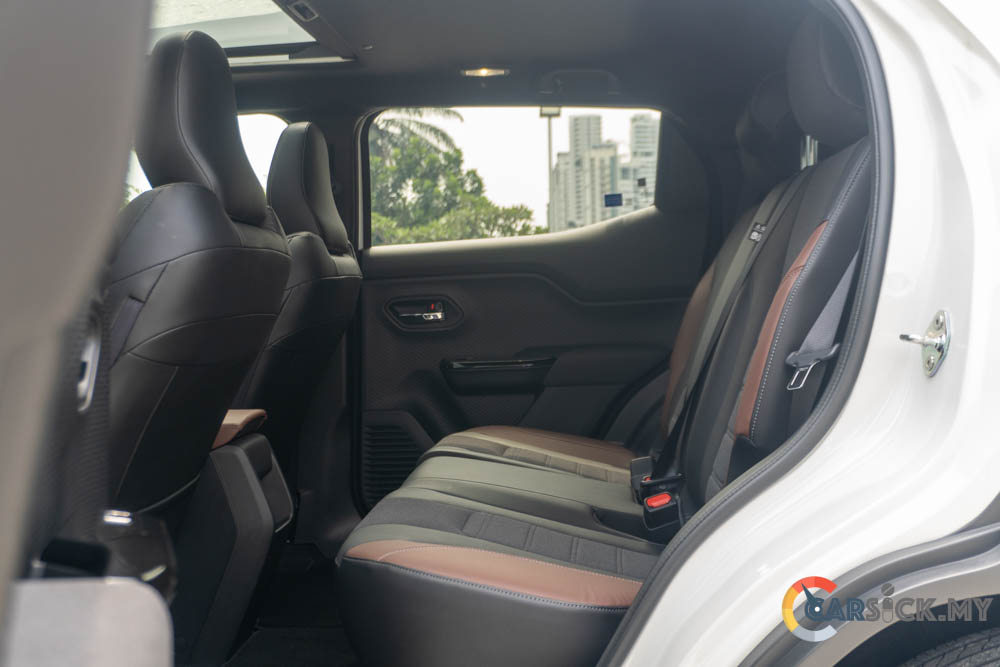
Moving into the second row, I was pleasantly surprised by how comfortable the rear seats felt. For starters, the rear seats can slide and recline, allowing passengers to adjust them according to their preferences. This is a rather useful feature, especially when you’re trying to balance rear passenger comfort against boot space. With the seats pushed all the way back, legroom is actually pretty generous. You could comfortably accommodate adult passengers without making them feel like they’ve drawn the short straw. However, I can’t say the same about the seatback. Even at its most reclined position, I still found it a little too upright for my liking. That said, it isn’t all doom and gloom. The rear seats are certainly far from uncomfortable, and they should remain bearable even on longer journeys. Given that the Urban Cruiser doesn’t have a particularly large cabin, Toyota has omitted rear air-conditioning vents. That’s a little disappointing, especially in Malaysia, where the weather can make you question your life choices. On the bright side, rear passengers still get USB-A and USB-C charging ports. At least nobody has to fight over who gets to charge their phone first. 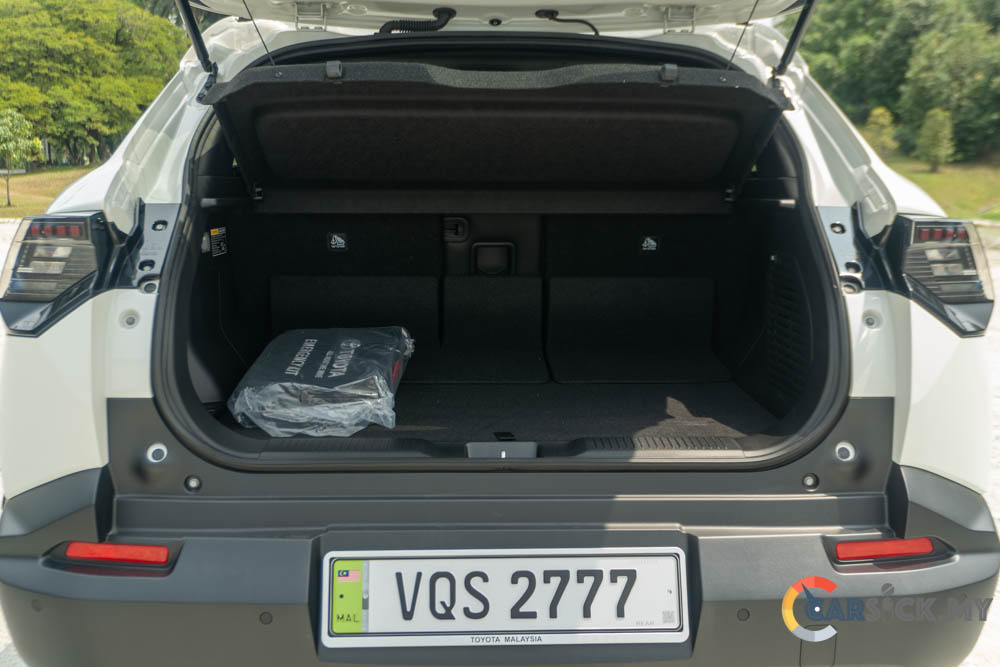
Since the cabin isn’t particularly large, you shouldn’t expect a massive boot either. The Urban Cruiser offers 306 litres of luggage capacity. Now, that’s hardly enough to pack for an entire family holiday, but for a small family, it’s still a reasonably usable space for groceries and everyday essentials. Considering that this vehicle was designed primarily as an urban runabout, the boot capacity isn’t particularly surprising. However, if you find yourself needing more space, the rear seats can be folded down flat. More importantly, they create a relatively flat loading area, so there’s no significant step or lip to get past when loading larger items. So, while the Urban Cruiser isn’t going to win any awards for boot capacity, I still think it’s a rather practical little vehicle.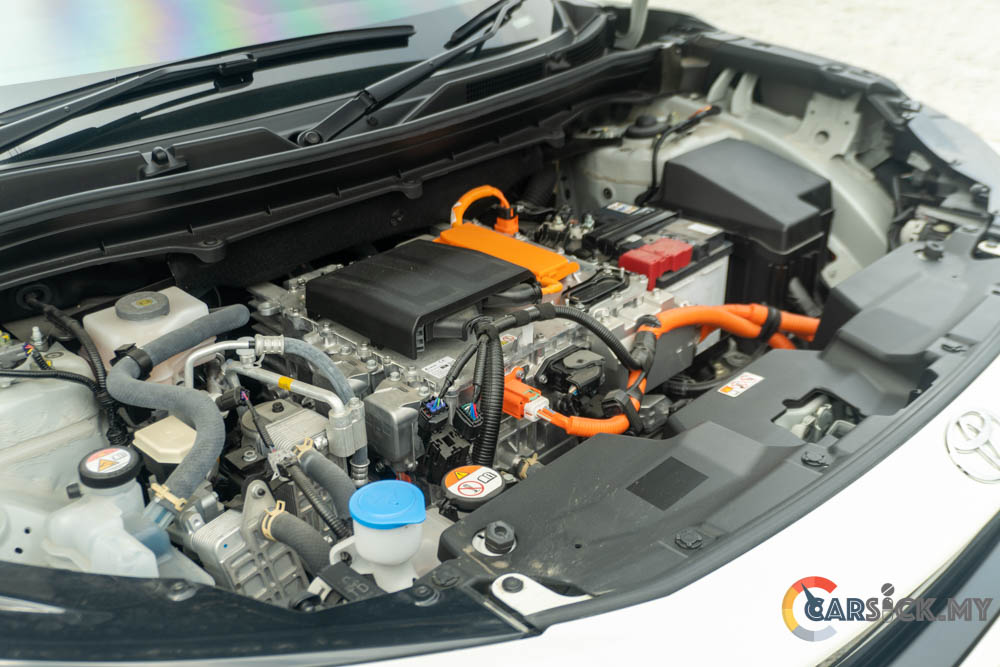
Powering the Urban Cruiser is a single electric motor mounted at the front, making it a front-wheel-drive vehicle. This motor draws its power from a 61.1kWh battery pack, which provides a WLTP-rated driving range of up to 426km. The electric motor produces 174 PS and 193 Nm of torque. This allows the SUV to accelerate from 0 to 100 km/h in 8.7 seconds, with a top speed of 150 km/h.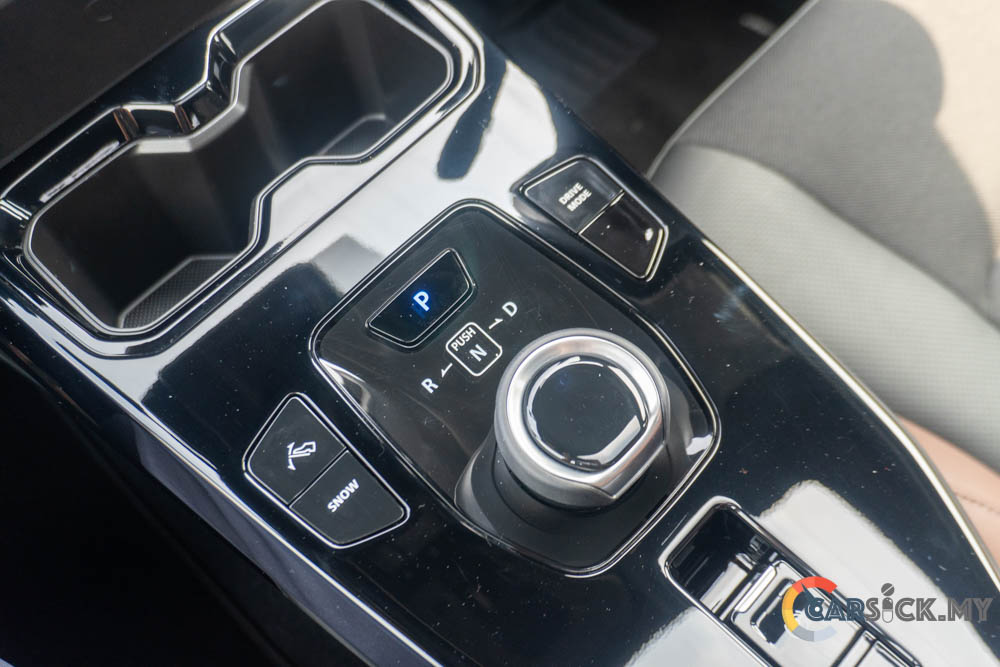
Now, those numbers might not sound particularly exciting in the world of EVs, especially when there are plenty of electric vehicles out there capable of delivering much more power. But here’s the thing: the Urban Cruiser doesn’t really need to be a rocket ship. With a single electric motor, it provides more than enough power to get up to speed without much fuss. Most of the time, the power delivery feels rather linear and predictable. If you really want to get a move on, you can switch to Power mode. This sharpens the throttle response considerably, allowing the vehicle to pick up speed much more eagerly.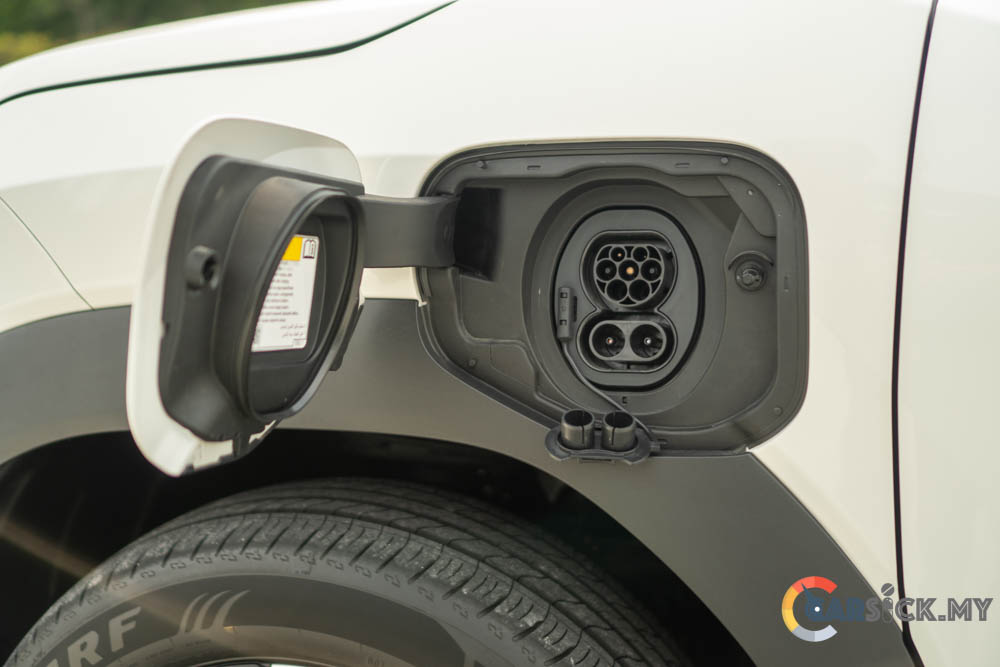
However, during my last few EV reviews, I found myself leaving the cars in Eco mode most of the time. And the Urban Cruiser was no different. I simply don’t need that extra burst of acceleration, especially when driving around town. After all, I’m trying to get to my destination, not set a new traffic-light-to-traffic-light record. Based on my usage, the Urban Cruiser returned an average energy consumption figure of around 17kWh/100km. With a full charge, you can expect to get close to 400km of driving range. That’s a reasonably respectable figure, and should be more than sufficient for most daily driving needs.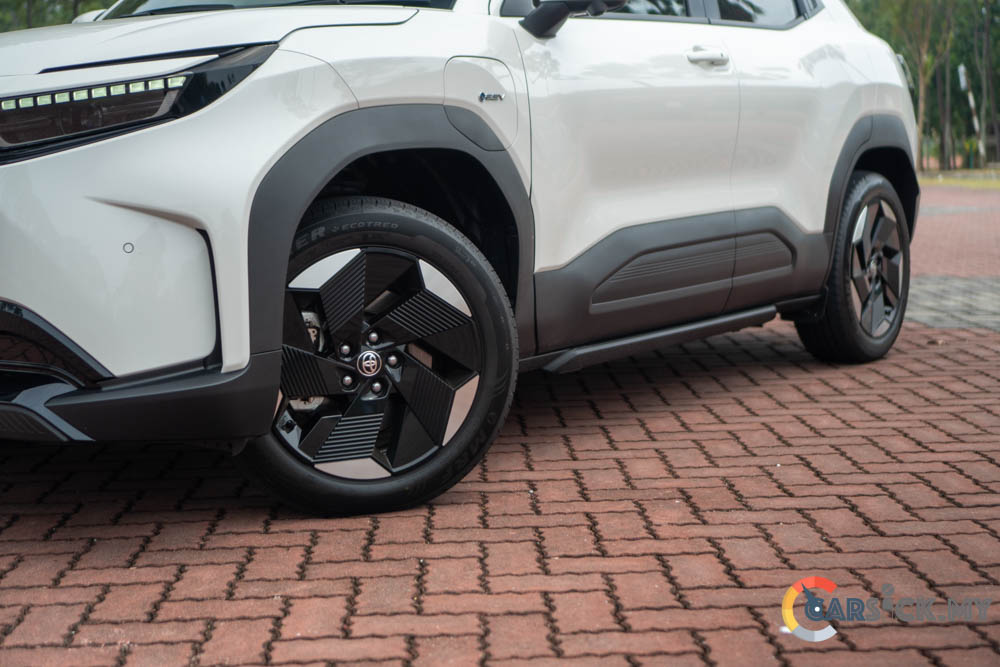
In terms of ride comfort, the Urban Cruiser actually feels stiffer than I initially expected. Some road imperfections do make their way into the cabin, so it isn’t quite the sort of vehicle that will magically smooth out every bump on the road. However, I personally prefer this type of suspension setup over one that feels overly soft. A softer suspension might make the car feel more comfortable over certain surfaces, but it can also make the vehicle feel less settled at higher speeds. The Urban Cruiser, on the other hand, feels considerably more stable when travelling faster. When going through corners, I could also feel that the suspension was doing a decent job of keeping body roll in check. That said, because of the relatively high-profile tyres, I could feel some tyre flex when pushing the vehicle through corners. It’s not particularly alarming, but it’s something I noticed.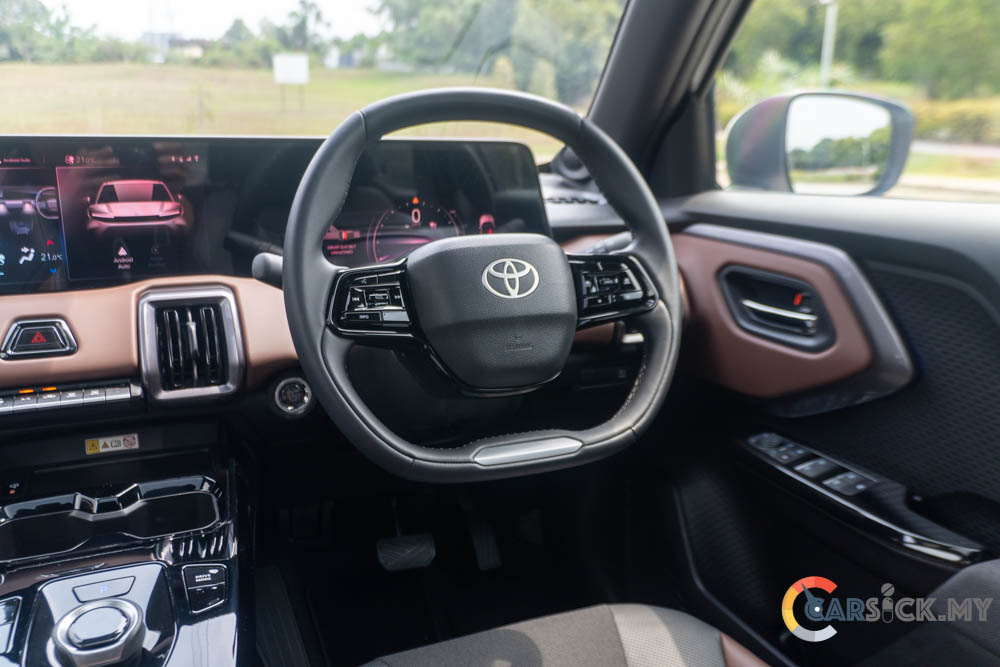
As for its handling capabilities, there isn’t really anything particularly outstanding about the way the Urban Cruiser drives. It simply goes wherever you point it. The steering is reasonably sharp, although it lacks feedback. In other words, it does the job without giving you much reason to get excited about it. And that’s pretty much all there is to say about its handling. This isn’t an EV designed to put a smile on your face through every corner, and I don’t think Toyota intended it to be one.
To bring this little SUV to a stop, Toyota has equipped it with a set of reasonably capable brakes. They provide more than adequate stopping power for a vehicle of this size. More importantly, the brake pedal feels natural. The transition between regenerative braking and conventional friction braking is remarkably smooth, so you don’t get that awkward sensation of the car suddenly changing its braking behaviour.Like most modern vehicles, the Urban Cruiser also comes equipped with a comprehensive suite of Advanced Driver Assistance Systems (ADAS). However, due to local regulations, the Lane Keeping Assist system defaults to the ON position every time you restart the vehicle. So, if you’re someone who prefers to switch it off, you’ll have to get used to doing that every time you start the car.
Apart from that, the ADAS systems generally operate quite subtly in the background. They didn’t really annoy me during my time with the vehicle, which is always a good thing. The Urban Cruiser comes standard with Brake Support System, Multiple Collision Braking, Lane Keep Assist (LKA), Lane Departure Prevention (LDP), Adaptive Cruise Control (ACC), Adaptive High-beam System (AHS), Blind Spot Monitor (BSM), Rear Cross Traffic Alert (RCTA), Anti-lock Braking System (ABS), Electronic Brakeforce Distribution (EBD), Hill-start Assist Control (HAC), and Emergency Stop Signal (ESS). 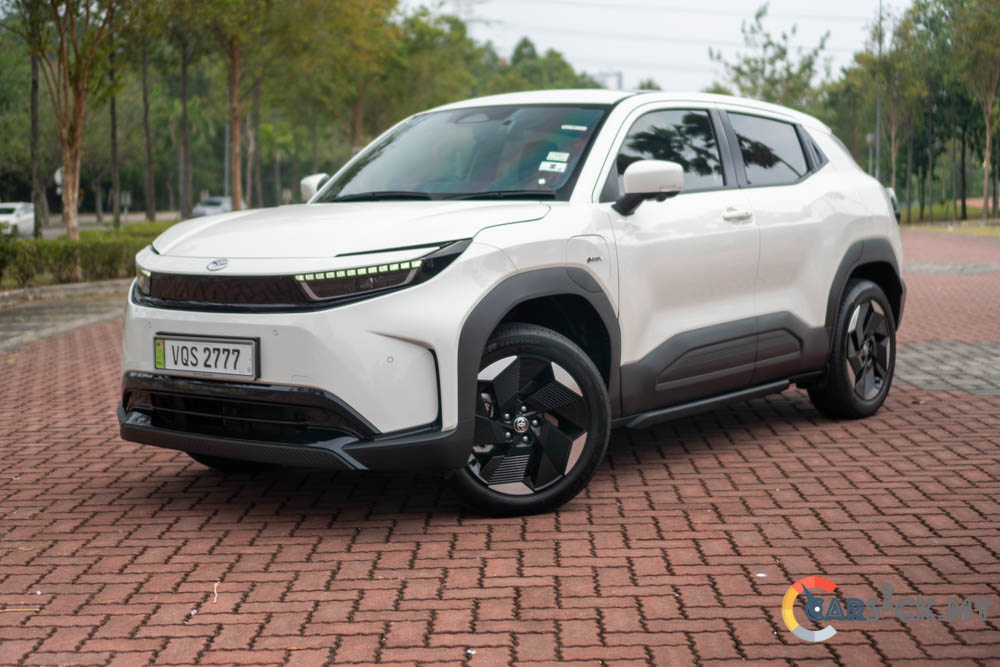
Now, let’s address the elephant in the room. The Toyota Urban Cruiser is priced at RM198,000. And that’s where things get a little complicated. At this price point, buyers have plenty of alternatives to consider. From Chinese manufacturers, there are several options offering considerably more horsepower, larger dimensions or even more equipment. I’m also pretty sure you could even get a Tesla at around this price point. Of course, there are European alternatives too, which offer a different kind of appeal for buyers shopping in this price bracket. This puts the Urban Cruiser in a rather difficult position. Don’t get me wrong, it is definitely a good EV, and I don’t think it will disappoint you as a daily driver. However, when you’re spending close to RM200,000 on a compact electric crossover, it’s only natural to start asking what you’re getting in return. Its biggest selling point is arguably its exclusivity. After all, you simply don’t see many of them on Malaysian roads. But is being a relatively rare Toyota enough to justify the asking price? That’s something potential buyers will have to decide for themselves. 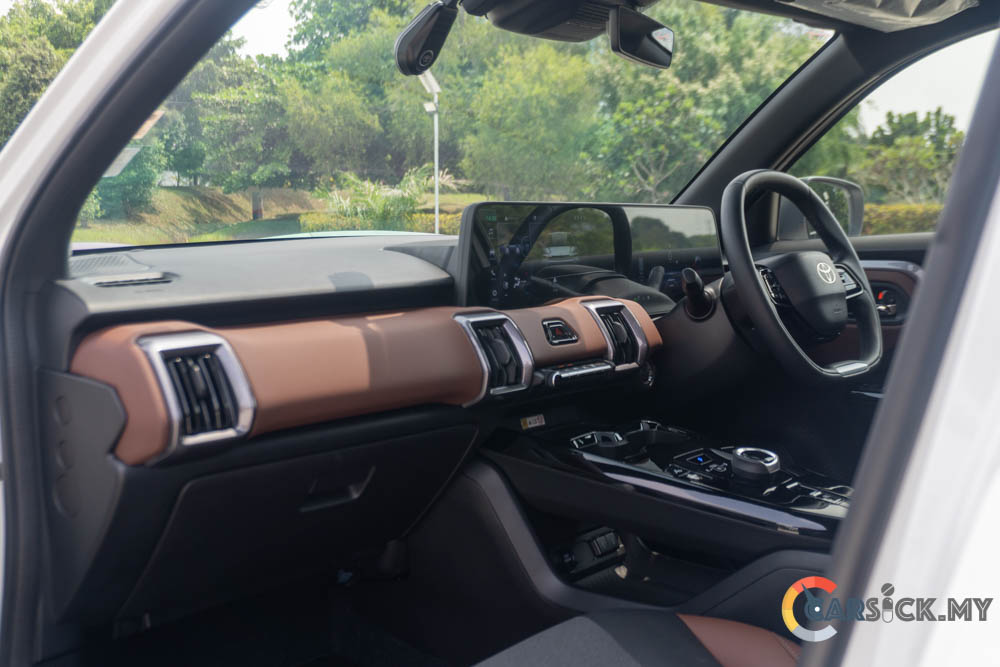
Coming back to the original question: does the Urban Cruiser live up to its name? Well, I definitely think it does. Its compact dimensions make it easy to manoeuvre through tight urban streets, while the relatively high driving position gives you a good view of the road ahead. And while the interior isn’t particularly spacious, it is still reasonably practical, with enough room to accommodate everyday items and the needs of a small family. The power delivery is smooth, the driving range is respectable, and the overall driving experience is pretty fuss-free. In other words, it does exactly what you’d expect from an urban-focused electric crossover. If you can justify its asking price, the Urban Cruiser is certainly a nice vehicle to own. And knowing that it carries the Toyota badge, you’d naturally expect a certain level of reliability and peace of mind, even though this is an EV. Ultimately, the Urban Cruiser isn’t trying to be the fastest, biggest or most exciting electric SUV on the market. It’s simply trying to make everyday urban driving a little easier. Whether that’s worth RM198,000, however, is an entirely different question.
Check out the full photo album here.