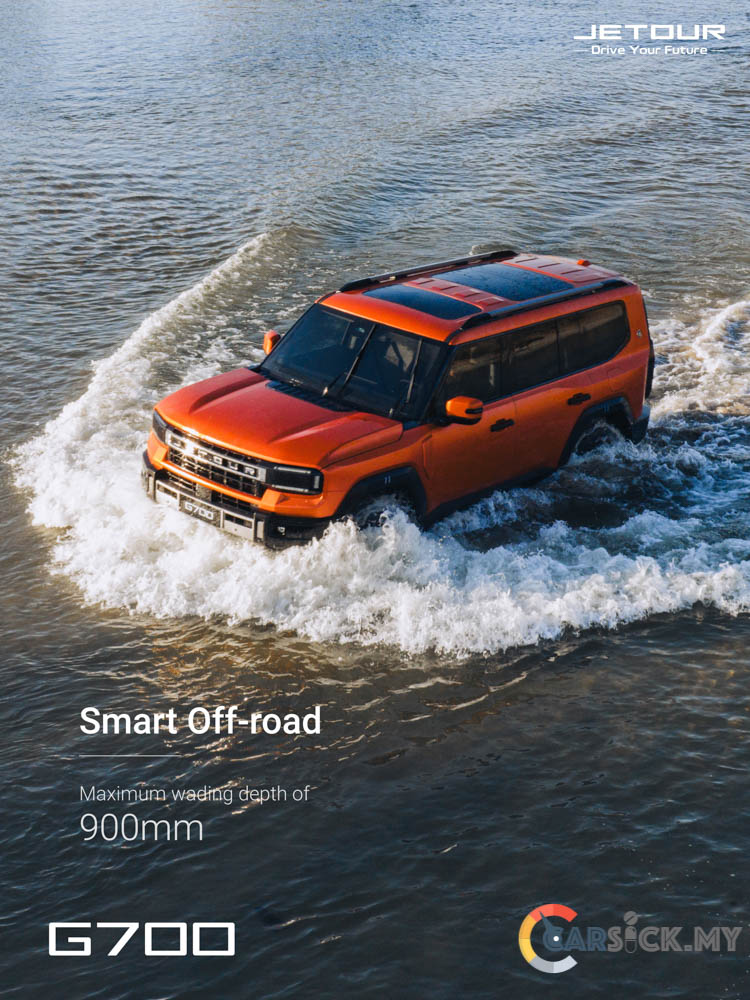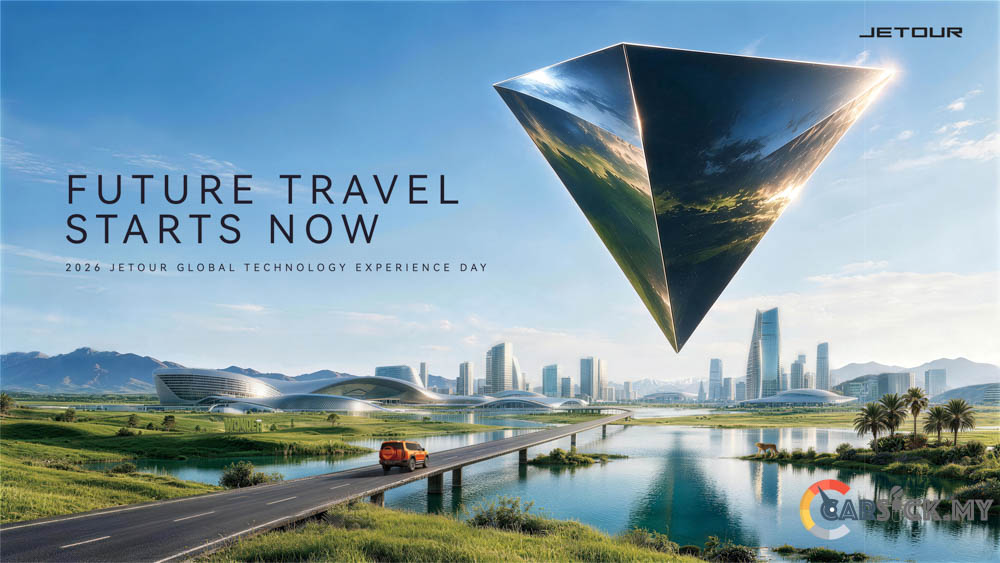

JETOUR is exploring how technology can transform vehicles from conventional modes of transport into intelligent companions for travel, adventure and everyday life, showcasing a range of innovations at its 2026 Global Technology Experience Day. The event brought together international guests, media representatives and users to experience the Group’s latest developments in artificial intelligence (AI), autonomous mobility, robotics and energy management.
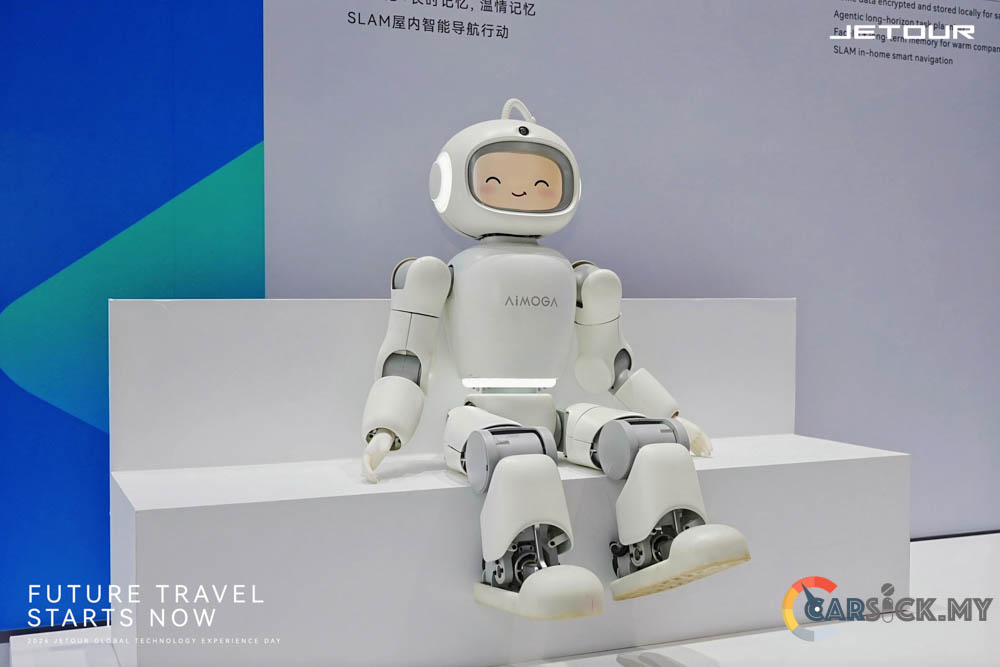 Among the technologies presented were an automotive-specific large language model, chip strategy, AiMOGA robots, Robotaxi services and an integrated solar-storage-charging system. Together, these developments reflect JETOUR’s broader ambition to expand the role of automotive technology beyond driving performance, creating vehicles that can better adapt to different lifestyles, travel environments and user expectations.
Ke Chuandeng, President of JETOUR International, said the company’s approach to innovation centres on translating technological progress into practical capabilities that address users’ changing travel needs. Building on its existing technological foundation, JETOUR intends to continue exploring how new technologies can be integrated into different travel scenarios and deliver greater value to customers.
As artificial intelligence, environmental sensing and vehicle control systems continue to advance, automotive development is increasingly focused on integrating multiple technologies into a more connected and intelligent driving experience. For JETOUR, which has established its identity around travel-oriented vehicles and off-road capability, this means looking beyond engine performance and all-terrain handling. The company is also working to improve intelligent interaction, energy efficiency and the range of services vehicles can provide while travelling.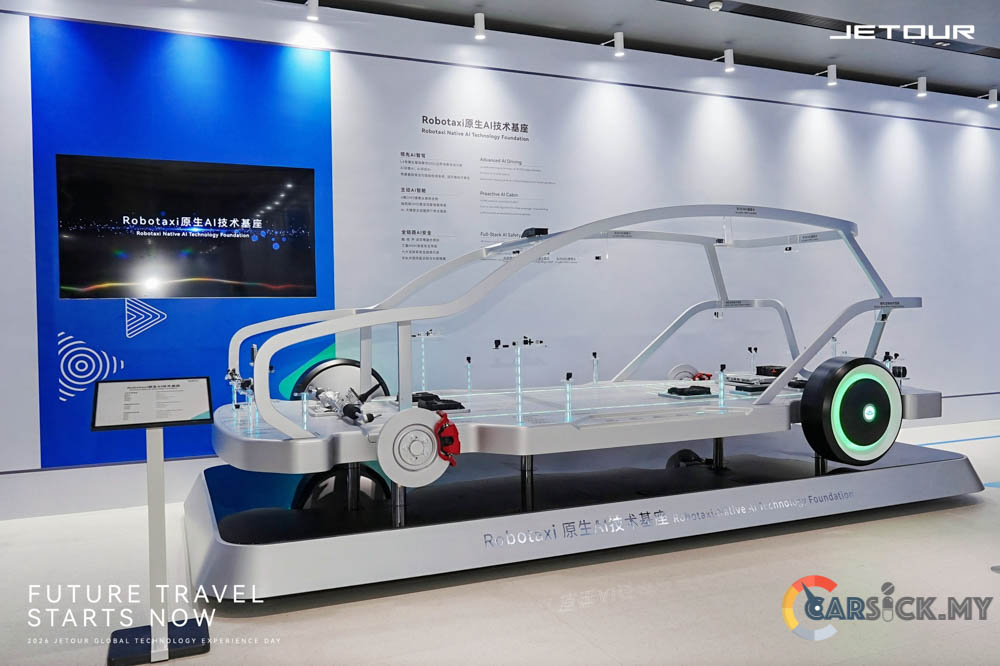
Its existing technological portfolio includes C-DM super hybrid technology, XWD fully automatic intelligent four-wheel drive and the GAIA hybrid architecture. These systems are designed to support power delivery, traction management and vehicle capability across different driving conditions. Real-world testing also remains an important part of the development process.
JETOUR has put its vehicles through expeditions across environments ranging from Middle Eastern deserts and African wilderness to the Andes and the Pan-American Highway. These journeys provide opportunities to assess vehicle performance under demanding conditions, including extreme heat, loose sand and high-altitude terrain, helping inform further technological development.
Beyond vehicle dynamics, JETOUR is exploring how artificial intelligence can make interactions between drivers, passengers and their vehicles more intuitive. The integration of multimodal large models, AI agents and in-vehicle computing platforms could allow future systems to move beyond responding to straightforward voice commands. Instead, vehicles may be able to understand more complex requests, coordinate multiple functions and offer assistance based on a user’s needs.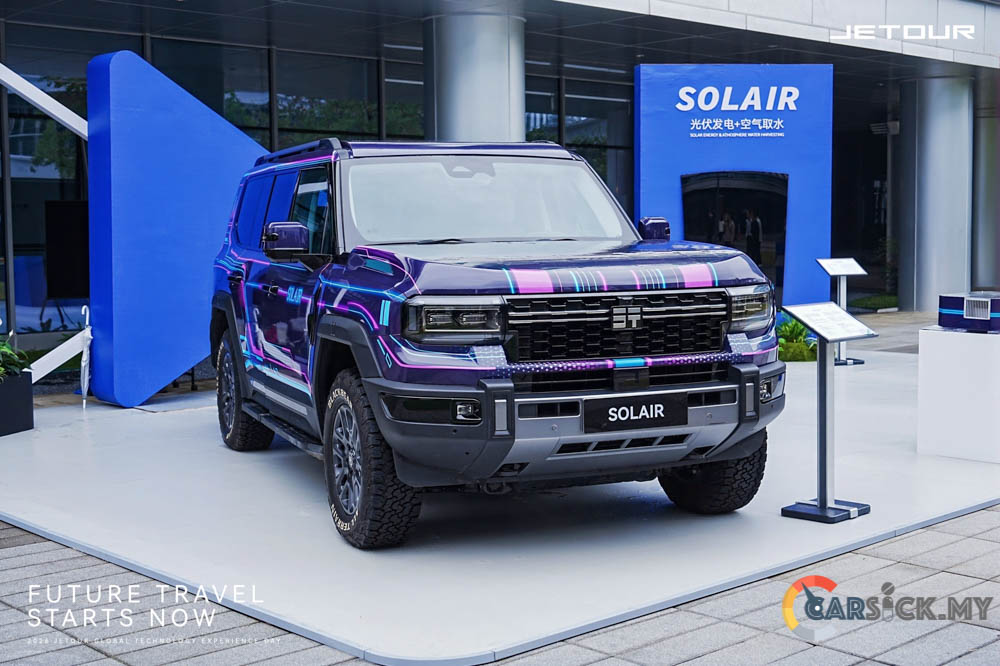
Such capabilities could broaden the role of the vehicle during everyday journeys, making it more useful as a connected space for information, convenience and travel-related services. The technologies showcased at the event, including AiMOGA robots and Robotaxi applications, also point to JETOUR’s interest in how intelligent systems could operate across different mobility environments. While these technologies represent different stages and areas of development, their inclusion highlights the Group’s wider exploration of automation, intelligent services and the relationship between people and machines.
Energy management is another key area of JETOUR’s technology development, as the automotive industry continues to expand its range of electrified powertrains and charging solutions. The company’s approach spans conventional fuel-powered vehicles, hybrid systems and pure electric mobility, alongside technologies intended to improve the way energy is used and managed.
Intelligent energy management and regenerative braking can help optimise energy consumption during driving, while vehicle-to-grid (V2G) technology introduces the possibility of transferring electricity between compatible vehicles and the power grid. Combined with solar generation, energy storage and charging infrastructure, these developments could allow vehicles to play a broader role in an integrated energy ecosystem.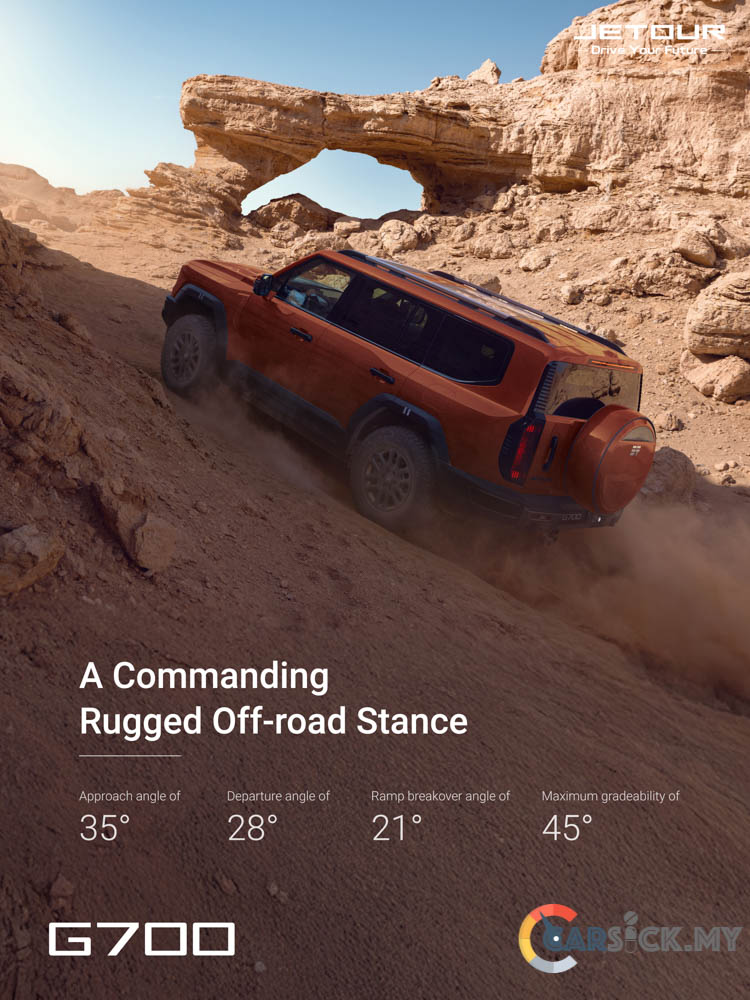
Rather than functioning solely as consumers of energy, compatible electric vehicles could eventually serve as mobile storage units capable of supplying electricity when required, subject to the necessary hardware, infrastructure and grid support. JETOUR’s presentation of its solar-storage-charging system reflects this wider interest in connecting vehicle technology with energy generation, storage and distribution.
The innovations presented at the 2026 JETOUR Global Technology Experience Day illustrate the company’s efforts to broaden its technological focus from vehicle performance to a more comprehensive mobility experience. Off-road engineering and hybrid powertrains remain central to its existing capabilities, while AI, robotics, autonomous mobility and integrated energy solutions offer additional avenues for development.
The challenge will be to turn these technologies into reliable, practical features that provide meaningful benefits to drivers and passengers across different environments and use cases. For JETOUR, the next phase of automotive innovation is therefore not simply about achieving higher performance figures or introducing more advanced systems. It is about bringing these capabilities together to make travel more adaptable, convenient and energy-efficient.
More information about JETOUR is available at the official Malaysian website.