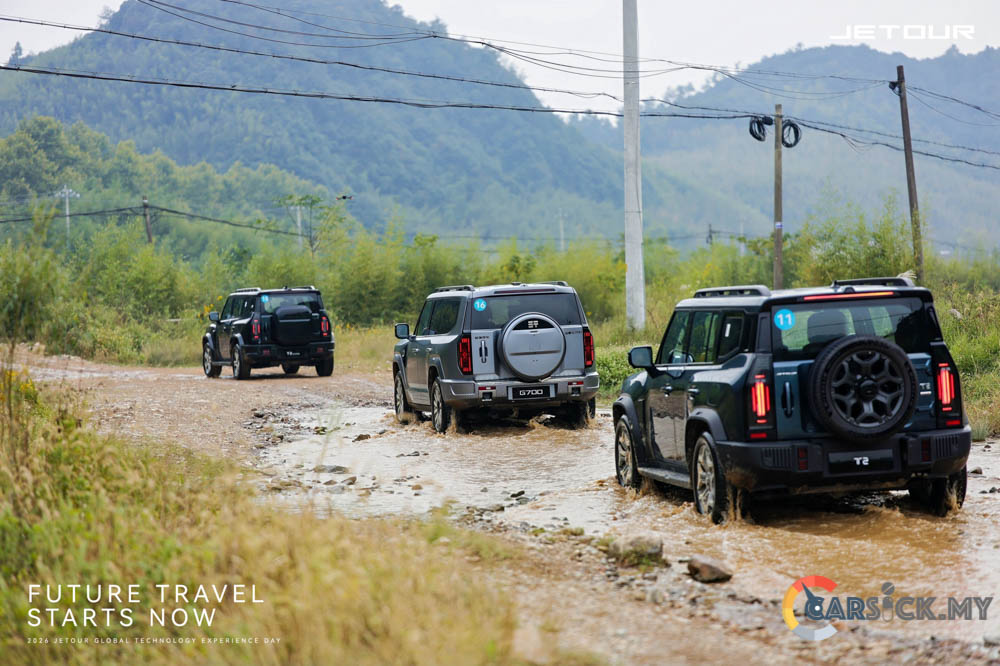

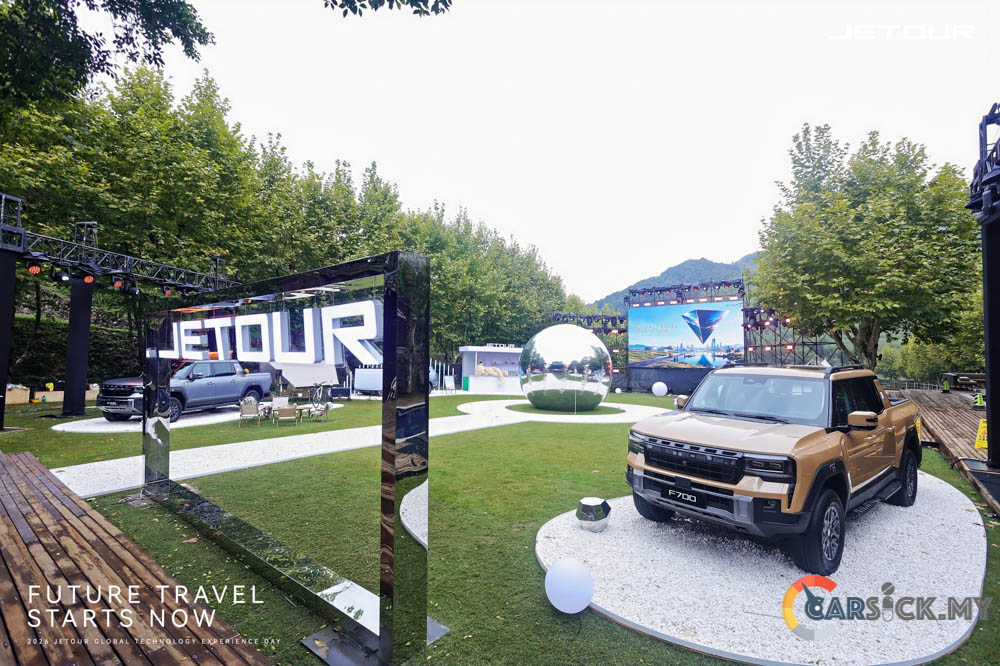
As outdoor adventures and road trips become increasingly popular, off-road vehicles are expected to deliver more than just the ability to conquer difficult terrain. From carrying camping equipment and powering outdoor activities to providing comfort on long journeys, versatility is becoming an increasingly important part of the off-road experience. JETOUR explored this evolving approach to mobility at its 2026 Global Technology Experience Day, held in Moganshan, Zhejiang, on 21 October.
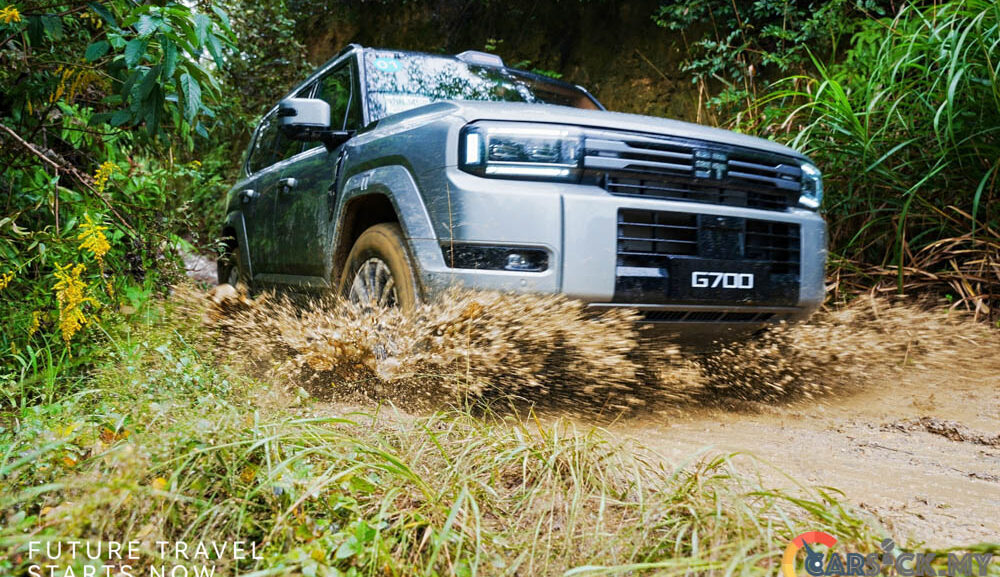
 The event featured an off-road driving programme involving the JETOUR T2 and G700, giving media representatives, key opinion leaders (KOLs) and user representatives from around the world an opportunity to experience their capabilities across water crossings, gravel roads, steep inclines and crater-like obstacles. Rather than focusing solely on extreme driving conditions, the programme demonstrated how off-road technology could support a broader range of travel experiences, from challenging trails to outdoor recreation.
JETOUR took a different approach to the traditional test track by transforming a 15-kilometre all-terrain route into an interactive “Off-Road Treasure Hunt”. Participants had to navigate the course while working together to complete challenges, combining driving skills with exploration and teamwork. The format offered a more practical perspective on off-road performance, placing the vehicles in situations that reflected the unpredictability of outdoor travel.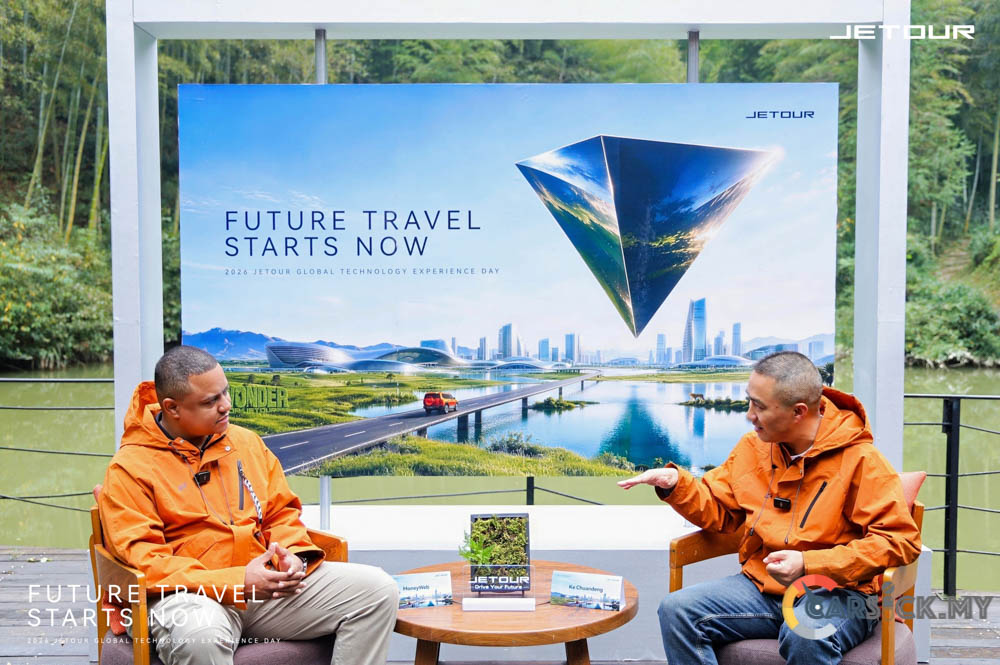
At a dedicated campsite, participants also explored features designed to make outdoor adventures more convenient. Flexible storage solutions demonstrated how camping equipment and other travel essentials could be accommodated, while the vehicles’ high-power vehicle-to-load (V2L) functionality supplied electricity for grinding coffee beans without requiring an external power source. Another challenge involved a simulated road obstruction caused by a fallen tree.
The demonstration showcased the towing capability of the F700, highlighting how towing technology could prove useful in roadside recovery situations and when hauling travel trailers. Together, these activities illustrated how an off-road vehicle could serve as more than transportation, potentially becoming a practical tool for camping, recreation and longer journeys.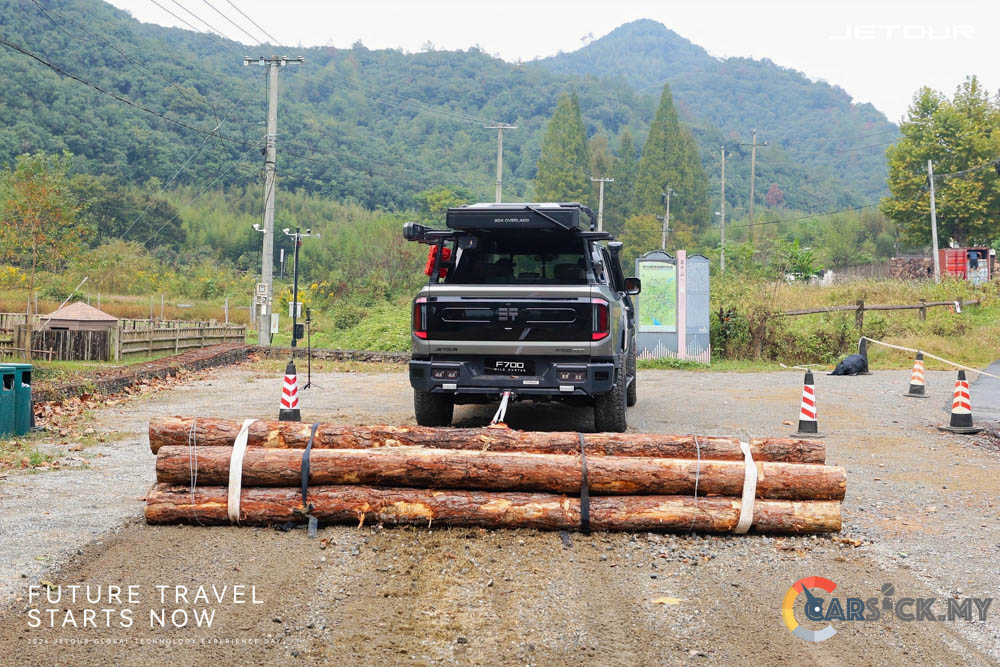
While convenience played a central role in the programme, the vehicles were also put through a series of demanding terrain challenges to demonstrate their off-road technologies. During a stream crossing, participants could activate JETOUR’s 7+X intelligent off-road system by pressing the X button. The system is designed to simplify the selection of suitable driving settings, reducing the need for drivers to repeatedly assess conditions and manually switch locking modes.
Visual artificial intelligence (AI) and chassis sensors work together to assess the terrain and adjust driving modes and torque distribution within milliseconds, helping the vehicle respond to changing surface conditions. The G700 faced additional challenges, including camel-hump obstacles and crater-like terrain. Its GAIA all-terrain intelligent platform combines hybrid power, three differential locks, air suspension and terrain recognition technology to support traction and vehicle control across difficult surfaces. The integration of these systems is intended to balance off-road capability with cabin comfort, an important consideration for drivers who want to explore beyond paved roads without sacrificing the practicality required for longer trips.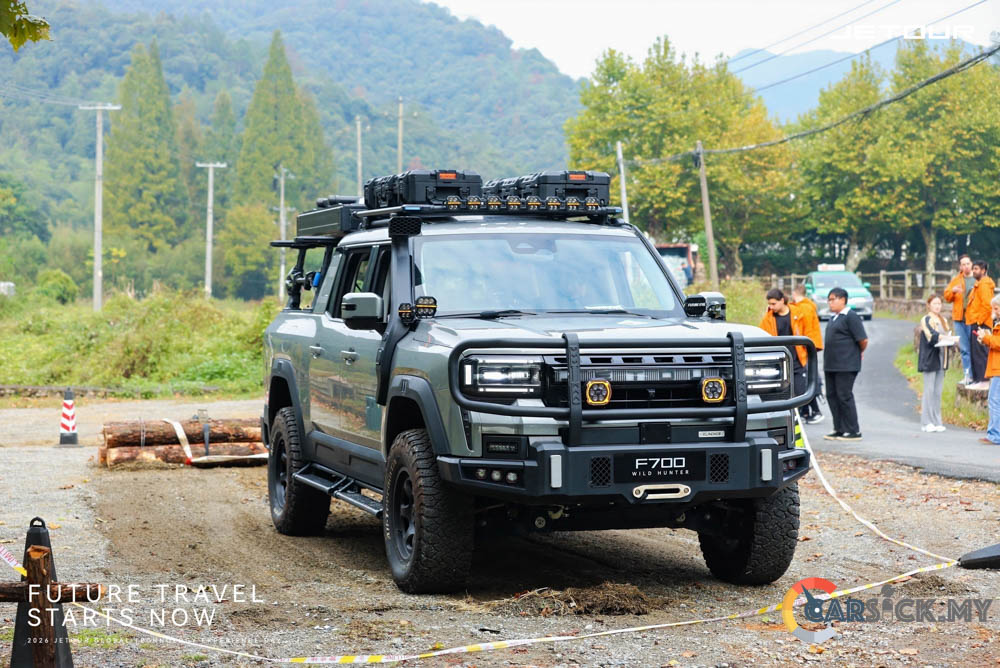
Following the day’s driving activities, the Starlight Forum brought international participants together to discuss their experiences and the changing expectations of off-road travel. JETOUR International President Ke Chuandeng and Executive Vice President Yan Jun presented awards to the winning teams from the treasure hunt and campsite challenges, recognising their participation and teamwork.
The discussions subsequently turned to the different needs of customers across global markets. Terrain, road conditions and travel habits vary considerably between regions, influencing what drivers expect from their vehicles in terms of off-road performance, comfort and everyday usability. These differences underline the challenge facing manufacturers: developing technology that can accommodate a wide range of travel scenarios rather than concentrating exclusively on a vehicle’s ability to overcome extreme obstacles.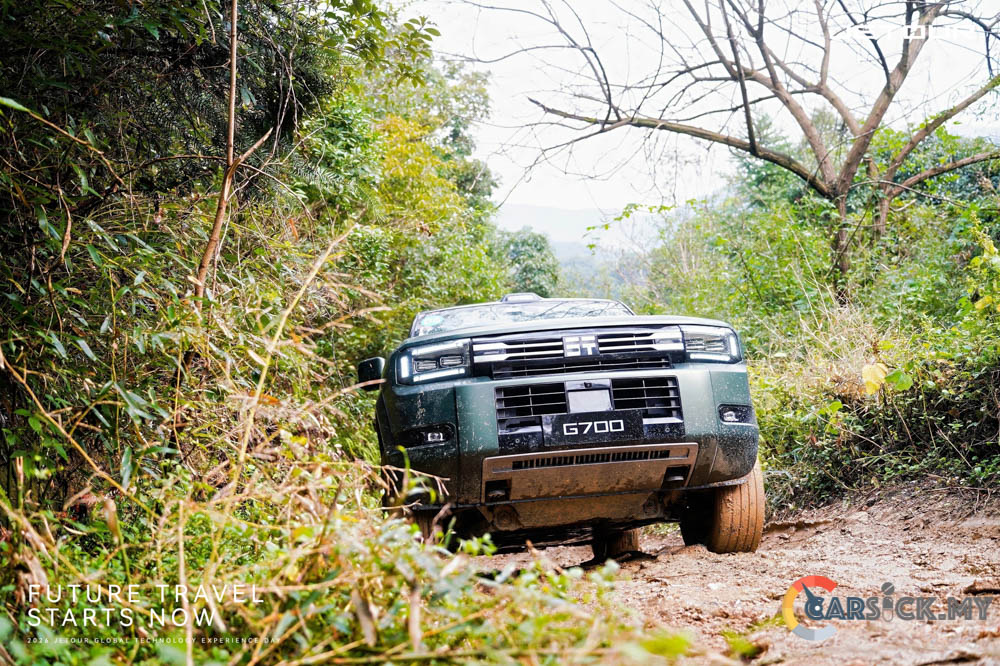
“JETOUR starts with users’ real travel needs, integrating technology, products and travel lifestyles,” said Ke Chuandeng, President of JETOUR International. “Under our ‘Travel+’ strategy, we focus on outdoor and long-distance performance while deepening connections between our products, ecosystem and culture, making our vehicles companions for exploring the world.”
The Moganshan experience highlighted JETOUR’s approach to combining off-road capability with the practical demands of modern travel. From intelligent terrain management and towing demonstrations to onboard power and flexible storage, the activities explored how vehicle technology could support adventures both on and away from the road. As expectations for off-road vehicles continue to expand, the ability to handle challenging terrain is only part of the equation. Convenience, comfort and adaptability can be just as important when a journey involves camping, long-distance driving or exploring unfamiliar destinations.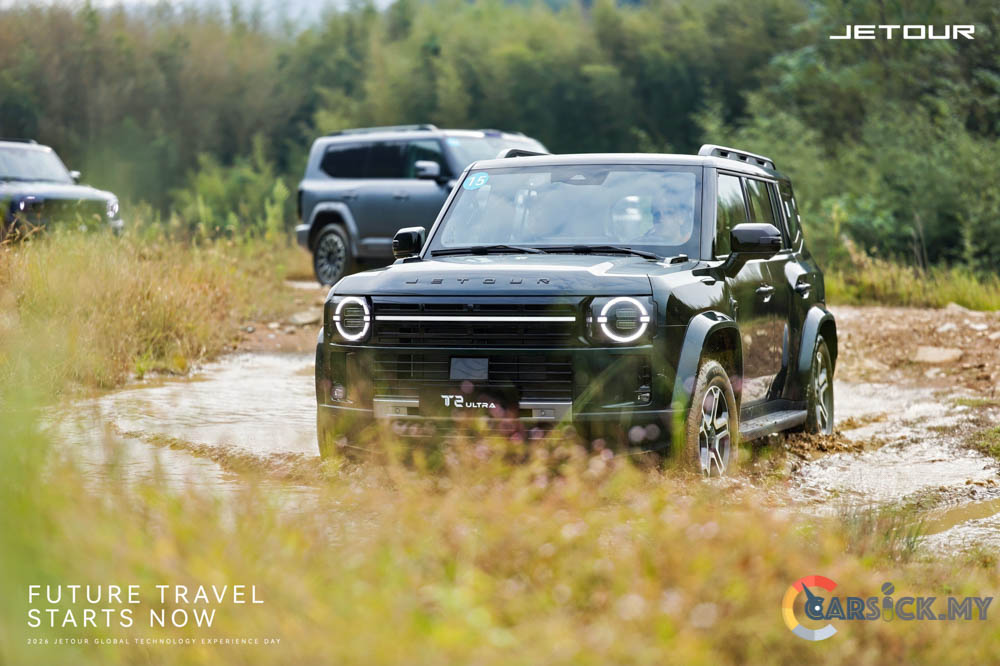
Through its “Travel+” strategy, JETOUR says it will continue developing technologies and products aimed at meeting these needs, with the broader objective of making outdoor exploration more accessible while encouraging people to connect with nature.
For more information, visit the official JETOUR Malaysia website.