
Toyota has been aching to launch the Yaris Cross in Malaysia for quite a while already. Due to some technical issues in Japan, the small SUV was forced to delay its arrival until now. And after Perodua unveiled the Traz SUV, the launch of the Yaris Cross was bound to follow. While the Traz comes with only one powertrain, the Yaris Cross actually comes with two powertrain options: a regular ICE variant and a HEV variant. But in this review, I’ll be focusing on the ICE variant. And it’s actually an interesting comparison when you consider that the Yaris Cross is slightly more expensive than the Traz. So, the question here is: is it worth forking out the extra money just to get the Toyota version of this vehicle? Let’s find out.
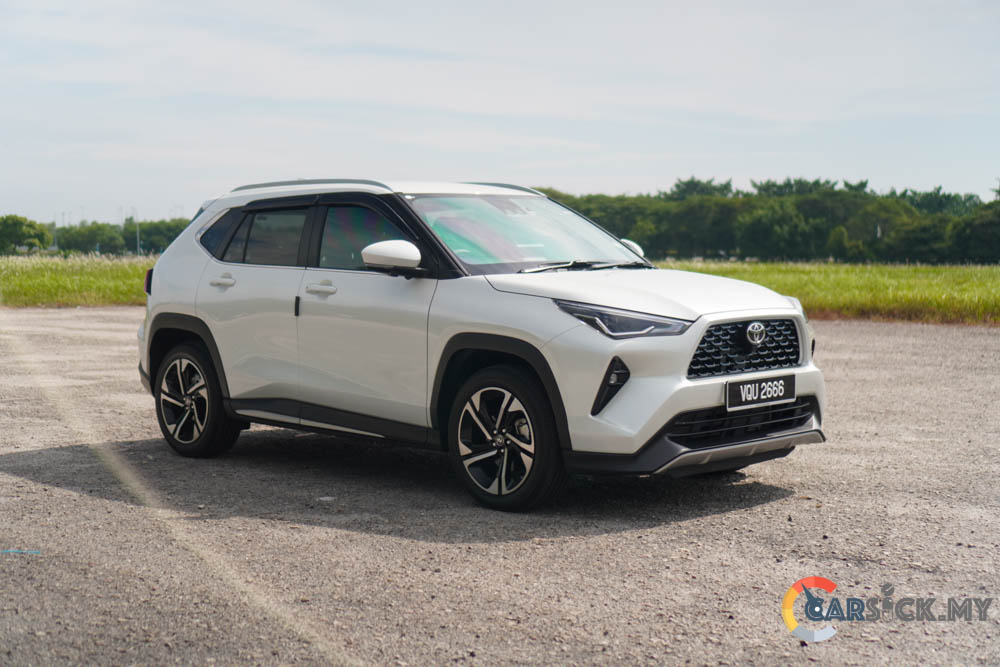
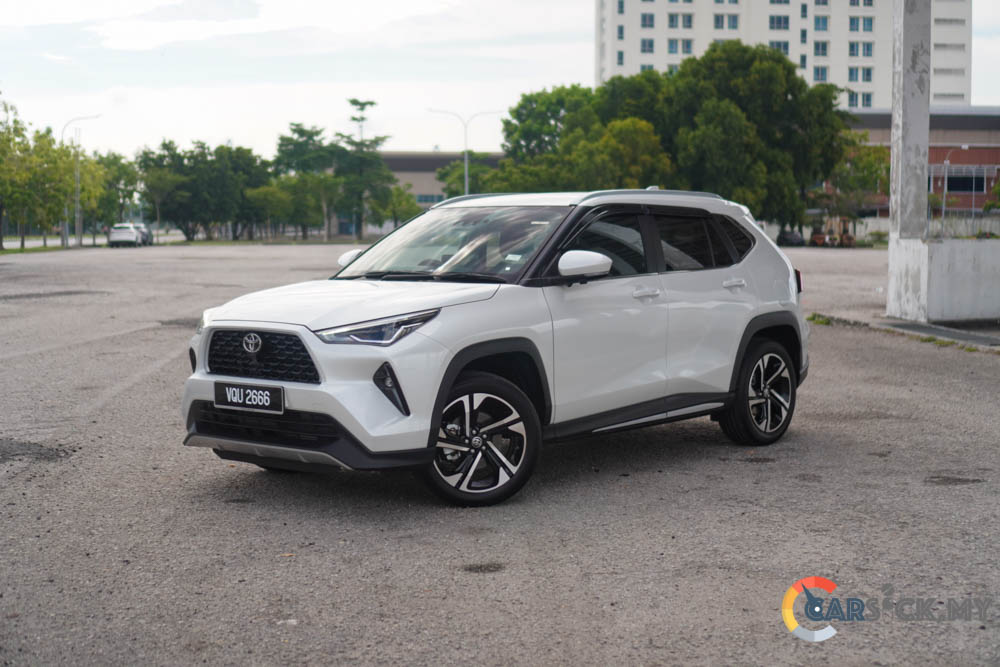
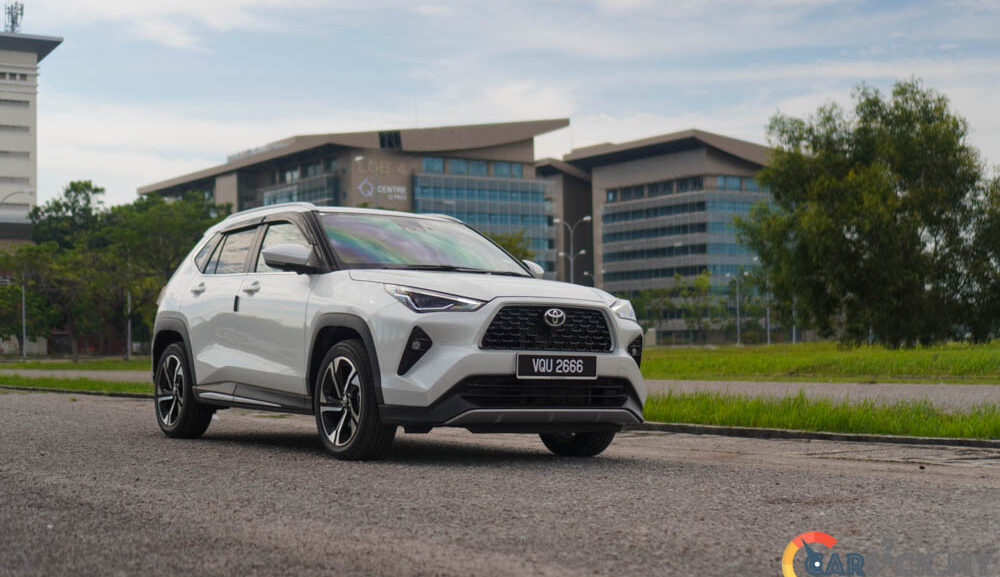
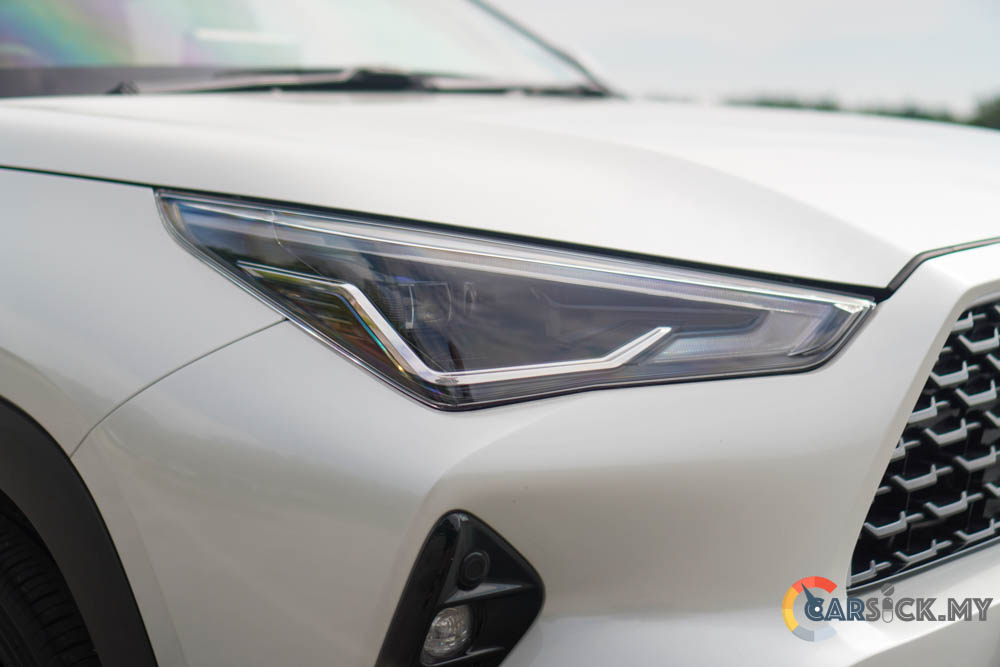
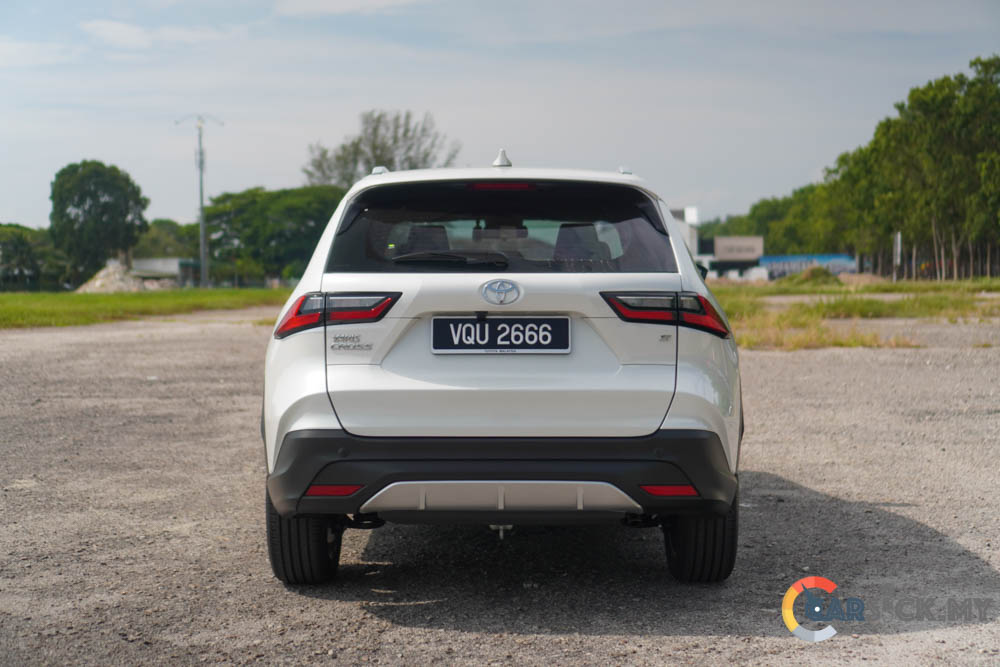
 While the Yaris Cross may be a sibling to the Traz, they are produced at different factories. This is different from the Alza and Veloz, which are produced at the same factory. The Yaris Cross is produced at Toyota’s own plant, while the Traz comes from Perodua’s own factory. In terms of looks, there’s definitely a difference between the Yaris Cross and the Traz. For the Yaris Cross, you’ll find that the small SUV looks more elegant compared to the Traz. This is thanks to the cleaner body lines and softer lines around the edges of the Yaris Cross. This is particularly obvious in its front bumper design. Then again, the full LED headlights are pretty much the same between both vehicles.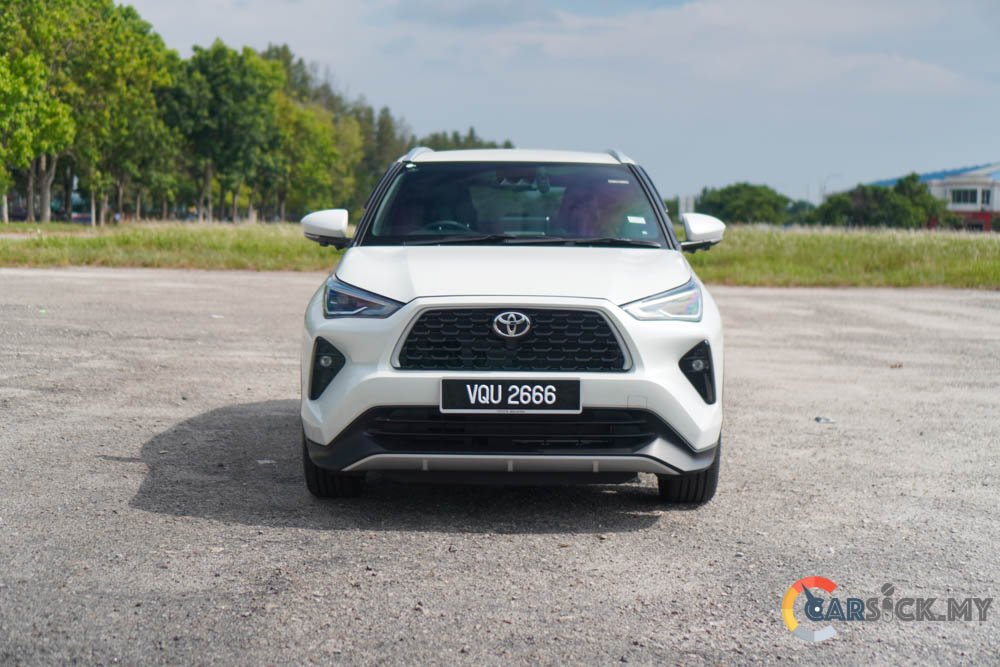
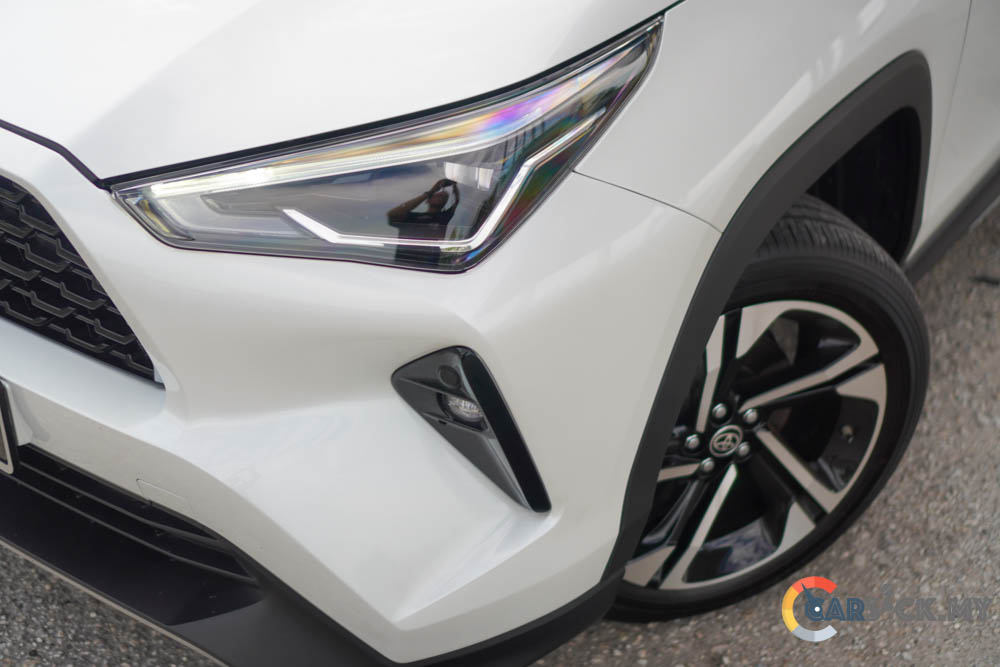
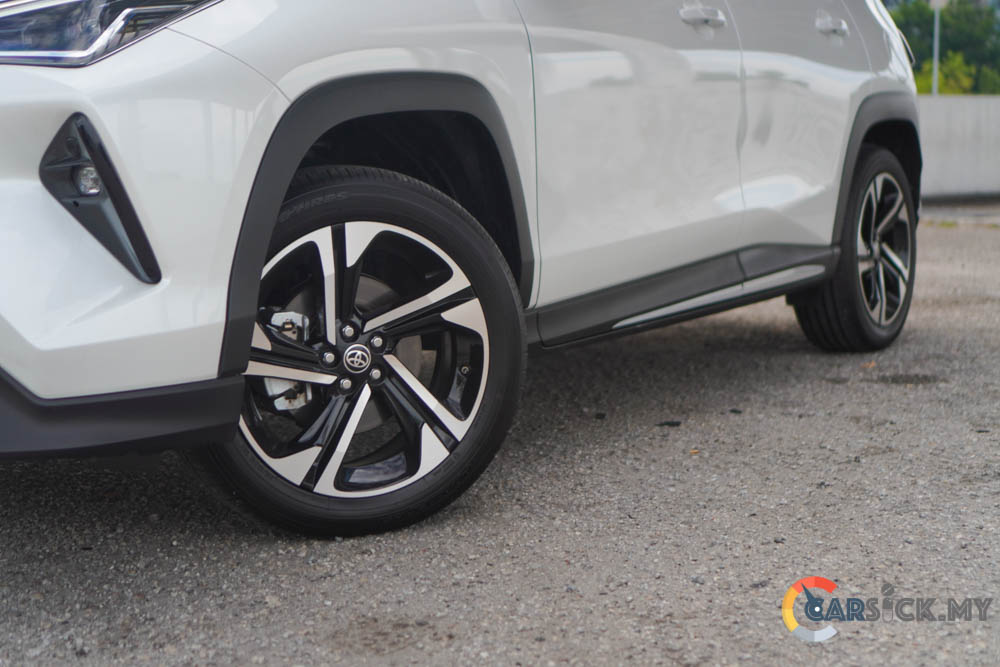
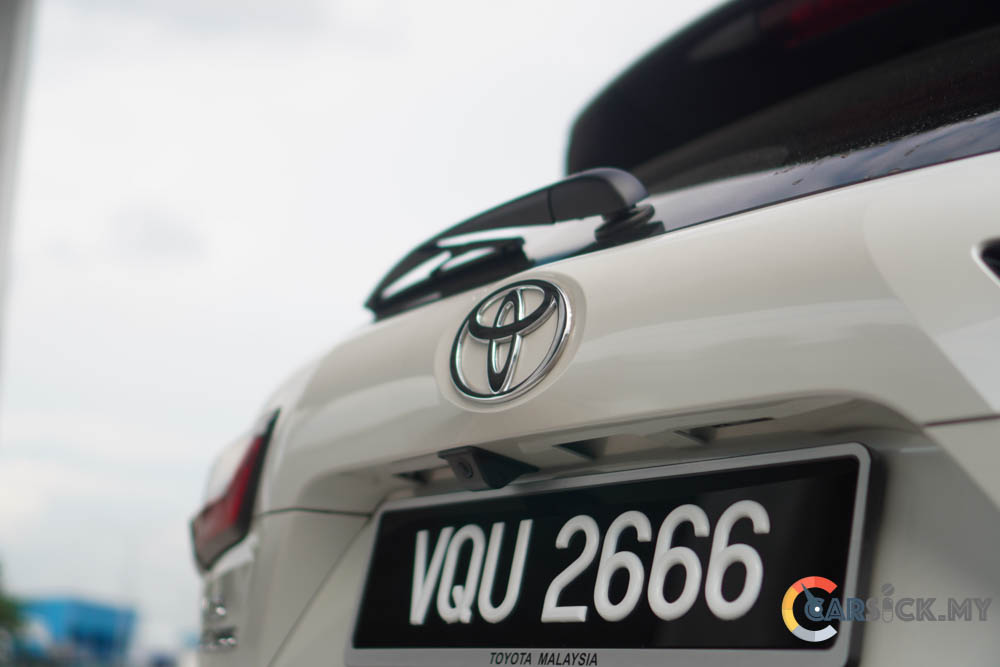
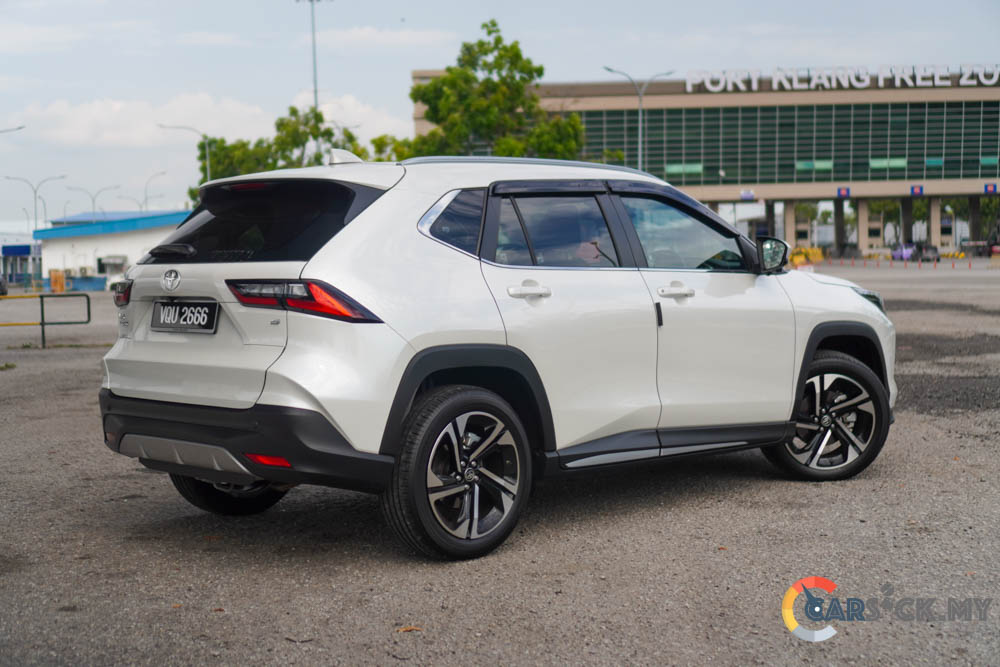
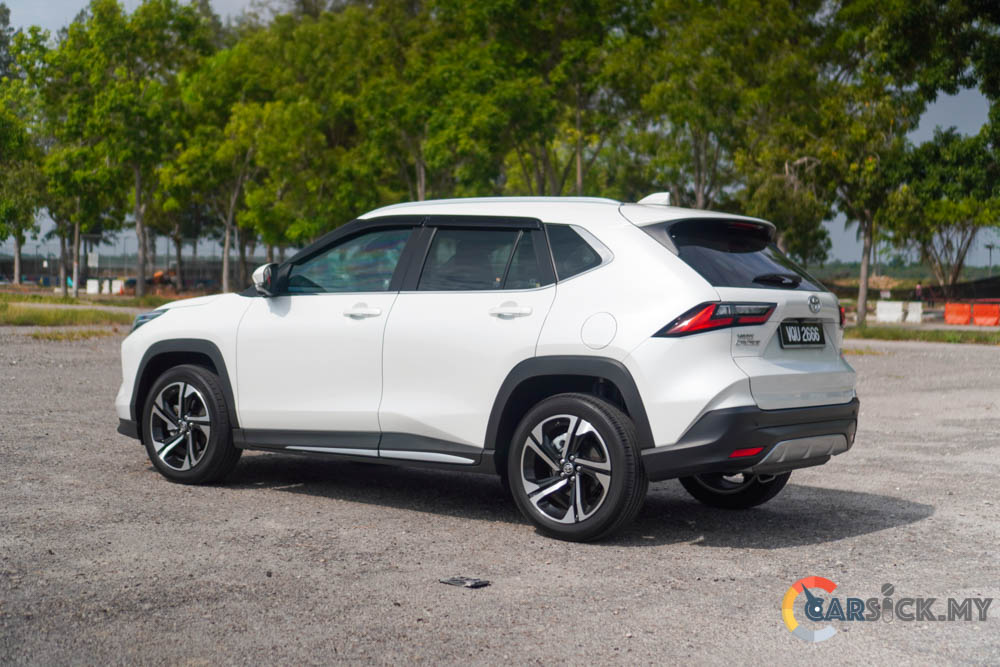
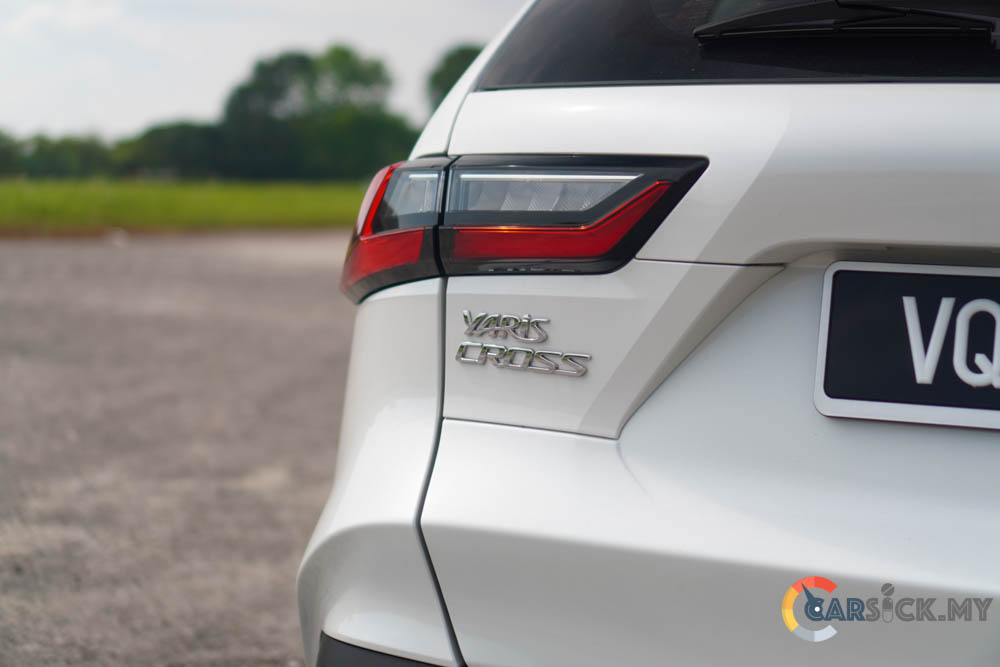
From the side, it’s pretty much similar to its sibling. The most obvious thing you can spot is the larger rims fitted to the Yaris Cross. The Yaris Cross rides on a set of 18-inch rims wrapped in 215/55 R18 tyres. With the 18-inch rims, it fills up the wheel arches much better than the 17-inch wheels on the Traz. At the rear, the Yaris Cross shares the same rear-end design as the Traz. Not much has changed between both cars, apart from some differences in the body lines around the rear bumper. Overall, the Yaris Cross does come with a more mature look when compared to the Traz. And this is meant to attract more mature buyers who can afford the higher price tag of the Toyota. The design certainly says it all from the get-go. 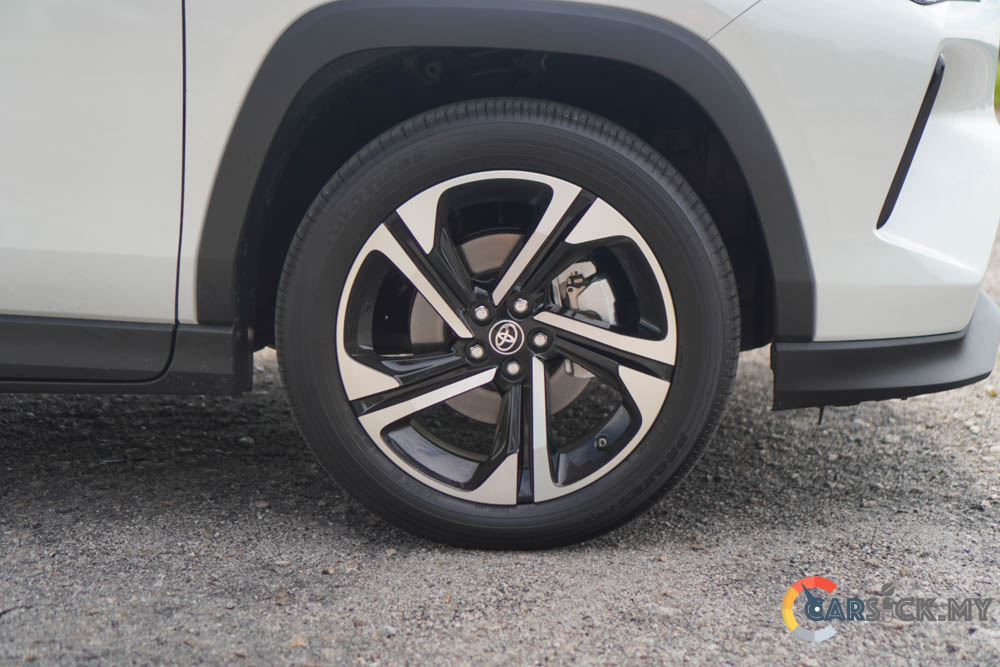
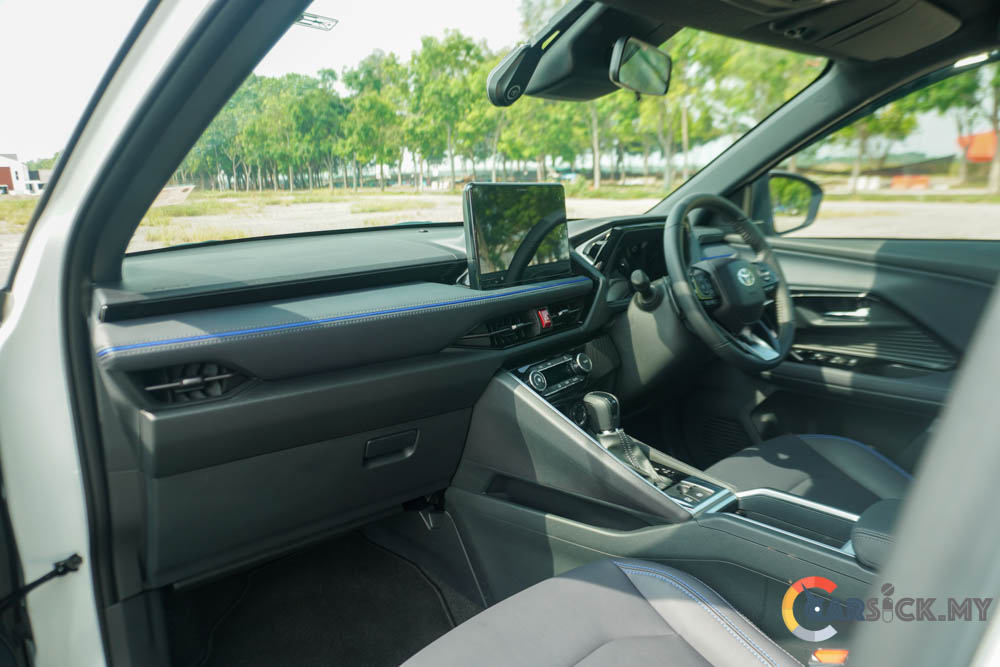
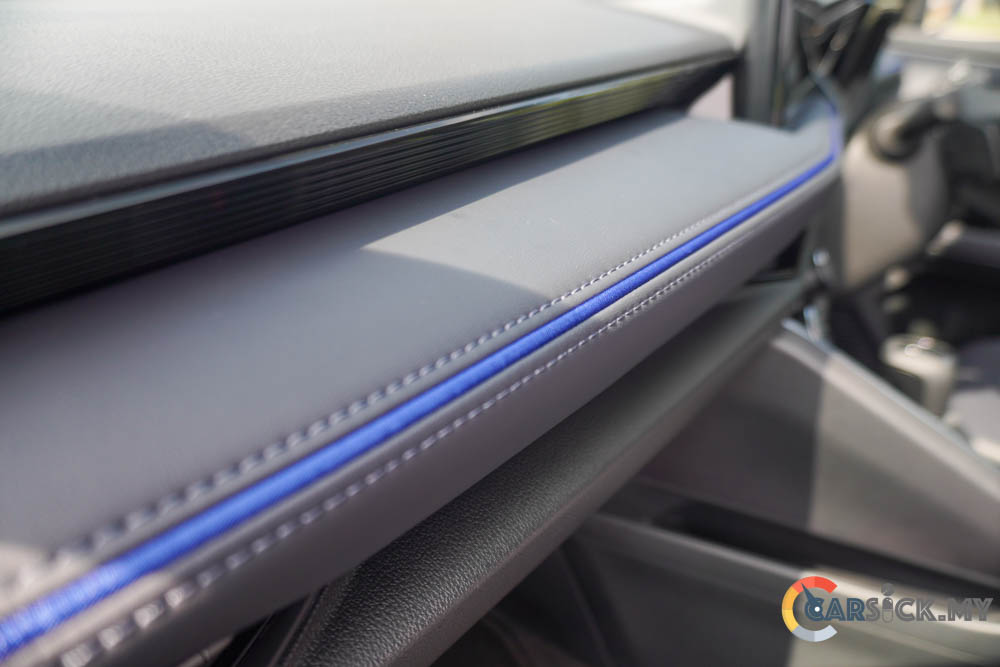
And when you open the doors, you’ll instantly find an interior that’s practically the same as the Traz. But don’t let the looks fool you, as there are definitely differences to make the Yaris Cross stand out. The car is still very well put together, but the plastics used inside the vehicle are built to a budget. This is quite expected, as Toyota probably gets some of the parts from the same suppliers. But in the Yaris Cross, Toyota has chosen blue-coloured highlights for the interior. This instantly gives the Yaris Cross a calmer feel inside the cabin. 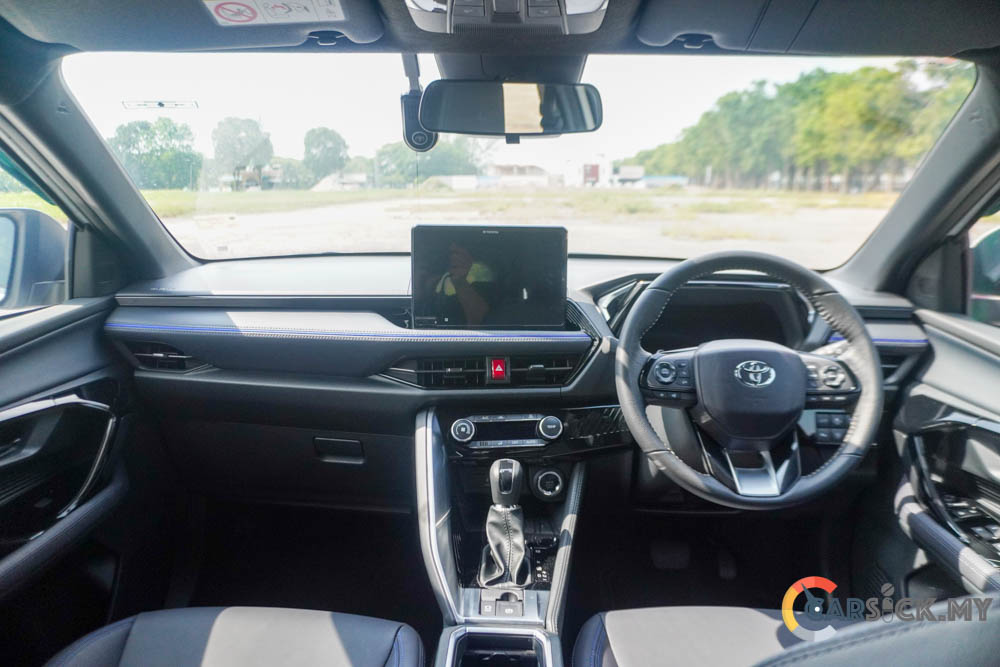
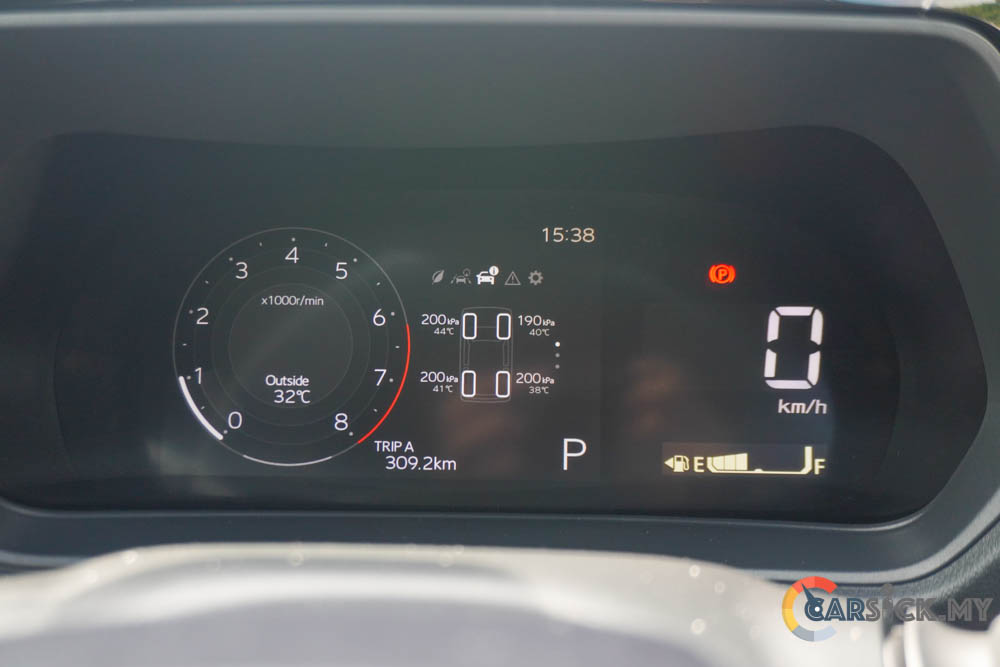
On the dashboard, you’ll find a fully digital instrument cluster and a 10.1-inch infotainment system. While the fully digital instrument cluster is not available on the Traz, that digital instrument cluster isn’t exactly new either. It has made its appearance in vehicles like the Vios and Veloz. And just like those models, you can choose from four different meter designs to suit your mood. By using a black background, it ensures that the meter is easy to read regardless of the surrounding lighting conditions. And in the Yaris Cross, there is even a tyre pressure monitoring system displayed within the instrument cluster. 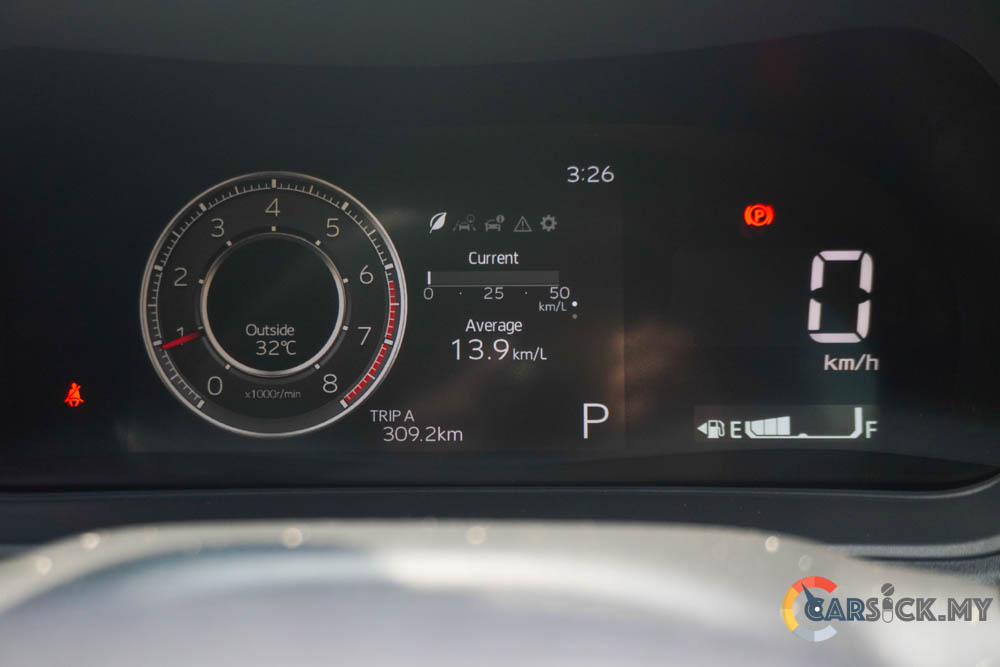
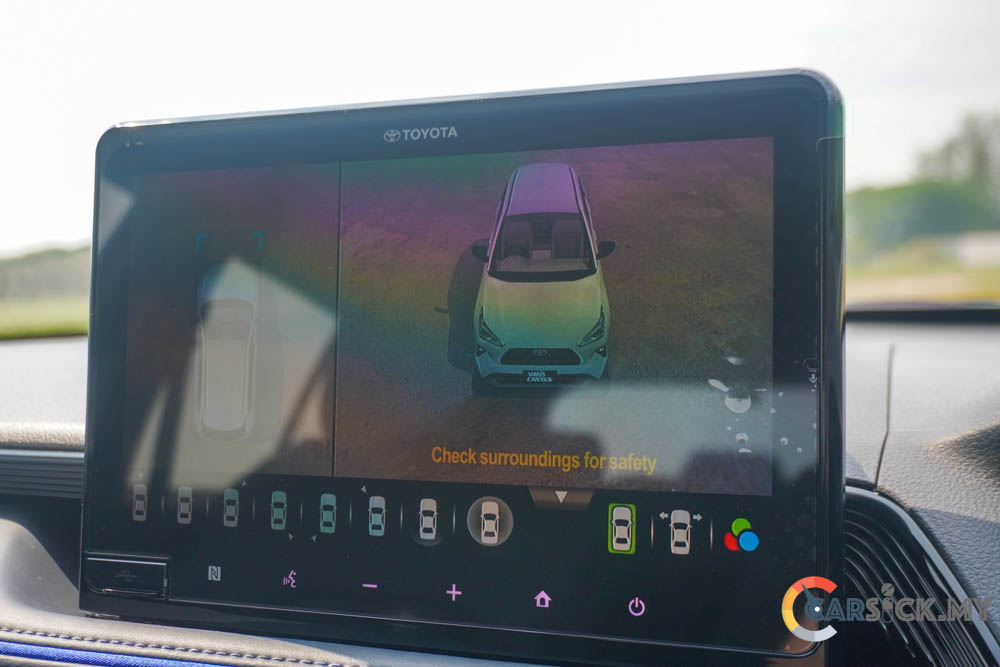
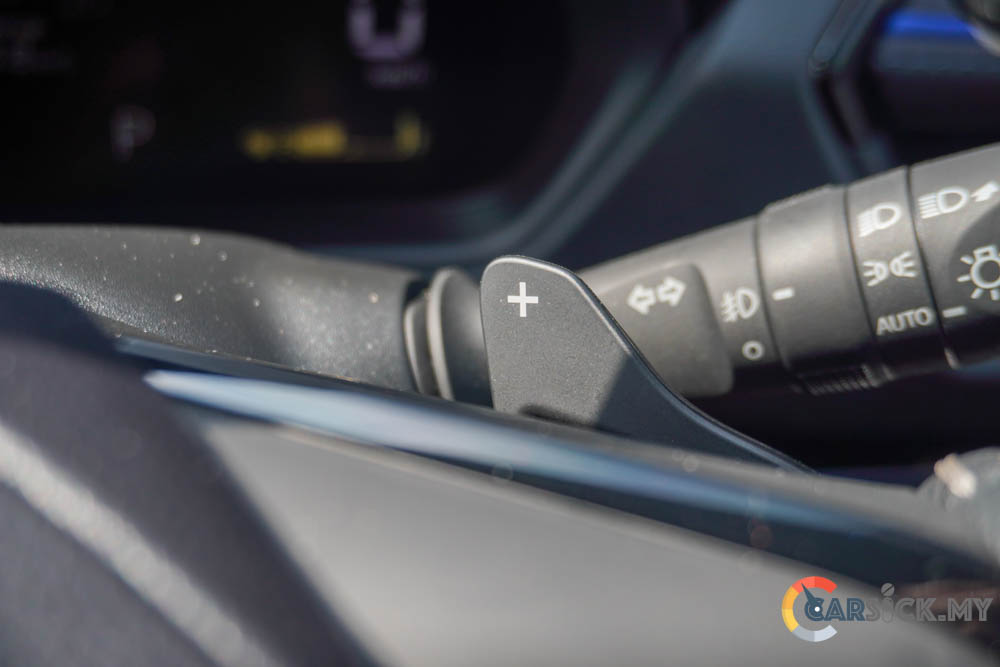
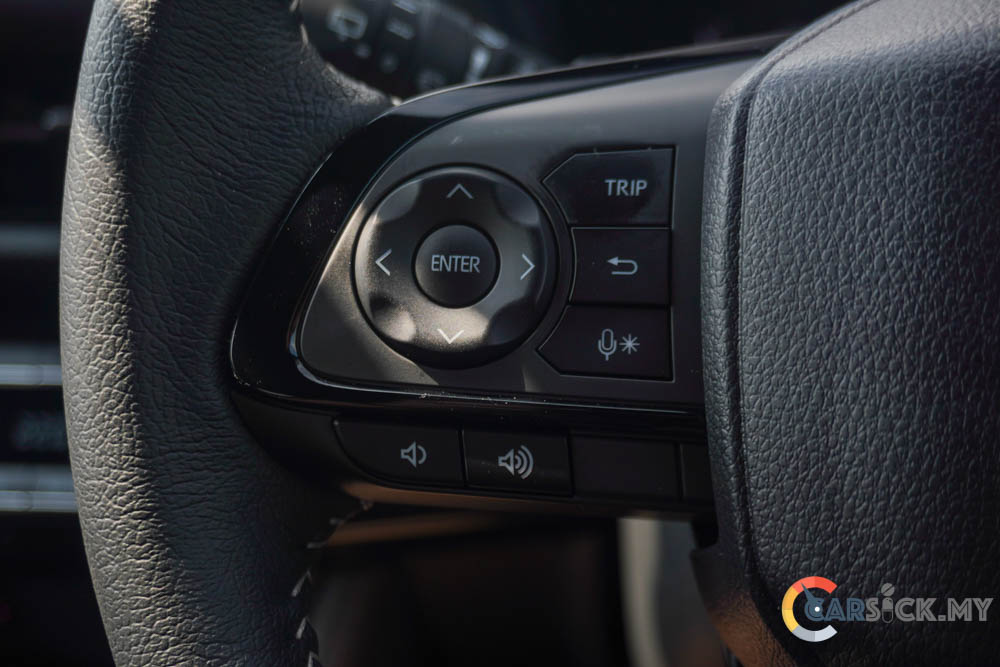
As for the infotainment screen, it has the same functions as those found on the updated Vios and Corolla Cross. And thanks to the taller vehicle profile of the Yaris Cross, the infotainment system doesn’t actually block the driver’s view like it does in the Vios. The infotainment system also comes with wireless Android Auto and Apple CarPlay, which the Traz doesn’t get. The picture quality from the 360-degree camera is also much clearer on the Yaris Cross. While the speaker count remains at six speakers, the speaker quality actually sounds much better than in the Traz. And to accommodate the extra features in the Yaris Cross, the steering wheel also gains extra buttons. And lastly, paddle shifters are available in the Yaris Cross as well. 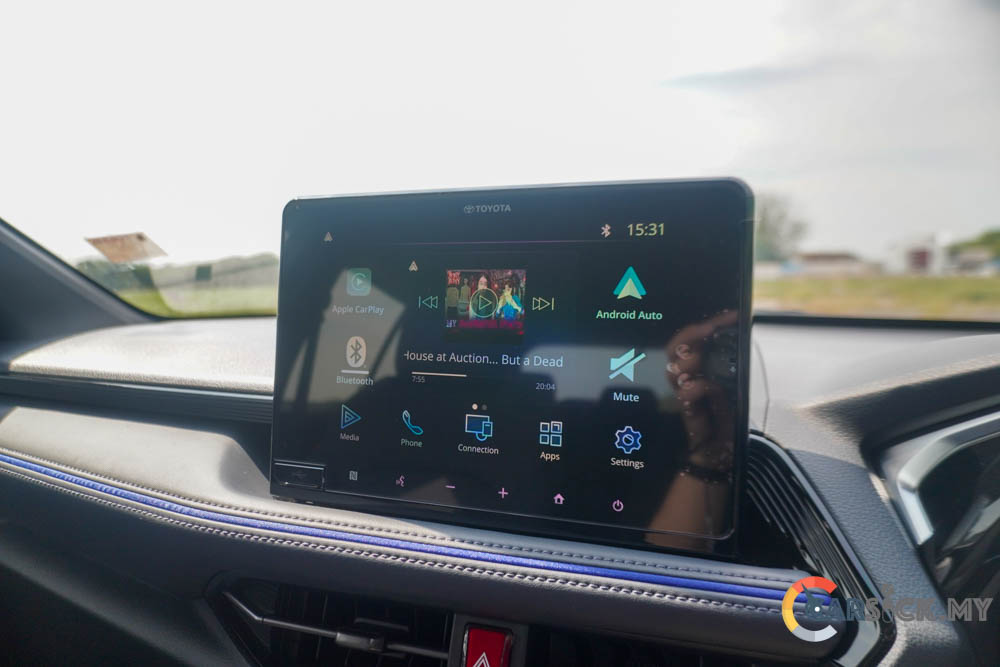
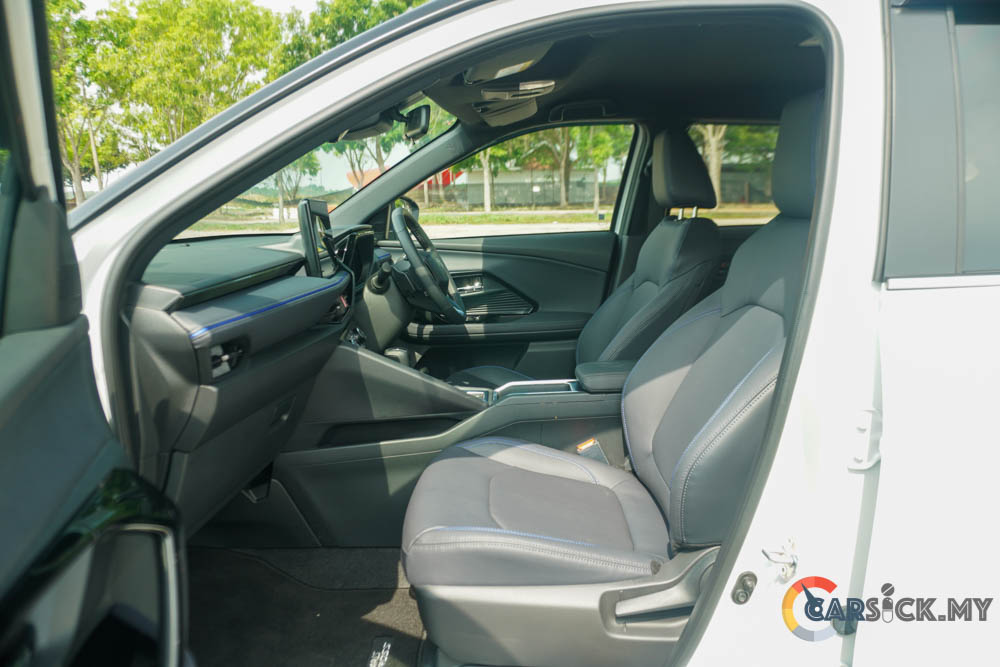
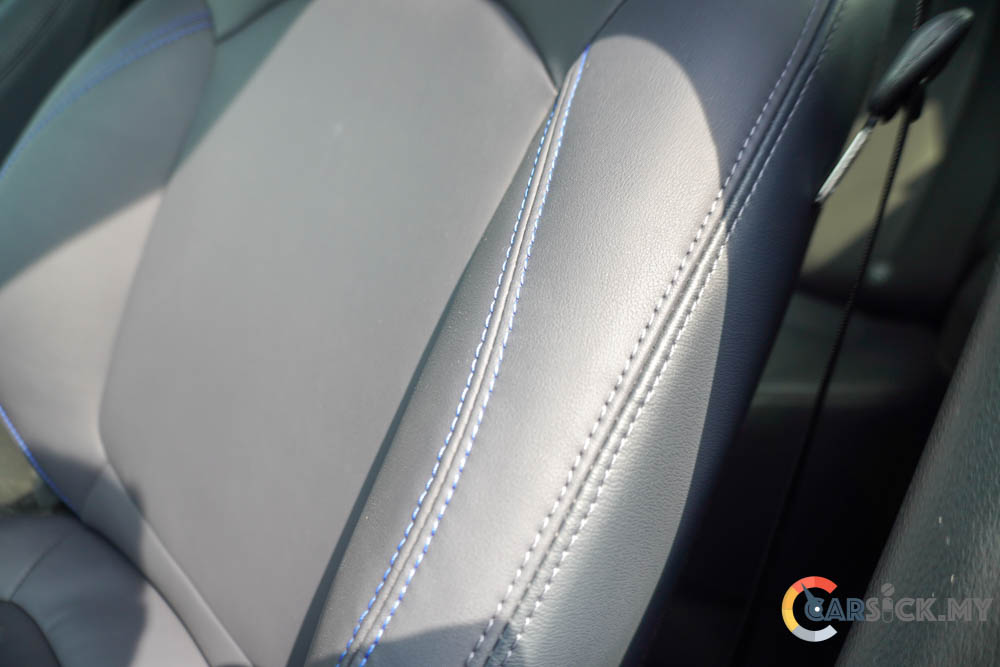
Moving on to the seats, the Yaris Cross comes standard with leather that is soft to the touch. It’s even softer than the leather you find on the GearUp Traz. On top of that, the driver’s seat now comes with electric adjustments to make your driving experience more comfortable. But with the electrically adjustable front seat, I do feel that I sit a little bit higher than in the Traz. This is probably because the lower part of the seat needs to accommodate the electronic components. Personally, I would prefer the lower seating position in the Traz, but that is more of a personal preference rather than a flaw. 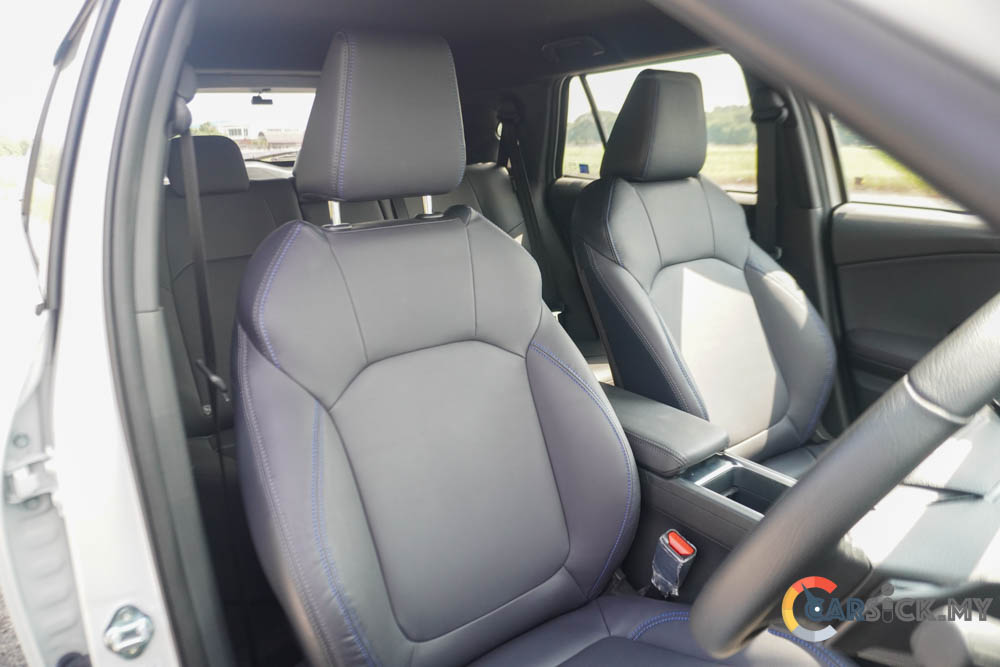
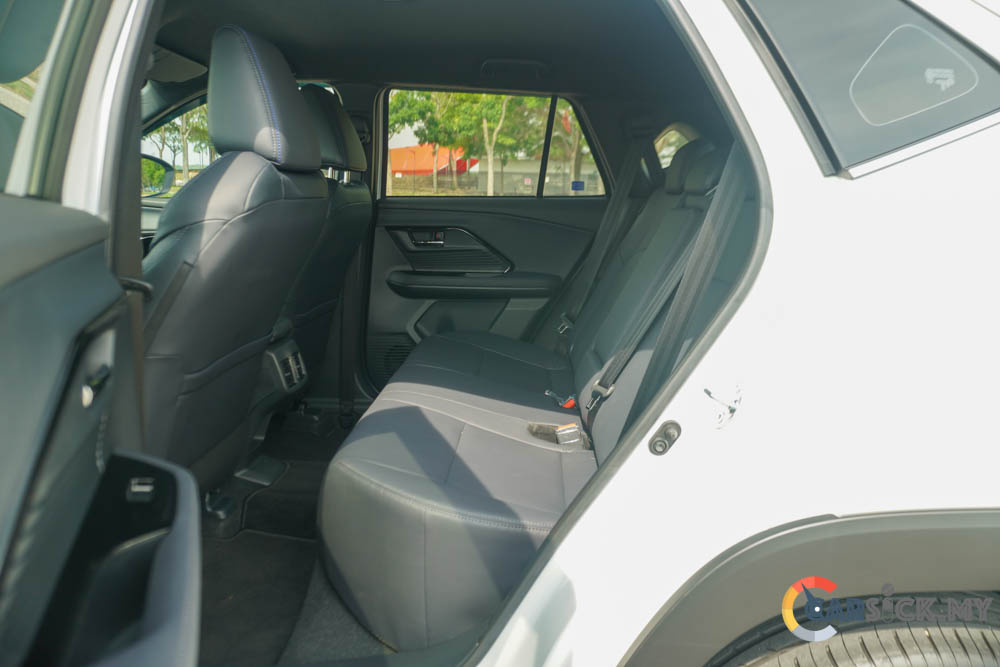
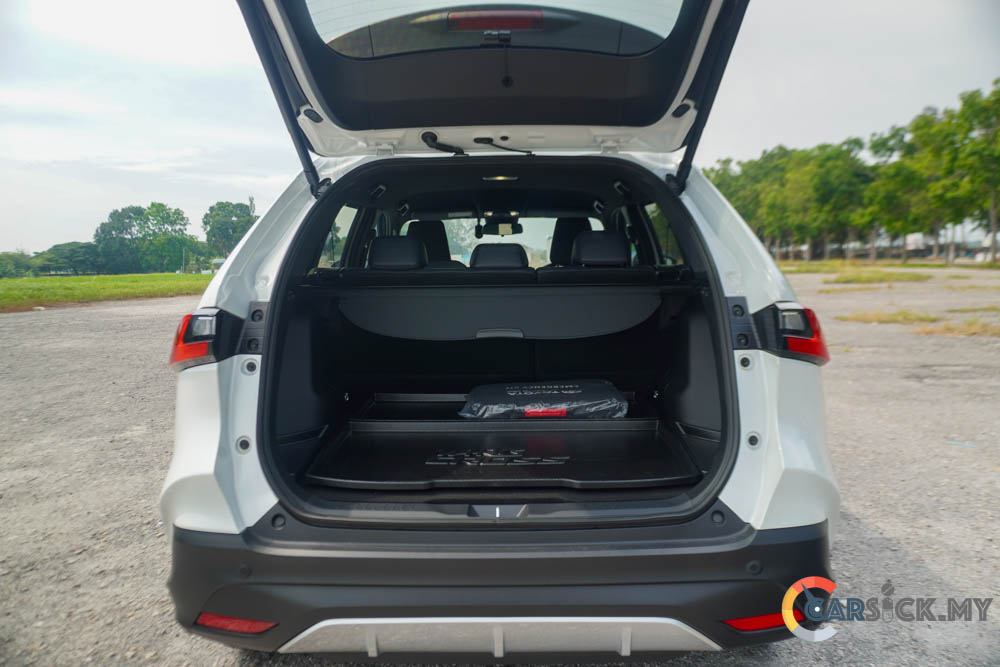
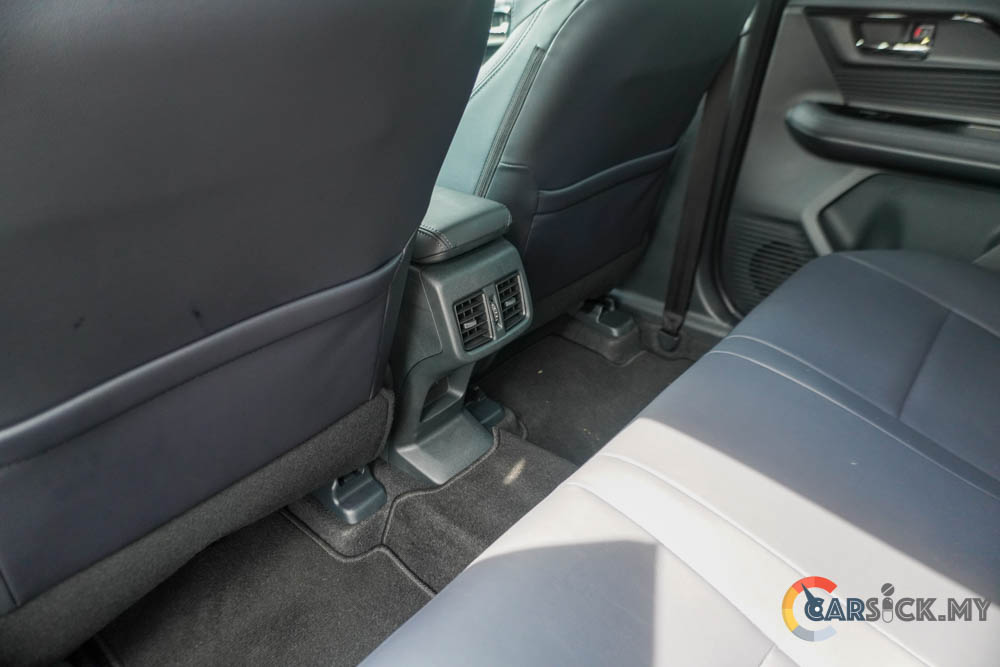
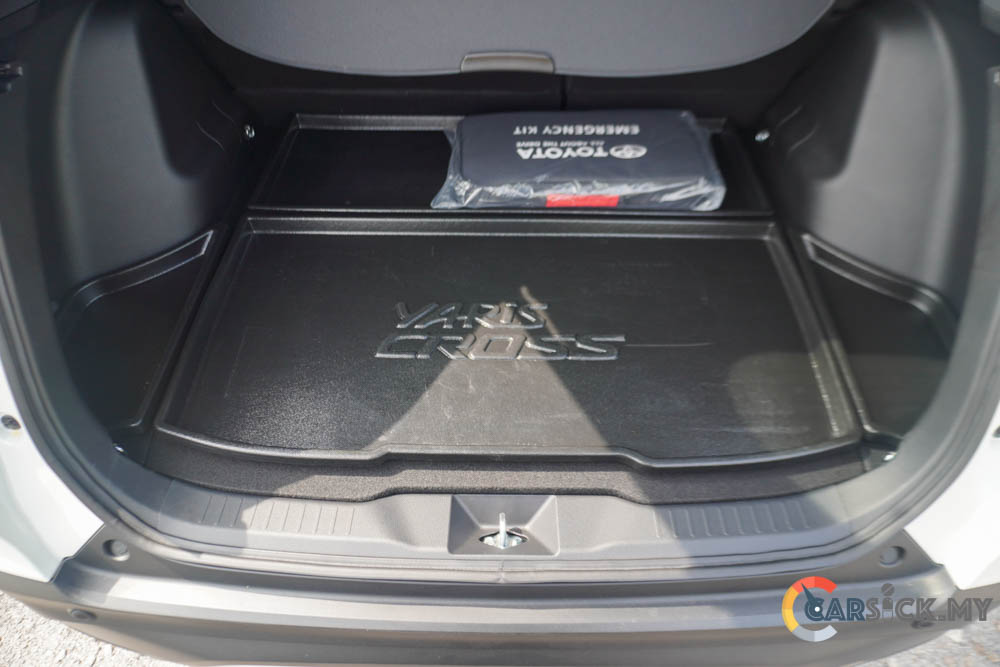
In the rear, the seats feel the same when it comes to comfort. But with the higher-grade leather, the Yaris Cross definitely feels that bit more premium when sitting in the back. Rear passengers also get two AC vents and two USB-C slots in the centre, just like the Traz. And behind the rear seats, you’ll find the same 471 litres of boot space as in the Traz. But for the Yaris Cross, Toyota actually provides a model-specific boot tray that allows you to take it out and clean it when it gets dirty. And since it’s easy to clean, you won’t have to worry about putting wet and muddy items inside the boot. 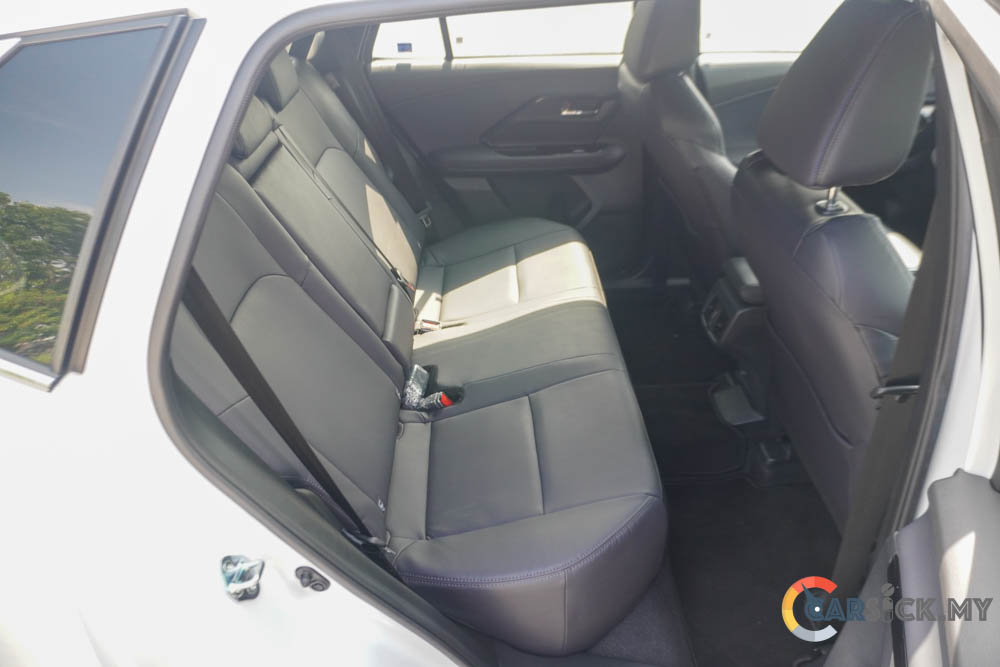
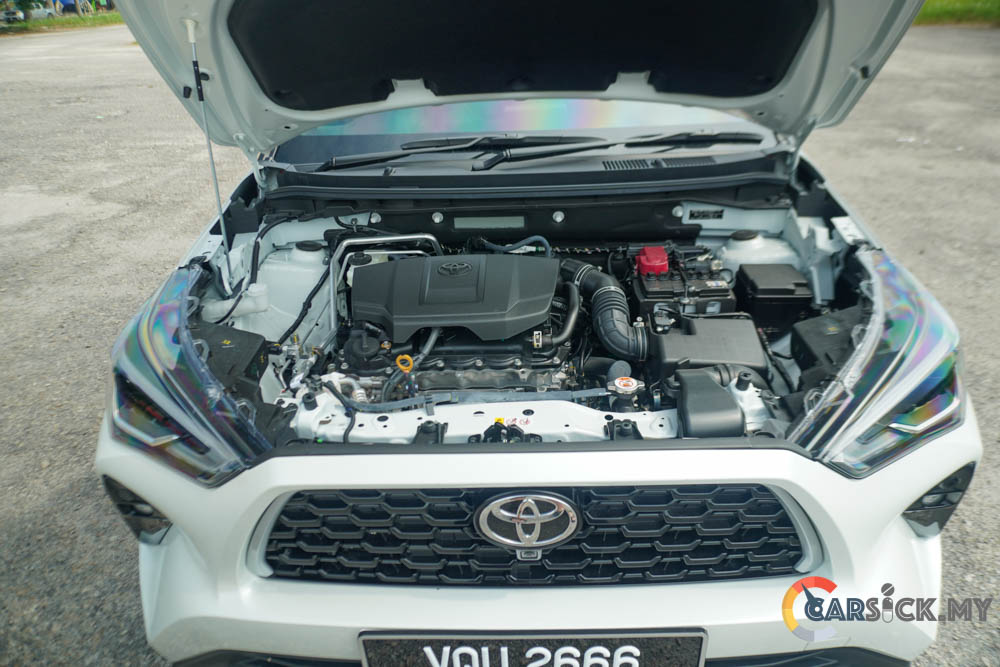
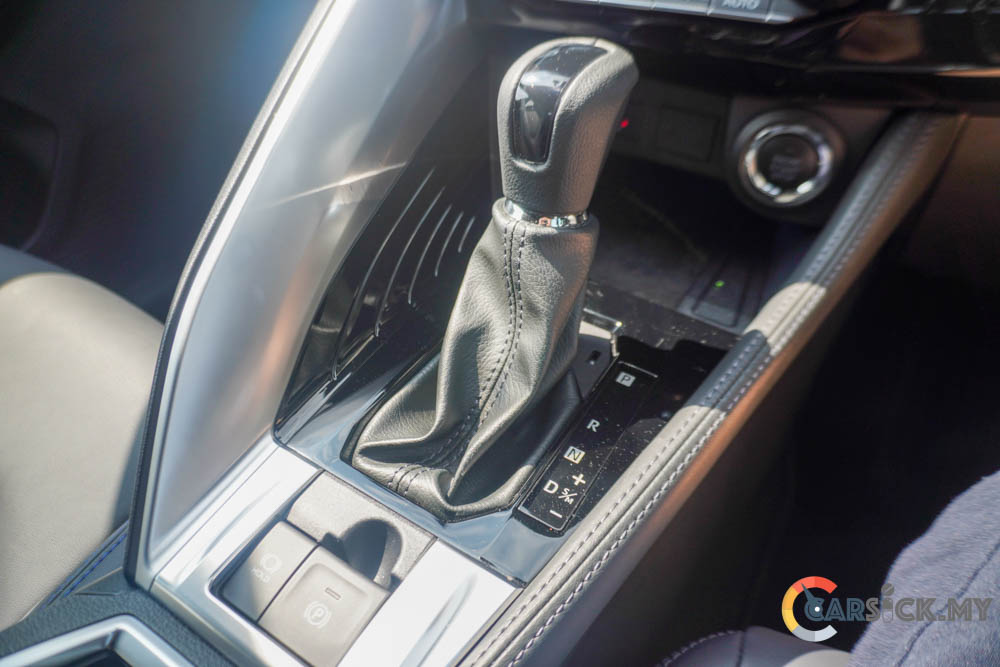
Under the hood, the ICE Yaris Cross uses the same powertrain as the Traz. This is the familiar 1.5-litre naturally aspirated engine, mated to a CVT that transmits power to the front wheels. This engine produces 106 PS and 138 Nm of torque. With this familiar powertrain, it provides a very similar driving experience to its sibling. While there’s not much to shout about regarding this powertrain, I do have to say that there are some improvements in NVH in the Yaris Cross. Sitting inside the Yaris Cross, there is slightly less engine noise entering the cabin compared to the Traz. But it’s not a significant difference. Other than that, the overall driving experience feels pretty similar. 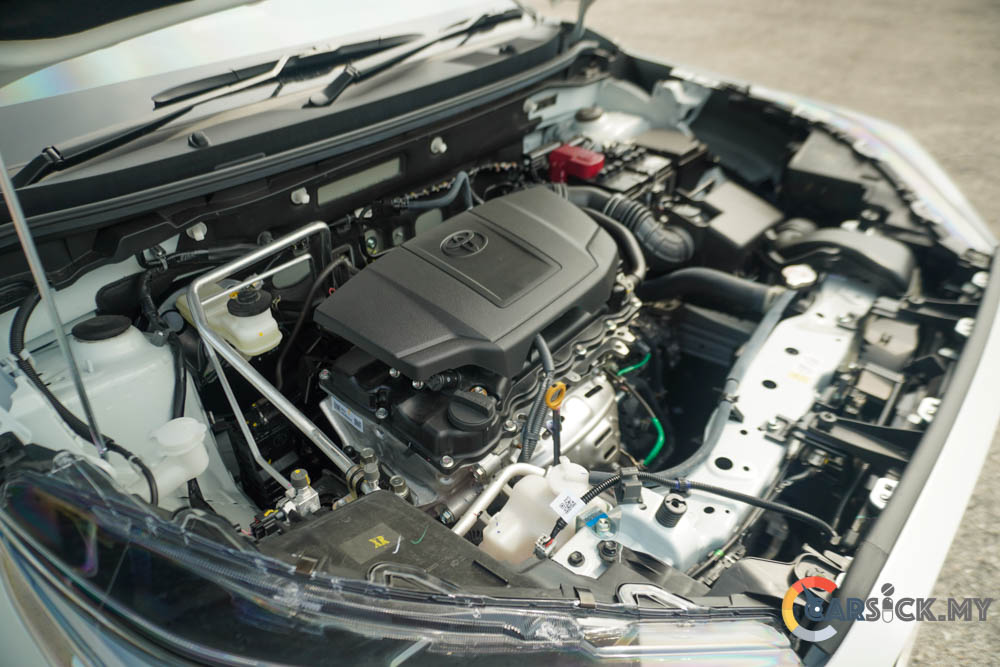
But when it comes to ride and handling, I would say there are definitely some differences here. And the most important thing to note is that the Yaris Cross rides on larger 18-inch rims. With the larger rims, the tyres end up being thinner. With the thinner tyres, this translates to a slightly stiffer ride. But there’s no change to the suspension; you’ll simply feel more of the road because of the reduced sidewall on the tyres. But it is not all doom and gloom with the larger rims. The larger rims, in turn, provide sharper handling for the Yaris Cross. The Yaris Cross reacts to turn-in faster than the Traz, making it feel more eager to turn into corners. It also provides better steering feedback through the steering wheel. On top of that, it enhances the confidence the driver has in the vehicle.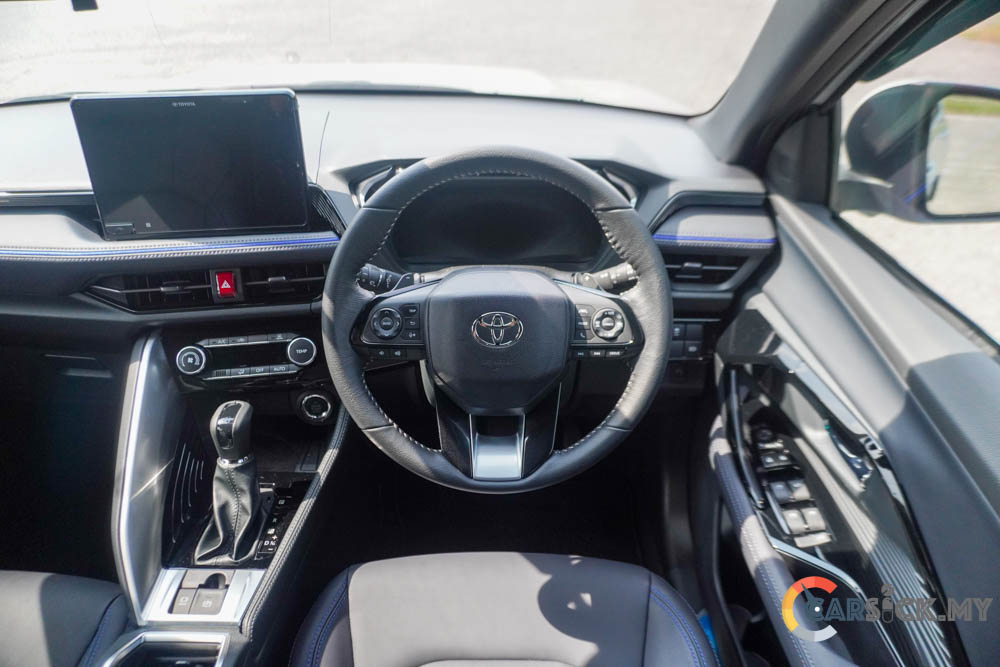
And in terms of the brakes, yeah, they do feel very similar to the Traz. You get a good pedal feel, which provides the driver with plenty of confidence when slowing the vehicle down. But when it comes to ADAS, the Yaris Cross is fully loaded with all the necessary features you would expect from a modern-day vehicle. Even the Adaptive Cruise Control that was missing in the Traz is available here on the Yaris Cross. This enhances the ADAS package on the Yaris Cross, making it a full Level 2 safety vehicle. 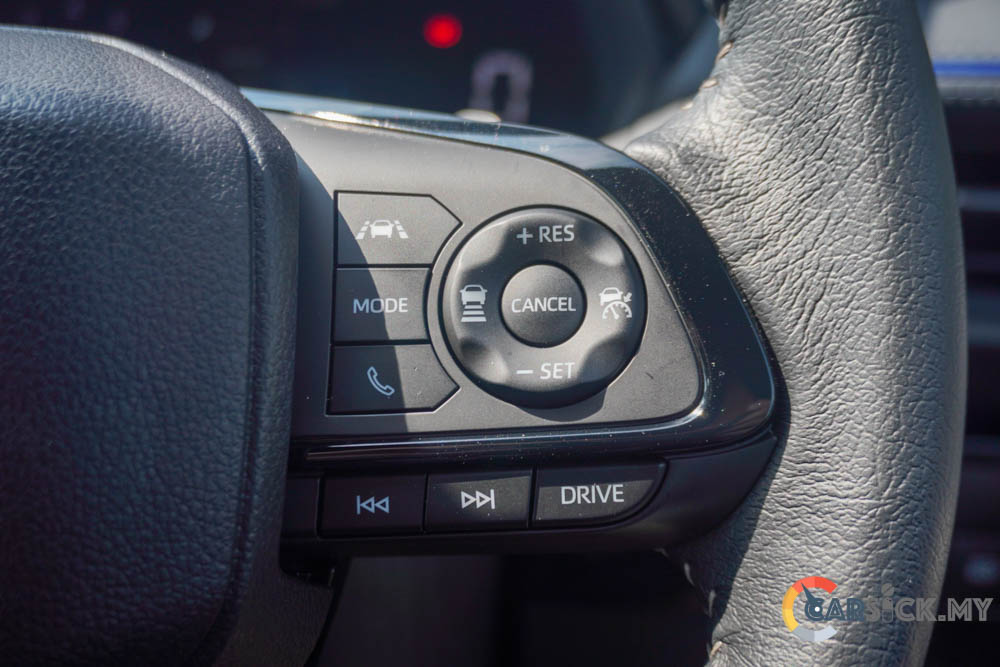
The Yaris Cross comes standard with Pre-Collision Warning (PCW), Pre-Collision Braking (PCB), Pre-Collision Braking Assist (PCBA), Adaptive Cruise Control (ACC) with Full Speed Range, Lane Departure Warning (LDW), Lane Departure Prevention (LDP) with Steering Assist, Lane Keeping Control (LKC), Front Departure Alert, Auto High Beam (AHB), Blind Spot Monitor (BSM), Rear Cross Traffic Alert (RCTA), and Pedal Misoperation Control (Front).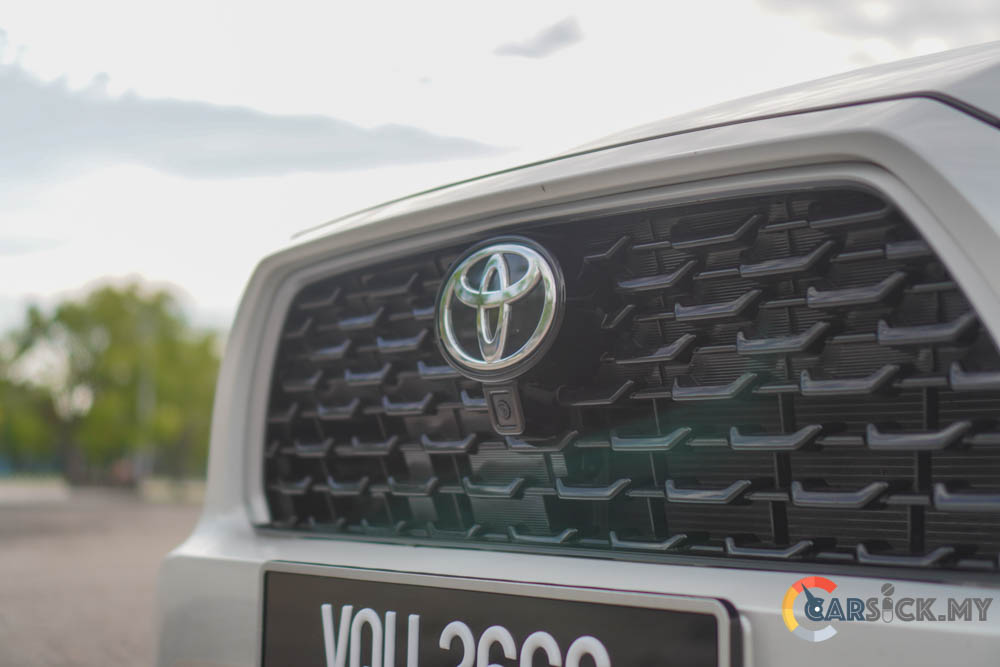
With a price tag of RM99,900, you could look at the Yaris Cross as a fully loaded Traz, and it’s definitely not wrong to do so. It’s also positioned that way, as there won’t be an AV variant of the Traz available. But as a Toyota itself, it definitely brings some redeeming factors that make it feel like a different vehicle from the Traz. Coming back to the question: is it worth paying that much more compared to the Traz? Well, if you have the extra cash, why not? You get a more complete vehicle, along with the backing of Toyota as a brand. But for me, if I’m getting a Yaris Cross, I’ll still be setting my eyes on the HEV variant. That’s more of a personal choice, though, as the ICE variant is definitely a good car if you don’t want the HEV variant.
Check out the full photo album here.