

McLaren Automotive has unveiled the McL 6GT at the 2026 Monterey Car Week, introducing a striking new interpretation of the brand’s road-car heritage and offering a glimpse into a highly exclusive future for its supercar portfolio.
 Inspired by the original McLaren M6GT, the unfinished road-going supercar envisioned by company founder Bruce McLaren, the McL 6GT combines the spirit of that pioneering project with more than six decades of technological development. While presented initially as a concept, the car is set to become a production reality in 2028.
More than a nostalgic exercise, the McL 6GT represents McLaren’s intention to create a new category of highly exclusive supercar positioned beyond its established core and expanded model ranges. At its heart is an emphasis on driver involvement, tactile interaction and mechanical purity at a time when many modern performance cars are becoming increasingly digital.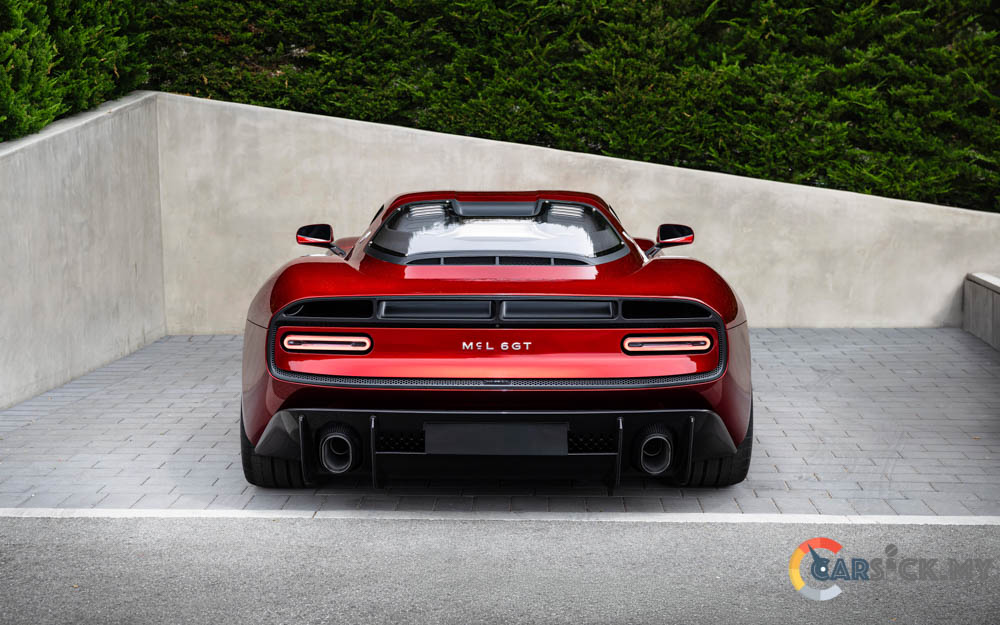
“The McLaren McL 6GT imagines what our inspirational founder had wished to complete but with six additional decades of innovation and passion woven through every element, creating a modern icon of driver connection,” said Nick Collins, Chief Executive Officer of McLaren Automotive. “It is symbolic of the bold, provocative and hugely exciting future that we are preparing to realise.”
The McL 6GT has been conceived around a distinctly analogue approach to performance. Rather than relying solely on digital interfaces and electronic assistance, McLaren has placed physical interaction at the centre of the driving experience.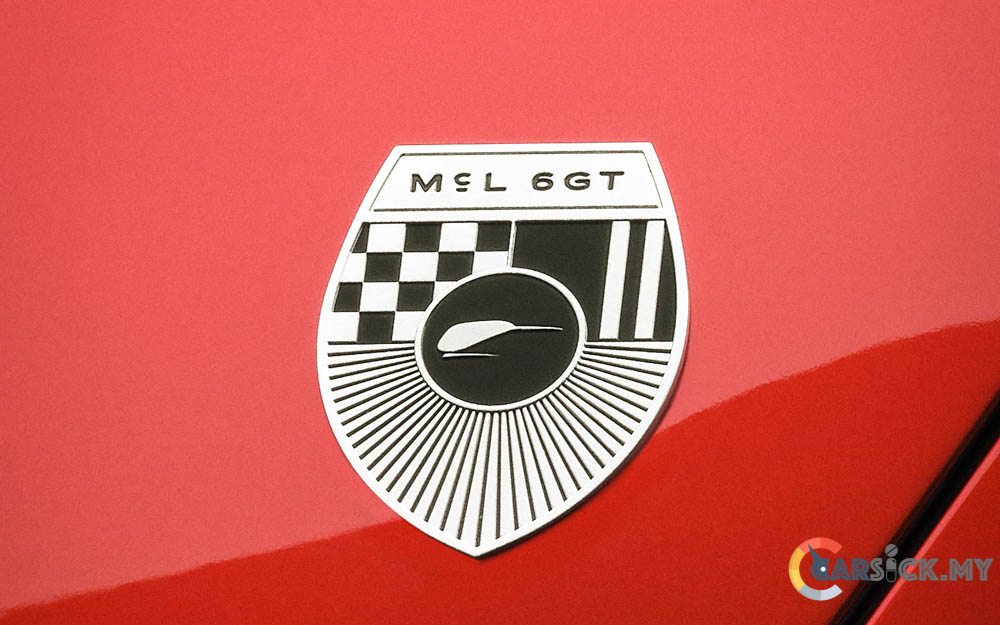
The car features hydraulic steering, tactile switchgear and exposed engineering elements, while machined aluminium controls with knurled surfaces provide a more deliberate interaction with the cockpit. The manual gear lever is particularly significant, carefully engineered to deliver a precise and satisfying shift while incorporating a three-dimensional Speedy Kiwi within its upright.
The combination of a V8 internal-combustion engine, rear-wheel drive and a genuine manual transmission makes the McL 6GT especially notable. It will be the first McLaren since the legendary McLaren F1 to feature an authentic manual gearbox, reinforcing the company’s commitment to creating a deeply mechanical driving experience. Every throttle input, steering movement and gear change is intended to feel purposeful, giving the driver a direct connection with the machinery.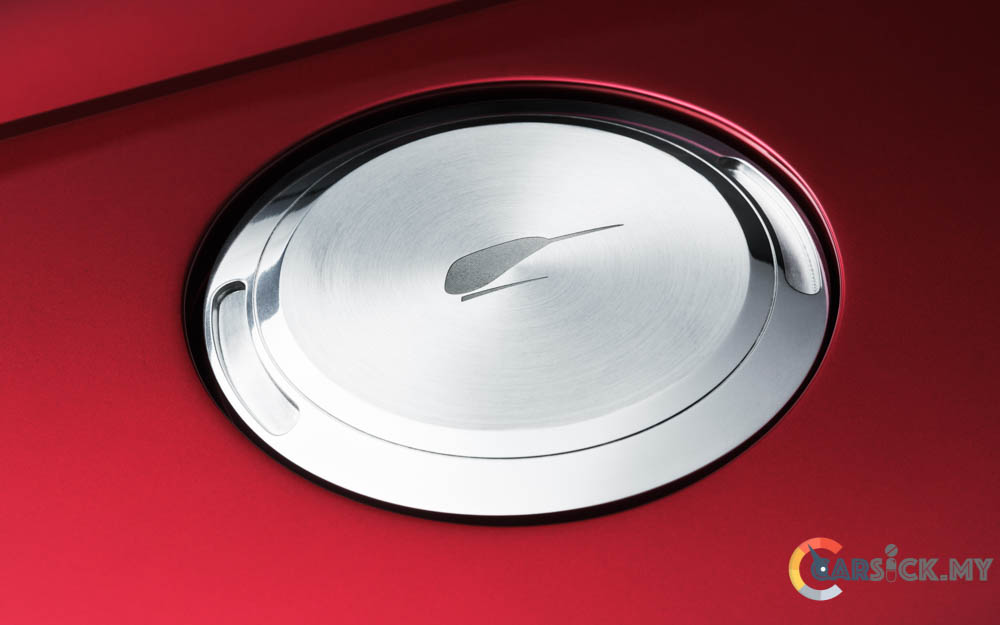
The McL 6GT traces its inspiration directly to the M6GT, one of Bruce McLaren’s most ambitious road-car projects. McLaren Special Operations (MSO) recently celebrated that heritage by creating a meticulously assembled one-off interpretation of the original M6GT for the 2026 Goodwood Festival of Speed.
The McL 6GT takes that connection considerably further, translating the original car’s design philosophy into a contemporary supercar. Its proportions are unmistakably dramatic. The body sits extremely low and wide, with a low nose inspired by the M6A Can-Am racer that provided the basis for the original M6GT. From there, clean and uninterrupted surfaces flow towards a distinctive Kammback rear.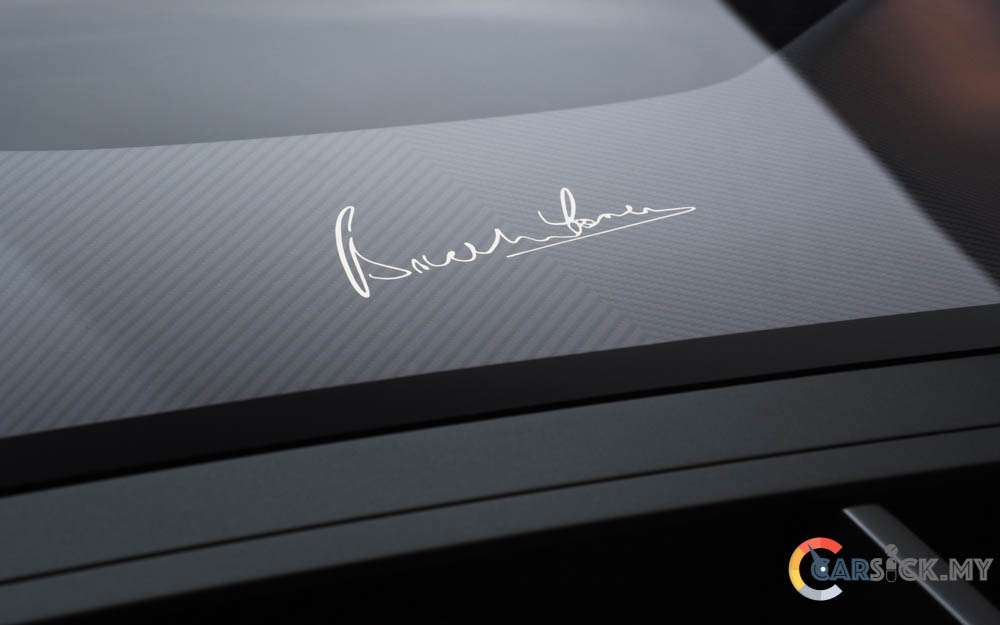
The roof transitions naturally into the rear deck and engine cover, creating the impression that the cabin is embedded within the body rather than simply placed on top of it. This gives the car a cohesive, almost sculptural appearance while reflecting the low-drag aerodynamic thinking of 1960s sports prototype racing.
Among the most distinctive details is the ‘Racing Loop’ motif, derived from the original M6GT’s taillights and incorporated into the McL 6GT’s aerodynamic architecture. Bruce McLaren’s original M6GT number plate has also been reinterpreted as a subtle tone-on-tone graphic. Other heritage touches include Bruce McLaren’s signature in the engine bay and a discreet Speedy Kiwi emblem etched into the fuel filler cap.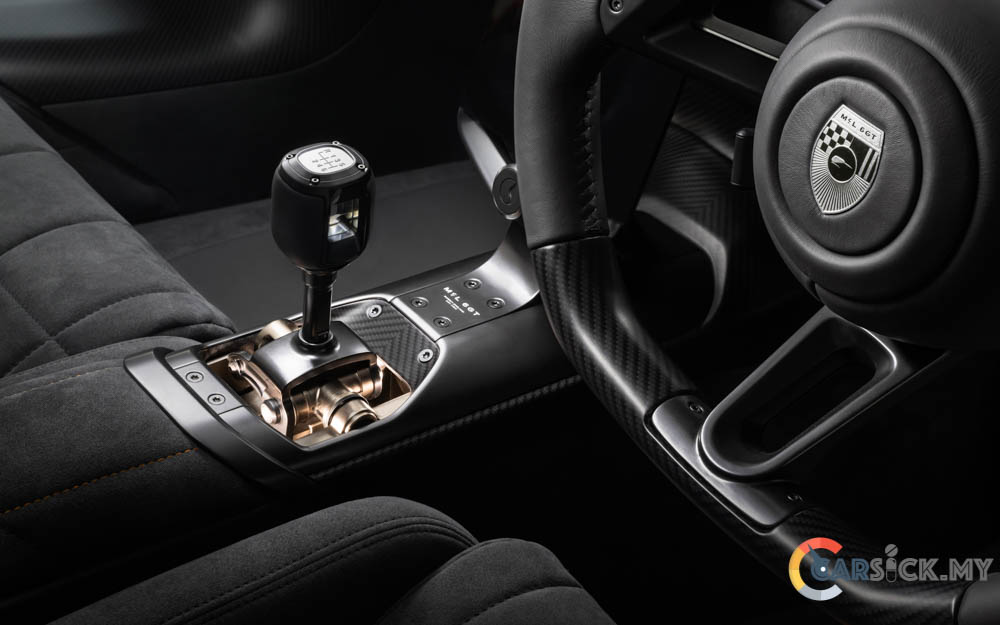
The same philosophy continues inside the cabin, where McLaren combines modern technology with tactile details inspired by the original M6GT. Traditional boxed quilting has been reinterpreted for the contemporary interior, while the digital instrumentation is designed to retain the clarity and emotional appeal associated with the original car. Rather than overwhelming the driver with technology, the cockpit places emphasis on usability, craftsmanship and the physical relationship between driver and machine.
This balance between heritage and modernity is central to the McL 6GT’s character. The car does not attempt to recreate the past literally; instead, it takes key elements from McLaren’s origins and interprets them through modern design and engineering.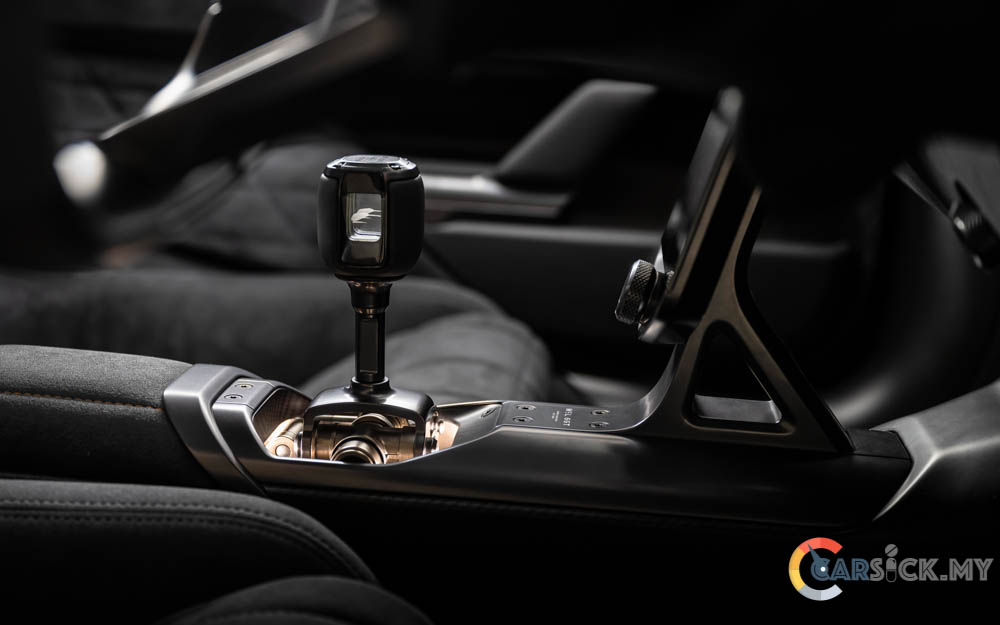
Lightweight construction remains fundamental to the McL 6GT, continuing one of the defining principles of McLaren’s road and racing cars. The car is built around a lightweight carbon-fibre monocoque combined with carbon-fibre bodywork. This approach not only reduces mass but also contributes directly to the car’s performance and responsiveness by supporting a strong power-to-weight ratio.
Exposed gloss carbon fibre inside the cabin further reinforces the connection to McLaren’s motorsport heritage while making the construction itself part of the car’s visual identity. For McLaren, lightweight engineering is more than a technical exercise. In the McL 6GT, it forms part of a broader philosophy in which every component is expected to contribute to performance, purity and driver engagement.
The McL 6GT represents more than the revival of an unfinished project from Bruce McLaren’s past. It provides McLaren with a platform to explore what an ultra-exclusive, driver-focused supercar can become in the modern era.
By combining the visual language of the M6GT with carbon-fibre construction, V8 power and a manual transmission, McLaren has created a car that deliberately stands apart from the increasingly technology-driven performance-car landscape.