
Before the official launch of the Jetour T1, Jetour Malaysia invited a group of media members to drive its latest SUV from Kuala Lumpur all the way to Kemaman, Terengganu. This drive not only gave us the opportunity to properly experience the T1, but also allowed us to sample the upcoming T2 i-DM. However, since the T2 i-DM wasn’t the focus of this event, I’ll save that for another time. Besides the drive itself, we also got to witness Jetour’s efforts to give back to nature by supporting turtle conservation initiatives.
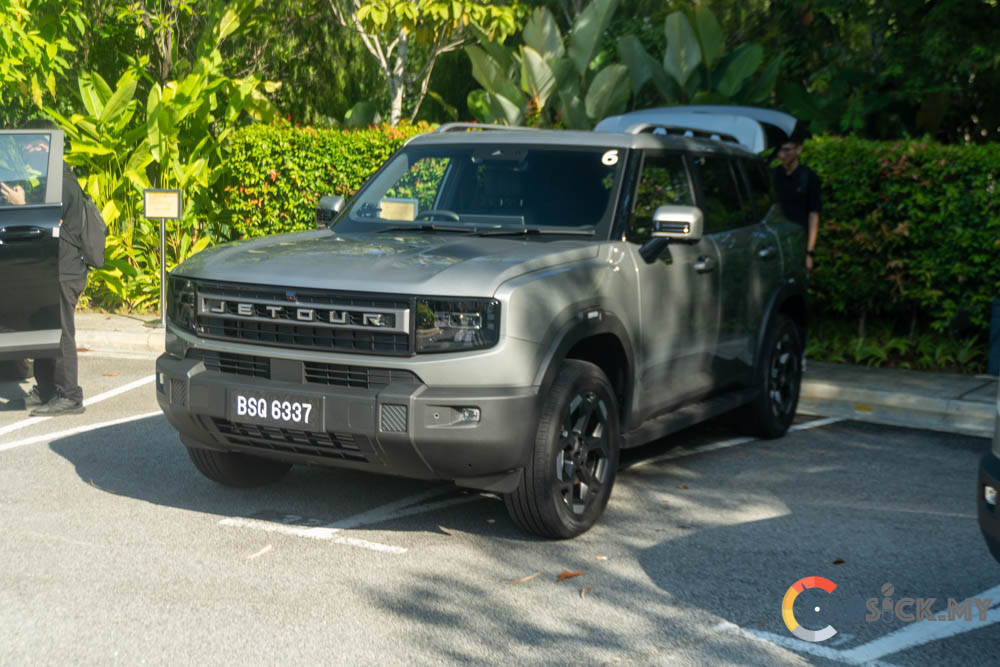 Let’s start with the T1, which was officially launched shortly after the media drive. The T1 is available in two variants: a 1.5L turbocharged model and a 2.0L turbocharged model. Pricing starts at RM129,800 for the 1.5L variant, while the 2.0L variant is priced at RM146,800. During the drive, I was assigned the 2.0L variant together with my fellow driving partners. Under the bonnet is a 2.0L turbocharged engine paired with a seven-speed dual-clutch transmission, producing 245 PS and 375 Nm of peak torque. The 2.0L variant also comes equipped with Jetour’s XWD all-wheel-drive system.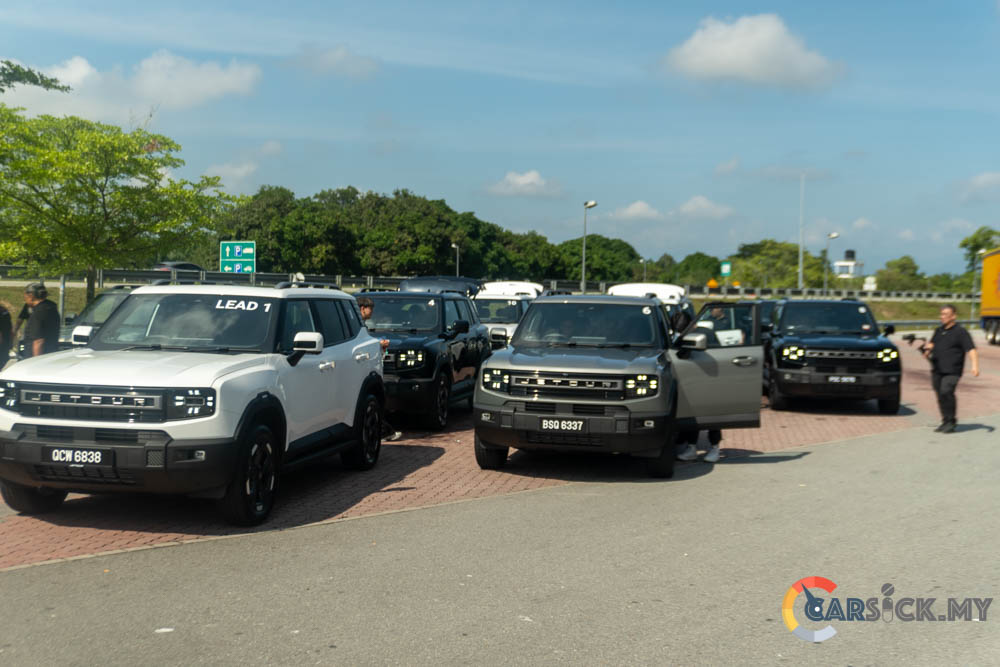
Our journey began at Bamboo Hills in Kuala Lumpur and ended in Kemaman, Terengganu. The route took us through the twisty Karak Highway before heading towards Kuantan for lunch, followed by Resort World Kijal for our overnight stay. Overall, the route mainly consisted of highways and wide open roads, making it an ideal opportunity to evaluate the T1’s long-distance cruising capabilities.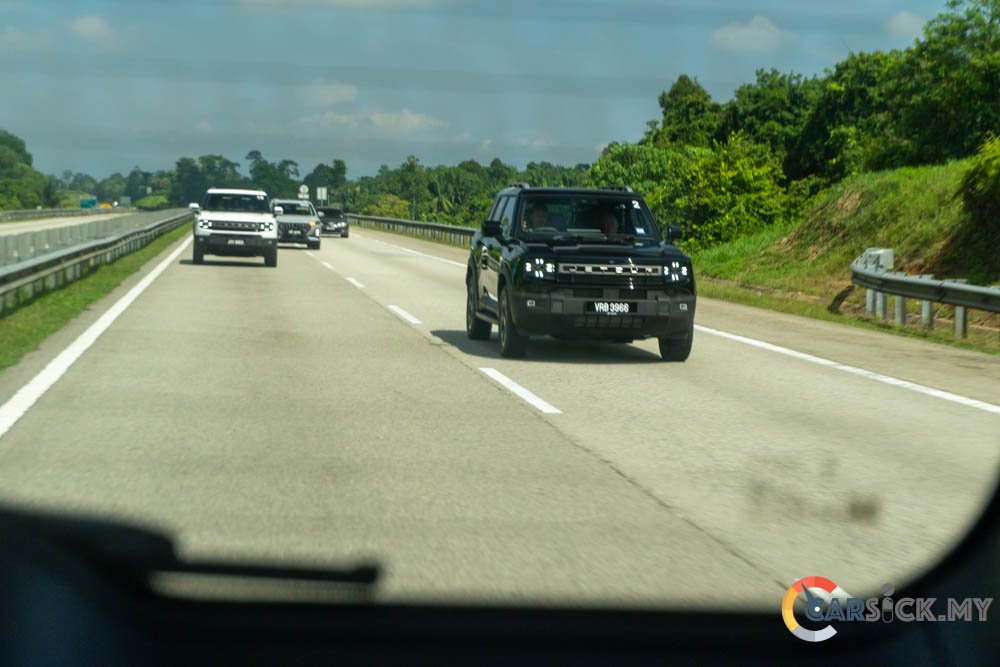
I took the wheel for the first driving stint, which covered the journey from Bamboo Hills to the driver swap point at the Lanchang rest stop. As soon as I got behind the wheel, I selected Sport mode. Unfortunately, the powertrain didn’t feel particularly refined in this setting. The clutch engagement felt overly aggressive, while there was also a noticeable delay before the transmission engaged. This made driving at low speeds less comfortable than expected.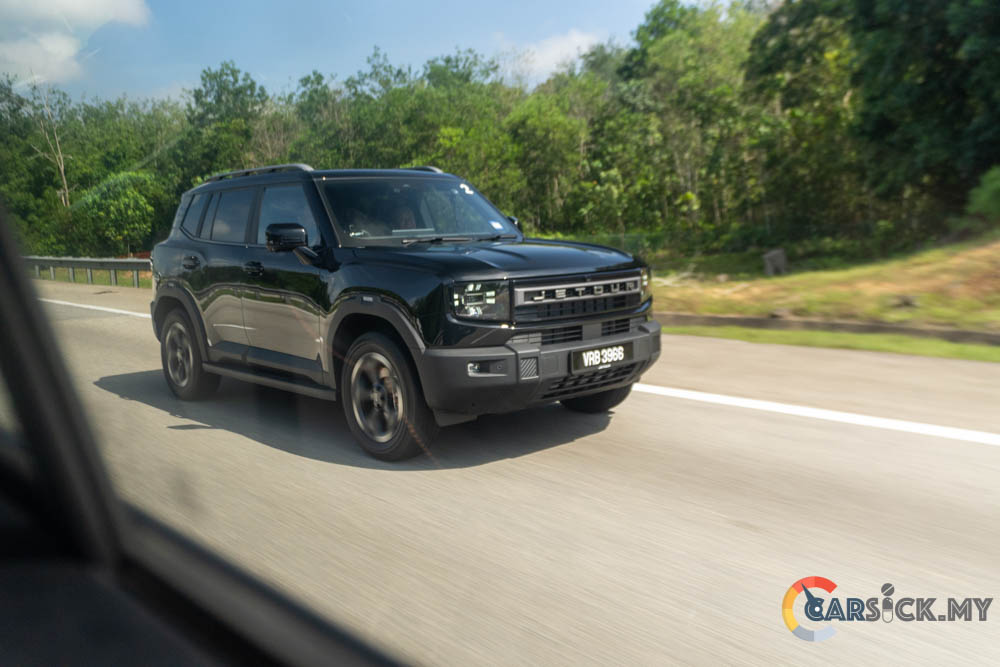
Not long after leaving Bamboo Hills, I switched back to Normal mode, and the difference was immediately noticeable. The powertrain became much smoother, with gentler clutch engagement that made the SUV far more pleasant to drive in traffic. While the slight delay in engagement was still present, it was much less noticeable. For the remainder of my stint, I kept the T1 in Normal mode.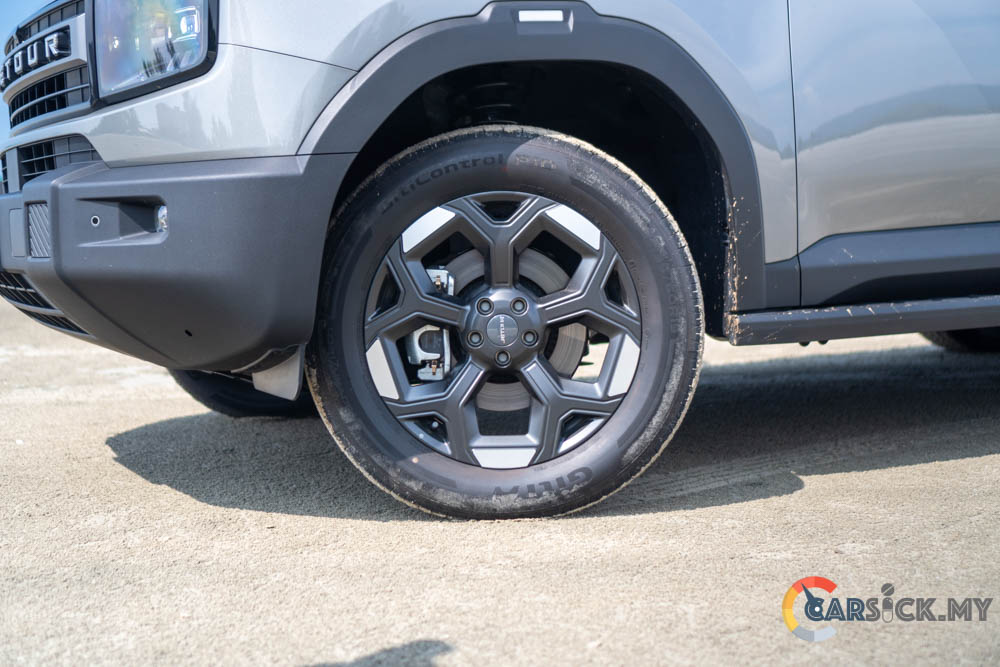
Since the vehicle was brand new, the tyre pressures had been inflated slightly higher than ideal. As a result, the SUV tended to bounce over uneven road surfaces, making it feel slightly unsettled, especially when encountering bumps mid-corner. Even on straight roads, the vehicle felt a little nervous. Fortunately, halfway through the drive, the organisers reduced the tyre pressures. The improvement was immediate, with the ride becoming noticeably more composed and comfortable. As for handling, there’s nothing particularly remarkable to report just yet, although I’d certainly like to spend more time with the vehicle before making a final judgement.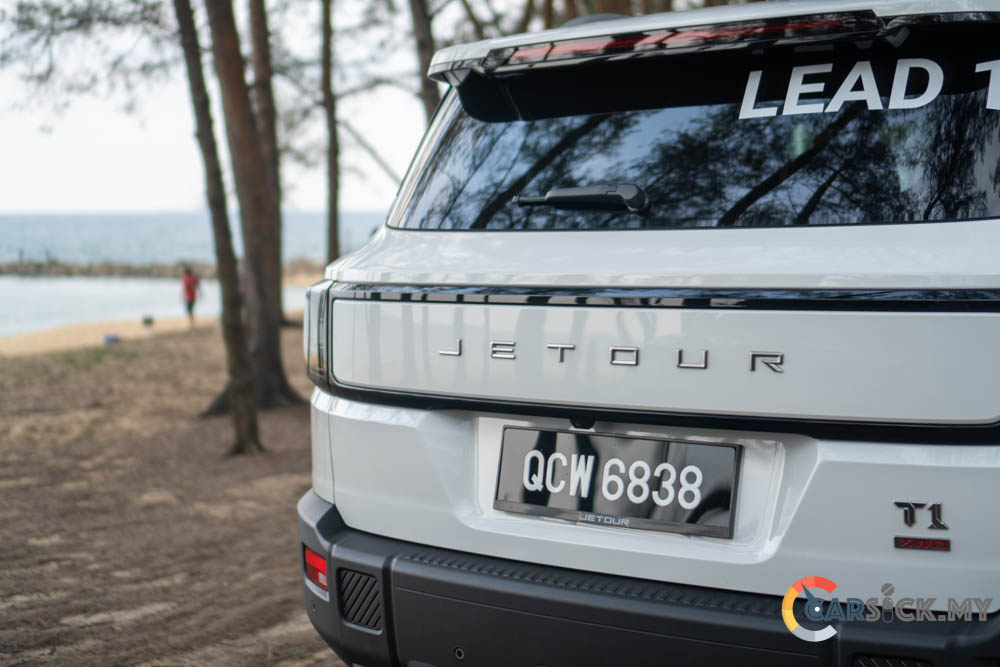
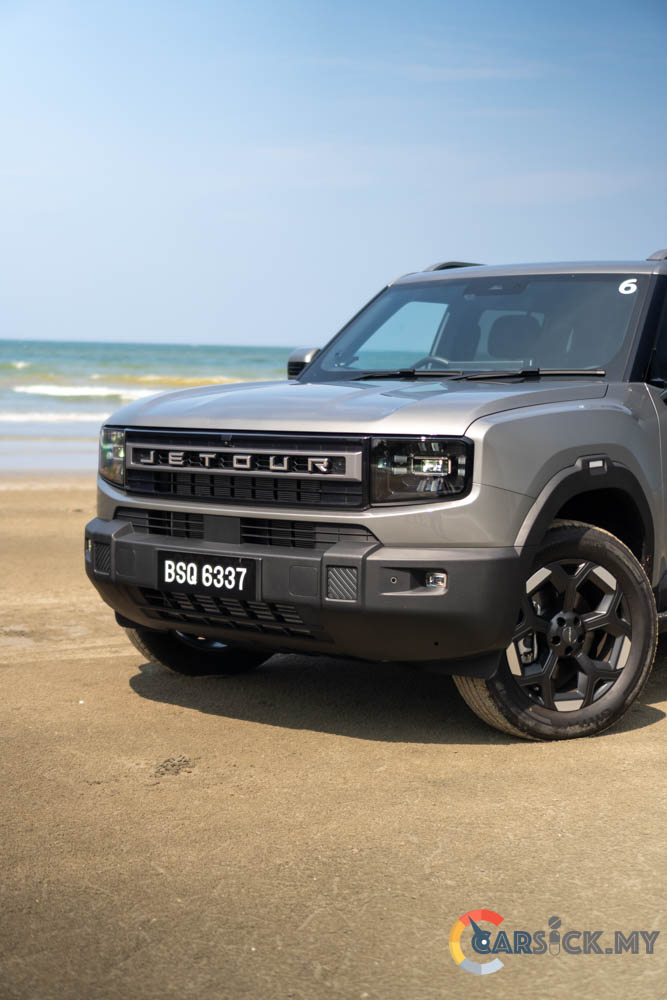
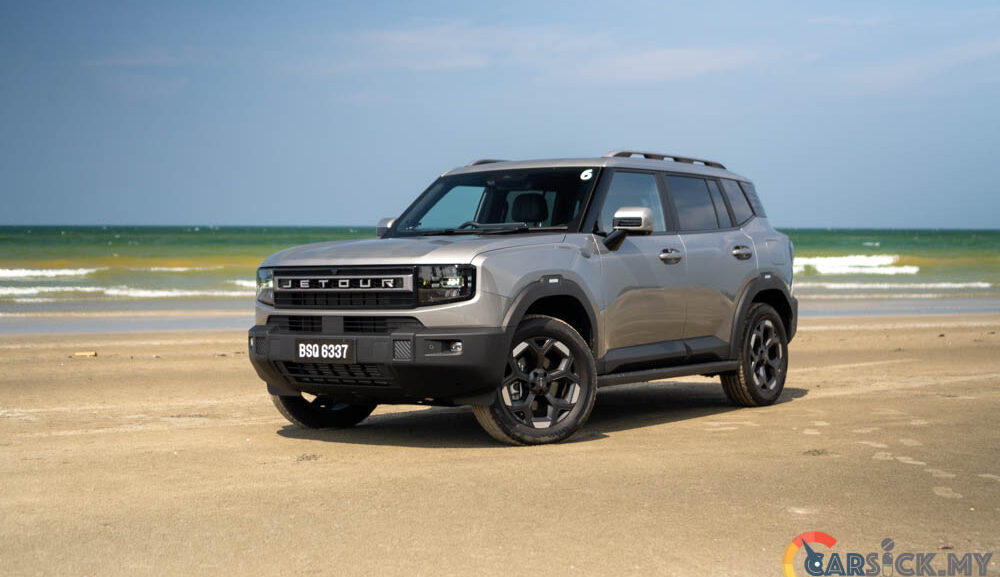
Before arriving at the hotel, we made a stop at Batu Hitam Beach, where we had the chance to drive the T1 on sand. Since our test vehicle was equipped with the XWD all-wheel-drive system, we were confident enough to venture onto the beach. I wasn’t able to find the button to disable the ESP, so the system kept cutting engine power whenever I tried to induce a bit of wheelspin. Even so, the T1 never got stuck, despite driving through some fairly loose sand, which was an encouraging result.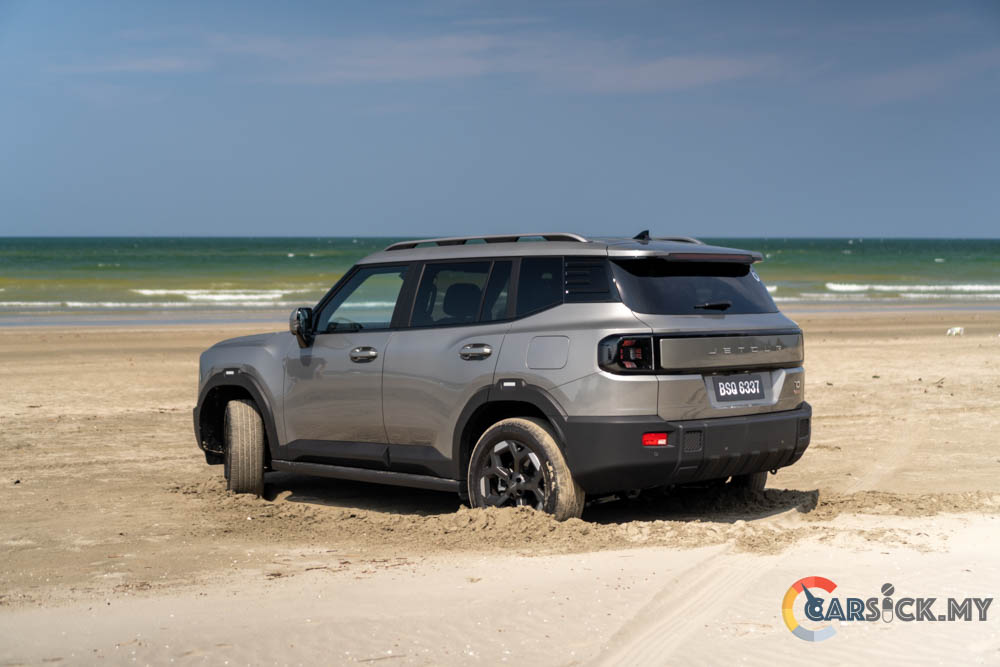
Driving wasn’t the only highlight of the trip. We also visited two turtle conservation centres to learn about the efforts being made to protect these endangered creatures. Turtle conservation programmes play an important role in giving hatchlings a better chance of surviving into adulthood and eventually returning to the beaches to lay eggs. According to the information shared with us, out of every 1,000 hatchlings that make their way into the sea, only one is likely to survive to adulthood. It’s a sobering statistic and highlights just how important these conservation efforts are.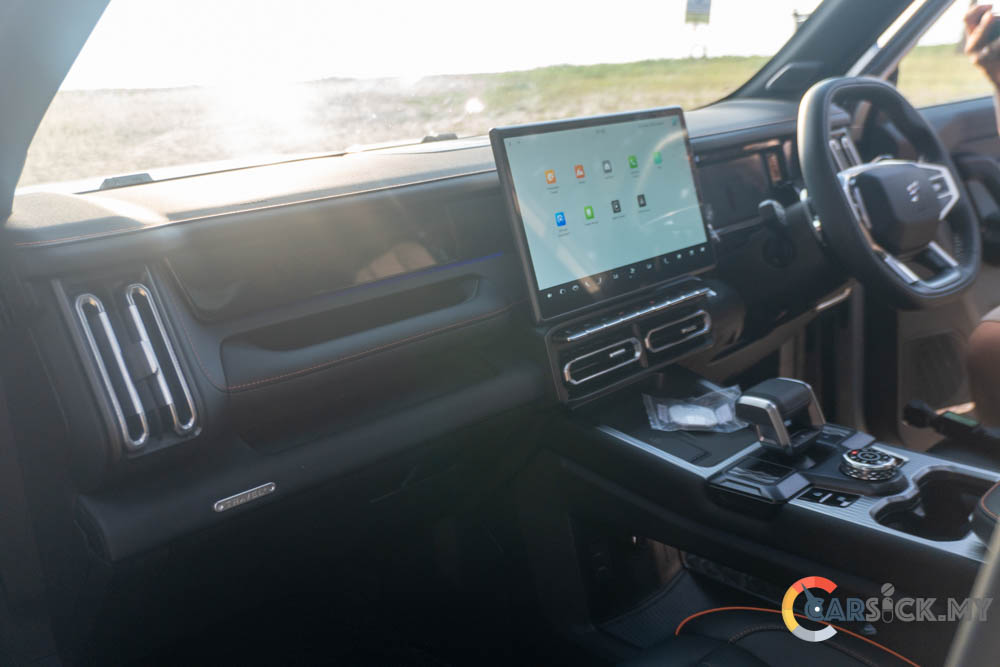
Following the success of the T2, Jetour is now hoping to replicate that success with the introduction of the T1. While the T2 appeals to buyers with its rugged, off-road-inspired styling, the T1 adopts a softer and more refined design. Despite the different appearances, both SUVs deliver a very similar driving experience. I believe there are buyers who appreciate the rugged SUV look but prefer something that’s a little more civilised and easier to live with on a daily basis. That’s exactly where the T1 fits into the lineup. Is it a good vehicle? Essentially, it’s the same capable package wrapped in a different design, giving buyers another option depending on their personal preference.