
Inokom Corporation Sdn. Bhd. (Inokom) has strengthened its position as a key player in Malaysia’s automotive manufacturing sector with the launch of its new Paint Shop 3 (PS3), representing an investment of approximately RM300 million.
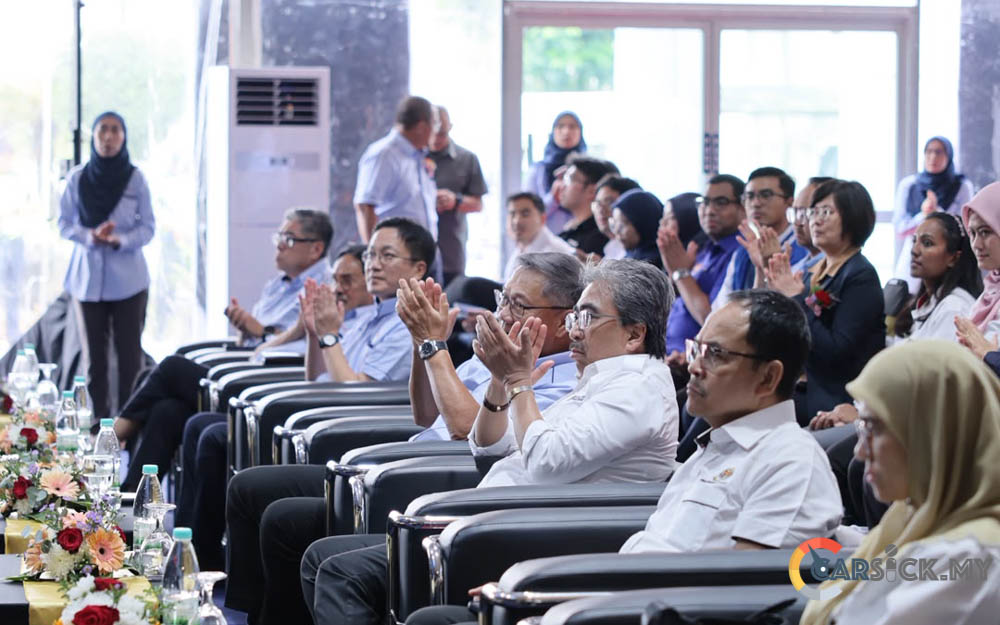
 Officially launched by Investment, Trade and Industry Minister YB Datuk Seri Johari Abdul Ghani, the new facility is among Sime’s largest manufacturing investments to date and is intended to enhance Inokom’s production capacity, flexibility and competitiveness as demand for locally assembled vehicles continues to evolve.
Importantly, PS3 was built and is operated entirely by a Malaysian workforce, highlighting Sime’s confidence in local engineering and manufacturing capabilities. The facility is also expected to create employment opportunities while strengthening Inokom’s ability to serve both Malaysian and regional automotive programmes.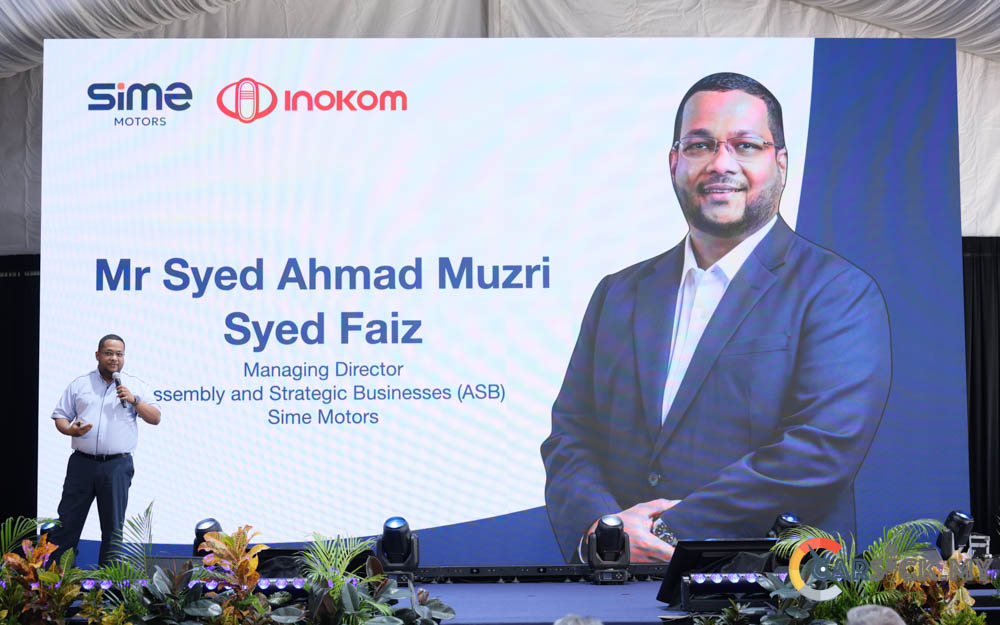
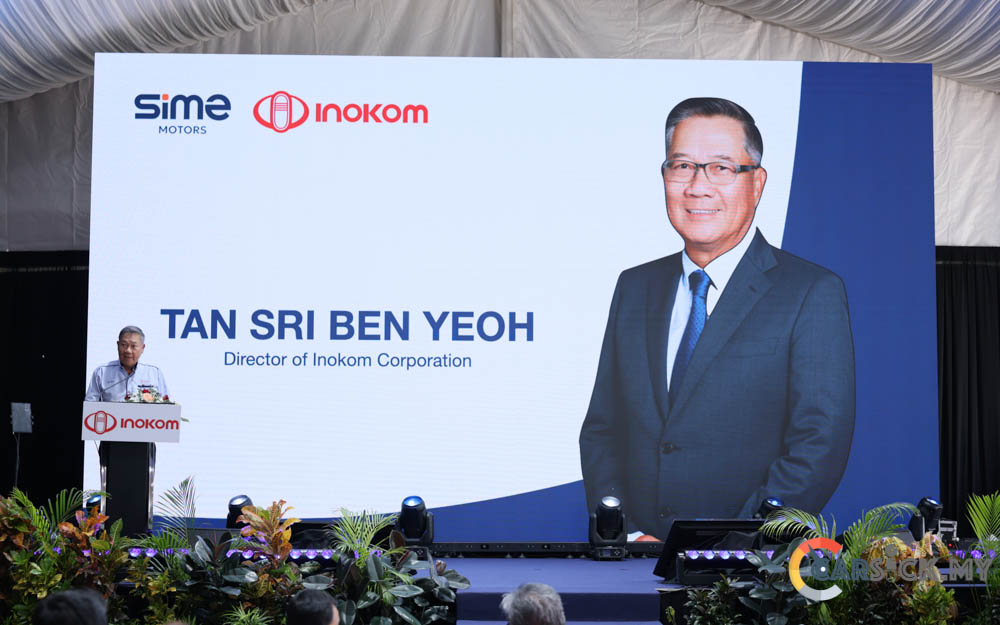
“Inokom has evolved alongside Malaysia’s National Automotive Policy. From our beginnings as part of the nation’s automotive development ambitions, we have grown into a trusted manufacturing partner for global automotive brands,” said Tan Sri Dato’ Sri Ben Yeoh, Director of Inokom Corporation Sdn. Bhd.
“Paint Shop 3 reflects our continued commitment to investing in local capabilities, technology transfer and the future growth of Malaysia’s automotive industry.”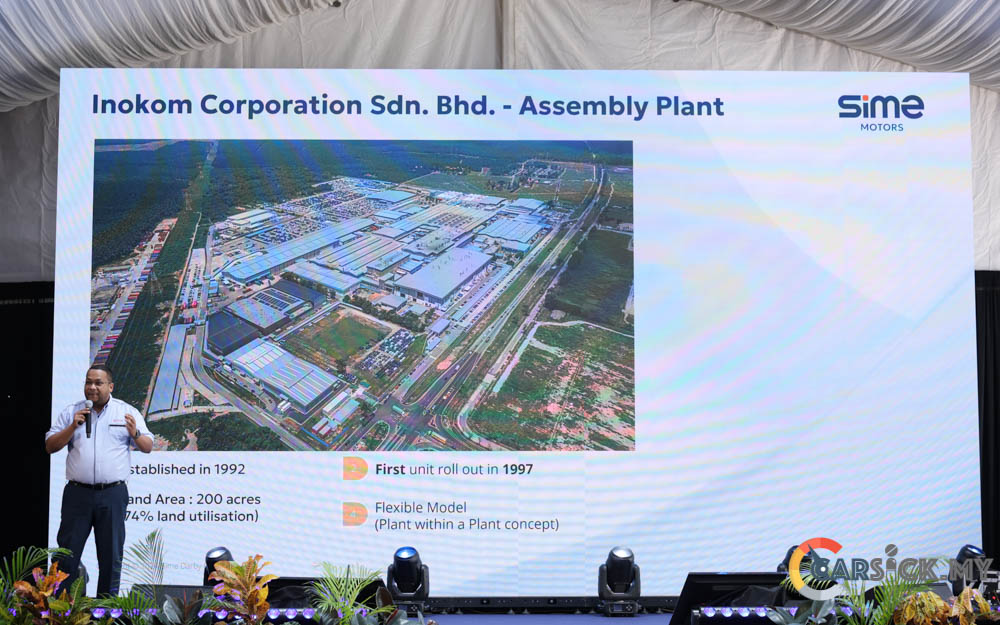
The introduction of PS3 significantly expands Inokom’s painting capabilities. Operating on a two-shift basis, the new facility can process up to 50,000 painted vehicle bodies annually at a rate of 15 units per hour, while also supporting the painting of plastic components.
With PS3 now operational, Inokom’s combined paint shop capacity has increased to 100,000 painted vehicle bodies per year.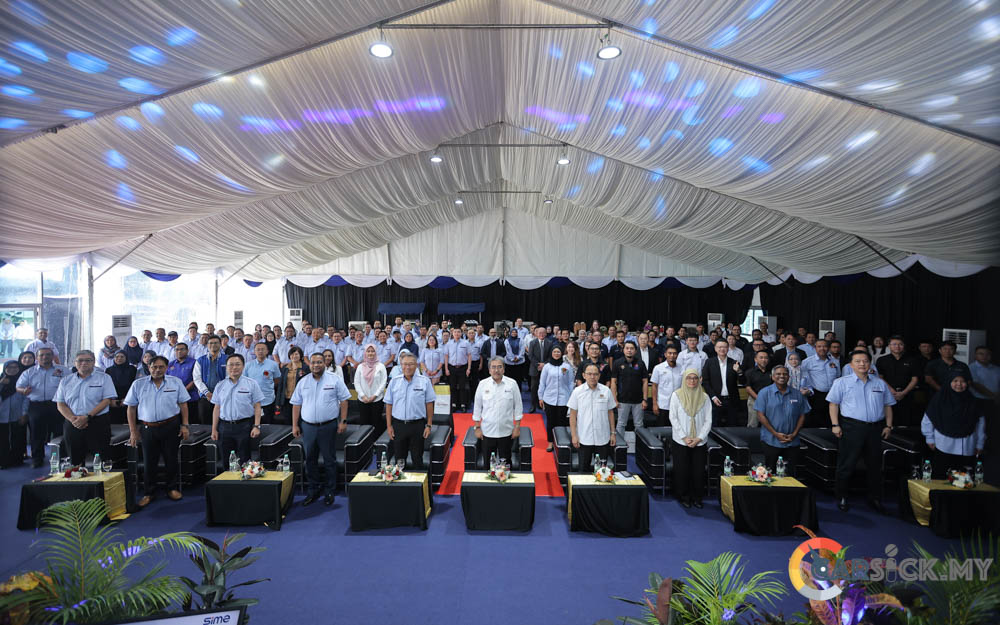
The facility has also been designed with production flexibility in mind, allowing it to accommodate multiple vehicle models and scale production according to future market requirements.
According to Syed Ahmad Muzri Syed Faiz, Managing Director of Sime Motors’ Assembly and Strategic Businesses, PS3 represents an important upgrade to Inokom’s overall manufacturing ecosystem.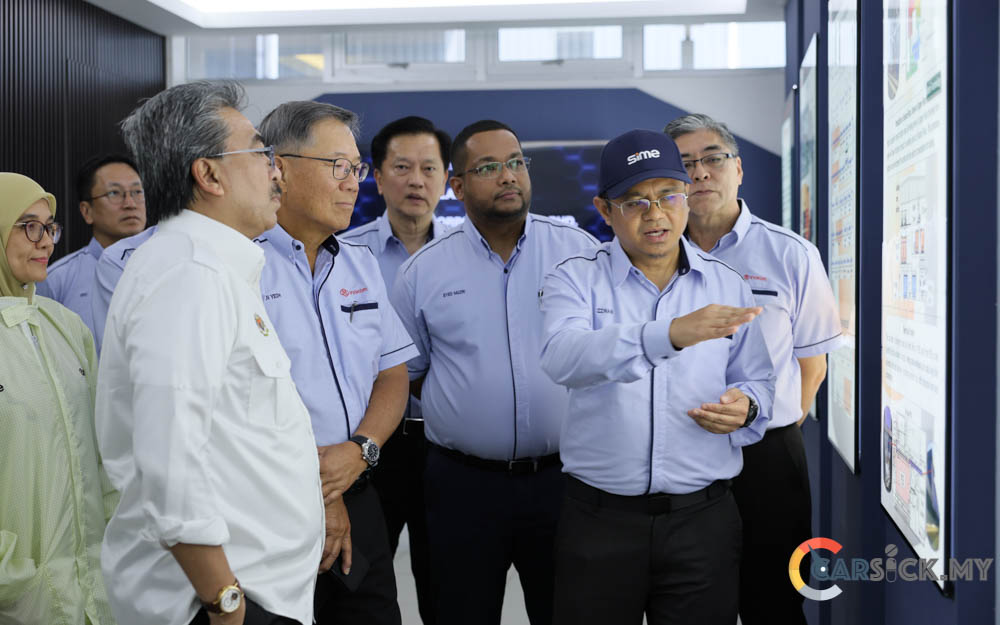
The facility combines advanced automation with future waterborne paint readiness and a range of sustainability technologies, allowing Inokom to support upcoming vehicle programmes while maintaining quality and efficiency.
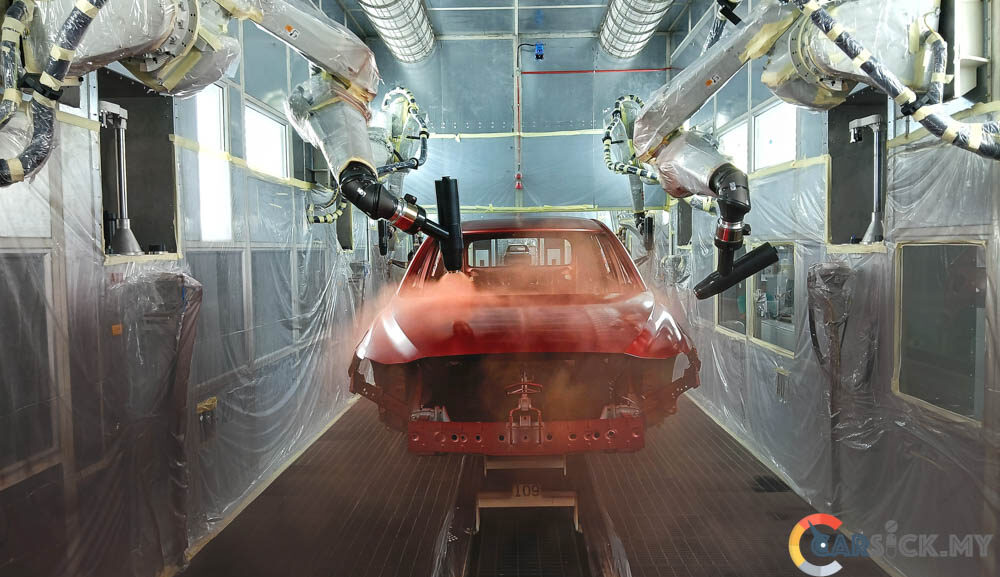
Automation plays a major role throughout the new paint shop, with most of the production processes automated.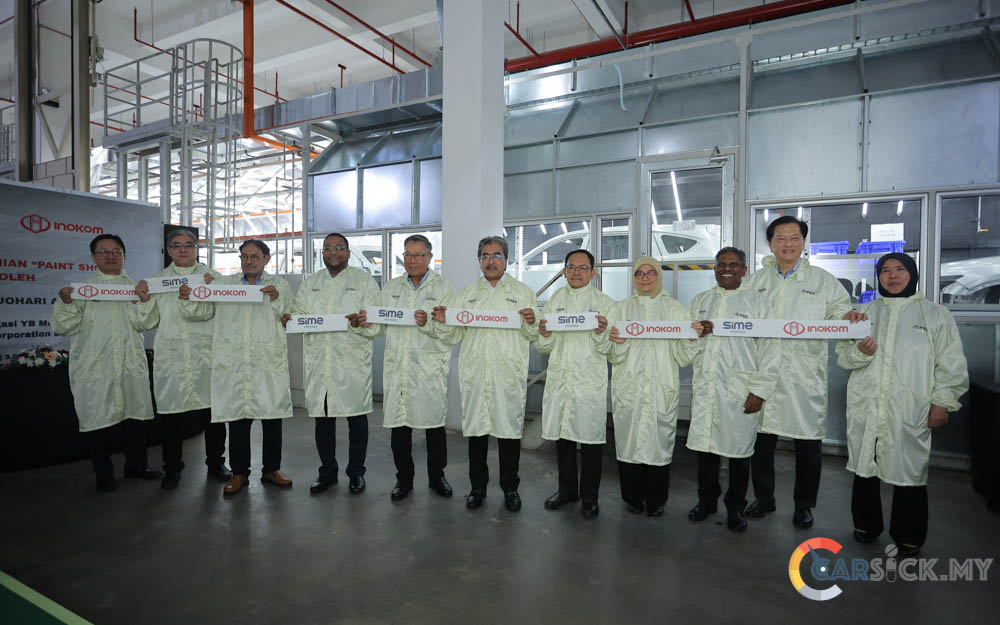
At the centre of the facility is a fully automated pre-treatment and electrodeposition (PTED) line, supported by advanced spray booths and an integrated conveyor system. A total of 32 painting and sealant robots are used to deliver consistent and precise paint application across vehicle exteriors, interiors and plastic components.
One of the key technologies employed is the Cartridge Bell System (CBS), which can complete colour changes in less than 10 seconds and accommodate up to 27 different colour variants.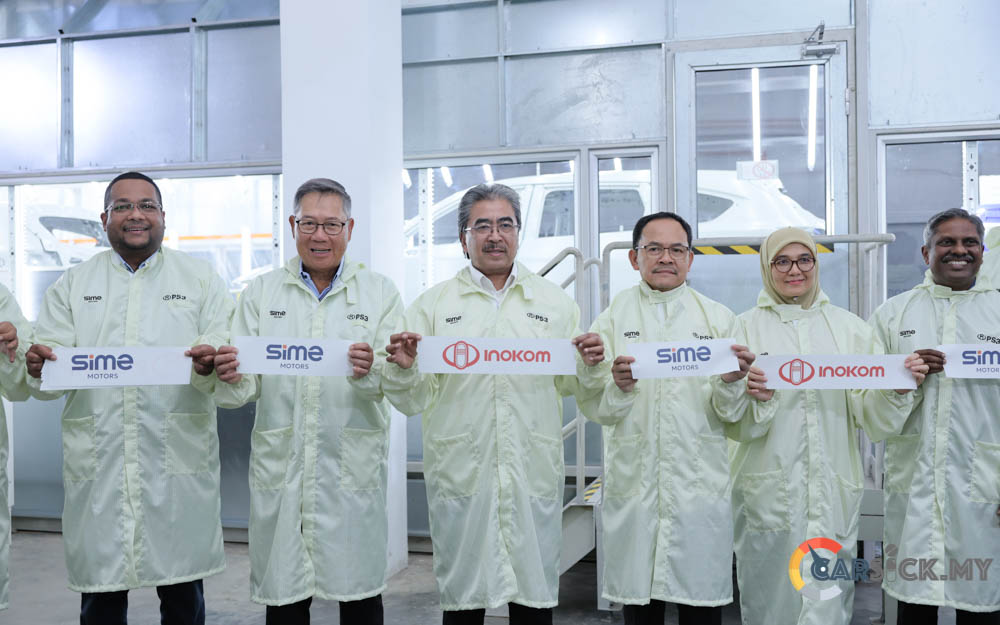
The rapid colour-change capability helps reduce production downtime while giving Inokom greater flexibility when handling different vehicle programmes. Automation also contributes to improved worker safety, reduced material wastage and more consistent paint quality.
PS3 further adopts an energy-efficient three-coat, one-bake painting process. Rather than baking each coating separately, three layers can be applied before a single baking cycle, helping to reduce energy consumption and shorten processing times.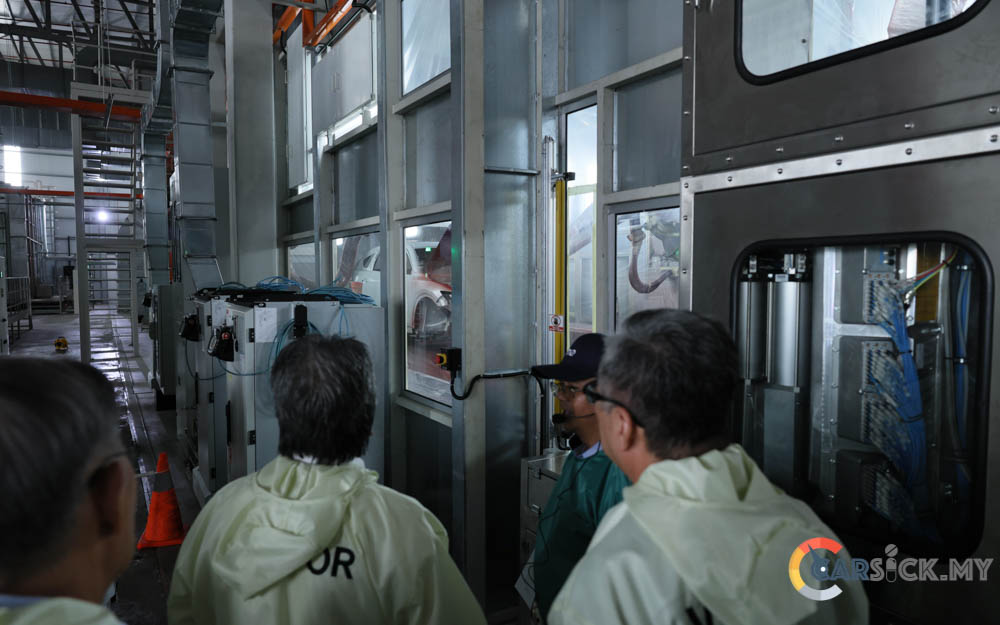
Production efficiency extends beyond the painting process itself. PS3 features a 1,053-metre fully automated conveyor network within its PTED line, incorporating electric monorails, roller beds, lifters and turntables.
Vehicle bodies are also transferred automatically between the Body Shop, PS3 and Assembly Shop through overhead transfer tunnels.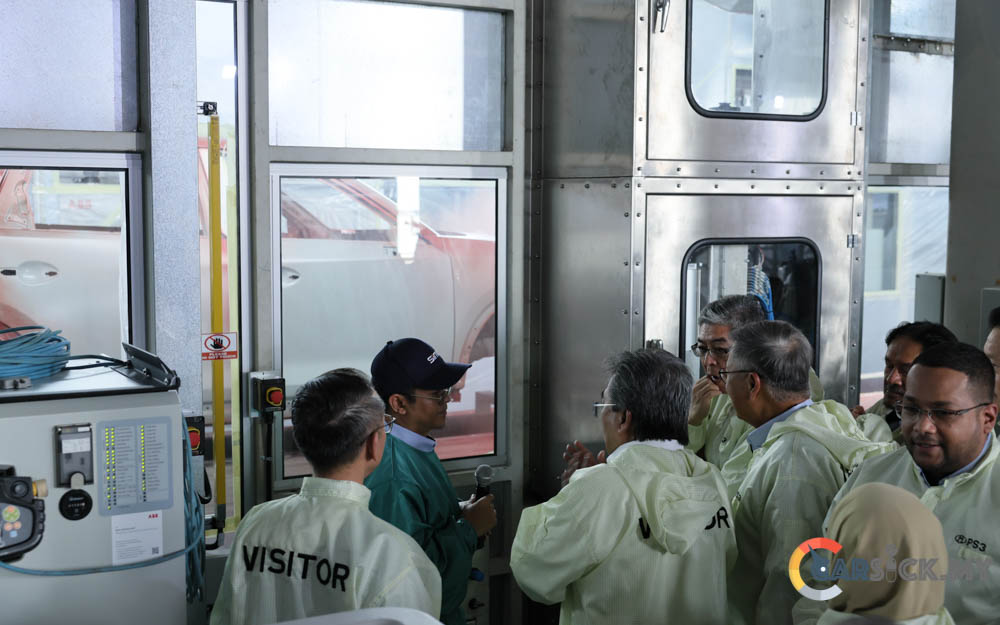
This arrangement reduces the need for manual handling while minimising traffic interference and the risk of contamination between manufacturing stages. It is designed to provide a smoother and more controlled production flow, supporting consistent throughput as production volumes increase.
The development of PS3 also involved close cooperation with Mazda’s technical support team and engineering specialists. Through the installation and commissioning phases, Inokom employees received technical training, guidance and knowledge transfer, helping to strengthen local expertise in advanced automotive manufacturing.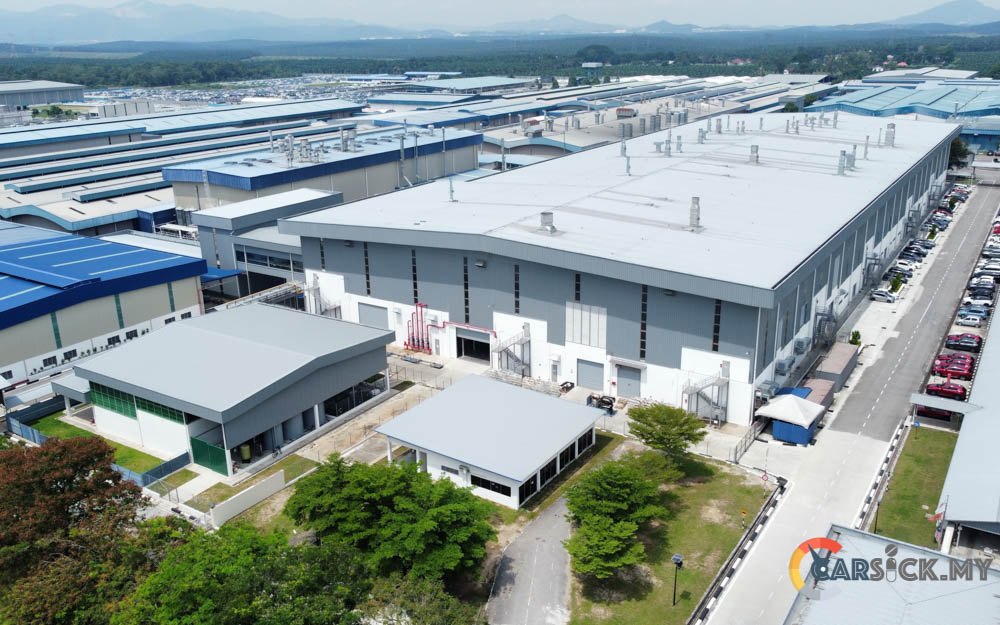
Beyond improving production capacity, environmental considerations were incorporated into the design of PS3.
One of the facility’s key sustainability technologies is a Regenerative Thermal Oxidiser (RTO) system connected to four ovens. The system decomposes volatile organic compounds while recovering and reusing heat, resulting in an estimated 60% reduction in CO₂ emissions.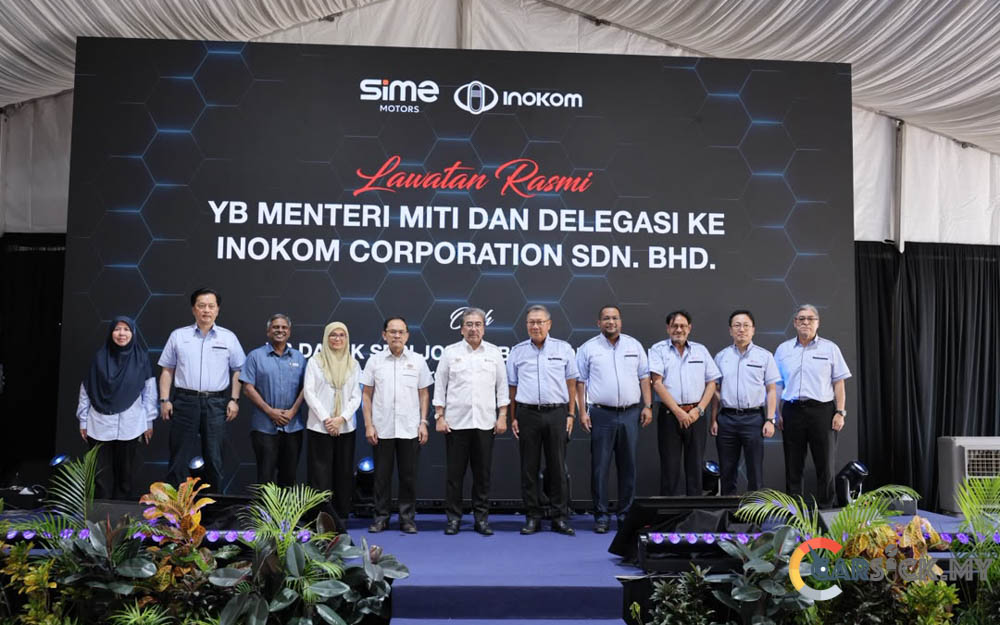
The paint shop also uses a dry scrubber filtration system for its spray booths. Unlike conventional wet scrubber systems, the technology eliminates water consumption during spray booth operations, while also reducing maintenance requirements.
PS3 has additionally been designed with full waterborne paint readiness. This means the facility can transition to more environmentally friendly waterborne coating technologies as industry requirements evolve, giving the facility greater long-term relevance.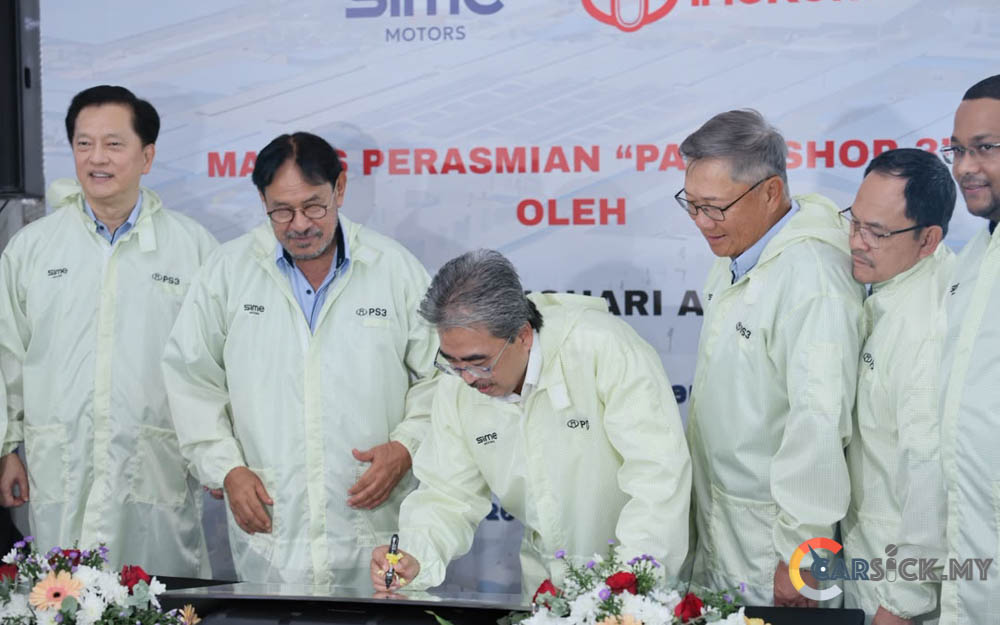
Energy efficiency is further supported through the building’s layout. Production areas are located at ground level, while the ovens are positioned on the upper floor. This arrangement helps minimise heat exposure within the main work areas and reduces the amount of energy required for cooling.
With its combination of increased capacity, extensive automation, technology transfer and sustainability-focused systems, PS3 represents more than an expansion of Inokom’s paint operations.