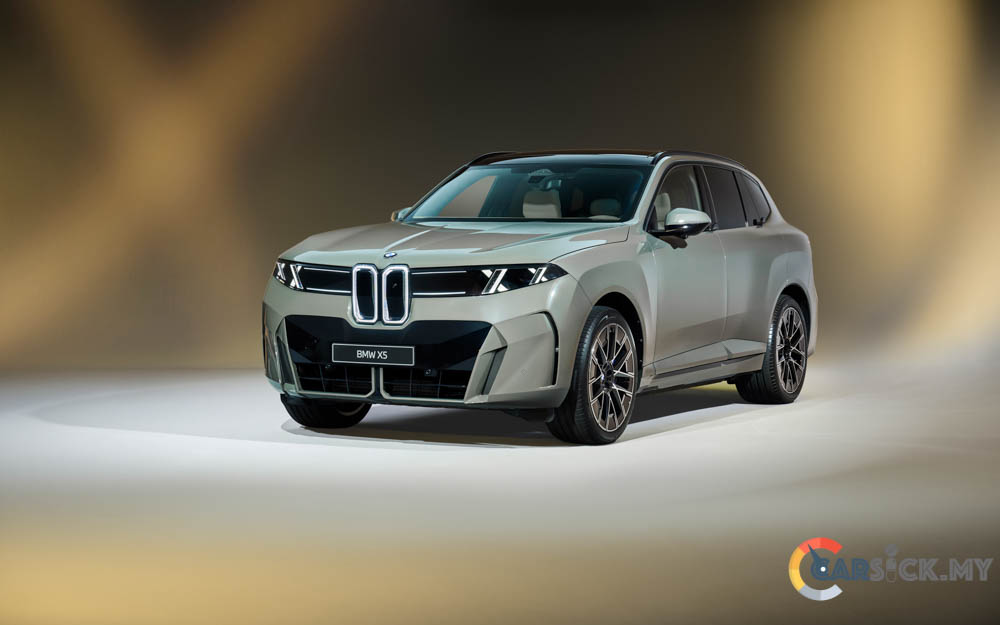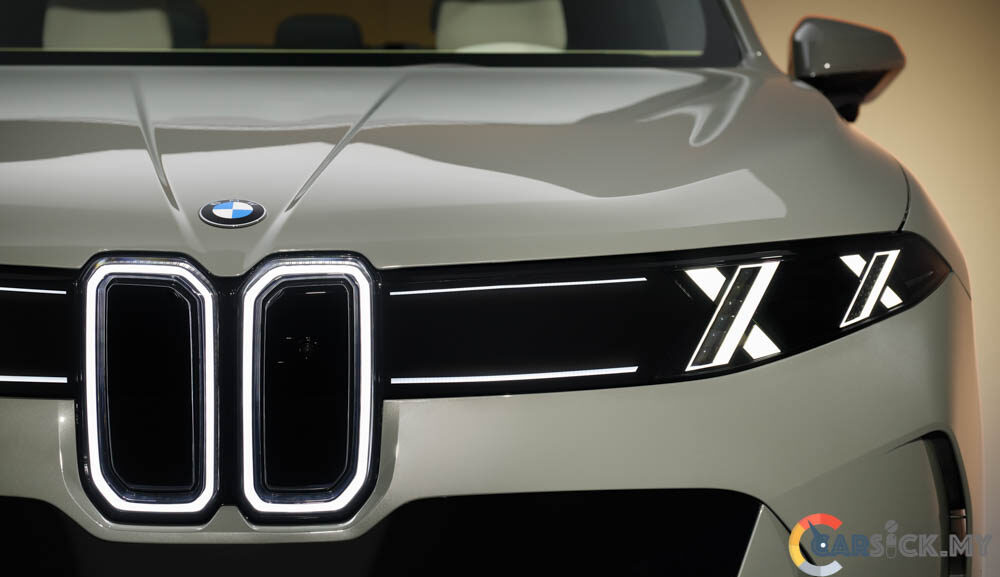

For BMW, some names carry far greater significance than the models they represent. Among them, none is more important than “Neue Klasse” – German for “New Class.” In more than 100 years of automotive history, BMW has reserved the name for only two defining moments, each marking a fundamental shift in the company’s direction rather than the introduction of a single new vehicle.
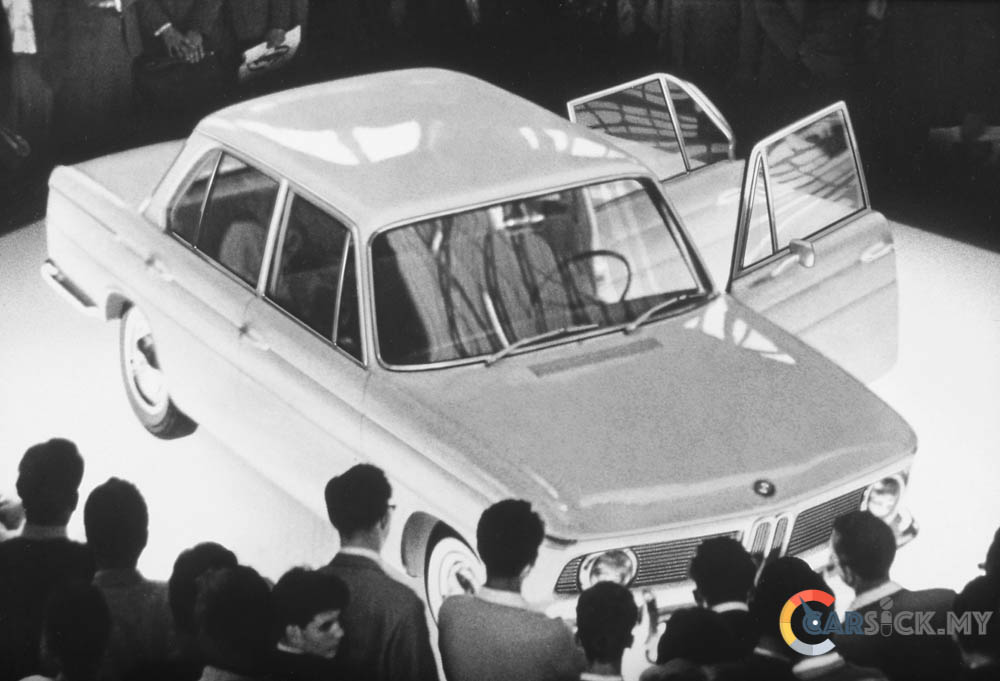
The story of the original Neue Klasse began in September 1961 at the Frankfurt International Motor Show, where BMW unveiled the 1500 sedan. At the time, the company found itself with a product range split between expensive luxury sedans and small economy cars such as the Isetta. What BMW lacked was a modern, sporty family sedan that could appeal to a much broader audience.
The BMW 1500 answered that need with a fresh design language created by chief designer Wilhelm Hofmeister together with Italian designer Giovanni Michelotti. Its clean, uncluttered styling stood in stark contrast to BMW’s earlier luxury models while retaining signature elements such as the iconic kidney grille. It also introduced what would become one of BMW’s most recognisable design cues – the Hofmeister kink, the distinctive angle at the base of the C-pillar that continues to appear on BMW models today.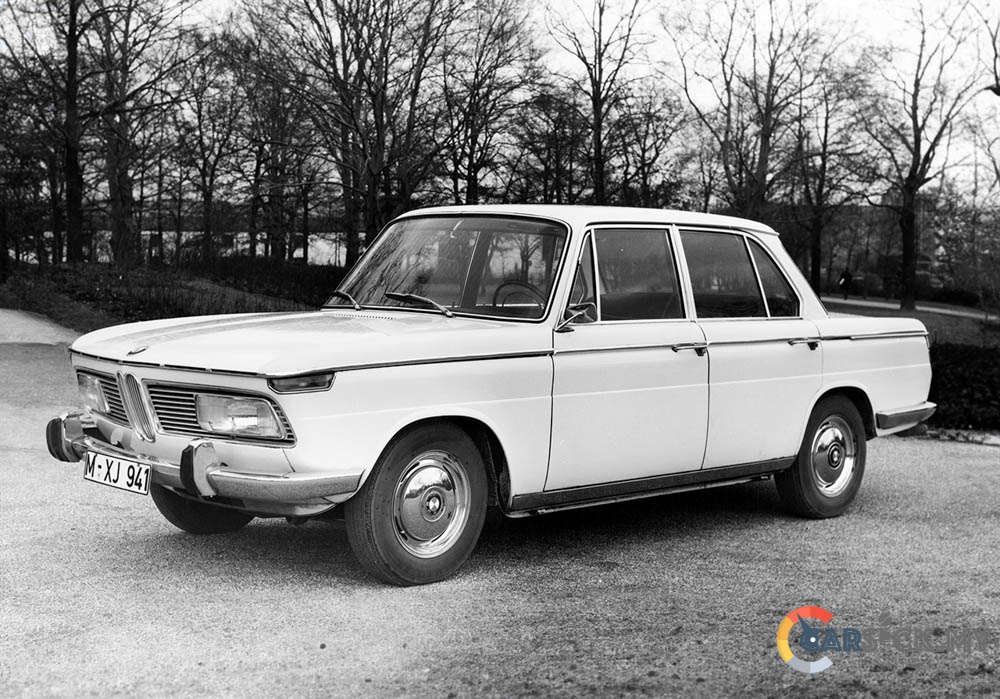
Beyond its styling, the BMW 1500 represented a major technical leap. An all-new four-cylinder engine, independent suspension and modern unit-body construction delivered a blend of comfort, performance and handling that distinguished it from many of its rivals.
The response at Frankfurt exceeded expectations. Interest from buyers was so strong that BMW expanded production capacity at its Munich plant and recruited around 3,000 additional workers to meet demand. Production officially began in 1962, and with the arrival of the more powerful BMW 1800 a year later, the growing family of sedans was collectively recognised as the “Neue Klasse” – a name that symbolised BMW’s confidence that it had created an entirely new category of sporting sedan.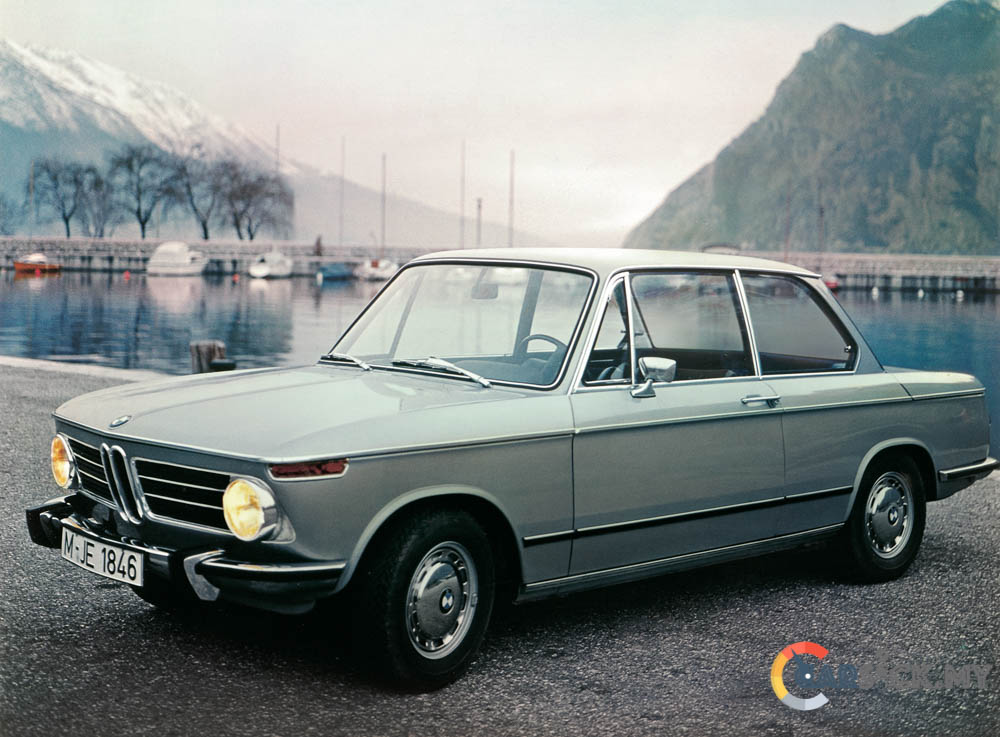
Over the following decade, the range expanded with models including the BMW 1600, BMW 1800 and BMW 2000. Together, they established the blueprint for what would become the modern BMW sports sedan, combining everyday practicality with engaging driving dynamics. It was during this period that BMW embraced the philosophy of “For the Pleasure of Driving,” a message that would eventually become synonymous with the brand worldwide.
The commercial impact was equally remarkable. Between 1960 and 1970, BMW tripled its vehicle sales while automotive revenue increased more than sevenfold. Nearly 340,000 Neue Klasse sedans were produced before the model line concluded in 1972, providing the financial foundation for BMW’s expansion into major international markets including the United States, France and the United Kingdom.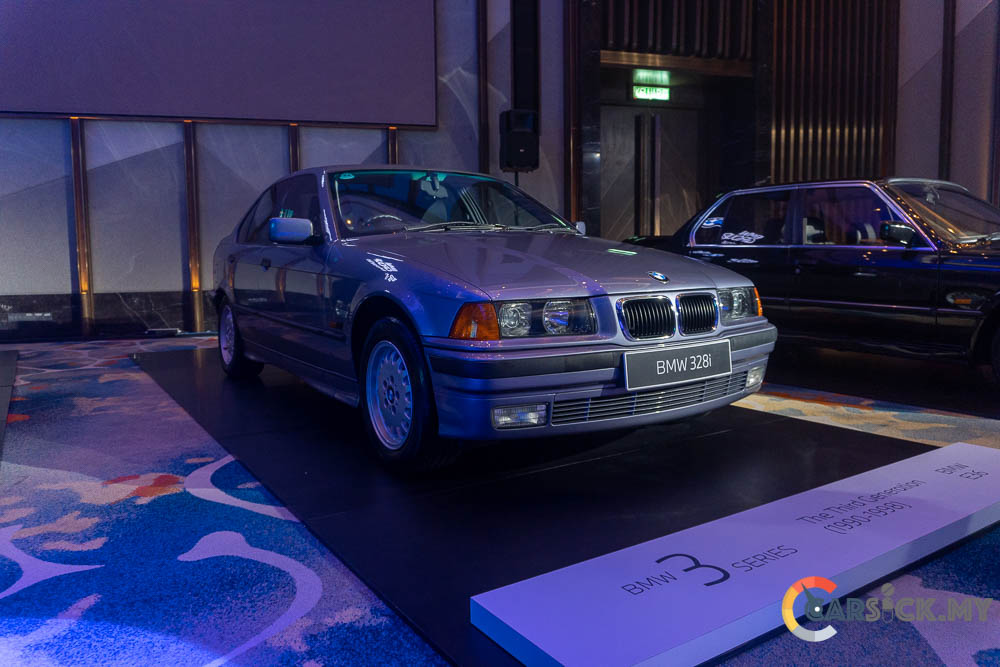
The Neue Klasse story continued in 1966 with the introduction of a lighter two-door derivative based on the BMW 1600. The model evolved into the celebrated BMW 02 Series, culminating in the legendary BMW 2002. By the time production ended in 1977, around 825,000 examples had been built.
The BMW 2002 would also leave a lasting impression in Malaysia. Long before BMW established an official presence in the country, examples found their way here through private imports, giving many local enthusiasts their first experience of the brand’s renowned driving character.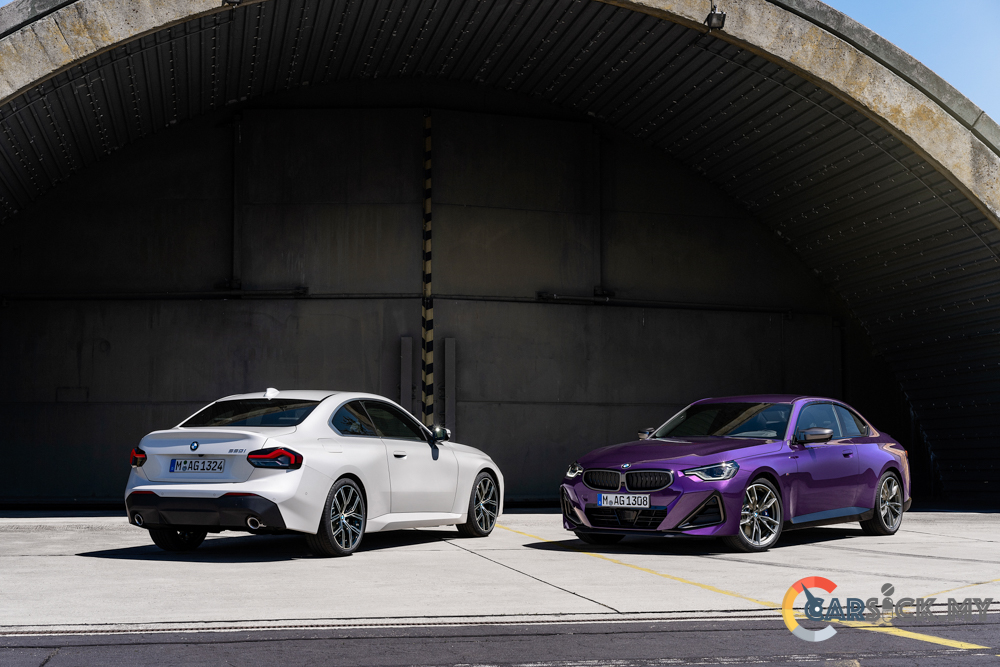
Its influence continues to be felt today. The original Neue Klasse directly inspired the BMW 5 Series, introduced in 1972, while the BMW 3 Series, launched in 1975, inherited much of the spirit established by the BMW 02 Series. Together, these two model lines would become the backbone of BMW’s global success, carrying forward the philosophy first established by the Neue Klasse.
For more than five decades, the name remained absent from BMW’s model strategy. That changed in March 2021, when the BMW Group announced that Neue Klasse would return—not as a single vehicle, but as the foundation for the company’s next chapter.
The modern Neue Klasse represents BMW’s vision for the future, bringing together advances in electrification, digitalisation and sustainability while maintaining the brand’s commitment to driving enjoyment. Rather than introducing one standalone model, BMW will use the Neue Klasse architecture to underpin more than 40 new models and updates across its portfolio through 2027.
The revival of the Neue Klasse name reflects the same ambition that defined its predecessor over six decades ago: to reshape BMW for a new generation of drivers while establishing the technological direction of the brand for years to come.
Malaysian customers will soon witness the beginning of that new chapter, with BMW Group Malaysia set to unveil the first model from its Neue Klasse portfolio on 6 August 2026. Just as the original Neue Klasse transformed BMW in the 1960s, its modern successor aims to define the brand’s future in the era of electrified mobility.