
In the past few years, Mazda has been relatively quiet when it comes to introducing all-new models. More often than not, the brand has focused on updating its existing range. So when Mazda Malaysia recently introduced its latest line-up with the CX-60 and CX-80, it marked a particularly interesting period for the company. While the best-selling Mazda remains the CX-5, the CX-60 enters the market as a more premium option for buyers looking to upgrade from their existing CX-5. Dubbed as “affordable luxury”, the CX-60 is here to put that statement to the test. But does it manage to capture the essence of affordable premium motoring? Let’s take a closer look.
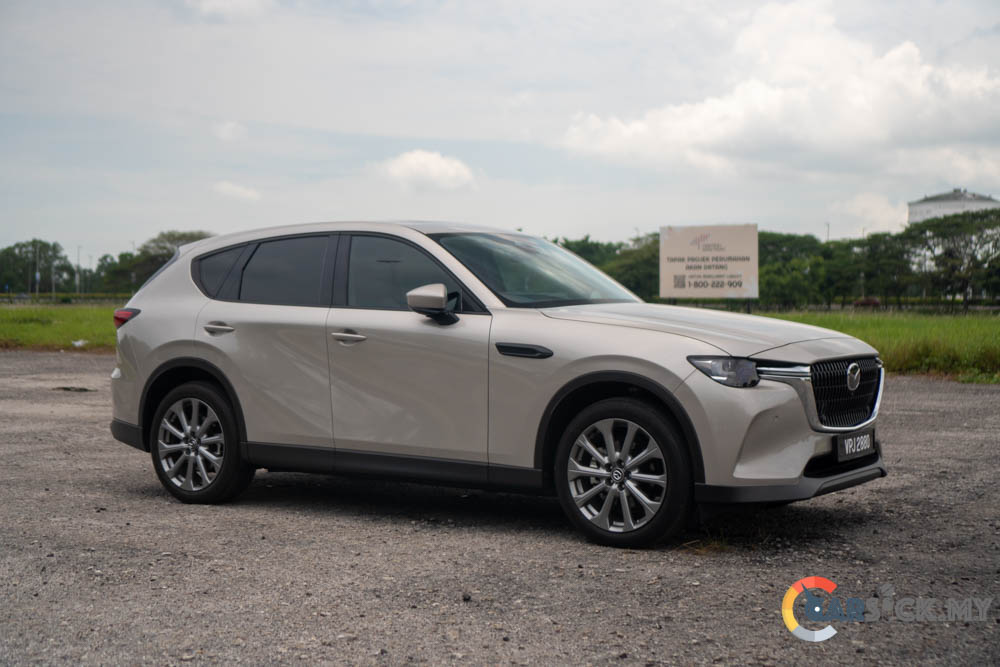
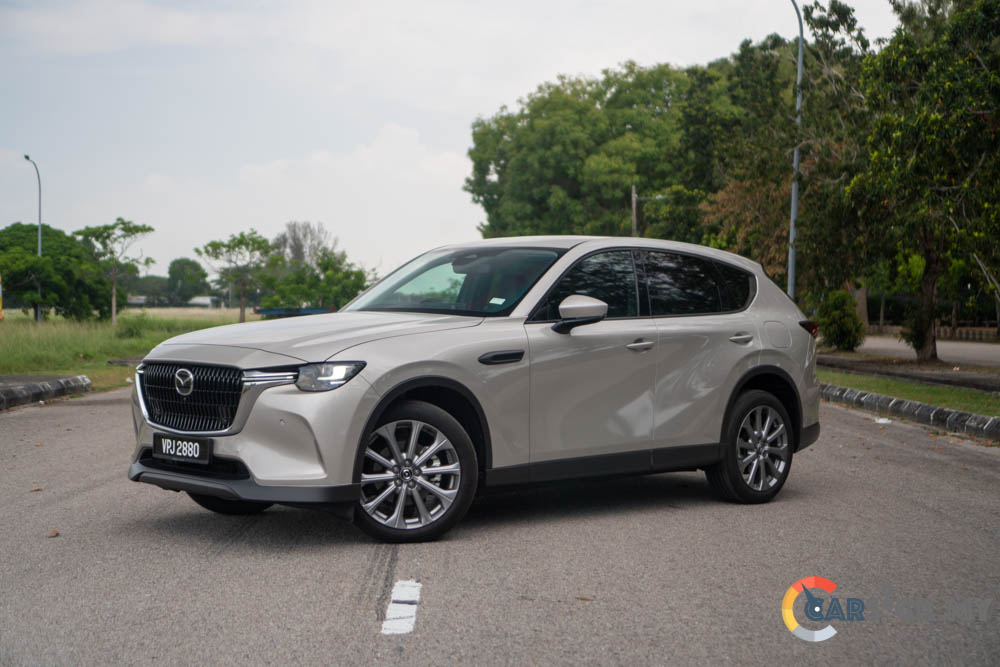
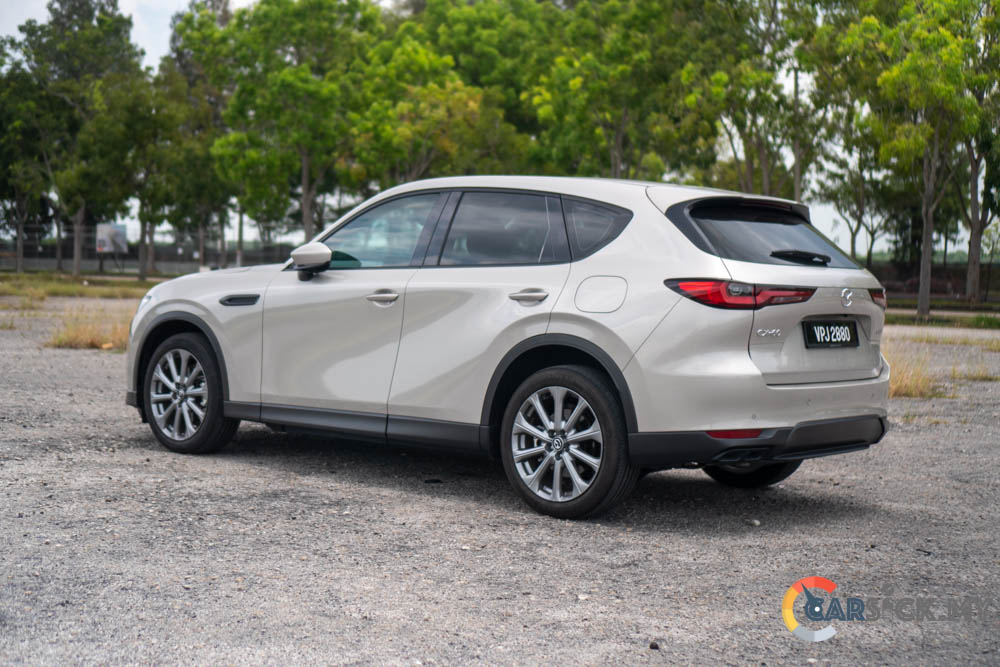 While the CX-60 is a completely new vehicle, it still firmly carries Mazda’s family design language. Mazda’s designers have done a good job of blending masculinity with elegance in the CX-60’s styling. Personally, I quite like this new design direction that Mazda has adopted. With this latest design, you’ll notice that the hood is significantly longer compared to the CX-5. This is because the engine layout has been changed to a longitudinal configuration, allowing the vehicle to be built on a rear-wheel-drive-based platform. In overseas markets, the CX-60 is also available with a 3.3-litre inline-six engine, which requires additional space under the hood. However, the model tested here is powered by the familiar 2.5-litre naturally aspirated engine, which has been positioned slightly further rearward to achieve a weight distribution that is close to 50:50 between the front and rear axles.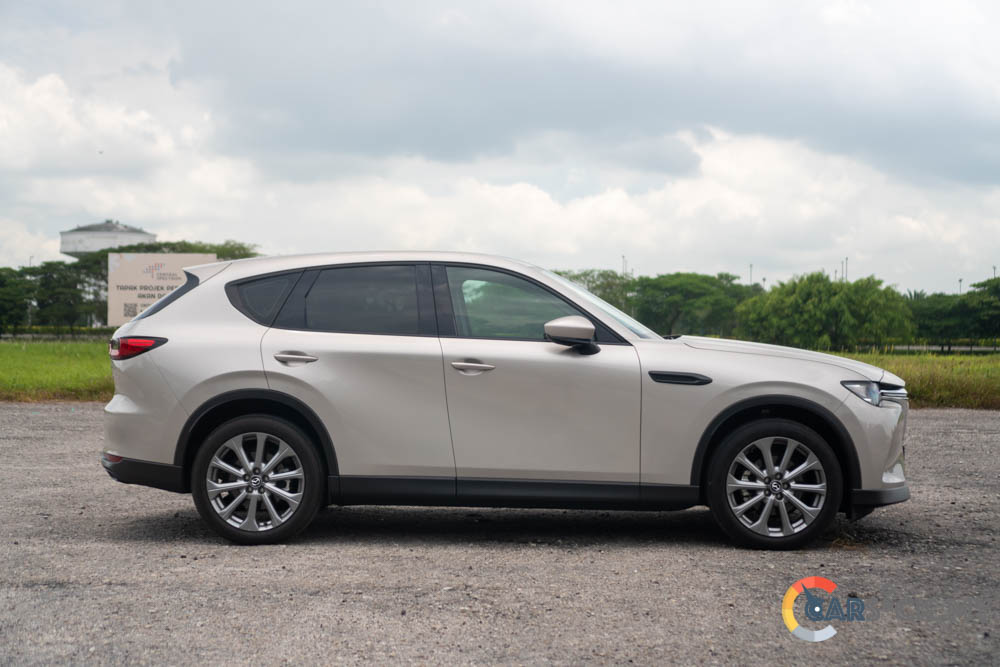
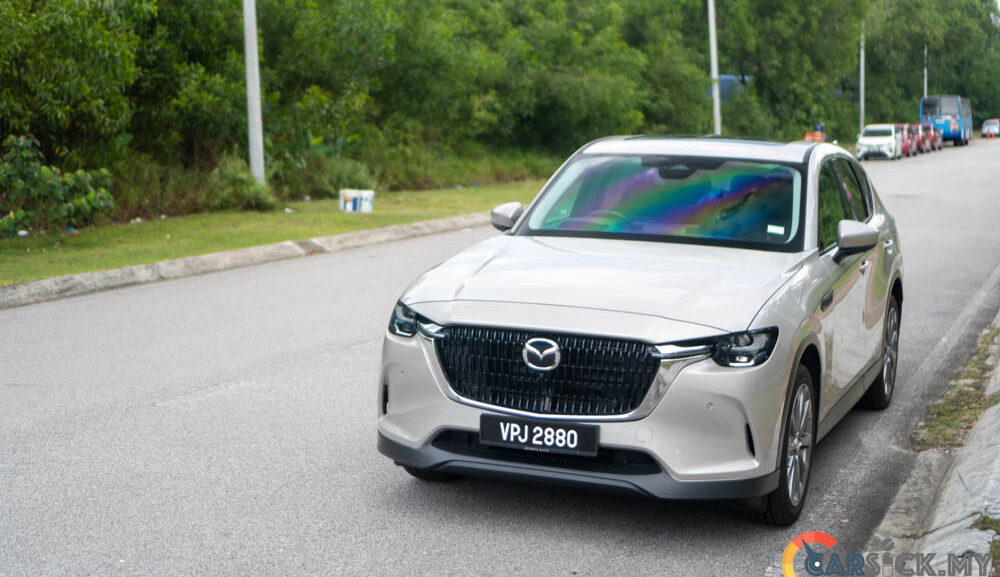
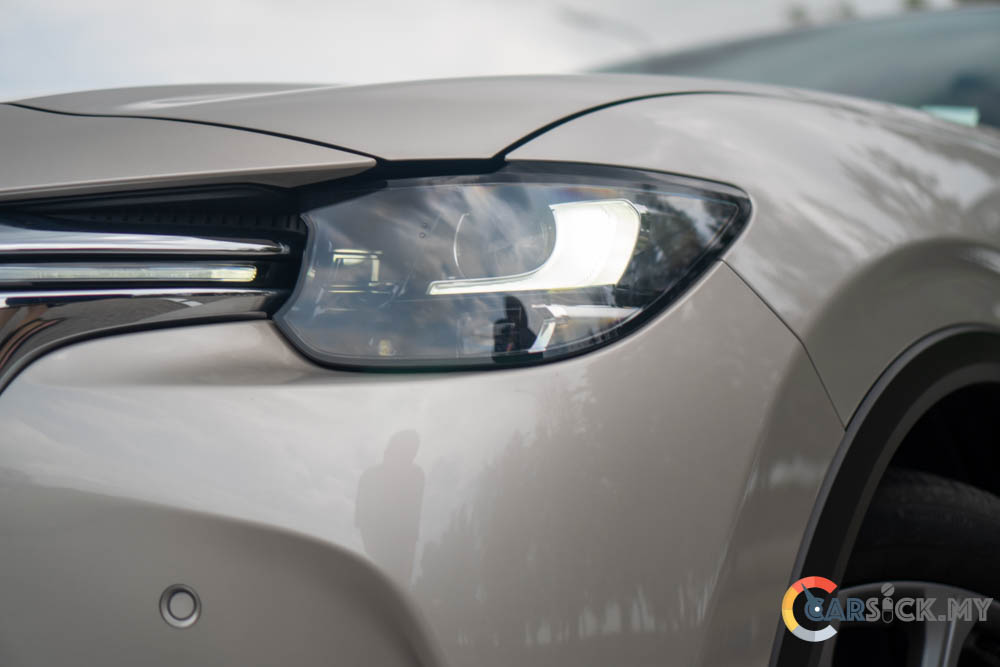
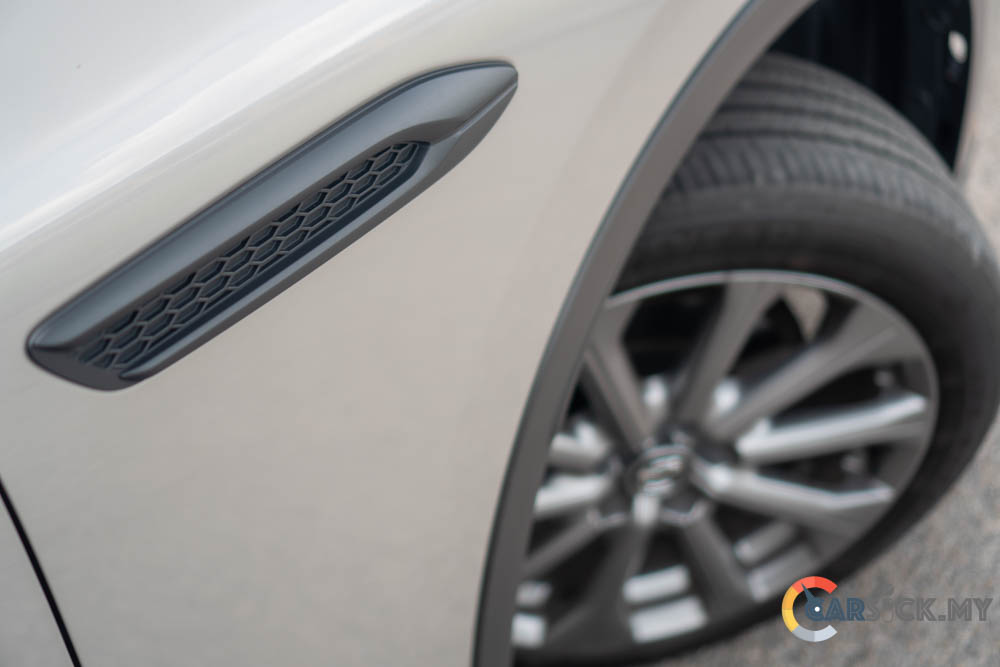
In terms of styling, the front of the vehicle is dominated by a large grille, flanked by a pair of sleek LED headlights. These are projector-style units, and they certainly contribute to the premium appearance of the CX-60. One aspect that I particularly like is the high front-end design, which enhances the SUV’s muscular stance. Along the sides, you’ll find decorative vents on the front fenders that add some visual character. Otherwise, the side profile of the CX-60 remains relatively clean, with subtle body lines flowing naturally into the vehicle’s panels. 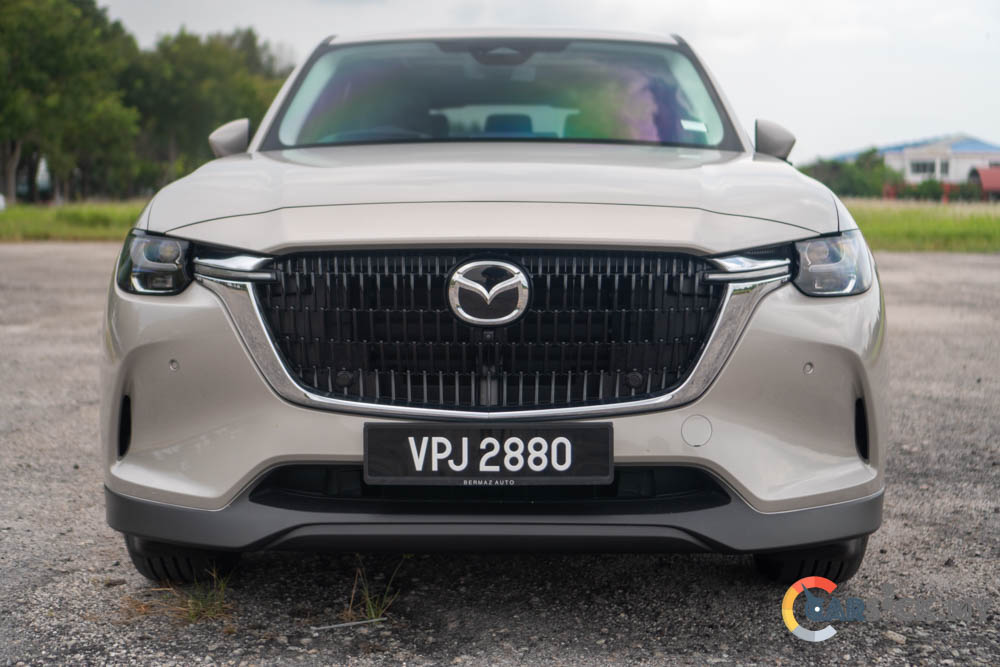
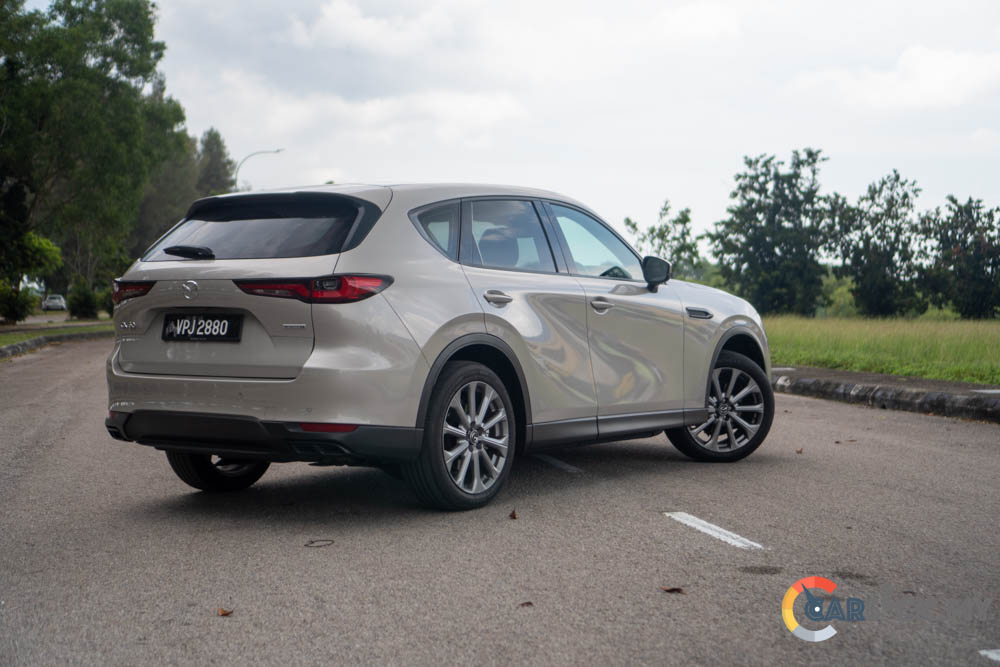
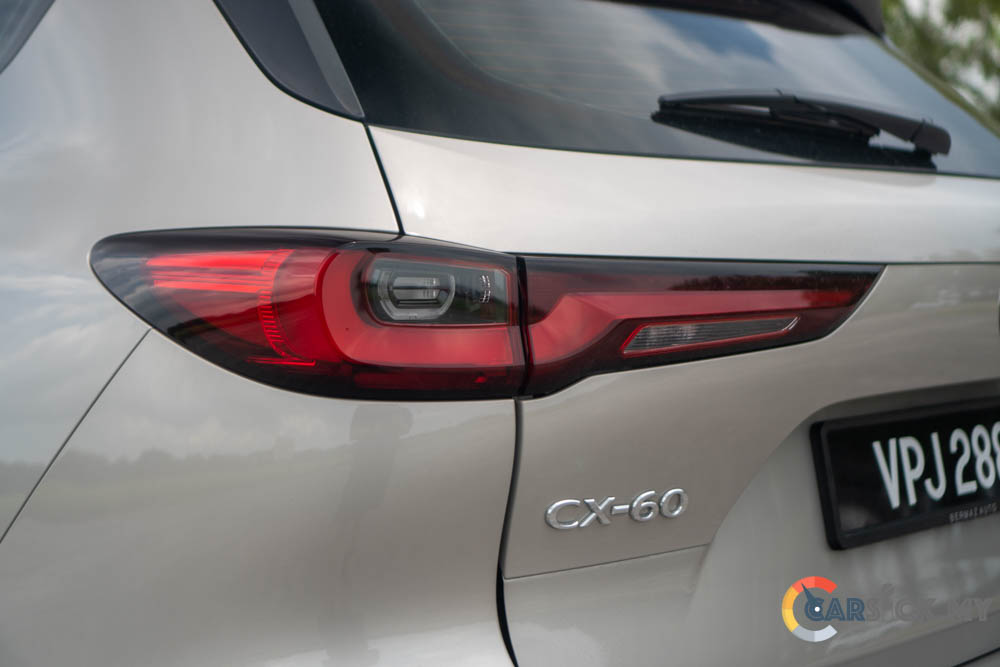
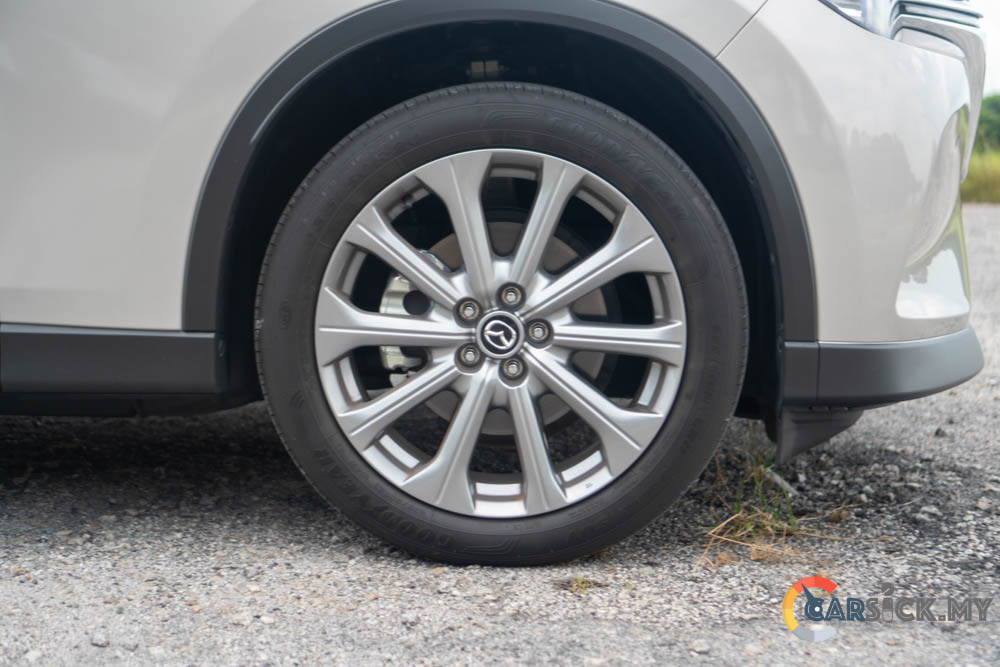
At the rear, the CX-60 continues Mazda’s latest design language. Even so, it is instantly recognisable as a Mazda thanks to the brand’s distinctive styling. That’s what I call individuality. The full-LED taillights further accentuate the elegant body lines, giving the rear a clean and sophisticated appearance. It also ties in nicely with the rest of Mazda’s current model range. Completing the look is a set of 20-inch alloy wheels wrapped in 235/50 R20 tyres. The wheel size suits the proportions of the vehicle perfectly, resulting in a harmonious overall design. As a whole, the CX-60’s styling is definitely a plus point in my book. 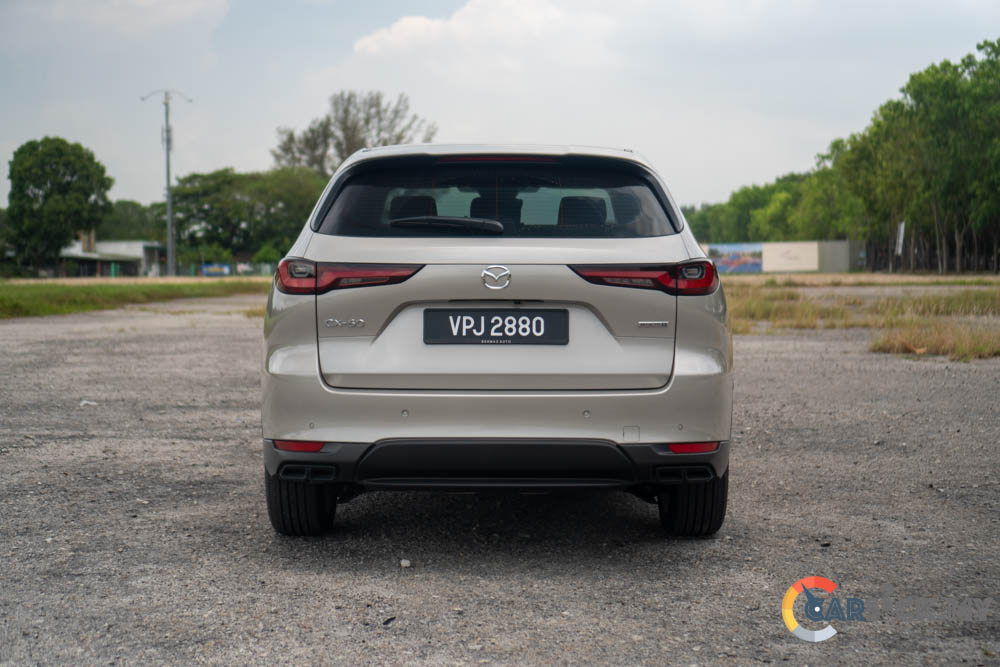
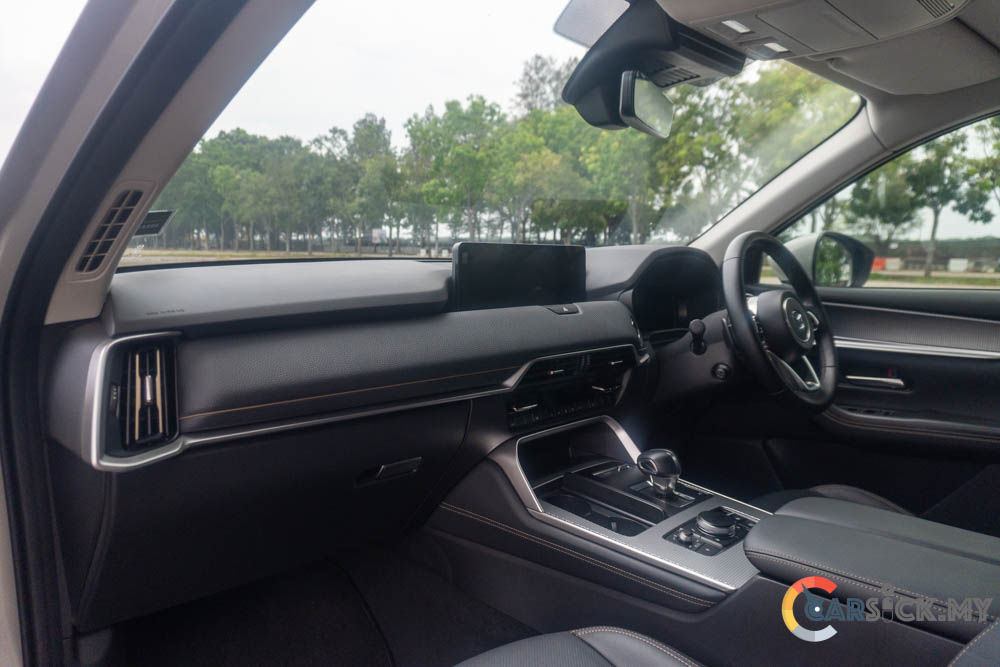
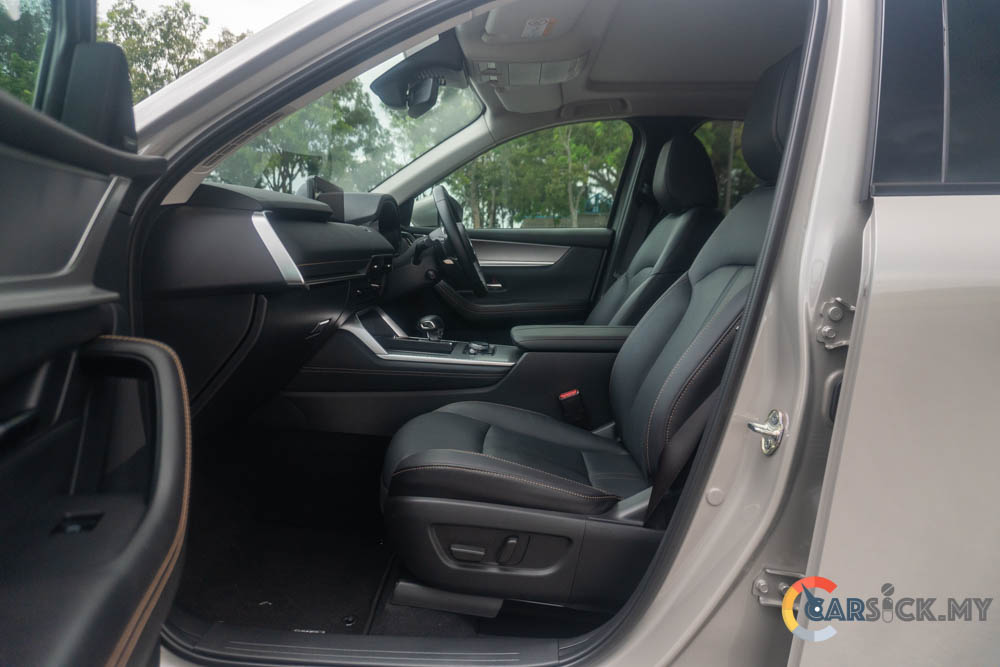
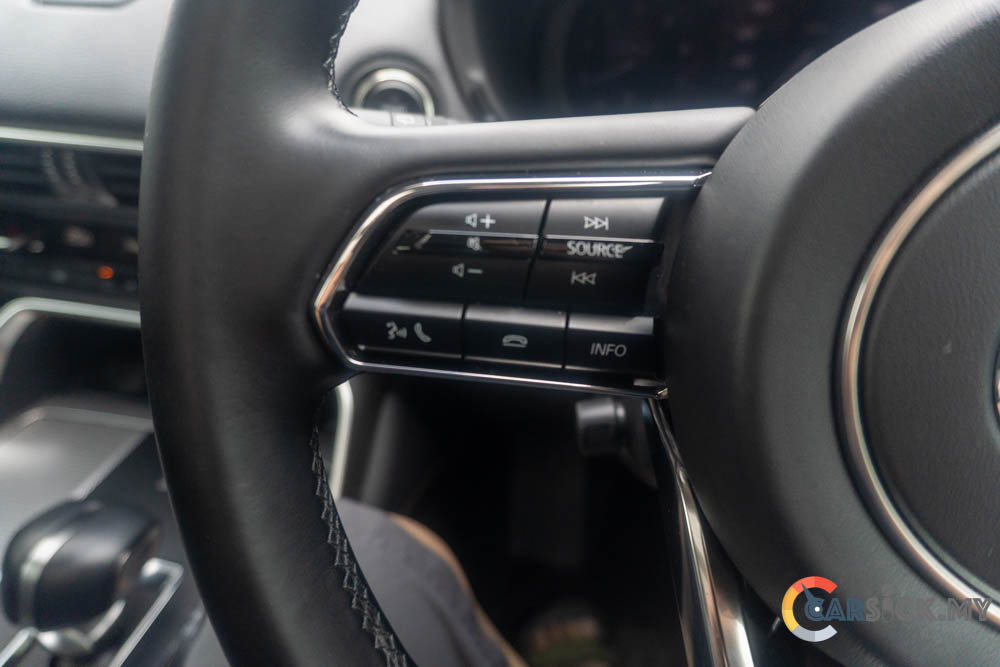
Complementing the exterior is an interior that feels noticeably more premium than the older CX-5. While it still carries Mazda’s familiar design language, the materials used have been elevated in terms of quality and feel. There are plenty of soft-touch materials around key contact points, and all the buttons and switches are ergonomically placed, making them easy to reach and operate. Although black remains the dominant interior colour, champagne-coloured accents provide a nice contrast and help elevate the cabin’s ambience. The large panoramic sunroof also brightens up the interior considerably.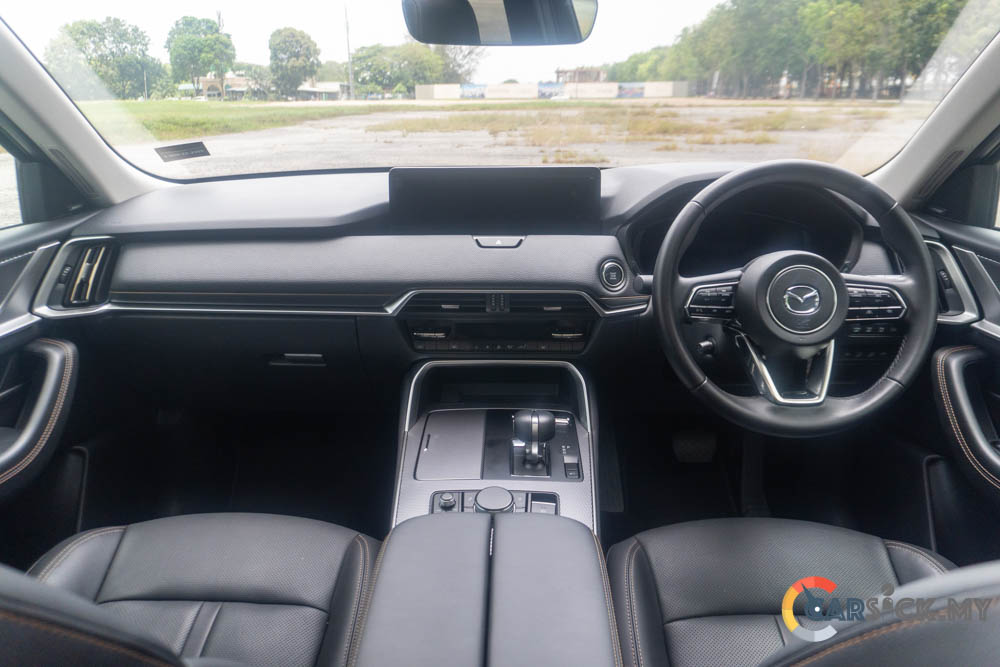
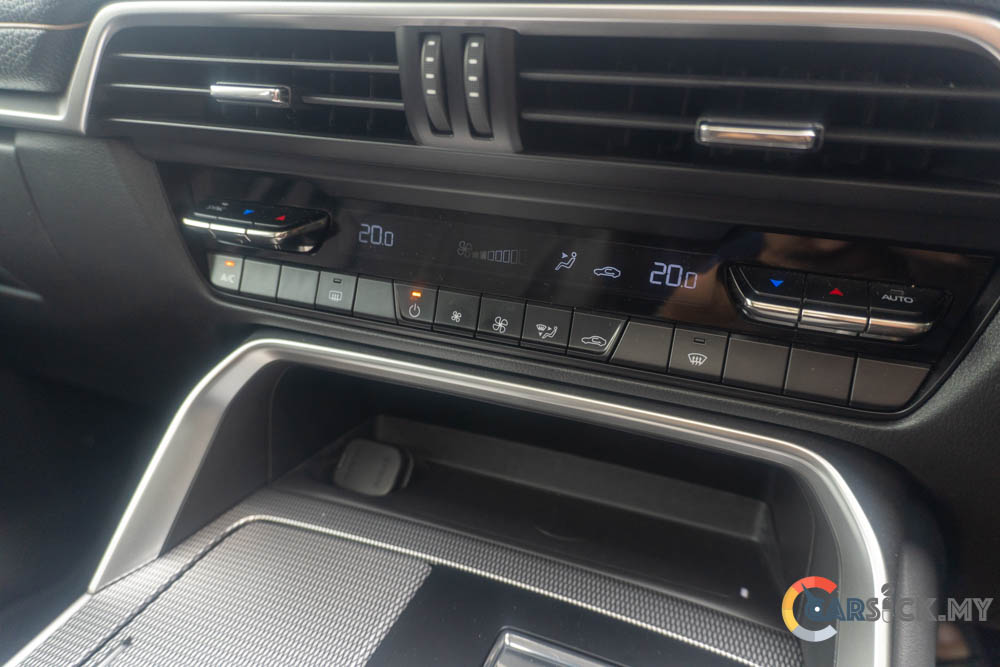
The dashboard itself carries a sense of elegance despite being recognisably Mazda in its design. Personally, I much prefer this approach over the oversized rectangular displays commonly found in many Chinese vehicles today. For the CX-60, Mazda has equipped the SUV with a 12.3-inch digital instrument cluster and a similarly sized infotainment display. More importantly, the climate controls remain separate from the infotainment system, which is something I greatly appreciate. The instrument cluster features Mazda’s latest digital graphics. While there are similarities to older Mazda designs, the display is now fully digital. Despite the technological upgrade, it retains the brand’s easy-to-read layout, ensuring that long-time Mazda owners won’t feel out of place. 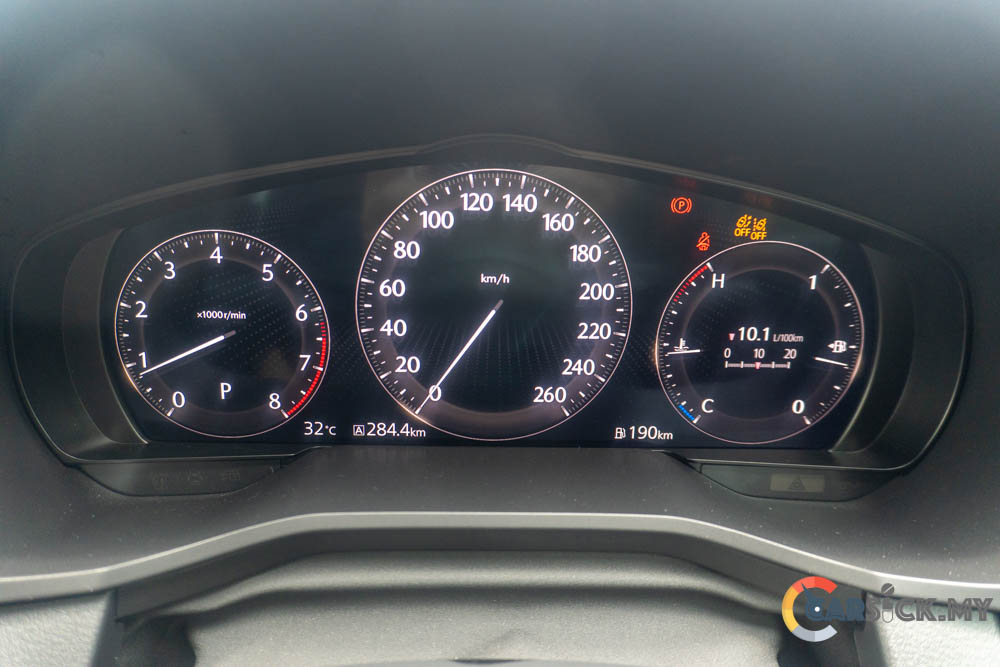
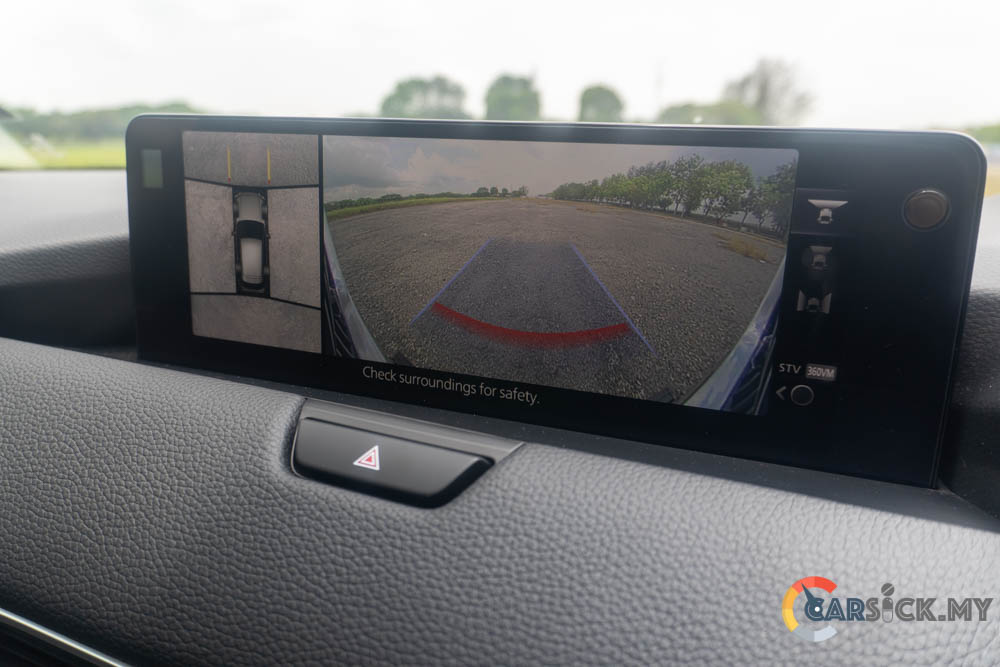
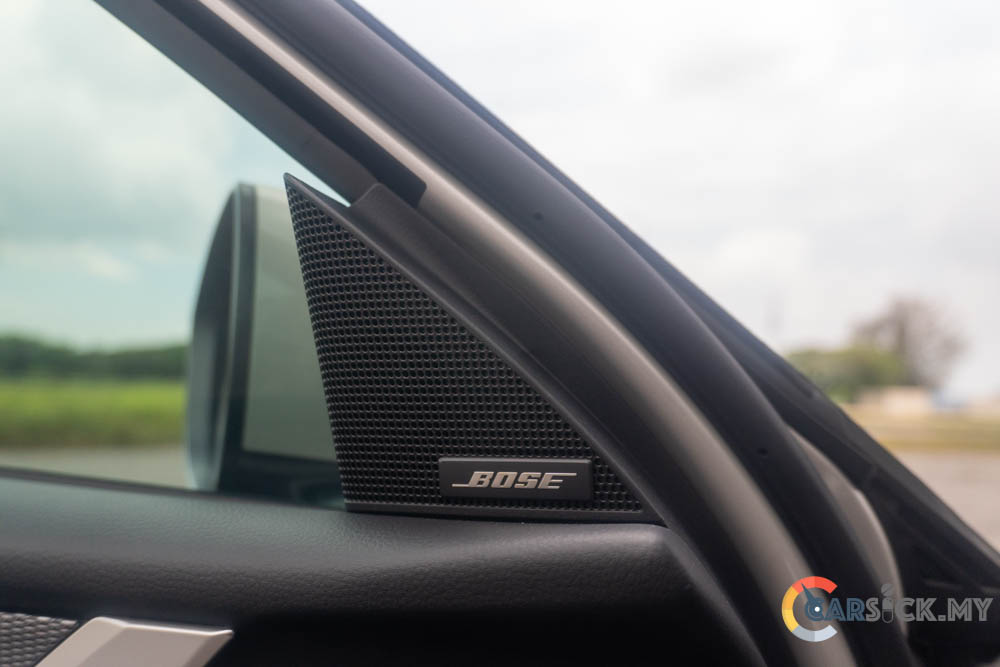
Moving to the infotainment display, it uses the same basic layout found in the latest CX-30 and Mazda3, although the screen itself is larger. Unfortunately, functionality hasn’t progressed much. Android Auto still requires a wired connection, while Apple CarPlay can be connected wirelessly. Come on, Mazda—it’s already 2026. On the plus side, the CX-60 comes equipped with a 360-degree camera system that delivers excellent image quality, even at night. To round things off, there’s also a 12-speaker Bose premium audio system. As expected, sound quality is excellent and represents a noticeable improvement over previous Bose systems. 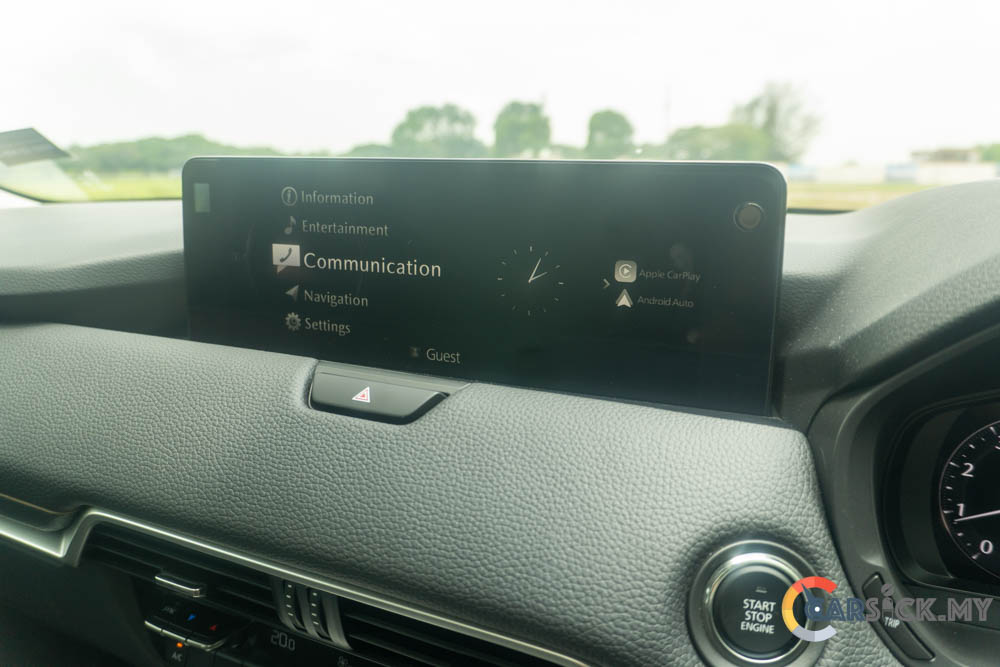
From the driver’s seat, the CX-60 immediately feels right. This is an area where Mazda has always excelled. The driver’s seat is extremely comfortable and offers a wide range of adjustments, making it easy to find the ideal driving position. This is complemented by an electrically adjustable steering column, eliminating the need to manually adjust the steering wheel. Thanks to the dashboard’s design, there is also a slight cocooning effect that enhances the sense of connection between driver and vehicle. Although the seats prioritise comfort, they still provide sufficient support when tackling twisty roads.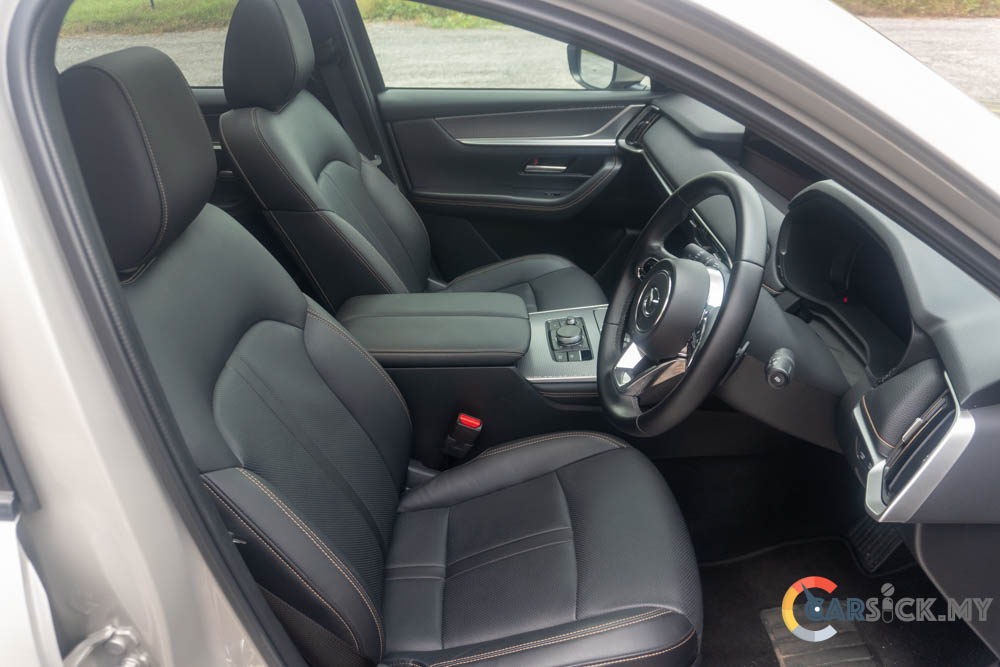
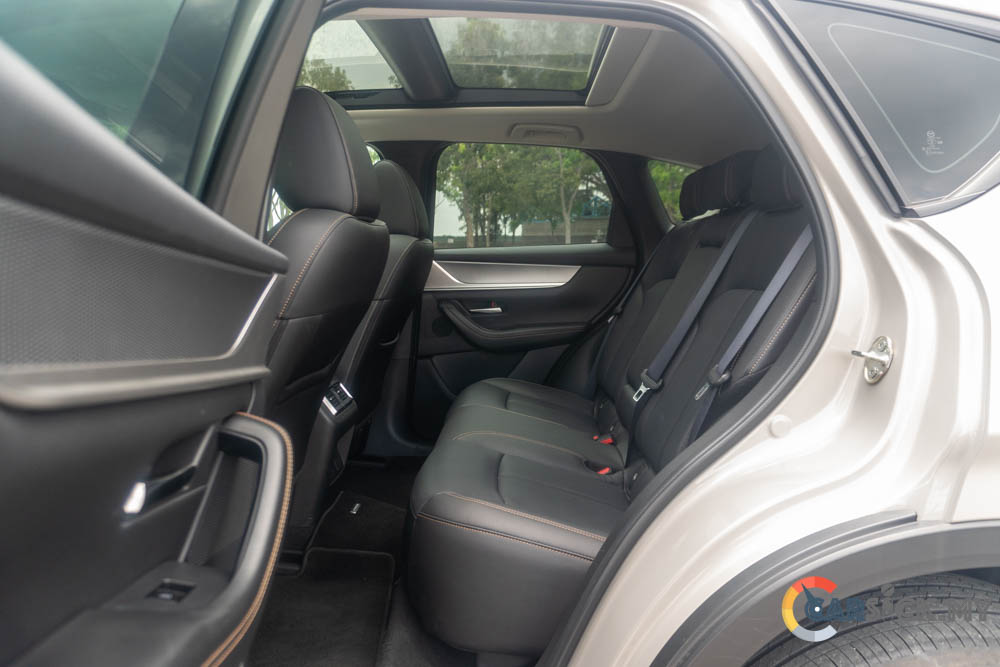
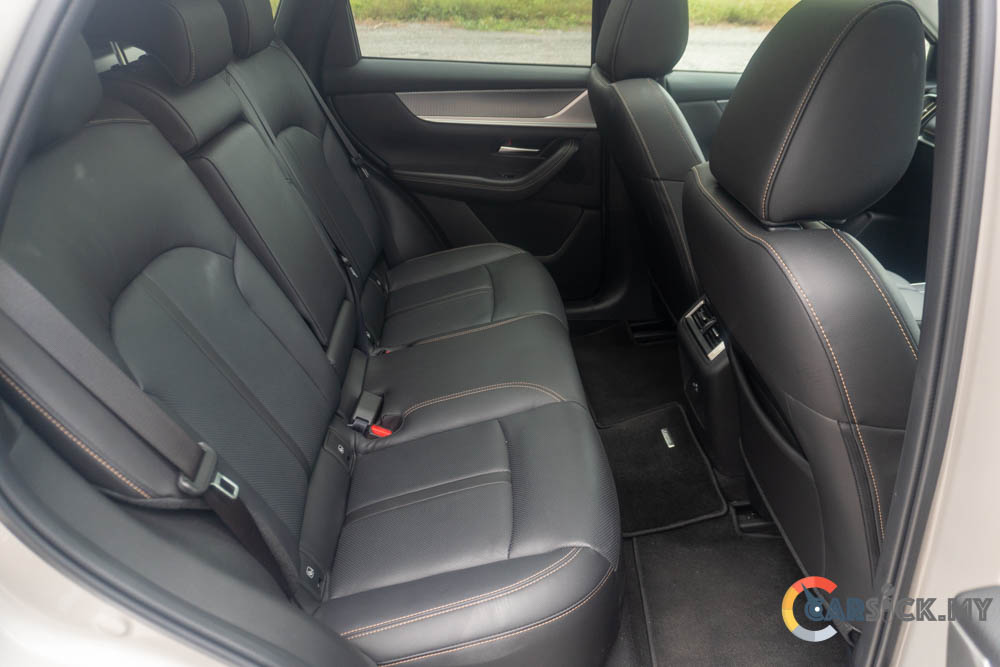
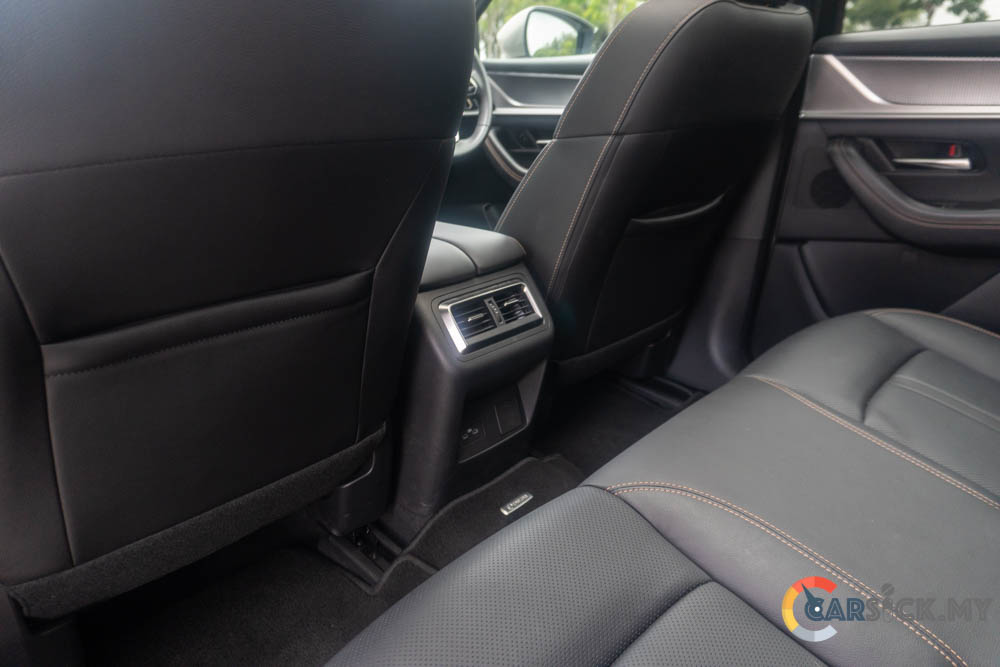
Before even stepping into the second row, one of the most commendable aspects of Mazda’s SUVs is how wide the rear doors open. This makes getting in and out much easier, especially for families installing child seats. Once seated, rear passengers are treated to seats that are just as comfortable as those in the front. Legroom and headroom are both decent, although the CX-60 isn’t the most spacious in its class. This is largely due to the longer seat base, which provides better thigh support. Rear passengers can also choose between two reclining seatback positions for added comfort. Additional conveniences include rear air-conditioning vents and two USB-C charging ports. 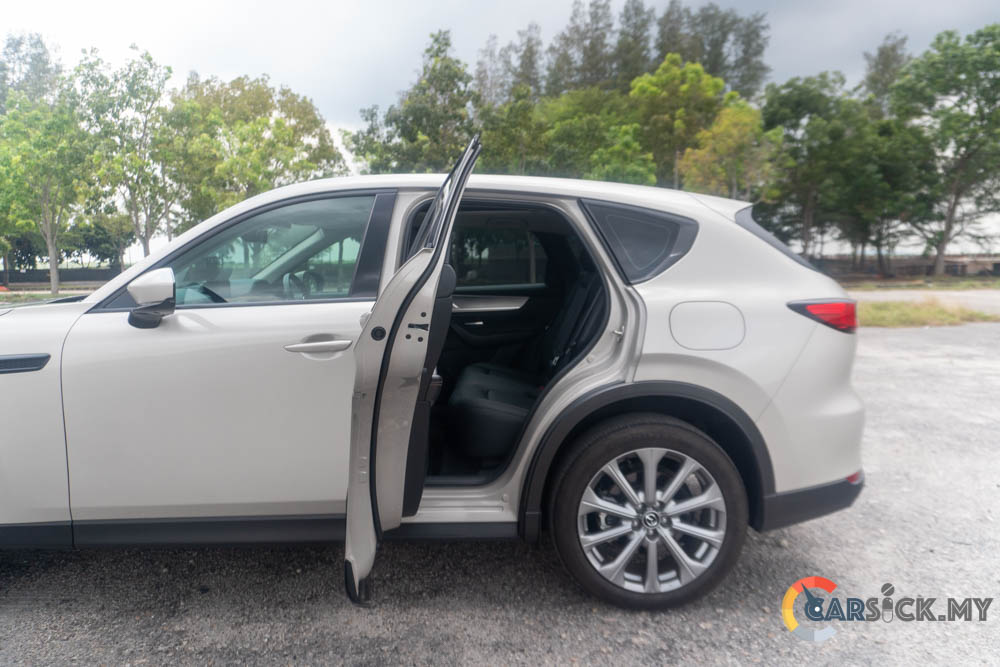
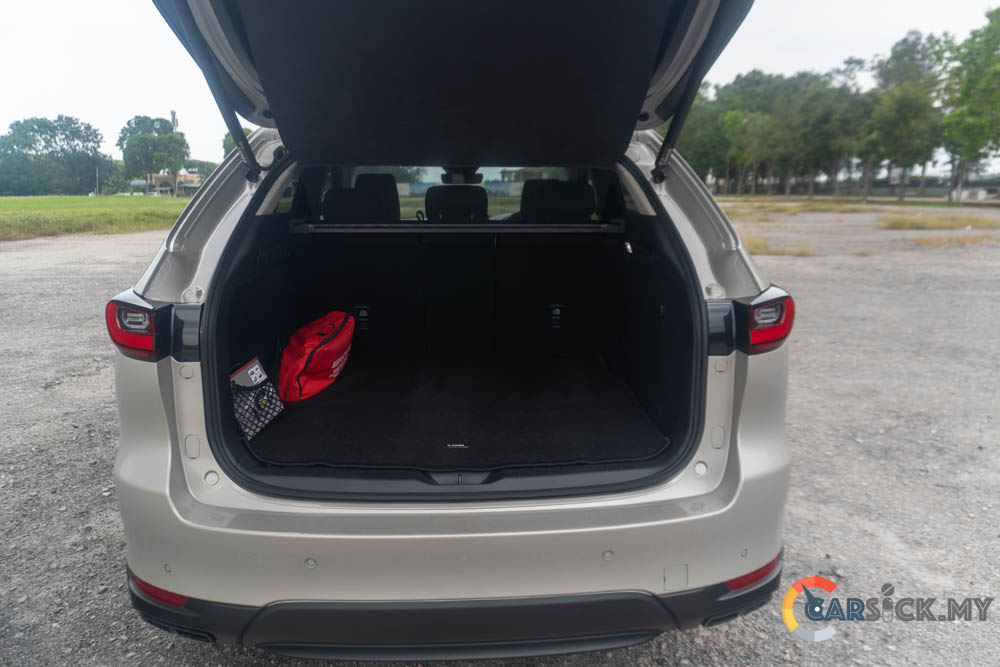
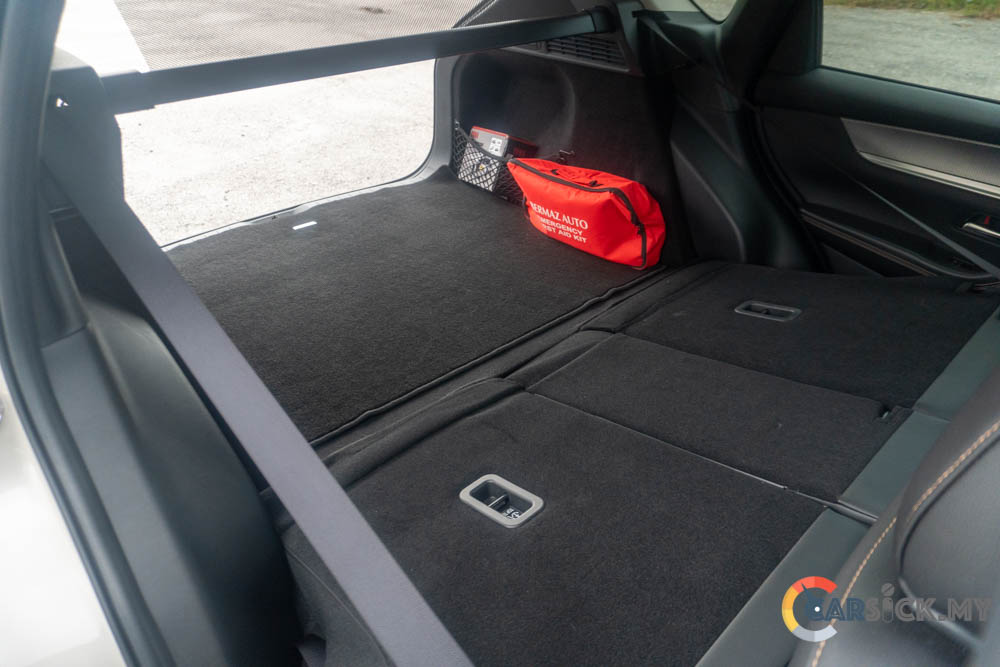
As for cargo space, the CX-60 offers a generous 570 litres of boot capacity, which is more than sufficient for most family needs. Even golf bags can fit without much difficulty. Practicality is further enhanced by the large tailgate opening and powered tailgate operation. Folding down the rear seats expands total cargo capacity to 1,726 litres, allowing the CX-60 to accommodate larger items with ease. Powering the CX-60 is Mazda’s familiar 2.5-litre naturally aspirated inline-four engine. What’s new, however, is the transmission. Mazda has developed its own in-house eight-speed automatic transmission, which sends power to the rear wheels. The engine produces 189 hp and 261 Nm of torque, allowing the CX-60 to accelerate from 0-100 km/h in 9.6 seconds.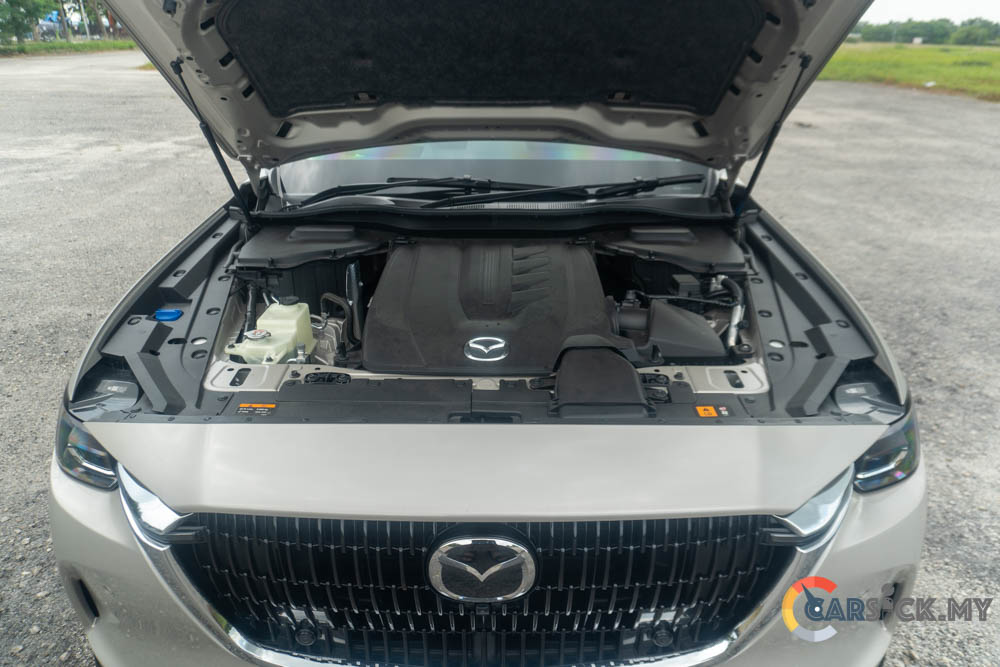
Being naturally aspirated, the CX-60 won’t win any drag races against the latest turbocharged SUVs from China. Then again, Mazda’s objective here is not outright performance. Instead, the goal is to create a more refined, continental-style driving experience, and in that regard, the 2.5-litre engine makes perfect sense. It was designed to be a relaxed cruiser, and that’s exactly how it feels. While initial acceleration from a standstill may not be particularly brisk, in-gear acceleration is surprisingly strong. Once on the move, overtaking becomes effortless and even slightly addictive. This is a characteristic that larger-capacity engines tend to possess, and it’s something that smaller turbocharged engines often struggle to replicate.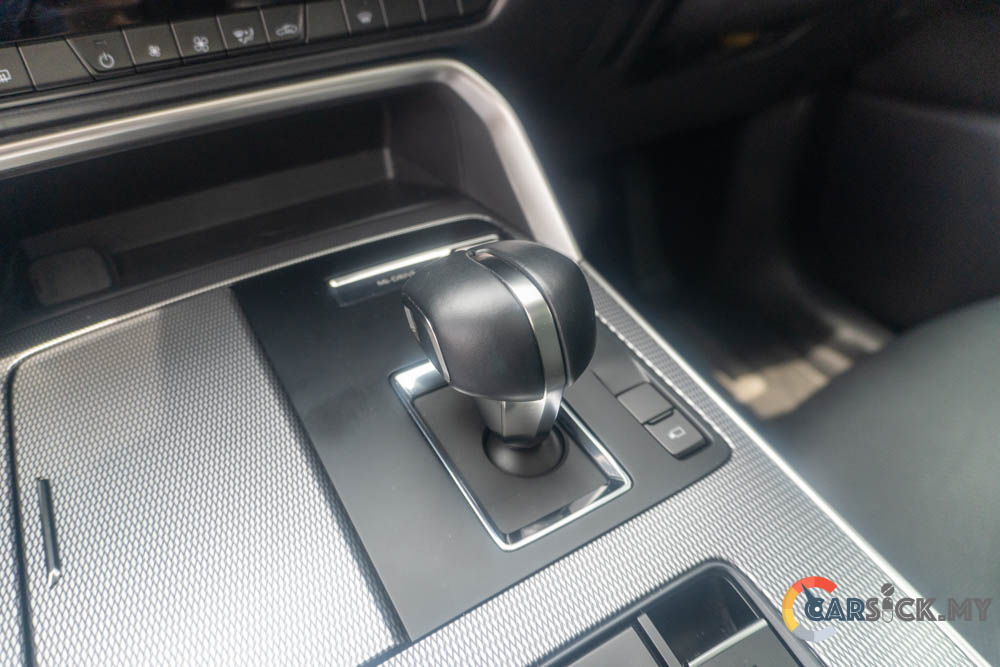
At lower speeds, however, the CX-60 occasionally feels like it wants more throttle input. This is largely due to its relatively modest low-end torque. The engine needs revs to deliver its best performance. Such characteristics are usually better suited to a sports car than a large SUV. Fortunately, the eight-speed automatic transmission does an excellent job of complementing the engine. Staying true to Mazda’s character, gear changes are smooth and refined. The additional ratios also help improve both acceleration and efficiency. During highway cruising, the powertrain feels particularly well suited to the vehicle. However, in mixed driving conditions involving city traffic and highway use, I managed to record an average fuel consumption figure of around 10.1L/100km. I suspect this figure would improve further with more long-distance highway driving.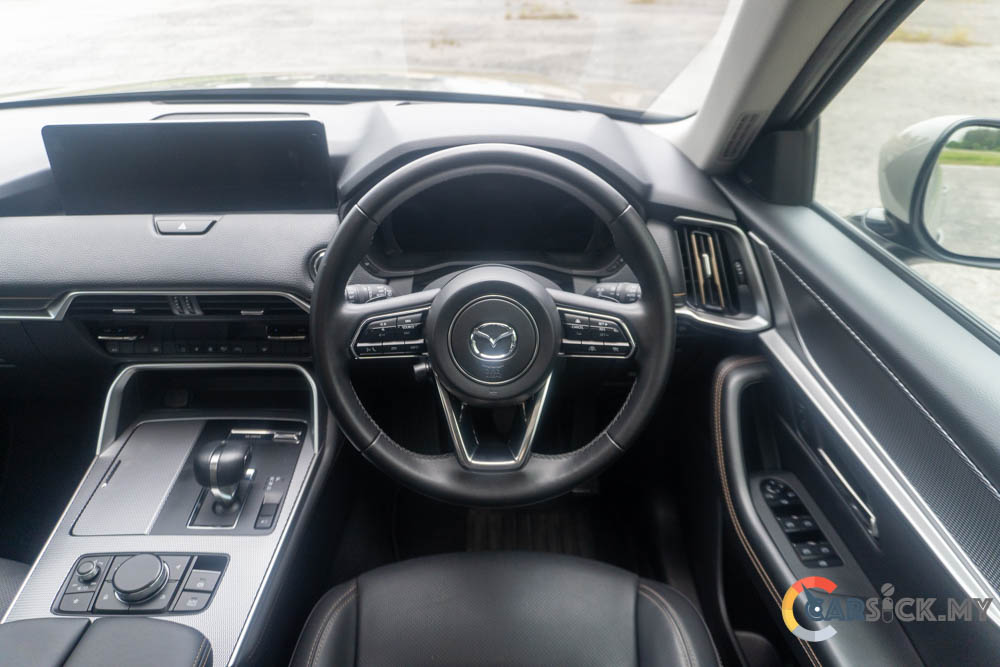
Ride quality leans towards the sporty side, although not to the point of becoming uncomfortable. Rather than feeling overly stiff, the suspension strikes a good balance between comfort and body control. It does an excellent job of absorbing road imperfections while maintaining composure over uneven surfaces. When cornering, the suspension works hard to keep body roll in check, helping the CX-60 feel more planted than most SUVs of its size. Handling is another area where the CX-60 impresses. The steering is sharp for an SUV and carries a reassuring amount of weight. As a result, it inspires confidence when tackling corners. Turn-in response is immediate, and the vehicle reacts predictably to driver inputs. Thanks to its rear-wheel-drive-based platform, the CX-60 is genuinely enjoyable to drive if you appreciate vehicle dynamics.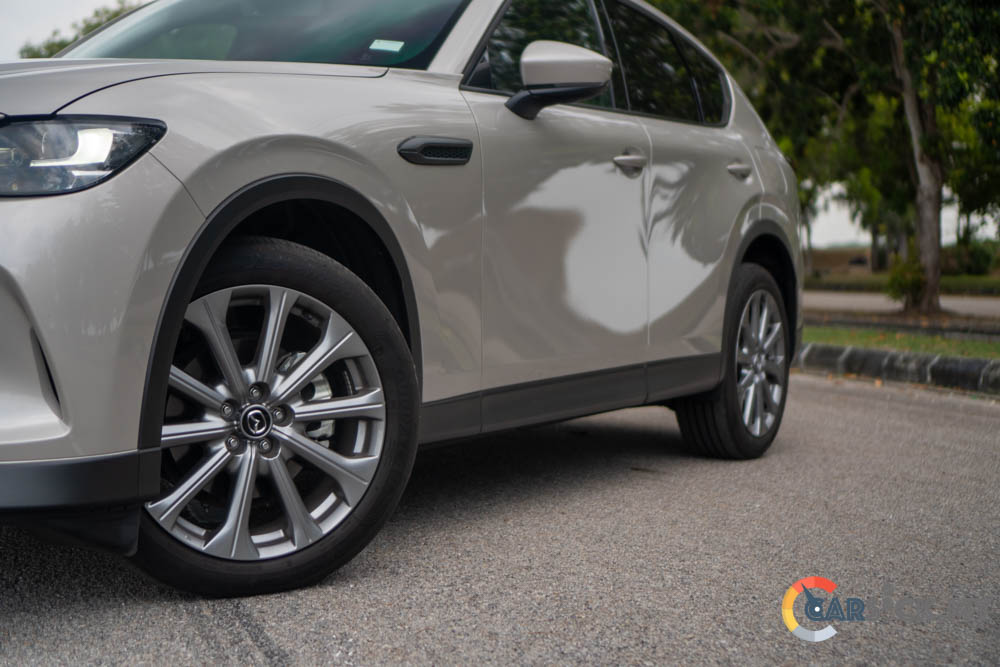
When it comes to braking, the CX-60 shares similar characteristics with other Mazda models I’ve driven. The brake pedal requires a slightly longer travel before significant braking force is applied. Personally, I prefer a more immediate brake response, but this is ultimately a matter of preference. As expected for a vehicle in this segment, the CX-60 comes fully equipped with a comprehensive suite of Advanced Driver Assistance Systems (ADAS). Standard features include Adaptive LED Headlights (ALH), Blind Spot Monitoring (BSM), Rear Cross Traffic Alert (RCTA), Front Cross Traffic Alert (FCTA), Lane Departure Warning System (LDWS), Lane Keep Assist System (LAS), Emergency Lane Keeping (ELK), Driver Attention Alert (DAA), Driver Monitoring (DM), Smart Brake Support (SBS), Mazda Radar Cruise Control (MRCC), and Cruising & Traffic Support (CTS). 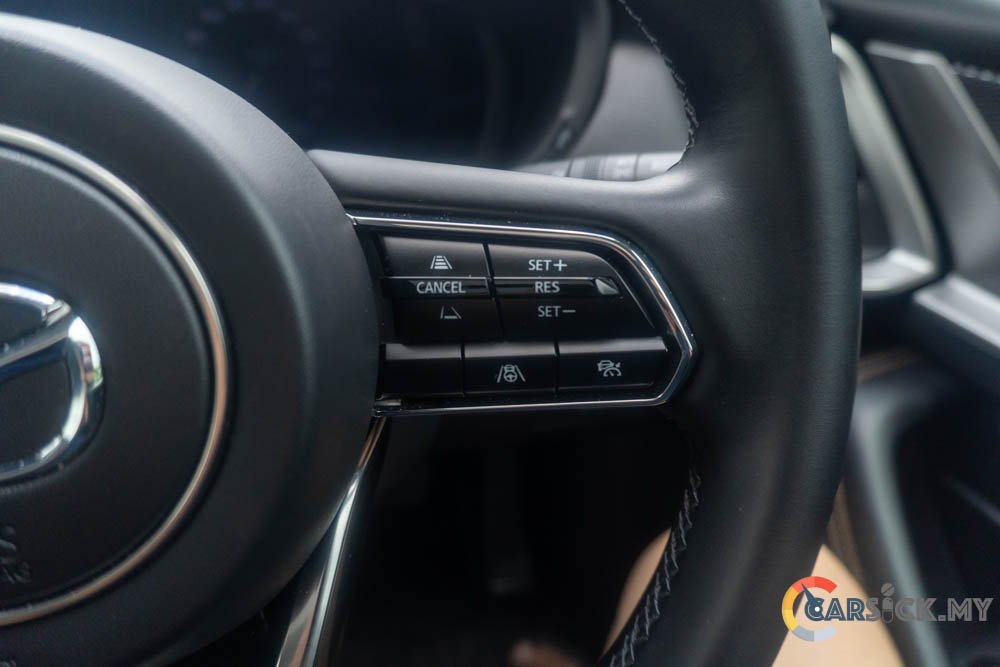
At RM198,900, the CX-60 represents a compelling proposition within the premium Japanese SUV segment. More importantly, it feels like a genuinely well-engineered vehicle, and that’s something that always translates into a rewarding ownership experience. Personally, I would much rather drive a vehicle that feels engaging and refined than one that simply offers larger screens and flashy technology. For buyers looking for a premium Japanese SUV priced below RM200,000, the Mazda CX-60 deserves serious consideration.
Check out the full photo album here.