
One of Toyota’s best-selling SUVs in Malaysia has been the Corolla Cross. When it was first introduced, many buyers were attracted to it because of its competitive price point. Due to its popularity, Toyota introduced an updated Corolla Cross two years ago, but there were no media test drives available at the time. Fast forward to 2026, Toyota Malaysia has finally managed to allocate media units for us to review.
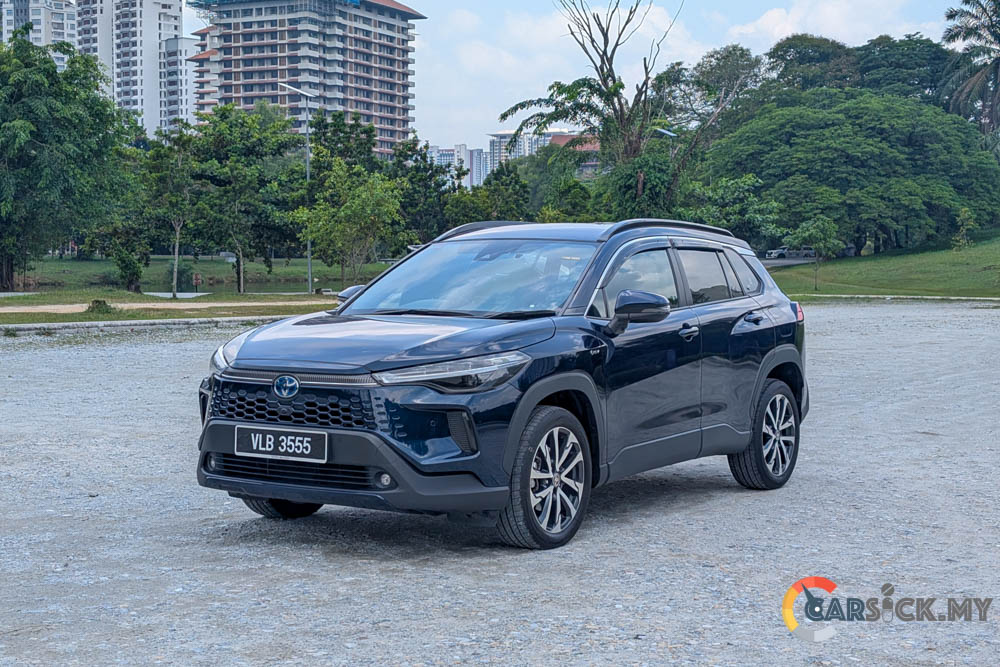
 One of the biggest concerns for car buyers in 2026 is the increase in fuel prices. While I previously said that the pure petrol-powered Corolla Cross was the better option, that may no longer be the case in today’s environment. Taking this opportunity, I wanted to revisit the Corolla Cross and see whether it remains a better option during the current fuel crisis. Let’s find out.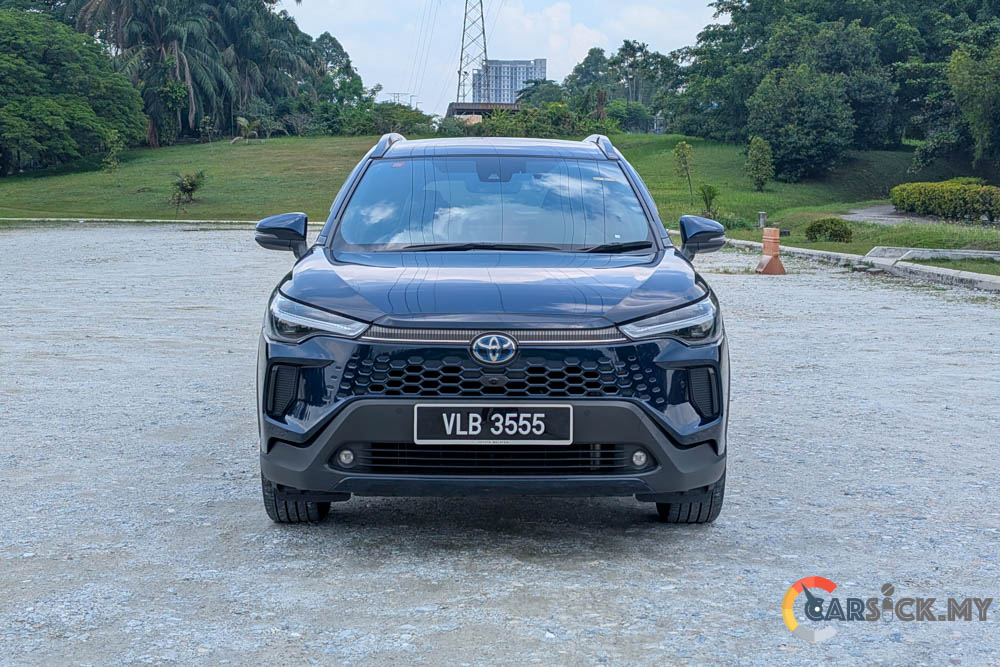
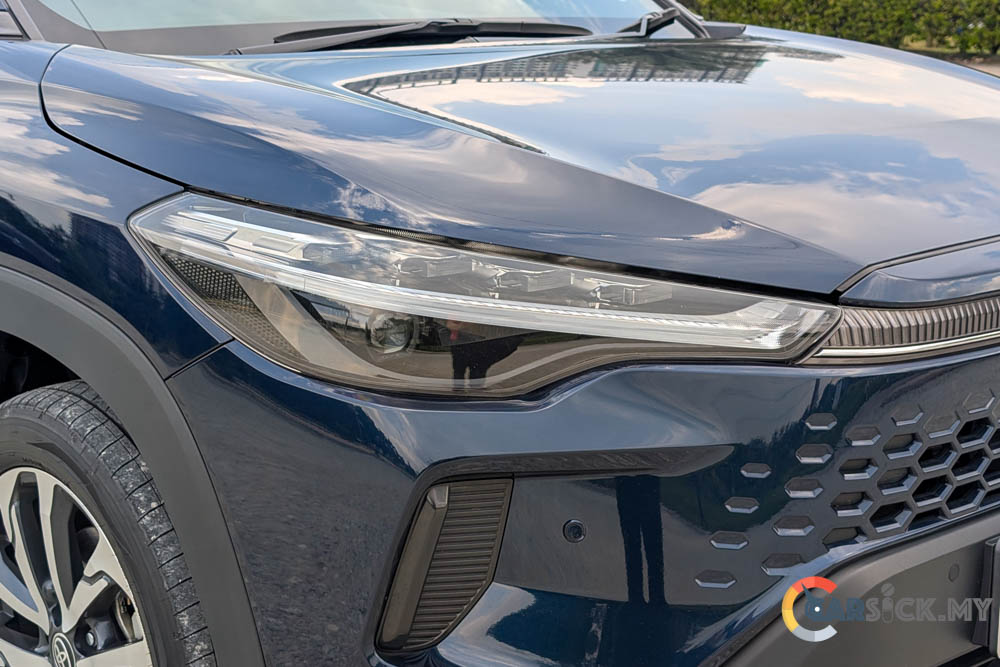
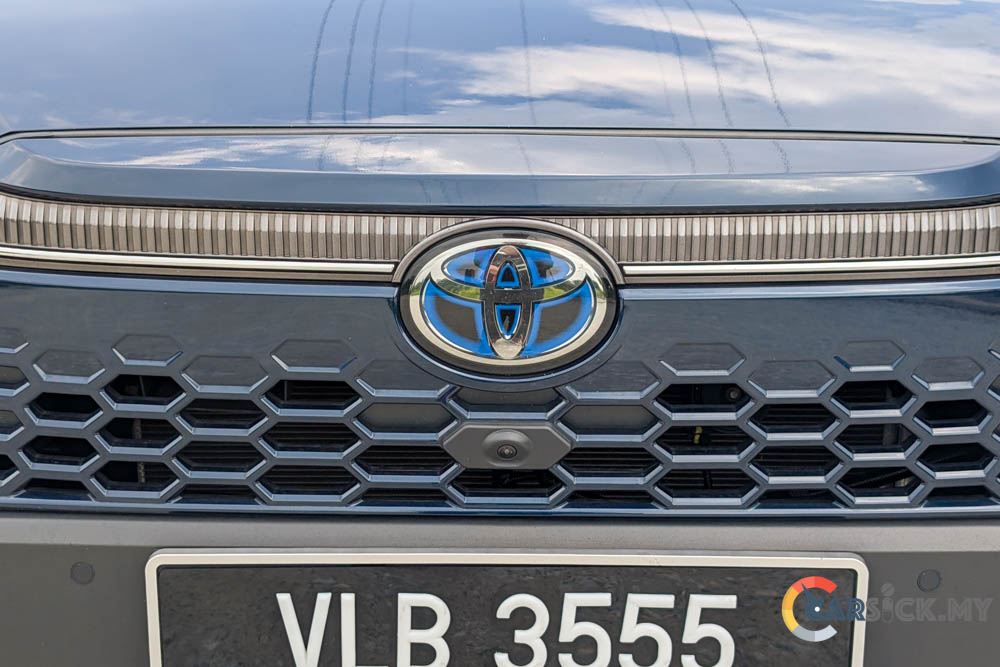
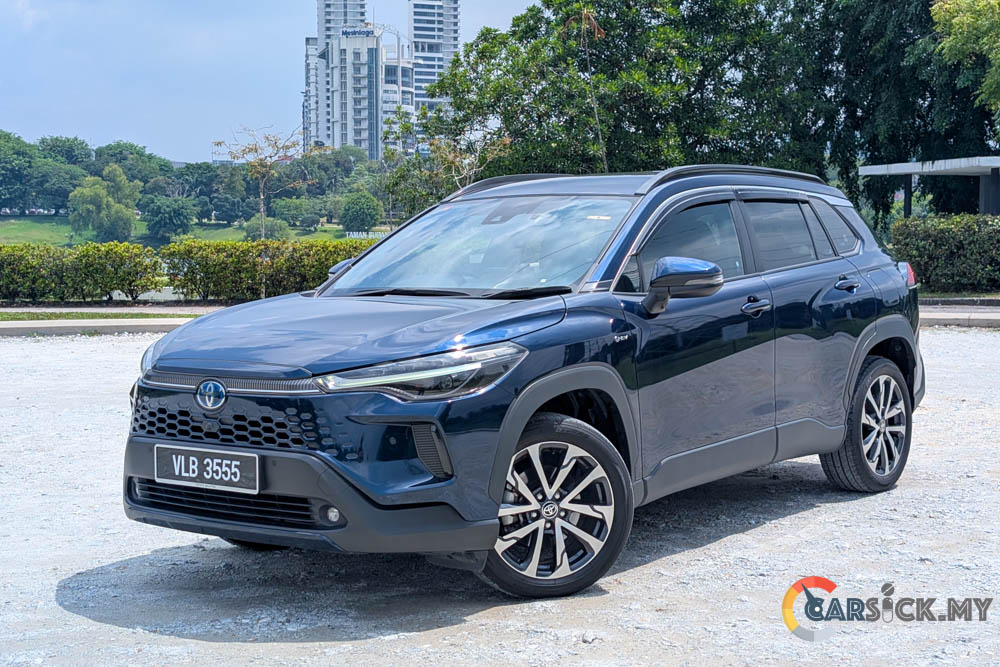
Since this is an updated model, let’s take a closer look at what has changed. On the exterior, the updated Corolla Cross receives a completely redesigned front end. The new front fascia features a grille that is integrated into the front bumper, while the honeycomb pattern further enhances its appearance. In addition, the redesigned headlights give the Corolla Cross a more modern look. These new headlights also come with automatic high beam as standard. 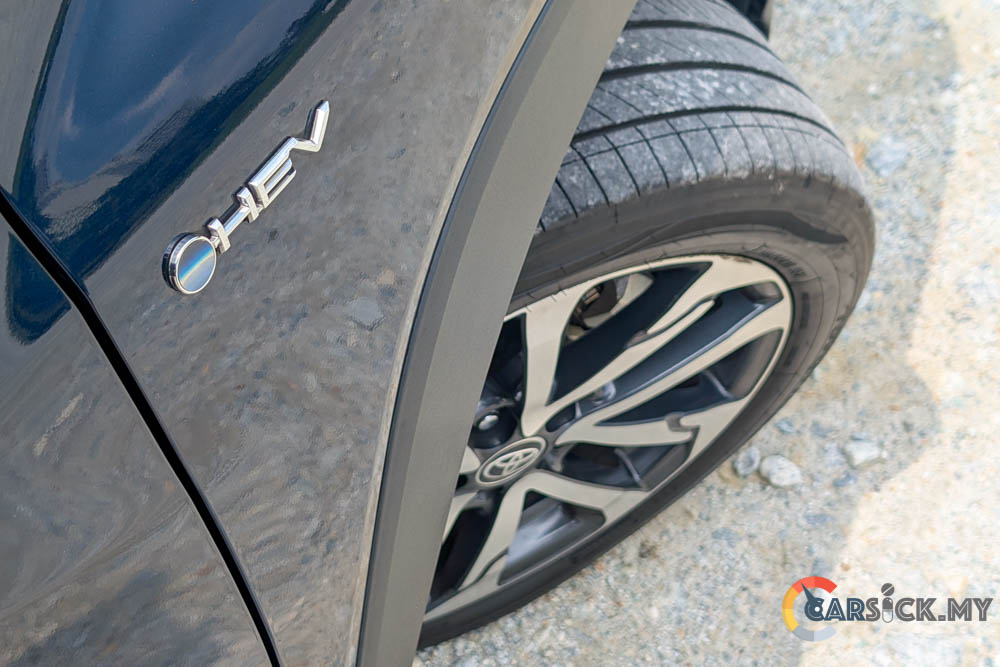
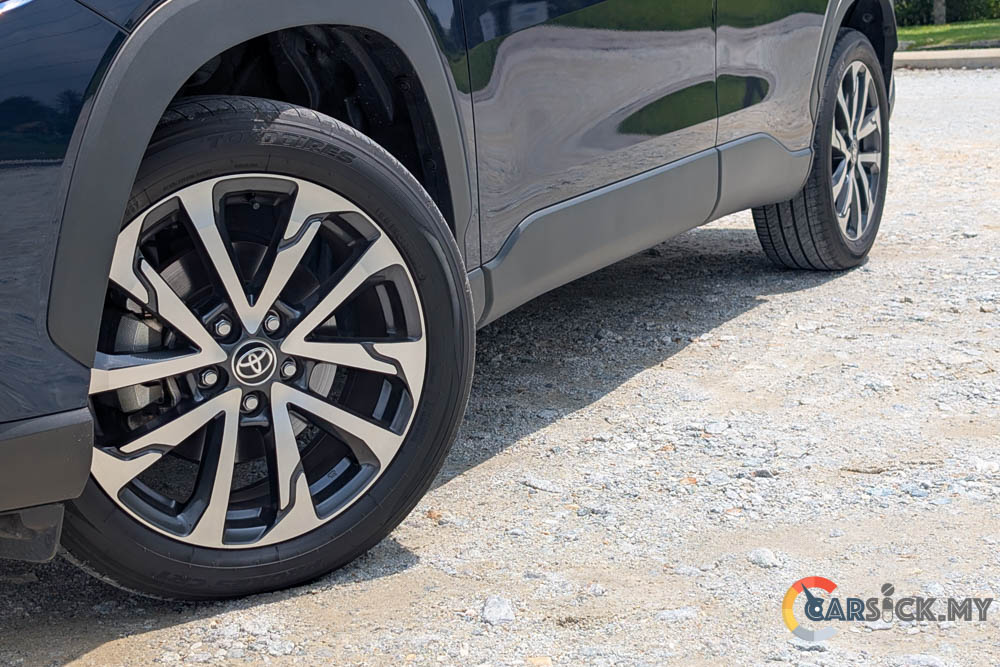
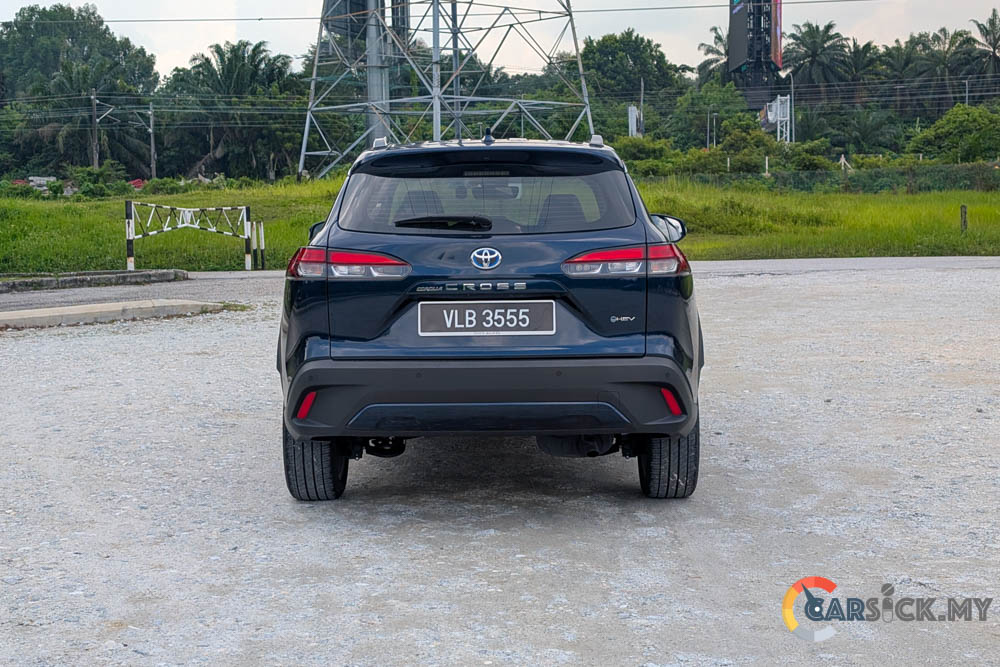
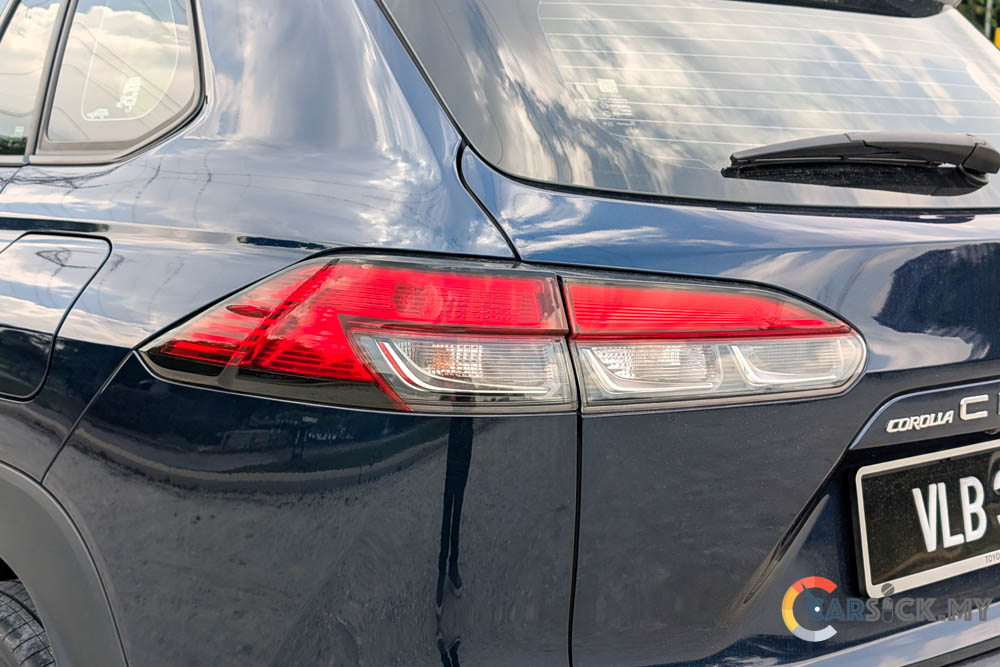
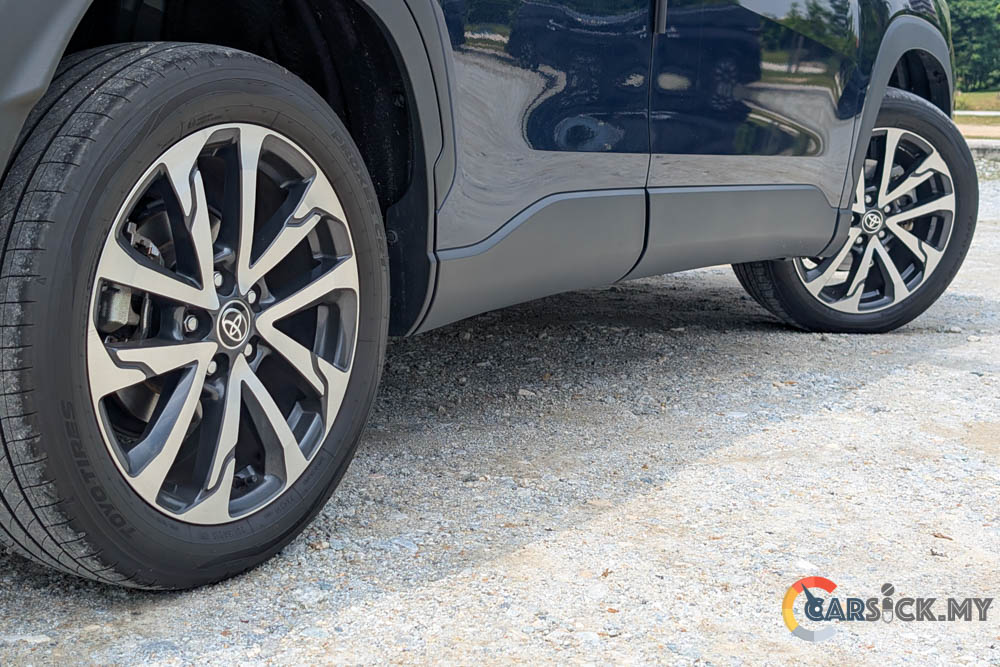
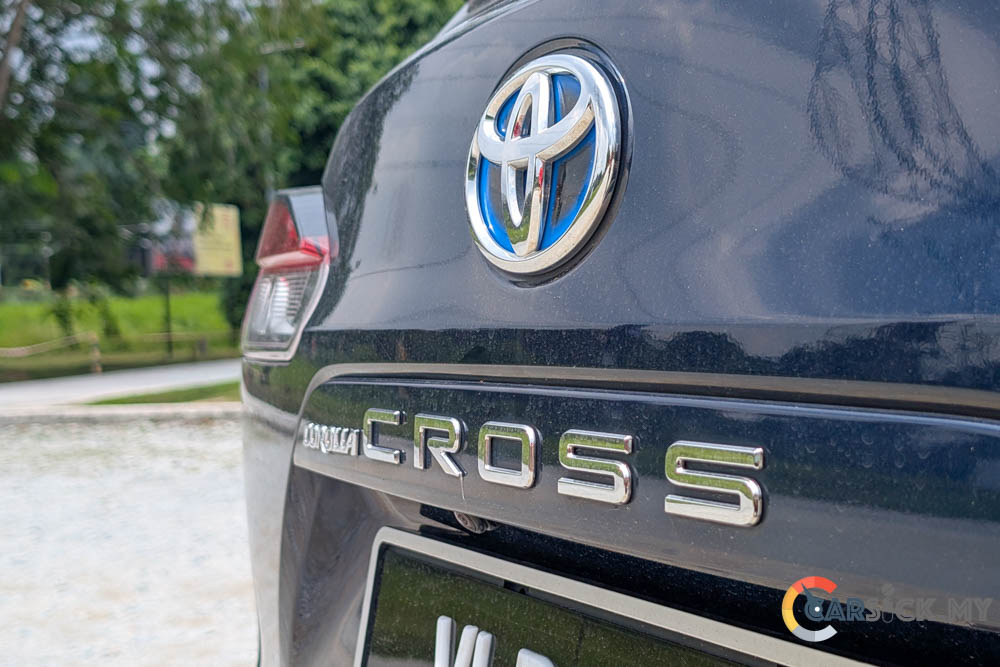
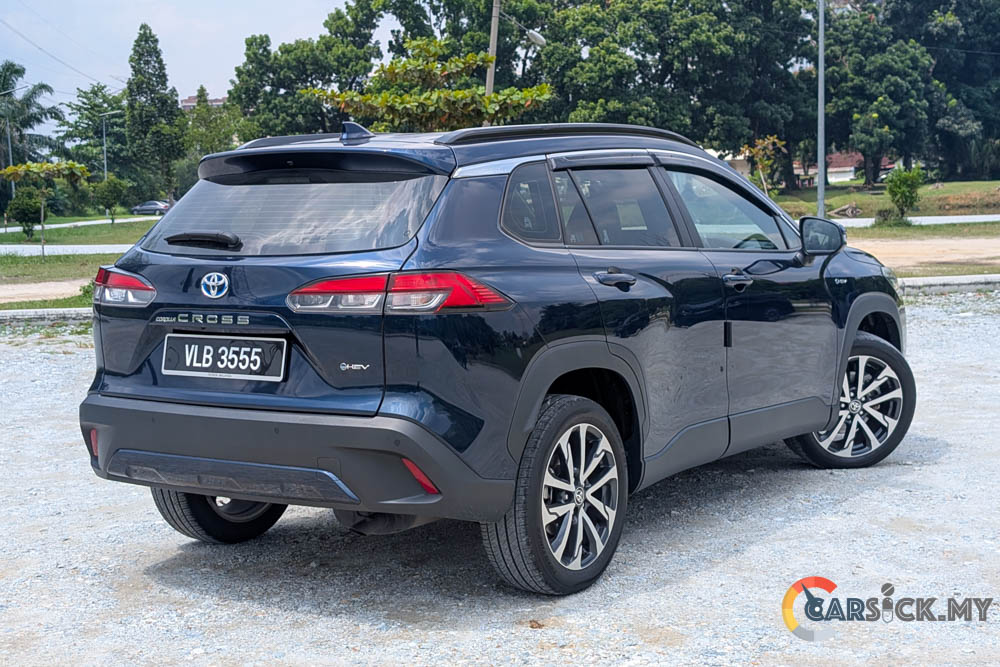
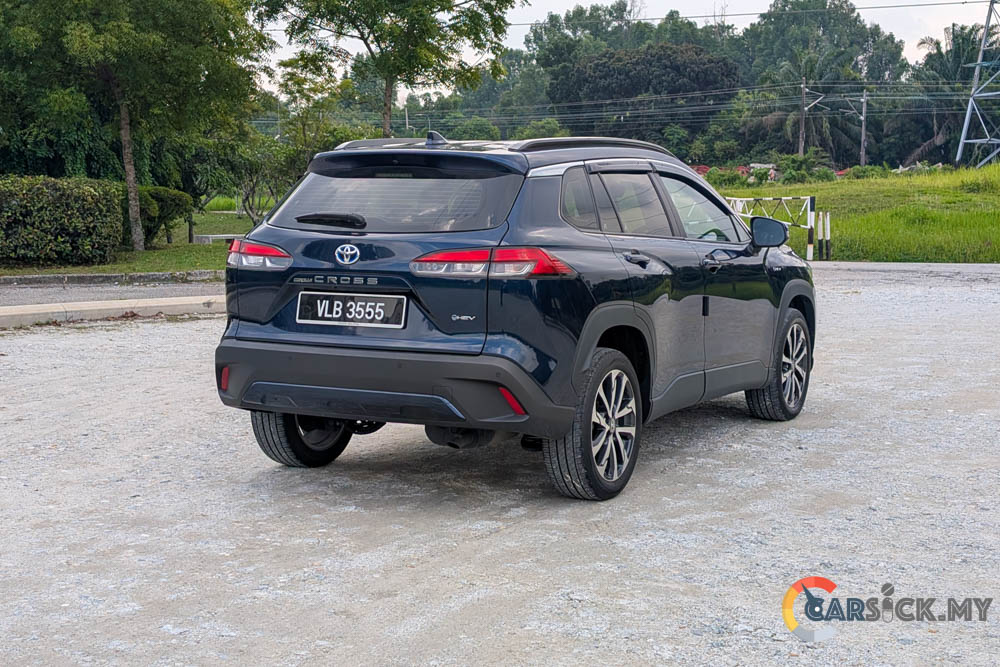
Moving to the side, you’ll find a new HEV badge fitted to the front fender. The 18-inch wheel design has been retained, along with the 225/50 R18 tyre size. At the rear, the Corolla Cross now features a new taillight design. However, these taillights are only available on the standard Corolla Cross, as the GR Sport variant continues to use the previous design. There is also a redesigned rear bumper to complement the changes made at the front. Of course, you’ll also find an HEV badge at the rear. Overall, I like the updates Toyota has made, as they give the Corolla Cross a more modern and stylish appearance.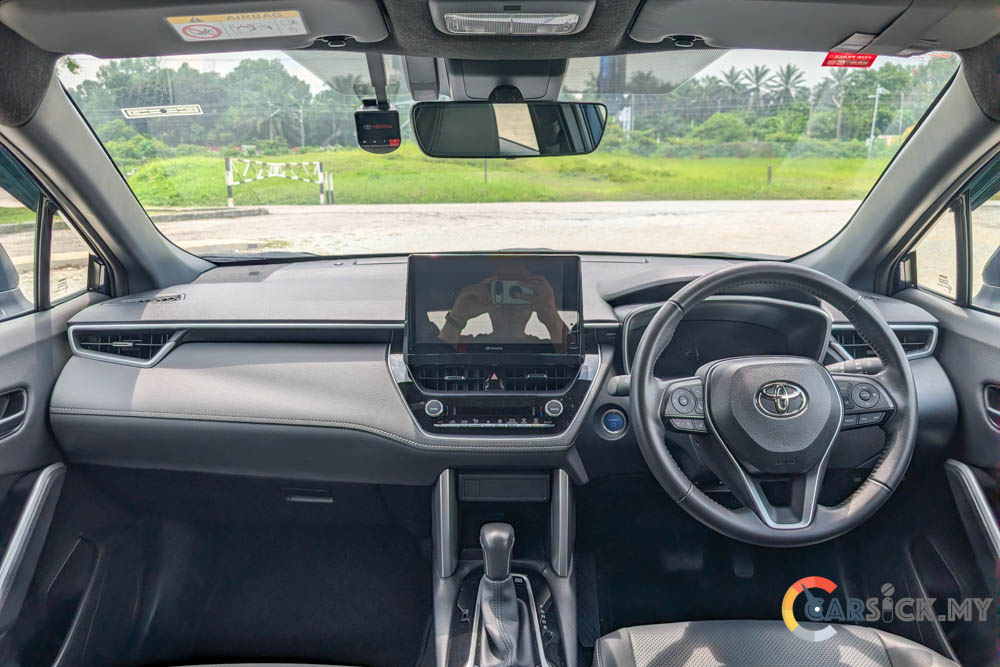
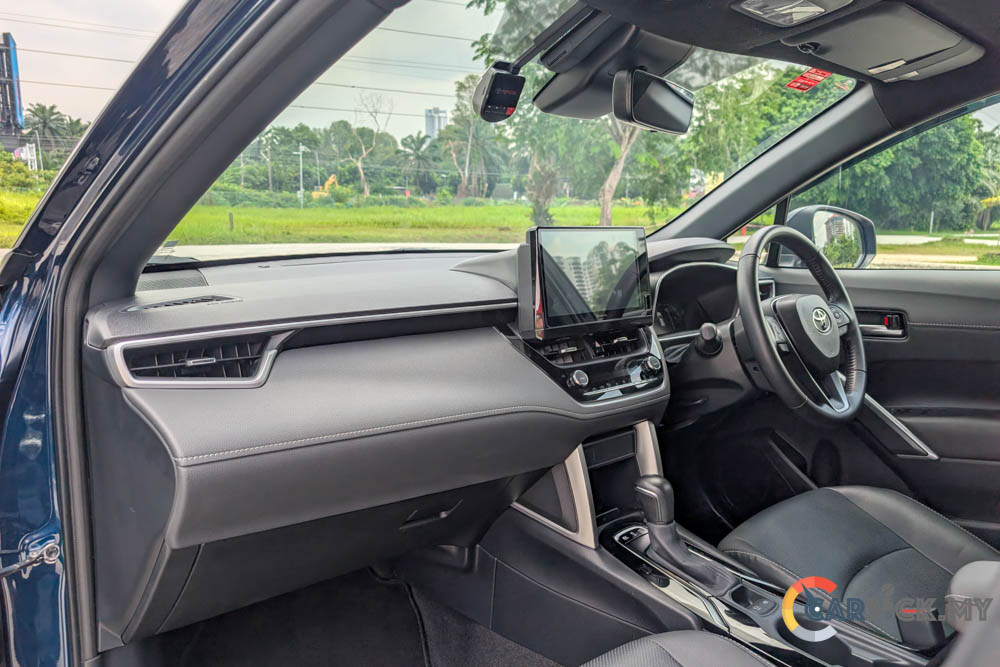
Inside, most of the major components remain unchanged from the pre-facelift model. However, there are still several notable updates. Starting with the instrument cluster, the updated Corolla Cross now comes with a new 12.3-inch fully digital display. This instantly brings the Corolla Cross into 2026. The graphics are similar to those found in more expensive Toyota models and look suitably premium. I personally like the layout of the new instrument cluster, as it feels purposeful in both design and implementation.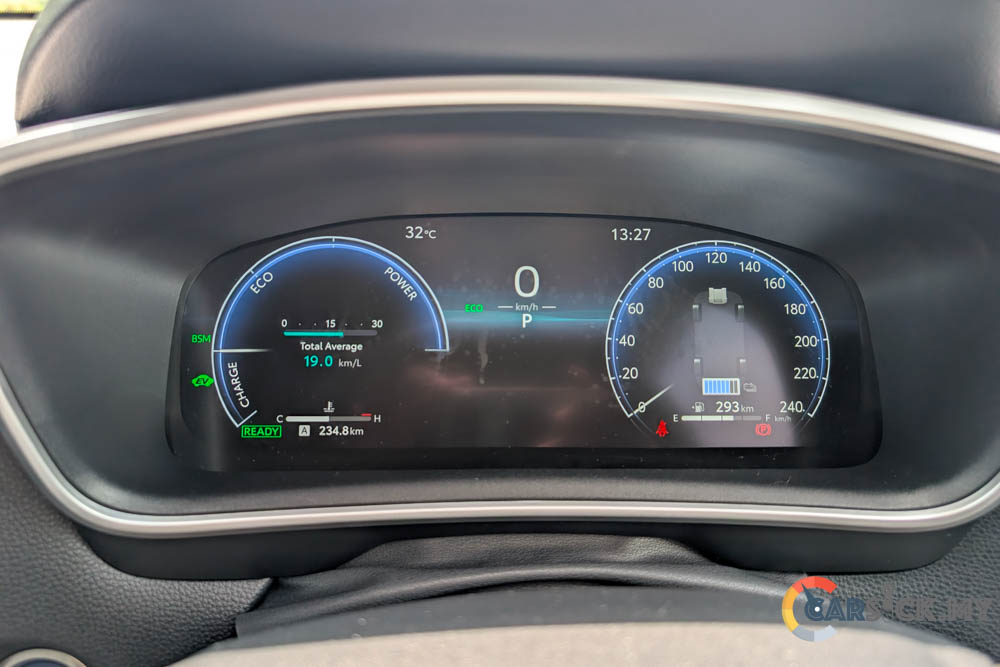
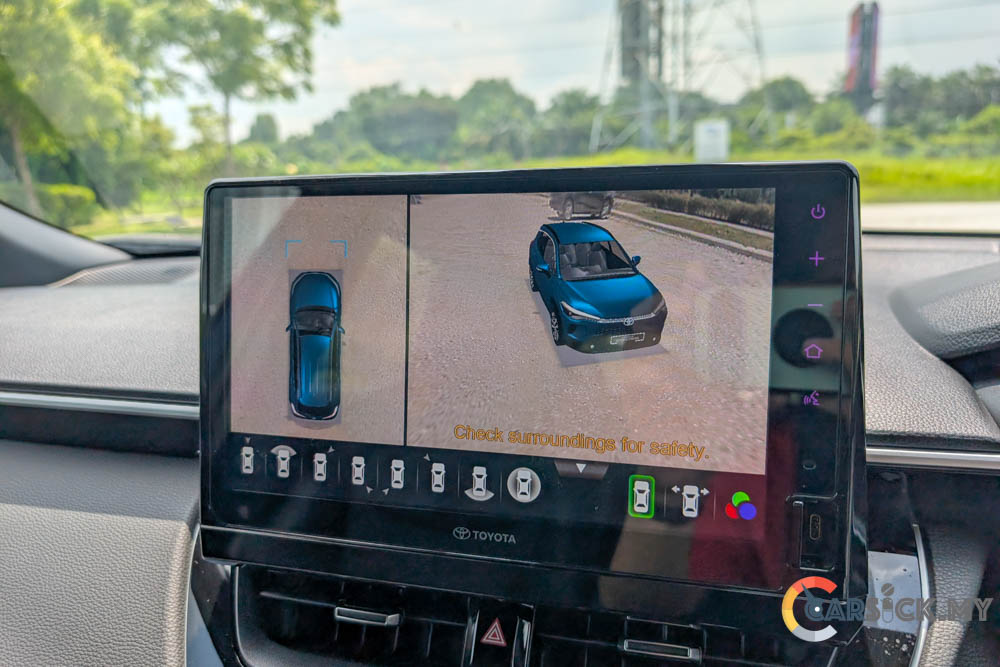
The infotainment display has also grown in size. It now measures 10.1 inches, similar to the unit found in the Vios. However, because the Corolla Cross is a larger vehicle, the display doesn’t obstruct your view through the windscreen. This new infotainment system runs noticeably smoother and faster than before. Wireless Android Auto and Apple CarPlay are also available for improved connectivity. The USB-A port previously fitted to the infotainment system has been replaced by faster USB-C ports. To top it all off, a 360-degree camera is included to assist with parking. 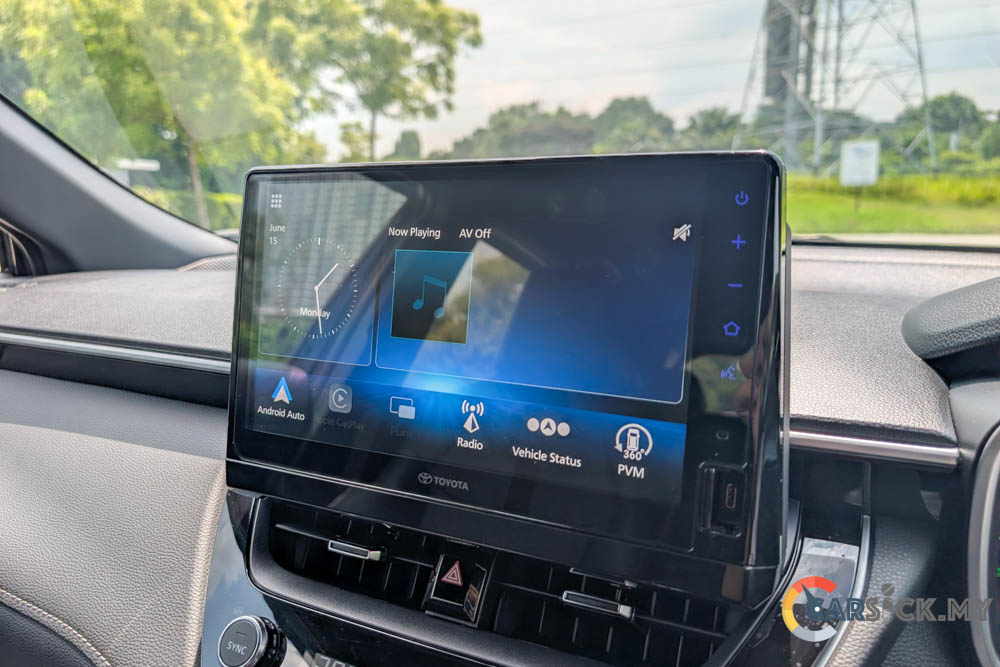
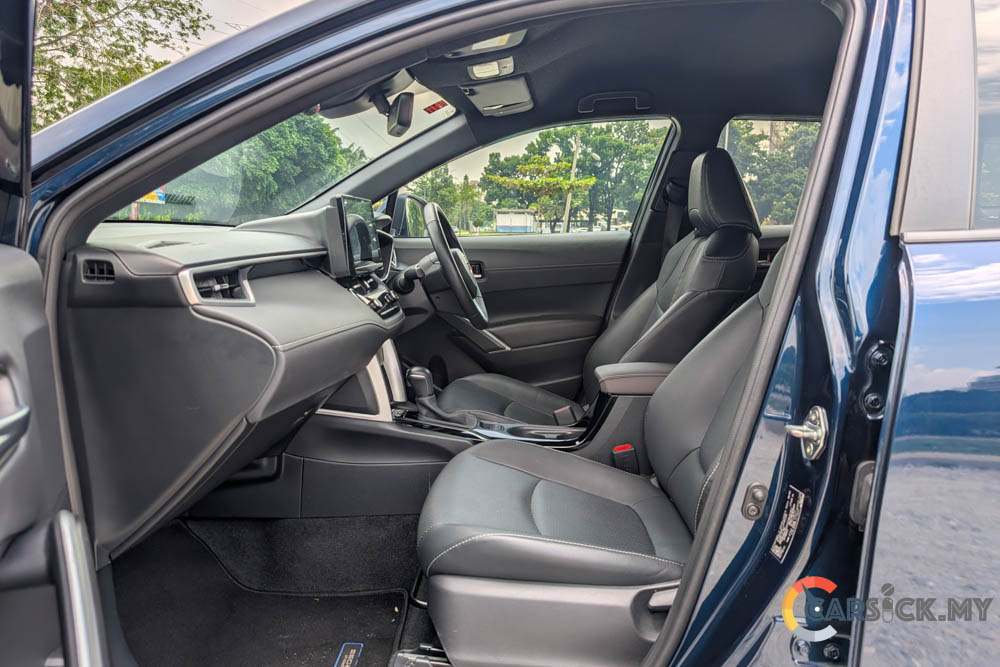
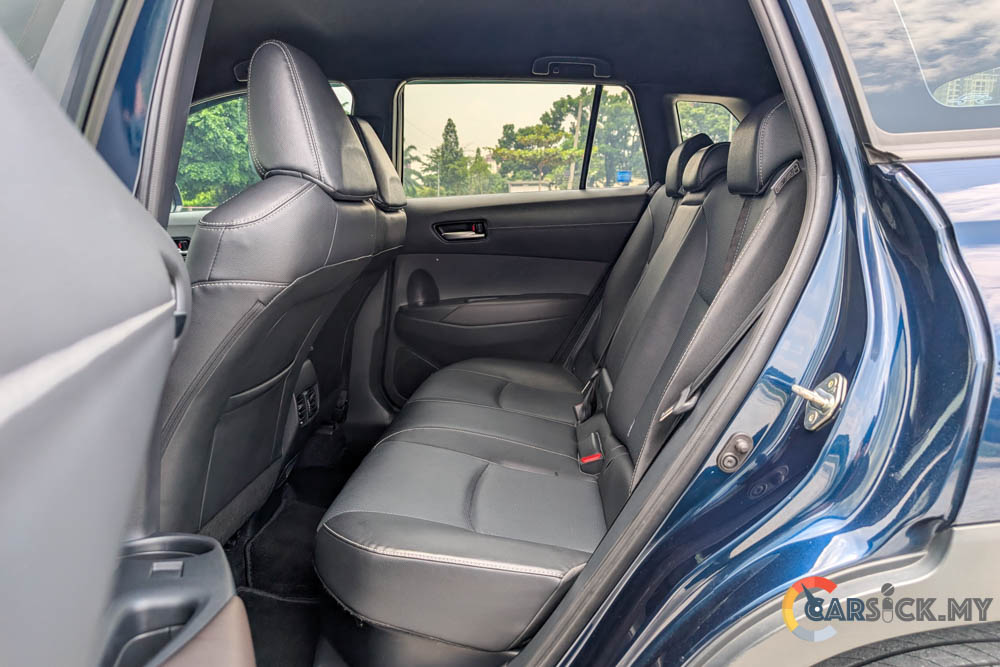
Previously, the Corolla Cross came with a foot-operated parking brake. To be fair, for a vehicle of its age, this setup felt somewhat outdated. With the updated model, Toyota has finally switched to an electronic parking brake. This instantly makes the vehicle feel more modern and in line with current expectations. Other than that, the interior remains largely unchanged from the pre-facelift version. The seats are still comfortable, and the amount of space available for the price remains one of the vehicle’s strongest selling points. It is still the same practical Corolla Cross that many buyers have loved since its launch.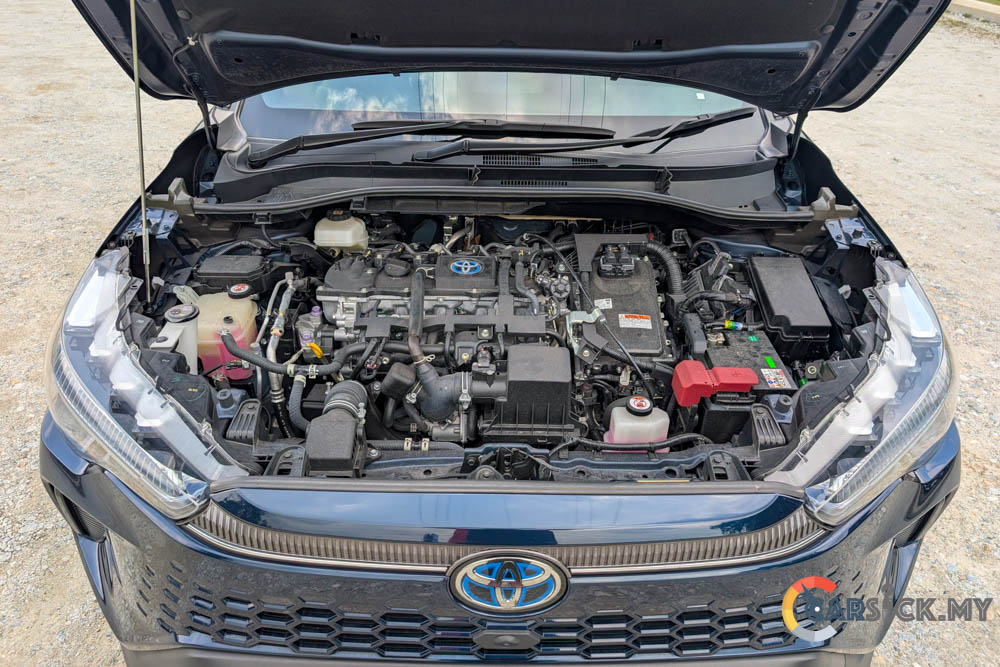
Moving on to the driving experience, there are no changes to the powertrain. The hybrid system still consists of a 1.8-litre naturally aspirated engine paired with an electric motor. Combined, the system produces 122PS and 163Nm of torque. The electric motor draws power from a 6.5Ah battery. Having driven a variety of hybrid vehicles over the years, I feel that the Corolla Cross’ hybrid system has a somewhat old-school character. Although it shares the same generation of hybrid technology as the Vios HEV, the system in the Corolla Cross feels a little rougher around the edges.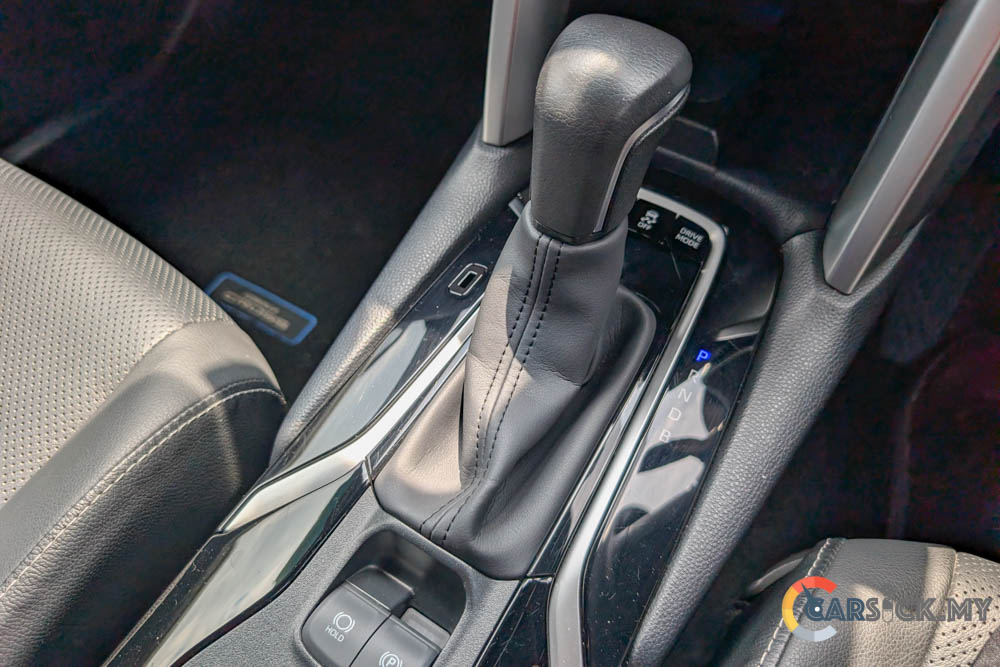
In the Vios HEV, I rarely felt the system struggling to keep up with traffic. In fact, it can remain in EV mode for extended periods without issue. In the Corolla Cross, however, the engine tends to kick in much more frequently. Any significant acceleration request usually results in the petrol engine starting up. It often feels as though the electric motor lacks the strength to move the vehicle on its own for extended periods. On top of that, engine noise and vibration are more noticeable in the cabin. In the Vios HEV, both are kept to a minimum. These small details make the hybrid system in the Corolla Cross feel less refined and more crude when compared to the Vios.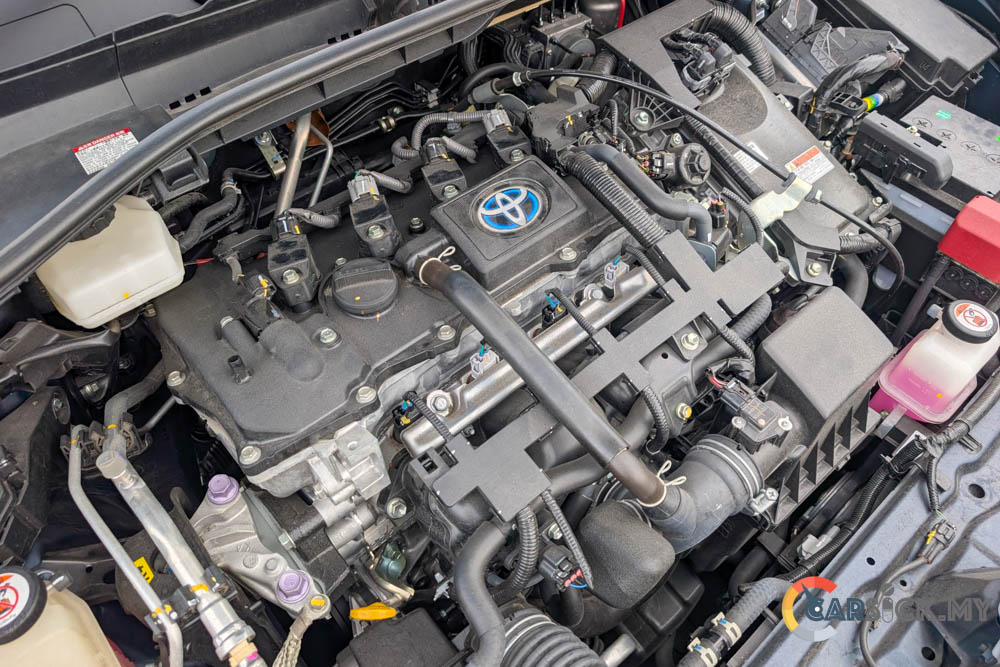
On the other hand, fuel economy remains impressive. However, due to the limited power output of the hybrid system, the engine often has to work harder to keep pace with traffic. This naturally increases fuel consumption. If the electric motor offered more performance, I believe fuel economy could be even better. The longer the vehicle can stay in EV mode, the more fuel you save. I hope Toyota eventually introduces a more powerful electric motor and a larger battery to better cope with the Corolla Cross’ weight.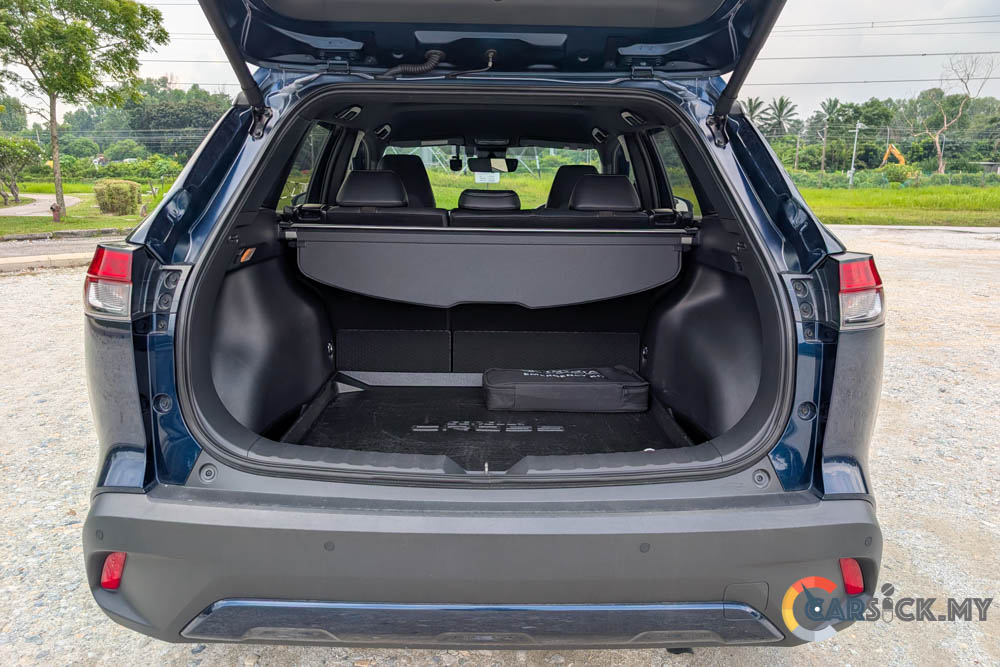
When it comes to ride and handling, this remains one of the Corolla Cross’ strongest areas. The ride quality is well judged for the price point. It isn’t overly soft to the point of feeling wallowy, nor is it so firm that it feels like a sports car. Instead, it strikes a pleasant balance between comfort and control. Because it is built on Toyota’s TNGA platform, the Corolla Cross benefits from the company’s latest ride and handling philosophy. Body roll is well controlled through corners, and when paired with the direct steering system, the Corolla Cross handles much better than many people give it credit for. The steering is also nicely weighted, providing additional confidence when tackling bends.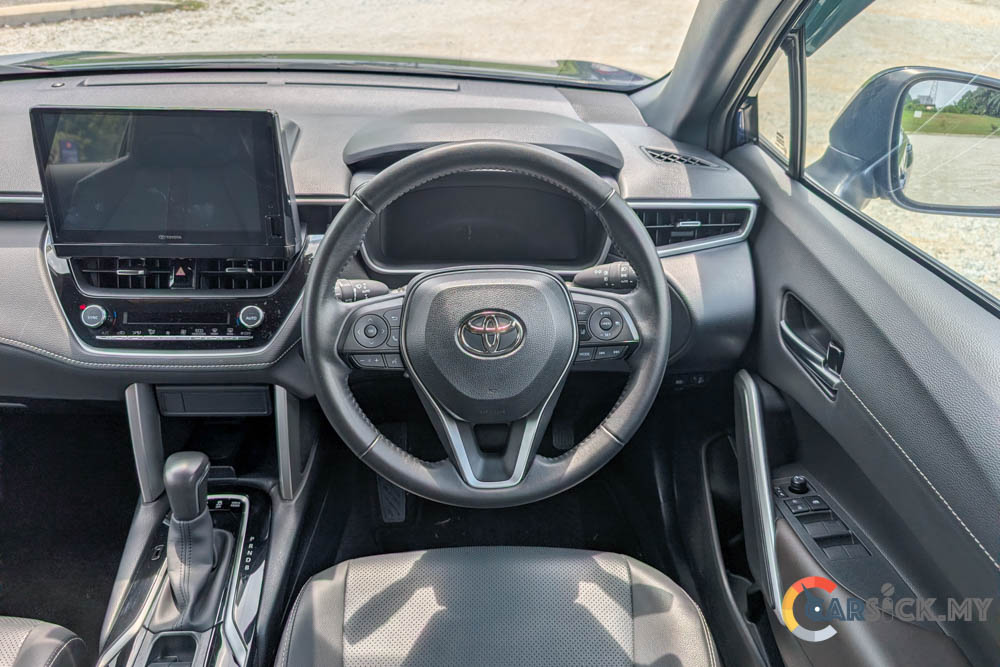
Previously, I often recommended the ICE Corolla Cross. And if outright performance is your priority, the ICE model is still the more enjoyable vehicle to drive. However, in 2026, with fuel prices becoming increasingly unpredictable, many buyers are prioritising fuel efficiency. In this regard, the Corolla Cross HEV clearly has the advantage. Achieving around 20km/L is relatively easy, which means fewer trips to the petrol station. With its 36-litre fuel tank, the Corolla Cross can realistically travel around 550km on a full tank. That effectively means covering 550km with roughly RM70 worth of fuel when BUDI95 assistance is applied.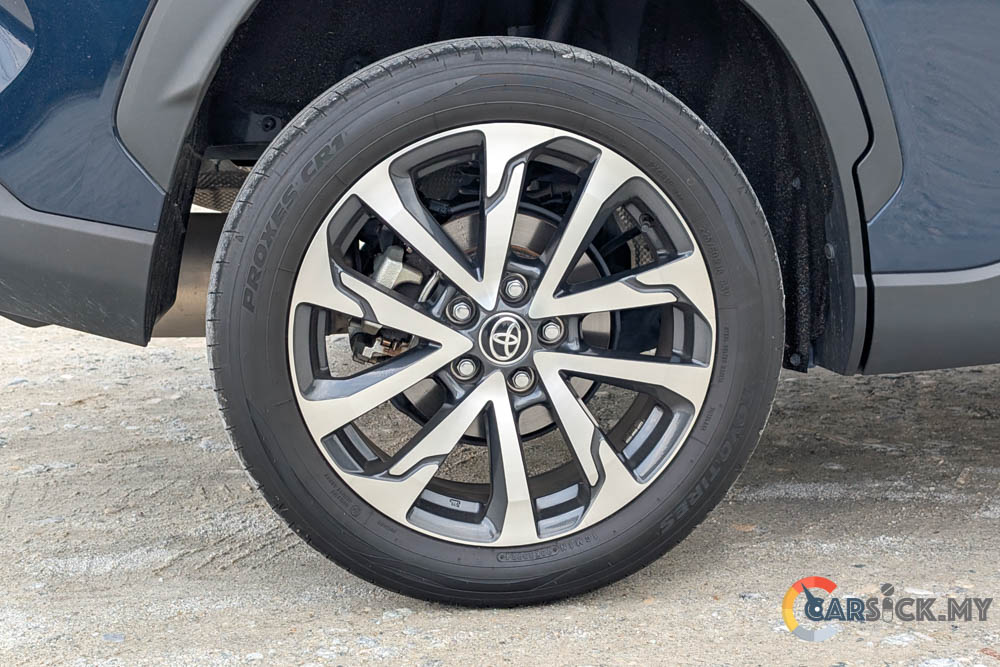
The Corolla Cross HEV is still attractively priced at RM140,800, despite the availability of more powerful Chinese SUVs at a similar price point. During my time with the Corolla Cross, I also had access to a Chinese PHEV SUV that offered significantly more power. Yet I still found myself gravitating towards the Corolla Cross HEV. That alone shows that I would still choose a well-engineered machine over something that merely looks good on paper. And with the HEV’s superior fuel efficiency, you can stretch your fuel budget much further than you could with the ICE Corolla Cross.
Check out the full photo album here.