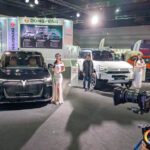

When Denza made its way into Malaysia, it arrived with quite a bang. With BYD already establishing a strong foothold in the local market, it was only natural for Denza to benefit from the same level of acceptance among Malaysian consumers. Alongside the brand’s arrival came the luxurious Denza D9, an all-electric MPV aimed at buyers seeking premium comfort and practicality. That said, the D9 is just one of many large MPVs launched in Malaysia by Chinese automotive brands in recent years. With competition becoming increasingly fierce, can the Denza D9 carve out a place for itself in this growing segment?
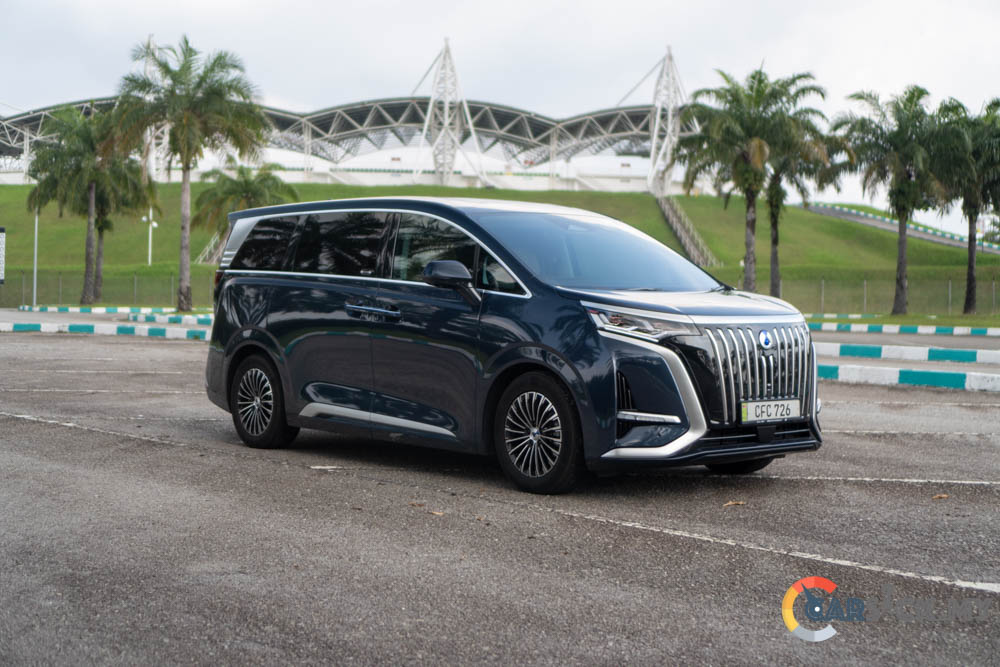
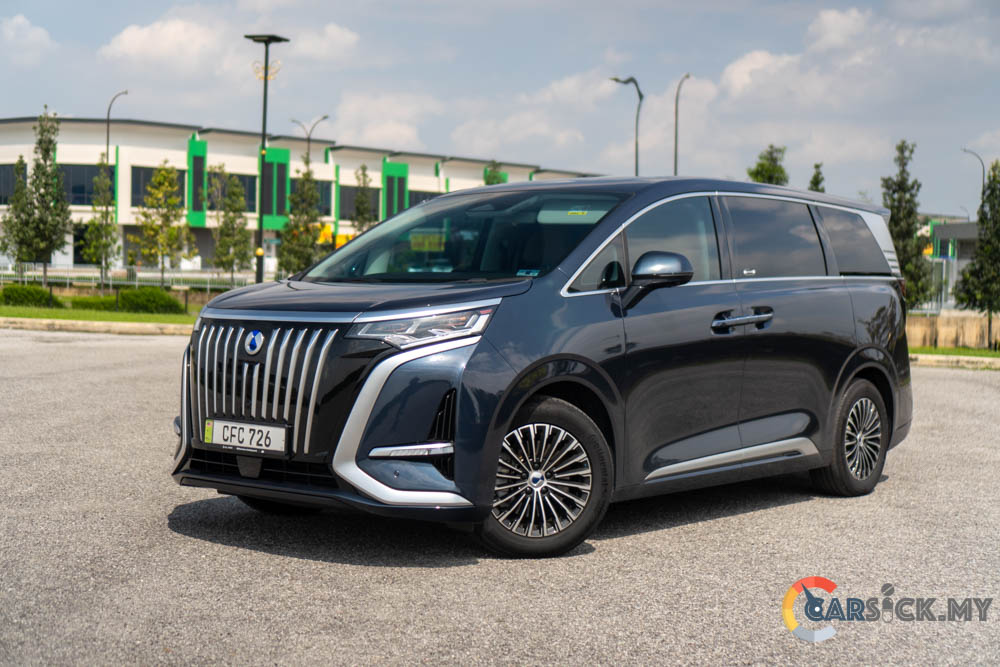
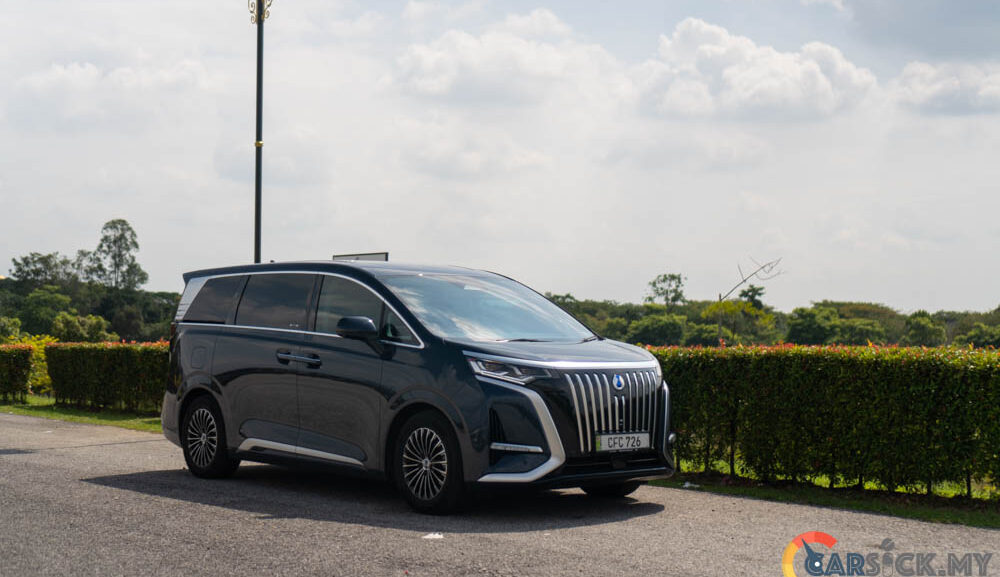
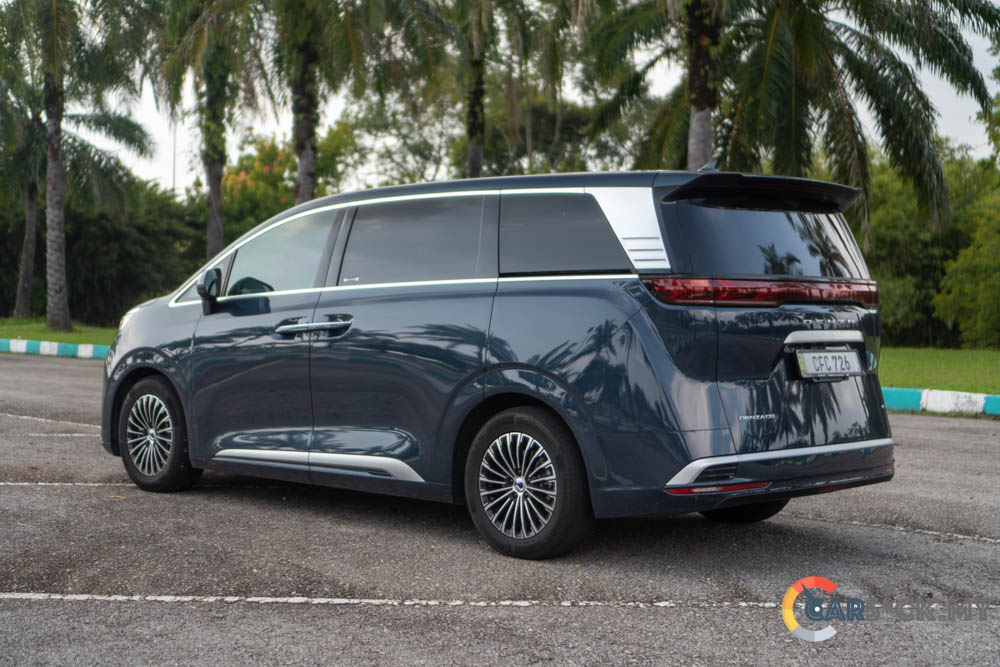 For the Malaysian market, the D9 is offered in two variants: a front-wheel-drive model and a range-topping all-wheel-drive version. For this review, however, I’ll be taking a closer look at the front-wheel-drive variant. At first glance, the Denza D9 adopts a relatively conventional design. It wouldn’t look out of place parked next to a Toyota Alphard or Vellfire. Due to the nature of the MPV body style, design flexibility is somewhat limited, resulting in a silhouette that resembles its Japanese rivals from certain angles.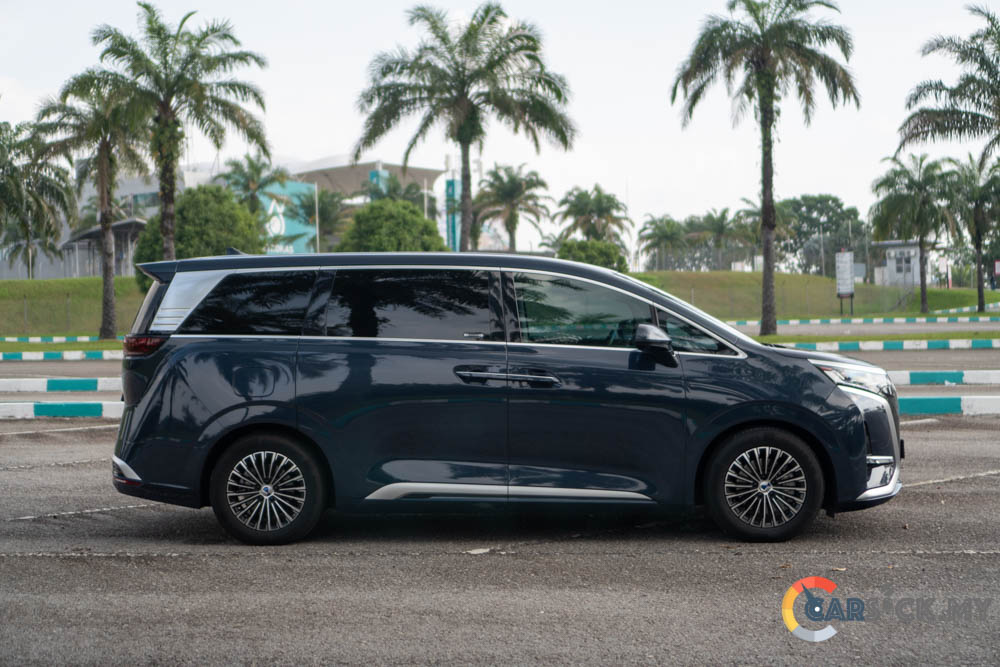
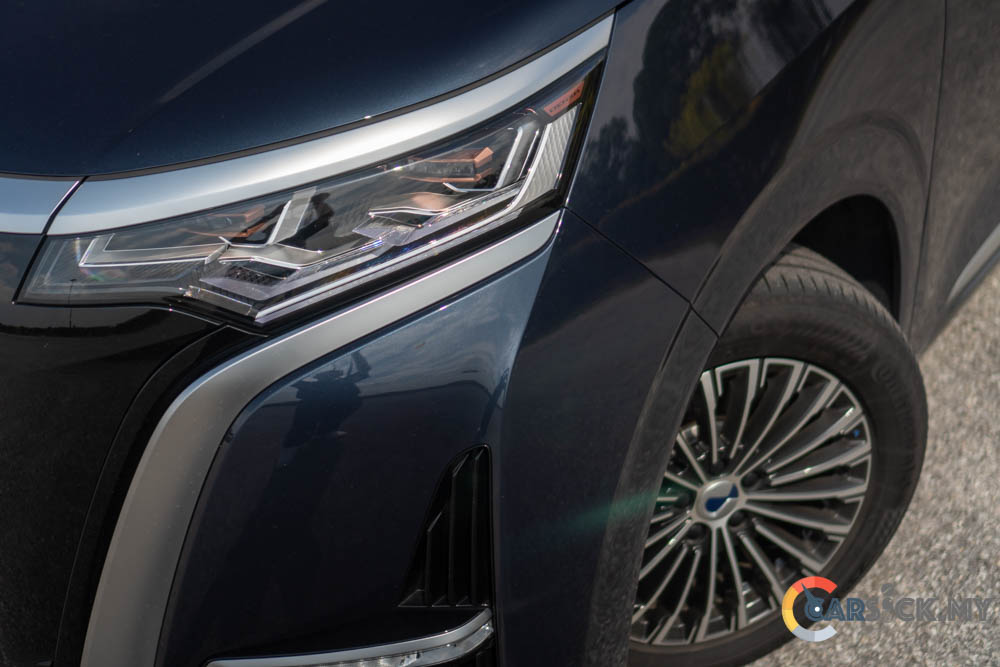
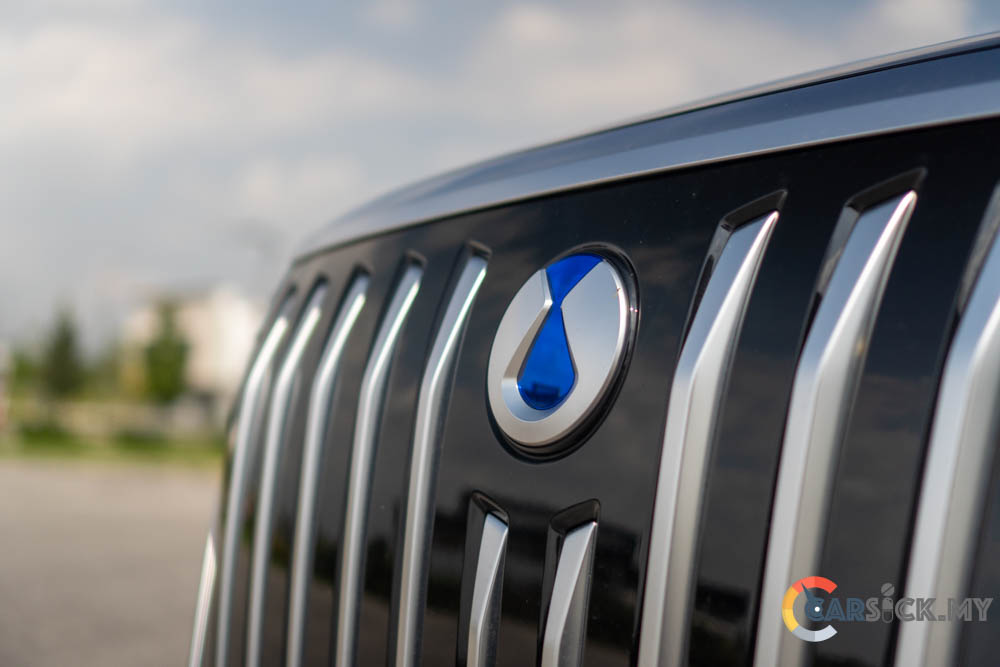
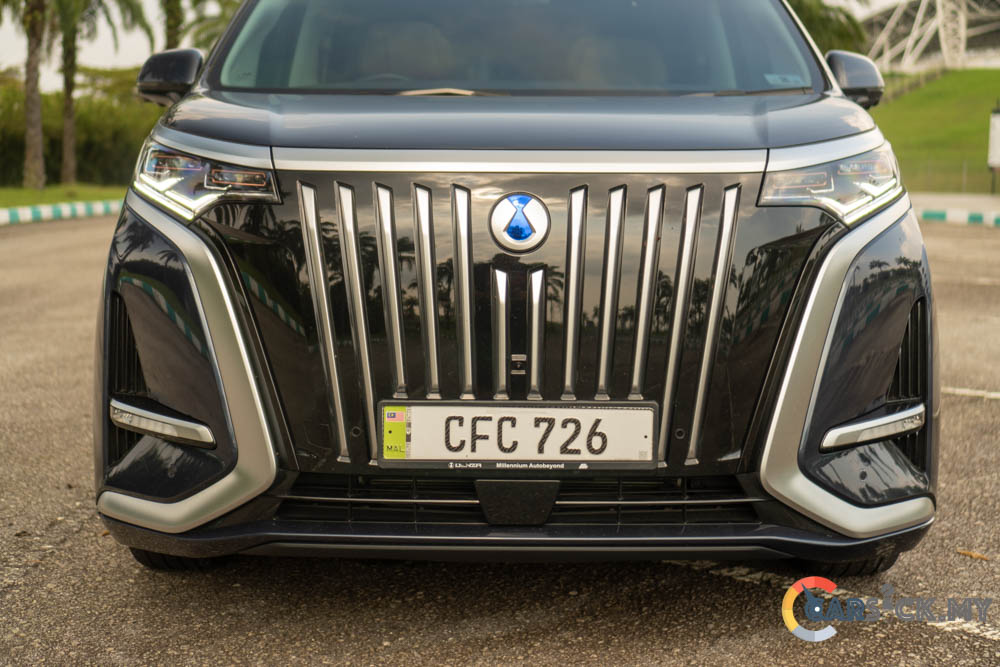
At the front, the D9 features a large grille-like panel. Although it is a fully electric vehicle and doesn’t require a traditional grille for cooling purposes, the large front fascia helps give the MPV a commanding road presence. By using a closed-off panel with a grille-inspired pattern, Denza is able to maintain the visual impact while also improving aerodynamic efficiency. Flanking the front fascia are sleek full-LED headlights. There is also a noticeable difference between the front-wheel-drive and all-wheel-drive variants when it comes to the daytime running lights. The all-wheel-drive version features DRLs that extend further down the front bumper, while the front-wheel-drive model has DRLs that terminate alongside the headlight units. 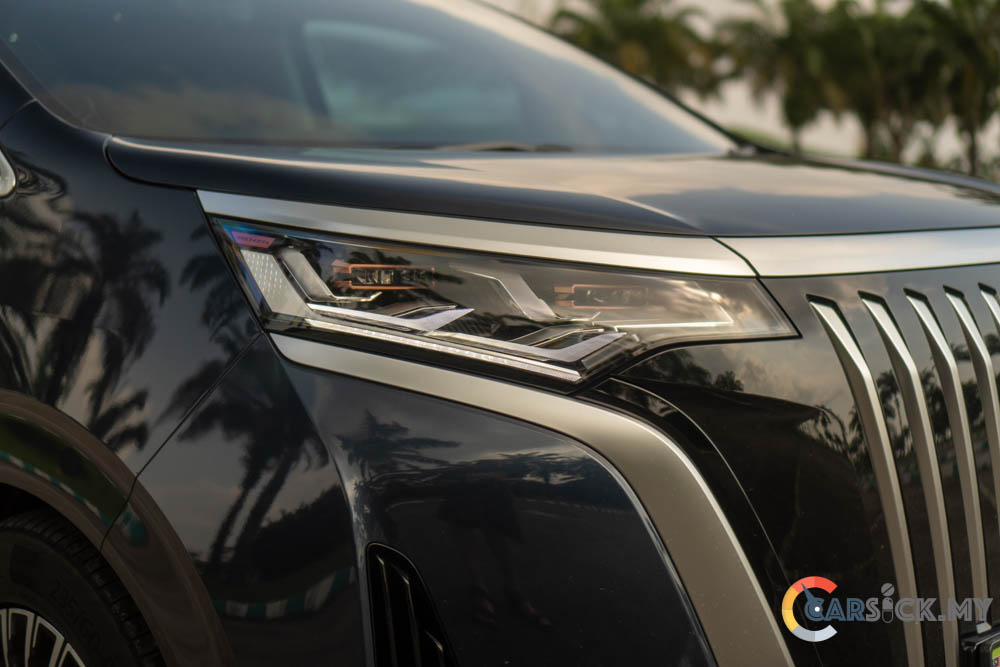
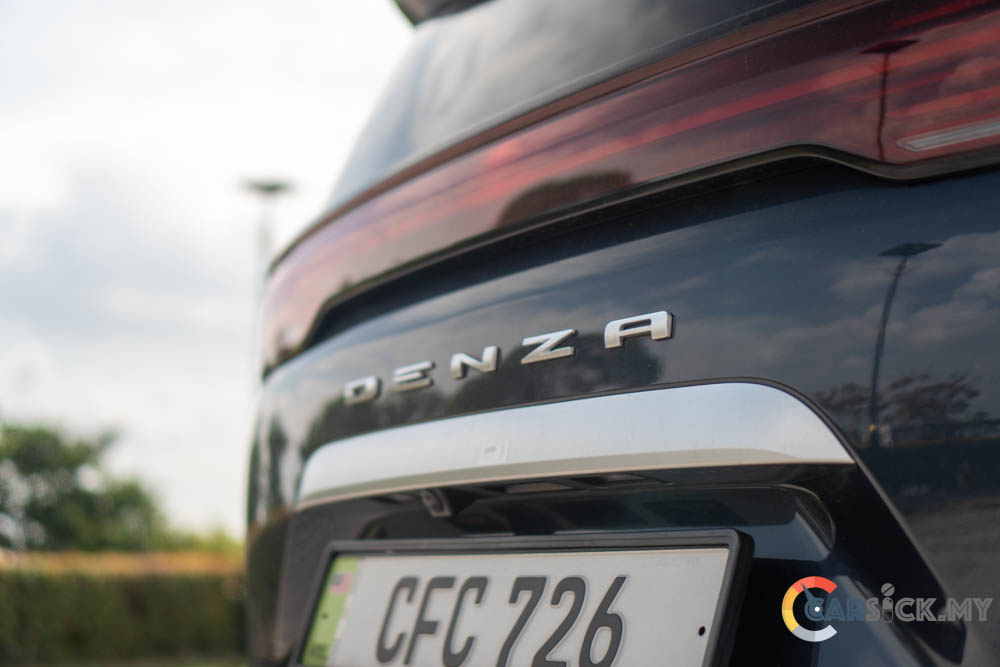
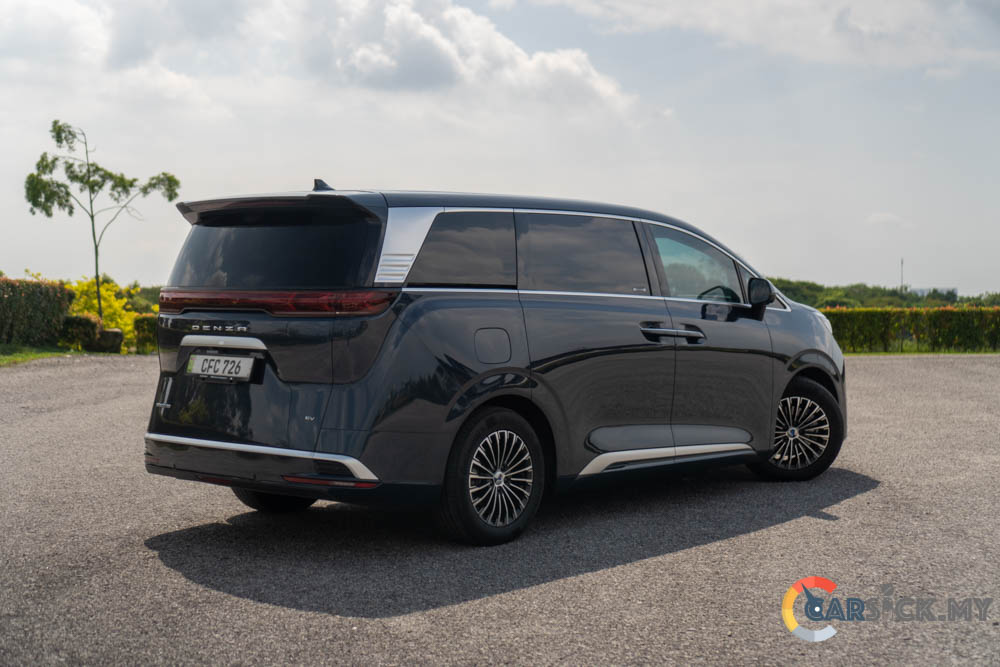
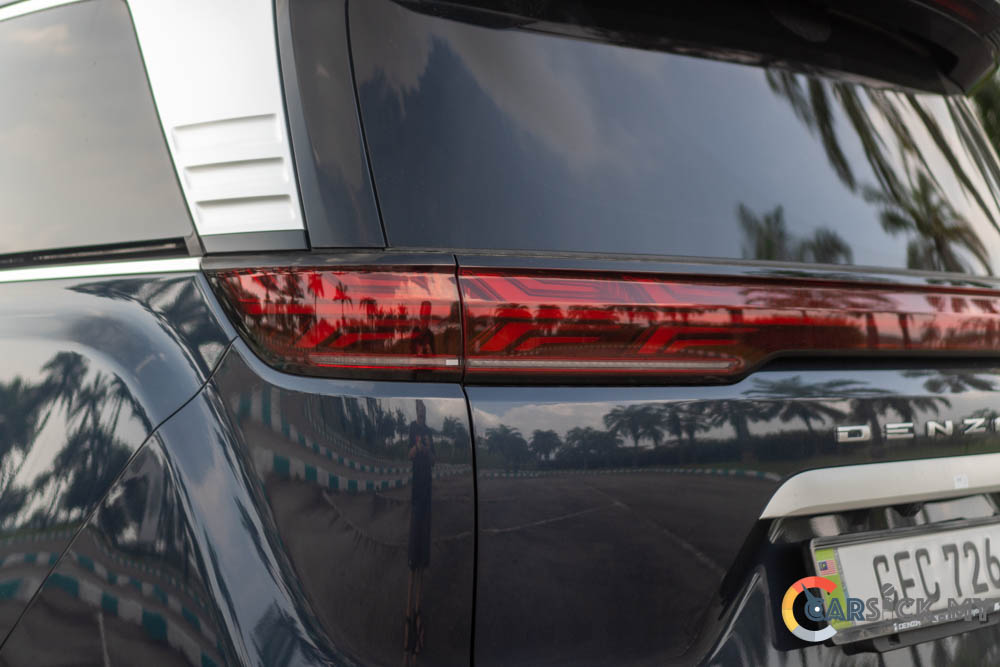
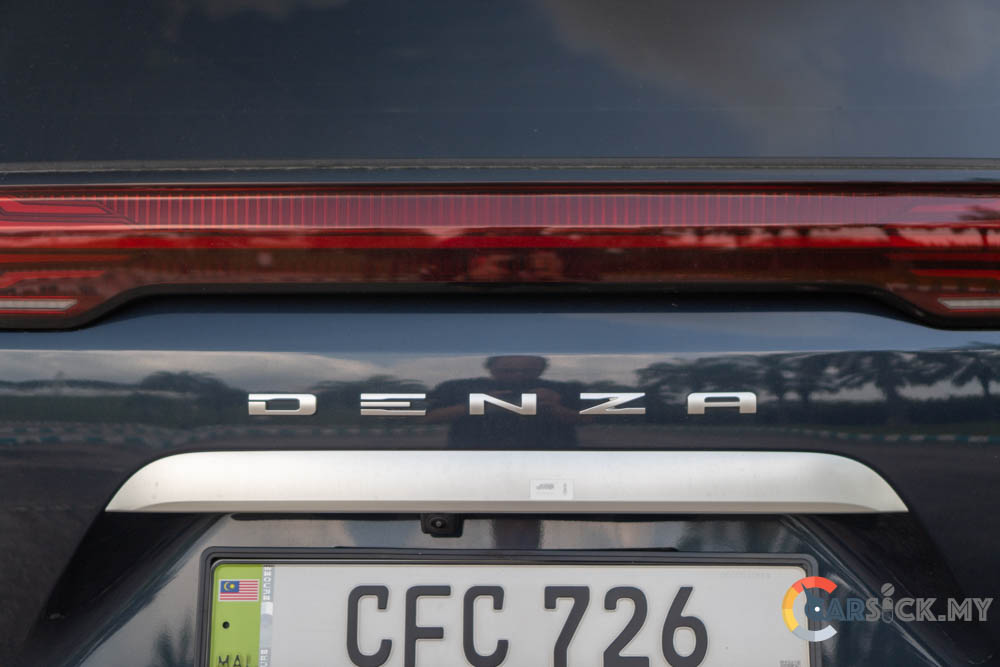
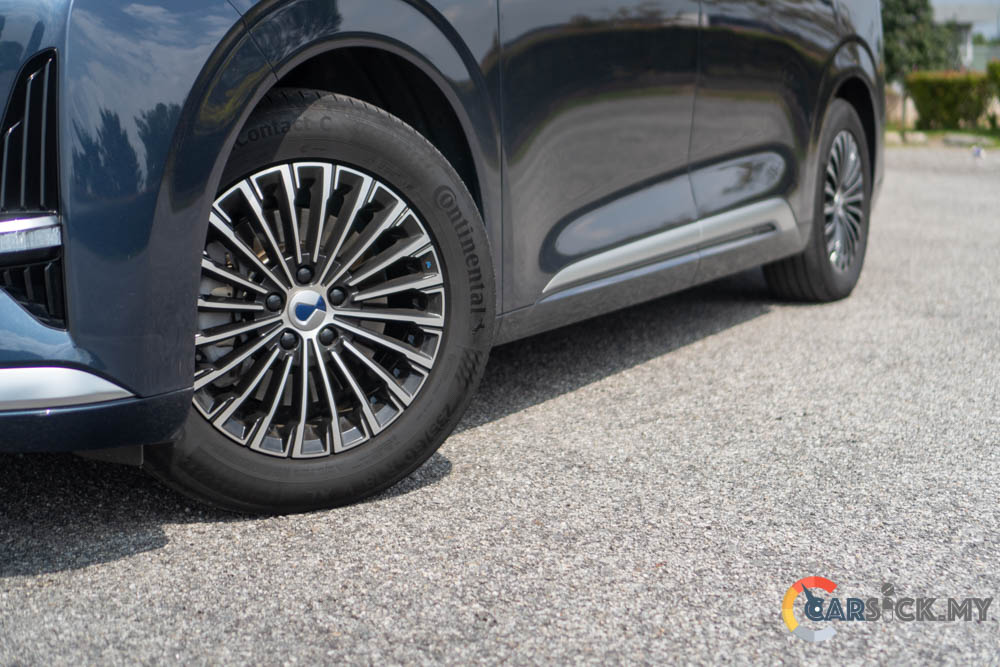
Viewed from the side, the D9 carries a relatively clean and understated profile. There aren’t many prominent character lines, though the use of chrome-finished door handles adds some visual interest. Both sides feature powered sliding doors, making entry and exit convenient for rear passengers. At the rear, the design may divide opinions. Personally, it’s not entirely to my taste. The large taillight design feels slightly gimmicky and takes away some of the premium character that the rest of the vehicle portrays. Across the centre of the tailgate sits the prominent DENZA lettering, ensuring everyone behind knows exactly what you’re driving. The D9 rides on a set of multi-spoke 18-inch alloy wheels wrapped in 235/60 R18 tyres. This tyre and wheel combination strikes a good balance between ride comfort and visual appeal. 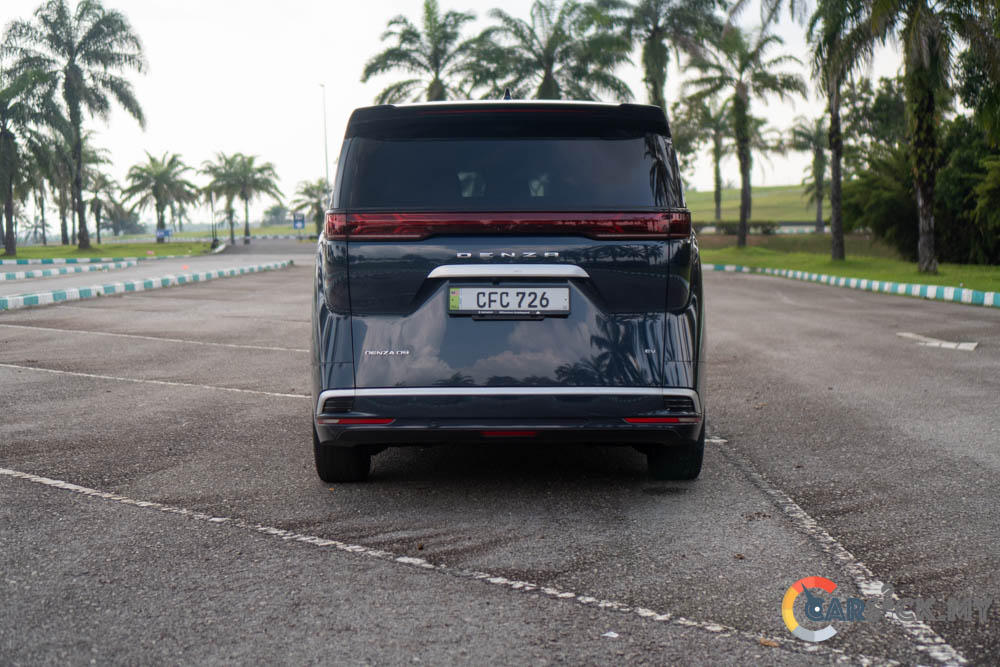
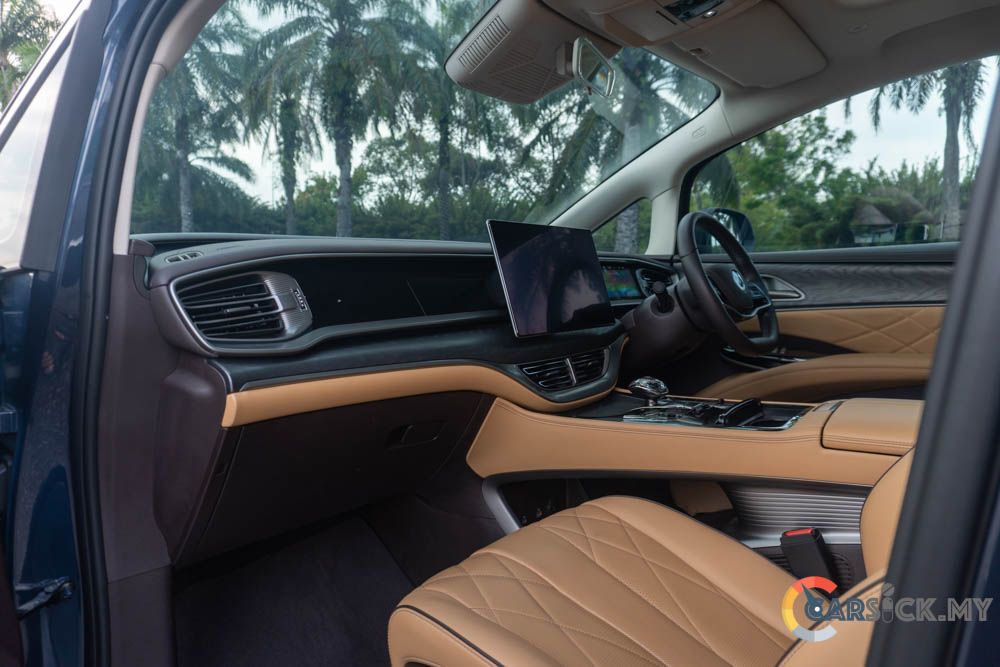
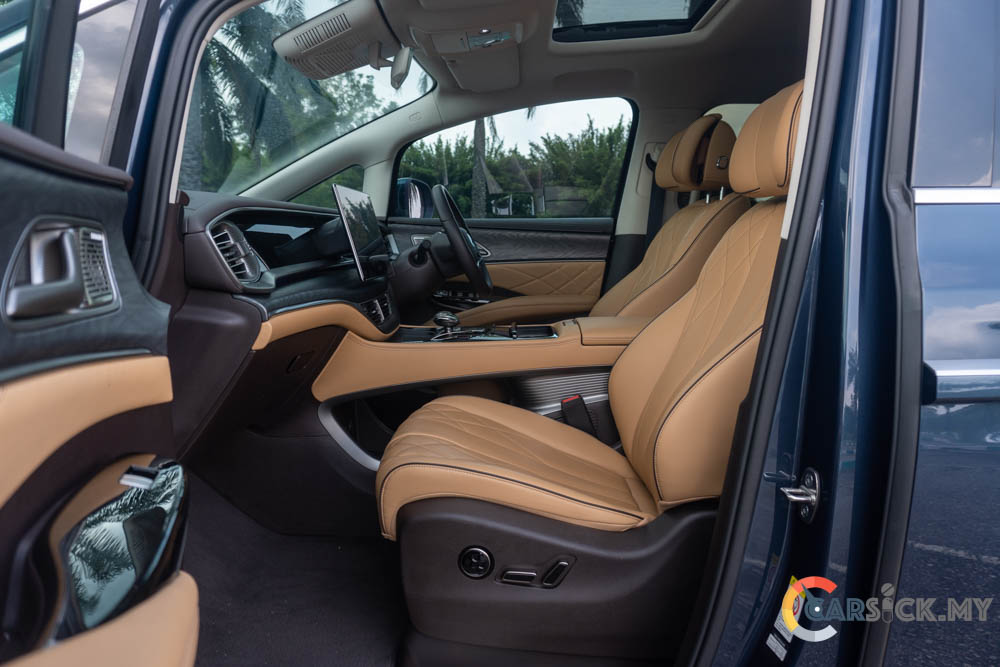
Stepping inside, the D9 presents luxury with a distinctly Chinese interpretation, though it avoids many of the overly flashy design elements often associated with some Chinese vehicles. The cabin feels well put together, with soft-touch materials used throughout and a tasteful combination of black and brown trim enhancing the premium ambience. Build quality also feels solid, with no obvious signs of cost-cutting. Dominating the dashboard are a 10.25-inch digital instrument cluster and a 15.6-inch infotainment display. Unlike some BYD models, the D9 retains straightforward air-conditioning vents, allowing occupants to manually adjust airflow direction with ease. 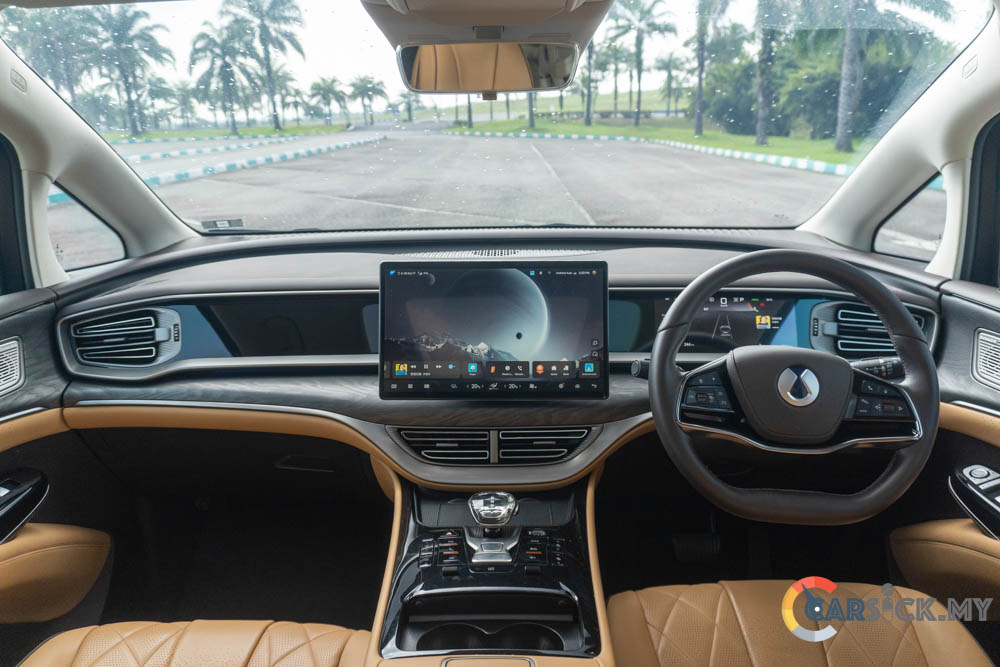
The instrument cluster features graphics that appear more sophisticated than those found in many BYD models. In fact, it shares a similar interface design with the BYD Seal 6, which works in its favour. The display is also neatly integrated into the dashboard rather than adopting a floating design, giving the cabin a more cohesive and premium appearance.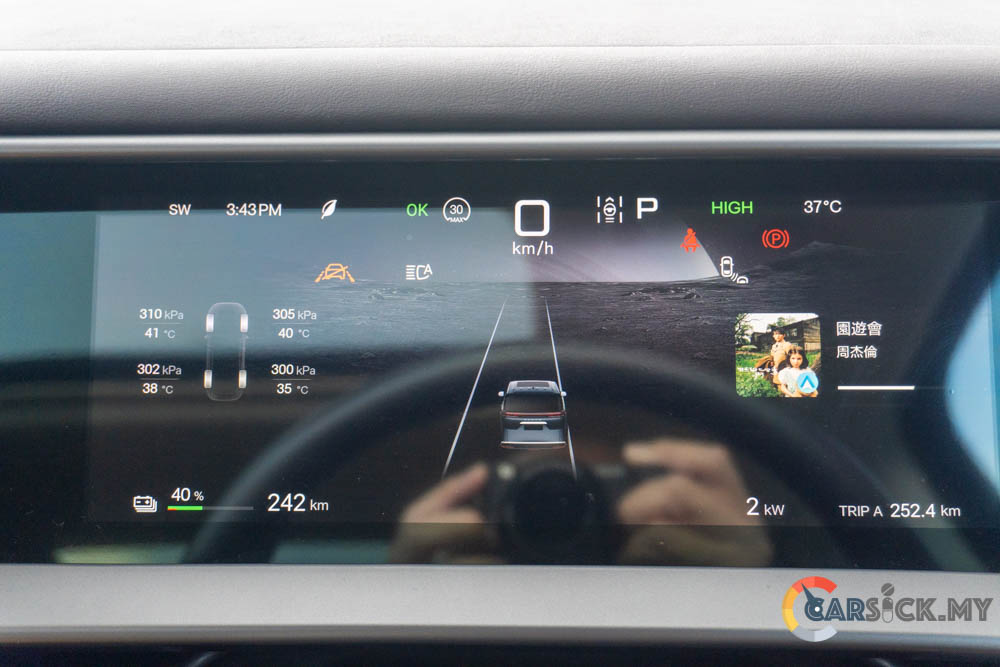
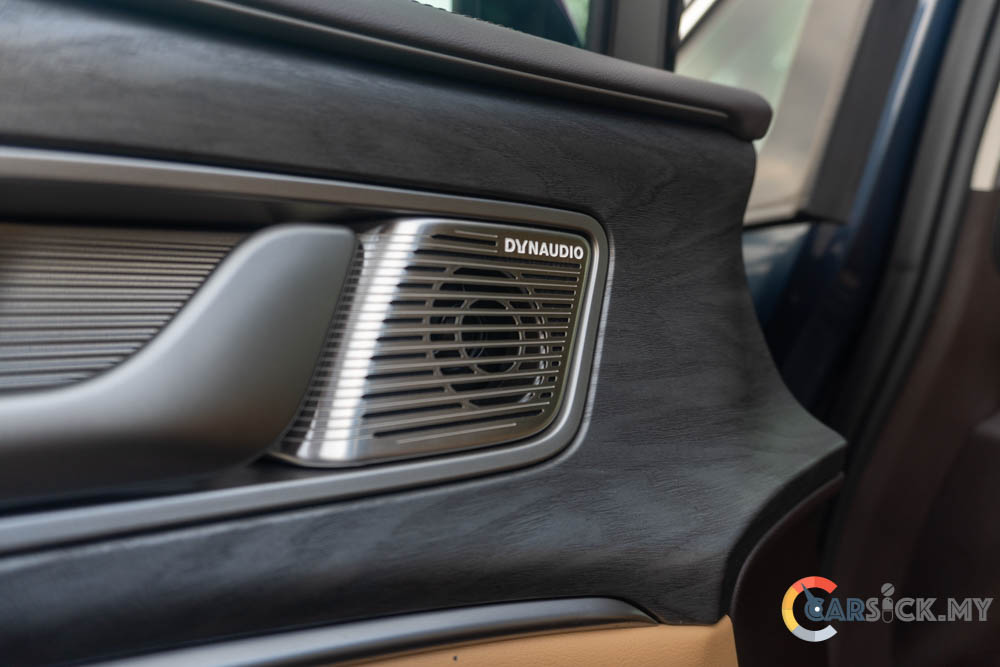
As for the infotainment system, it’s very much a typical modern Chinese vehicle setup. The layout will feel familiar to anyone who has spent time in a contemporary Chinese-made car, regardless of whether it’s an entry-level model or a premium offering. Wireless Android Auto and Apple CarPlay come standard, while a 360-degree camera system makes manoeuvring this large MPV significantly easier in tight spaces. The infotainment system is paired with a 14-speaker Dynaudio premium audio system, which delivers respectable sound quality. 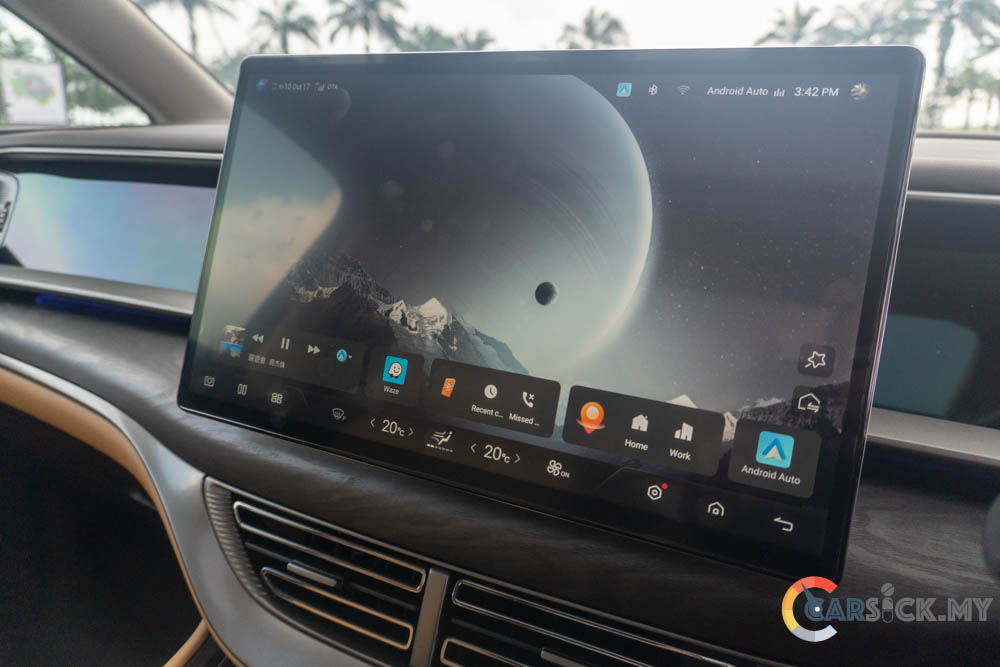
Behind the wheel, the driver is treated to a comfortable seat that’s well suited for long-distance journeys. The driving position is excellent, reducing fatigue over extended periods behind the wheel. Like most MPVs in this segment, the elevated seating position provides excellent visibility and allows drivers to see far ahead on the road.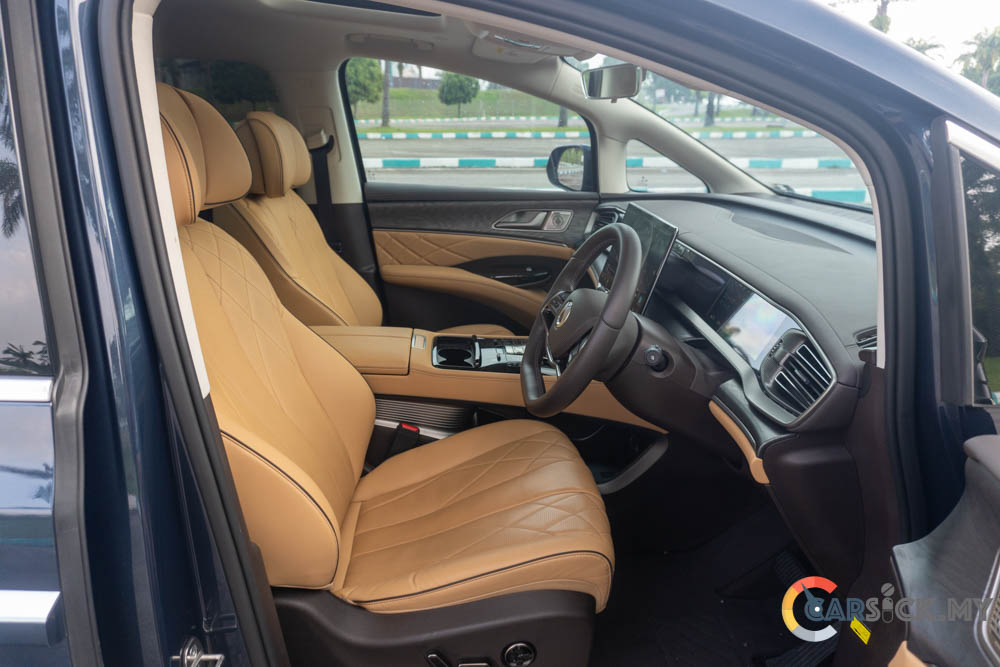
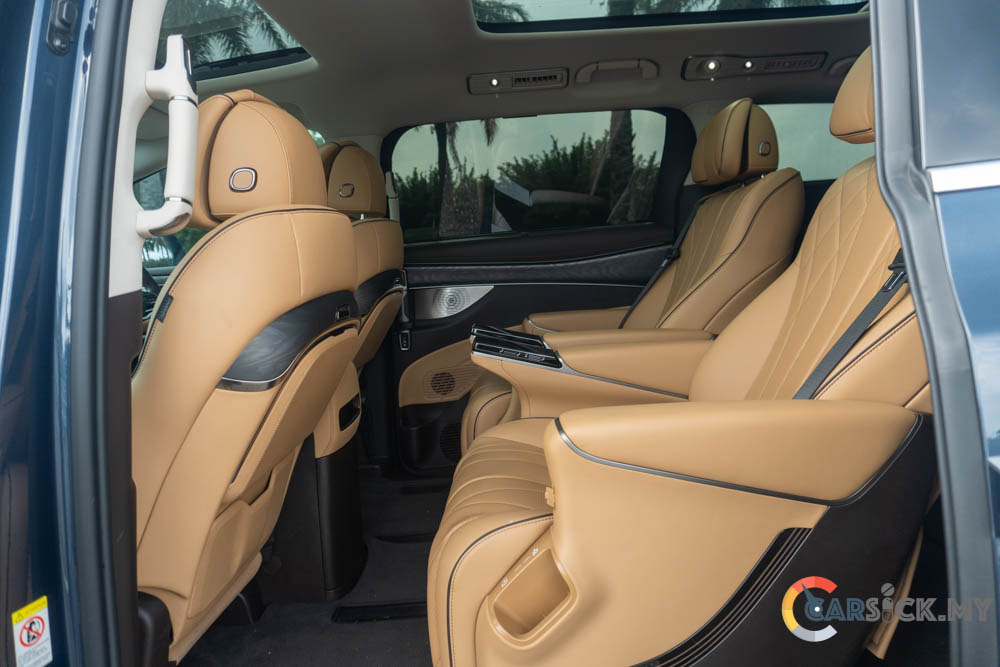
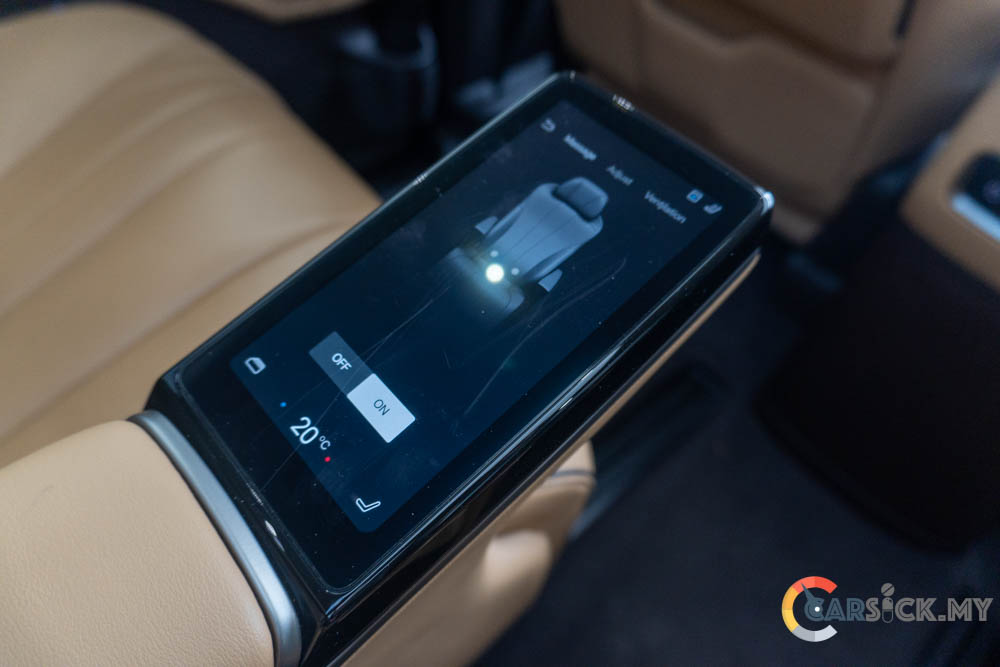
Moving to the second row, occupants are welcomed by two large captain’s chairs. They are generously sized and can comfortably accommodate passengers of various body types. Unsurprisingly, these are the best seats in the entire vehicle. The second-row seats come loaded with features, including electrically adjustable sliding and reclining functions. There’s also a lounge mode that creates a near zero-gravity seating position, allowing passengers to truly relax during long journeys. To further enhance comfort, the captain’s chairs are equipped with heating, ventilation, and massage functions. All these settings can be adjusted through the small touchscreen integrated into the inner armrest of each second-row seat. 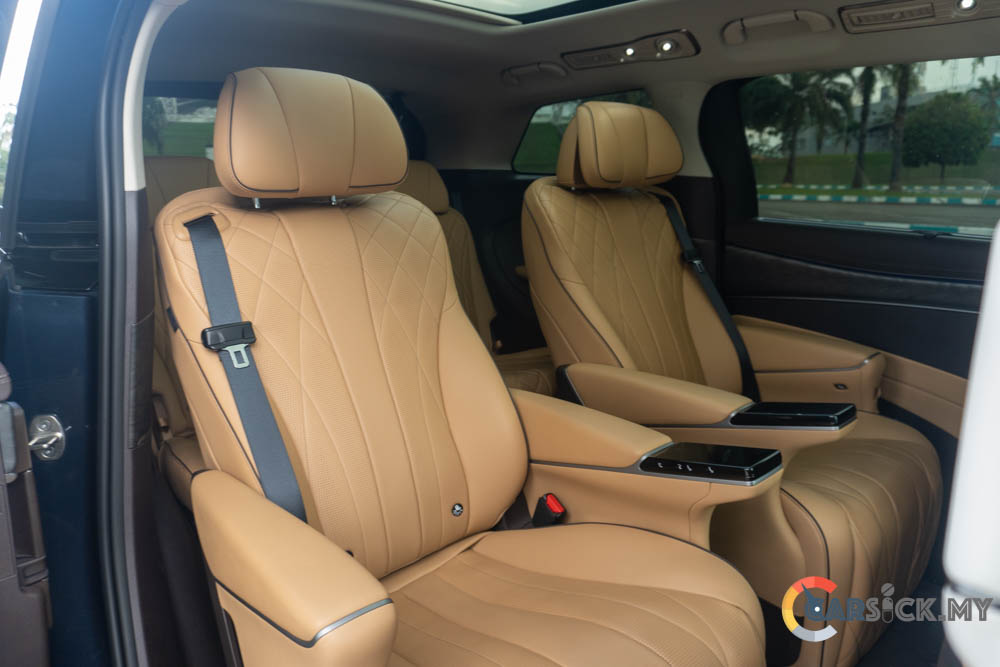
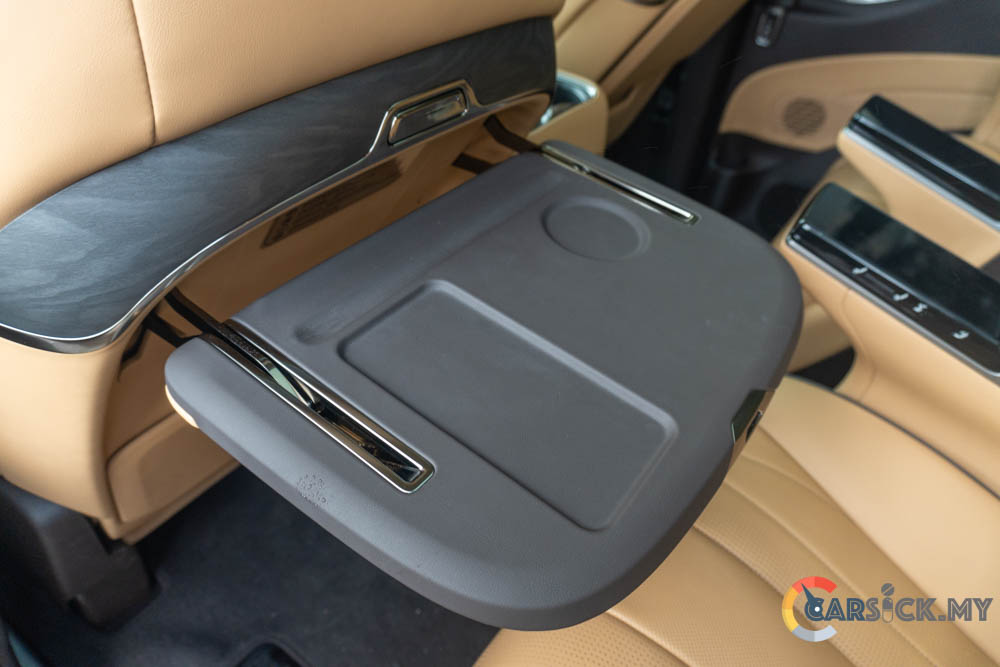
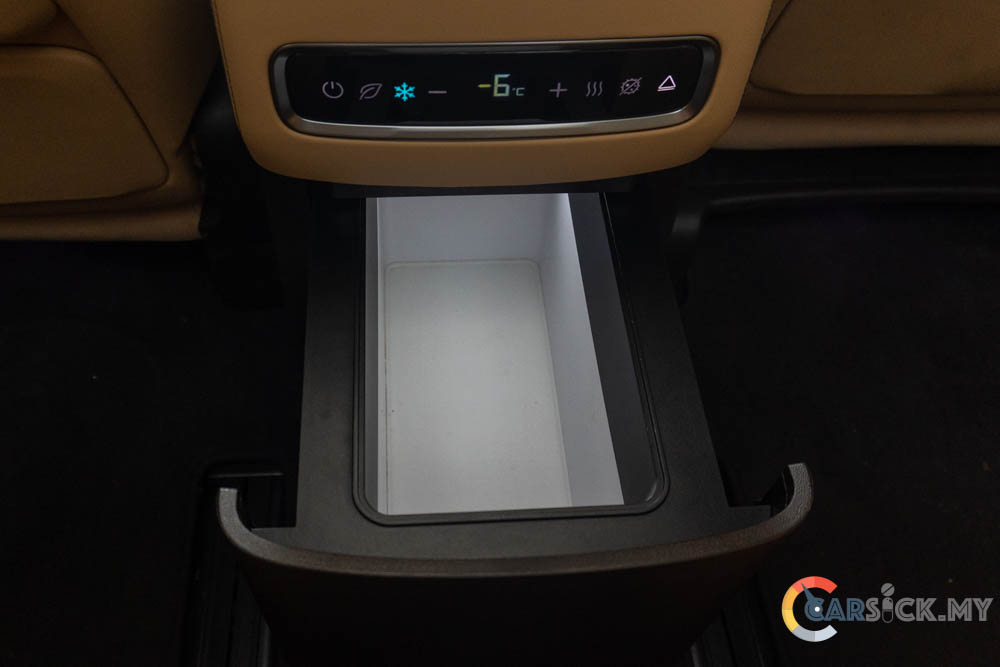
Between the front seats, second-row passengers have access to a built-in refrigerator housed within the centre console. It’s a useful feature in Malaysia’s hot climate, ensuring cold drinks are always within reach. Foldable tables mounted behind the front seats further enhance practicality, allowing passengers to enjoy meals or get some work done while on the move. Keeping devices charged is also easy, thanks to multiple charging options. Passengers can choose between USB-C charging ports and wireless charging pads conveniently positioned near the second-row seats. 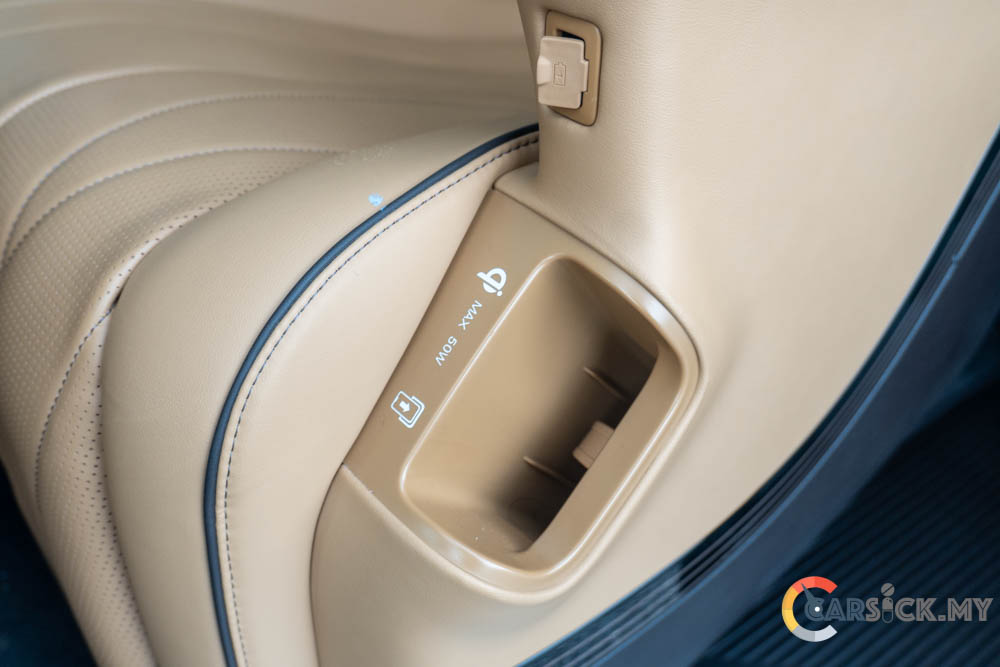
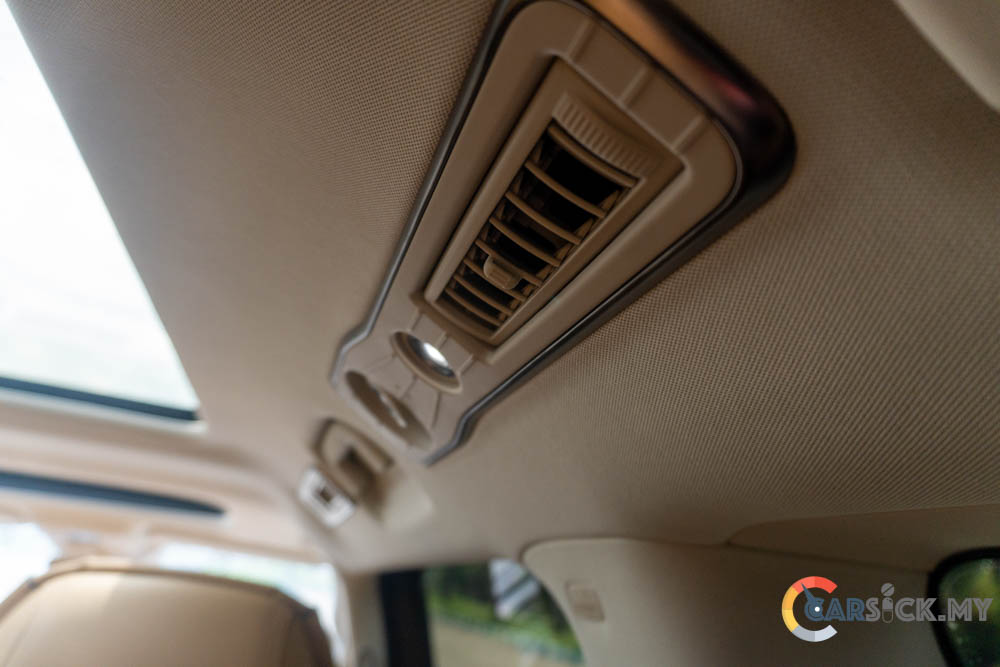
The third row is surprisingly comfortable as well. Legroom and headroom are respectable, while the seats themselves are generously sized. The relatively low floor means passengers can sit in a natural seating position rather than feeling like they’re squatting. However, thigh support could be better, as the seat base is slightly short. Third-row passengers do benefit from dedicated roof-mounted air-conditioning vents, ensuring they remain comfortable during longer trips. USB-C charging ports are also available to keep devices powered up. 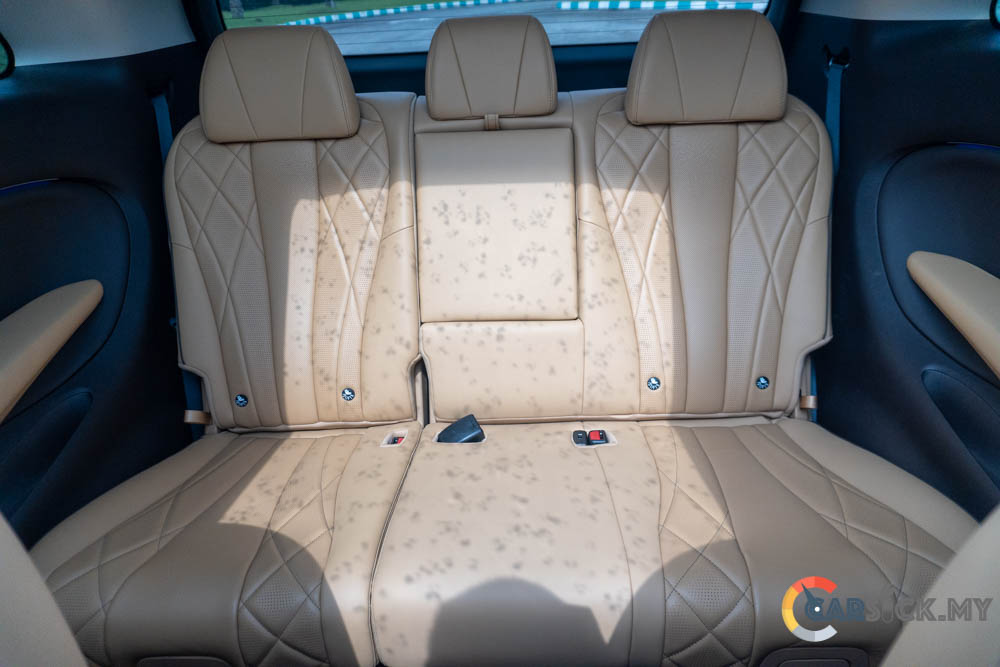
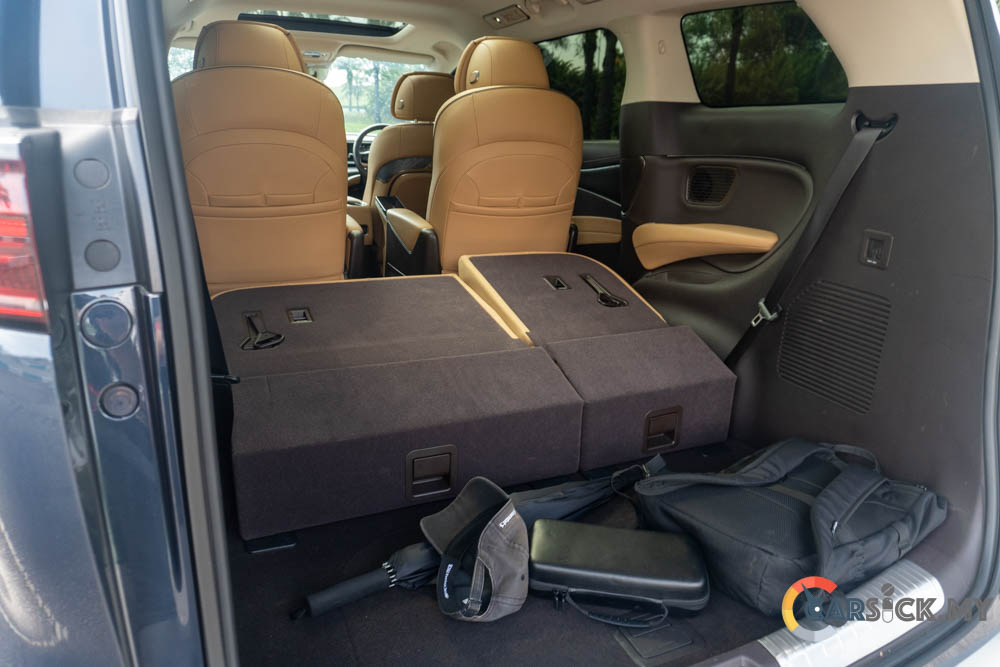
Behind the third-row seats, the D9 offers 410 litres of boot space. While it may not match the cargo capacity of a Kia Carnival, the available space is still practical enough for daily use and short family getaways. Accommodating luggage for seven adults shouldn’t be an issue. If additional cargo capacity is required, the third-row seats can be slid forward. However, they cannot be folded completely flat, meaning a fully flat load floor is not possible. 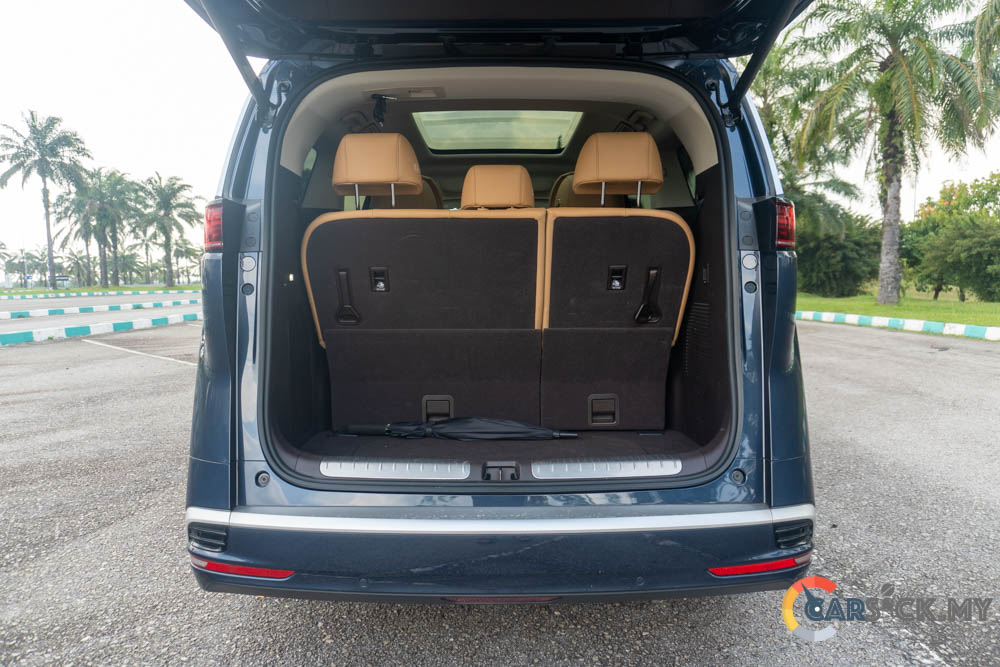
Powering this front-wheel-drive Denza D9 is a single electric motor mounted at the front axle. The motor draws energy from a 103.6 kWh battery pack, providing a WLTP-rated driving range of 520 km. Output stands at 313 PS and 360 Nm of torque, allowing the D9 to accelerate from 0-100 km/h in 9.5 seconds. Despite its substantial size, the D9 never feels underpowered. The instant torque delivery typical of electric vehicles gives it a lively and responsive character. At no point did the single-motor setup feel inadequate for everyday driving duties. In fact, the front-wheel-drive configuration has an advantage over the more powerful all-wheel-drive model. Acceleration is delivered more progressively, reducing the likelihood of passengers feeling uncomfortable or motion sick when the driver applies heavy throttle. During my time with the vehicle, a full charge translated into a real-world estimated range of approximately 450 to 460 km. That’s more than sufficient for most family use cases, including occasional long-distance journeys. 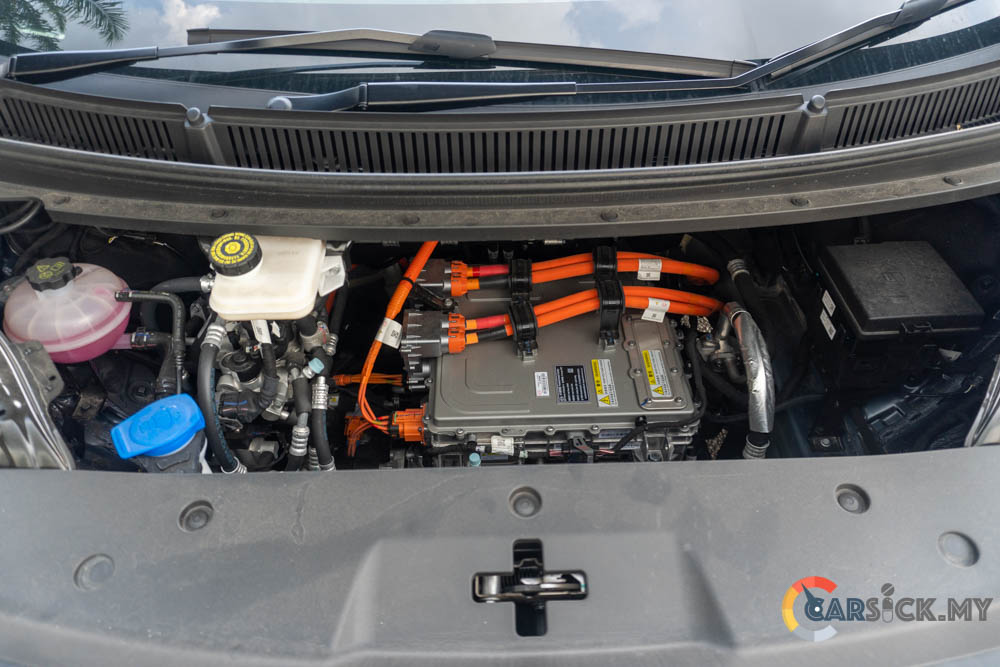
As expected from a premium Chinese MPV, the D9 prioritises comfort above all else. The suspension tuning is soft and compliant, exactly what buyers in this segment are likely looking for. It absorbs road imperfections with ease, creating a smooth and relaxing experience for occupants. Being the front-wheel-drive variant, it misses out on the highly praised DiSus-C adaptive suspension system found in the higher-spec model. Nevertheless, the standard suspension setup still performs admirably and delivers the level of comfort expected from a luxury people mover. Naturally, body roll becomes noticeable when cornering, but that’s hardly surprising for a large MPV. The steering is accurate enough, though it doesn’t offer much engagement beyond that. Then again, handling prowess isn’t the primary objective of a vehicle like this.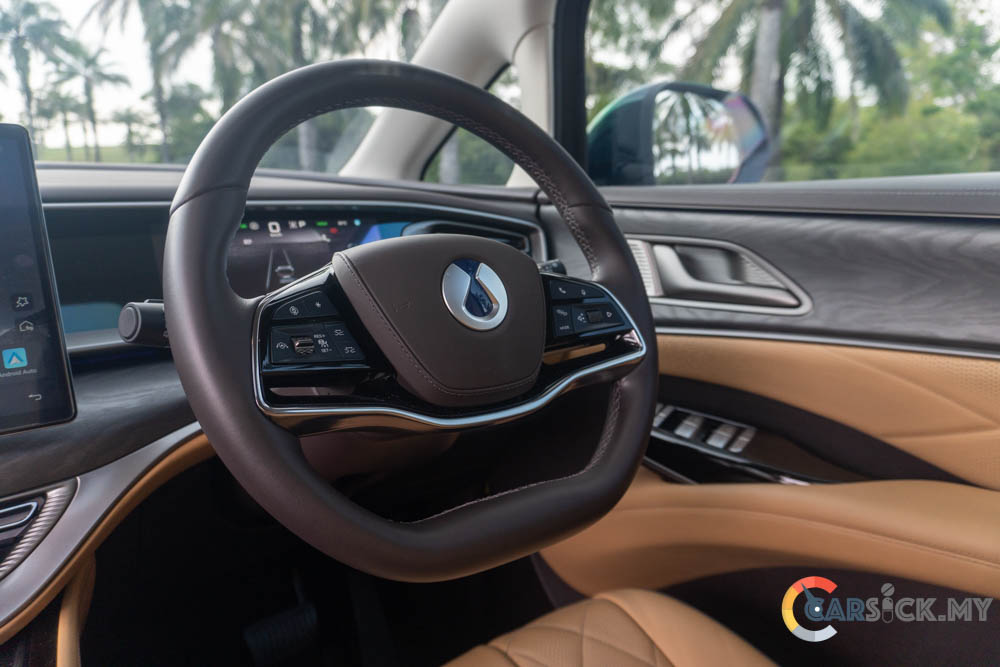
Brake feel remains one of the weaker aspects of the D9, much like other BYD-related products. The transition between regenerative braking and the physical brakes can feel inconsistent and somewhat vague. At times, it’s difficult to tell when regenerative braking is active before the conventional brakes take over. Fortunately, the physical braking system itself provides more than enough stopping power to bring this sizeable MPV to a halt confidently.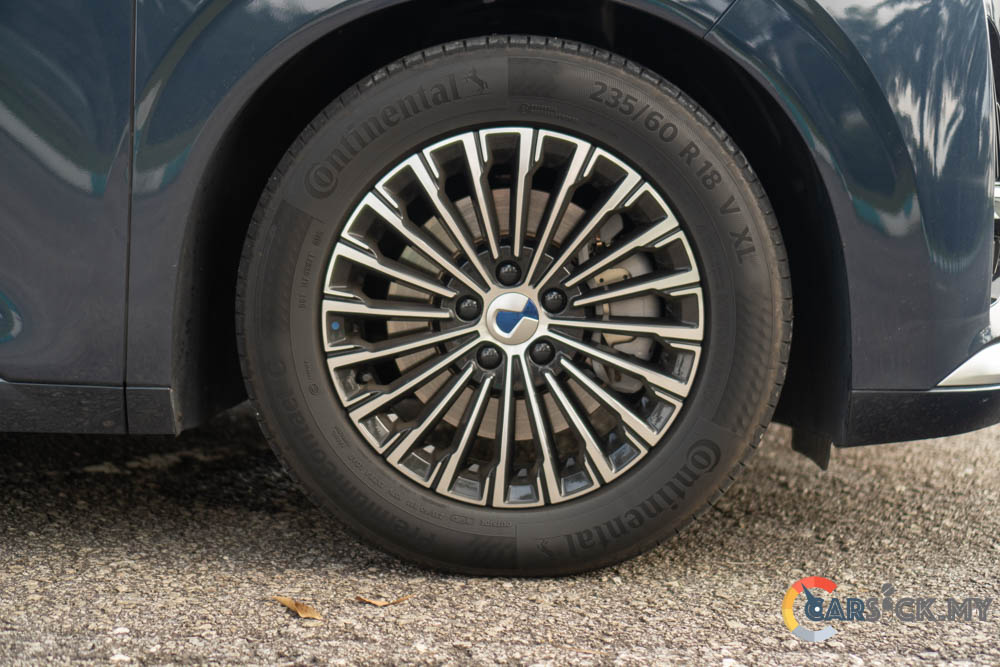
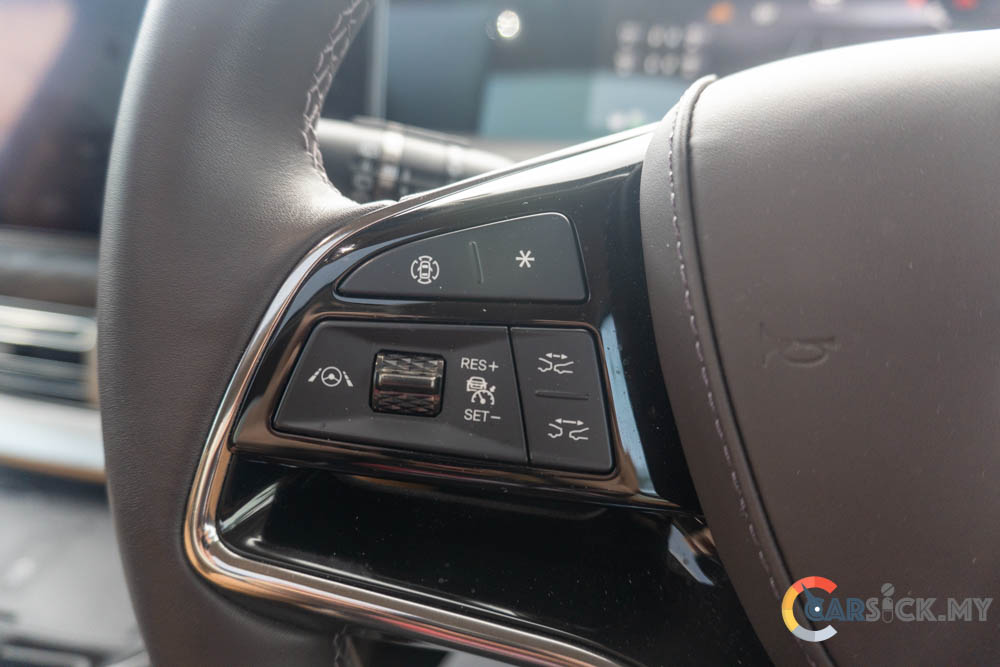
In terms of safety, the D9 comes equipped with a comprehensive suite of Advanced Driver Assistance Systems (ADAS). Standard features include Full-Speed Adaptive Cruise Control (ACC), Forward Collision Warning (FCW), Automatic Emergency Braking (AEB), Rearward Collision Warning (RCW), Rear Cross Traffic Alert (RCTA), Rear Cross Traffic Braking (RCTB), Blind Spot Monitoring (BSD), Forward Traffic Crossing Alert (FCTA), Forward Traffic Crossing Braking (FCTB), Emergency Lane Keeping Assist (ELKA), Traffic Sign Recognition (TSR), and Intelligent Cruise Control (ICC). 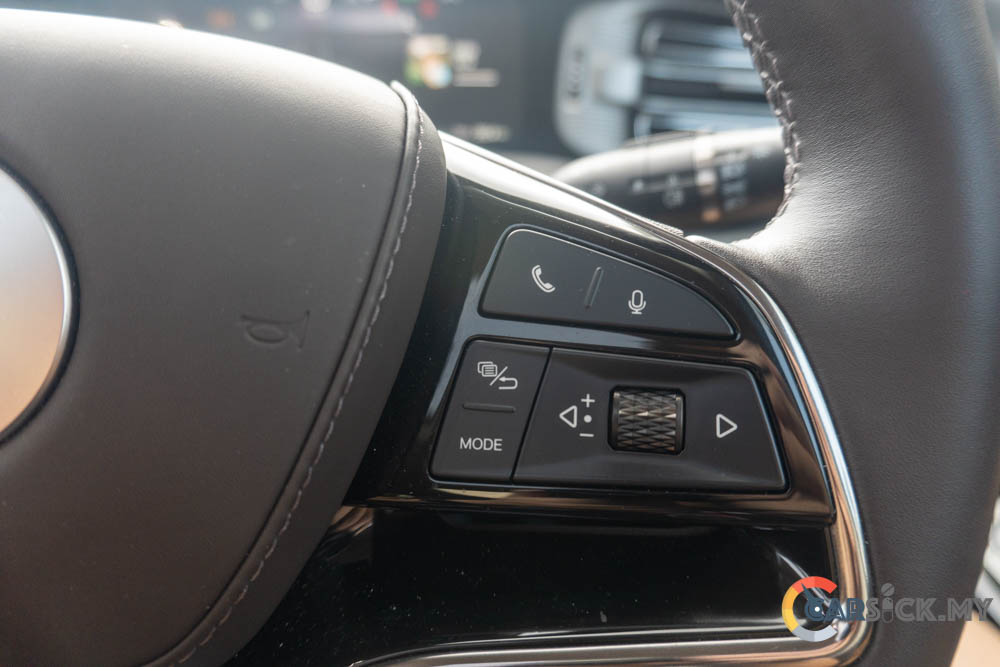
As far as electric MPVs go, the Denza D9 is competitively priced within its segment. The front-wheel-drive variant carries a price tag of RM259,000, positioning it as an attractive alternative to both traditional MPVs and newer electric rivals. What stands out most is its ability to deliver luxury, comfort, practicality, and usable driving range in a package that feels familiar and easy to live with. While some buyers may prefer a more futuristic-looking EV, the D9’s conventional styling could actually work in its favour by appealing to a broader audience. 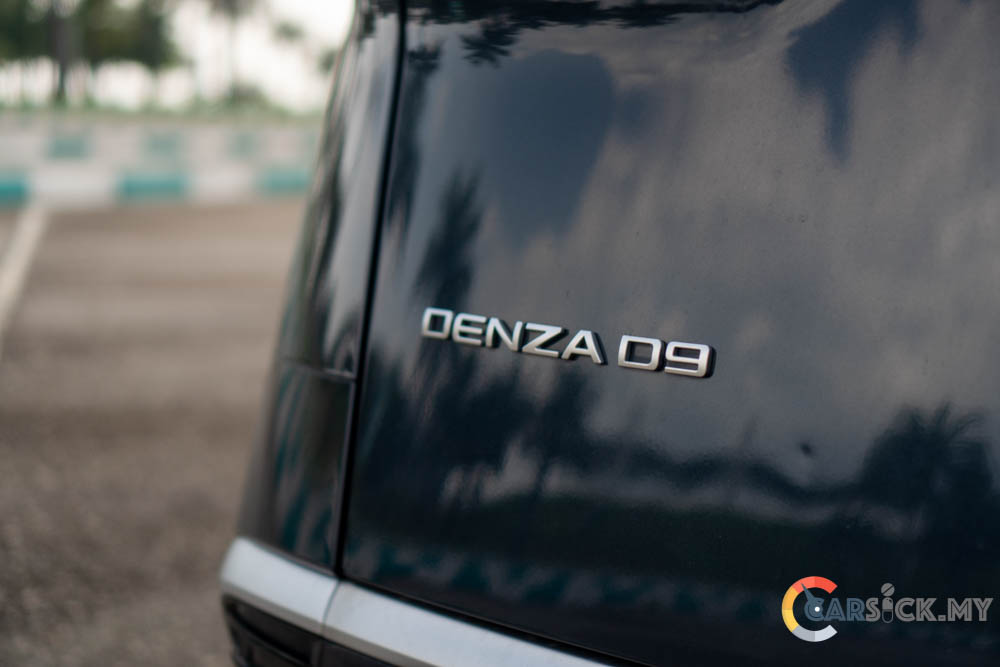
Perhaps its greatest advantage lies in the strength of its local support network. Backed by BYD’s growing presence and established dealer infrastructure, ownership confidence is likely to be higher than with some newer entrants to the market. With its attractive pricing, spacious interior, premium second-row experience, and impressive range, it’s easy to see why the Denza D9 has quickly found favour among Malaysian buyers.
Check out the full photo album here.