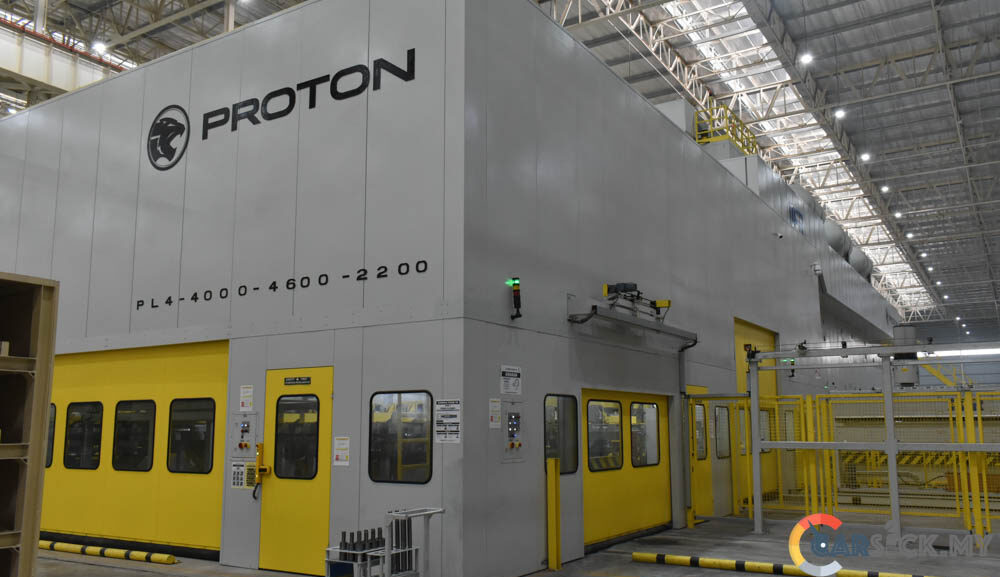

Proton is stepping up its ambitions to become a major regional automotive manufacturing player, with its Tanjong Malim complex taking on a growing role in producing vehicles for international markets, including selected Geely models. The move is helping the national carmaker make better use of its existing manufacturing investments, strengthen its production capabilities and increase Malaysia’s participation in the global automotive supply chain.
 The results are already becoming evident. During the first nine months of 2026, Proton recorded a combined total of 7,370 exported vehicles bearing Proton and Geely badges. This surpassed the 6,000 units exported throughout the whole of 2025, with Geely-related manufacturing programmes accounting for much of the increase. Beyond the higher export figures, the expansion reflects a broader strategy to establish Tanjong Malim as a more versatile production base capable of supporting different vehicle platforms, technologies and international market requirements.
Producing vehicles for overseas markets presents Proton with opportunities to develop its manufacturing expertise while working to international production standards. Different markets have their own regulatory requirements, technical specifications and customer expectations. Meeting these demands requires close coordination between engineering, production and supply chain teams, alongside rigorous quality assurance and process control.
Through its Geely manufacturing programmes, Proton’s workforce gains additional experience in areas such as testing, traceability and quality management. These capabilities can subsequently be applied across its wider operations, helping improve the consistency and quality of vehicles delivered to customers. The experience also strengthens confidence in Malaysia’s automotive engineering and manufacturing capabilities, demonstrating that local facilities can support production programmes beyond the domestic market.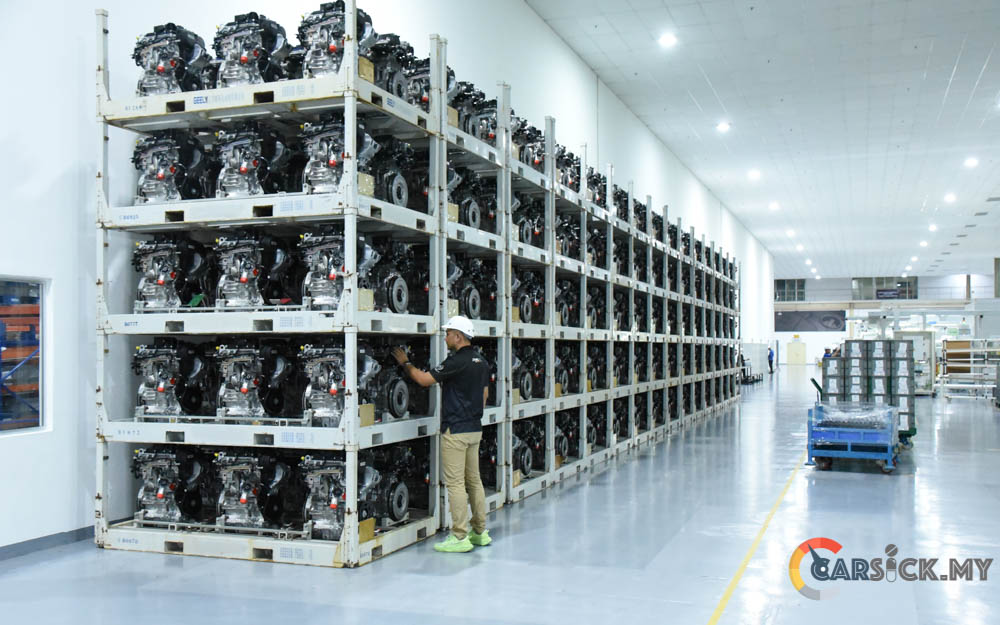
Dato’ Ir. Abdul Rashid Musa, Deputy Chief Executive Officer of Proton, said the company’s ambition is to improve its competitiveness through stronger products, expanded manufacturing capabilities and a wider international presence. He added that taking on a greater role in international production allows Proton to maximise the investments already made in Tanjong Malim while raising manufacturing standards, developing its employees and creating opportunities for local suppliers. Ultimately, the company aims to translate these improvements into tangible benefits for through consistently better-built Proton vehicles.
A key strength of Proton’s Tanjong Malim complex is its ability to bring multiple manufacturing processes together under one roof. The facility integrates stamping, body assembly, painting, trim and final assembly, supported by dedicated powertrain and new energy vehicle production facilities. Together, these operations provide an annual vehicle production capacity of 250,000 units.
Automation and digital technologies help improve production efficiency and quality, while in-house stamping capabilities give Proton greater control over important manufacturing processes. The complex is also equipped to support different vehicle platforms and powertrain technologies, giving the company greater flexibility as its product portfolio evolves.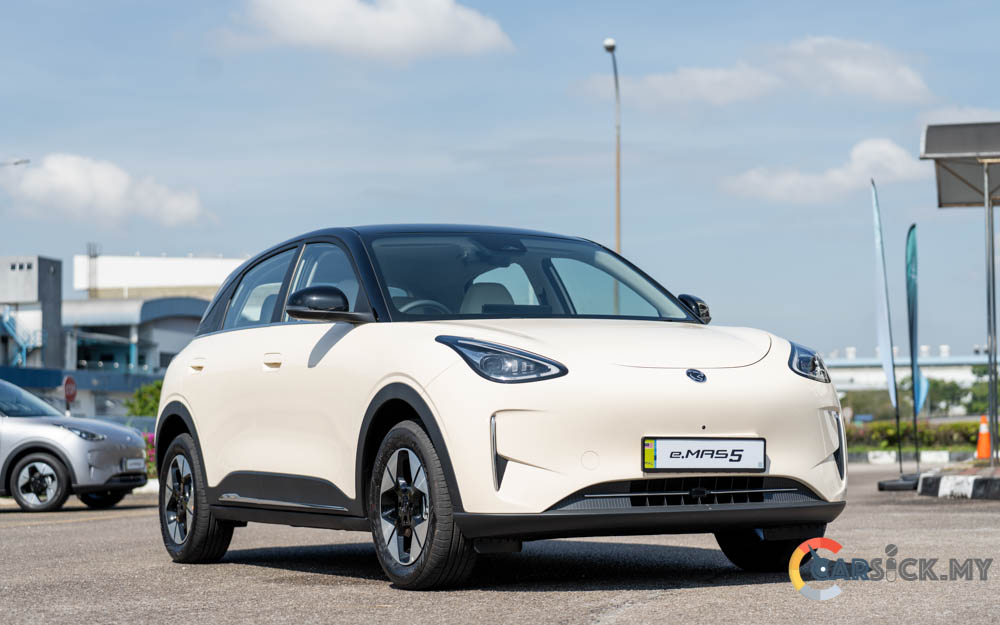
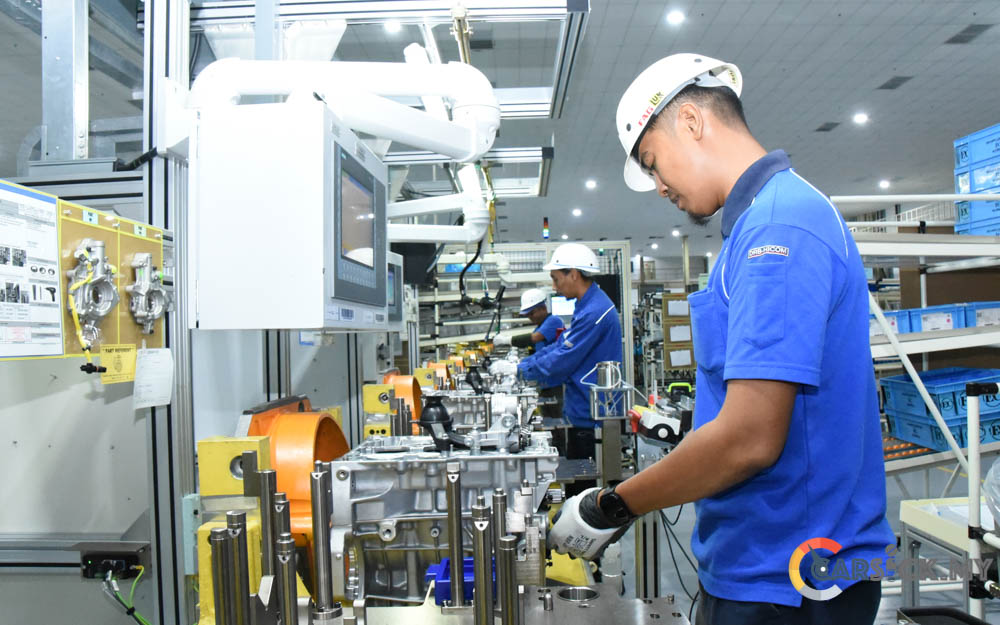
An important part of this ecosystem is the Advanced Powertrain Hub, which extends Proton’s capabilities beyond vehicle assembly. The facility supports the production of naturally aspirated and turbocharged engines, including turbocharged gasoline direct injection (TGDI) and port fuel injection (PFI) variants, alongside powertrain solutions for hybrid and plug-in hybrid vehicles.
Its capabilities also include dedicated hybrid transmissions (DHT), electric drive units (EDU) and dual-clutch transmissions (DCT). Meanwhile, the continuously variable transmission (CVT) used in Proton models is produced by Punch at a facility within the Automotive High-Tech Valley (AHTV). This growing range of powertrain technologies positions Proton to support a more diverse product portfolio while developing local expertise in electrification and other technologies shaping the industry’s future.
Proton’s expanding manufacturing role is also expected to strengthen the development of the Automotive High-Tech Valley in Tanjong Malim, where the company serves as an anchor manufacturer. Its established production infrastructure, skilled workforce and increasing export activities provide a foundation for attracting additional automotive manufacturers, suppliers and technology partners to the area.
By demonstrating that Malaysia can support international vehicle production programmes, Proton is helping showcase the commercial opportunities available to companies considering investments within AHTV. Higher and more sustained production volumes could encourage component suppliers and supporting businesses to establish operations nearby, creating a more integrated automotive ecosystem and reinforcing Tanjong Malim’s potential as a regional manufacturing and technology centre.
Proton is also consolidating its operations within the development. Its research and development (R&D) and engineering facilities have been relocated to AHTV, bringing development and production activities closer together. A new logistics hub has also been completed and is expected to improve manufacturing processes once operational.
Looking ahead, Proton plans to expand its R&D activities through collaboration with the Malaysia Automotive Robotics & IoT Institute (MARii). The initiative is intended to benefit both the company and Malaysia’s wider automotive industry by supporting the development of local capabilities and technology.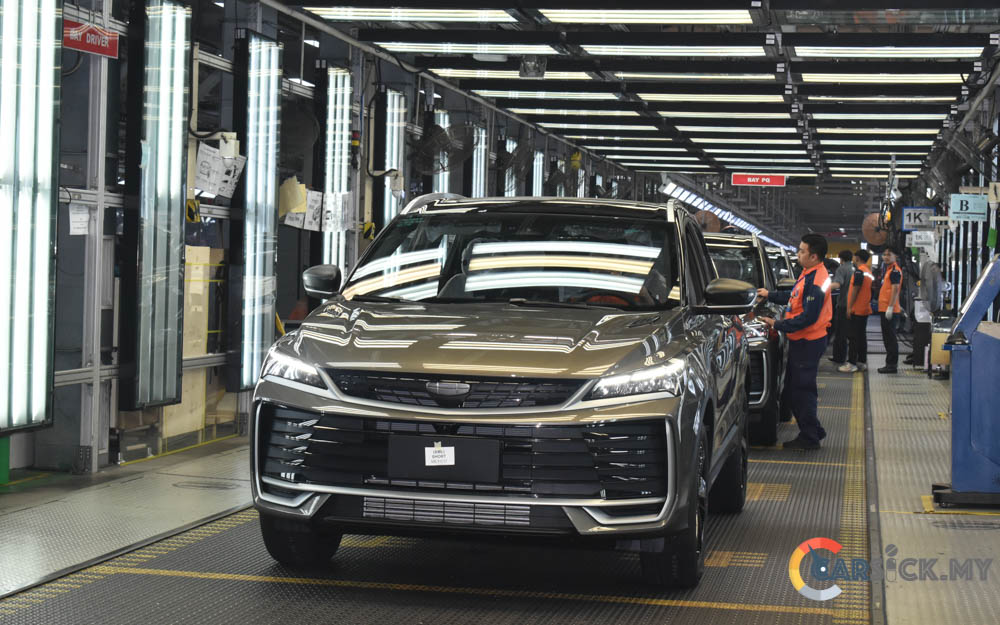
The expansion of Proton’s international production activities carries implications that extend well beyond the company’s own operations. Manufacturing vehicles for overseas customers generates additional export earnings for Malaysia, supporting the country’s trade balance while allowing Proton to extract greater value from its existing investments.
Higher production volumes can also improve factory utilisation and create economies of scale, potentially strengthening the commercial competitiveness of vehicles manufactured locally. The wider economic benefits extend throughout the supply chain, including component manufacturing, logistics, port operations and other supporting services. Continued overseas demand also gives Proton an additional avenue for growth beyond sales in the domestic market.
At the same time, the expansion creates opportunities to develop Malaysian talent in engineering, electrification, automation, production management and quality assurance. The consolidation of manufacturing activities in Tanjong Malim forms part of this transition, including the relocation of approximately 1,400 manufacturing employees from Shah Alam. Bringing these employees and production expertise together is intended to support more integrated and efficient operations.
For Proton, the objective is not simply to increase the number of vehicles rolling off its production lines, but to build a stronger and more competitive manufacturing operation capable of serving a wider range of markets. Dato’ Ir. Abdul Rashid Musa said the value of international production programmes extends beyond export volumes, bringing overseas demand into Malaysia, generating export earnings and creating business opportunities across the wider economy.