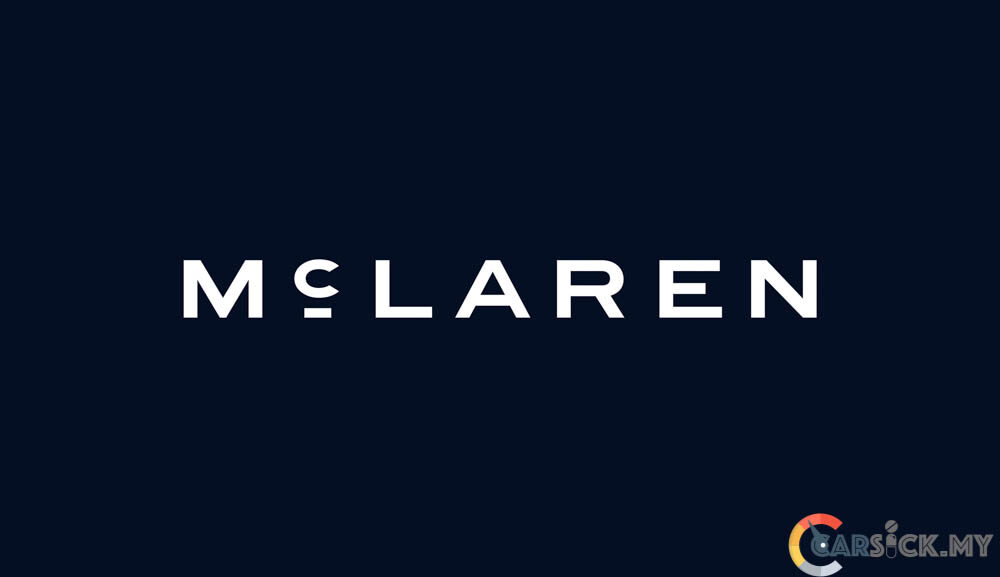

McLaren is turning the page on a new chapter, unveiling an evolved brand identity designed to bring its racing heritage, road-car ambitions and future direction together under one visual language. More than six decades after Bruce McLaren first laid the foundations of the company, the refreshed identity aims to connect McLaren Automotive and McLaren Racing while celebrating the ideas and symbols that have shaped the marque from its earliest days.
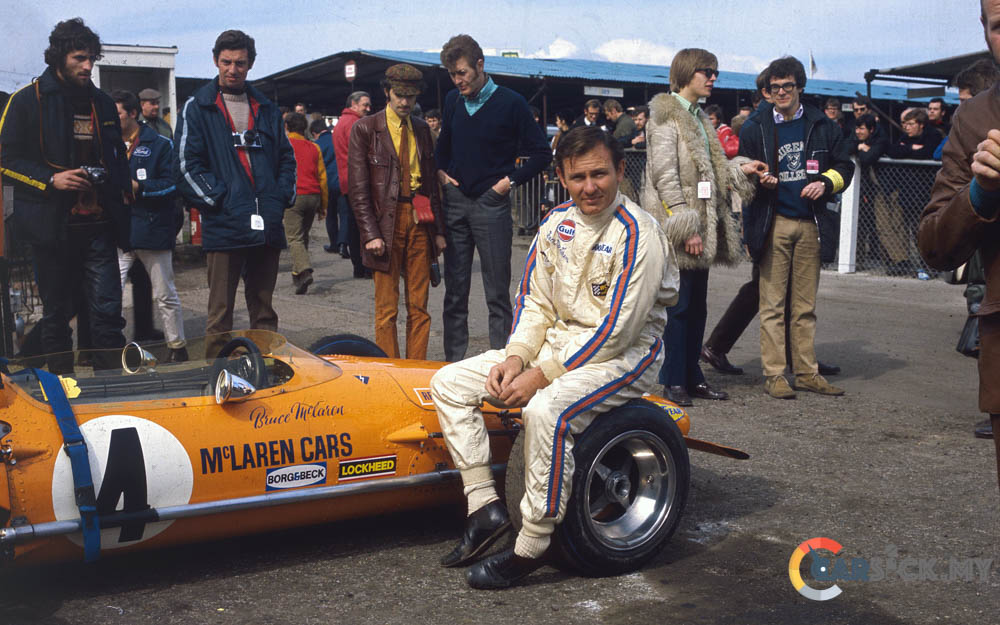
At the centre of the evolution is the belief that has long defined McLaren: there is always a way to go further. From Bruce McLaren’s pioneering racing exploits to the development of legendary road cars such as the McLaren F1, that philosophy has continued to influence the company. The latest identity is intended to carry that mindset into the future, as McLaren expands not only its products but also its ownership experiences, personalisation and global community.
One of the most significant changes is a new McLaren wordmark. Its design draws inspiration from the signage that once stood above the McLaren family service station in Remuera, Auckland, New Zealand. The location holds particular significance in McLaren history. Owned by Bruce’s parents, Les and Ruth McLaren, the service station was where Bruce built the car that would eventually take him to his first racing victory.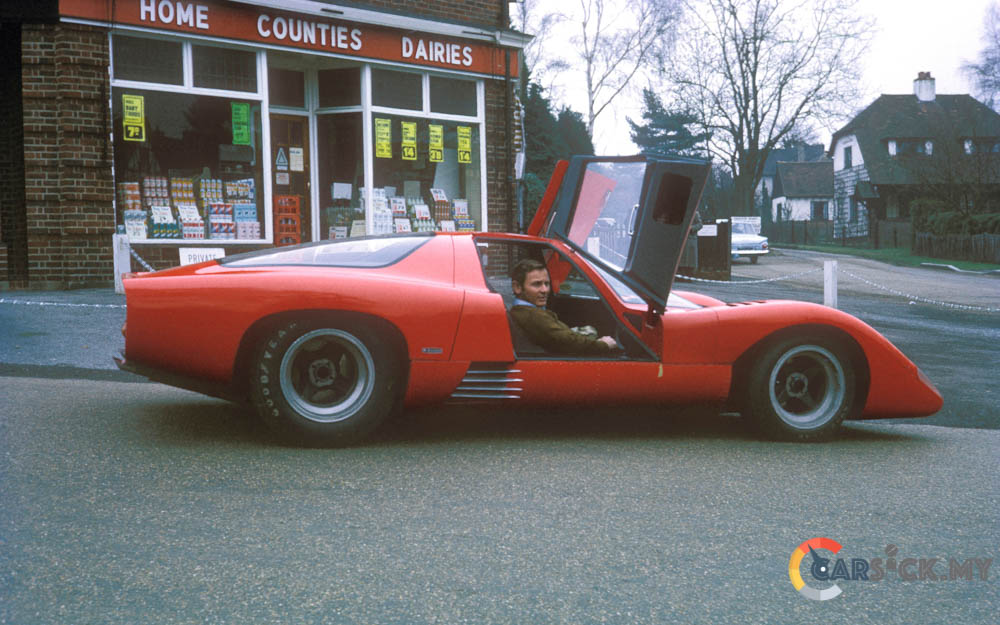
McLaren has reinterpreted that early visual reference for the modern era, creating a direct link between its origins and the brand it has become today. Despite the changes, some of McLaren’s most recognisable symbols remain firmly in place. The Speedmark continues to sit at the heart of the identity, maintaining a visual connection with the brand’s heritage and its global fanbase. Papaya also remains an important part of McLaren’s visual character, while the colour palette has been expanded with shades inspired by significant moments throughout the company’s history.
The Speedy Kiwi has also been retained, continuing to represent Bruce McLaren’s New Zealand roots and its longstanding connection to the marque. David Woodhouse, Chief Creative Officer at McLaren Automotive, said the updated identity reflects the company’s desire to keep challenging convention rather than simply following established paths. “We’ve always looked ahead, driven by a restless desire to innovate, create and push beyond expectations.” He added that the new identity represents the beginning of another chapter for McLaren, providing a physical expression of the ambition and creativity shaping its future.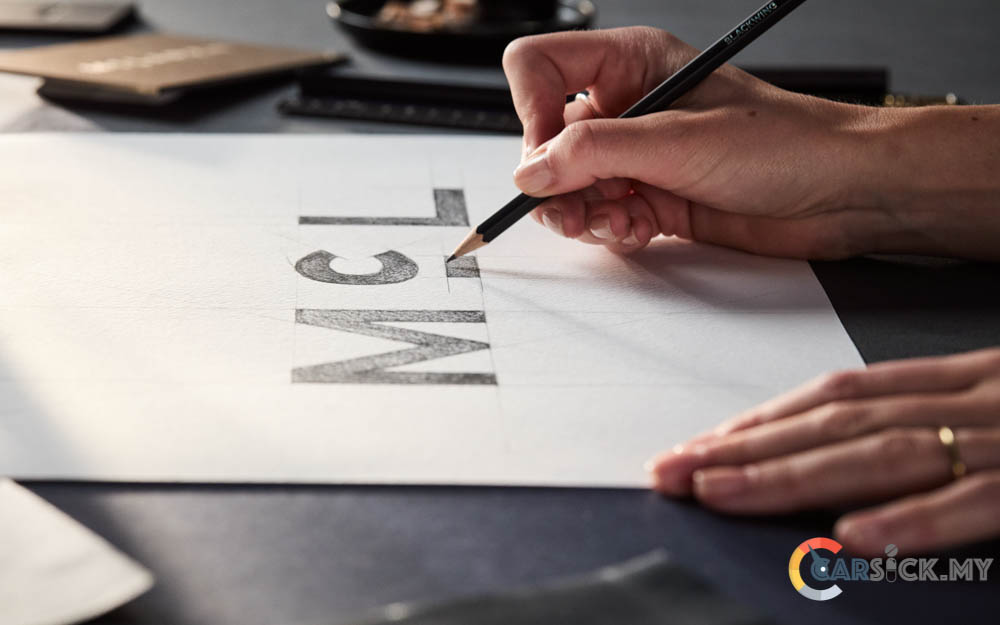
Lou McEwen, Chief Marketing Officer at McLaren Racing, similarly highlighted the connection between the company’s racing and automotive divisions. According to McEwen, looking back through McLaren’s shared history reveals how much of Bruce McLaren’s original vision remains embedded within the business today. The new identity therefore seeks to bridge that heritage with McLaren’s future ambitions while retaining the symbols and stories already familiar to its fans, partners and teams. The identity reveal also follows a year of significant activity for McLaren.
Throughout 2026, the company has placed greater emphasis on Bruce McLaren’s story, including the celebration of the M6GT as an early expression of his road-car ambitions and the introduction of the McL 6GT as a modern representation of McLaren’s design and performance direction. McLaren Racing has also continued its own journey during the brand’s papaya era, marking its 1,000th Formula 1 Grand Prix while announcing plans for a Hypercar challenger in the FIA World Endurance Championship. The latter project puts McLaren on a path towards pursuing motorsport’s coveted Triple Crown.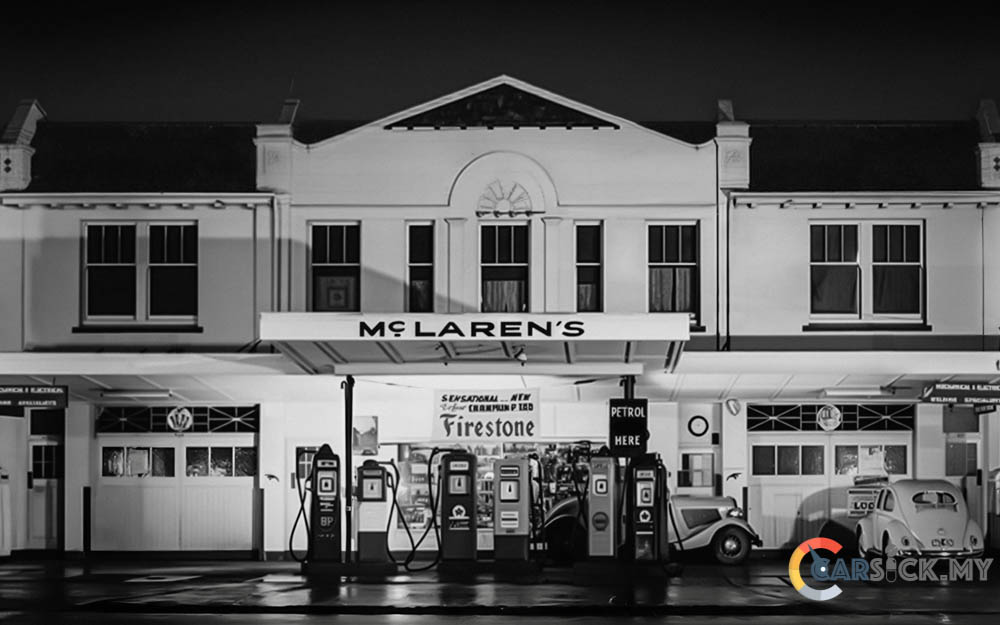
Meanwhile, McLaren Automotive is preparing for an even broader transformation. The company has confirmed a £500 million investment programme to expand its UK manufacturing and engineering footprint, supporting its long-term growth strategy. This expansion is expected to take McLaren beyond its traditional two-seat sports cars, with an SUV also planned for the future.
Taken together, these developments show that McLaren’s latest identity change is about more than simply refreshing its logo or colour scheme. It is intended to create a common visual and emotional connection between the company’s past, its current racing and automotive activities, and the products and experiences it plans to deliver in the years ahead. For a brand built around pushing beyond what has already been achieved, McLaren’s latest evolution appears to be about ensuring that its identity moves forward at the same pace.