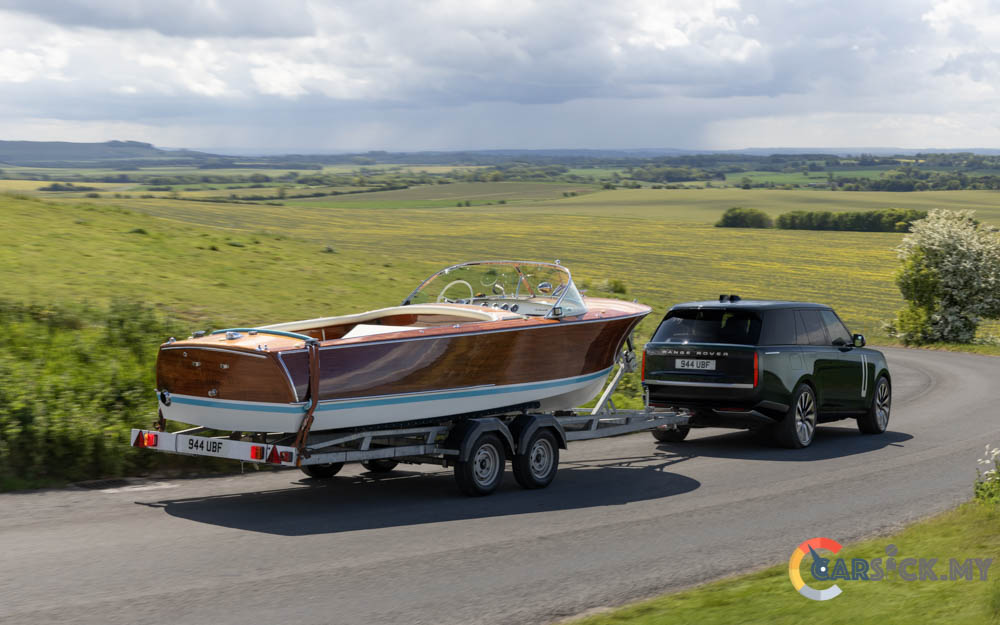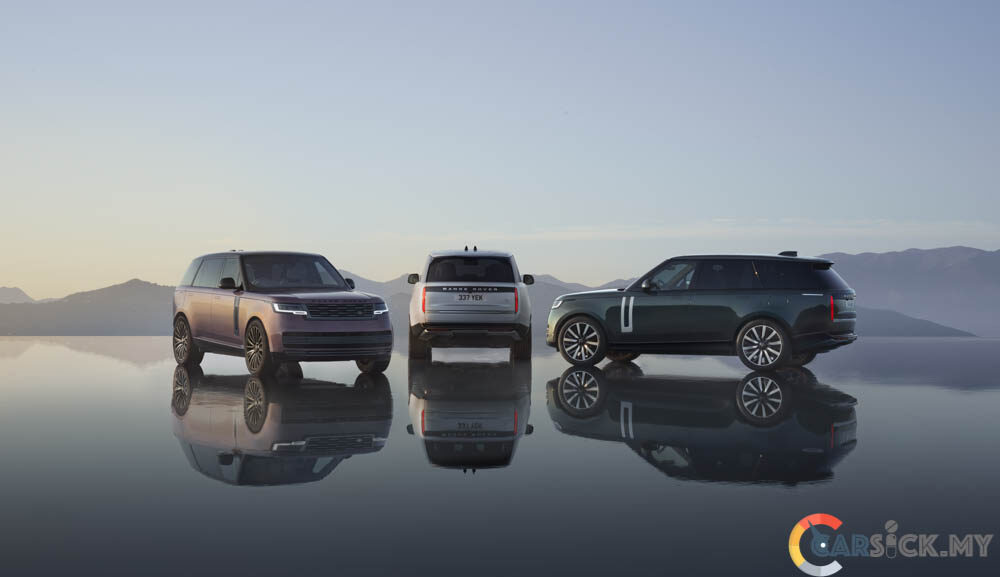

The Range Rover has always been about doing things differently. Now, The Original Luxury SUV is entering an entirely new chapter, with the arrival of its first-ever fully electric model. Built at Range Rover’s historic home in Solihull, where the nameplate has been produced since 1970, the Range Rover Electric combines the brand’s familiar blend of luxury, effortless performance and go-anywhere capability with the instant response and near-silent operation of electric propulsion.
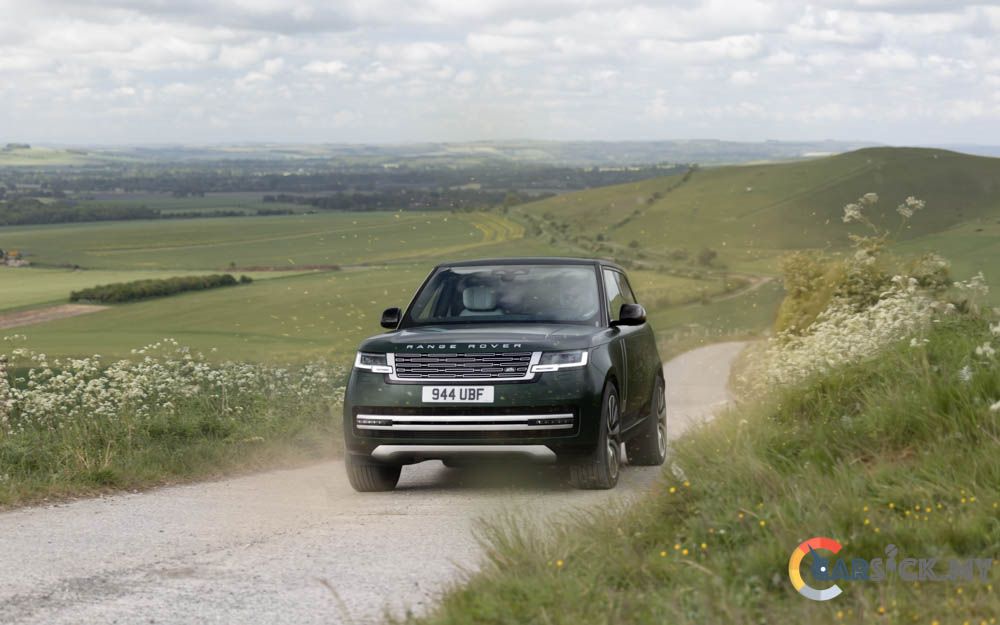 Rather than reinventing what makes a Range Rover a Range Rover, the new model aims to enhance those qualities. Electric power brings greater refinement, reduced cabin noise and immediate torque, creating what Range Rover describes as an even more serene and secluded environment for its occupants.
Under the skin, the Range Rover Electric uses twin permanent-magnet electric motors, each rated at 260kW, delivering up to 550PS and 850Nm of torque. That makes it the most powerful and torquey Range Rover to date, while acceleration from 0-60mph takes as little as 4.3 seconds. Overtaking from 50-75mph can be completed in just 2.7 seconds. Yet straight-line speed is only part of the story.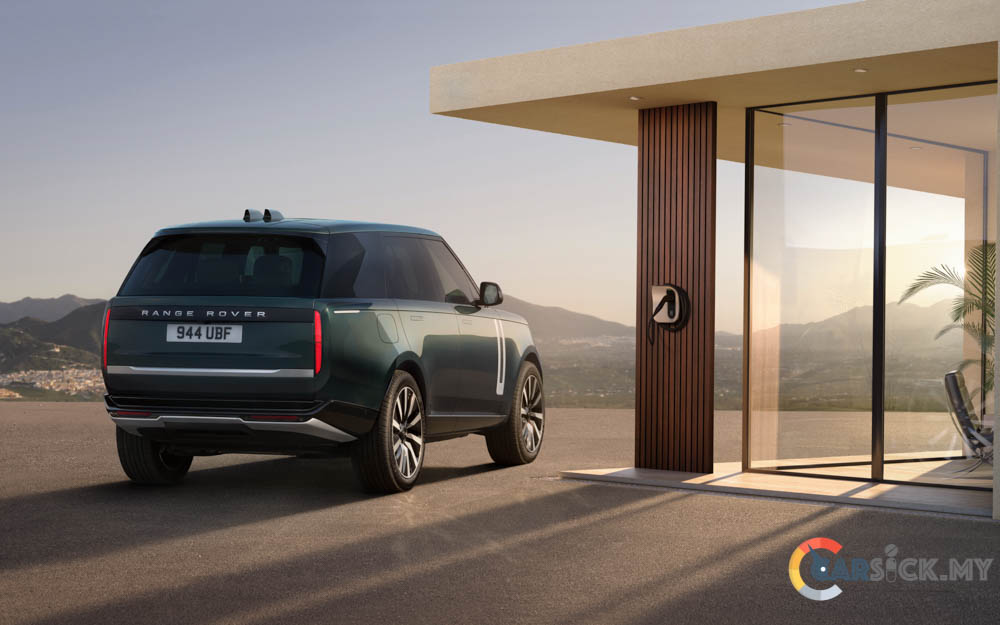
The Range Rover Electric has been engineered to retain the model’s legendary off-road ability, with electric propulsion opening up new possibilities in how power and traction can be controlled. Its Intelligent Driveline Dynamics system can distribute rear torque from 100 per cent all the way down to zero to help prevent traction loss, while Integrated Traction Management controls motor speed within just 50 milliseconds. The system can manage wheel slip up to 100 times faster than an equivalent internal-combustion vehicle. That precision becomes particularly useful when the road disappears altogether.
Working alongside the new Single Pedal mode, the traction system allows the Range Rover Electric to pull away smoothly on slopes of up to 33 degrees and tackle rolling climbs of up to 45 degrees. In other words, the electric Range Rover is not simply designed to glide silently through the city – it is still very much a Range Rover when the terrain gets difficult. Matt Becker, Vehicle Engineering Director at JLR, said the challenge was ensuring the electric powertrain enhanced rather than compromised the model’s trademark composure. “From challenging low-grip and rough terrain to smooth, high-speed roads, it remains incredibly composed and refined, with a real sense of control and confidence,” he said.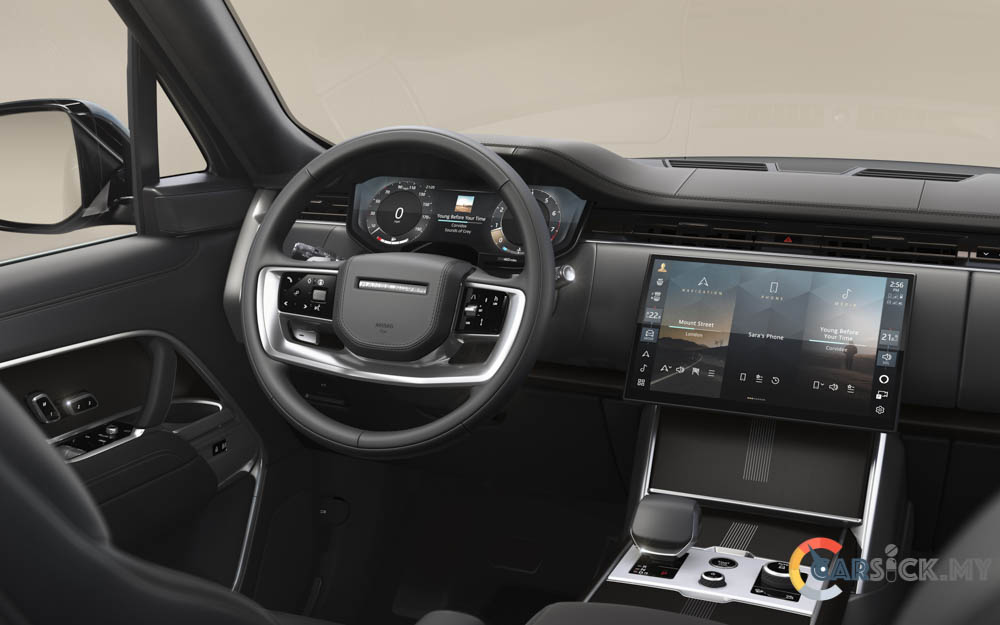
Powering the Range Rover Electric is a usable 118.5kWh lithium-ion battery featuring 344 prismatic cells in a double-stack configuration. An 800-volt electrical architecture allows the SUV to take advantage of high-speed DC charging, with charging from 10 to 80 per cent taking around 22 minutes when connected to a 350kW rapid charger.
At maximum charging speed, the Range Rover Electric can also add up to 220km of WLTP range in approximately 10 minutes. Overall range is rated at up to 372 miles (599km) under WLTP testing, while a real-world range of up to 333 miles (535km) is quoted. Range Rover believes this will allow the majority of customers to complete their normal daily driving without needing to recharge.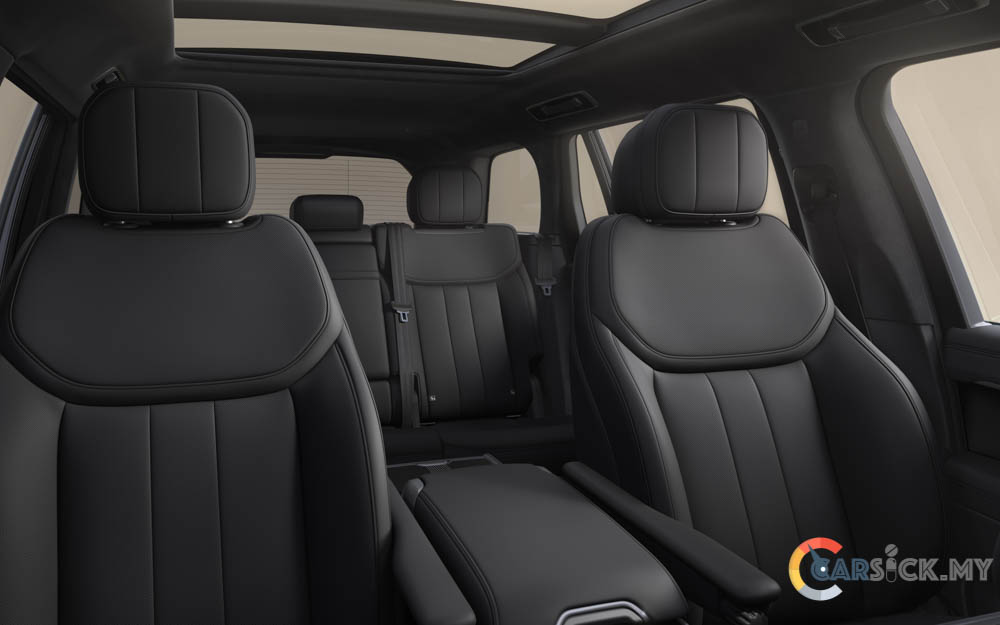
The electric motors themselves incorporate silicon carbide semiconductors capable of switching at microsecond speeds, helping balance efficiency and performance. Range Rover says the motors produce 20 per cent more torque than other motors of the same size. Managing temperatures is equally important. The new ThermAssist heat-management system is designed to optimise range, charging performance, battery longevity and overall performance in extreme conditions. It can add up to 25 miles of range while reducing heating energy consumption by as much as 40 per cent.
For Range Rover, making an electric SUV was never simply about installing a battery and motors into an existing vehicle. The company subjected the Range Rover Electric to more than 1.5 million kilometres of testing and over 250,000 hours of virtual and physical development. Testing took place across some of the most demanding environments available, from temperatures as low as -40°C in Arjeplog, Sweden, to the intense heat of the Dubai desert and the challenging terrain of JLR’s Eastnor Castle facility in the UK.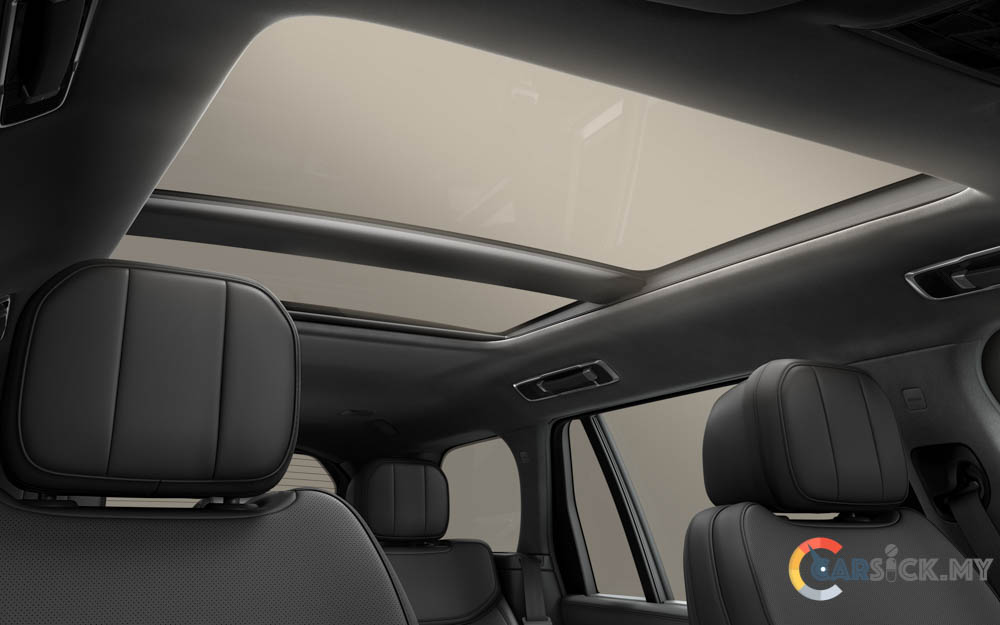
More than 300 patent applications have also been filed for the vehicle – the highest number for a single model in Range Rover’s history. Battery durability and safety have received similarly intensive attention. JLR’s new battery testing laboratory subjects live battery packs to extreme multi-axis vibration and shock testing across temperatures ranging from -40°C to +90°C.
A high-strength aluminium enclosure further protects the battery from impacts, while a range of advanced safety systems are designed to exceed industry standards. Owners will also benefit from a Battery Digital Twin capable of monitoring more than 900 diagnostic data points. Combined with JLR’s over-the-air software capability, the system allows Range Rover to identify potential issues and support proactive maintenance. The electric propulsion system is covered by an eight-year or 100,000-mile warranty.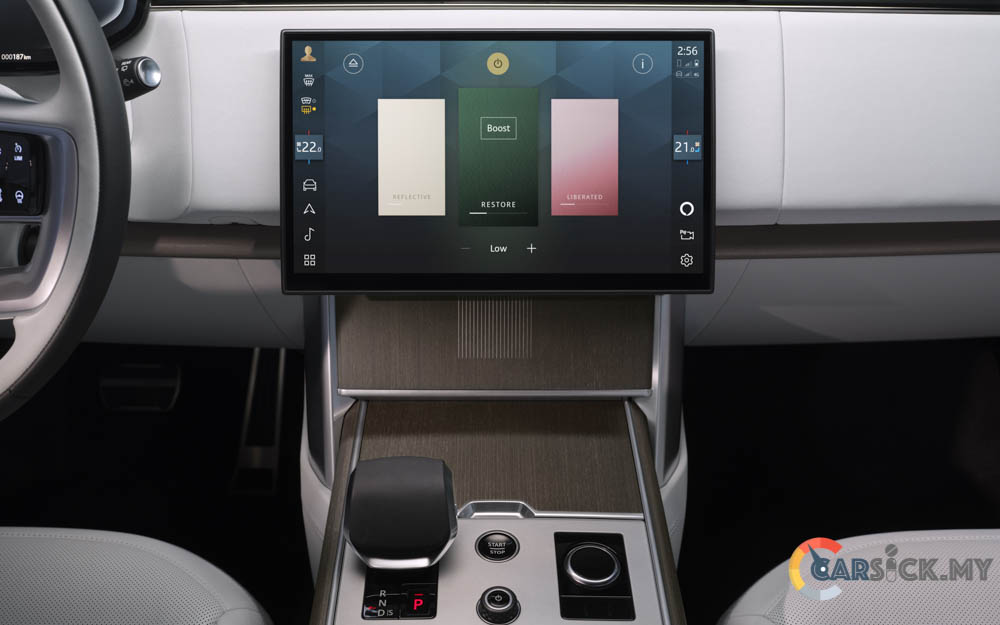
The arrival of the Range Rover Electric also represents a major transformation for the Solihull manufacturing facility. The plant has been producing Range Rovers for more than five decades, but its latest evolution combines that experience with new electrification technology and advanced manufacturing processes.
Around 9,000 manufacturing employees at Solihull have been upskilled for electrification, with another 1,500 colleagues trained across JLR’s wider West Midlands operations. The wider production network also includes JLR’s Electric Propulsion Manufacturing Centre in Wolverhampton, which now produces battery packs and electric drive units alongside internal-combustion engines.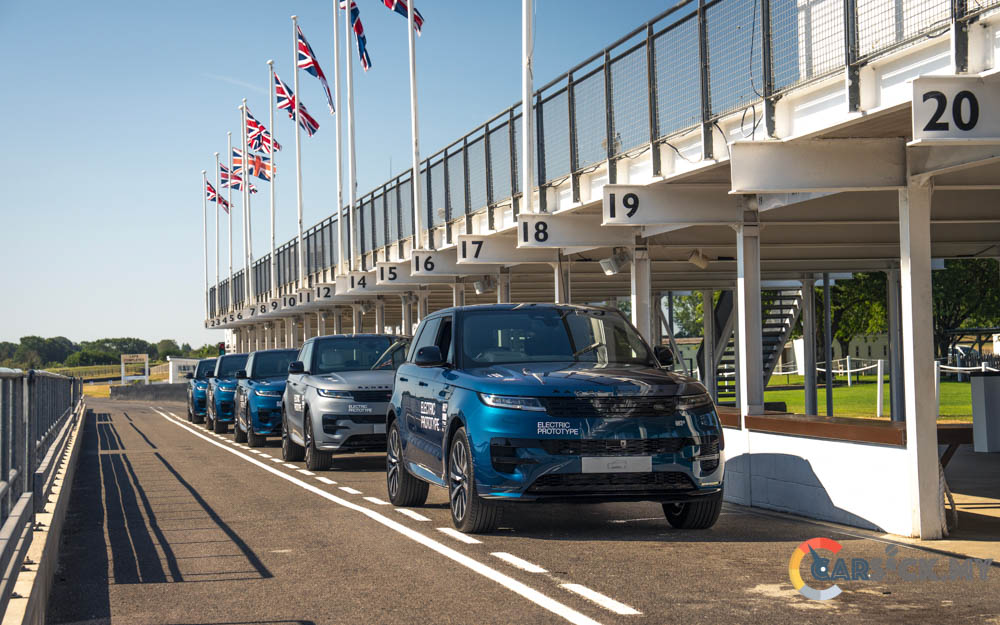
The first phase of its redevelopment covers 40,000 square metres and involved more than two million hours of planning, engineering, construction and commissioning over four years. The transformation introduced 13 battery and electric drive unit manufacturing lines, supported by nine kilometres of conveyors and 182 kilometres of power and data cabling.
Quality control has also entered a new era, with AI-enabled scanning cameras used during electric drive unit production to ensure components meet Range Rover’s exacting standards. Every battery cell is performance-tested before being assembled into a battery pack, which is then tested again for integrity and performance before being installed into the vehicle.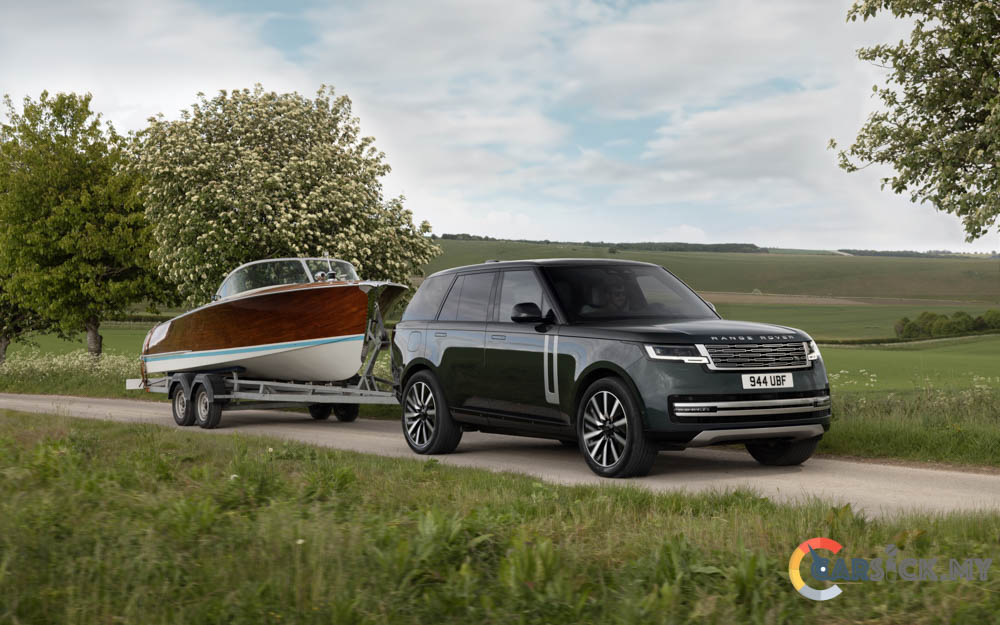
Orders for the Range Rover Electric are now open, with customers able to choose between short- and long-wheelbase body styles. Specification choices include SE, HSE and Autobiography variants, while the range extends into the more exclusive SV, SV Ultra and SV Black models. A specially curated First Edition is also available in Belgravia Green, Santorini Black or Varesine Blue. Inside, it introduces Light Cloud Ultrafabrics PU and Kvadrat materials for an even more distinctive interpretation of Range Rover luxury.
For those wanting something more personal, Range Rover Bespoke provides an extensive range of paint colours and finishes, materials, colour combinations and individual details such as bespoke embroidery. After more than five decades of evolution, Range Rover is now embracing perhaps its biggest change yet. But the philosophy remains familiar: effortless performance, exceptional comfort and the ability to venture far beyond the tarmac. The difference is that, this time, it does so almost silently.