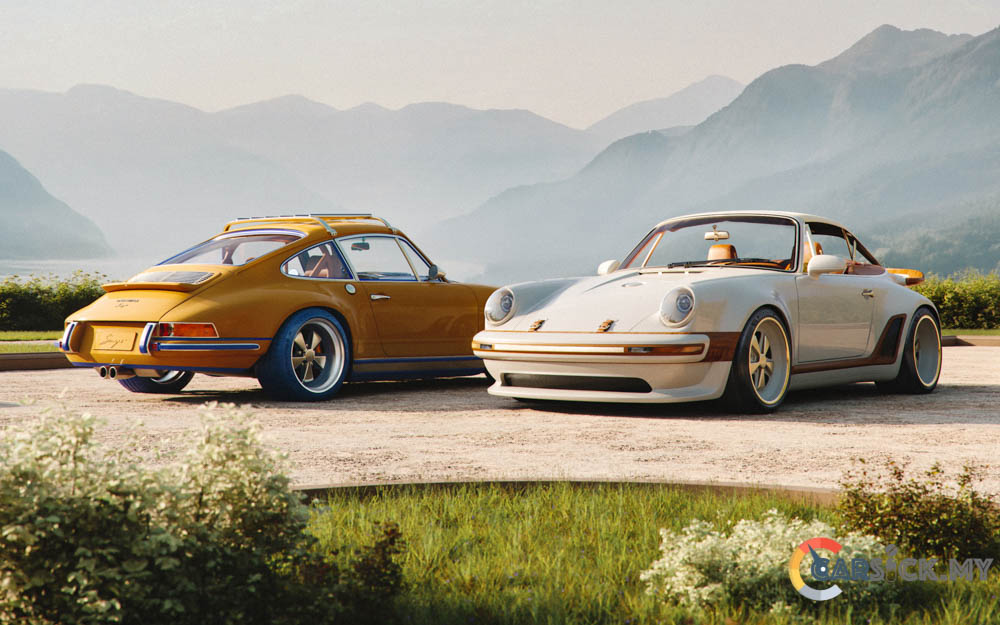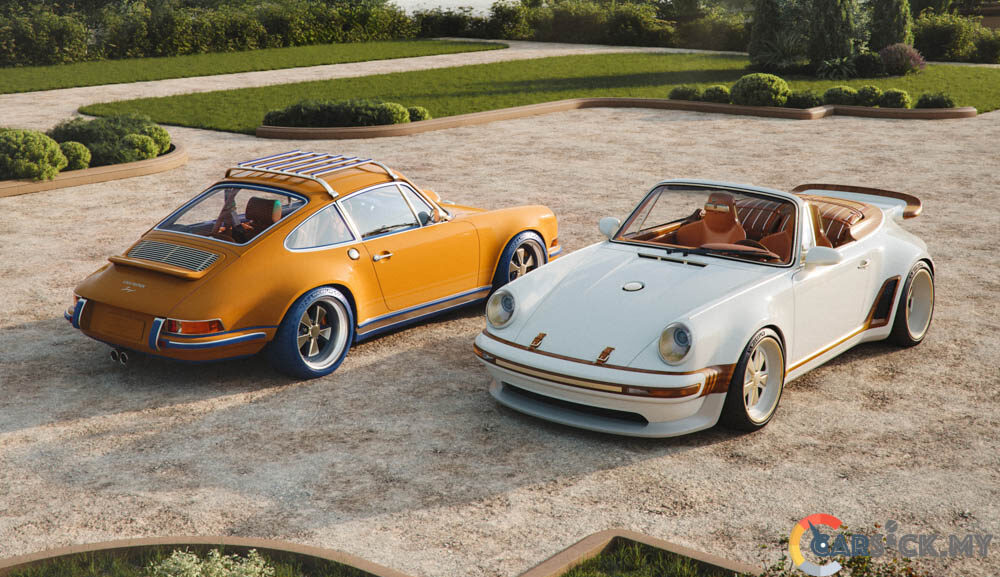

Louis Vuitton and California-based automotive atelier Singer have joined forces to create two extraordinary interpretations of the Porsche 911, combining classic sports car engineering with the luxury house’s distinctive approach to craftsmanship, materials and travel.
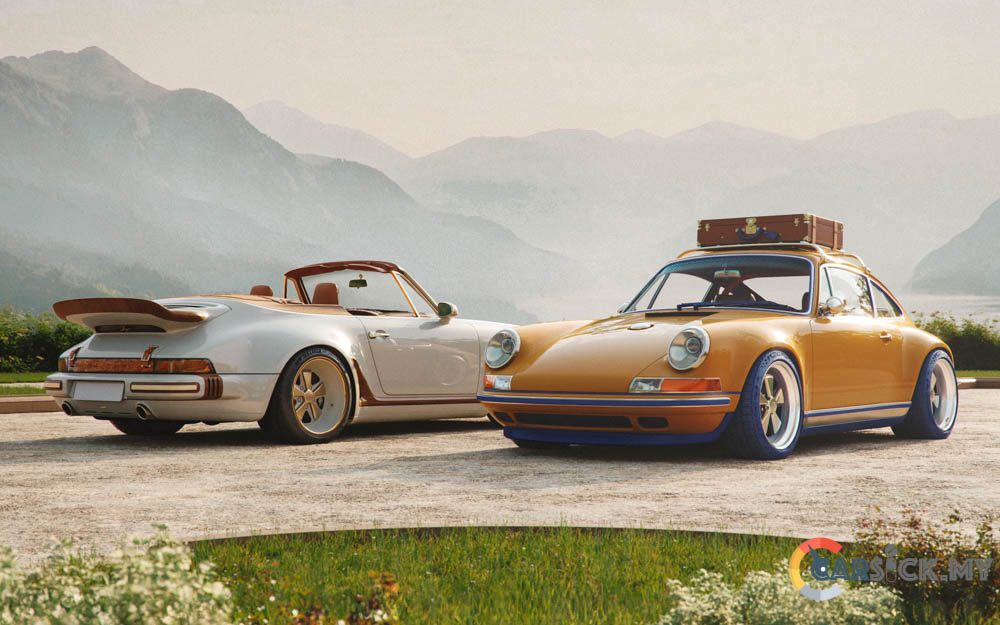 While the collaboration extends far beyond cosmetic changes, the two vehicles remain fundamentally focused on what makes a Singer-reimagined Porsche 911 so compelling: analogue driving engagement, meticulous engineering and an obsessive attention to detail. Both cars are based on Type 964 Porsche 911 chassis, but each takes a dramatically different approach to performance and character.
Porsche 911 Reimagined by Singer – Classic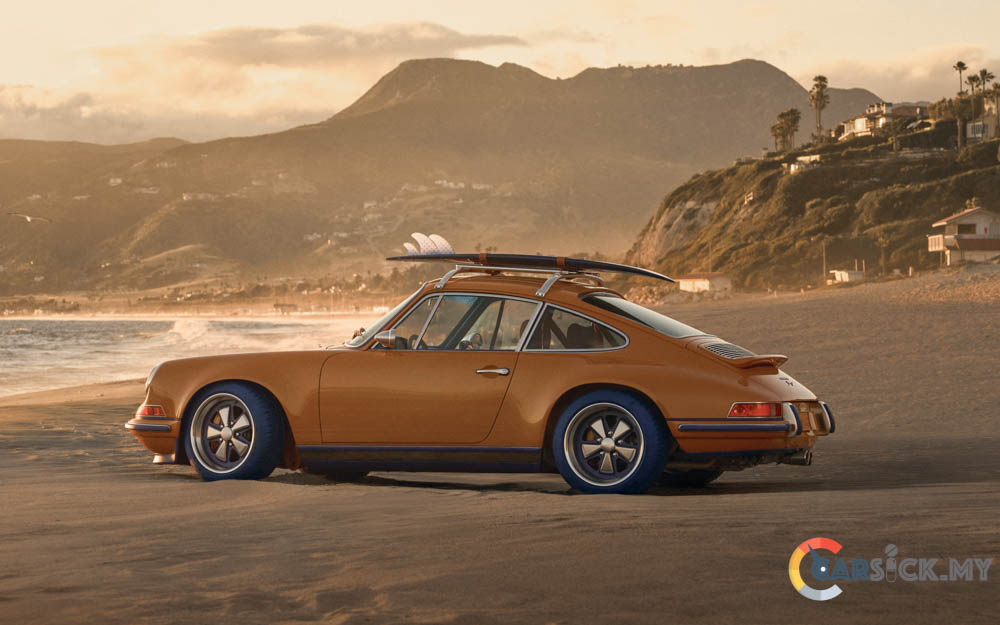
The first car is a coupé developed through Singer’s Classic services and built around a Type 964 chassis. Its lightweight carbon-fibre body is finished in a distinctive Saffron colour, paired with cobalt blue accents and a speed-activated rear wing. Underneath the bespoke bodywork sits a 4.0-litre naturally aspirated, air-cooled flat-six engine. Power is delivered through a six-speed manual transmission to the rear wheels, while carbon-ceramic brakes provide the stopping power.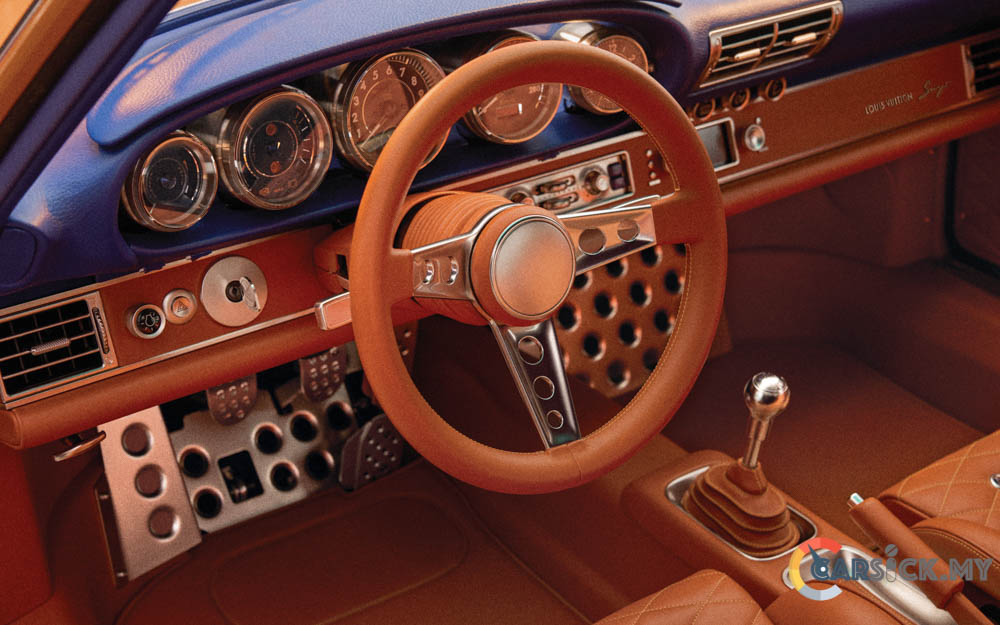
The mechanical specification deliberately retains the traditional character of the classic 911. There is no turbocharger or automatic transmission to dilute the experience. Instead, the naturally aspirated flat-six, manual gearbox and rear-wheel-drive layout create a package centred around driver involvement.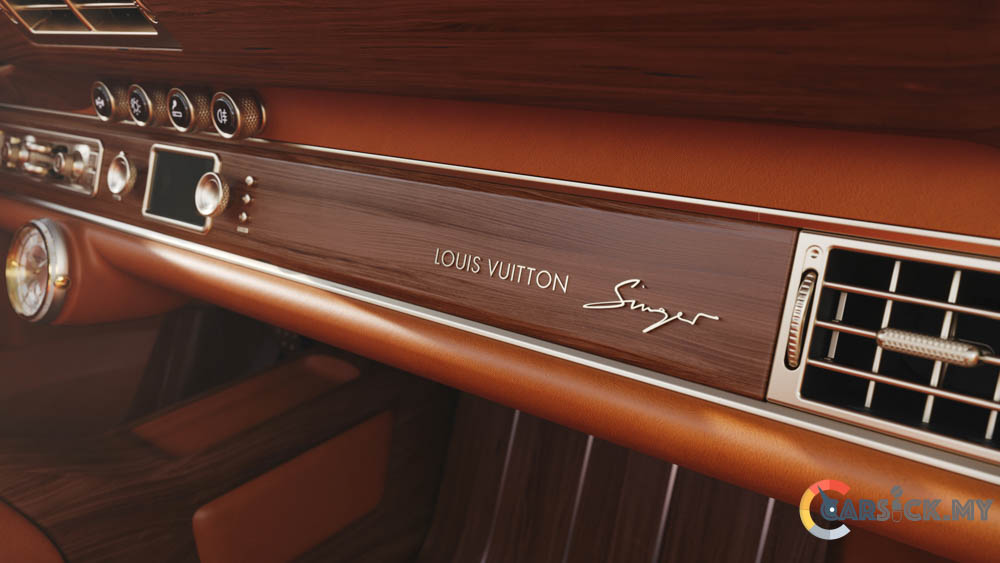
Its exterior design also serves a practical purpose. A specially developed roof rack can carry equipment such as a trunk, surfboard or skis, reinforcing the car’s character as a grand touring machine designed for long-distance adventures rather than simply being a static collector’s piece.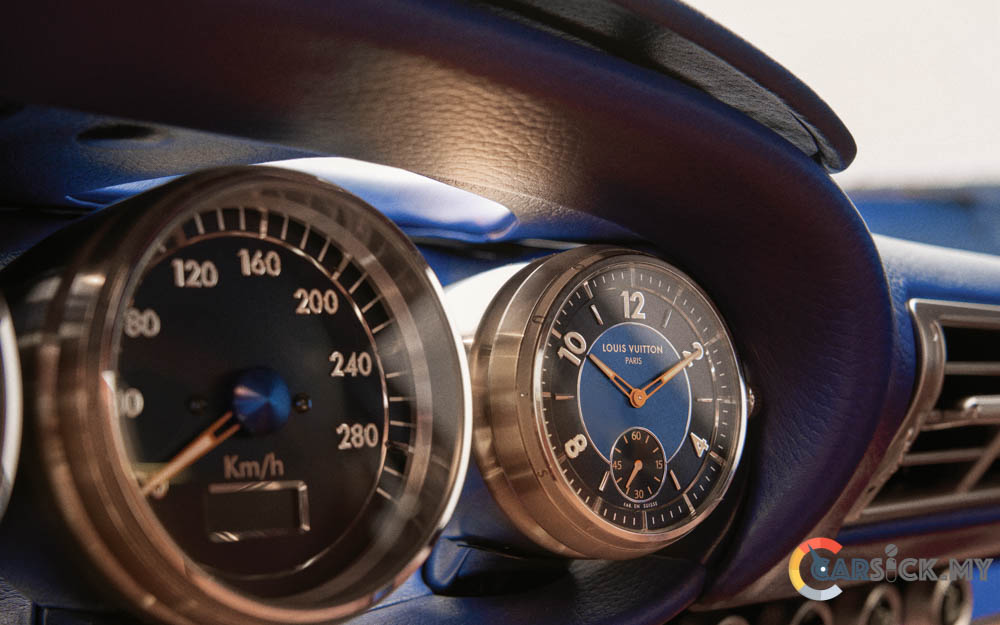
Inside, the cabin receives an extensive transformation. Leather covers virtually every surface, while components that would normally be made from conventional plastic have been replaced with individually crafted metal pieces. Controls, adjustment knobs, locks, pull-tabs and air vents are finished using techniques inspired by fine watchmaking, including polishing, satin-finishing, anodising and electroplating.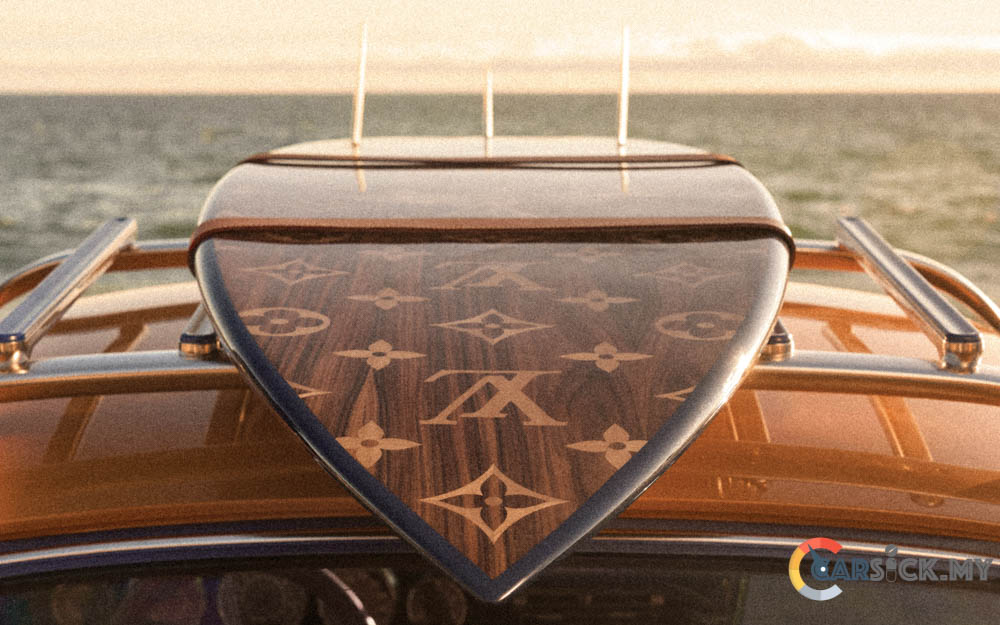
One of its most distinctive features is the bespoke dashboard instrumentation. What began as the creation of a detachable Louis Vuitton Tambour-inspired mechanical clock eventually led to the complete redesign of the instrument display. The speedometer, rev counter and gauges were redesigned around the visual language of the Tambour watch, creating a cockpit unlike that of any conventional Porsche 911.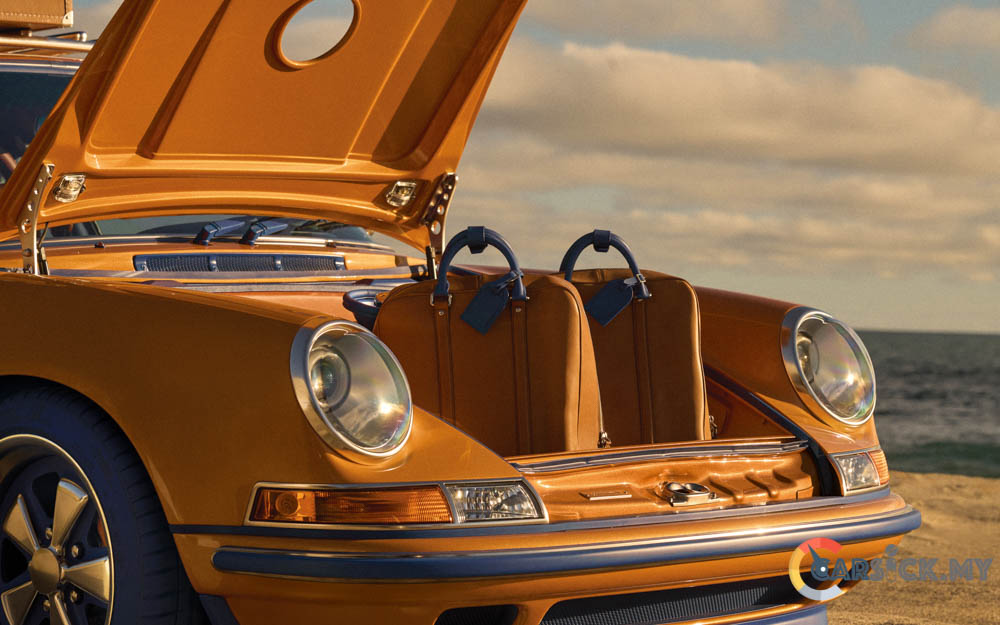
Porsche 911 Reimagined by Singer – Classic Turbo
The second car takes the concept in a very different direction. Based on a Type 964 cabriolet chassis, the Classic Turbo combines an open-top configuration with a twin-turbocharged flat-six engine.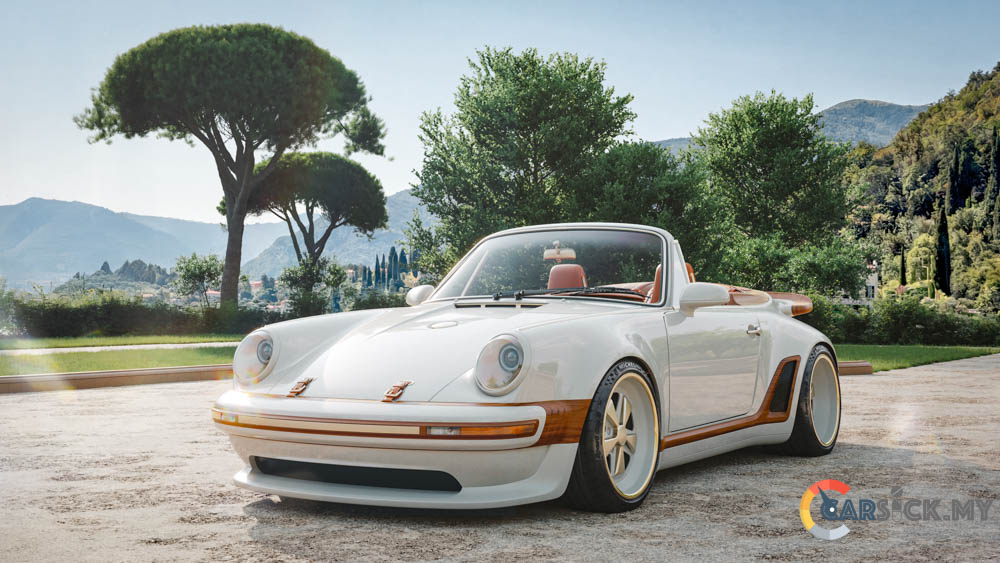
Its lightweight carbon-fibre bodywork is finished in Calcaire Lutétien white and distinguished by a classic whale-tail rear wing. Beneath the bodywork is a 3.8-litre twin-turbocharged flat-six with air-to-water intercooling. The engine is paired with a six-speed manual transmission, while selectable drive modes give the driver greater control over the car’s character. Like the coupé, the Turbo remains rear-wheel drive and uses carbon-ceramic brakes.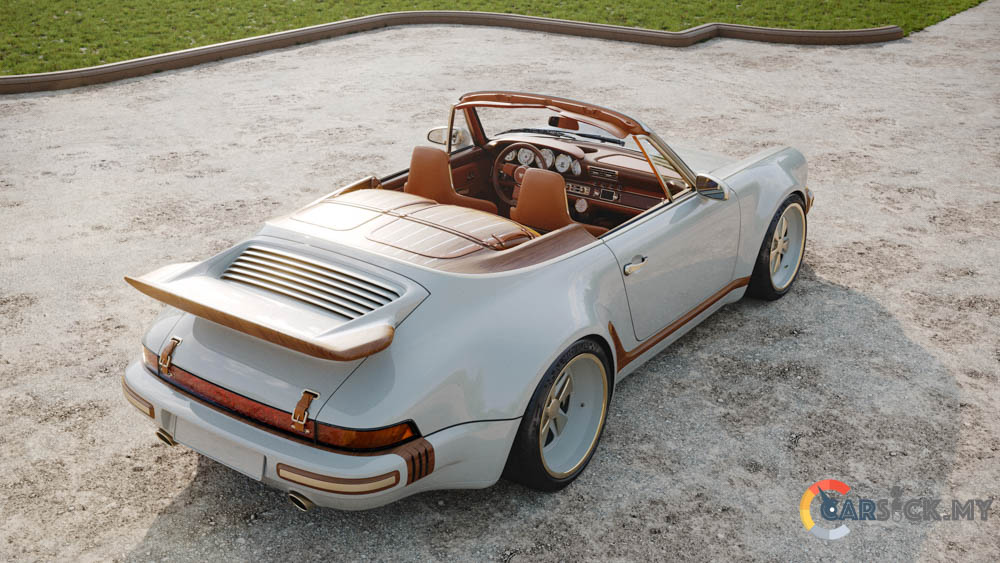
The cabriolet’s design was developed under the creative direction of Louis Vuitton Artistic Director Nicolas Ghesquière, who sought to combine automotive design with influences from classic motorboats. This is particularly evident in the extensive use of wood throughout the vehicle.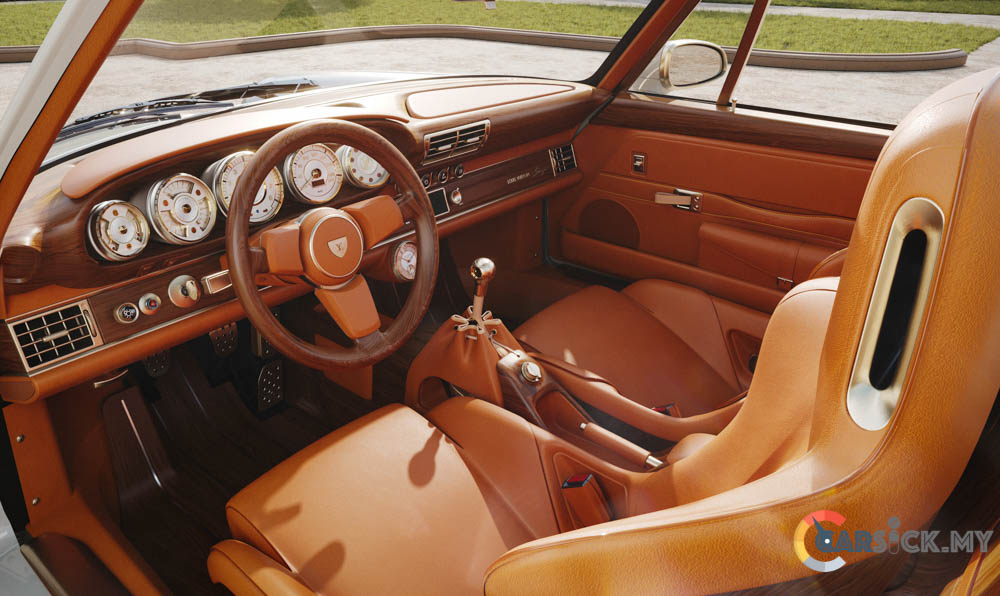
Behind the seats is a bespoke luggage area featuring varnished wood inspired by the decks of runabout boats. Wood also appears around the rear engine compartment and front luggage area, giving the car an unusual nautical character while retaining its unmistakable 911 silhouette.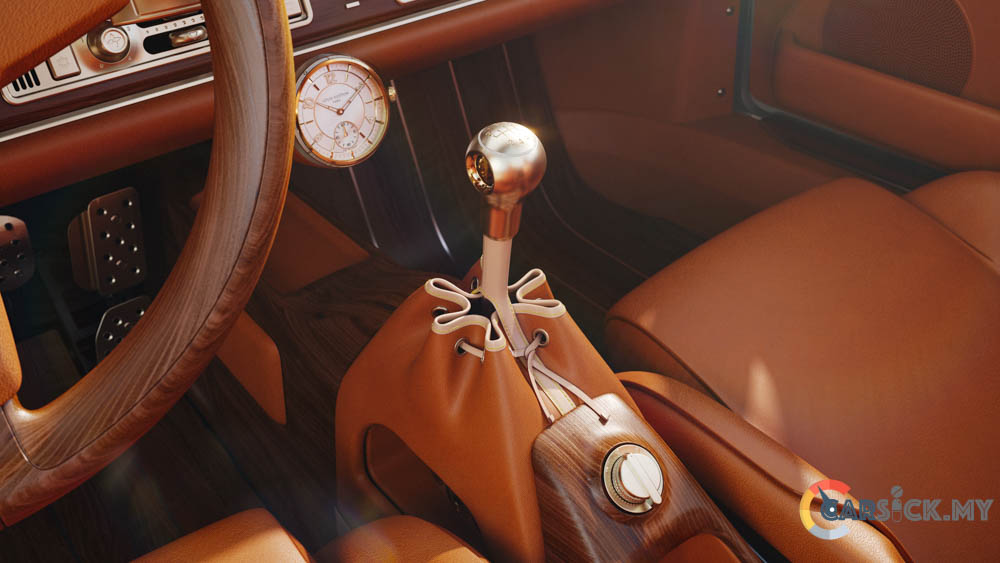
The dashboard is equally distinctive. Rather than placing the bespoke mechanical clock within the main instrument cluster, it sits prominently in the centre console. Golden gauges, a body-colour-matched clock face and a matching golden ignition key tie the cockpit together visually, while the functional controls are machined and finished with the same level of precision seen in the Classic coupé. Even the gearshift has been given a bespoke treatment, with its natural leather drawstring design taking inspiration from Louis Vuitton’s Noé bag.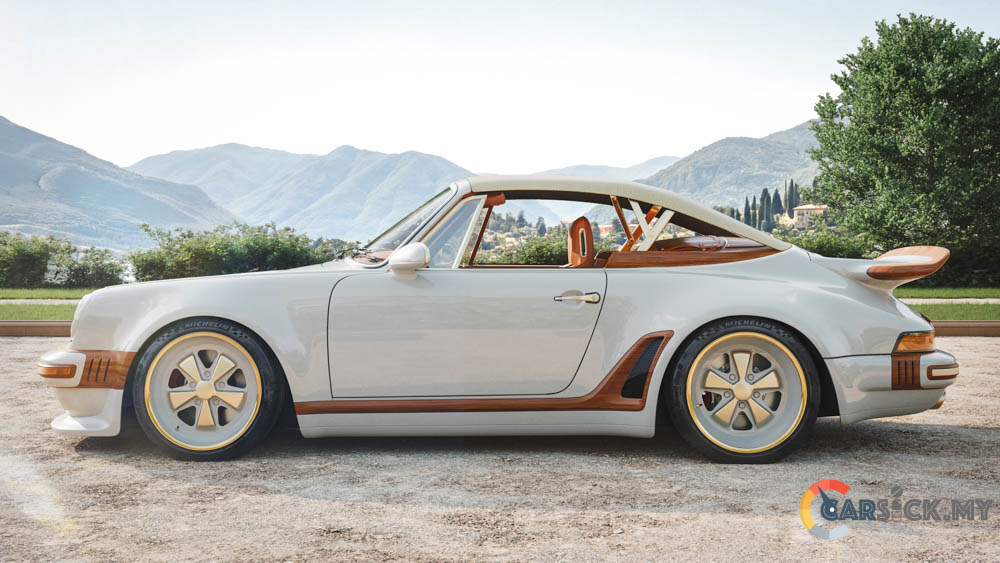
Two Cars, Two Distinct Personalities
Although both vehicles share the same fundamental Type 964 architecture, the Classic and Classic Turbo have been developed with noticeably different personalities. The coupé takes a more traditional approach, pairing a naturally aspirated 4.0-litre engine with a lightweight body and manual transmission. Its saffron-and-blue exterior and highly detailed leather interior give it the character of a sophisticated long-distance sports car.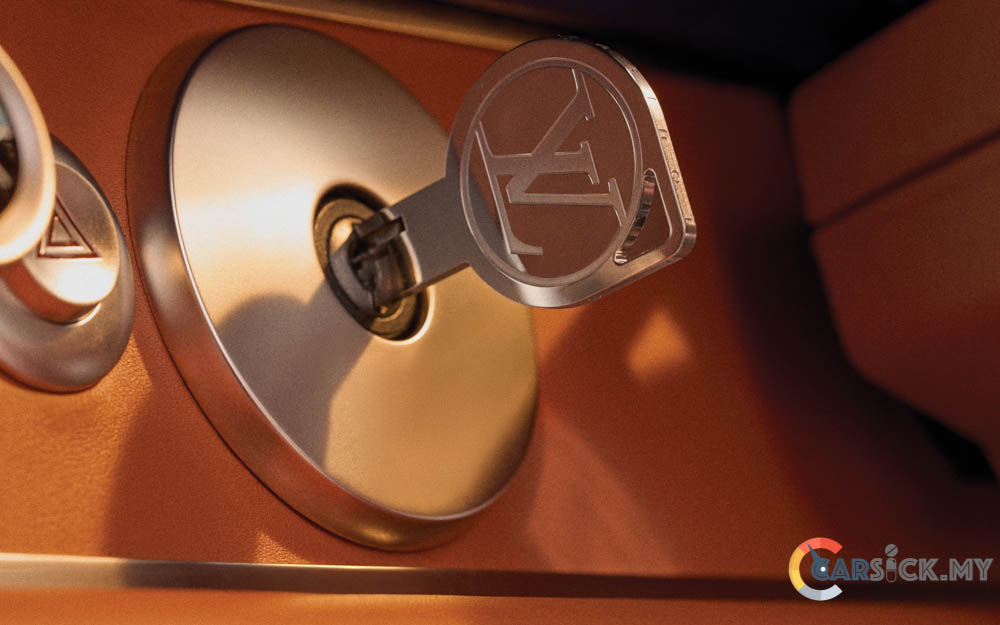
The Classic Turbo, meanwhile, is more flamboyant. Its open-top body, twin-turbocharged 3.8-litre engine, whale-tail spoiler and nautical-inspired woodwork give it a stronger emphasis on performance and sensory experience. Despite their differences, both cars retain the essential qualities that define Singer’s work. The original Porsche 911 architecture remains recognisable, but almost every component has been reconsidered, redesigned or finished to a much higher standard.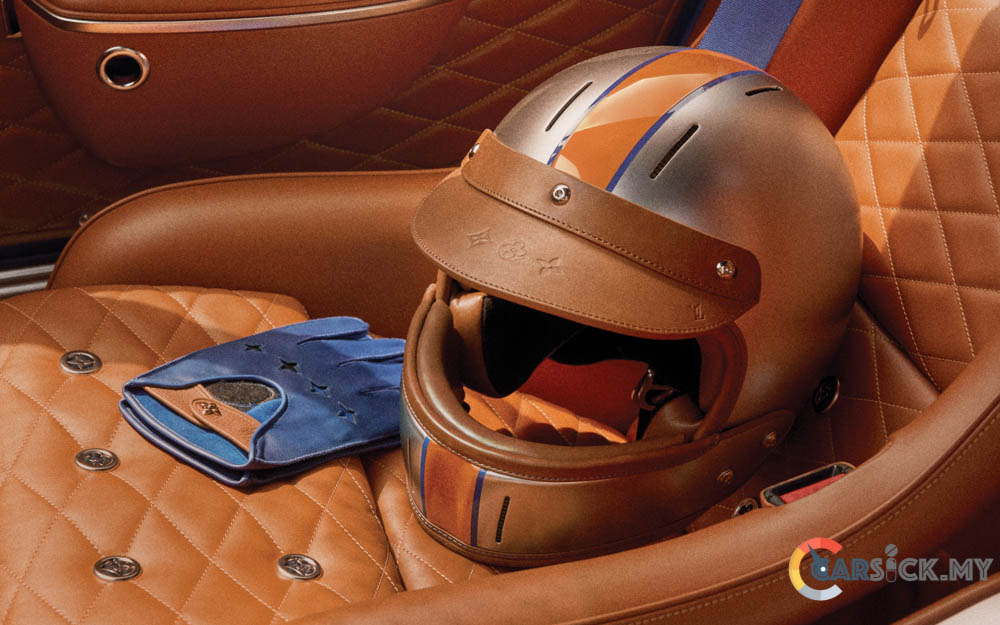
Most importantly, the collaboration has not sacrificed functionality for visual extravagance. Singer and Louis Vuitton specifically sought to ensure that the vehicles remained functional and usable, while preserving their handling characteristics, technical integrity and mechanical authenticity.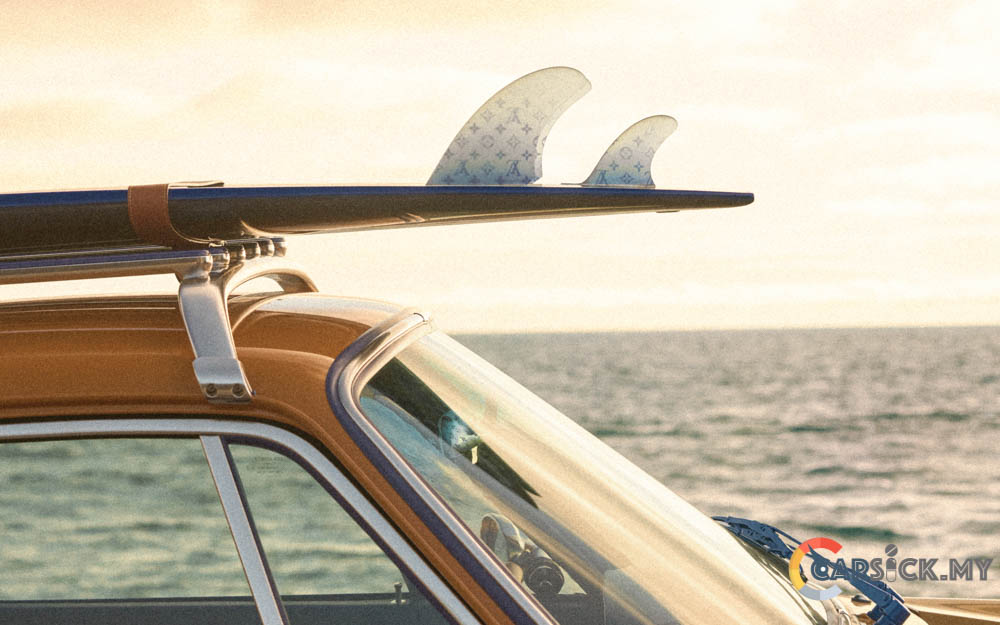
The result is two Porsche 911s that sit somewhere between high-performance sports cars, rolling works of craftsmanship and bespoke touring machines. Rather than simply adding luxury touches to an iconic Porsche, Louis Vuitton and Singer have reinterpreted the entire vehicle around the idea of travel.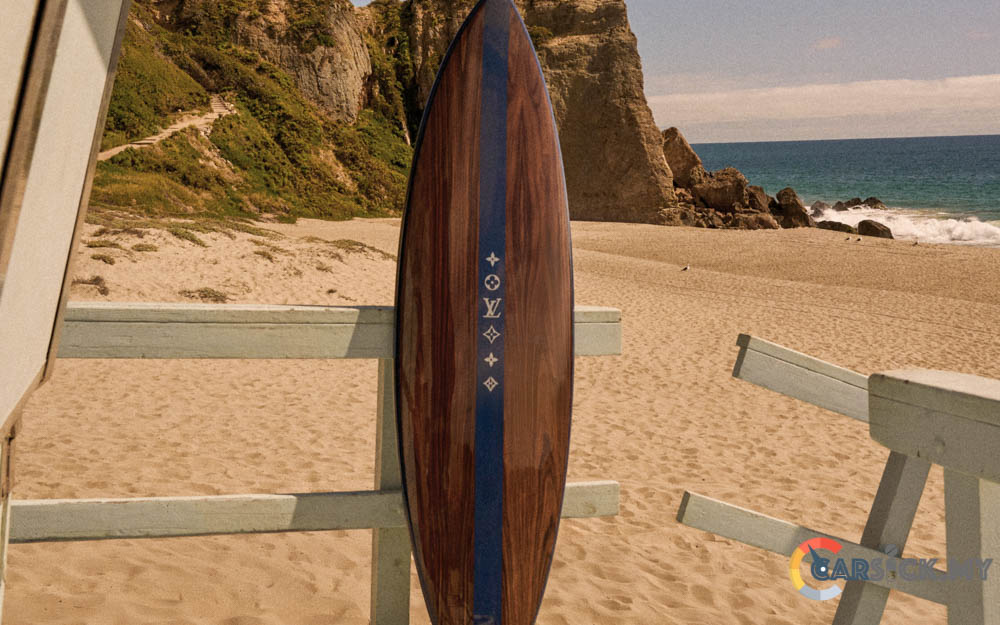
For the Classic, that means a naturally aspirated, rear-wheel-drive manual coupé equipped for grand adventures. For the Classic Turbo, it means an open-top, twin-turbocharged sports car that blends performance with the elegance of a classic motorboat. Both ultimately demonstrate what is possible when automotive engineering and traditional craftsmanship are given virtually no limits.