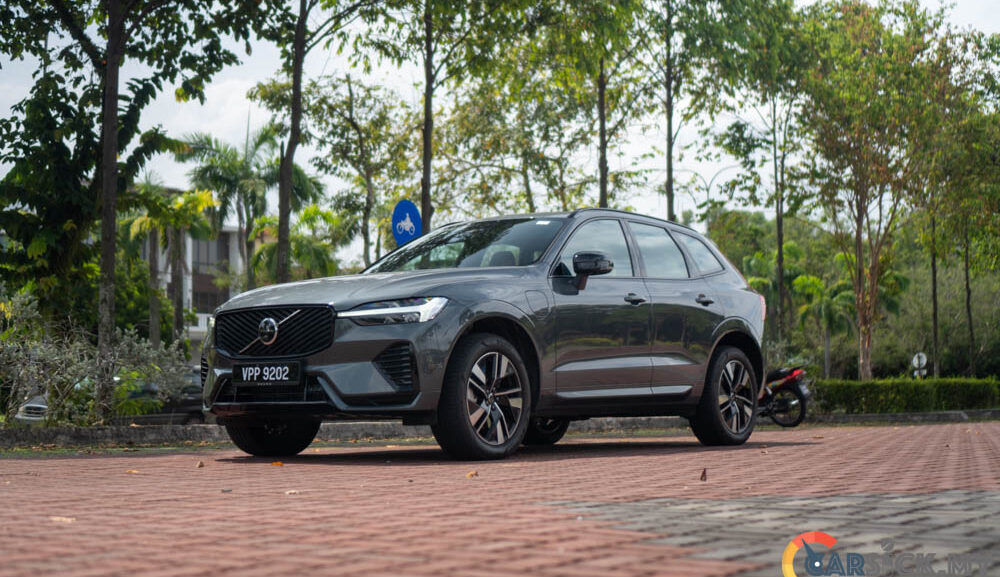

Following the updates received by the XC90, the XC60 has now been given many of the same enhancements. To be fair, the update is relatively minor compared to what vehicles usually receive during a facelift. However, since this is primarily a technology-focused upgrade, does it make the XC60 a better SUV than before? Let’s find out.
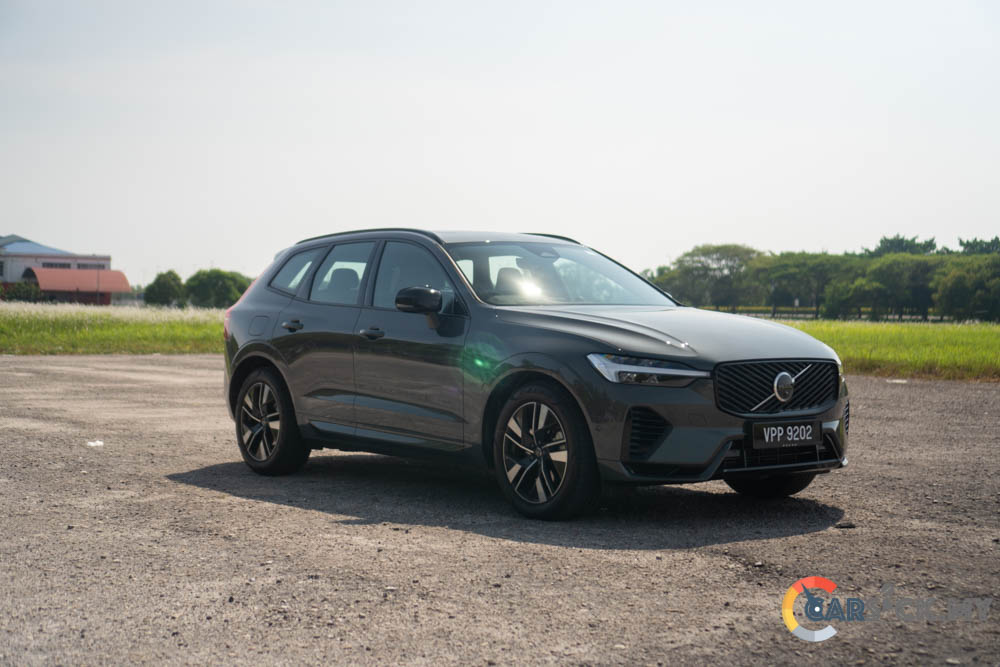
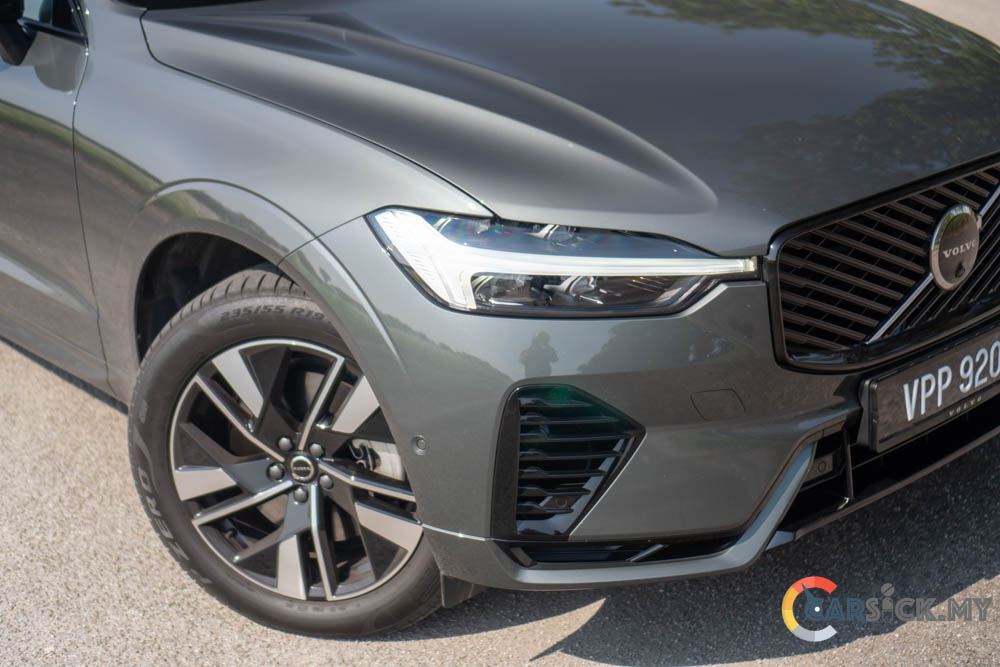
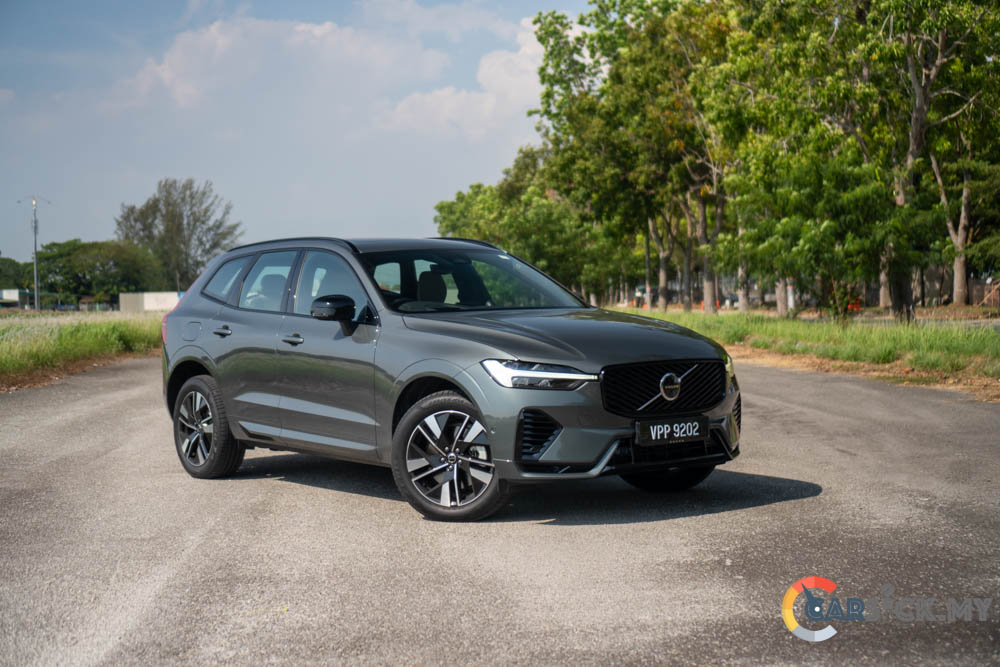
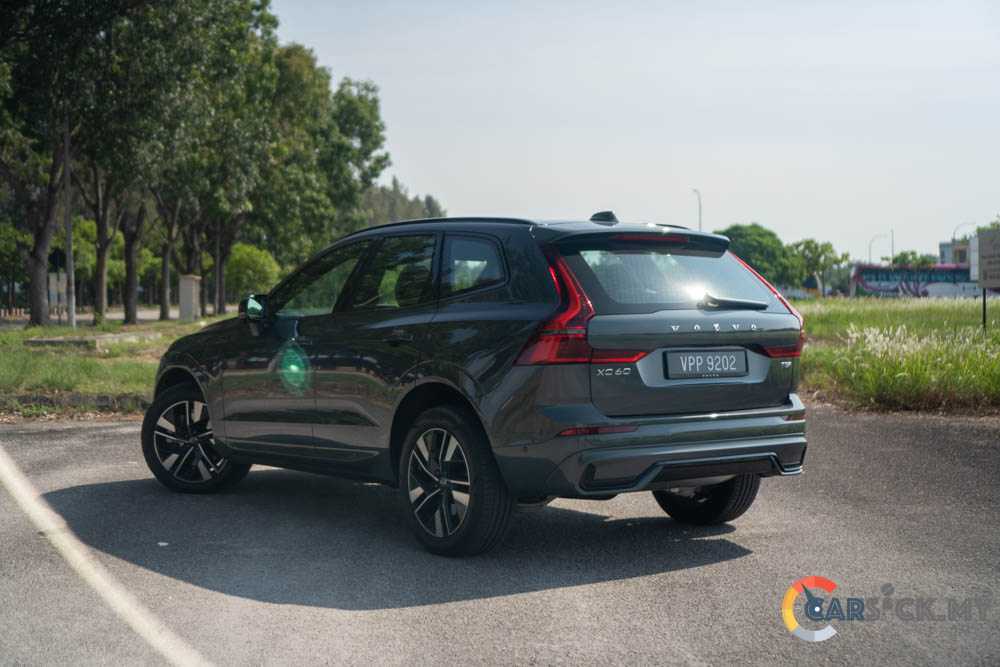
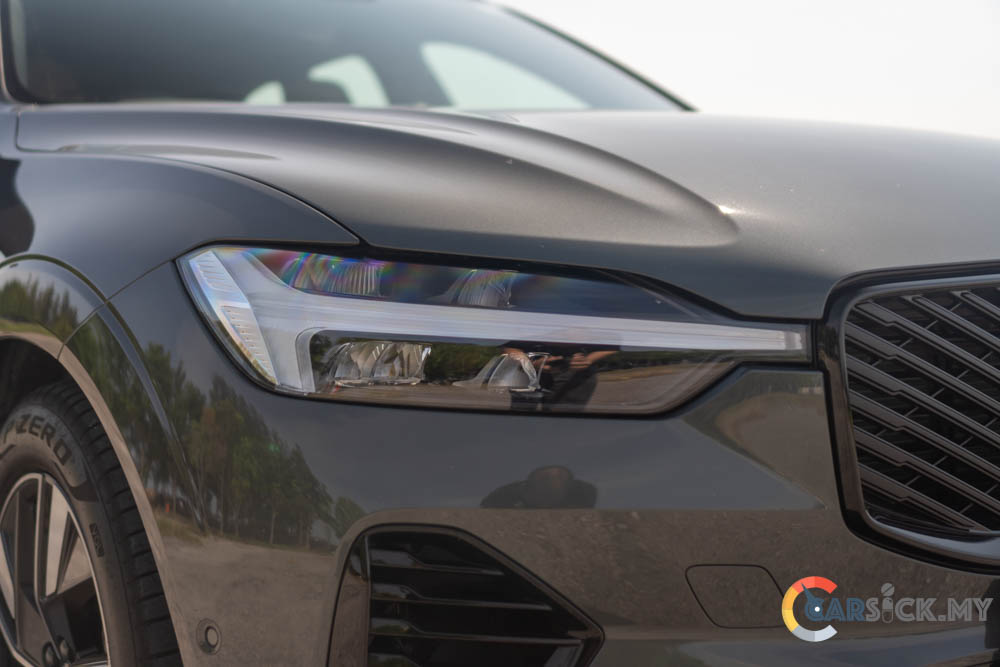
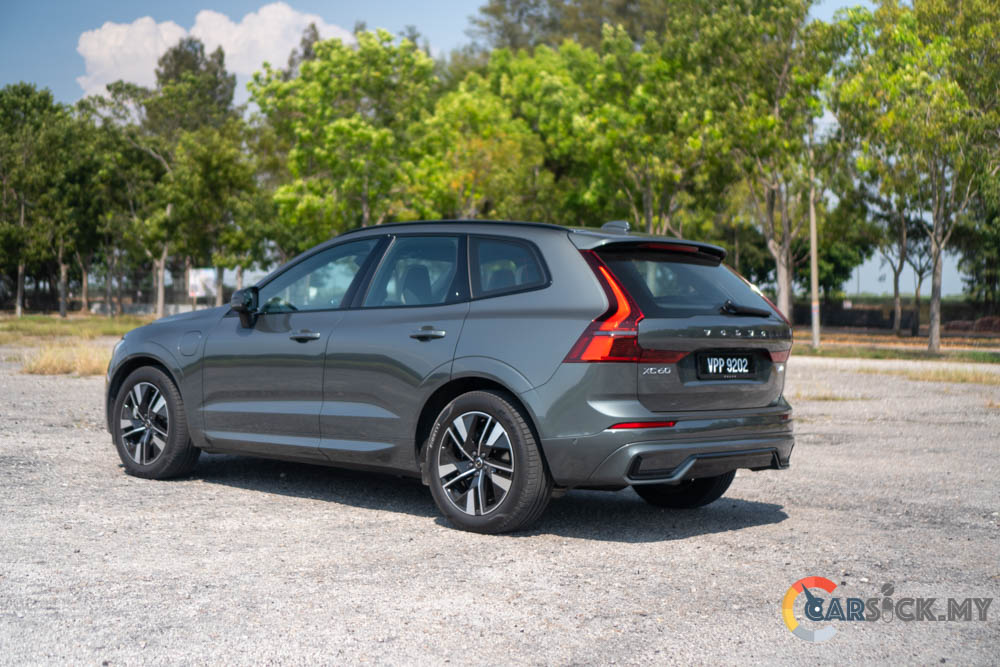 As facelifts go, the changes to the XC60 are minimal. The overall shape of the SUV remains largely unchanged from the pre-facelift model. On the exterior, the most noticeable update is the front grille, which now adopts a design similar to the one found on the XC90. While the change is subtle, it is still distinctive enough for people to differentiate it from the pre-facelift XC60. One notable addition is the introduction of a new paint colour called Forest Lake. This dark green shade carries subtle grey undertones, giving it a sophisticated appearance. It suits the XC60 well and offers something different from the usual grey-scale colours commonly found on SUVs in this segment.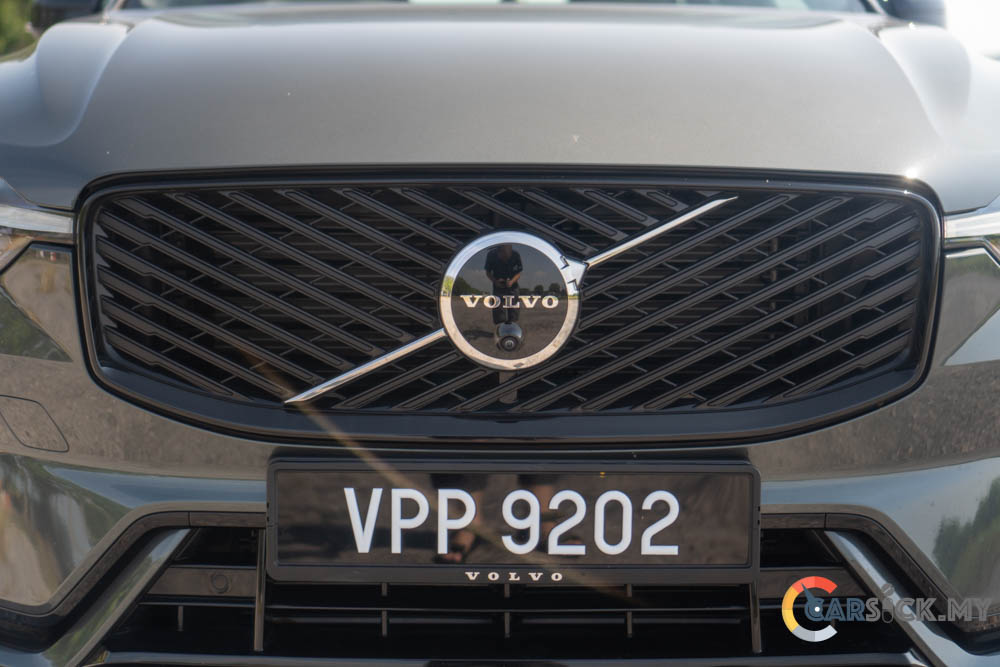
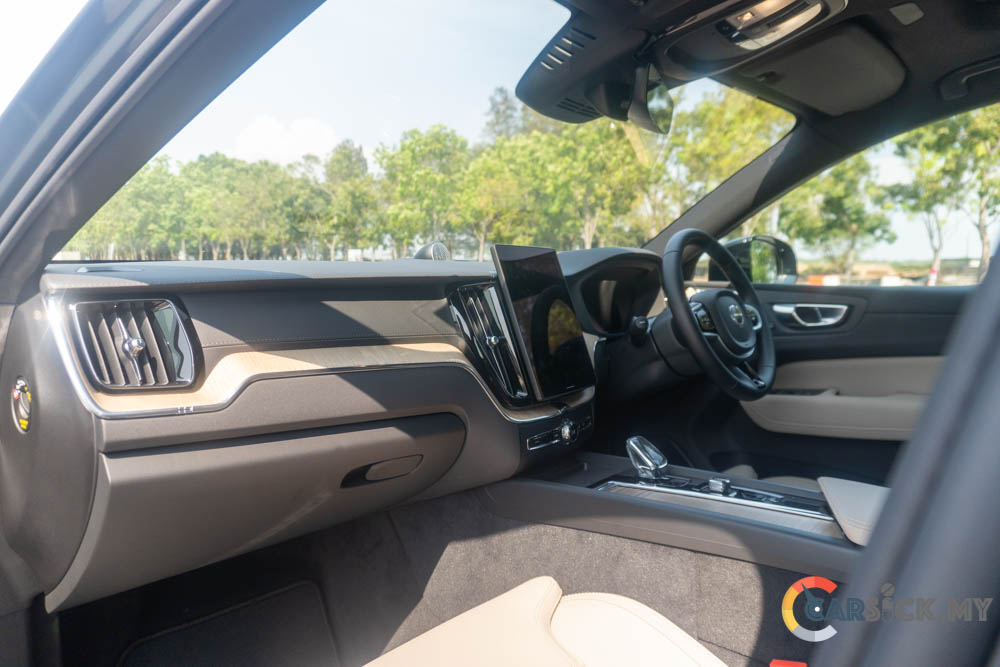
Step inside and you’ll find an interior that is largely unchanged. However, one key update mirrors what is found in the XC90. The infotainment system has been upgraded to a new 12.3-inch floating-style display. In addition to the standard Android Automotive operating system, the XC60 now supports Android Auto. This enhancement allows owners to use Android Auto without signing into a Google account within the vehicle. That said, Android Auto is only available via a wired connection, which feels somewhat outdated in 2026, especially for a premium brand like Volvo. 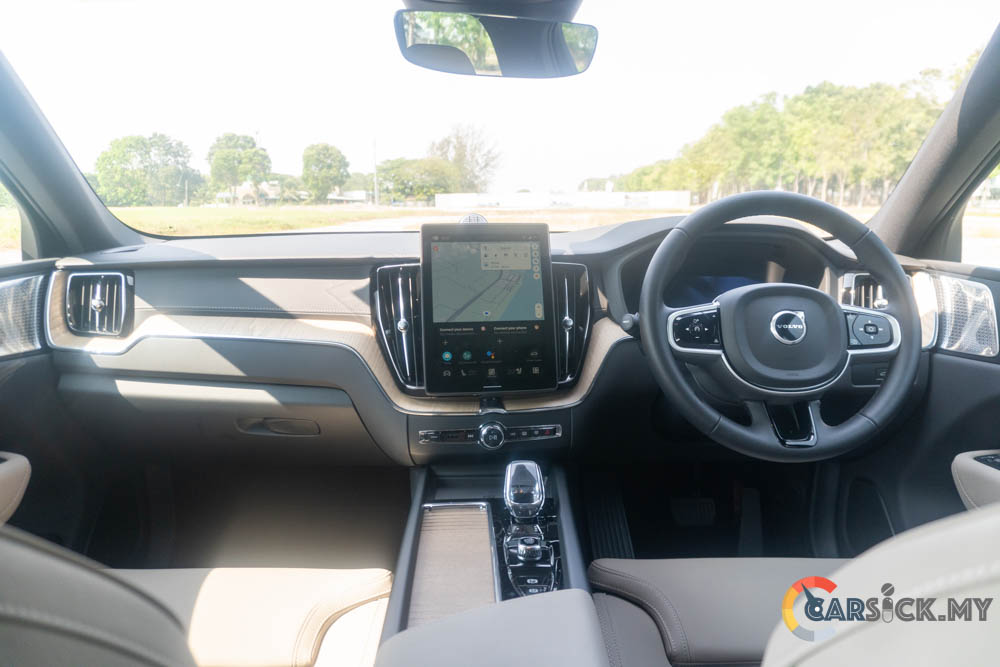
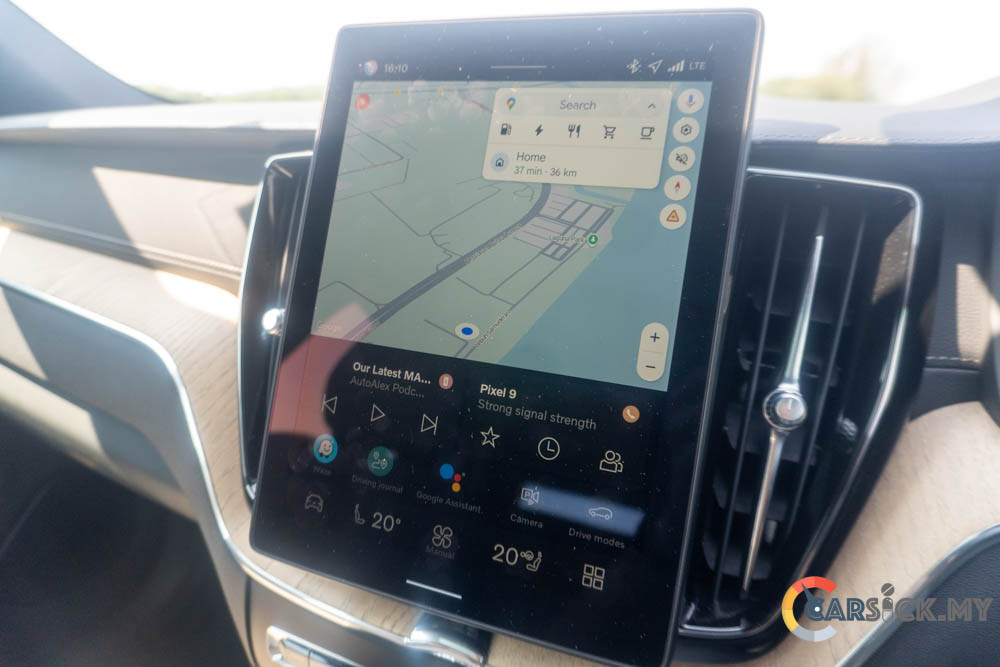
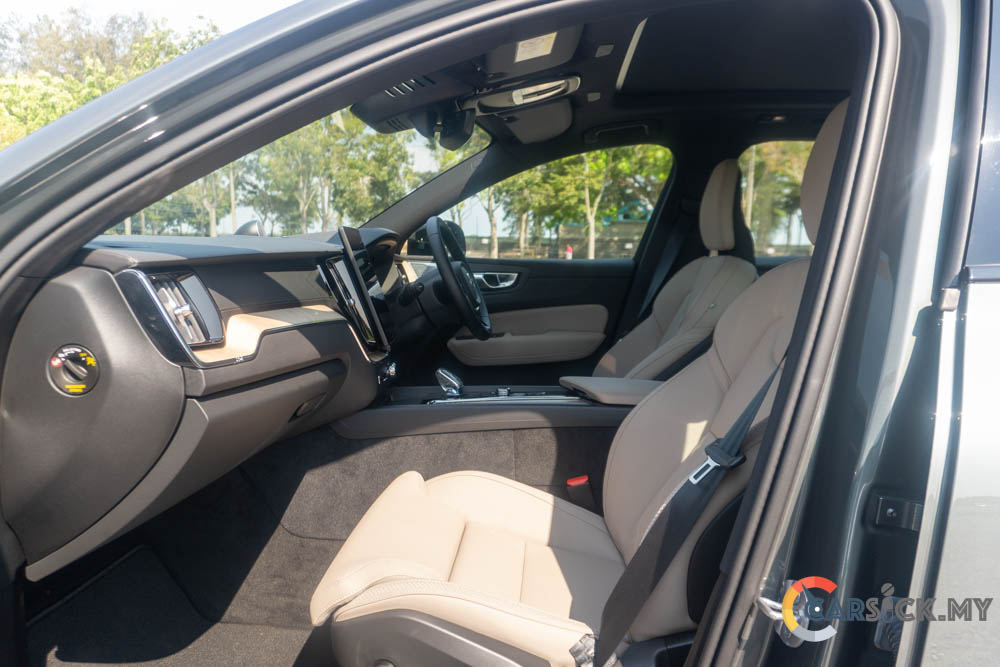
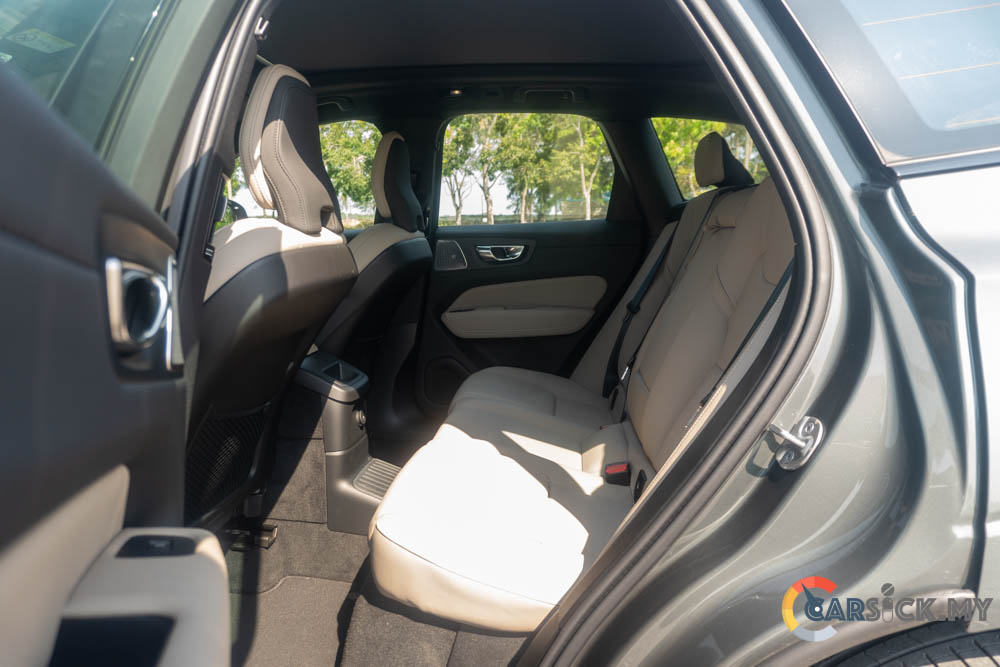
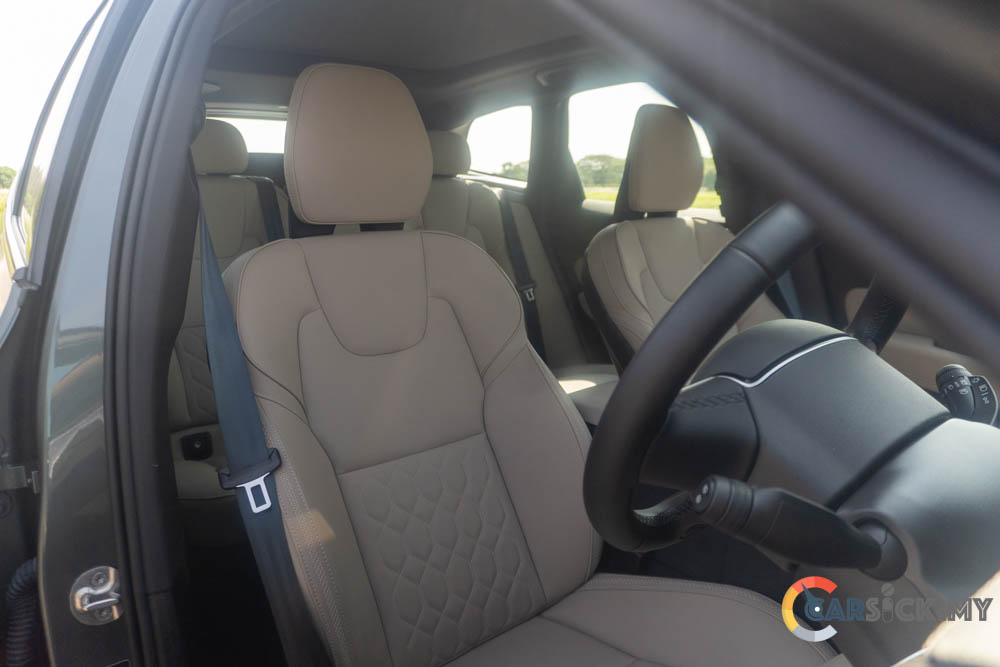
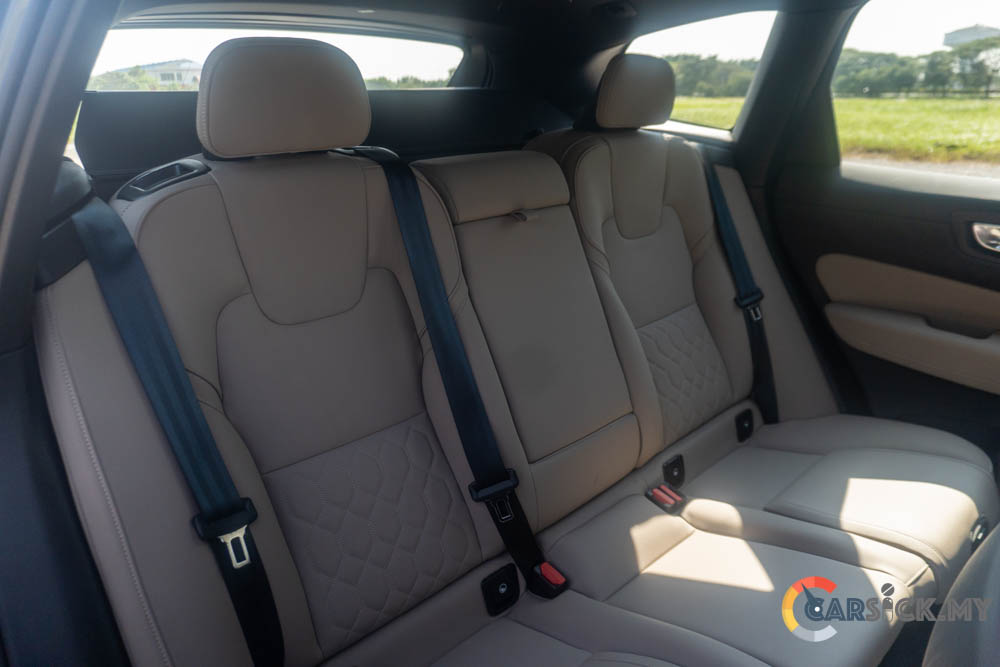
Personally, I would simply sign into my Google account and use the built-in system. That would be my preferred setup, as it feels far more integrated with the vehicle’s functions. In typical Volvo fashion, the XC60 comes equipped with the Bowers & Wilkins Premium Sound System as standard, featuring 15 speakers positioned throughout the cabin. Besides the infotainment upgrades, the digital instrument cluster has also received updated graphics. Waze navigation can now be displayed within the instrument cluster, a feature that was previously limited to Google Maps. The updated XC60 also comes with quilted seats, which instantly make the cabin feel more premium. Combined with the cream-coloured interior, they elevate the overall ambience and make the interior feel even more luxurious. 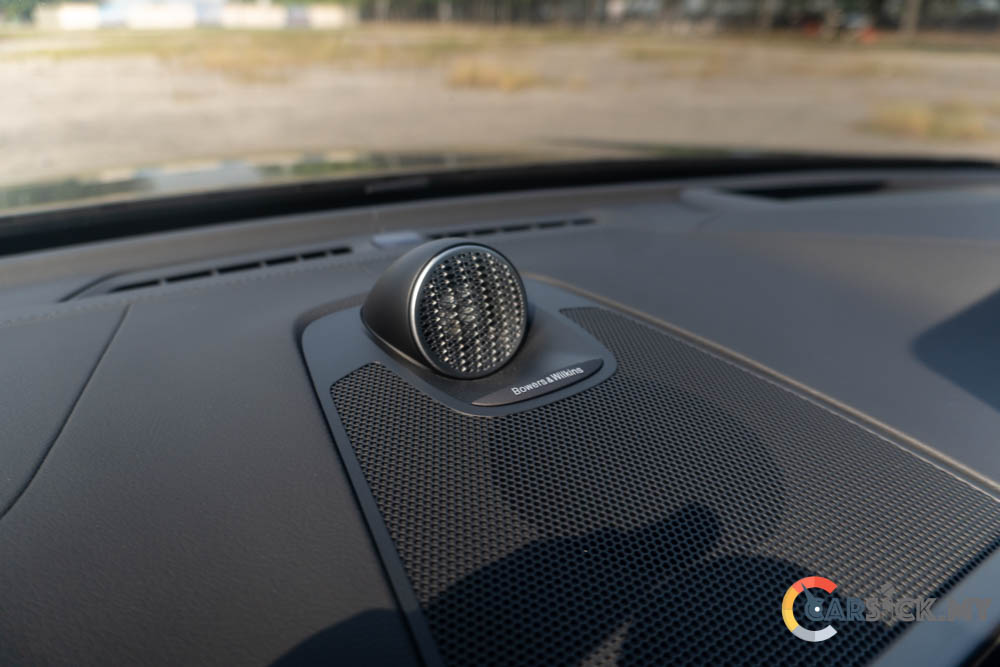
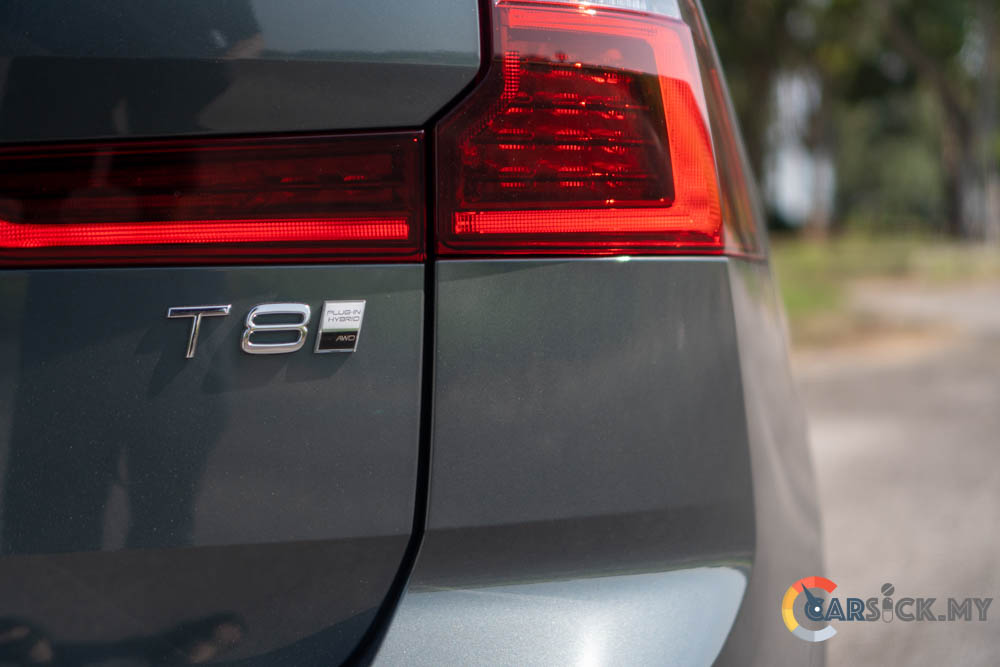
As for the powertrain, the T8 Plug-in Hybrid setup carries over unchanged. It features a 2.0-litre twin-charged engine paired with two electric motors, one on each axle. Together, the system produces 562 PS and 709 Nm of torque. This allows the XC60 to complete the century sprint in just 4.8 seconds before reaching an electronically limited top speed of 180 km/h. To be fair, the overall driving experience remains largely unchanged. The XC60 is still comfortable, refined and easy to live with. Given Volvo’s current position, it is likely that this powertrain will continue for a few more years until the company finalises its long-term direction. 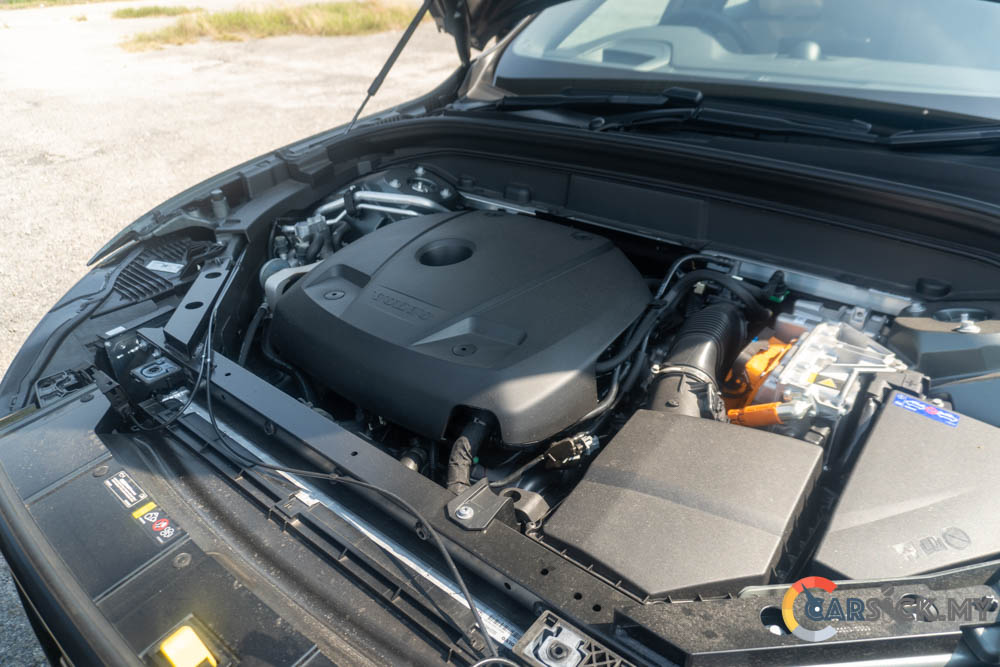
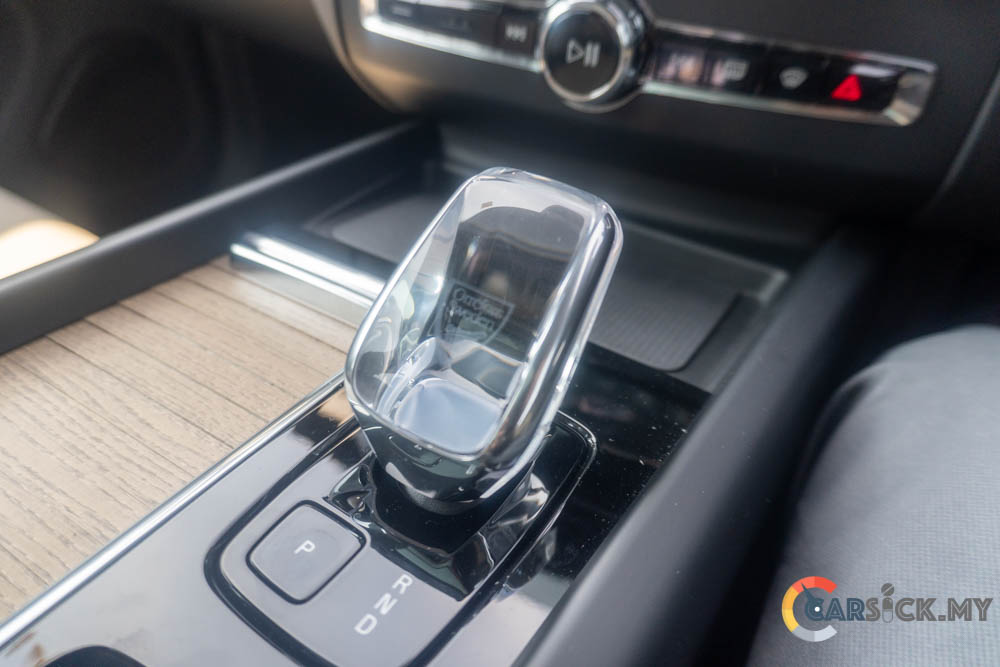
Even though the XC60 is one of the oldest premium SUVs in its segment, it remains highly capable and continues to compete effectively against newer rivals. Volvo’s strategy of introducing continuous updates has helped keep the model relevant despite its age. So, in 2026, would I still recommend the XC60 if you’re shopping for a premium SUV? Absolutely. At RM362,888, it remains a compelling package. As always, I would recommend taking one for a test drive before making a decision, but I am confident that the XC60 will leave a positive impression. Even after all these years, it remains one of the most well-rounded premium SUVs on the market.
Check out the full photo album here.