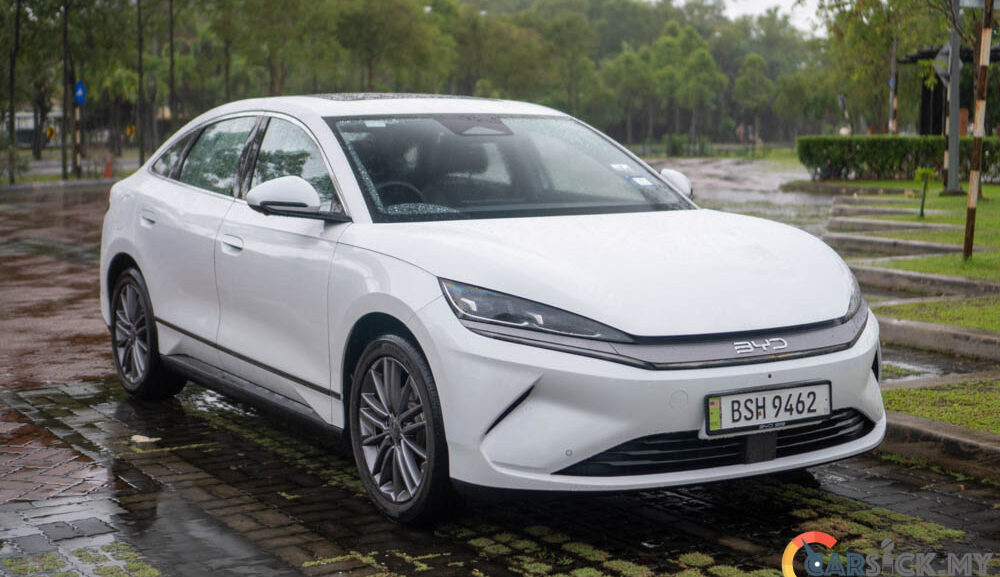

Ever since BYD arrived in Malaysia, the brand has been actively launching a wide range of models to cater to the masses. At the lower end of the lineup, BYD offers three different vehicle types at a similar price point: an MPV like the M6, an SUV like the Atto 2, and a sedan in the form of the Seal 6. This diverse lineup allows BYD to appeal to a wide variety of buyers based on their preferences. Among these three, we’ll be focusing on the BYD Seal 6.
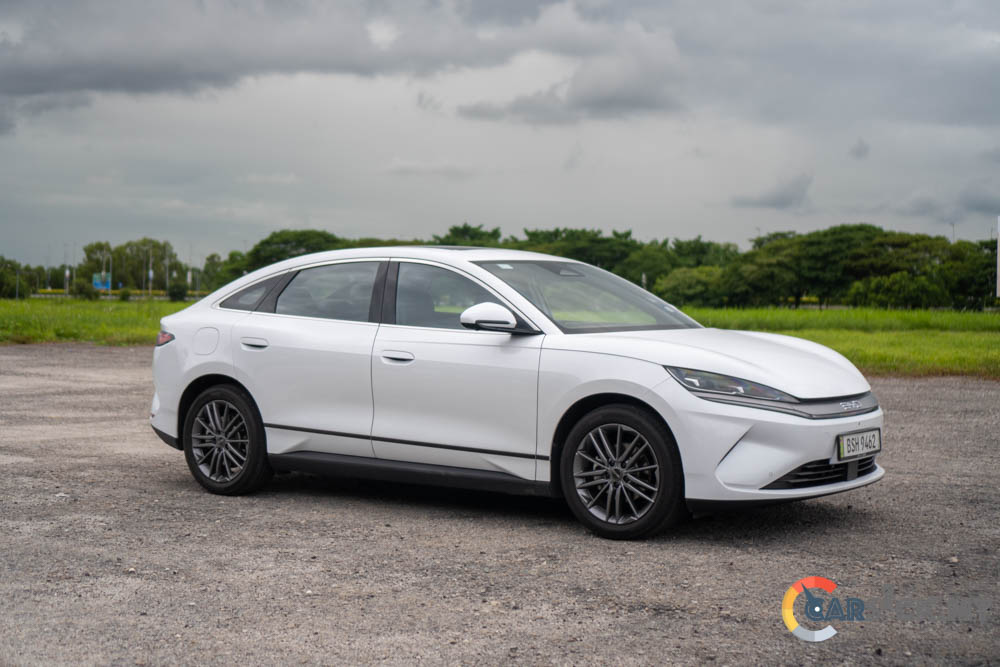
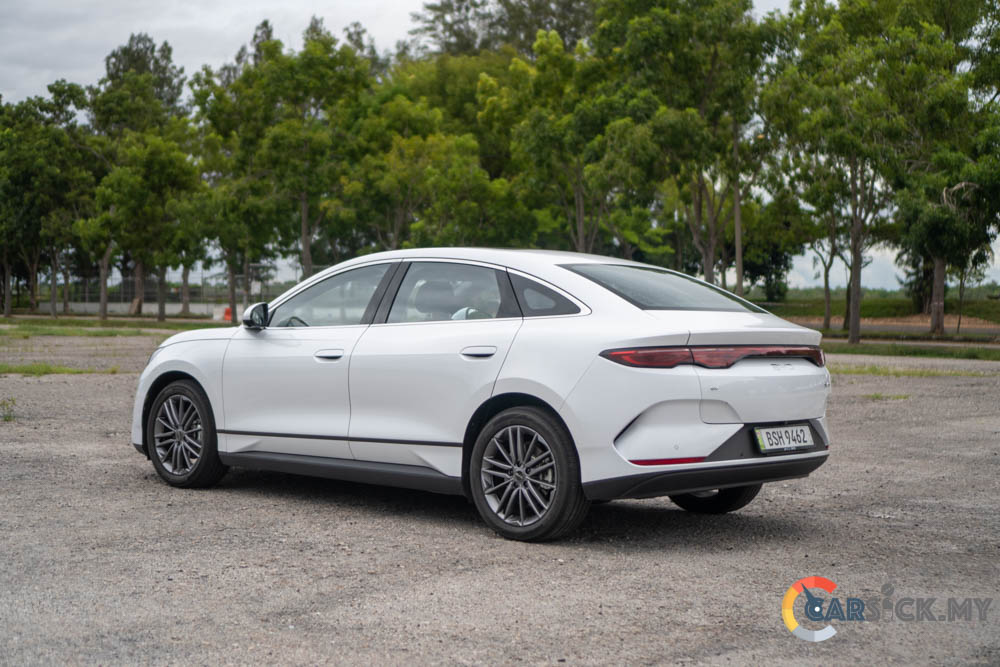 The Seal 6 occupies a rather unique position, as it currently has no direct competitors in its segment—unless you compare it to traditional internal combustion engine (ICE) vehicles. With that in mind, can it truly compete with conventional C-segment sedans? Let’s find out.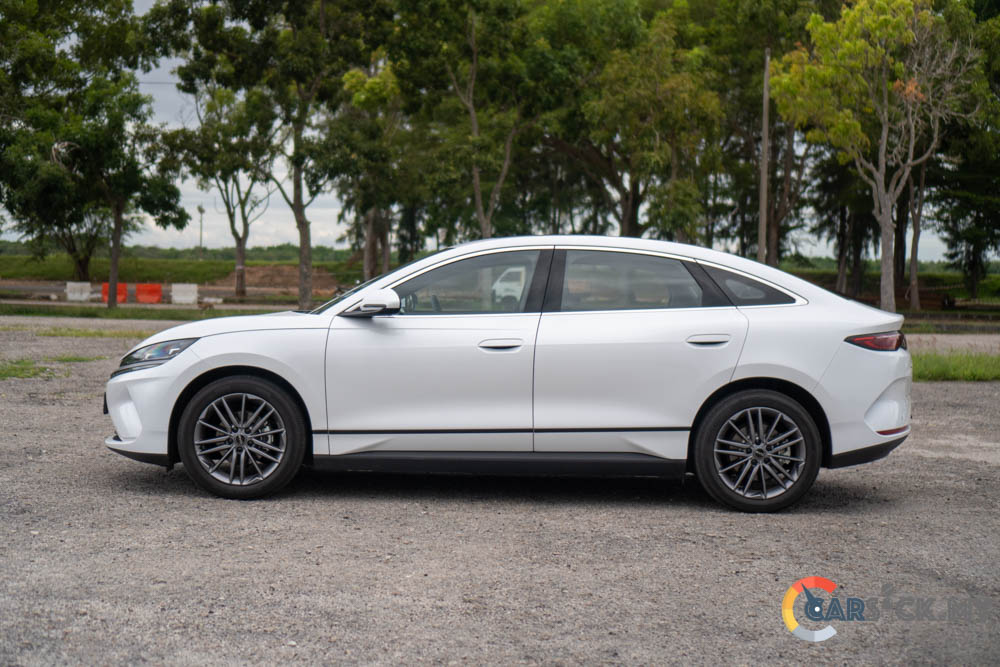
Starting with the design, the Seal 6 looks quite different from its larger sibling, the Seal. Personally, I prefer this more understated and down-to-earth design over the more flamboyant styling of the Seal. In terms of size, the Seal 6 is comparable to other C-segment sedans on the market. However, what really sets it apart is its wheelbase, which measures 2,920 mm—the longest in its class. 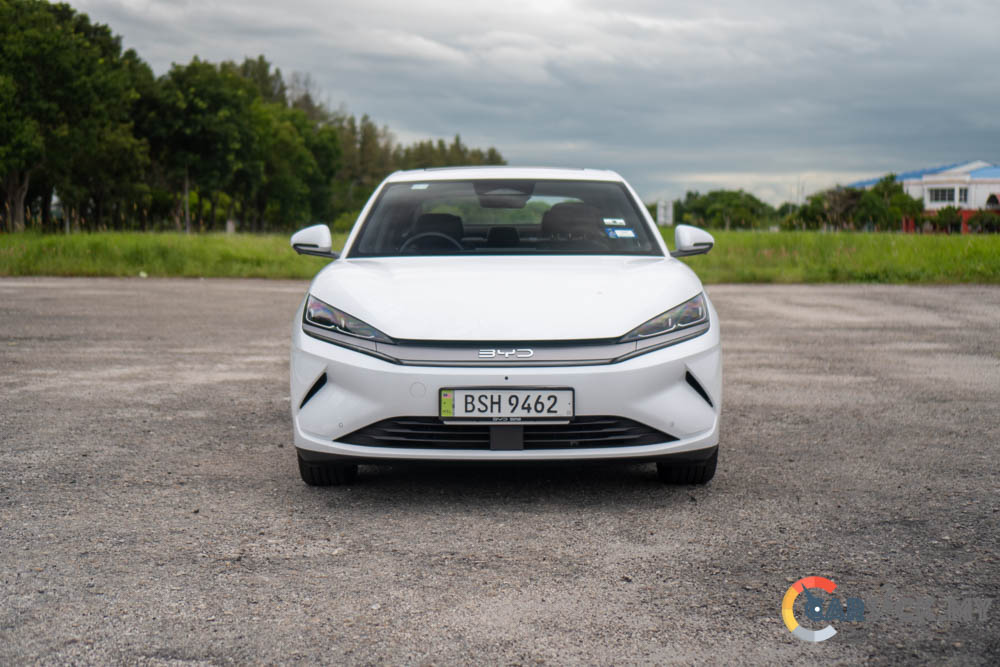
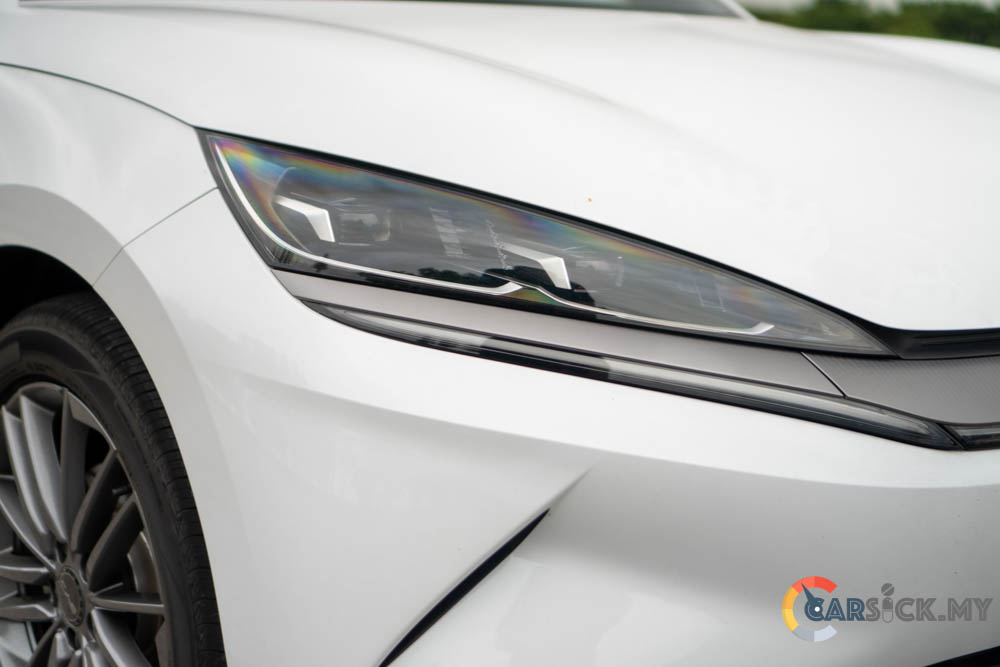
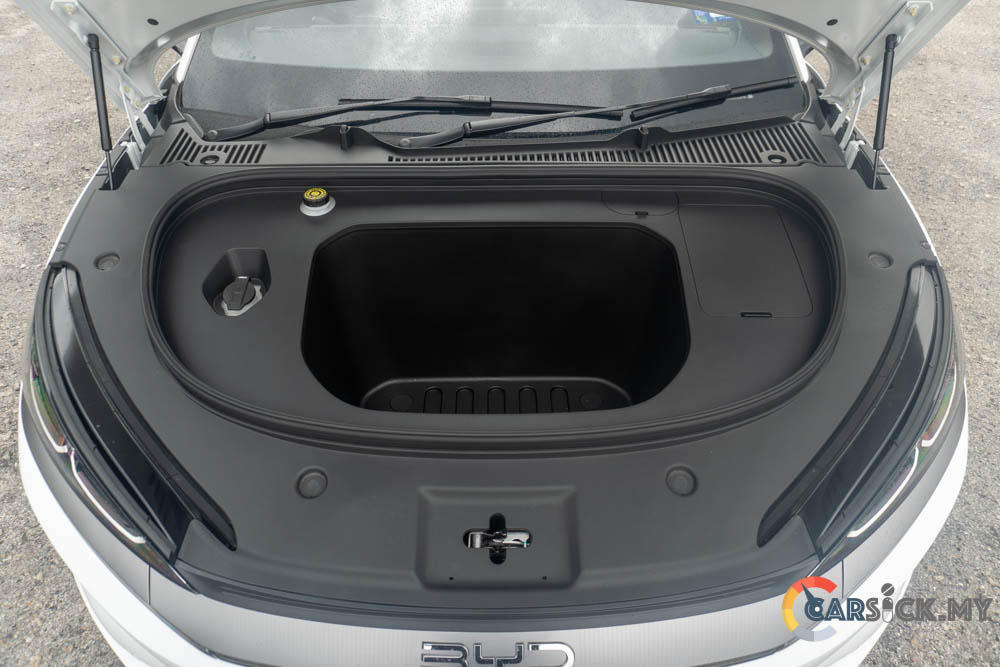
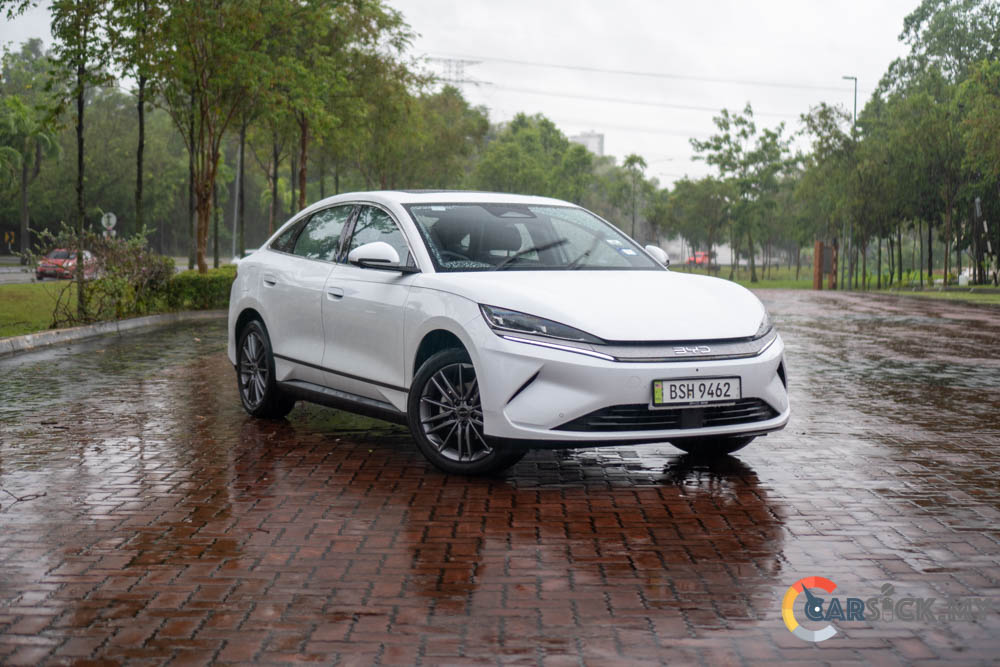
At the front, the Seal 6 features a sharp and modern design. It shares some design cues with the Atto 3, particularly in the daytime running lights, which look quite similar. Interestingly, this design seems to work better on the Seal 6. The car comes equipped with full LED headlights, and as expected for an EV, there is no traditional front grille. Instead, BYD has utilized the space under the hood to include a 70-litre storage compartment—ideal for storing items with strong odors, keeping them away from the cabin. 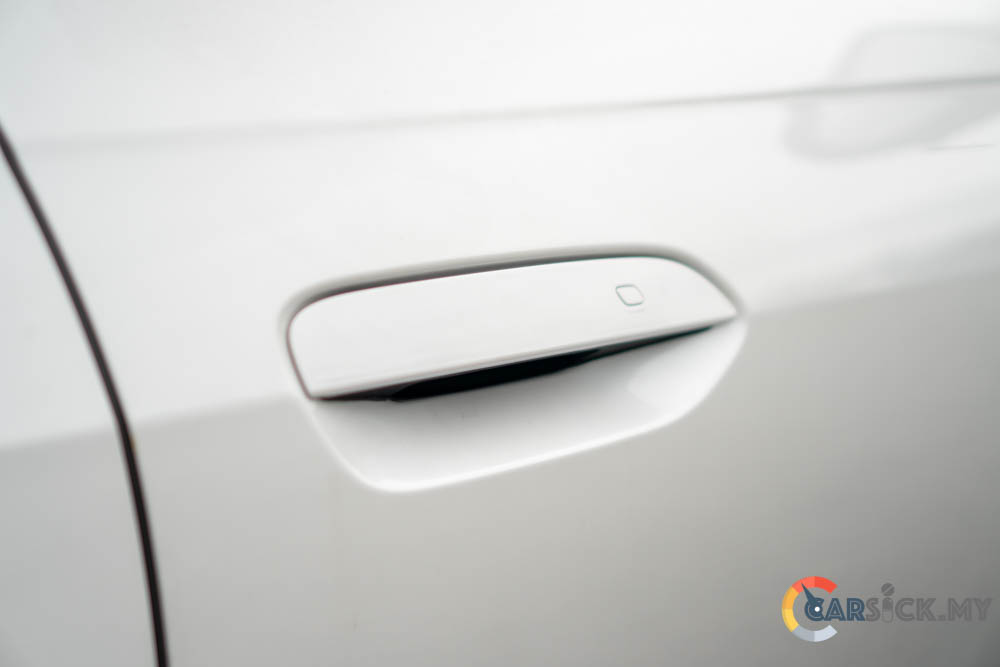
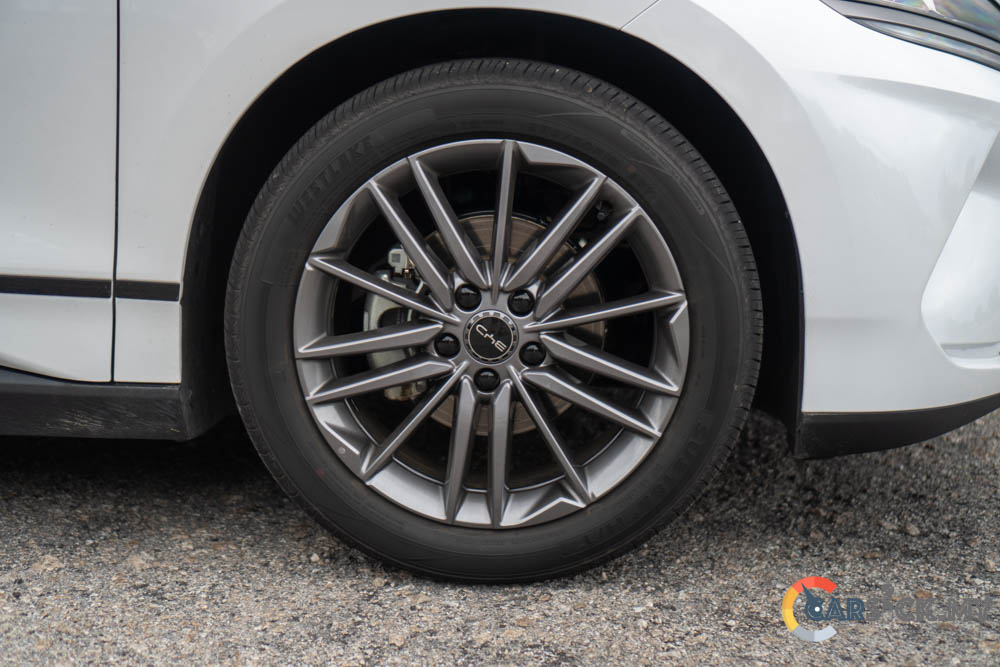
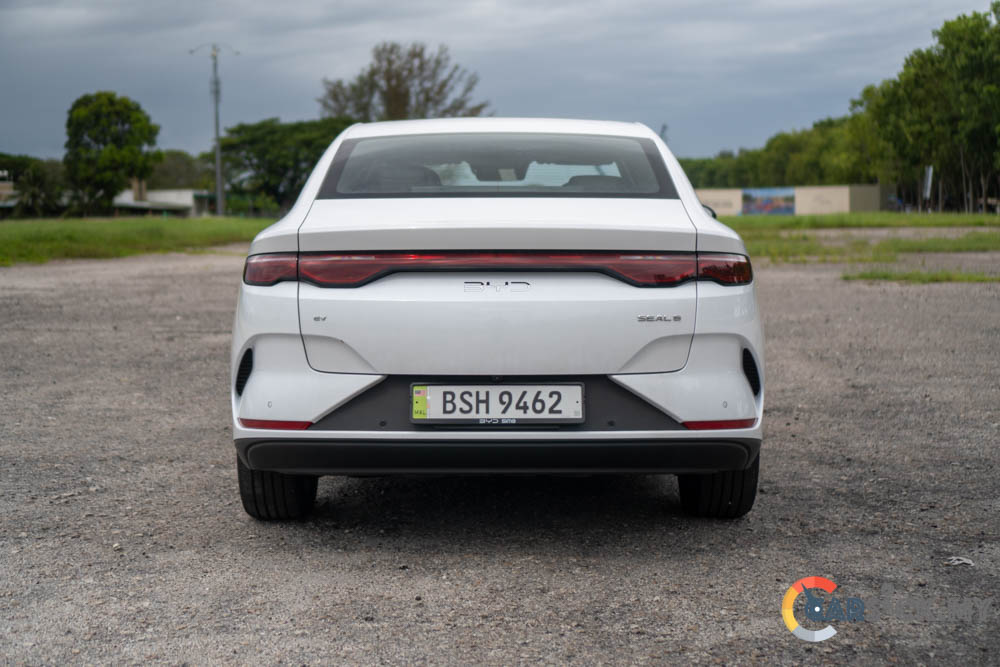
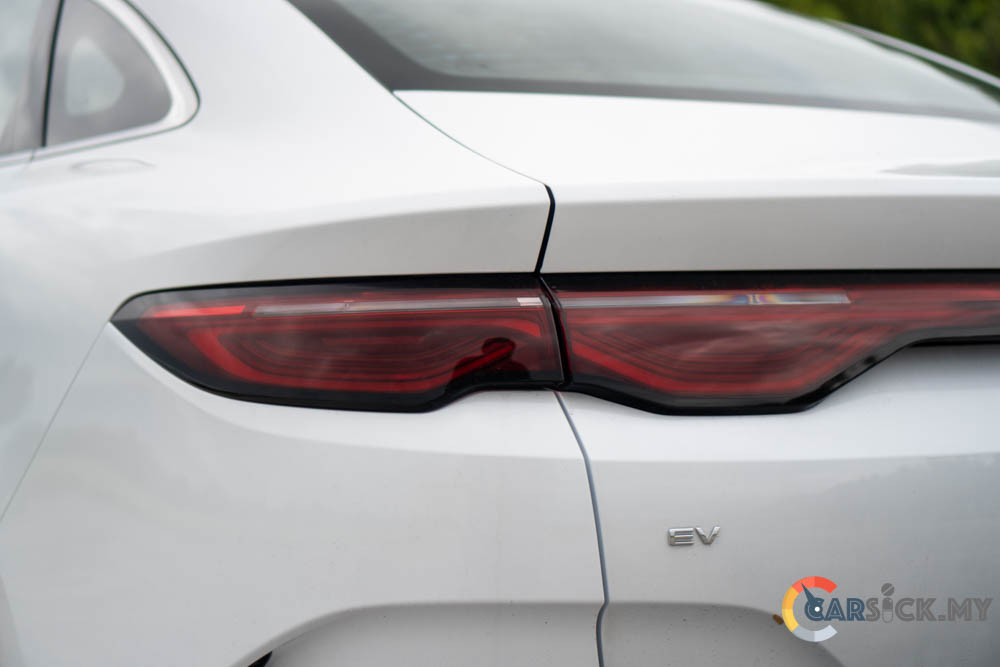
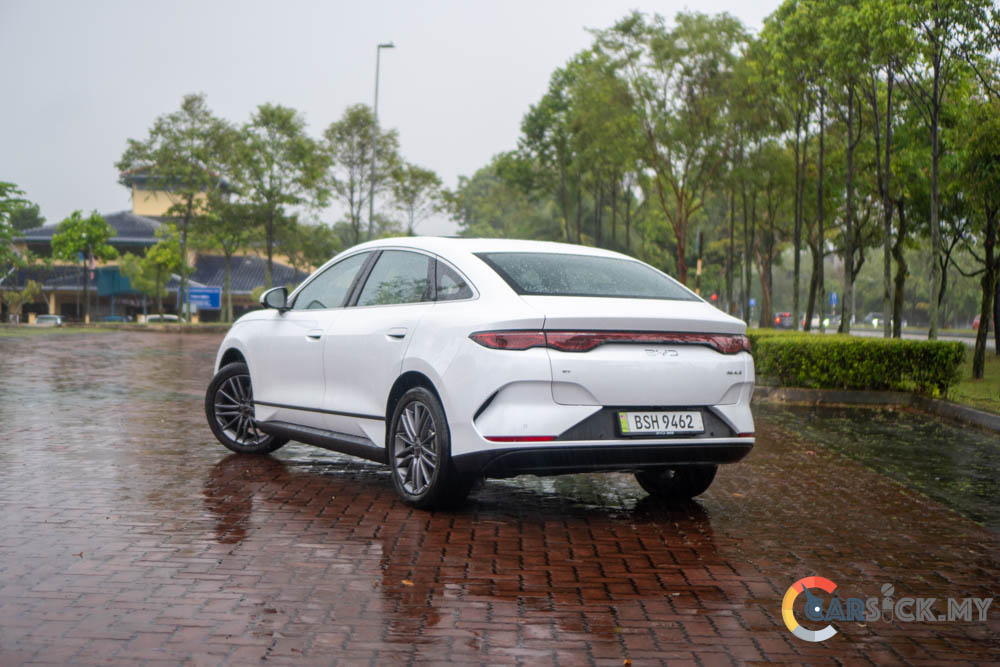
From the side, the Seal 6 uses non-retractable door handles, which I personally appreciate for their simplicity and lower maintenance costs. The car rides on 18-inch wheels wrapped in 225/50 R18 tyres. While the design of the rims is fairly average, it’s acceptable given the price point. At the rear, the Seal 6 adopts a clean and conventional design, which I find more appealing than the styling of the larger Seal. The taillights are connected by a full-width light bar, giving it a modern touch. Overall, the Seal 6 has a cohesive and visually pleasing design that blends well with its surroundings.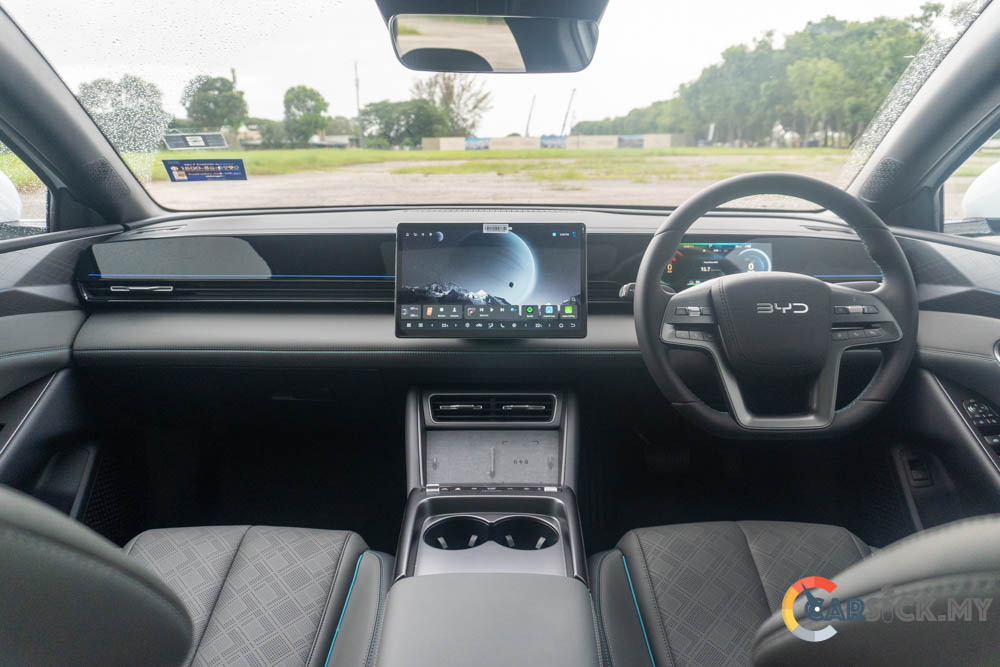
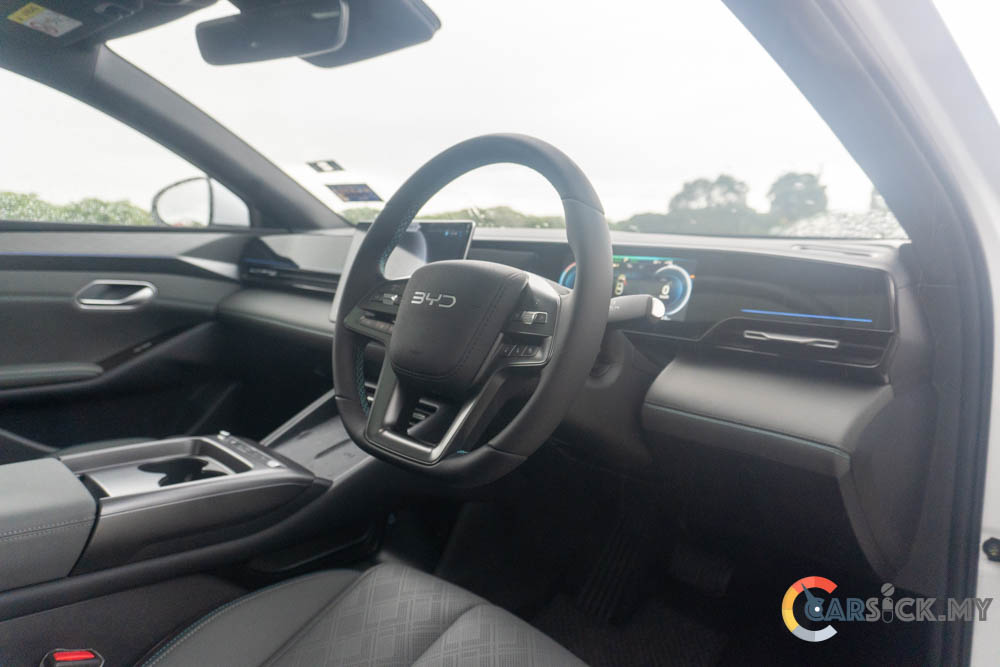
Inside, the Seal 6 continues with a more restrained and practical approach compared to its siblings. That said, it still carries the familiar characteristics of a typical Chinese EV interior. Build quality feels solid, and the use of soft-touch materials adds a sense of premium appeal. Light blue accents across the dashboard provide a subtle contrast, enhancing the cabin’s overall look.
The dashboard design is simpler, doing away with the more dramatic curves seen in the other Seal model. Personally, I find this layout more appealing. The car comes equipped with an 8.8-inch digital instrument cluster and a 12.9-inch infotainment display. 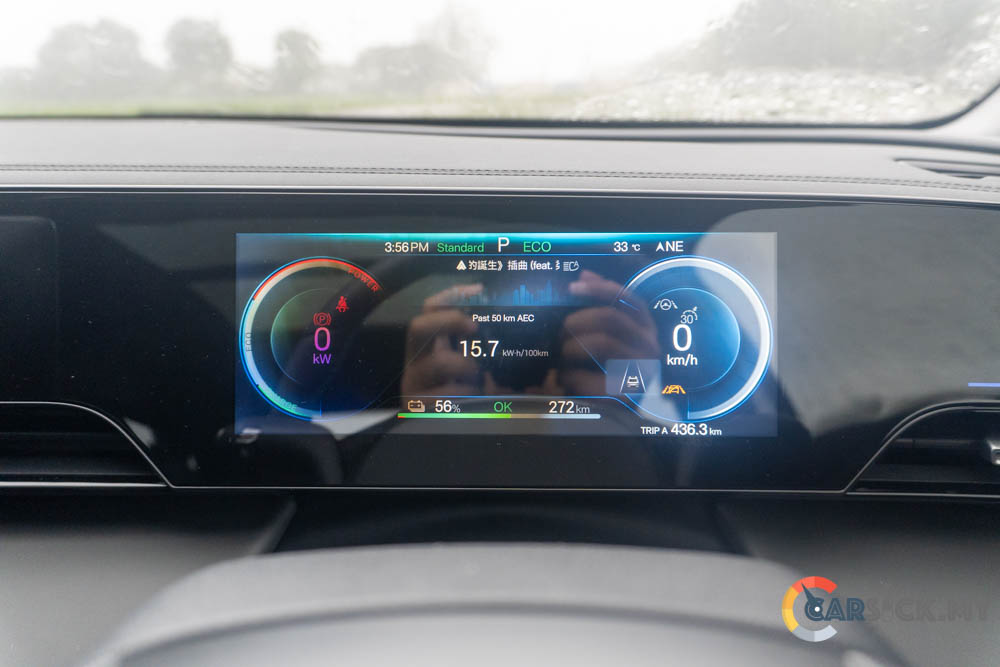
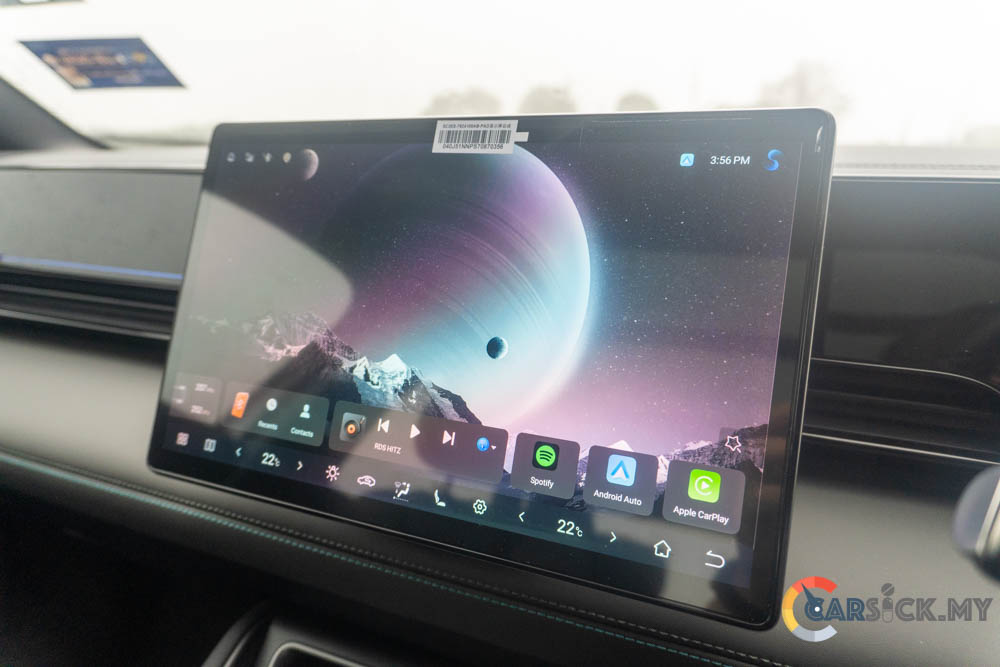
The instrument cluster features familiar graphics seen in other BYD models, making it easy to read and navigate. One key improvement is that it is fully integrated into the dashboard, rather than appearing as a separate floating screen. The infotainment system follows the usual BYD layout, with most controls integrated into the touchscreen. Thankfully, the screen does not rotate, reducing potential complexity. Wireless Android Auto and Apple CarPlay are included, along with a 360-degree camera system. Climate controls are also accessible through the display, although the air vents can still be adjusted manually.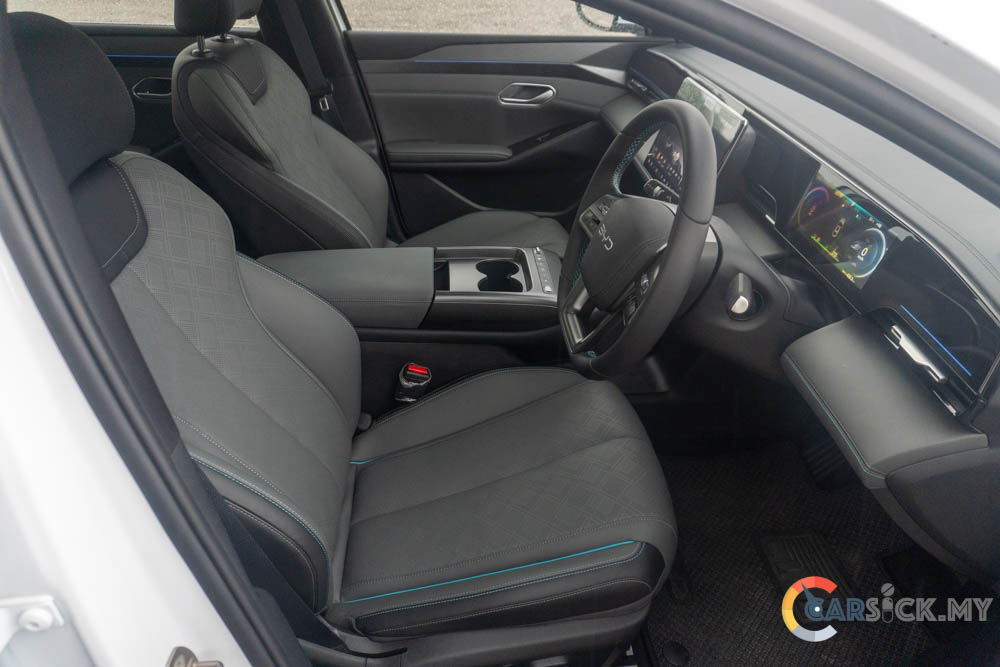
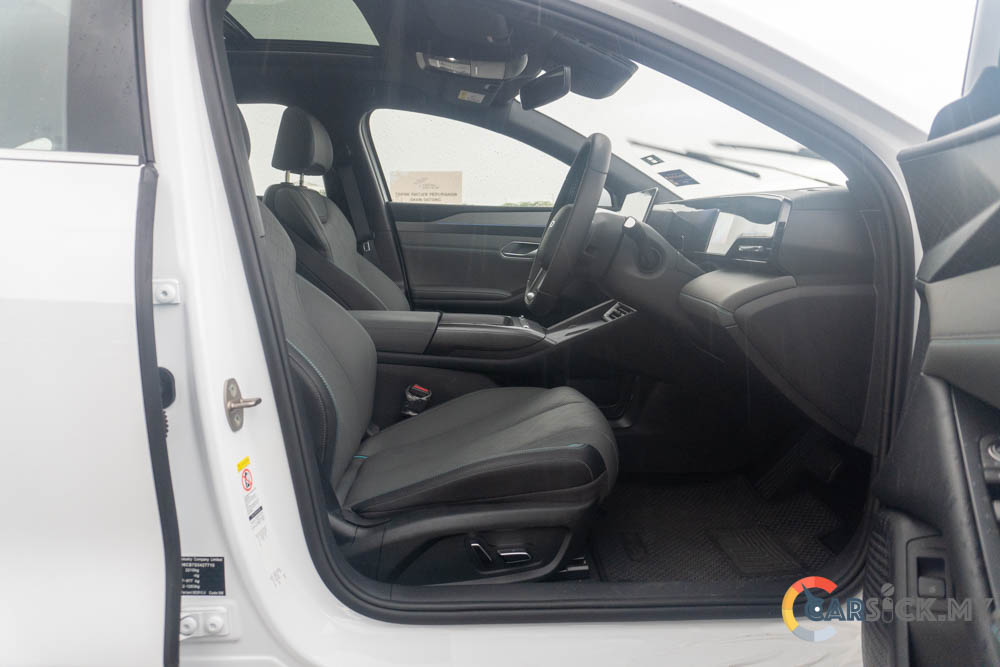
Up front, the Seal 6 comes with leather seats, with the front seats featuring perforation for ventilation and heating functions. The driving position is comfortable, with a slightly cocooned feel. While I would prefer the seat to sit a bit lower for a sportier driving position, this is more of a personal preference. Overall, the seats are designed for comfort, and the wide range of electric adjustments helps drivers find an ideal seating position.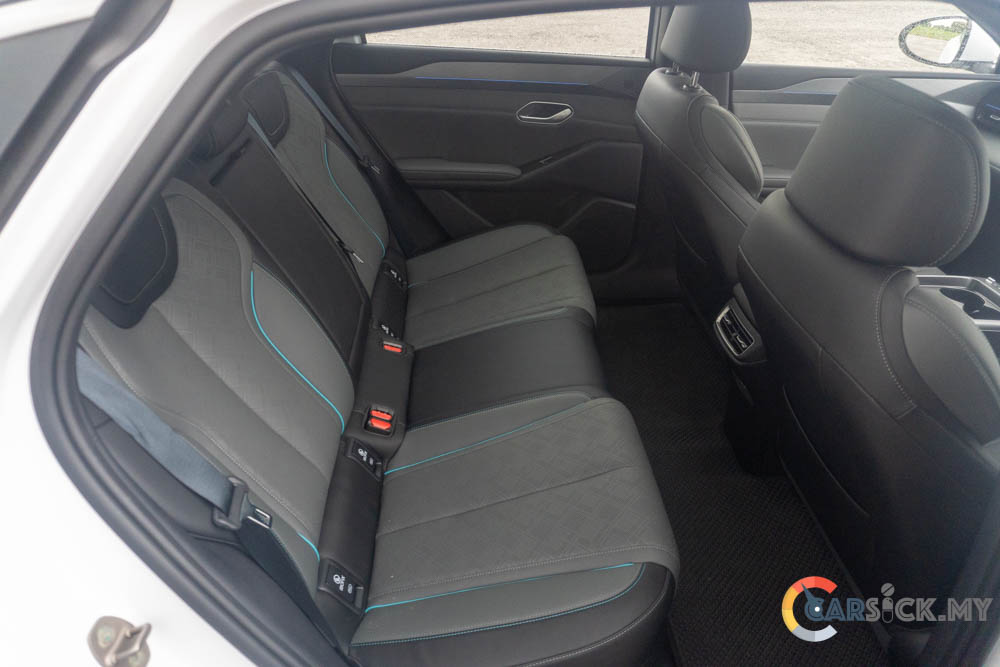
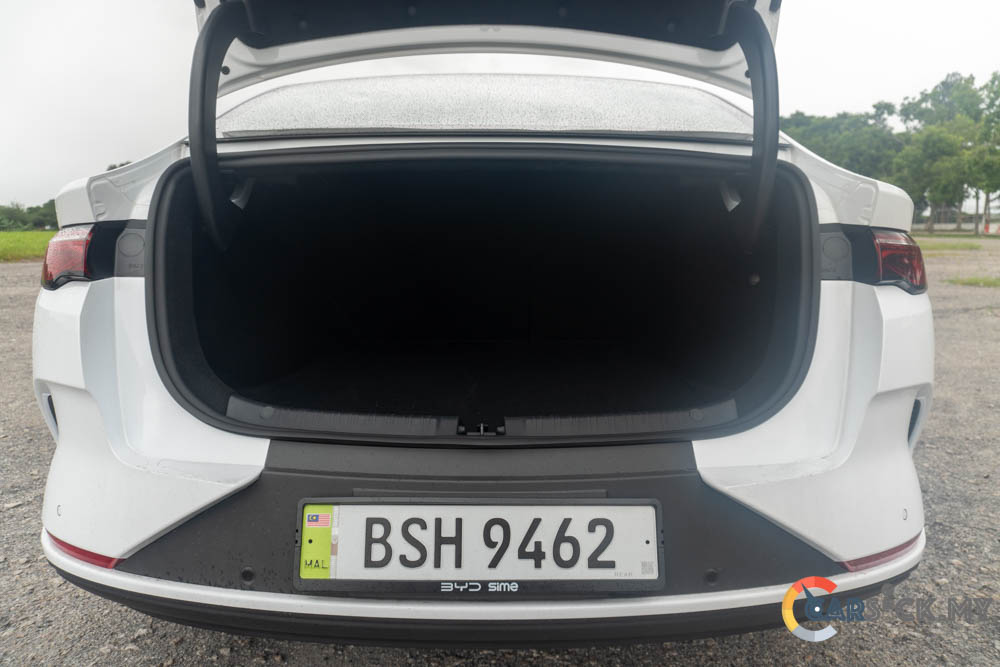
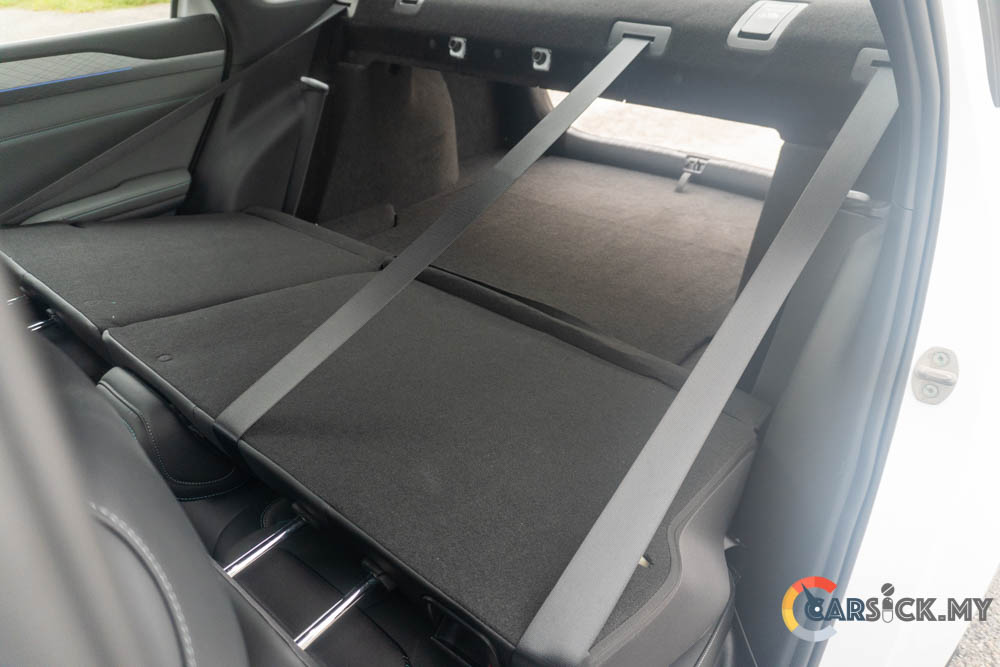
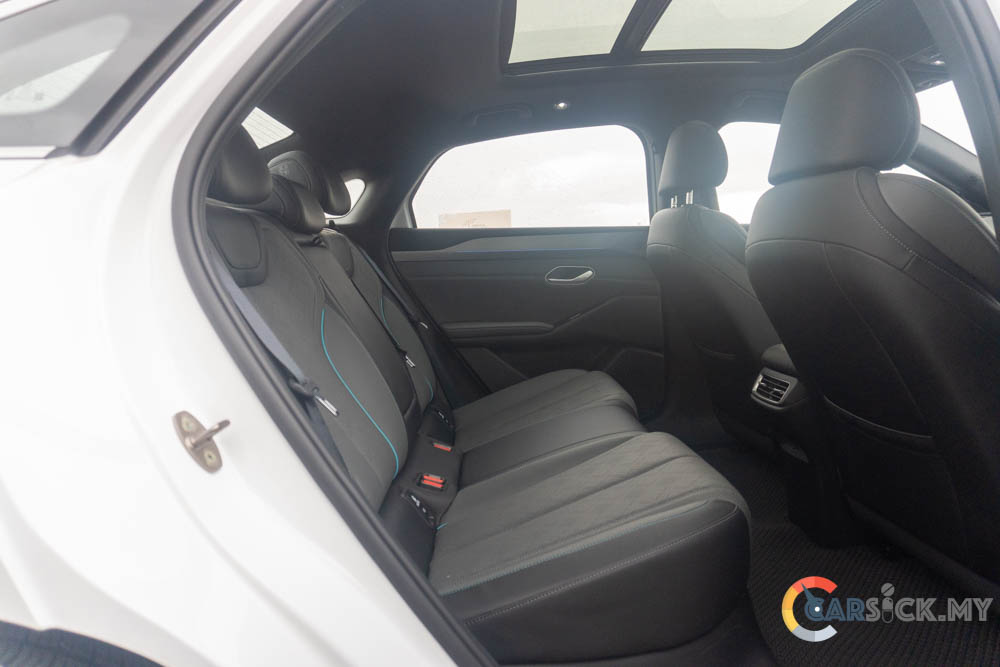
In the rear, the long wheelbase translates into generous legroom for passengers. The slightly raised floor, due to the battery pack, creates a flat floor layout, making it easier for passengers to move across. Rear seat comfort is excellent, with ample headroom and legroom. The boot offers 460 litres of storage space, which is both deep and practical for everyday use. The rear seats can be folded down for additional space, although there is a noticeable height difference between the seatbacks and the boot floor, which can make sliding items forward less convenient.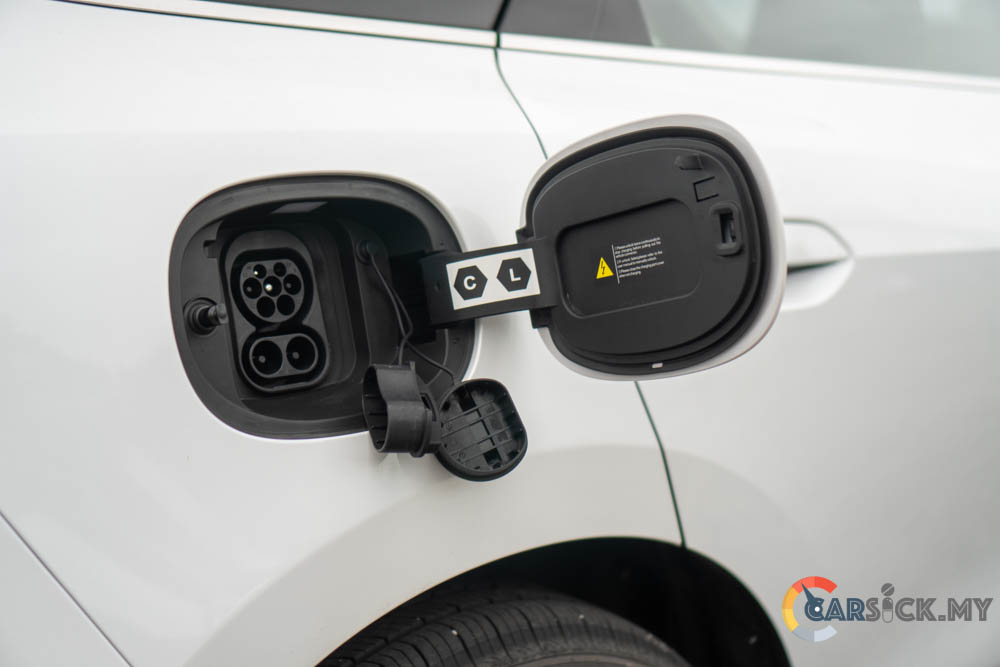
In Malaysia, the Seal 6 is available with two powertrain options. The variant tested here is the Premium model, which features a more powerful electric motor mounted at the rear. It is paired with a 56.64 kWh battery, delivering a claimed range of up to 410 km based on the NEDC cycle. The motor produces 215 hp and 330 Nm of torque, enabling a 0–100 km/h time of 7.5 seconds.
On the road, the Seal 6 feels responsive, with smooth and linear acceleration. It doesn’t deliver the aggressive “kick” often associated with EVs, but the power is easy to manage, making it very user-friendly. During testing, energy consumption averaged around 14 kWh/100 km, suggesting that achieving close to 400 km on a full charge is realistic with a light driving style.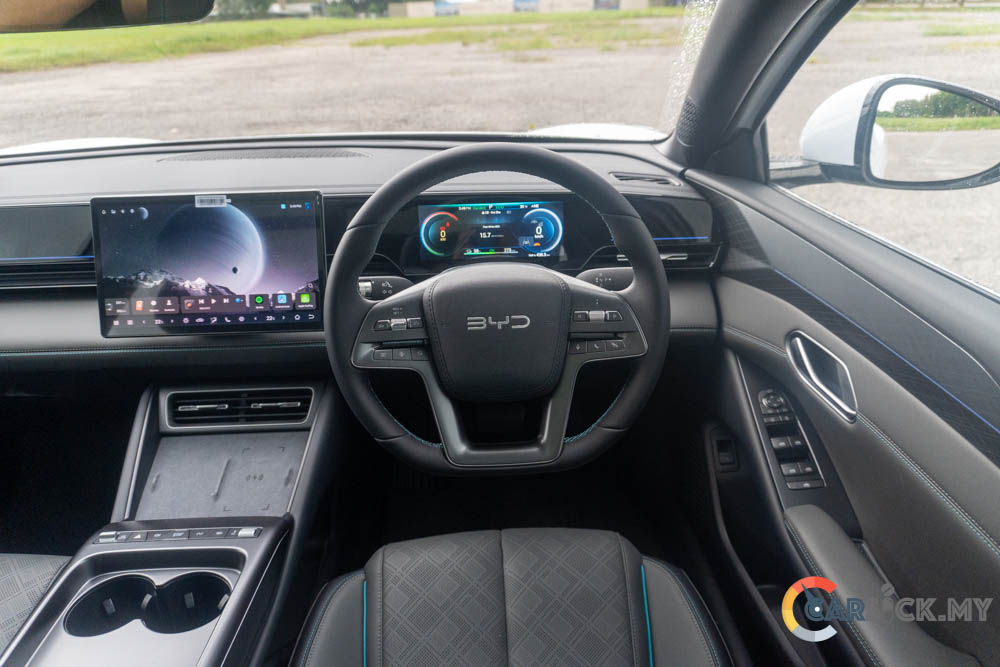
Like other BYD models, the Seal 6 is tuned for comfort. The suspension does an excellent job of absorbing road imperfections, providing a smooth and isolated ride. However, this also results in noticeable body roll when cornering, which may encourage drivers to slow down mid-corner. On the positive side, the steering is reasonably accurate, even if it lacks strong feedback.
The braking system, however, feels somewhat vague, making it difficult to distinguish between regenerative and mechanical braking. This is consistent with other BYD models, but personally, I would prefer a more noticeable transition to better maximize regenerative braking.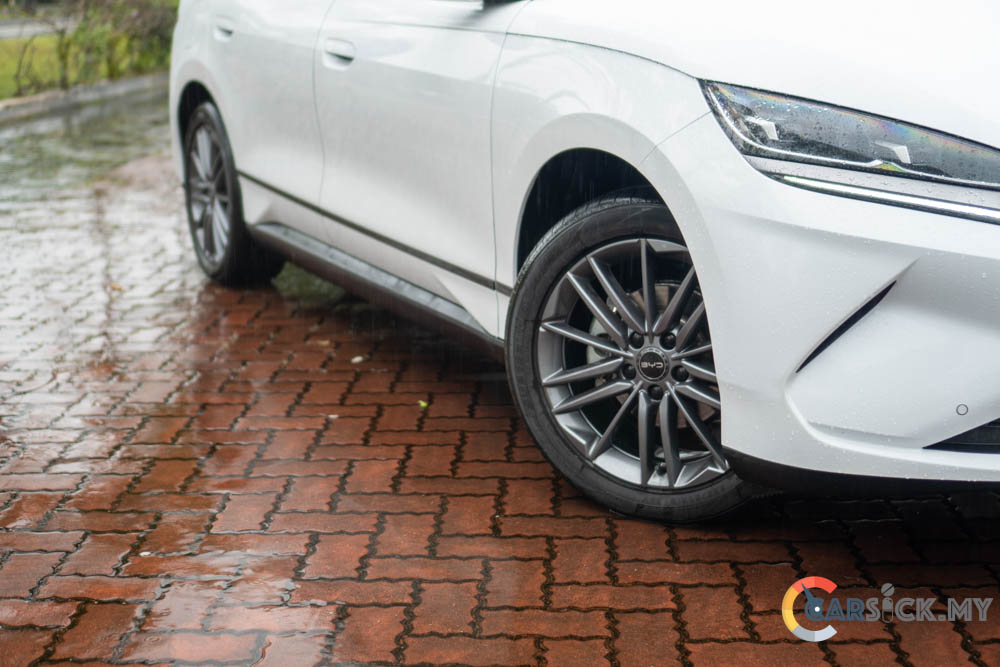
In terms of safety, the Seal 6 comes well-equipped with modern driver assistance systems, including Adaptive Cruise Control with Stop & Go, Automatic Emergency Braking, Front Collision Warning, Lane Departure Warning, and Intelligent High Beam Control.
Priced at RM 115,800, the Seal 6 presents itself as a compelling alternative in the C-segment sedan market—especially for those open to switching to an electric vehicle. It undercuts many traditional competitors in terms of pricing, but the final decision comes down to one question: would you choose this over established options like the Honda Civic or Toyota Corolla? Ultimately, that choice is yours.
Check out the full photo album here.