
As fuel prices continue to climb and policy changes such as the reduction of BUDI95 fuel subsidies reshape consumer spending, Malaysians are increasingly rethinking the long-term costs of vehicle ownership. This shift is accelerating interest in new energy vehicles (NEVs), with Proton’s electrified mobility arm, PRO-NET, witnessing strong demand for its latest offerings—particularly the Proton e.MAS 7 PHEV.
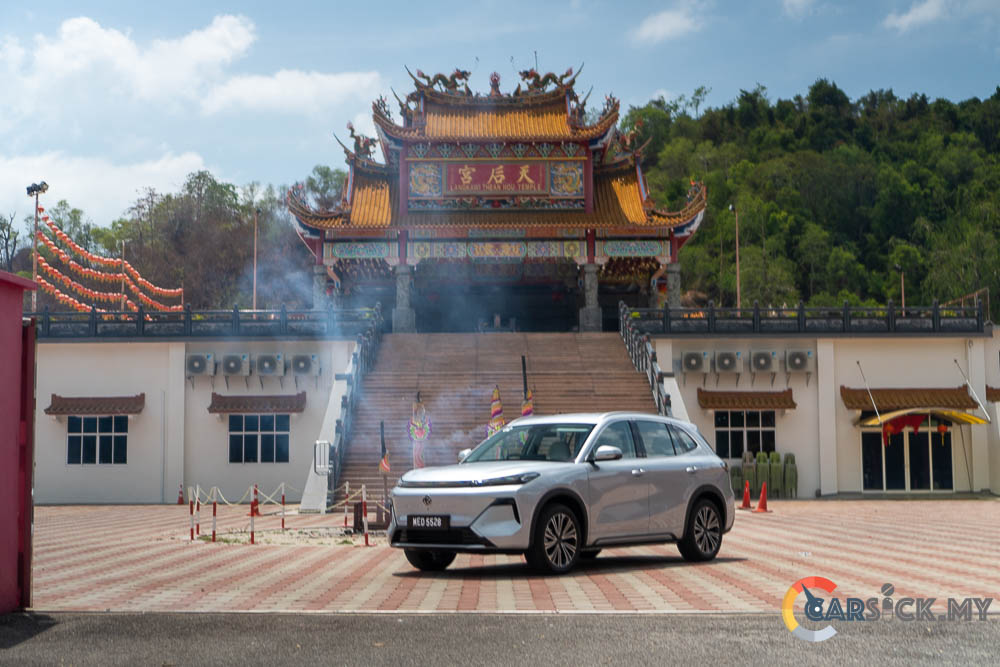 Launched in February 2026, the Proton e.MAS 7 PHEV has quickly gained traction, amassing over 6,500 bookings within just two months. The majority of buyers are family-oriented men aged 36 and above, reflecting a clear preference for vehicles that balance efficiency, practicality, and versatility. Designed to cater to both daily commutes and weekend getaways, the model’s appeal highlights a broader nationwide transition toward electrified mobility solutions that fit seamlessly into everyday life.
According to PRO-NET CEO Zhang Qiang, the timing of the model’s introduction aligns perfectly with evolving consumer priorities. As households become more cost-conscious, the e.MAS 7 PHEV offers an attractive proposition with its electric-first driving capability, extended range supported by a petrol engine, and a premium yet accessible ownership experience.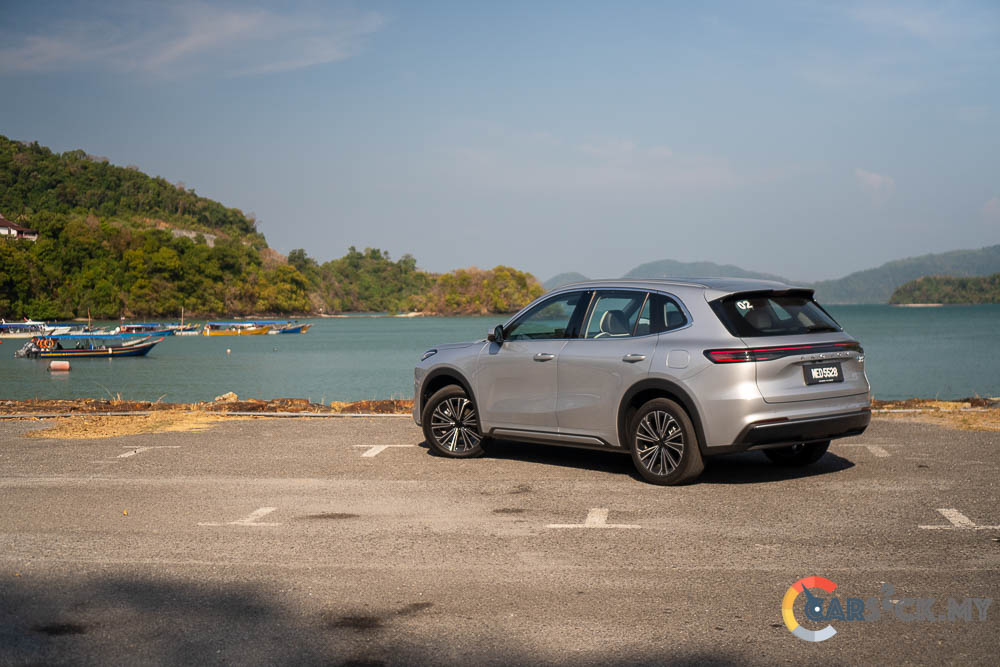
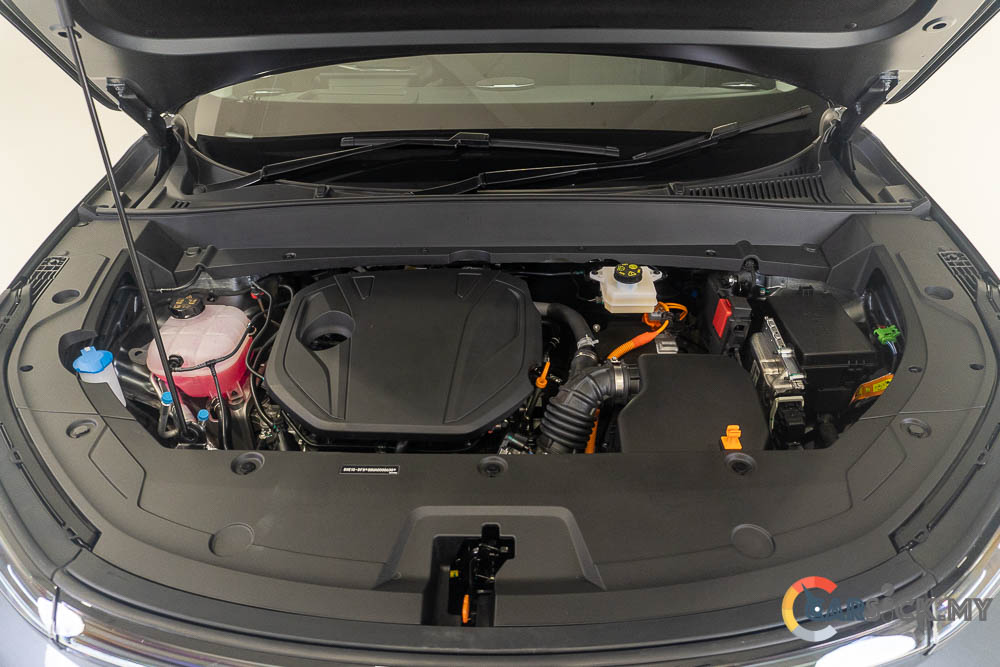
The vehicle’s dual-powered system is central to its popularity. Combining electric efficiency with petrol-assisted flexibility, the e.MAS 7 PHEV is well-suited for a wide range of driving scenarios. Notably, it delivers an impressive fuel consumption figure of 4.3L/100km even when the battery is depleted, reinforcing its practicality for long-distance travel. This balance has resonated strongly with families, with 75% of buyers using the vehicle as their primary mode of transport for both work and leisure.
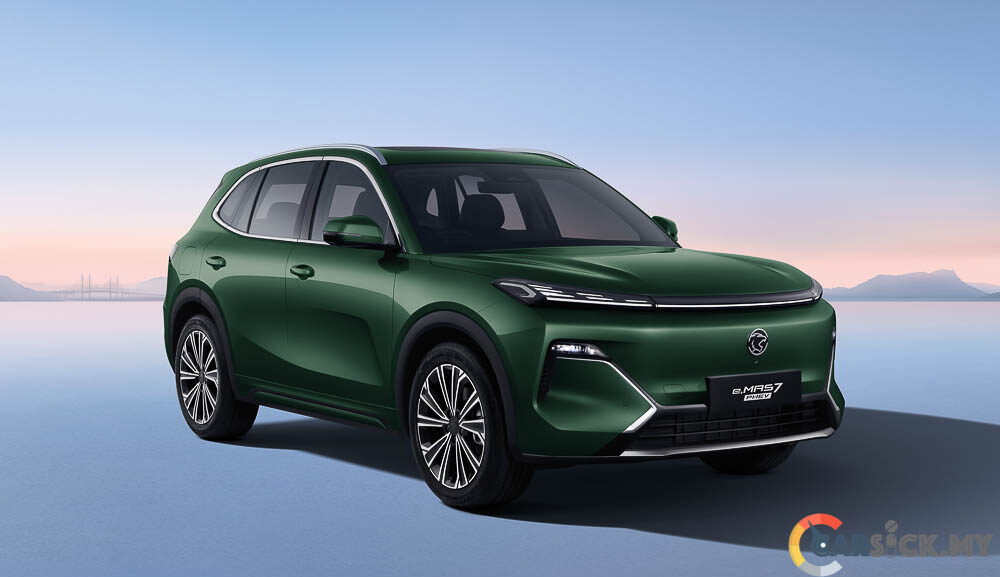
Beyond performance, the e.MAS 7 PHEV distinguishes itself through its modern design and lifestyle-oriented features. A full-width illuminated front bar and premium colour options, including the popular Aquamarine Blue, give the SUV a distinctive and contemporary presence. Meanwhile, features like Vehicle-to-Load (V2L) functionality enable users to power external devices, making it particularly appealing for outdoor activities such as camping.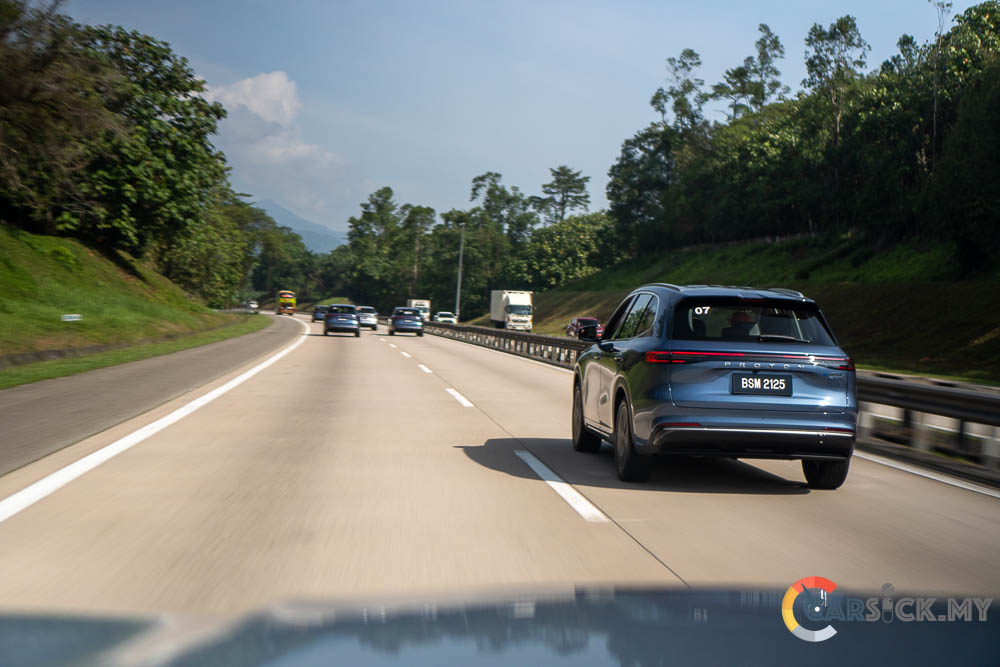
Inside, the cabin emphasizes comfort and advanced technology. Features such as a head-up display, wireless charging, a 360-degree camera with 3D view, and powered ventilated seats enhance convenience and driving enjoyment. These elements have proven especially attractive to professionals and managerial buyers, who make up a significant portion of the customer base.
One of the most compelling aspects of the e.MAS 7 PHEV is its affordability. Traditionally, hybrid vehicles in Malaysia have been priced between RM110,000 and RM150,000. By contrast, the e.MAS 7 PHEV starts at RM105,800 for the Prime variant, making plug-in hybrid technology more accessible to a wider audience. This competitive pricing has played a key role in encouraging adoption, with 63% of buyers trading in their existing petrol-powered vehicles, including compact SUVs and sedans.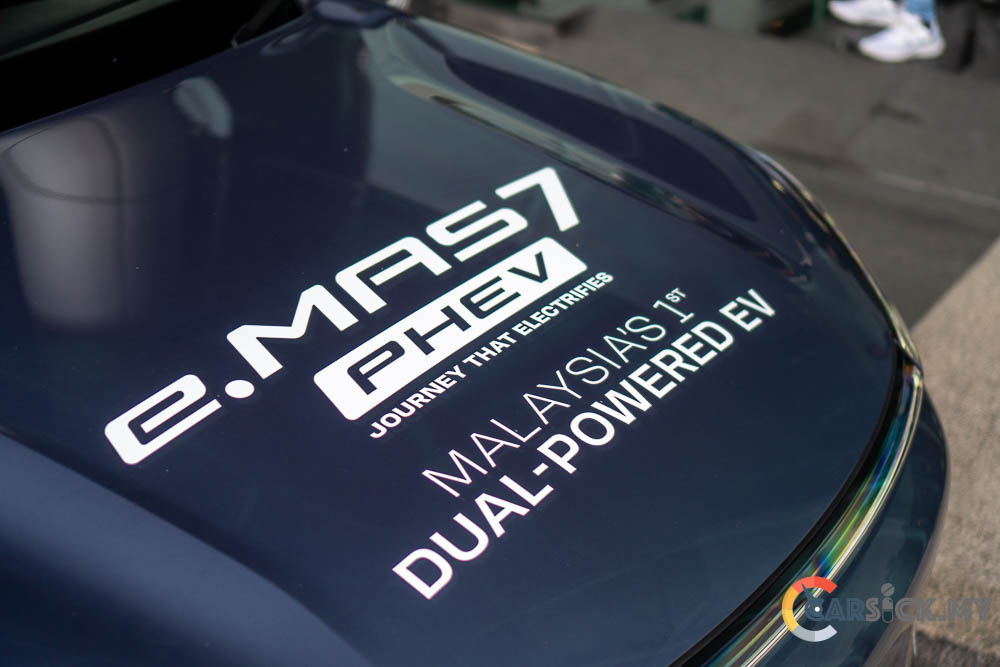
Importantly, the model also addresses common concerns associated with plug-in hybrids, such as maintenance complexity and cost. Its EM-i Advanced Hybrid Technology, paired with an 11-in-1 Dedicated Hybrid Transmission (DHT), ensures smooth, EV-like acceleration while seamlessly integrating petrol power when needed. This user-friendly approach has made the transition to electrification more approachable, even for first-time PHEV owners.
The success of the Proton e.MAS 7 PHEV reflects a significant evolution in consumer behavior. Malaysians are no longer simply exploring electrified options—they are actively embracing them as primary vehicles. By combining efficiency, flexibility, and modern SUV practicality, the e.MAS 7 PHEV is helping to lower the barriers to electrification while meeting the real-world needs of families, positioning itself as a key player in Malaysia’s journey toward sustainable mobility.