
If you think of pickup trucks, there’s a high chance one of the vehicles that comes to mind is the Ford Ranger. Ford has established a strong presence in the pickup truck market, and it has been selling the Ranger here for multiple generations.
 When Ford Malaysia initially launched this generation of the Ranger, they only introduced the 2.0L diesel variant. Later on, the Raptor with a 3.0L petrol V6 entered the market. So for the regular Ranger, many buyers were stuck with the 2.0L variant. Not too long ago, however, Ford finally decided to launch the 3.0L diesel variant in Malaysia in Wildtrak form. With this larger engine, can Ford attract more buyers who want a bigger engine in their Ranger? Let’s find out.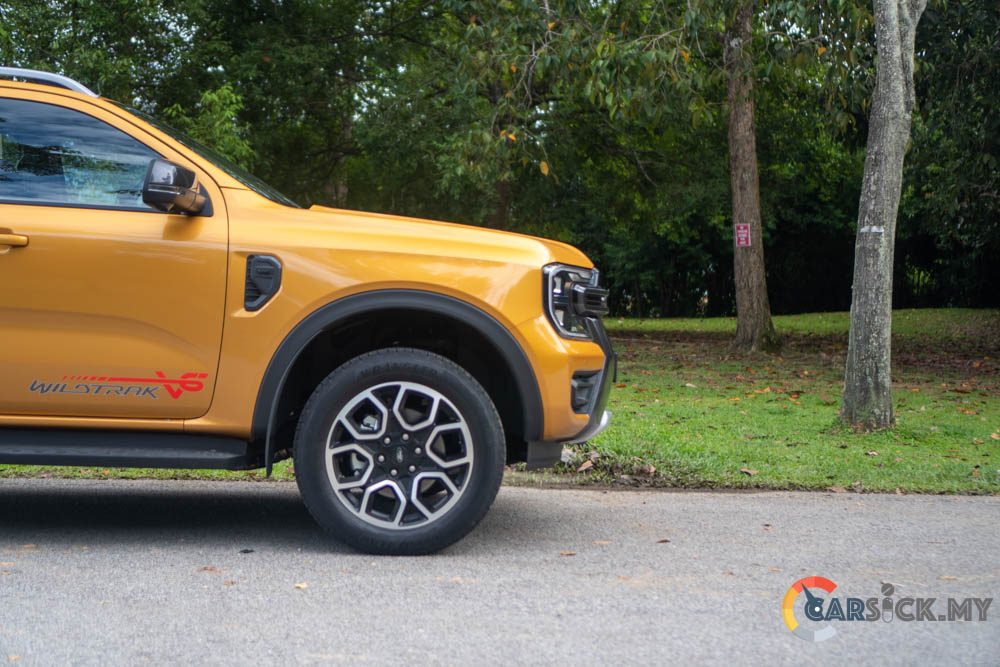
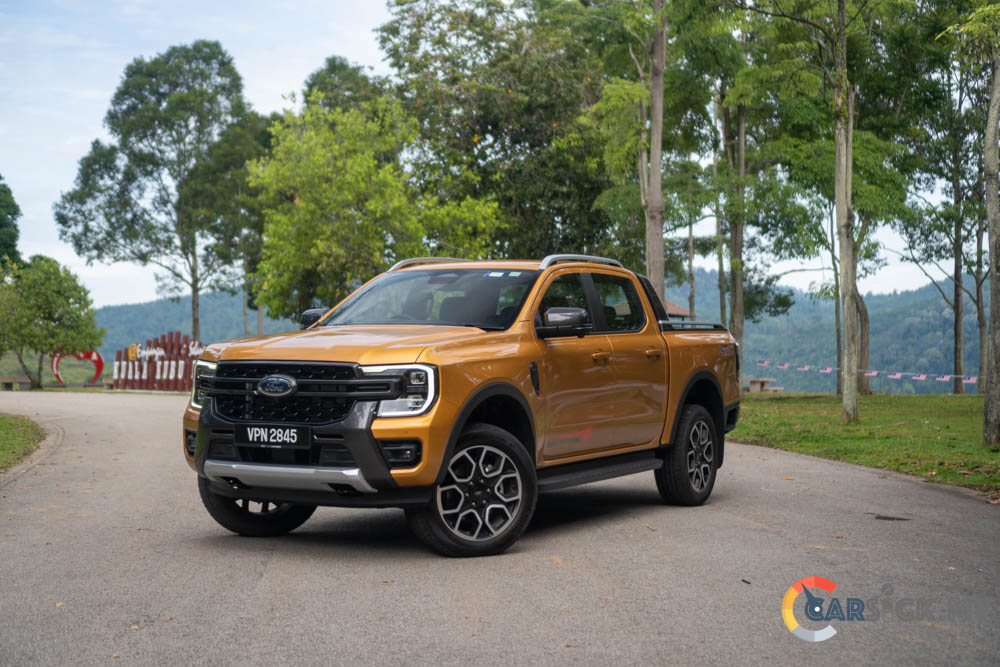
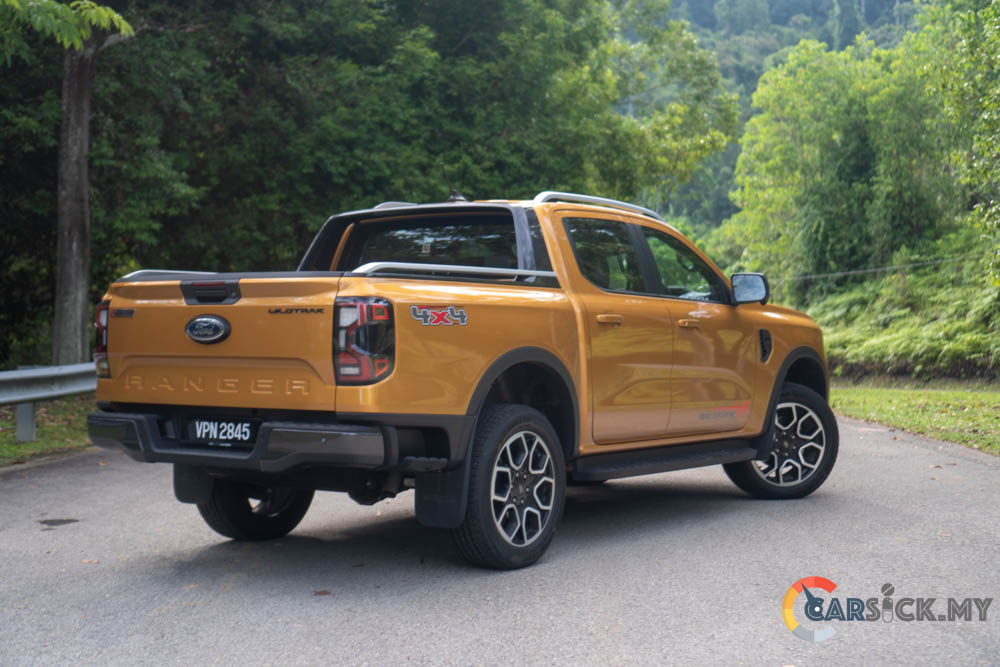
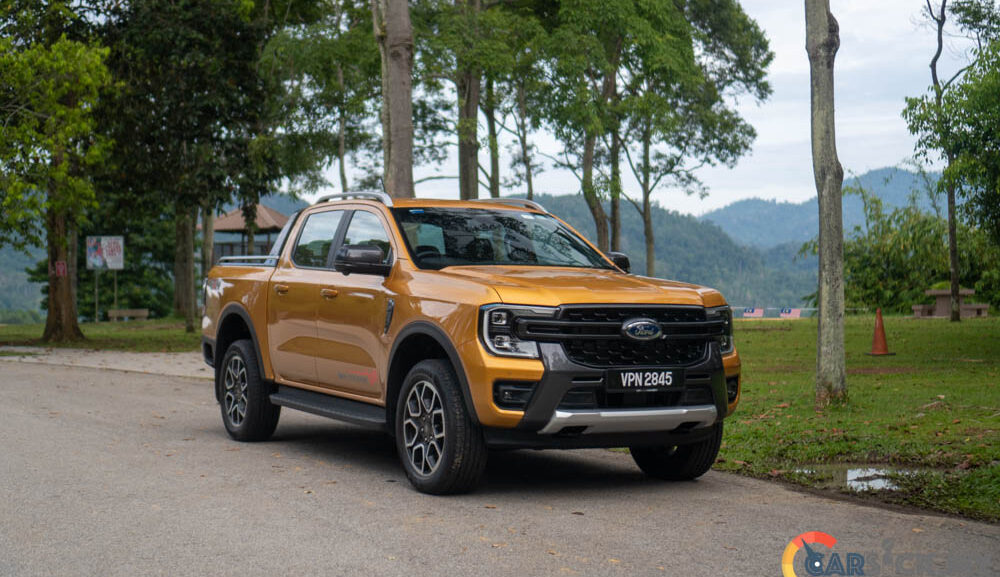
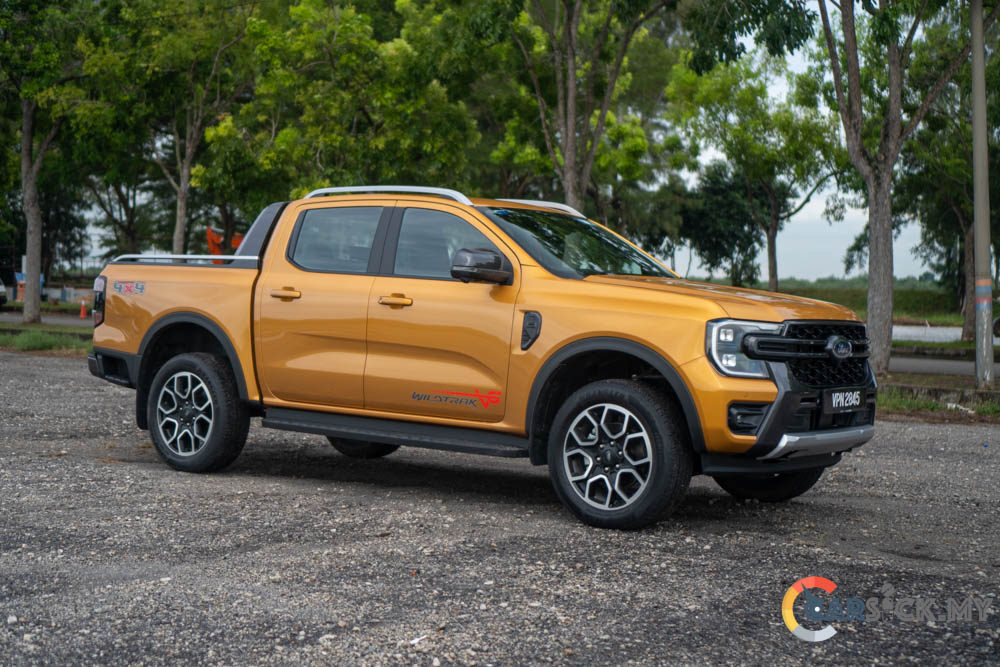
As this is the Wildtrak variant, it represents the highest-spec standard Ranger you can get in Malaysia. The Wildtrak comes with all the premium features as standard. For this latest generation, the Ranger is a very handsome-looking pickup truck. Ford has always nailed the design of its trucks, and this generation continues that strong design language. The Ranger I’m reviewing comes in a striking orange colour, one of the iconic shades for this generation.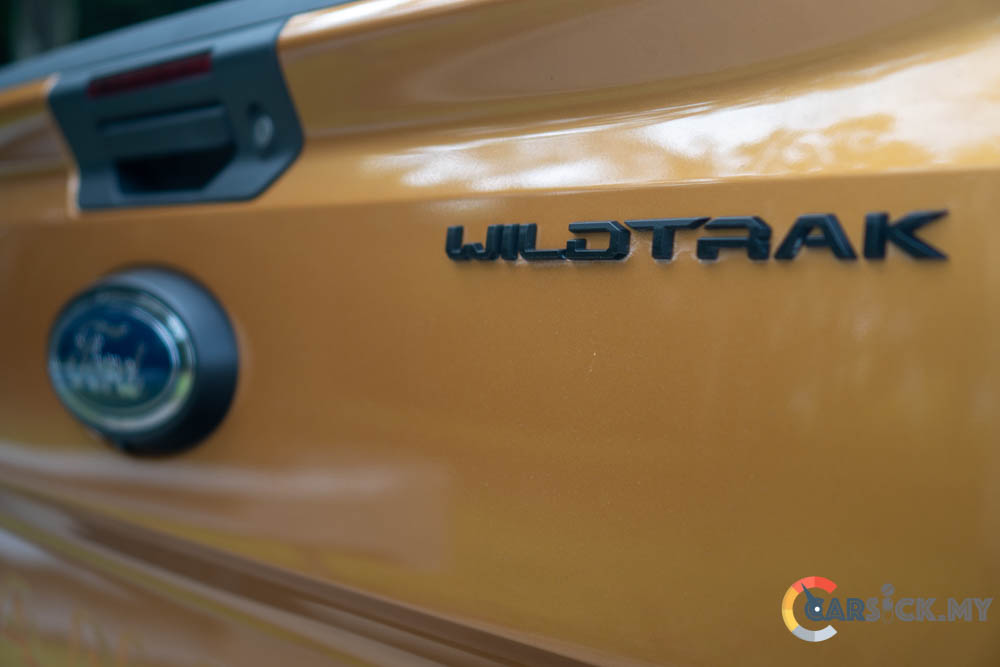
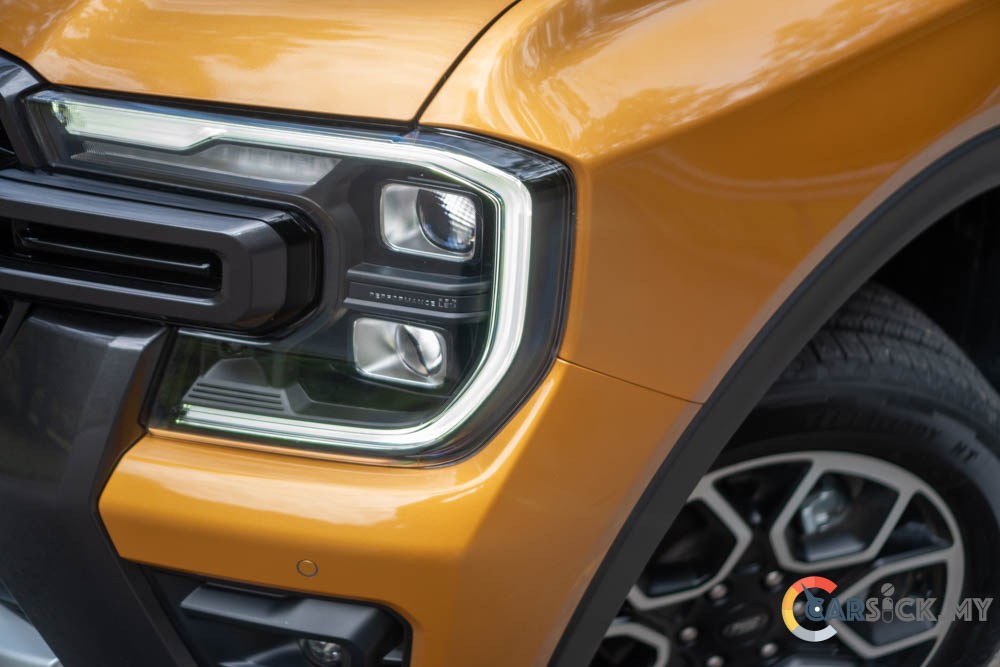
In terms of design, the new Ranger looks more masculine than before—even in its standard form, without stepping up to the Raptor variant. At the front, you get a large blacked-out grille with the prominent Ford oval logo taking centre stage. Flanking the grille are full LED headlights that provide excellent illumination. These headlights are quite advanced, featuring Matrix LED technology that can block out specific sections of the beam to avoid glaring other road users. 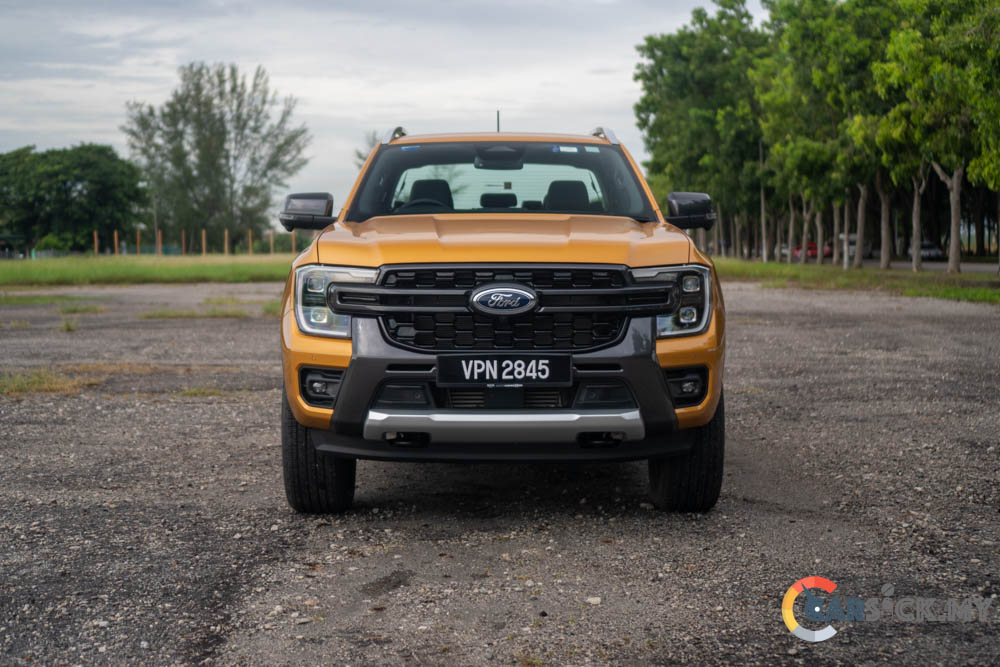
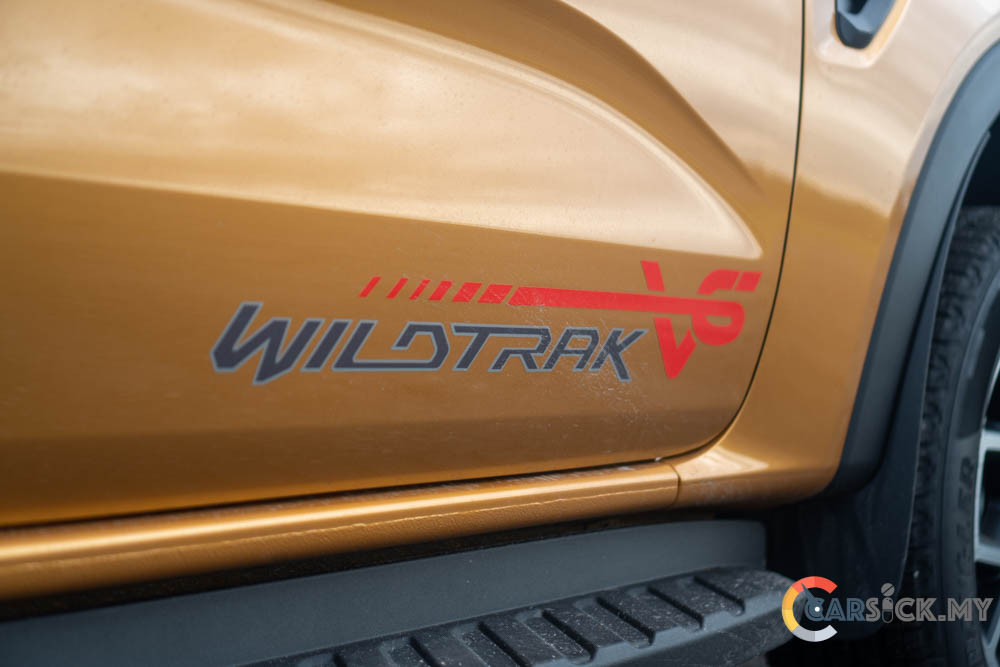
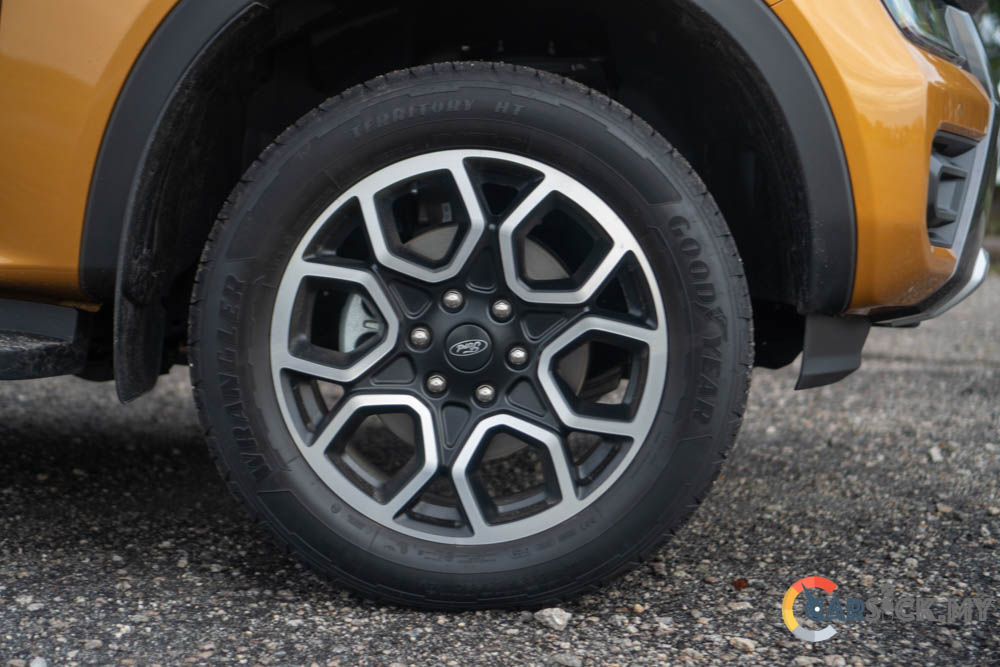
If you’re wondering how to tell this V6 Ranger apart from the 2.0L versions, just look at the front fenders. There’s a small panel with a “V6” badge etched into it. Additionally, decals on the lower part of the front doors clearly indicate that this is the V6 variant. Beyond the badging, the 3.0L Ranger also comes with a set of 20-inch rims, wrapped in 255/55 R20 tyres for proper grip. 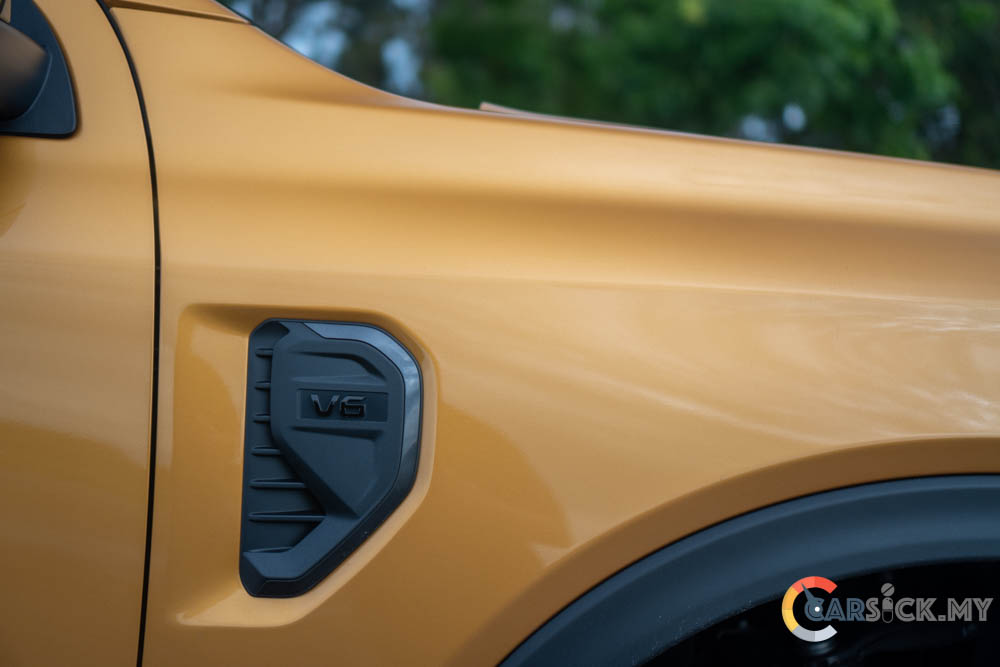
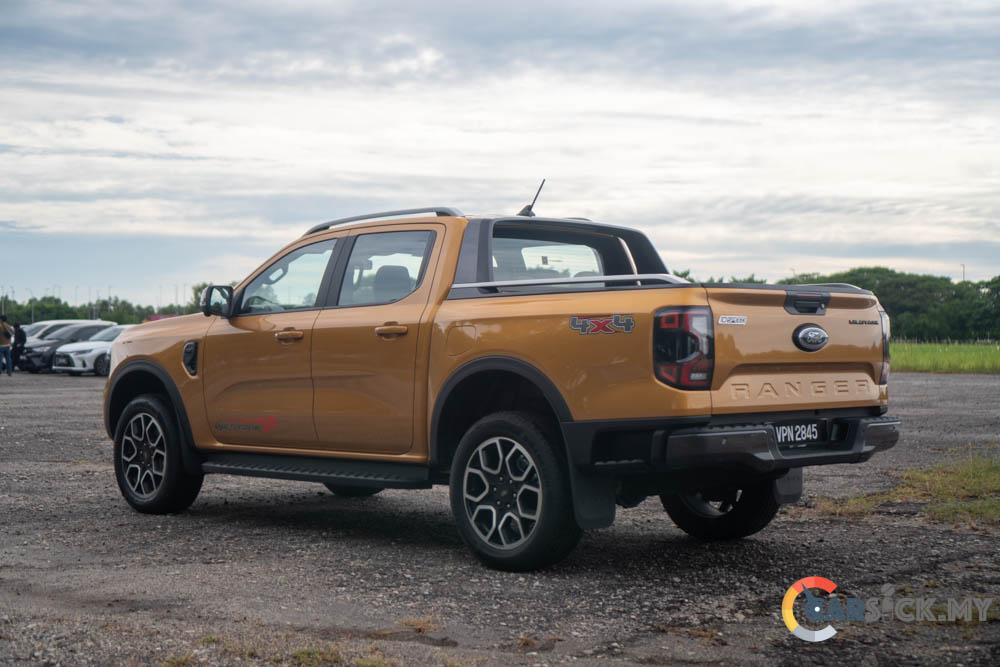
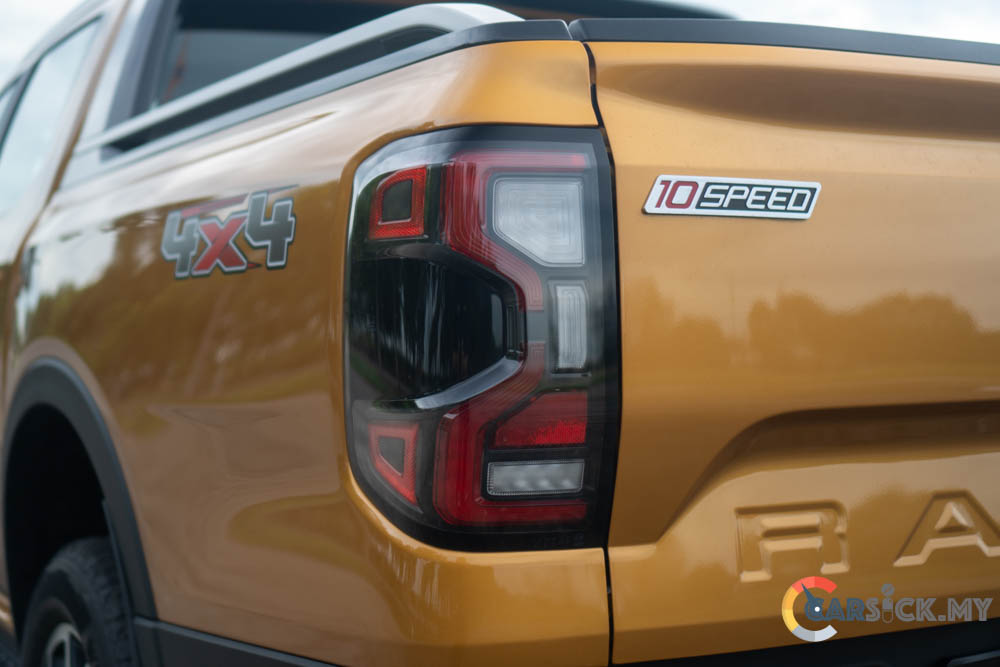
At the rear, the Ranger features a typical truck bed. Since the overall shape is quite standard across pickups, manufacturers differentiate themselves through design details like taillight graphics. Ford has done a good job here—the taillights carry a distinct identity that makes the Ranger easily recognisable, even from a distance or at night. Between the taillights sits the tailgate, featuring a large Ford badge and bold “RANGER” stamping. 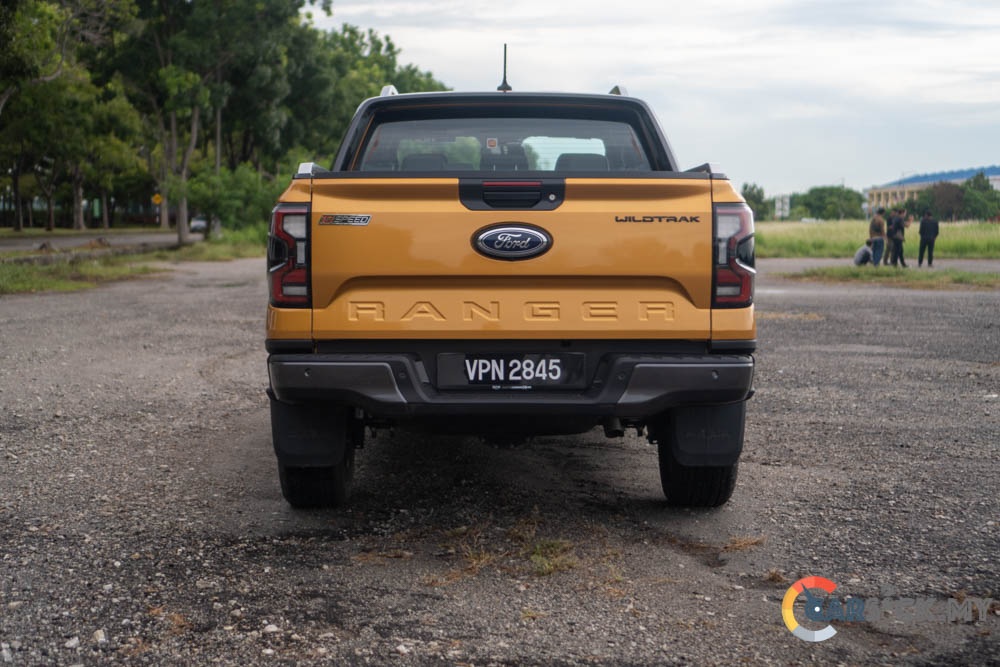
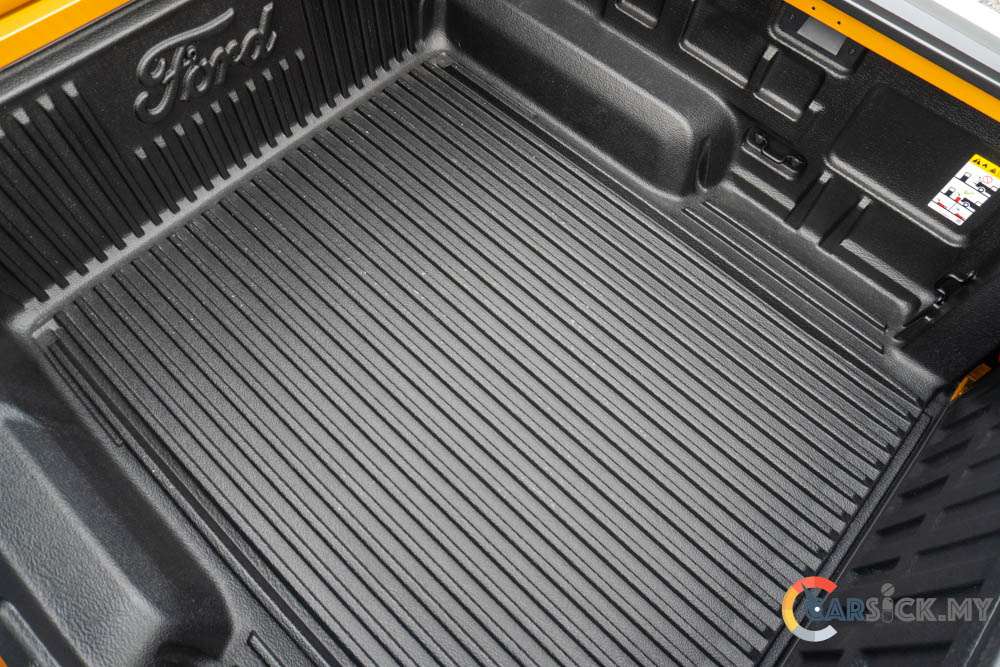
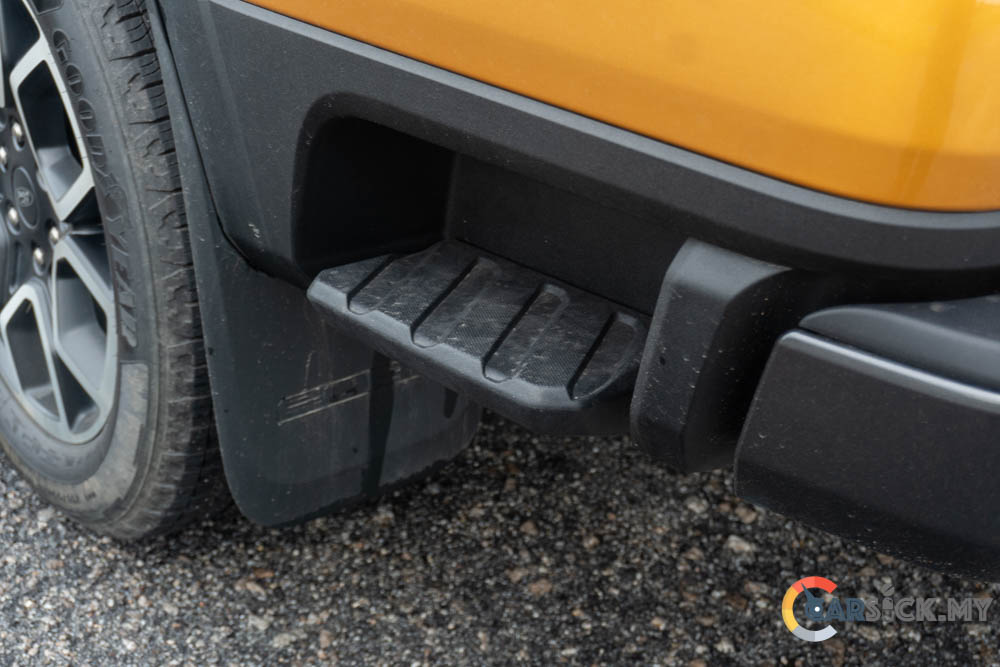
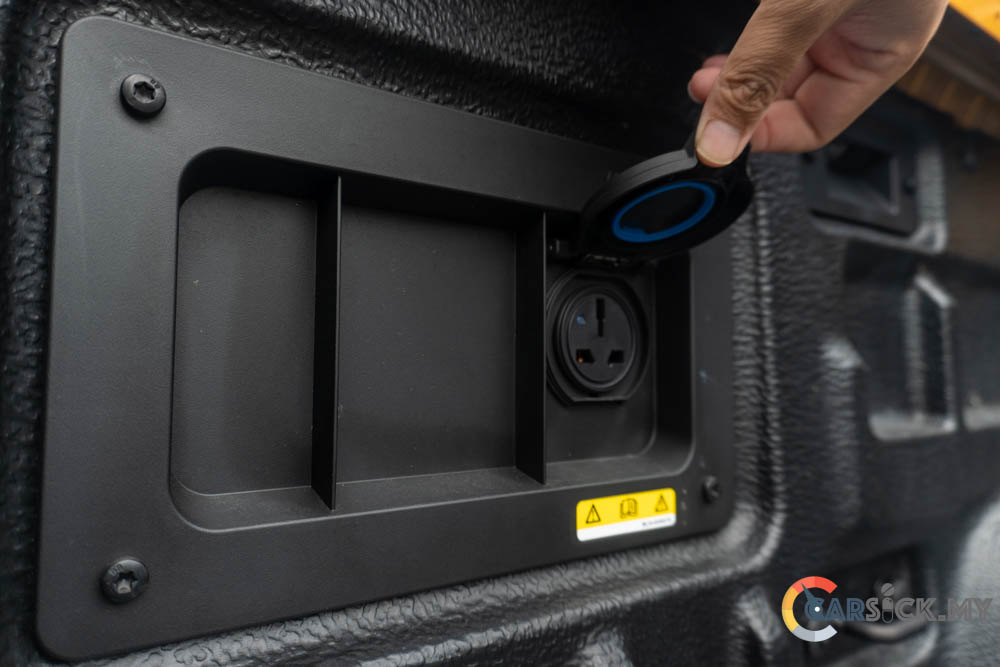
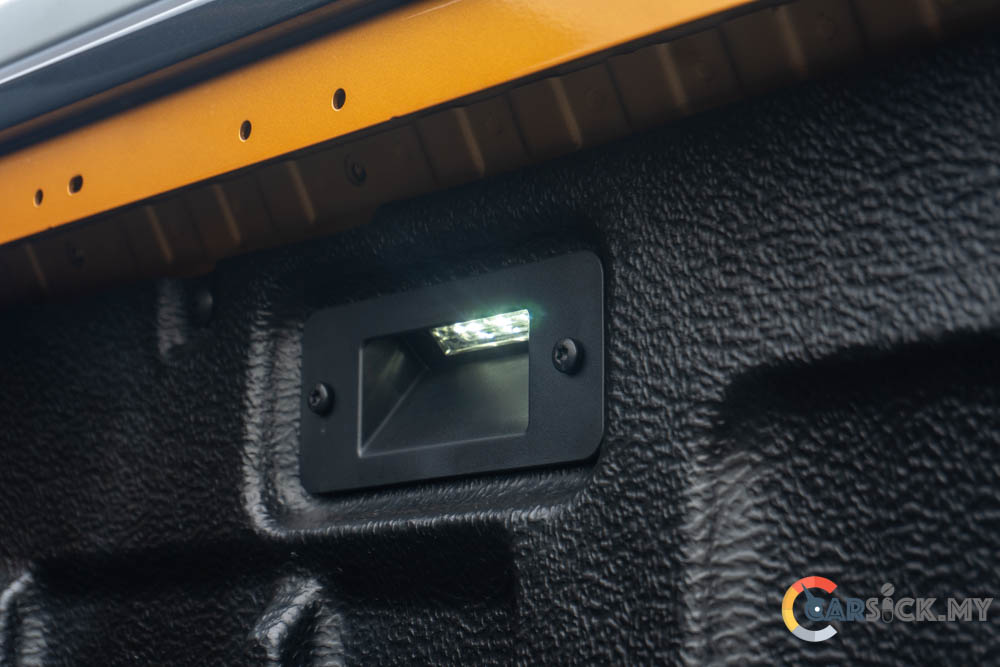
Speaking of the tailgate, let’s take a look at the truck bed. While I’m not a truck expert, I can share what’s noticeable here. The bed comes standard with a black liner to protect the metal surface from damage when loading cargo. There are four hooks on the sides for securing items, as well as a 3-pin socket that allows you to use the truck as a mobile power source—perfect for powering tools. To make access easier, Ford has added two additional steps behind the rear tyres, alongside the rear bumper step. 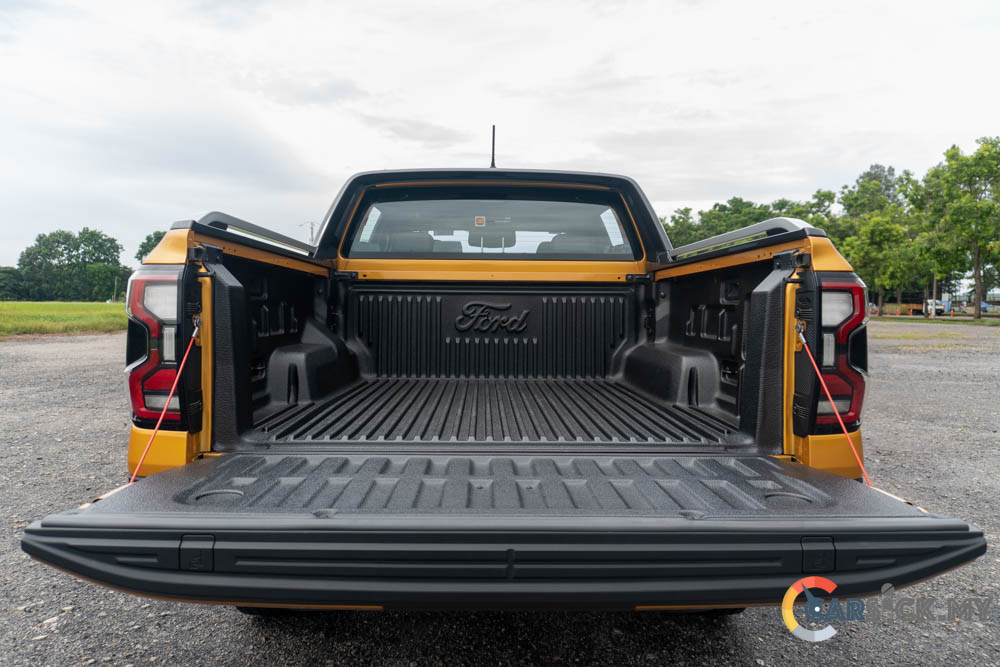
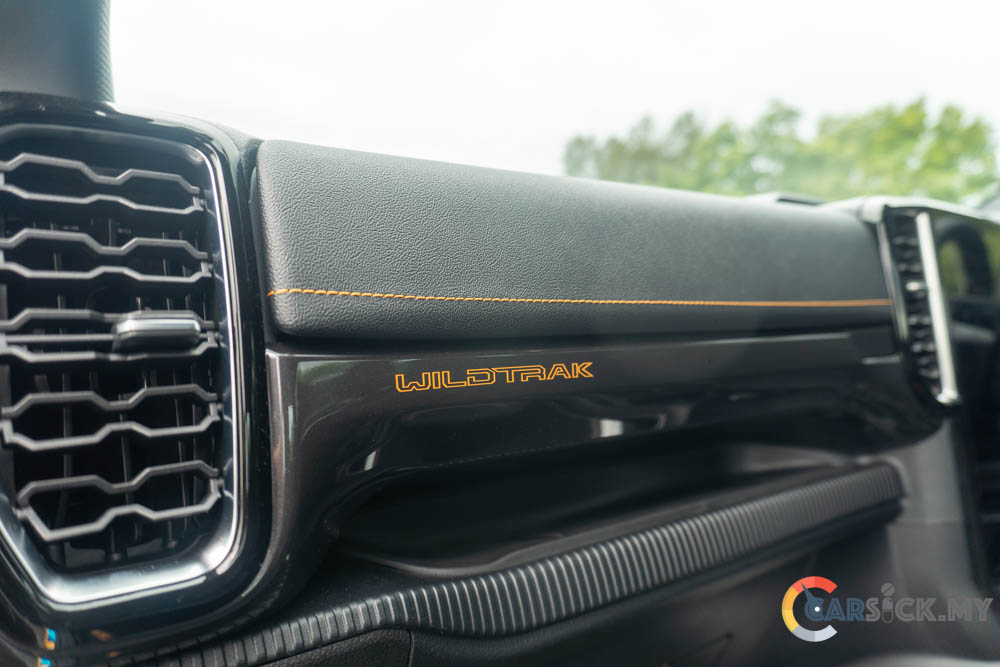
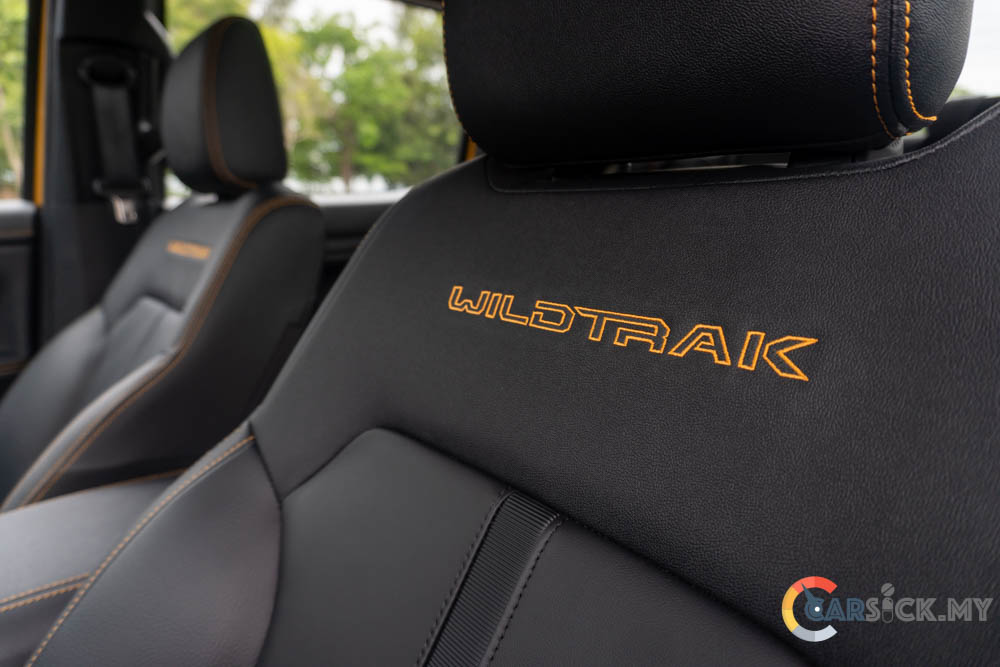
Inside, the masculine theme continues. The cabin features chunky buttons and switches that match the rugged character of the vehicle. The interior is predominantly black, accented by orange stitching and highlights for contrast. On the dashboard, you’ll find two displays: one serving as the instrument cluster and the other as the infotainment system. The instrument cluster measures 8 inches, while the infotainment screen is a larger 12-inch unit.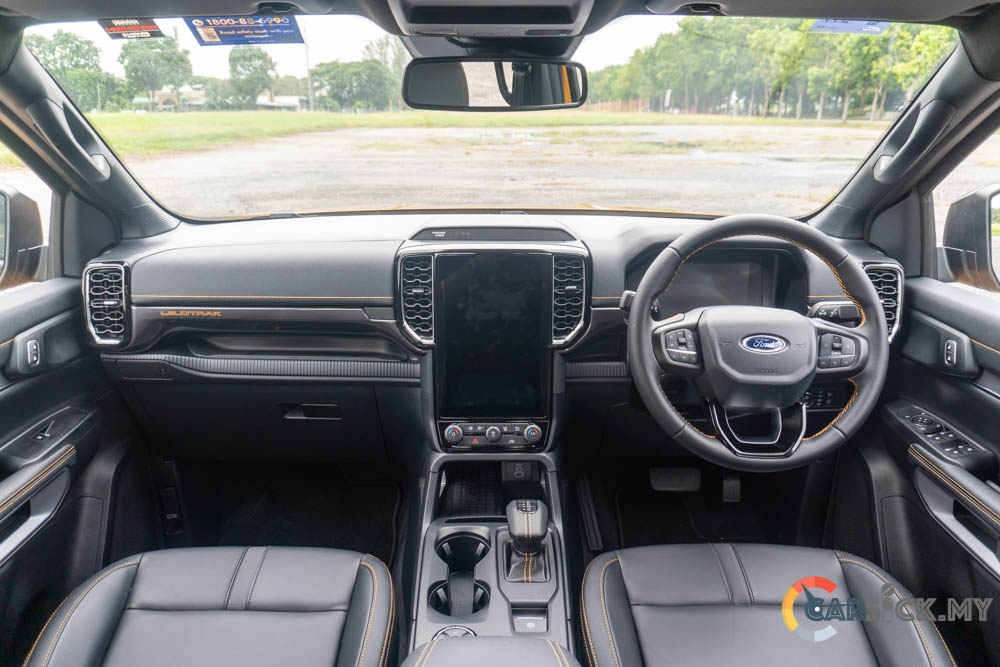
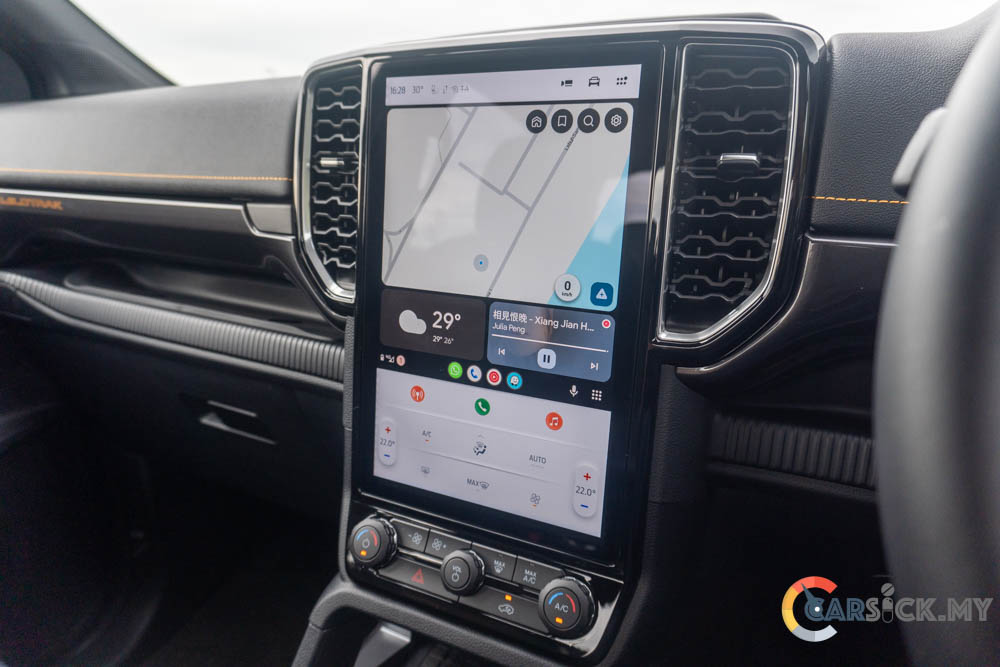
The instrument cluster is clear and easy to read, offering plenty of information for those who enjoy detailed displays. Changing drive modes also triggers appealing animations, adding to the experience. The infotainment system is equally impressive, with sharp graphics. Although it’s a single screen, it’s split into two sections: the upper portion for infotainment and the lower portion for climate controls. It supports wireless Android Auto and Apple CarPlay, and there’s also a 360-degree camera to help with parking such a large vehicle. Despite the digital interface, Ford wisely retains physical controls for climate settings, making it intuitive to use. 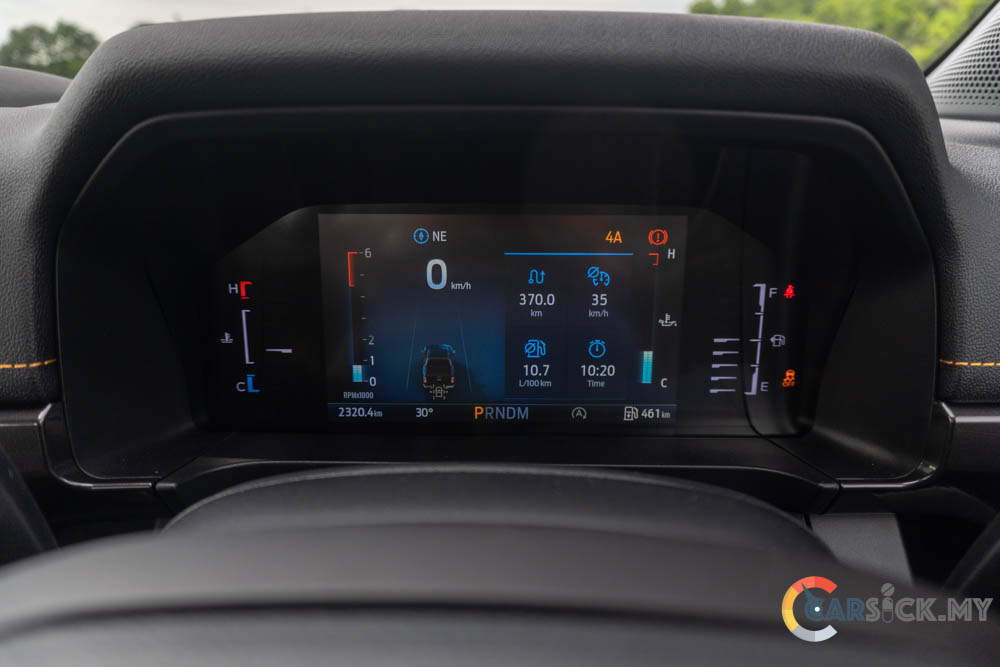
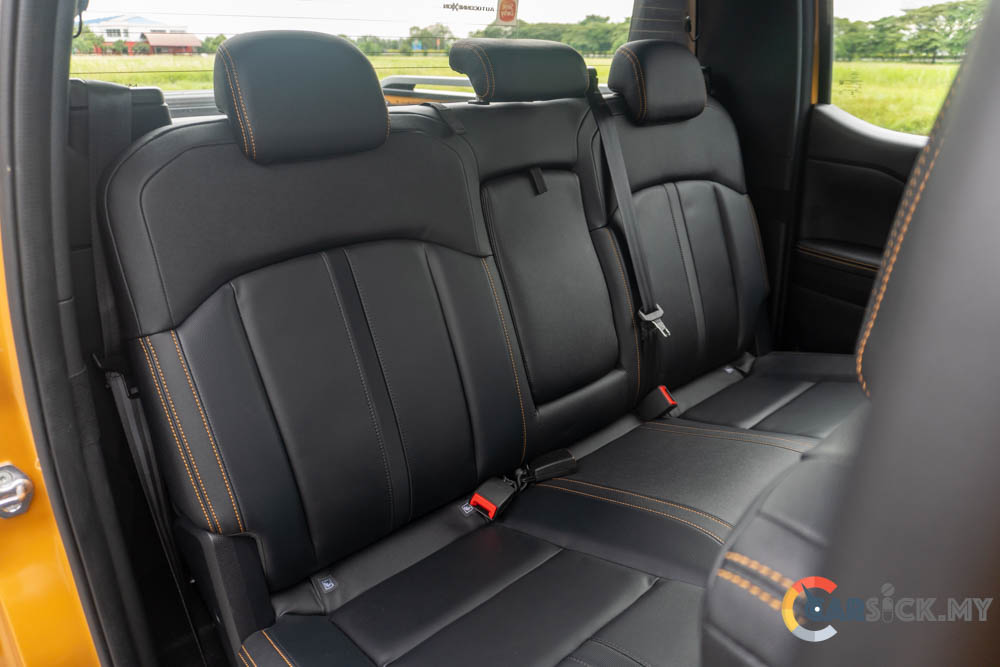
As expected from a pickup truck, the Ranger offers a high driving position. What sets Ford apart is the effort put into ergonomics, resulting in a well-sculpted seating position. It’s one of the best in its class. Despite its height, the driving position feels surprisingly sporty, helping the driver stay focused. Rear passengers also benefit from good legroom and headroom, along with two air-conditioning vents, USB-A and USB-C charging ports, and even a 3-pin socket for powering devices. 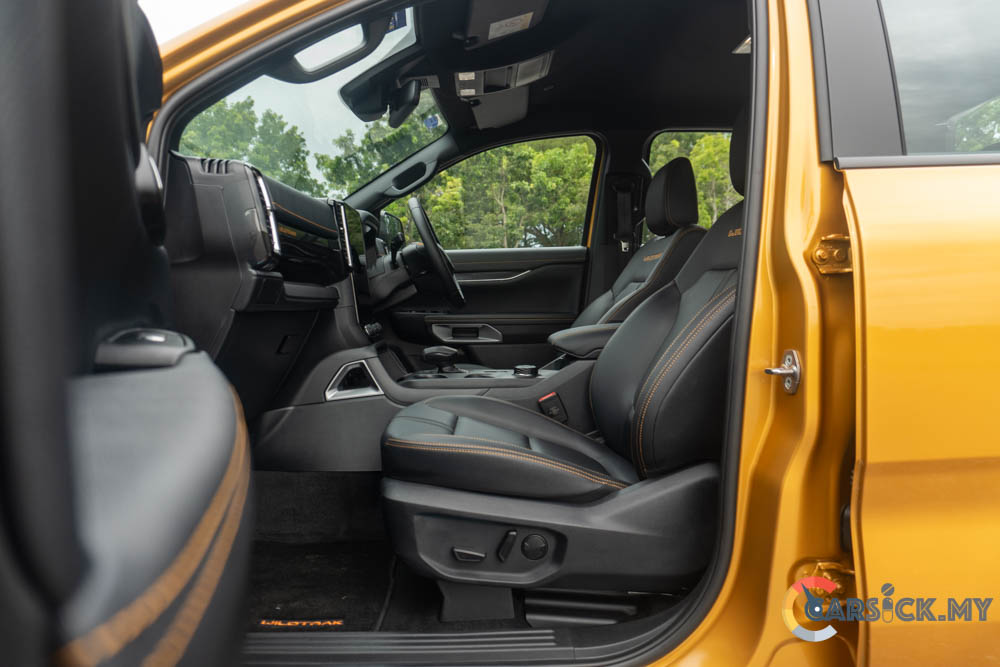
The biggest highlight of this Ranger lies under the hood. It features a new 3.0L V6 diesel engine paired with Ford’s well-known 10-speed automatic transmission. This engine produces 250 PS and 600 Nm of torque.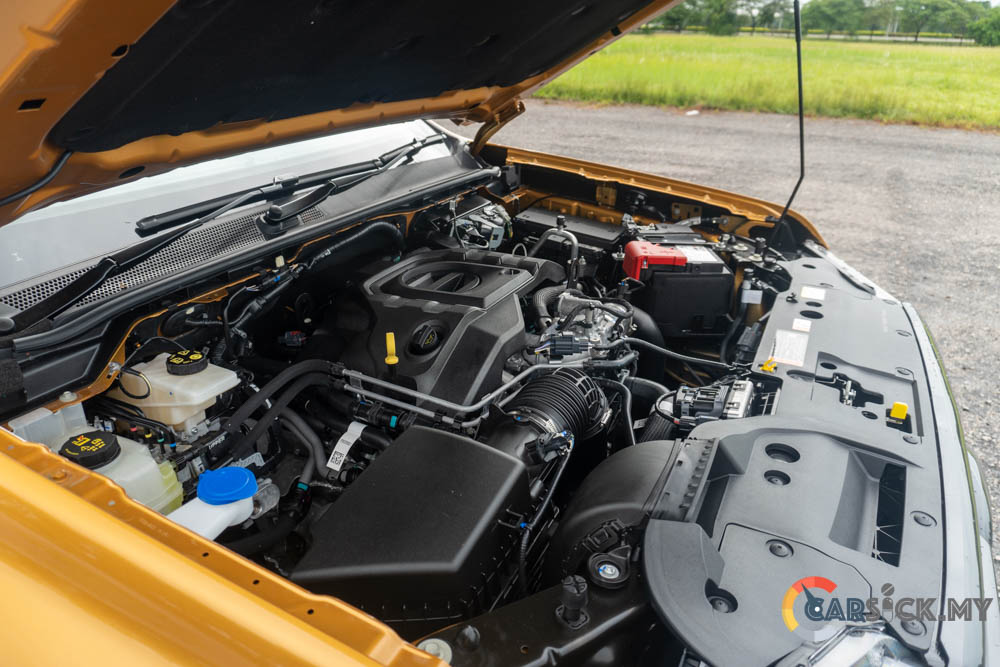
While the 2.0L engine was already sufficient, you might wonder why a larger engine is needed. There are two main reasons. First, for those who frequently tow trailers, the larger engine provides stronger low-end torque, making it easier to get moving. Second, for long-distance driving, the bigger engine delivers better performance while being less strained at higher speeds. This can lead to improved efficiency, reliability, and reduced engine stress over time.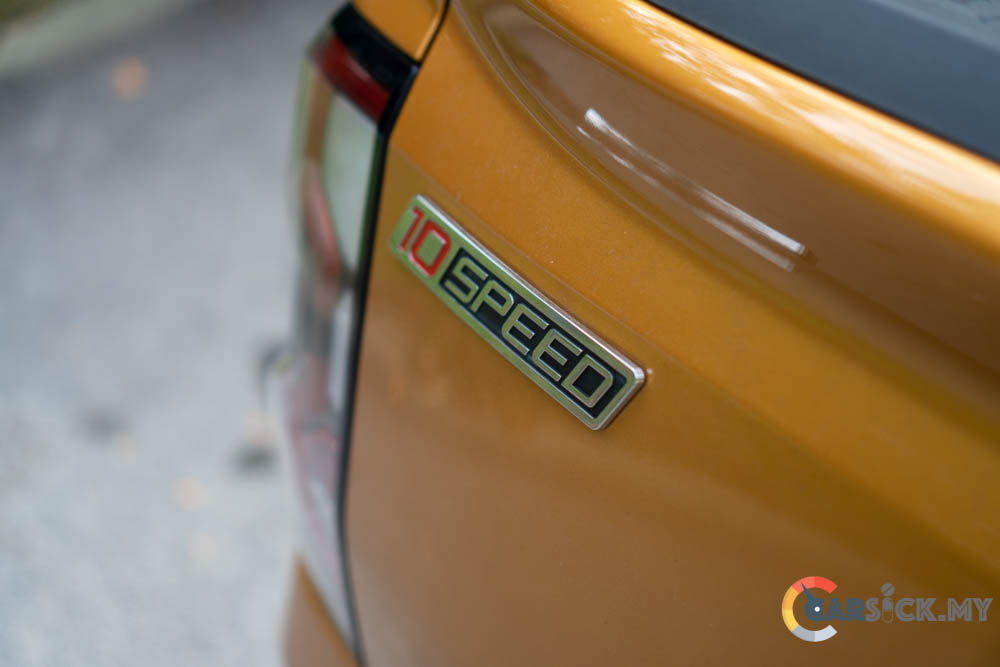
After driving it, I can say this engine is a standout. The most noticeable improvement is its smoothness. Whether idling or under acceleration, the V6 feels refined. Vibrations are minimal, thanks to the natural balance of a V6 configuration. Of course, it’s also powerful. Around town, the strong low-end torque makes driving effortless, and when you press the throttle, the truck responds immediately.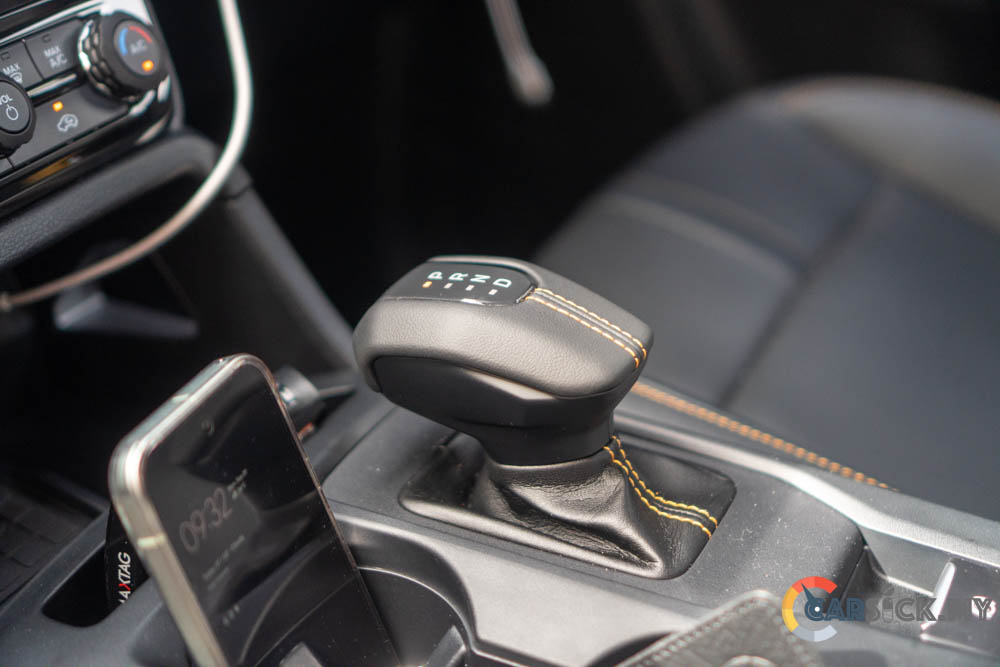
The 10-speed automatic transmission shifts seamlessly, with gear changes that are barely noticeable. With so many ratios, the engine stays within its powerband most of the time. As expected, fuel consumption is higher than the 2.0L variant, but my average of 10.7L/100km is quite reasonable considering the added performance.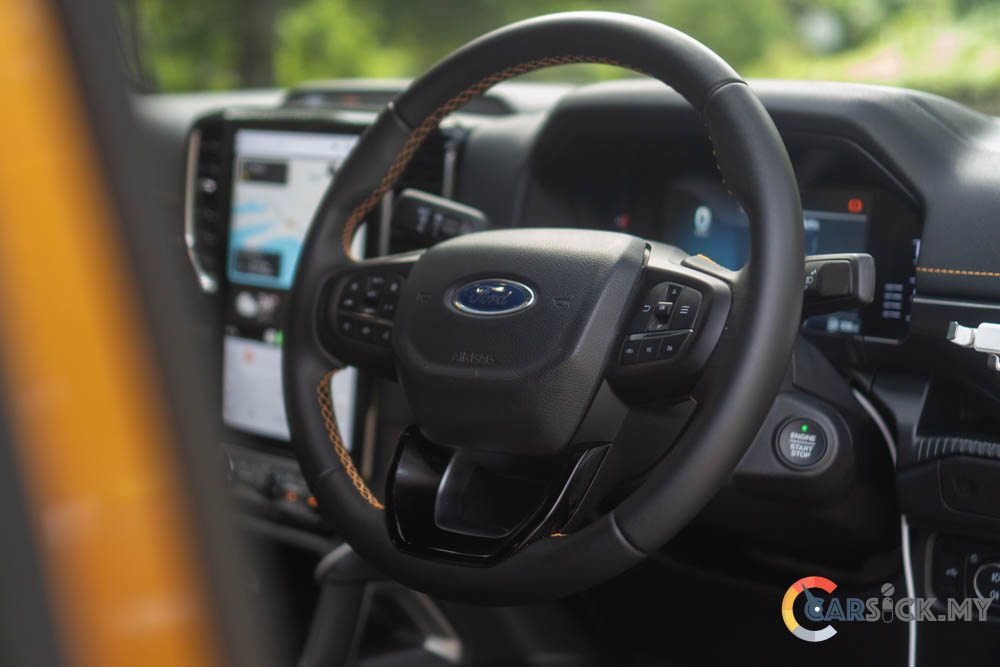
In terms of ride quality, it behaves like a typical pickup truck—you’ll feel road imperfections. However, compared to competitors, Ford has tuned the suspension to feel more car-like. It’s not as soft as a sedan, but it’s more comfortable than many rivals. Handling is also impressive for a truck, with nicely weighted steering and decent precision. Of course, it still has its limits, but once you understand them, the Ranger is enjoyable to drive.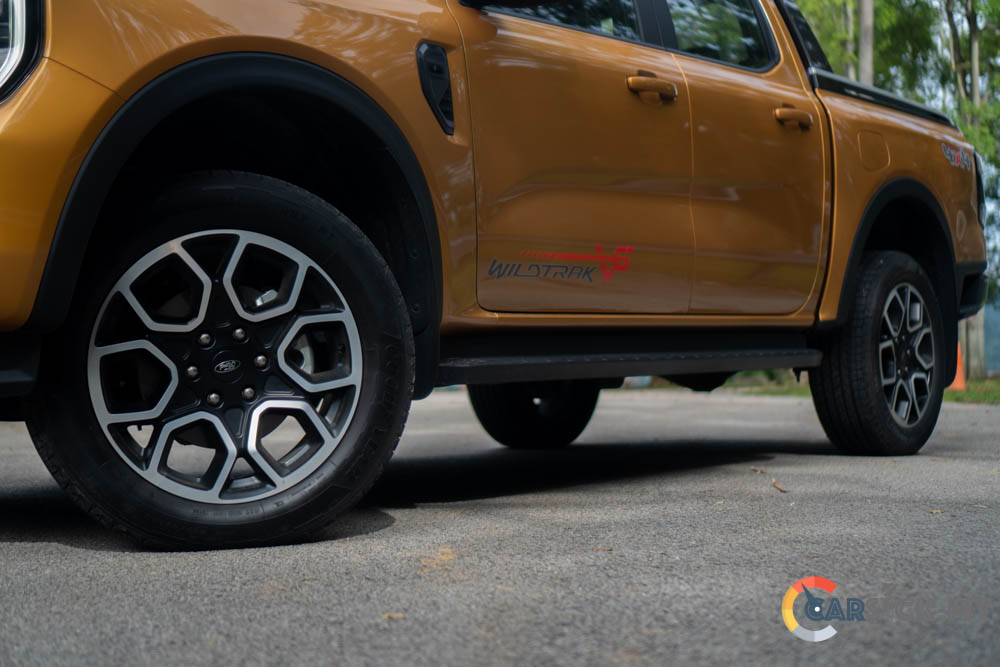
Braking performance is solid, with a well-tuned setup that offers natural pedal feel and easy modulation. The Ranger is also packed with modern driver assistance systems, including Adaptive Cruise Control, Lane Keeping Assist, Blind Spot Monitoring, Autonomous Emergency Braking, and more. Importantly, systems like Lane Keeping Assist are not overly intrusive, which enhances the driving experience. 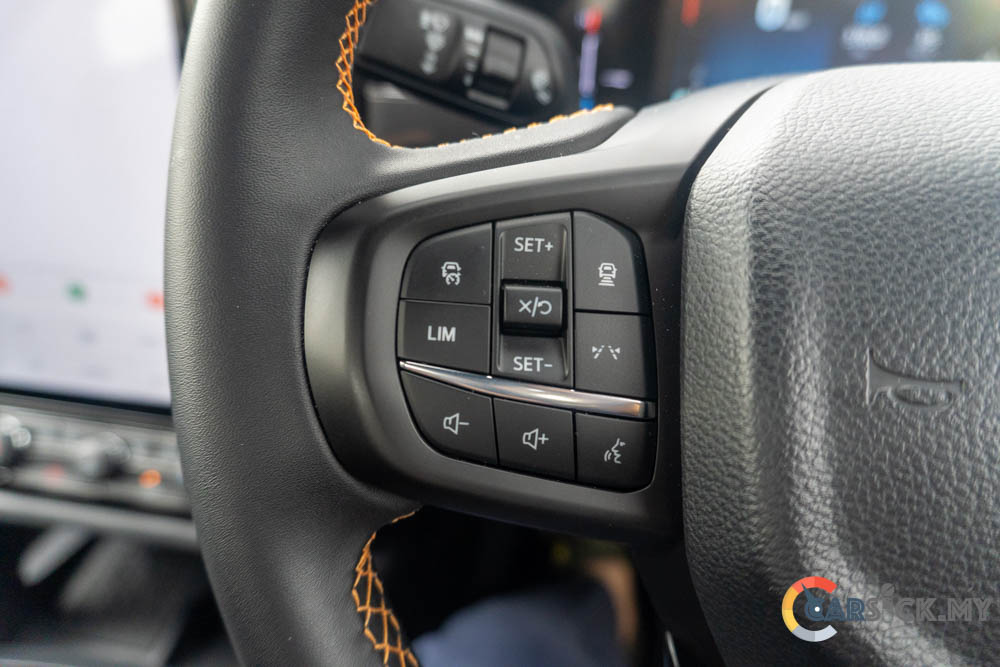
The Ford Ranger Wildtrak V6 doesn’t come cheap. Priced at RM 198,688, it offers one of the smoothest diesel engines in its segment. It may not appeal to everyone, but there’s definitely a market for buyers who want a V6 diesel Ranger. The larger engine brings better performance and potentially improved durability due to reduced strain. With this addition, Ford now offers more choices for Ranger buyers.
Check out the full photo album here.