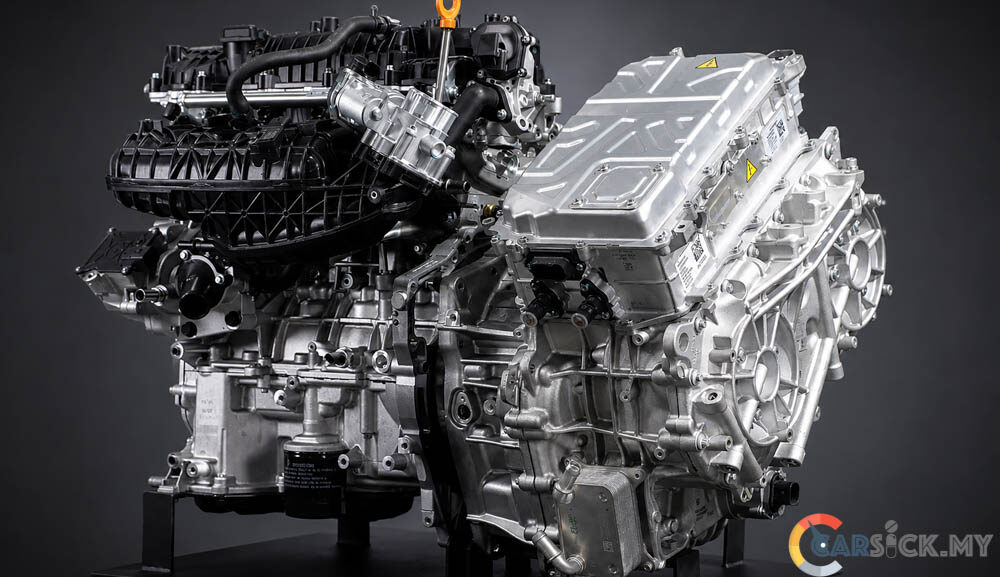

Proton has officially named its next-generation hybrid powertrain the i-HEV intelligent hybrid system, giving a clearer identity to the technology that will make its production debut in the upcoming model, codenamed AMA 02. Combining a purpose-developed petrol engine, two electric motors and intelligent energy management, the new system is designed to deliver improved fuel efficiency without compromising everyday driving performance.
 More importantly, it offers Malaysian motorists the benefits of electrified driving without the need to plug in and recharge the vehicle. The announcement follows Proton’s earlier showcase of the technology at the Kuala Lumpur International Mobility Show and Global Automotive Technology Expo, where the company provided an initial look at its hybrid development direction.
According to Dato’ Ir. Abdul Rashid Musa, Deputy Chief Executive Officer of Proton, the focus is on making electrification practical and accessible to local motorists, whether navigating congested city streets or travelling longer distances. Rather than requiring drivers to adapt their habits around charging infrastructure, the i-HEV system automatically manages the use of petrol and electric power to deliver an efficient and responsive driving experience.
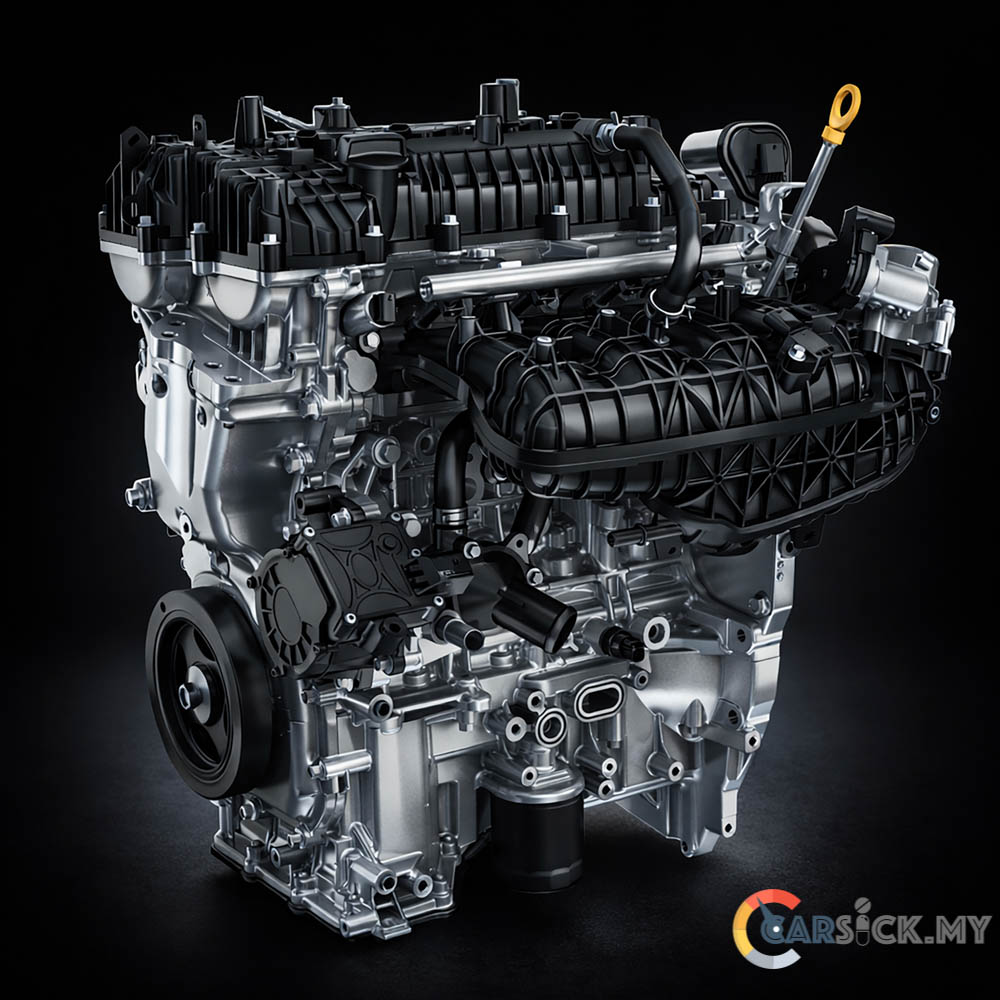
At the heart of the i-HEV system is a naturally aspirated 1.5-litre Dedicated Hybrid Engine (DHE), producing 111 PS and 136 Nm of torque. Developed specifically for hybrid applications, the engine achieves a claimed peak thermal efficiency of 46.5%. One of its key technologies is Atkinson cycle combustion, which uses carefully controlled intake valve timing to achieve a greater effective expansion ratio than compression ratio. This allows the engine to extract more useful energy from combustion, improving fuel efficiency.
While this combustion approach generally prioritises efficiency over outright power delivery, the electric motor compensates by providing immediate assistance when accelerating or moving away from a standstill. The engine also features a 14:1 geometric compression ratio and water-cooled exhaust gas recirculation (EGR) to optimise combustion and reduce pumping losses.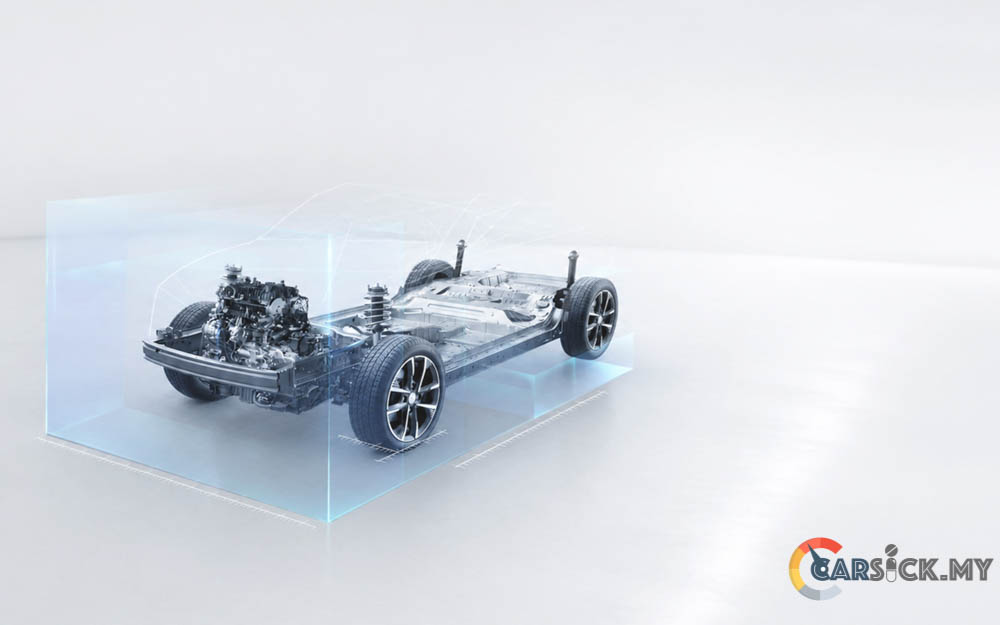
Further efficiency improvements come from a variable displacement oil pump, which adjusts oil delivery according to operating requirements, and an electric water pump that manages coolant circulation when necessary. Both systems help reduce the energy consumed by auxiliary components.
Working alongside the petrol engine is a Dedicated Hybrid Transmission (DHT), which incorporates two electric motors identified as P1 and P3. The P1 motor handles engine starting and electricity generation, while the P3 motor is responsible for driving the wheels and recovering energy during deceleration. The main driving motor delivers up to 163 PS and 220 Nm, providing additional response when accelerating, overtaking or climbing gradients.
Coordinating the entire powertrain is a Power Control Module (PCM), which continuously monitors driving conditions, power requirements and battery levels to determine the most suitable operating mode. The system features four operating modes:
- EV Mode: The vehicle runs entirely on electric power using energy stored in the battery, whenever conditions allow.
- Series Mode: The petrol engine generates electricity, which is then used by the electric motor to drive the wheels.
- Parallel Mode: Both the petrol engine and electric motor contribute to driving the vehicle.
- Direct Drive Mode: The petrol engine mechanically drives the wheels, particularly when doing so is more efficient, such as during steady-speed cruising.
The transition between these modes happens automatically, meaning drivers do not have to worry about selecting the appropriate setting themselves. Instead, the system continuously adjusts the power delivery to suit different driving situations. This arrangement is intended to provide the smoothness and responsiveness associated with electric driving while retaining the efficiency and practicality of a conventional petrol-powered vehicle.
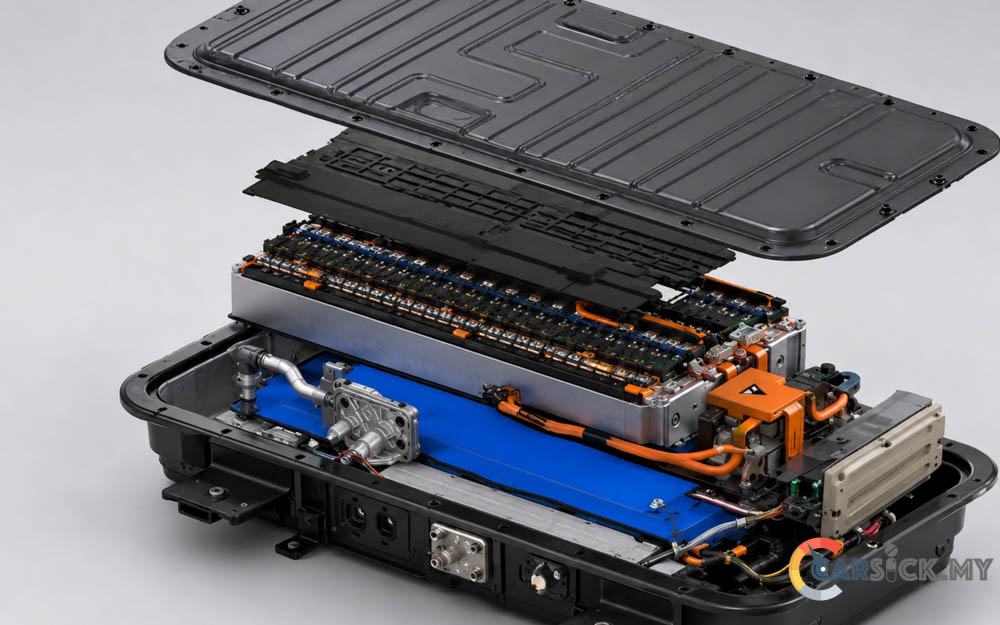
Powering the electric components is a relatively compact 1.38 kWh battery, which stores energy for electric-only operation and motor assistance. Unlike a plug-in hybrid or battery-electric vehicle, the i-HEV does not require an external charging connection. Instead, its battery receives energy through the onboard generator and regenerative braking system, which recovers electricity whenever the vehicle slows down. This means owners can simply refuel at conventional petrol stations and allow the hybrid system to manage its own energy requirements.
For motorists who do not have access to home charging facilities, this could make electrified driving a more convenient proposition. In stop-and-go traffic, the system can rely more heavily on electric power when conditions permit, potentially reducing engine operation, cabin noise and fuel consumption. At the same time, the petrol engine provides the flexibility needed for longer journeys, without requiring drivers to plan their routes around charging stations.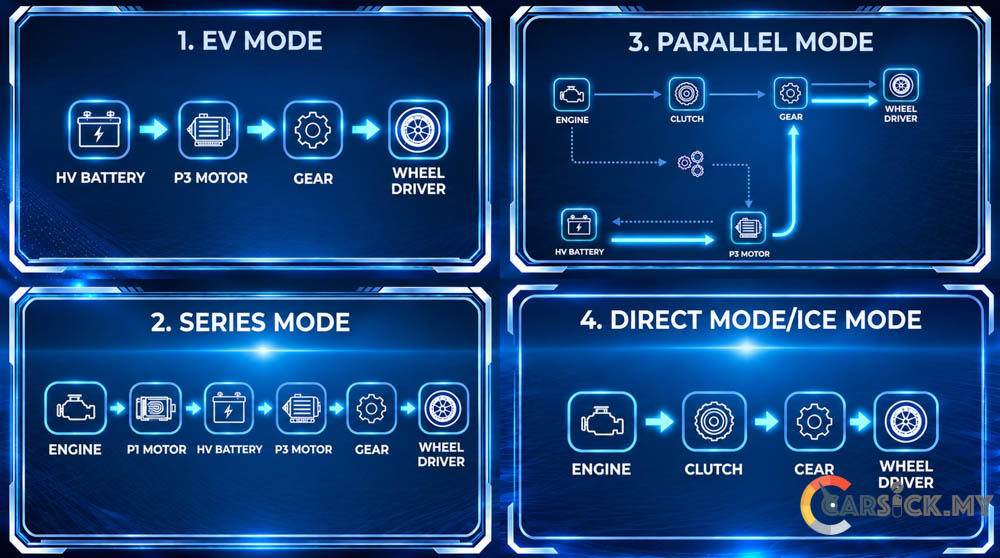
Beyond introducing a new powertrain, Proton’s i-HEV programme also represents another step in the company’s efforts to develop local expertise in electrified vehicle technologies. Its Tanjong Malim operations are involved in producing the Dedicated Hybrid Engine, as well as locally assembling the Dedicated Hybrid Transmission and Electric Drive Units (EDU).
These activities expand Malaysia’s involvement in key hybrid vehicle components, while providing opportunities to strengthen local capabilities in manufacturing, assembly, testing and quality control. They could also contribute to the development of the domestic automotive supplier ecosystem, as the industry gradually moves towards more electrified powertrains.
Proton says the longer-term objective is not simply to introduce hybrid vehicles to the Malaysian market, but also to establish the local industrial capabilities needed to support the development and production of future automotive technologies.