
For thousands of Malaysians who rely on e-hailing as a source of supplementary income, the cost of staying insured can be a significant consideration, particularly for those who only drive occasionally. Unlike full-time drivers, part-time drivers may struggle to justify the upfront expense of annual insurance when they only spend a few days each month on the road.
 This has brought greater attention to the accessibility of flexible e-hailing insurance, including daily and usage-based coverage, and whether such options should be made available more widely across Malaysia’s e-hailing industry. The issue is particularly relevant given the size of the sector. Government records showed approximately 164,000 e-hailing drivers in data submitted by operators in December 2025, while 33 e-hailing operators were reported to be operating nationwide as of March 2026.
The government has also acknowledged concerns surrounding rising e-hailing insurance premiums, highlighting the need to balance affordability for drivers with adequate protection and sustainable insurance coverage. However, access to flexible insurance arrangements is not necessarily consistent across platforms. Where certain operators have access to daily or usage-based coverage, drivers working through other platforms may face different options, potentially influencing where they choose to accept bookings or whether they continue driving altogether.
This raises questions about fairness, competition and the potential impact on the wider e-hailing ecosystem. If insurance arrangements influence how drivers distribute themselves between platforms, passengers could eventually experience differences in driver availability, waiting times and potentially fares. While these outcomes are not guaranteed, they highlight how insurance accessibility can extend beyond individual drivers.
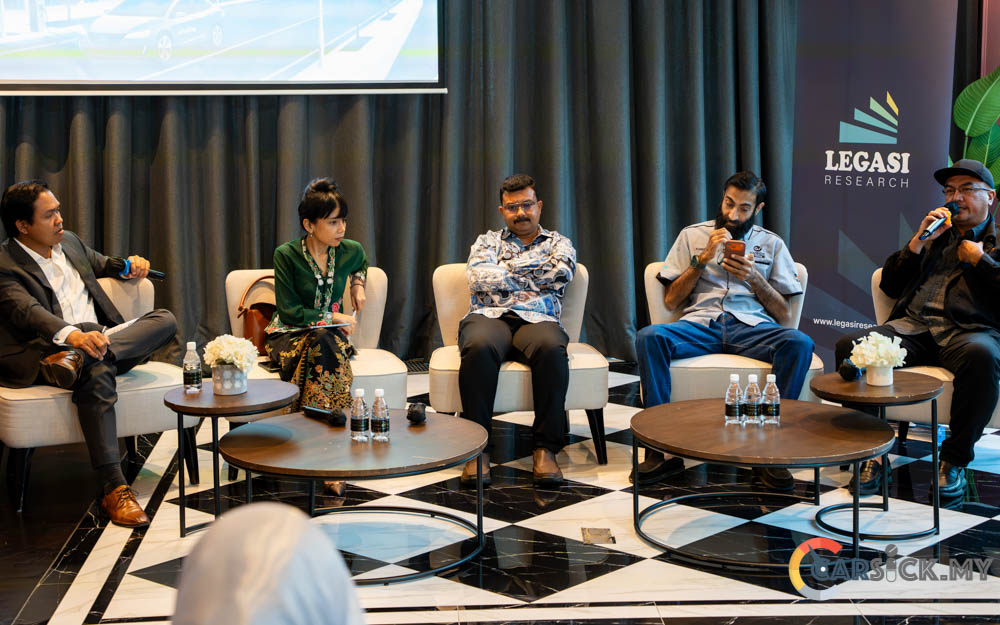
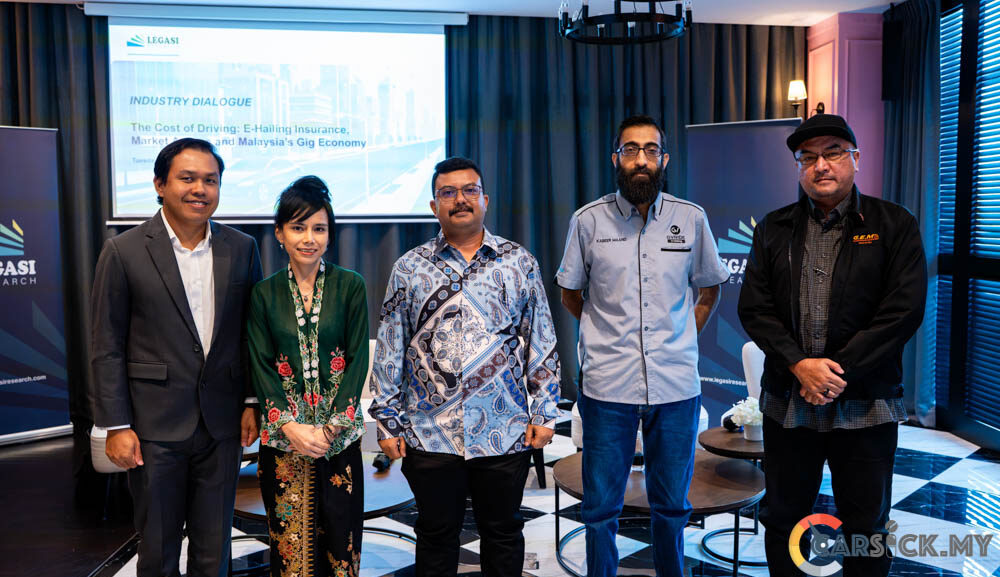
These concerns formed the basis of The Cost of Driving: E-Hailing Insurance, Market Access and Malaysia’s Gig Economy, an industry dialogue organised by LEGASI Research. The session brought together representatives from inDrive, Maxim, GV Ride and Gabungan eHailing Malaysia (GEM) to discuss the challenges surrounding insurance affordability, different driving patterns and their implications for the industry.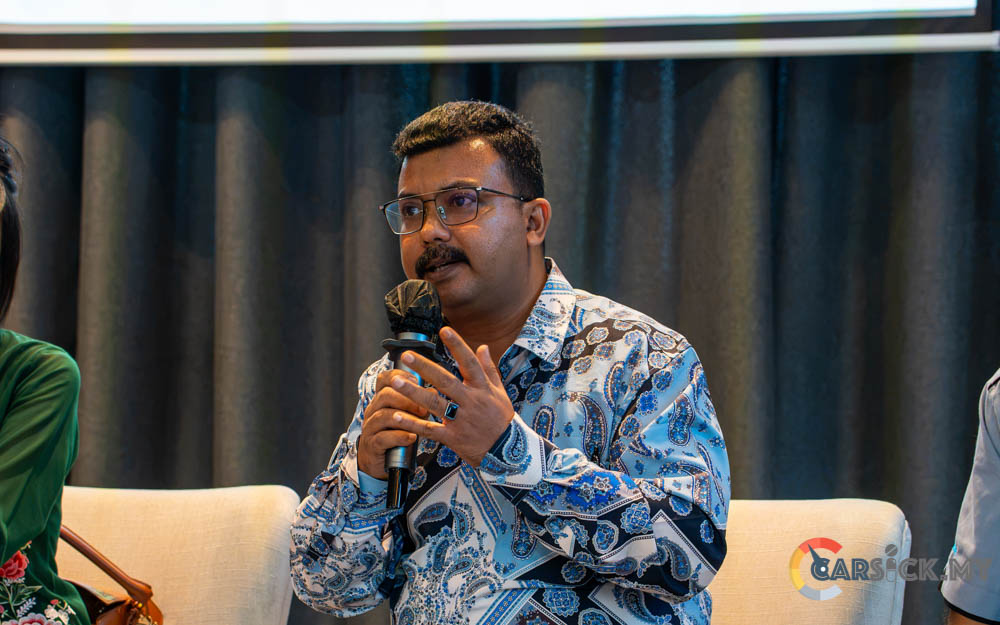
Not all e-hailing drivers operate under the same circumstances. While some depend on the platform as their primary source of income and spend long hours on the road, others only drive during weekends, after working hours or whenever they have spare time. For the latter group, paying for an annual insurance policy can represent a considerable upfront commitment, especially when their actual driving activity is limited.
Masrizal Mahidin (Jose Rizal), Chief Activist of Gabungan eHailing Malaysia (GEM), believes insurance arrangements should better reflect these differences rather than relying on a one-size-fits-all approach. “E-hailing insurance is not just about rising premiums. It is also about fairness in insurance costs and protecting drivers’ livelihoods. Driving patterns differ, so a one-size-fits-all approach may not suit everyone. GEM believes insurance arrangements should be reviewed to provide more flexible, transparent coverage options that reflect actual usage without compromising protection.
“This requires shared responsibility among the government, platform operators and insurers, with gig worker representatives involved. Insurance should protect drivers, not become an additional burden that erodes their earnings or makes it harder for them to continue working with dignity,” he said. The availability of more flexible coverage could therefore help accommodate drivers who do not participate in e-hailing on a full-time basis, although the cost and level of protection would still need to be considered.
Kabeer Singh, Chief Executive Officer of GV Ride, said the company has received enquiries from drivers interested in daily insurance, particularly those who do not drive regularly. “We receive enquiries from drivers asking about daily insurance, particularly those who do not drive full-time. Where suitable coverage is not readily available, drivers may consider working through other platforms or reconsider participating altogether. Making insurance more accessible to different driver groups is therefore an important issue for the wider industry, alongside ensuring adequate protection,” he explained. This suggests that insurance availability could become one of several considerations influencing a driver’s choice of e-hailing platform, rather than being viewed purely as an administrative requirement.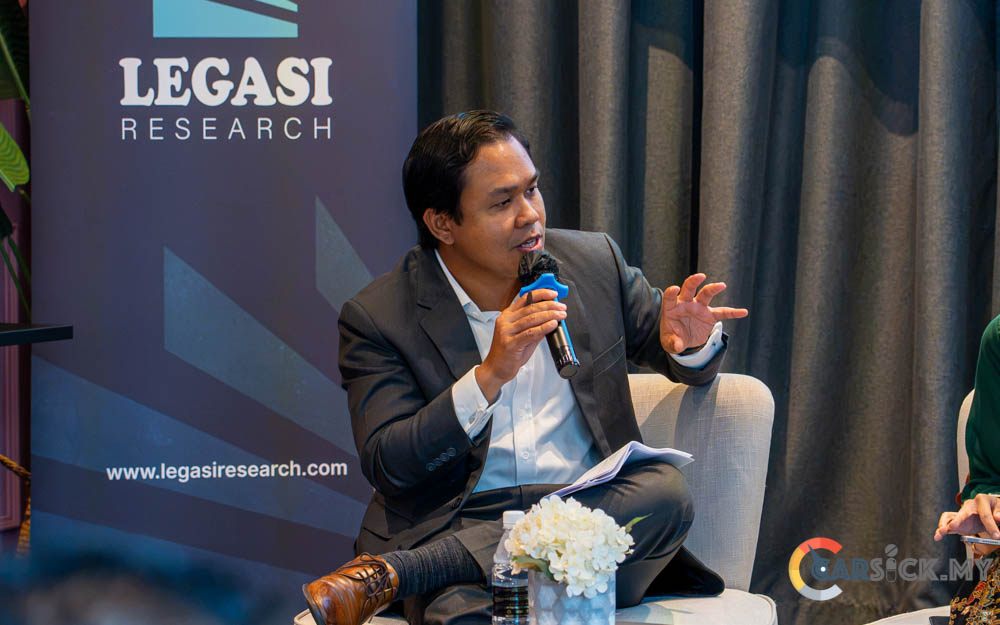
Differences in insurance arrangements may also have implications for competition between e-hailing operators. If drivers can access more suitable coverage through one platform but face higher upfront commitments elsewhere, their choice of where to work could be influenced by these arrangements. Over time, this could potentially contribute to an uneven distribution of active drivers.
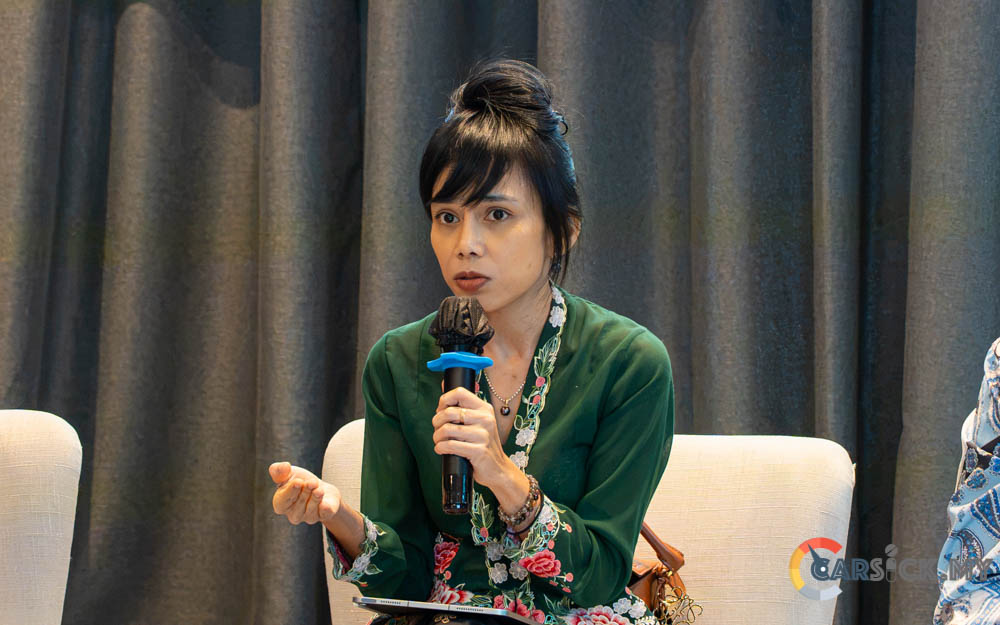
Zarra Rawi, Country Public Policy and Government Affairs at inDrive Malaysia, highlighted the importance of considering how insurance arrangements accommodate different working patterns. “Insurance arrangements need to consider different working patterns, rather than assuming every driver has the same coverage needs. Insurance accessibility could also influence when and where drivers choose to work.
“If this results in an uneven distribution of active drivers across platforms, there could be implications for ride availability, passenger choice and potentially fares. These are risks worth examining carefully, while ensuring that adequate protection remains a priority,” she said. For passengers, the availability of drivers remains an important part of the overall service experience. While demand fluctuations, operating costs and other market conditions also influence waiting times and fares, insurance accessibility is another factor that deserves consideration when examining the industry’s long-term development.
Expanding access to daily or usage-based insurance involves more than simply making policies cheaper or changing how premiums are collected. There are practical considerations involving driver eligibility, coverage activation, policy verification and claims management. These become particularly important for drivers who work across multiple e-hailing platforms.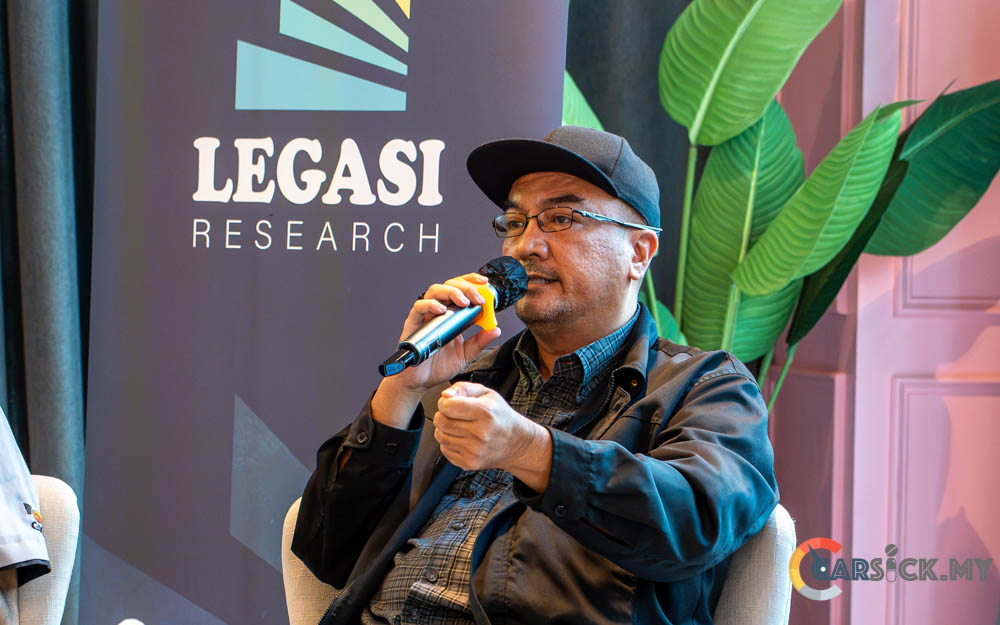
One key distinction is whether insurers can make suitable flexible products available through more operators, or whether a single insurance policy could provide protection for eligible driving activities across multiple platforms. Mushfique Ahmed Chowdhury, Head of Government Relations and Legal Compliance at Maxim, said practical arrangements would be necessary to ensure wider accessibility without compromising insurance protection.
“Greater insurance accessibility requires arrangements that are practical for drivers, operators and insurers. This includes clarity on when coverage is valid, how it is verified and how claims are managed, particularly for drivers using multiple platforms. Affordability must be balanced with effective risk management and adequate protection,” he said. Technology could also play a role in addressing some of these challenges. Secure digital systems, for example, could potentially help verify whether a driver has active insurance coverage when accepting bookings. However, implementing such arrangements would require cooperation between platforms and insurers, alongside safeguards covering personal data, system reliability and the accurate verification of insurance policies.
While daily insurance could offer a more convenient payment structure for occasional drivers, lower upfront costs do not automatically translate into lower overall expenses. Drivers would still need to understand the extent of their coverage, when protection begins and ends, and the circumstances under which claims can be made. Similarly, insurers must ensure that premiums reflect the risks involved and that claims can be managed sustainably.
Bank Negara Malaysia’s 2025 Annual Report highlighted ongoing efforts involving insurers and e-hailing operators to address protection gaps and maintain affordable coverage. It also recognised that drivers spending longer hours on the road may face greater accident risks. This reinforces the need for insurance solutions that consider actual driving exposure while maintaining appropriate underwriting standards.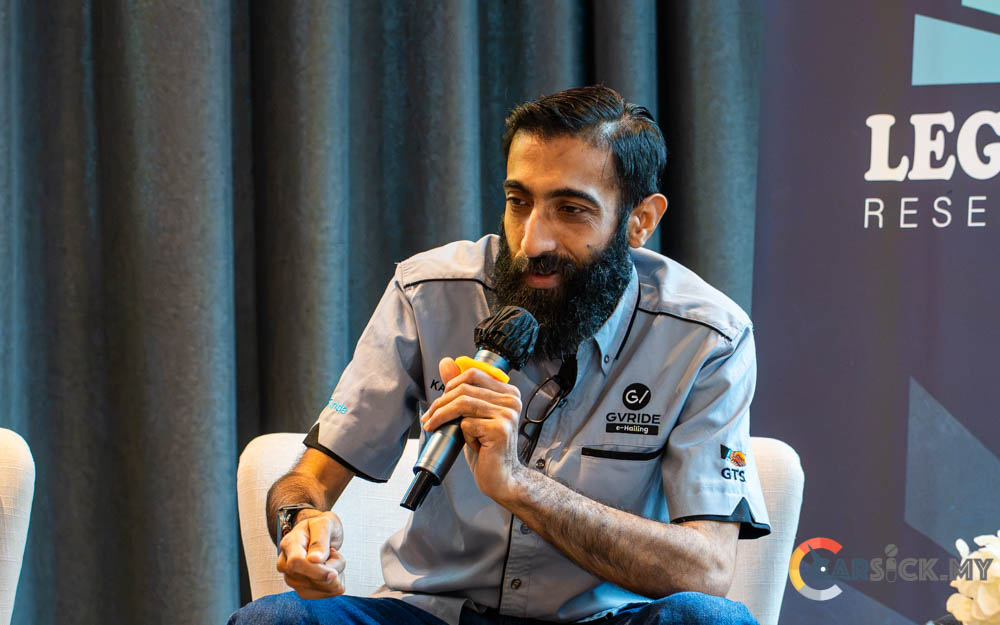
More importantly, the discussion should not be limited to whether daily insurance is cheaper than an annual policy. The wider question is whether drivers with different working arrangements have reasonable access to suitable insurance products in the first place. Where daily coverage is offered through platform-specific partnerships, drivers using other operators may not have access to comparable arrangements. This raises questions about the role of insurance partnerships, underwriting requirements and operational integration in determining which drivers can benefit from flexible coverage.
Wider accessibility does not necessarily mean every platform must offer identical premiums or insurance products. Different operators and insurers may have different commercial arrangements and risk assessments. Nevertheless, there is room for greater cooperation to ensure eligible drivers are not unnecessarily limited by the platform through which they choose to work.
Ultimately, addressing e-hailing insurance affordability will require a coordinated effort involving regulators, insurers, platform operators and driver representatives. The challenge is to develop arrangements that recognise the different ways Malaysians participate in the gig economy, from full-time drivers who depend on daily bookings to occasional drivers looking to supplement their monthly income. Greater flexibility could help make e-hailing more accessible as a supplementary income opportunity, while a more consistent approach to insurance availability could also support a healthier and more competitive operating environment.