
There was a time when the Kia Sportage was quite a common sight on Malaysian roads. Back when Naza was handling Kia’s distribution in Malaysia, the Sportage was a fairly popular choice among SUV buyers. After all, the SUV market wasn’t nearly as crowded as it is today, and the Sportage was one of the more affordable options around. Fast forward to today, and things have changed quite a bit. The Sportage has gradually become more expensive, while the competition has grown significantly.
 With so many new SUVs entering the market, it isn’t surprising that we don’t see as many new Sportage models on the road. But here’s the interesting part. Kia is now phasing out the current Sportage to make way for an updated model, and the outgoing version has received a rather substantial price reduction. So, is this a good opportunity to grab a bargain, or should you simply wait for the newer model? I spent some time with the Sportage to find out.
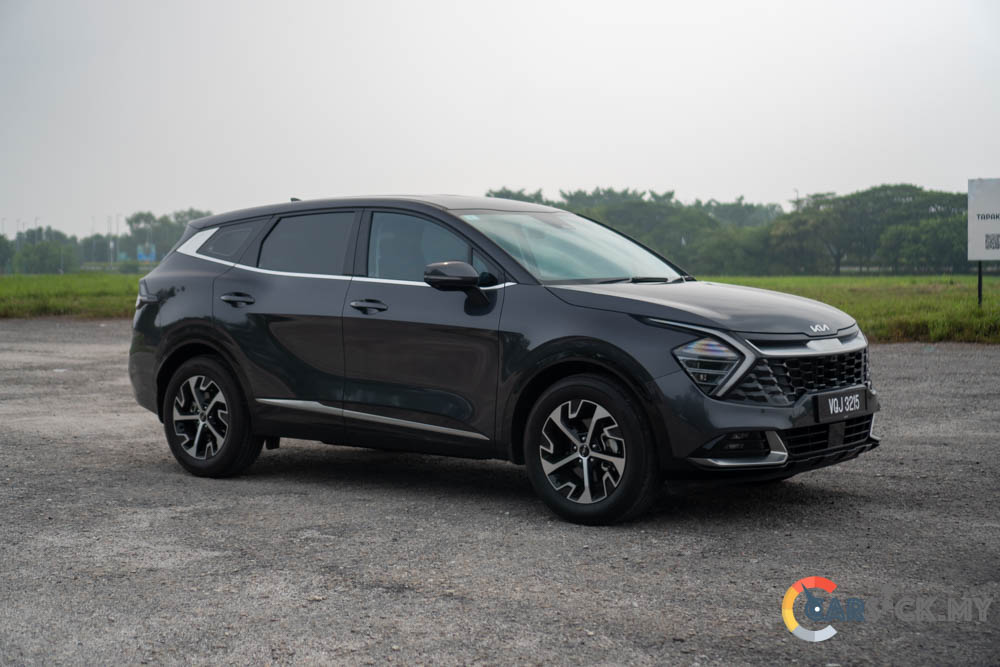
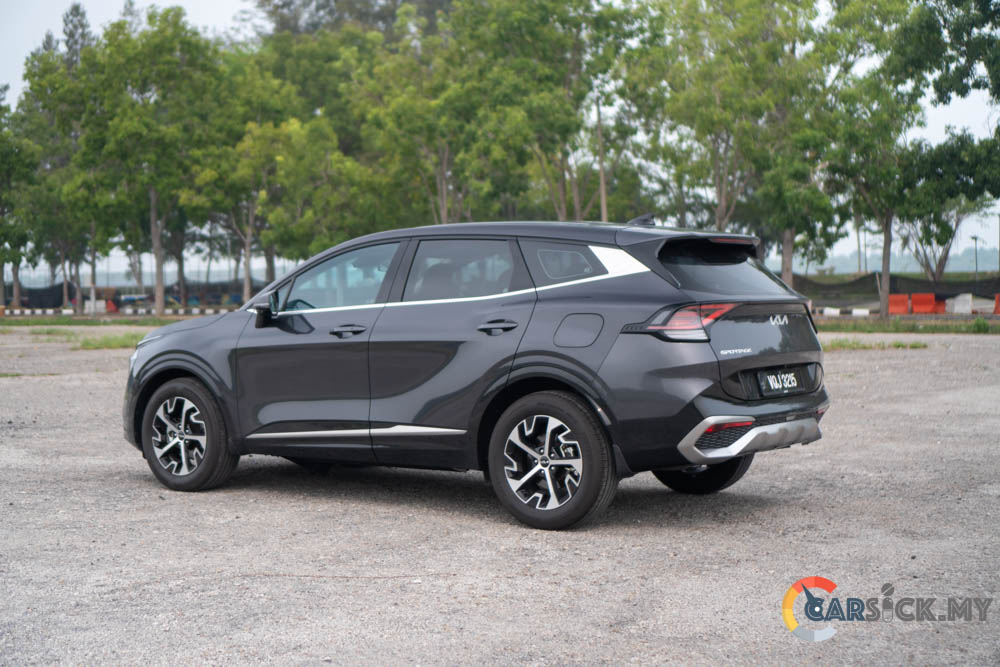
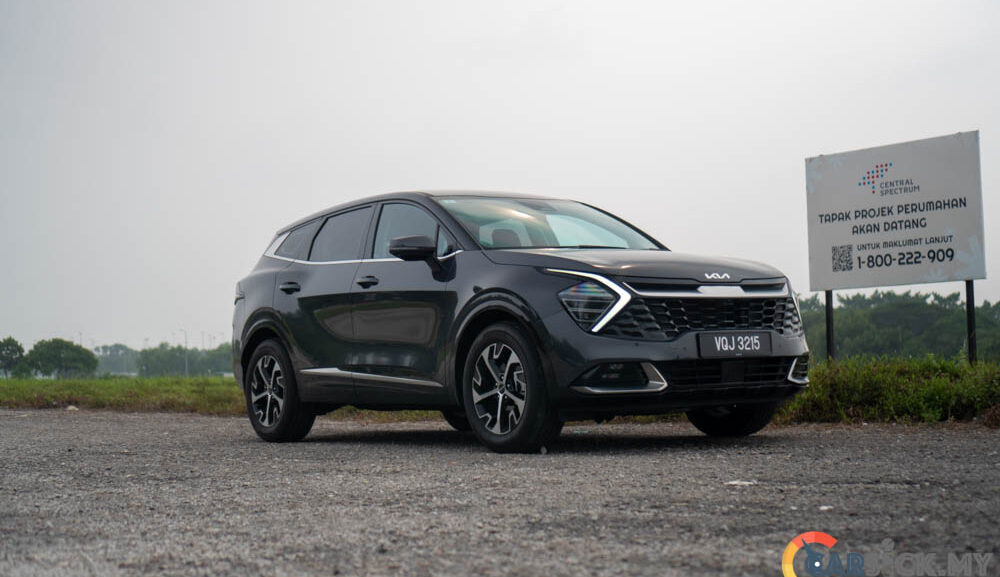
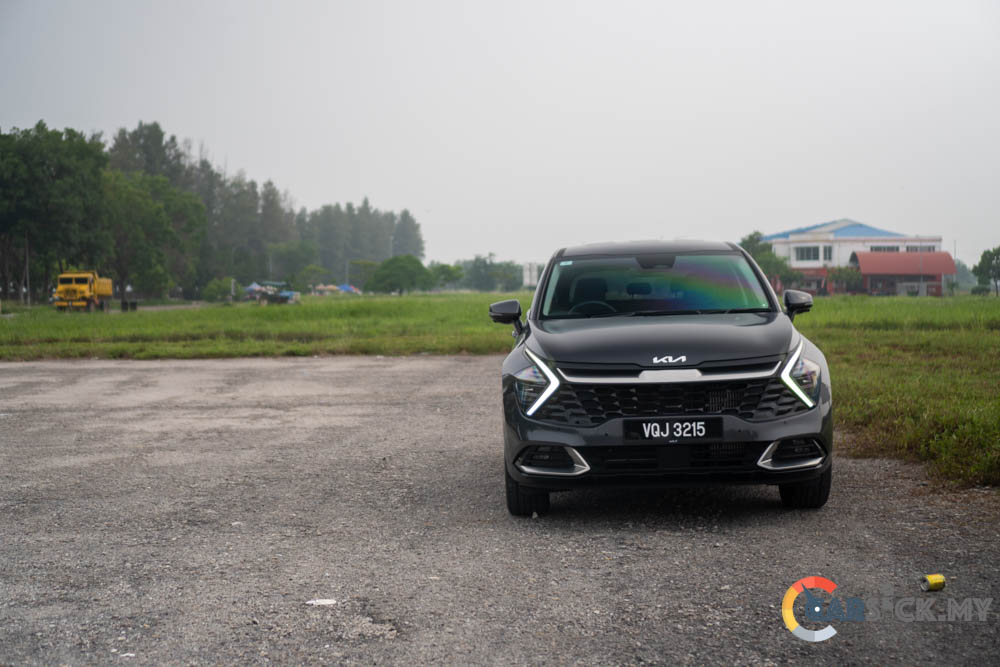
Let’s start with the looks. The current Sportage isn’t exactly the kind of SUV that everyone will fall in love with at first sight. Personally, I quite like it, although I can understand why some people might find its design a little unusual. But one thing is for sure: you won’t mistake it for anything else on the road. The front end looks sharp, although Kia has incorporated some curves into the design to prevent it from looking overly aggressive. Dominating the front is a rather large grille inspired by Kia’s signature Tiger Nose design, something the Korean automaker has been using for quite some time.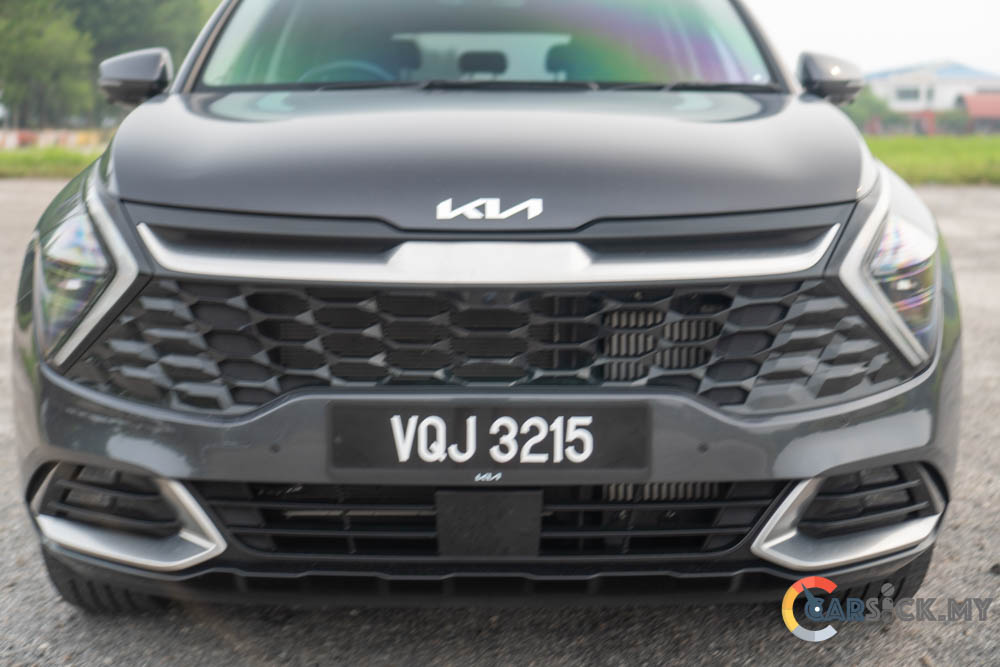
The headlights are positioned towards the outer edges of the front grille, giving the front end an interesting appearance. They are also complemented by large daytime running lights, which create a distinctive outline around the headlights. It’s certainly a design that takes some getting used to, but I think Kia deserves credit for trying something different.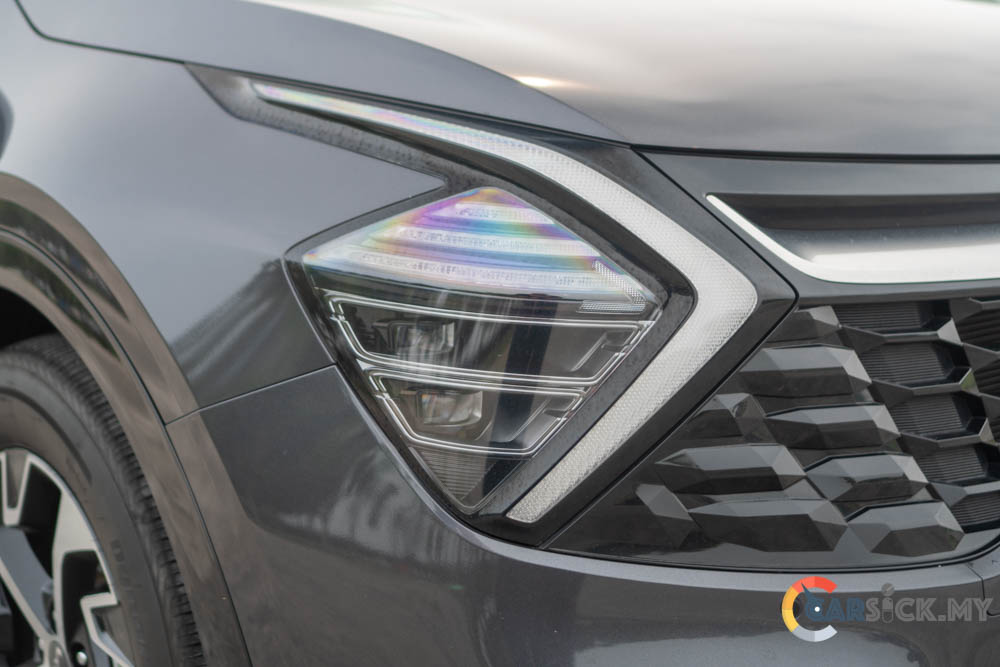
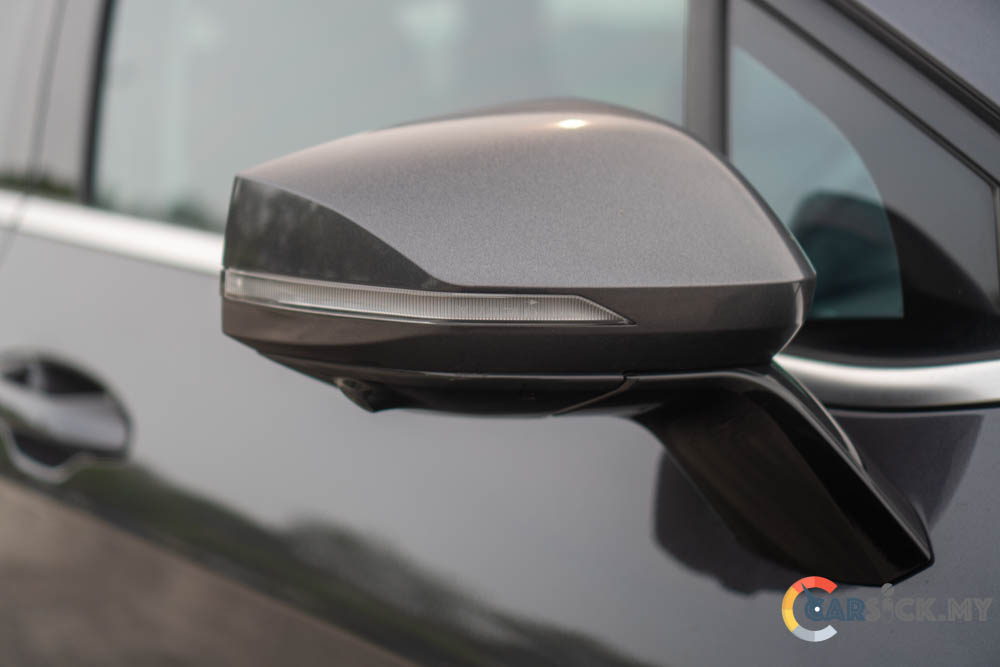
Moving to the side, the Sportage adopts a more conventional SUV silhouette. However, there’s one particular detail that caught my attention: the wing mirrors. Yes, I’m talking about the wing mirrors. It’s probably not something most people would spend much time looking at, but I actually think Kia did a rather good job designing them. They look stylish without compromising on functionality, as they are still large enough to provide a good view of what’s happening behind you. It also shows that Kia has paid attention to the smaller details. Even something as ordinary as a pair of wing mirrors gets its own design treatment. 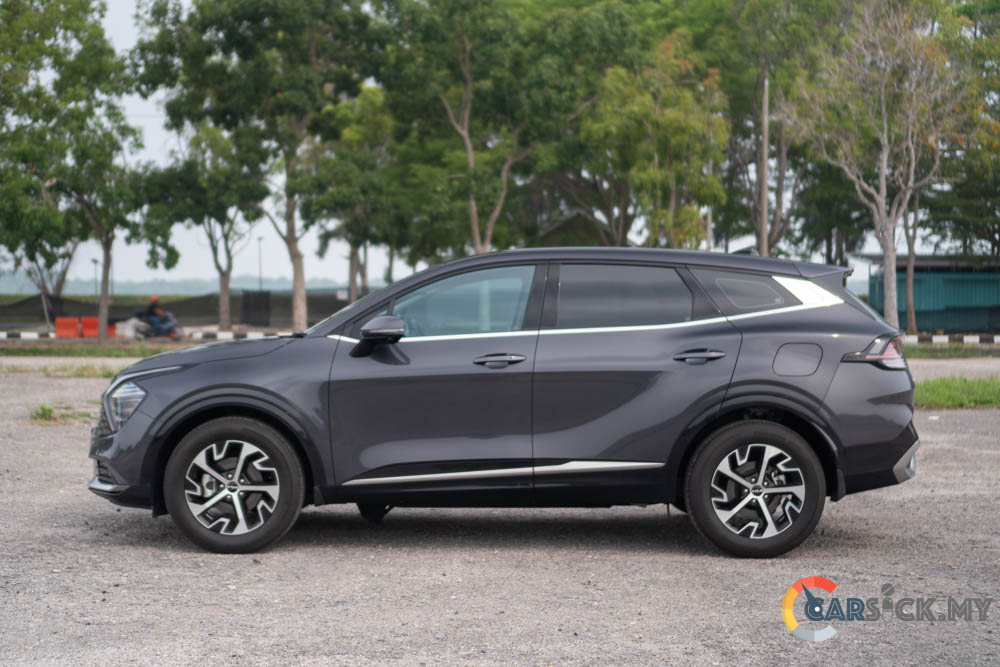
Further towards the rear, you’ll find a chrome trim piece near the D-pillar. Interestingly, it reminds me of the chrome detailing around the C-pillar on the Kia Carnival. It’s a small touch, but it adds a little more character to the Sportage’s side profile. At the rear, the Sportage continues to embrace its distinctive styling. There’s a certain sophistication to its design, particularly with the full LED taillights. Interestingly, Kia hasn’t gone with a connecting light bar, yet the rear lighting arrangement still manages to stand out. 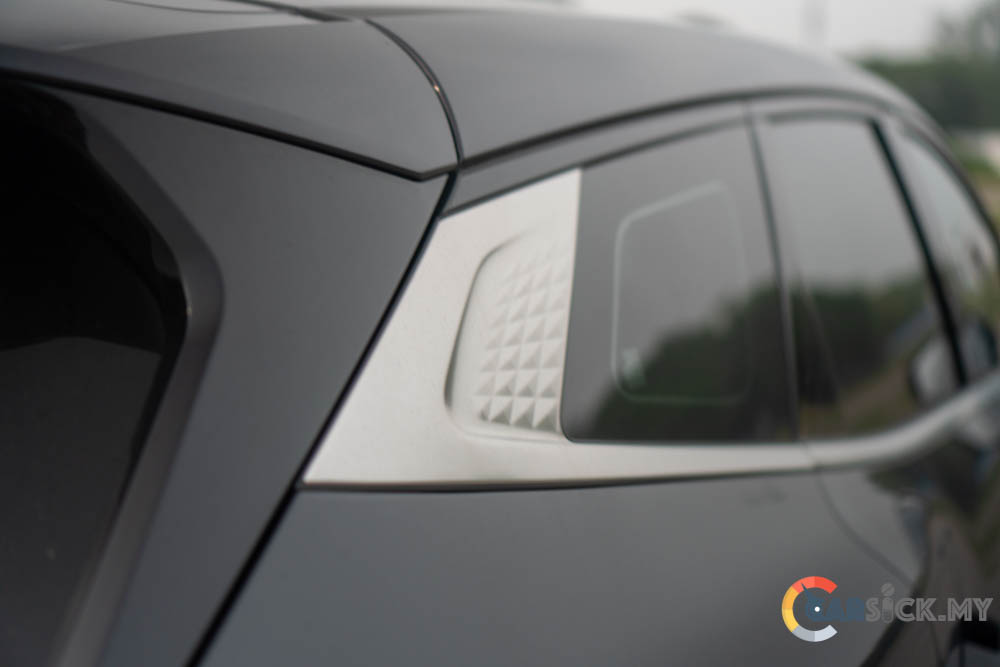
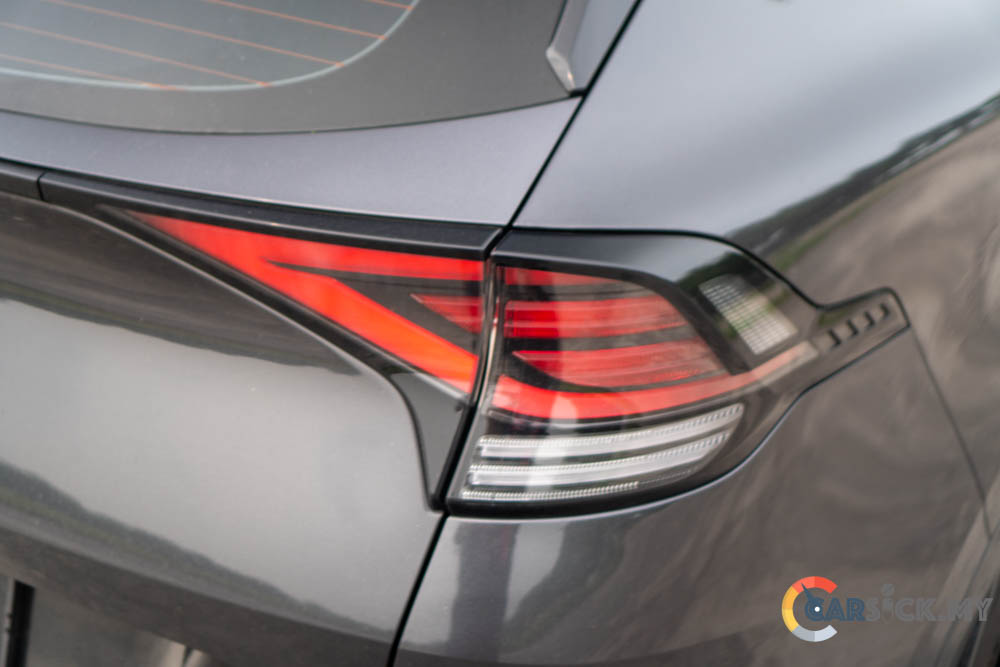
The tailgate itself is also rather large, giving the rear end a substantial appearance. Completing the exterior package is a set of 18-inch alloy wheels wrapped in 235/50 R18 tyres. I think these wheels suit the Sportage rather well, striking a nice balance between sporty and modern. Overall, I quite like the Sportage’s appearance. It might not be love at first sight, but I certainly wouldn’t call it ugly. In fact, I reckon this is one of those vehicles whose design grows on you over time. The more you look at it, the more you begin to appreciate the little details.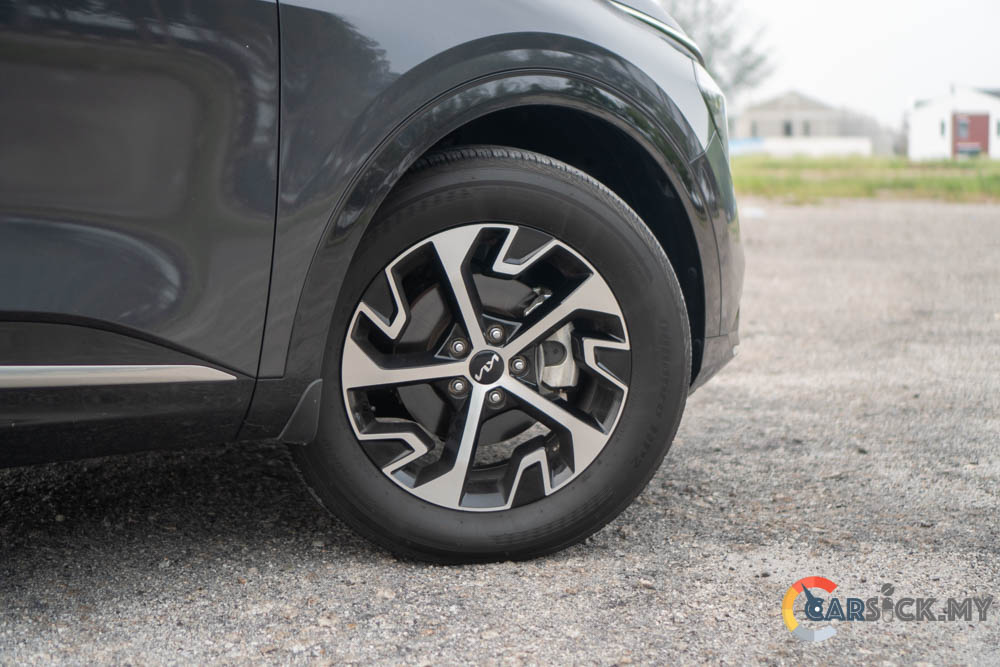
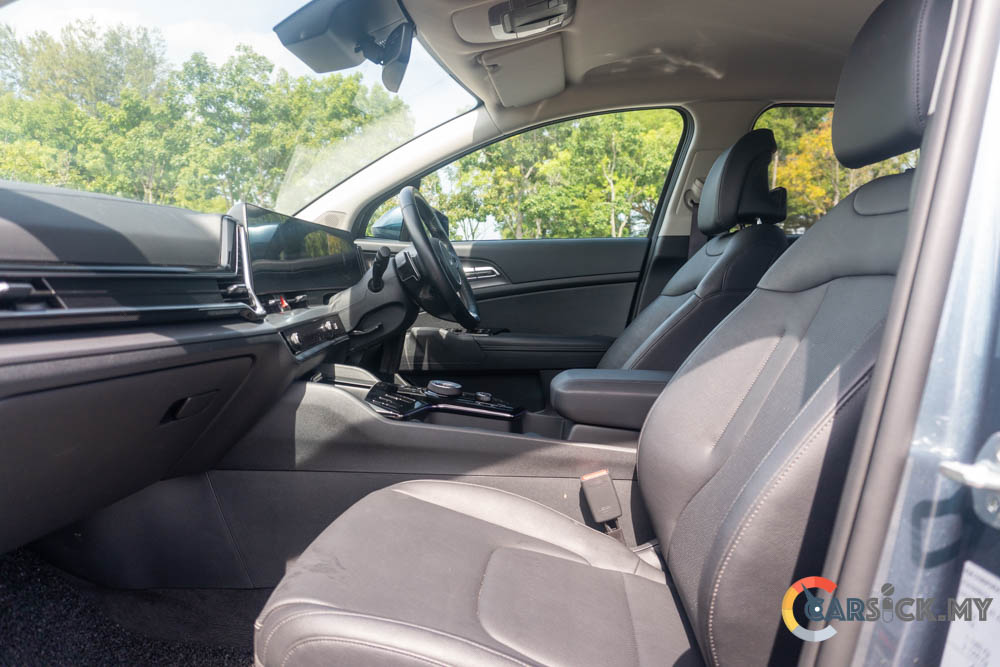
Step inside, and you’ll find that the Sportage is quite a pleasant place to spend your time. The interior certainly looks like a Kia product, but that’s not a bad thing at all. The dashboard is neatly laid out, and most of the controls are exactly where you’d expect them to be. More importantly, the materials used throughout the cabin feel rather premium. I wouldn’t say the Sportage loses out to what many Chinese carmakers are offering today. In fact, I reckon its interior feels more solidly put together than quite a number of Chinese vehicles currently available.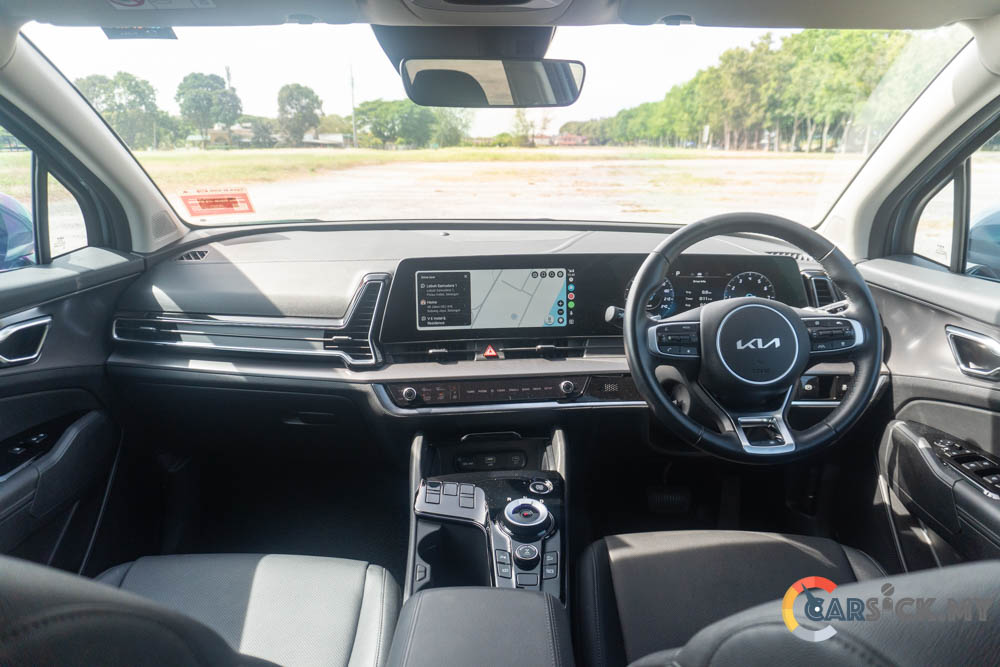
The main attraction on the dashboard is undoubtedly the curved display panel, which houses two 12.3-inch screens. One serves as the digital instrument cluster, while the other handles infotainment duties. Now, here’s something I really appreciate. Despite having all these fancy screens, Kia hasn’t decided to throw every single function into a touchscreen menu. You still get physical buttons for the infotainment system and climate controls. And honestly, thank goodness for that. I know touchscreen-heavy interiors look modern, but having to navigate through multiple menus just to adjust the air-conditioning can get rather annoying. Sometimes, a good old physical button is all you need.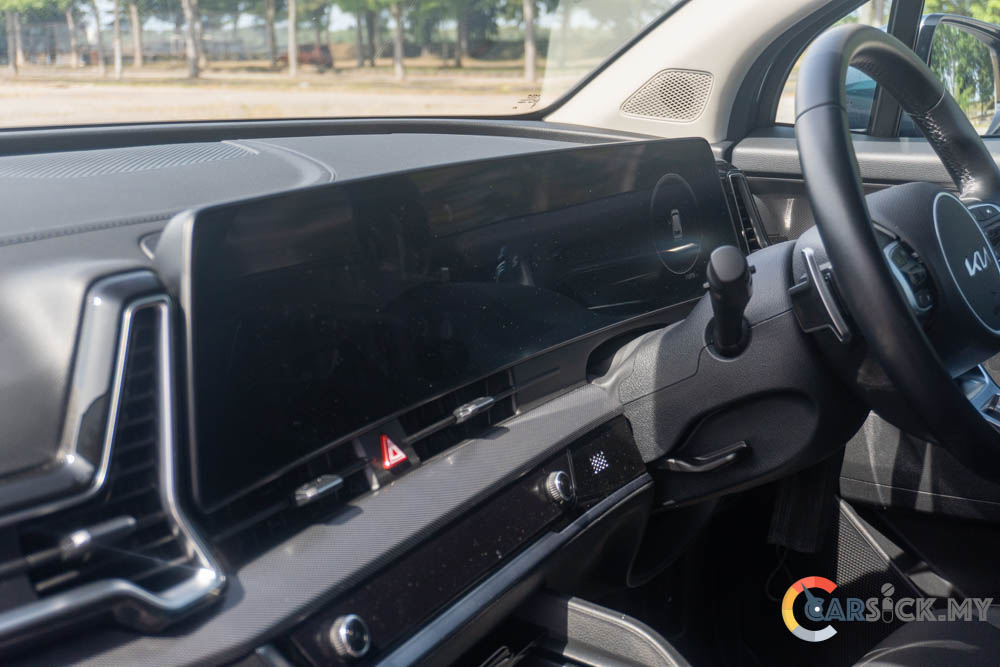
The gear selector is another interesting feature. Kia has opted for a rotary gear selector, similar to the one found in the Carnival. It’s easy to operate and fits nicely into the overall dashboard design. However, not everything is perfect. There are a few blank buttons scattered around the dashboard, and they do make certain areas look a little cheaper than they should. It’s a minor detail, but I think Kia could have done a better job finishing this part of the cabin.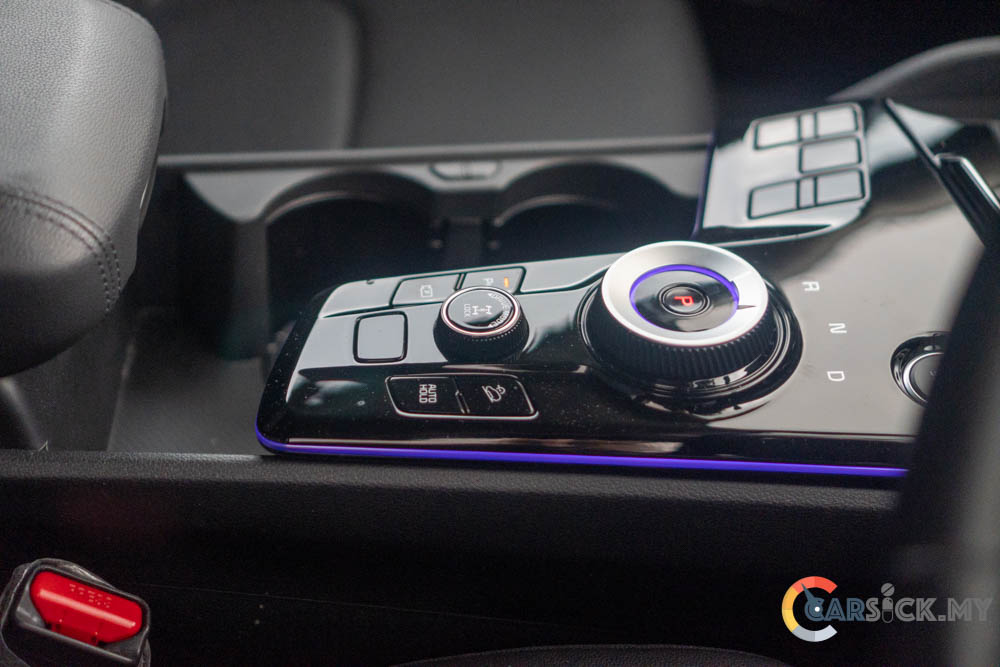
As for the digital instrument cluster, it’s familiar, easy to understand and uses the same graphics found in other Kia models, including the Carnival. Personally, I like this approach. Once you’ve familiarised yourself with one Kia model, getting used to another becomes much easier. You don’t have to spend half your drive figuring out where Kia has hidden a particular setting. The display itself is sharp, and I particularly appreciate its matte finish. This helps reduce glare, something that can be quite distracting when driving under bright sunlight. Another advantage? It doesn’t collect fingerprints as easily as those glossy display panels found in some modern cars. Your smartphone might be covered in fingerprints, but at least your instrument cluster doesn’t have to suffer the same fate.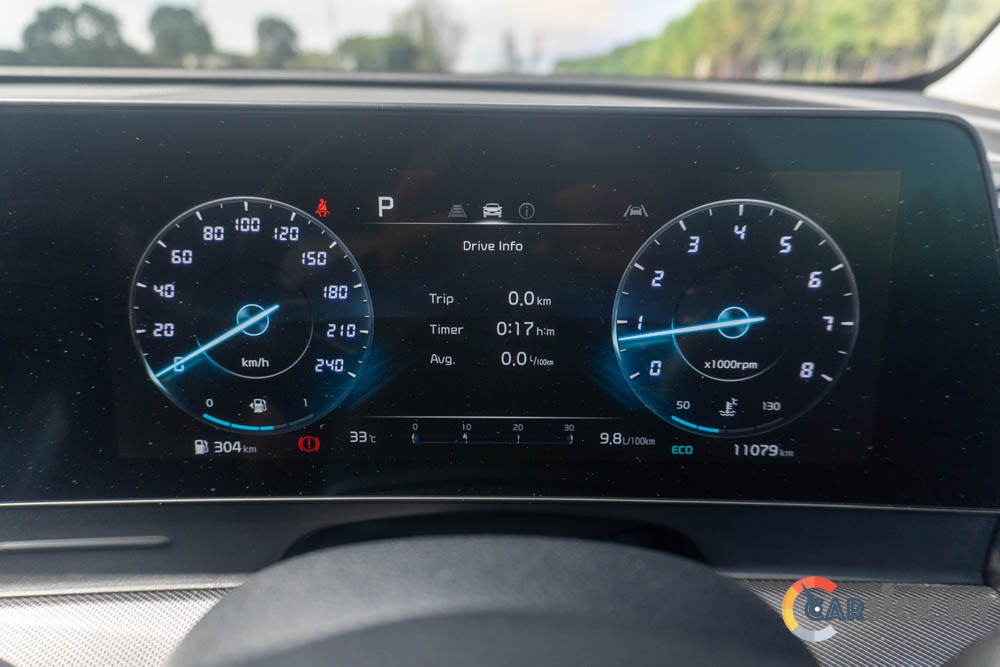
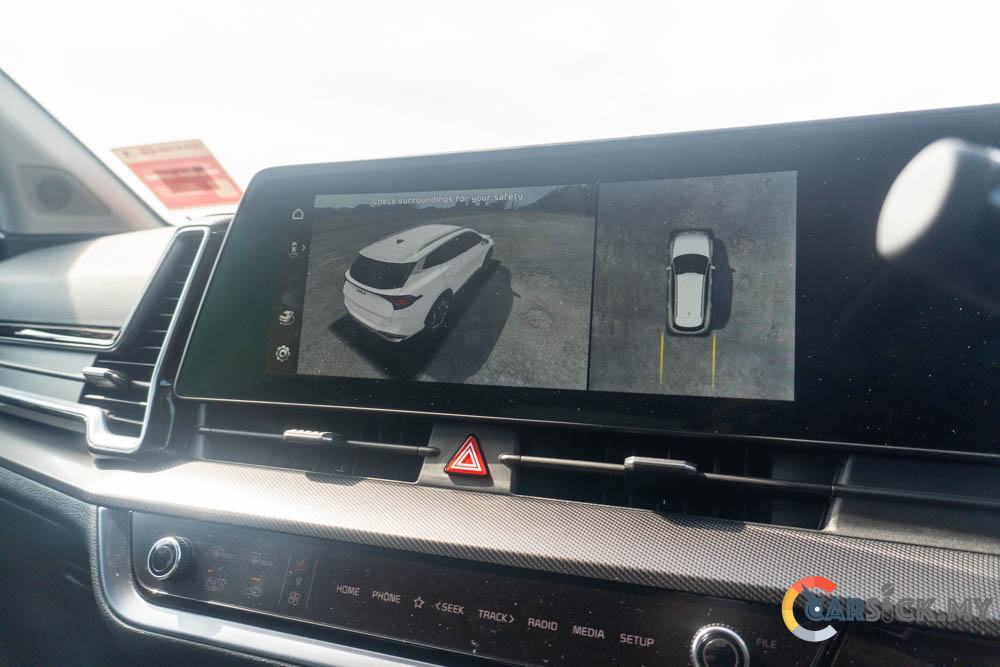
The infotainment display follows a similar layout to what you’ll find in the Kia Carnival. It’s fairly straightforward and comes with all the essential features, including wireless Android Auto and Apple CarPlay. You also get a 360-degree camera system, and the image quality is surprisingly clear. This is particularly useful when squeezing the Sportage into tight parking spaces, especially in places where the parking bays seem to get smaller every year. However, the two-wheel-drive variant only comes with a six-speaker sound system. That might sound a little underwhelming on paper, but I was pleasantly surprised by how good it sounded. For a six-speaker setup, I really don’t have much to complain about. 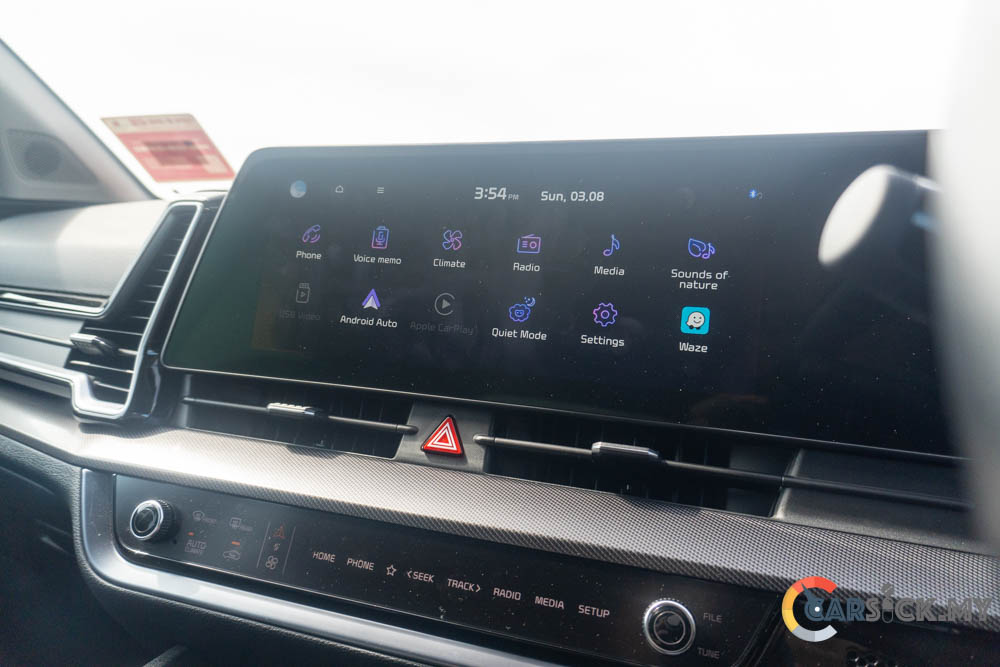
Moving on to the front seats, they are quite comfortable. Finding a suitable driving position was easy, and I didn’t have to spend ages adjusting the seat just to get comfortable. The centre sections of the seats are relatively soft, providing good comfort, while the side bolsters are slightly firmer to help hold you in place. It’s a nice combination, especially if you spend plenty of time behind the wheel.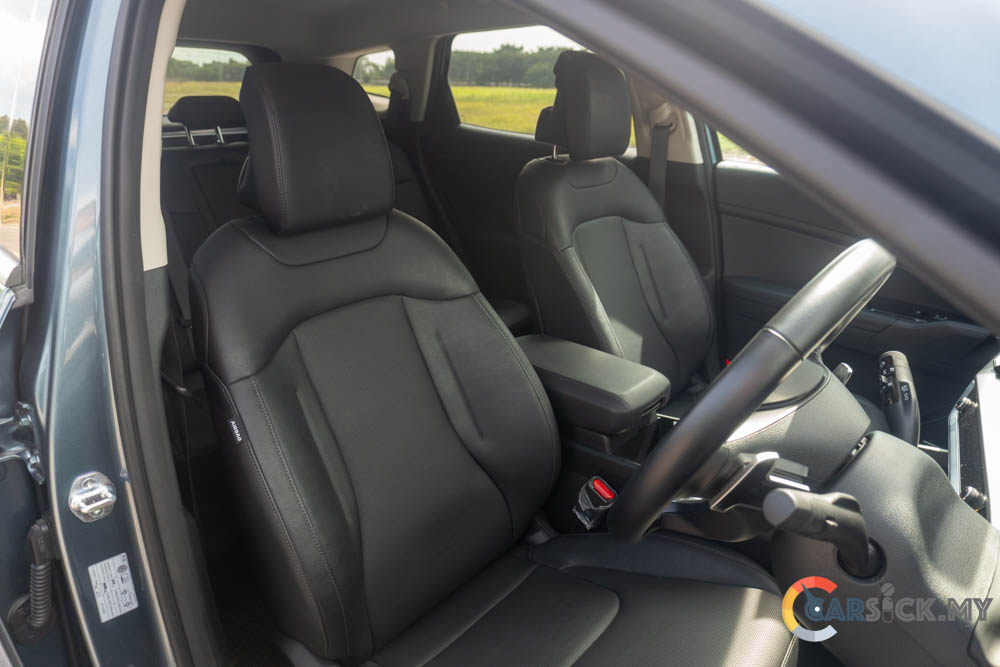
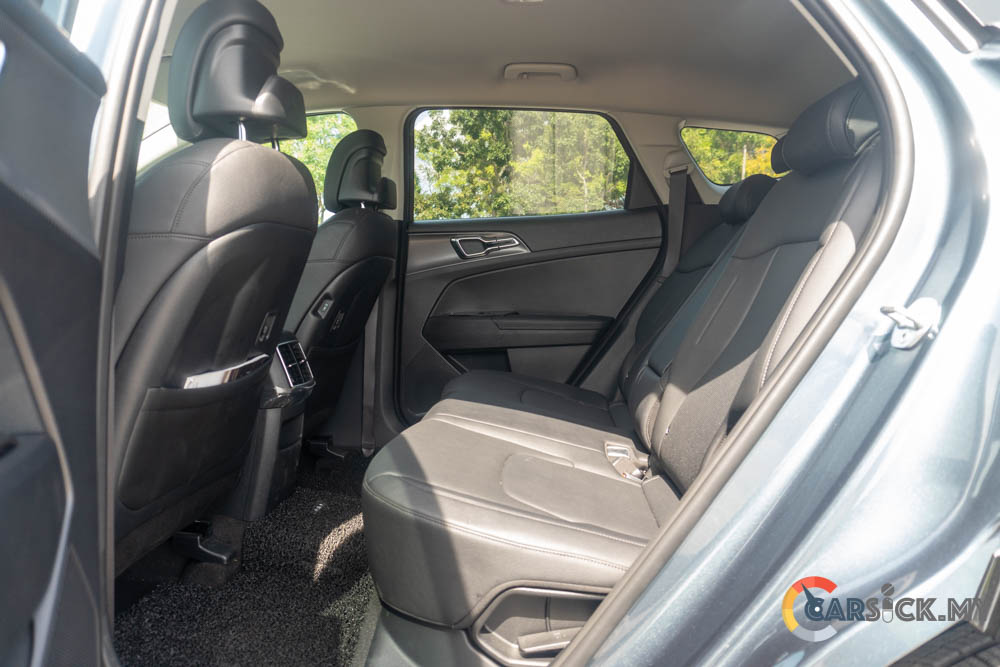
If you’re buying an SUV for family duties, the rear seats are probably just as important as the front ones. Thankfully, the Sportage doesn’t disappoint here. The second-row seats are equally comfortable, with a good amount of legroom and headroom even when the front seats are adjusted to my preferred driving position. One thing I particularly appreciate is the thigh support. Sometimes, rear seats can feel comfortable for the first few minutes before you realise your thighs are practically hanging in the air. That’s not something I experienced in the Sportage. The seats provide good support, making longer journeys more comfortable. In fact, I’d say the Sportage has one of the nicer rear seating arrangements in this SUV segment.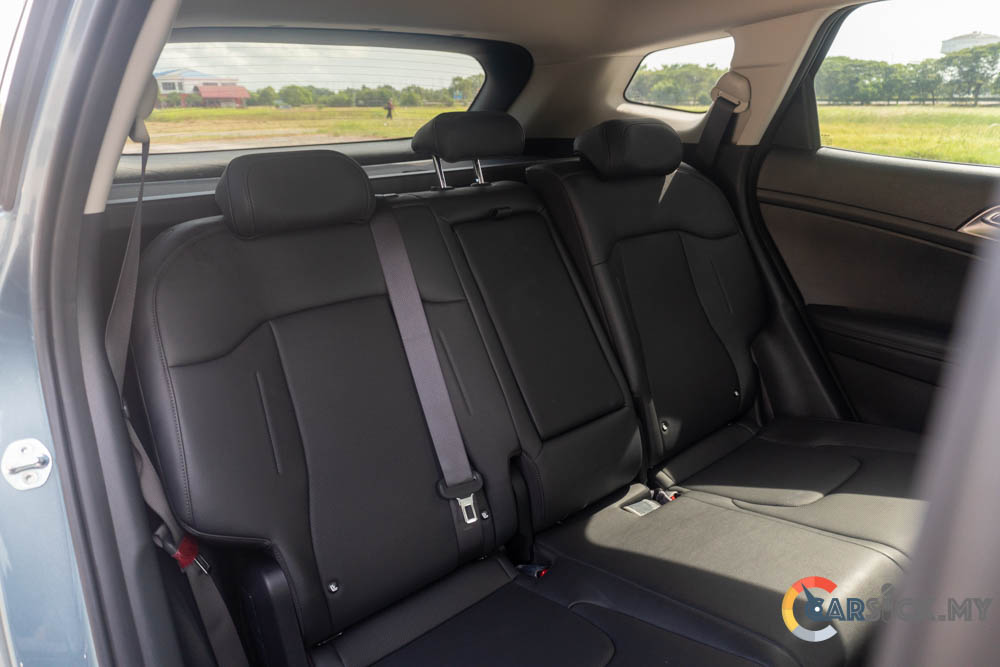
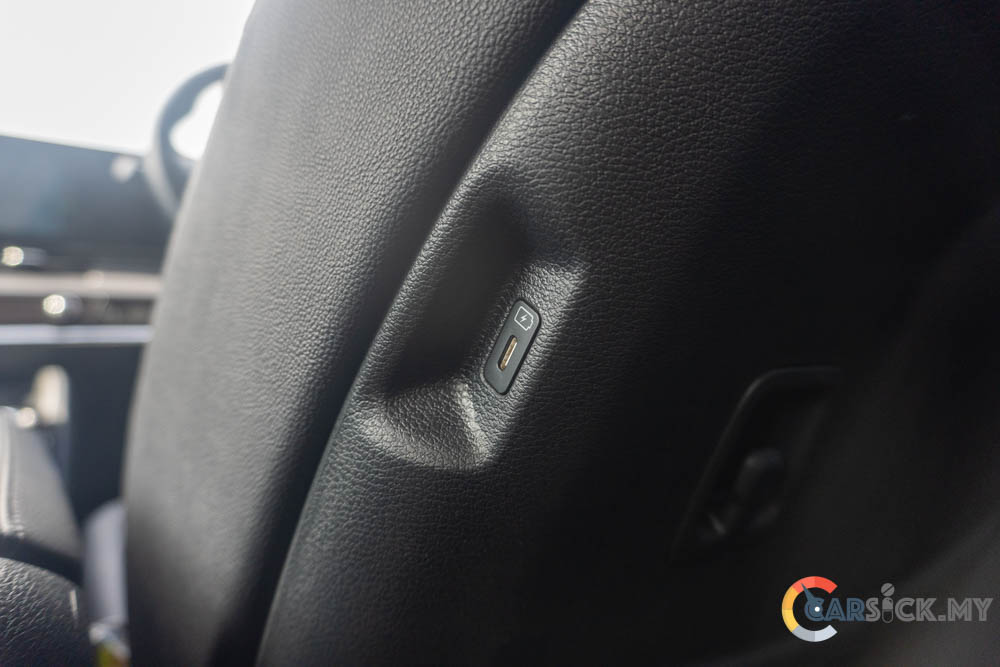
To make things even better, the rear seatbacks come with multiple reclining positions. This allows passengers to adjust their seating angles depending on how they prefer to sit. There are also two centre air-conditioning vents to keep rear passengers cool. And knowing how warm Malaysian weather can get, having proper rear air-conditioning is certainly something your passengers will appreciate. Another small detail I like is the placement of the USB-C charging ports at the back of the front seats. They’re positioned within easy reach, so rear passengers won’t have to awkwardly stretch around trying to find a charging point. It’s these little touches that make everyday ownership more pleasant. 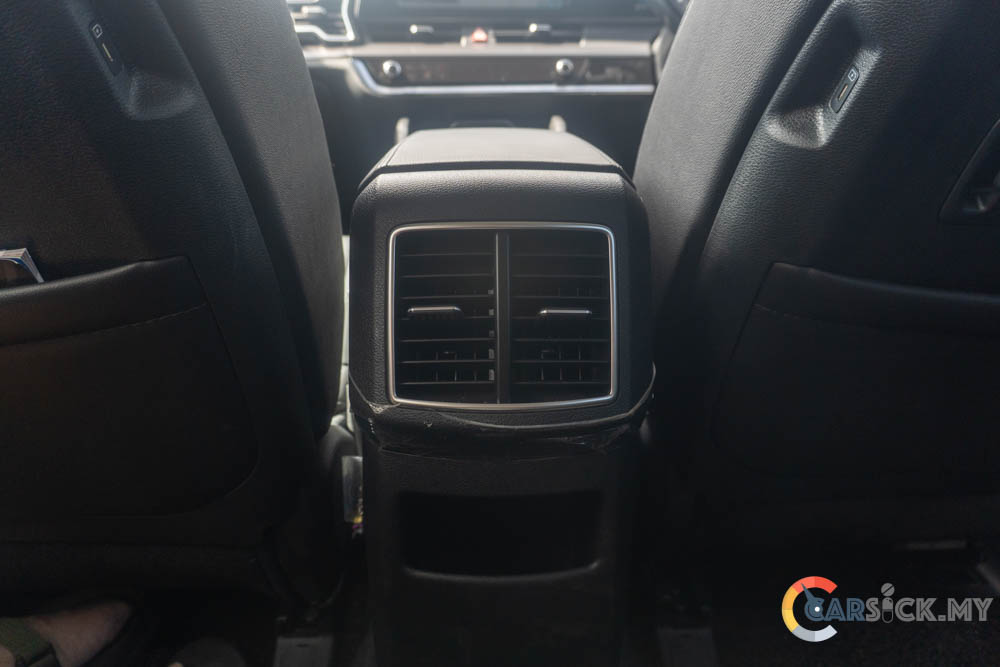
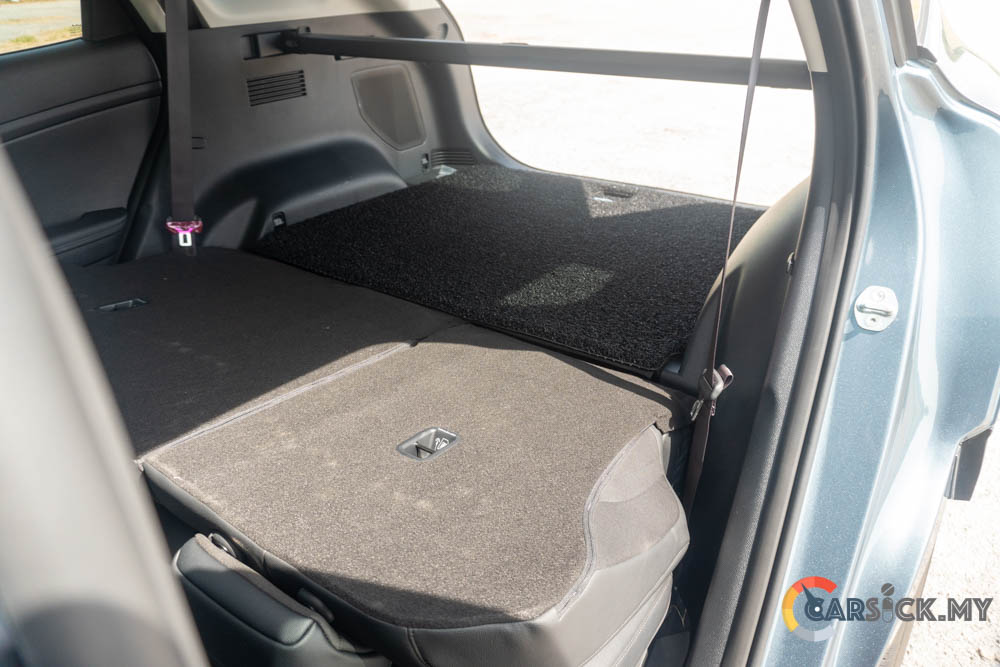
Behind the rear seats, the Sportage offers a generous 587-litre boot. That’s quite a substantial amount of space, and it should be more than enough for a family of five to carry their everyday belongings or luggage for a weekend getaway. Need more room? Simply fold down the rear seats to create a larger cargo area. The resulting floor is relatively flat, making it easier to slide larger items into the boot. But here’s another clever feature. You don’t even have to open the rear doors to fold down the seats. There are levers located inside the boot that allow you to release the rear seatbacks directly from the cargo area. So, if you’re loading something large and suddenly realise you need more space, you don’t have to walk around the vehicle. Just pull the lever and you’re good to go. That’s what I call convenience. 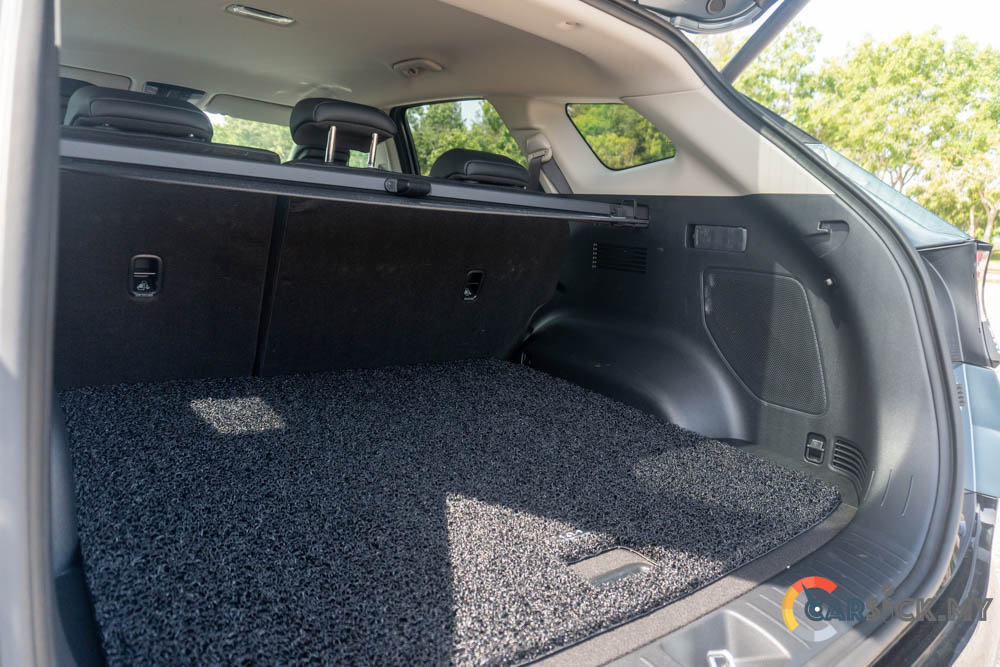
In Malaysia, the Kia Sportage is available with two engine options: a naturally aspirated 2.0-litre engine and a turbocharged 1.6-litre engine. The model I have here is the latter, paired with a seven-speed dual-clutch transmission (DCT). Power is sent exclusively to the front wheels. On paper, the 1.6-litre turbocharged engine produces 177 hp and 265 Nm of peak torque. Those are respectable figures for a family SUV, and you’d expect it to have enough performance for everyday driving. Thankfully, it doesn’t disappoint.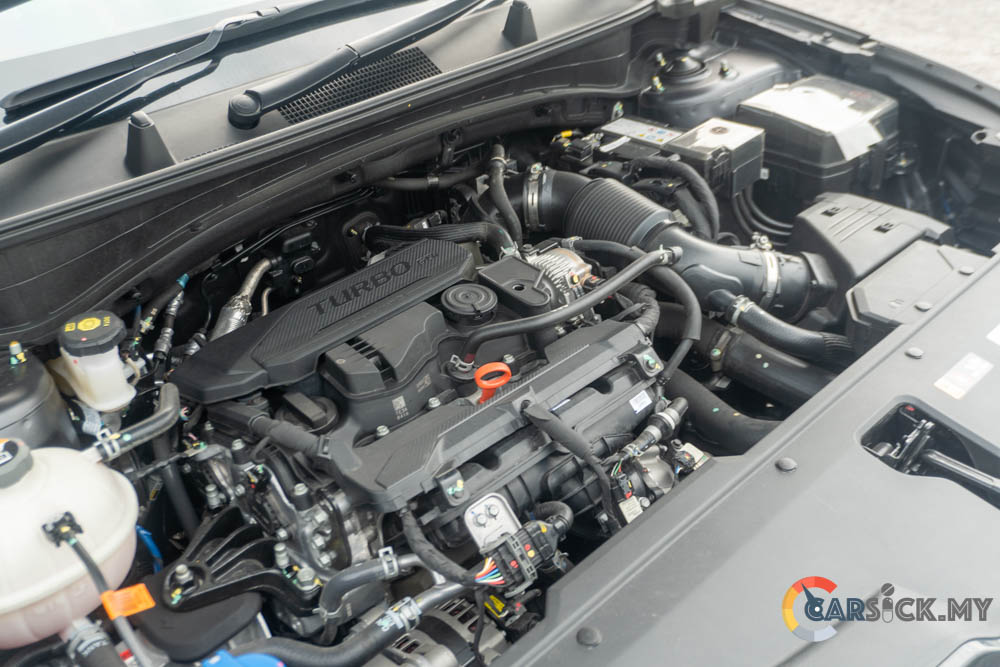
The engine gets the Sportage up to speed relatively easily, while the available torque provides sufficient pulling power even at lower engine speeds. However, there’s one thing you’ll notice almost immediately when driving this SUV: turbo lag. It’s particularly obvious when moving off from a standstill. If you’re coming from a naturally aspirated car, you might even wonder whether the engine is doing anything at first. The initial response can feel rather sluggish, especially when you’re expecting an immediate surge of power. Thankfully, once the turbo gets going and the Sportage is up to speed, things become much better. It’s certainly not a deal-breaker, but it’s something worth knowing before you take the plunge.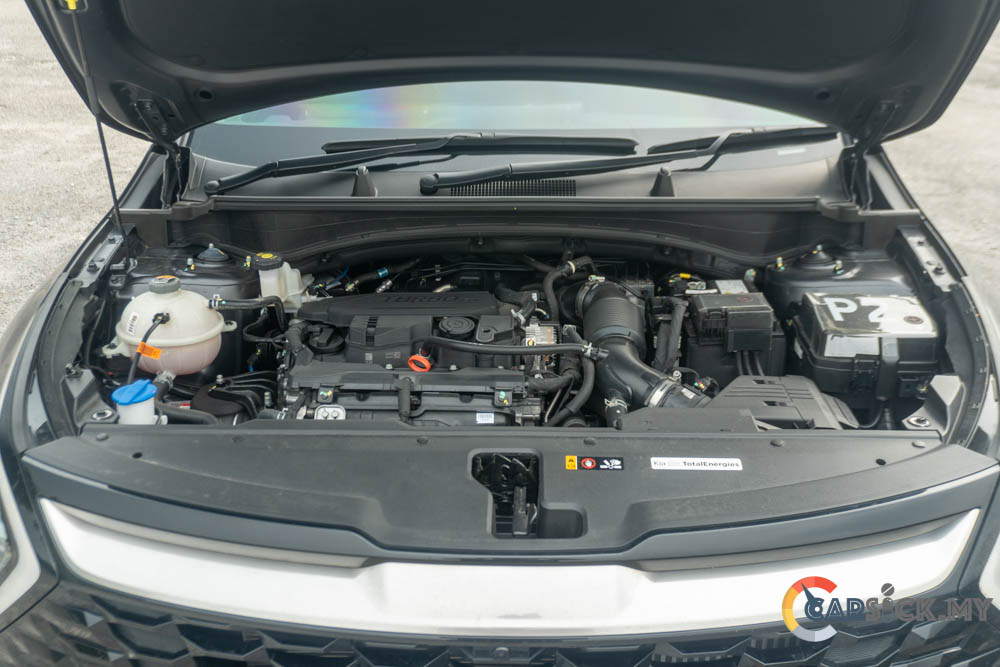
Another thing that surprised me was just how quiet the engine is. When idling, you can barely hear it ticking over. It’s only when you start pressing the accelerator and the revs climb that the engine makes itself known. As for fuel consumption, I managed to average around 9L/100km during my time with the Sportage. That’s a reasonably acceptable figure for an SUV of this size. Of course, if you’re lighter on the throttle or spend more time cruising along the highway, you should be able to achieve an even better figure. With a full tank, the onboard computer indicated a maximum driving range of around 560 km. That’s pretty decent, and it means you won’t have to constantly worry about looking for a petrol station.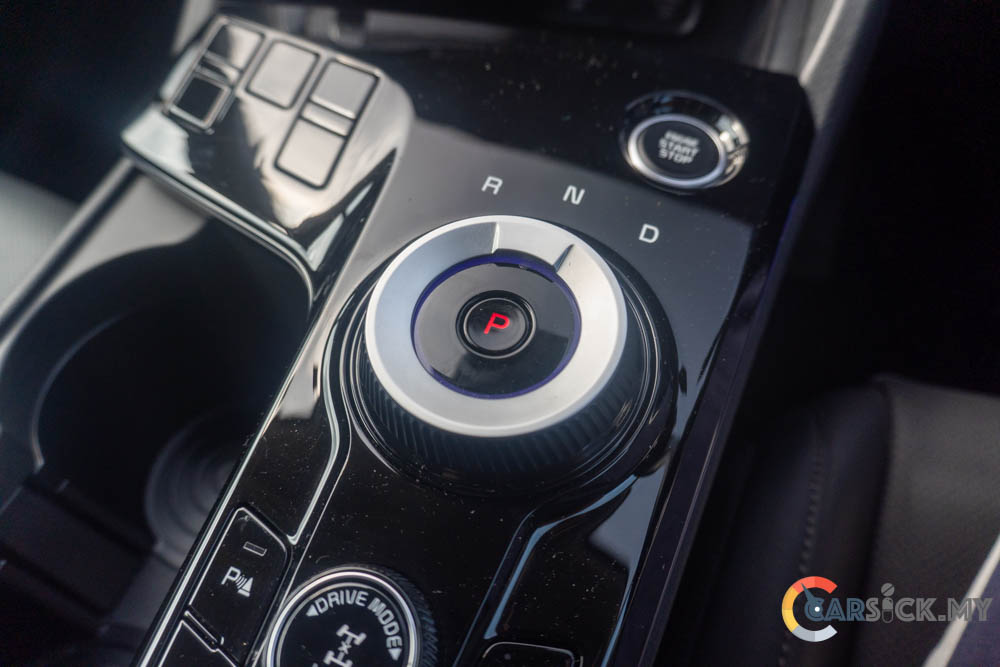
Now, let’s talk about the seven-speed dual-clutch transmission. For everyday driving, it’s generally fine. However, when operating at lower speeds and in the lower gears, you can sometimes feel the transmission taking its time to select the next gear. I believe this behaviour is intended to help protect the transmission during low-speed operation. Nevertheless, it does make the Sportage feel a little less refined when crawling through traffic compared with when you’re driving at higher speeds. It’s not a major issue, but I do think there’s room for improvement here. After all, nobody wants their family SUV to feel a little hesitant when moving away from a traffic light.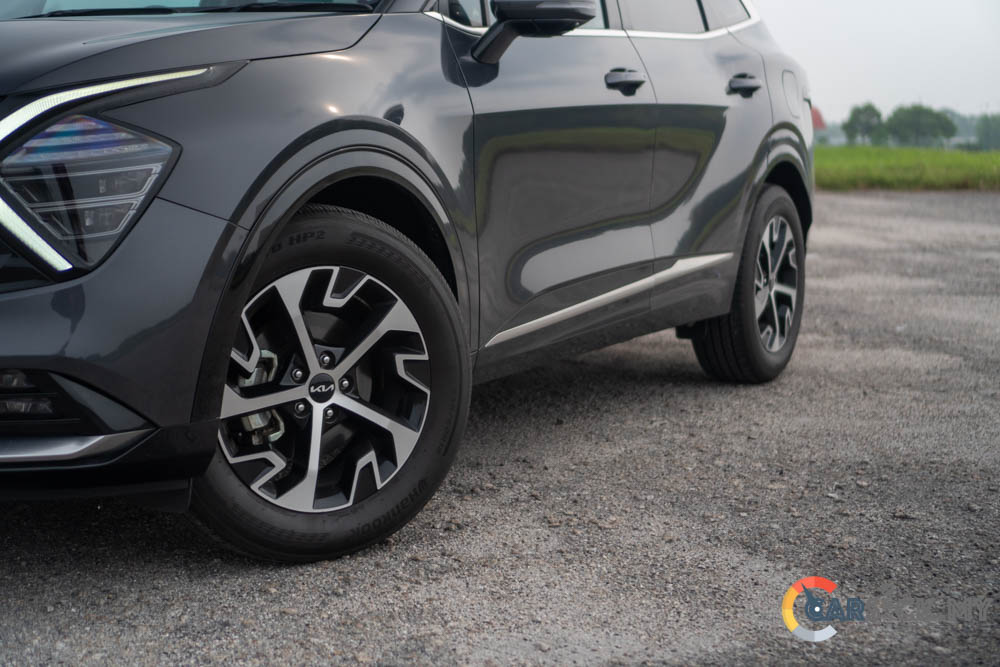
On the road, the Sportage is actually quite a pleasant SUV to drive. It has that sense of sophistication you’d expect from a properly engineered vehicle. The suspension does a good job of dealing with uneven road surfaces. You can feel a certain firmness when going over bumps, but the important thing is that unwanted jolts don’t make their way into the cabin. In other words, the Sportage manages to strike a nice balance between comfort and control. It doesn’t feel overly soft, nor does it punish you every time you encounter a pothole. And that’s exactly what you want from a family SUV. The Sportage also feels planted and composed, even when travelling above the national speed limit. This gives it a reassuring feel on the highway, particularly when you’re covering longer distances.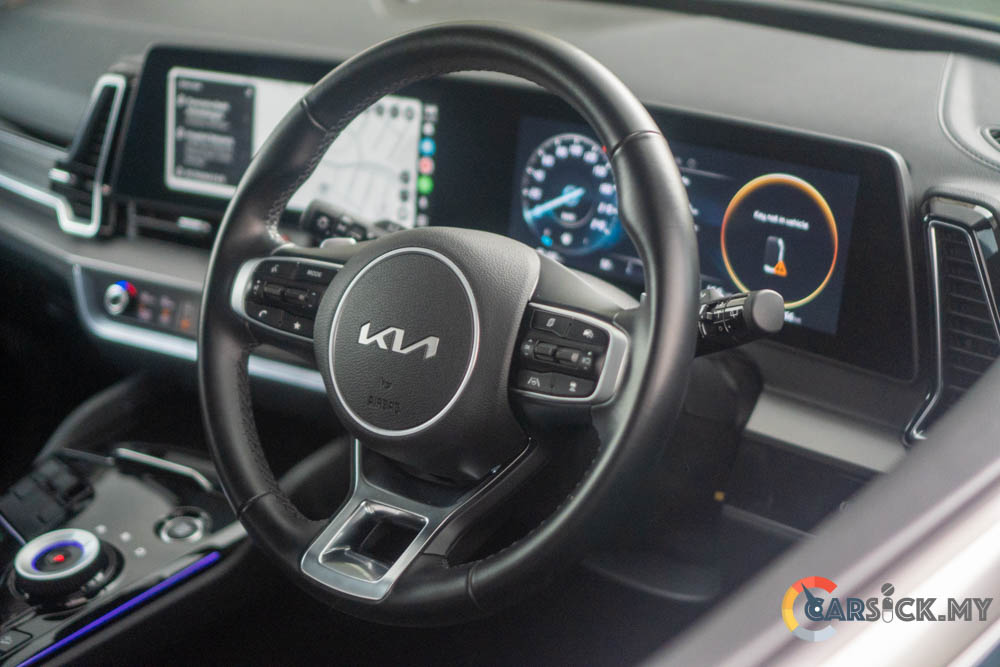
Its handling is pretty decent too. The steering feels neutral, and the vehicle responds to steering inputs rather promptly. It doesn’t feel particularly cumbersome for an SUV of its size. On the flip side, the steering does feel a little numb. You don’t get much feedback from the road, so enthusiastic drivers might find it a little lacking in character. Still, considering the Sportage’s current asking price, I think it’s difficult to complain too much about what you’re getting here.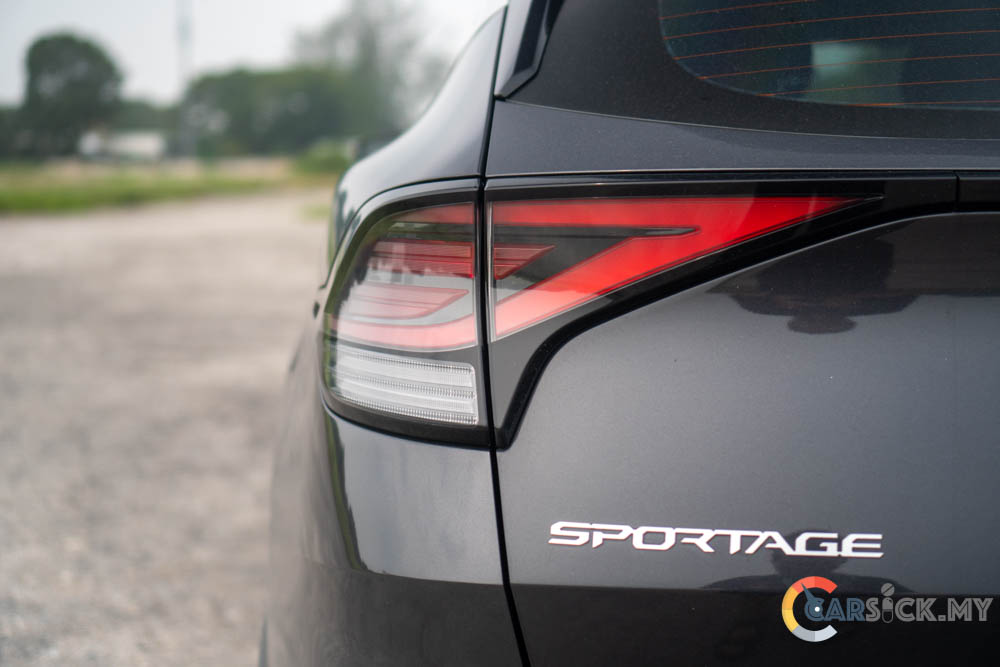
As for the brakes, they do a good enough job of bringing the SUV to a stop during everyday driving. Even under more demanding conditions, they demonstrate that they can cope with the demands of the vehicle. However, there’s one thing I’d like to change: the brake pedal travel. It feels a little too long for my liking, and I’d personally prefer a shorter, more immediate response. It’s not that the brakes are ineffective, but a more direct pedal feel would make the driving experience better. When it comes to safety, Kia hasn’t held back either. The Sportage comes equipped with a comprehensive suite of Advanced Driver Assistance Systems (ADAS), giving it plenty of modern safety features.
The standard equipment includes:
- High Beam Assist (HBA)
- Blind-Spot Collision Warning (BCW)
- Blind-Spot Collision-Avoidance Assist (BCA)
- Blind-Spot View Monitor (BVM)
- Rear Cross-Traffic Collision-Avoidance Assist (RCCA)
- Lane Keeping Assist (LKA)
- Driver Attention Warning (DAW)
- Forward Collision-Avoidance Assist (FCA)
- Lane Following Assist (LFA)
- Smart Cruise Control (SCC)
That’s quite a comprehensive list, and it’s good to see that Kia hasn’t left out important safety equipment, even as the Sportage approaches the end of its current model cycle.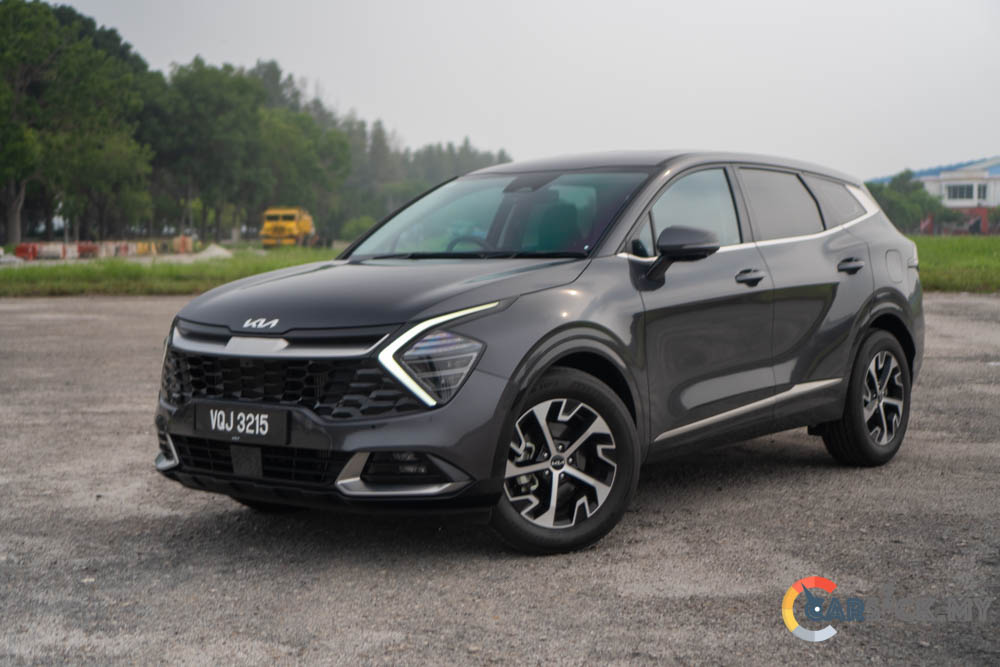
Originally priced at RM158,800, the Kia Sportage is now available at RM118,800 following a substantial RM40,000 price reduction. And that’s where things get interesting. At its current asking price, the Sportage suddenly becomes a much more attractive proposition. You’re getting a well-engineered SUV with a comfortable cabin, generous passenger space, a practical boot, a decent powertrain and a comprehensive list of safety features. Sure, it isn’t perfect. The turbo lag is noticeable, the dual-clutch transmission could be smoother at lower speeds, and the steering isn’t particularly engaging. But none of these shortcomings makes the Sportage a bad SUV.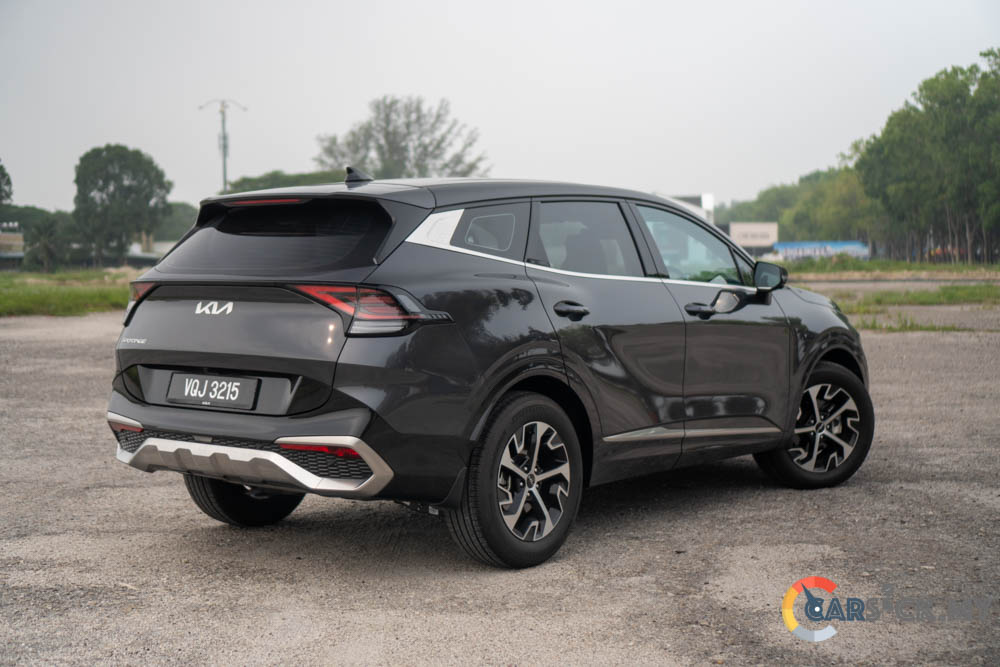
In fact, I think the bigger problem with the Sportage is that it has been somewhat overshadowed by the increasingly crowded SUV market. With so many newer models competing for attention, it’s easy to overlook what Kia has to offer. But sometimes, the less obvious choice can turn out to be the more interesting one. The Sportage also has something that many other SUVs on the road don’t: a distinctive design. If you’re getting tired of seeing similar-looking SUVs everywhere, this Kia offers something a little different. That said, I strongly recommend taking it for a test drive before making your decision. The Sportage is one of those vehicles that you really need to experience for yourself. You might look at the specifications sheet and think it’s just another SUV, but spend some time behind the wheel and you’ll begin to understand its appeal.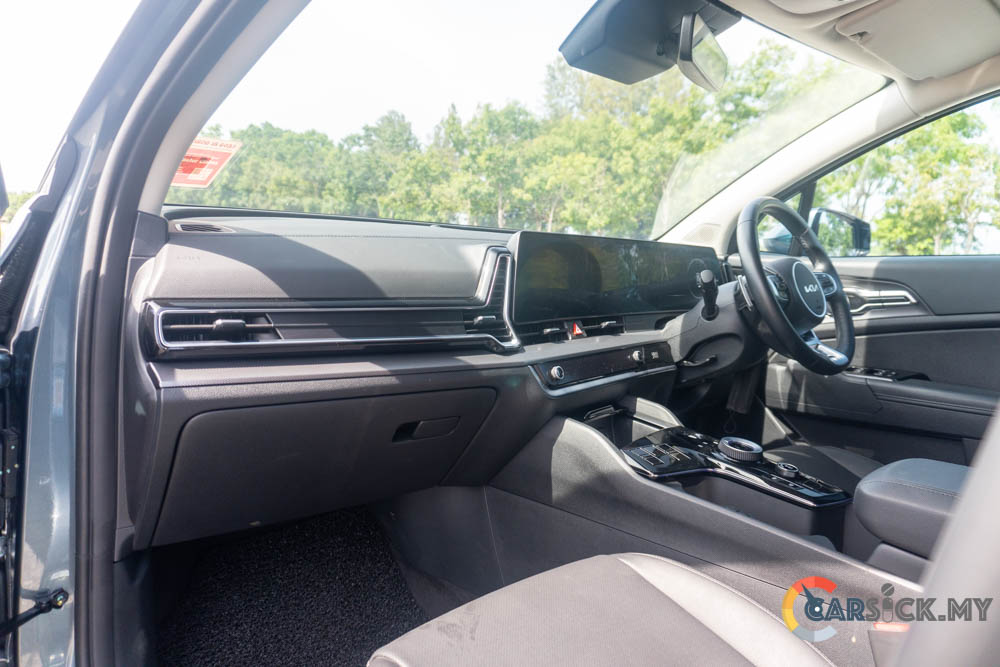
So, should you buy the outgoing Sportage or wait for the updated model? Well, if you’re someone who always wants the latest and greatest, waiting for the newer model might make more sense. But if you’re not particularly bothered about having the latest version, the current Sportage deserves a serious look. At RM118,800, you’re getting a lot of SUV for your money. And with RM40,000 knocked off its original price, I don’t think you’re being short-changed by choosing this outgoing model. Sometimes, you don’t need the newest car to get a good deal. You just need to know where to look.
Check out the full photo album here.