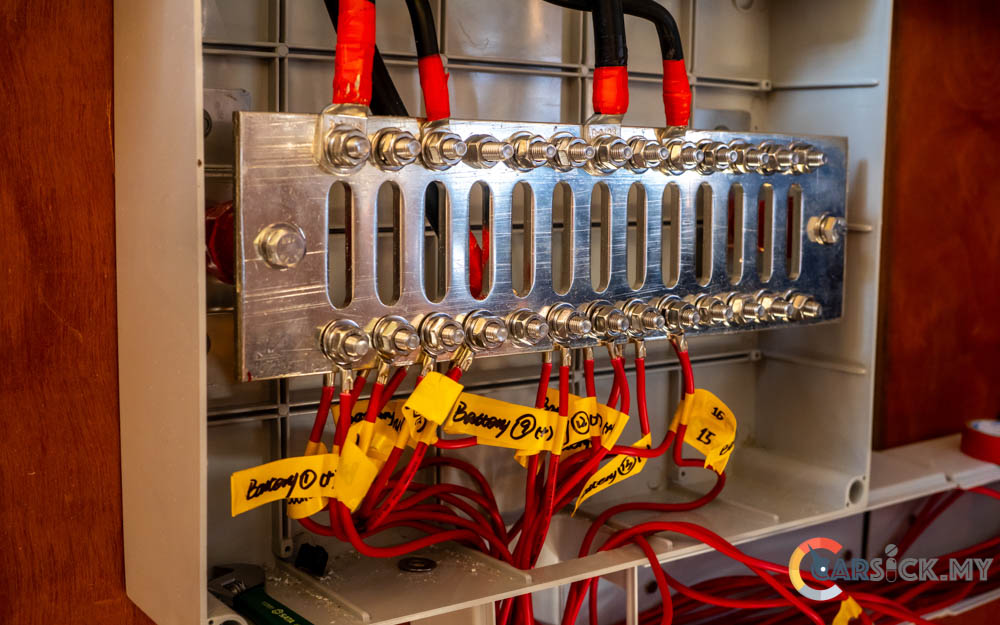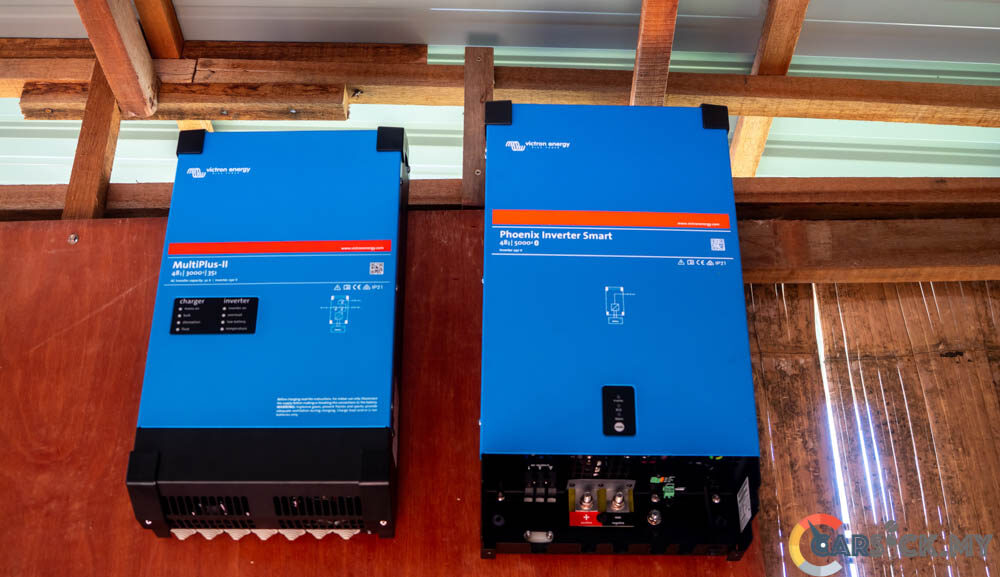

BMW Group Malaysia and Universiti Malaya (UM) are demonstrating how retired electric vehicle batteries can continue to serve a purpose long after leaving the road, bringing round-the-clock electricity to 20 households in a Semai Orang Asli community in Kampung Saweh, Pos Sinderut, Kuala Lipis, Pahang.
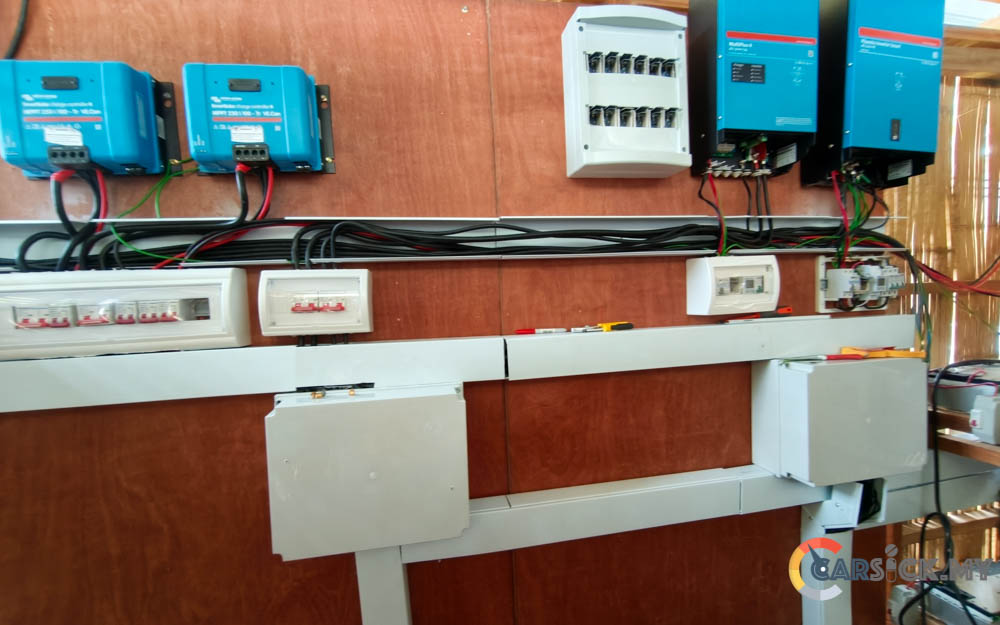 The project, which marks the second real-world application of the RE:GENERATE x Universiti Malaya research initiative, involves a solar-powered energy storage system built using second-life BMW EV batteries. Developed by Associate Professor Dr. Tan Chia Kwang and his research team at UM’s Power Energy Dedicated Advanced Centre (UMPEDAC), the installation was carried out over five days, from 23 to 27 October 2026, and became operational during the team’s visit. For the 20 households connected to the system, this represents their first access to a continuous electricity supply.
Previously, residents depended on petrol and diesel generators to meet their basic electricity needs. These generators typically operated for around four hours each night, providing enough power mainly for lighting and fans. The arrangement also came at a cost of approximately RM10 per household daily.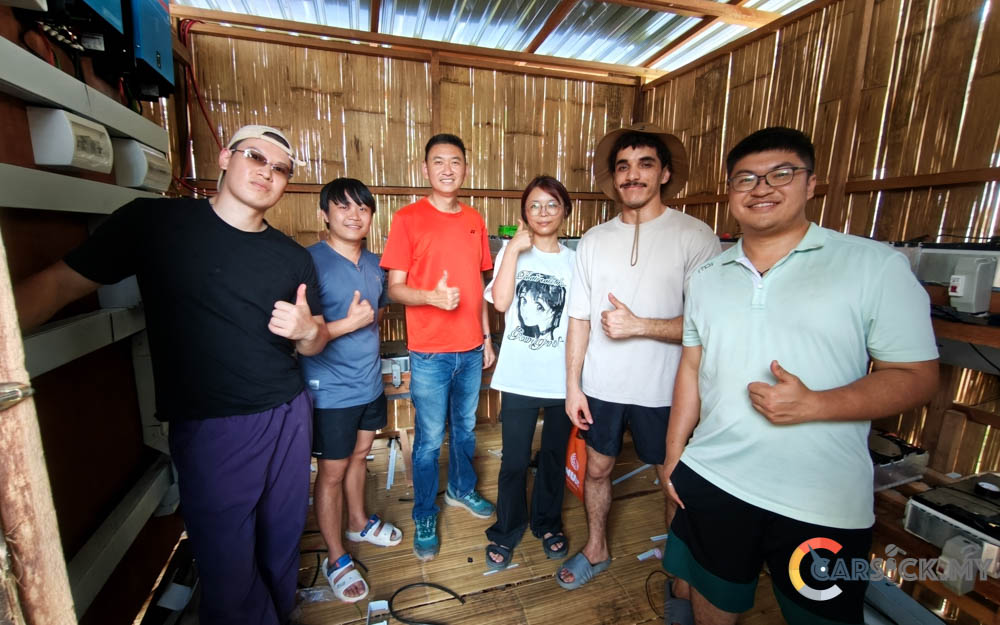
The new installation changes that arrangement by providing electricity throughout the day and night, while significantly reducing operating costs and eliminating the emissions associated with running conventional generators. For BMW Group Malaysia, the initiative also highlights how battery technology can contribute to a more circular approach to mobility and energy.
Sashi Ambihaipahan, Director of Corporate Communications and Sustainability at BMW Group Malaysia, said the project takes the company’s existing battery recovery practices a step further by exploring how retired EV batteries can continue to deliver value in other applications. He explained that batteries previously used in vehicles on Malaysian roads are now helping provide electricity to 20 homes that previously had no access to a reliable supply. Working with Universiti Malaya has also allowed the research to move beyond the laboratory and demonstrate its potential in a real-world community.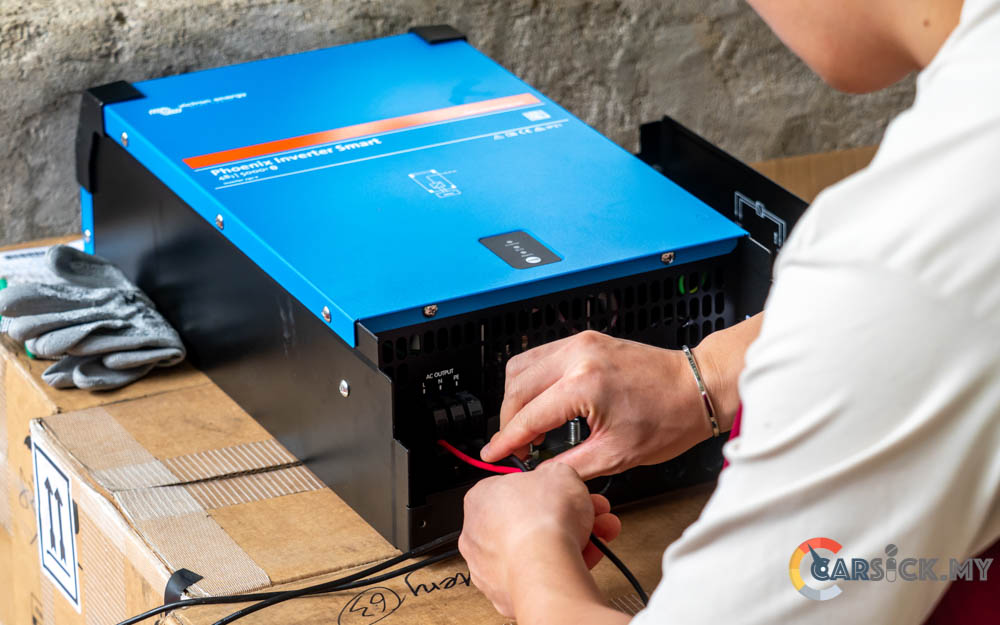
The system comprises 30 repurposed BMW battery modules, supported by an inverter with a combined output of 8kW. Rather than installing individual battery units for every household, the research team opted for a centralised configuration that supplies all 20 homes from a single location.
Each household is allocated 3kWh of electricity daily. This arrangement also allows unused capacity to be shared among households when needed, as residents are unlikely to consume electricity at exactly the same time. By managing demand collectively, the system can accommodate higher overall usage without requiring an unnecessarily oversized installation.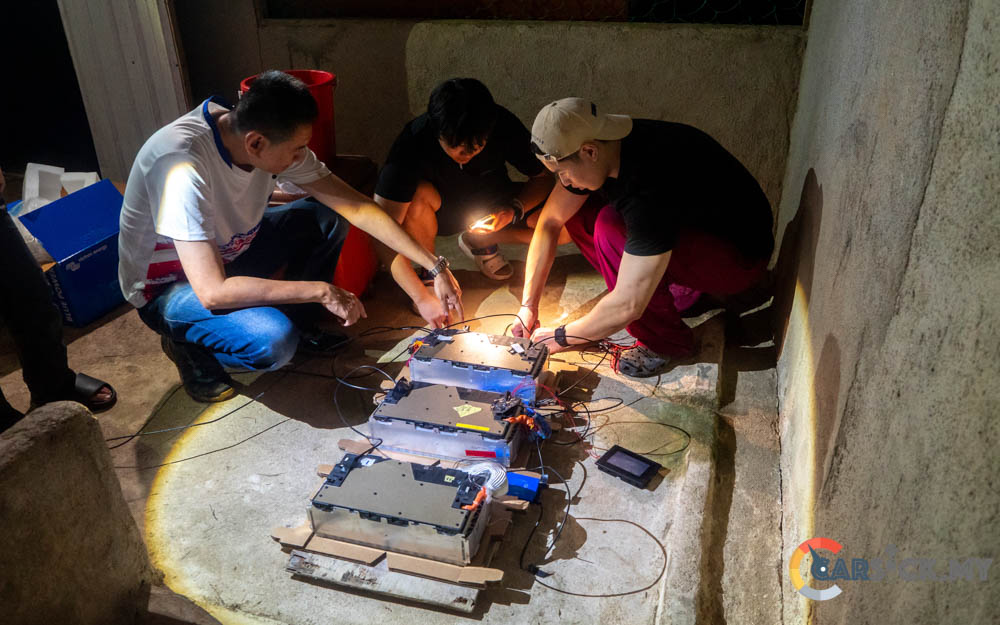
The batteries are housed in a structure constructed using locally sourced wood and bamboo, while the electricity is generated through second-life solar panels recovered from commercial solar farms. Although these panels were retired ahead of schedule, they still had considerable usable life remaining. One particularly important consideration in designing the system was the ability to support refrigeration.
Previously, families who hunted or gathered their own food had limited options for preserving their catch. Perishable items such as meat often had to be consumed or shared with neighbours immediately to prevent spoilage. With a more reliable electricity supply now available, households can look towards acquiring refrigerators to preserve food for longer periods. The system has been designed to accommodate refrigerator loads as families gradually obtain the appliances, while televisions currently account for the highest individual electricity demand in most homes.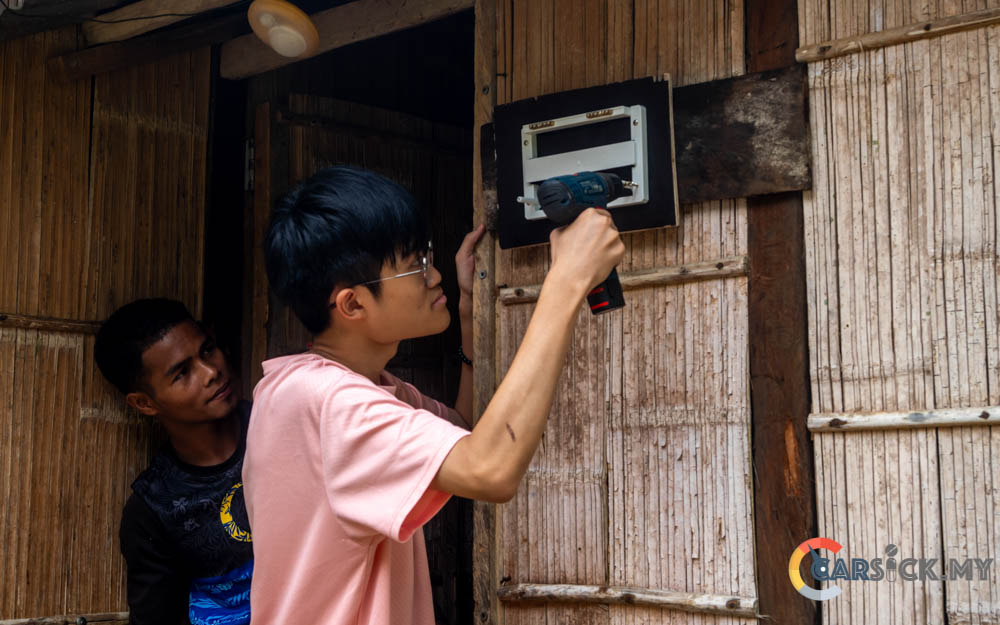
Under the current system design, the repurposed BMW batteries are expected to provide service for at least another five years. This is comparable to, or potentially longer than, the lifespan of new lead-acid batteries commonly used in rural electrification projects, while offering the additional benefit of extending the useful life of existing battery resources.
The Kampung Saweh installation is the result of research carried out at UMPEDAC’s Smart Grid Laboratory at Universiti Malaya, a Higher Institution Centre of Excellence (HICoE) in renewable energy research. The project brought together undergraduate students from different engineering disciplines, alongside Master’s and PhD researchers, giving them an opportunity to develop and test practical solutions to energy challenges outside the university environment.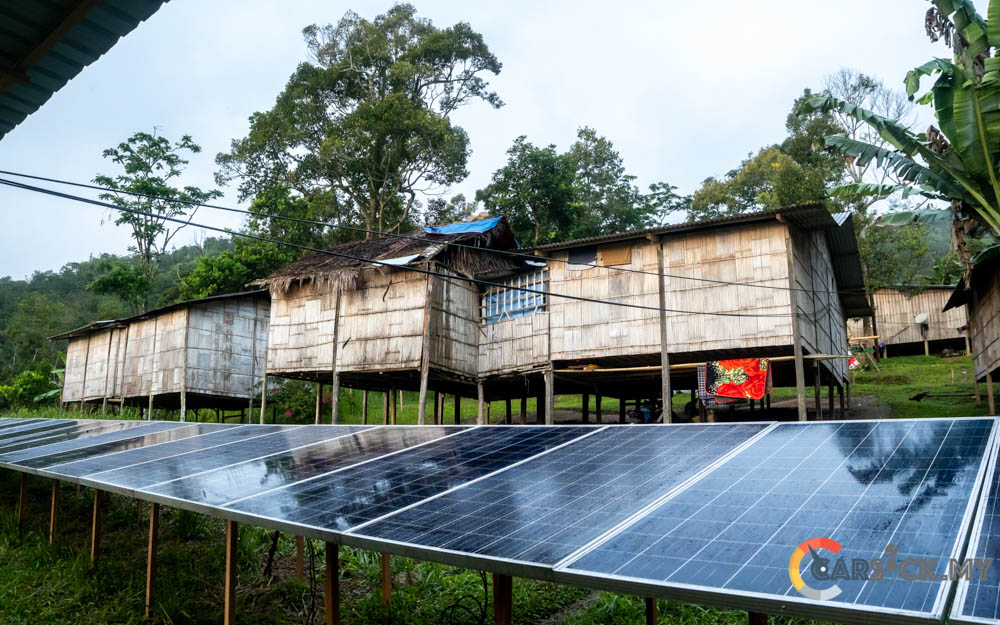
The rural electrification deployment is jointly funded by UMCares, Japan’s Ritsumeikan University and Tech Inspiration Systems Sdn. Bhd. The latest installation also follows the initiative’s first real-world application in August 2026, when BMW Group Malaysia and Universiti Malaya introduced a solar-powered smartphone charging station using second-life BMW EV batteries at the university’s UM Central bus stop. That installation serves a location used by more than 3,000 people daily.
Interestingly, the Kampung Saweh project also demonstrates an approach that Malaysia has recently highlighted on the international stage. At the 2026 United Nations Climate Change Conference (COP31) in Antalya, Türkiye, on 10 November, Housing and Local Government Minister Nga Kor Ming presented Malaysia’s proposed Circular Equity Dividend as one of three initiatives to advance the circular economy.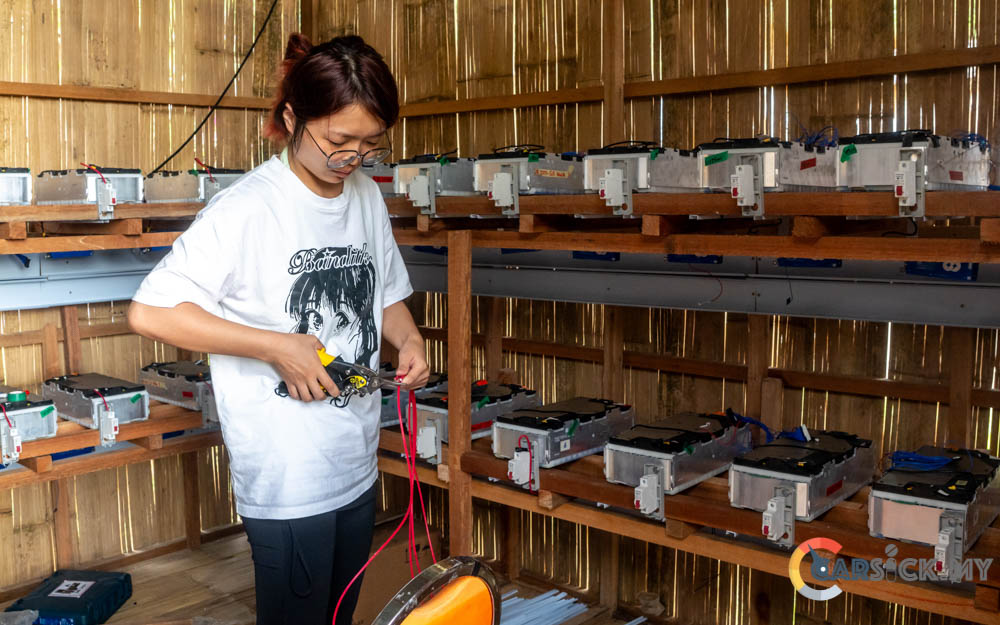
The proposal calls for retired EV batteries to be repurposed into energy storage systems that can provide electricity to off-grid rural communities, indigenous settlements and healthcare facilities. The Kampung Saweh installation, which was already operational from 27 October, provides a practical Malaysian example of how this approach can work beyond policy discussions. By giving retired EV batteries another useful application, the project connects electric mobility, renewable energy and community development through a shared circular economy approach.
For BMW Group Malaysia and Universiti Malaya, the initiative is about more than extending the lifespan of EV batteries. It demonstrates how technology originally developed for personal mobility can potentially address wider energy challenges, particularly in communities where access to reliable electricity remains limited. If successfully replicated and adapted to other locations, similar systems could offer an alternative approach to rural electrification while making better use of existing energy resources.