
The Hyundai Starex is an MPV that many Malaysians would have come across at least once in their lives. In fact, if you’ve spent enough time travelling between Johor and Singapore, there is a good chance you’ve ridden in one. For years, the Starex has been a favourite among private-hire and car rental companies, especially those ferrying passengers between Johor and Singapore. It makes plenty of sense as a business vehicle too. The diesel engine has enough muscle to haul people around while being relatively efficient at the same time. But time waits for no MPV, and eventually, the Starex starts showing its age.
 Hyundai’s answer was the Staria. It looked like something that had escaped from a science-fiction movie and accidentally ended up at a Hyundai showroom. The idea was simple: replace the aging Starex with something much more modern. Unfortunately, there was one small problem — the price. When the Staria first arrived, its price made it difficult for it to properly fill the shoes of the Starex. Later, Sime Darby introduced the 10-seater variant, which helped sales somewhat, but things were still moving at a rather leisurely pace.
Then Hyundai Malaysia took over. The company revised the pricing, introduced the Staria as a locally assembled model and brought in the 7-seater variant with a much higher specification at a more attractive price. And I’ve been curious about Staria ever since. 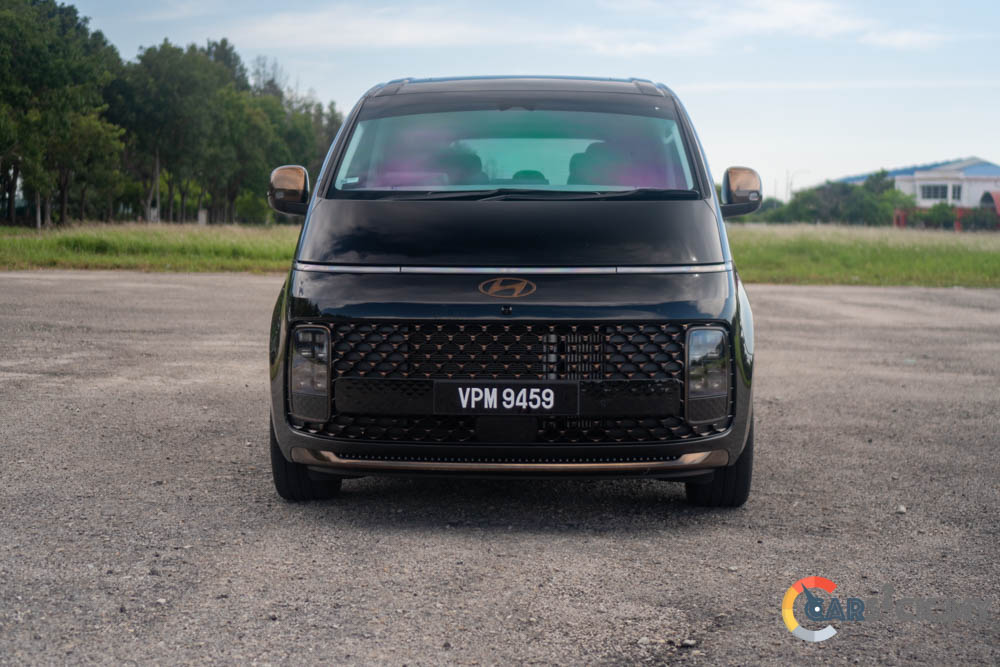
The problem? Getting behind the wheel of one was easier said than done because there simply weren’t that many available for a proper test drive. Until now. So, I finally got the opportunity to borrow one from Hyundai Malaysia and spend some time with what is essentially Hyundai’s interpretation of a full-size MPV. Is it actually as good as it looks? Or is it just a spaceship with a diesel engine? Let’s find out.
It Looks Like Nothing Else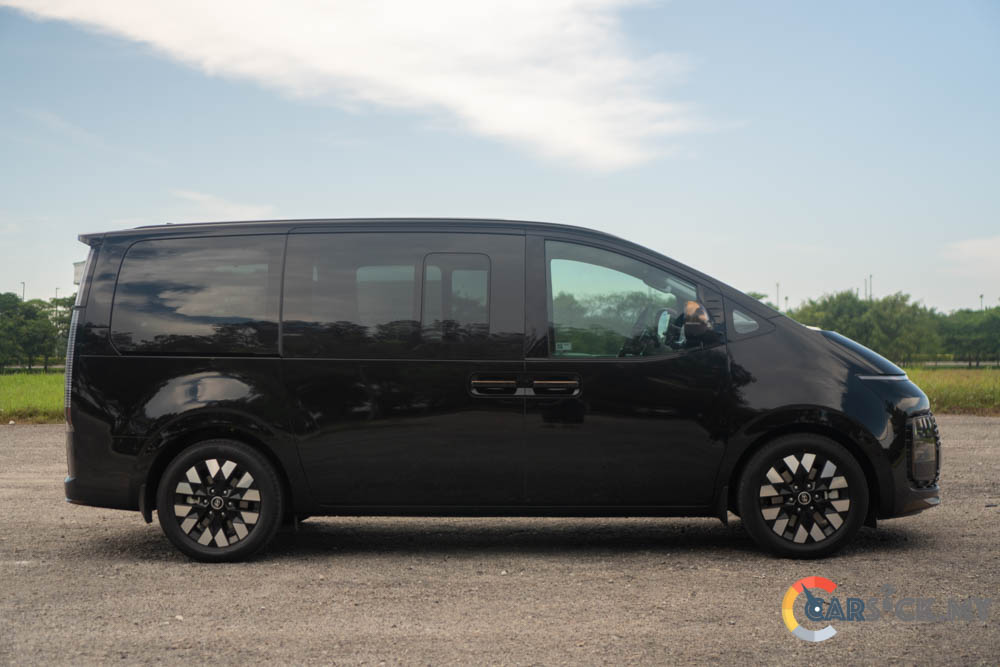
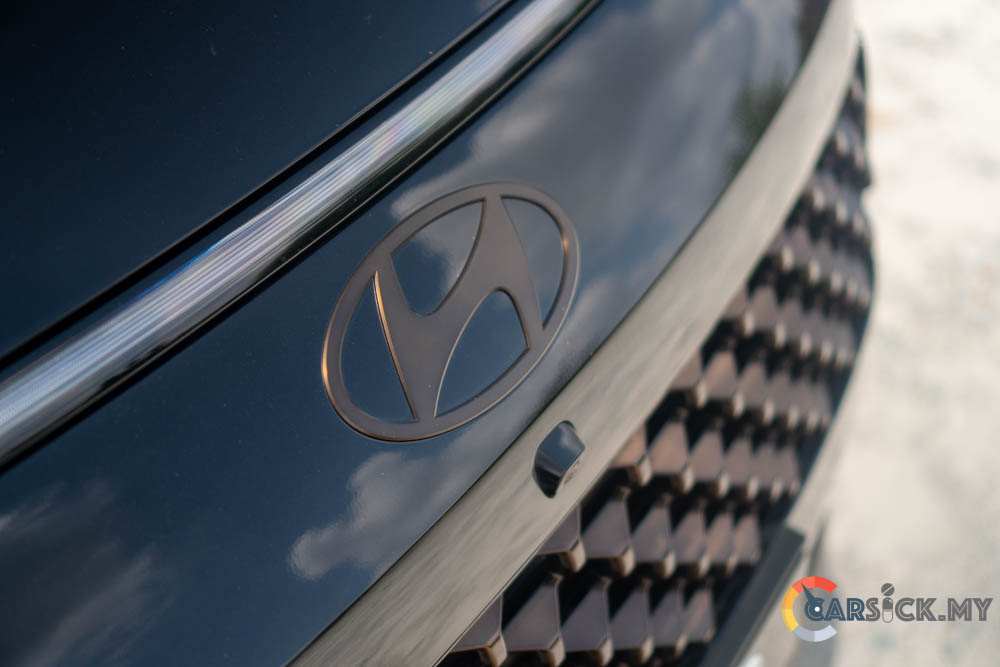
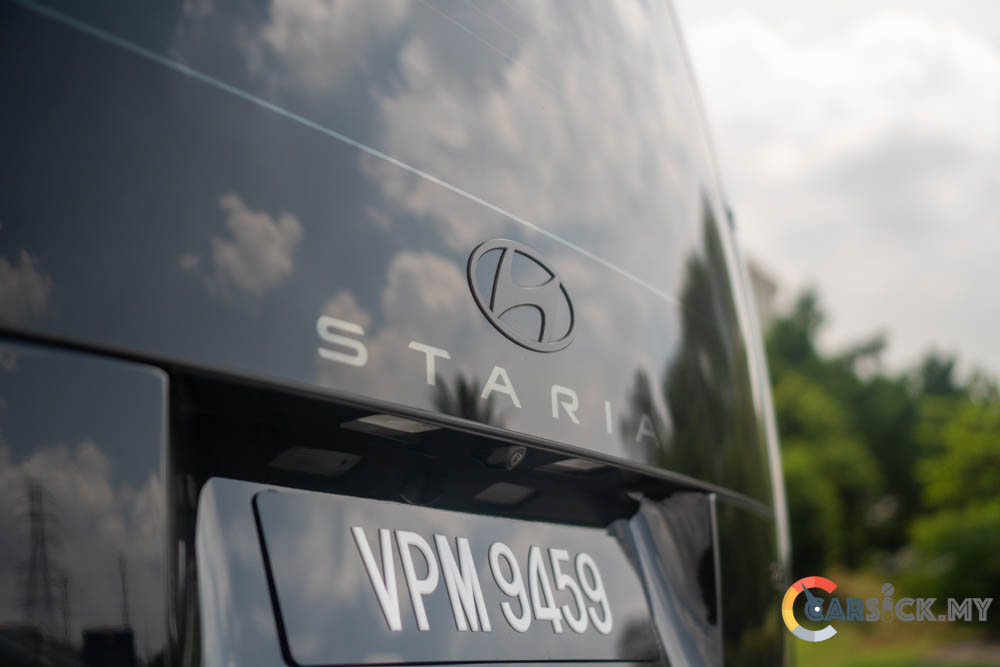
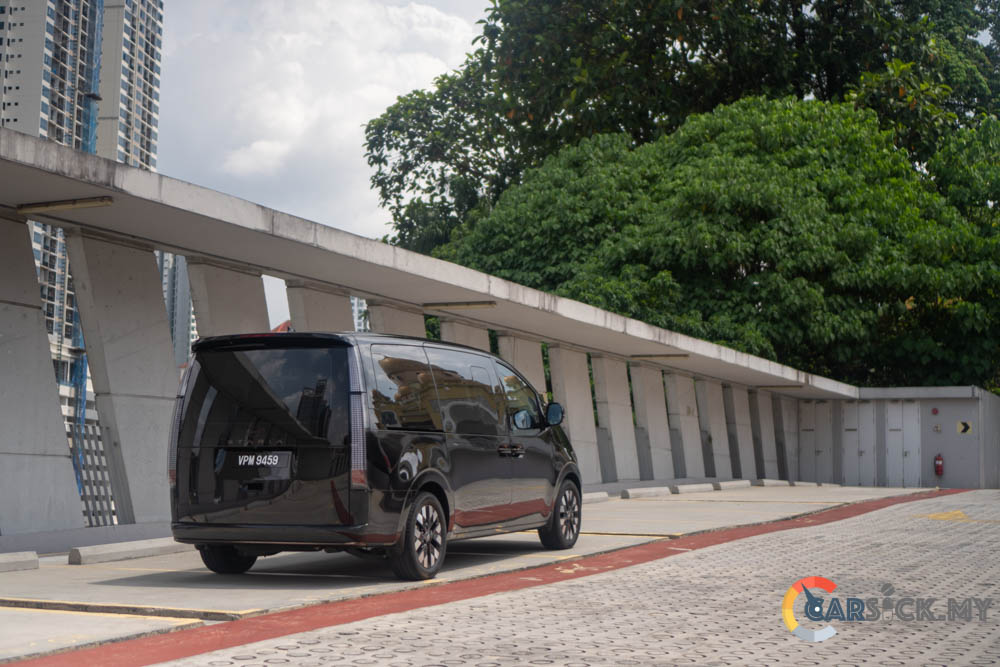
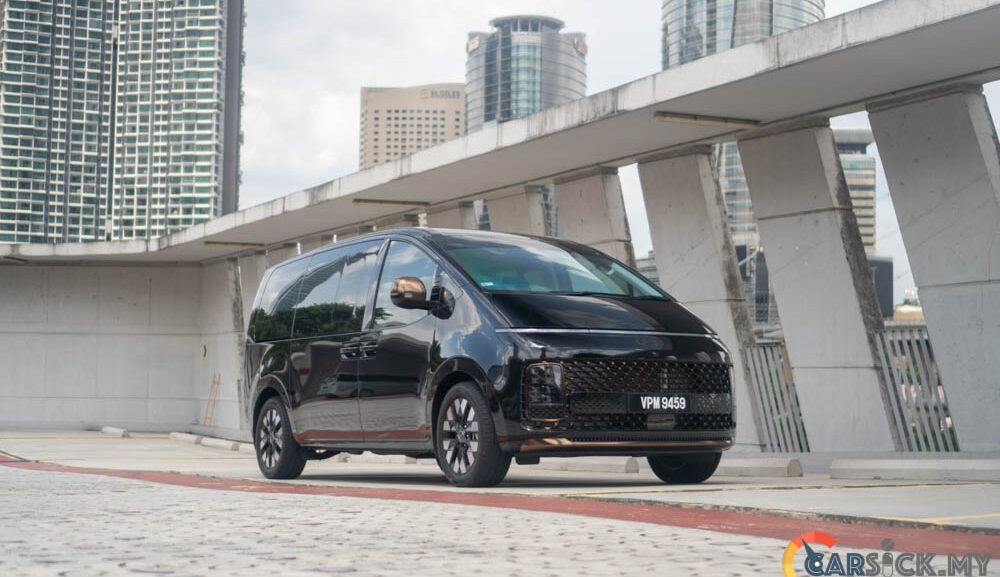
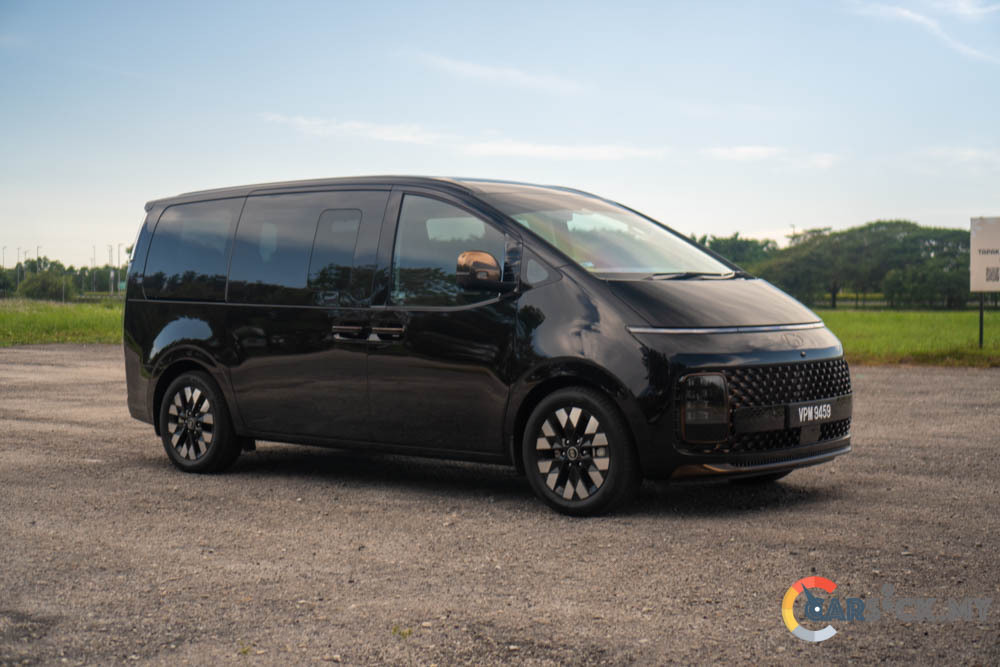
Let’s get one thing out of the way first: Staria is not shy. From the outside, it has a much more van-like silhouette compared to something like the Kia Carnival. The large windows and enormous body panels only make it look even more like a luxury shuttle bus from the future. And honestly, that’s not a bad thing. The Premium variant I tested came in black, complemented by bronze-coloured accents. Those bronze details instantly give the Staria a touch of class and, dare I say, make it look considerably more expensive than it actually is. 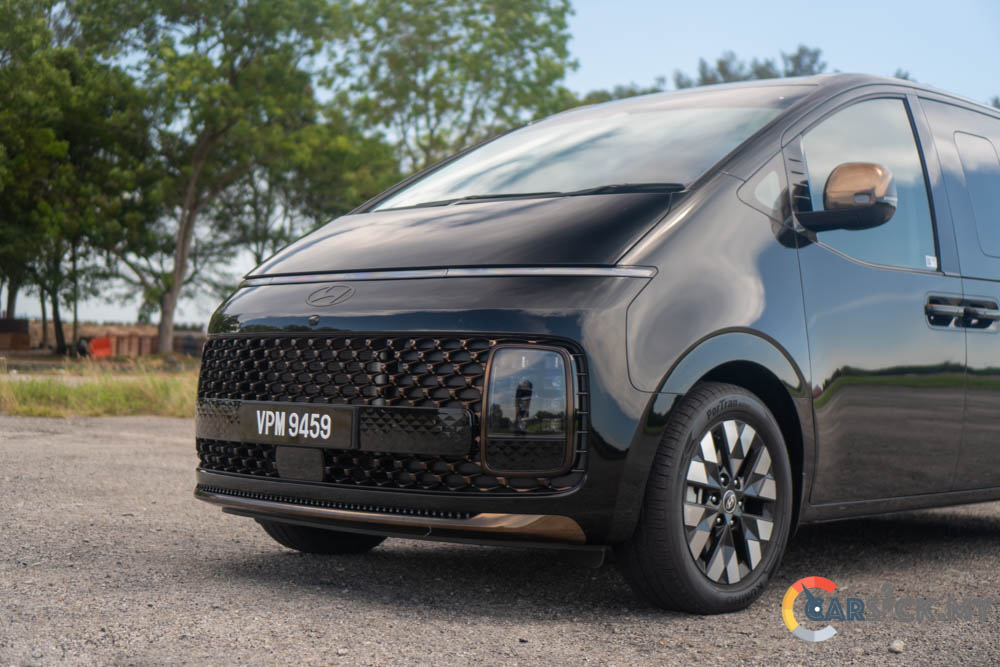
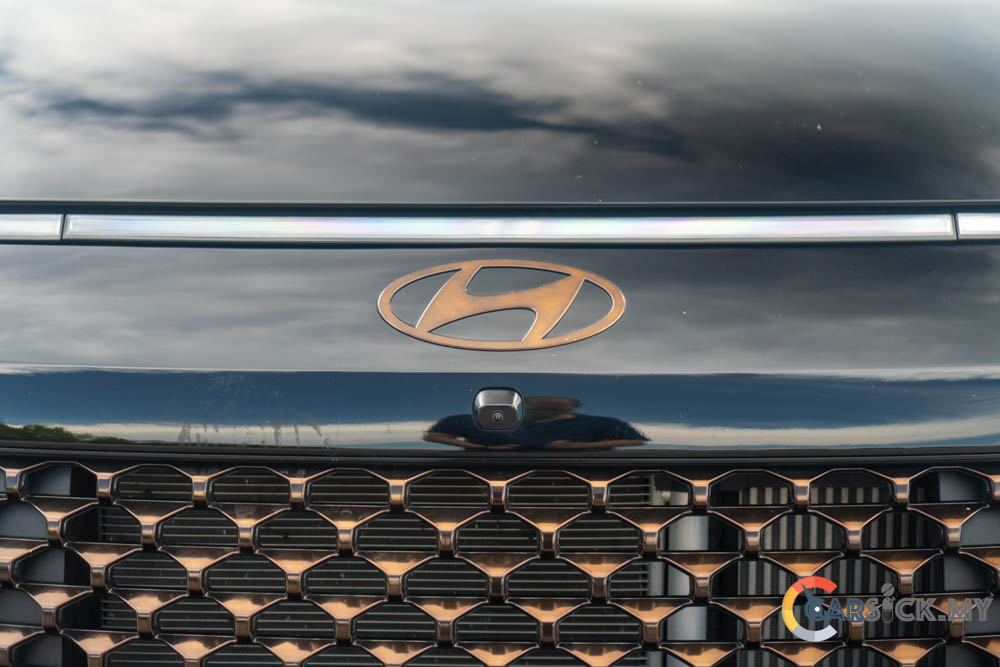
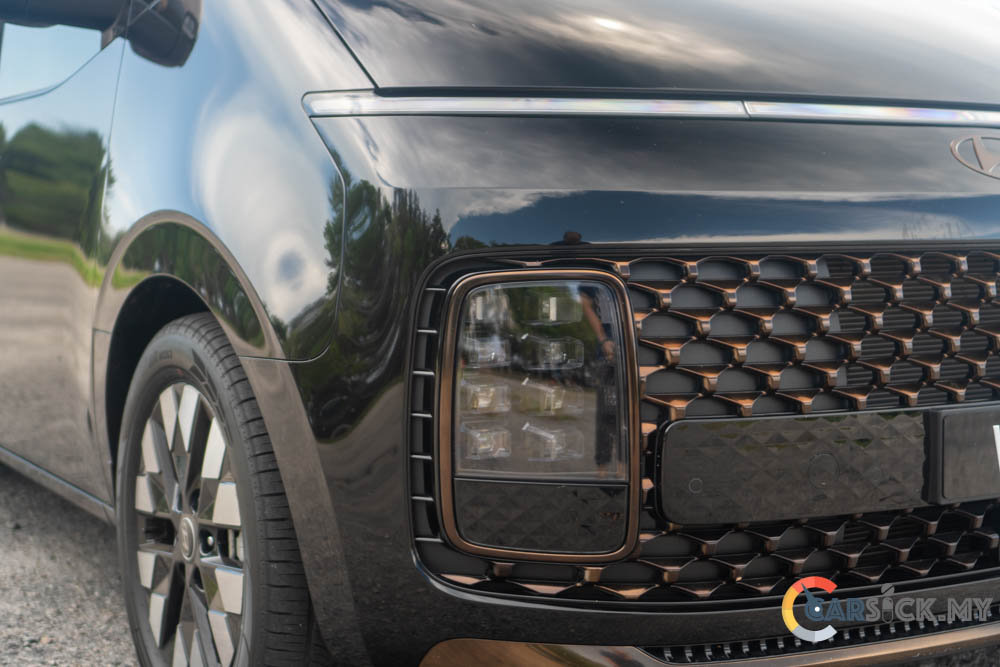
At the front, you’ll find a huge grille stretching across the width of the vehicle, flanked by LED headlights. The headlights themselves are made up of eight individual small projectors, giving them a sophisticated appearance. But what really sells the design is the way the headlights blend into the grille. It gives the Staria a futuristic face that still looks remarkably fresh several years after its introduction. Then there is the daytime running light. It’s basically a light bar sitting high above the grille and headlights, making the Staria look as though it should be charging silently into a spaceship hangar rather than waiting at a traffic light. In fact, if Hyundai told me tomorrow that an electric version was coming with this exact design, I wouldn’t question it for a second.
A Side Profile From the Future 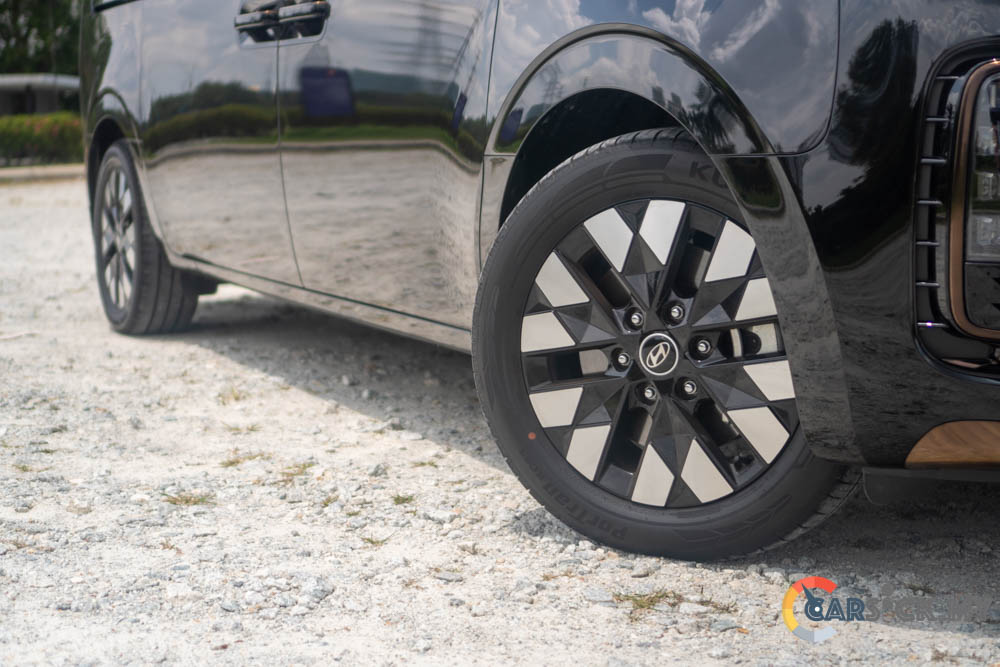
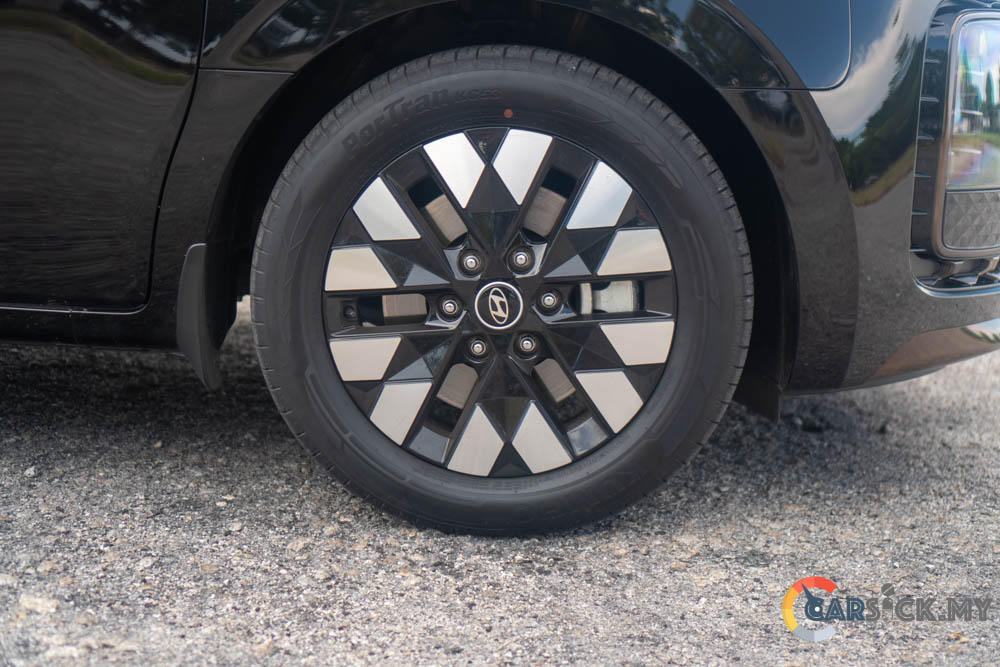
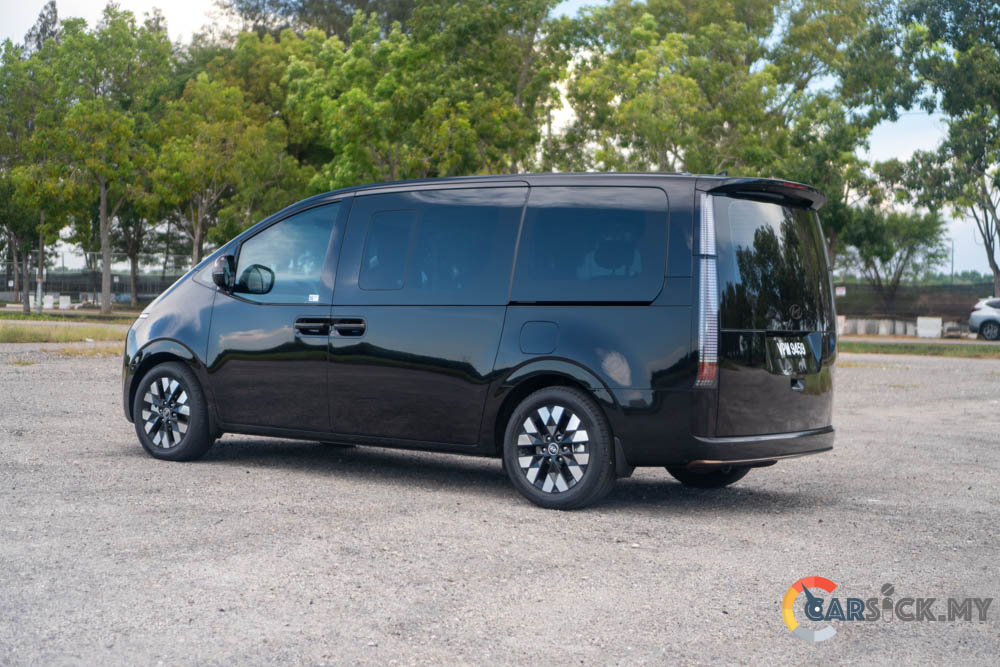
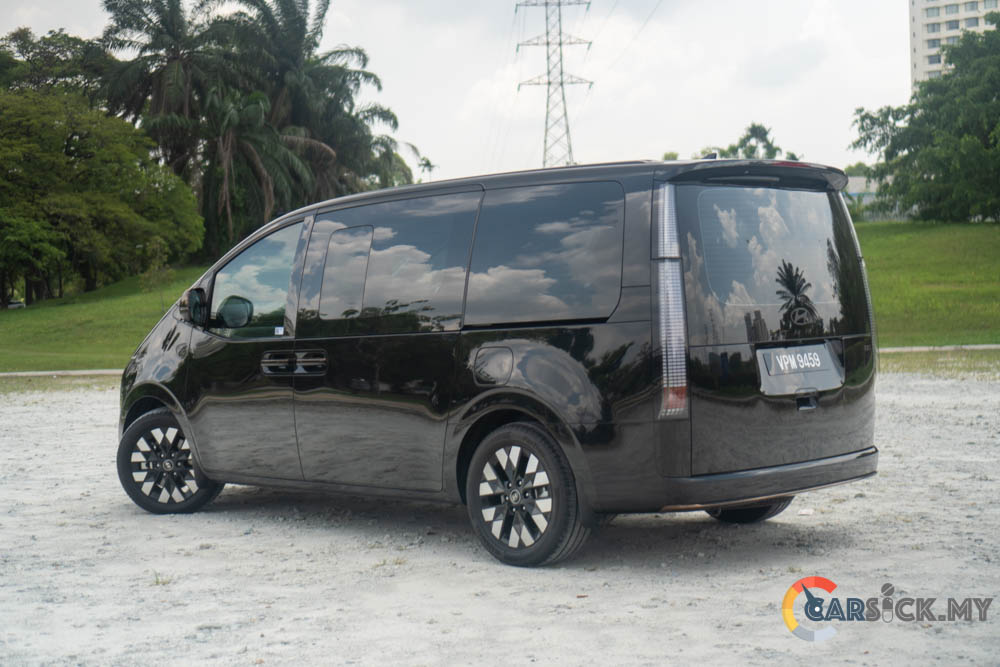
Move around to the side and the futuristic theme continues. There aren’t many dramatic character lines here. Instead, Hyundai has gone with huge, clean body panels and equally huge windows. It works because the minimalist side profile matches the futuristic front end. You also get rather large door mirrors, which are definitely useful because this is not a small vehicle. Speaking of which, the 18-inch wheels look surprisingly small underneath this enormous MPV. They almost look like they’re wearing shoes borrowed from a smaller car. But they’re perfectly adequate for the job, especially when wrapped in 235/55 R18 tyres. And while the wheels may look a little undersized, their design fits the overall character of the Staria nicely. 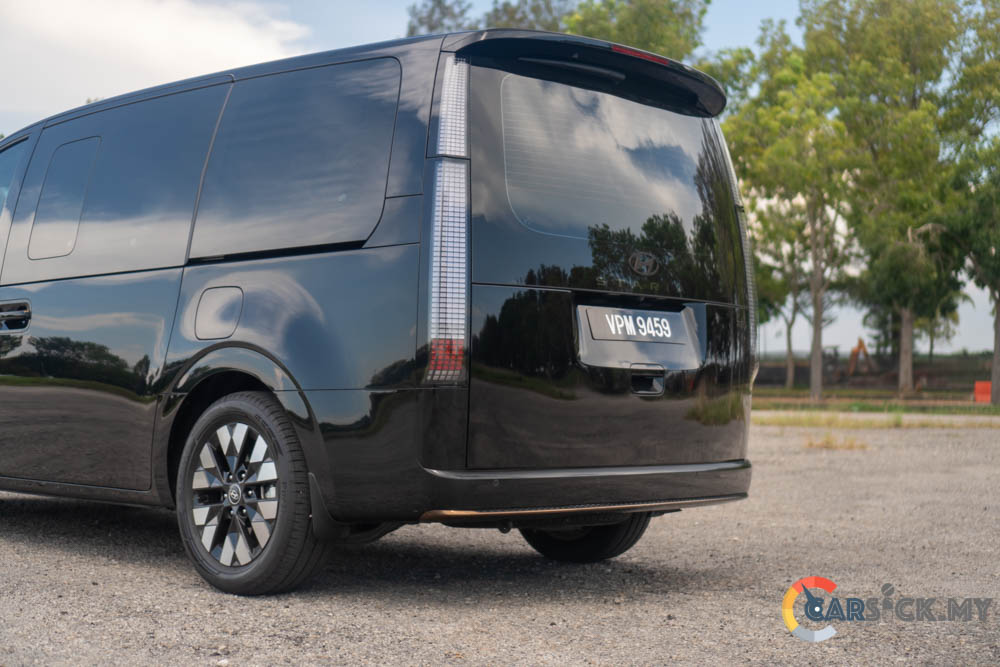
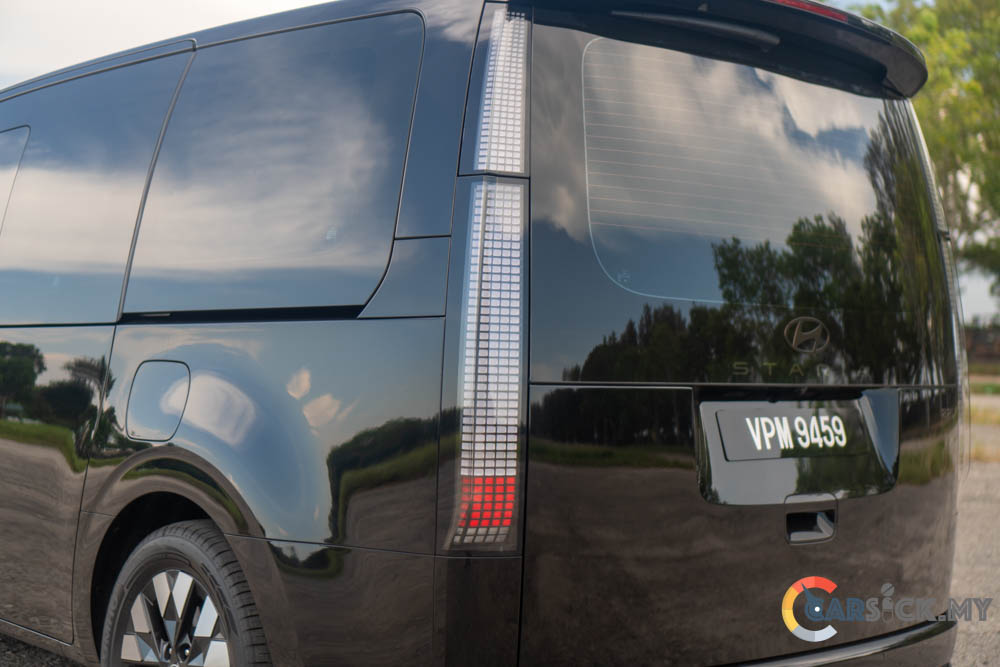
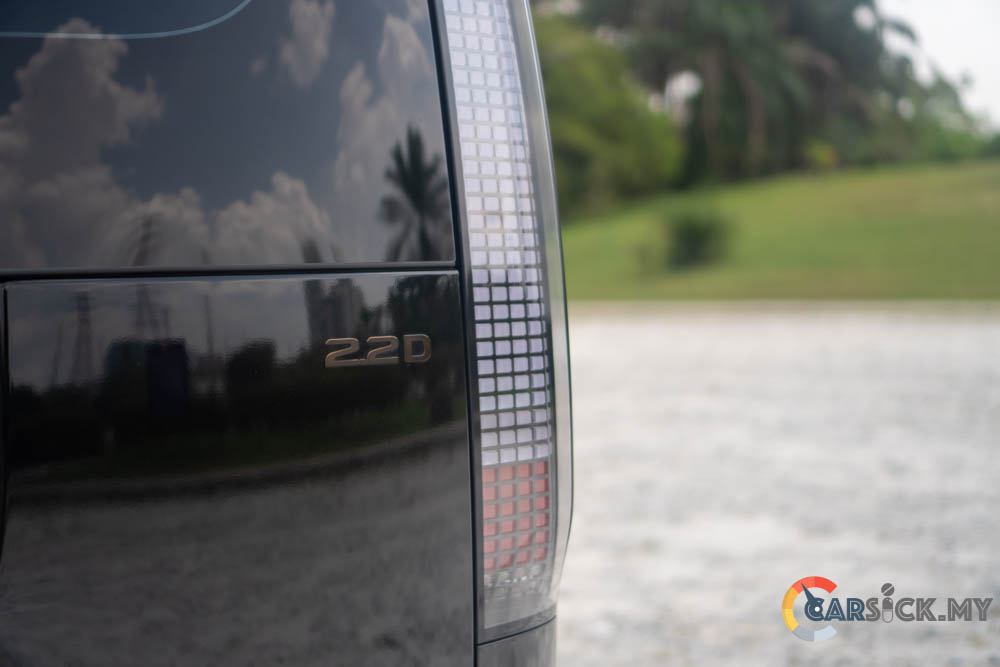
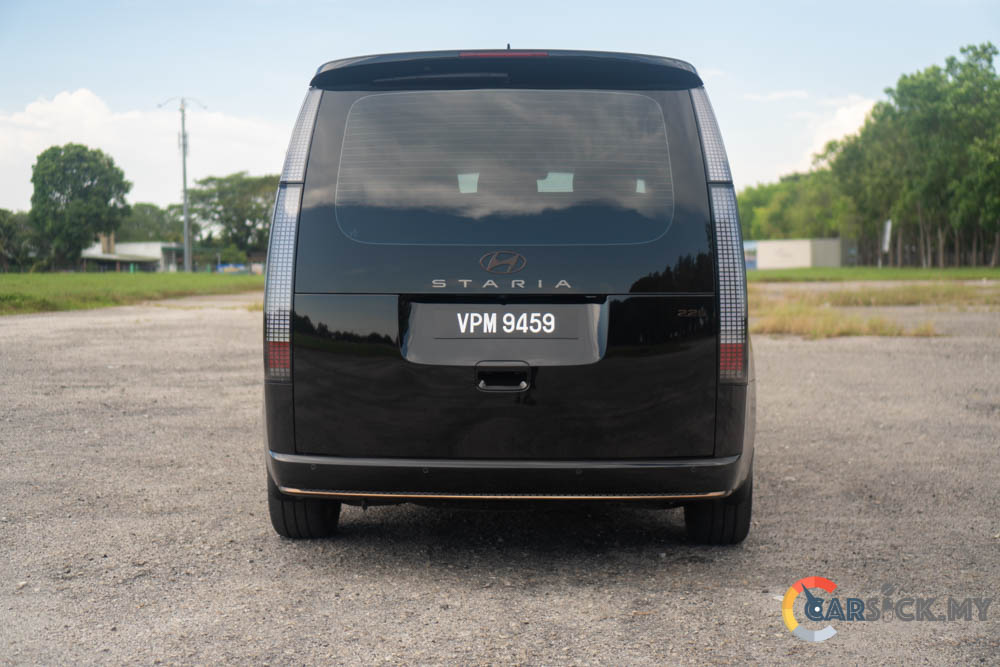
At the back, Hyundai continues with the minimalist approach. The taillights are pushed towards the outer edges of the body, leaving the tailgate looking remarkably clean. There is also a bronze-coloured 2.2D badge, which continues the Premium variant’s upmarket theme. Overall, the Staria is a very futuristic-looking MPV. The funny thing is that the design still looks futuristic even though some of the mechanical hardware underneath is beginning to show its age. If Hyundai ever turned the Staria into a hybrid or EV, the design would already be halfway there.
Welcome to the Living Room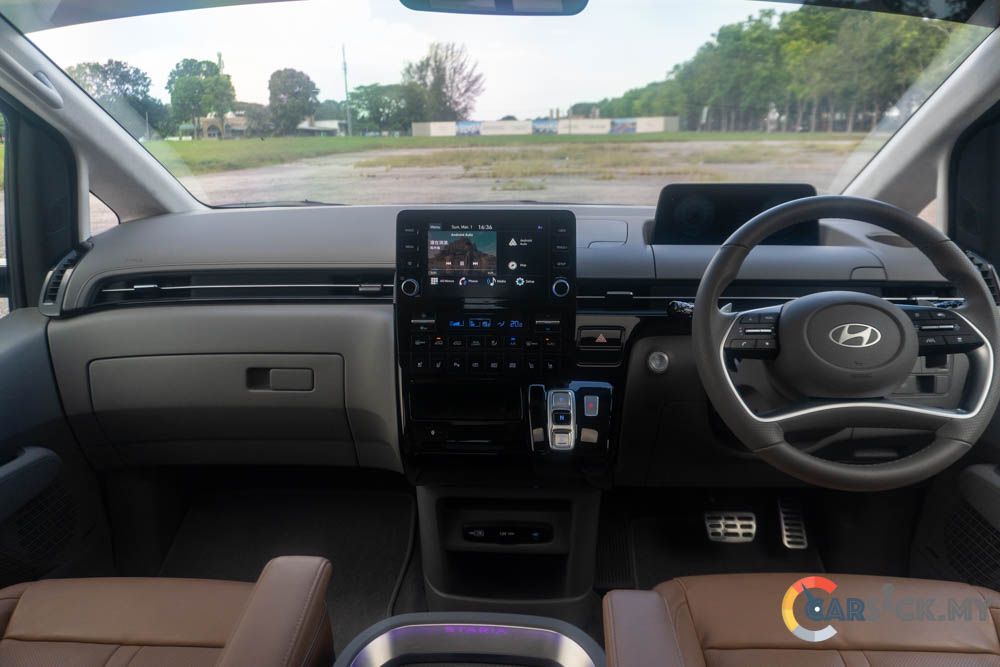
Open the doors and the first thing you’ll notice is just how airy the cabin feels. Those enormous windows let plenty of light into the cabin, and because the Staria is so large inside, it feels more like a lounge than the interior of a conventional MPV. Unfortunately, the interior doesn’t quite match the exterior’s wow factor. There is quite a lot of hard plastic around the cabin, which is understandable for a vehicle designed to potentially spend its life carrying passengers day after day. Some touchpoints do get softer materials, but compared with Hyundai’s newer models, the Staria’s interior is beginning to show its age. It isn’t bad. It just feels like the exterior designer got the memo about the future while the interior designer received it a little later. 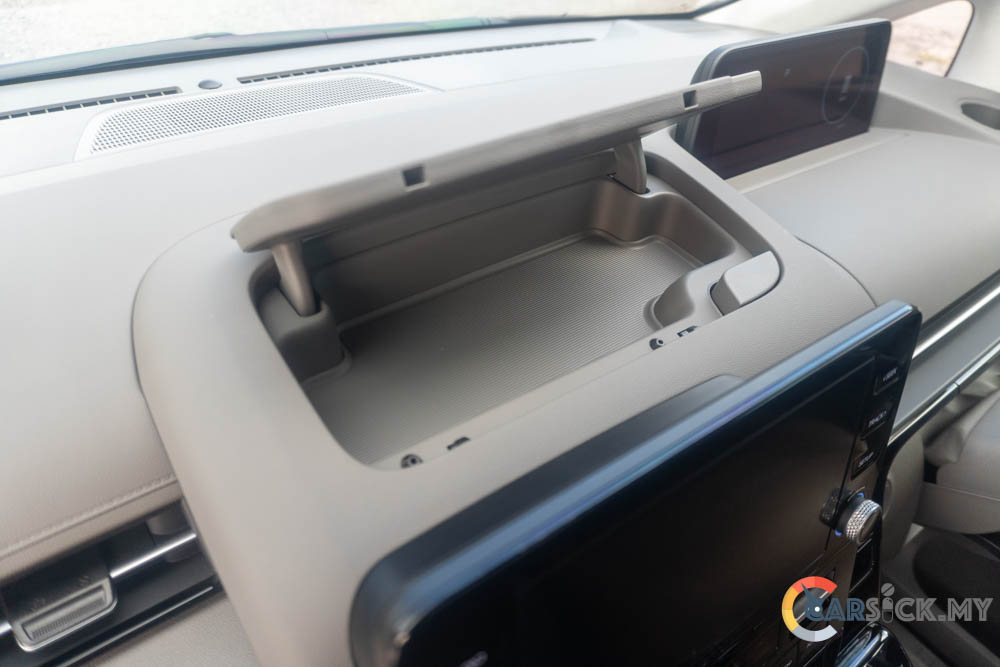
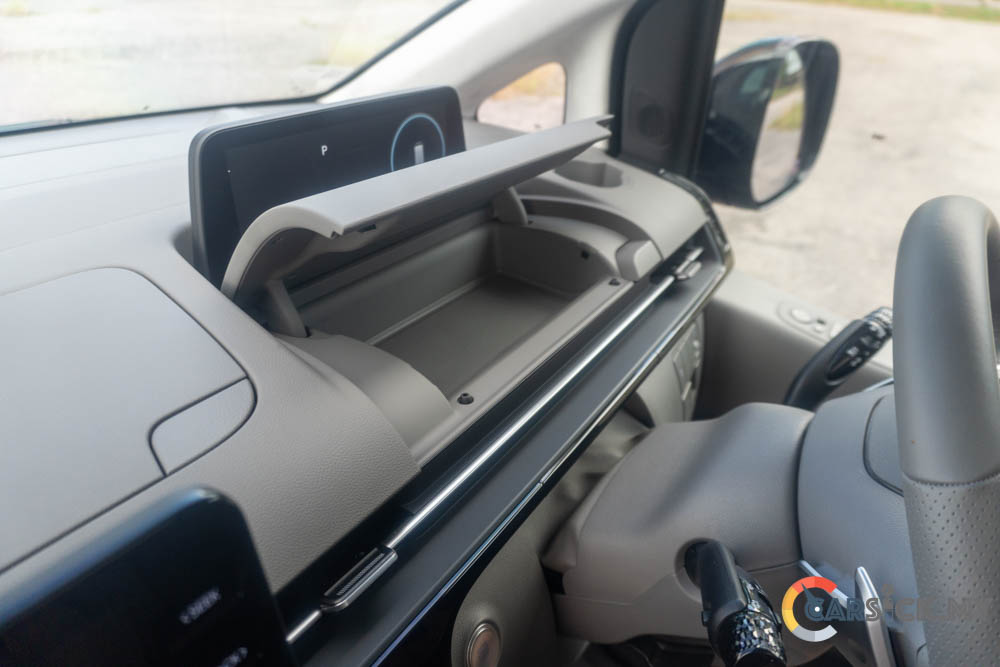
Hyundai does make excellent use of the available space, though. There are plenty of storage compartments around the dashboard, including one tucked behind the infotainment screen. It’s the sort of thing you appreciate when you actually start using the vehicle rather than simply looking at it in a showroom. Then we come to the infotainment screen, Eight inches. In 2026, In something this big, Yeah, it looks small. Especially when sitting next to the 10.25-inch instrument cluster. The two screens almost look like they belong to different generations of cars. 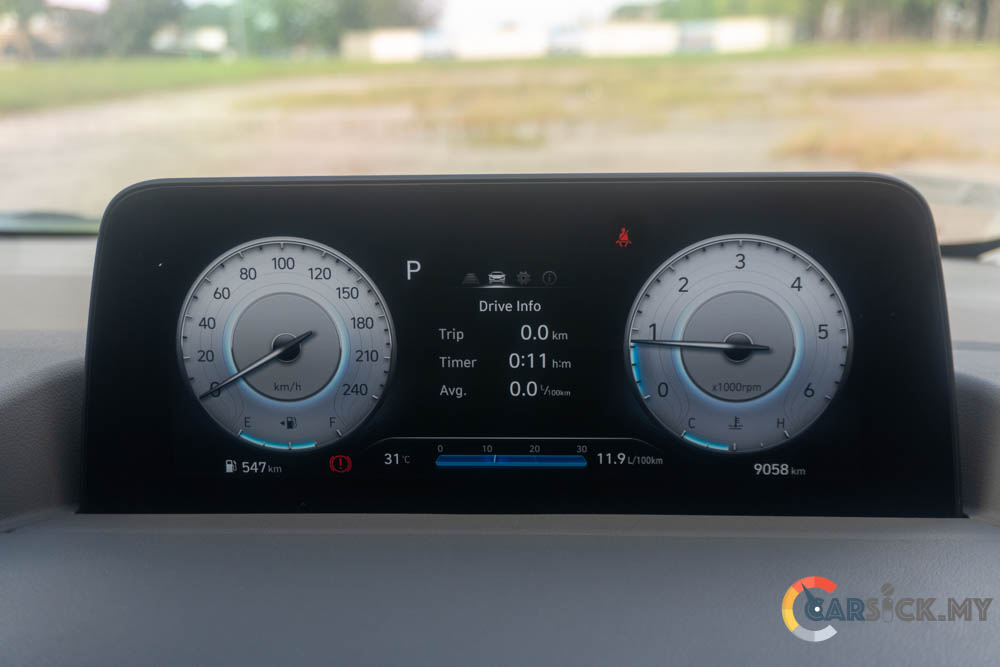
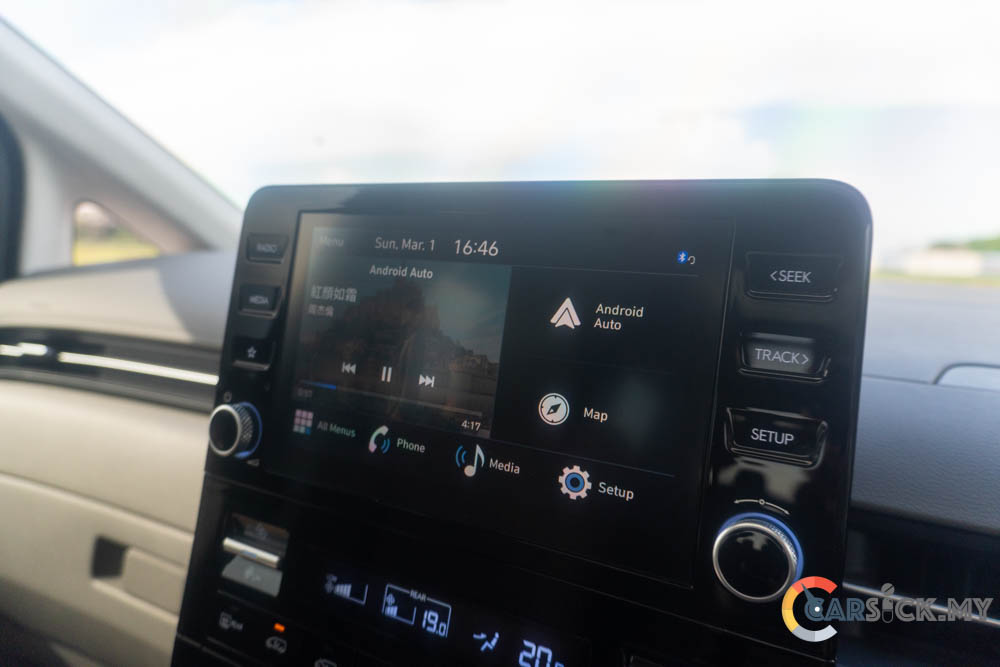
The instrument cluster itself is familiar Hyundai territory. The graphics and functions have appeared in various Hyundai models, so everything is easy to read and straightforward to operate. The infotainment system is where things feel a little less impressive. I’d personally prefer the screen to be the same size as the instrument cluster. It would look much more balanced. At least, Hyundai hasn’t forgotten the essentials. Wireless Android Auto and Apple CarPlay come as standard, while a 360-degree camera is there to help you manoeuvre this rather enormous machine. And because this is the Premium variant, you also get a 12-speaker Bose sound system. So if you’re stuck in traffic, at least you can turn the cabin into your own little concert hall.
Sitting Tall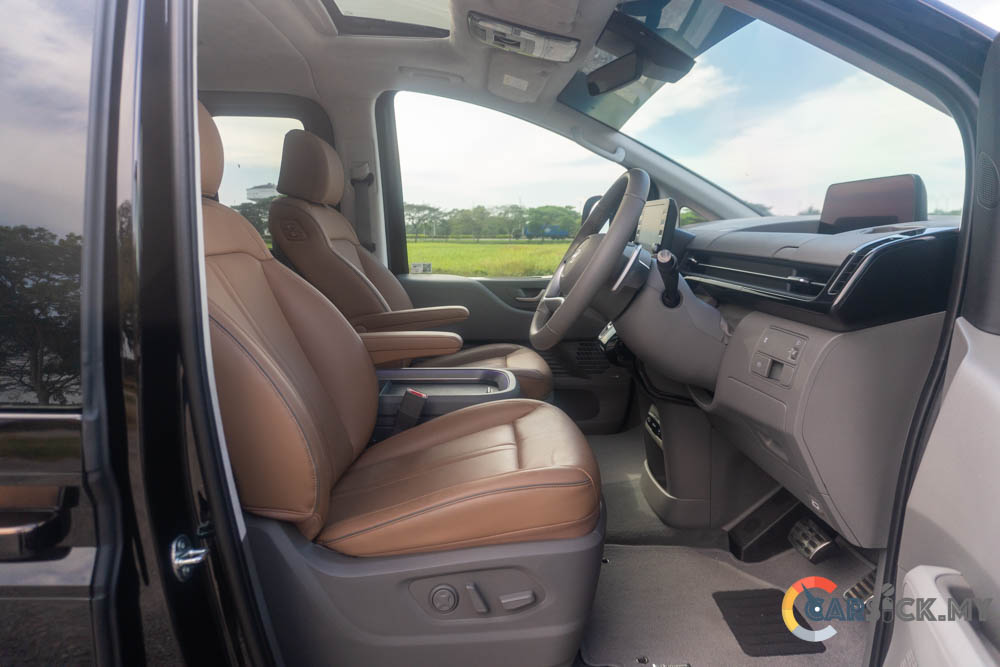
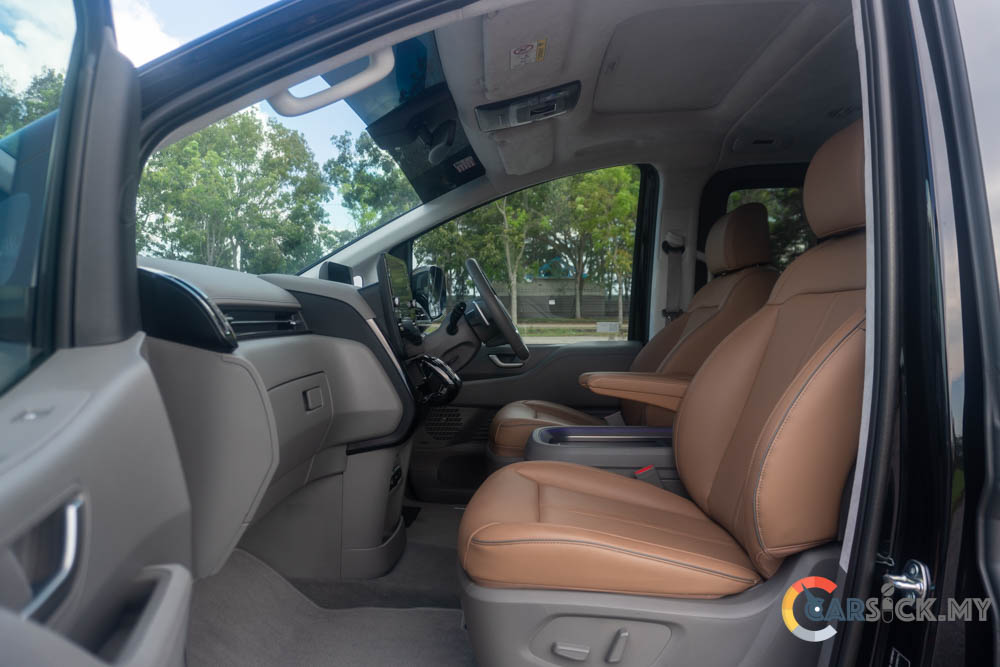
Get into the driver’s seat and you’ll immediately realise that the Staria isn’t trying to disguise its van DNA. You sit high, Very high. The seating position gives you a great view over the surrounding traffic, and it feels almost as commanding as sitting in an SUV. In fact, I’d put it somewhere around the height of an XC90. Normally, I prefer a lower driving position, but in the Staria, it works. That’s because the vehicle was designed around this seating position from the beginning. It doesn’t feel like Hyundai simply took an ordinary car and raised the seat. If you prefer to sit lower and feel more connected to the road, the Kia Carnival would probably suit you better. But if you like having a commanding view of everything around you, the Staria has you covered.
Business Class, Anyone?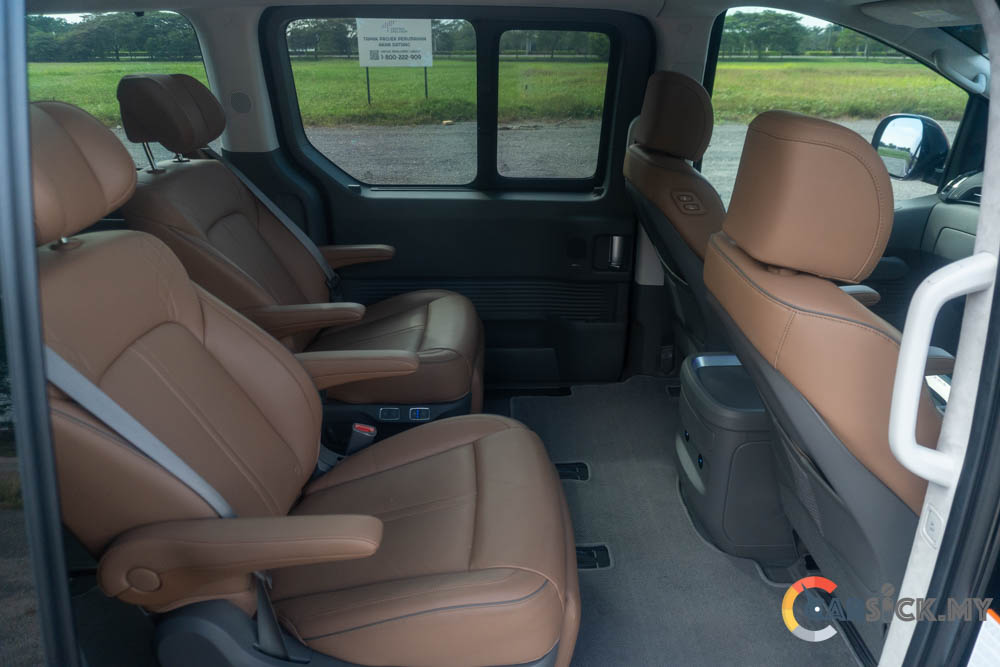
This is where the Staria starts making a very strong case for itself. The 7-seater variant gets two individual captain’s chairs in the second row. And yes, they recline, a lot. You can essentially lie back and pretend you’re flying business class, except instead of being 35,000 feet above the ground, you’re probably stuck on the North-South Expressway wondering why everyone has suddenly decided to drive at 80 km/h. And unlike the Kia Carnival, you don’t need to move the chairs inward to achieve the reclined position.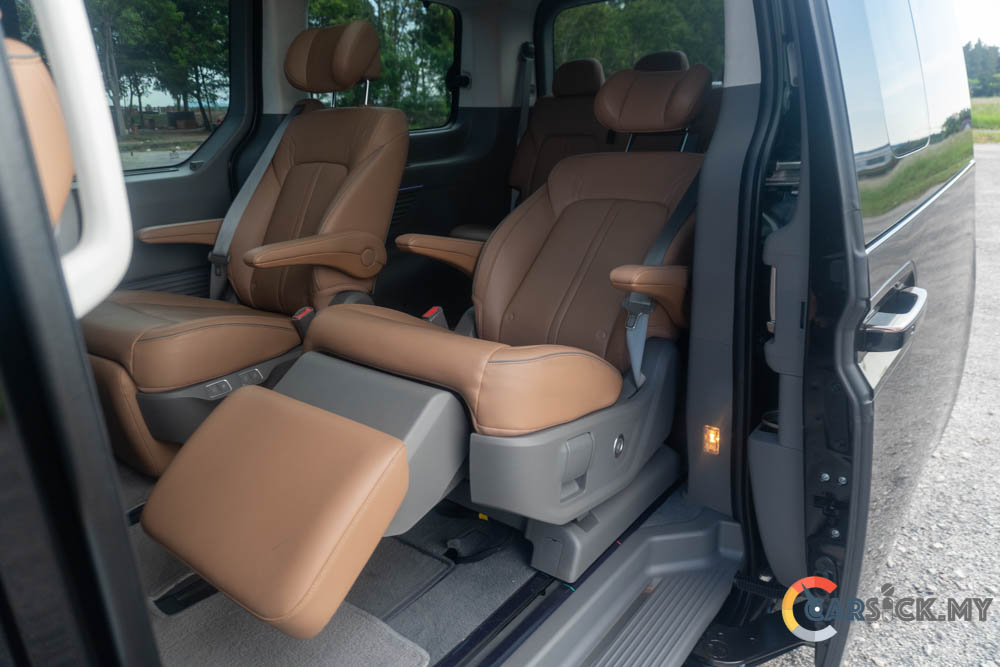
Even better, second-row passengers get an enormous amount of legroom and headroom. Hyundai has clearly prioritised passenger space here, and it shows. In fact, I think the second row of the Staria is even better optimised than the Carnival’s when it comes to sheer space. And because this is the Premium variant, you also get heated and ventilated seats. Not bad at all. 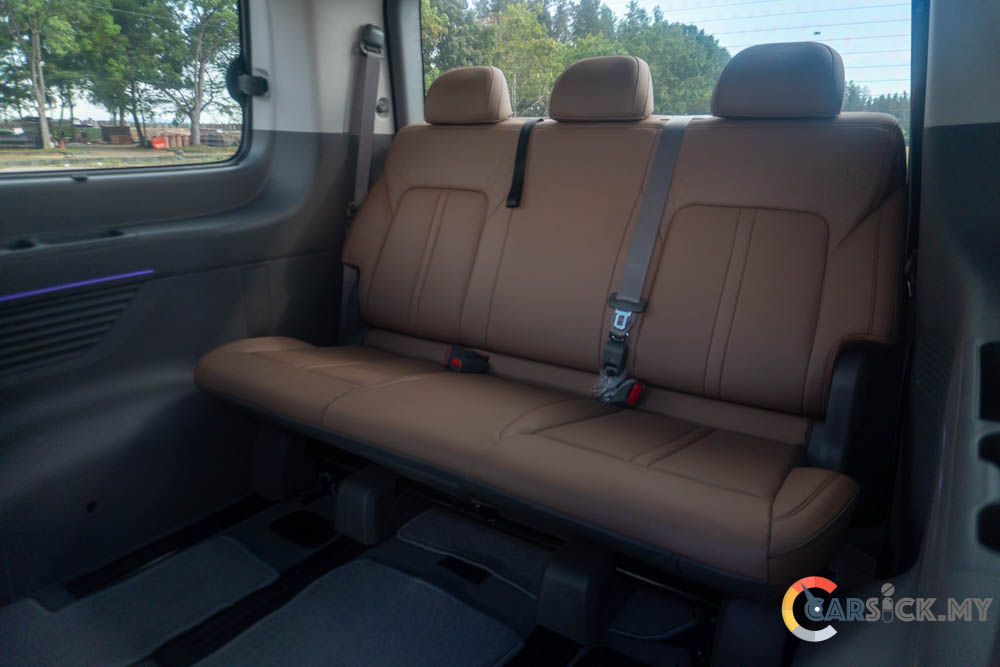
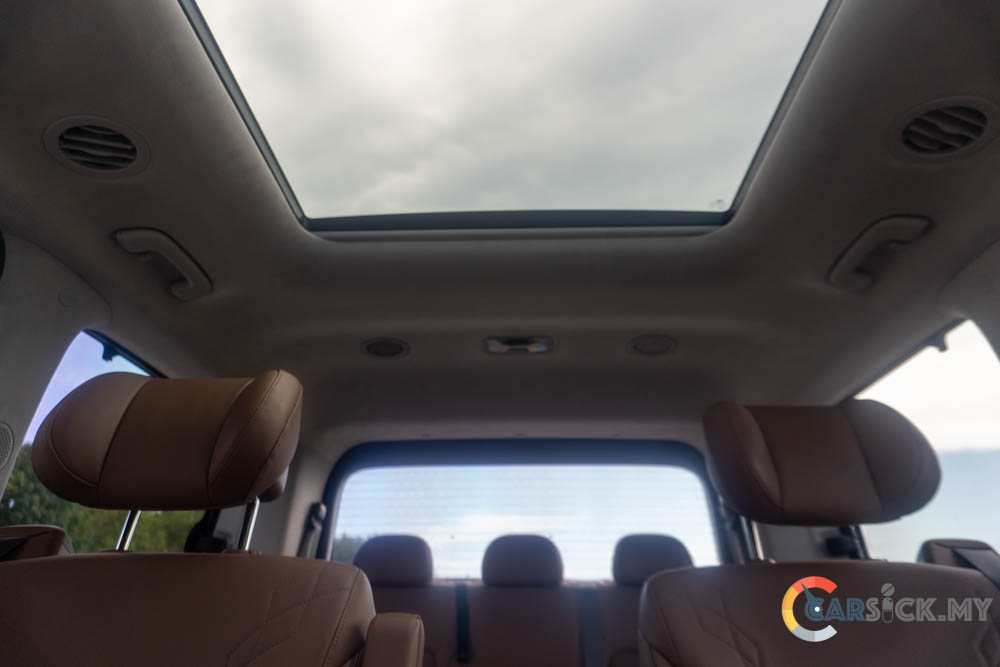
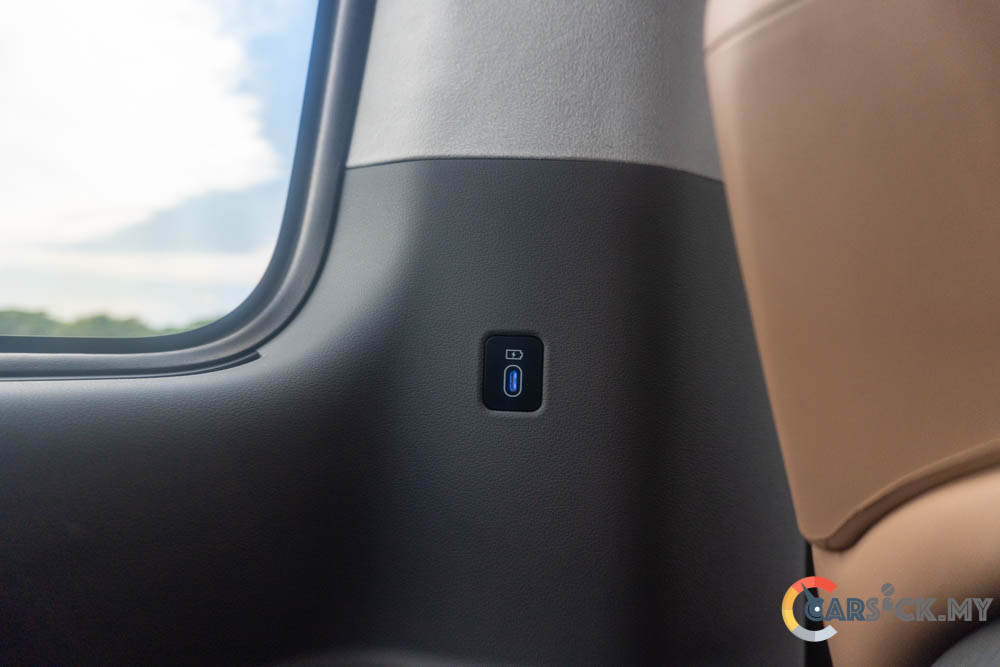
Move into the third row and things remain surprisingly impressive. Even with the second row pushed all the way backwards, there is still plenty of legroom in the third row. That is quite an achievement and a reminder that Hyundai originally designed this platform to accommodate up to 10 people. So with seven seats, space is hardly an issue. The third-row bench could be better, though. The seat doesn’t provide quite enough thigh support, which can make longer journeys less comfortable. Thankfully, you’re still sitting in a relatively normal position rather than the dreaded squatting position found in some MPVs and even some three-row SUVs. Rear passengers also get their own air-conditioning vents, while charging ports are scattered around the cabin. Basically, nobody should have an excuse for running out of battery back there.
But Where Do I Put the Luggage?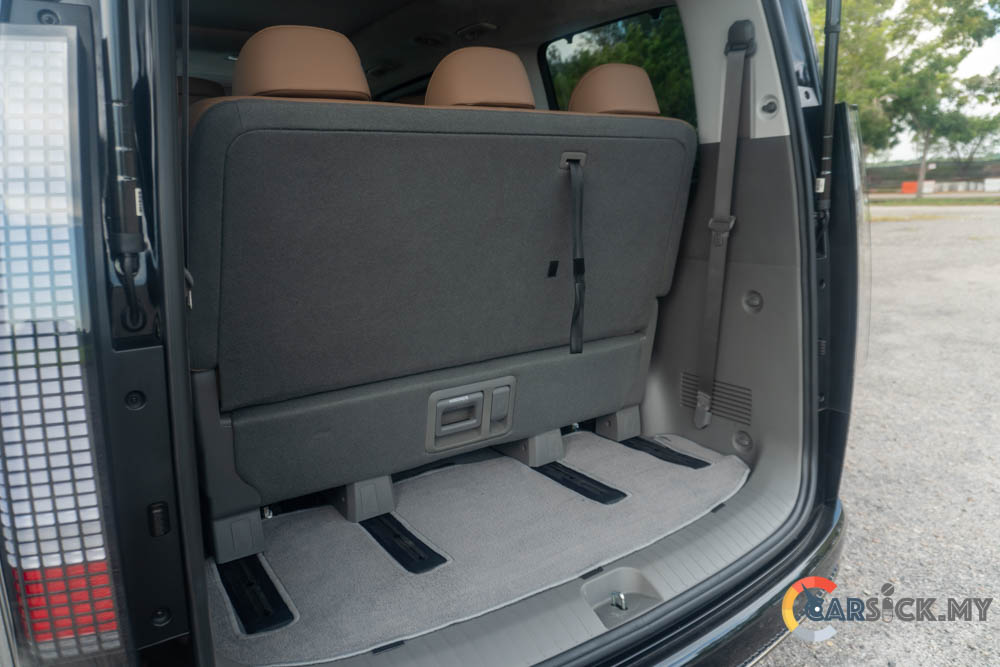
Behind the third row, there is still some luggage space. If you slide the third row slightly forward, you’ll have a decent amount of room to work with. The boot isn’t quite as flexible as the Carnival’s, but there is a reason for that. Hyundai has prioritised cabin space, so the floor isn’t as tall as the Kia’s. The advantage is that loading larger items can actually be easier. And even if you fill all seven seats with passengers, you can still have some luggage space without turning the second and third rows into economy class. That’s one of the biggest strengths of the Staria.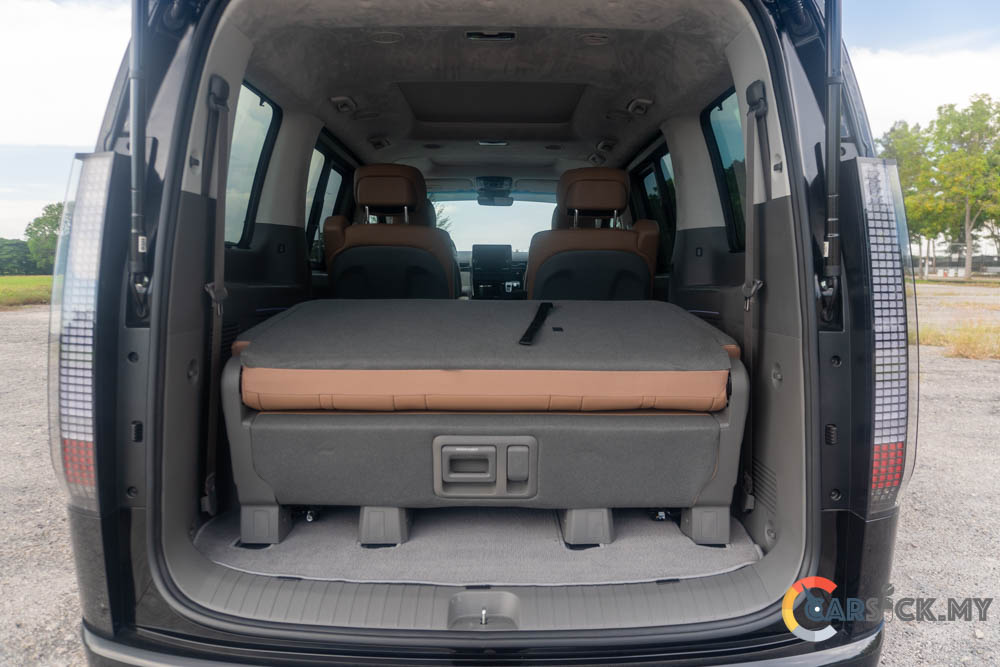
It has so much interior space that even when you sacrifice some legroom for luggage, passengers still have plenty of room to stretch out. The only major downside is that the third row doesn’t fold away completely. So if you’re planning to carry seven people and a small mountain of luggage, you’ll have to plan accordingly.
The Old-School Heart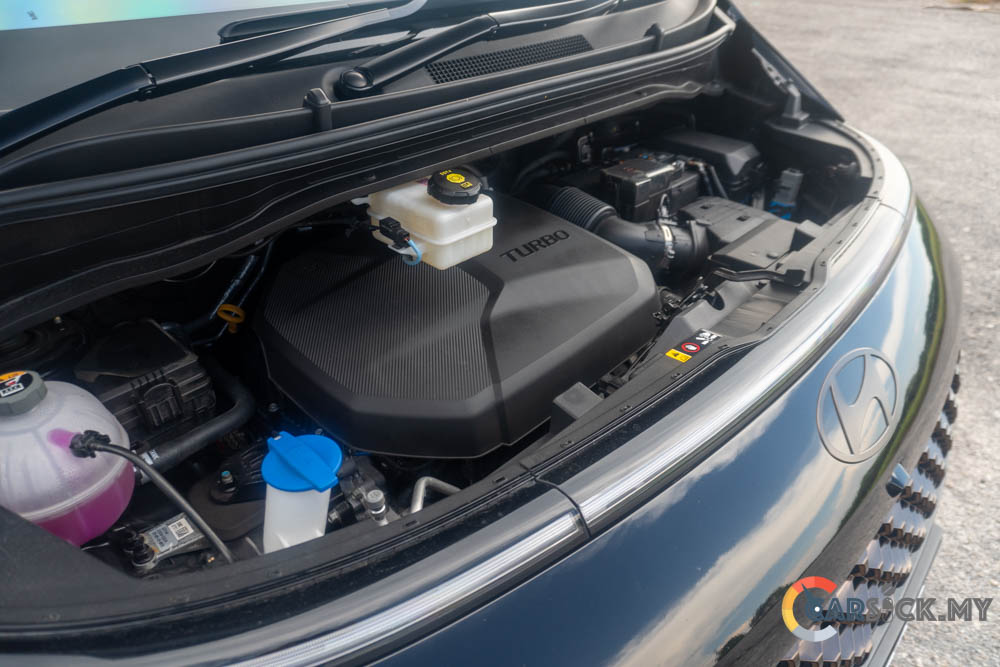
Underneath all that futuristic styling is something much more familiar. The Staria gets a 2.2-litre turbo-diesel four-cylinder engine that has been around for quite some time. Unlike the Kia Carnival, the Staria uses a slightly less complicated setup without the Smartstream system. But it still gets an eight-speed automatic transmission driving the front wheels. Output stands at around 177 PS and 431 Nm of torque.
On paper, those numbers don’t look too far behind the Smartstream-powered Carnival. In reality, though, you can feel the difference. The Smartstream engine in the Carnival feels stronger at lower rpm, which makes the Kia feel more eager and lively around town. The Staria isn’t slow. You just have to ask it a little more nicely. Put your foot down and it will still get moving, but you can feel the engine working harder to shift this rather large box of Korean engineering.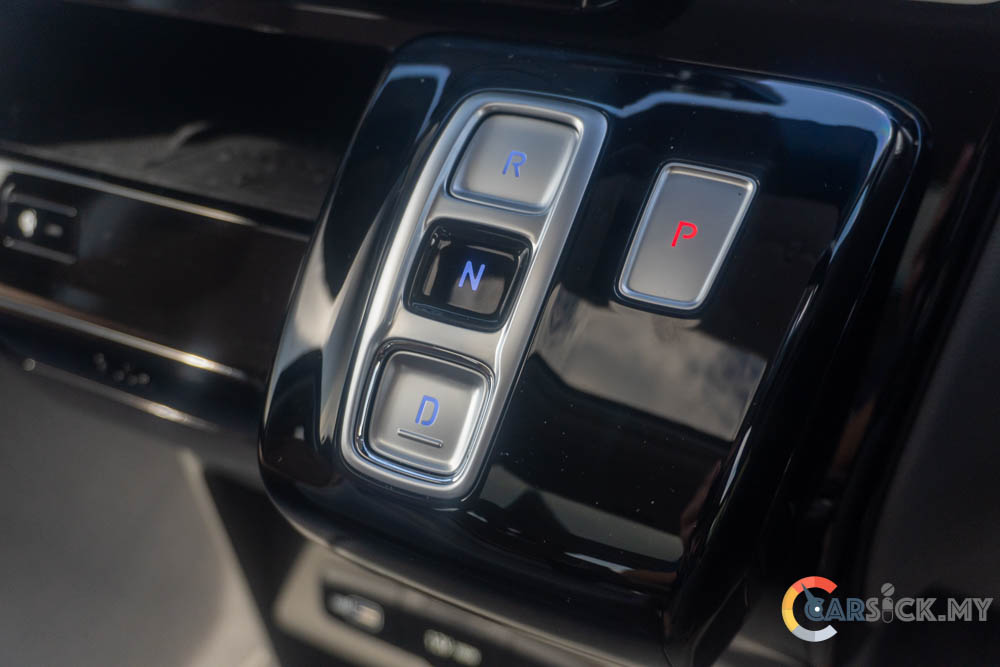
And then there’s aerodynamics. Let’s just say the Staria isn’t exactly shaped like a wind-cheating supercar. With its enormous frontal area, the engine has to work harder, especially at higher speeds. That also seems to show up in fuel consumption. After around 300 km of mostly town driving, I managed about 11.2 L/100 km. Not spectacular, but considering the size and weight of the vehicle, it’s not exactly shocking either.
Surprisingly Decent to Drive
On the road, the Staria has a noticeably firmer ride compared to the Carnival. This could be down to the suspension being designed to handle heavier loads, particularly given the Staria’s commercial-vehicle roots. But despite its size, the Staria remains pretty planted on the road, even at the national speed limit. It does a respectable job of soaking up road imperfections, and the steering wheel has a nicely weighted feel. There is even a decent amount of directness to the steering.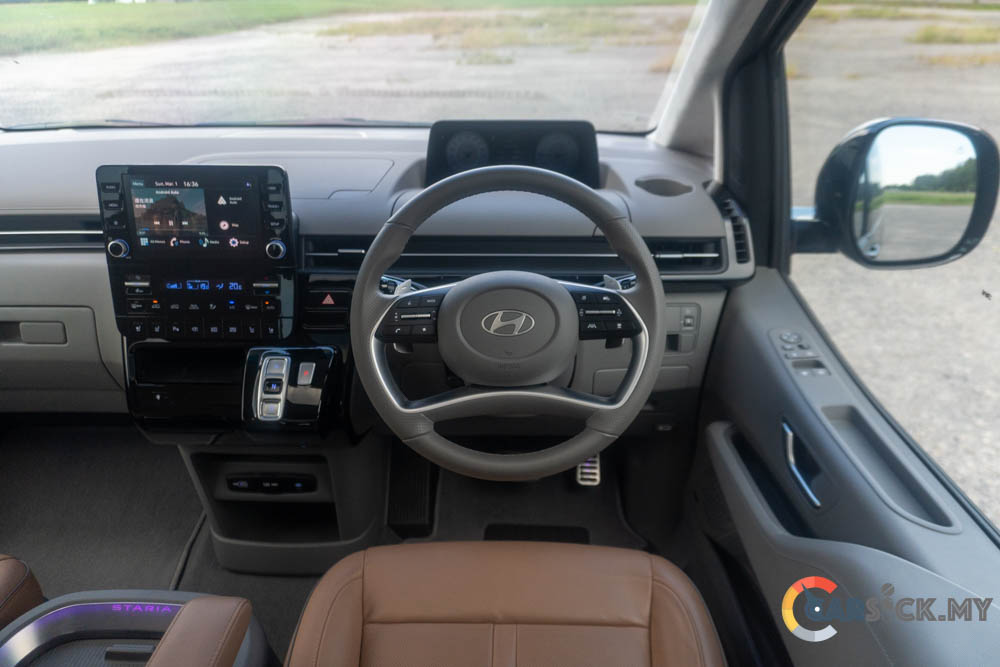
But let’s not get carried away. This is still a huge MPV. Throw it into a series of twisty corners and it will remind you very quickly that you’re driving something designed to carry people rather than attack a mountain road. There is body roll, naturally. Quite a bit of it, in fact. But the body control is surprisingly well contained. As long as you understand what you’re driving and don’t approach every corner like you’re auditioning for a racing movie, the Staria behaves itself rather well. Just don’t arrive at a corner too hot. Physics will win, Physics always wins.
Stopping the Spaceship
Slowing down something this large requires decent brakes, and thankfully, the Staria delivers. The brake pedal is nicely calibrated, with the amount of braking corresponding quite naturally to how much pressure you apply. However, you can still feel the weight of the vehicle when braking hard. There is a noticeable amount of inertia working against you, reminding you that this isn’t a hatchback wearing an oversized body kit. 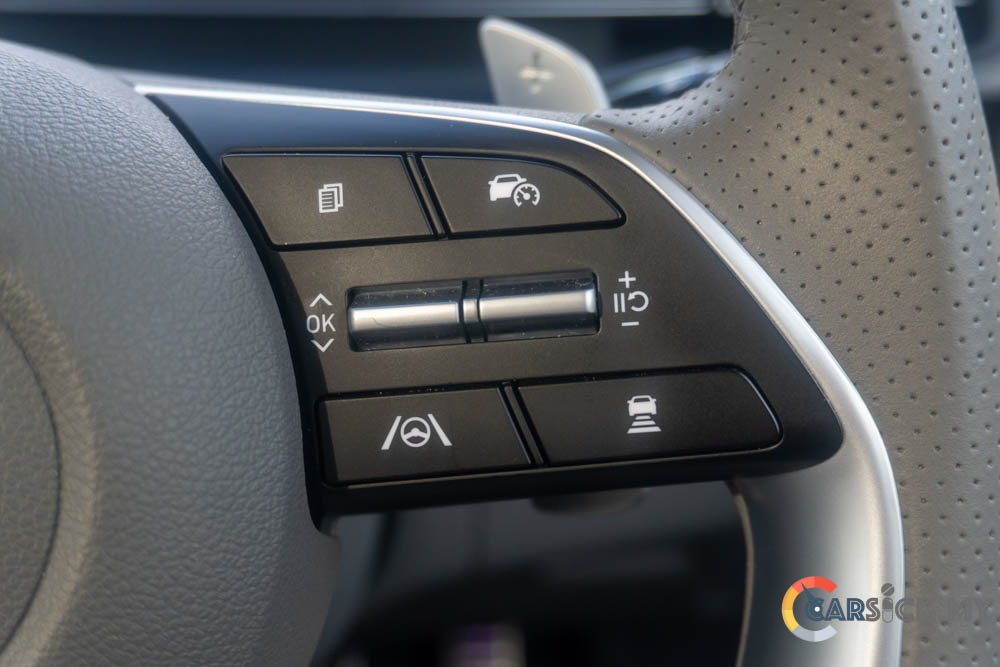
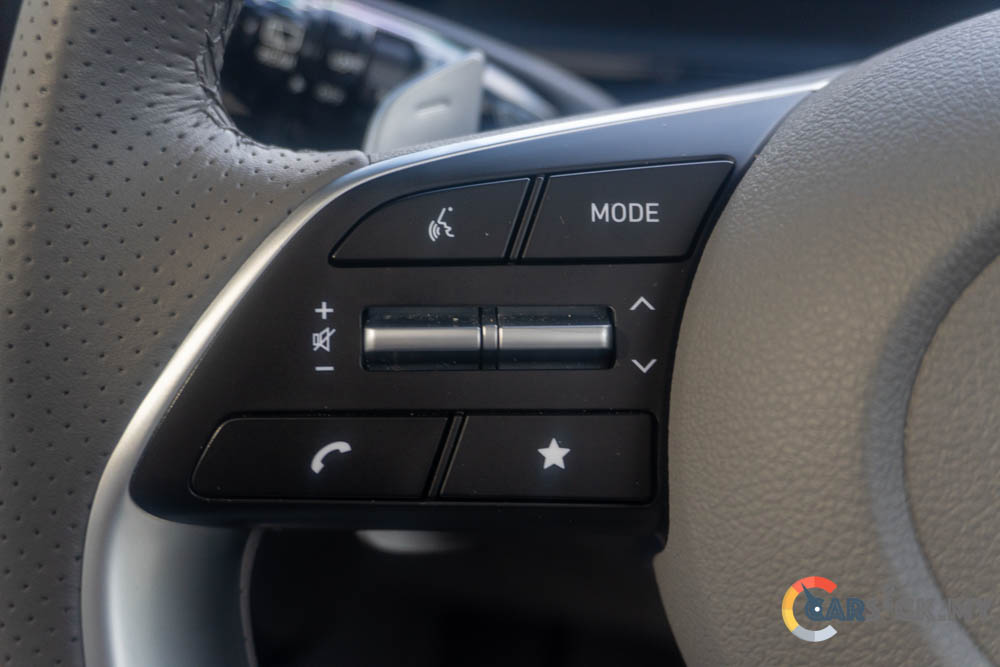
The safety equipment is comprehensive too. The Staria comes with High Beam Assist (HBA), Forward Collision-Avoidance Assist (FCA), Lane Keeping Assist (LKA), Lane Following Assist (LFA), Driver Attention Warning (DAW) with Leading Vehicle Departure Alert Function, Blind-Spot Collision Warning, Blind-Spot View Monitor (BVM), Rear Cross-Traffic Alert, Surround View Monitor (SVM) and Safe Exit Assist (SEA). Interestingly, because the Staria uses an older-generation ADAS setup, you can actually switch Lane Keeping Assist off and have it stay off. For some drivers, that might be a surprisingly welcome feature.
Verdict: Still a Space-Age People Mover
With the arrival of the Staria, Hyundai can finally put the Starex to rest. The 7-seater Premium variant I tested costs RM267,888, while the 10-seater is positioned much closer to where the Starex used to sit in terms of pricing. And after spending time with the Staria, I can see why Hyundai continues to offer both configurations. The Staria isn’t perfect. 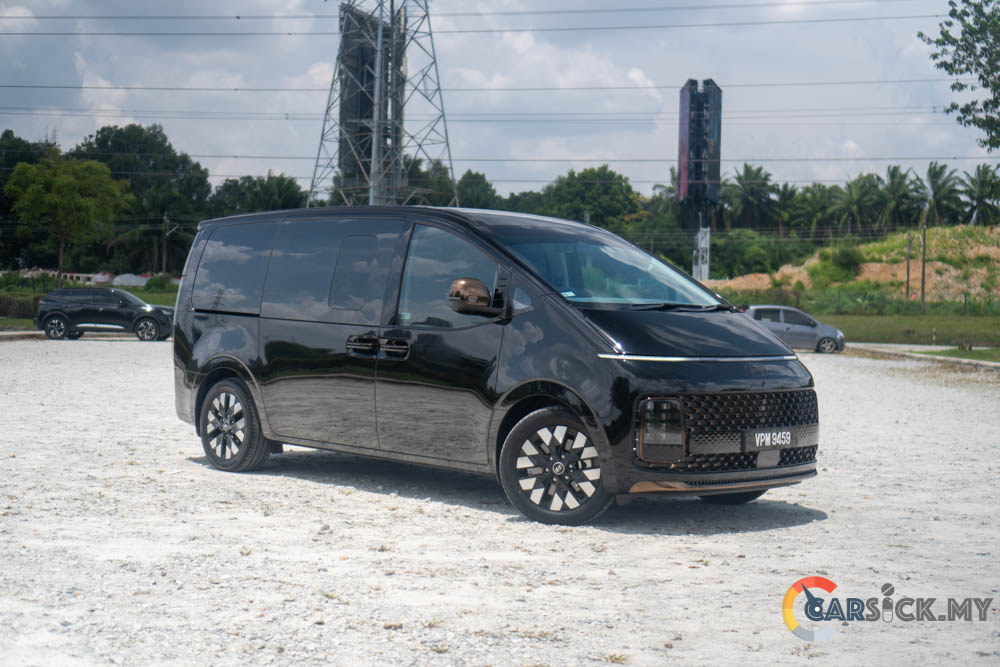
Its interior is beginning to show its age, the infotainment screen feels tiny in 2026, the engine isn’t quite as punchy as the Carnival’s Smartstream unit, and its third-row seat could use a little more thigh support. But then you get inside and realise just how much space there is. You sit in a commanding position, second-row passengers get business-class levels of legroom, the third row is genuinely usable, and the cabin can comfortably swallow seven people without making everyone feel like they’ve been squeezed into a sardine tin. 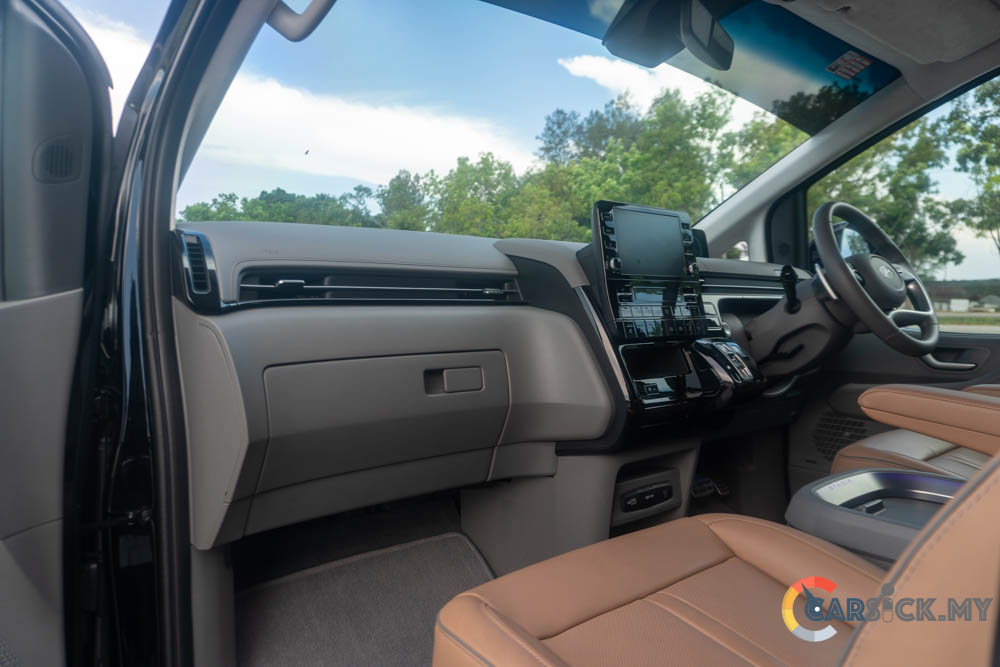
And then there’s the styling. The Staria still looks like a spaceship. Park it next to almost any other MPV and it will probably be the first one people look at. It may not have the fanciest interior or the newest mechanical package, but the Staria gets the fundamentals right. It is spacious, comfortable, practical and capable of carrying a lot of people without making them feel like cargo. And perhaps that’s exactly what the Staria is supposed to be. Not the fastest MPV. Not the most luxurious. Not even the newest. It’s simply a very good people mover wrapped in a design that looks like it came from 2050.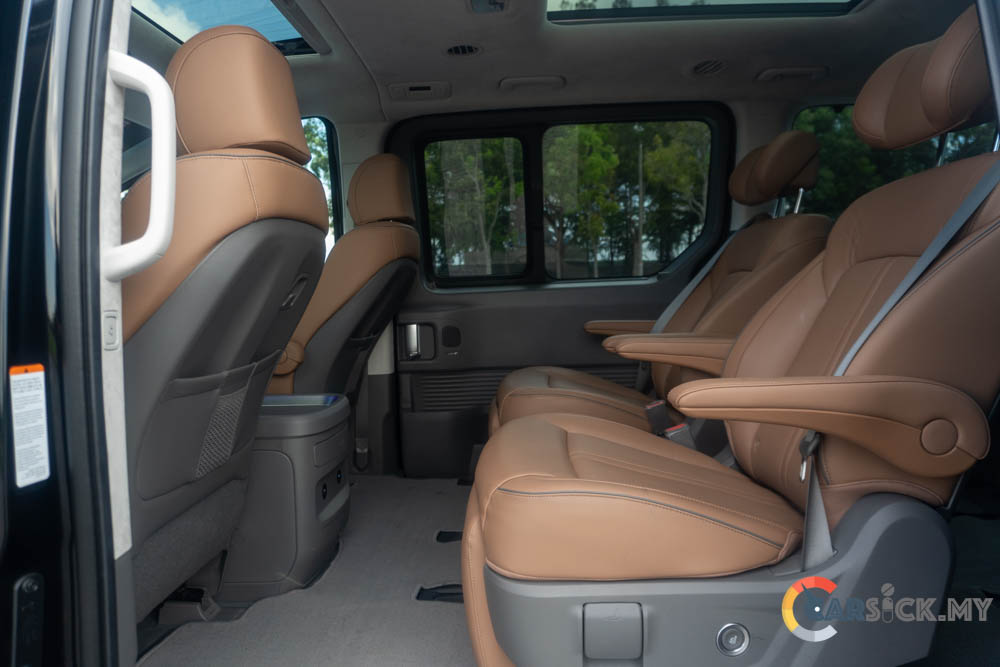
And if your job involves ferrying people around, especially with the 10-seater variant, that combination might be exactly what you need. Just don’t call it a spaceship. Unless, of course, you’re sitting in the second row with the seat reclined and the Bose system playing. Then, I suppose, you have every right to.
Check out the full photo album here.