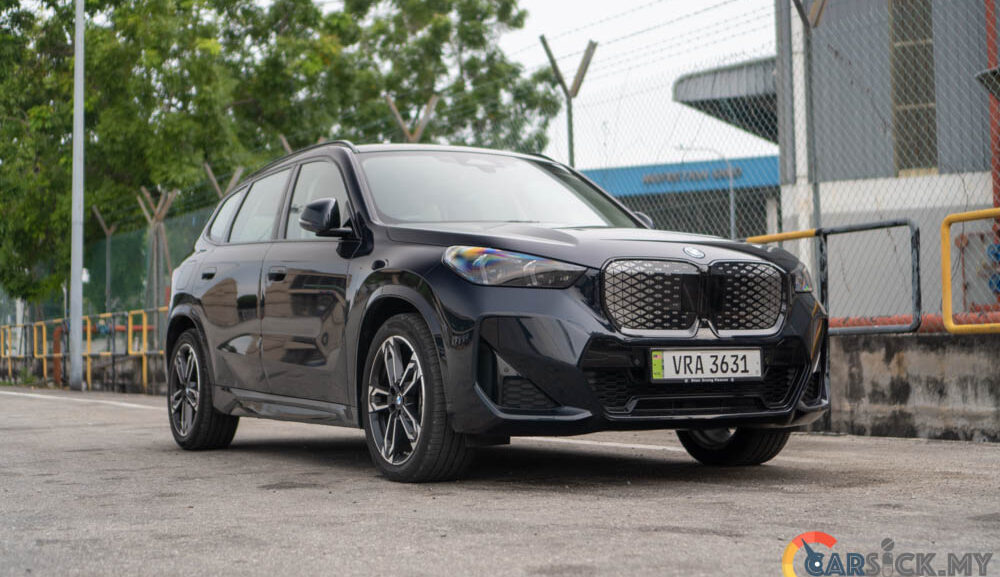

BMW has been stretching its cars for decades. And no, I’m not talking about some strange exercise routine at the gym. The “L” badge has long been associated with BMW’s extended-wheelbase models, particularly the 7 Series. It was BMW’s way of saying: “Yes, this is the same car, but there’s a little more room in the back.” Then, in 2006, BMW decided to bring the L treatment to the E60 5 Series in China, following demand from the market for a more spacious rear compartment. Six years later, the more affordable F30 3 Series received the same treatment. While these extended-wheelbase models were initially exclusive to China, BMW eventually began introducing the 3 Series L to markets outside China in 2021.
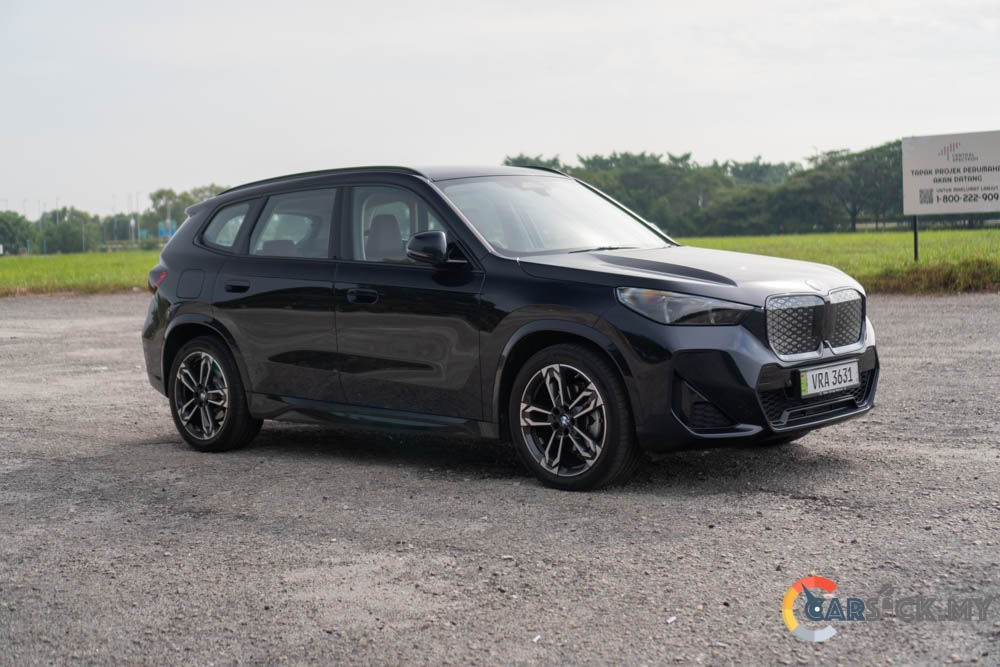
 Fast-forward to 2026, and BMW has now taken the L recipe and applied it to something rather unexpected — its entry-level SUV, the iX1. On paper, the idea sounds simple enough. Take an iX1, stretch it, give the rear passengers more room and call it a day. But is that really all there is to it? BMW Malaysia recently handed me the keys to the iX1L, giving me the opportunity to find out whether that extra wheelbase genuinely adds value, or whether it is simply another excuse to put an “L” badge on the boot. So, let’s find out.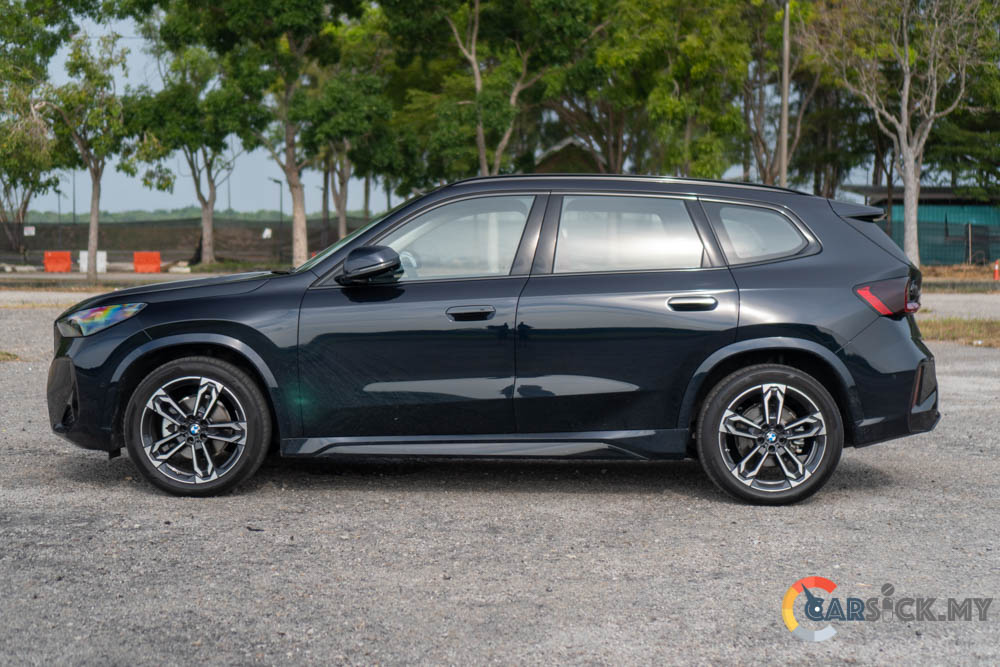
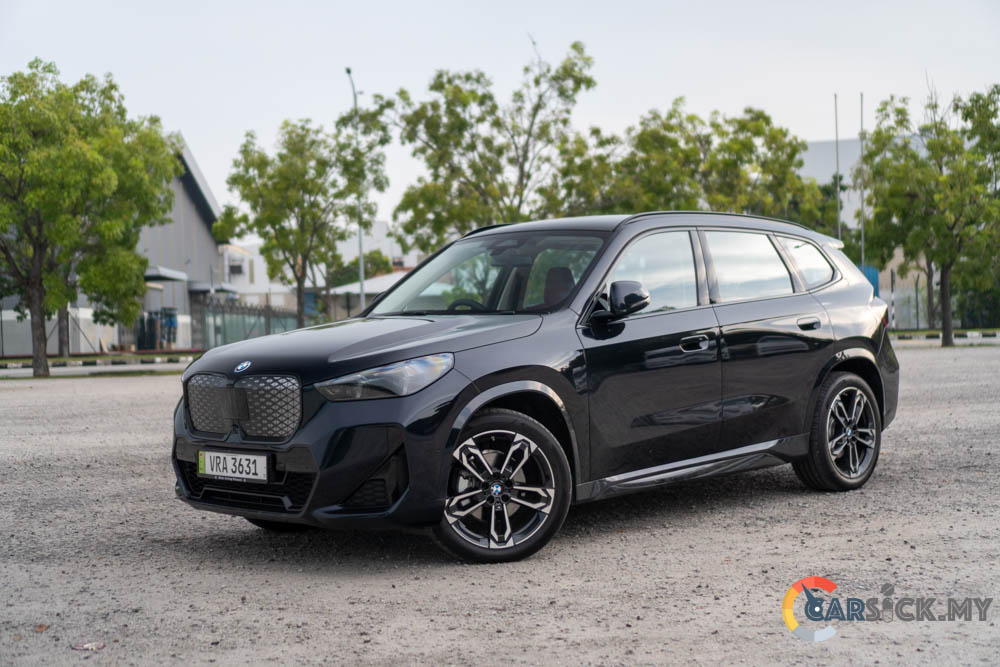
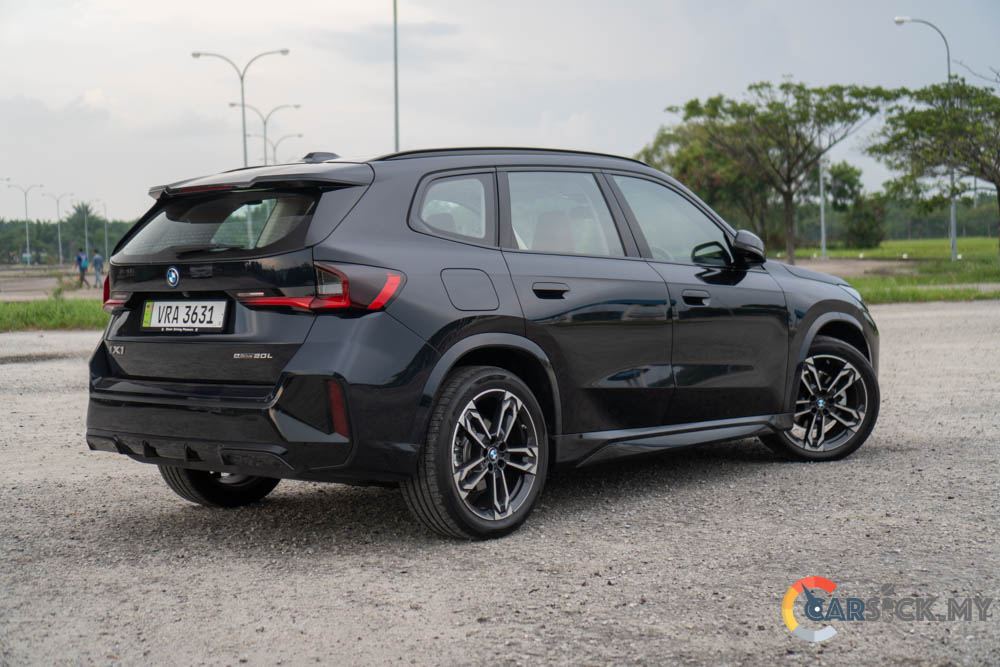
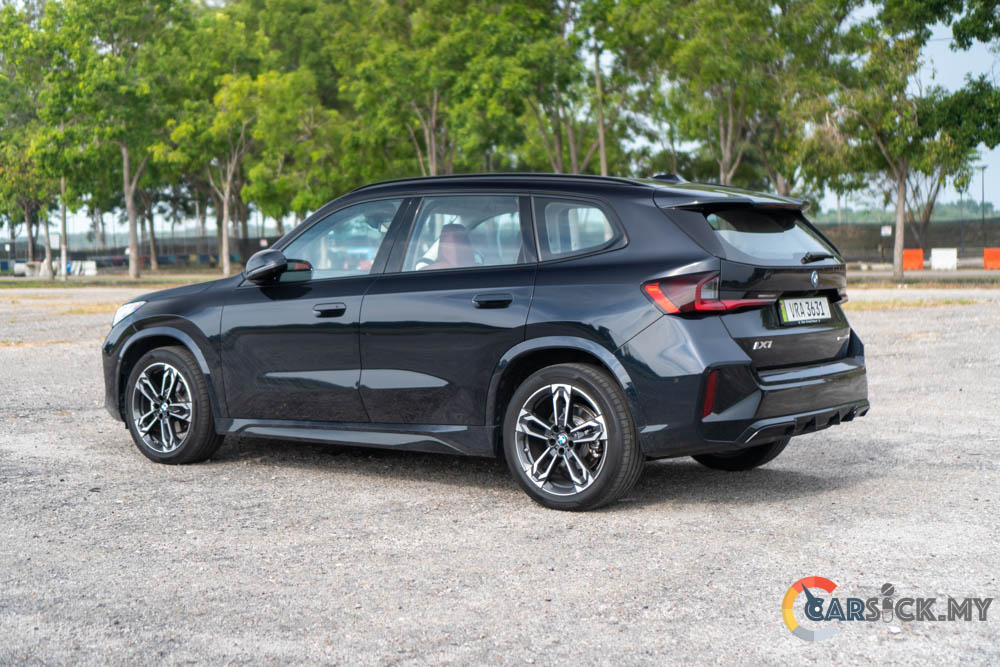
Starting with the exterior, the iX1L is based on the regular iX1, so don’t expect BMW to have completely redesigned the SUV. In fact, if you park the two cars next to each other and ask someone to spot the differences, you might get some very interesting answers. The biggest changes are the longer wheelbase and extended rear doors. These have been designed to create more space for the people sitting in the back, rather than making the car look dramatically different. And honestly, that’s a good thing. The extra length has been integrated so neatly into the existing design that the iX1L doesn’t look like someone simply chopped the car in half, inserted an extra section and welded it back together. Credit has to go to BMW’s designers here. They have managed to stretch the iX1 without making its proportions look awkward. 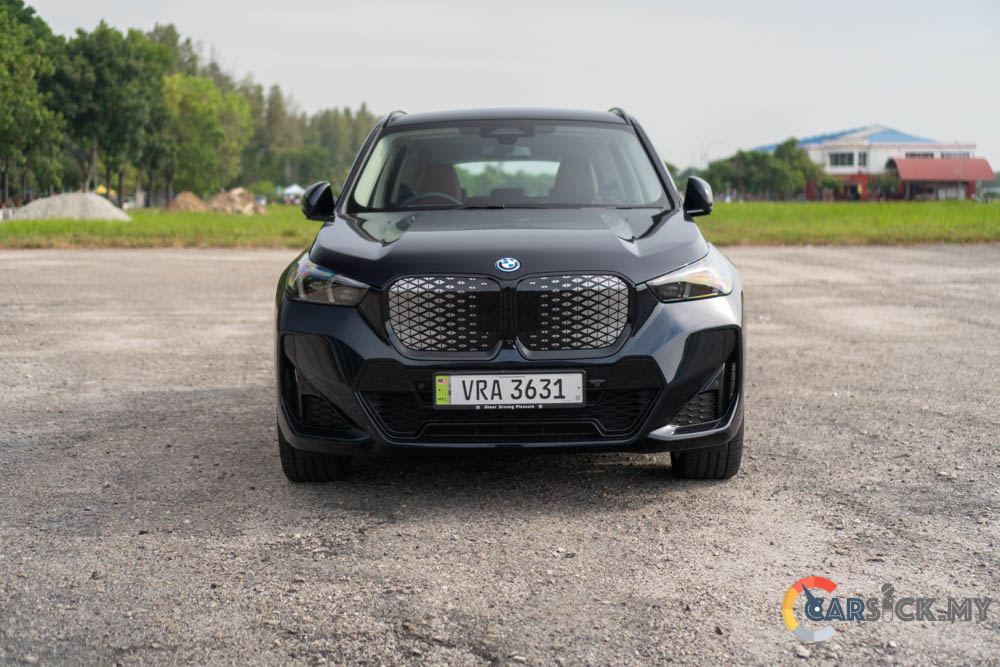
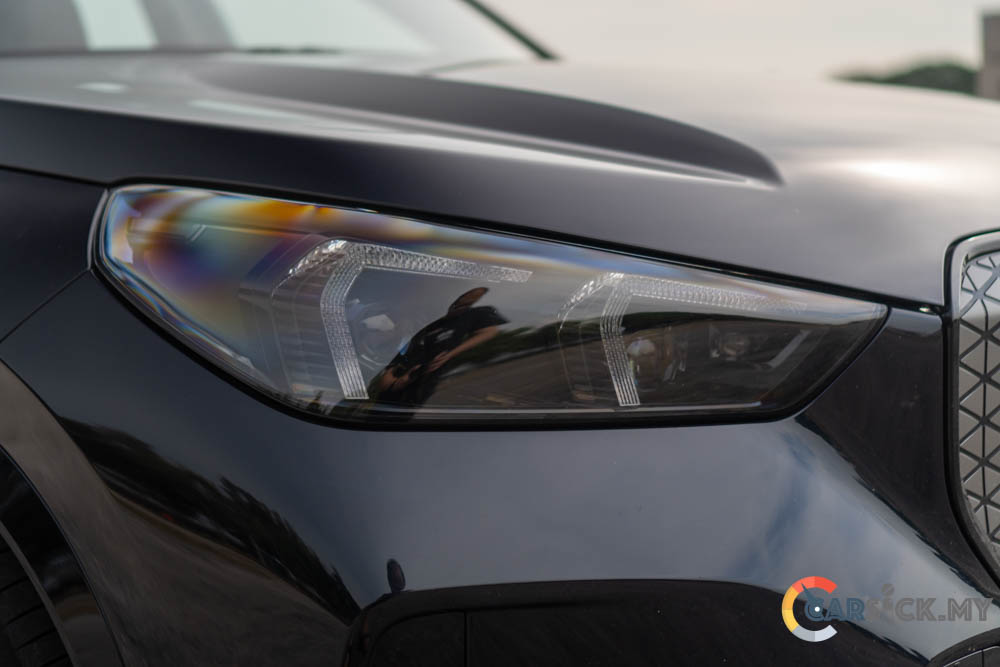
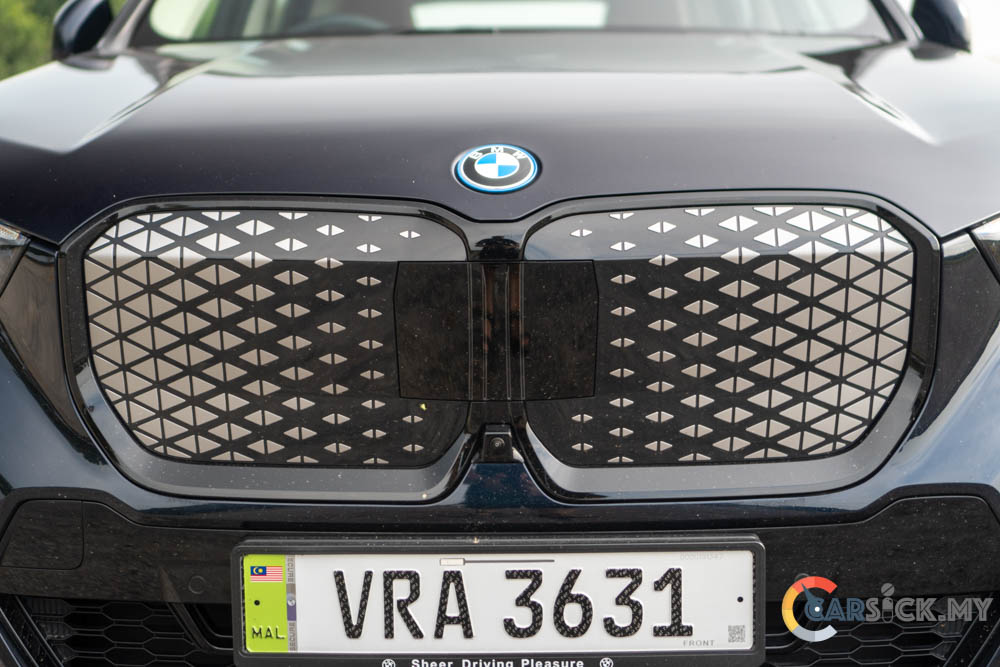
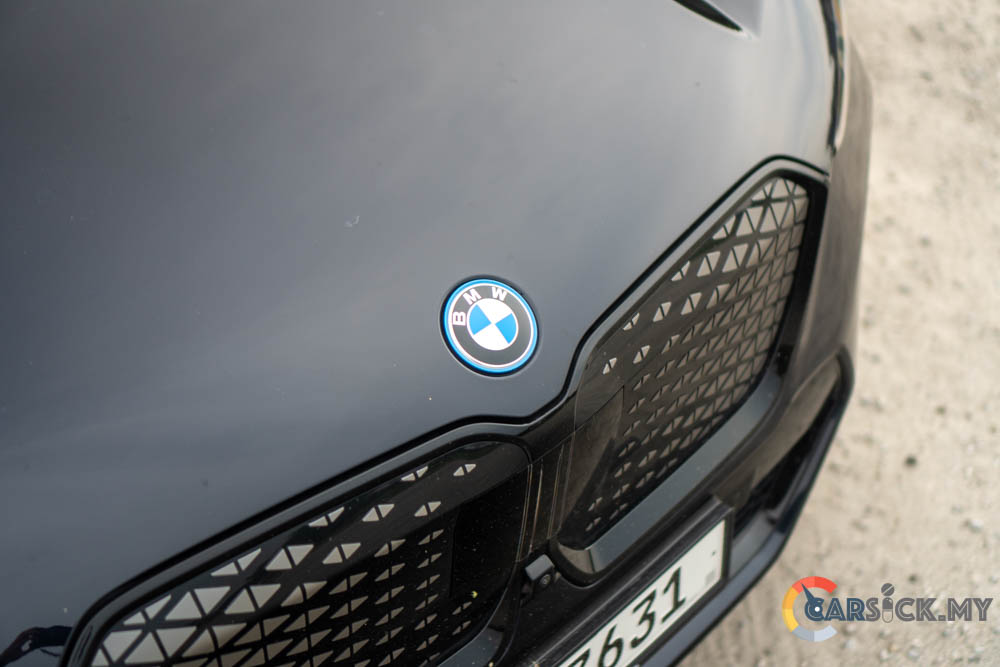
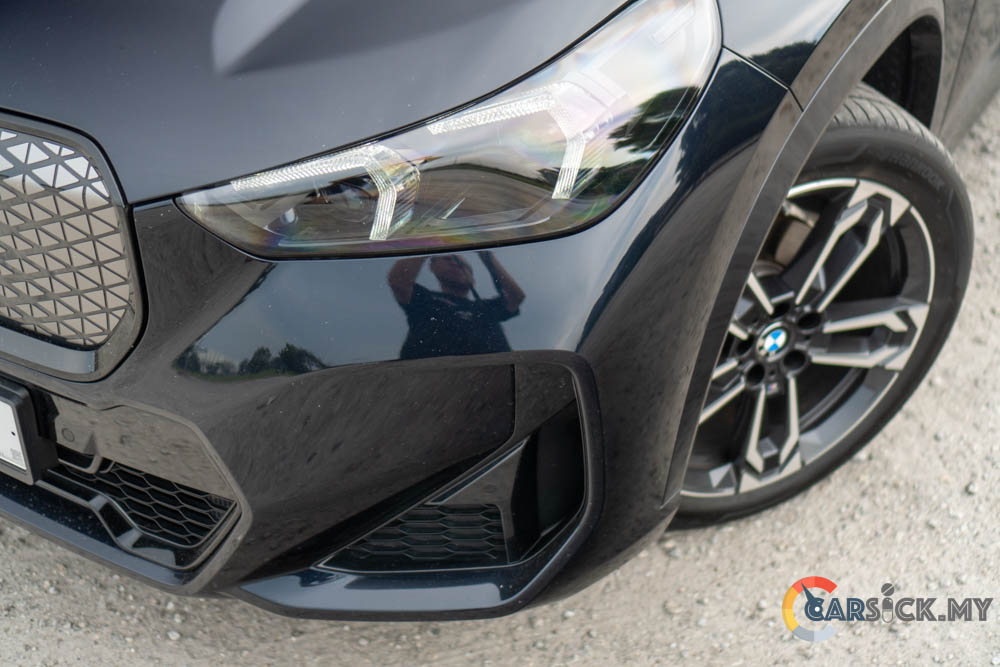
Since I haven’t had a proper look at the latest regular iX1, though, let’s go through the exterior together. Up front, you get BMW’s familiar kidney grille. Since this is an EV, however, there’s no need for a traditional grille to feed air into an engine. Instead, the kidney grille is mostly covered with plastic trim, helping improve aerodynamics while keeping the BMW identity intact. Flanking the grille are full-LED headlights with matrix LED high beams. They do a good job of lighting up the road ahead without turning oncoming traffic into temporary victims. 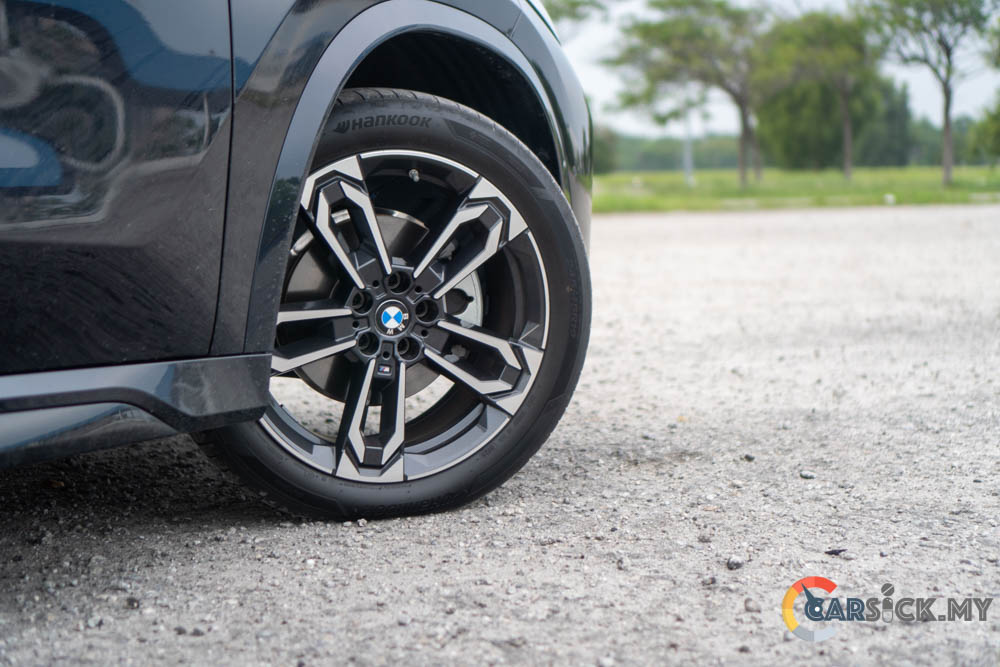
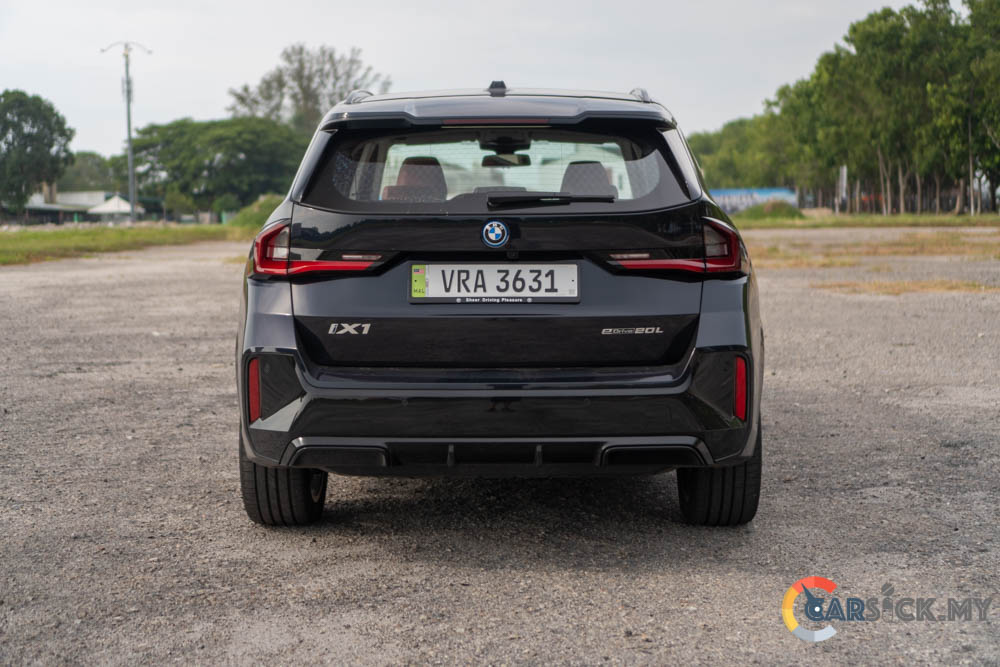
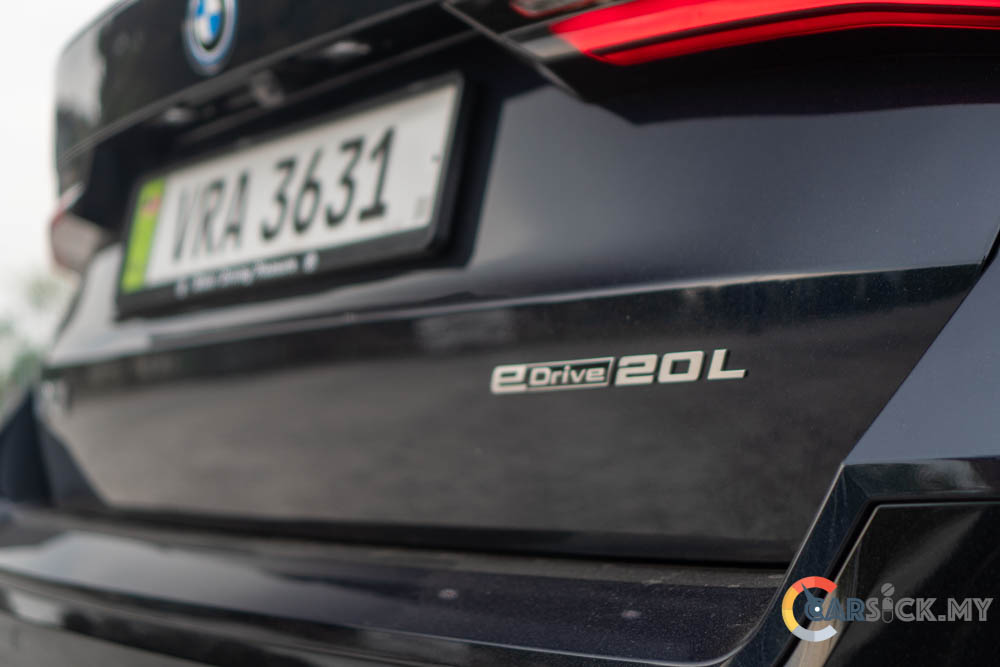
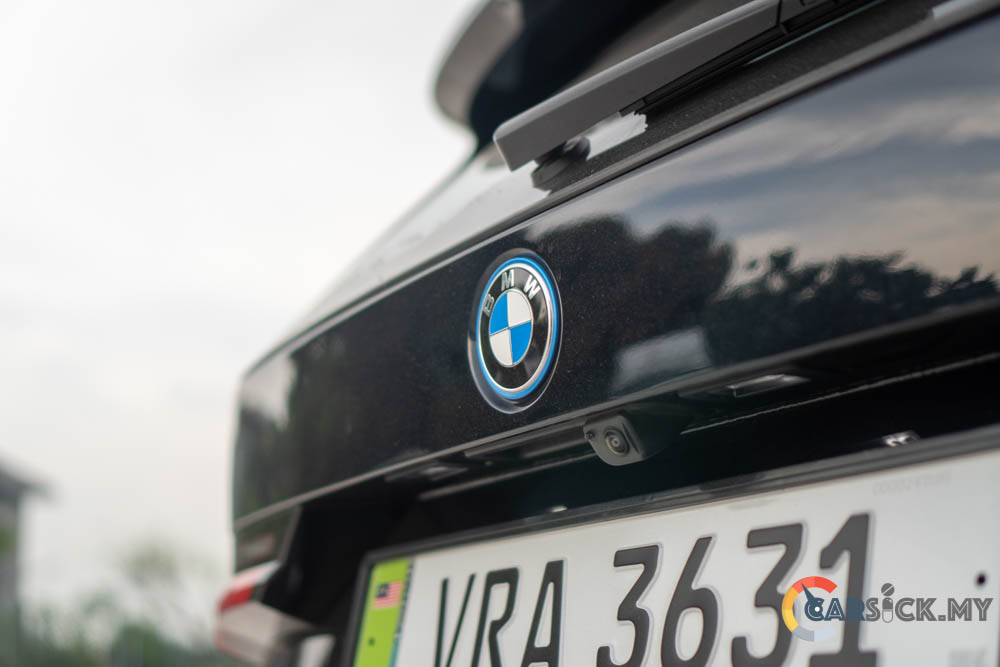
From the side, things remain largely familiar. Apart from the longer wheelbase and rear doors, the overall profile is essentially the same as the regular iX1. The 19-inch M Sport wheels remain, wrapped in 245/45 R19 tyres. They give the iX1L a suitably sporty appearance, which is rather important because nobody wants their stretched family SUV to look like it has been pulled apart by a tow truck. At the rear, full-LED taillights give the iX1L its distinctive look. And if you really want to identify the extended-wheelbase version, just look for the little “L” badge sitting behind the iX1 eDrive 20 badge. Otherwise, you might struggle to tell. And again, that’s something BMW deserves credit for. The iX1L doesn’t look like an afterthought. 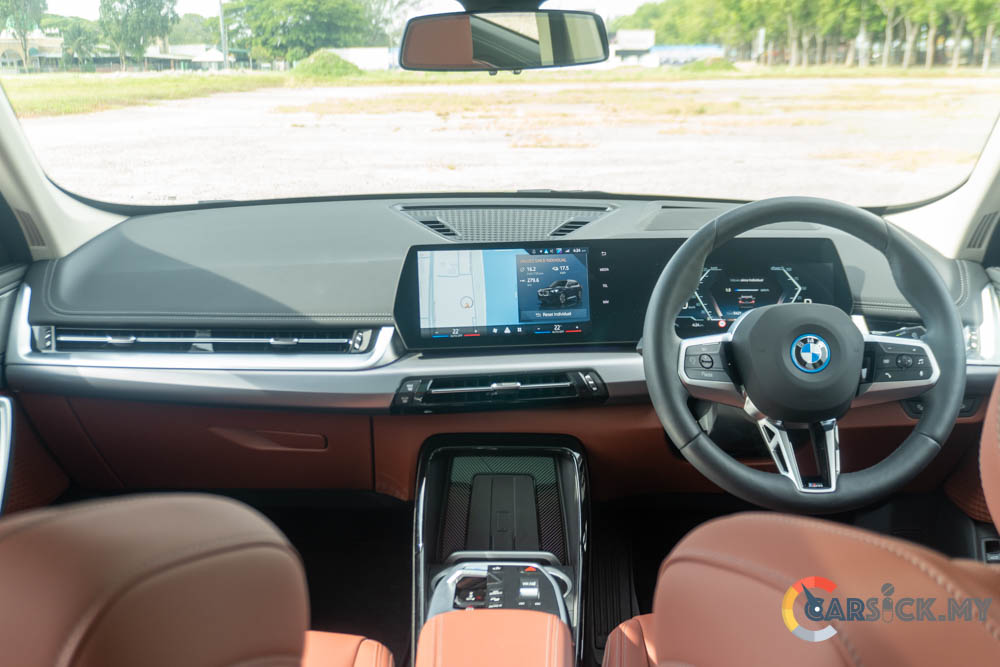
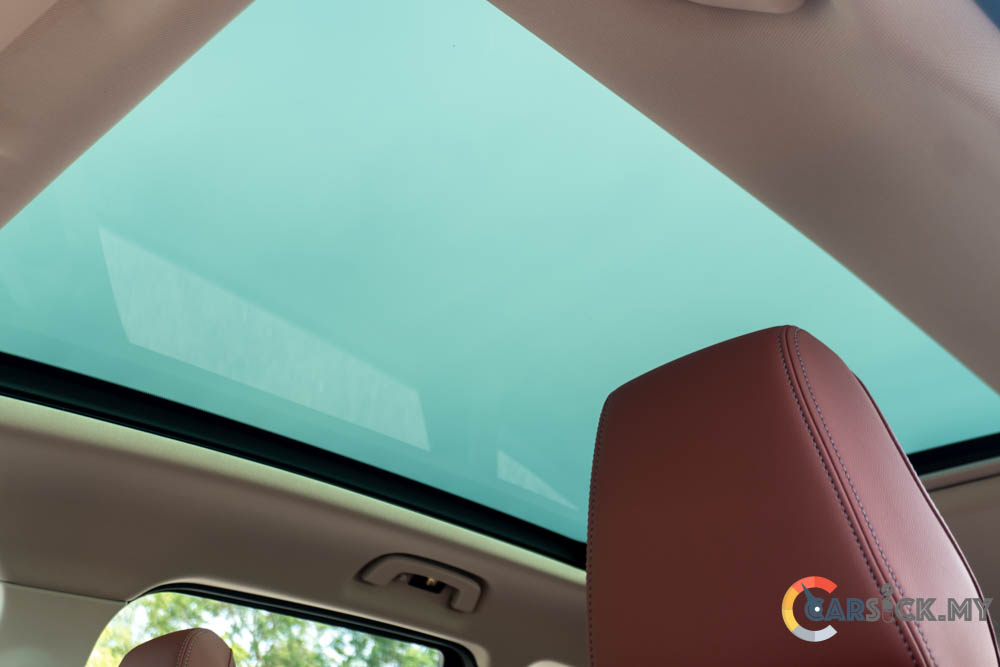
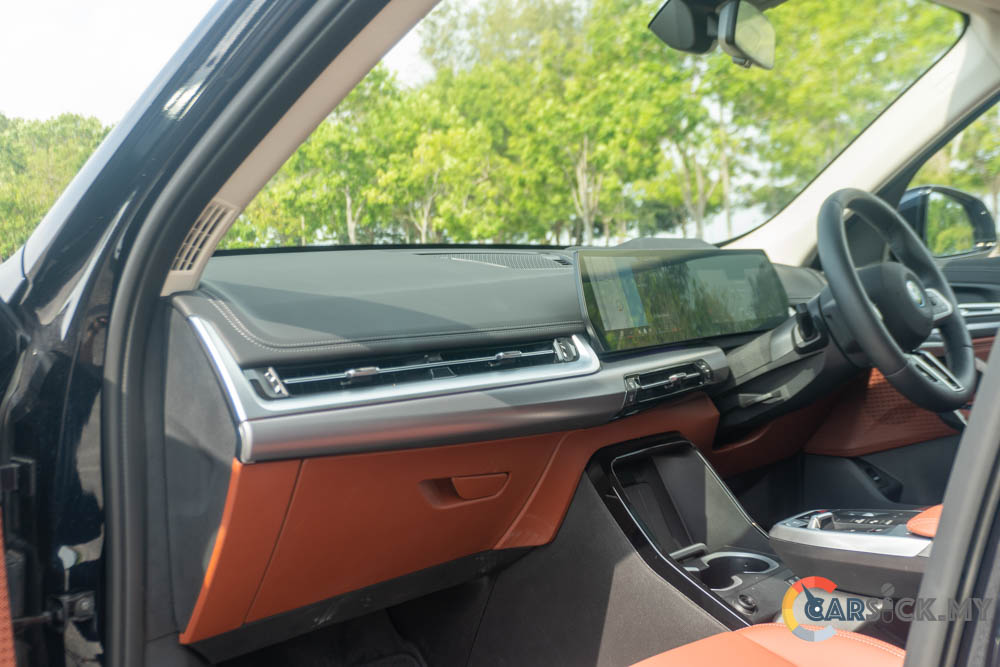
Step inside and things become much more familiar, especially if you have spent time in BMW’s newer models. The iX1L gets the modern BMW interior layout that we have also seen in cars such as the 2 Series. It is clean, minimalist and packed with screens, although thankfully BMW hasn’t gone completely crazy with touchscreens everywhere. The dashboard feels solid, and during my time with the car, I didn’t encounter many creaks or rattles when driving over uneven roads. There’s also a large panoramic glass roof that helps brighten up the cabin. On a sunny Malaysian afternoon, perhaps a little too much at times, but it certainly makes the cabin feel more spacious. 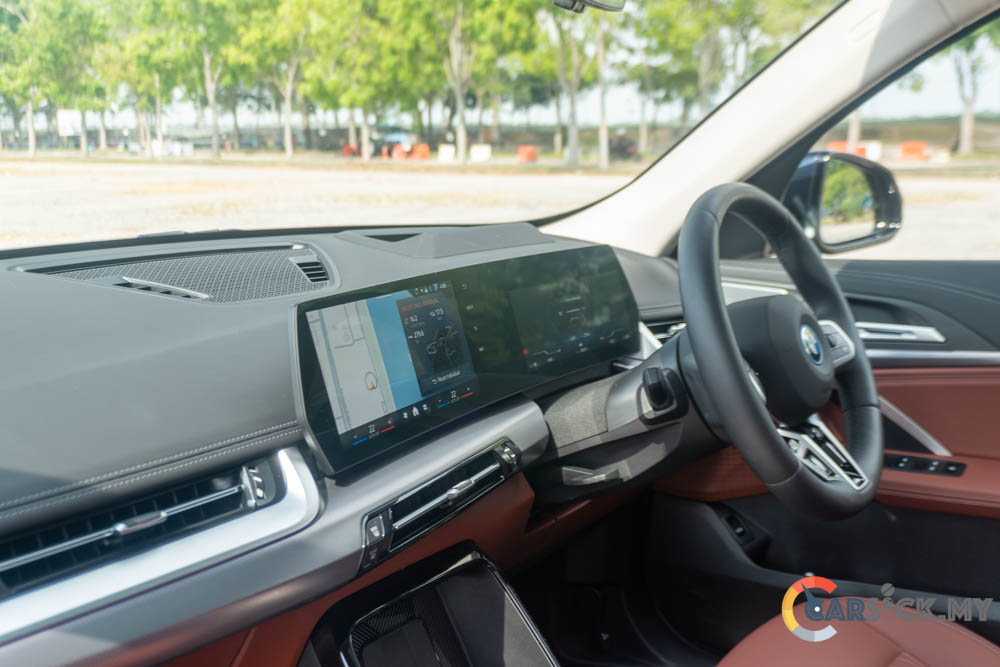
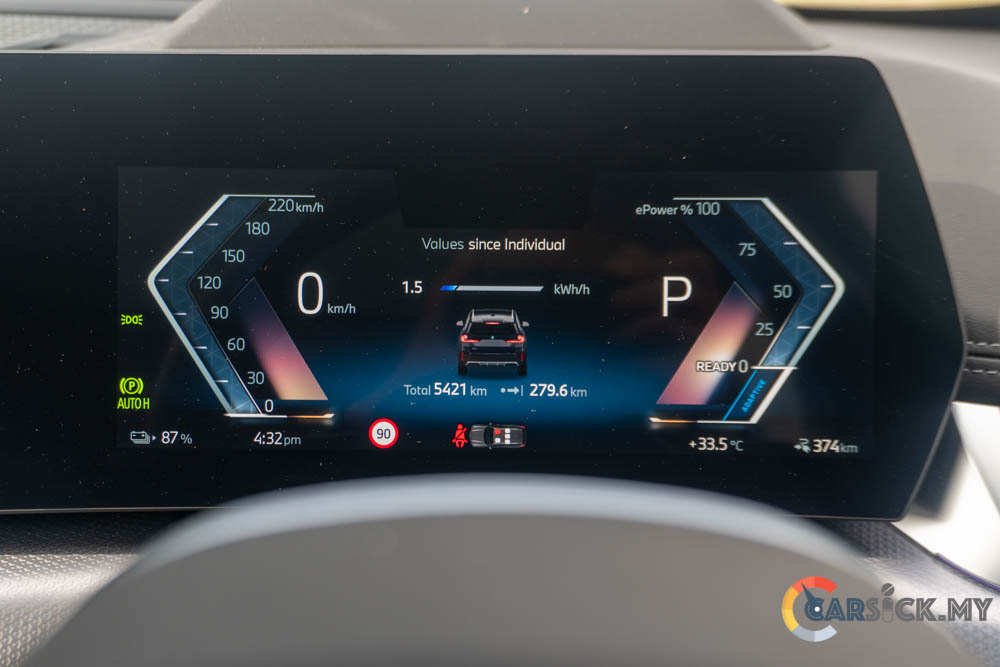
In front of the driver are two displays: a 10.25-inch digital instrument cluster and a 10.7-inch infotainment screen, both housed within BMW’s large curved display panel. The instrument cluster uses a layout that will be familiar to anyone who has driven a modern BMW. It is sharp, high-definition and relatively easy to understand once you get used to it. If you’re already familiar with BMW’s interface, you’ll probably feel right at home. If you’re not, expect to spend some time poking around the menus before everything starts to make sense. One thing I particularly like, however, is the attention to detail. The little graphics and animations within the instrument cluster actually respond to what the car is doing in real life. They may seem like small touches, but these are the kinds of details that make a modern digital cockpit feel more alive. 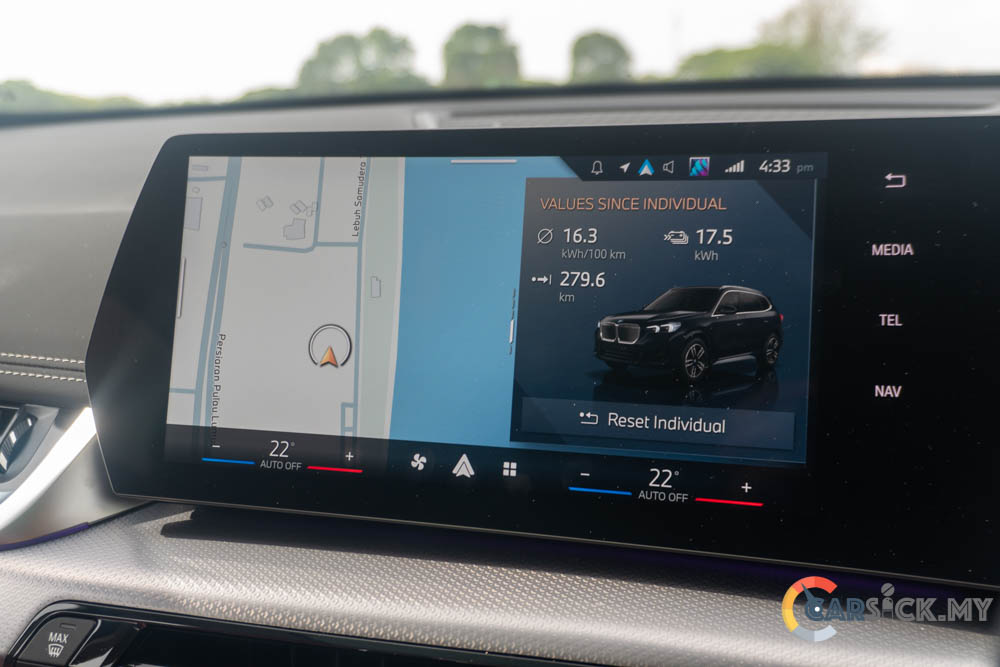
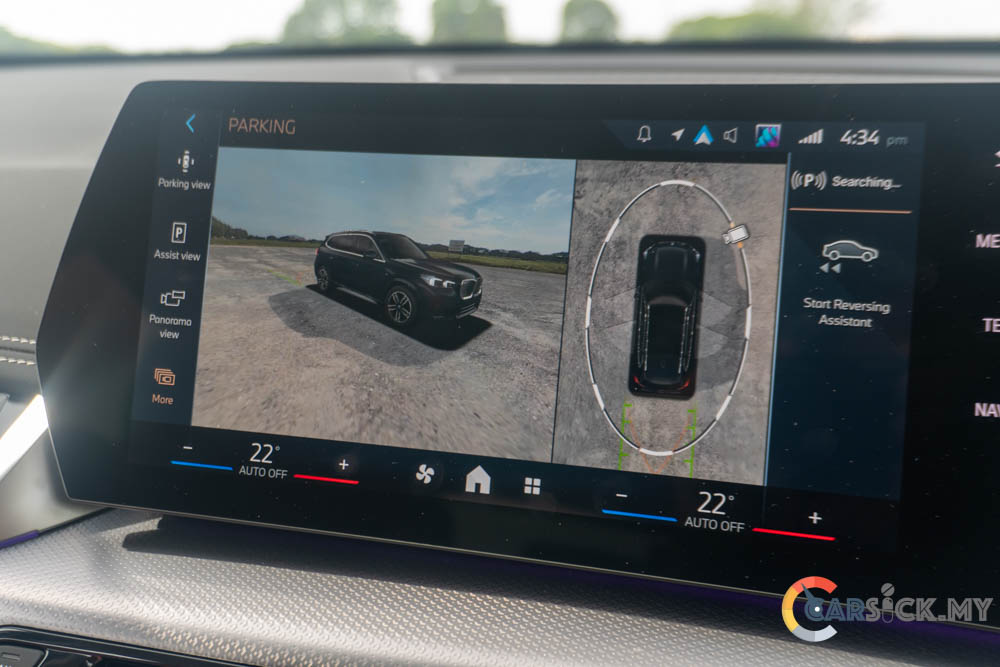
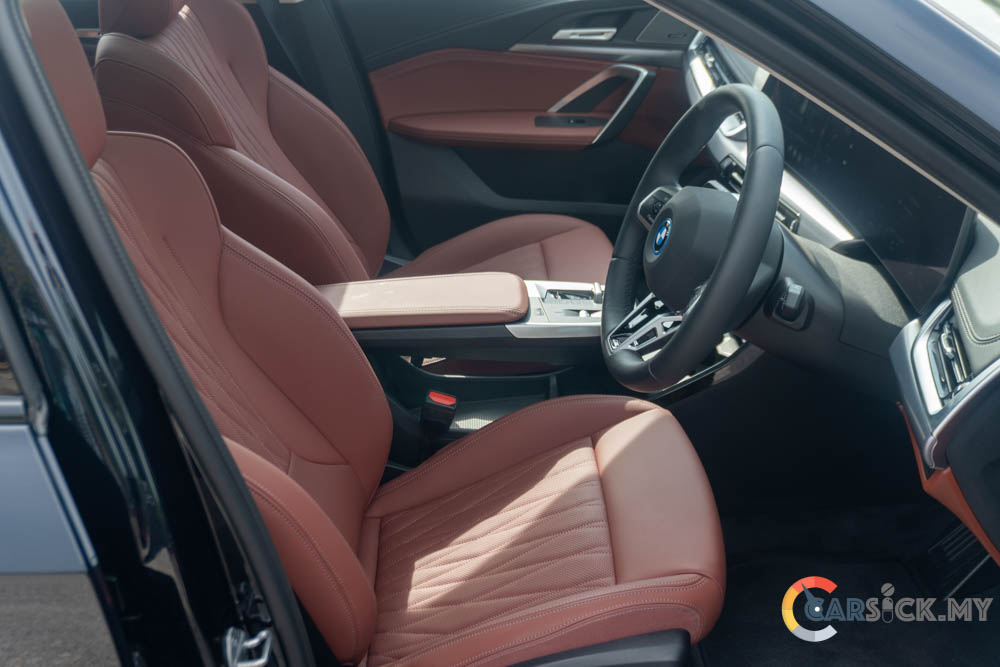
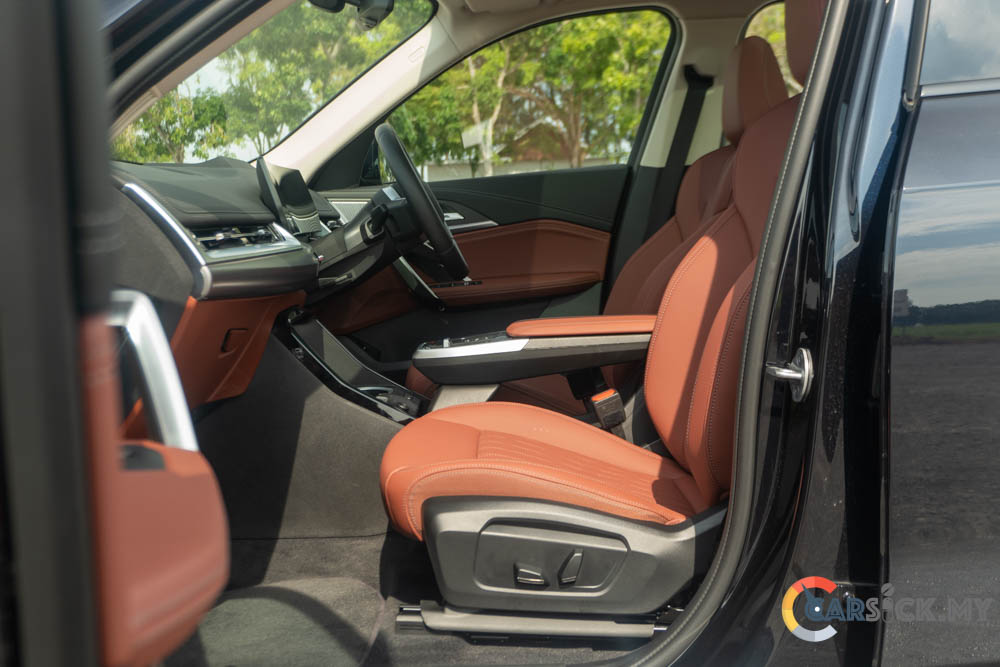
Moving over to the infotainment system, this is essentially the same setup we have seen in the 218 Gran Coupe. You get wireless Apple CarPlay and Android Auto as standard, while a 12-speaker Harman Kardon sound system takes care of your musical needs. There’s also a 360-degree camera system, which is always useful when trying to squeeze a relatively large SUV into a tiny Malaysian parking space. The seats are finished in a dark brown colour, and I actually like the way BMW has done this. It adds some visual interest to the cabin and makes it feel considerably more luxurious than an interior covered entirely in black. The driving position is also spot on. It’s easy to find a comfortable position behind the wheel, while the seats provide a decent amount of support without squeezing you like a sports car seat would. 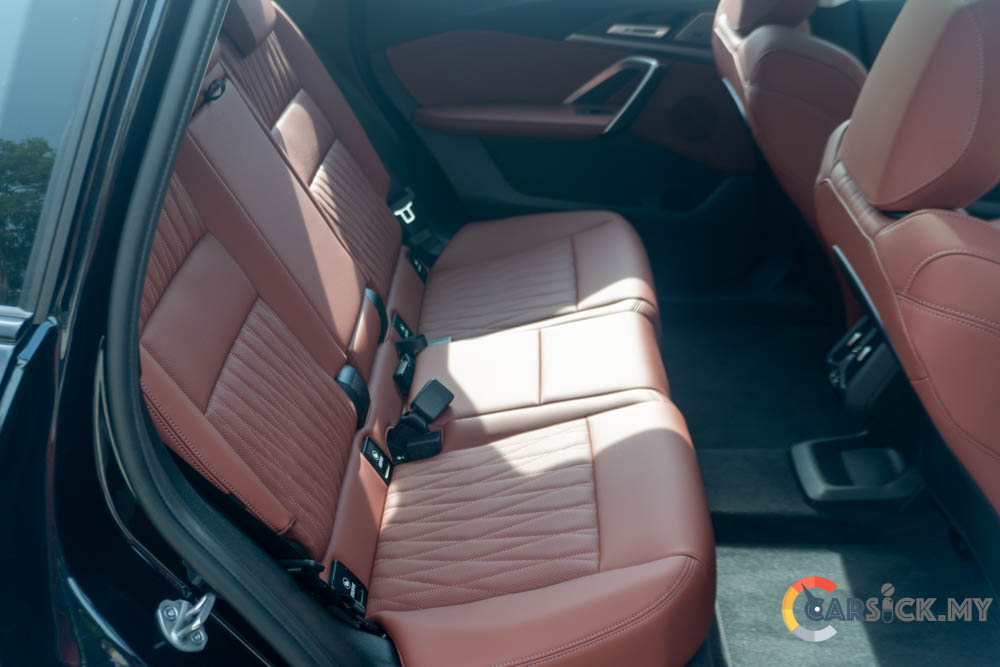
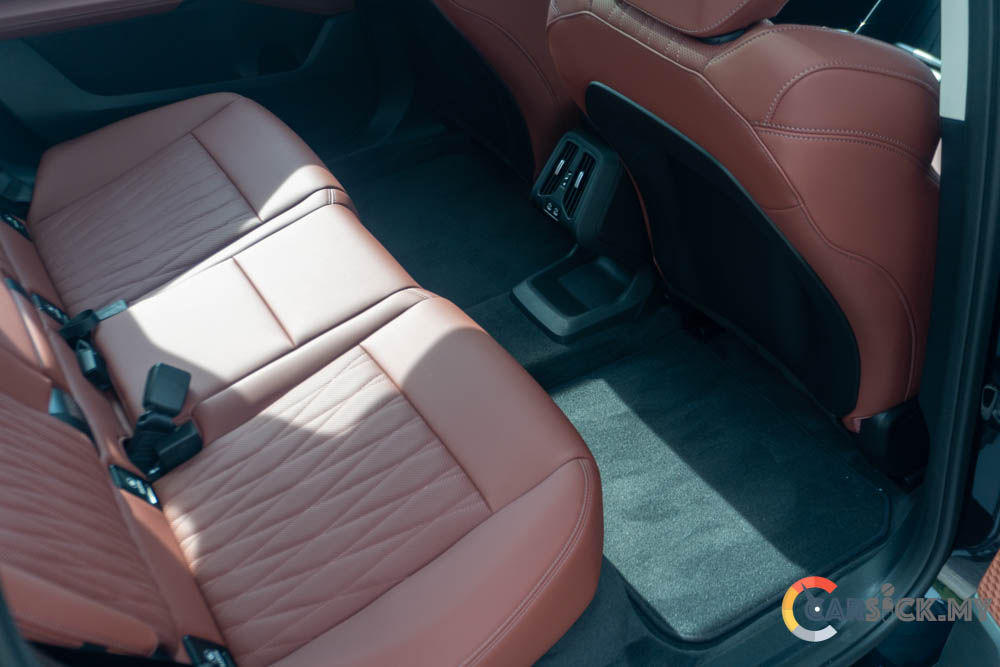
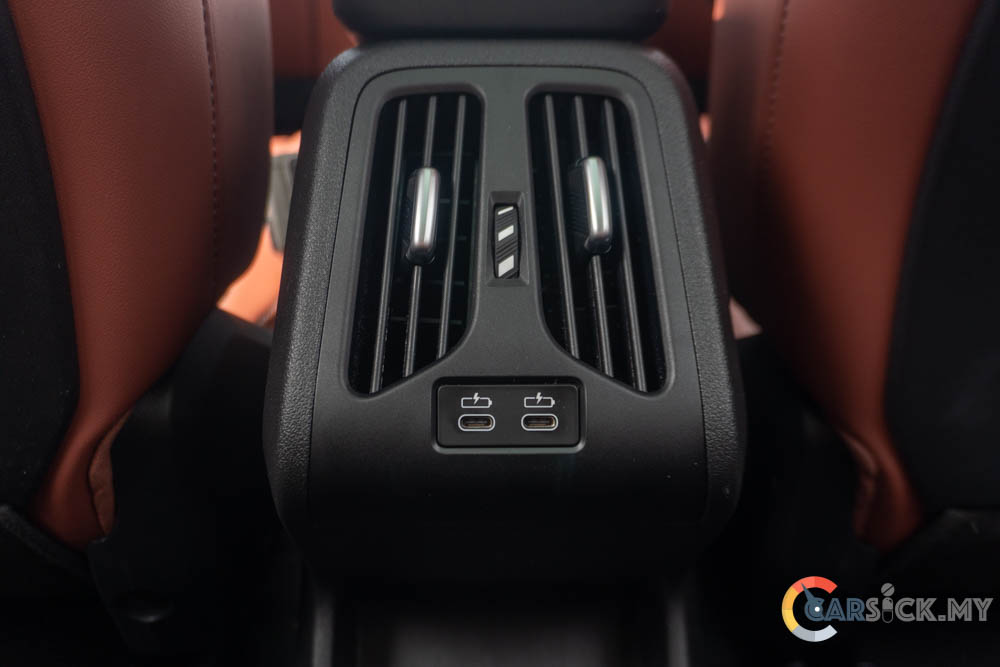
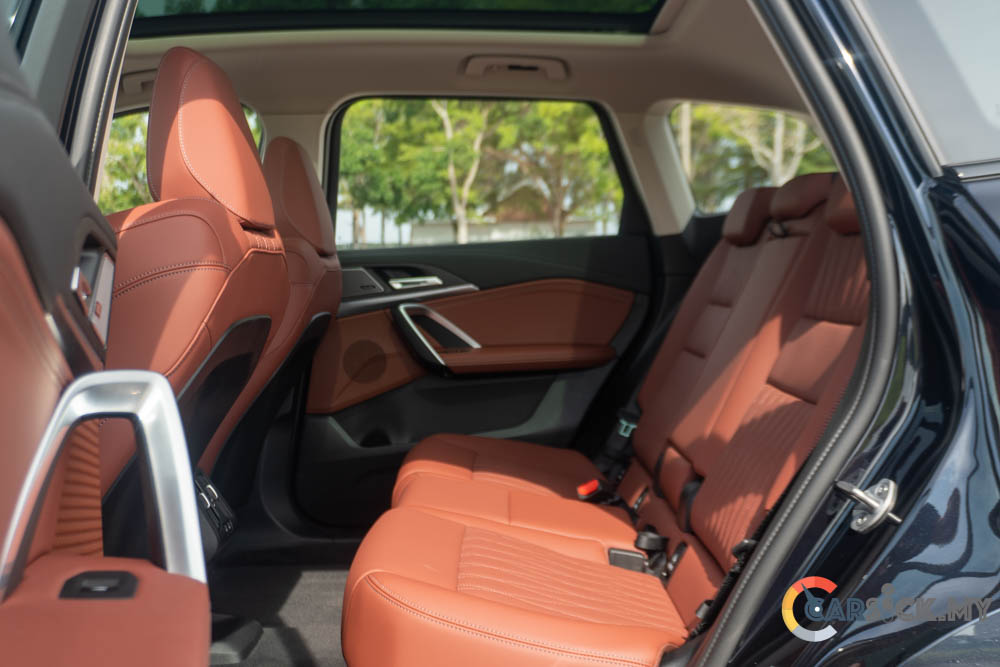
Of course, we haven’t forgotten about the reason this car exists in the first place. The rear seats. This is where the extra wheelbase is supposed to make a difference, and thankfully, it does. The iX1L offers more legroom than the standard iX1, giving rear passengers noticeably more space to stretch their legs. The rear seats themselves, however, remain largely unchanged from the regular iX1. That brings me to my one little complaint. Since BMW has already gone through the trouble of increasing the legroom, I think it could have gone one step further and lengthened the seat base as well. That would provide better thigh support, particularly for taller passengers. It’s certainly not a deal breaker, but better thigh support can make a surprisingly big difference during a long journey. After all, nobody wants to arrive at their destination with legs that feel like they have been folded into a suitcase. Rear passengers do get two centre air-conditioning vents and two USB-C ports, so at least there’s plenty of cooling and charging capability back there. 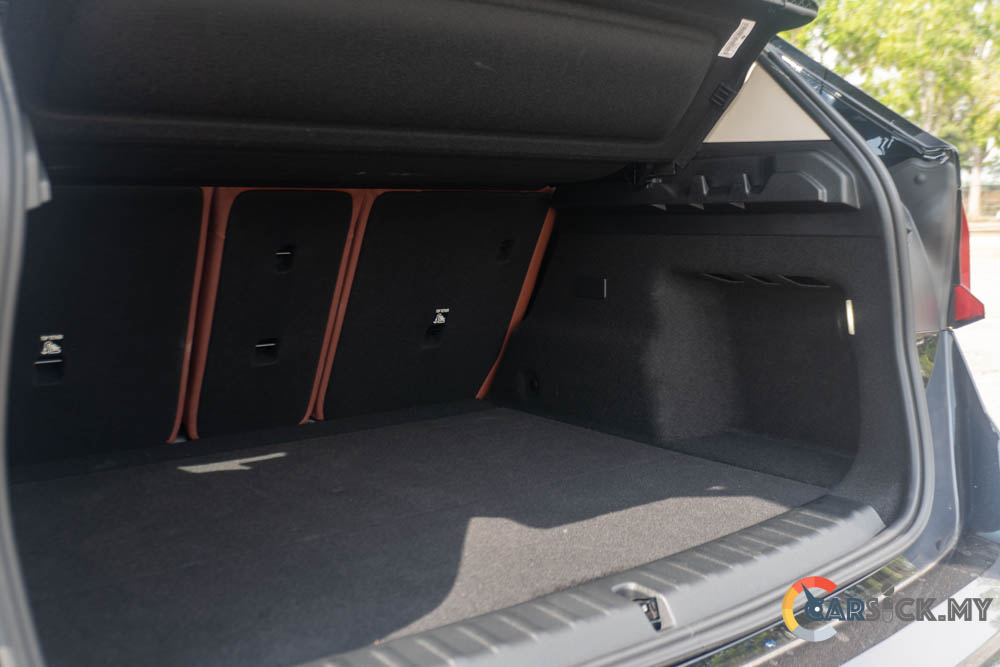
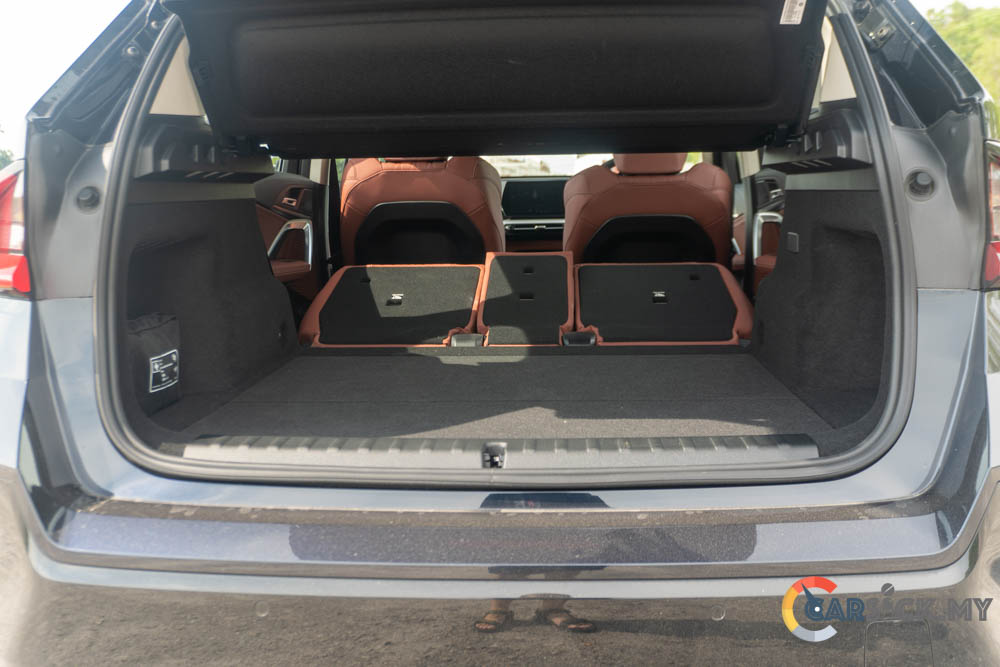
Behind the rear seats is a 490-litre boot, which is more than enough for the needs of a small family. There’s also some useful storage underneath the boot floor, which is a perfect place to hide the charging cables when they aren’t needed. Need more space? Fold the rear seats down. Well… sort of. The seats do fold, but when the seats are folded down, the seat back still has a slight angle to it. It’s not a major problem, but if you’re loading something heavy and bulky, you may need to find extra strength to push it further in.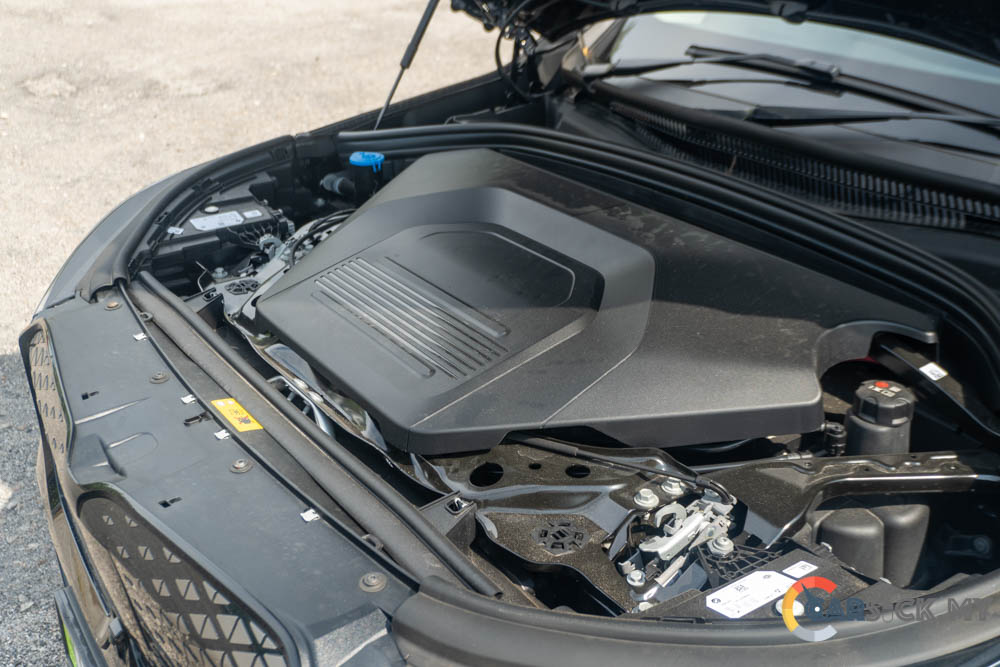
Being one of BMW’s entry-level EVs, the iX1L uses a single electric motor mounted at the front, making it a front-wheel-drive SUV. Power comes from a 66.5 kWh battery, with a claimed WLTP range of 433 km. The electric motor produces 204 hp and 250 Nm of torque, allowing the iX1L to accelerate from 0–100 km/h in 8.6 seconds before reaching a top speed of 175 km/h. Those numbers might not sound particularly outrageous in the world of modern EVs, but in everyday driving, the iX1L feels more than adequate.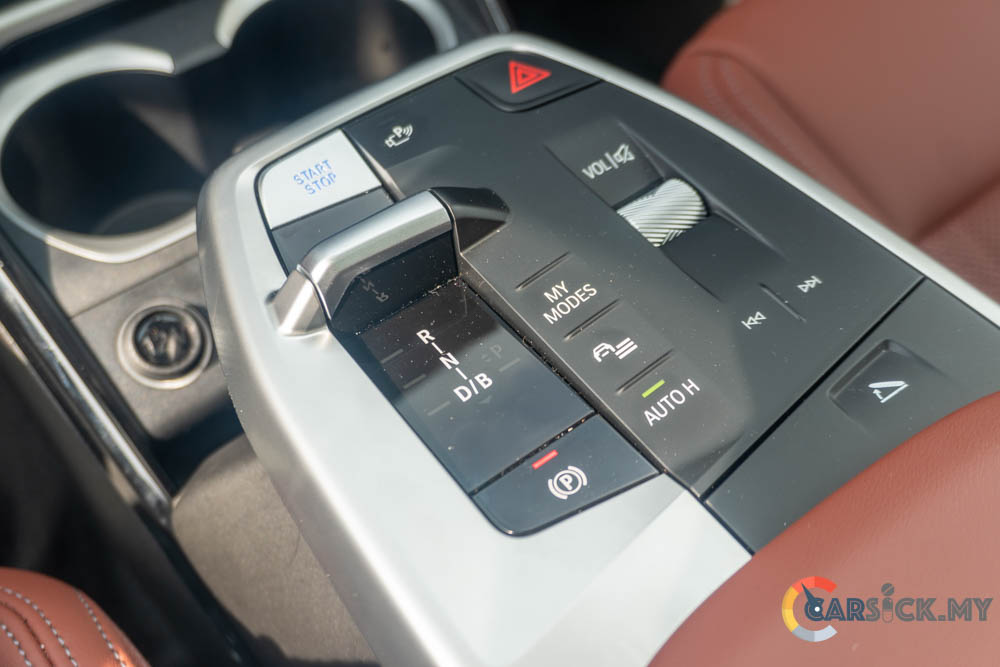
Getting up to speed is effortless, and dealing with traffic is easy. Even when you bury your right foot into the accelerator, torque steer is kept surprisingly well under control. That makes the iX1L easy to drive, even when you decide to be a little more enthusiastic with the accelerator pedal. And compared with some newer EVs that still struggle to keep their front wheels pointing in the direction you actually want when all that torque arrives, the iX1L feels nicely sorted. On a full charge, the car indicated around 420 km of range on its trip computer. In the real world, I reckon you can get close to 400 km if conditions are favourable and you’re not constantly driving around like you’re late for a flight. After covering around 300 km, I recorded an average energy consumption figure of 16.1 kWh/100 km. Not bad at all.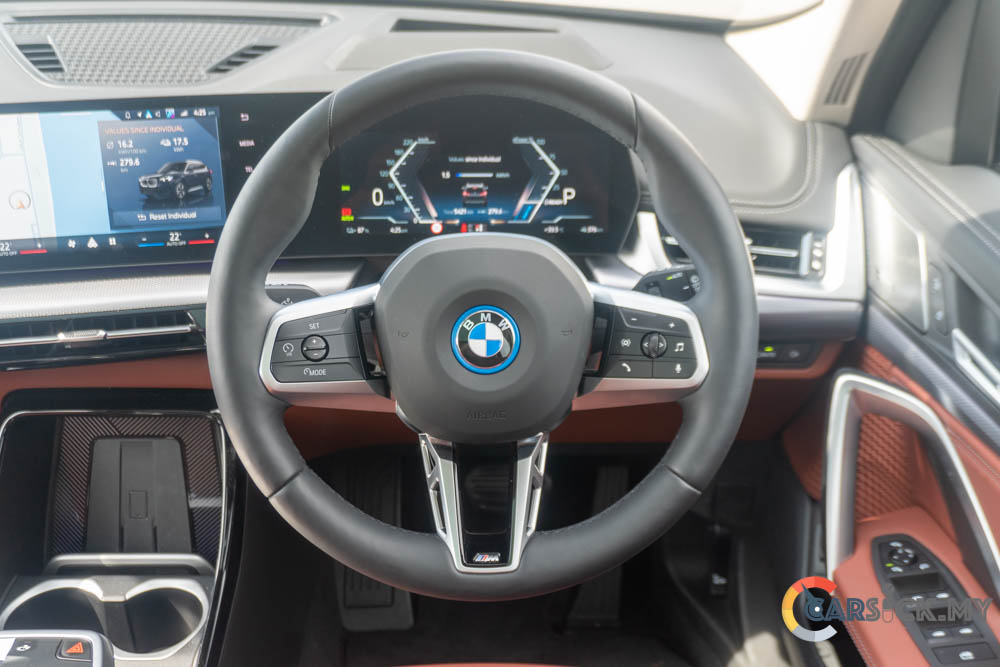
Where the iX1L really surprised me was with its ride and handling. The suspension does a very good job of absorbing road imperfections while keeping the vehicle feeling planted. Bumps, broken surfaces and uneven roads are dealt with without making the cabin feel like you’re riding on a wooden plank. There’s also a certain sophistication to the way the suspension works. It feels properly tuned rather than simply soft for the sake of comfort. And then there’s the handling. Because, well, it’s a BMW. At lower speeds, the steering feels light and easy to manage. As you pick up speed, however, the steering weights up nicely, giving you a greater sense of confidence. The steering is also sharp and accurate enough for an SUV. Body roll is kept under control despite the iX1L’s relatively tall body, meaning you can still have a little fun when the road starts getting twisty. No, it isn’t a sports car. But it certainly doesn’t feel like a washing machine on wheels either. 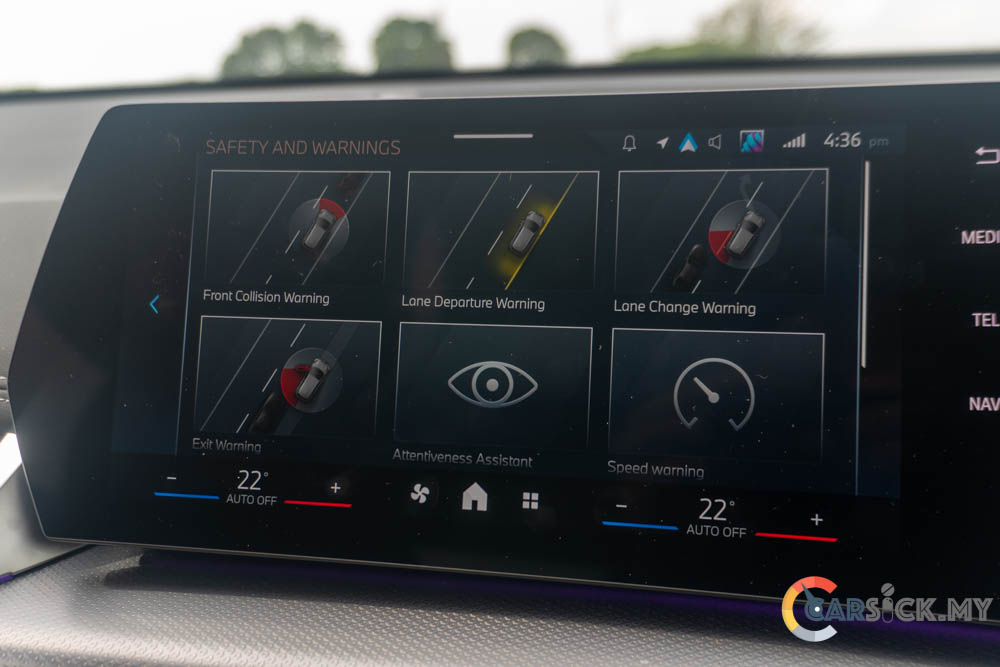
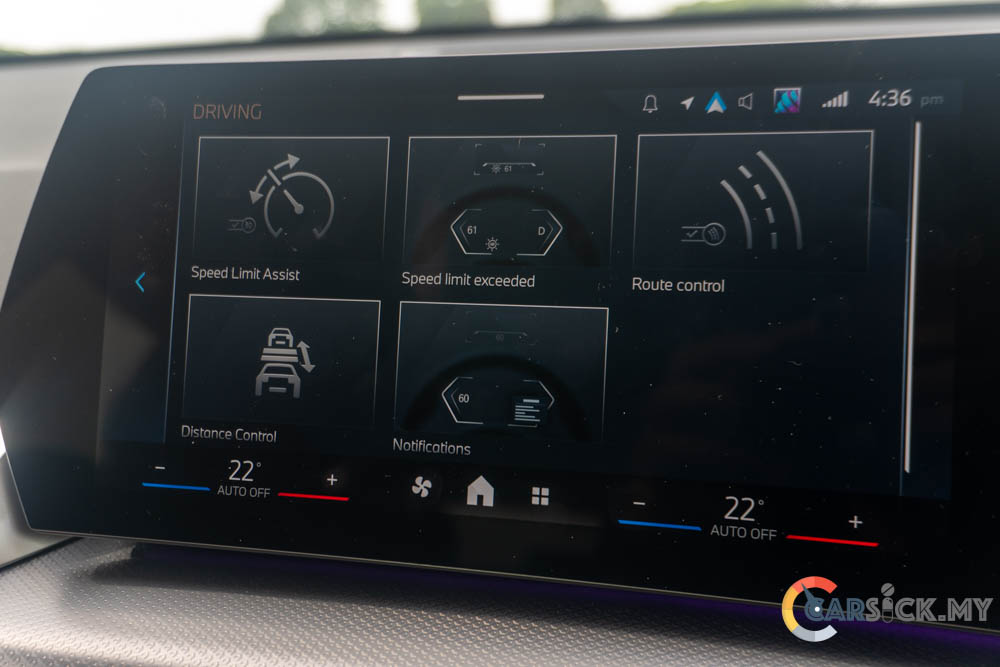
Just like the MINI Cooper SE that I drove recently, I found the adaptive regenerative braking system a little intrusive for my personal preference. I would prefer to have more control over how the car behaves instead of having the system constantly deciding what it thinks I should be doing. But that’s a personal preference, rather than a fault with the car itself. Aside from that, the brakes are strong and provide good pedal feedback. And when it comes to safety, BMW has packed the iX1L with the expected suite of modern driver-assistance systems. You get Steering and Lane Control Assistant, Lane Departure Warning with Lane Return, Rear Crossing Traffic Warning with Brake Intervention, Exit Warning and Rear Collision Prevention. More importantly, BMW has made these systems relatively easy to operate. They aren’t overly complicated, and during my time with the car, I didn’t find them particularly irritating. And that, in itself, is worth mentioning.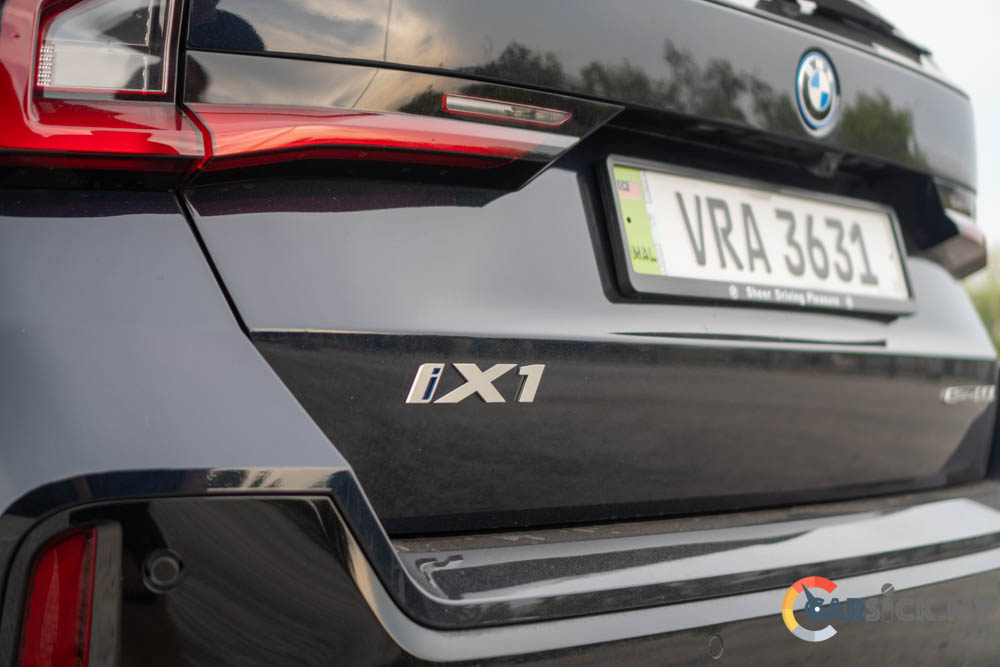
After spending time with the iX1L, I think BMW has made a rather convincing case for the extended-wheelbase treatment. The iX1L doesn’t suddenly become a completely different vehicle from the regular iX1. It still looks like an iX1, drives like an iX1 and gives you the same familiar BMW experience. But that extra wheelbase makes the rear considerably more accommodating. At RM268,600, the iX1L certainly isn’t what most people would call cheap. But if you have a small family and your children are already entering their teenage years, that additional rear legroom could prove to be genuinely useful as they continue to grow.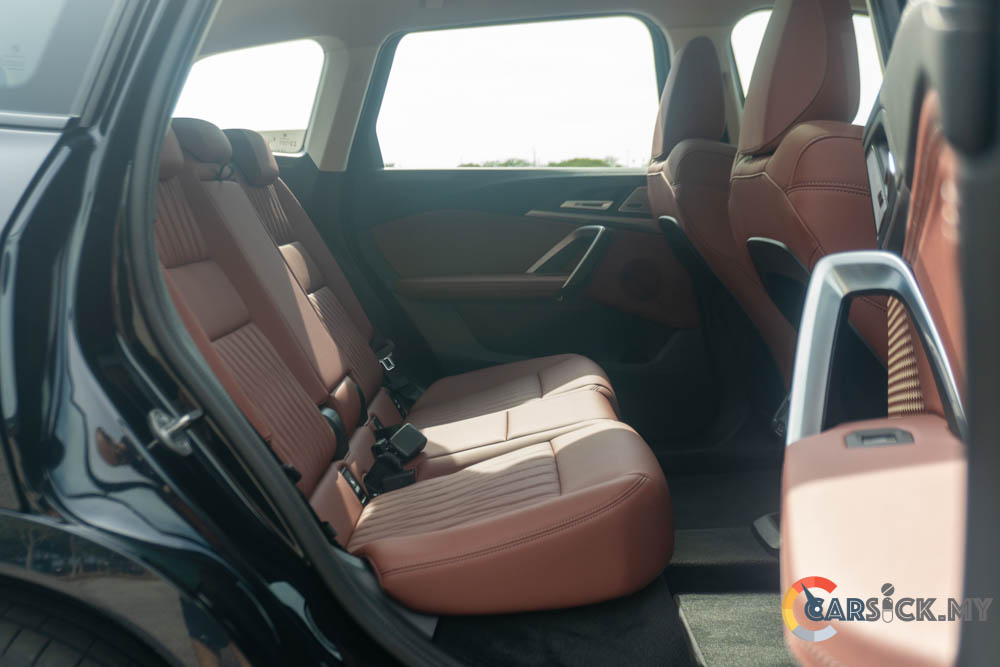
And that’s really the point of the iX1L. You don’t necessarily need to jump up to something like the X3 just because you want your rear passengers to have more space. The iX1L gives you a more flexible cabin while keeping the overall footprint relatively manageable. There are some things I would change — particularly the rear seat base and, personally, the regenerative braking behaviour. But overall, the iX1L does exactly what it sets out to do. It gives rear passengers more room without making the car look stretched, awkward or like an afterthought. And I have to give BMW credit for that. Because adding an “L” to the badge is easy. Making the whole car feel like it was designed that way from the beginning is the difficult part.
Check out the full photo album here.