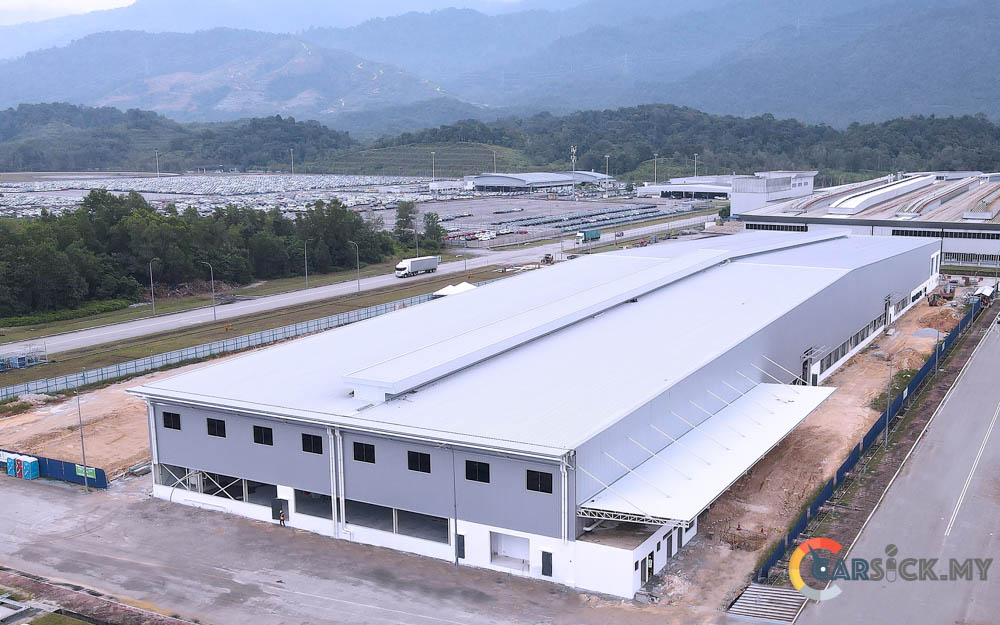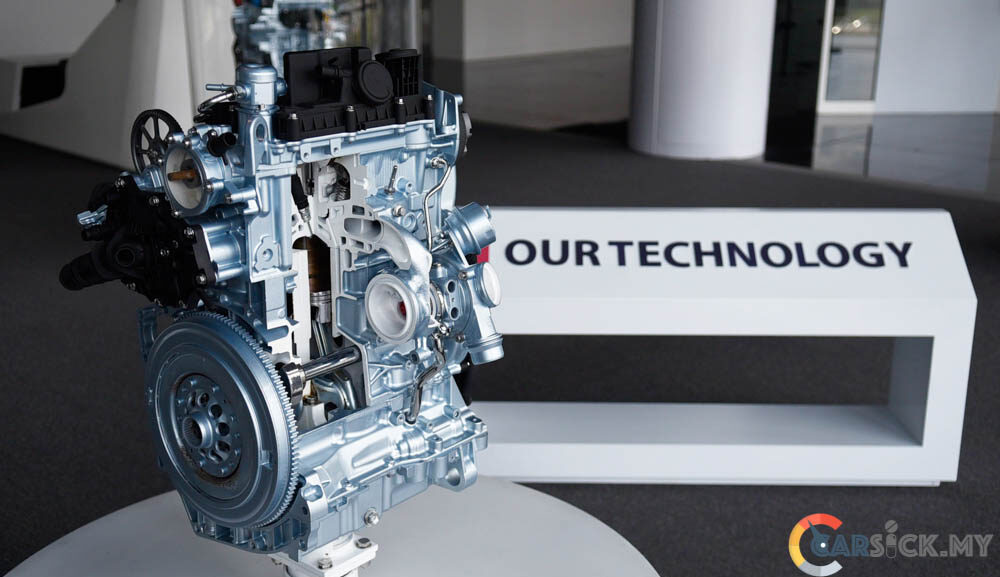

Proton’s engine assembly facility in Tanjung Malim has become a cornerstone of Malaysia’s automotive transformation, evolving into a sophisticated powertrain manufacturing hub that supports local industry development, export growth, and the transition towards electrified mobility.
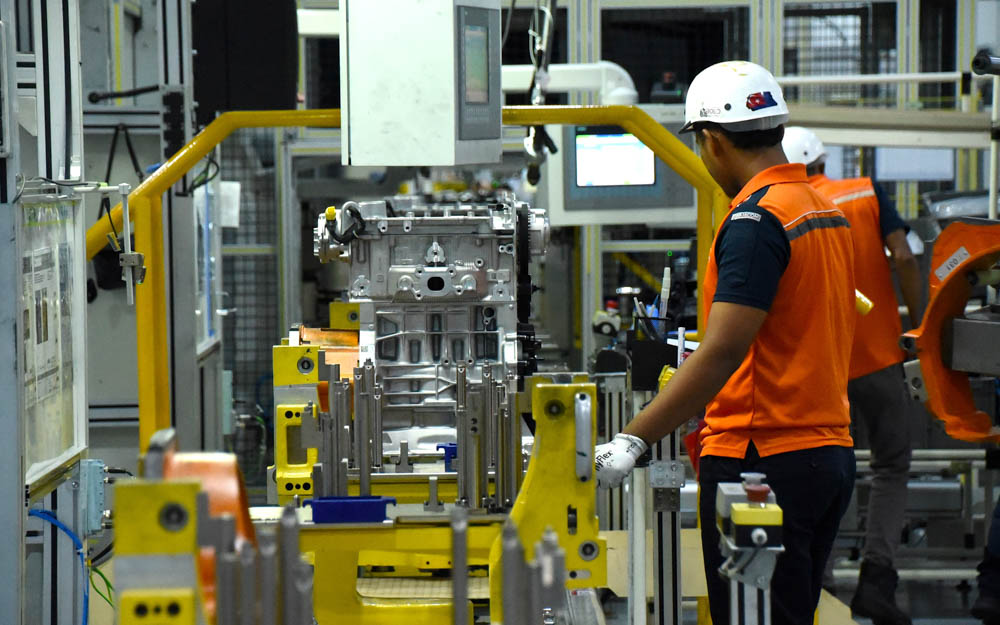 Since beginning operations in 2022, the facility has expanded far beyond conventional engine assembly. Today, it serves as a comprehensive manufacturing centre capable of producing components for internal combustion engine (ICE), hybrid electric vehicle (HEV), plug-in hybrid electric vehicle (PHEV), and electric vehicle (EV) applications. The plant currently assembles engines, transmissions, and electric drive units for both existing and future Proton models, while also supplying selected Geely programmes for overseas markets.
Situated within the Automotive High-Tech Valley (AHTV) in Tanjung Malim, the facility plays a crucial role in Malaysia’s ambition to become a regional hub for advanced automotive manufacturing and technology. Its presence has contributed to attracting investments, strengthening the local supplier ecosystem, and creating highly skilled employment opportunities that support the nation’s industrial development goals.
One of the plant’s most significant achievements is its ability to assemble a diverse range of advanced powertrain products. These include turbocharged and naturally aspirated engines, dedicated hybrid engines (DHE), dual-clutch transmissions (DCT), dedicated hybrid transmissions (DHT), and electric drive units (EDU). Proton remains the only automotive manufacturer in Malaysia capable of assembling such a broad spectrum of powertrain technologies, helping to build local expertise in both conventional and electrified mobility solutions.
The facility currently has a production capacity of up to 240,000 engines annually and has benefited from continuous investment aimed at expanding its manufacturing capabilities. Since its establishment, Proton has invested more than RM121 million to enhance production lines for engines, transmissions, and electrified powertrain systems. These investments have increased operational efficiency while positioning the plant to meet growing demand for electrified vehicles in the years ahead.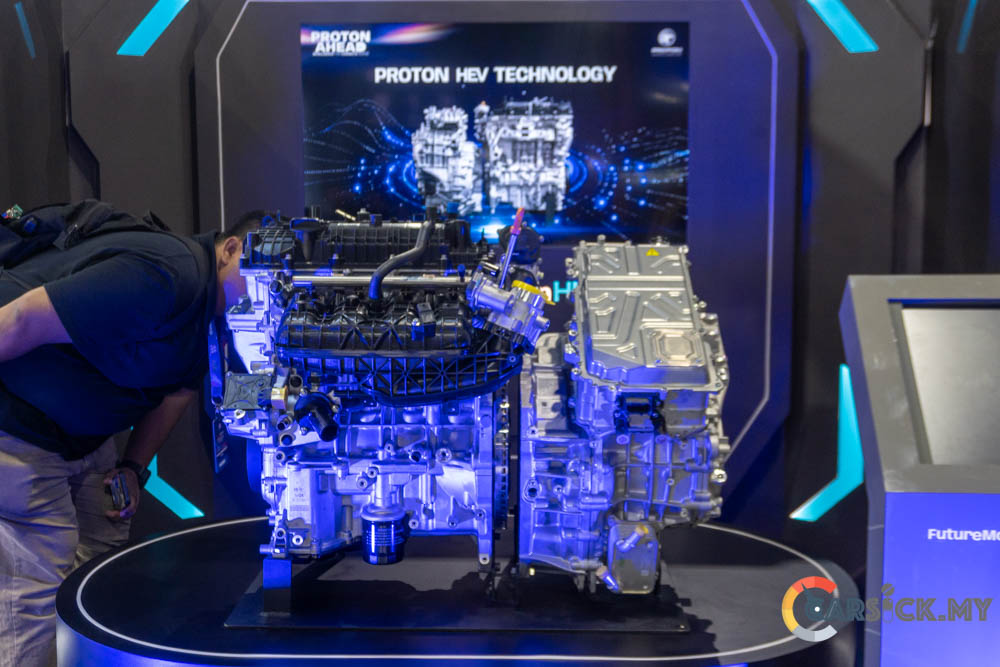
Localisation remains a key focus of the facility’s operations. The plant collaborates with 16 suppliers, with Malaysian companies accounting for half of its supply network. By increasing the use of locally sourced components, Proton is helping reduce reliance on imports while improving the competitiveness and technical expertise of domestic automotive suppliers.
The development of local talent is another important pillar of the plant’s success. More than 500 employees currently work at the facility, with an average workforce age of just 35 years. The plant has also become a centre for technology transfer and skills enhancement, with over 50 Malaysian employees receiving specialised training in China. This exposure enables local talent to bring back advanced manufacturing knowledge and global best practices to strengthen Malaysia’s automotive sector.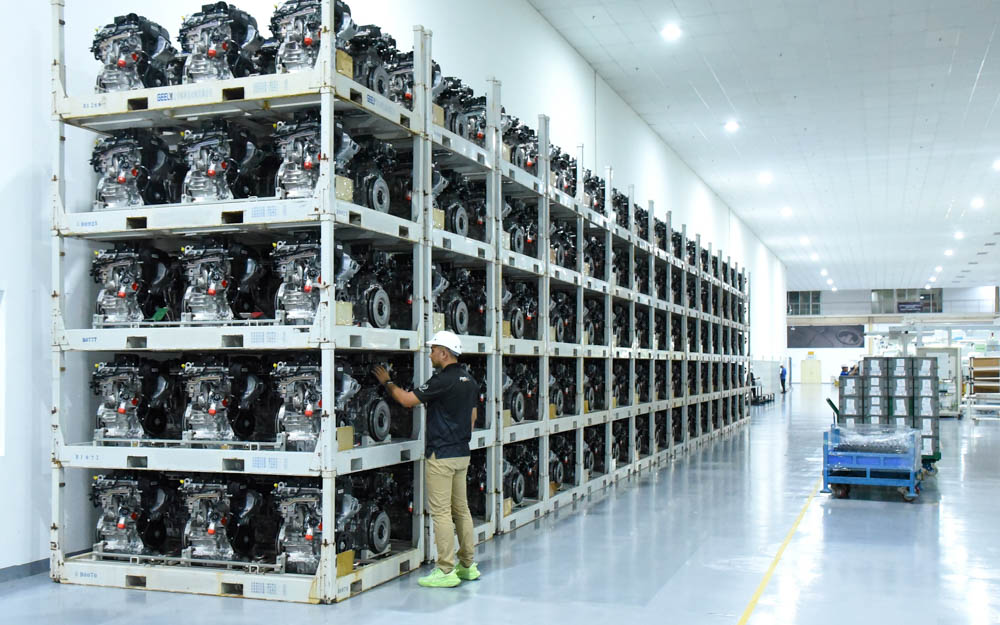
In line with Industry 4.0 aspirations, Proton has steadily increased automation within the facility. Collaborative robots, artificial intelligence-driven inspection systems, and advanced quality assurance technologies have been introduced to improve productivity, ensure consistent product quality, and enhance manufacturing precision.
The Tanjung Malim facility is also making a growing contribution to Malaysia’s export ambitions. Components produced at the plant are supplied for Geely vehicles sold in international markets including Vietnam, Mexico, and South Africa. These export activities highlight Malaysia’s growing role in the global automotive supply chain and demonstrate the ability of local manufacturing operations to meet international quality standards.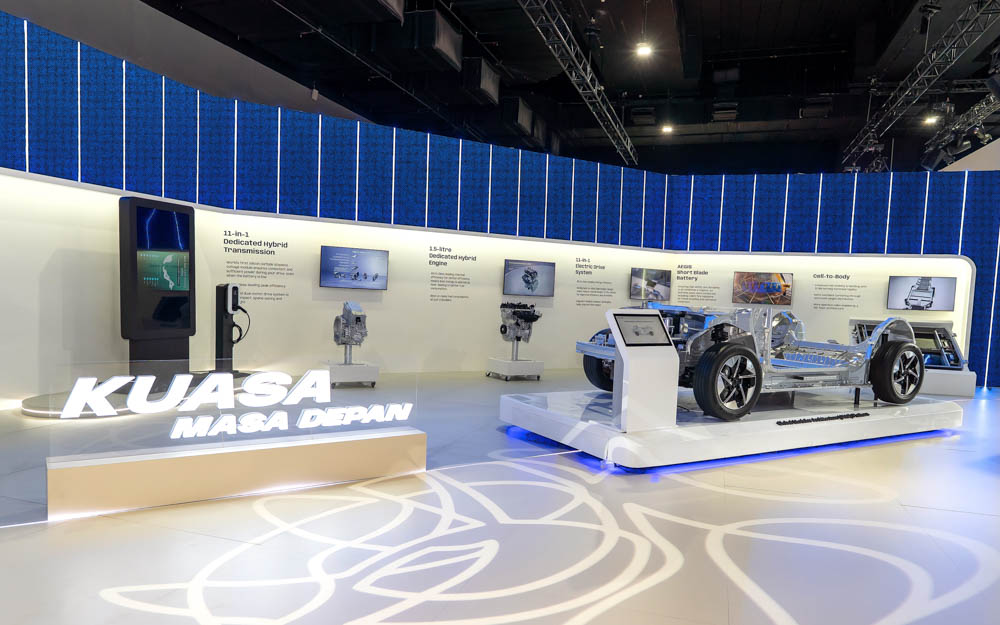
According to Proton Deputy Chief Executive Officer, Dato’ Ir. Abdul Rashid Musa, the facility represents a strategic investment that goes far beyond manufacturing output. He noted that the plant serves as a catalyst for localisation, technology transfer, talent development, and export expansion, all of which are vital to strengthening Malaysia’s automotive ecosystem.
He also emphasised that the facility’s capability to assemble products for ICE, hybrid, plug-in hybrid, and electric vehicles demonstrates Proton’s readiness to support the evolving needs of the automotive industry while ensuring Malaysia remains competitive in an increasingly dynamic mobility landscape.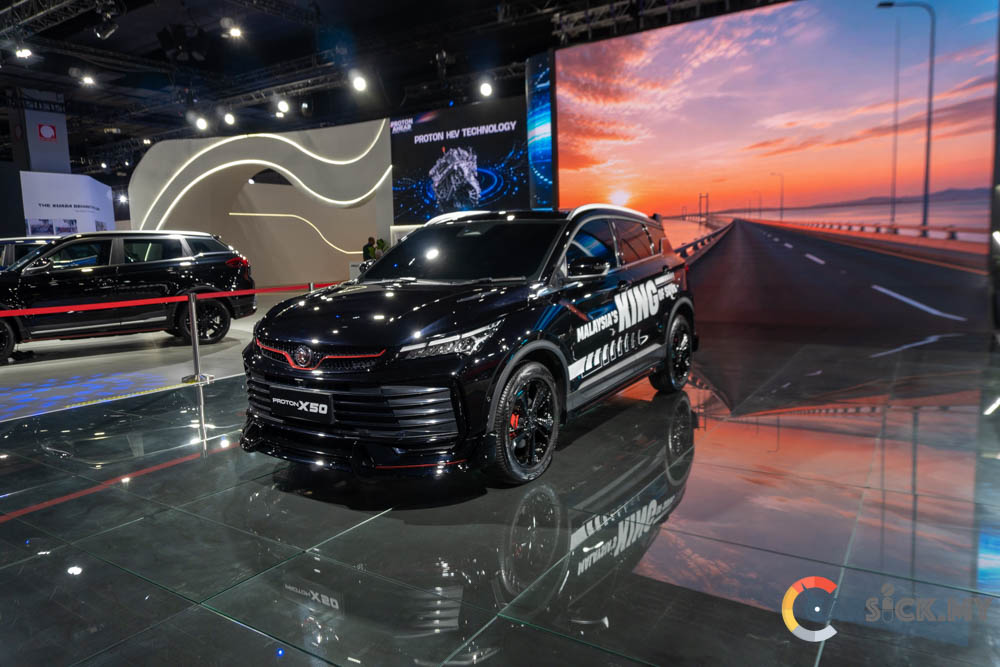
Looking ahead, Proton plans to further expand the plant’s capabilities, with production capacity targeted to increase to 400,000 units annually by 2028. The planned expansion will support future Proton models, accommodate growing export demand, and reinforce Malaysia’s position as a leading regional centre for automotive manufacturing and advanced mobility technologies.
As the Automotive High-Tech Valley continues to grow, Proton’s powertrain hub stands as a symbol of the nation’s progress towards a more innovative, technologically advanced, and globally competitive automotive industry.