
Malaysia’s national carmaker Proton continues to strengthen its position in the automotive market, posting impressive sales results in May despite a decline in overall industry performance. The company delivered 16,995 vehicles during the month, outperforming a market that saw an estimated 15.4% drop in Total Industry Volume (TIV) compared to April.
 The strong showing further cements Proton’s reputation as one of the fastest-growing automotive brands in Malaysia in 2026. Its success has been driven by a diversified product lineup that now spans traditional internal combustion engine (ICE) vehicles, electric vehicles (EVs), and plug-in hybrid electric vehicles (PHEVs).
Over the first five months of the year, Proton recorded total deliveries of 84,294 units, representing a year-to-date increase of 38%. The achievement translates into an estimated market share of 26.7%, significantly outperforming the wider automotive industry, which is estimated to have contracted by 1.4% during the same period.
A major highlight in May was the return of the Proton Saga to the top of Malaysia’s sales rankings. The long-standing national icon registered 7,398 units during the month, reclaiming its status as the country’s best-selling vehicle. Combining affordability, reliability, and modern features, the Saga continues to resonate strongly with Malaysian consumers. Year-to-date sales for the model have reached 37,375 units, marking a 41% increase compared to the same period last year.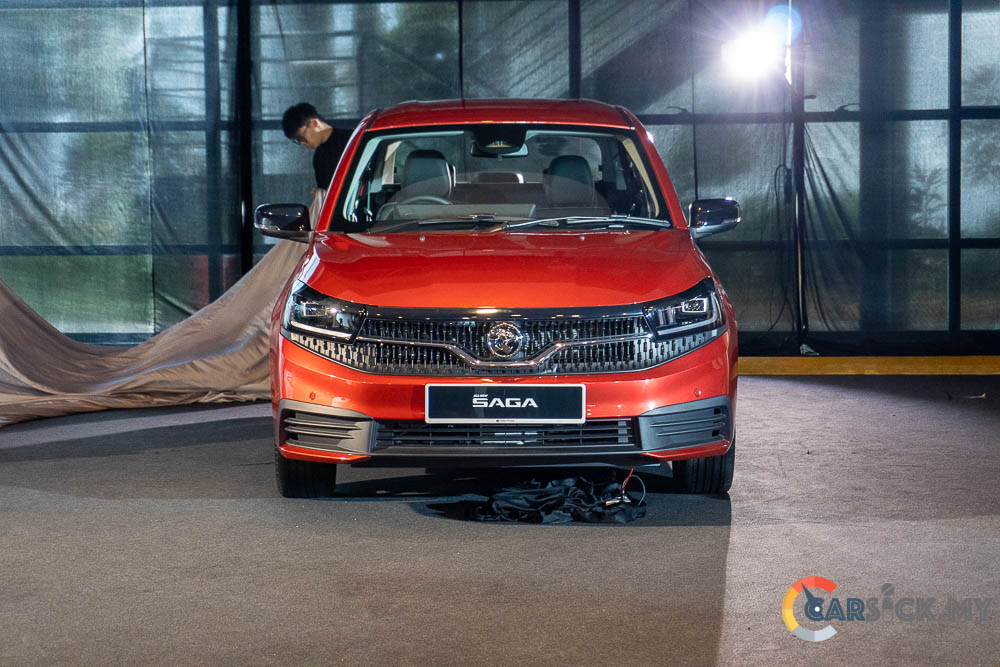
Proton’s passenger car and SUV range also delivered strong results. The Proton S70 maintained its upward trajectory with 2,350 units sold in May, pushing its cumulative total to 10,525 units. The C-segment sedan has now exceeded the 2,000-unit monthly sales mark for three consecutive months, reflecting growing demand in its segment.
The Proton X50 remained a dominant force in the SUV market, recording 2,793 deliveries in May and accumulating 12,967 units year-to-date. Sales are up 33.6% compared to 2025, reinforcing its position as one of the country’s leading compact SUVs.
Meanwhile, the Proton X90 has experienced a significant resurgence following its March update, which introduced a new i-GT engine, improved connectivity features, and enhanced value. The D-segment SUV recorded 402 deliveries in May and has achieved a 38.6% year-on-year increase in cumulative sales, enabling it to lead its segment.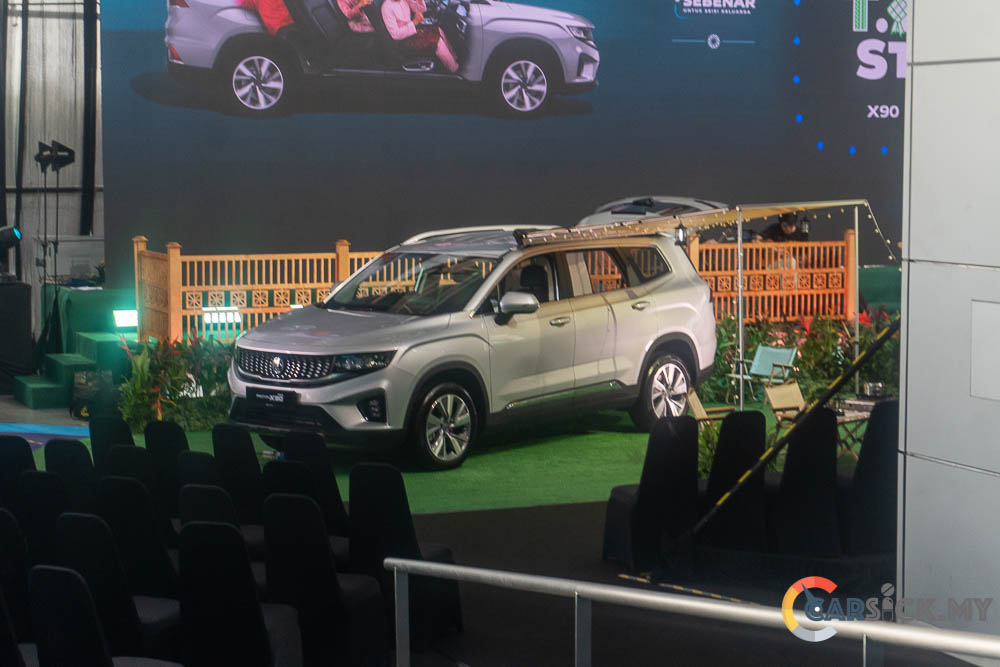
According to Proton Deputy Chief Executive Officer Dato’ Ir. Abdul Rashid Musa, the company’s broad-based success demonstrates that Malaysian consumers continue to value vehicles that offer a strong combination of technology, quality, and affordability. He noted that the continued popularity of the Saga, the leadership of the X50 in the SUV segment, and the growing influence of the e.MAS range collectively reflect Proton’s ability to meet evolving customer expectations.
Electrified vehicles also played a major role in Proton’s strong performance. The Proton e.MAS brand delivered 3,022 units across domestic and export markets in May, bringing cumulative sales to 14,687 units for the year.
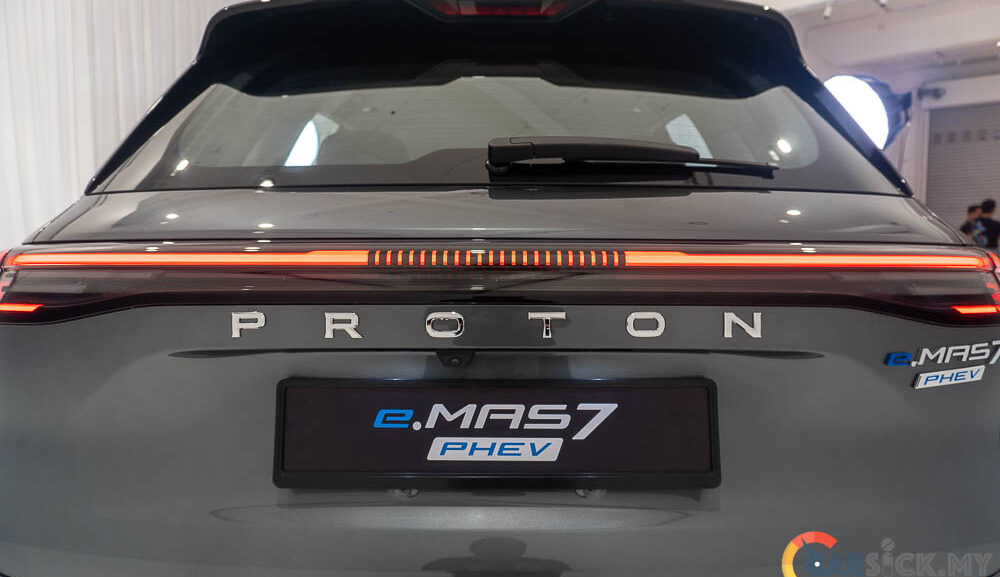
The standout performer within the electrified lineup was the Proton e.MAS 7 PHEV. The model achieved a new monthly sales record for the second consecutive month, with 1,181 units delivered in May. Just four months after its introduction, cumulative sales have climbed to 2,936 units, making it Malaysia’s best-selling plug-in hybrid vehicle.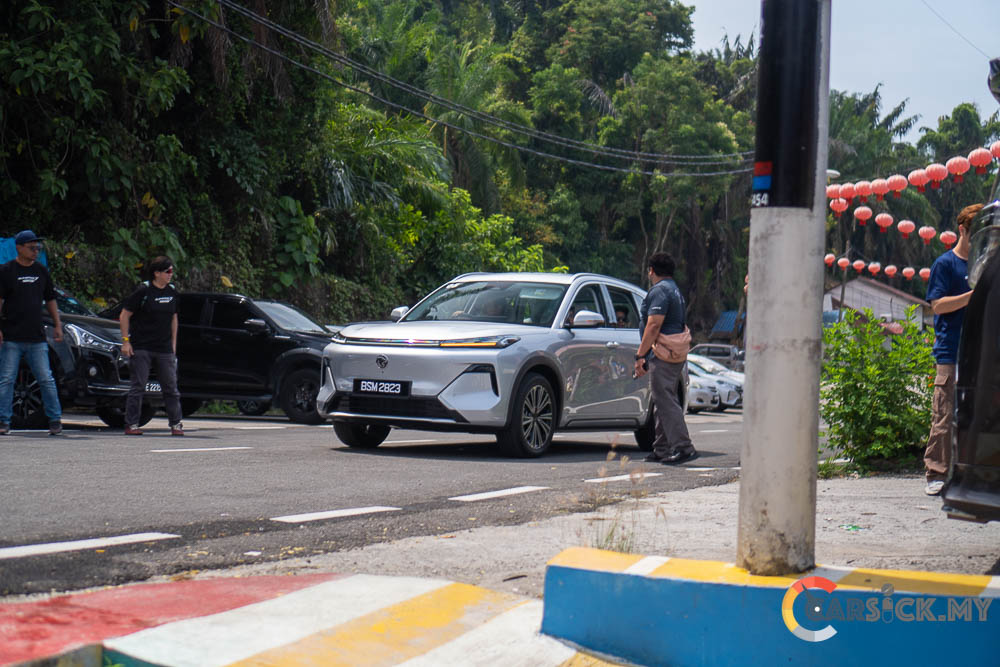
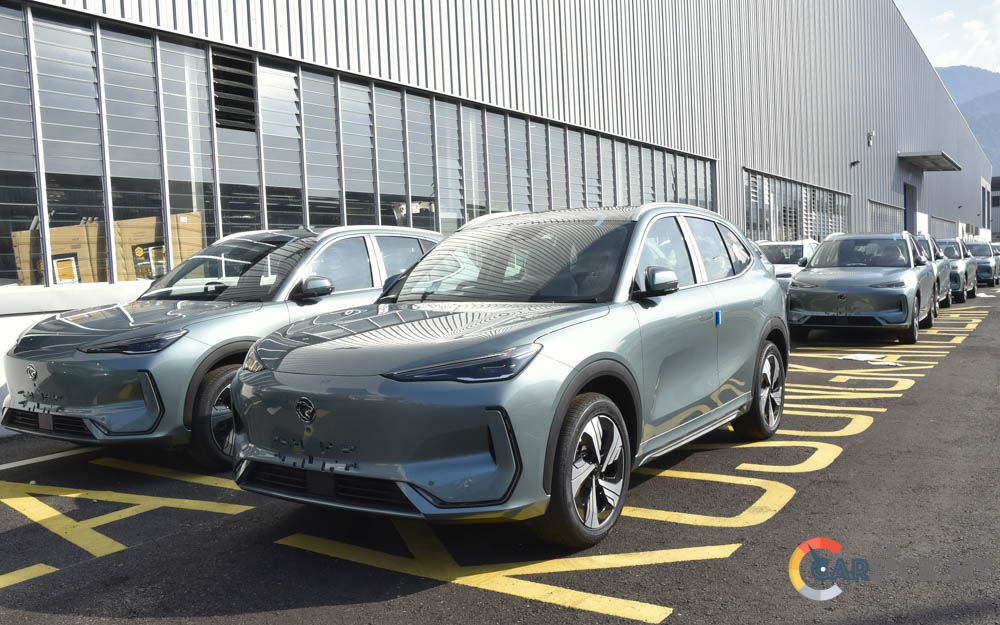
The Proton e.MAS 7 EV also enjoyed a strong month, reclaiming its position as the nation’s best-selling electric vehicle for May. With local CKD production now operating more smoothly, deliveries rose sharply to 958 units, bringing year-to-date sales to 2,394 units.
Supporting the brand’s EV growth is the Proton e.MAS 5, which remains the country’s top-selling electric vehicle on a cumulative basis. Although deliveries eased to 883 units in May ahead of the start of local assembly operations, year-to-date sales stand at an impressive 9,357 units. The commencement of CKD production is expected to further improve supply and support increasing demand in the months ahead.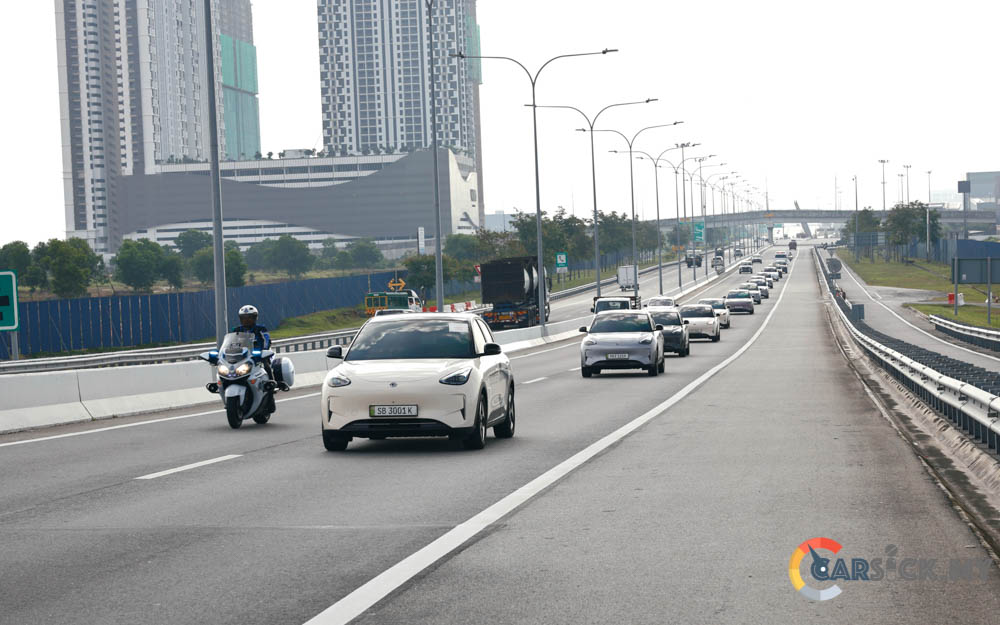
PRO-NET Chief Executive Officer Zhang Qiang said the strong market acceptance of the e.MAS range highlights growing consumer confidence in electrified mobility. He noted that both EV and PHEV models are attracting buyers seeking lower operating costs, advanced technology, and a more modern ownership experience.
As local assembly capacity expands for both the e.MAS 7 and e.MAS 5, Proton is positioning itself to meet rising demand while contributing to the development of Malaysia’s EV ecosystem. With strong momentum across both conventional and electrified vehicle segments, the company appears well placed to further strengthen its leadership in the Malaysian automotive market throughout 2026.