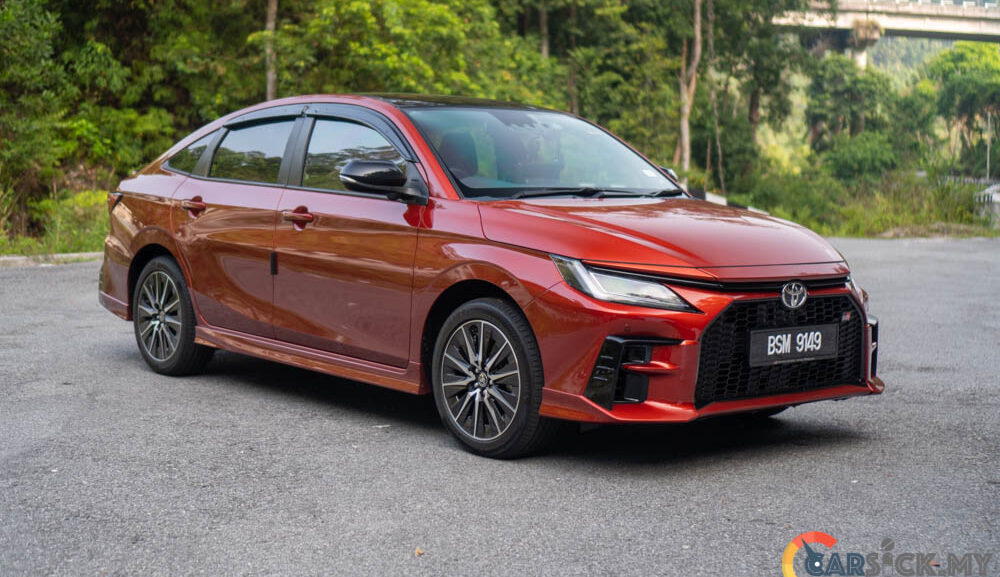

One of Toyota Malaysia’s best-selling vehicles has always been its B-segment sedan, the Toyota Vios. Despite fierce competition from rivals in the market, the Vios has managed to stand the test of time. Ever since it first entered the market, the Vios has only been offered with a 1.5L naturally aspirated engine, although Toyota has introduced different variations of this engine over the years.
 However, for this fourth-generation Vios, Toyota has finally decided to do something different. For the first time, we are seeing the arrival of a hybrid powertrain in the Vios. This is in line with Toyota’s plan to electrify its vehicle lineup. So here’s the question: is the Vios HEV really that much better than the regular Vios? Let’s find out.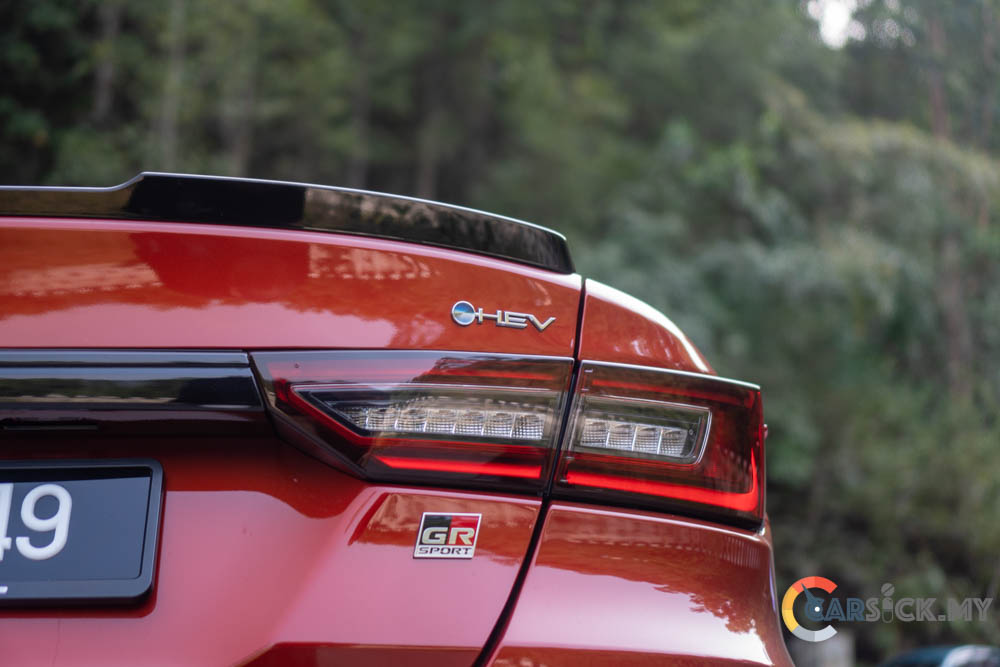
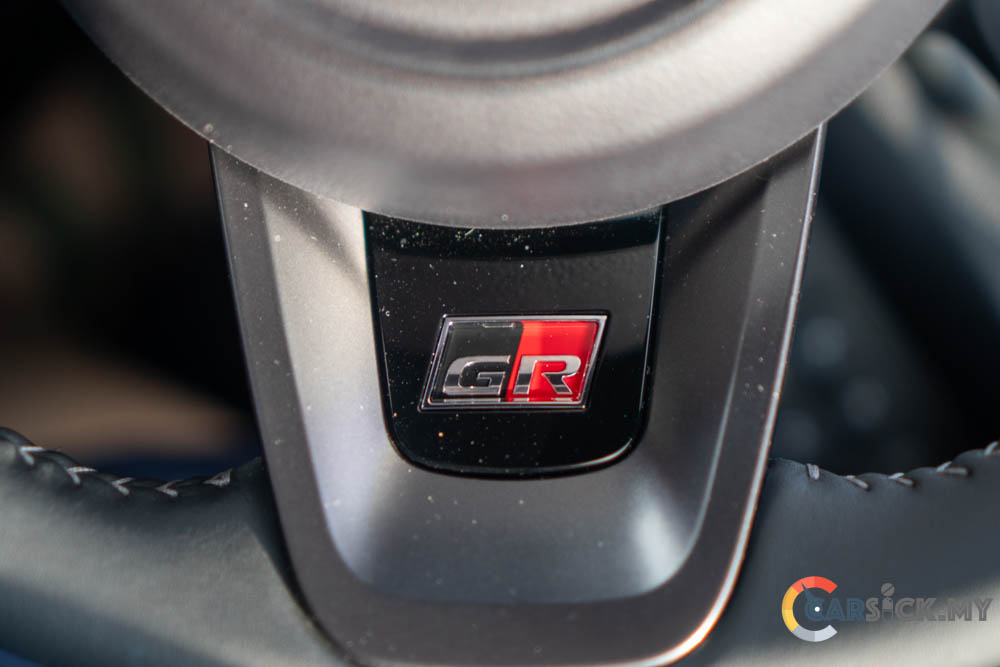
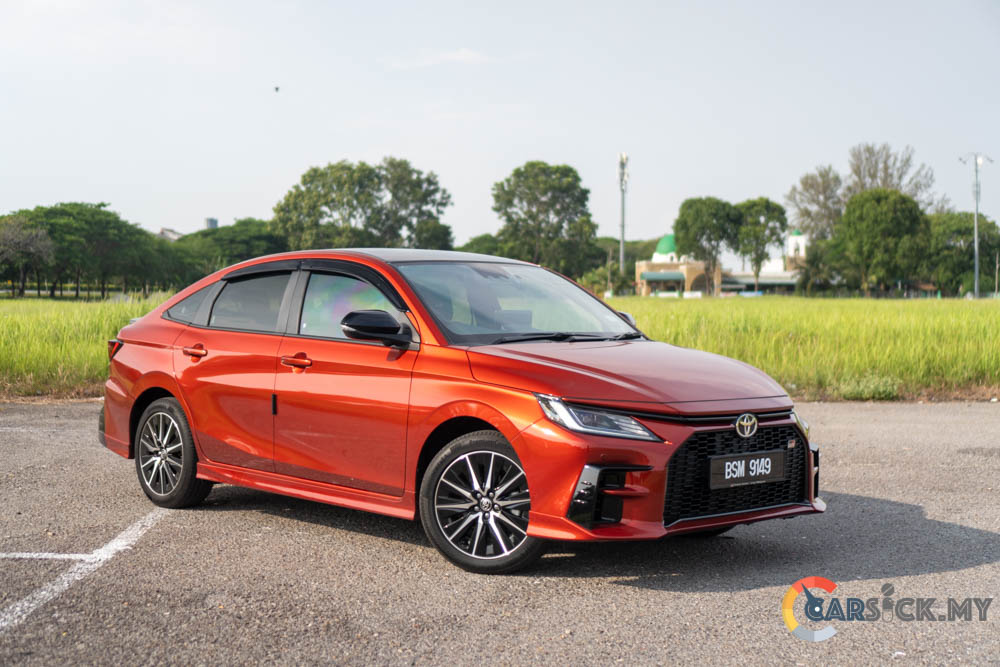
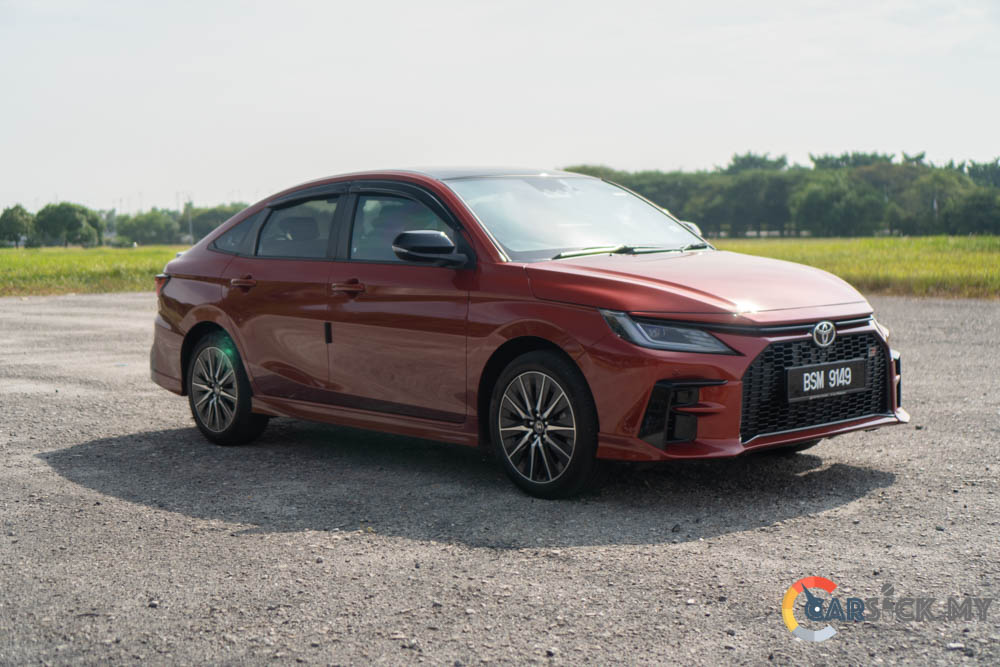
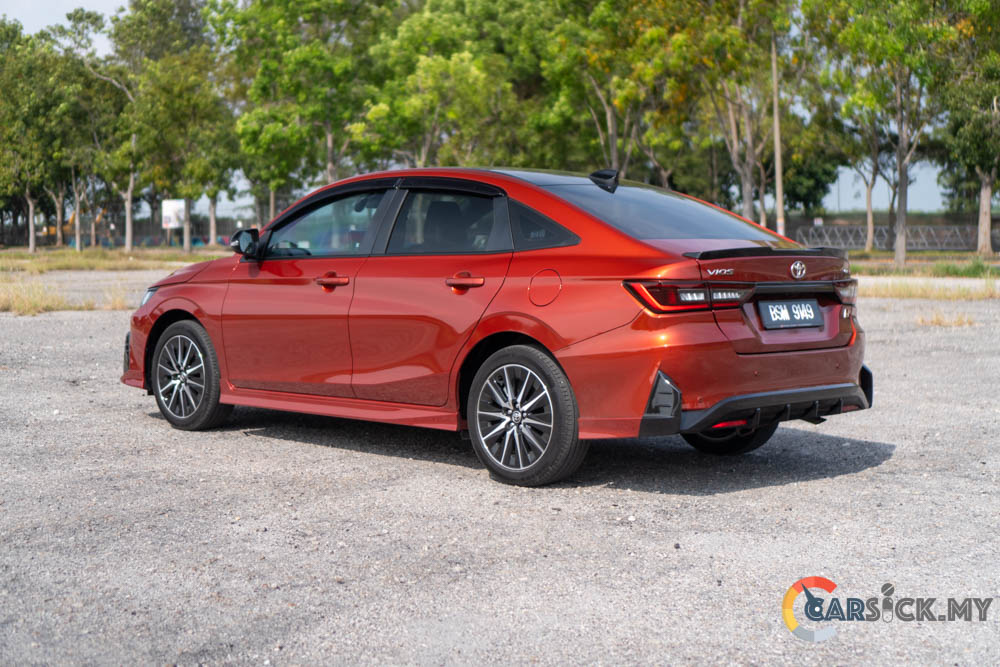
By now, you’re probably familiar with the sleek design of the latest Vios. For the hybrid variant, the overall shape has not changed much. However, the hybrid model is offered with the GR Sport treatment. This is the more expensive of the two Vios HEV variants available. With the GR Sport package, you’ll notice more differences compared to the regular Vios. The most obvious one is that the GR Sport Vios looks significantly sportier than the standard model. But underneath it all, the base Vios remains largely unchanged.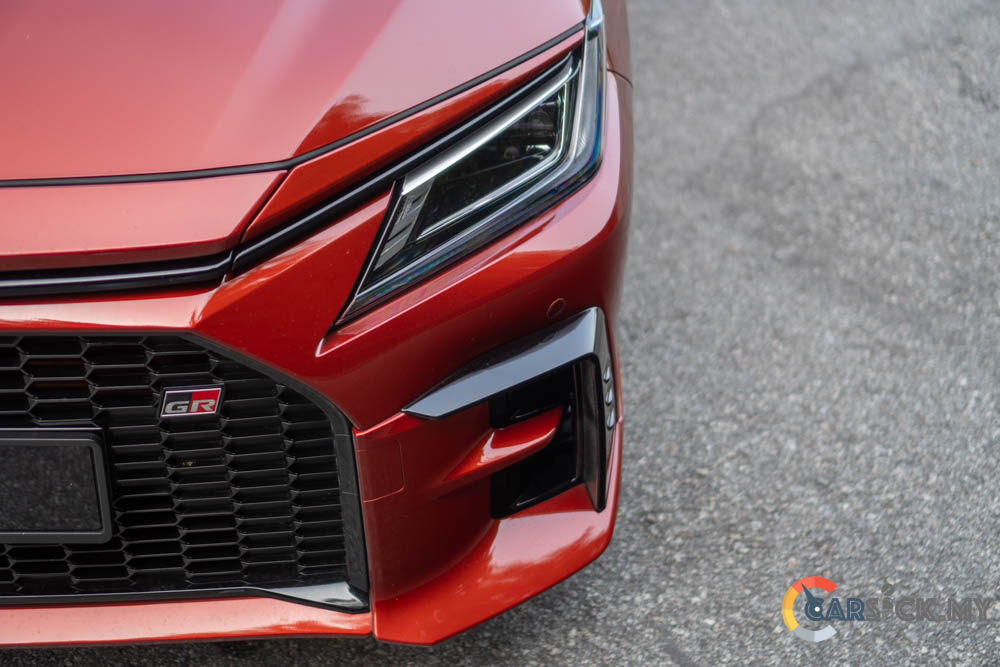
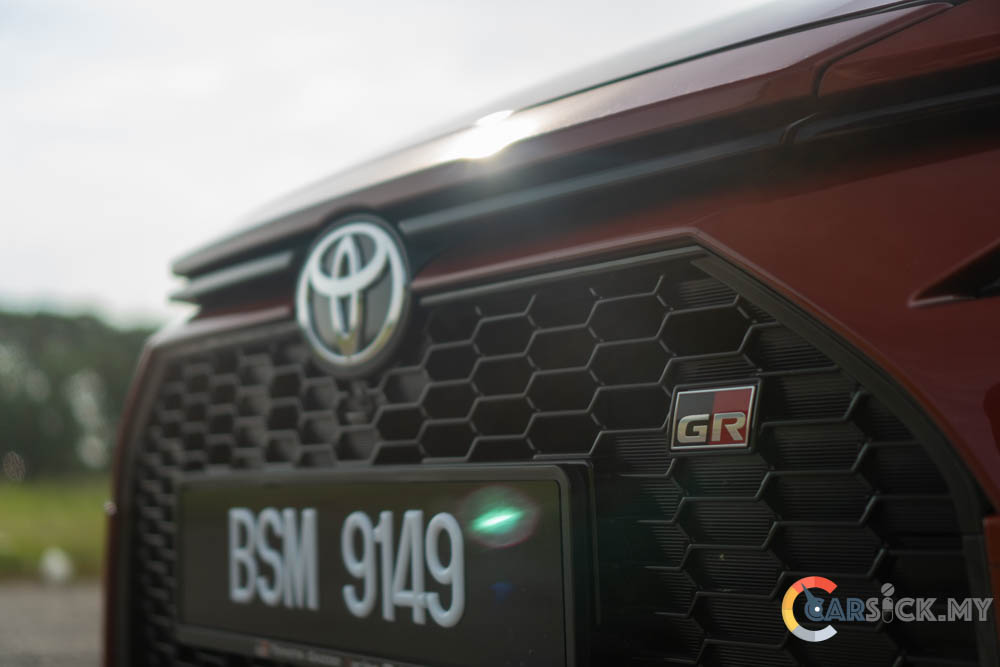
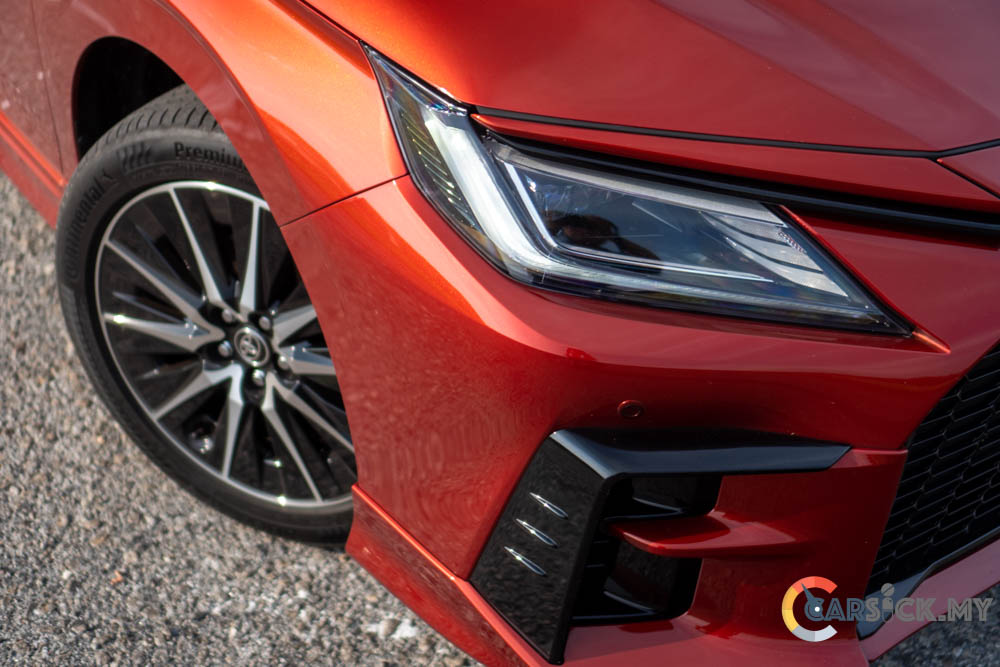
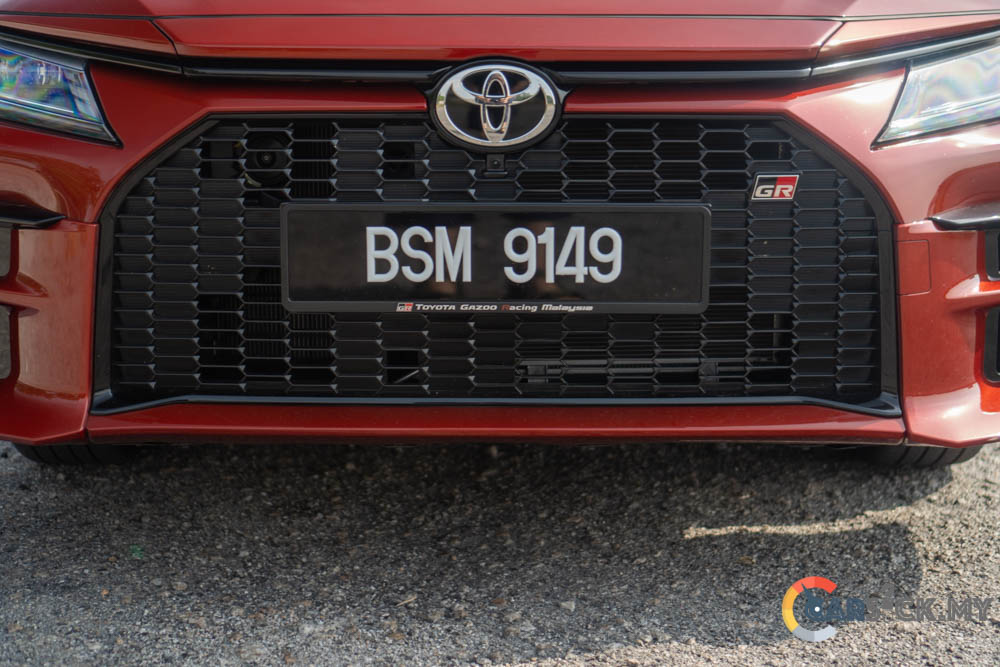
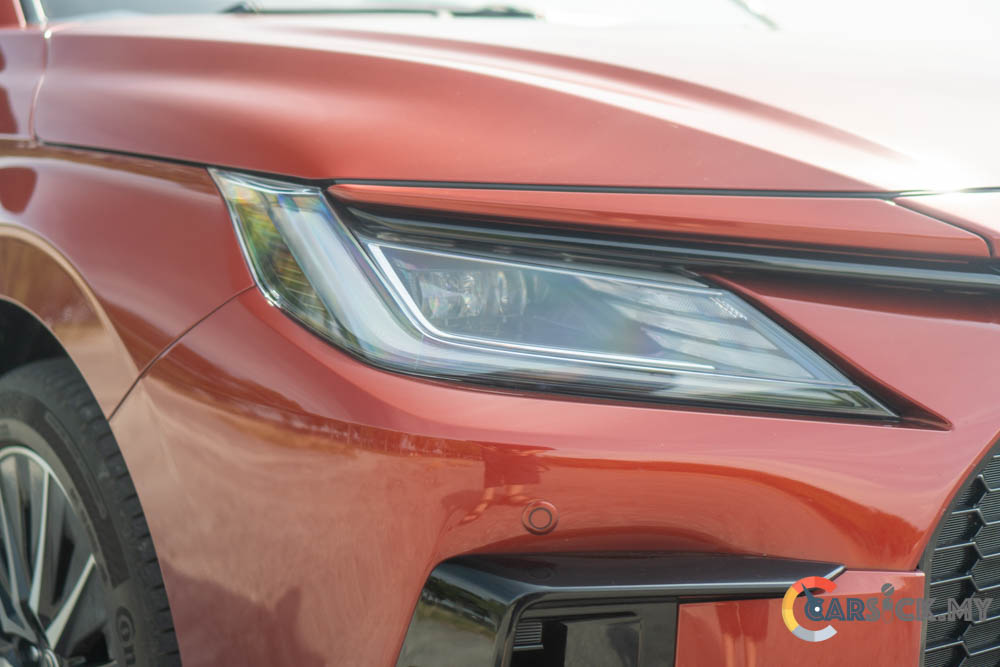
The GR Sport variant looks meaner than the regular Vios thanks to the body kit it comes with. At the front, you’ll find a more aggressive grille design compared to the standard Vios. The styling cues closely resemble those found on proper GR models. Beside the grille, there are two functional air curtains that improve the vehicle’s aerodynamic efficiency, helping it cut through the air more smoothly. As for the headlights, nothing has changed, as this generation Vios already comes equipped with LED headlights. 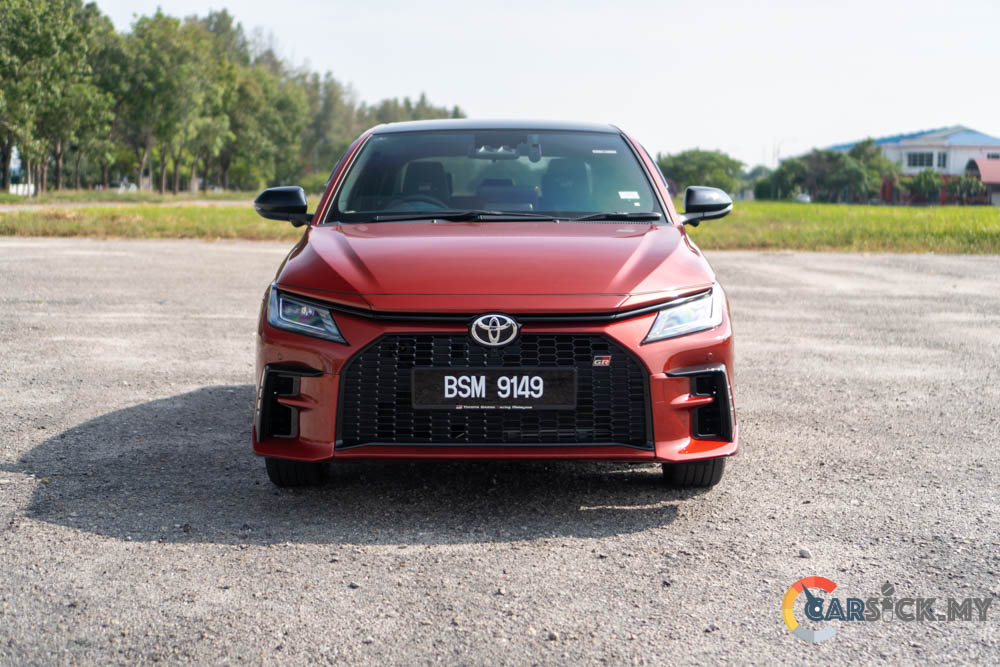
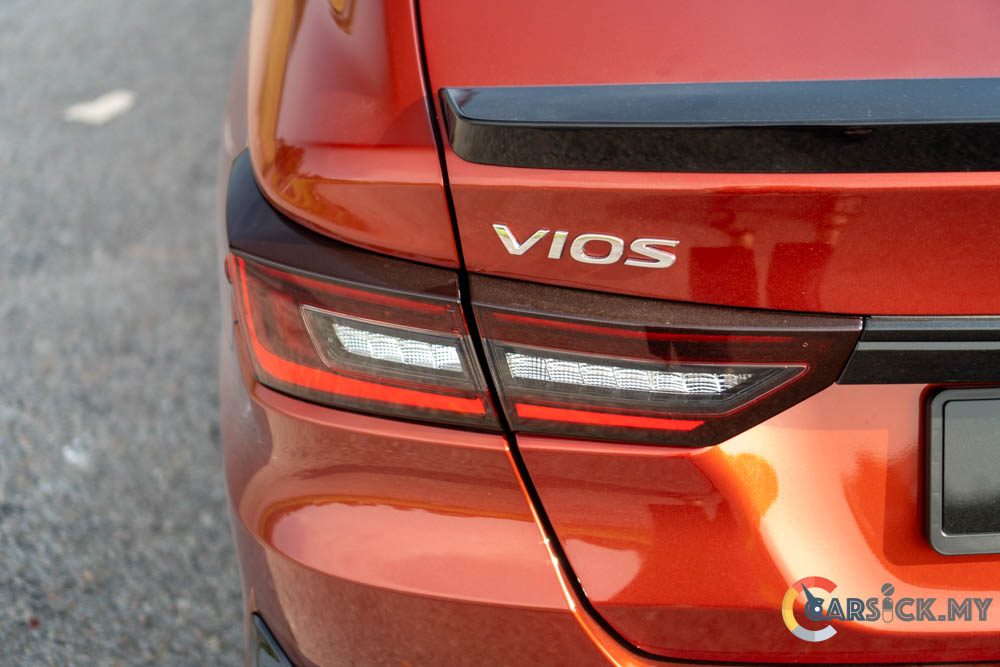
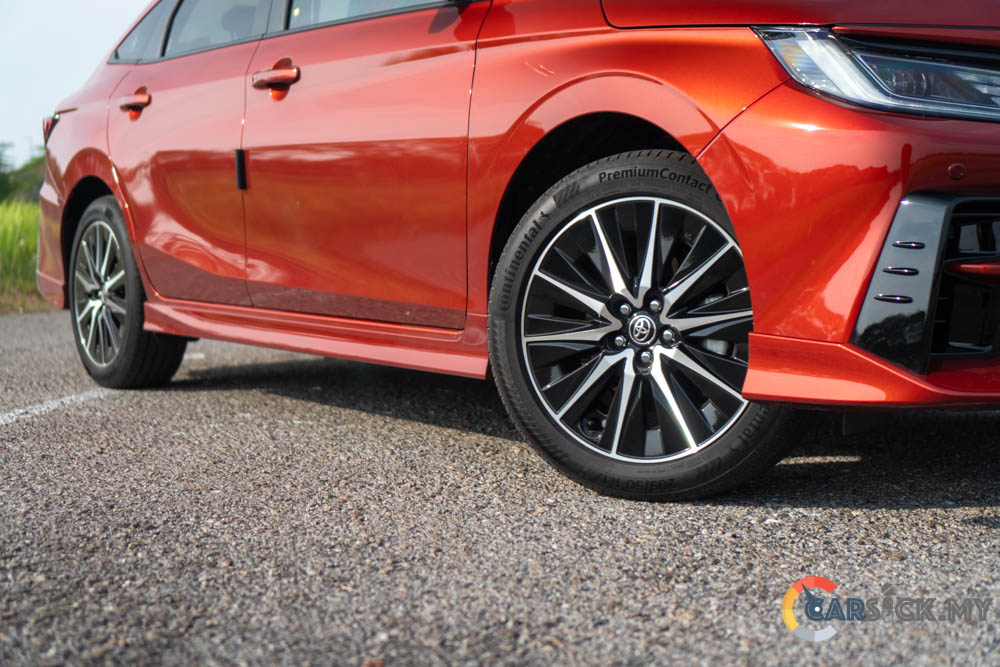
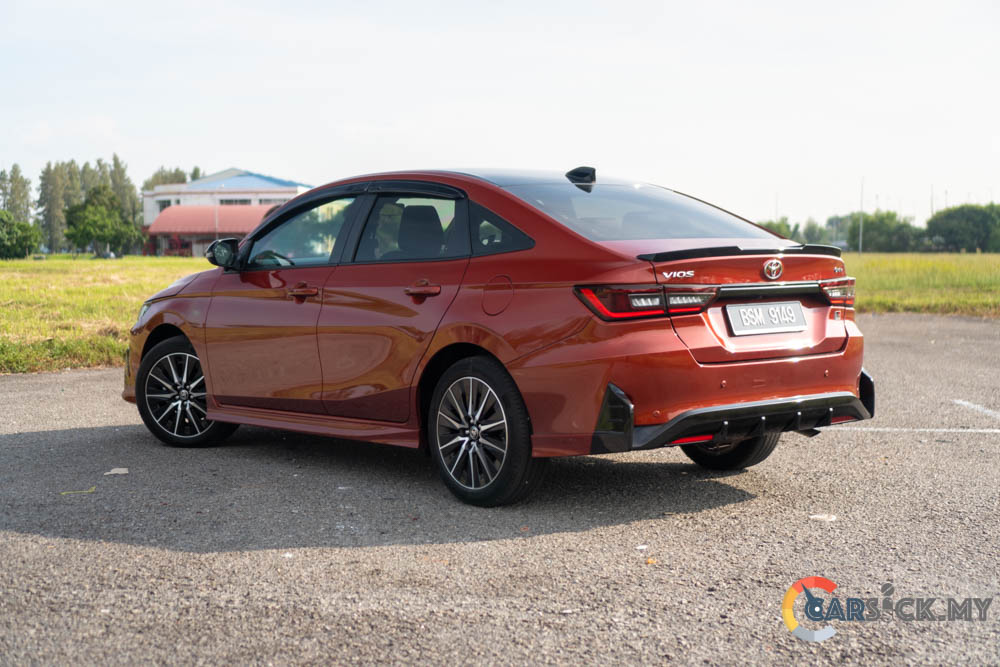
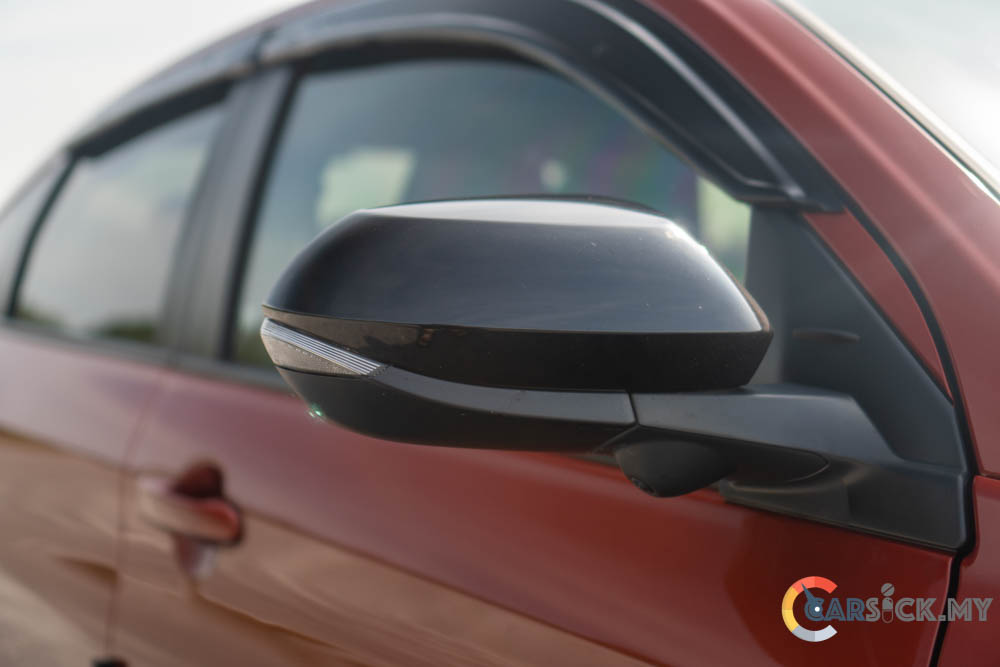
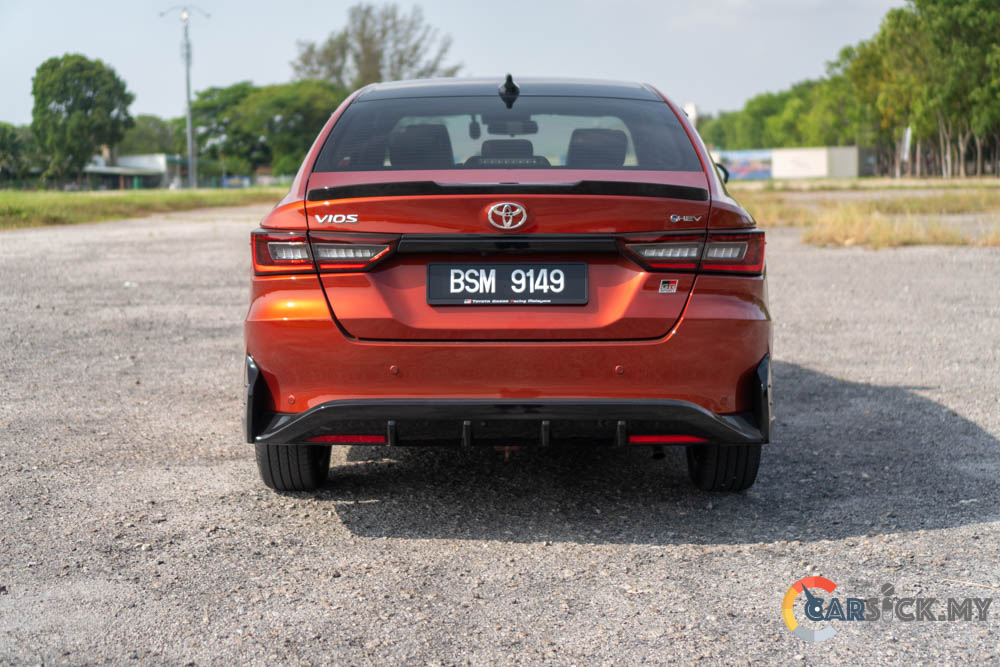
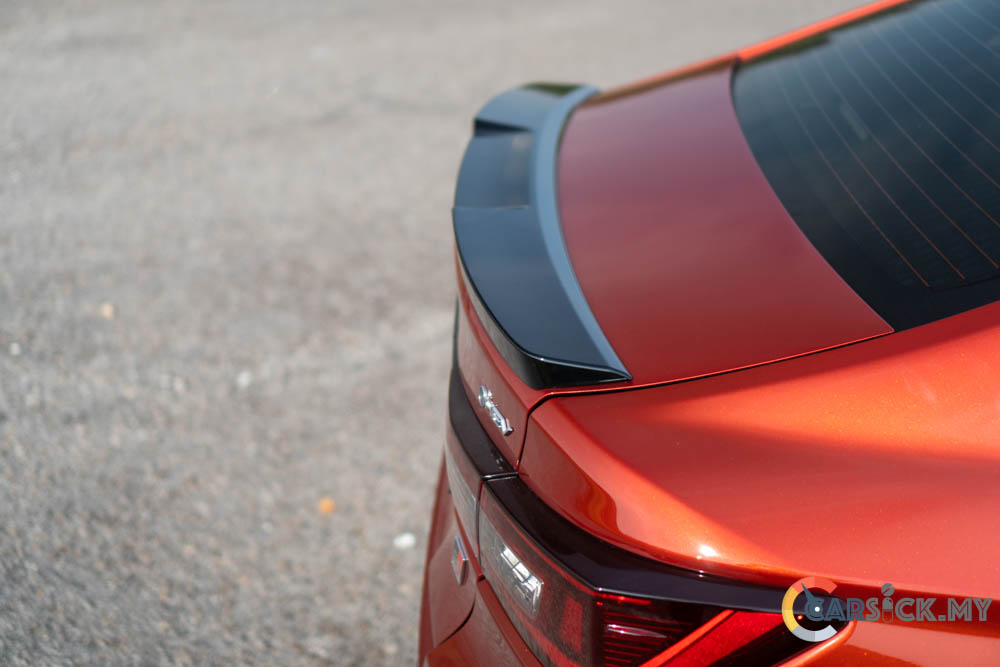
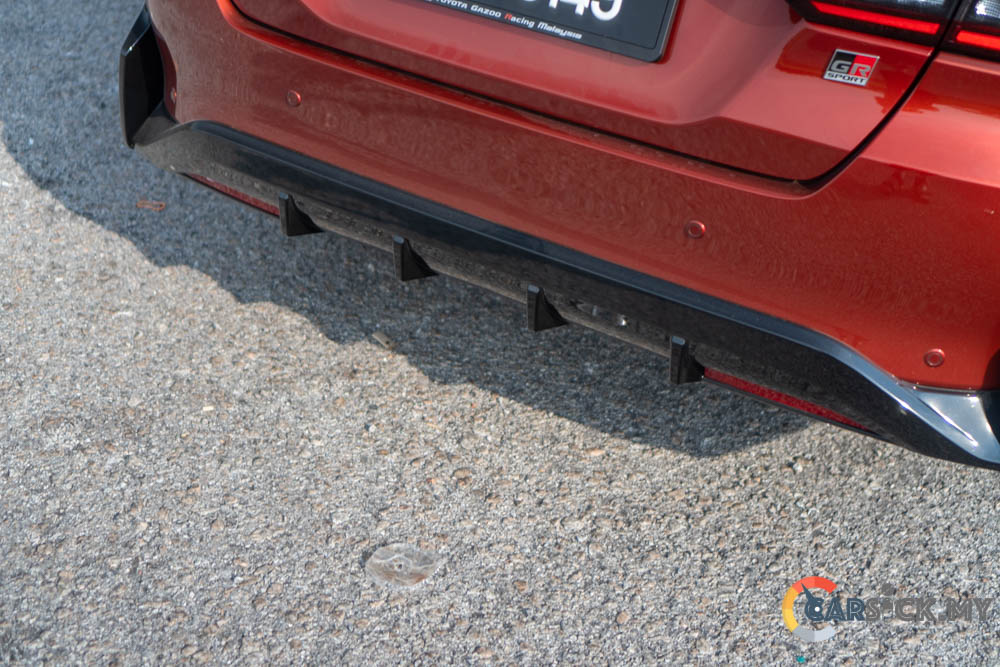
Moving to the side, you’ll barely notice any major changes between the hybrid and non-hybrid variants. However, as part of the GR package, you do get blacked-out side mirrors and a black roof, which further enhance the sporty appearance of the car. At the rear, there’s a more prominent rear bumper that gives the Vios a more menacing look. The diffuser section and bumper extensions are also finished in black, adding to its sporty street presence. On top of the boot lid, there’s a larger lip spoiler compared to the regular Vios. Other than that, you’ll spot two additional badges on the boot lid: the HEV badge and the GR Sport badge. The overall design is completed by sporty-looking 17-inch wheels wrapped in 205/50 R17 tyres. 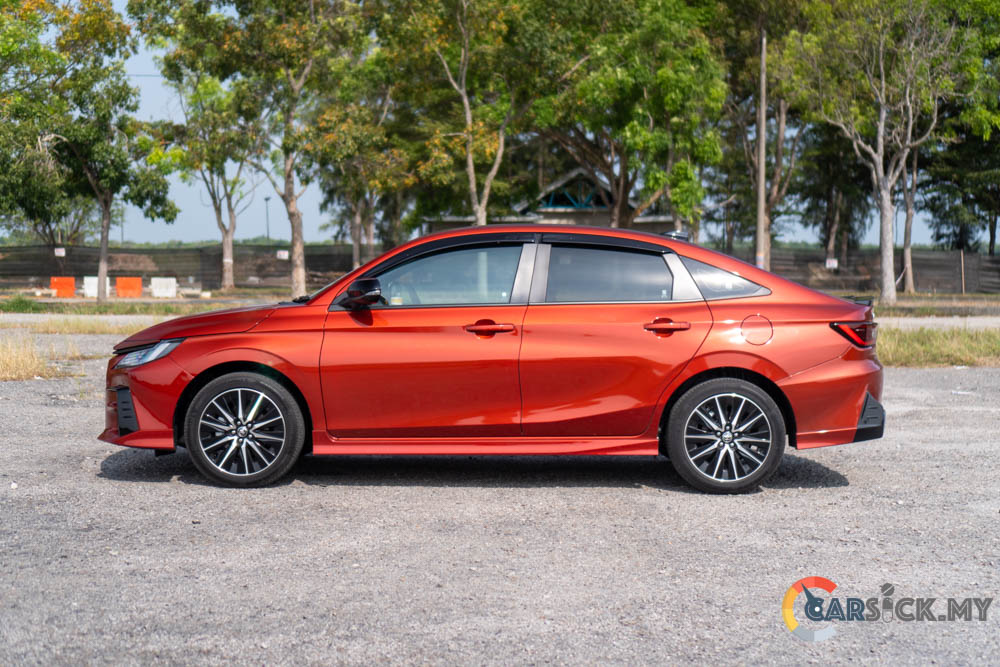
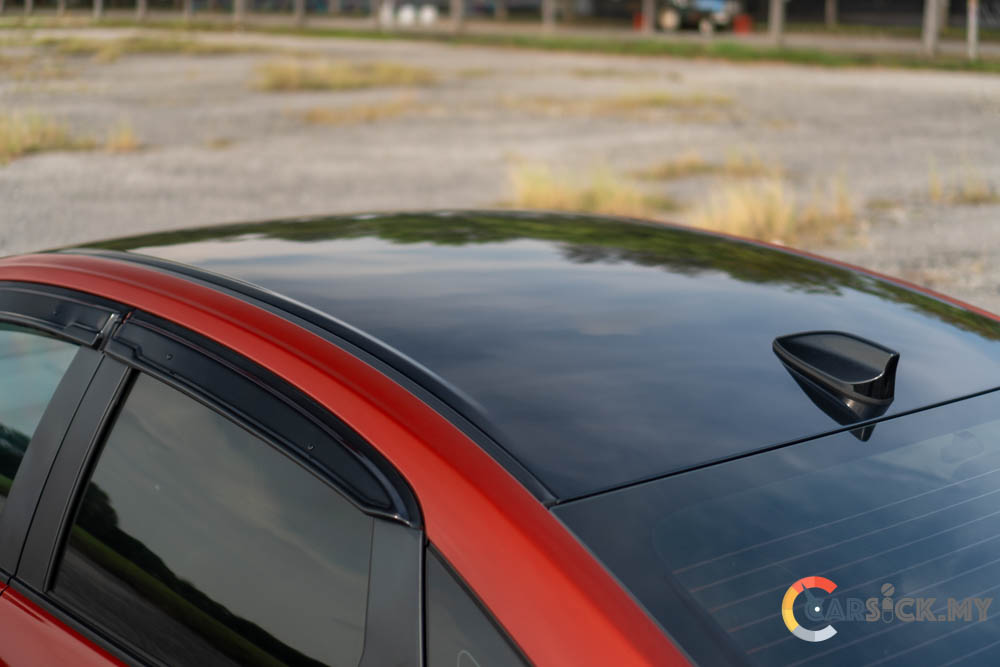
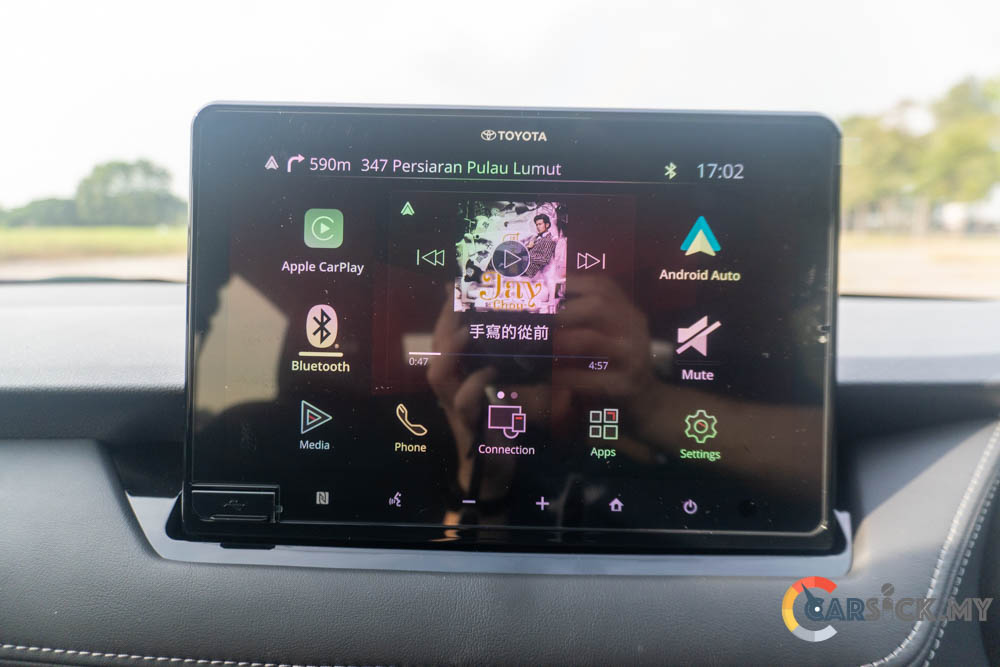
Inside the cabin, everything looks a little more serious than before, thanks to the blacked-out roof liner found in the Vios GR Sport. In general, however, the cabin remains largely similar to that of the regular Vios. To be fair, this generation Vios has the best-looking and most ergonomic interior so far. It’s very driver-focused, with everything angled towards the driver. On the dashboard, you’ll find the same 7-inch instrument cluster as the regular Vios, but the major upgrade here is the new 10-inch infotainment display. On top of that, there’s also a thin LED light strip integrated into the dashboard.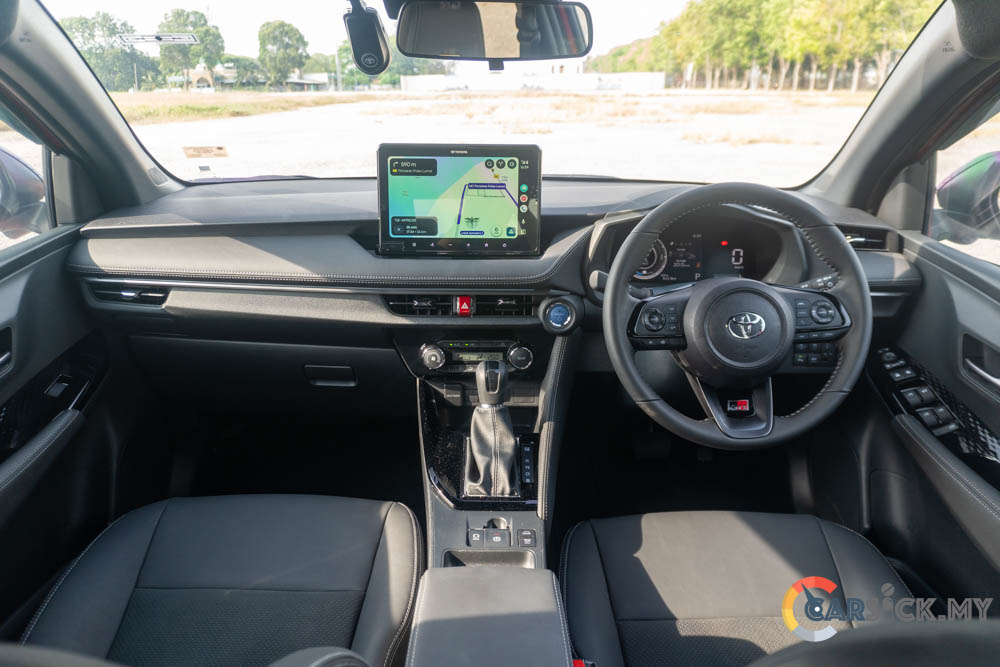
While the instrument cluster remains the same size, the graphics have been updated to display hybrid system information. In the Vios HEV, the tachometer has been replaced with a dial that shows the status of the hybrid system. Thankfully, the display remains easy to read and understand. As for the infotainment system, although the screen has increased in size, the features remain largely unchanged. You still get wireless Android Auto and Apple CarPlay, while a 360-degree camera helps with manoeuvring in tight spaces. With this new system, I do feel that it operates slightly smoother than the previous 9-inch unit. 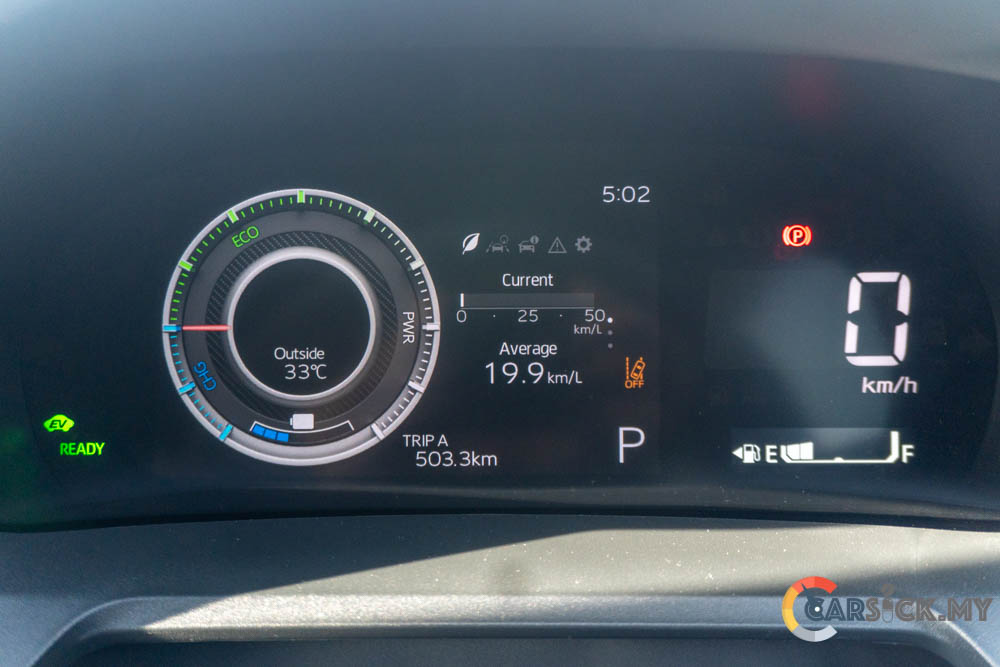
As for the front seats, the Vios HEV GR Sport receives upgraded seats exclusive to this variant. These seats feature a combination of leather and suede inserts. To be fair, they are much better sculpted than the seats found in the regular Vios. Comfort levels have improved, and they provide better support overall. Sadly, they still lack the thicker side bolsters found on sportier seats, which would have enhanced the sporty driving feel even further.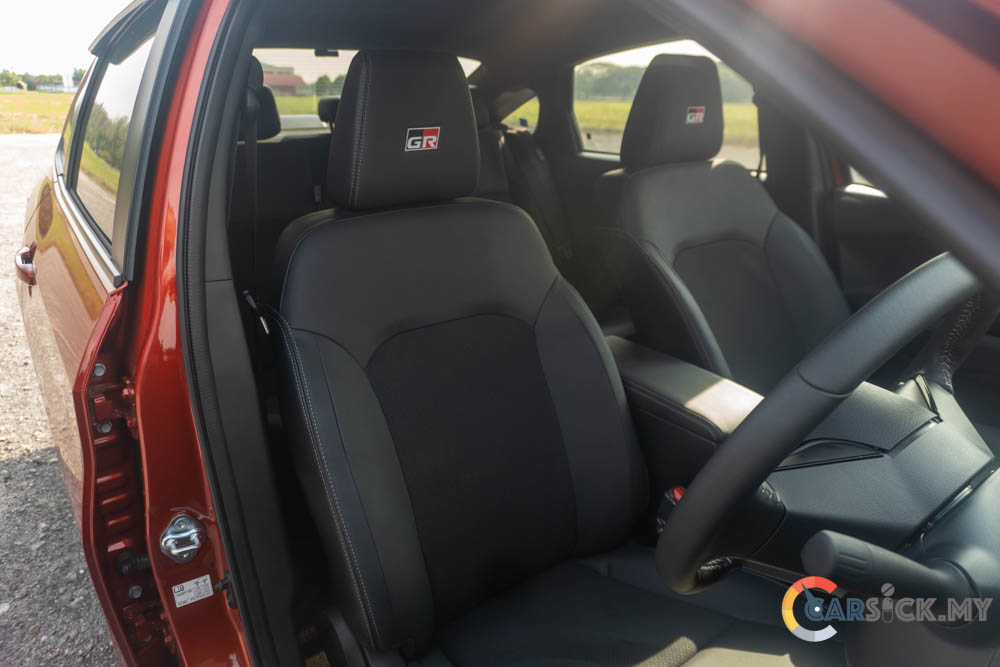
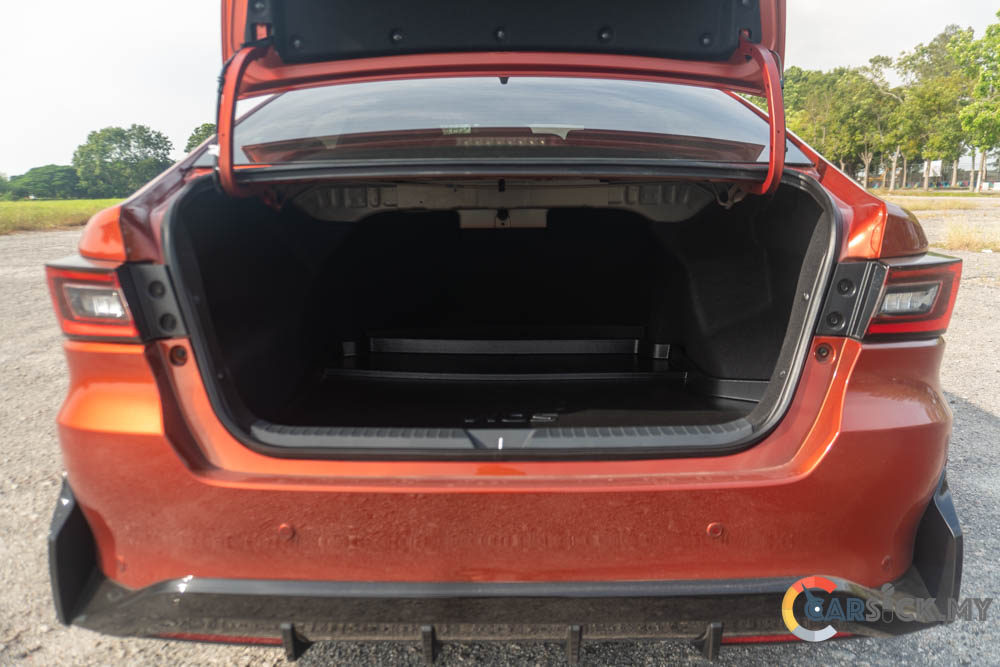
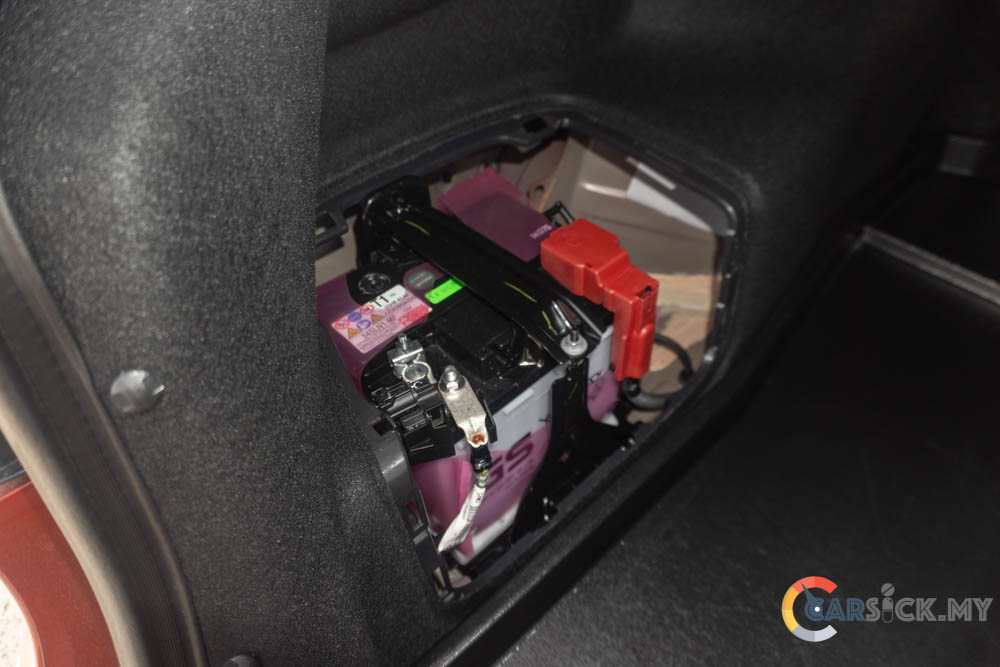
Moving to the rear, the seats remain largely unchanged. Rear passengers still get comfortable seating similar to the regular Vios. I particularly like the good thigh support offered here, as many vehicles in this price range lack that level of comfort. However, the rear seats still cannot be folded down, which slightly reduces the practicality of the boot space. Speaking of the boot, you lose 15 litres compared to the regular Vios, with total cargo capacity now standing at 460 litres. This reduction is due to Toyota relocating the 12V battery into the boot. On the bright side, you now get a full-size spare tyre, which is missing in the standard Vios. 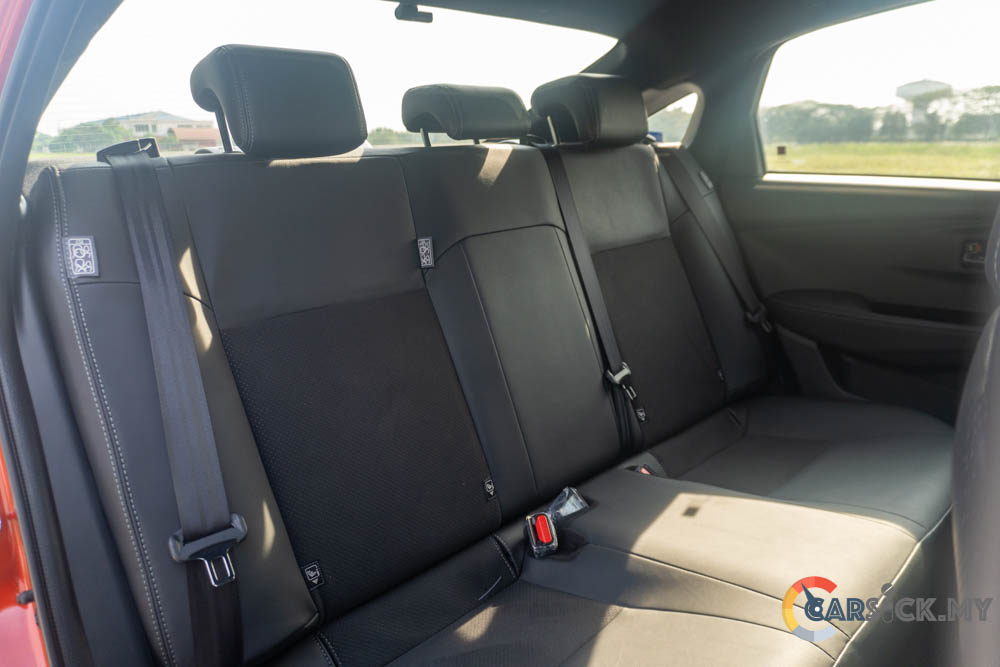
As the name suggests, the Vios HEV is powered by a hybrid powertrain consisting of a 1.5L naturally aspirated engine paired with an electric motor. The motor is powered by a 0.76kWh battery, and power is sent to the front wheels through an e-CVT transmission. The combined system produces 111PS and 141Nm of torque.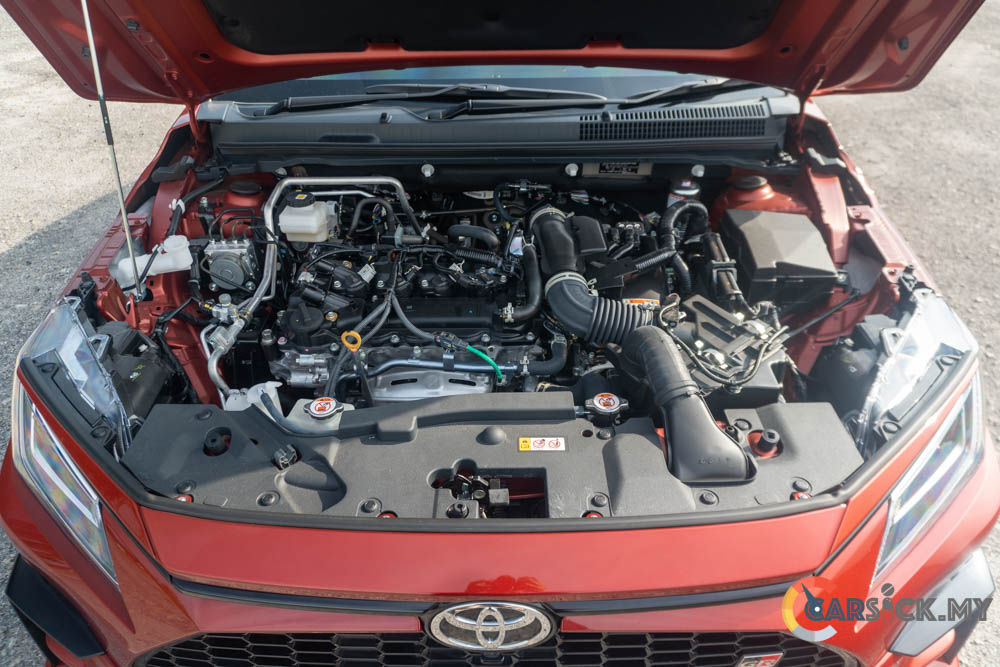
While the power figures may not sound particularly exciting on paper, the Vios HEV actually feels rather brisk once you get moving. The hybrid system feels much more responsive than the regular 1.5L engine, and the best part is how linear the power delivery feels. You’ll quickly find yourself exceeding the national speed limit if you’re not careful. The level of refinement from this powertrain is also quite surprising. In fact, it feels more mature than the system found in the Toyota Corolla Cross Hybrid. Fuel efficiency is another major highlight. Even with a spirited driving style mixed with city driving, I still managed to achieve an average fuel consumption figure of above 18km/L. If you’re lighter on the throttle, you’ll get even better numbers. Despite driving enthusiastically, I still managed to get around 550km from a full tank. Considering the tank only holds around 36 litres, that’s impressive.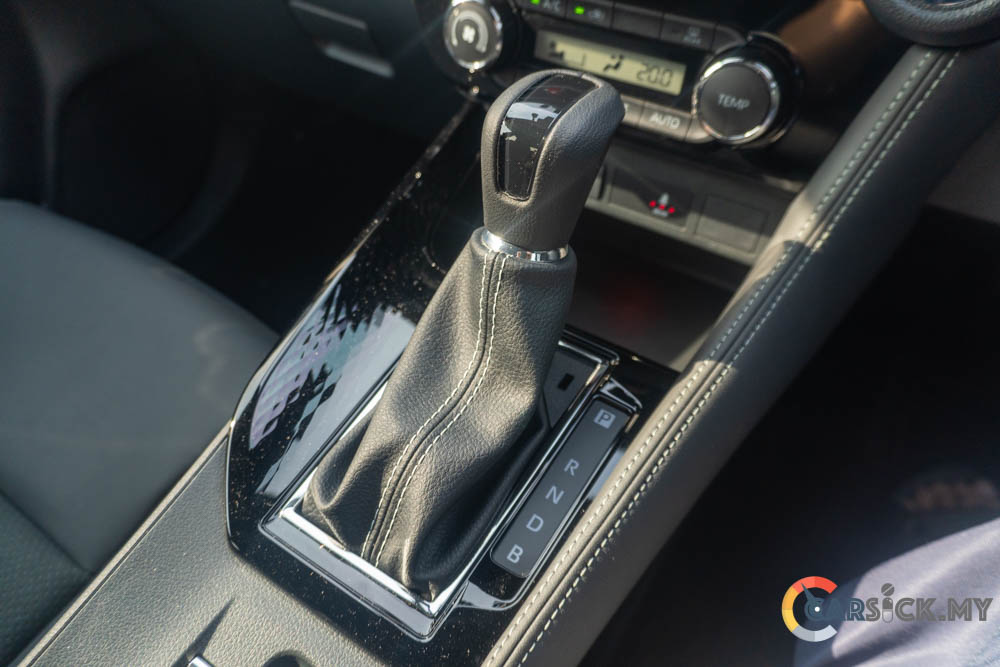
Thanks to the GR-tuned suspension, the Vios GR Sport offers a noticeable improvement in ride and handling. The suspension now absorbs bumps and uneven roads with greater composure. There’s a sense of sophistication in the way it handles varying road conditions. It strikes a very good balance between comfort and sportiness. When corners appear, the Vios inspires plenty of confidence, with body roll being well controlled. As for the steering, it remains unchanged from the regular Vios. Personally, I would have preferred a quicker steering rack to make the car feel even sportier. Nevertheless, the suspension upgrades alone are enough to make the Vios feel significantly different from the standard model.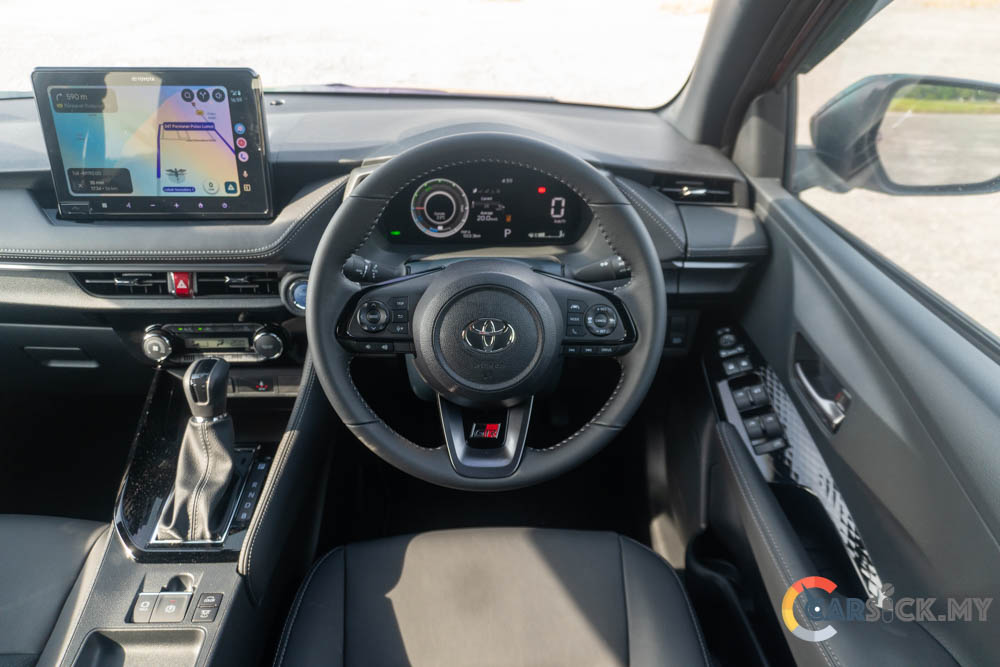
To slow the car down, the brakes on the Vios are highly effective. I particularly like the feedback from the brake pedal, as you can clearly tell what the braking system is doing. Whether the system is regenerating electricity or using the physical brakes, the transition feels natural and easy to understand through the pedal feel.
In terms of safety, everything found in the regular Vios is also available in the Vios HEV. One thing I appreciate about Toyota’s Advanced Driver Assistance Systems is that they are not overly intrusive. The systems do not constantly beep or interrupt the driving experience, making the overall drive much more pleasant. 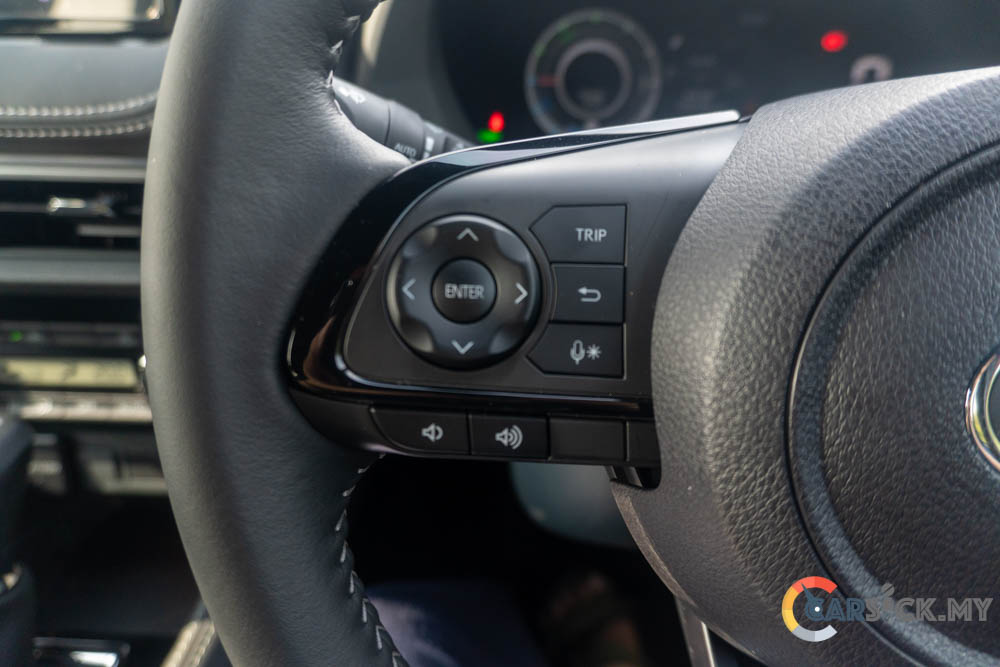
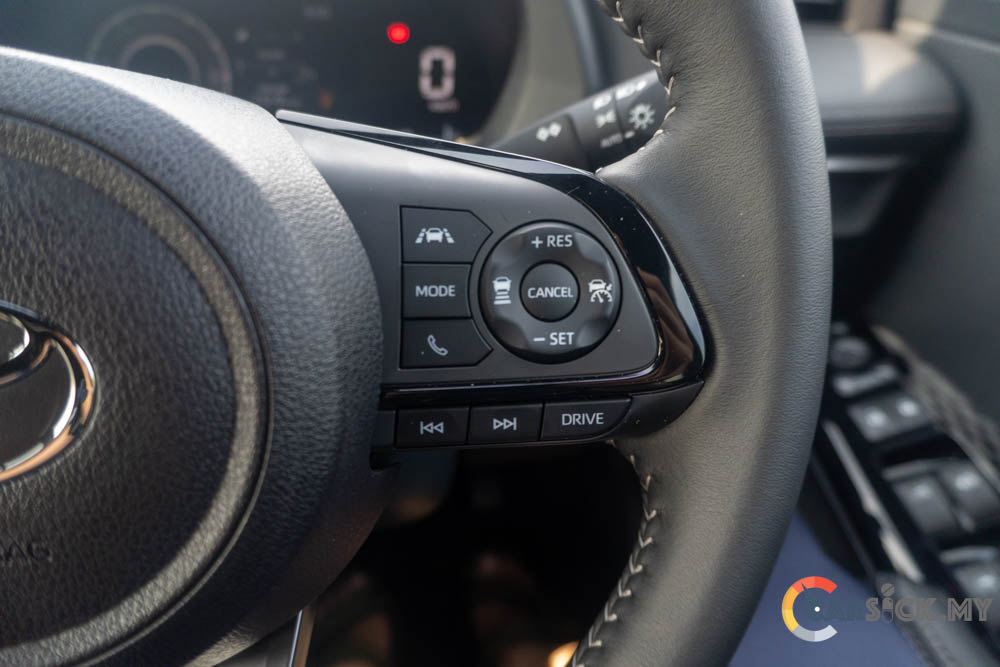
The Vios HEV comes standard with Toyota Safety Sense (TSS), Pre-Collision System (PCS), Lane Departure Warning (LDW), Lane Departure Prevention (LDP), Lane Keeping Control (LKC), Auto High Beam (AHB), Adaptive Cruise Control (ACC), Front Departure Alert (FDA), Vehicle Approach Notice, Pedal Misoperation Control (PMC), and Blind Spot Monitor (BSM) with Rear Cross Traffic Alert (RCTA).
If you’re in the market for a fuel-efficient vehicle, I can confidently say that Toyota has a very good product on its hands. Priced at RM109,900, the Vios HEV GR Sport feels worth the money. By the end of the review, I found myself wanting to drive it for a few more days. The Vios GR Sport is a much nicer vehicle to drive than the regular Vios. As an overall package, it feels complete, especially if you value solid engineering and refinement. You’ll also get the trusted Toyota reliability that many newer Chinese brands have yet to fully establish.
Check out the full photo album here.