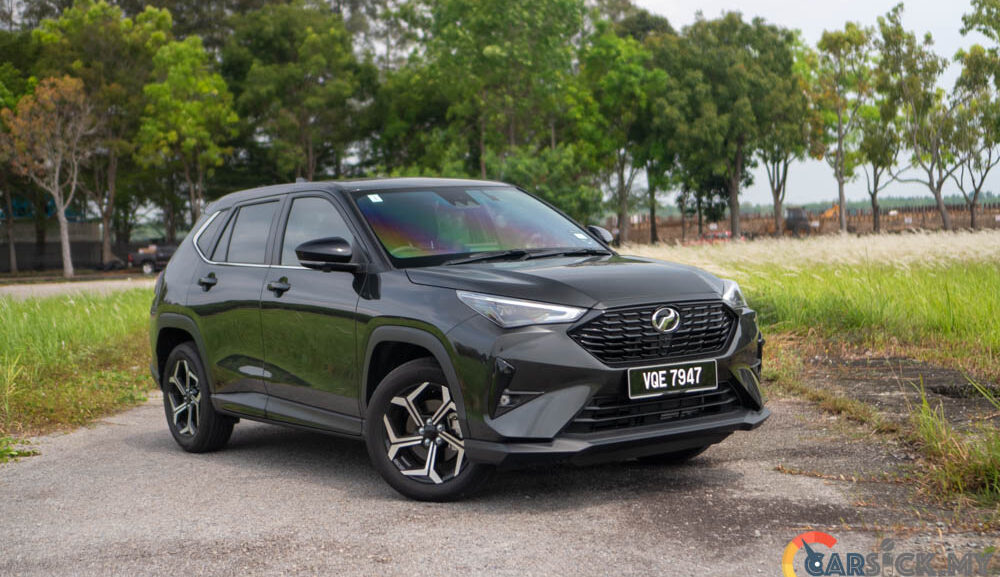

At the end of last year, Perodua was busy with the launch of two models. One is the all-electric QV-E, and the other is their B-segment SUV, the Perodua Traz. While most of the talking points still revolve around the QV-E, Perodua has quietly been delivering the Traz to customers around Malaysia. With the arrival of Chinese brands, the B-segment SUV market has become highly competitive. Prices vary, but in Malaysia, the cheapest B-segment SUV you can buy today is the Perodua Traz. So here’s the question: is the cheapest option in the segment the worst vehicle you can choose? Let’s find out.
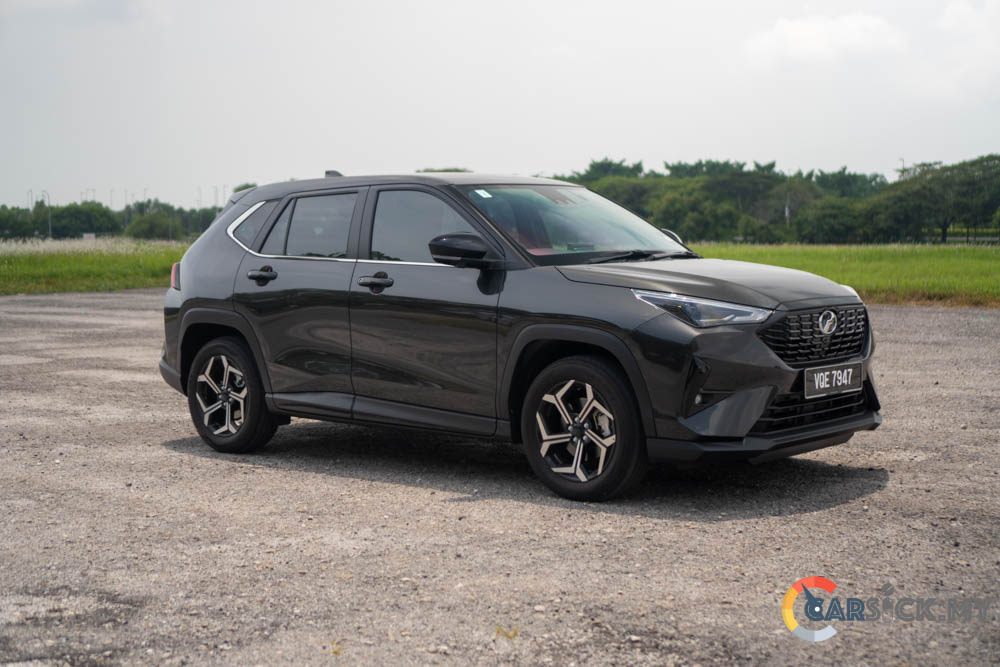
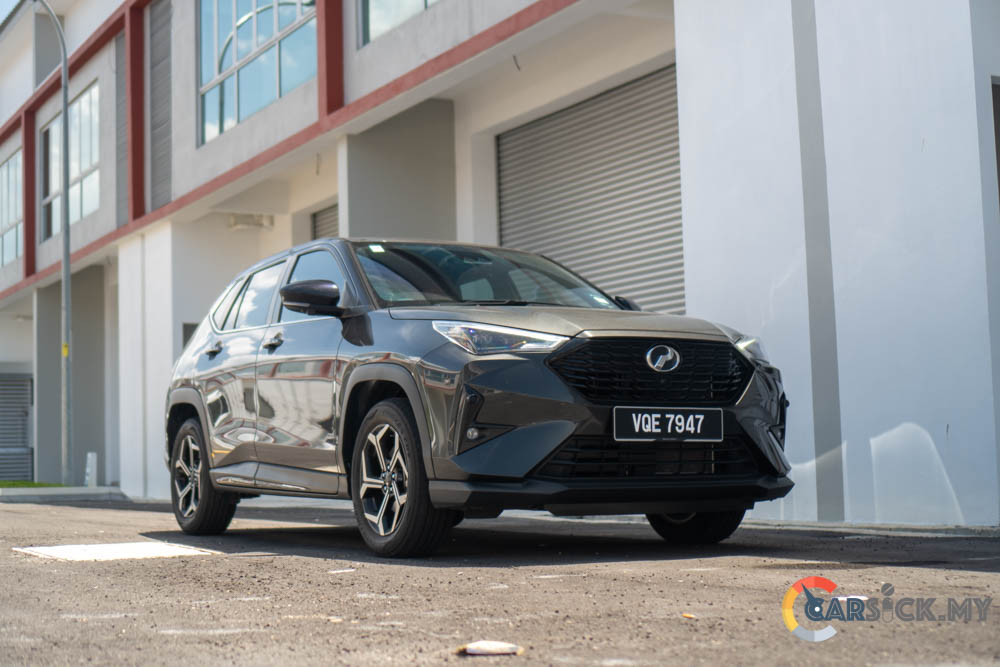
 Based on size alone, the Traz actually looks slightly bigger than the Ativa. In fact, the Traz is one segment above the Ativa. Proportion-wise, it also appears more balanced. The Traz is unmistakably a Perodua, carrying the familiar family face. I like that Perodua has added many sharp lines to give it a more menacing look.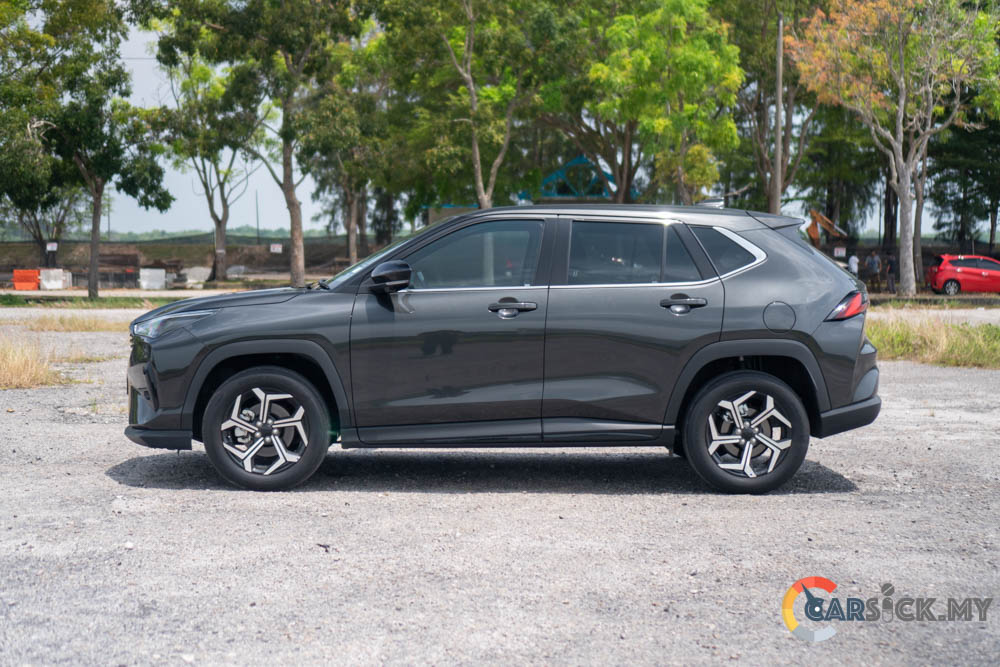
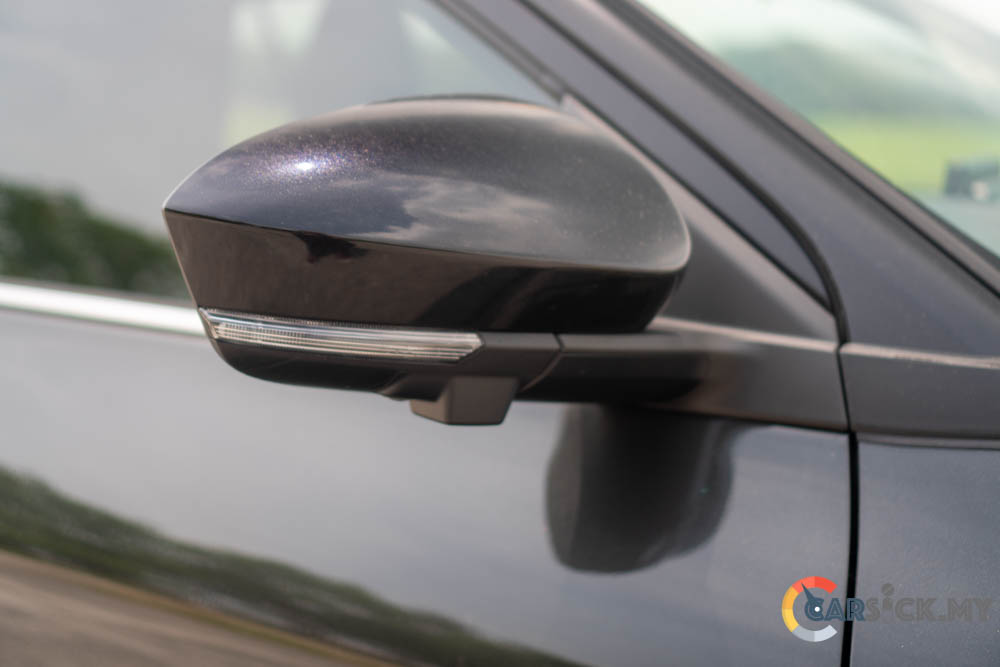
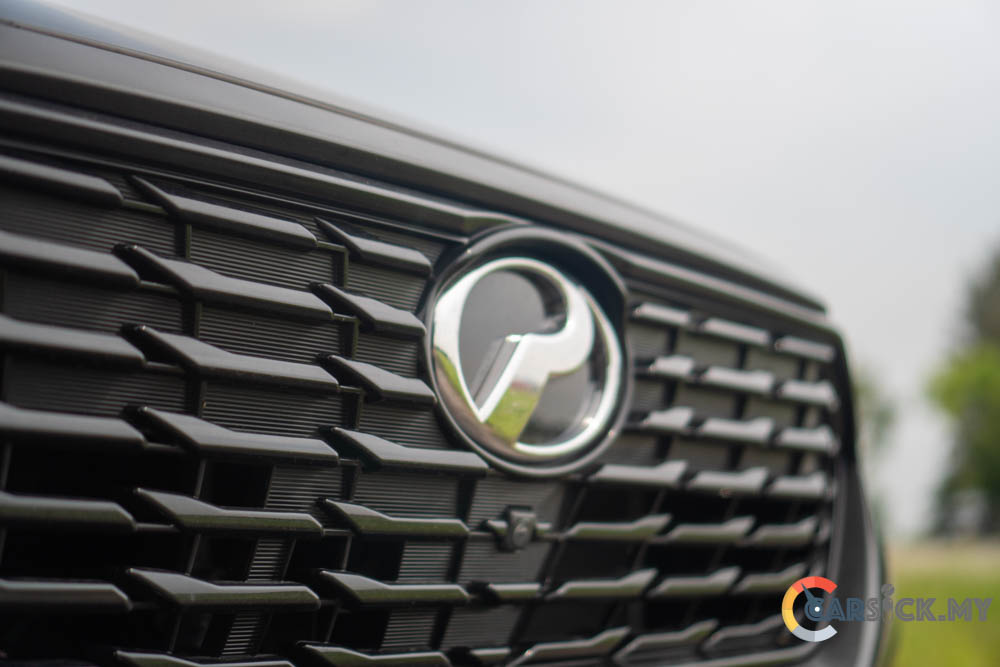
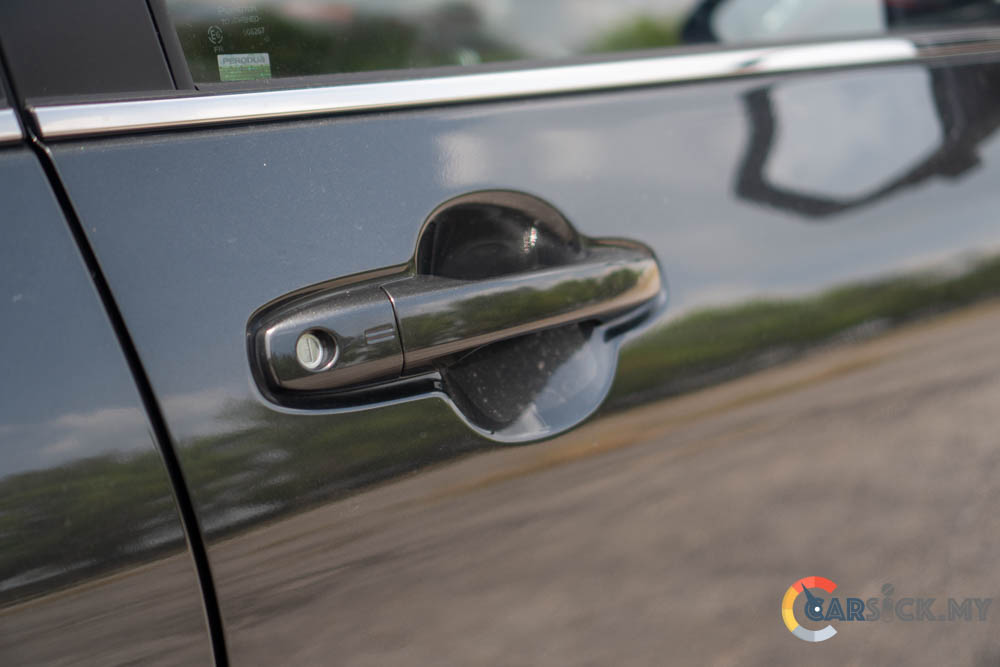
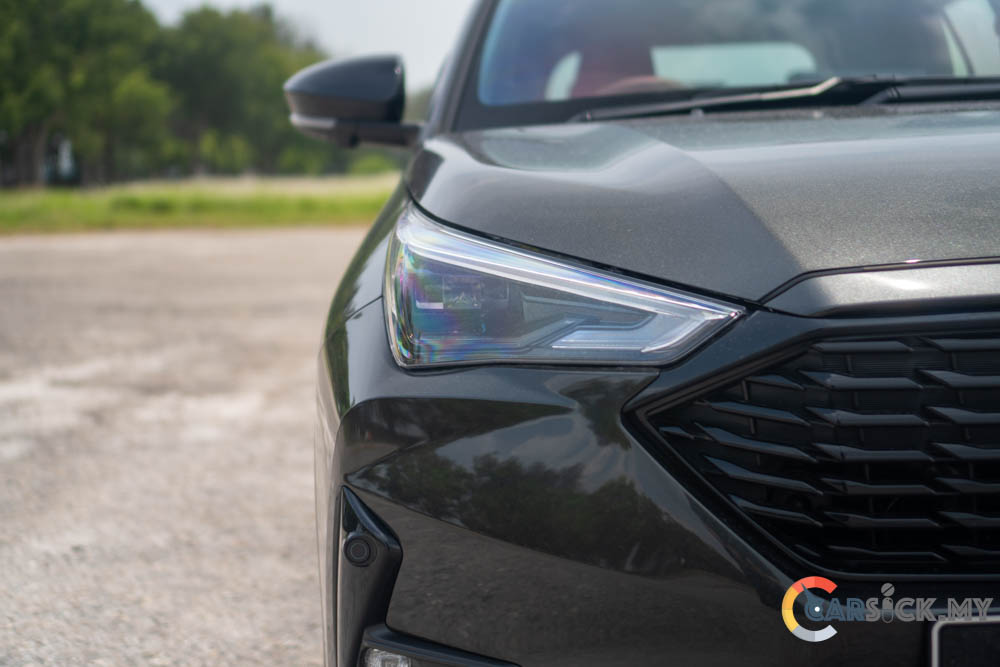
From the front, you get full LED headlights that give the Traz its identity, and they blend well into the front grille. This makes the Traz quite an attractive-looking SUV—and to be fair, I quite like it. At the side, the Traz comes with touch-sensitive keyless door locks. For the first time, these touch-sensitive handles are available on both sides of the vehicle. On top of that, the Traz can automatically lock and unlock when you walk away or approach, which is a great convenience feature. 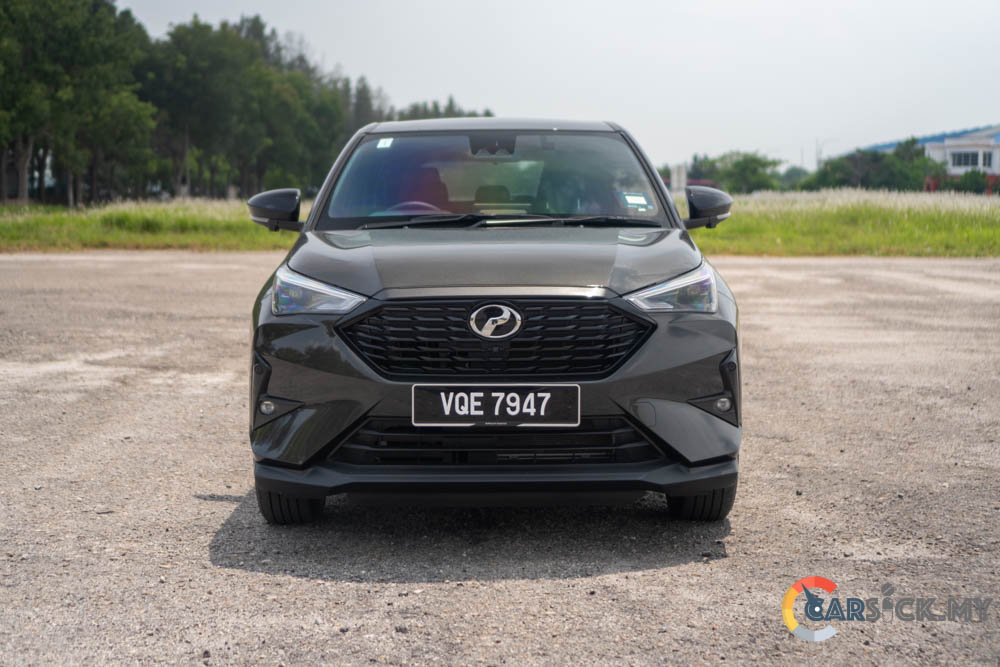
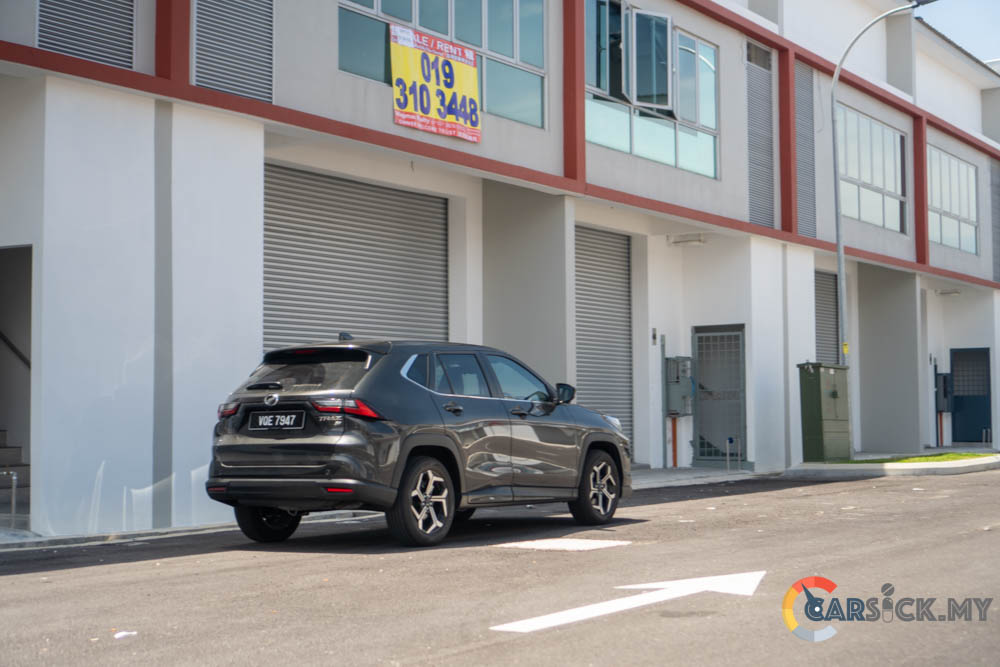
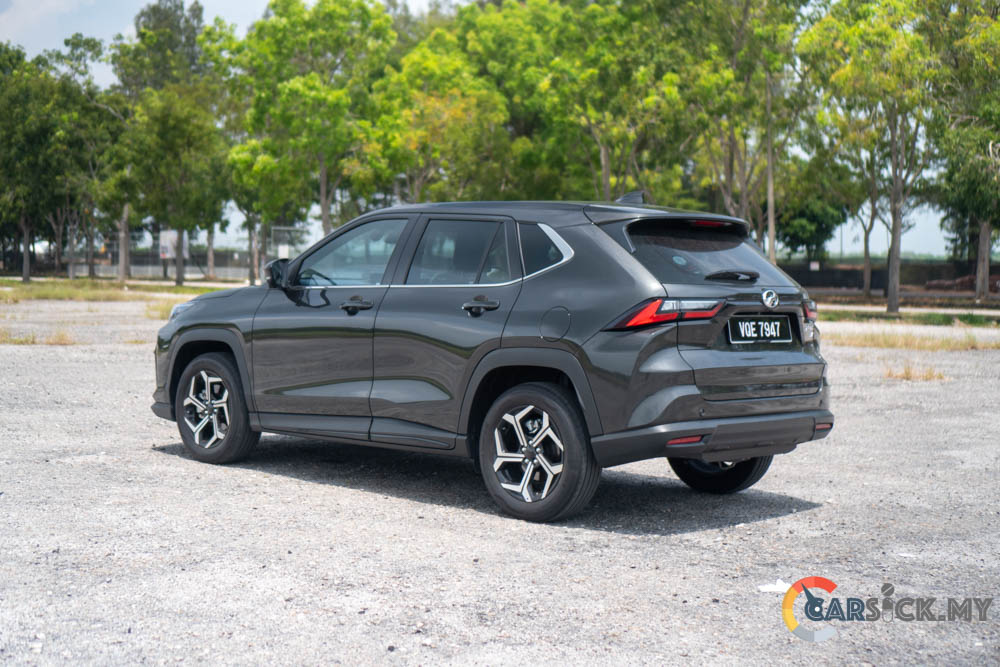
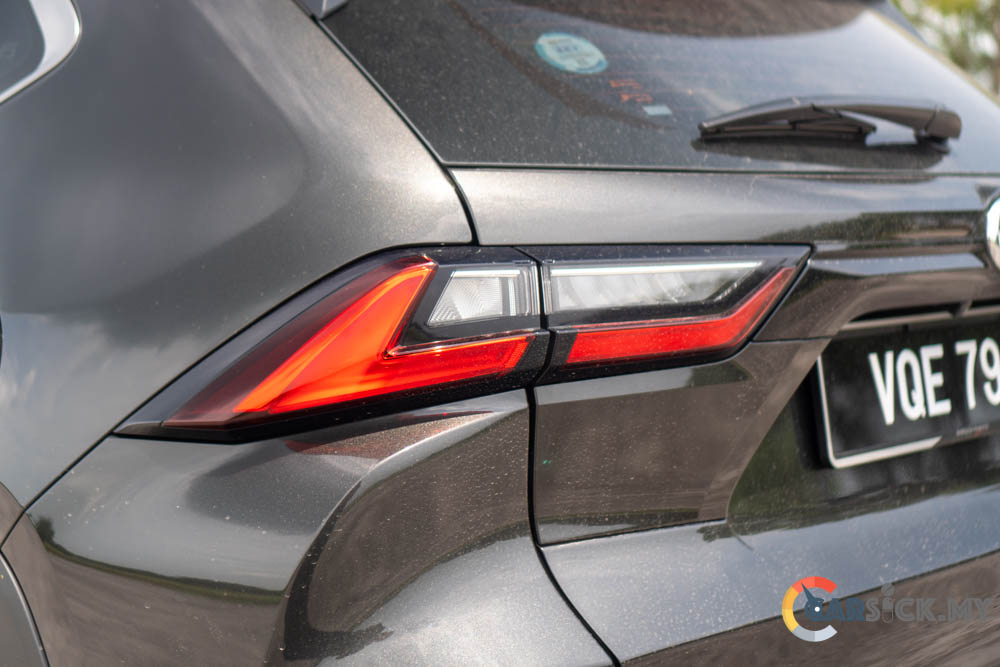
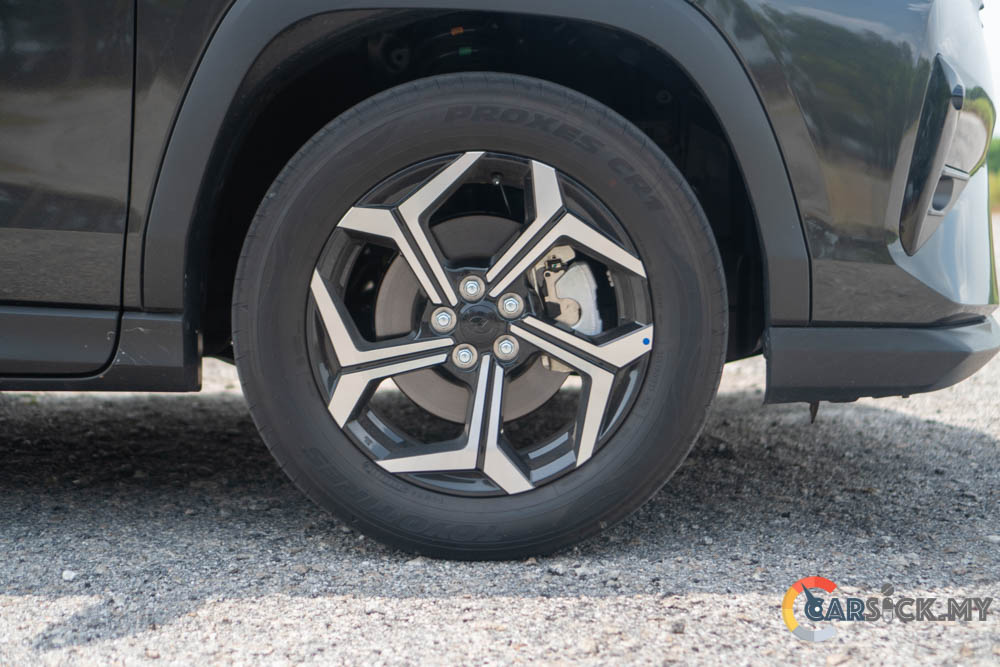
At the rear, the Traz has a sense of familiarity. From a distance, the taillights resemble those of the Lexus NX. This is somewhat expected, as the Traz was co-developed with Toyota, so there’s definitely some Toyota DNA in its design. The taillights look sharp and fit well with the overall design. Since this is the top-of-the-line H variant, it even gets an automatic tailgate, which adds convenience and improves usability. Lastly, the Traz rides on a set of sporty-looking 17-inch rims wrapped in 215/60 R17 tyres—and they do look good. 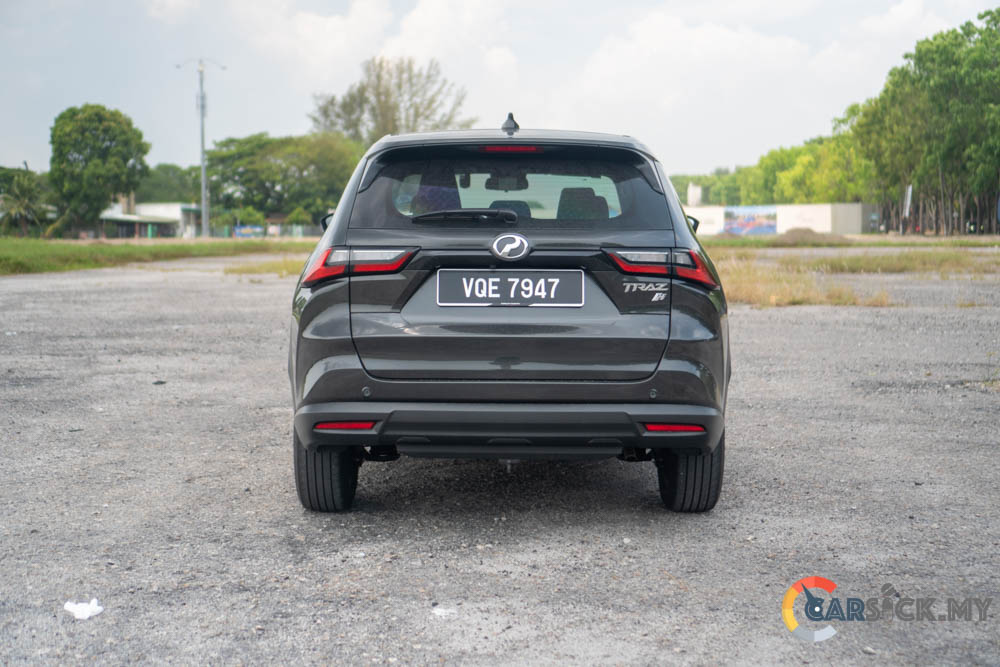
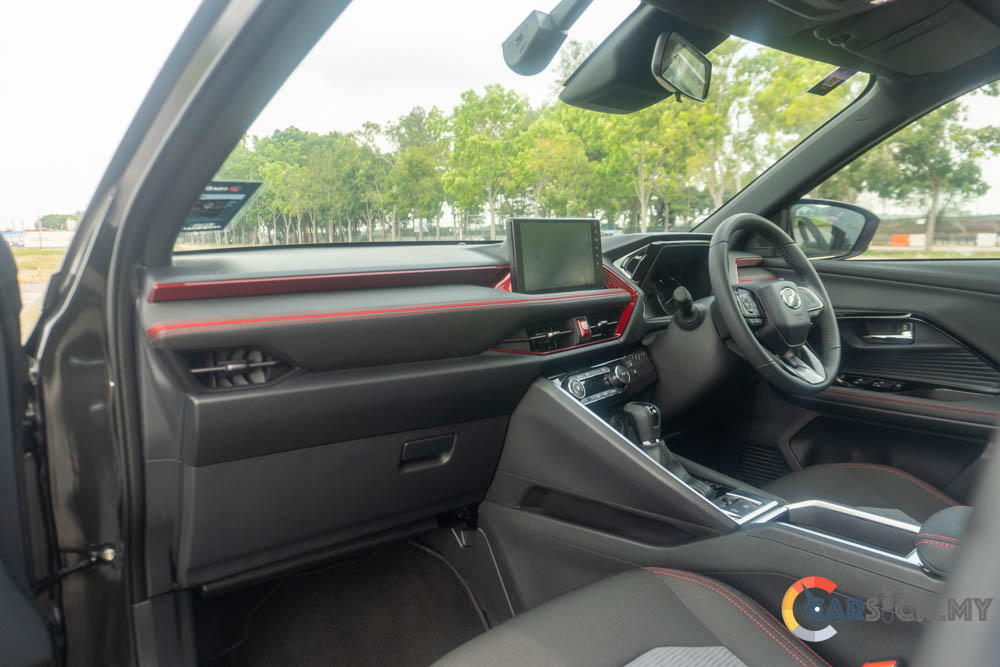
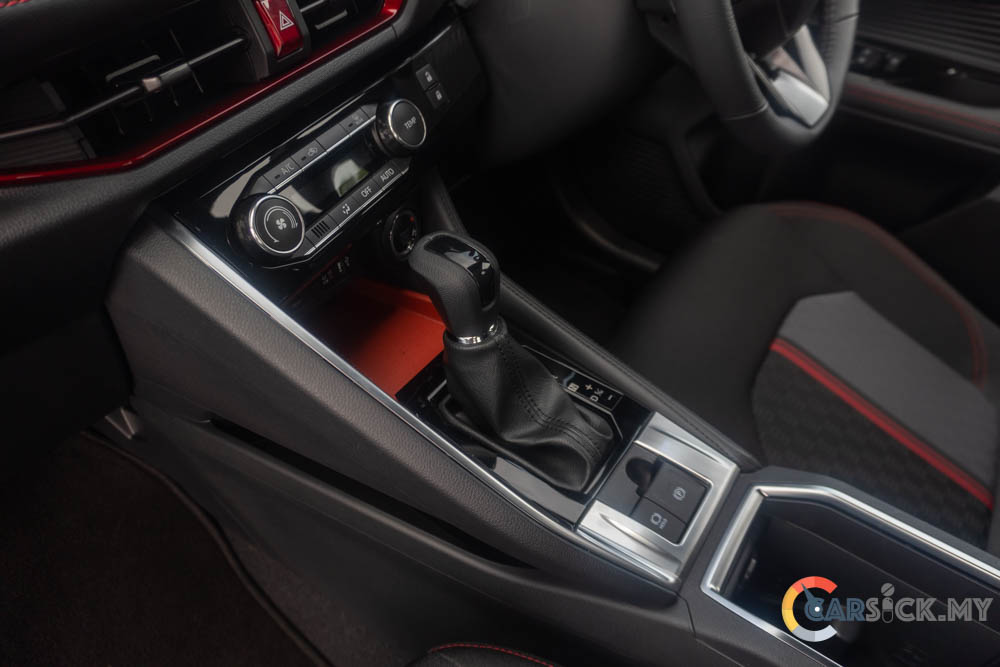
Stepping inside, the Traz features a conventional interior, which is acceptable for a vehicle designed to be simple and easy to use. Around the cabin, Perodua has used mostly black plastics to keep costs down. As the highest-spec variant, you do get some red highlights to brighten things up. In terms of fit and finish, the interior feels solid enough for its price point. Of course, there are still areas that don’t feel as sturdy—like the centre console, which flexes slightly when I rest my leg against it. 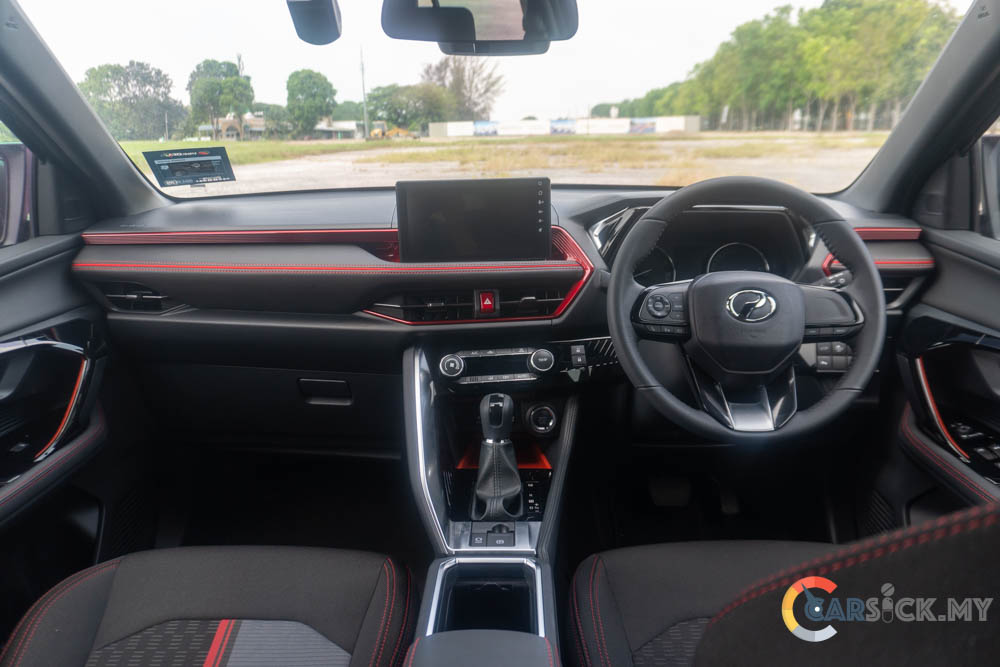
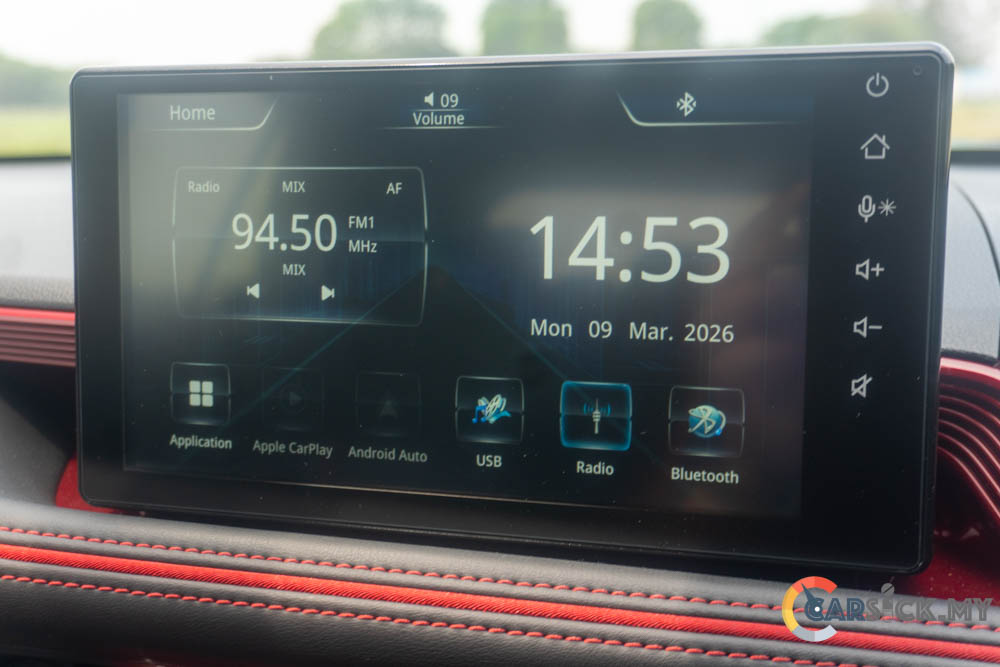
On the dashboard, you’ll find a traditional analogue instrument cluster with a 4.2-inch multi-information display in the centre. Beside it sits a 9-inch infotainment unit on top of the dashboard. For the first time in Perodua history, you also get automatic climate control instead of automatic air-conditioning controls.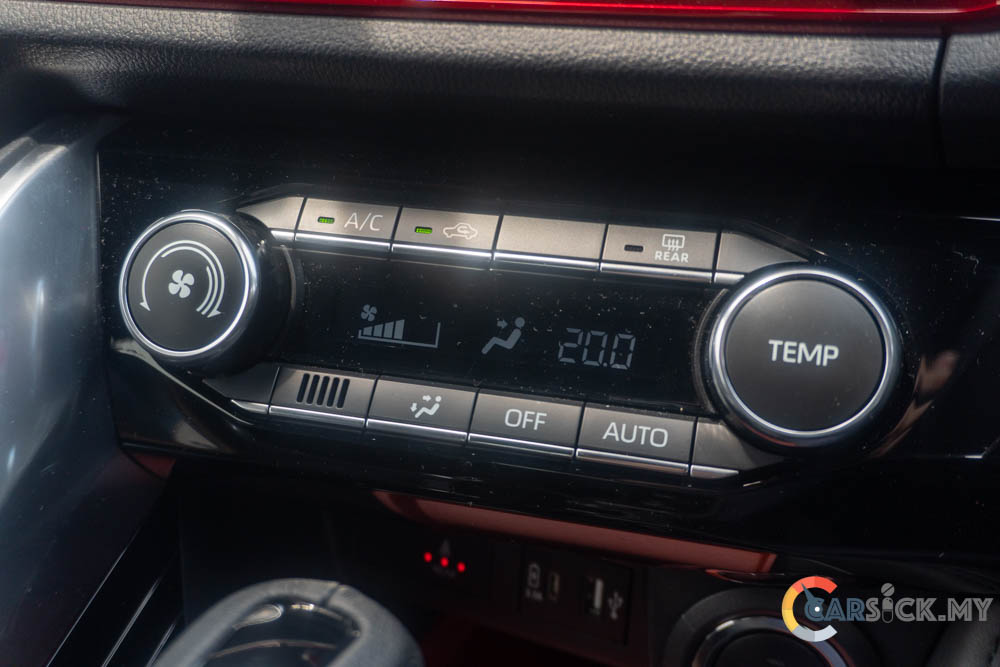
Being an analogue instrument cluster, it may look a bit old-school, but it’s actually refreshing in this era of digital displays. If you’re used to analogue clusters, it even brings a sense of nostalgia. I like the simplicity—it’s easy to read and straightforward. As for the infotainment system, it’s simple to use, and most importantly, it comes with Android Auto and Apple CarPlay. While the connection is wired, it’s easy to live with. If you really want wireless connectivity, there are plenty of aftermarket solutions available. The head unit also includes a 360-degree camera for added convenience. 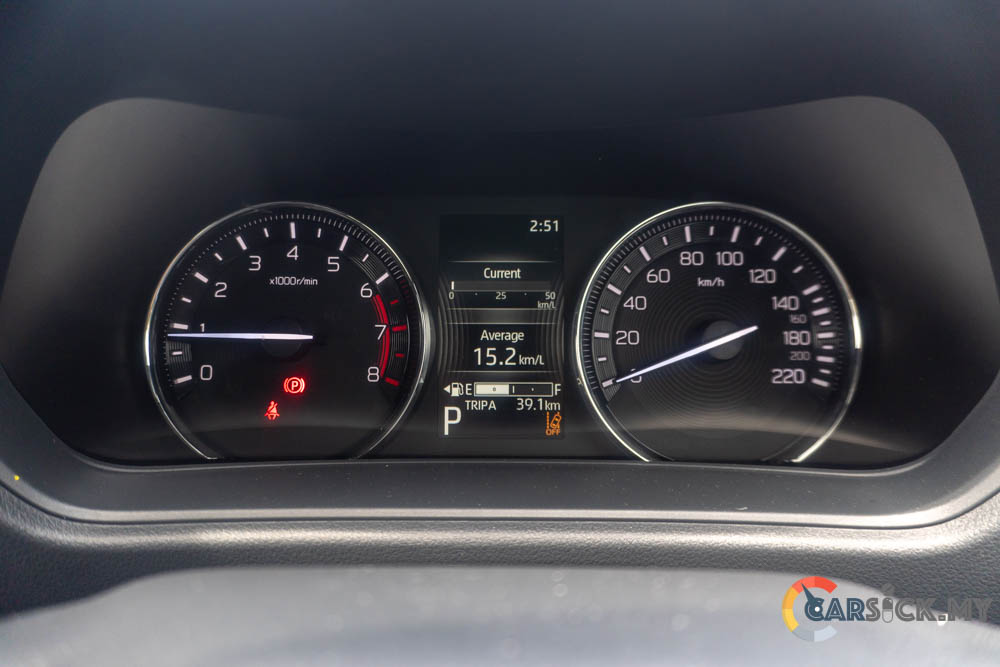
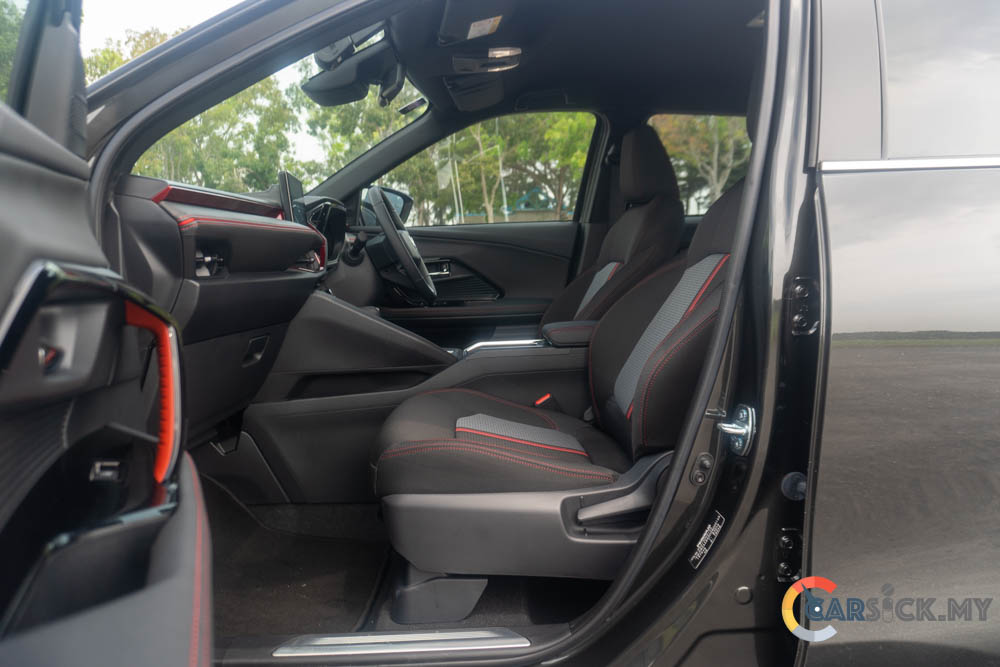
Sitting in the driver’s seat, you’ll immediately notice a decent driving position. Perodua’s seating position has improved significantly since adopting the DNGA platform. Despite the SUV-like seating height, it feels quite comfortable. Another good thing is that the front seats feel larger than before, making them more accommodating. The Traz also now comes with reach adjustment for the steering wheel, allowing for a more optimal driving position. I hope this feature makes its way into other Perodua models in the future.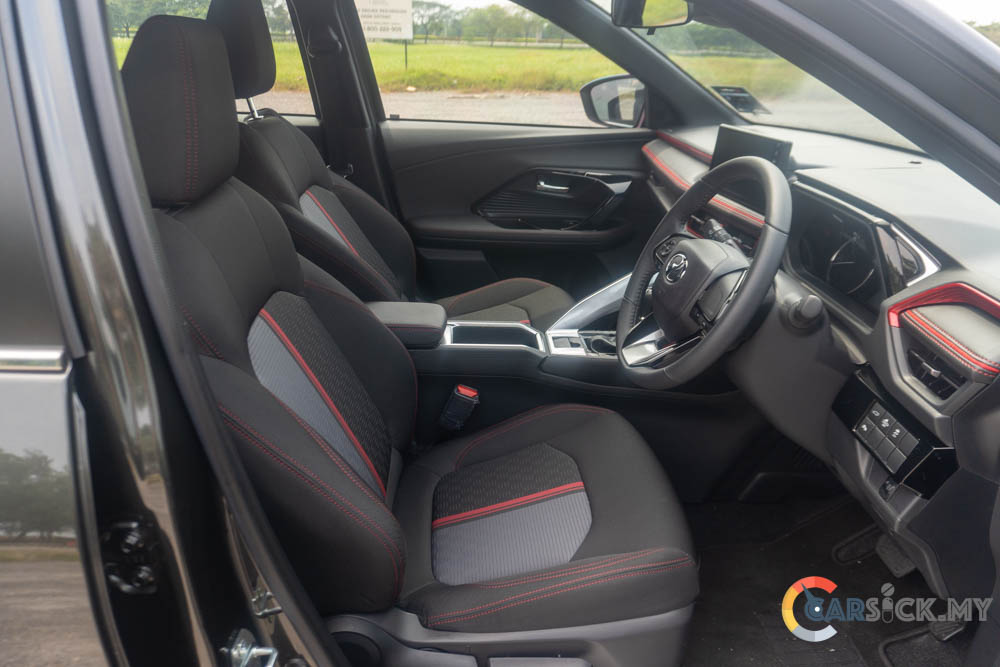
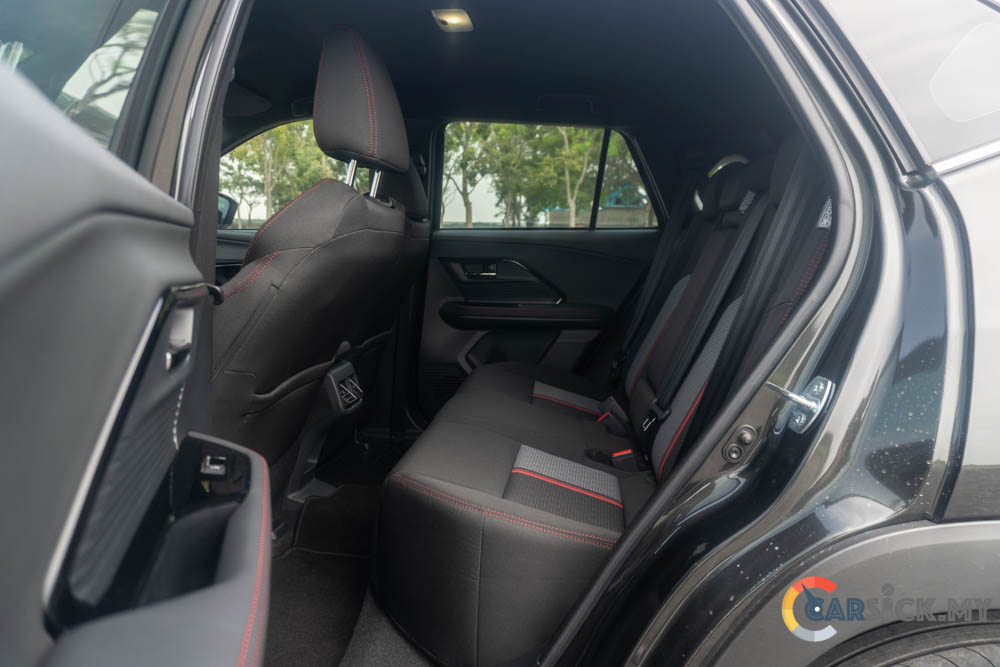
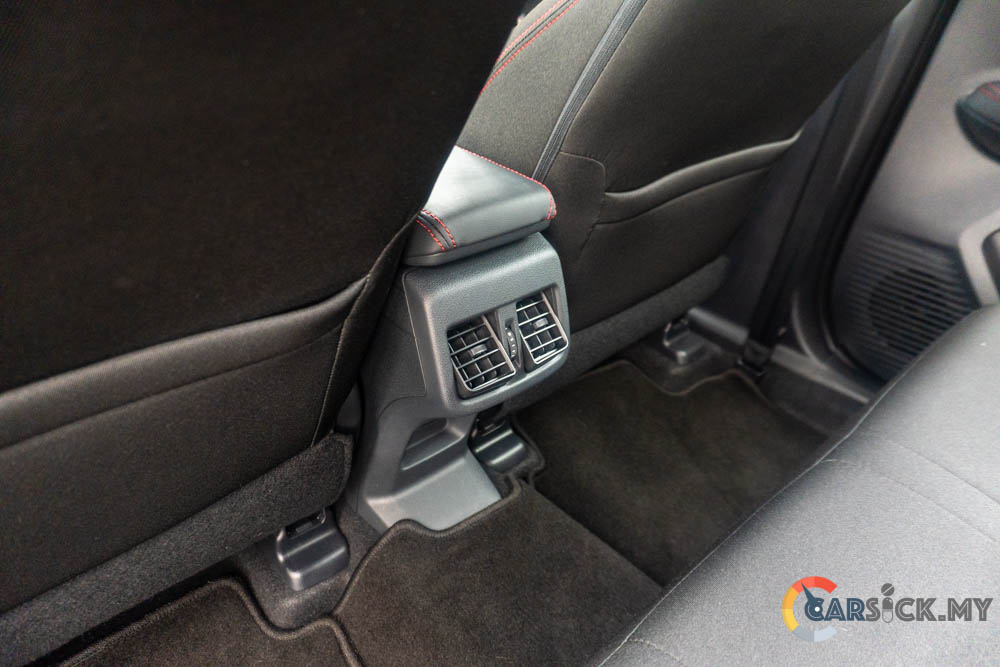
Moving to the rear, you still get a fairly comfortable seating space. There’s an adequate amount of legroom, and plenty of headroom. The backrest also offers two levels of recline, enhancing rear passenger comfort. On the downside, the rear seats lack some thigh support, which is common in this price range. This trade-off likely helps maximise legroom within the limited wheelbase. Rear passengers also get two air-conditioning vents and two USB-C ports for added convenience. 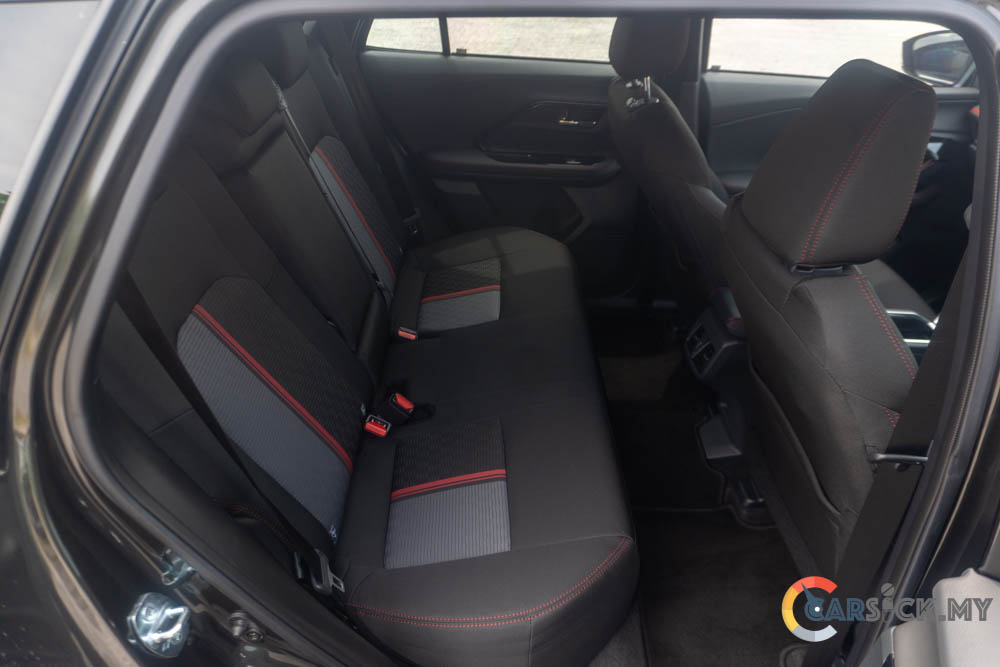
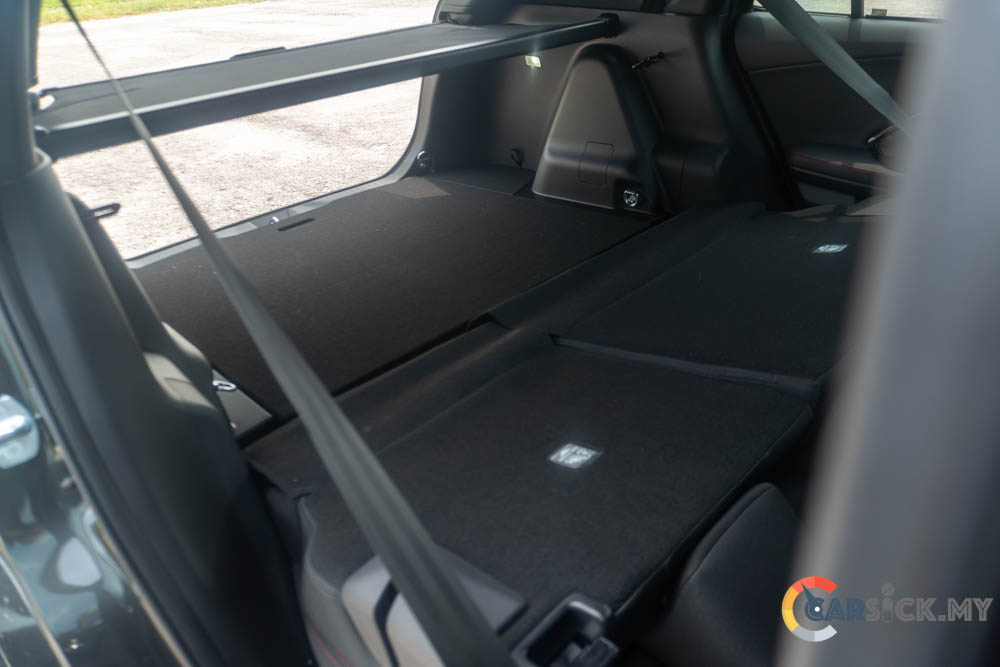
For a vehicle of this size, the Traz offers a decently sized boot. At 471 litres, it’s more than sufficient for most small families, and it’s definitely larger than the Ativa’s boot. If you need more space, you can fold down the rear seats to expand the cargo area. The best part is that it creates a flat floor, making it easier to slide items forward. 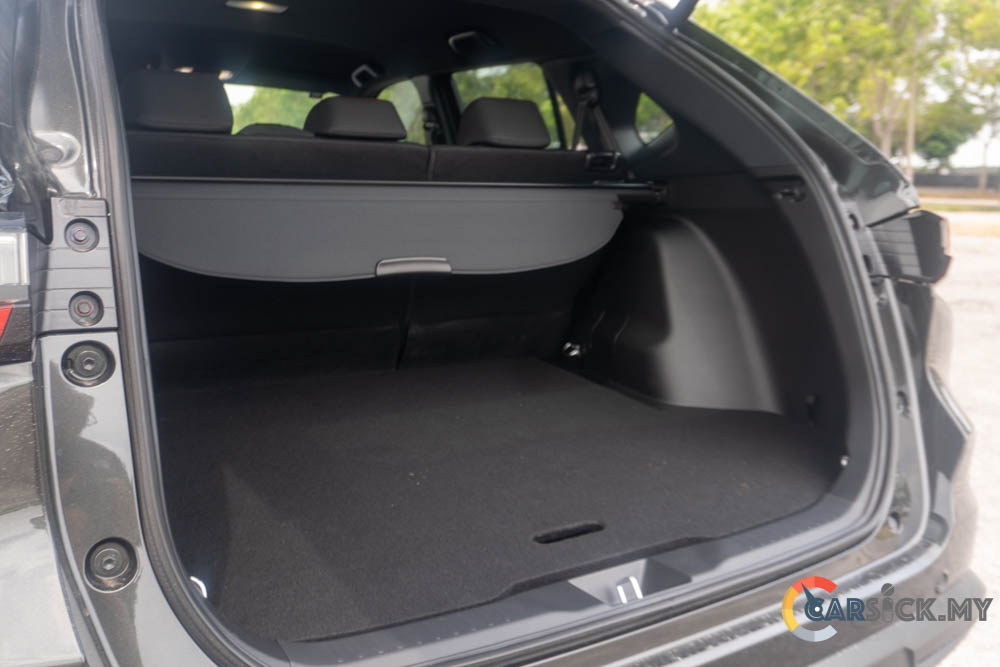
Under the hood, you’ll find the familiar 1.5-litre naturally aspirated four-cylinder engine found in many Perodua models. It’s paired with the familiar D-CVT transmission, sending power to the front wheels. This setup produces around 106 PS and 138 Nm of torque.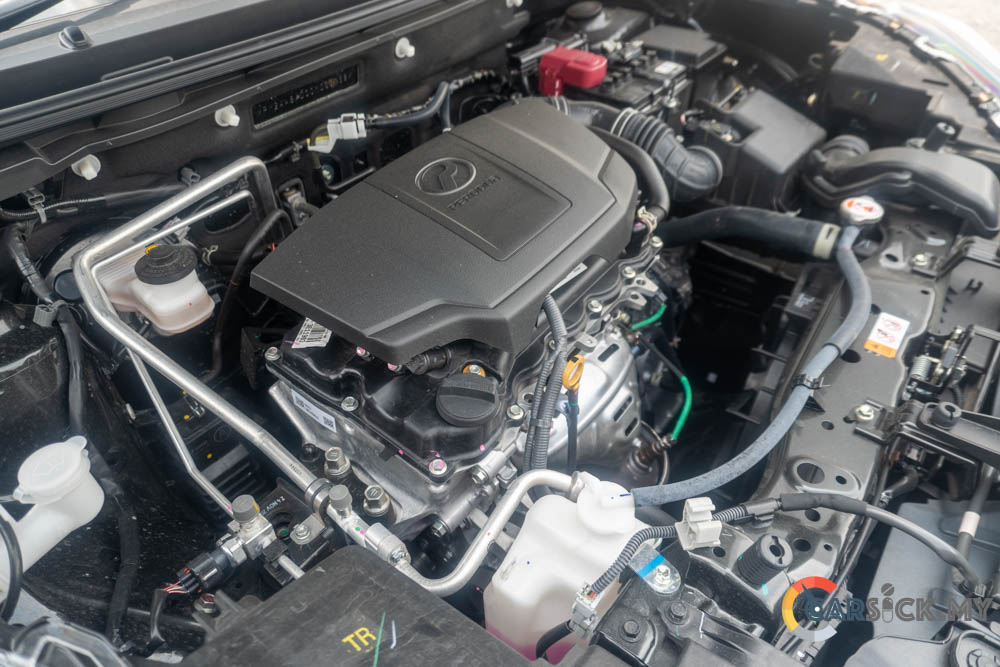
If you’re familiar with Perodua’s 1.5-litre engine, you’ll know it’s a reliable workhorse. It provides just enough power for the Traz. As long as you’re not expecting strong acceleration, it’s perfectly adequate for daily driving. It has enough power to keep up with traffic. The throttle pedal is quite sensitive, which can make the car feel more responsive than it actually is, as it tends to downshift eagerly. To avoid this, I actually prefer driving it in Eco mode. The CVT feels similar to the one in the Myvi. One strong point of the Traz is its fuel efficiency—I managed around 11.5 km/L even with spirited driving. With a lighter foot, you could achieve even better figures.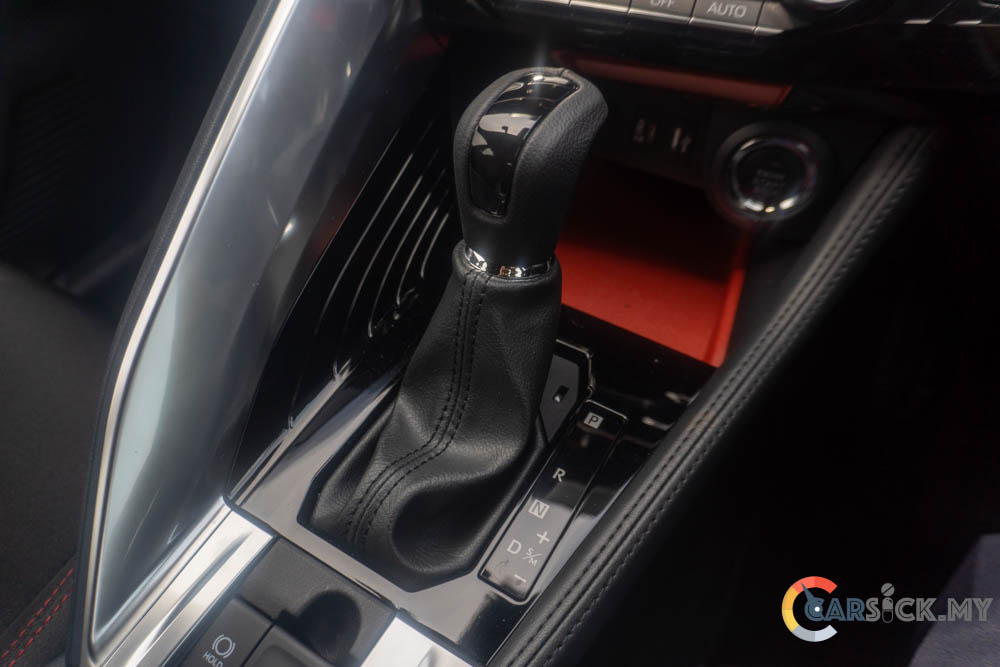
In terms of ride quality, don’t expect anything overly sophisticated. However, for its intended purpose, it performs well. It handles adequately, and even at highway speeds, it feels stable and planted. Another highlight is the steering—it’s nicely weighted and provides a good sense of connection to the front wheels. Overall, the Traz is a very easy vehicle to live with.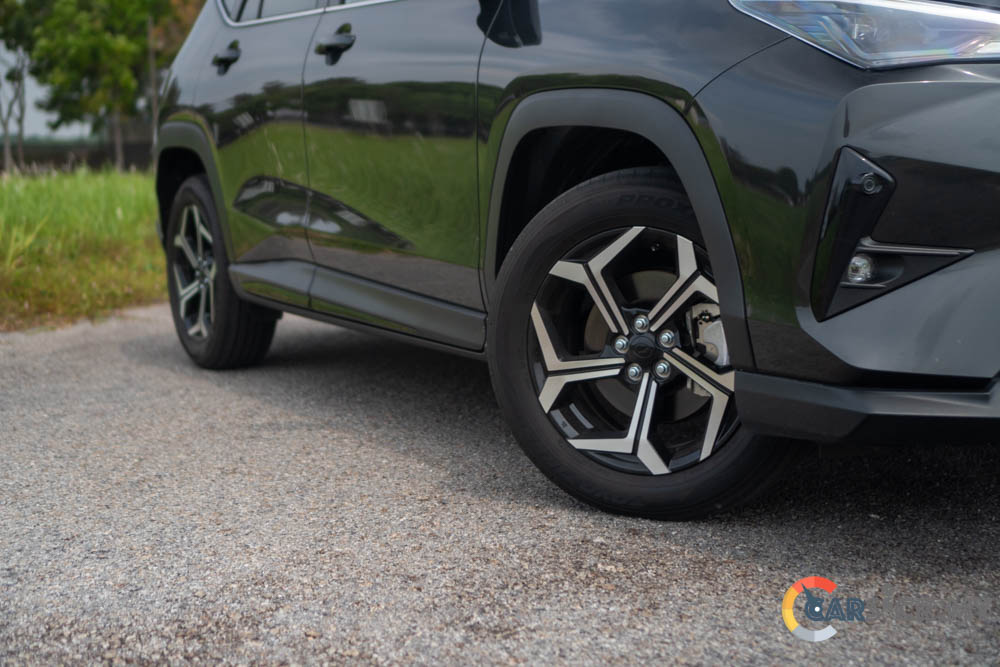
Braking performance is also decent. The Traz doesn’t dive as much as older Perodua models, thanks to its all-wheel disc brakes. The brake pedal feels natural and easy to modulate. In terms of safety, the Traz comes equipped with the essential advanced driver assistance systems expected in a modern vehicle. However, it’s surprising that adaptive cruise control is omitted, as it’s available in other Perodua models. The Traz H variant includes Pre-Collision Warning, Pre-Collision Assist Brake (Vehicle & Pedestrian), Front Departure Alert, Pedal Misoperation Control, Lane Departure Warning (LDW), Lane Departure Prevention (LDP), Blind Spot Monitor (BSM), and Rear Cross Traffic Alert (RCTA).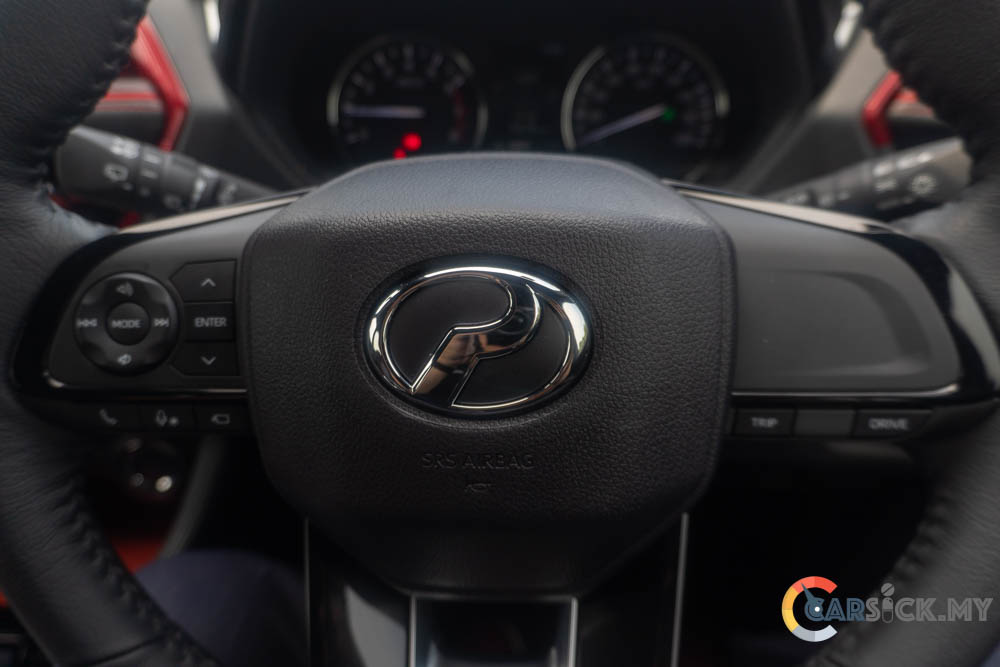
Priced at RM81,100, the Traz is a well-packaged vehicle for today’s market. It offers an attractive design and plenty of practicality in a compact form. If you want something bigger than a Myvi without breaking the bank, the Traz is a sensible choice. Without a turbocharged engine, maintenance costs are likely to be lower compared to more powerful SUVs. While some younger buyers may complain about the lack of power, it’s clear that the Traz is designed with small families in mind. So, is the Traz worth a test drive? I would say yes—as long as you’re looking for a practical, comfortable vehicle to get you from point A to point B smoothly.
Check out the full photo album here.