
Perodua, alongside its network of suppliers and dealers, has expressed strong support for the Malaysian government’s reaffirmed stance on the National Automotive Policy (NAP), highlighting its importance in driving sustainable growth and long-term industry stability.
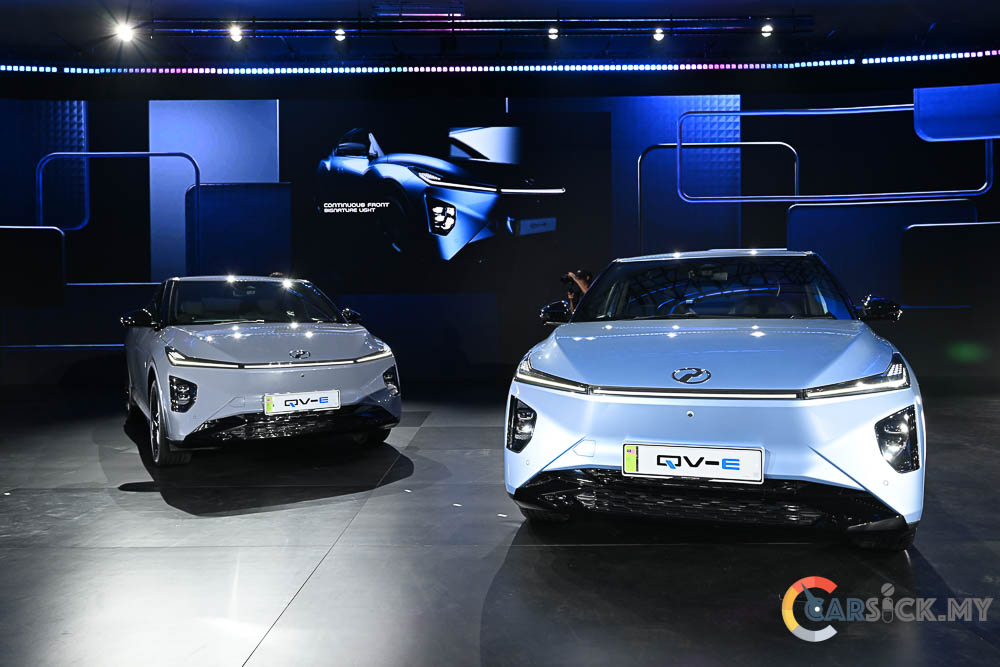 The automaker extended its appreciation to the Ministry of Investment, Trade and Industry (MITI) for clarifying the purpose and direction of the NAP, which is designed to attract meaningful investments that benefit the nation. With clear guidance in place, Perodua believes the automotive ecosystem can be further strengthened, unlocking economic opportunities that extend beyond the industry itself.
Central to this vision is the creation of long-term employment, increased infrastructure investment, and the development of human capital. The policy also promotes research and development, encourages technology transfer, and supports the growth of local entrepreneurs, particularly within the vendor and dealer networks that form the backbone of Malaysia’s automotive sector.
Perodua also pointed to the NAP’s Next Generation Vehicle (NxGV) vision as a key driver of innovation. This initiative is expected to deliver greater value to Malaysians through enhanced mobility solutions, including improved safety features, digital connectivity, and services tailored to evolving consumer needs.
Supporting this position, the Perodua Suppliers Association (P2SA) voiced its endorsement of MITI’s conditions for new completely knocked down (CKD) entrants. The association praised the government’s commitment to consistent and transparent policies, particularly the requirement for high-volume assembly across all brands, regardless of origin. This approach ensures that the growth of the electric vehicle (EV) segment does not undermine the existing local supply chain.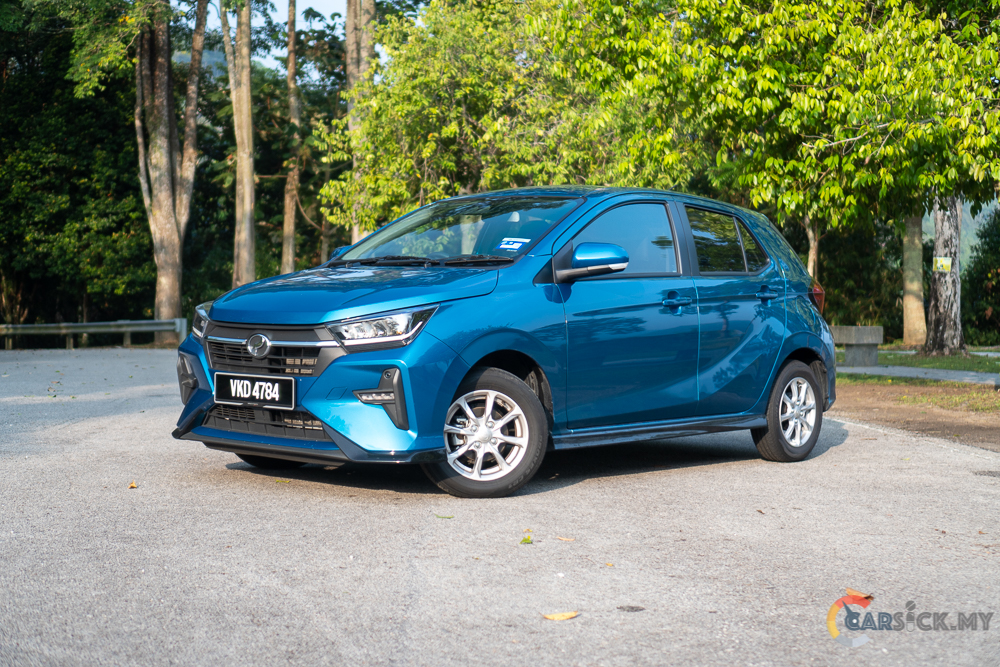
P2SA members emphasised their readiness to embrace the transition towards e-mobility, noting that the policy safeguards years of investment in local capabilities while encouraging new entrants to collaborate with Malaysian suppliers. By doing so, “local assembly” is positioned to deliver genuine economic value rather than serving as a superficial final-stage process.
The association also highlighted three key benefits of the NAP framework: strengthening the supply chain through global-local partnerships, ensuring fair competition among industry players, and protecting jobs within the established vendor ecosystem.
Meanwhile, the Perodua Dealers Association (PDA) welcomed MITI’s clarity, describing it as crucial for business planning and long-term growth. The association acknowledged the government’s ongoing collaboration with industry stakeholders, which has enabled dealers to expand operations and contribute to the local economy through reinvestment and community initiatives.
Dealers noted that operating within the automotive retail space presents unique challenges, but consistent policies provide the stability needed to navigate a rapidly evolving market. With clearer direction, they are better equipped to align their strategies and continue delivering value to customers.
Collectively, Perodua, its suppliers, and its dealers reaffirmed their commitment to working closely with MITI and supporting Malaysia’s ambition to become a regional hub for sustainable mobility. By aligning industry efforts with national policy, they aim to ensure that progress in the automotive sector translates into shared prosperity for all Malaysians.