
Dr. Ing. h.c. F. Porsche AG closed 2025 with global deliveries of 279,449 vehicles, reflecting a 10 per cent decline compared to the 310,718 units delivered the year before. Despite the softer volume, the Stuttgart-based sports car manufacturer reaffirmed its commitment to a “value over volume” approach, focusing on a balanced sales structure and a high-quality product mix across global markets.
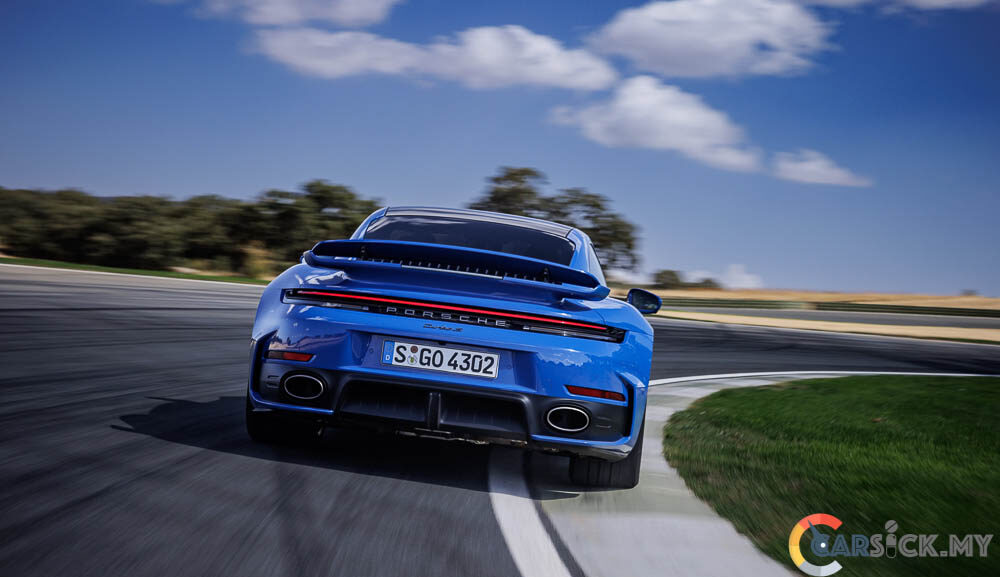
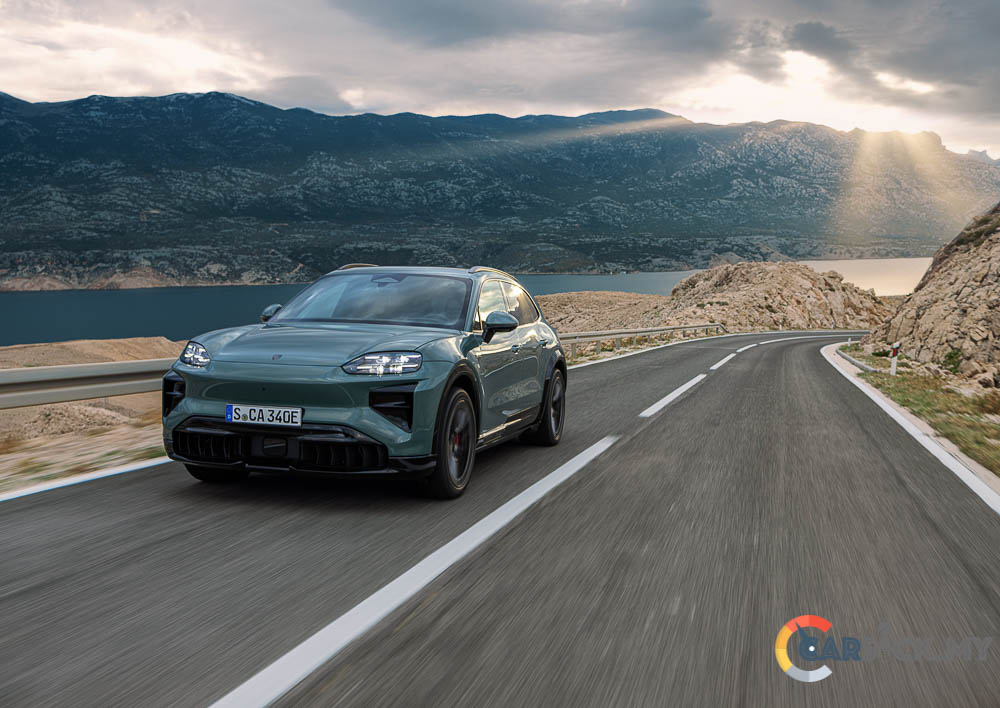 According to Matthias Becker, Member of the Executive Board for Sales and Marketing at Porsche AG, the result was in line with expectations following several record-breaking years. The decrease was largely attributed to supply gaps for the combustion-engined 718 and Macan models, reduced demand for high-end luxury vehicles in China, and Porsche’s deliberate value-oriented supply management. Becker highlighted strong customer enthusiasm for new and innovative products, including the 911 Turbo S equipped with the new T-Hybrid drive system, as well as the positive initial response to the Cayenne Electric unveiled at the end of 2025.
The Macan emerged as Porsche’s best-selling model line for the year, with 84,328 units delivered worldwide. Of this total, fully electric Macan variants accounted for more than half, underlining the brand’s accelerating transition toward electrification. North America remained Porsche’s largest sales region, recording 86,229 deliveries, essentially matching the previous year’s performance.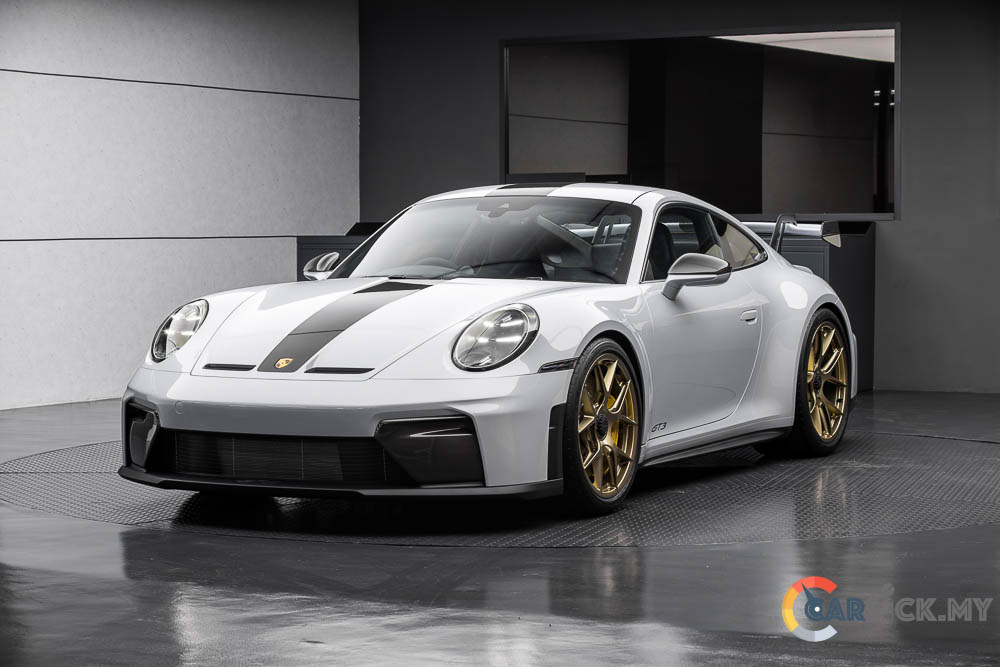
Electrification continued to gain momentum across the portfolio. In 2025, 34.4 per cent of all Porsche vehicles delivered globally were electrified, an increase of 7.4 percentage points year-on-year. Fully electric models made up 22.2 per cent of deliveries, while plug-in hybrids accounted for 12.1 per cent, placing Porsche at the upper end of its full-electric target range for the year. Europe marked a significant milestone, with electrified vehicles representing 57.9 per cent of deliveries, surpassing combustion-engined models for the first time. Plug-in hybrid variants of the Panamera and Cayenne dominated European sales, while the iconic 911, including combustion-engined and T-Hybrid versions, achieved a new benchmark with 51,583 deliveries worldwide.
Regional performance varied in 2025. Europe excluding Germany recorded 66,340 deliveries, down 13 per cent, while the German home market declined 16 per cent to 29,968 units, partly due to regulatory-related supply constraints. Overseas and Emerging Markets remained resilient with 54,974 deliveries, just one per cent lower than the previous year. China experienced the steepest decline, with deliveries falling 26 per cent to 41,938 units amid challenging luxury market conditions and intensified competition, particularly in the electric vehicle segment.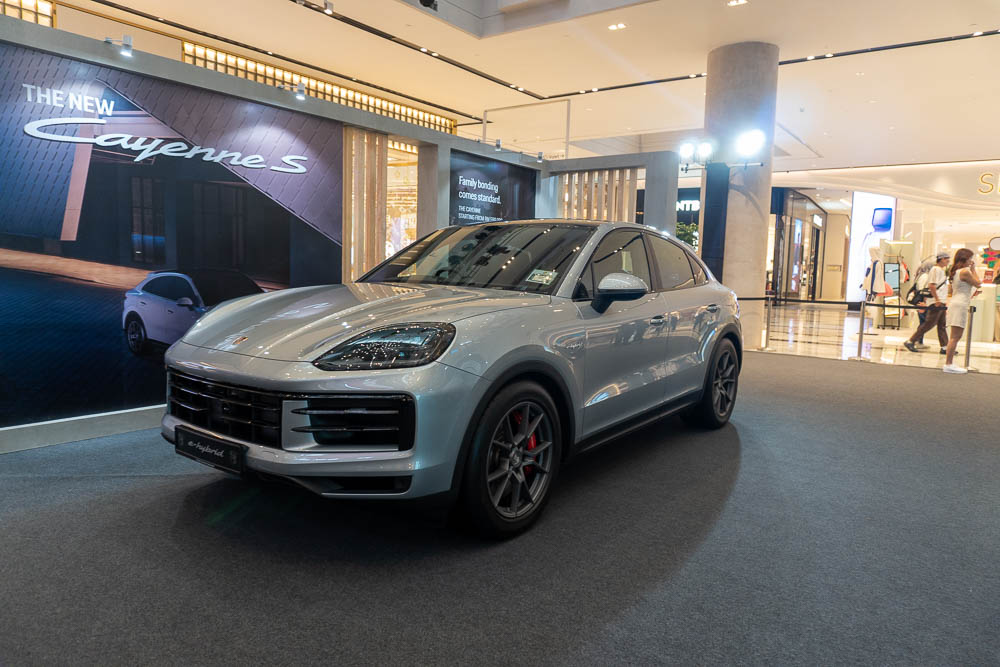
Across individual model lines, the Panamera recorded 27,701 deliveries, while the 718 Boxster and Cayman totaled 18,612 units as production of the model line concluded in October 2025. Taycan deliveries reached 16,339 units, reflecting slower global adoption of electromobility, while Cayenne deliveries stood at 80,886 units ahead of the rollout of the new fully electric Cayenne, which will be offered alongside combustion and plug-in hybrid variants from 2026.
Looking ahead, Porsche plans to manage demand and supply carefully in 2026, taking into account the phase-out of certain combustion-engined models while continuing to invest in its three-pronged powertrain strategy. The brand also aims to deepen customer engagement through expanded personalization options via Porsche Exclusive Manufaktur and the Sonderwunsch program, responding to growing demand for bespoke sports cars.
With a refined strategy, a growing electrified lineup, and continued emphasis on exclusivity and innovation, Porsche is positioning itself for sustainable, value-focused growth in the years ahead.