
For the longest time, whenever someone mentioned smart, the first thing that came to mind was a tiny little car that could squeeze into parking spaces that most other cars wouldn’t even dare to attempt. And honestly, that’s what made smart special. It was a brand built around small city cars, after all. Then came the smart #1 and #3. Both were considerably bigger than what we traditionally associated with the brand, but they didn’t quite make the impact that smart Malaysia probably hoped for. You still get to spot them on Malaysian roads every now and then, but perhaps not as frequently as the brand would have liked.
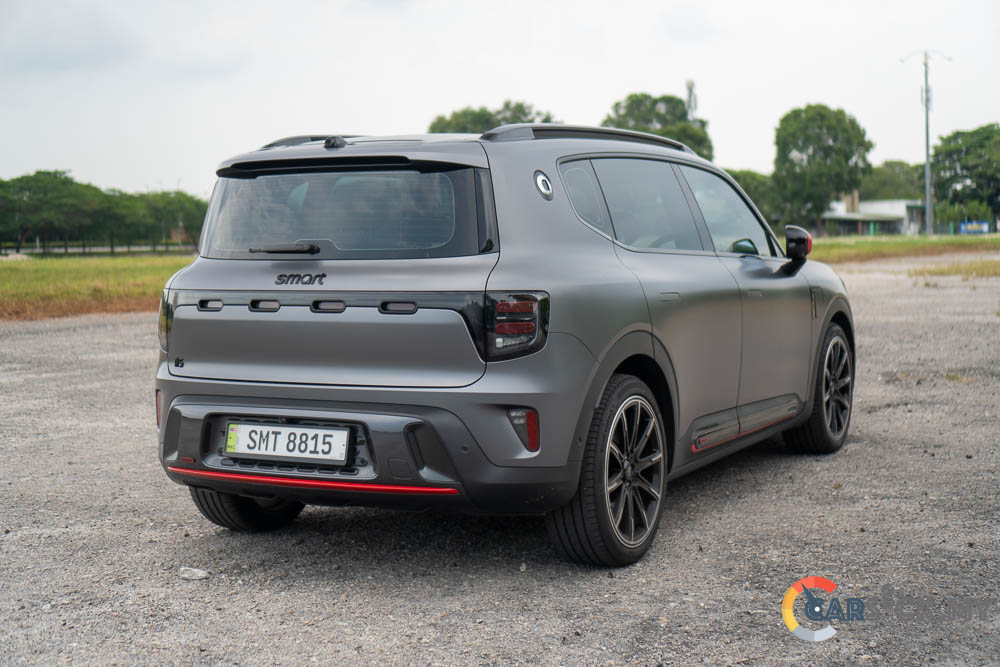 Now, smart Malaysia is taking things to another level with the introduction of the smart #5. And when I say bigger, I really mean BIGGER. When I first got behind the wheel of the #5, I was genuinely surprised by how much more frequently I seemed to spot it on the road compared to its smaller siblings. Perhaps it’s the larger proportions, perhaps it’s the funky styling, or perhaps people are simply more curious about this rather unusual-looking SUV. Whatever the reason, it got me thinking. Has smart finally found the formula to make its electric SUVs more appealing? And more importantly, does the #5 actually deserve your attention? I spent some time with the range-topping Brabus variant to find out.
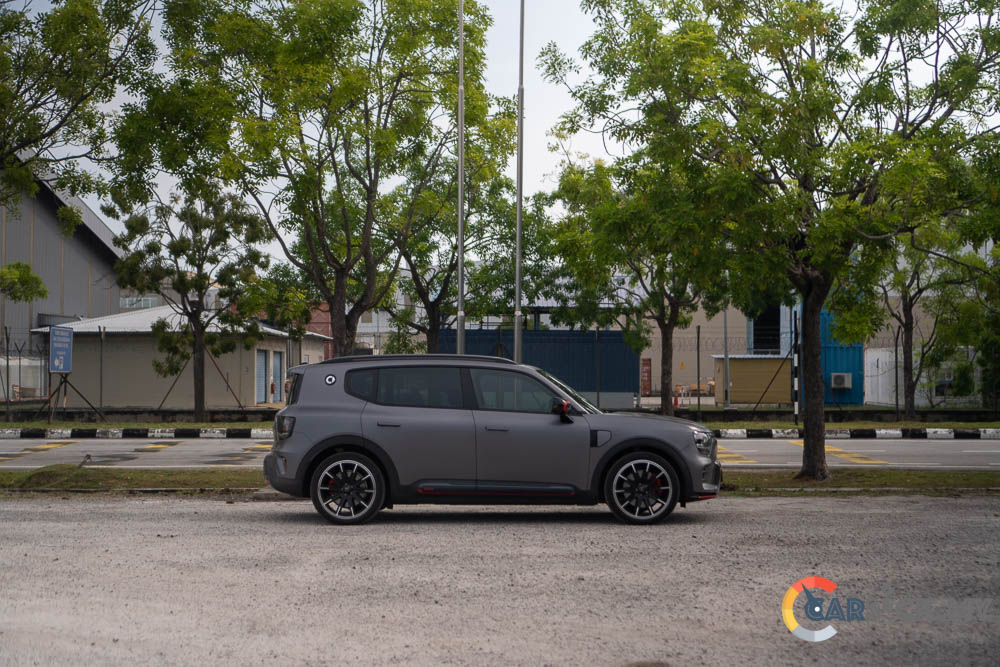
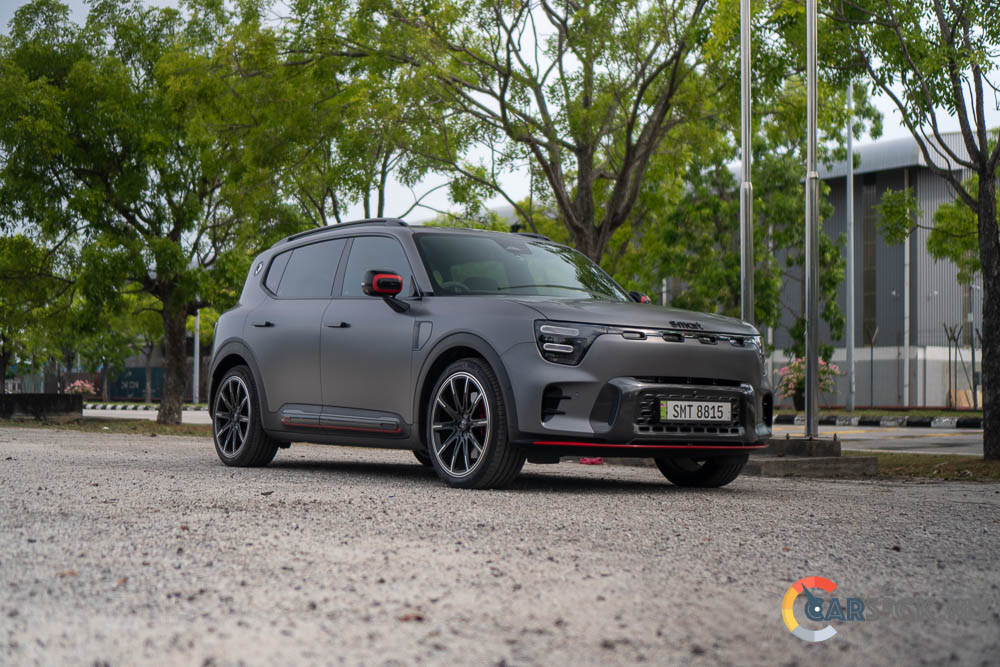
If you’ve been following smart’s history, you’ll know that the brand has traditionally been associated with small city runabouts. So, seeing the smart #5 parked next to its older siblings almost feels like watching a younger sibling suddenly grow up and become the biggest person in the family. The #5 is no small vehicle. In fact, it is big enough to rival the Proton X70 in terms of overall size. That’s quite a departure from what smart used to be known for. Interestingly, despite its rather substantial dimensions, the #5 somehow manages to look smaller than you might expect. I think it has a lot to do with its proportions, which make the overall design look surprisingly well-balanced. In Malaysia, the #5 comes in three variants, although only the Premium and Brabus variants are currently available for sale. The car loaned to me for this review was the range-topping Brabus, which is also the version that promises the most performance. And visually, it certainly knows how to make an entrance. 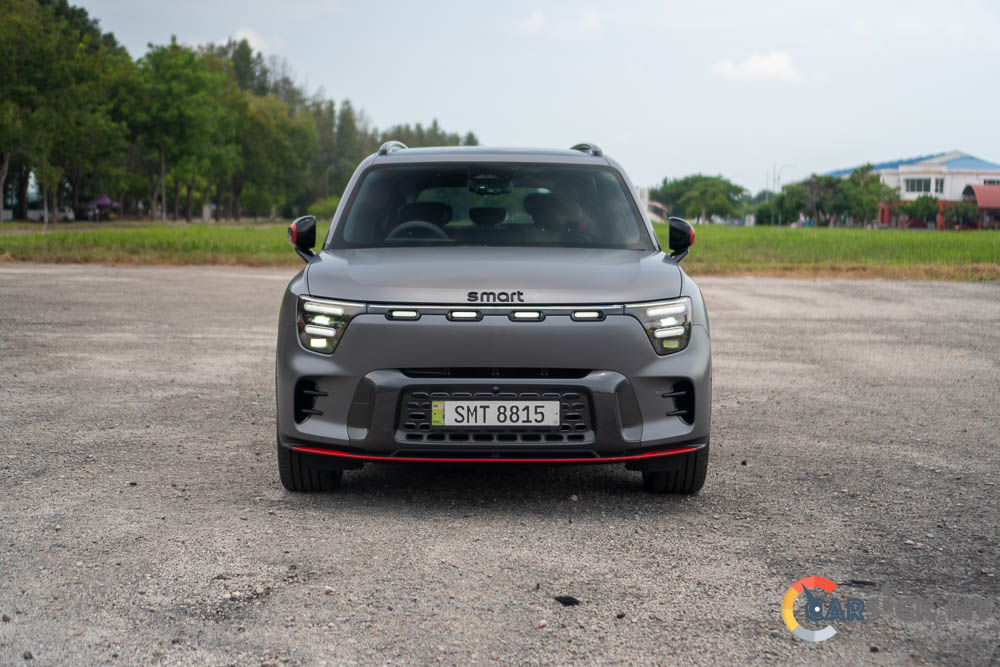
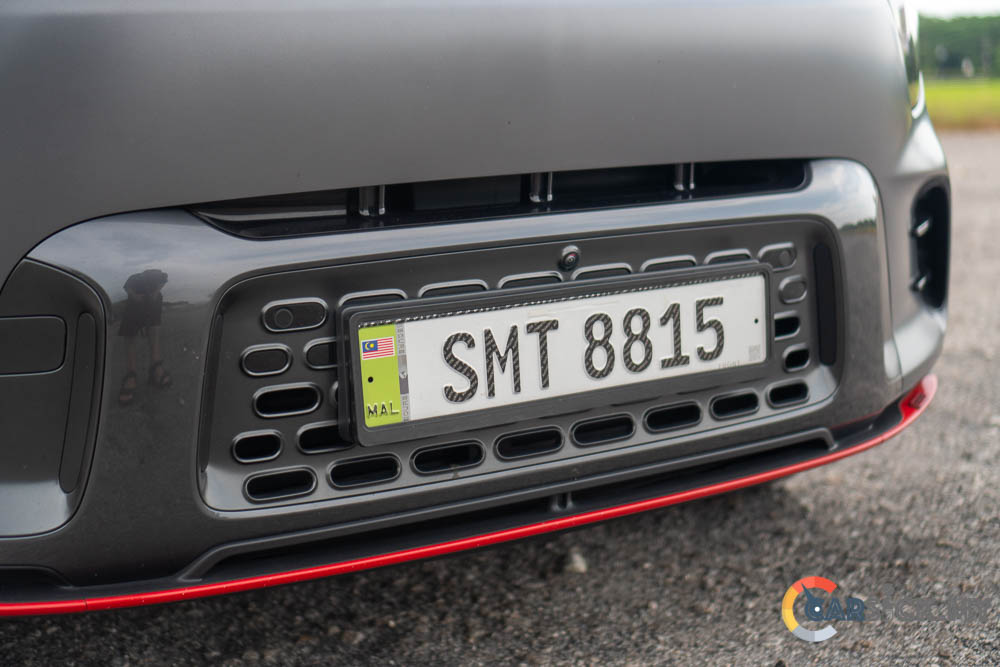
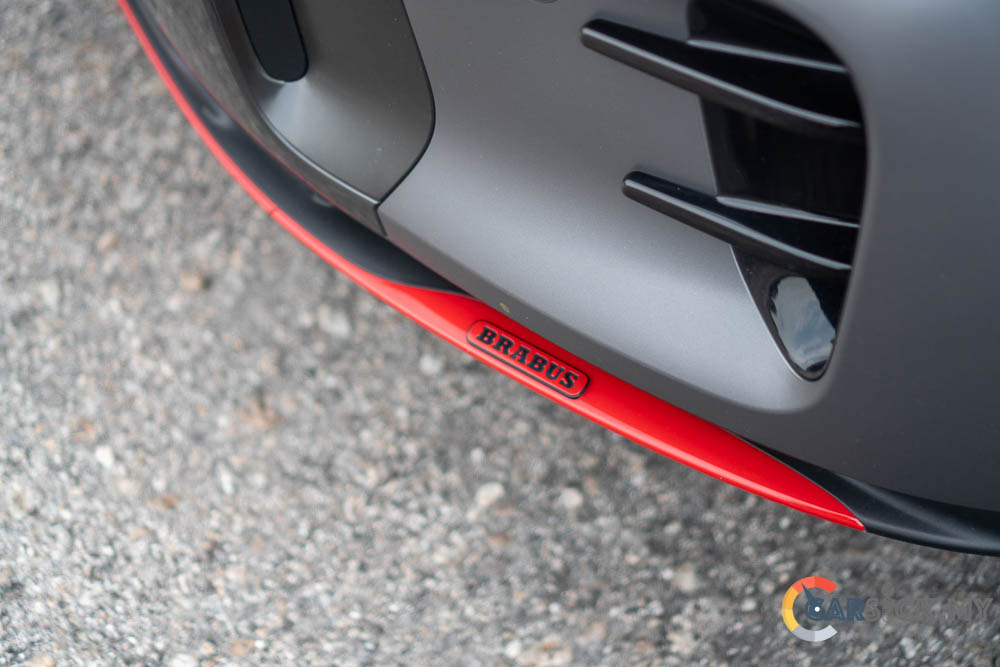
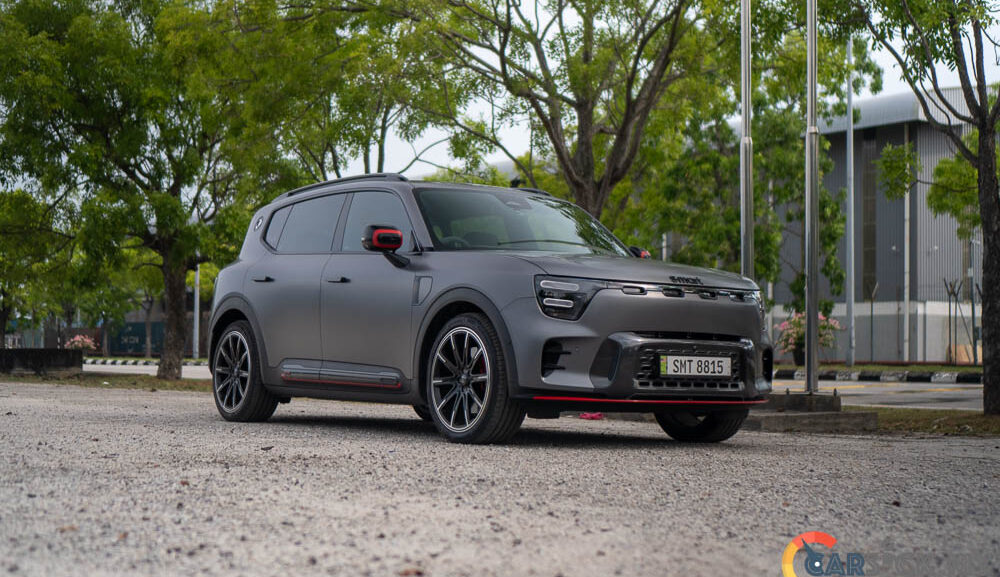
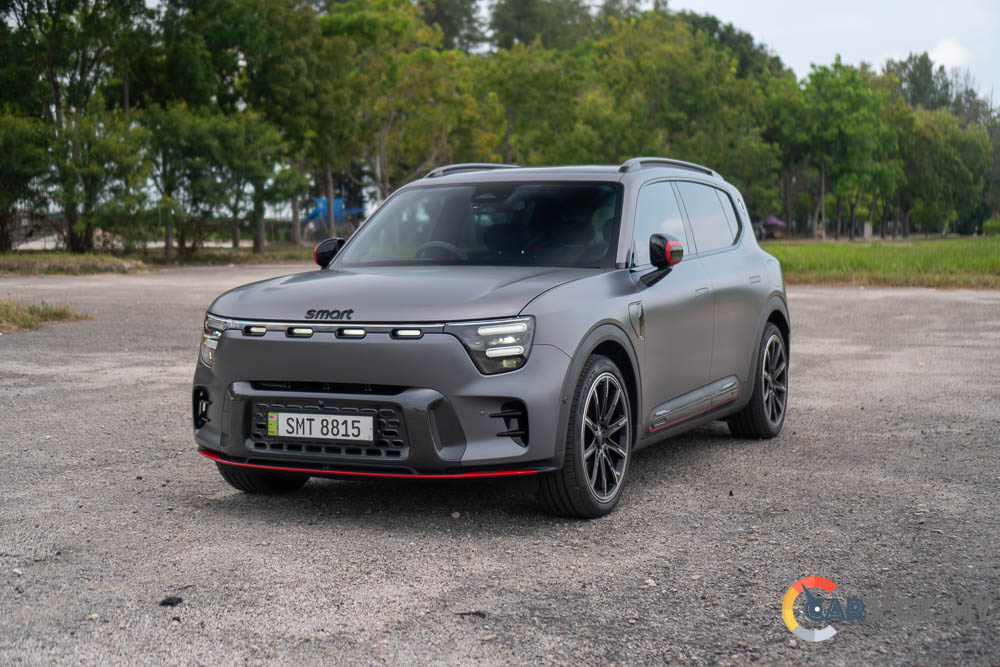
Just like the #1 and #3, the Brabus variant is the highest-spec and most powerful version of the #5. However, unlike the more conventional-looking versions, the Brabus gets a rather striking matte black paint finish with red highlights. It’s a combination that immediately gives the SUV a more aggressive appearance without taking away the playful character that smart is known for. At the front, the #5 has a rather funky-looking face. Some might find it a little unusual, but I think it works rather well. After all, smart has never really been a brand that takes itself too seriously when it comes to design. The front features full LED headlights, complete with a high-tech Matrix LED high-beam system. One thing I particularly appreciate is that smart hasn’t gone down the conventional light-bar route. Instead, it uses four individual LED lighting elements to create a distinctive lighting signature. And when they light up, the front end looks particularly interesting. It’s one of those designs that you might not immediately love, but it certainly makes the vehicle recognisable. There are plenty of sporty details too. The lower air intake is absolutely massive, while the oblong-shaped grille adds more character to the front bumper. Then there’s the Brabus-specific front splitter, which makes the SUV look a little lower and more aggressive than it actually is. 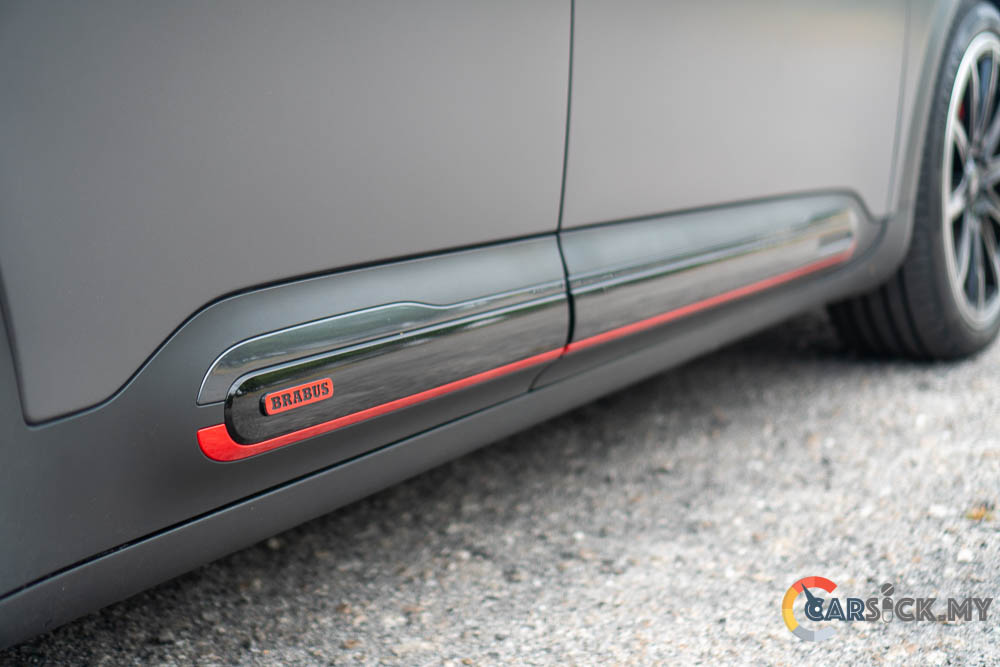
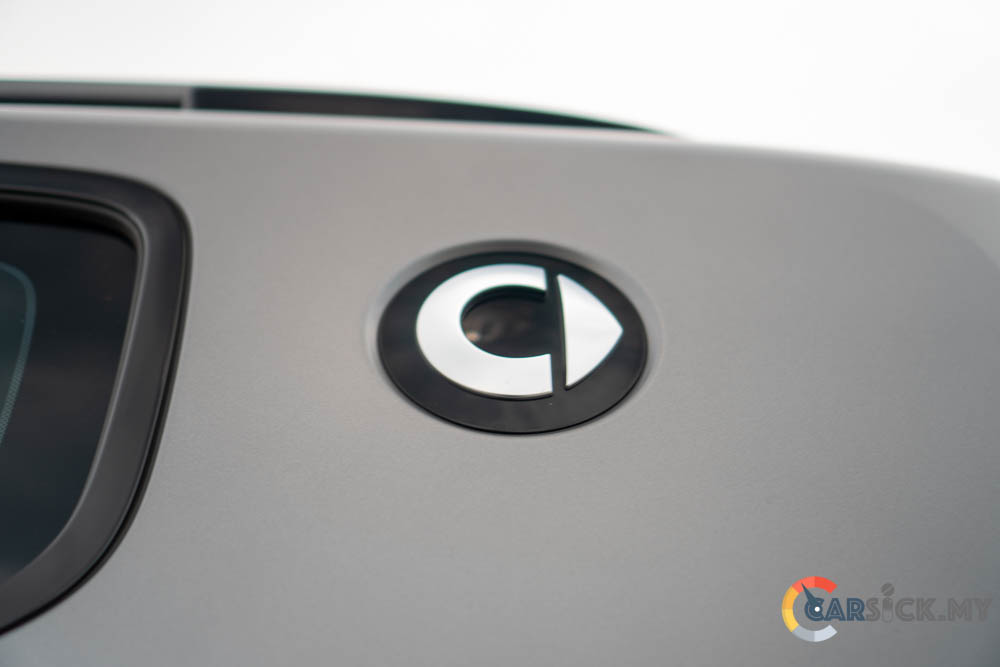
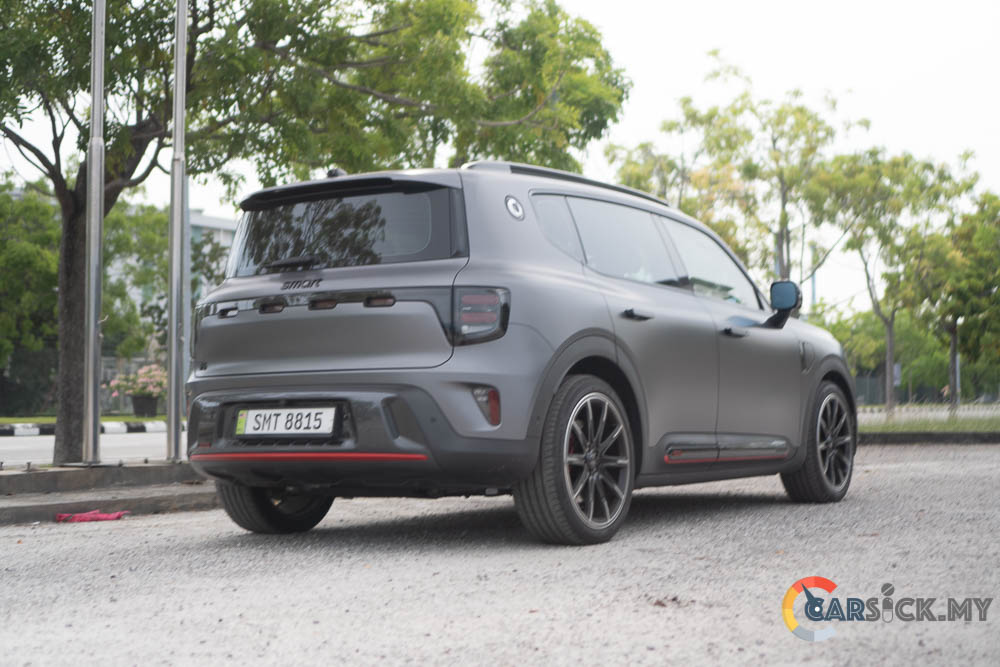
Moving to the sides, you’ll find a pair of rather large side mirrors. They might look a little oversized, but there’s a good reason for that. Apart from complementing the funky styling, they are actually quite functional, giving you a much clearer view of what’s happening behind you. The retractable door handles also make a comeback from the #1 and #3. However, there’s something I noticed about them. When they retract, they make quite a loud noise. If you’re not expecting it, you might actually think you’ve accidentally knocked into something. It’s not a major issue, but certainly something that caught my attention. Further back, you’ll find the illuminated smart logo integrated into the D-pillar. This was previously located on the front fenders of the #1 and #3, so it’s nice to see smart carrying over this little design signature. Another interesting detail is the charging port covers. Unlike some EVs that require you to manually open them, the #5 gets an automatic mechanism that opens and closes at the press of a button. It’s a small touch, but it adds a little more theatre to the ownership experience. 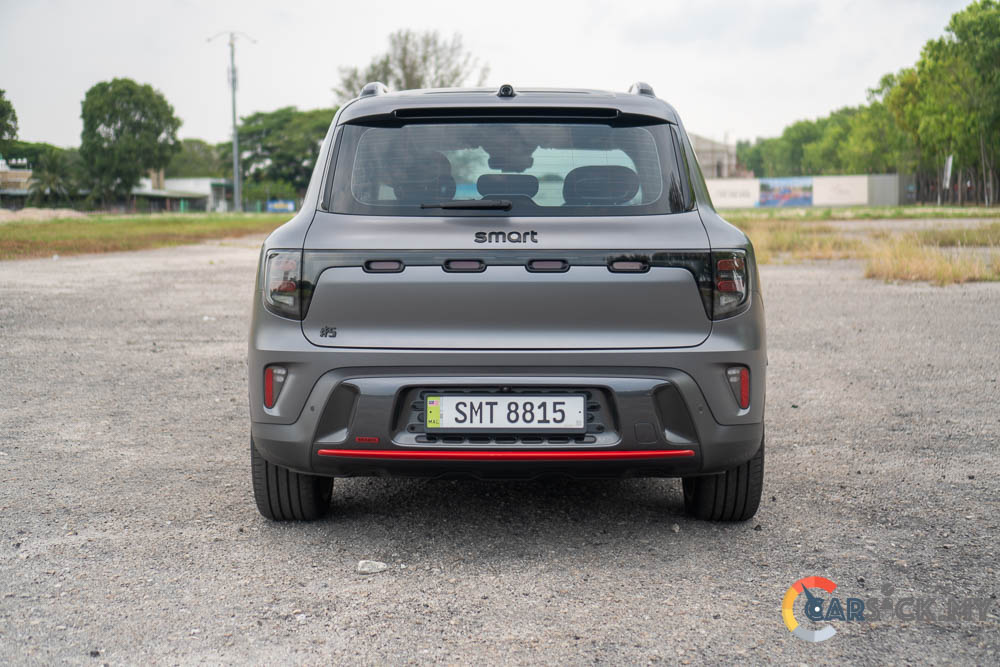
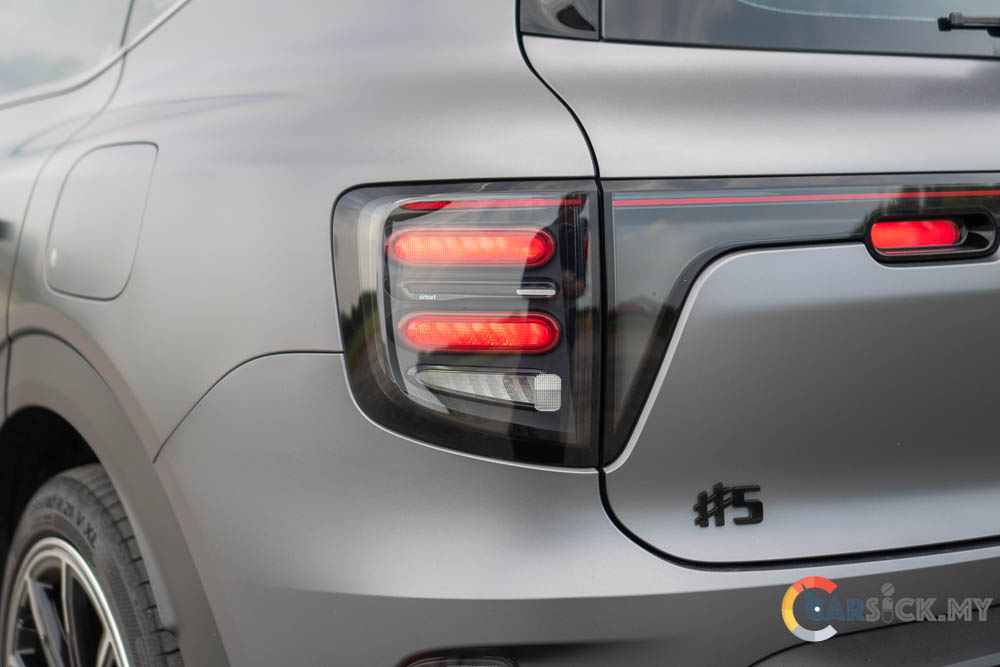
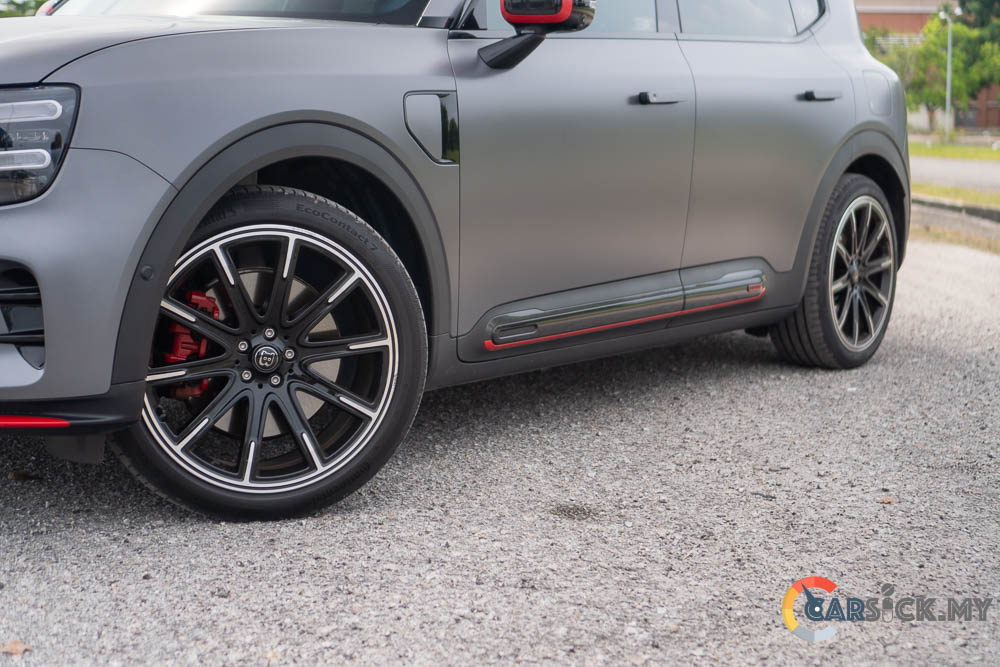
At the rear, smart’s designers have managed to carry over the same lighting philosophy found at the front. There are two outer taillights that create the vehicle’s distinctive identity when illuminated. And just like the front, there’s no conventional light bar here. Instead, four LED lighting elements take its place. Finally, the Brabus sits on a set of rather handsome dual-tone 21-inch alloy wheels wrapped in 255/40 R21 tyres. These wheels fill up the wheel arches beautifully, and I think they suit the overall design rather nicely. Overall, I actually prefer the design of the #5 over its smaller siblings. It’s still funky, still playful, but now it has a much more rugged and muscular appearance. It’s almost as if smart took its usual design philosophy, gave it a gym membership and told it to bulk up. And somehow, it works. 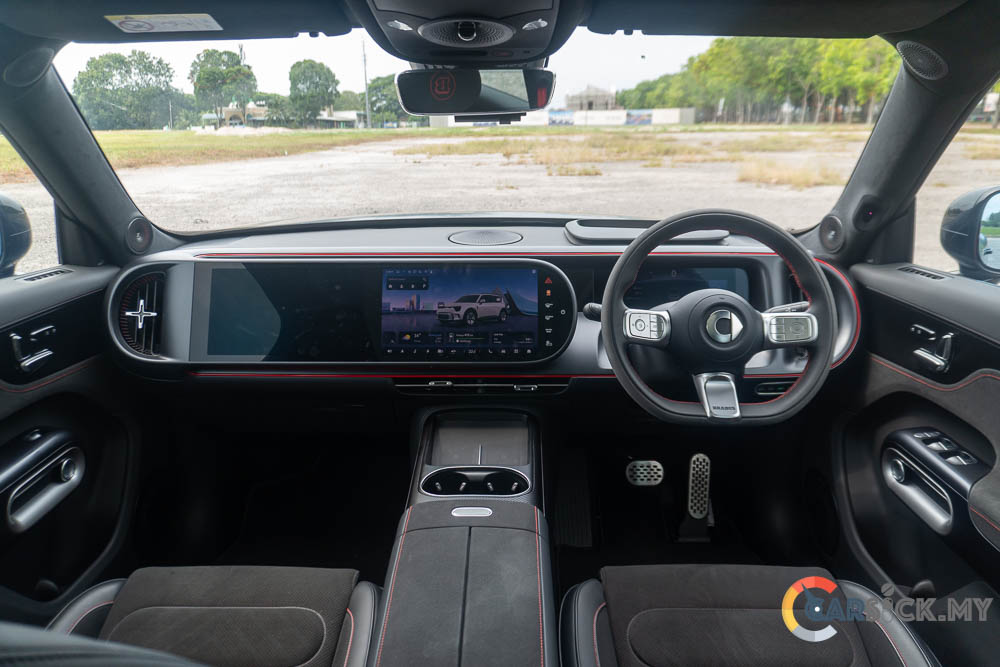
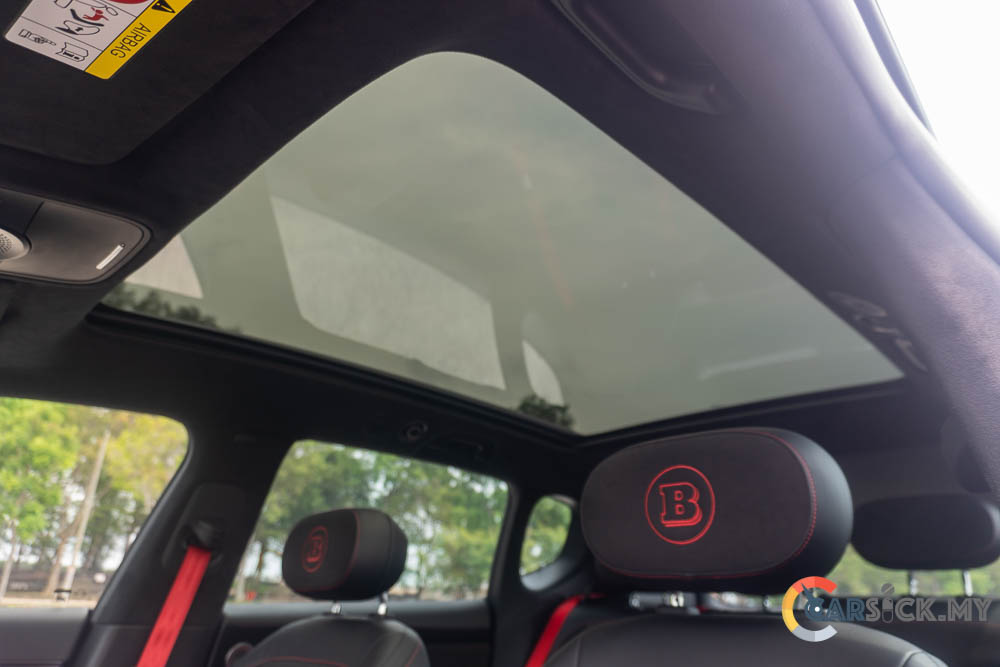
The funky design doesn’t stop at the exterior. Step inside, and you’ll find that smart has carried the same playful character into the cabin. However, compared to the #1 and #3, the #5 feels like a much more premium offering. Starting with the materials, everything feels a notch higher than what I’ve experienced in its smaller siblings. The fit and finish are also noticeably better, with the cabin feeling much more solid overall. There are no unwanted creaks and rattles that I previously noticed in the #1 and #3. That’s something I genuinely appreciate, especially when you’re spending this much money on an electric SUV. Since this is the Brabus edition, the interior comes with a black colour scheme complemented by red highlights. It certainly looks sporty, although an all-black interior can sometimes make a cabin feel a little cramped. Thankfully, that’s not really an issue here. The large panoramic glass roof and generous windows allow plenty of natural light into the cabin, making the interior feel considerably more spacious.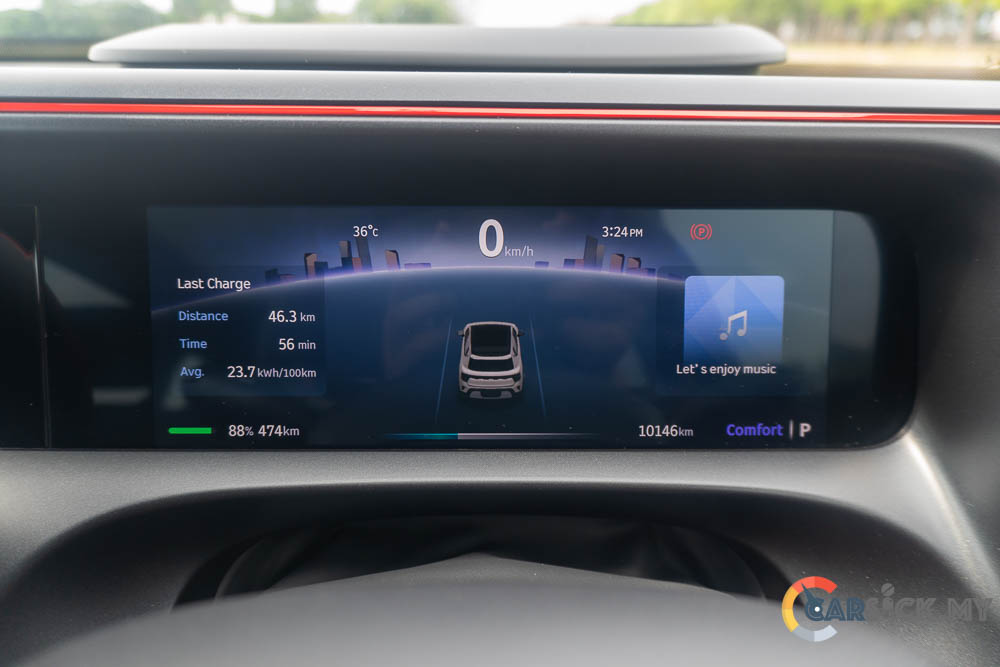
Now, let’s talk about the dashboard. While most modern cars seem happy with two displays, smart has decided that two simply aren’t enough. The #5 comes with three displays, following a layout that is becoming increasingly familiar in Mercedes-Benz models. There’s a 10.4-inch display serving as the instrument cluster, while two additional 13-inch screens take care of the infotainment system and front passenger entertainment. The instrument cluster itself should feel familiar to existing smart owners. However, I particularly like how neatly it has been integrated into the dashboard. In my opinion, it looks considerably better than the setup found in the #1 and #3. 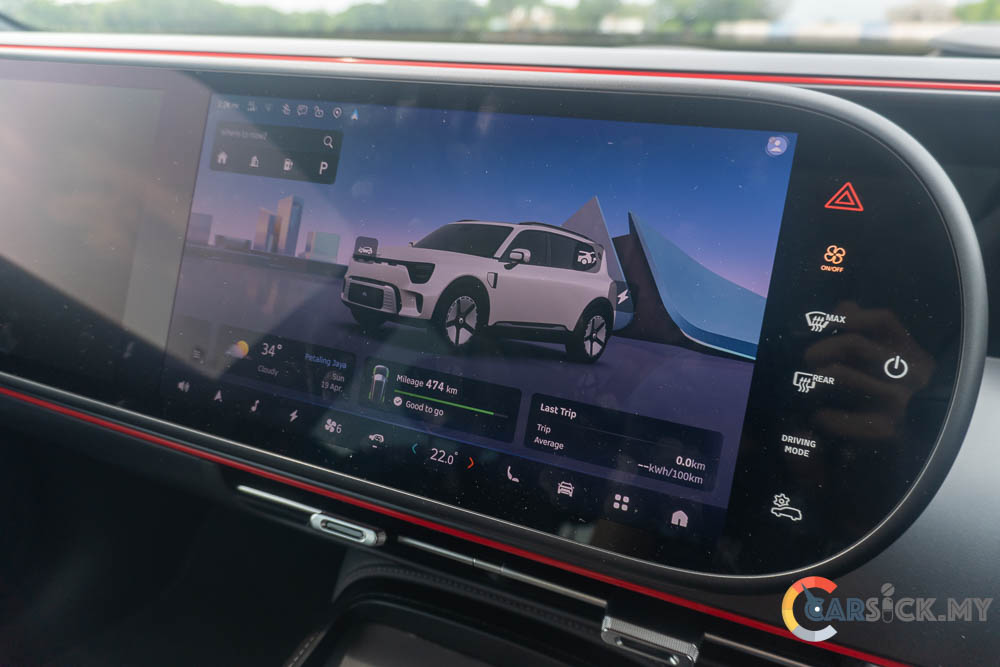
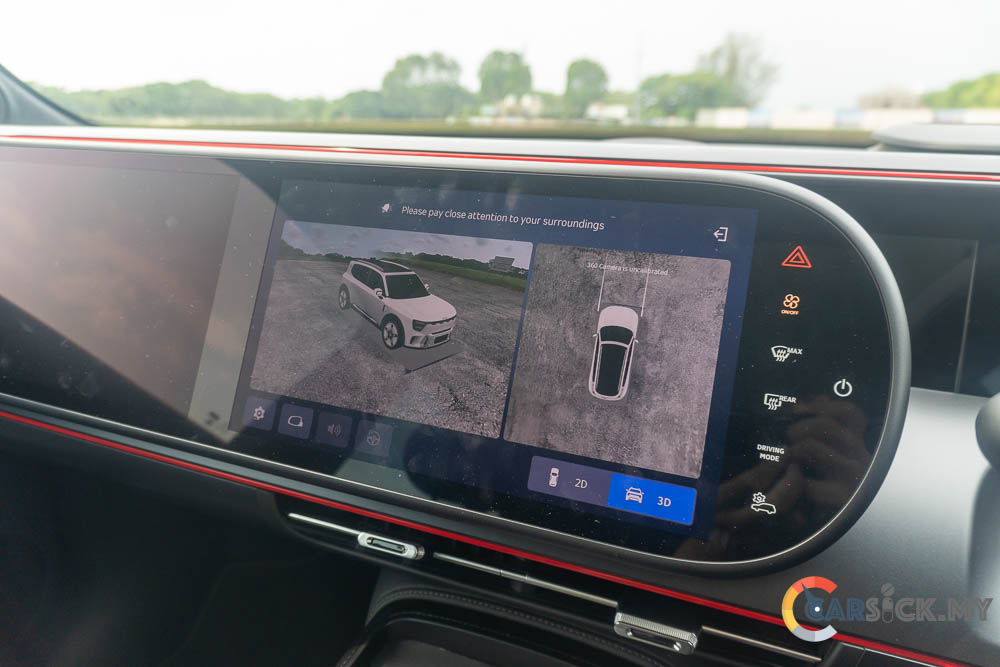
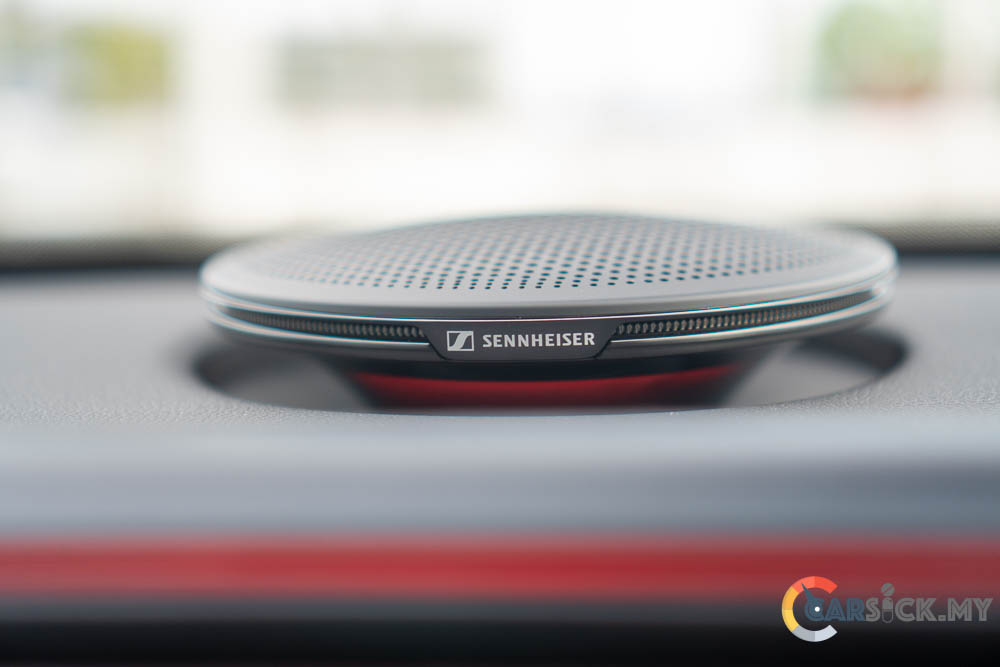
The two larger displays, meanwhile, serve different purposes. Most of the vehicle’s functions and settings are accessible through the central infotainment screen, while the front passenger gets a dedicated display with access to a selection of apps. Yes, your passenger now gets their own screen. So if you’re planning a long journey and your passenger starts complaining about being bored, at least they have something to keep themselves occupied with. The central infotainment system also comes with wireless Android Auto and Apple CarPlay as standard. There’s also a 360-degree camera to help you keep an eye on your surroundings when maneuvering this rather sizable SUV. Another highlight is the premium audio system supplied by Sennheiser. This was actually the first time I’ve come across Sennheiser providing an audio system for a car, and I have to say, it sounds really good. The sound quality is impressive, delivering an experience that’s easily on par with what you’d expect from other established premium automotive audio brands. So, if you’re someone who enjoys listening to music while driving, the #5 certainly has something to offer.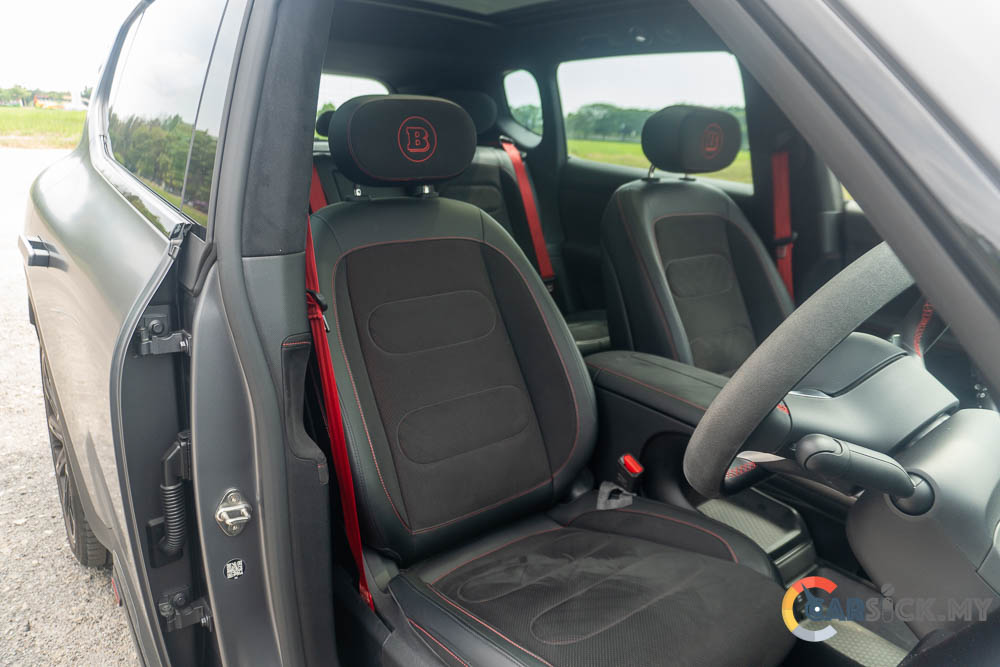
Moving on to the seats, I have to say that the front seats are rather comfortable. The seating position is good, and the tall centre armrest makes it easy to settle into a relaxed driving position. There’s also plenty of adjustment available, so finding a comfortable position shouldn’t be difficult. The seat cushions are relatively soft too, which makes them particularly pleasant during longer journeys. And since this is the Brabus edition, you also get red seat belts throughout the cabin. It’s a small detail, but it adds a little more personality to the interior. For added comfort, the front seats come with both heating and ventilation functions. So whether you’re driving in cooler weather or dealing with the usual Malaysian afternoon heat, the seats have you covered.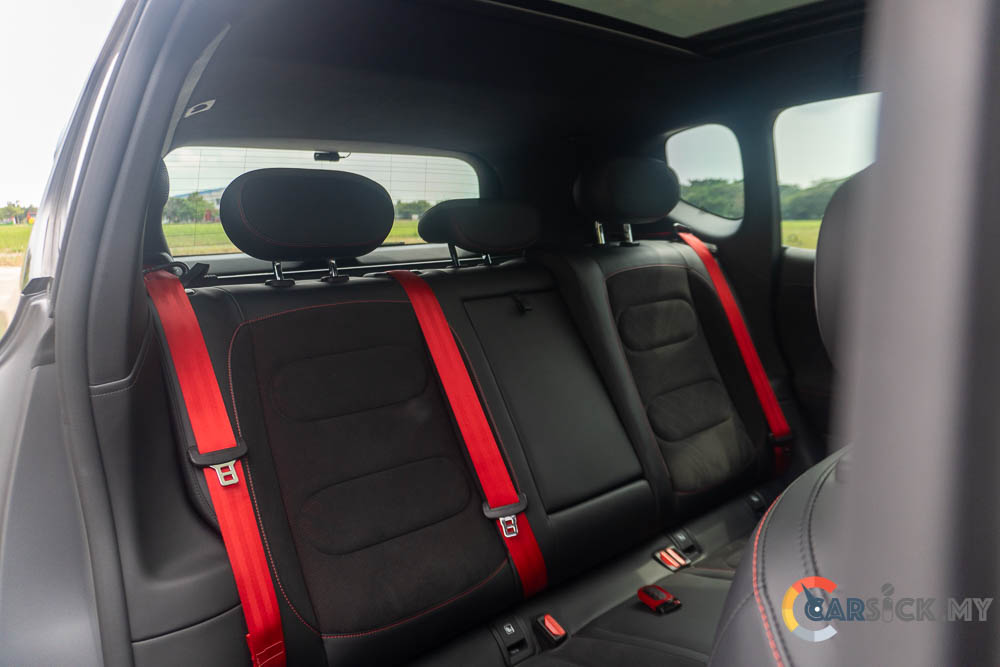
But here’s where things get even more interesting. Move to the rear, and you’ll find that the #5 is actually a rather pleasant place to spend time in. The rear seat cushions are just as soft as those in the front, but you don’t sink too deeply into them. This means you still get a decent amount of support. Legroom and headroom are generous, so even taller passengers shouldn’t have much to complain about. You certainly won’t feel like you’ve been squeezed into the back of a small city car. The rear seats also come with multiple reclining positions, and you can adjust them through the controls located on the rear doors, much like what you’d find in some Mercedes-Benz models. There’s even a relaxation mode for the rear-left passenger, allowing the seat to recline further for additional comfort. You can activate it through the rear-door controls or simply press the additional button located beside the rear-left seat. In other words, if you’re sitting at the back, there’s a good chance you’ll be more comfortable than the person driving. The rear seats also get a heating function, although ventilation isn’t available. Nevertheless, there are two air-conditioning vents behind the centre console to keep the rear cabin cool, along with two USB-C ports to keep your devices charged. 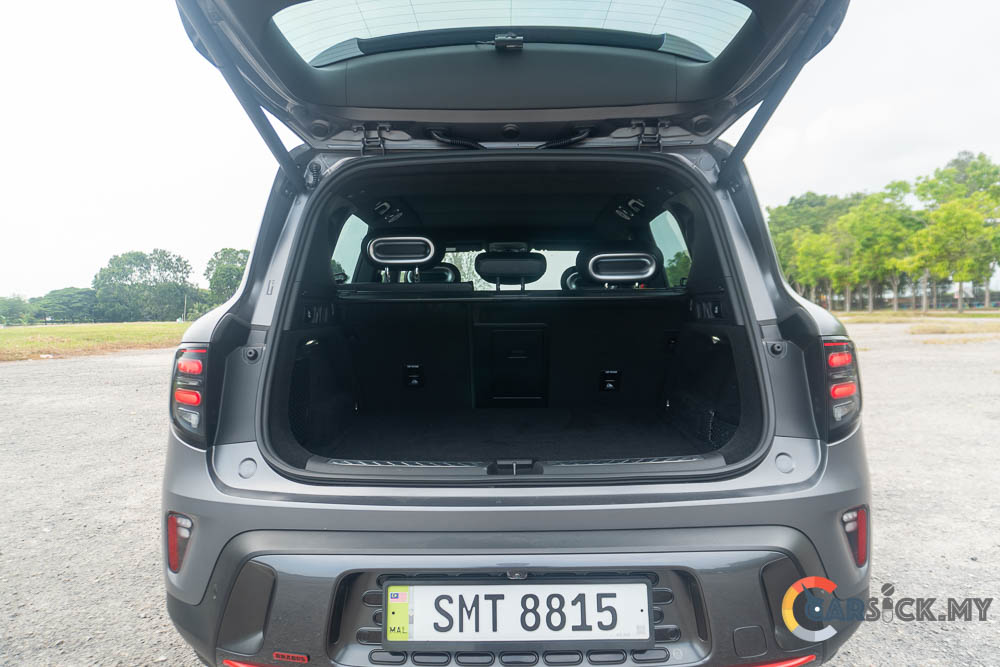
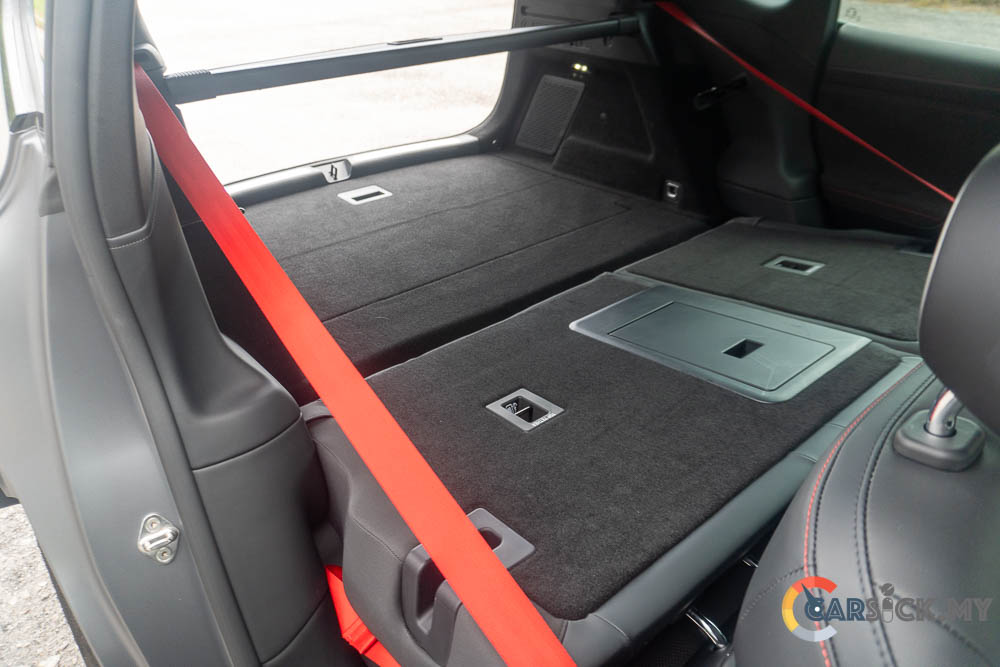
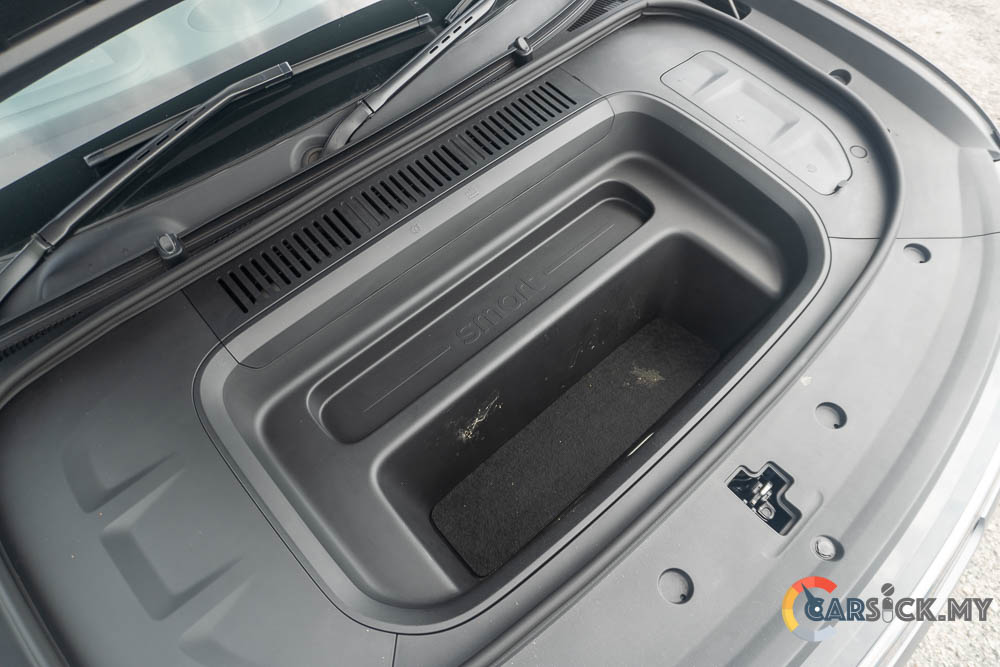
One of the biggest advantages of moving up to a larger SUV is practicality, and the smart #5 certainly doesn’t disappoint here. Behind the rear seats, you’ll find a generous 630-litre boot. That’s plenty of room for a small family, whether you’re heading out for a weekend getaway or simply doing your weekly shopping. And if you somehow manage to fill it up, there’s additional storage underneath the boot floor. This is particularly useful for keeping valuable items out of sight. Need even more space? Simply fold down the rear seats. What’s particularly convenient is that you don’t have to walk around to the rear doors to do this. There are two levers located inside the boot, allowing you to release the rear seats directly from the luggage compartment. But wait, there’s more. The #5 also comes with a 72-litre front boot, or frunk, giving you another storage compartment for smaller items. At this point, I think it’s safe to say that smart has finally built a car where you don’t have to spend half your journey figuring out where to put your luggage. Among the smart models currently available in Malaysia, the #5 is easily the most practical when it comes to carrying capacity.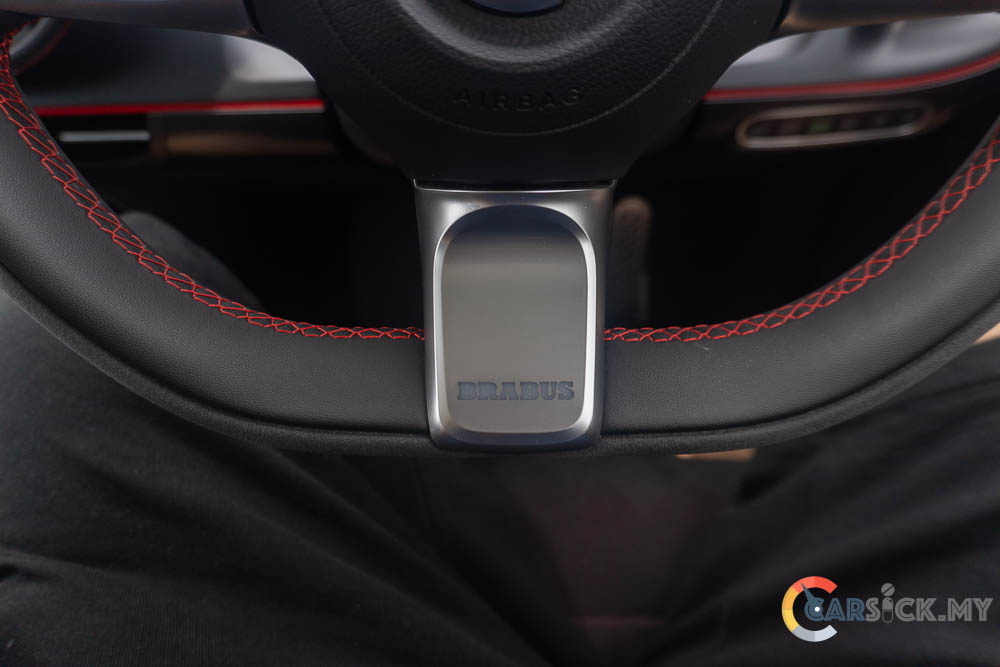
Now, this is where things start getting a little ridiculous. The smart #5 Brabus isn’t just the biggest model in the lineup. It’s also the most powerful. Power comes from two electric motors, with one mounted on each axle, giving the SUV an all-wheel-drive setup. There’s also a massive 100kWh battery, which provides a claimed driving range of up to 540km. Put everything together, and you get a combined output of 646PS and 710Nm of torque. That’s enough to propel this rather sizeable SUV from 0 to 100km/h in just 3.8 seconds, before reaching a top speed of 210km/h. Think about that for a moment. This is essentially a family-friendly electric SUV that can accelerate faster than quite a number of performance cars on the road. And yes, it feels every bit as quick as those numbers suggest.
The initial acceleration is impressive, and when you put your foot down, the #5 Brabus pulls hard. It doesn’t seem to run out of enthusiasm as it approaches higher speeds either. However, there’s something I appreciate even more than its outright performance. Compared to the #1 and #3, the throttle calibration feels much more linear. This makes the #5 significantly easier to control, especially when driving at lower speeds. With so much power available, you might expect the car to constantly tempt you into putting your foot down. Surprisingly, it doesn’t feel that way. The power delivery is much more manageable, and you can drive it gently without constantly fighting against an overly sensitive accelerator. Of course, that doesn’t mean the performance has disappeared. It’s simply waiting for you to unleash it. And when you do, you’ll quickly remember that you’re driving a 646PS electric SUV. As an overall package, I find the #5 considerably nicer to drive than its smaller siblings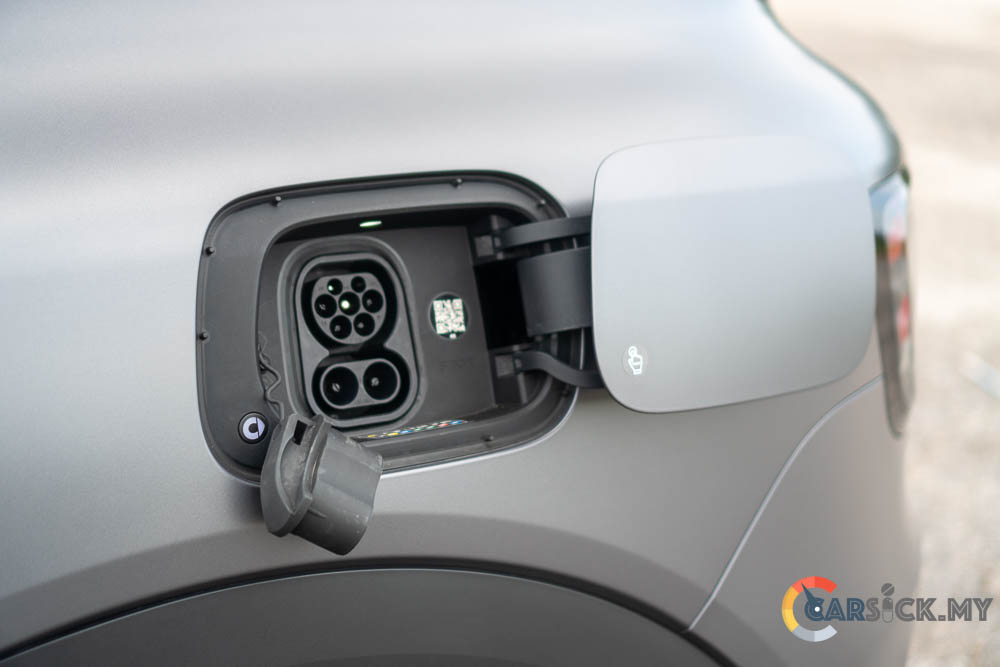 .
Another improvement I noticed over the #1 and #3 is the energy consumption and overall driving range. During my time with the vehicle, I was getting an average energy consumption figure of around 20kWh/100km. That’s not an especially low figure, but considering the size and performance of the #5 Brabus, I think it’s reasonable. More importantly, the larger battery gives you considerably more breathing room when planning longer journeys. On a full charge, I reckon you should be able to get close to 500km in real-world driving conditions. That said, I didn’t actually push the vehicle all the way to the 500km mark to verify this, so I’ll leave that final verdict to owners who spend more time with the car. Nevertheless, having that extra battery capacity makes the #5 feel like a much more convincing long-distance companion. After all, nobody wants to spend their entire journey looking at the battery percentage and wondering where the next charging station is.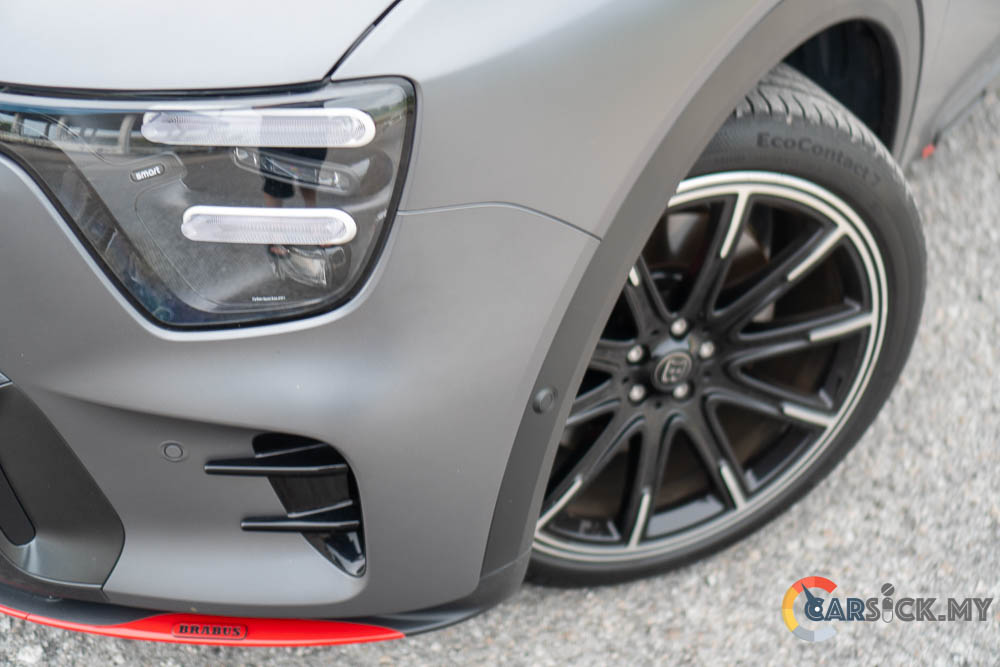
When it comes to ride comfort, I initially expected the #5 to behave much like its smaller siblings. After all, I wasn’t expecting a completely different driving experience just because the vehicle had grown in size. But after spending some time with it, I realised that smart has actually done quite a bit of work here. The suspension is surprisingly well sorted, with a very balanced setup that manages to deliver both comfort and composure. On the highway, there’s a certain firmness to the suspension that keeps the SUV planted during high-speed cruising. It doesn’t feel overly soft or floaty, which is something I appreciate in a vehicle of this size. However, when you encounter uneven roads or bumps, the #5 manages to absorb them rather nicely. Instead of crashing over imperfections, it rides over them with a level of sophistication that I wasn’t quite expecting. The entire suspension setup feels considerably more mature than what you get in the #1 and #3.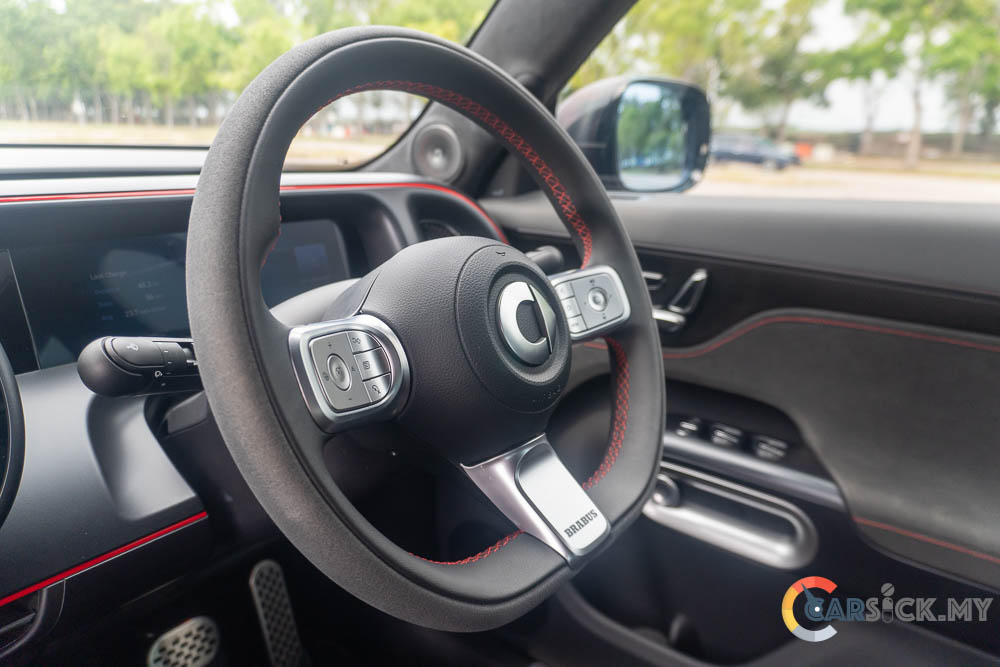
As for the handling, well, it’s not all perfect. The steering still feels fairly vague, which is something that reminds me of its smaller siblings. It isn’t the most communicative steering system, and there’s still a certain artificial weight to it that tries to give you more confidence when tackling corners. That said, the steering feedback is noticeably better than what I experienced in the #1 and #3. It’s not going to make you want to take the scenic route just for the sake of enjoying the corners, but at least it feels like smart has taken a step in the right direction.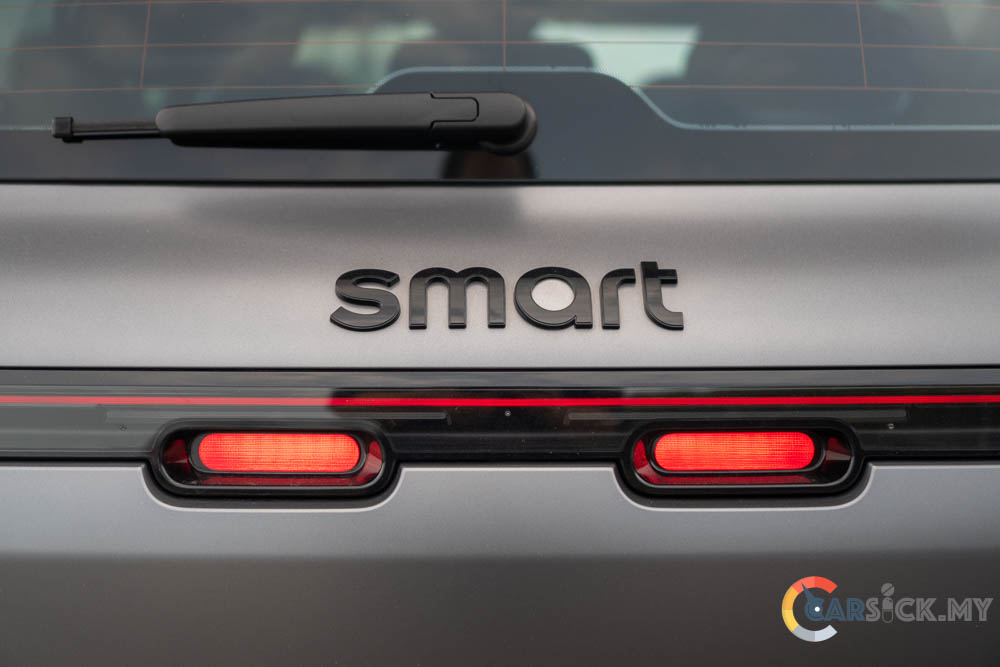
The braking system is another area where I noticed an improvement. The brake pedal feels much more natural compared to the one in the #1 and #3. More importantly, the regenerative braking system has been better calibrated. With regenerative braking set to its lowest level, the vehicle doesn’t slow down as aggressively when you lift off the accelerator. This allows the #5 to coast more naturally, making it feel less like you’re constantly fighting against the regenerative braking system. I also noticed that the brakes feel more substantial, giving you a reassuring amount of stopping power when you need to slow down. The full suite of ADAS features is available too. However, what impressed me most is how much less intrusive these systems have become compared to those in the #1 and #3. The Lane Keeping Assist system is a particularly noticeable improvement. It doesn’t feel as annoying as before, which makes a significant difference when you’re spending longer periods behind the wheel. These might sound like relatively small improvements, but they add up to make the #5 a much more pleasant vehicle to drive. 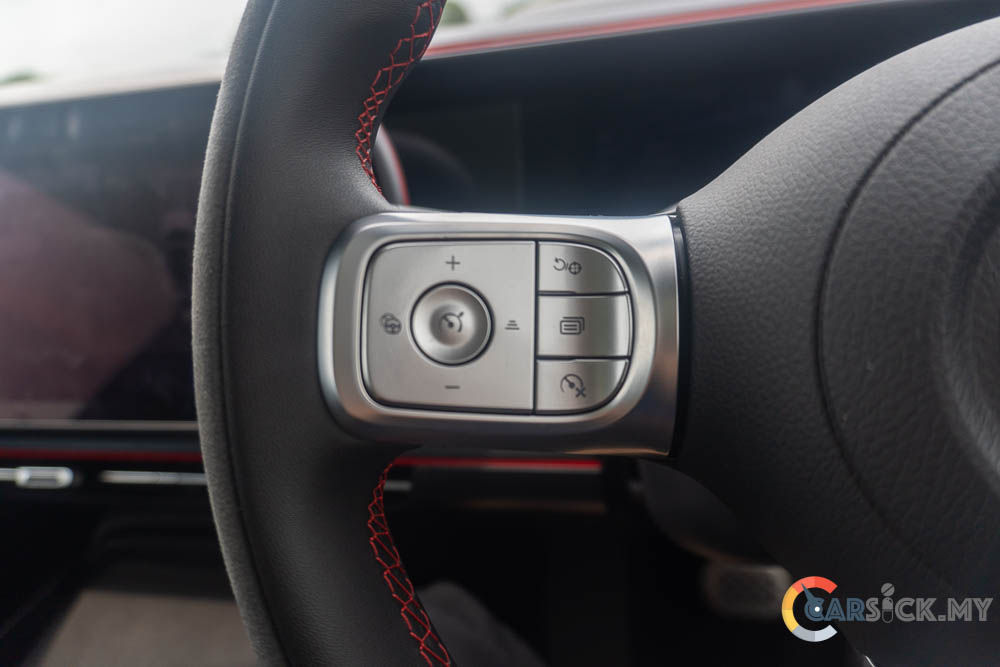
With a price tag of RM249,800, the smart #5 Brabus is currently the most expensive smart model you can buy in Malaysia. That’s quite a statement for a brand that started out making tiny city cars. But after spending some time with the #5, I have to admit that this is probably the most convincing smart model I’ve driven so far. It is more practical, more spacious, more comfortable and, most importantly, considerably nicer to drive than its smaller siblings. The improvements aren’t just limited to the additional space or the massive power output either. It’s the little things, such as the better throttle calibration, more refined suspension, improved braking feel and less intrusive ADAS, that make the biggest difference to the overall experience. 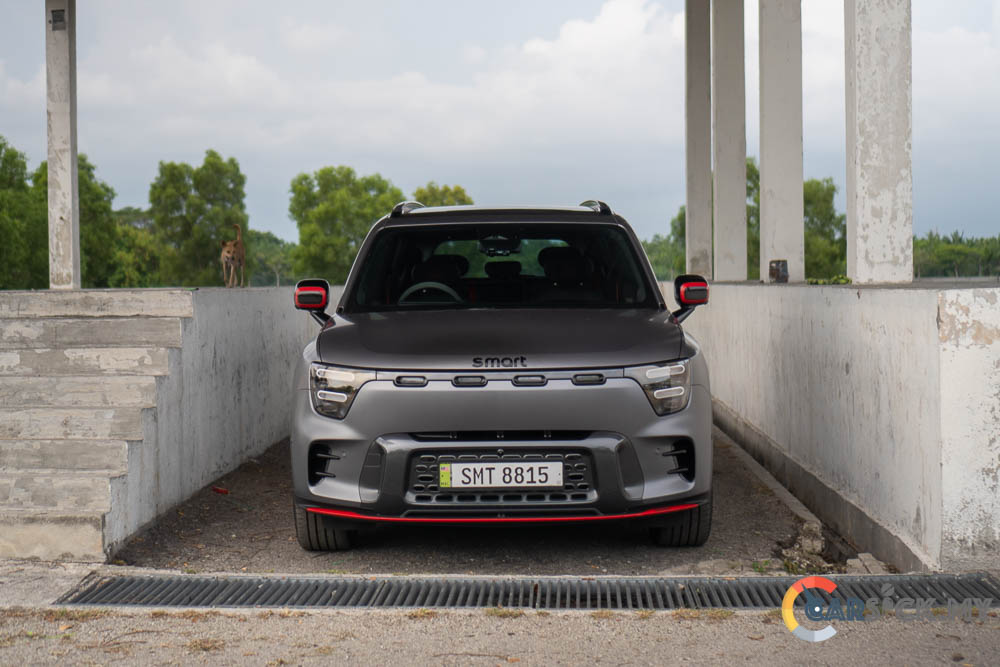
Of course, it’s not perfect. The steering could still use some work, and the Brabus certainly isn’t the cheapest way to get yourself into an electric SUV. But there’s something about the #5 that makes it rather appealing. It’s still recognisably a smart, with all the funky styling and playful character that the brand is known for. Yet, it has grown into something much more substantial without losing its identity. And perhaps that’s exactly what smart needed. I’m already starting to see more #5s on Malaysian roads, and I can understand why people might be drawn to it. It looks different, offers plenty of practicality and has enough performance to put a smile on your face whenever you find an empty stretch of road. Compared to the many electric SUVs currently available in Malaysia, the smart #5 Brabus is certainly one that would sit quite high on my list. Who would have thought that the little brand known for making tiny city cars would eventually build something this big, this powerful and, dare I say, this good?
Check out the full photo album here.