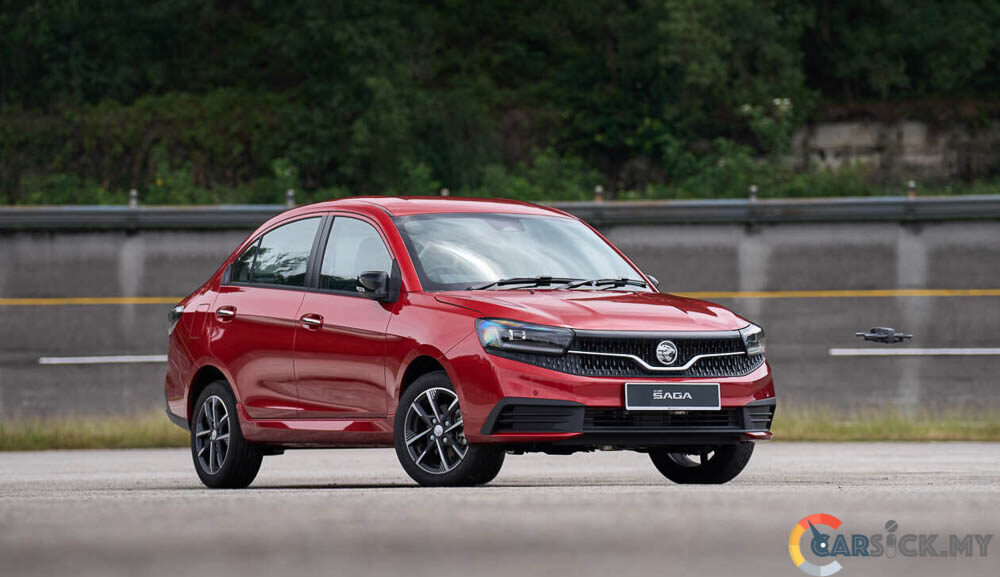

The All-New Proton Saga has added another design achievement to its name after receiving the Malaysia Good Design Award (MGDA) in the Public Areas and Transportation category. The recognition, regarded as the Malaysian Government’s highest honour for industrial design, marks the second design award for Proton’s popular sedan in 2026. The latest achievement follows the Saga’s success at the Golden Osmanthus Industrial Design Award (GODA) in October, further highlighting the design work behind Malaysia’s first national car and its continued relevance in the local and regional automotive markets.
 Beyond its design recognition, the Saga is also enjoying a strong year in terms of sales. Between January and October 2026, Proton delivered 75,589 units, surpassing the model’s entire 2025 sales volume with two months still remaining in the year. October alone contributed 7,352 units, reinforcing its position as Proton’s best-selling model.
Administered by the Malaysia Design Council (Majlis Rekabentuk Malaysia, MRM), the Malaysia Good Design Award recognises products that demonstrate quality in both design and manufacturing. Its evaluation process looks beyond aesthetics, taking into account innovation, safety, sustainability and user-friendliness. For the All-New Saga, the assessment involved eight jury members appointed by MRM. Following a presentation by the Proton Design team, the judges conducted a detailed inspection of the vehicle before deciding on the award.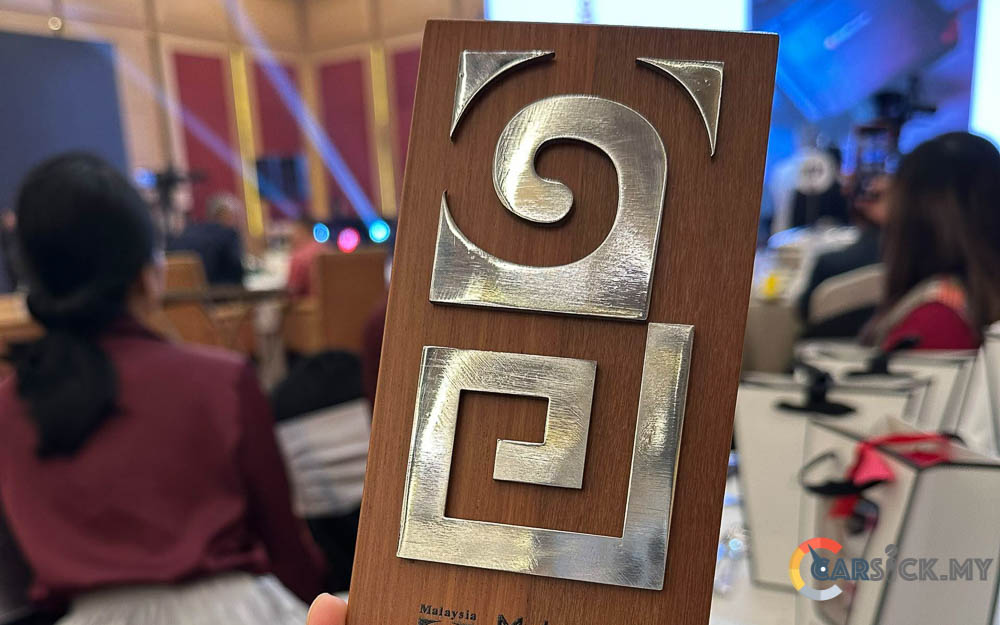
The recognition reflects the balance Proton has sought to achieve with the latest Saga, combining contemporary styling and attention to detail with the practical requirements of everyday motoring. Its latest national achievement follows the GODA Product Award in the Smart Transportation category under the ASEAN Application Track. Together, the two awards provide recognition for Proton’s design efforts at both the domestic and regional levels.
Another important aspect of the All-New Saga is its underlying engineering platform. The sedan is the first Proton model developed using the Advanced Modular Architecture (AMA), a platform for which Proton owns the full Intellectual Property Rights (IPR). This represents an important development in Proton’s in-house engineering capabilities, giving the company greater control over its vehicle architecture while providing a foundation for future models.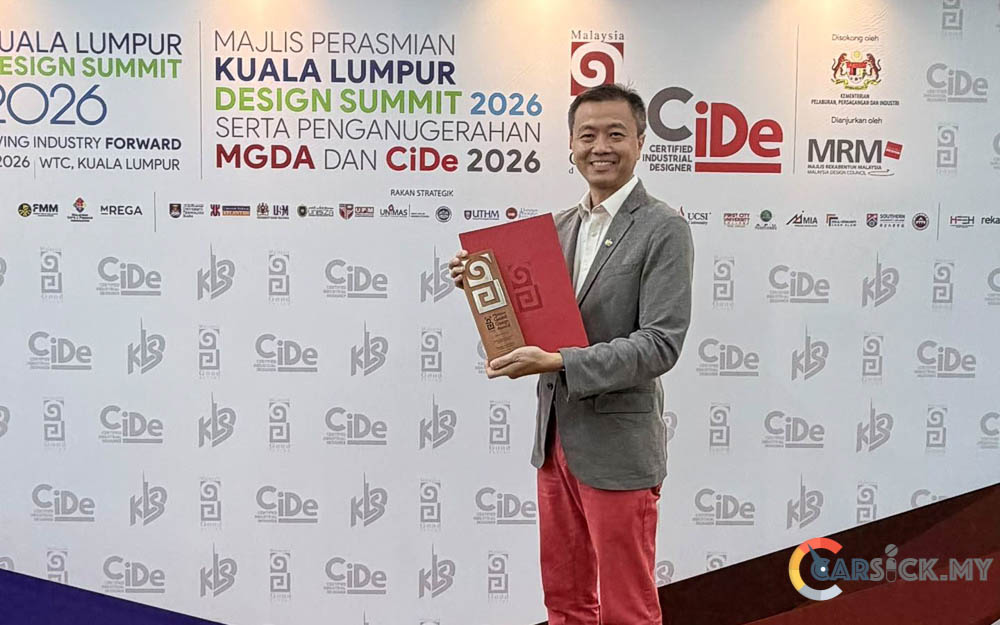
For the Saga, the AMA platform allows the integration of modern safety and infotainment technologies, alongside improvements to vehicle dynamics and overall driving characteristics. It also provides the flexibility needed to accommodate the latest equipment while maintaining the model’s focus on affordability and everyday usability.
Commenting on the latest recognition, Azlan Othman, Chief Designer of Proton Design, said the award was a proud achievement for everyone involved in developing the All-New Saga. He added that the team’s objective was to create a vehicle that feels modern and distinctly Malaysian while continuing to address the practical needs of everyday motorists. Receiving a second design award in the same year was particularly meaningful, he said, as it acknowledged the team’s attention to detail and its belief that good design should be accessible to more customers, both locally and internationally.
While the latest awards highlight the Saga’s design credentials, its sales performance demonstrates the continued importance of the nameplate to Proton. As Malaysia’s first national car, the Saga has remained in continuous production for more than 41 years, with cumulative sales exceeding 2.2 million units across domestic and overseas markets.
The current-generation model is powered by a 1,499 cc four-cylinder DOHC 16-valve i-GT engine, producing 120 PS at 6,100 rpm and 150 Nm of torque between 4,000 and 4,400 rpm. Power is delivered through either a four-speed automatic transmission or a Punch CVT, depending on the variant. Proton also quotes a fuel consumption figure of 4.9 litres per 100 km, while the range-topping Premium variant receives Advanced Driver Assist Systems (ADAS) for additional safety support.