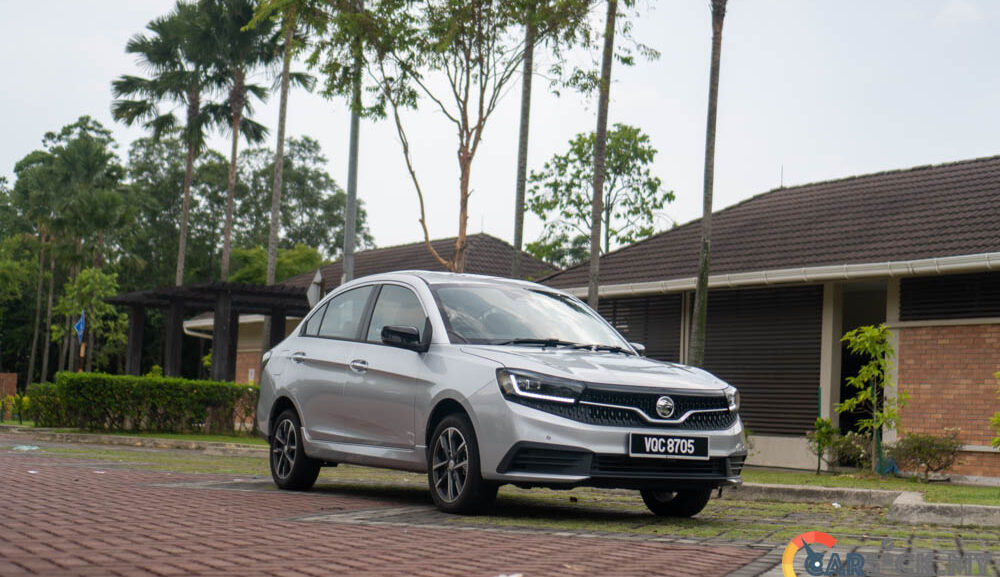

Being the most iconic vehicle in a brand’s lineup is never an easy job. You don’t just have to be a good car; you have to carry decades of memories, expectations and, in the case of Proton, a rather important piece of Malaysian automotive history. That car is, of course, the Proton Saga. For generations, the Saga has been the car many Malaysians grew up with. It has been the first car for families, the first car for young drivers and, for many, simply the most affordable way to get from A to B without having to sell a kidney.
 But times have changed. While the Saga has traditionally been a fairly basic, no-nonsense sedan, Proton is now giving its oldest nameplate a serious dose of modernisation. The latest-generation Saga gets more technology, more equipment, a completely redesigned interior and, most importantly, a brand-new 1.5-litre engine. So, has Proton finally dragged the Saga into 2026, or is this still the same old budget sedan wearing a new suit? Let’s find out.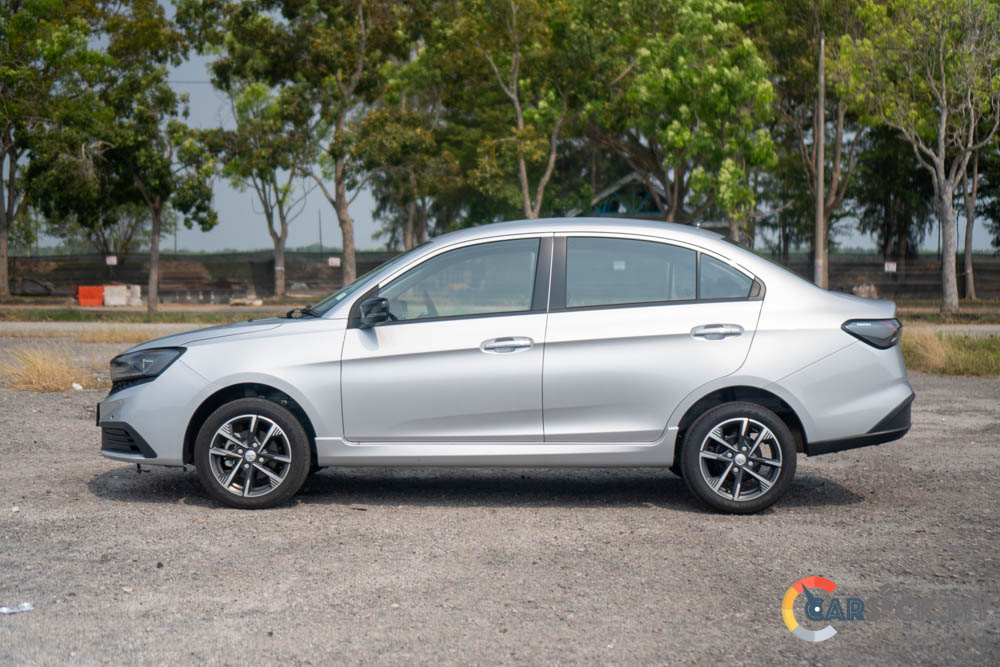
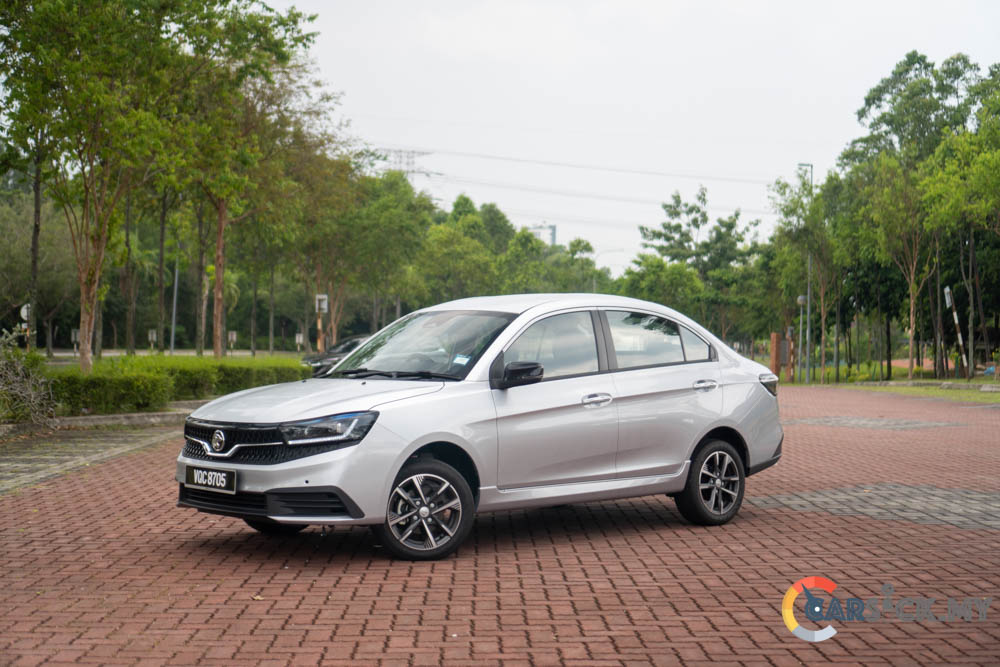
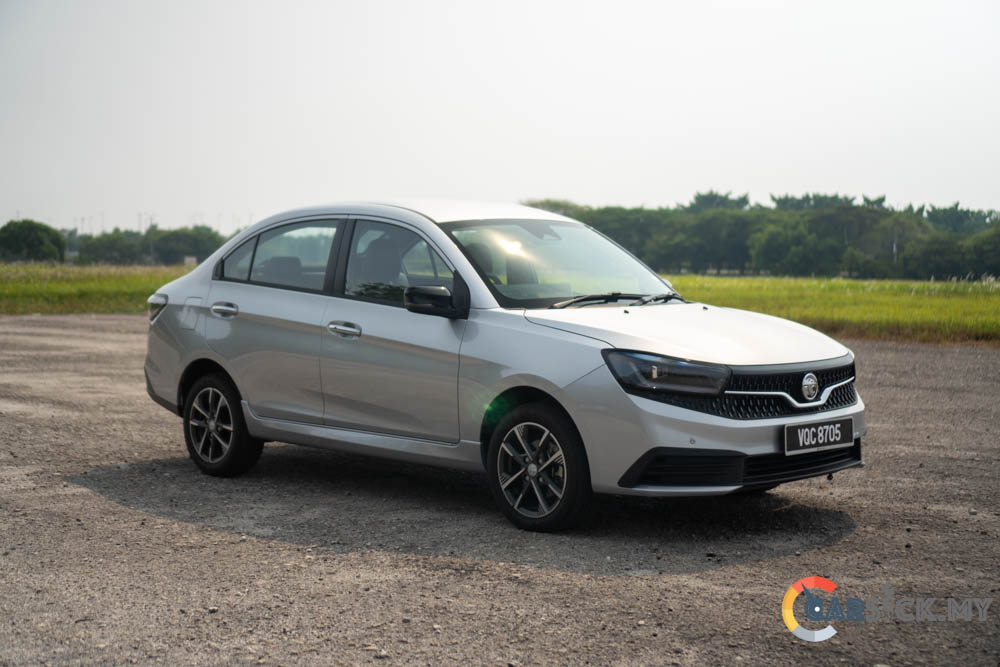
The latest Saga comes in three variants, and what I have here is the range-topping Premium. Naturally, this is the one where Proton decided to throw in pretty much every bell and whistle it could reasonably fit into a budget sedan. Interestingly, Proton has reused the tried-and-tested chassis from the previous-generation Saga. That means the overall silhouette isn’t dramatically different from before. But that’s not necessarily a bad thing. Instead of reinventing the entire car, Proton has given the Saga a new shell and a much more modern design. And honestly, it works. 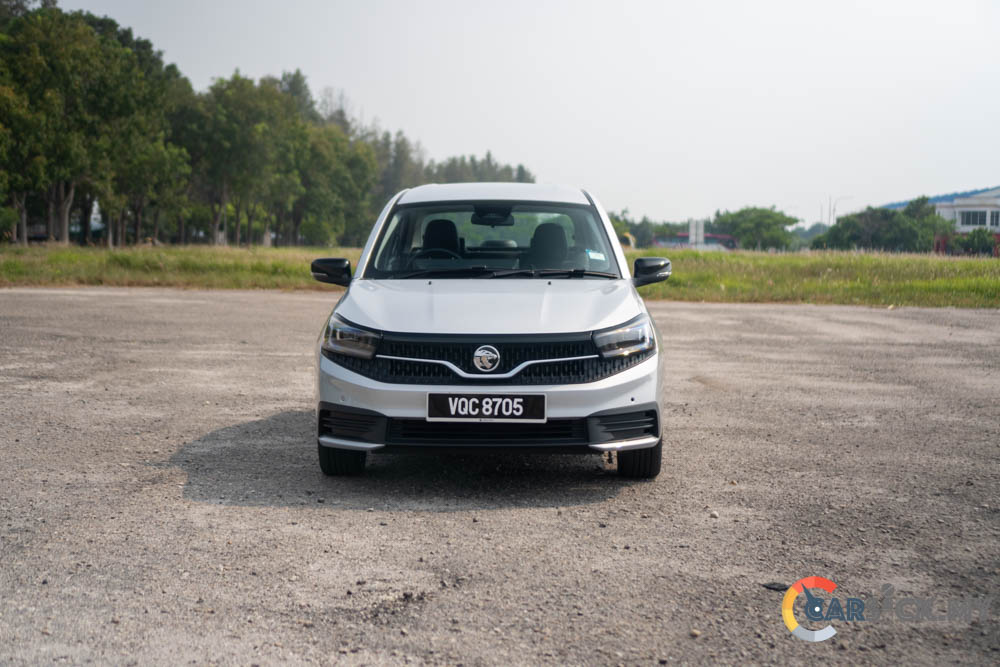
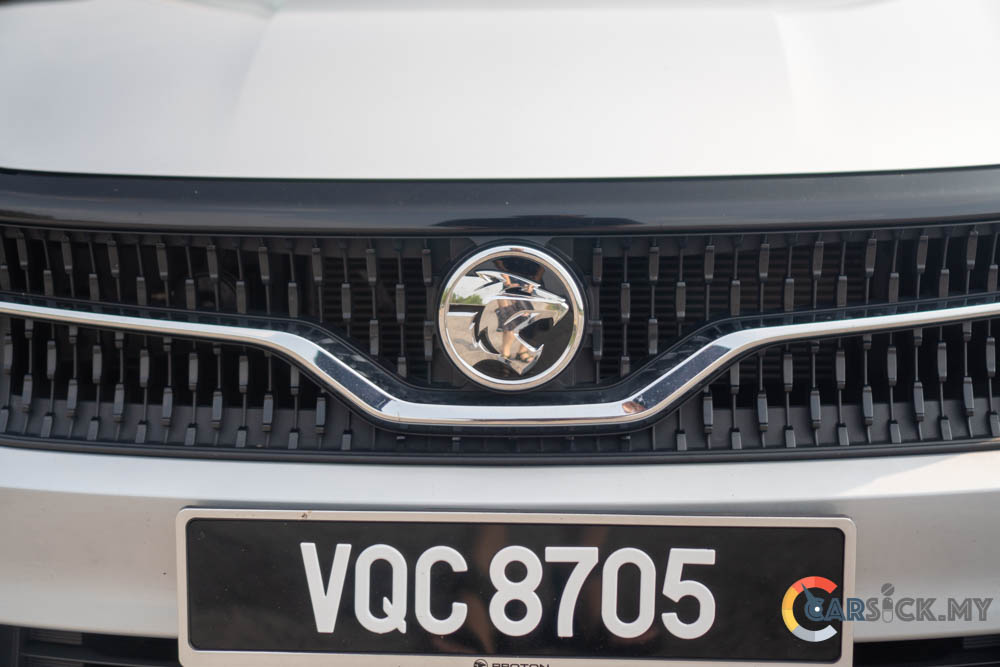
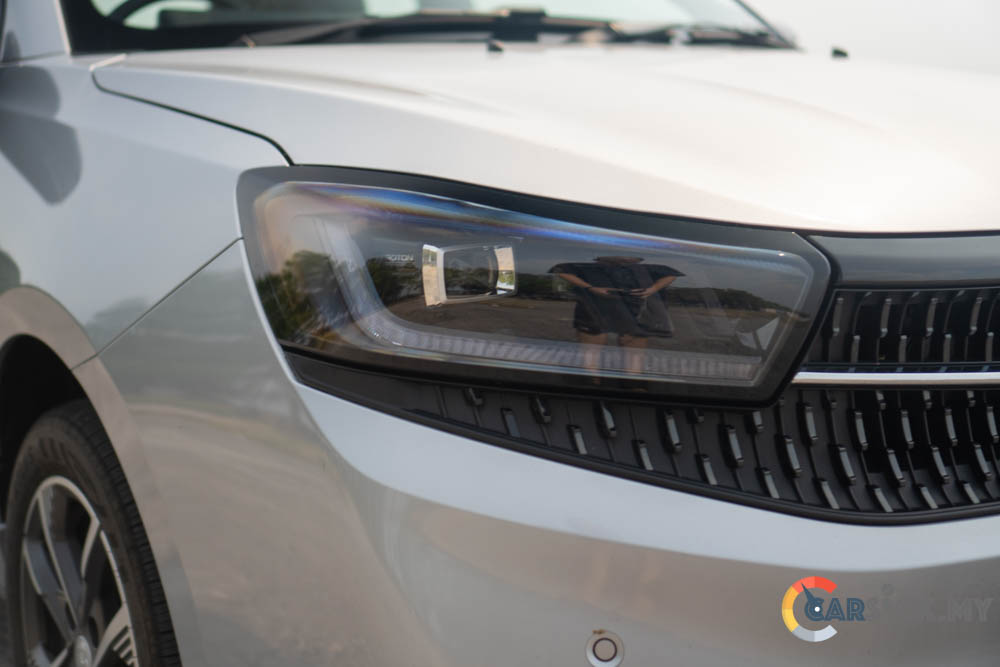
The front end is where you’ll notice the biggest transformation. The Saga now gets a completely redesigned grille that stretches across the front of the car. A chrome strip runs through the grille, giving it a little more visual interest while cleverly integrating the Proton badge into the design. That chrome strip also visually connects the two headlights. In fact, there’s enough going on there that you could almost imagine Proton turning it into a proper light bar if it wanted to. And yes, this Saga gets full LED projector headlights. For a car that starts at RM49,990, that immediately gives the front end a more premium appearance than you’d expect. You even get automatic high beam, which is one of those features you don’t think much about until you have it — and then wonder why your previous car didn’t. 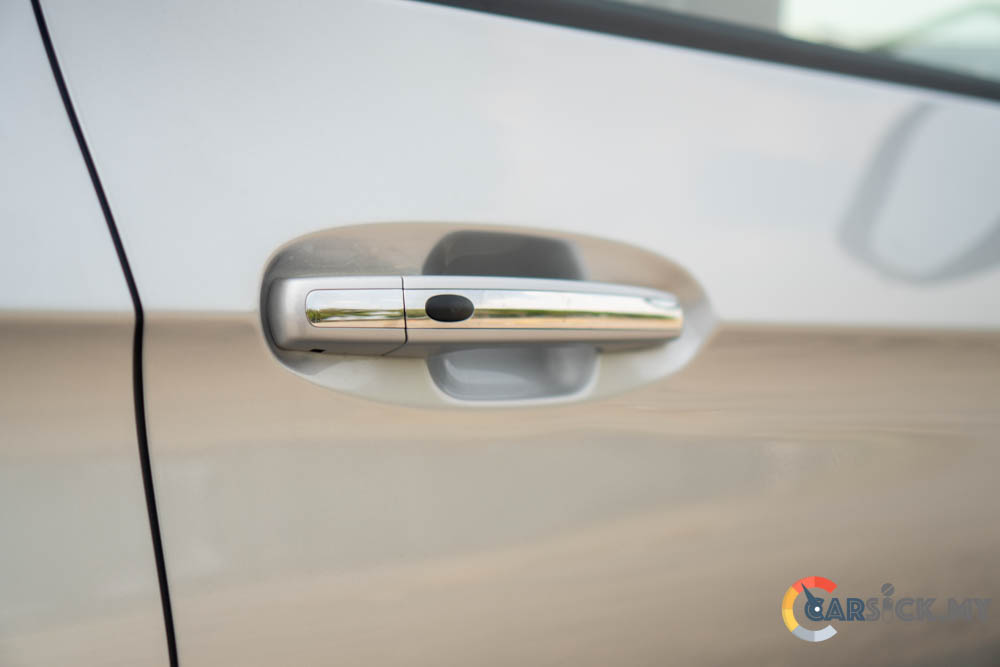
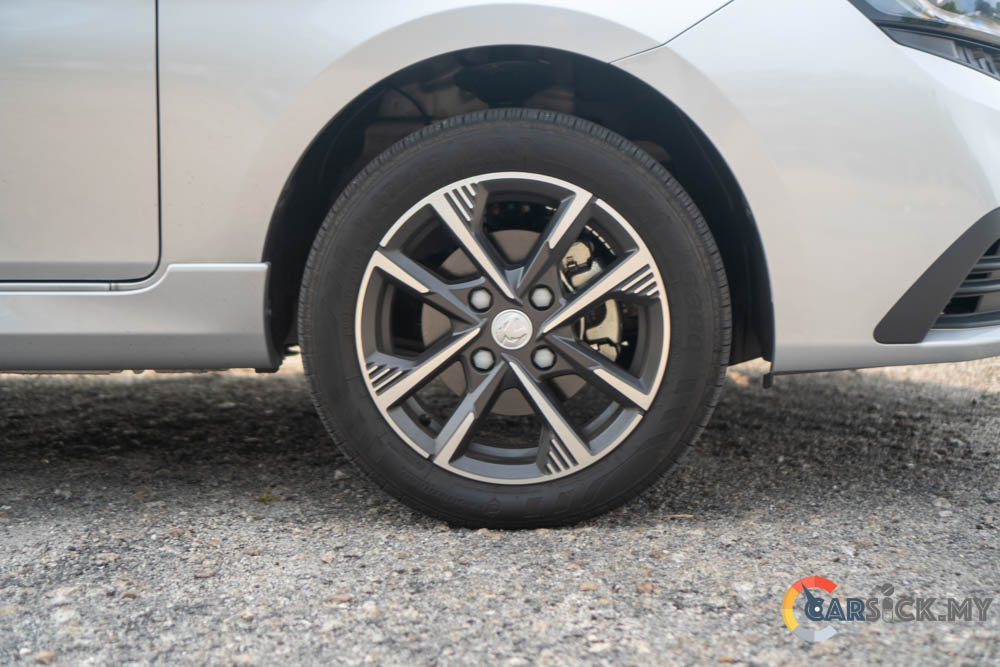
Moving to the side, the Saga gets blacked-out side mirrors to give it a slightly sportier appearance. Keyless entry is also available, although there’s a small catch. The unlock button is only located on the driver’s side door. So, if you’re standing on the passenger side and want to unlock the car without walking around to the driver’s side first, you’ll have to dig the key out of your pocket. Not exactly a deal breaker, but definitely one of those “why?” moments. The Premium variant also gets dual-tone 15-inch sports rims, which look considerably sportier than the wheels on the other variants. They’re wrapped in 195/55 R15 tyres. 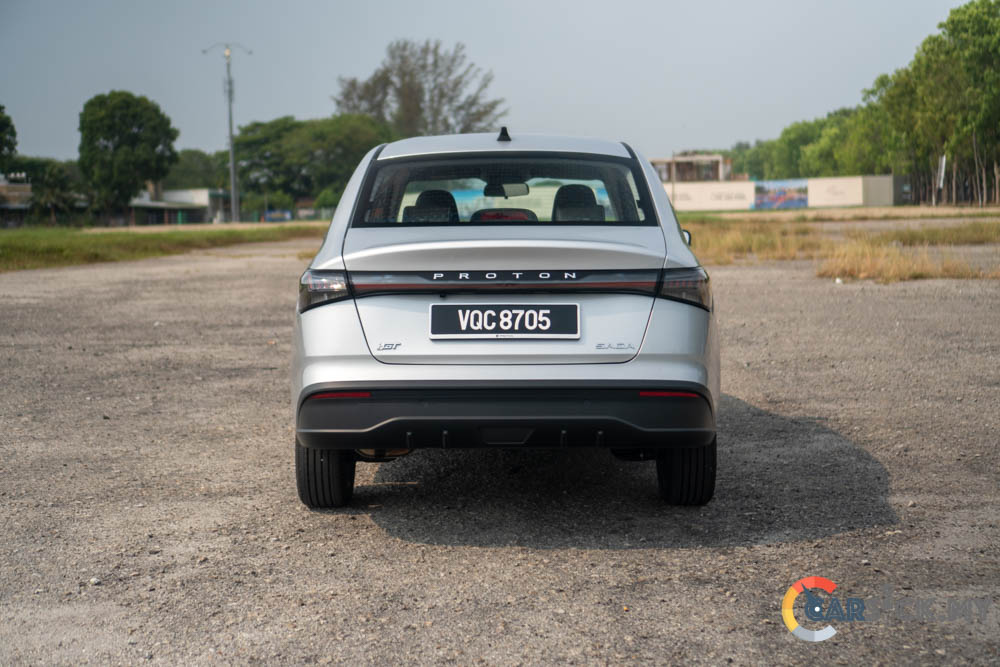
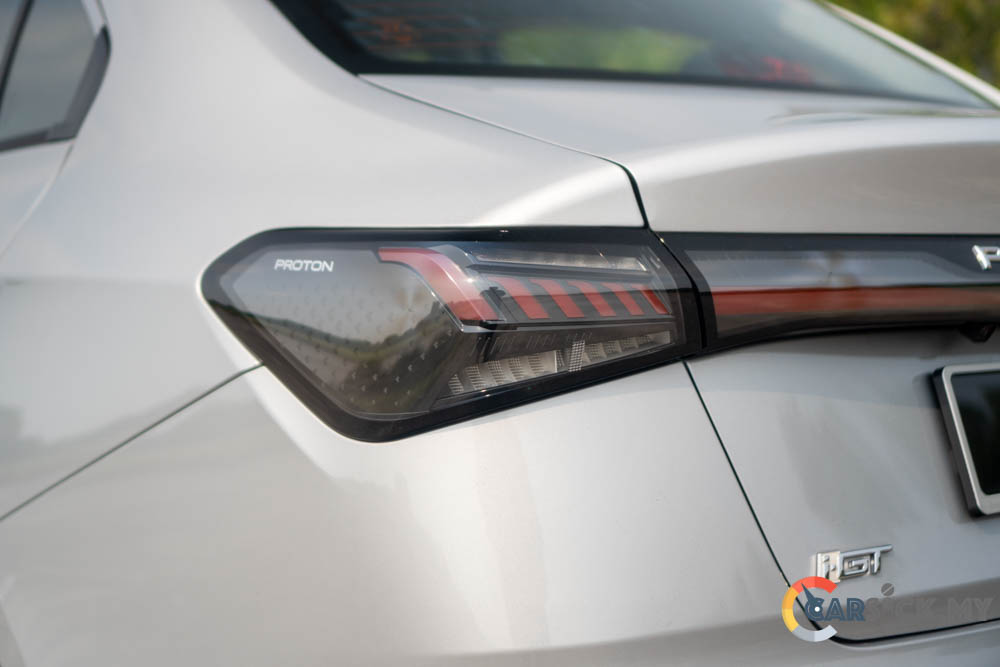
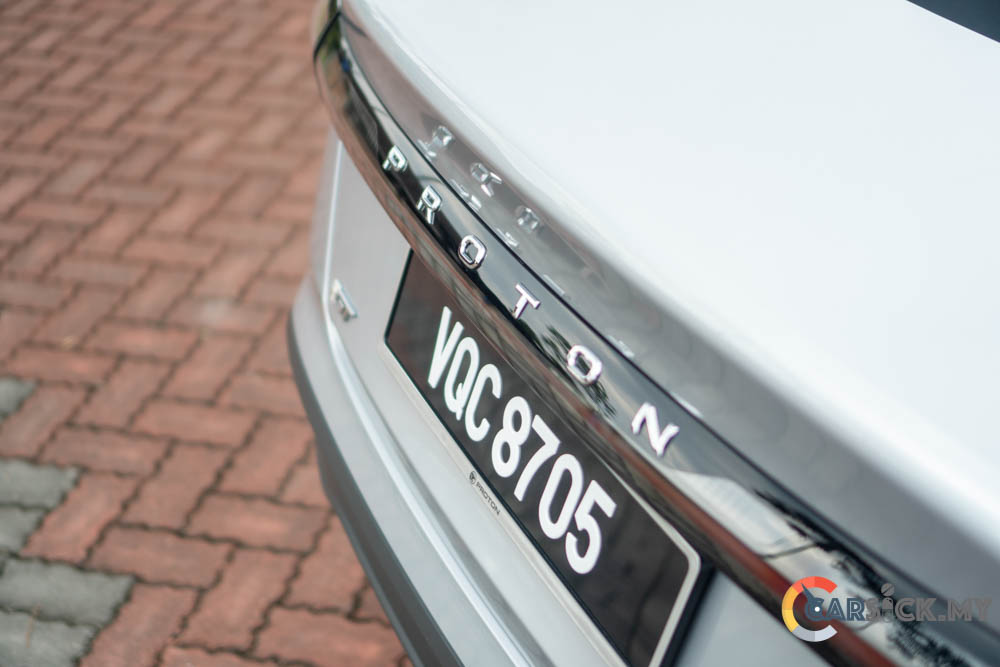
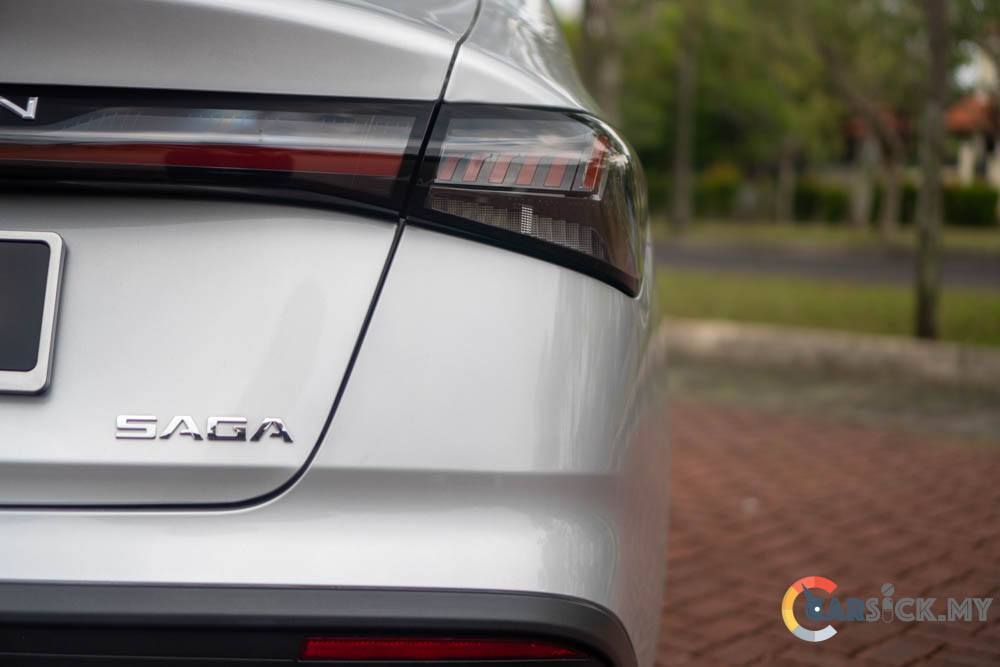
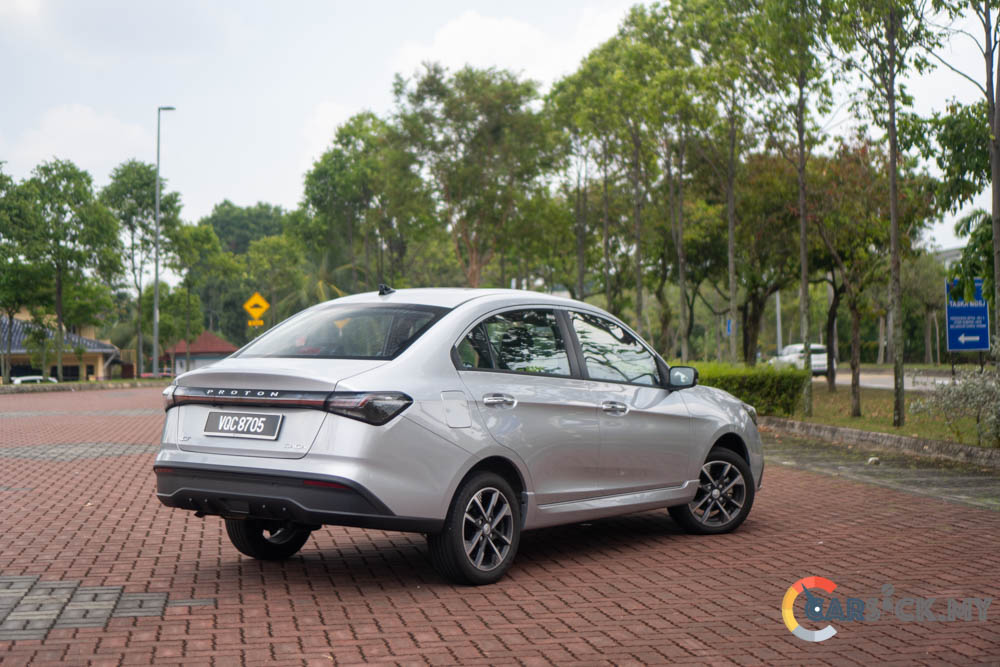
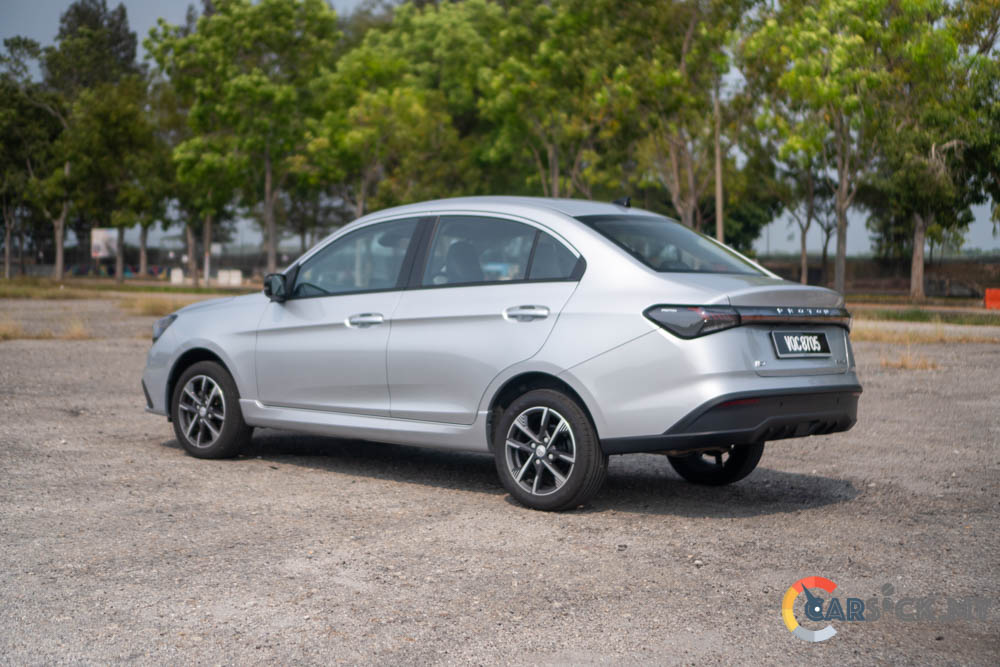
At the rear, the Premium gets another attention-grabbing feature: a full-width light bar. Yes, it’s another light bar. I’m already reaching the point where seeing a full-width light bar no longer makes me gasp with excitement, mainly because every other new car seems to have one. But I’ll admit it looks good on the Saga, especially if you’re into that futuristic look. Apart from that, the rear retains some of the familiar Saga DNA. Overall, the new Saga manages to look considerably fresher without throwing away the basic proportions of the old car. Proton gets to reuse its investment in the chassis while giving the car a completely new appearance. From a business perspective, that’s actually a pretty clever move.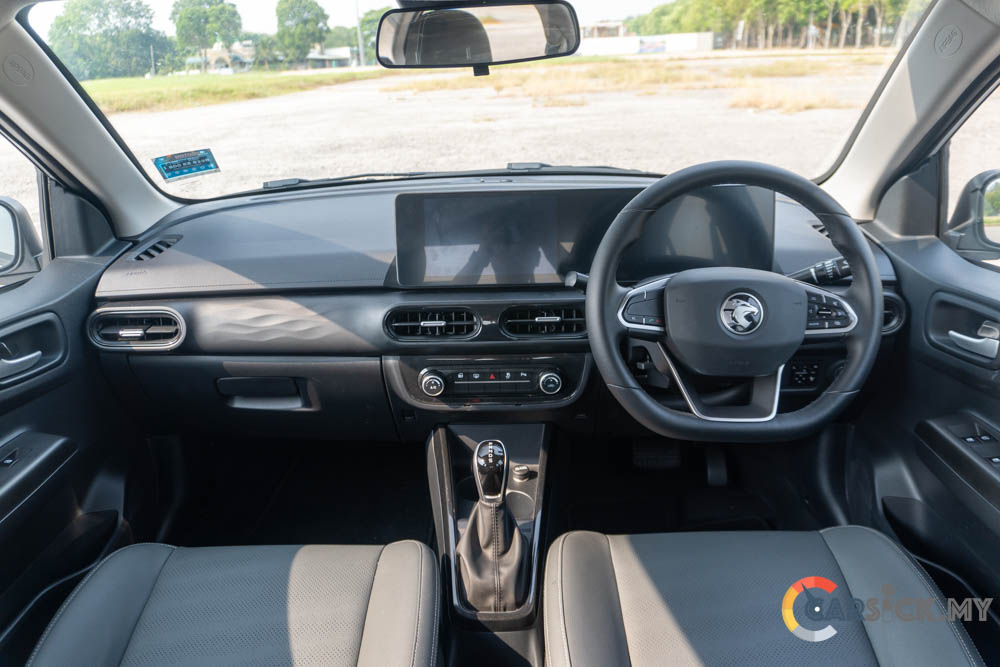
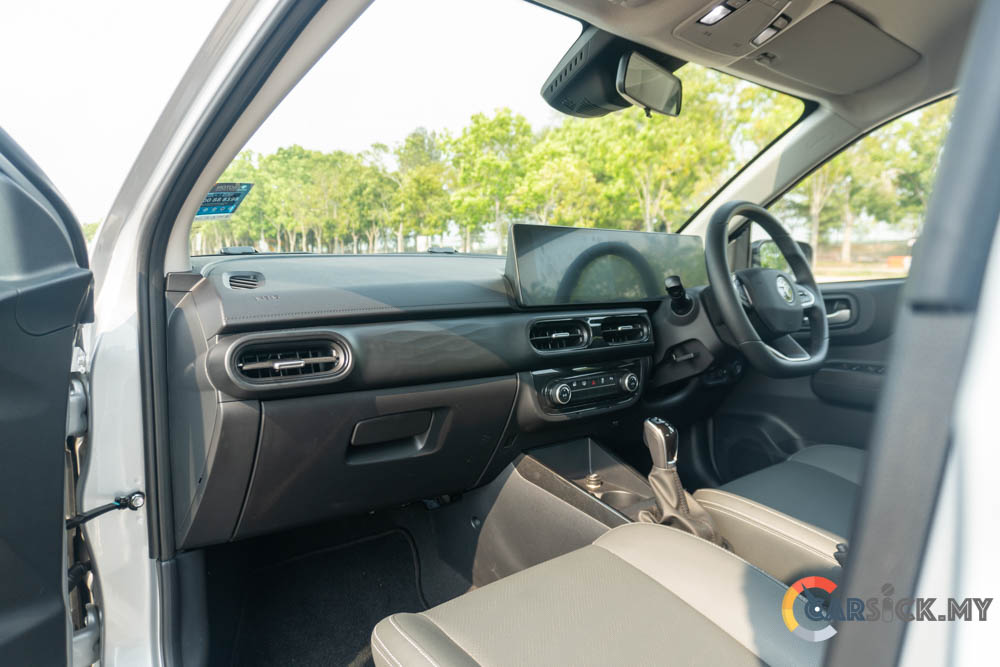
Open the door and you’ll immediately notice just how different the new Saga feels inside. The dashboard looks far more futuristic than the price tag would suggest. Of course, this is still a budget car, so you won’t find soft-touch materials everywhere. There are plenty of hard plastics around the cabin, as you’d expect. But at least everything feels reasonably well put together. The design also takes inspiration from Proton’s more expensive models, giving the Saga a much more modern appearance. Most of the controls are integrated into the infotainment system, although thankfully, Proton hasn’t gone completely overboard with touchscreen everything. 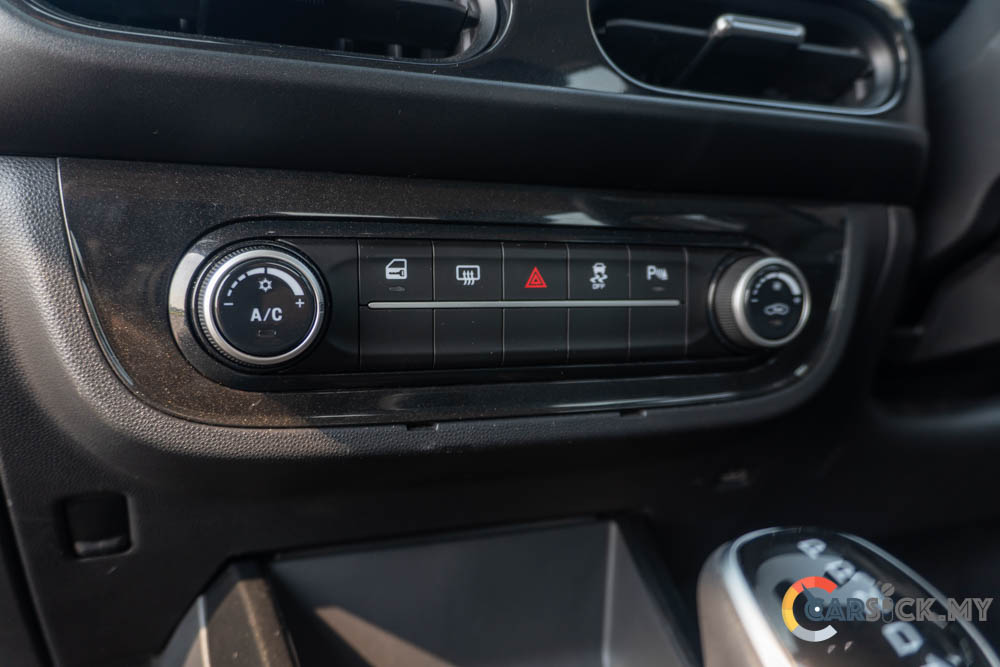
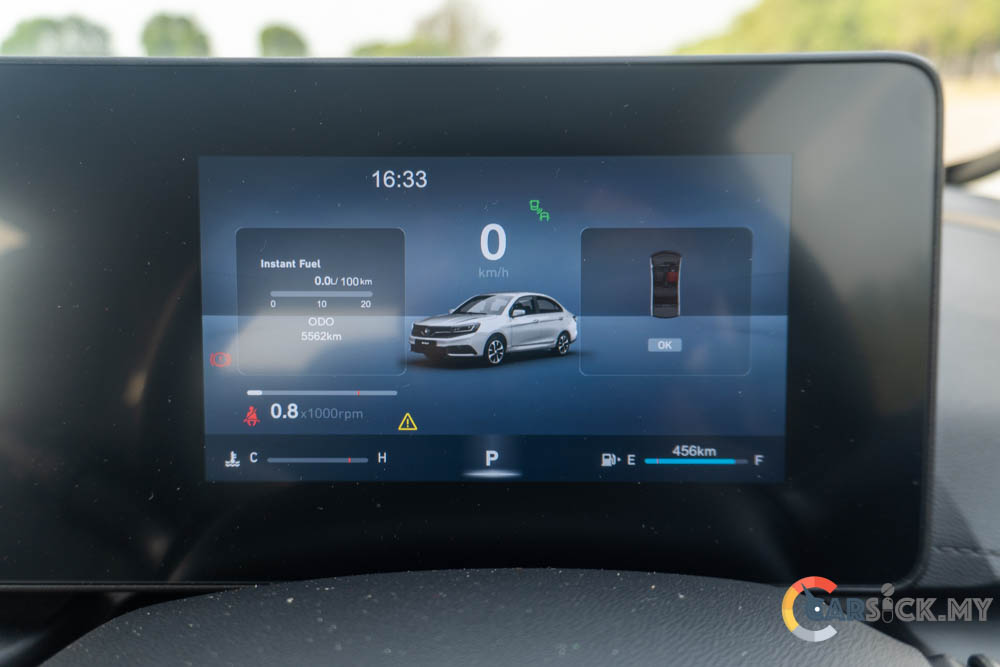
The air-conditioning controls remain separate, which I personally appreciate. Sometimes, you just want to adjust the temperature without having to navigate through three menus like you’re trying to launch a satellite. The biggest stars on the dashboard are the two displays: a 7-inch digital instrument cluster and a 9-inch infotainment screen. The instrument cluster is straightforward and gives you all the information you need while driving. The display is sharp enough and doesn’t take long to get used to. But the infotainment screen is where the Saga really feels like it has jumped forward a generation. 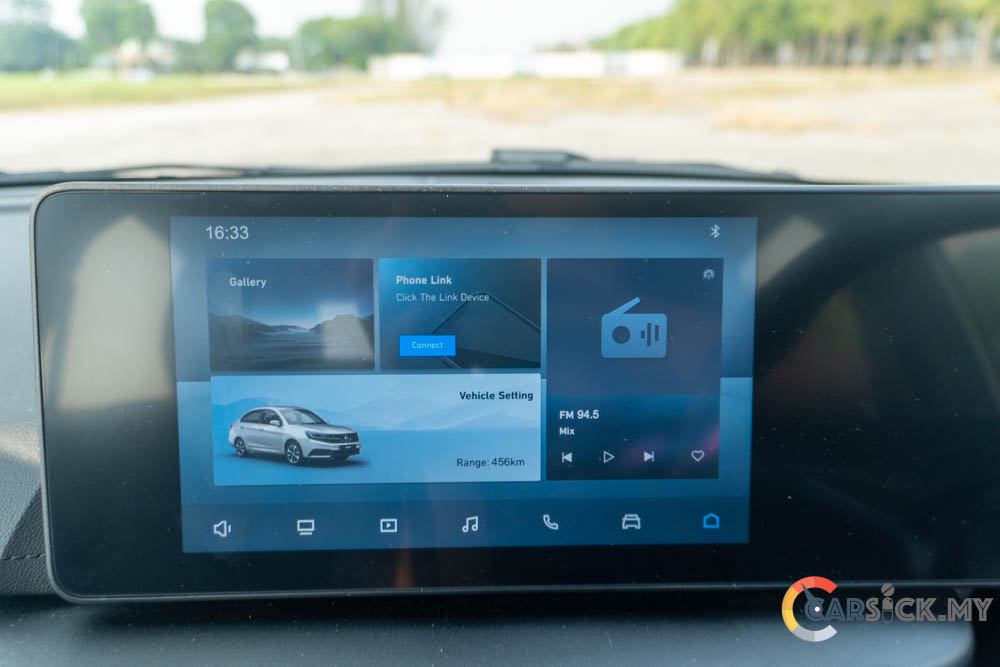
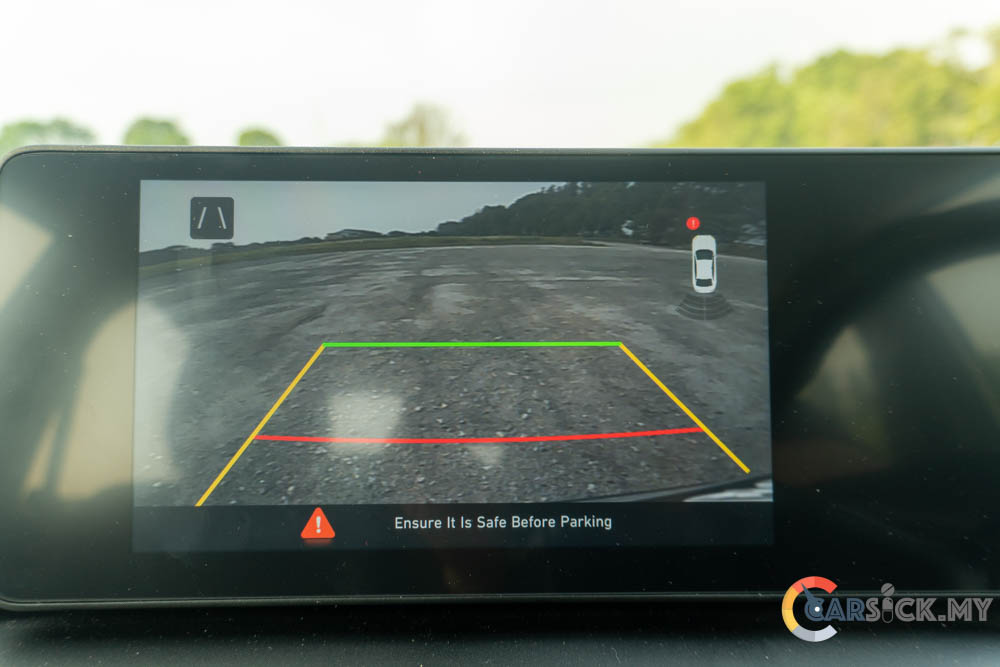
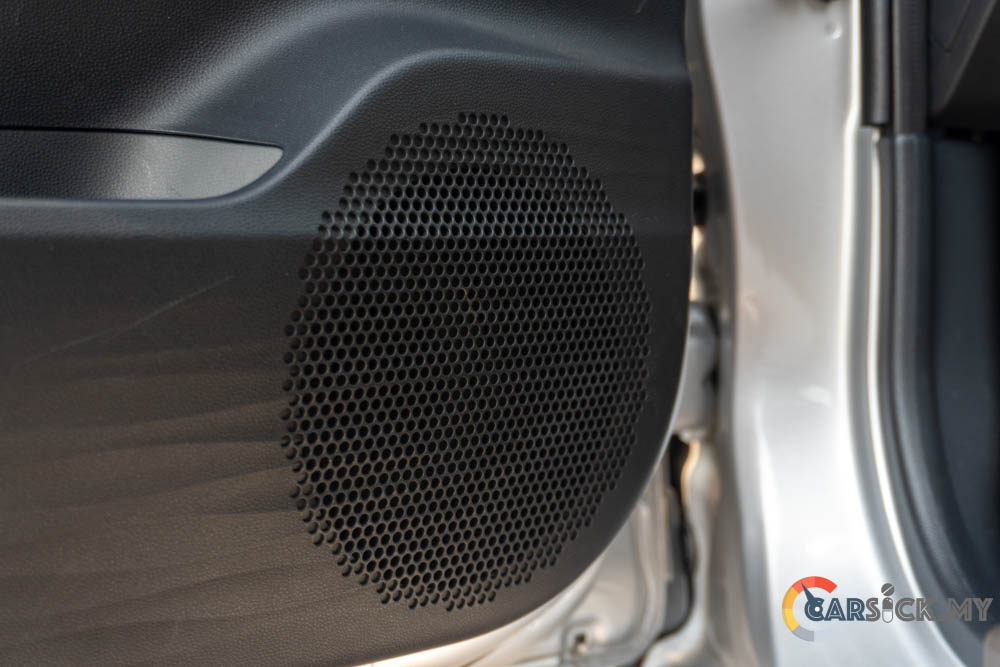
Compared with the old Saga, this is a massive upgrade. It instantly makes the cabin feel more modern. And before anyone starts complaining about the lack of some fancy premium-car features, remember what we’re talking about here: a Saga. At this price point, beggars can’t be choosers. Thankfully, the important stuff is there. You get wireless Android Auto and Apple CarPlay, which is probably what most owners will actually use anyway. There’s only a reverse camera, but again, that’s understandable given the price. For your music, there is a four-speaker sound system, and let’s just say it sounds… okay. It plays music. That’s about it.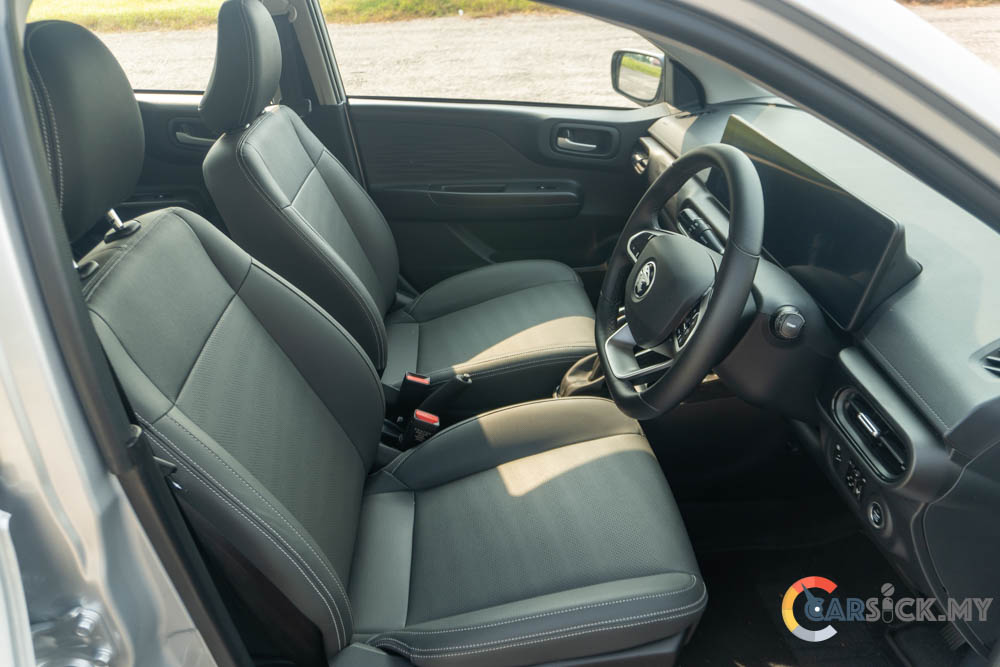
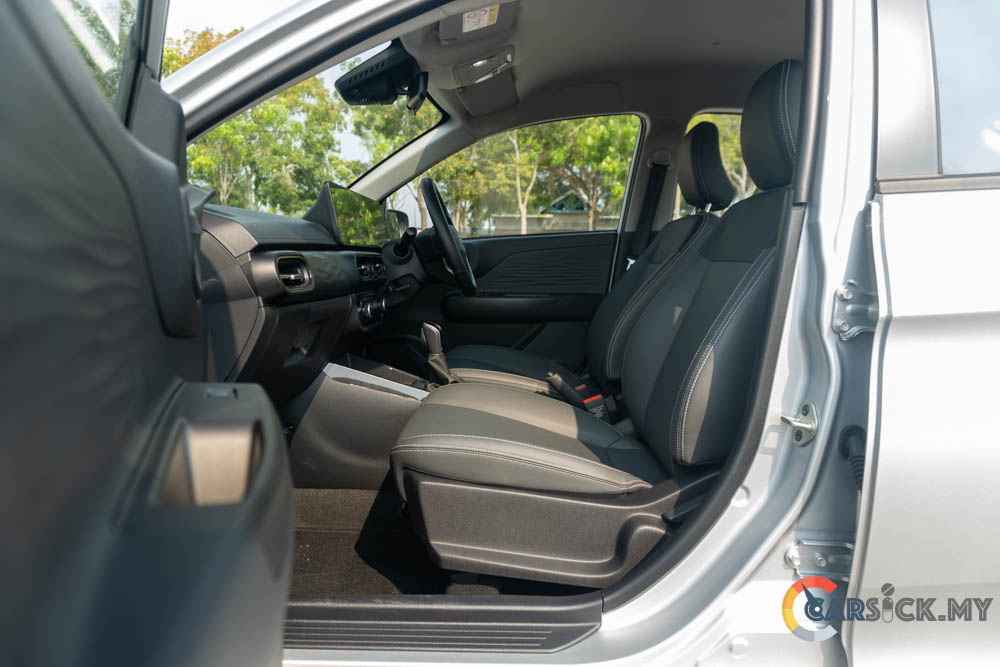
Now we come to something that bothered me during my original test drive. When I first drove the Saga at Proton’s test track, I gave feedback about the driving position. Specifically, I felt that I was sitting too high even with the driver’s seat adjusted all the way down. Well, now that I’ve had more time with the production car, I can confirm that I wasn’t imagining it. I’m still sitting too high for my liking. And it becomes even more obvious when I pull down the sun visor, because it actually blocks part of my view through the windscreen. So, if you’re around my height, this is something you’ll definitely want to check for yourself before buying.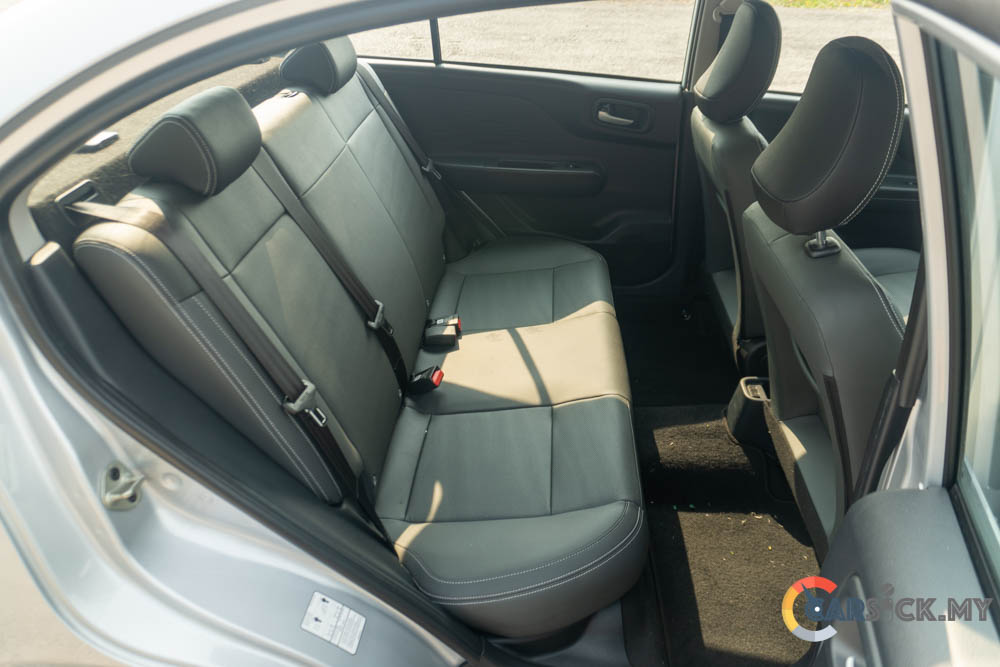
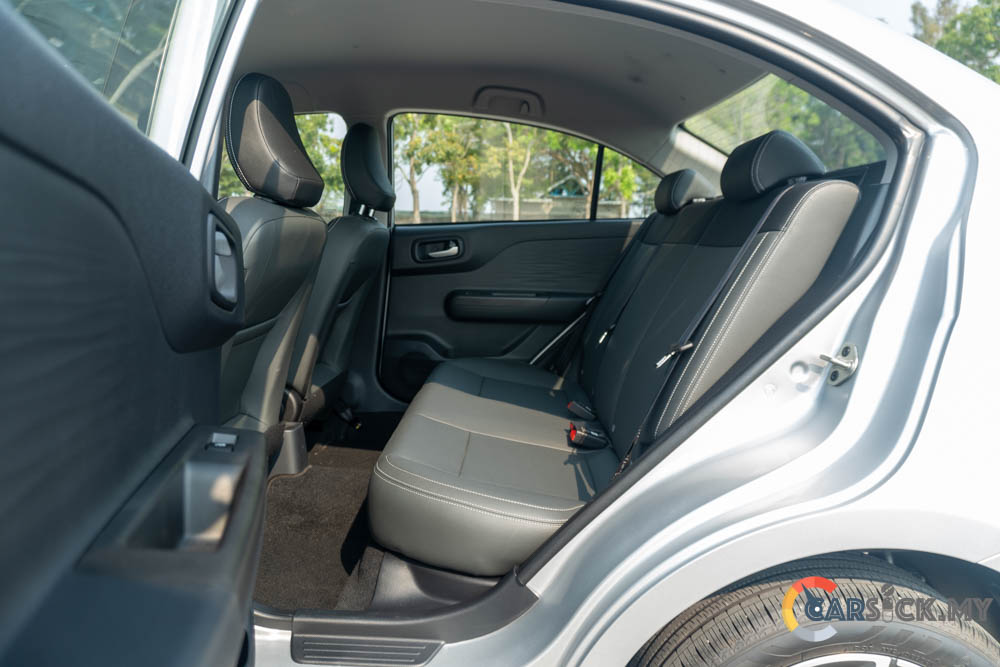
Things are much less dramatic in the rear. The old Saga already provided a decent amount of space, so Proton hasn’t really needed to reinvent this part of the car. The rear bench is quite flat, though, and doesn’t provide much support. If you’re sitting in the back without your seatbelt on, you might find yourself sliding around every time the driver decides to have a little fun. Think of it as being a beer cup on a wet bar top. Not exactly first-class seating. On the bright side, legroom and headroom are both pretty decent. For a car at this price point, that’s what matters most. And no, there are no rear air-conditioning vents. You didn’t really expect them, did you? 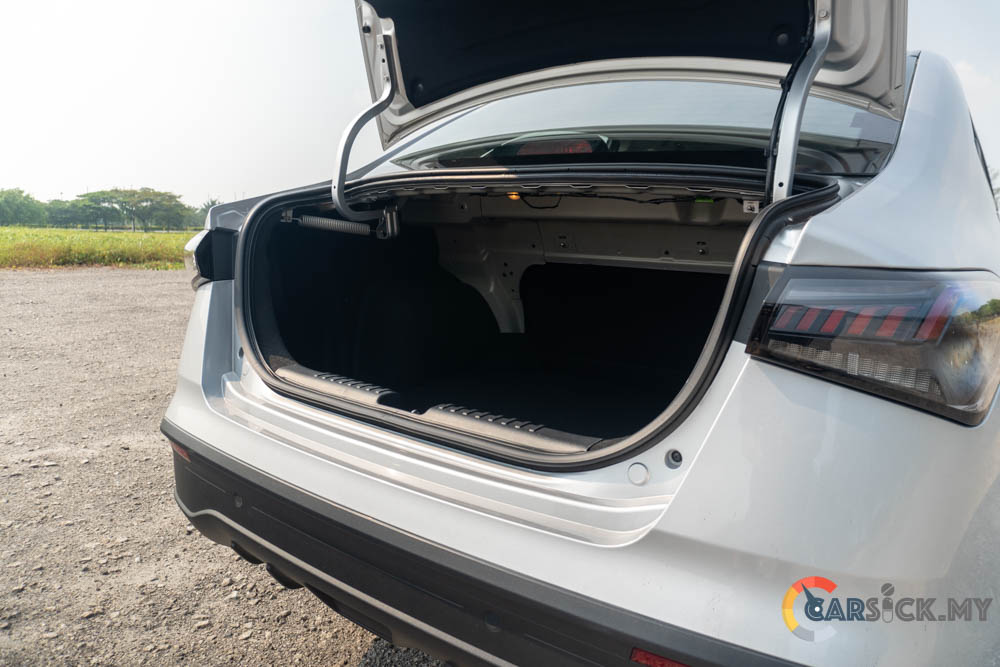
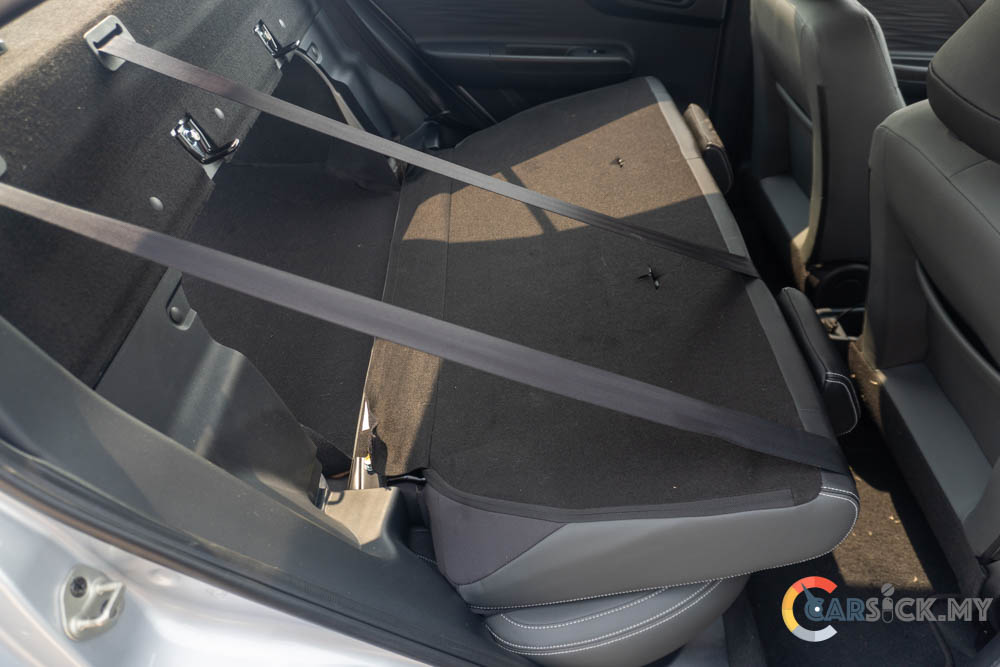
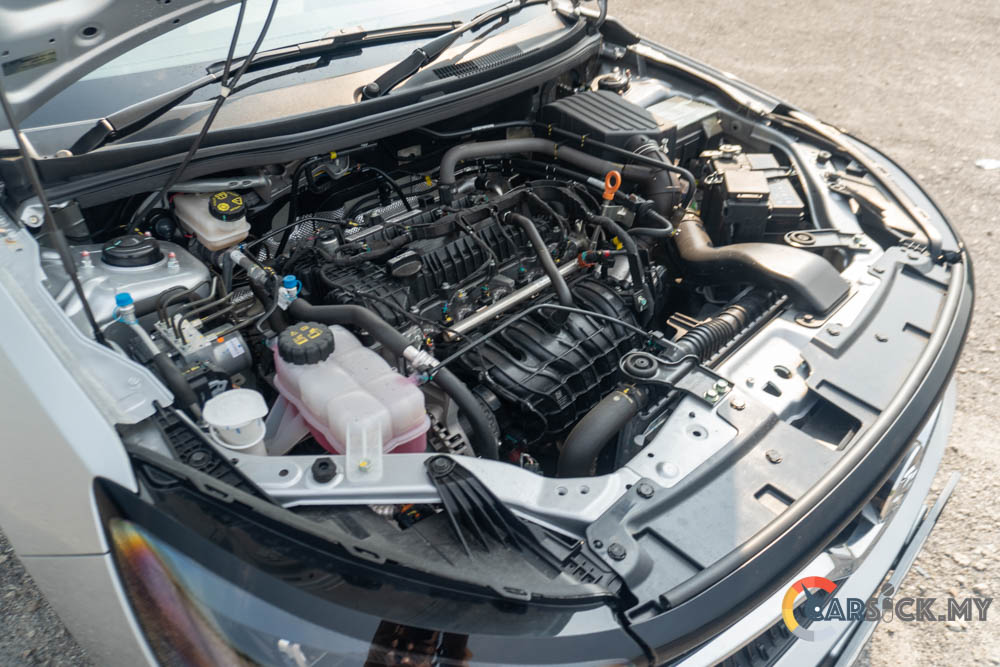
Behind the rear seats is a 420-litre boot, which is the same capacity as the old Saga. For a car of this size, that’s actually pretty useful. It’s certainly more practical than a typical hatchback if boot space is important to you. The rear seats can also be folded, although they go down as one piece rather than having a split-folding function. But the biggest change to the Saga isn’t at the back. It’s under the bonnet. The latest Saga gets Proton’s new 1.5-litre naturally aspirated four-cylinder i-GT engine. In this range-topping variant, it is paired with a CVT, while the lower-spec variants get a four-speed automatic. The engine produces 120 PS and 150 Nm of torque.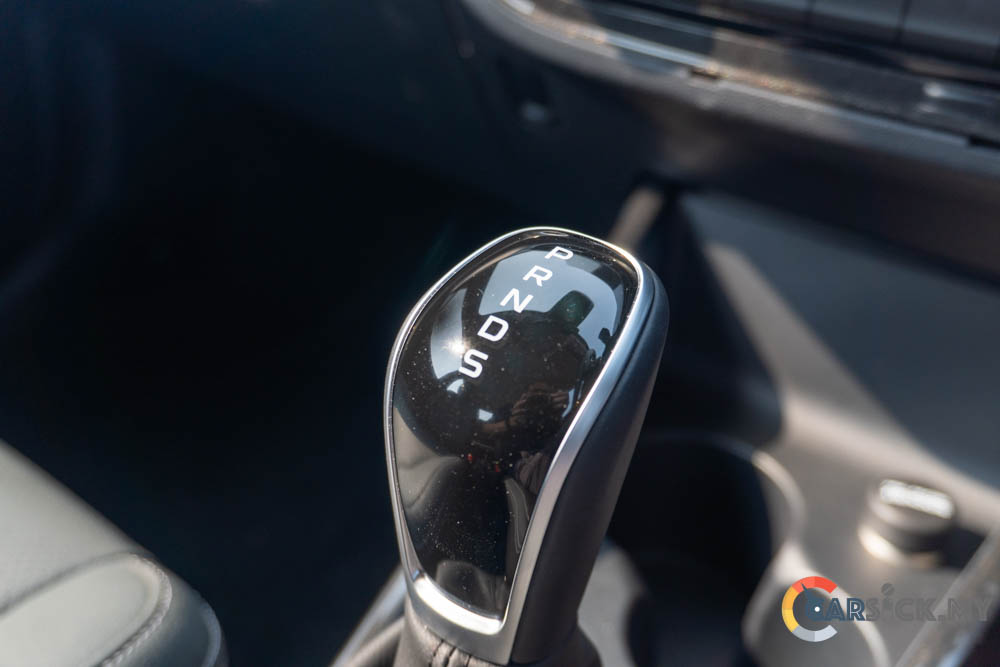
Now, if you get into the Saga expecting 120 PS to turn it into a budget sports sedan, you’re going to be disappointed. This engine isn’t interested in rushing anywhere. It likes taking its time. There’s decent low-end torque, so getting the car moving isn’t a problem. But once you’re already moving and ask for some serious acceleration, the Saga doesn’t exactly feel like it’s packing 120 PS. The CVT probably plays a role here, as the entire powertrain can feel a little bogged down when you’re asking for more performance. But then again, this isn’t a sports car. It’s a Saga. And for what the car is supposed to do, the powertrain gets the job done. 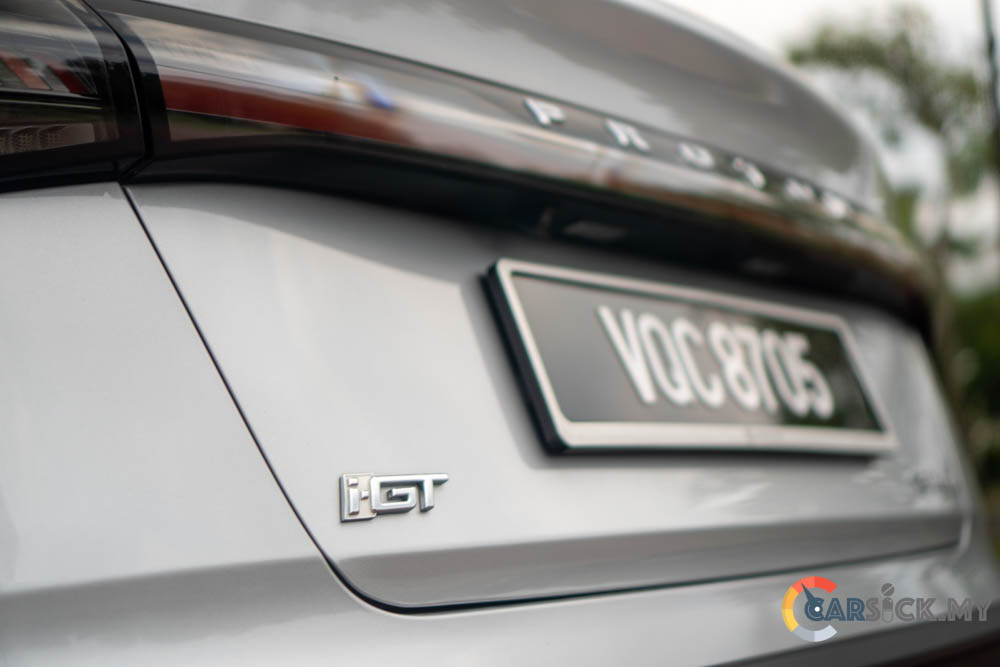
Interestingly, what the Saga lacks in outright punch, it makes up for in refinement. The new powertrain feels considerably more refined than the old 1.3-litre engine, while NVH levels are impressively well controlled. For a budget car, that’s quite an achievement. I also conducted my own very unscientific fuel economy test. I started with a full tank, drove the car normally until it was empty, and then filled it up again. With a full tank, the distance-to-empty reading showed an optimistic 588 km. I decided not to drive like a hypermiler and simply used the Saga as I normally would on a daily basis. When the tank was empty, the trip computer showed an average fuel consumption of 7 L/100 km. The car had travelled 391 km. When I filled the tank again, it took 31 litres. Based on my calculation, that works out to around 8 L/100 km. It’s not bad at all, but it does suggest that the trip computer might be feeling slightly more optimistic than reality.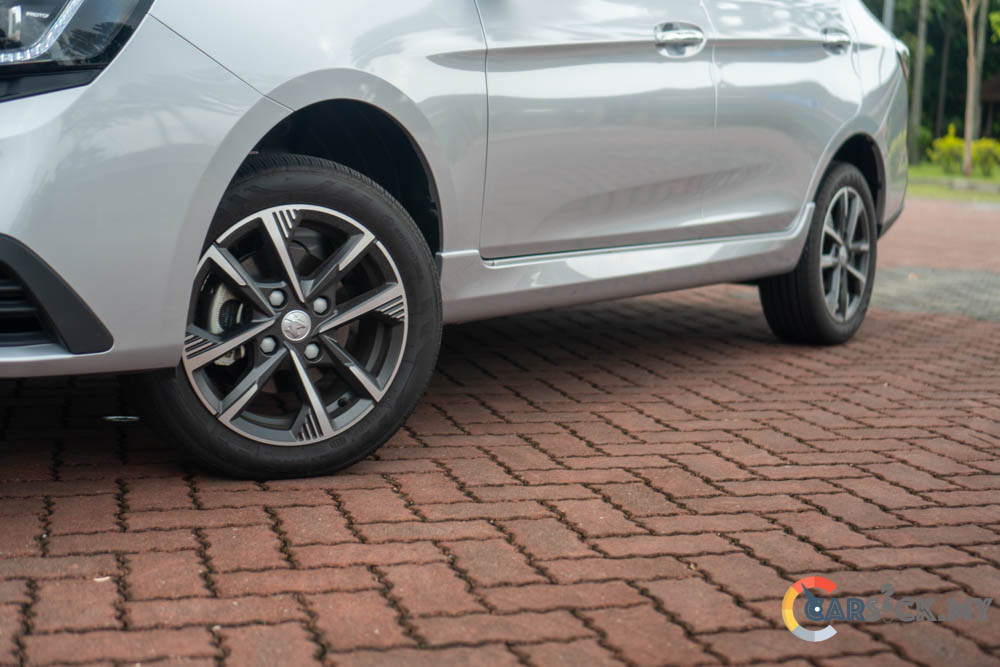
If there’s one area where the Saga genuinely surprised me, it’s the suspension. The ride is actually quite solid. Drive over uneven roads and the Saga feels surprisingly mature, almost like a larger car. There’s none of that annoying secondary bounce you sometimes get after going over a speed hump. It’s very well sorted. Unfortunately, the steering doesn’t quite match the suspension. The steering is rather heavily assisted, and when you’re attacking a corner, that light steering takes away some of the confidence generated by the well-tuned suspension. Then there’s the tyres. Let’s just say they’re not exactly helping the Saga reach its full handling potential. Fit a better set of tyres and I suspect the car would feel considerably more capable. But ultimately, I don’t think Proton got its priorities wrong. For a budget sedan, comfort is far more important than corner-carving ability. And in that regard, the Saga does a very good job.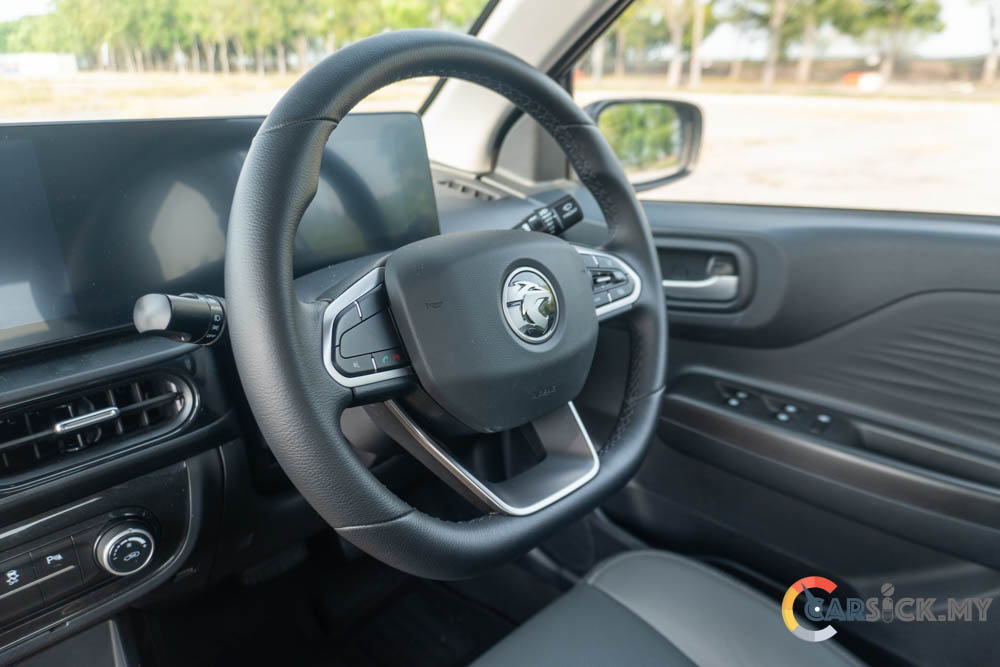
The braking system consists of front discs and rear drums, and it does its job perfectly well. There’s enough braking performance for the Saga’s intended use, while the brake pedal feels natural and is easy to modulate. But the biggest upgrade has to be the addition of ADAS. Yes, it’s only Level 1 ADAS, but having some assistance is certainly better than having none. The Saga comes standard with Autonomous Emergency Braking (AEB), Forward Collision Warning (FCW), Front Departure Alert (FDA), Intelligent High Beam Control (IHBC), Lane Departure Warning (LDW), Lane Change Assist (LCA), Rear Collision Warning (RCW), Rear Cross Traffic Alert (RCTA), and Door Opening Warning (DOW). That’s quite a list for a car in this price bracket.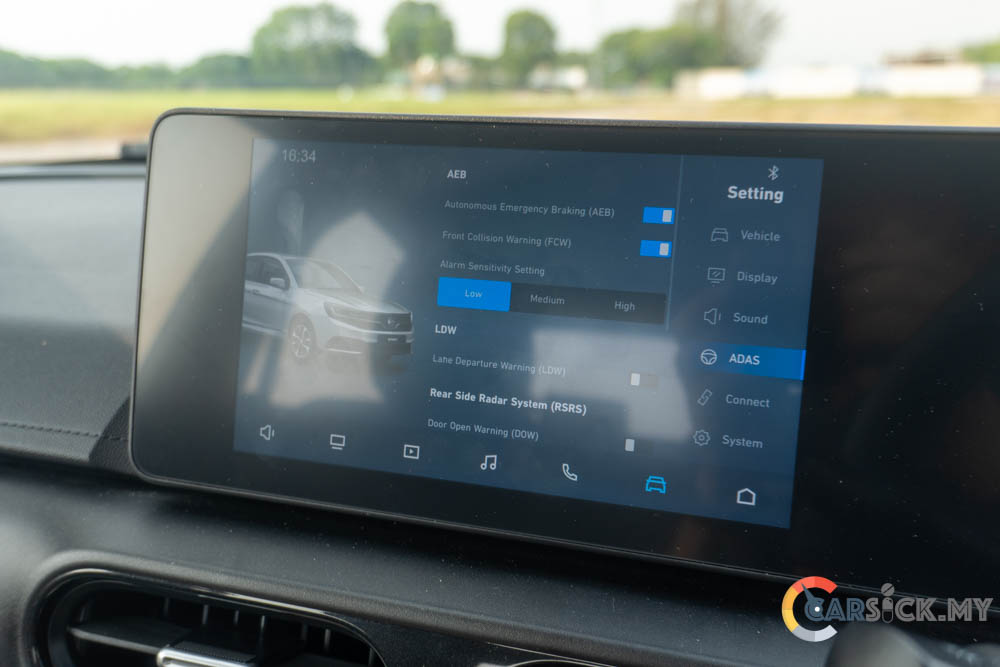
At RM49,990, it’s genuinely difficult to complain about what the Saga offers. Let’s be realistic. Most people shopping in this price range aren’t looking for a Nürburgring weapon. They want something affordable, comfortable, reasonably well equipped and capable of getting them from point A to point B without drama. And that’s exactly what the Saga does. In fact, I’d argue that Proton has made comfort and refinement two of the Saga’s strongest qualities. The ride is well sorted, the new engine is considerably more refined, NVH is impressively controlled and you now get a surprising amount of technology for the money. 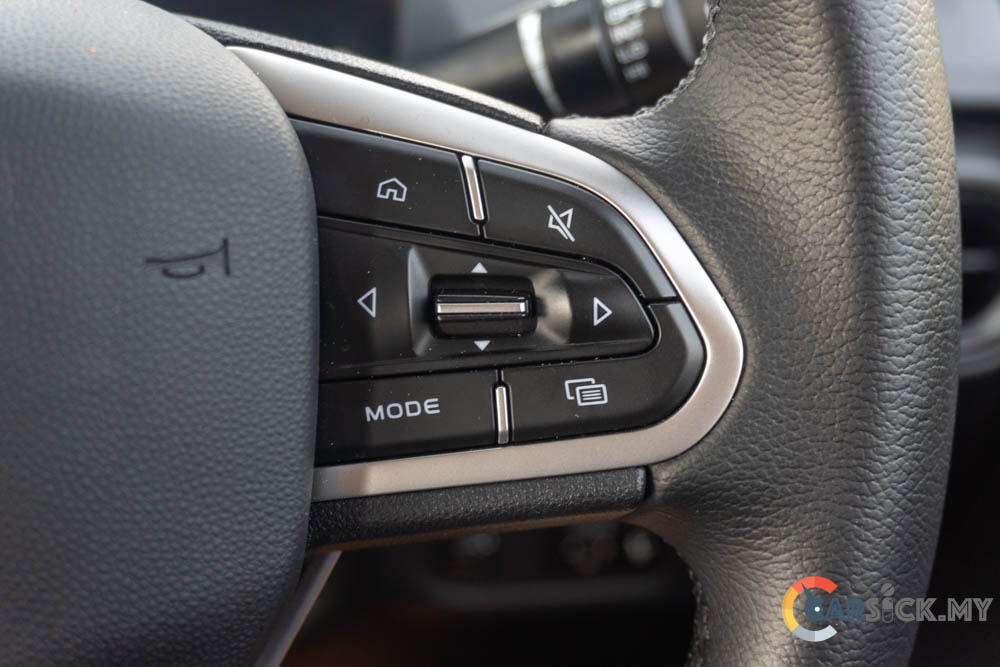
It’s certainly not perfect. The driving position could be better, the steering is overly light, the tyres aren’t anything to shout about and the engine isn’t going to win any drag races. But none of those things really define what the Saga is supposed to be. The Saga is supposed to be affordable, practical and comfortable. And on those fronts, Proton has absolutely nailed the brief. After all, there’s probably a reason why Proton keeps selling so many of them. The Saga may no longer be the bare-bones budget sedan it once was, but it hasn’t forgotten what made it popular in the first place. It’s still a people’s car. It’s just a people’s car that’s finally caught up with 2026.
Check out the full photo album here.