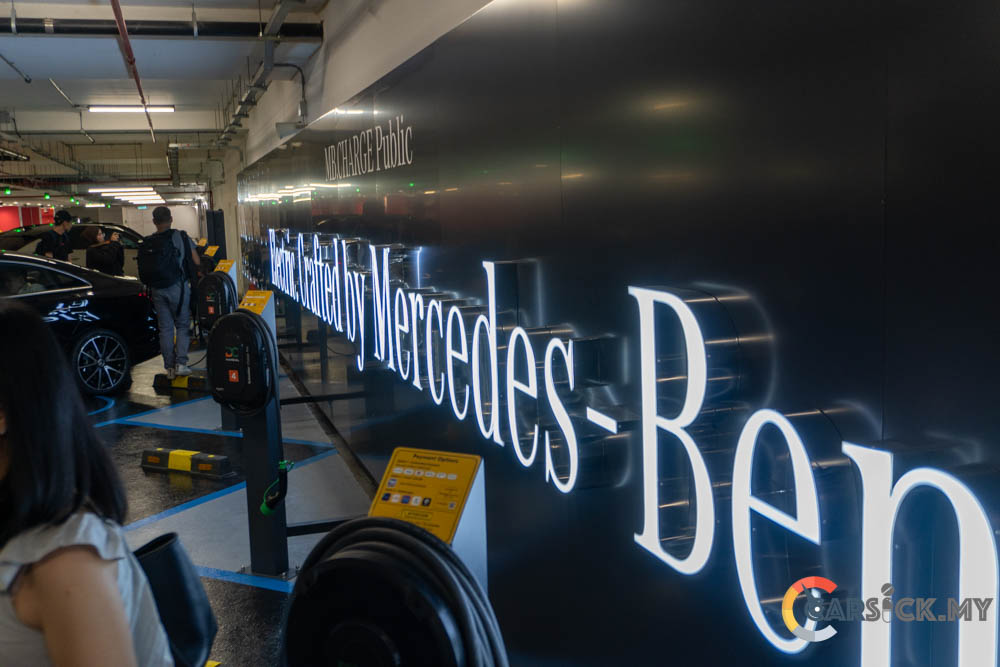

Mercedes-Benz Malaysia has taken another step towards making electric mobility more seamless with the introduction of MB.CHARGE Public, a new integrated public charging service designed to give both all-electric and plug-in hybrid Mercedes-Benz customers easier access to charging infrastructure across Malaysia.
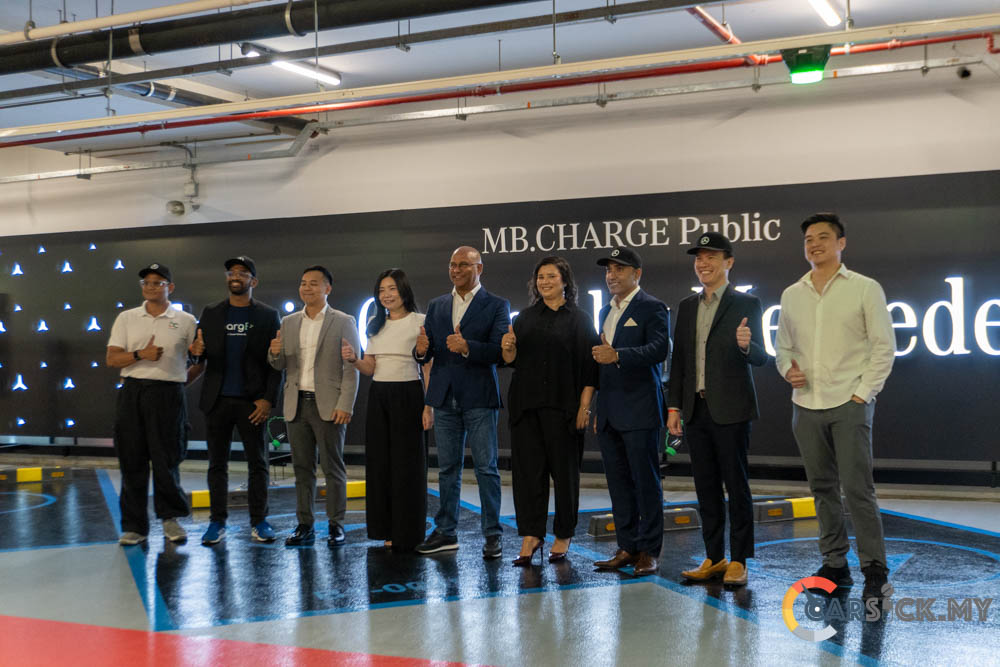 Developed in collaboration with seven Charging Point Operators (CPOs), MB.CHARGE Public brings together more than 3,000 charging points at over 1,000 locations under a single digital service. The initiative is aimed at removing some of the complexity associated with public charging by combining charging station discovery, route planning, authentication, payment and charging information through the Mercedes-Benz ecosystem.
According to Nadia Trimmel, Chief Operating Officer of Mercedes-Benz Cars Malaysia, the introduction of MB.CHARGE Public represents the next stage in the company’s electric mobility strategy, with the wider ecosystem connecting its vehicles, the Mercedes-Benz App and an expanding network of charging partners.
The new service is designed to reduce the need for Mercedes-Benz customers to manage multiple charging applications when travelling around the country. Instead, compatible charging stations can be accessed through the MB.CHARGE Public service, with charging functions integrated directly into the vehicle’s MBUX multimedia system and the Mercedes-Benz App.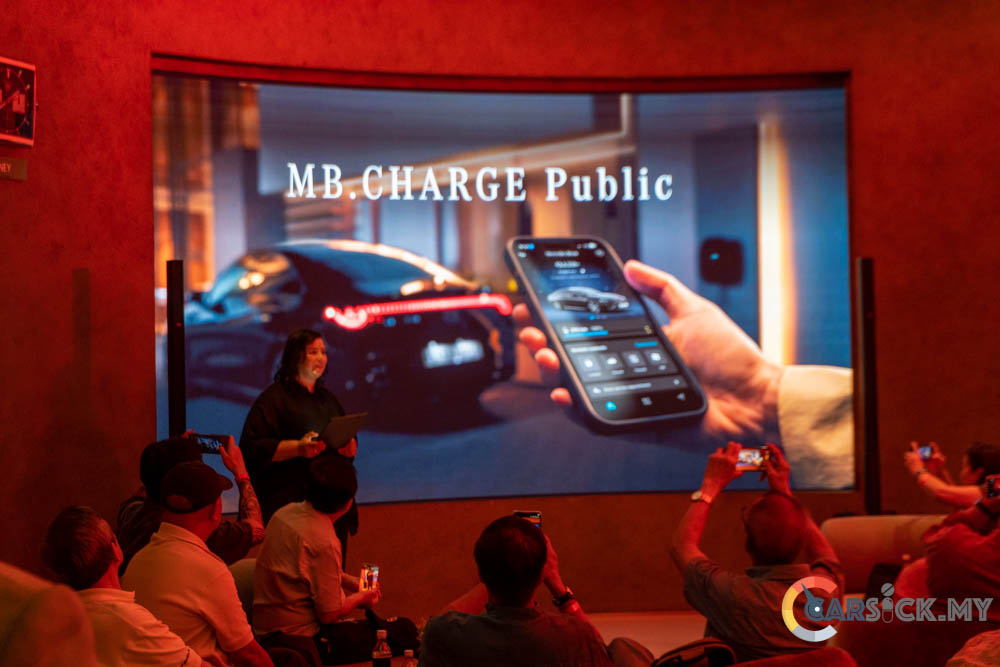
The integration also allows the vehicle to identify compatible charging stations and display their availability. Drivers can filter charging locations according to charging speed, while Mercedes-Benz’s Electric Intelligence navigation can incorporate charging stops into route planning based on factors including the vehicle, journey and available infrastructure.
This means charging becomes part of the overall driving experience rather than a separate process that drivers have to plan around. Once a customer has an MB.CHARGE Public charging contract, authentication at participating stations can be carried out through the MBUX system or Mercedes-Benz App. Charging progress can then be monitored through the app, providing a centralised view of the session.
Cost information is also presented before charging begins. Customers can view the applicable price per kilowatt-hour or minute, together with an estimated charging cost for fully electric vehicles. Charging sessions are subsequently billed automatically through MB.CHARGE Public, while previous transactions can be accessed through the Mercedes-Benz Customer Portal and Mercedes-Benz App. Mercedes-Benz Malaysia also confirms that there is no additional service mark-up, with customers paying the prevailing rate charged by the respective charging station.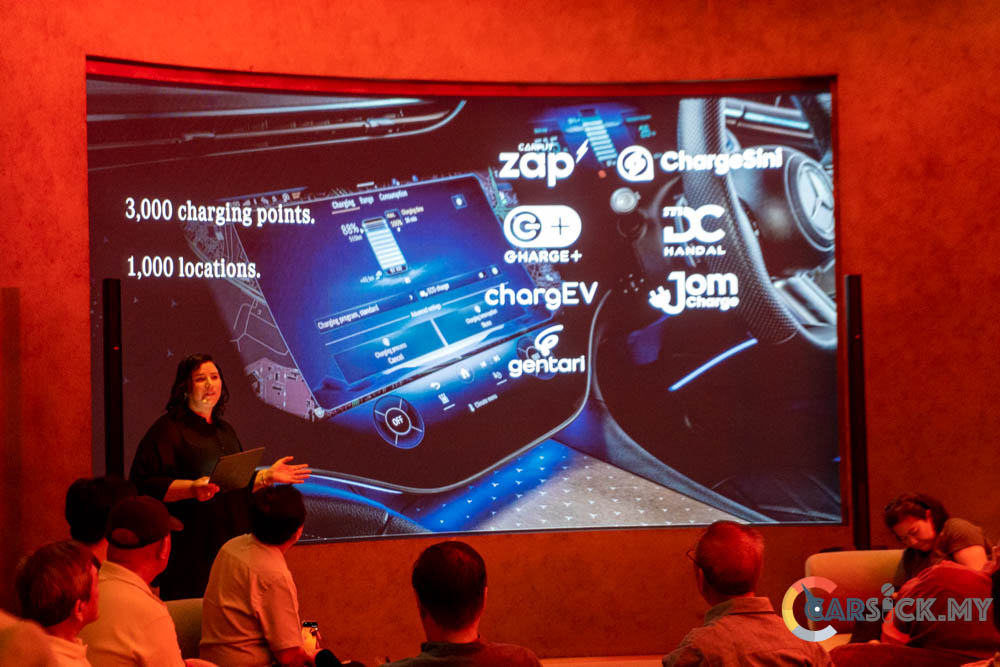
MB.CHARGE Public forms part of Mercedes-Benz Malaysia’s broader approach to charging, which covers charging at home, at retail locations and at public destinations. The company’s existing public charging network includes partnerships with locations such as golf courses, hotels and shopping malls, covering 19 locations nationwide with 44 chargers. The introduction of MB.CHARGE Public expands this ecosystem by connecting customers to a much larger network operated by multiple CPOs.
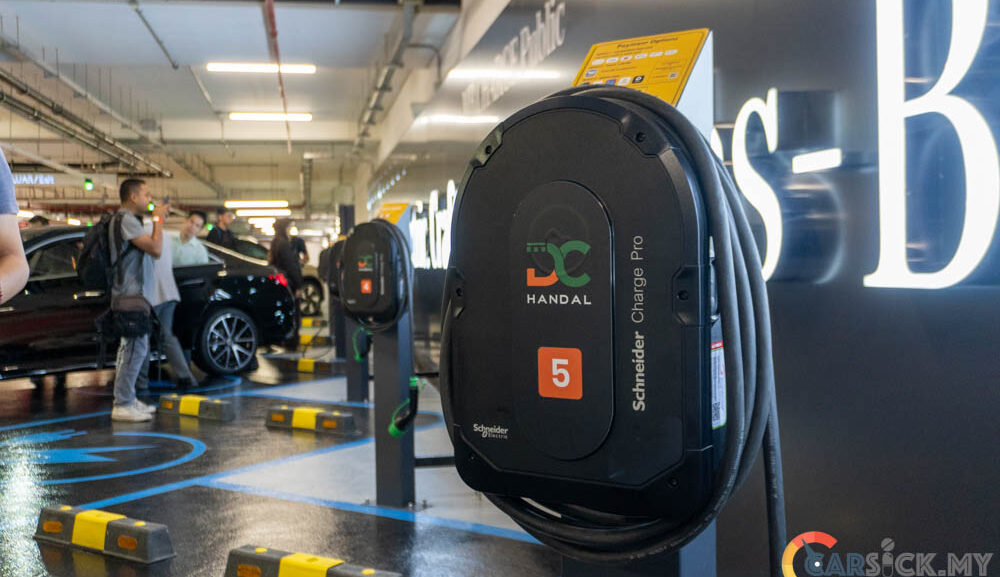
The seven Malaysian partners are CarputZap, Charge+, ChargeSini, chargEV, DC Handal, Gentari and JomCharge. By bringing these networks together through a single service, Mercedes-Benz Malaysia is effectively shifting the focus from individual charging networks towards a more connected experience for drivers. The collaboration also reflects the growing importance of interoperability as Malaysia’s EV charging infrastructure continues to expand. Rather than requiring drivers to identify which operator manages a particular charger before beginning a journey, MB.CHARGE Public is designed to make that information largely invisible to the user.
The benefits of the integrated system extend beyond Malaysia’s borders, with MB.CHARGE Public also supporting travel between Malaysia and Singapore. Customers travelling across the Causeway can access charging networks from Charge+, ComfortDelGro Energy (CDG ENERGY), SP Group and Volt through the same charging service, with sessions handled through a single billing system.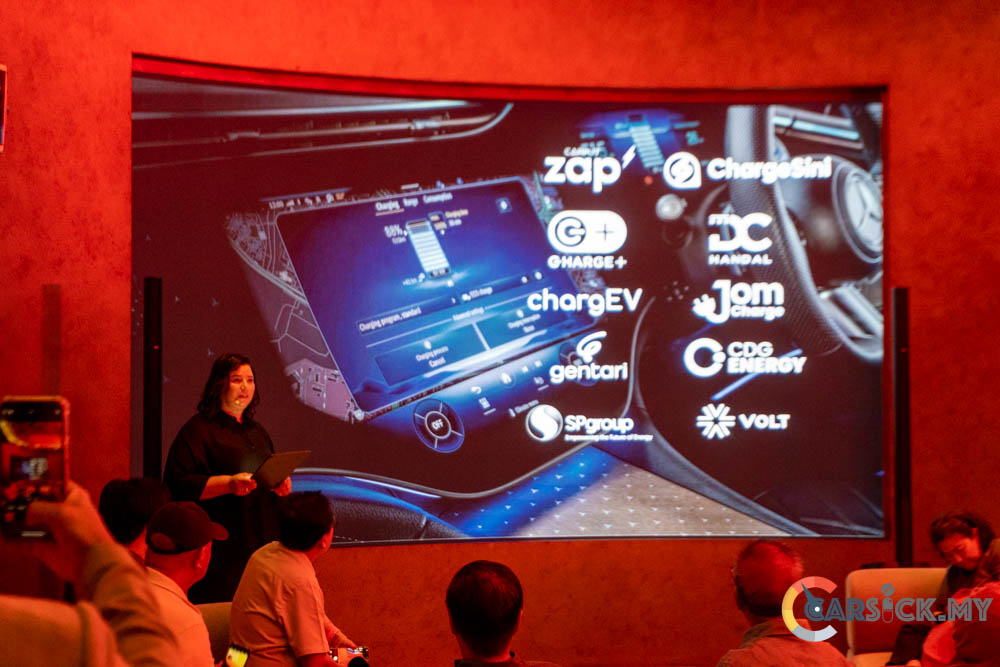
The arrangement also works in the opposite direction, allowing Mercedes-Benz customers from Singapore to access participating public charging infrastructure in Malaysia. For EV drivers, particularly those undertaking regular cross-border journeys for work or leisure, having access to charging networks through a unified system could make longer-distance travel considerably more straightforward. MB.CHARGE Public is part of Mercedes-Benz’s wider global charging strategy. Internationally, the service provides access to more than 3 million charging points worldwide, with over 380,000 active users across 37 countries.
Its Malaysian introduction comes as Mercedes-Benz celebrates 140 years of innovation, linking the company’s historic role in developing mobility with its ongoing transition towards electrification. The strategy extends beyond simply increasing the number of chargers available to customers. By integrating the vehicle, navigation system, mobile application and charging infrastructure, Mercedes-Benz is seeking to make the entire charging process feel like a natural extension of the driving experience.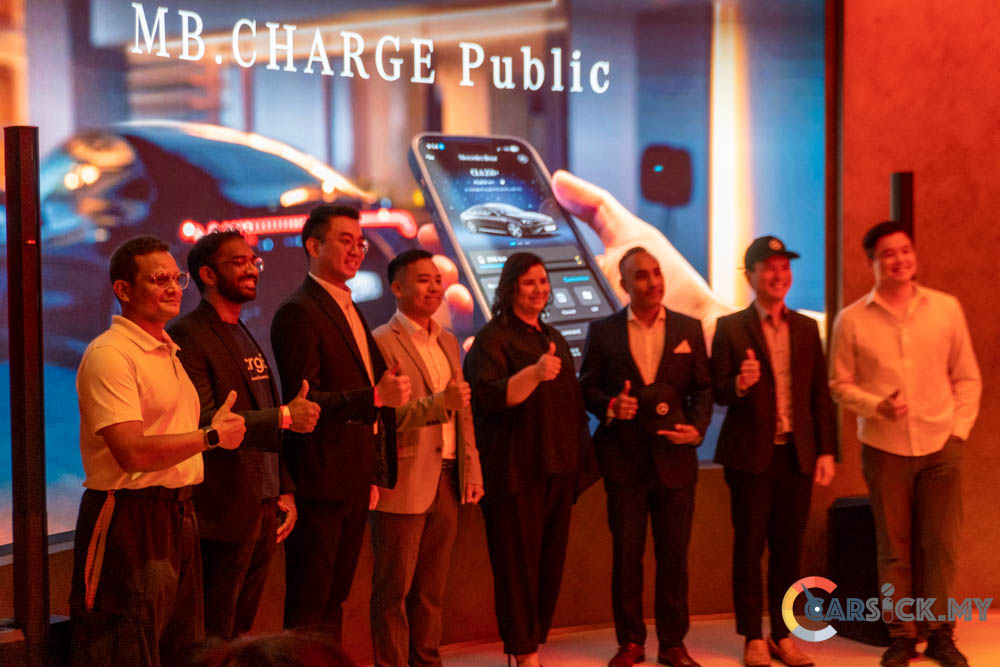
For plug-in hybrid customers, the service provides another layer of convenience, while for fully electric Mercedes-Benz owners, the combination of live charging information and intelligent route planning can help make longer journeys easier to manage. Mercedes-Benz Malaysia says it will continue expanding its strategic partnerships as it develops the country’s charging ecosystem. The introduction of MB.CHARGE Public therefore represents more than the addition of another charging service. It is an attempt to simplify how drivers interact with an increasingly fragmented charging landscape by putting multiple networks, vehicle connectivity and payment functions behind a single digital experience.
As Malaysia’s EV infrastructure continues to mature, the ability to find, access and pay for charging without switching between multiple platforms could become just as important as the number of chargers available.