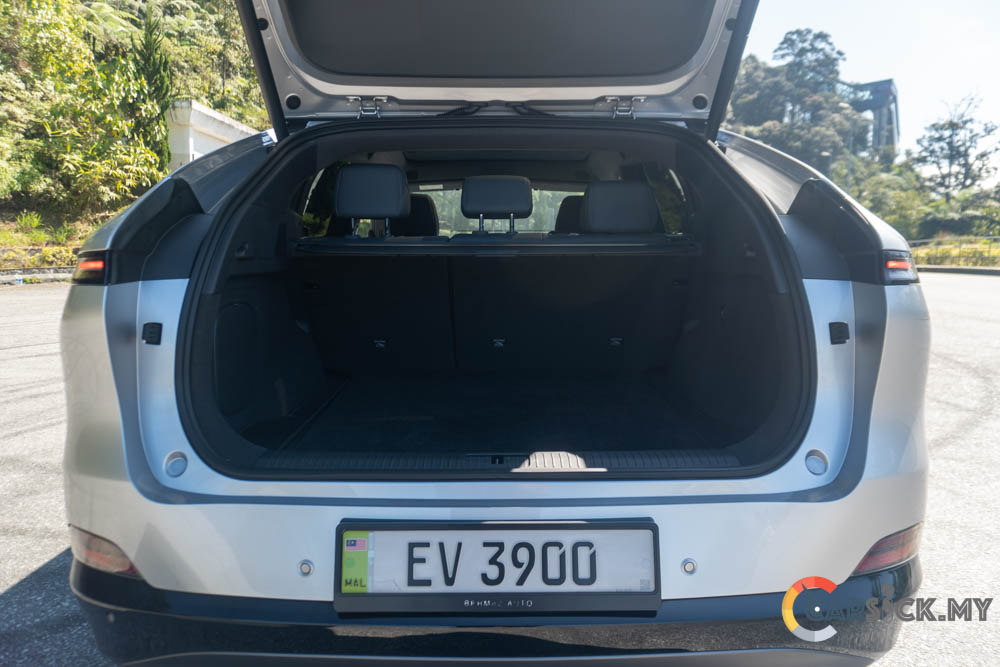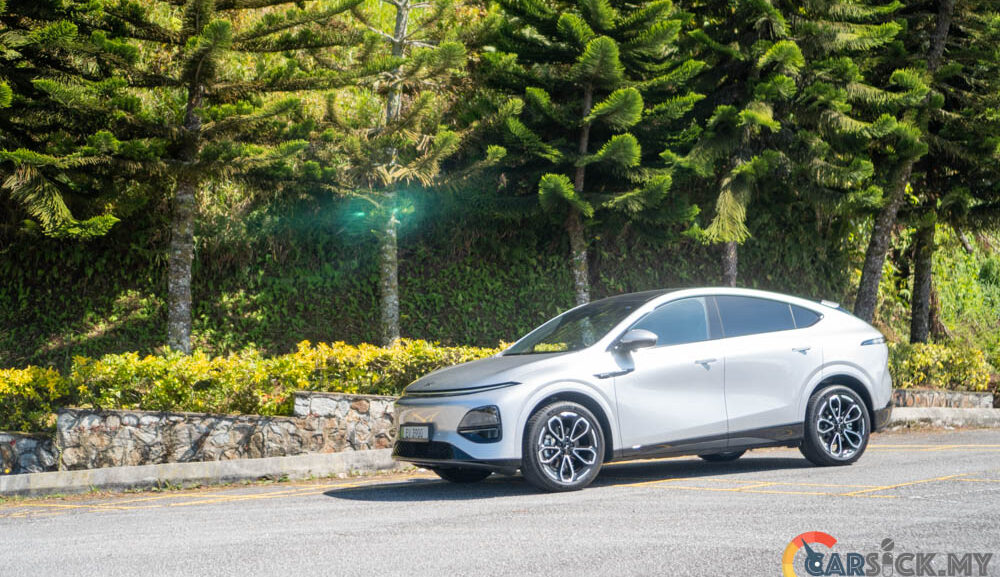

When the Xpeng G6 first arrived in Malaysia, it was easily one of the better-received electric vehicles from China. Since then, Xpeng has updated the G6 once again to ensure it remains relevant in Malaysia’s ever-changing EV market. With the latest update, Xpeng has shifted its focus to more advanced LFP batteries, meaning the G6 is no longer offered with NMC batteries. As a result, every G6 currently on sale in Malaysia benefits from the latest battery technology available from the brand. On top of that, there are also several minor enhancements to keep the vehicle up to date. With all these changes made to the G6, is it now an even better option than before? Let’s find out.
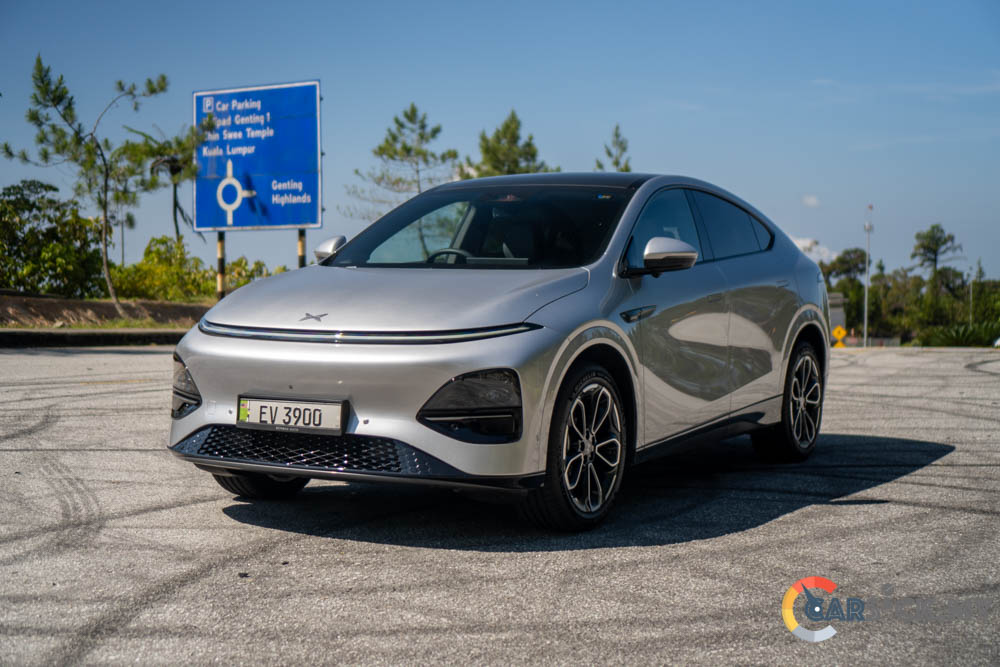
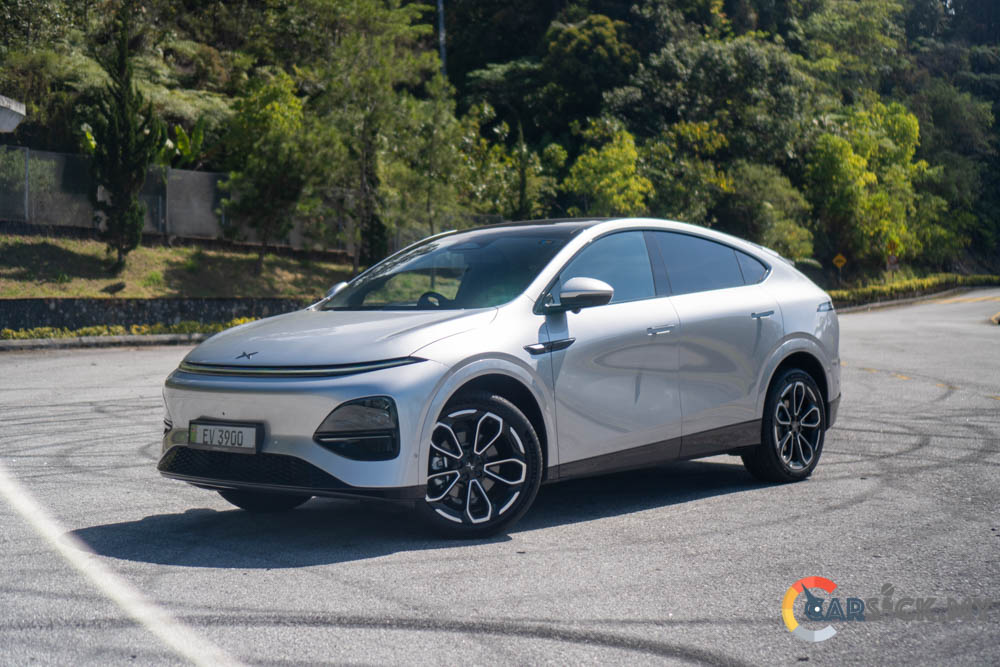
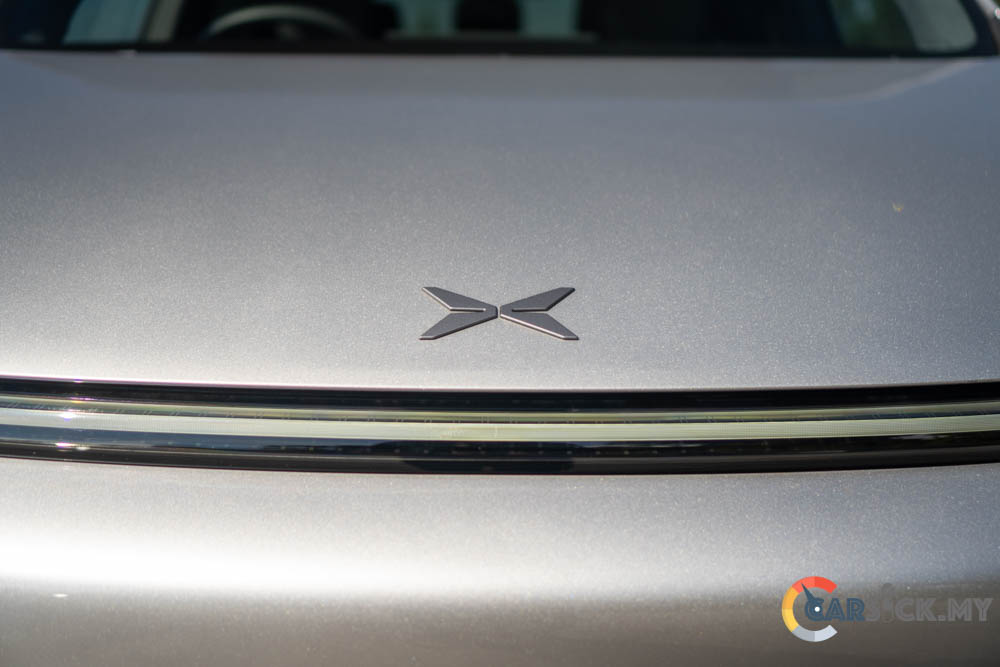
 Let’s start with the exterior. The new G6 has received some subtle cosmetic changes that allow people to differentiate it from the slightly older model. The first thing you’ll notice is the daytime running light. Previously, the light bar was split in the middle by the Xpeng logo. For the updated model, the logo has been moved higher up, creating a seamless light bar across the front. Apart from that, the lower portion of the vehicle is now body-coloured instead of being finished in black plastic trim. This instantly enhances the elegant appearance of the G6.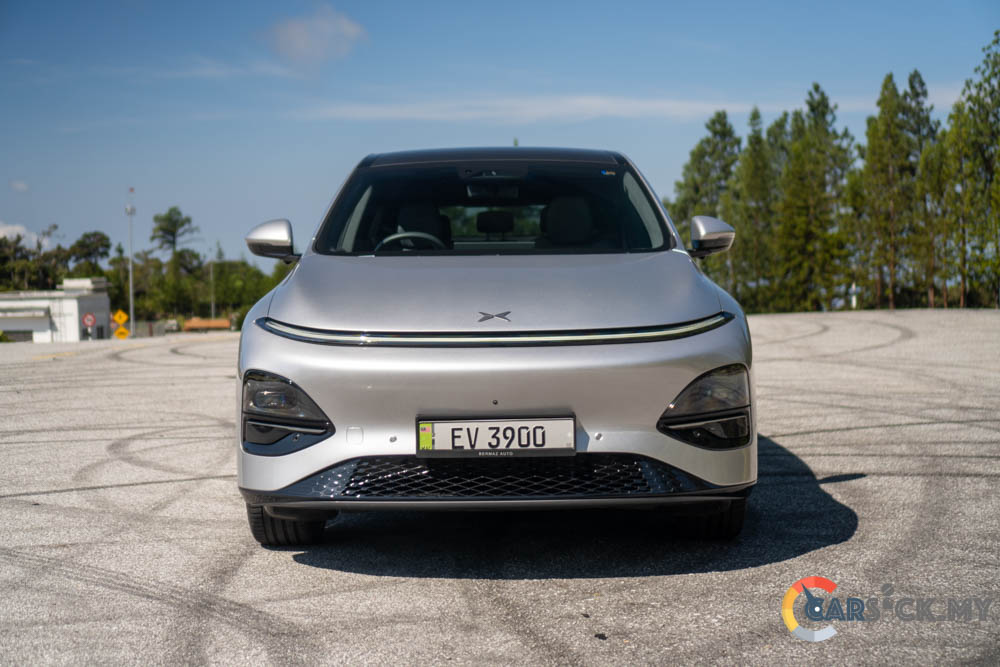
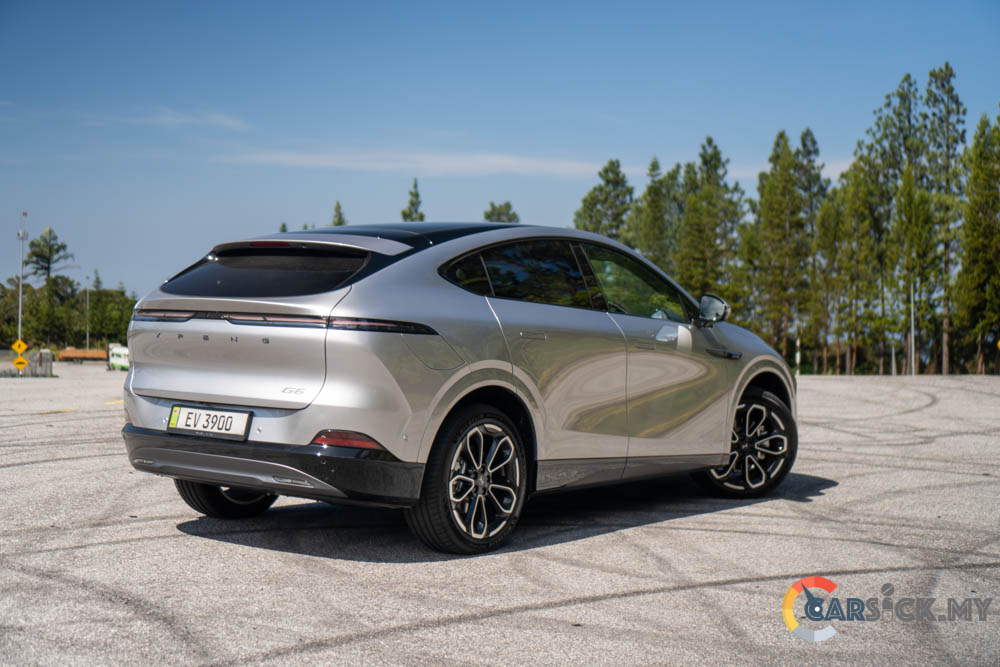
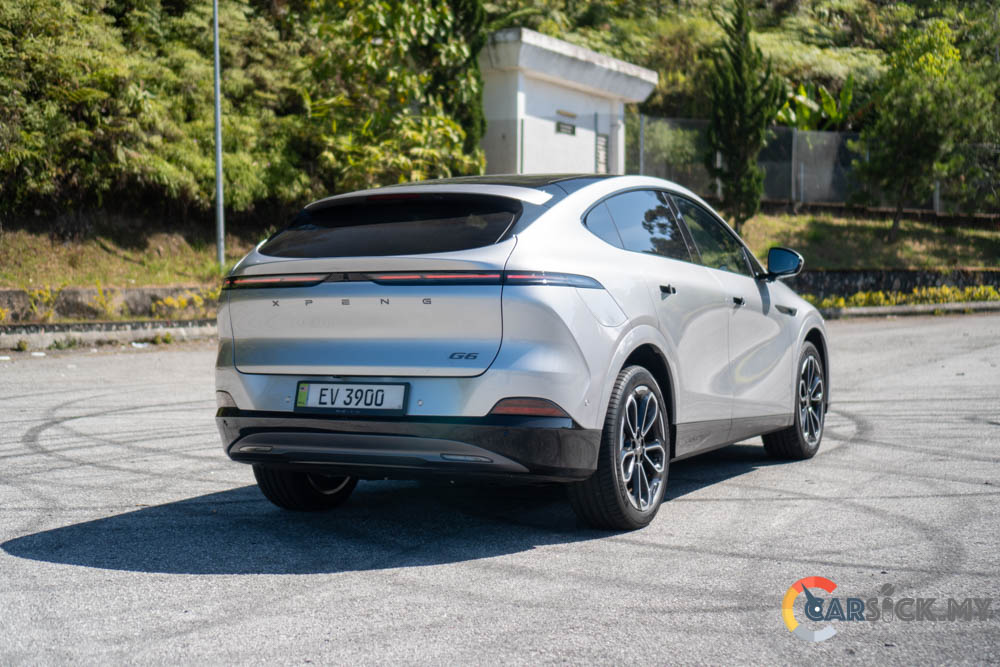
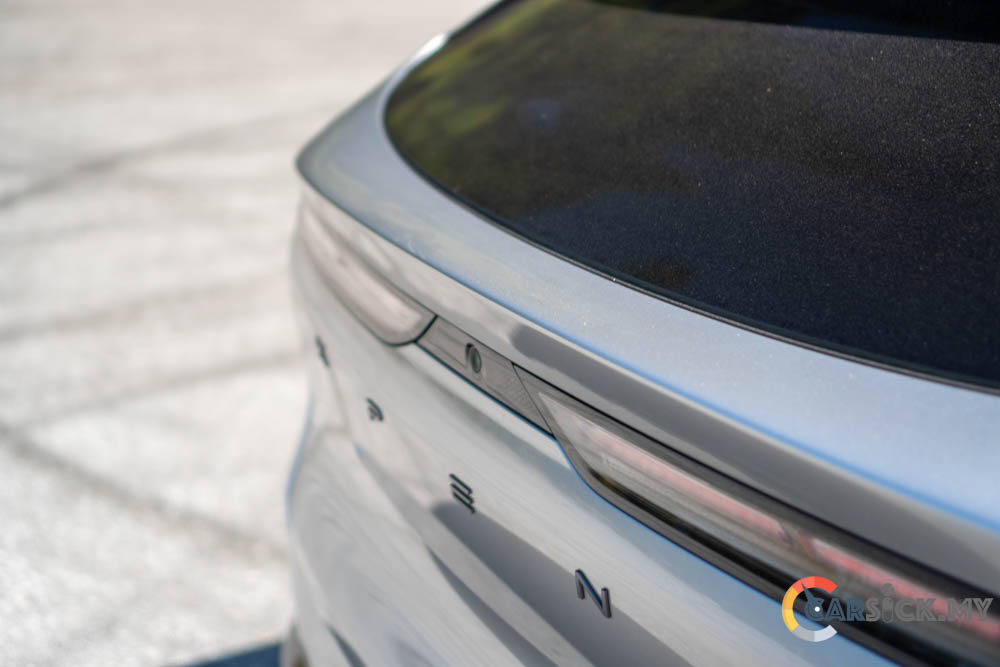
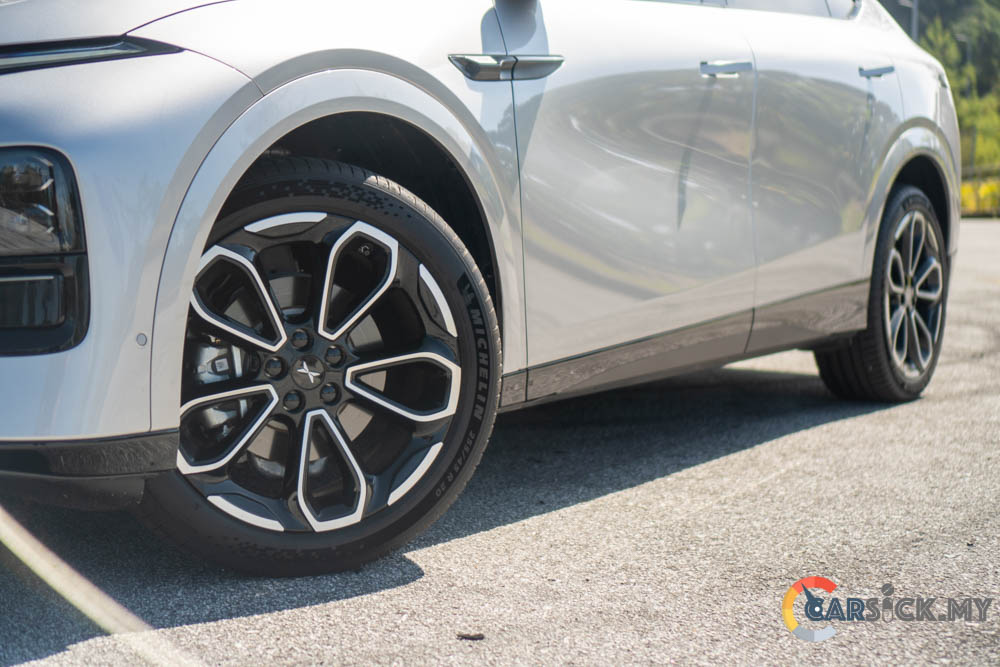
Moving to the rear, you’ll notice that the G6 now comes with a ducktail spoiler. This gives the G6 a sportier profile compared to the older model. The spoiler also helps reduce front-end lift at higher speeds. For grip, the G6 rides on a set of 255/45 R20 tyres wrapped around redesigned 20-inch wheels. These new wheels look smarter and sportier than before, complementing the other exterior updates nicely. 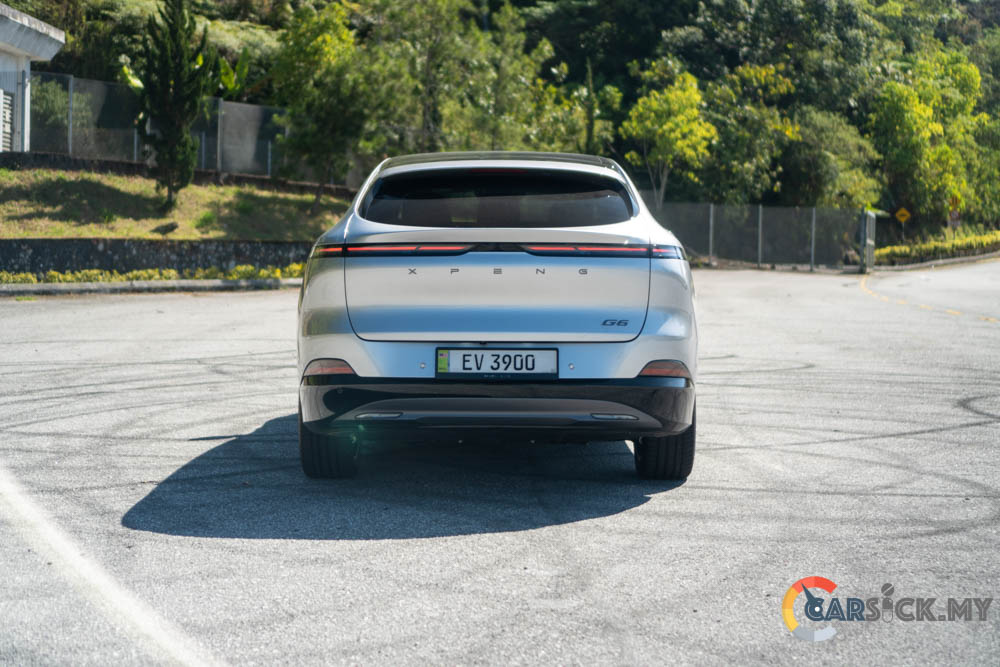
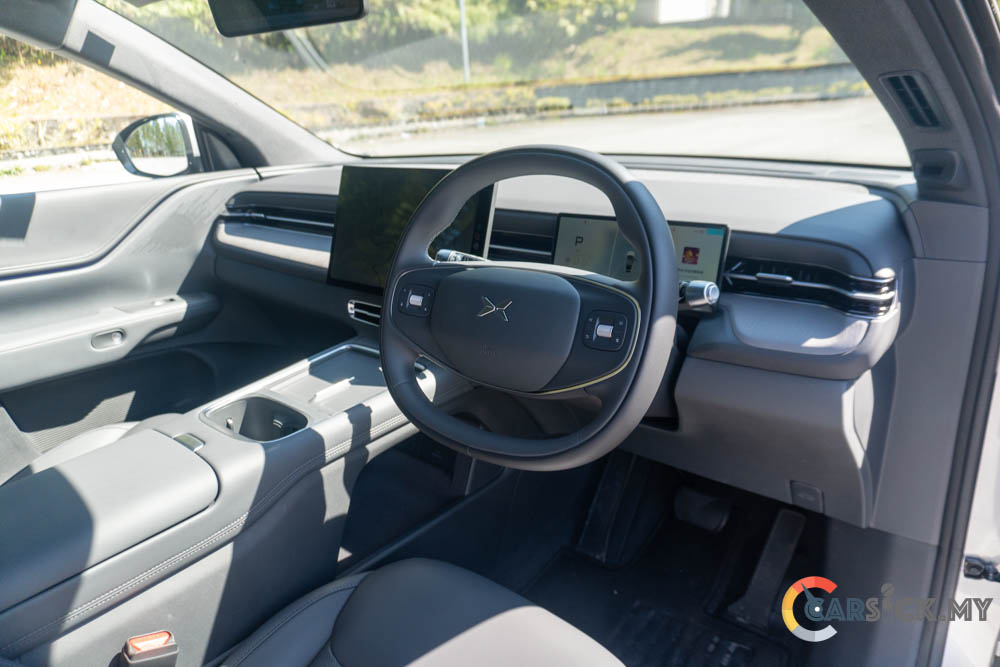
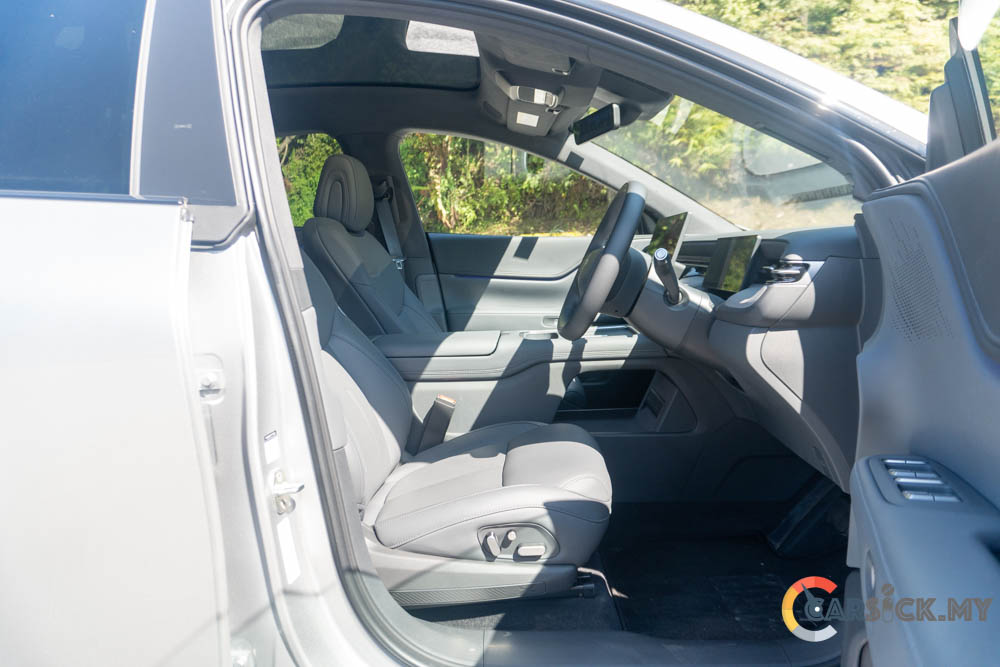
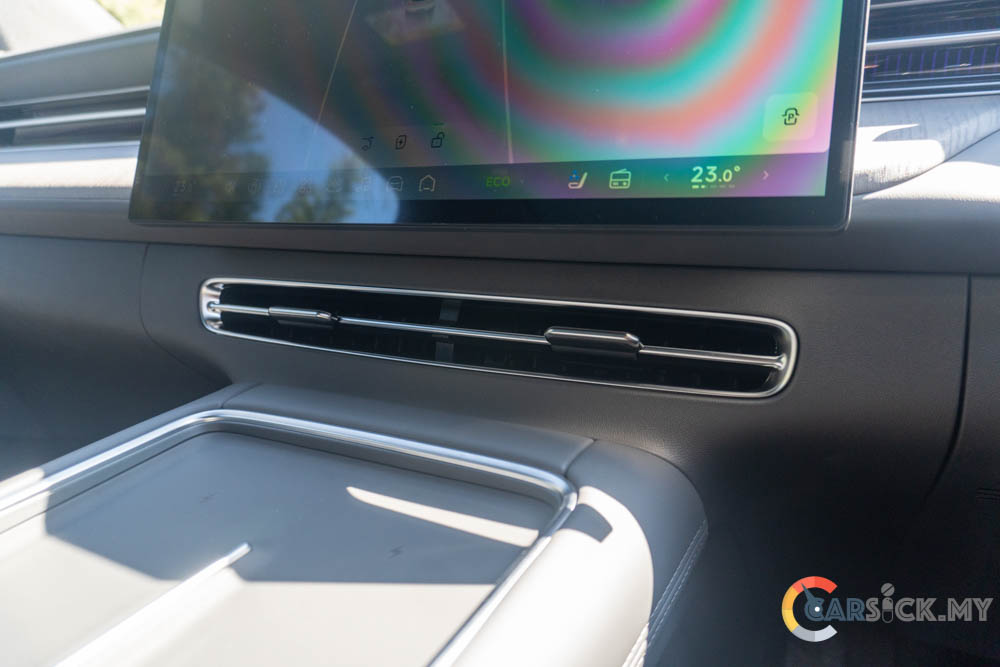
Inside, the familiar minimalist interior remains. That said, Xpeng has made several improvements to make the G6 a more pleasant place to spend time in. The most obvious change is the larger infotainment display, which now measures 15.6 inches, up from 14.9 inches previously. In addition, the air-conditioning vents are now manually adjustable rather than being controlled through the infotainment system. To be fair, I’m happy that Xpeng removed that feature. The change to the air vents has also resulted in some revisions to the dashboard design. 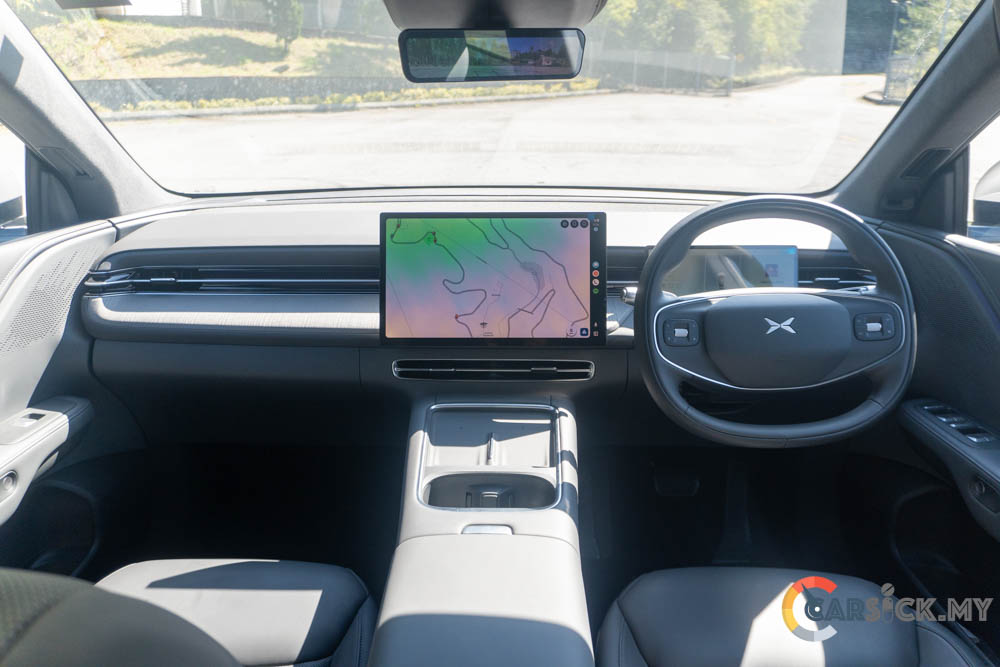
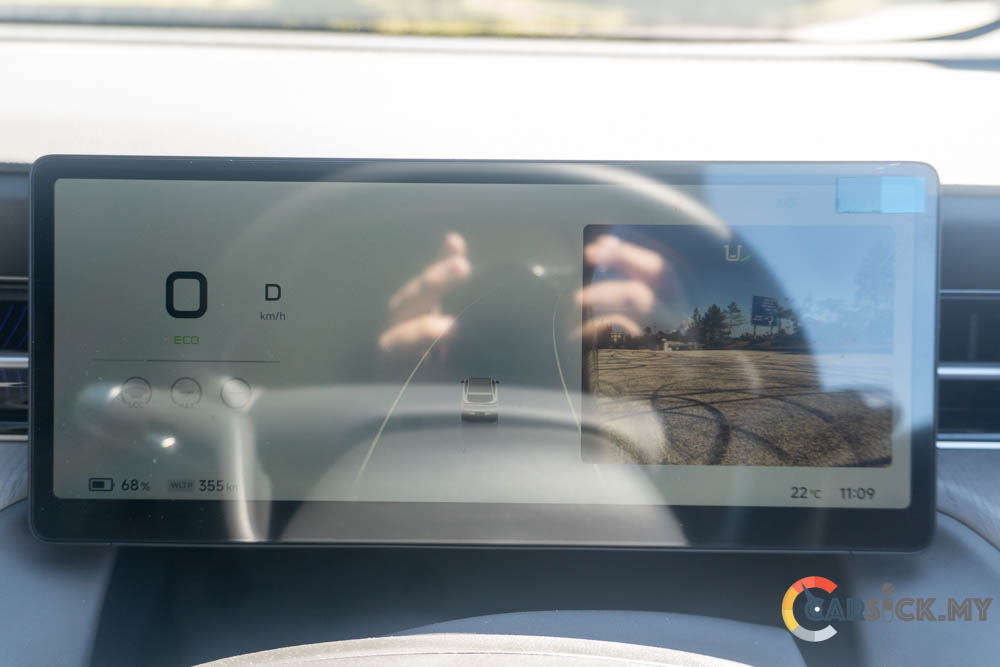
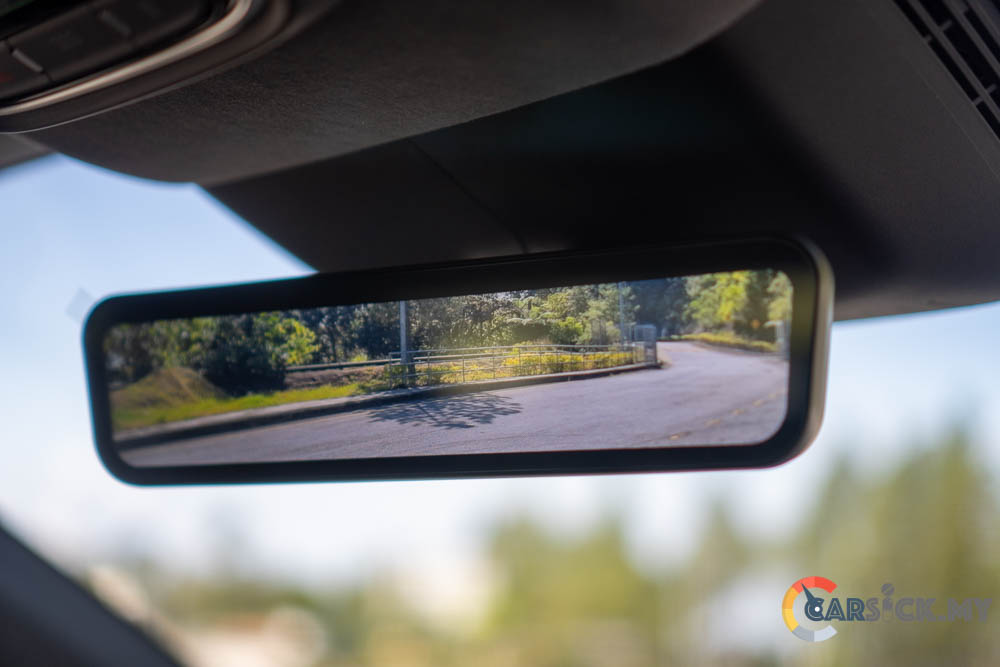
The instrument cluster has also received some functional enhancements. When using the indicators, a camera feed now appears on the instrument cluster, similar to systems found in Hyundai and Kia models. This allows you to monitor your blind spots without needing to turn your head, which is a significant advantage for the G6. Additionally, the rear-view mirror can now switch to a camera display. So if a tall passenger is obstructing your rearward visibility, you can still see clearly behind the vehicle. These are the most noticeable updates that can be seen with the naked eye. 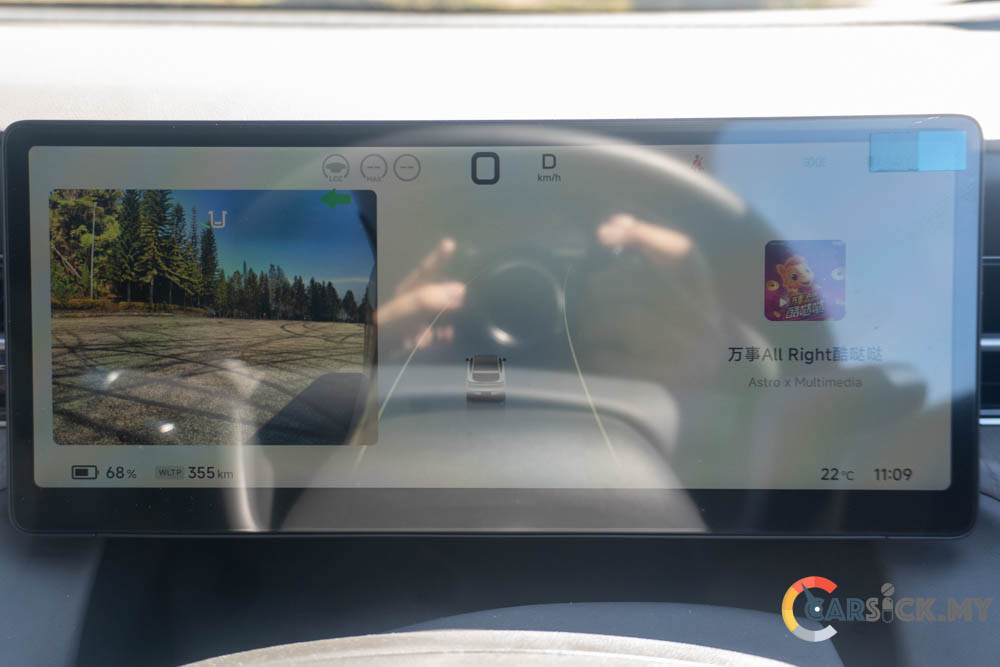
Now, let’s talk about the changes that aren’t visible. One of the highlights of the updated G6 is its new battery. The G6 is now offered with only one battery option, an 80.8kWh LFP battery. This means there is no longer an NMC battery option available. Along with the new battery comes an updated electrical architecture. The G6 now features an 800V system, allowing for significantly faster charging speeds. DC charging capability has increased to a maximum of 451kW, which is effectively double the charging speed of the previous model. On a full charge, the G6 offers a WLTP-rated range of up to 525km. 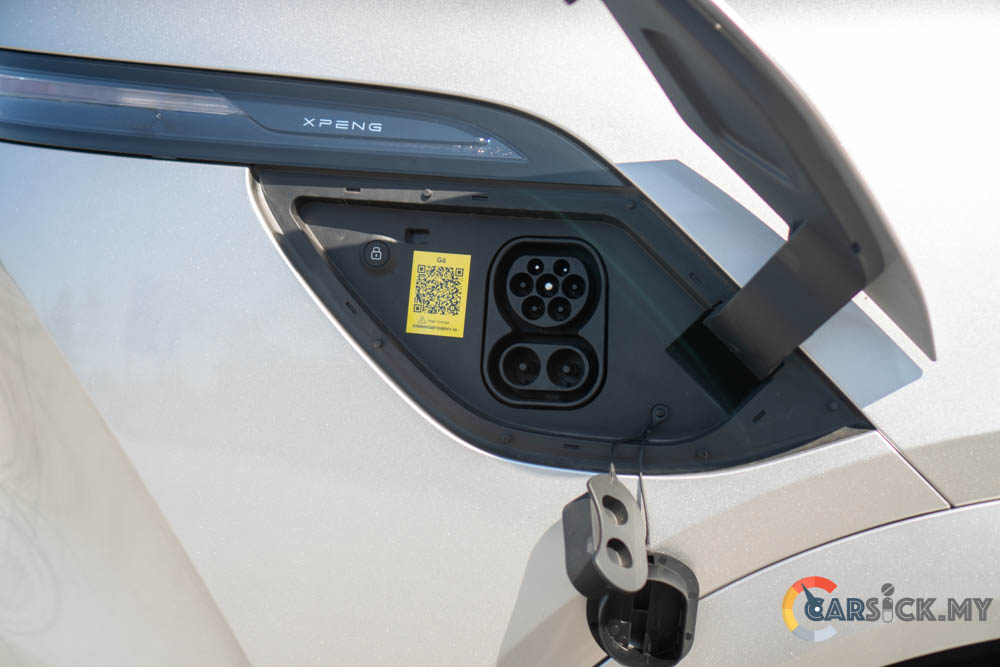
As for the driving experience, here’s a brief overview of the powertrain. The G6 is available with either a rear-wheel-drive single-motor setup or a more powerful all-wheel-drive dual-motor configuration. The vehicle loaned to me was the rear-wheel-drive Long Range variant. This version produces 296PS, allowing it to accelerate from 0-100km/h in 6.7 seconds before reaching a top speed of 202km/h. Since this is the single-motor variant, the driving experience remains largely unchanged from the previous G6 I drove. As expected from an EV, power delivery is smooth and refined.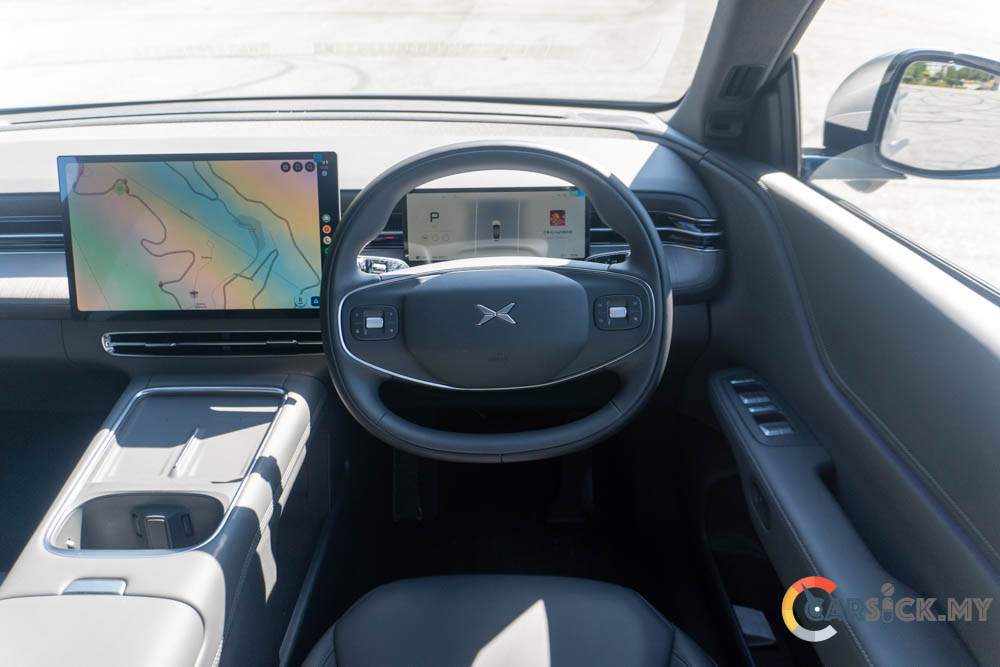
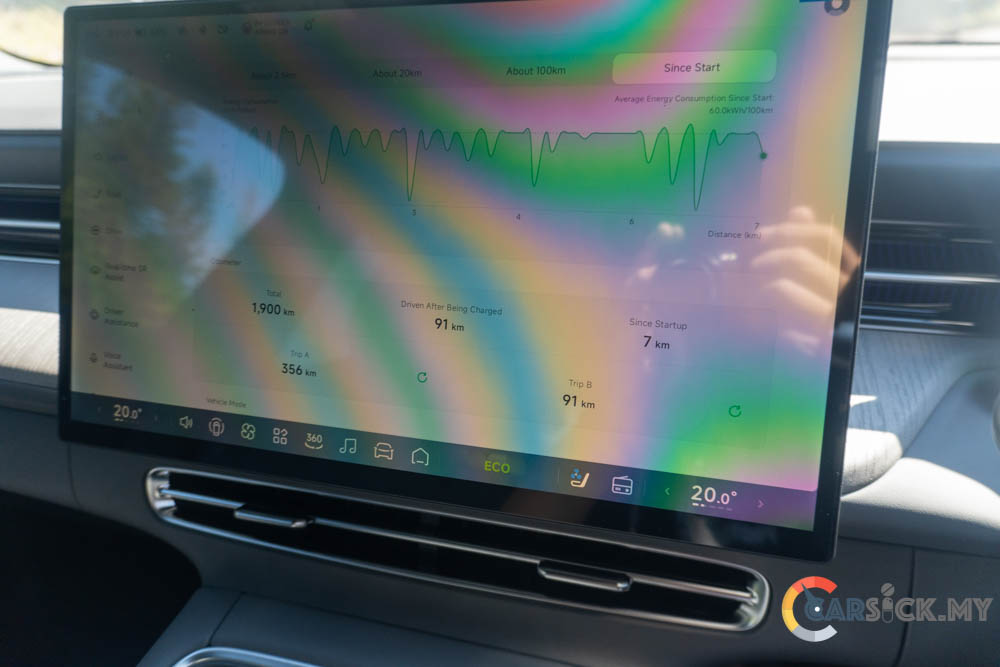
What I really wanted to focus on was its energy consumption. During a drive from Subang to Genting and back, the G6 used around 50% of its available battery charge. This included some spirited driving while heading uphill. To be fair, I found the energy consumption to be quite reasonable. Without the spirited driving, you would probably complete the same journey with even more charge remaining. Unfortunately, due to my limited time with the vehicle, I wasn’t able to accurately estimate its real-world range under normal driving conditions.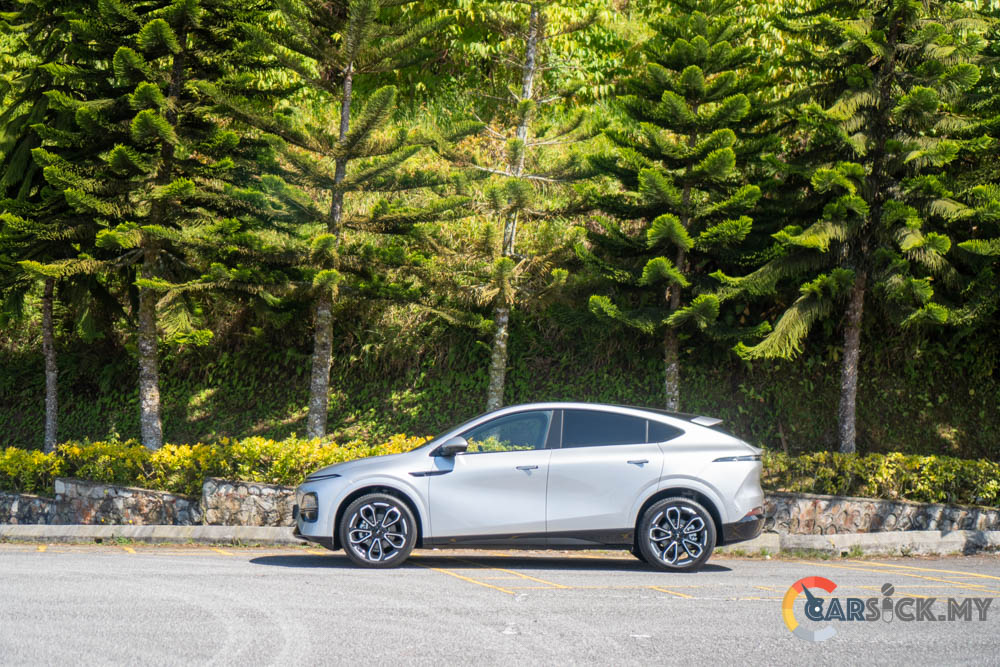
As for ride comfort, the G6 feels composed when driven sensibly. However, as speeds increase, I noticed that the suspension becomes slightly firmer. It’s not uncomfortable, but you do feel more of the road surface through the seat. On rougher roads, the rear of the vehicle also has a tendency to hop around slightly. In terms of handling, it’s decent. The steering is direct but lacks feedback. The large steering wheel further dilutes the steering feel. Through corners, the vehicle’s weight is noticeable, reminding you that this is still a relatively heavy EV. Thankfully, the suspension does a good job of controlling body roll and maintaining stability when cornering.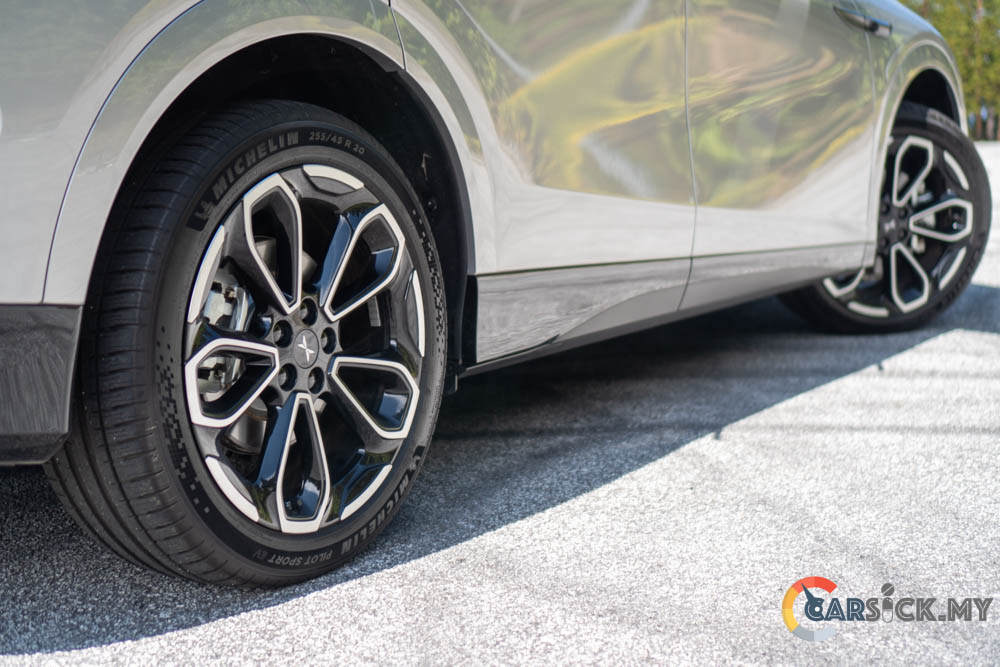
With a price tag of RM179,708, the improvements Xpeng has made to the G6 are certainly welcome. Most buyers will appreciate the additional range and significantly faster charging speeds offered by the new battery and electrical architecture. However, if you’re expecting major visual changes, you may find the update somewhat underwhelming. Existing G6 owners probably won’t feel like they’re missing out on much. But if you’re currently shopping for an EV, the updated G6 is definitely worth a test drive. Personally, I’m still on the fence about it. However, many people around me believe it’s a very good car. Ultimately, the best way to decide is to take one for a test drive and see whether it suits your needs.
Check out the full photo album here.