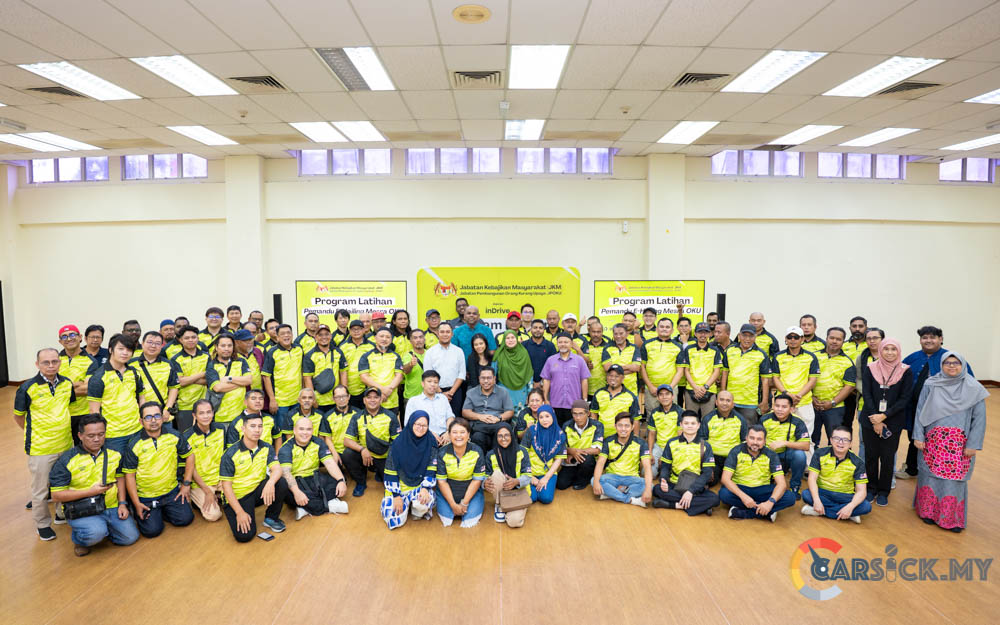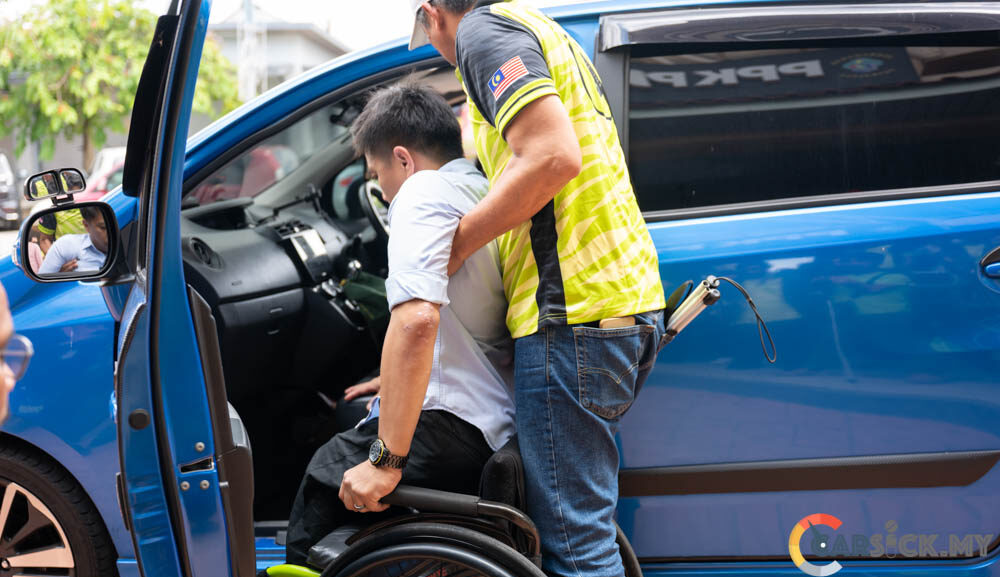

Global mobility platform inDrive has partnered with the Department for the Development of Persons with Disabilities (JPOKU) to introduce a specialised accessibility training programme for its driver-partners in Malaysia. The initiative aims to improve drivers’ understanding of the needs of passengers with disabilities while laying the groundwork for future accessibility improvements on the platform.
 The collaboration marks a notable step for Malaysia’s e-hailing industry, as it is the first programme of its kind involving an e-hailing platform and JPOKU. Beyond technological enhancements, the initiative focuses on increasing awareness, empathy and practical knowledge among drivers, with the goal of creating a transportation environment that is more welcoming and accessible to persons with disabilities.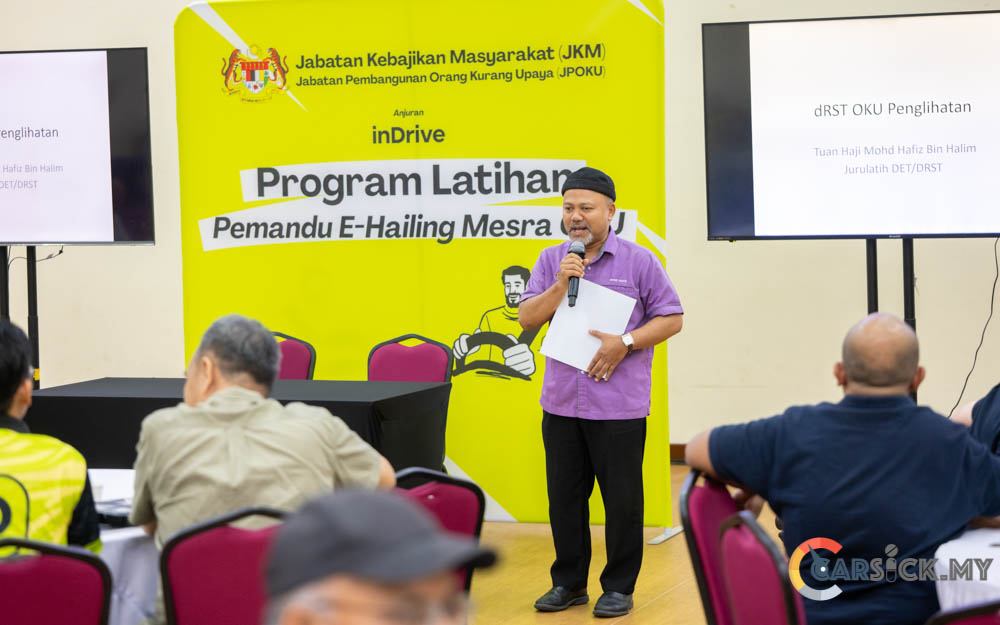
As part of the programme, participating drivers were introduced to the dRST framework, which stands for Describe, Respond, Support and Transfer. The framework provides guidance on how drivers can communicate effectively with passengers who have disabilities, assess individual needs and provide appropriate assistance when required. It is designed to help ensure passengers can travel safely and comfortably while maintaining their independence.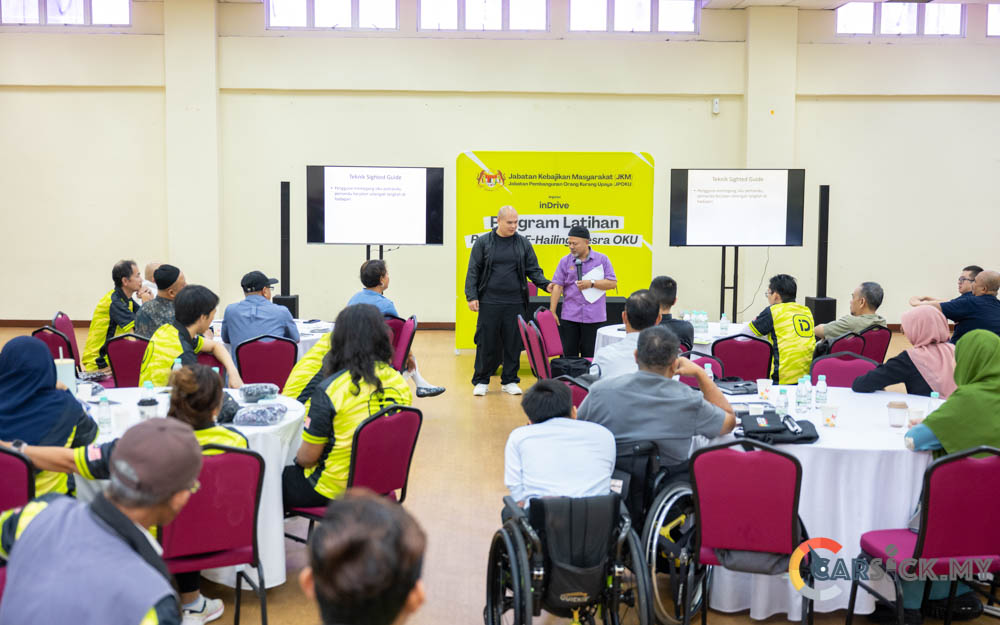
According to Puan Rosni binti Saini, Senior Assistant Director at JPOKU, accessibility should be integrated into essential daily services, including transportation, as Malaysia continues to advance its inclusivity agenda. She noted that cooperation between government agencies and private-sector organisations is important in driving meaningful progress, particularly when initiatives combine technology with education and capacity-building efforts.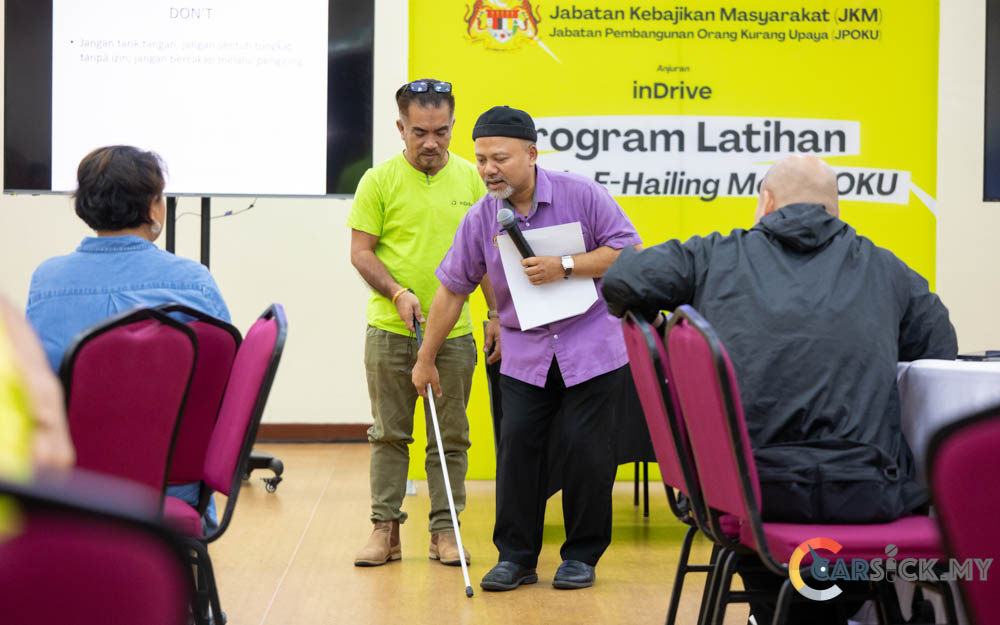
The driver training programme comes ahead of planned accessibility enhancements to the inDrive application in Malaysia. The company is currently working on updates intended to improve usability for both passengers and drivers with disabilities by following internationally recognised accessibility standards.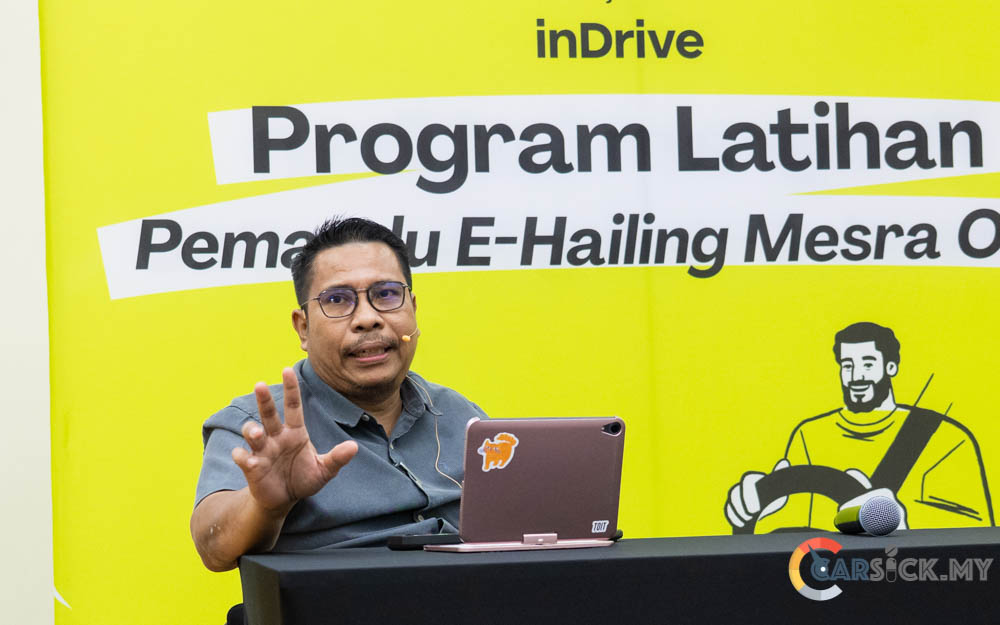
Among the improvements under consideration is better integration with smartphone accessibility tools such as Android’s TalkBack and Apple’s VoiceOver. These features are expected to assist users with visual impairments by providing voice-guided navigation throughout the application.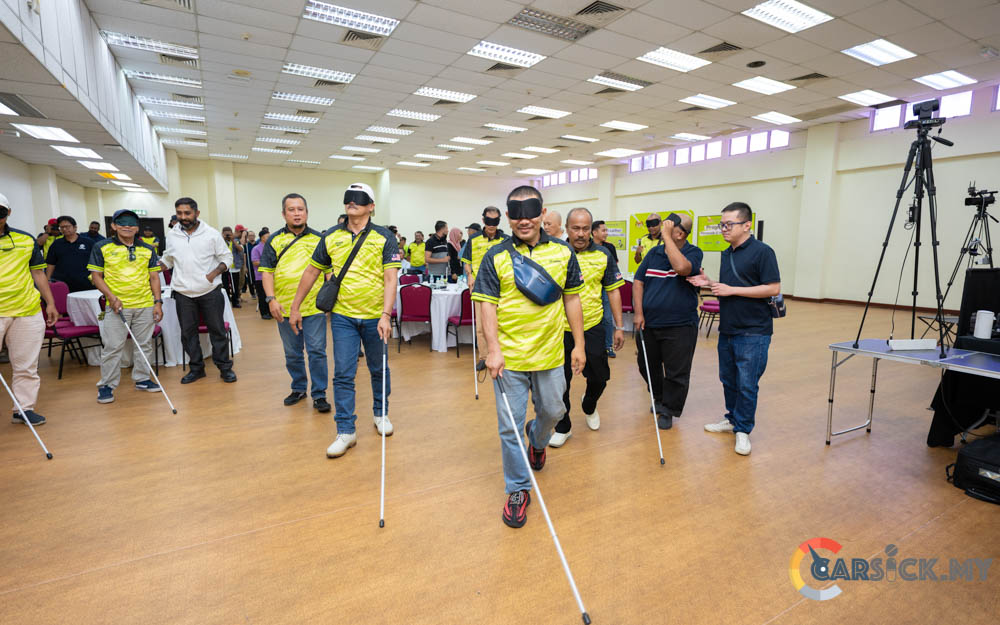
Additional enhancements being explored include clearer visual elements, adjustable text sizes, improved icon visibility and more intuitive navigation. These updates are intended to support users with low vision, colour blindness, motor impairments and cognitive accessibility needs.
For individuals with motor disabilities, the platform is also seeking to improve compatibility with assistive technologies and simplified navigation options. Meanwhile, clearer language, localised content and streamlined layouts are expected to make the app easier to use for people with cognitive disabilities and users who prefer interacting in their native language.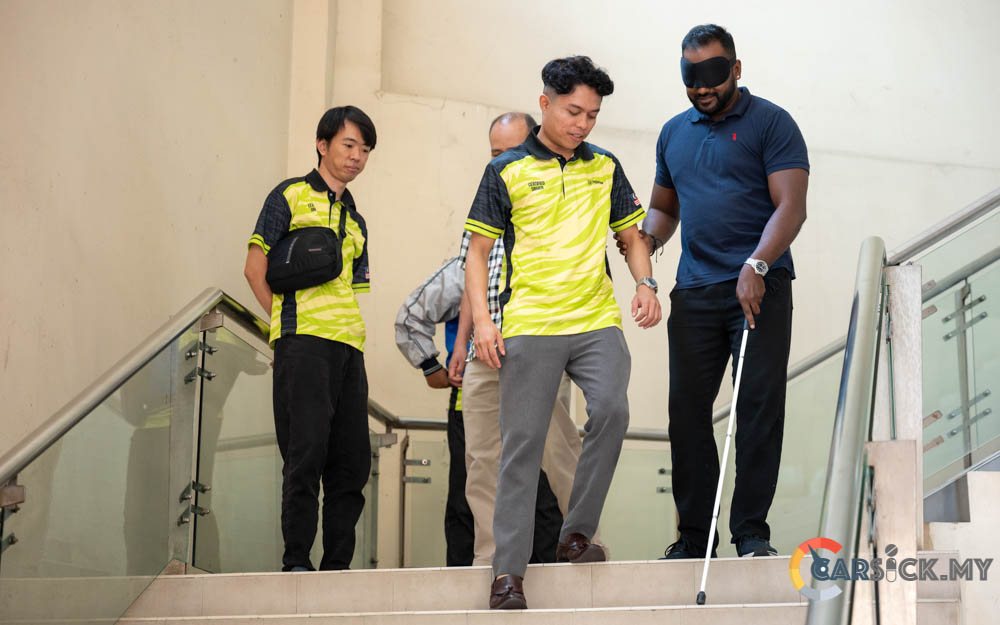
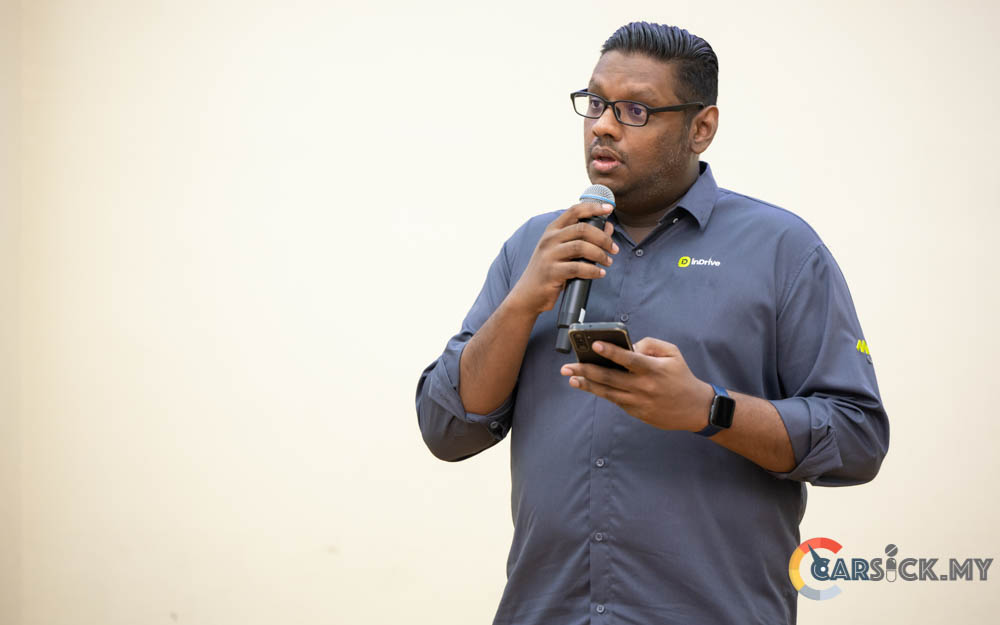
Azlan Anwar, Driver Operations Manager at inDrive Malaysia, said mobility plays a vital role in enabling people to participate fully in society. He added that accessibility requires a combination of inclusive technology and informed human interaction, highlighting the company’s efforts to improve both its platform features and driver awareness.
As accessibility continues to gain attention in Malaysia, initiatives such as this reflect the growing role of collaboration between industry, government agencies and disability advocacy groups in shaping transportation services that are more inclusive for all users.