
While many Chinese automotive brands are placing a strong emphasis on electric vehicles in the Malaysian market, GWM has chosen a slightly different approach by focusing on plug-in hybrid technology. Although the company offers battery-electric vehicles in its lineup, its best-selling model remains the Haval H6 HEV. More recently, GWM introduced its latest flagship MPV, the WEY G9.
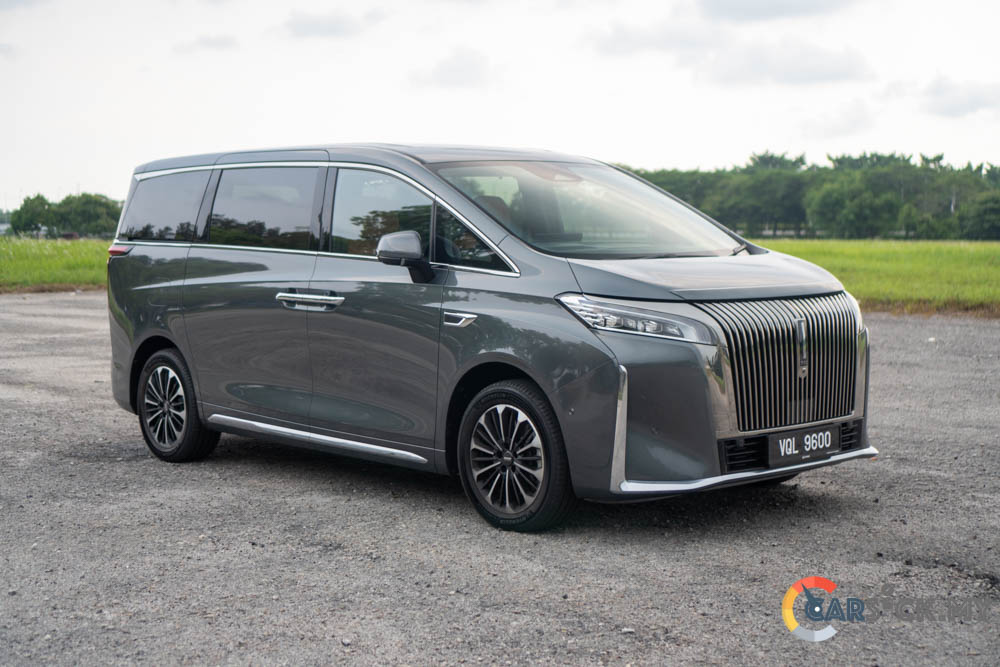
 What sets the WEY G9 apart is its plug-in hybrid powertrain. Unlike many of its competitors that are offered exclusively as fully electric MPVs, the G9 combines electric driving capability with the convenience of a petrol engine. Could this give GWM an advantage in attracting buyers who want a large luxury MPV without the concerns associated with charging infrastructure? Let’s find out.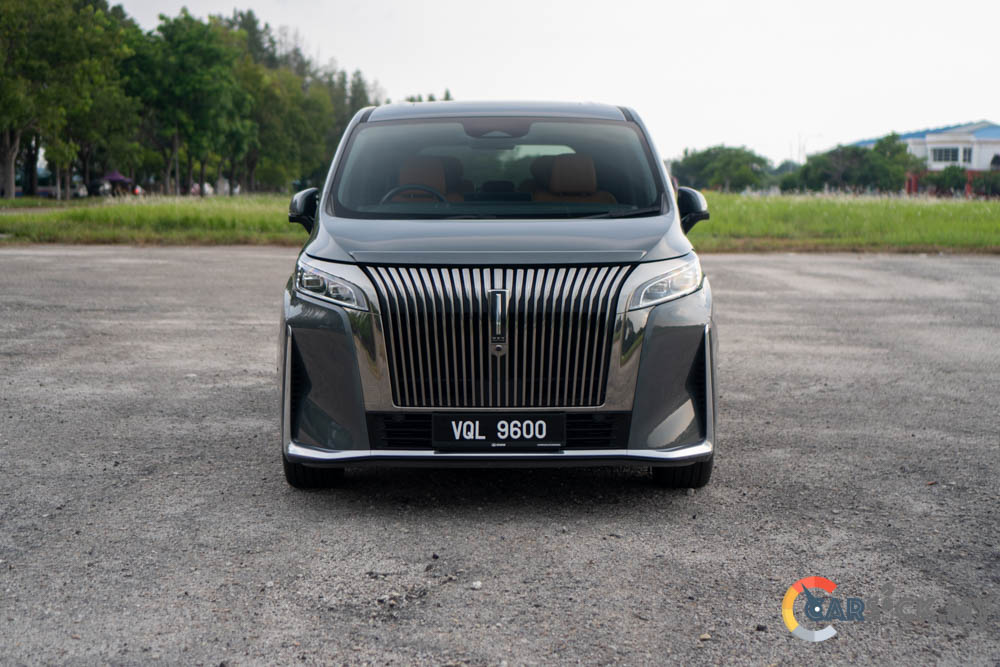
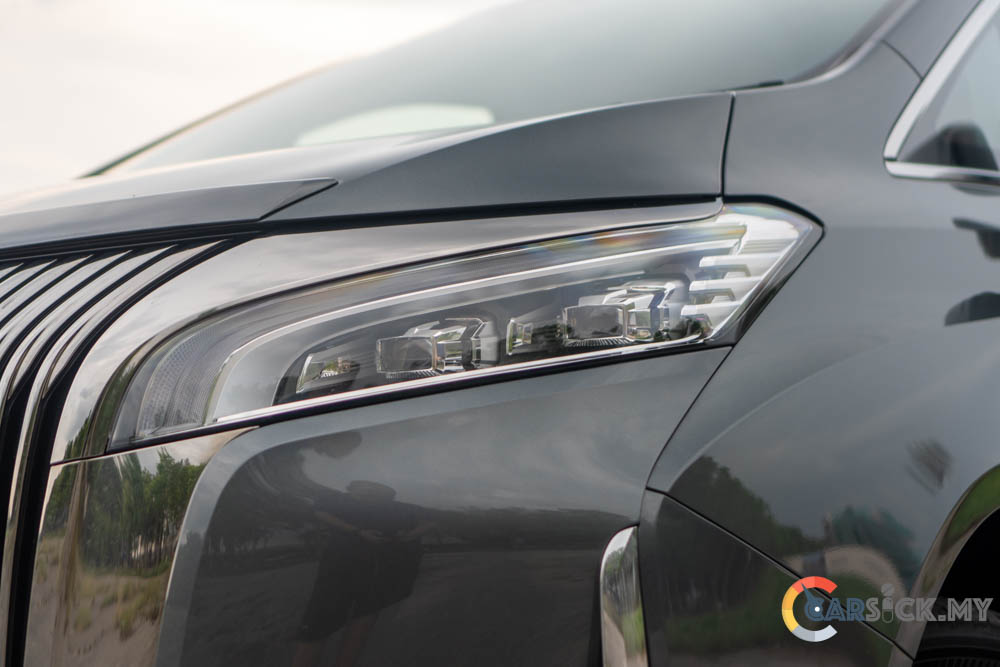
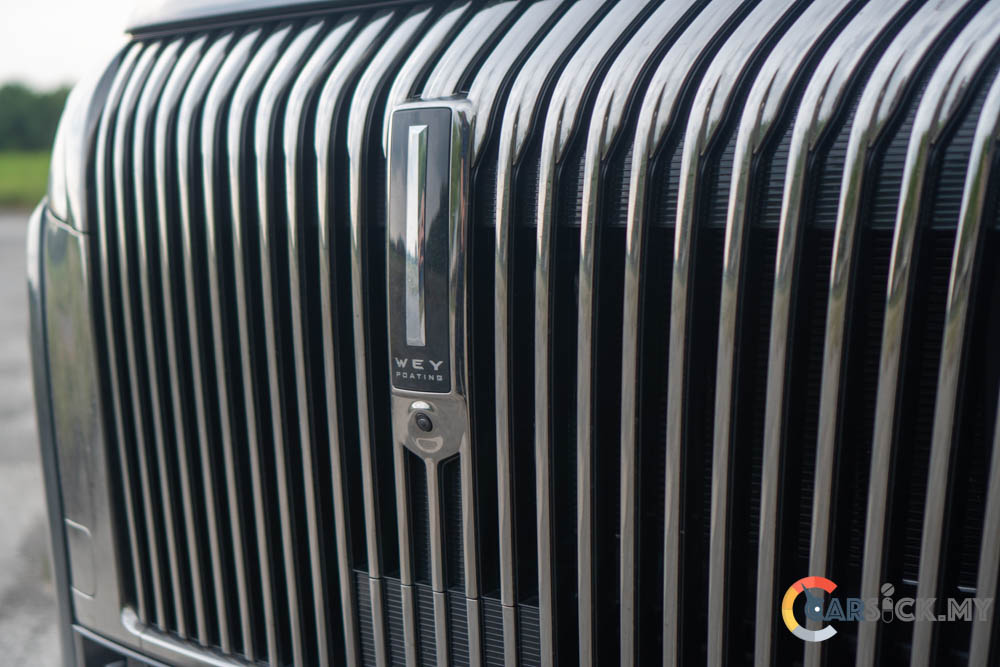
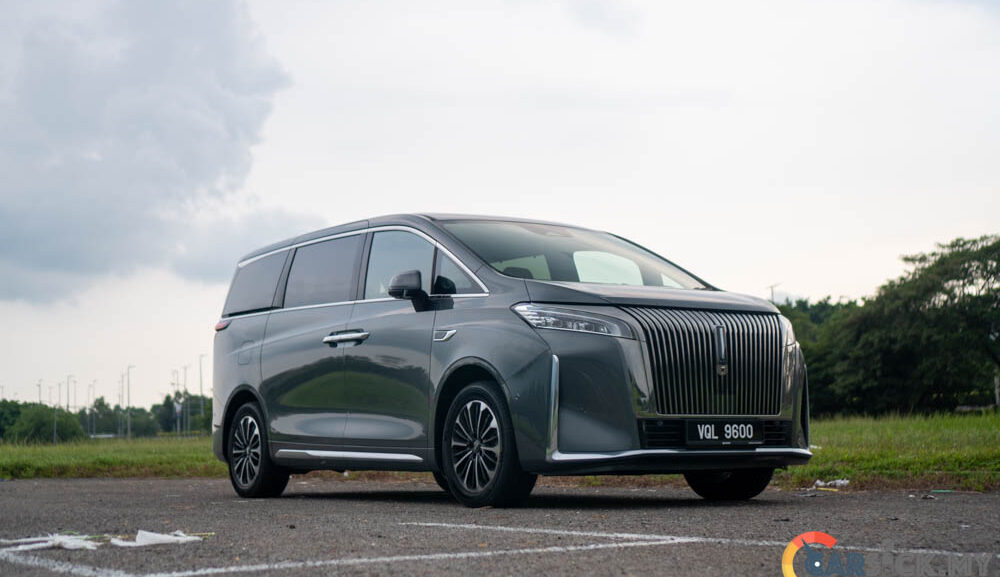
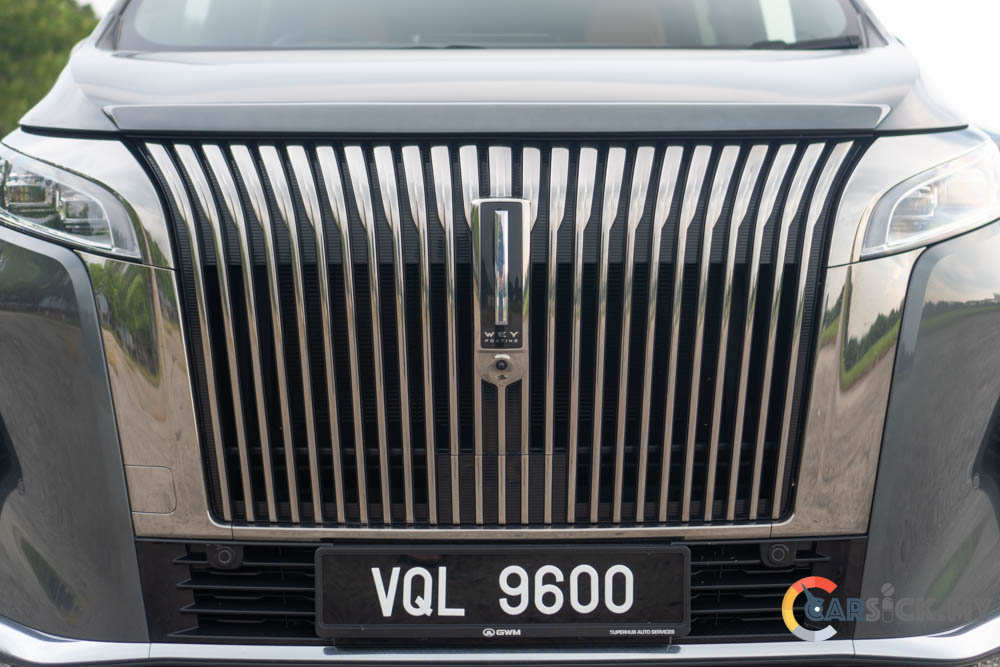
In all honesty, I wasn’t immediately sold on the looks of the G9. However, there’s no denying that it has a commanding presence on the road. Much of this comes from the massive front grille that dominates the front fascia. When viewed through a rear-view mirror, the G9 certainly makes its presence known. Flanking the grille are full-LED headlights that further enhance its premium appearance. One feature I wasn’t able to fully test was the automatic high beam system. I couldn’t get it to activate during my time with the vehicle. It’s possible that an additional setting needed to be enabled, or perhaps the function was buried somewhere within the infotainment system. 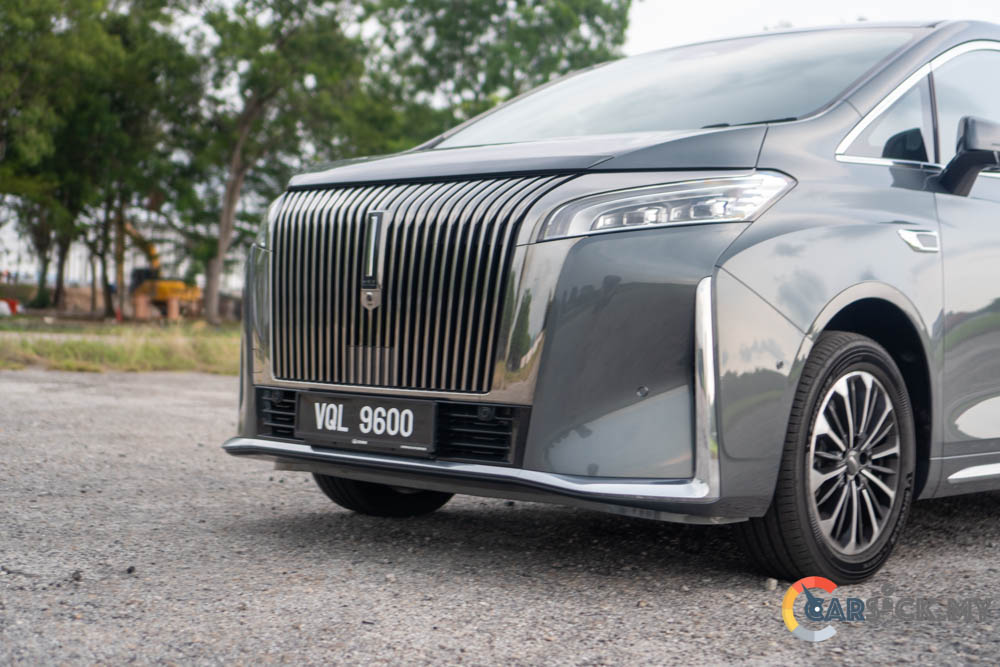
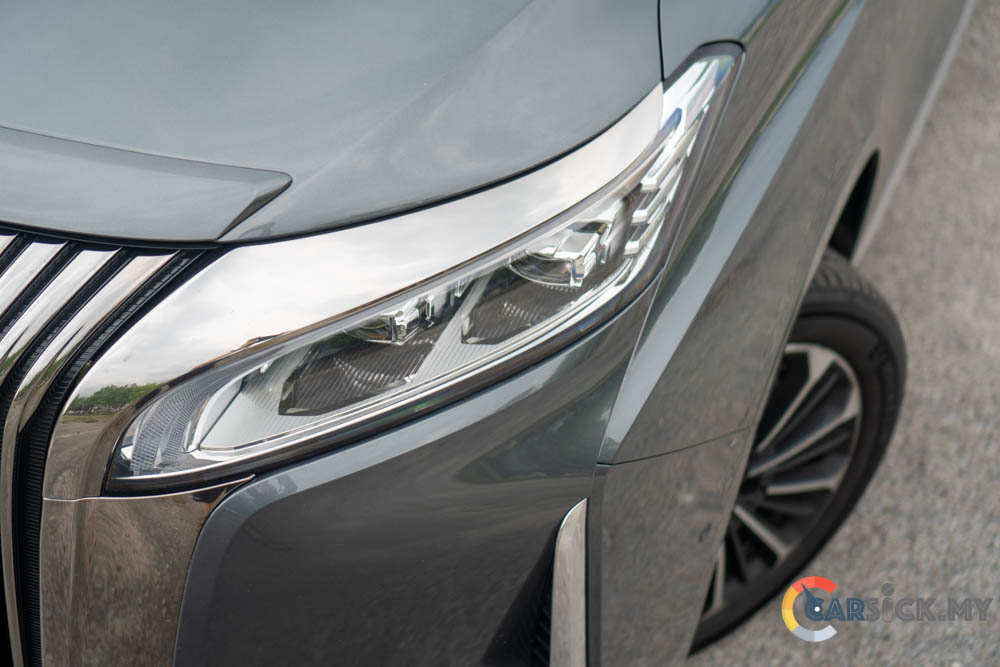
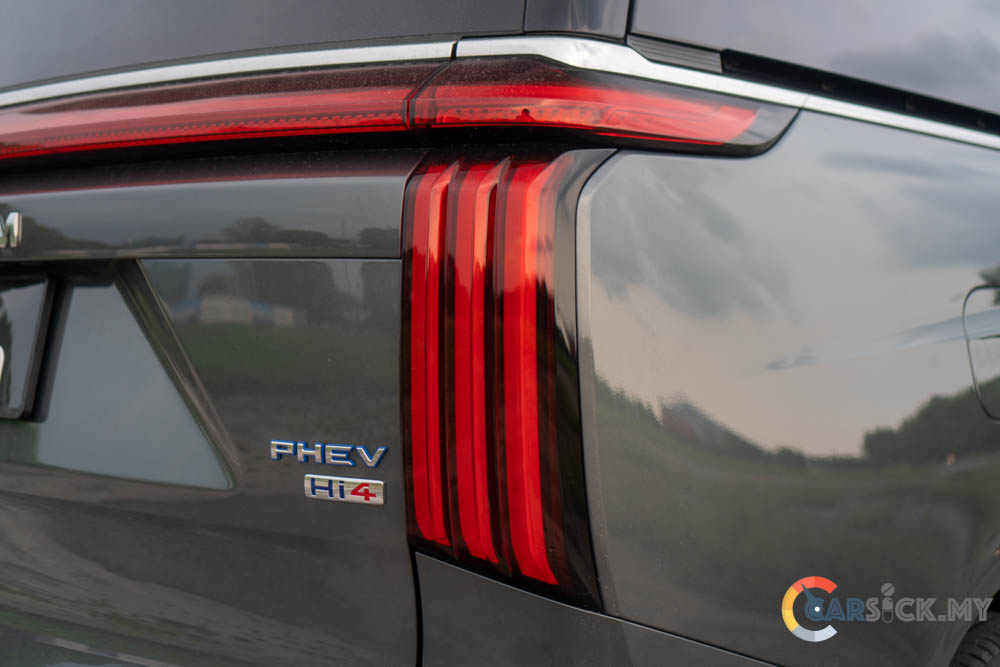
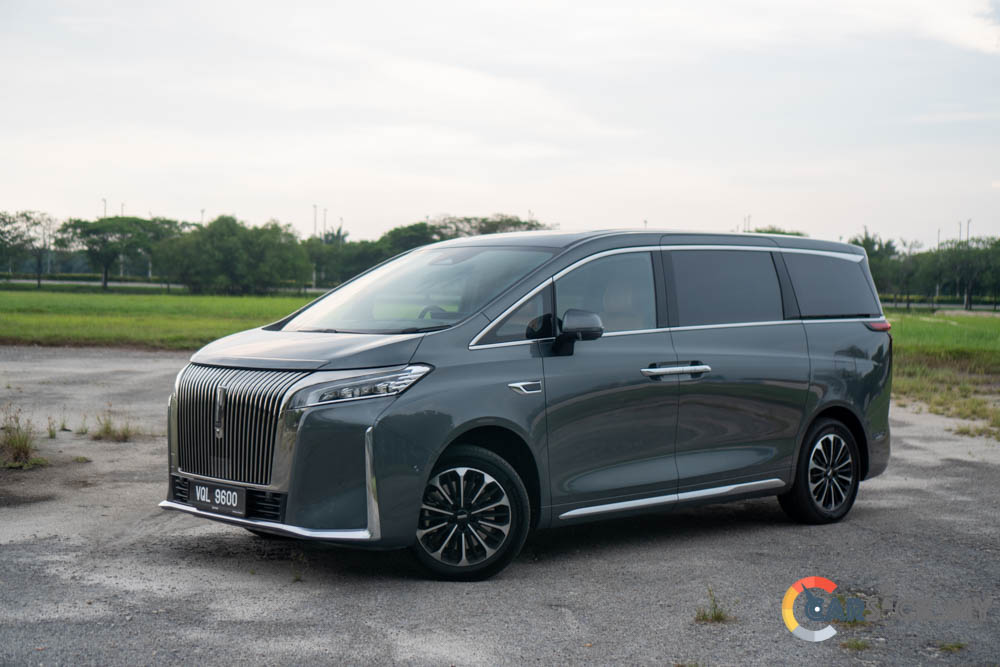
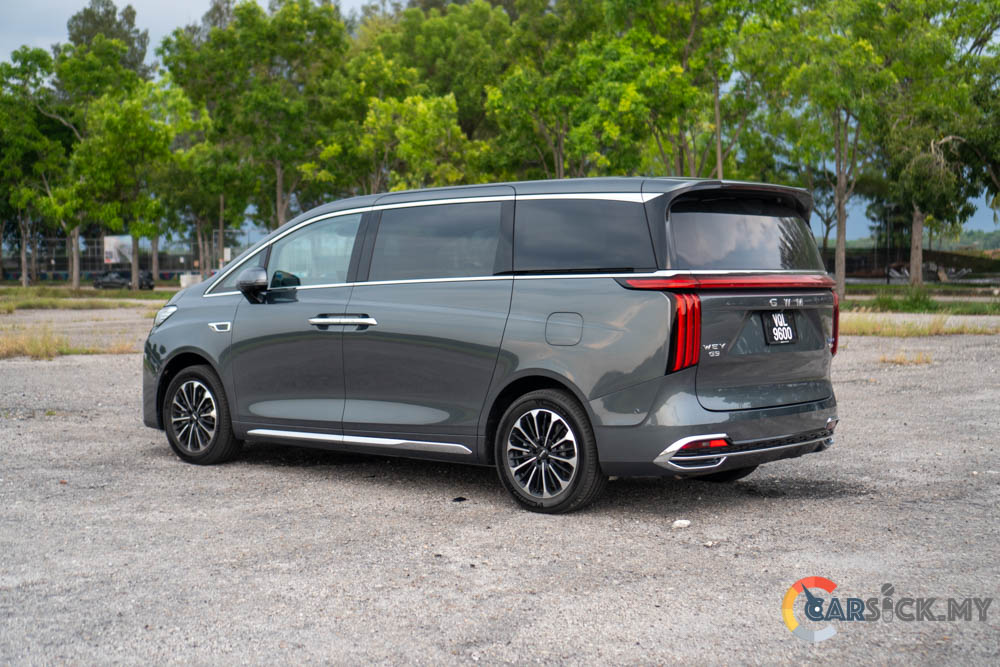
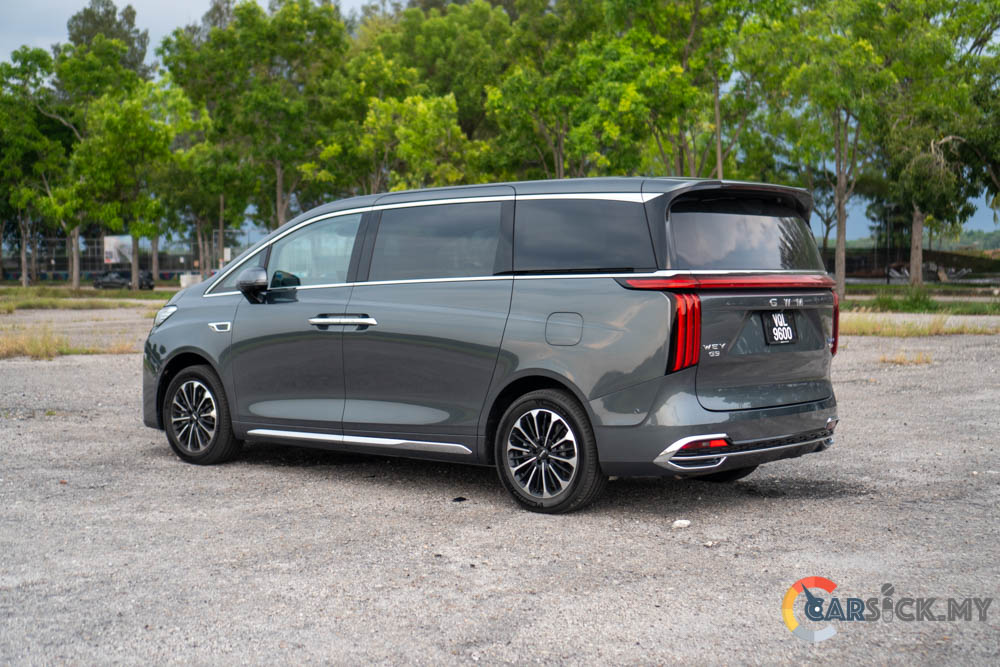
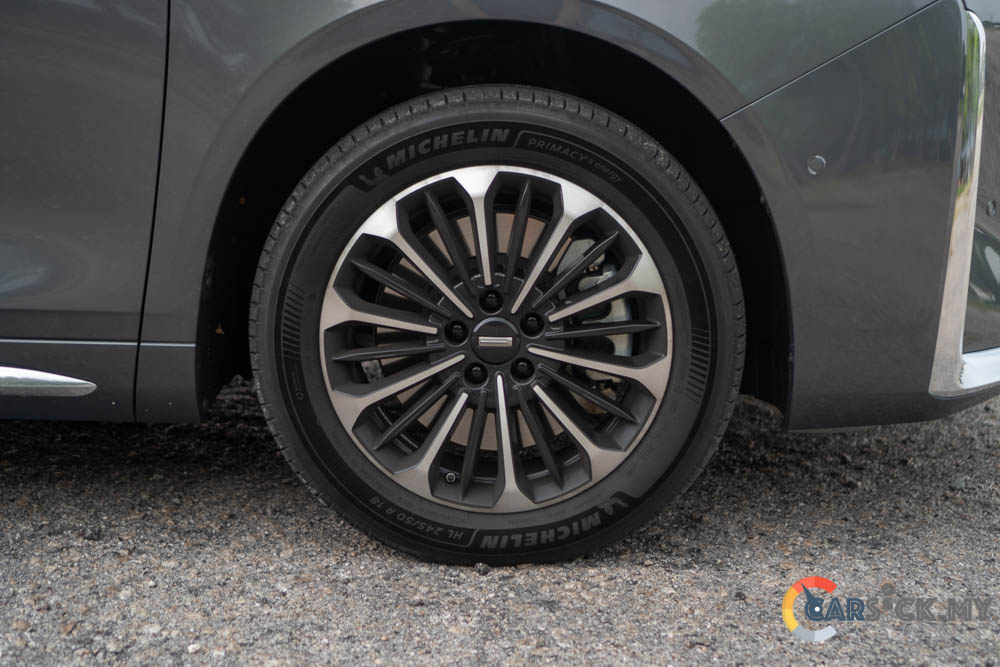
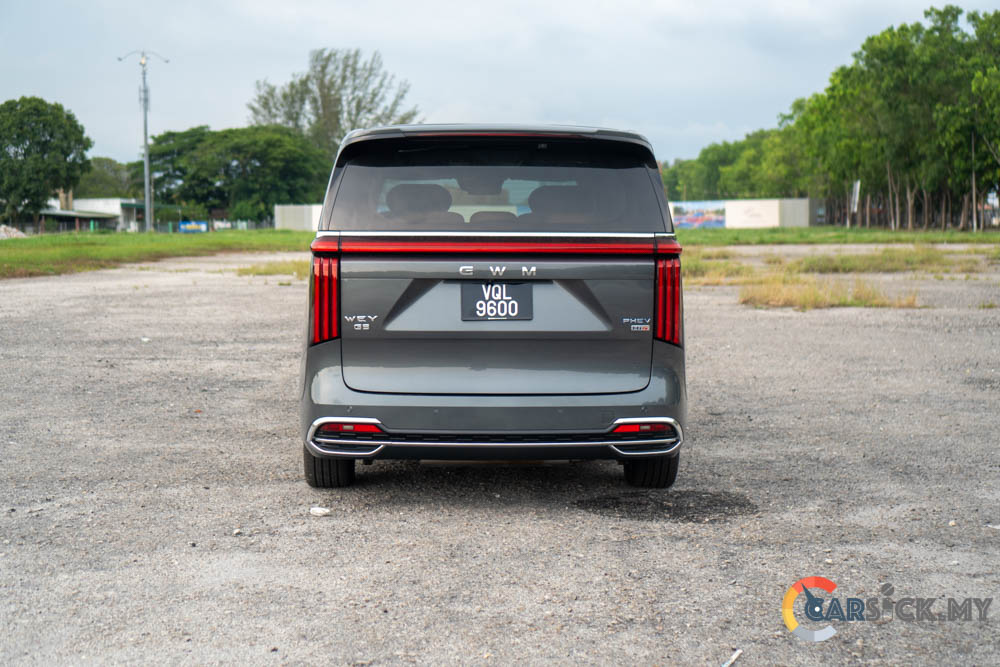
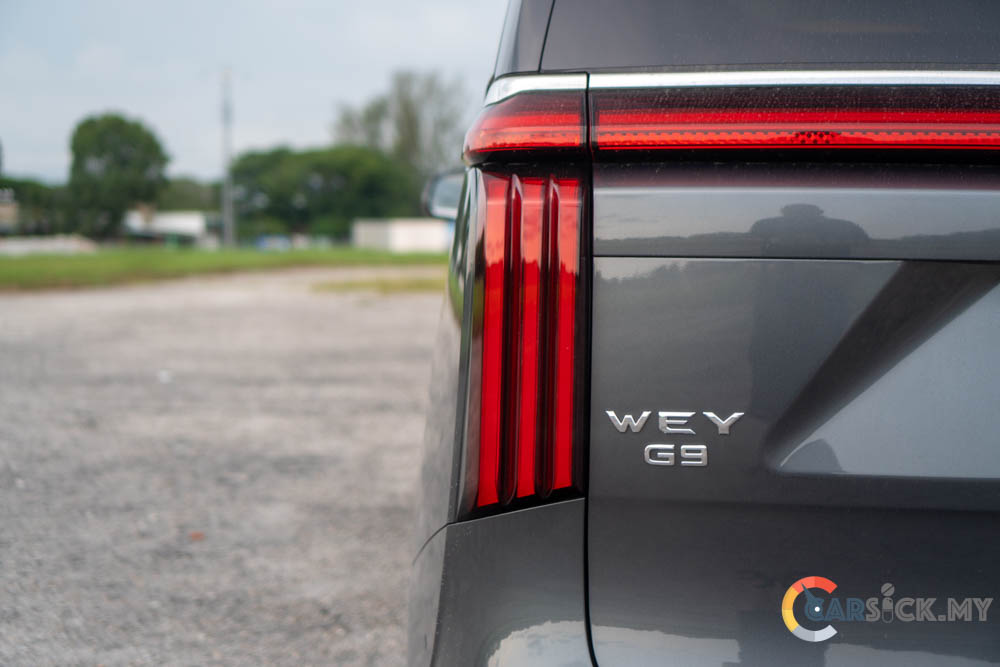
Viewed from the side, the G9 carries the familiar silhouette of a modern MPV. Chrome accents are used extensively throughout the exterior to reinforce its premium positioning. However, one design element that left me puzzled was the chrome trim mounted on both front fenders. It appears to serve no functional purpose and, in my opinion, doesn’t add much to the overall design. At each corner sits an 18-inch alloy wheel wrapped in 245/50 R18 tyres. Moving to the rear, the G9 adopts a distinctive design. While I wouldn’t necessarily describe it as beautiful, it’s certainly not offensive. A full-width LED light bar stretches across the tailgate, giving the MPV a modern appearance, while the large tailgate opening provides convenient access to the cargo area. 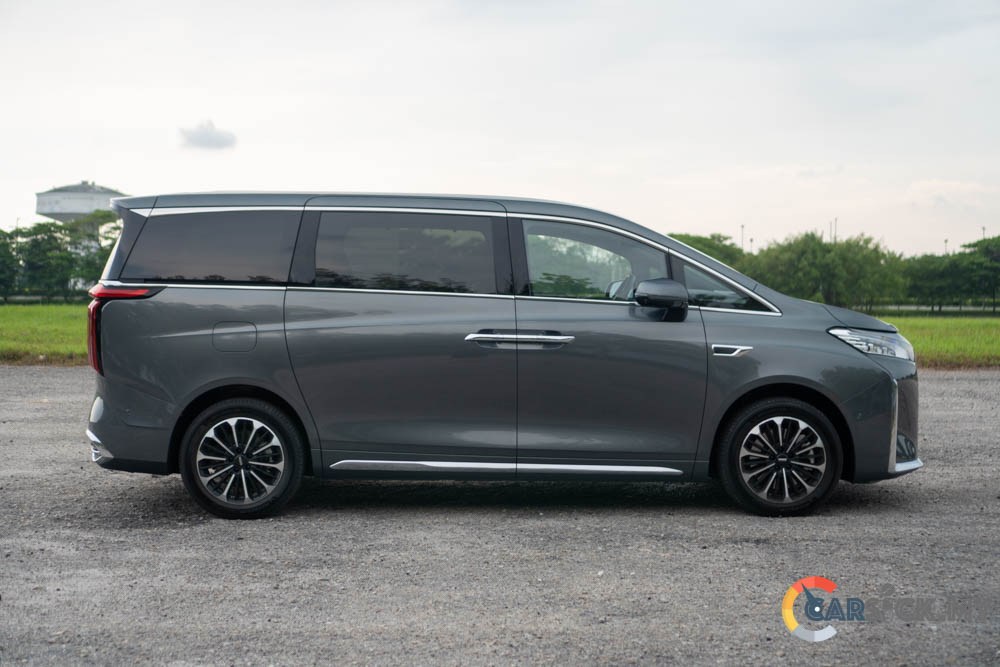
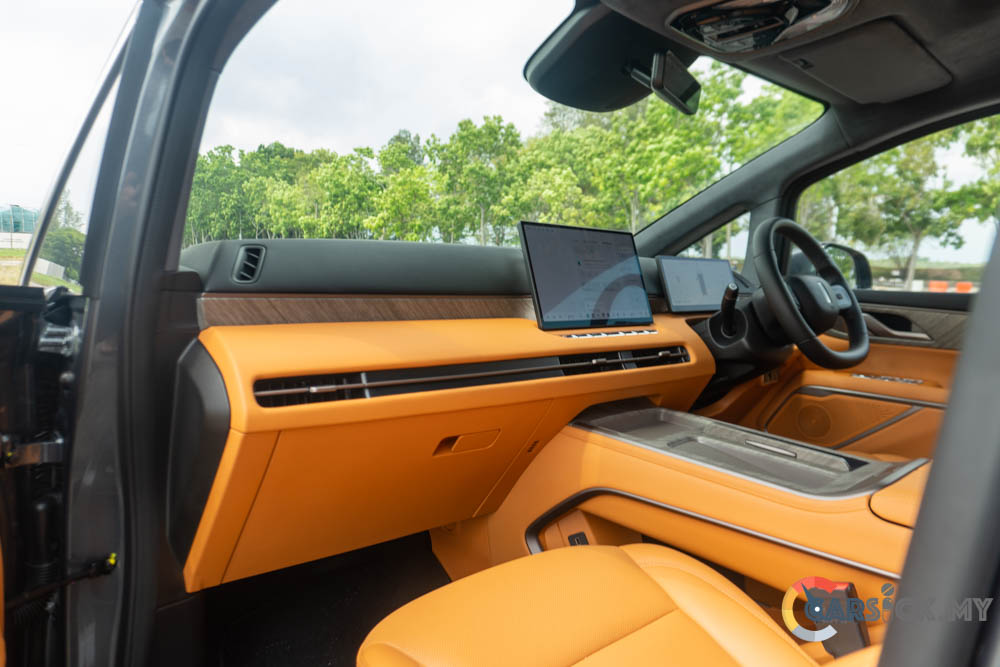
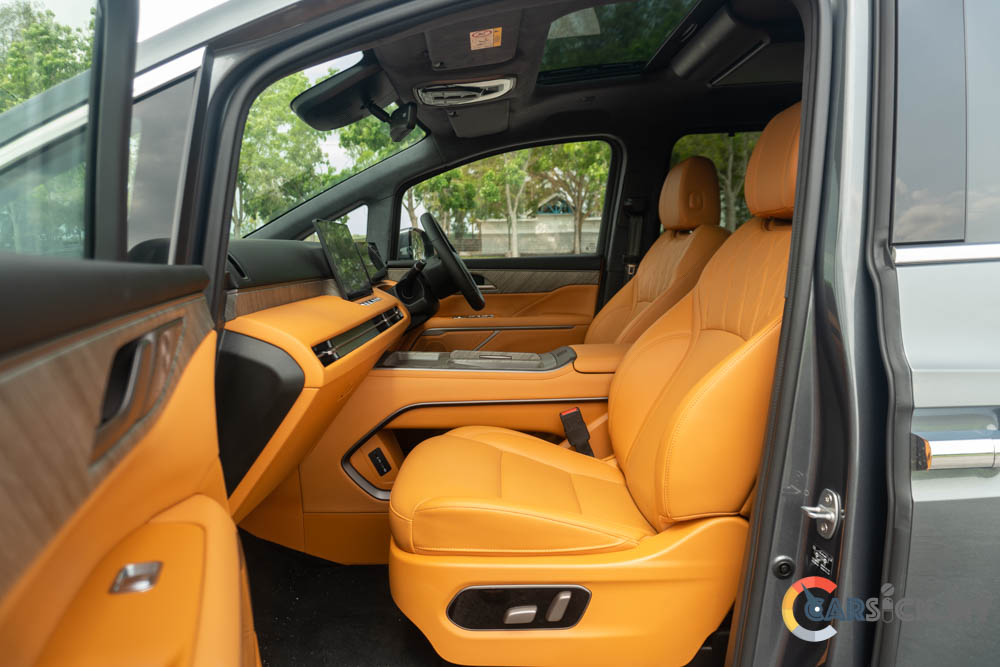
Step inside the G9 and it immediately makes a strong first impression. The cabin feels solidly built, and the brown interior trim elevates the overall sense of luxury. Personally, I don’t mind the colour scheme, although I suspect some Malaysian buyers may prefer darker and more neutral interior colours. The dashboard follows a familiar formula commonly found in modern Chinese vehicles. Dominating the dashboard are two large displays: a 12.3-inch digital instrument cluster and a 14.6-inch infotainment touchscreen. Beyond that, there are several physical shortcut buttons positioned beneath the screen. However, many of these shortcuts aren’t functions I would regularly use, somewhat defeating the purpose of having quick-access controls.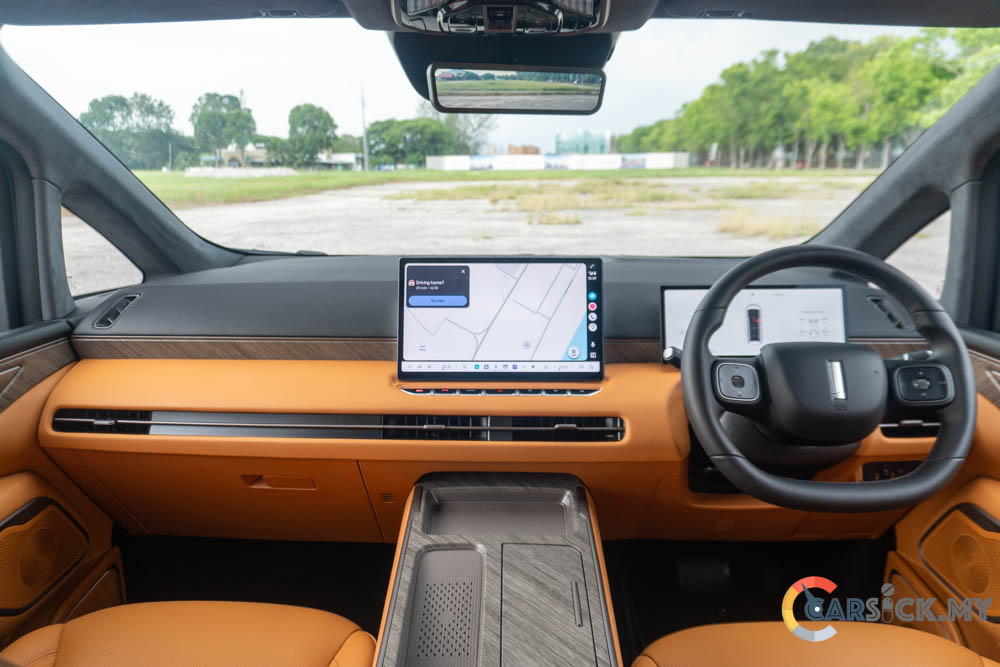
The digital instrument cluster itself is relatively basic. It displays only the essential information required while driving and offers very limited customisation. In fact, there is virtually nothing you can adjust within the display. It presents information according to what GWM believes is most important for the driver. Should you require additional vehicle data, you’ll need to access it through the infotainment system. Unfortunately, the layout isn’t particularly intuitive. Driving information is located within a dedicated application, while most vehicle settings are hidden elsewhere within the settings menu. While the system is functional, it can feel unnecessarily complicated and may take some time for new users to familiarise themselves with it. 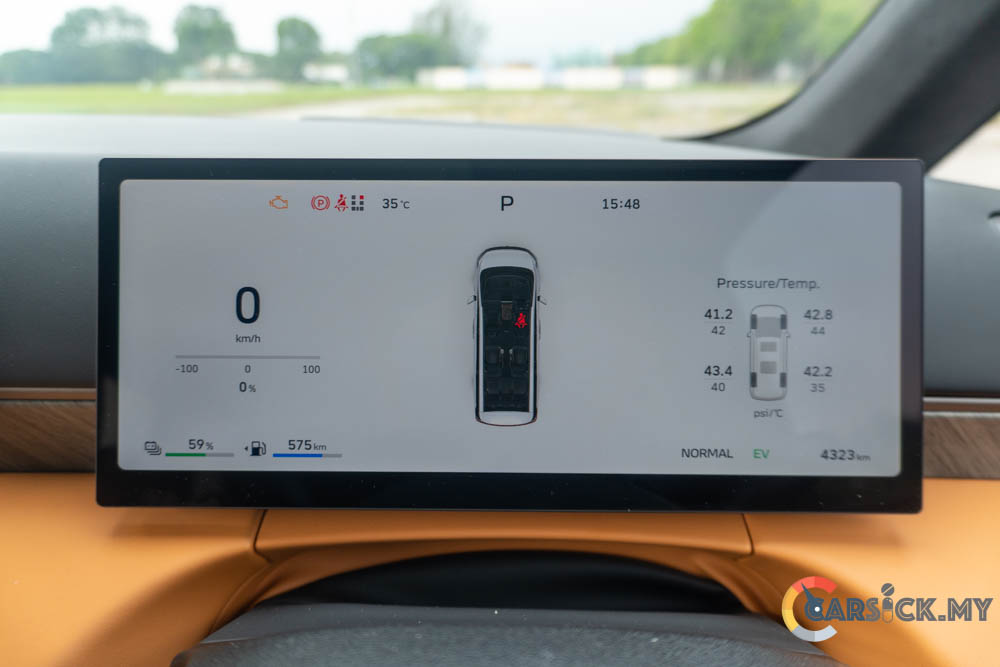
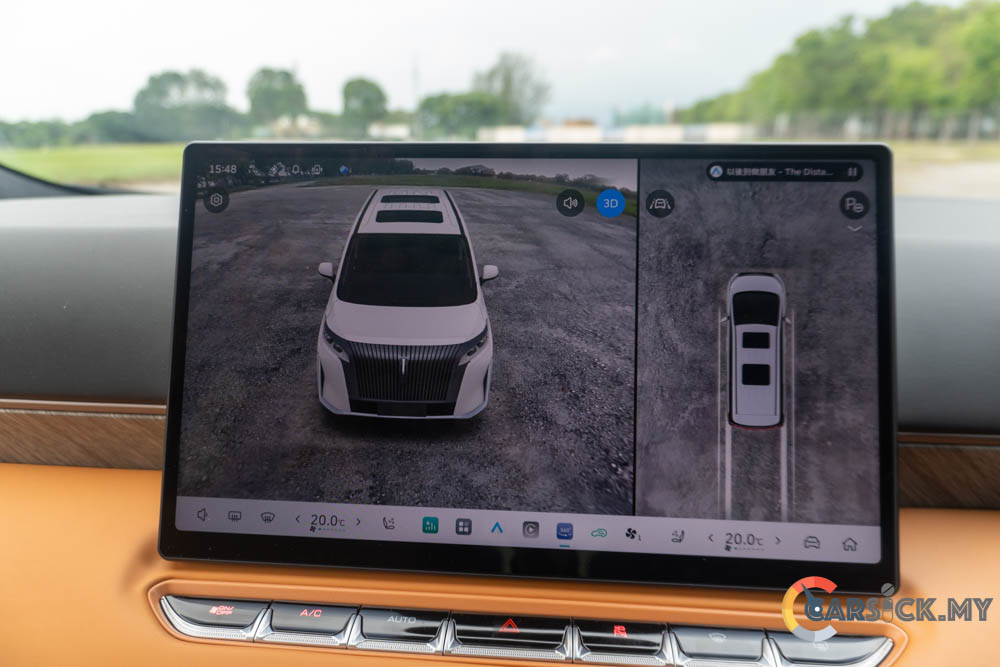
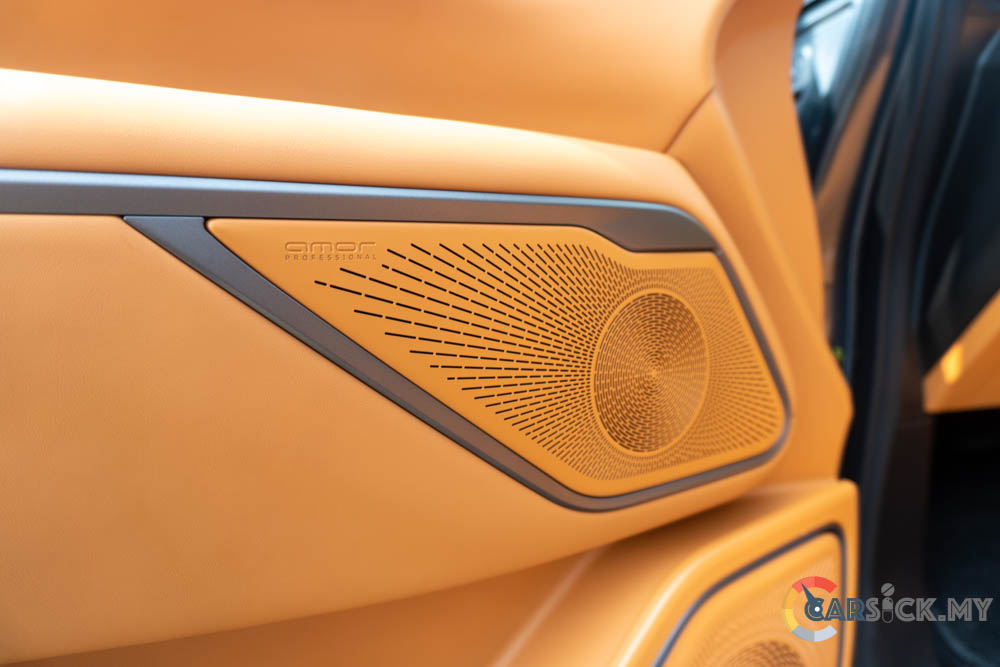
Although GWM claims the G9 runs on its proprietary Coffee OS operating system, the overall user experience feels very similar to that of many other Chinese brands currently on the market. At its core, the software appears to be based on a customised Android platform. The infotainment system supports wireless Android Auto and Apple CarPlay, allowing seamless smartphone integration. A 360-degree camera system also makes manoeuvring such a large vehicle significantly easier in tight spaces. Completing the package is a 21-speaker premium audio system. While it may not carry a recognised premium audio brand name, the system delivers impressive sound quality and is more than capable of keeping passengers entertained on long journeys. 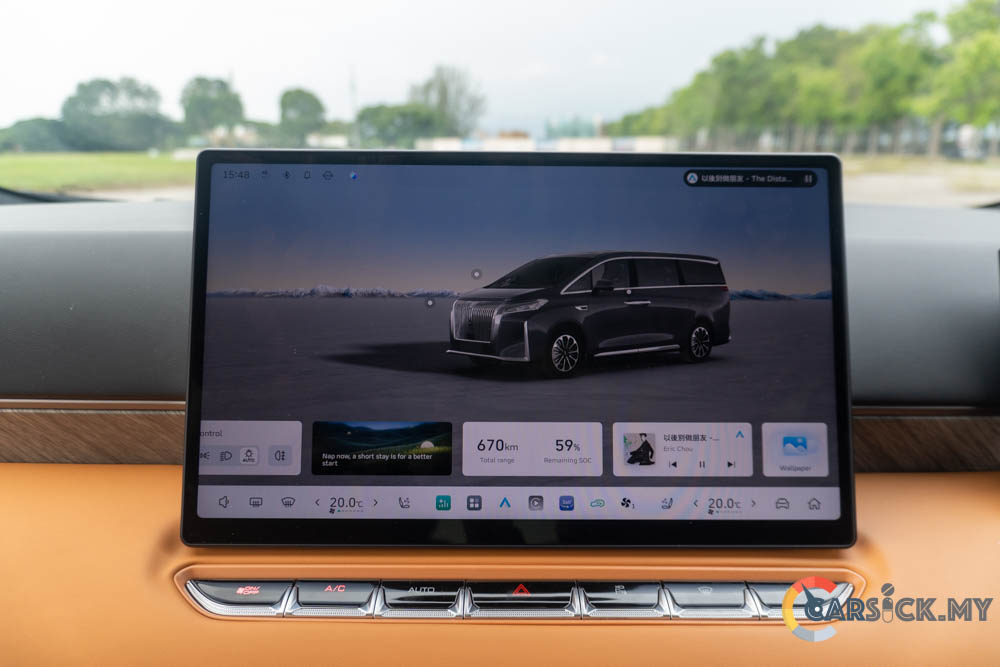
The driver’s seat is undoubtedly a comfortable place to spend time. The seating position is commanding and provides excellent forward visibility. While I personally would have preferred a slightly lower seating position, there is no denying that the view out is excellent. Finding an ideal driving position is easy thanks to the wide range of seat adjustments available. Both front seats are equipped with heating and ventilation functions, ensuring comfort regardless of the weather.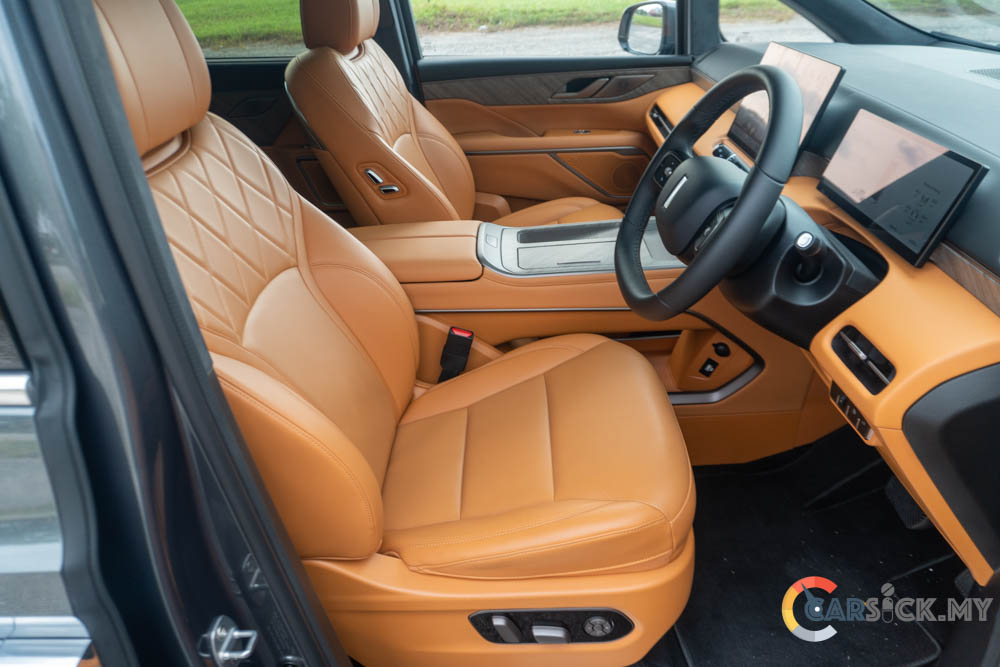
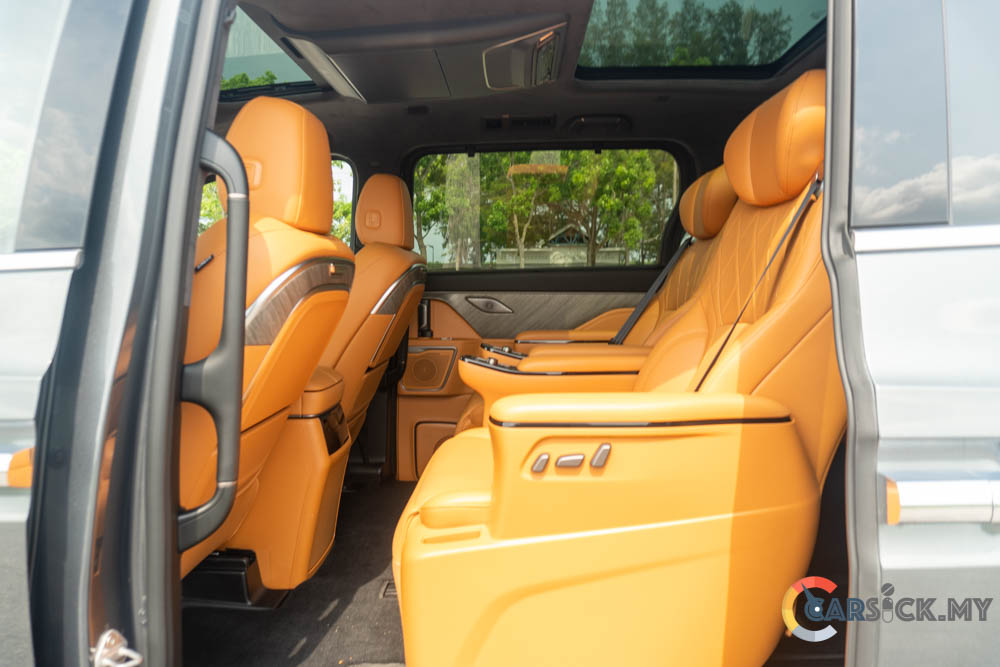
The second row is where the G9 truly shines. The seats are exceptionally comfortable, with soft cushioning and generous amounts of legroom and headroom. Occupants are treated to plenty of personal space, while the seat design provides excellent thigh support during longer journeys. Comfort isn’t the only highlight of the second row. The seats feature a Zero Gravity mode that places occupants in a deeply reclined position while maintaining full body support. For safety reasons, this function can only be activated when the vehicle is stationary. 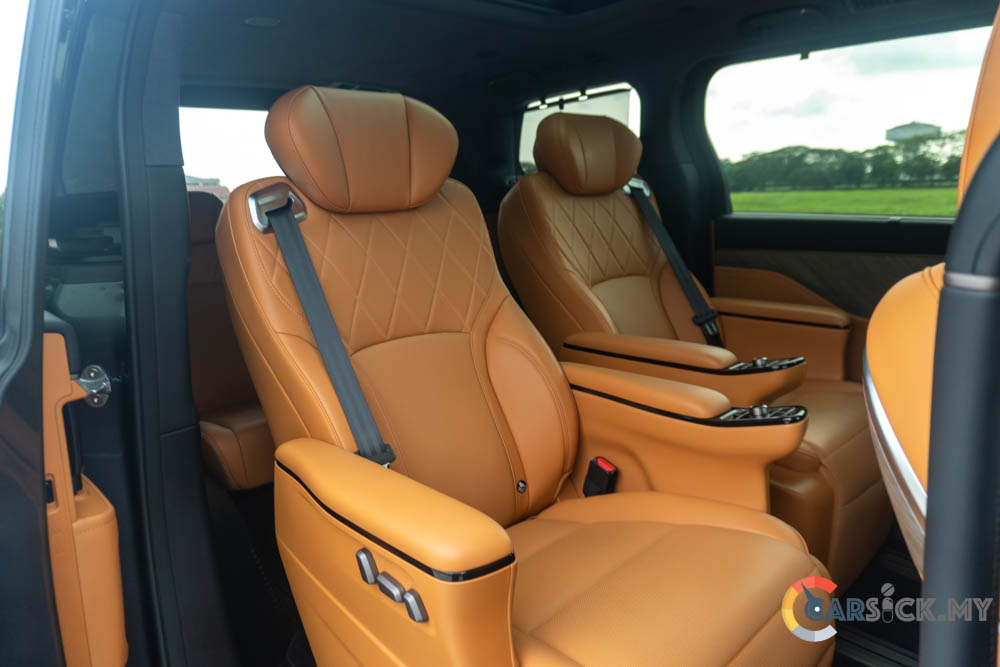
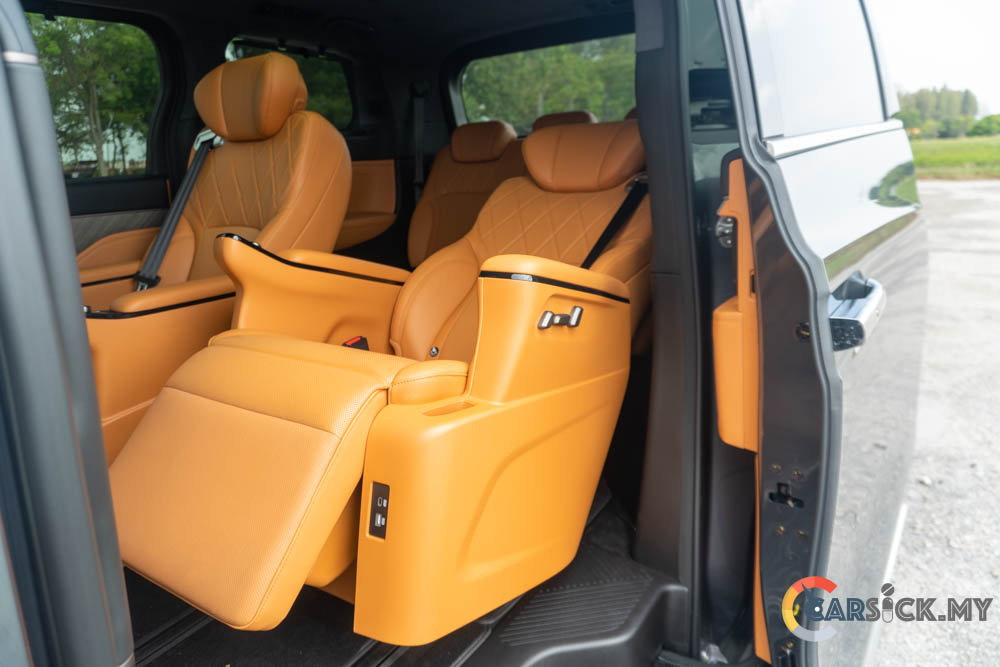
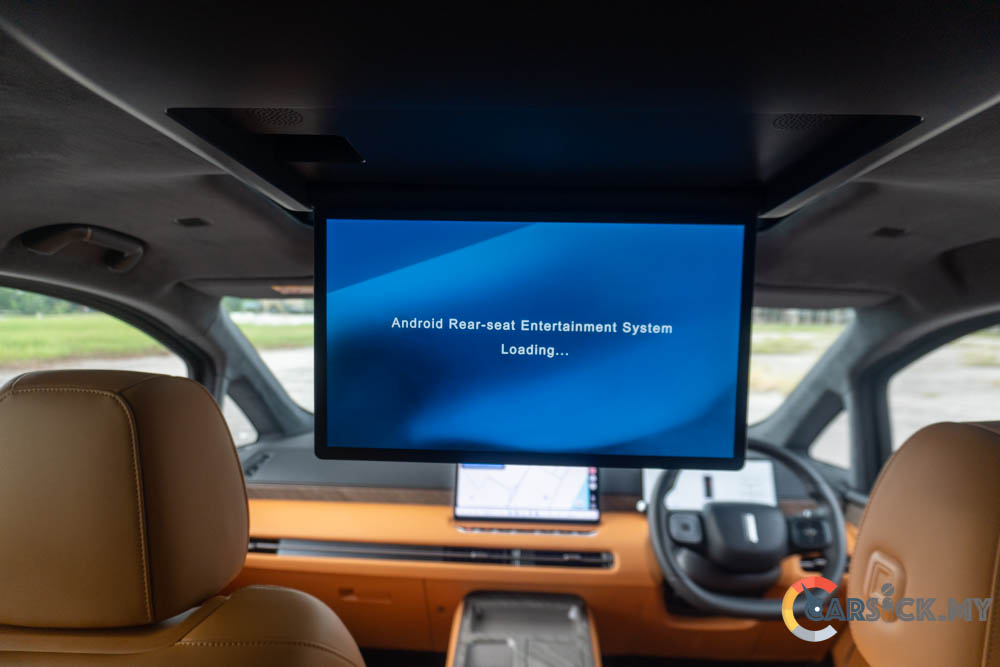
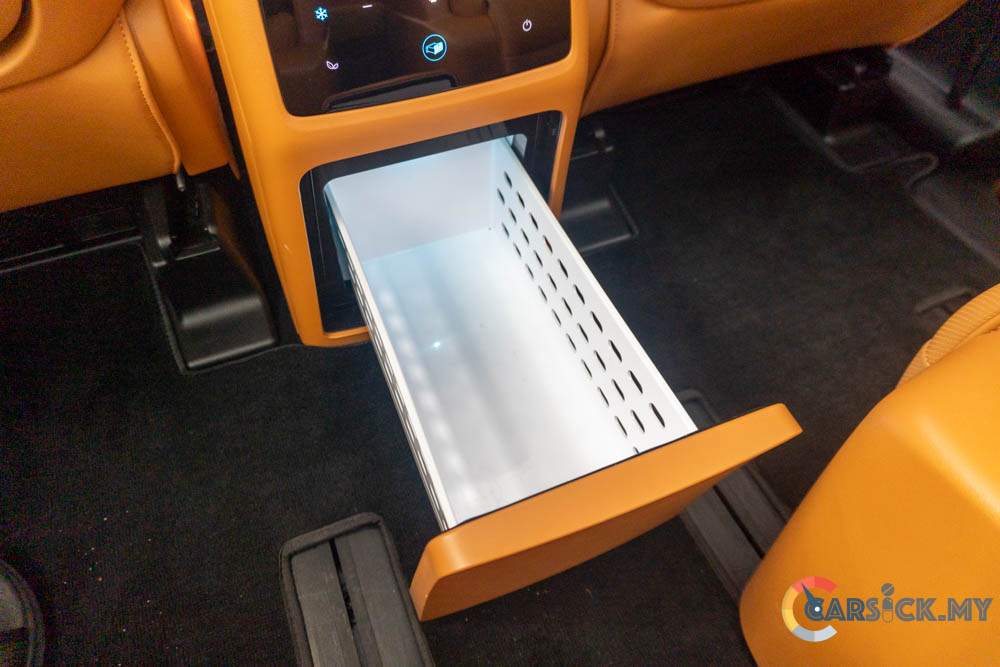
The massage function is another standout feature. Unlike some systems that feel more like a gimmick, the massagers in the G9 are surprisingly powerful and genuinely effective. Heated and ventilated seat functions are also available, while integrated sunshades help keep the cabin cool on sunny days. Rear passengers benefit from their own climate control zone, with controls mounted in the centre section of the roof. The climate controls are integrated with a fold-down LCD entertainment screen. While the system works, I expected a more seamless user experience. Passengers still need to connect to the vehicle’s Bluetooth system separately in order to access the audio system. It gets the job done, but it feels somewhat like an afterthought rather than a fully integrated solution. Adding to the luxury experience is a built-in refrigerator housed within the centre console, a feature increasingly common among premium Chinese MPVs. 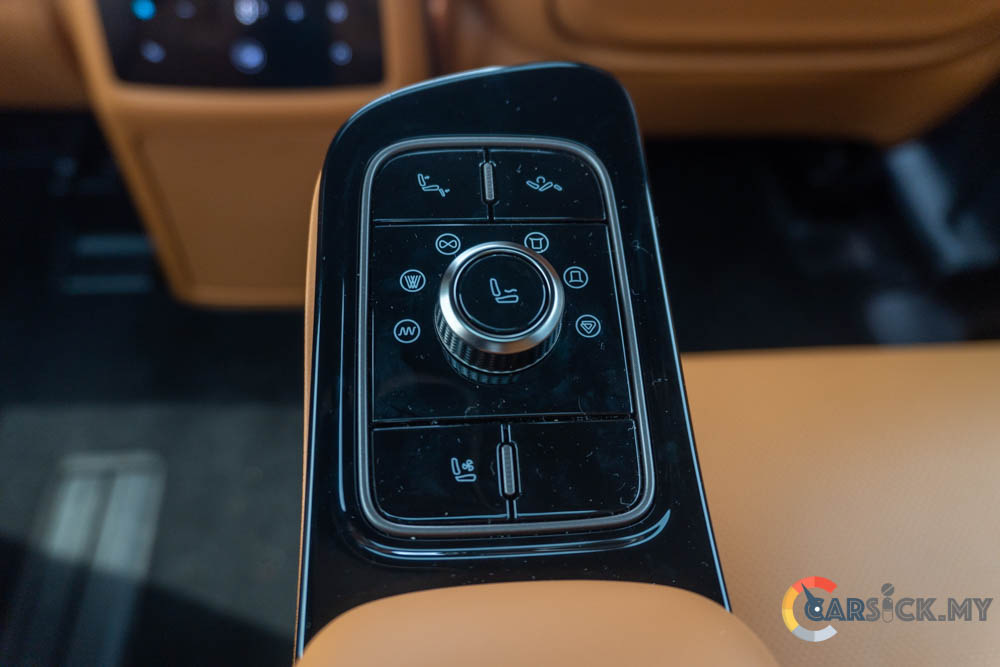
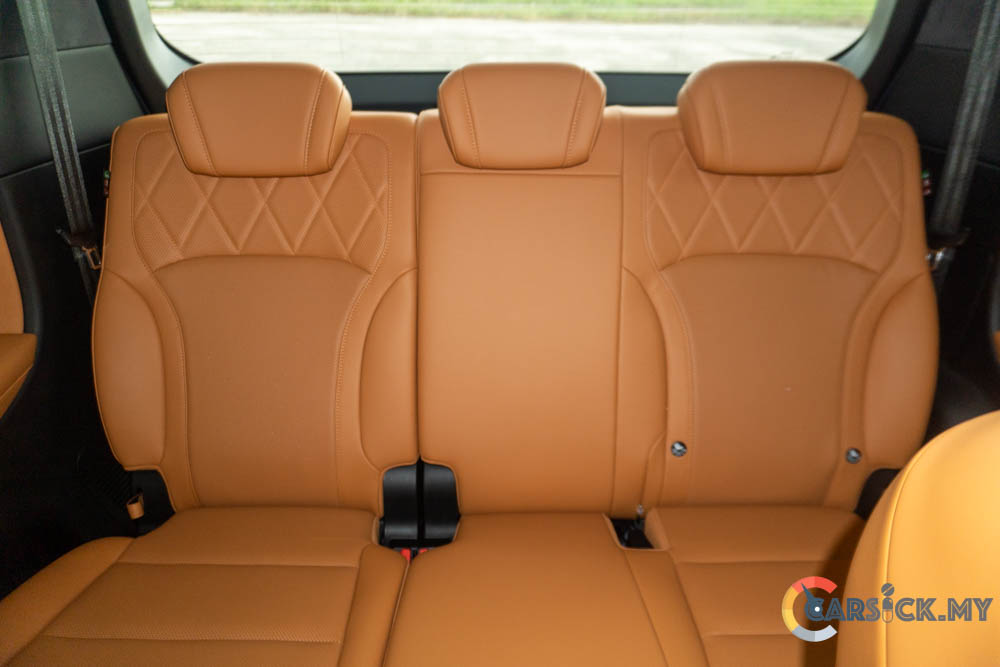
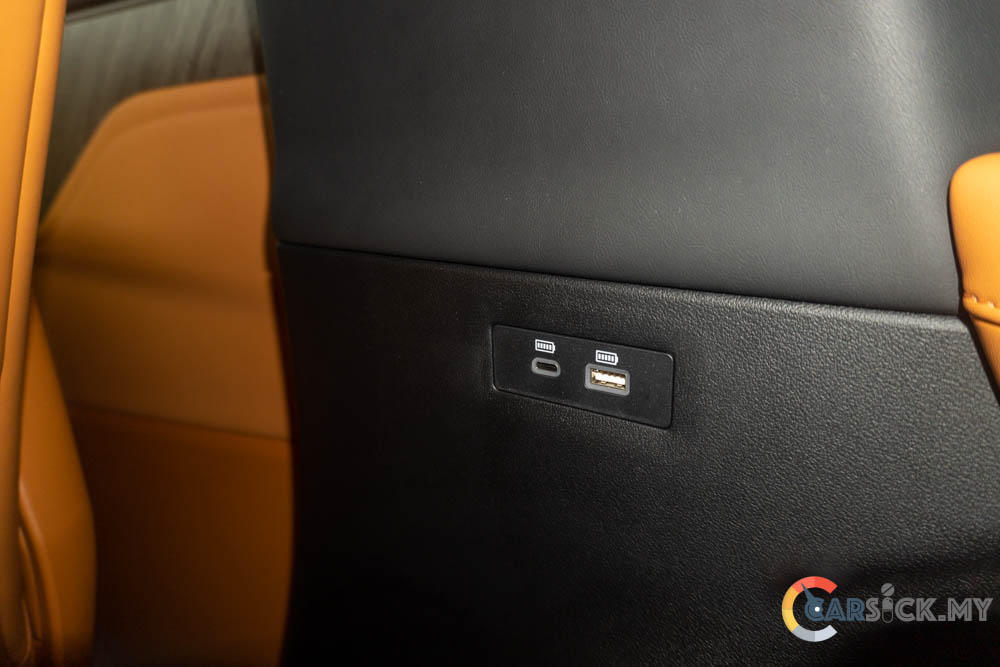
The third row proved to be more comfortable than expected. By sliding the second-row seats slightly forward, passengers in the third row gain a surprising amount of legroom. Headroom is also generous, and unlike many seven-seaters, passengers don’t sit in an awkward squatting position. One particular highlight is the size of the third-row seat base. It provides excellent thigh support, which is something rarely found in this segment. Third-row occupants also get access to USB-A and USB-C charging ports on both sides of the vehicle. 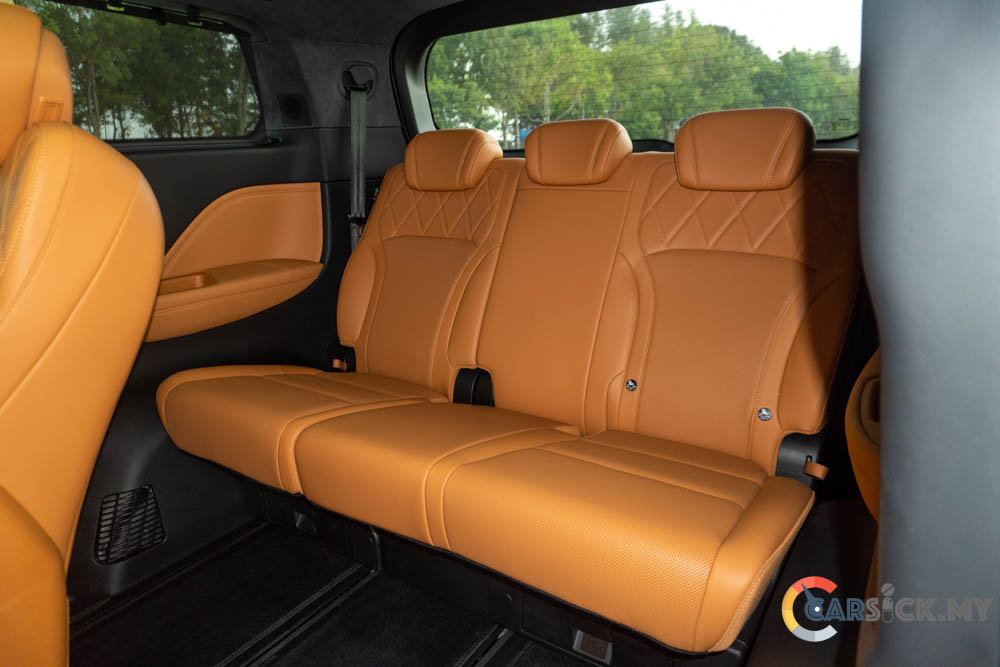
Despite the G9’s substantial exterior dimensions, boot space is somewhat underwhelming with all three rows in use. Cargo capacity stands at just 233 litres. Fortunately, the flexibility of the seating arrangement allows owners to slide the rear seats forward to create additional luggage space while still maintaining reasonable passenger comfort. Even so, I expected a larger cargo area considering the overall size of the vehicle.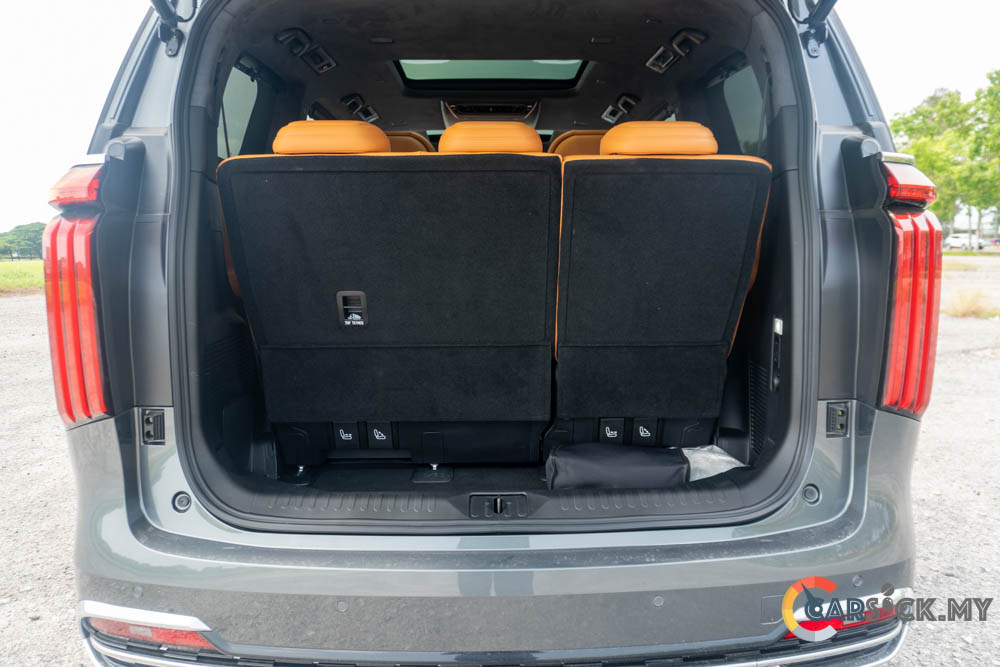
Powering the G9 is a 1.5-litre turbocharged petrol engine paired with two electric motors, one mounted on each axle. This setup gives the G9 all-wheel-drive capability. The petrol engine drives the front wheels through a four-speed Dedicated Hybrid Transmission (DHT), while the electric motors draw power from a sizeable 44.2 kWh battery pack. According to the WLTP cycle, the G9 can travel up to 144 kilometres on electric power alone. Combined output stands at an impressive 442 PS and 642 Nm of torque, enabling the MPV to accelerate from 0-100 km/h in just 5.7 seconds before reaching a top speed of 190 km/h.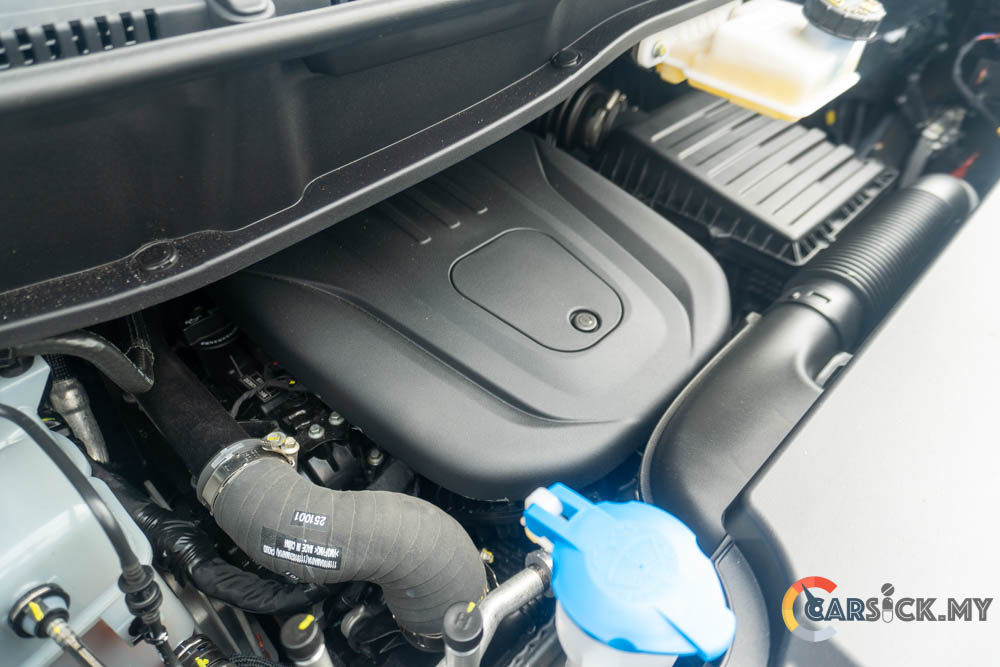
Thanks to the electric motors, the G9 never feels sluggish despite its size. Throttle response is smooth and effortless, allowing the vehicle to gather speed with minimal effort. Rather than delivering a sudden surge of acceleration, the powertrain focuses on smooth and progressive performance, which suits the character of a luxury people mover perfectly. Powertrain transitions are exceptionally refined. Most of the time, it’s difficult to tell when the petrol engine starts operating. The only indication is a faint background hum that becomes audible when the engine is running. During my testing, the G9 was able to achieve close to its claimed electric driving range, making it entirely possible for many owners to complete their daily commutes without using any fuel.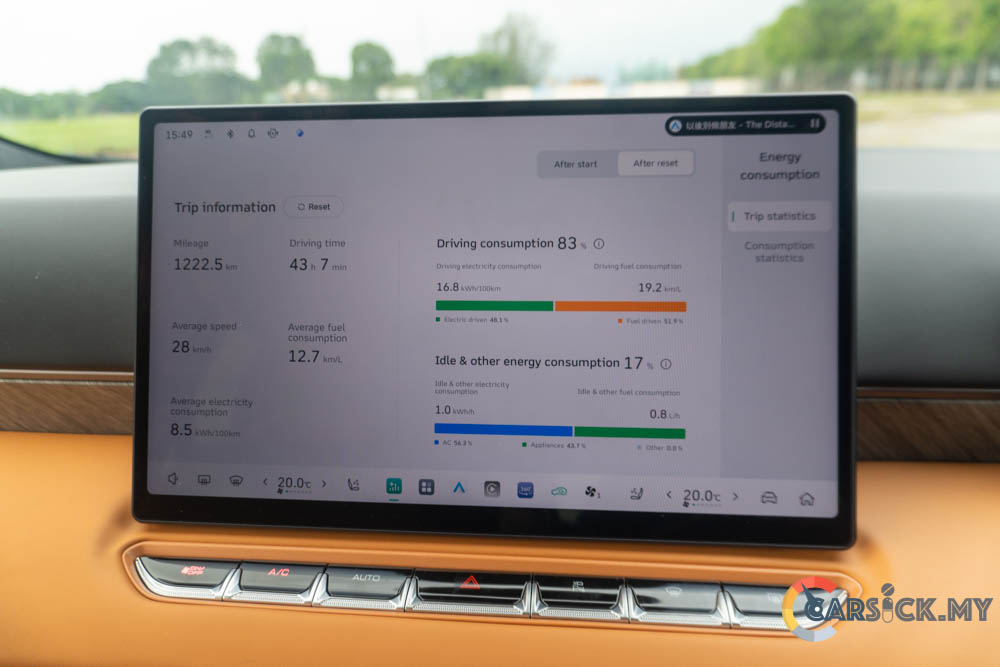
The G9 can also be driven like a conventional hybrid once the battery charge is depleted. However, I found that fuel consumption didn’t quite match the manufacturer’s claims. That said, considering the vehicle’s size and performance, efficiency remains respectable. During my time with the G9, I completed a return journey to Penang and managed approximately 700 kilometres before needing to refuel. Given the 58-litre fuel tank, I consider this a respectable result, even if it falls short of the official figures.
As expected from a luxury MPV, ride comfort is one of the G9’s greatest strengths. The suspension setup effectively absorbs road imperfections, ensuring passengers remain comfortable regardless of road conditions. The cabin remains composed and isolated, making long-distance travel particularly relaxing. Naturally, the emphasis on comfort comes at the expense of handling. Body roll is noticeable through corners, and the G9 doesn’t particularly enjoy being driven enthusiastically. The steering is light and somewhat vague, making it difficult to accurately gauge what the front wheels are doing. However, when viewed through the lens of a luxury people mover, these shortcomings become far less significant.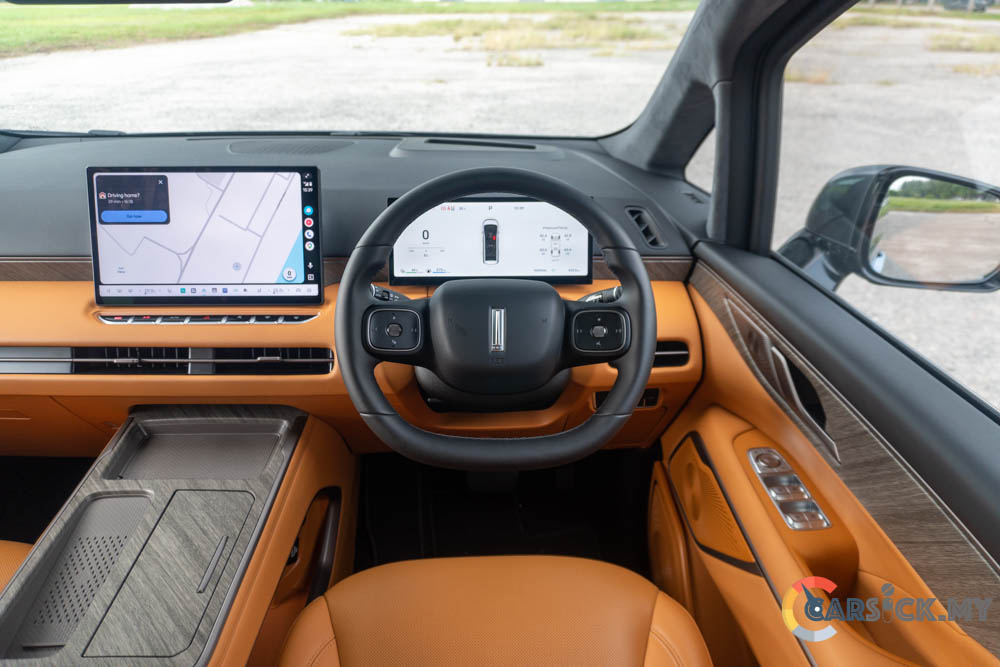
Braking performance is generally strong and capable of bringing the sizeable MPV to a halt confidently. However, brake pedal feel can be inconsistent at times. There are moments when regenerative braking blends seamlessly into the system, while on other occasions the transition to the physical brakes feels more noticeable. In terms of safety, the G9 comes equipped with a comprehensive suite of Advanced Driver Assistance Systems (ADAS). One feature I particularly appreciate is that once certain assistance systems are disabled, they remain disabled rather than automatically reactivating every time the vehicle is restarted, which is a common annoyance among many modern vehicles. 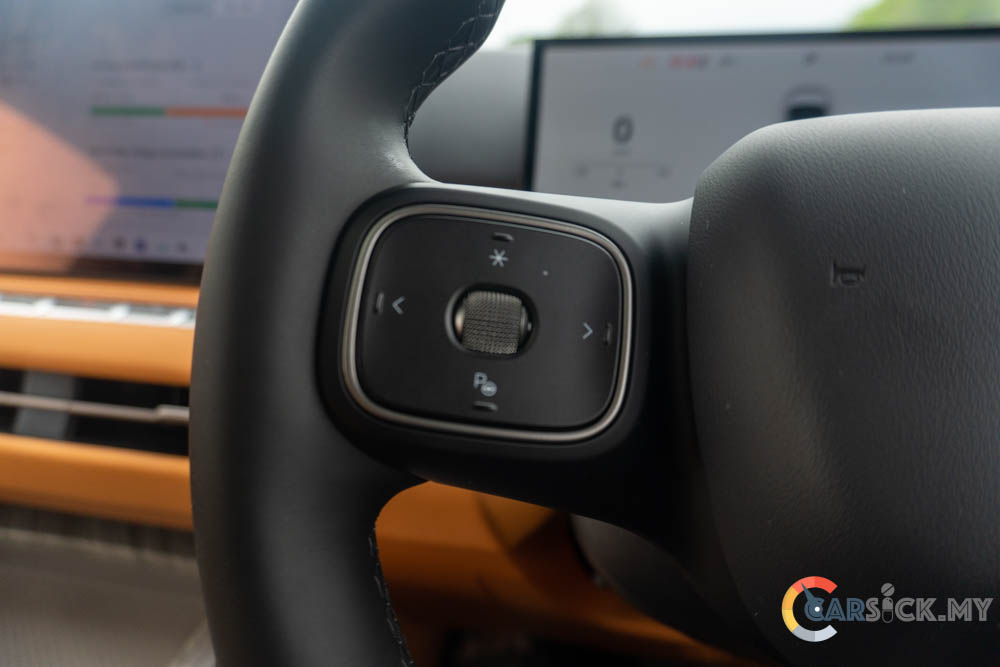
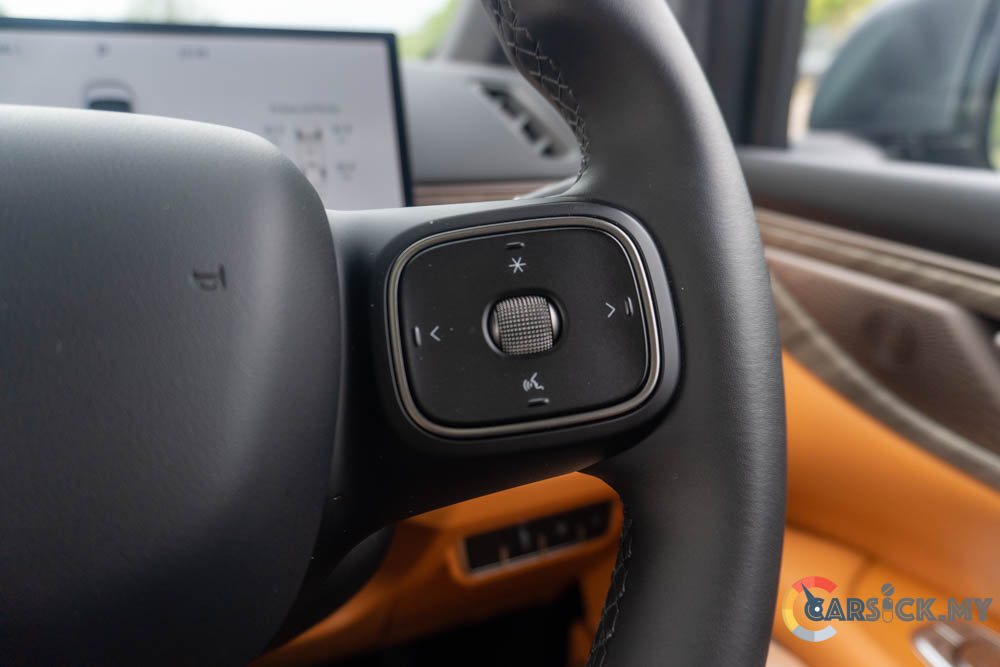
The G9 comes standard with Adaptive Cruise Control (ACC), Traffic Jam Assist (TJA), Front Collision Warning (FCW), Manoeuvre Emergency Braking (MEB), Lane Departure Warning (LDW), Lane Keeping Assist (LKA), Lane Centre Keeping (LCK), Emergency Lane Keeping (ELK), Auto Emergency Braking with Intersection Assist (AEBI), Lane Change Assistance (LCA), Rear Collision Warning (RCW), Rear Cross Traffic Alert (RCTA), Rear Cross Traffic Braking (RCTB), Second Collision Mitigation (SCM), Blind Spot Detection (BSD), and Hill Descent Control (HDC).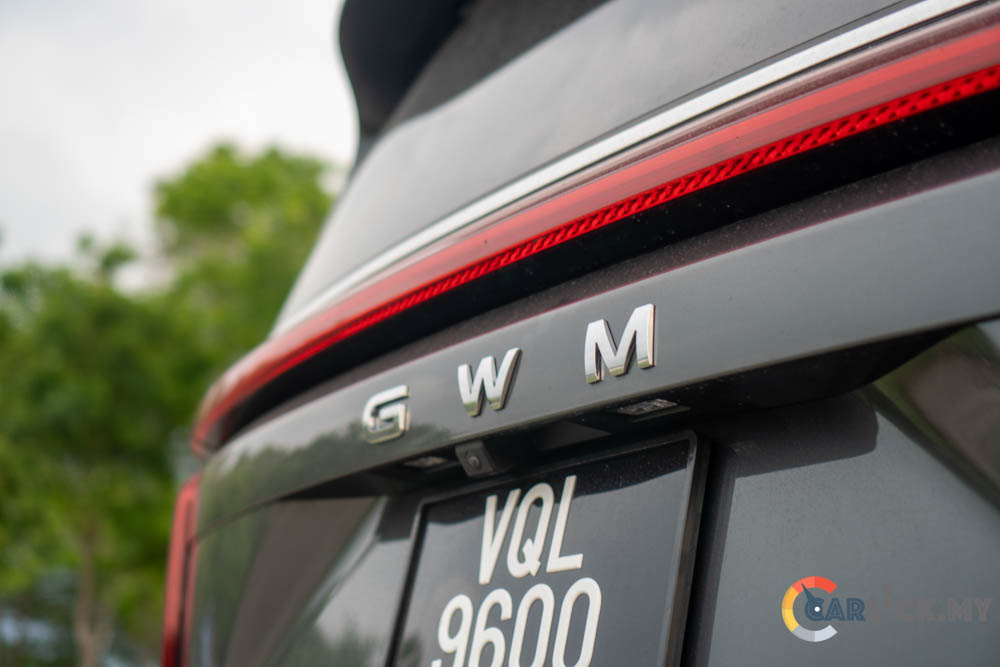
Ultimately, GWM’s decision to introduce a plug-in hybrid version of its flagship MPV ahead of many rivals could prove to be a significant advantage. Priced at RM269,800, the WEY G9 fills a gap that currently exists in the Malaysian market by offering an alternative to both conventional petrol-powered MPVs and fully electric models. For buyers seeking a spacious family vehicle that can handle daily school runs while still being capable of long-distance travel without charging concerns, the G9 makes a compelling case for itself. Owners can enjoy the benefits of electric driving for daily use while retaining the flexibility of a petrol engine for longer journeys. It may not be the most attractive MPV on the road, but when it comes to comfort, practicality, technology, and overall usability, the GWM WEY G9 delivers exactly what many Malaysian families are looking for.
Check out the full photo album here.