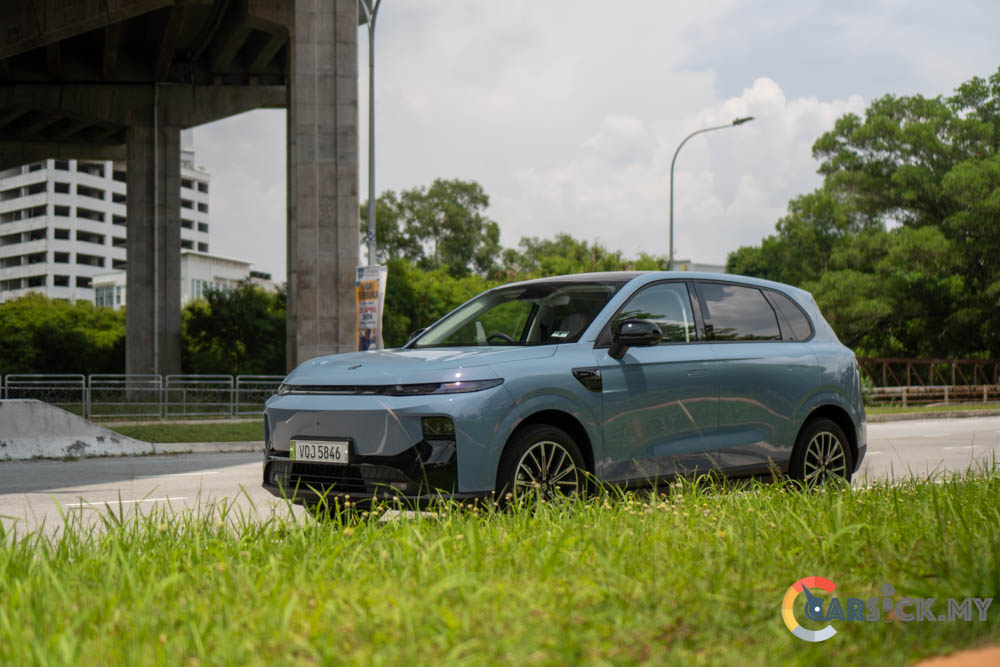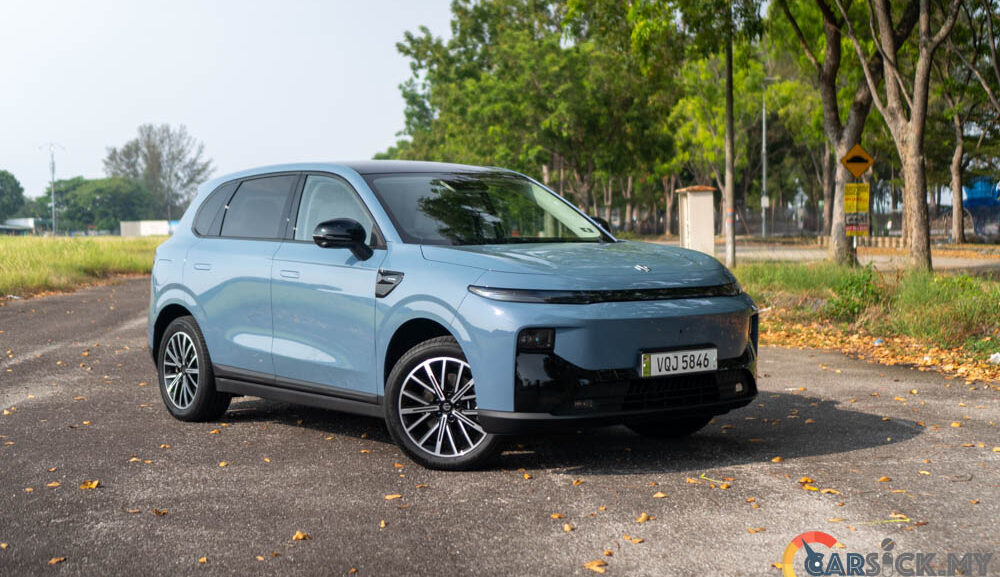

Leapmotor has been selling the C10 in Malaysia for more than a year. However, having just one product limits its appeal to a specific group of buyers. To attract a broader audience, Leapmotor recently introduced a smaller model to sit below the C10—the B10. This new entrant competes in the B-segment crossover category, going up against rivals like the BYD Atto 2. The question is: does the B10 have what it takes to challenge the more established competitor? Let’s find out.
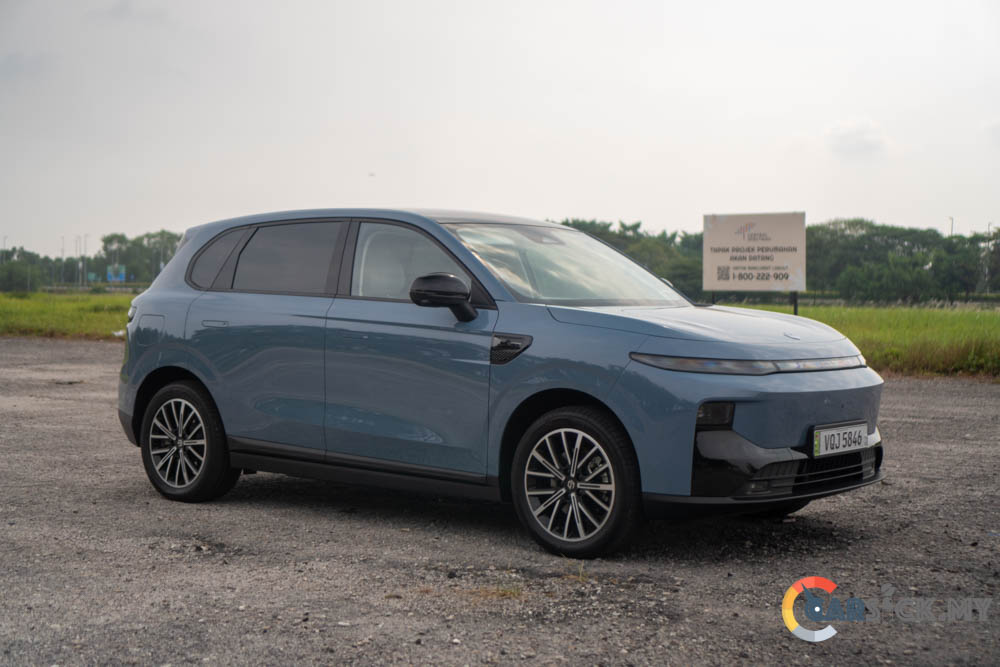
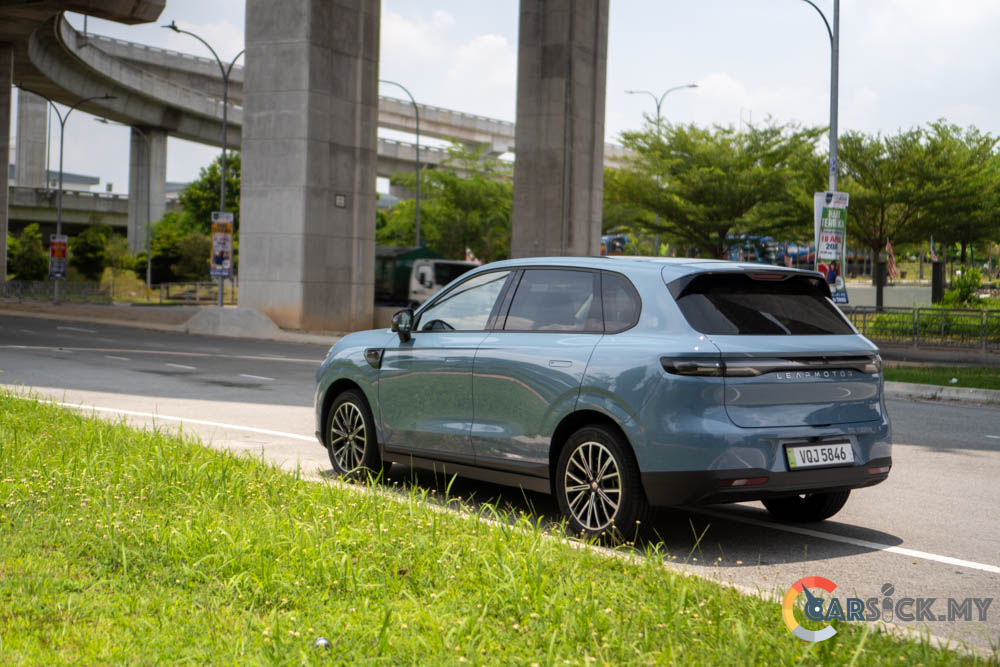
 At first, I thought the B10 was simply a smaller version of the C10, mainly because it adopts several design cues from its larger sibling. However, after spending some time with the car, the differences became immediately apparent. In fact, the more I looked at it, the more I found the B10 to be the more visually appealing model. Its proportions suit Leapmotor’s design language better. In terms of size, the B10 is 224 mm shorter, approximately 221 mm narrower, and 220 mm lower than the C10. This more compact footprint makes it easier to maneuver in tight urban spaces.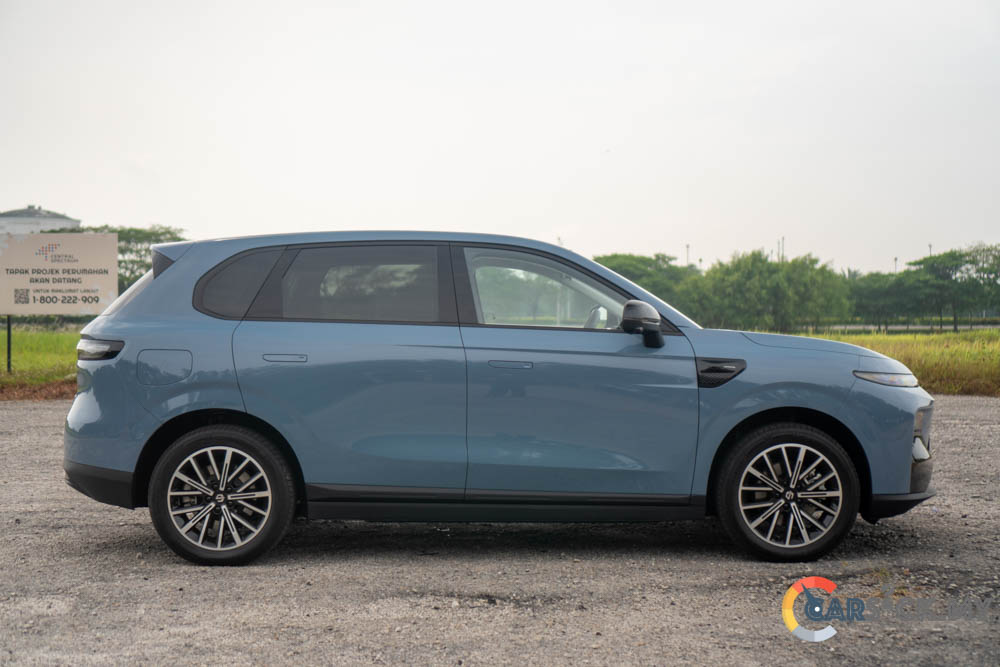
Up front, the B10 features a familiar full-width daytime running light bar, similar to the C10, albeit with slightly different graphics. The full LED headlights are positioned below the light bar. As expected for an EV, there is no traditional front grille, though there are lower air intakes to help cool components such as the air-conditioning system. 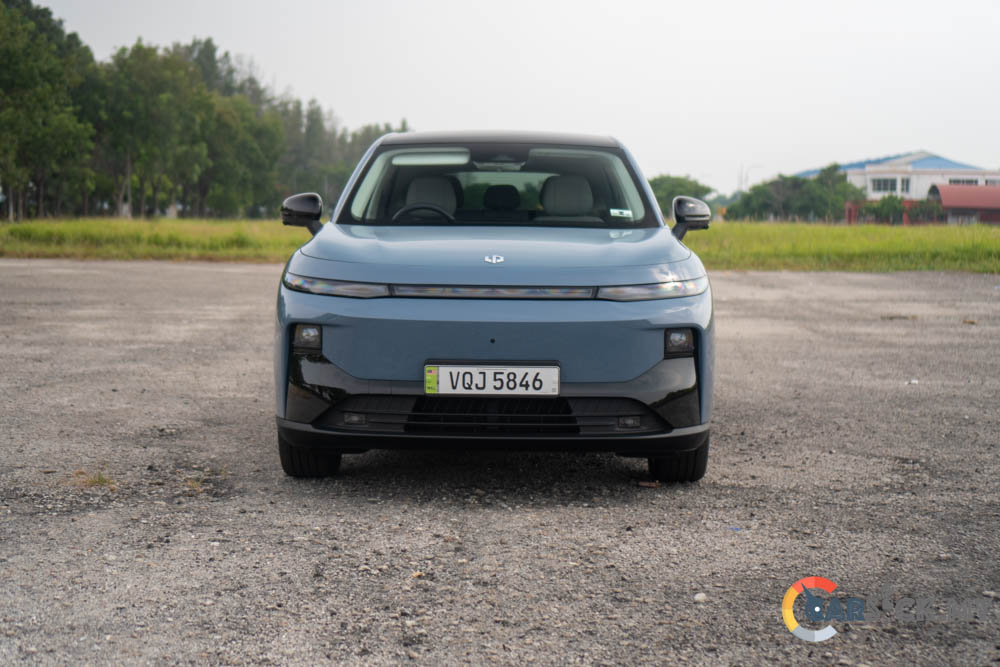
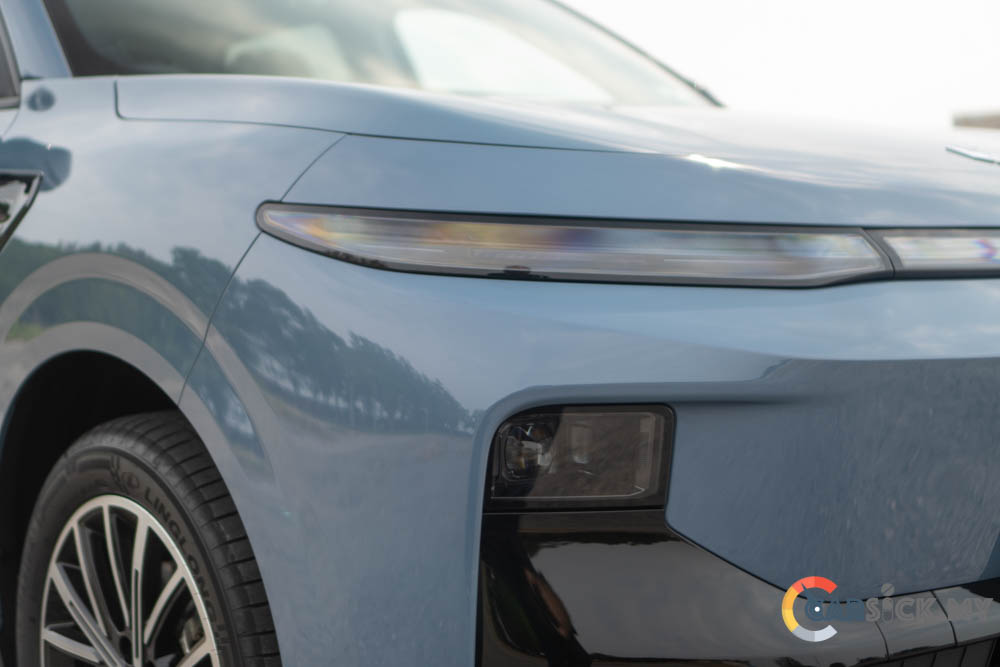
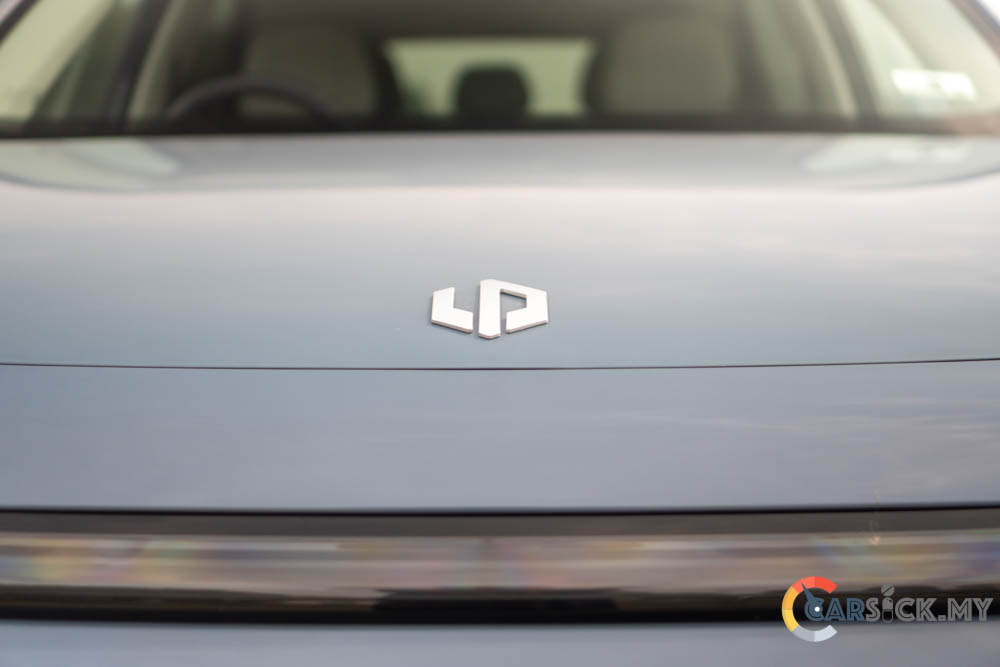
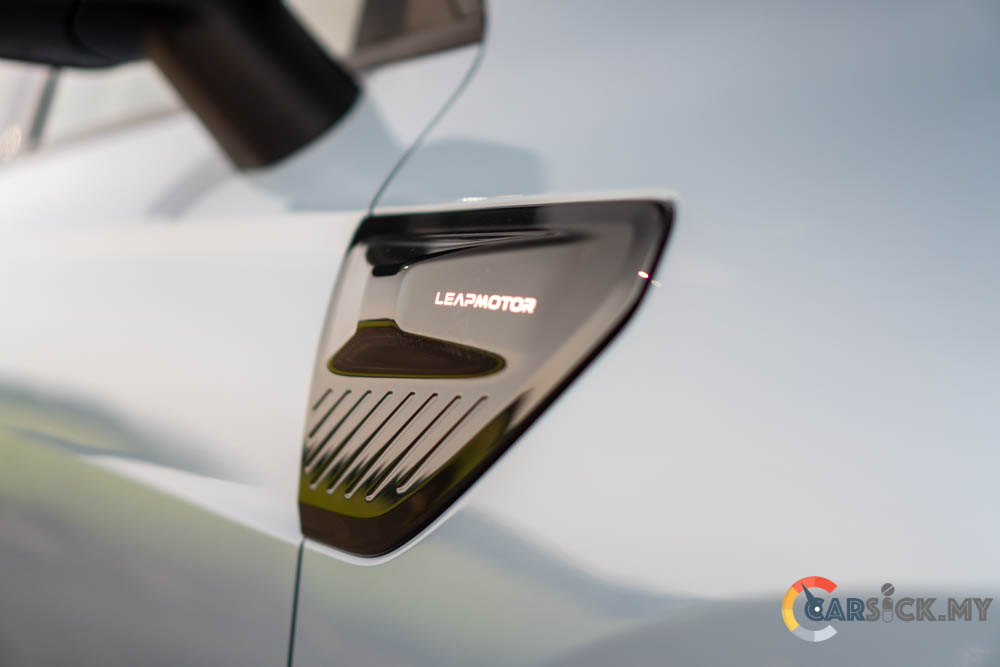
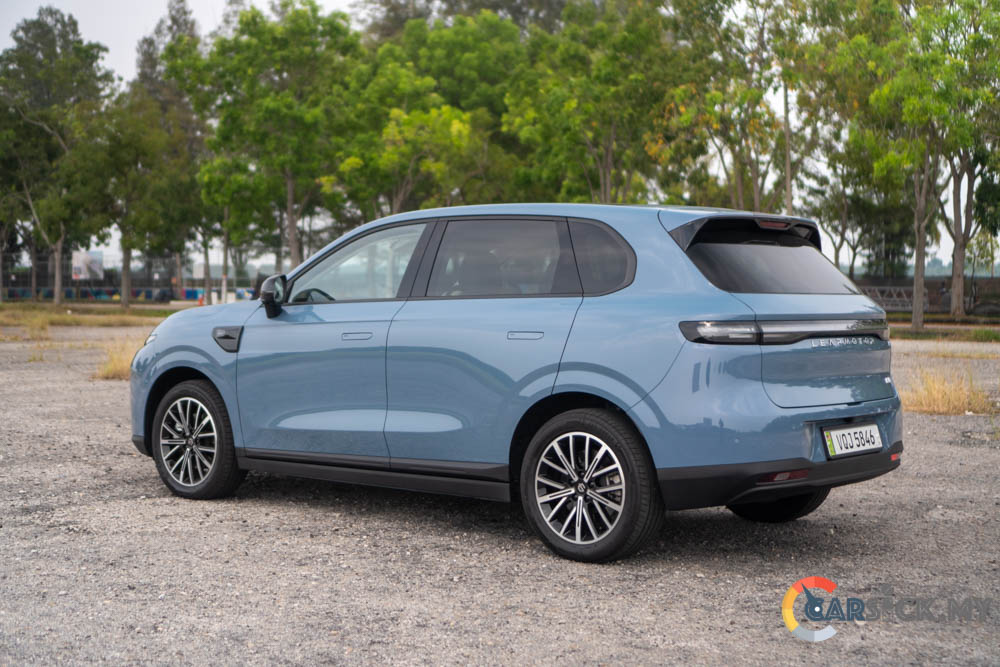
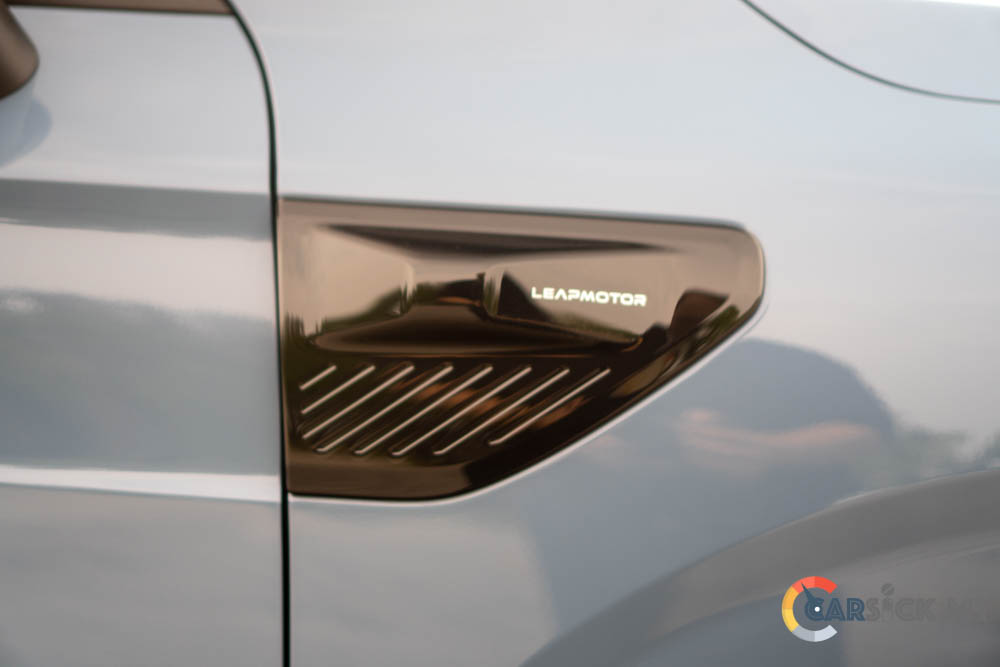
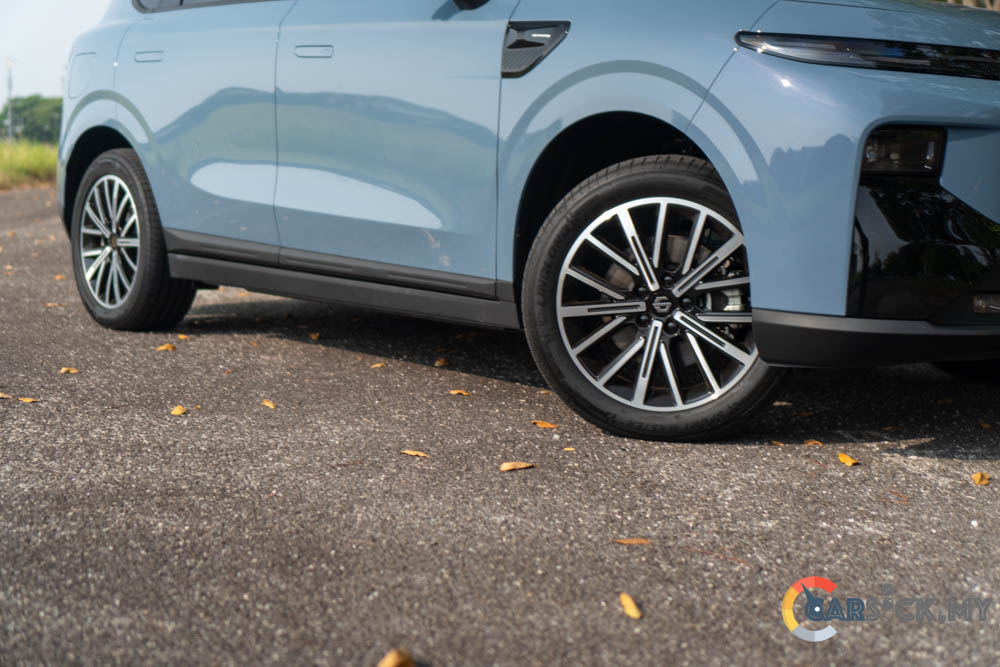
From the side, there is only one distinctive detail—a small black trim piece on the front fender with Leapmotor branding. Its function isn’t entirely clear, and it appears to be purely decorative. The B10 also comes with flush door handles, although they do not automatically pop out when unlocking the car, which can be slightly inconvenient. 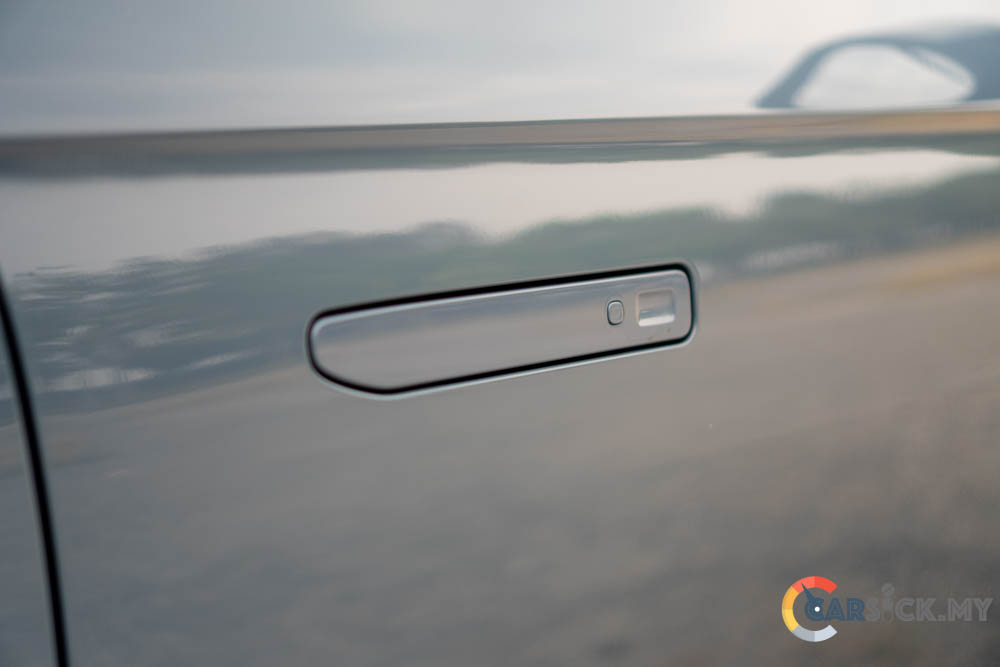
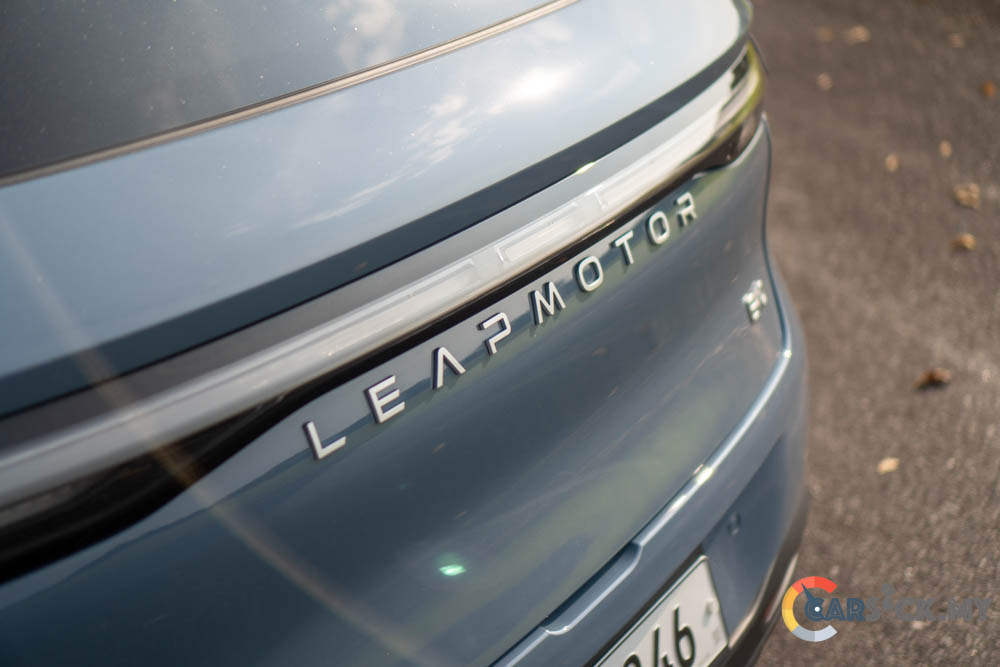
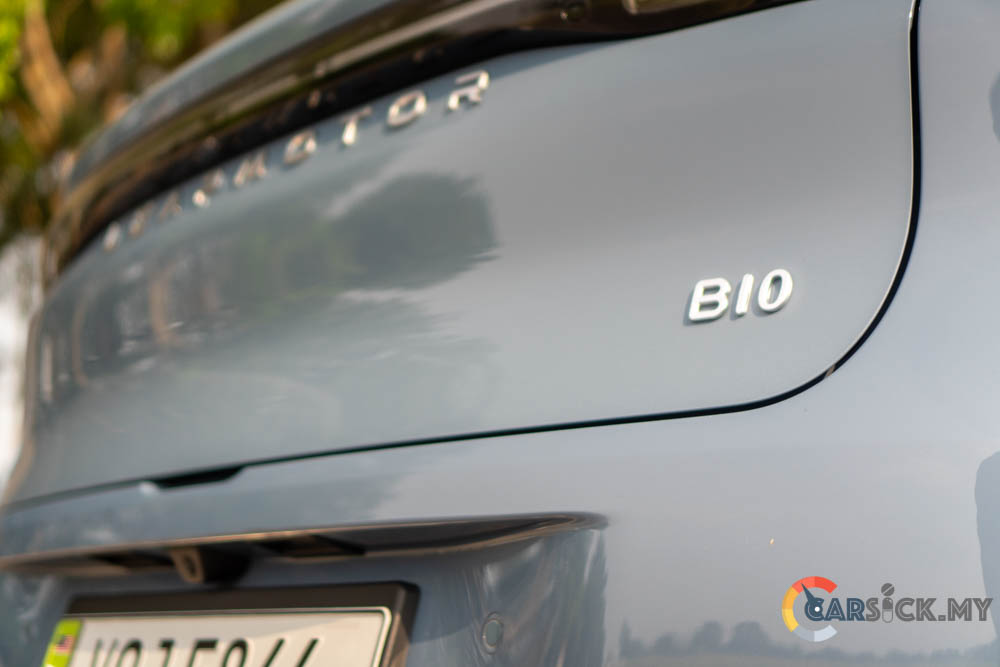
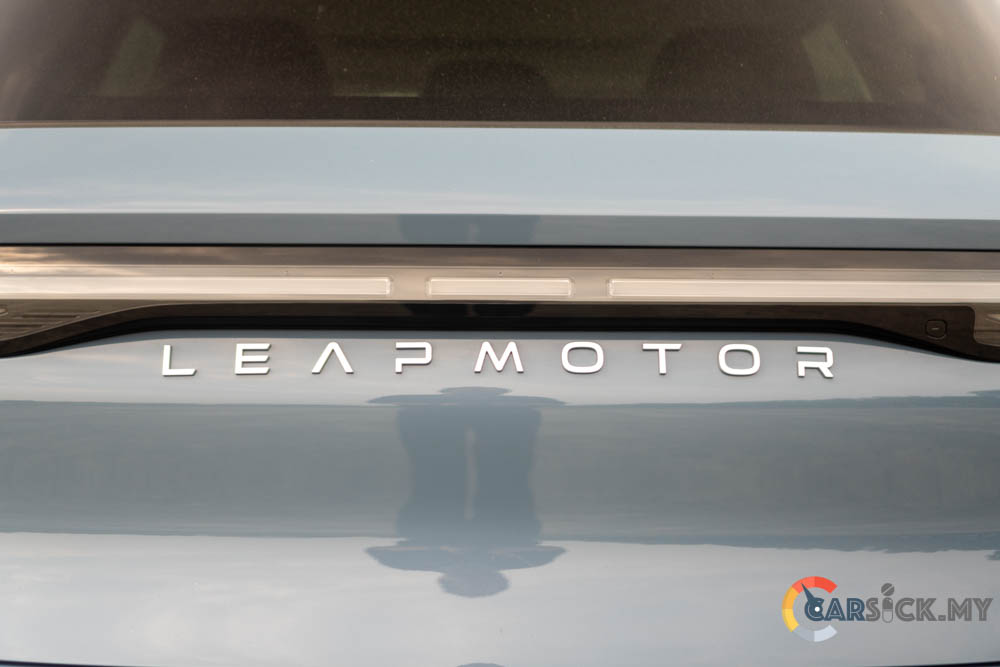
At the rear, the B10 adopts a minimalist design. A simple light bar stretches across the tailgate, mirroring the front-end design. Beneath it sits the LEAPMOTOR lettering, along with a B10 badge on the lower right side. The B10 also features a staggered tyre setup, with 225/50 R18 tyres at the front and 235/50 R18 at the rear. The Design variant comes with two-tone rims, while the standard variant gets silver wheels. 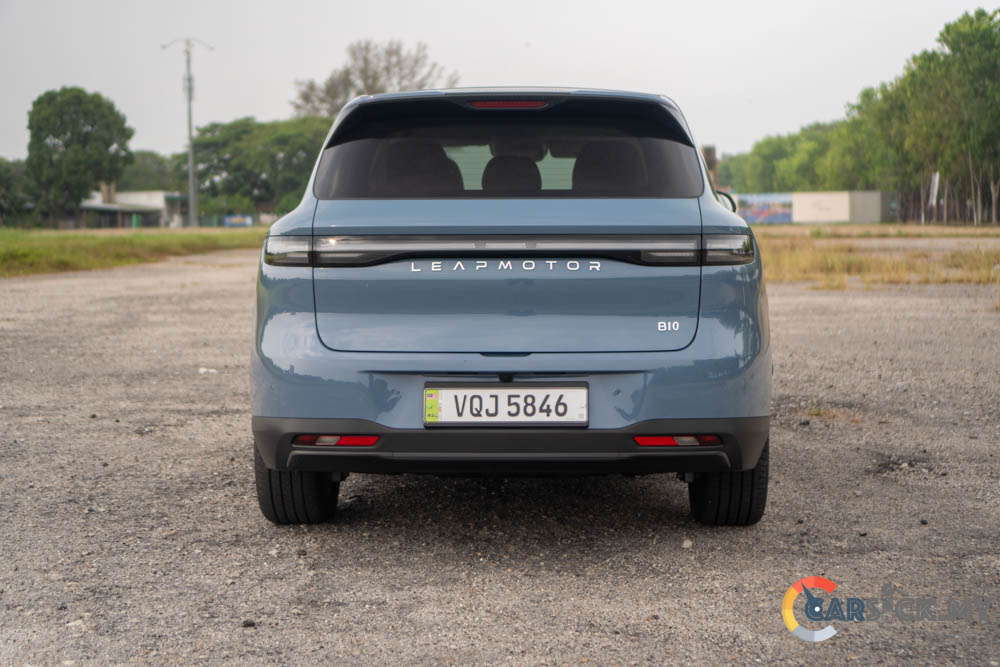
Inside, the B10 Design variant is available with an optional Shadow Grey interior. This bright theme is complemented by subtle purple accents, giving the cabin a modern and slightly playful feel. Leapmotor has clearly put effort into the interior design. The dashboard houses an 8.8-inch instrument cluster and a 14.6-inch infotainment display. Like many Chinese EVs, the dashboard combines soft-touch and hard plastics, though the latter are well concealed by the color scheme.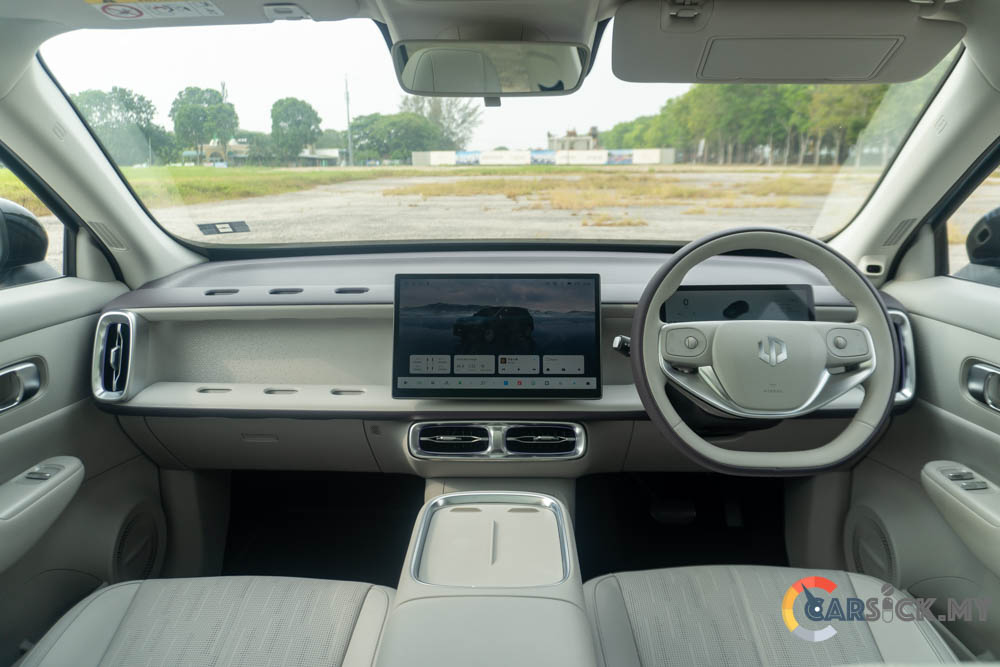
The instrument cluster isn’t particularly large, but it is adequate. However, its placement on the steering column may not suit everyone. It feels a bit too close to the driver, requiring your eyes to constantly readjust focus when glancing at it while driving.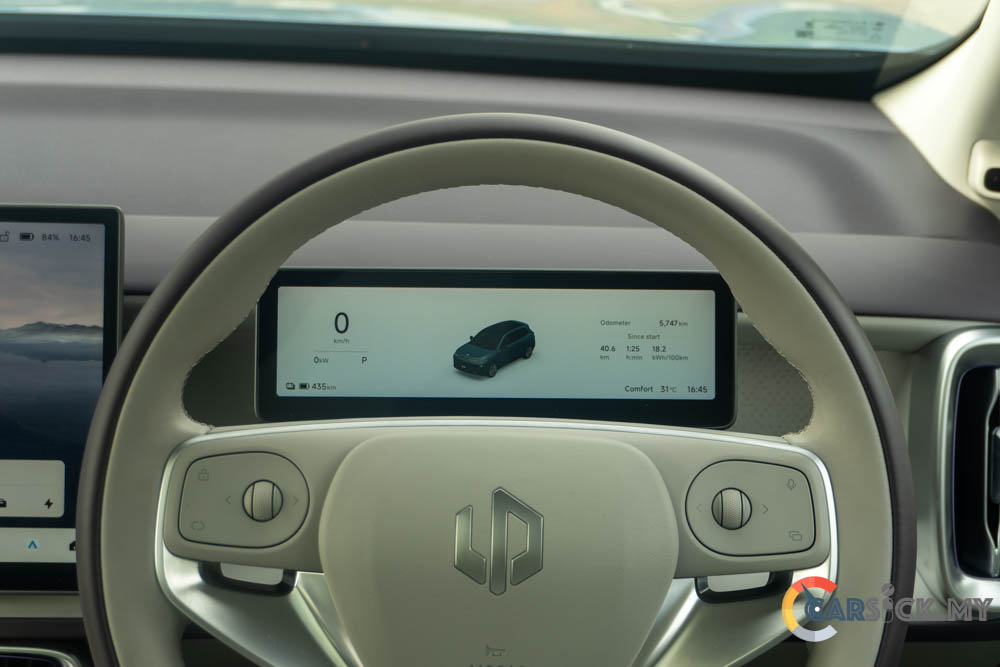
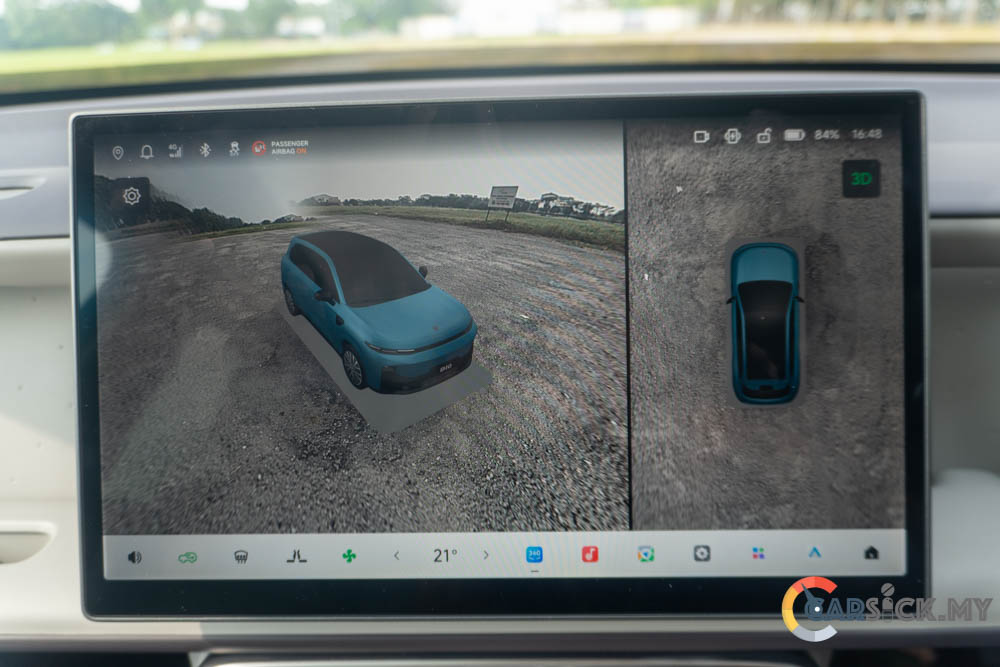
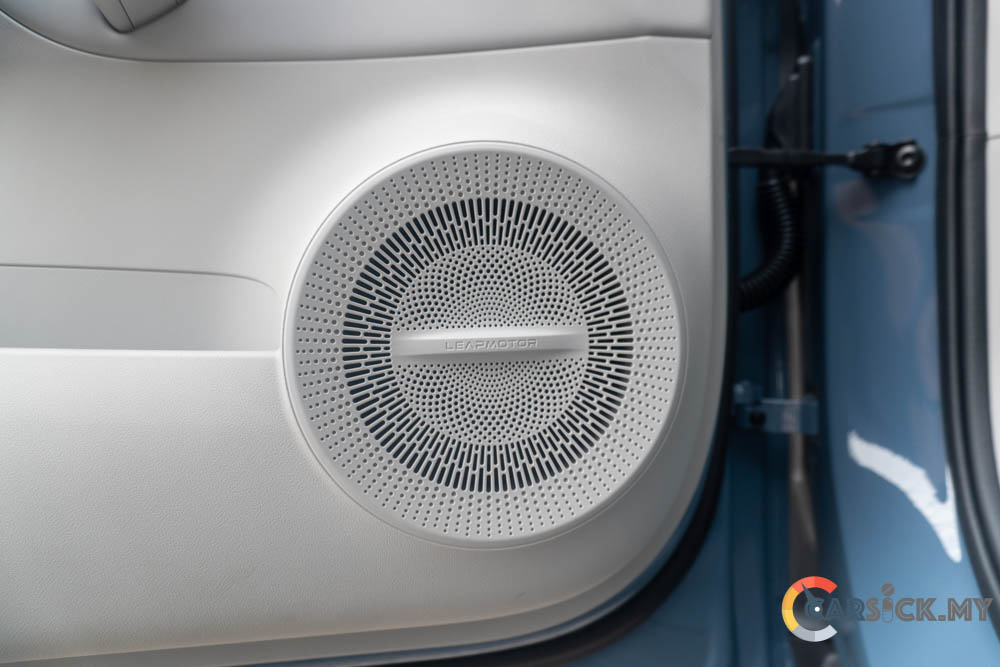
The infotainment system follows the typical minimalist approach, with most controls integrated into the touchscreen and very few physical buttons. Initially, the B10 did not support Android Auto or Apple CarPlay, but a software update in February 2026 added wireless connectivity for both. The system also includes a 360-degree camera, and a 12-speaker audio setup that delivers decent sound quality for its price range. 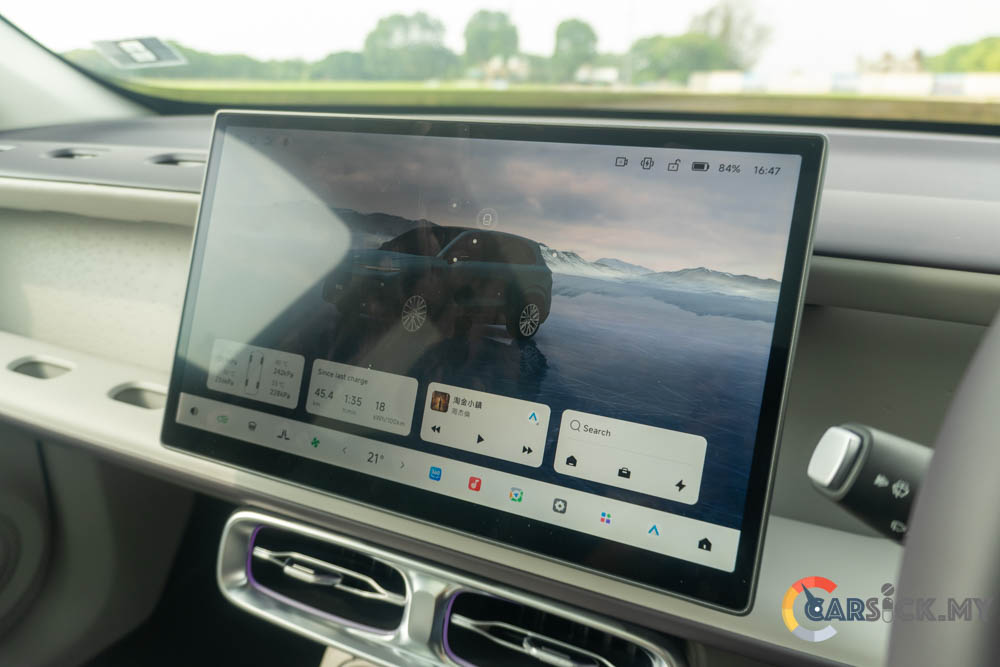
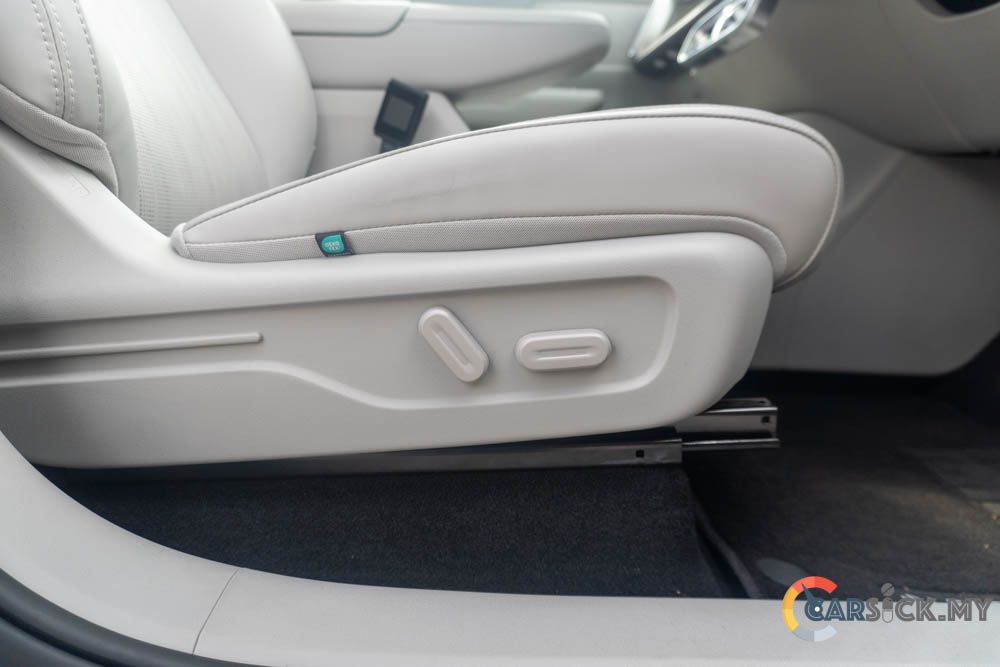
The seats in the Design variant are wrapped in eco-leather, which is water-resistant and easy to clean. Electrically adjustable front seats are also included. Overall, the seating position is comfortable, although the front seats could benefit from better side support. Still, for long-distance cruising, they perform reasonably well. 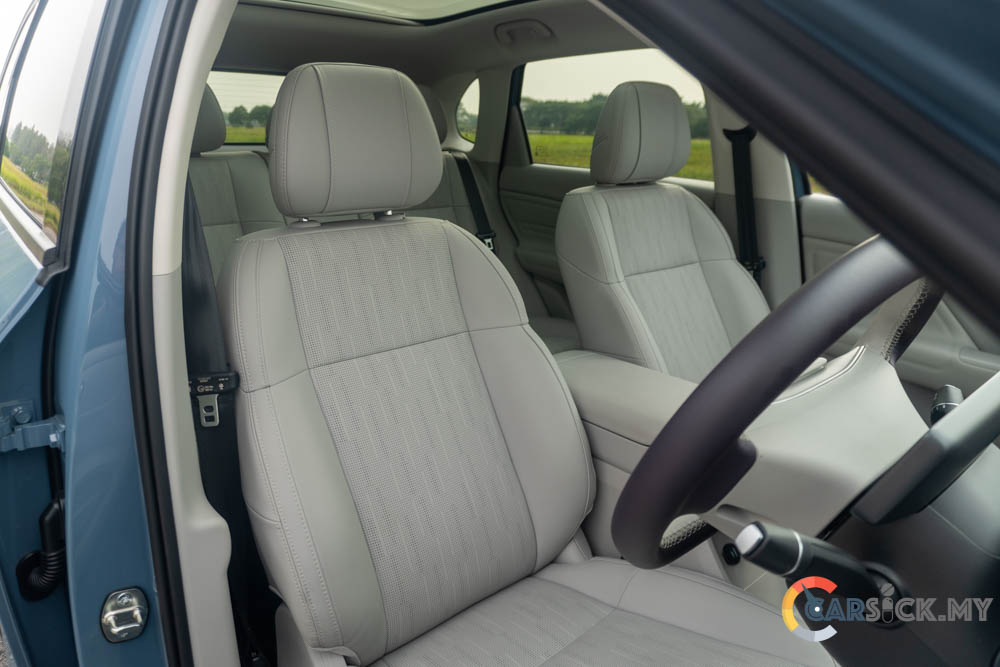
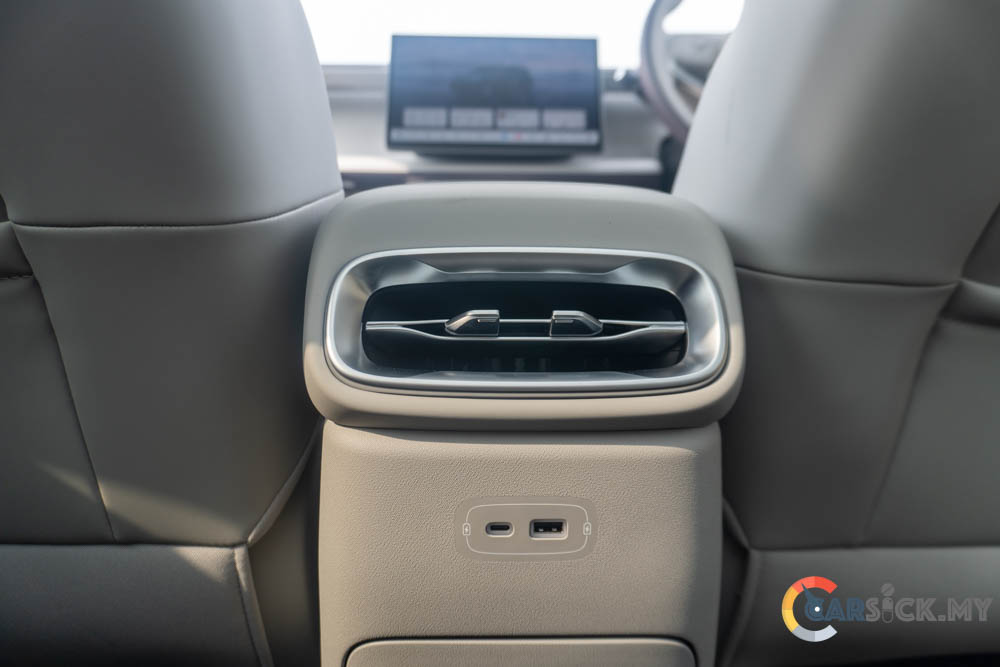
Rear passengers are treated to ample legroom and headroom, even with the panoramic glass roof. However, the rear bench lacks sufficient thigh support, likely a trade-off to maximize legroom. Rear occupants also get two air vents, along with USB-A and USB-C charging ports. A small storage drawer beneath the USB ports adds practicality. 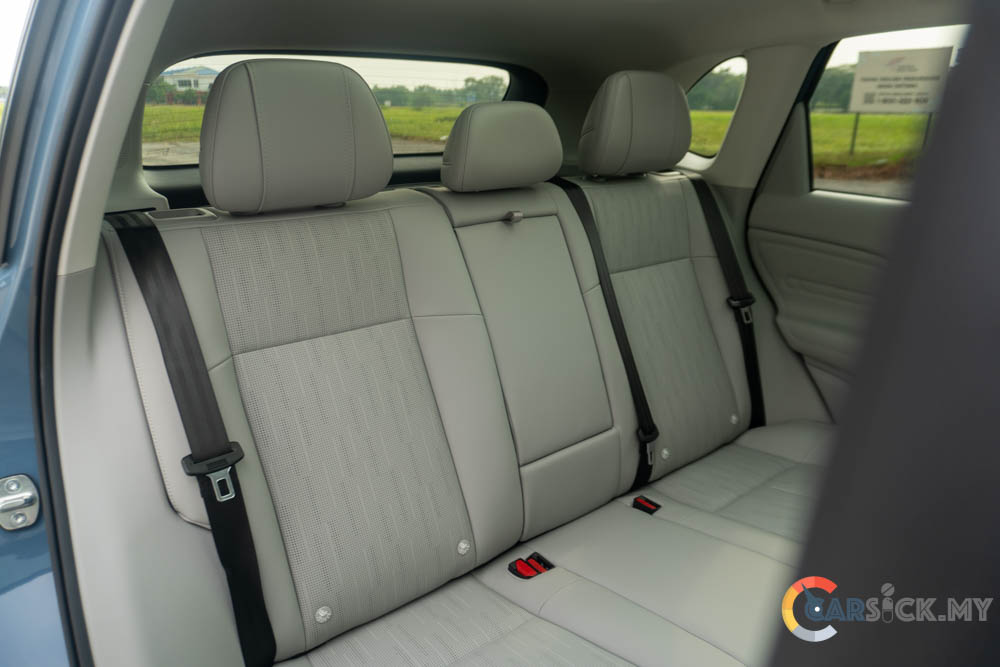
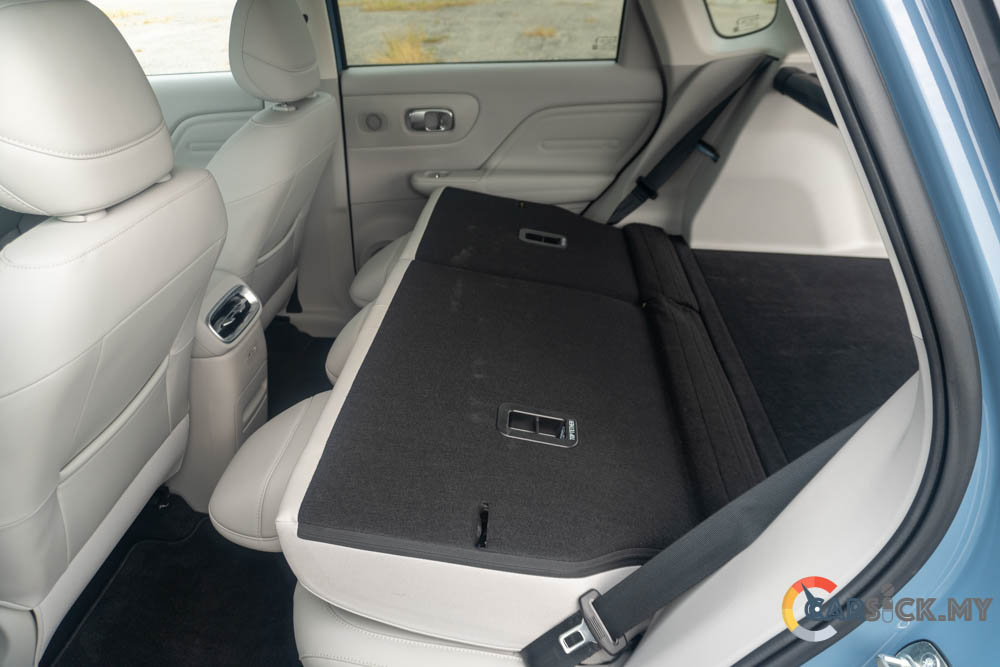
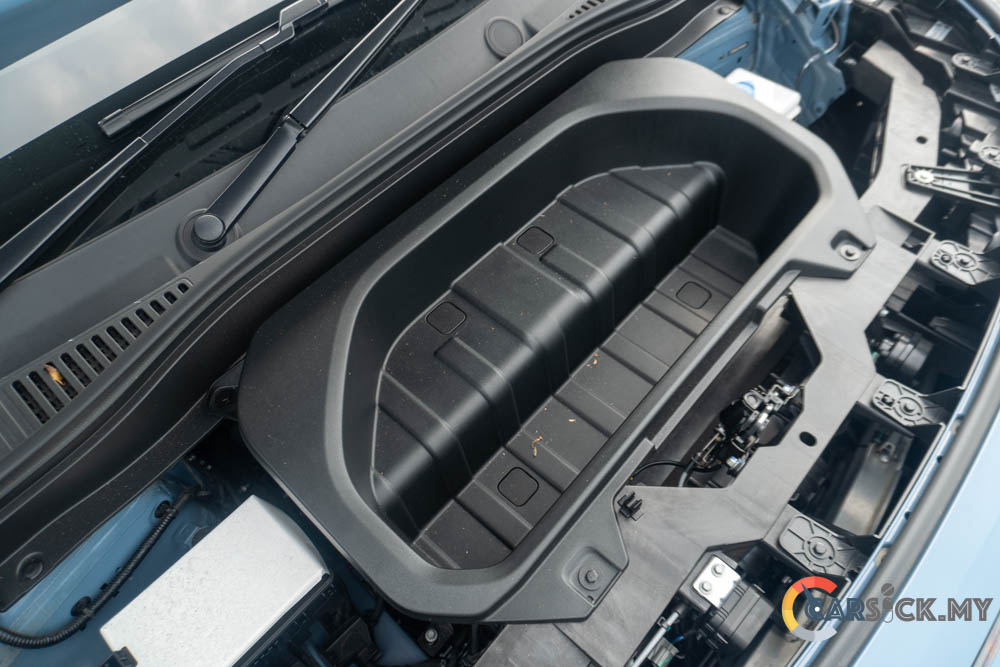
The boot offers 430 litres of storage space and is accessed via an electric tailgate. Folding the rear seats creates a flat loading floor, making it easier to transport larger items. Additionally, there is a 25-litre front storage compartment under the hood, though it’s not ideal for temperature-sensitive items due to heat from nearby components. 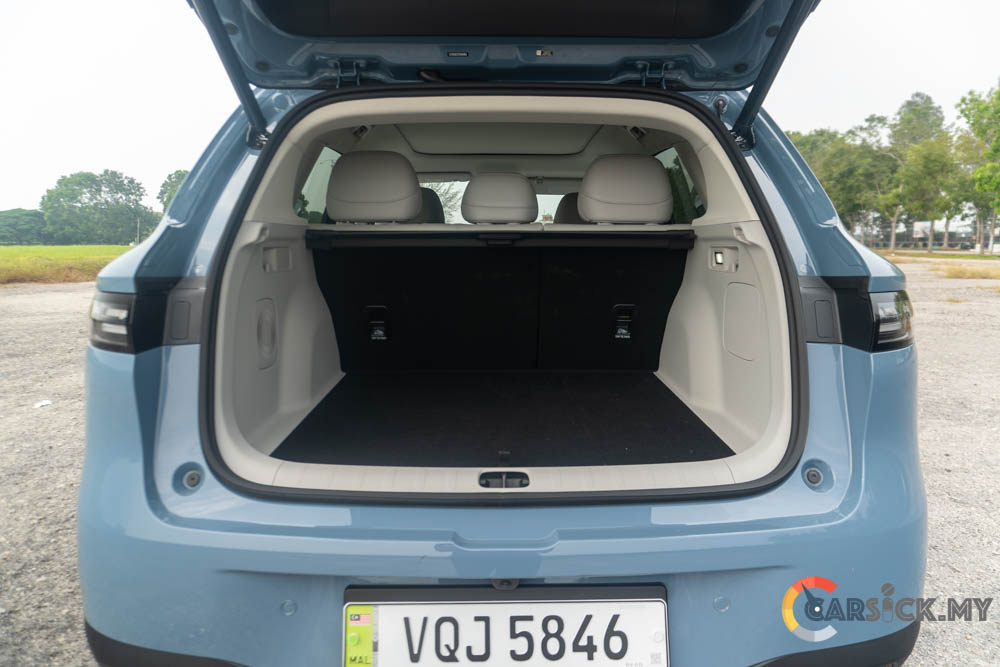
For Malaysia, the B10 is offered with a single powertrain—a rear-mounted electric motor driving the rear wheels. The Design variant comes with a 67.1 kWh battery, delivering a WLTP-rated range of 434 km. The motor produces 160 kW and 240 Nm of torque, enabling a 0–100 km/h time of 8 seconds and a top speed of 170 km/h.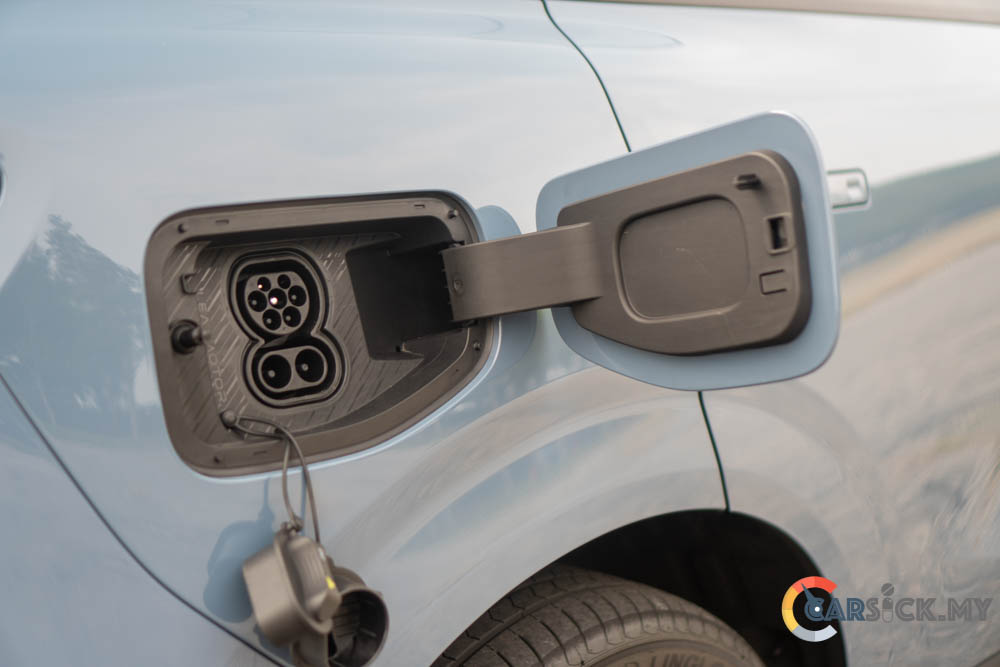
In real-world driving, the single motor feels sufficient for daily use. While it may not match the acceleration of dual-motor EVs, it still delivers brisk performance when needed. Based on my observations, the B10 can realistically achieve around 400 km on a single charge. Energy consumption averages about 14.3 kWh/100 km, which is respectable for this class.
Ride quality is generally comfortable, especially on highways where the car feels stable. Over uneven roads, some minor jolts can be felt, but the suspension does a good job of absorbing most imperfections. Handling is average—competent but not particularly engaging. The steering feels somewhat artificial, with limited feedback from the front wheels.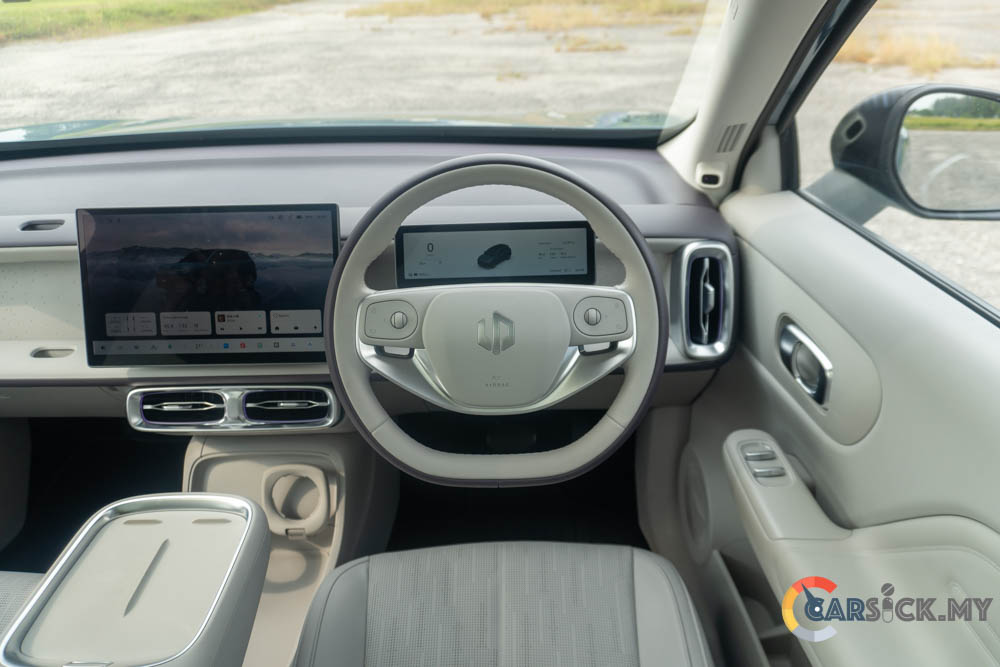
The braking system performs well, with a natural pedal feel that clearly differentiates between regenerative and mechanical braking. It’s notably better than the Atto 2 in this regard. As expected, the B10 comes equipped with a comprehensive suite of Advanced Driver Assistance Systems (ADAS). These include Adaptive Cruise Control, Intelligent Speed Assist, Lane Keeping Assist, Emergency Lane Keeping Assist, Forward and Rear Collision Warning, Autonomous Emergency Braking, Blind Spot Detection, Door Opening Warning, Lane Departure Warning, Hands-Off Detection, Rear Cross Traffic Alert and Braking, Driver Drowsiness Monitoring, Driver Distraction Warning, and Traffic Jam Assist. 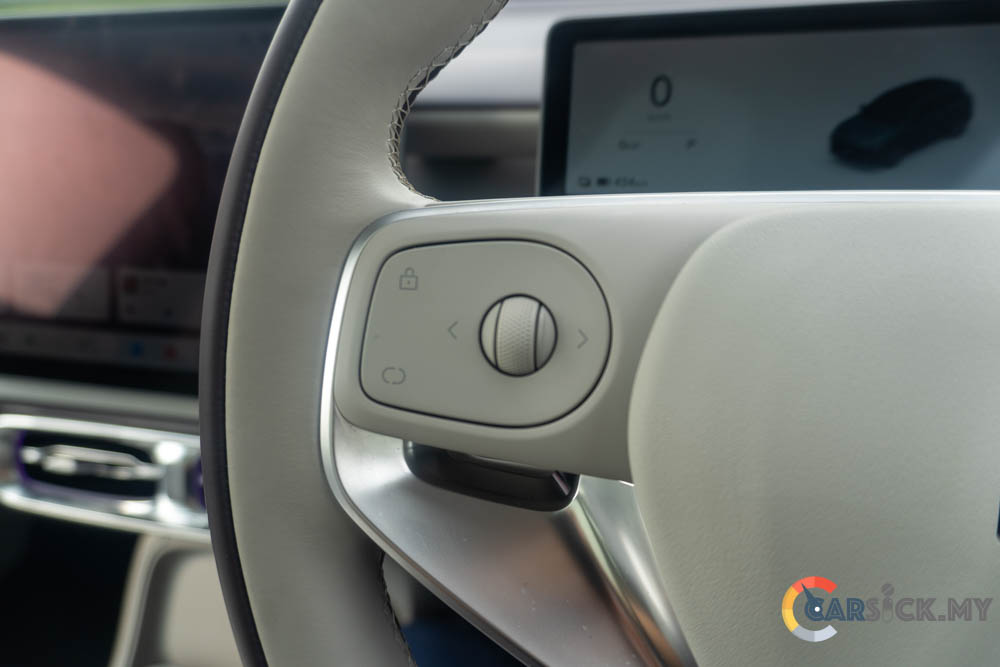
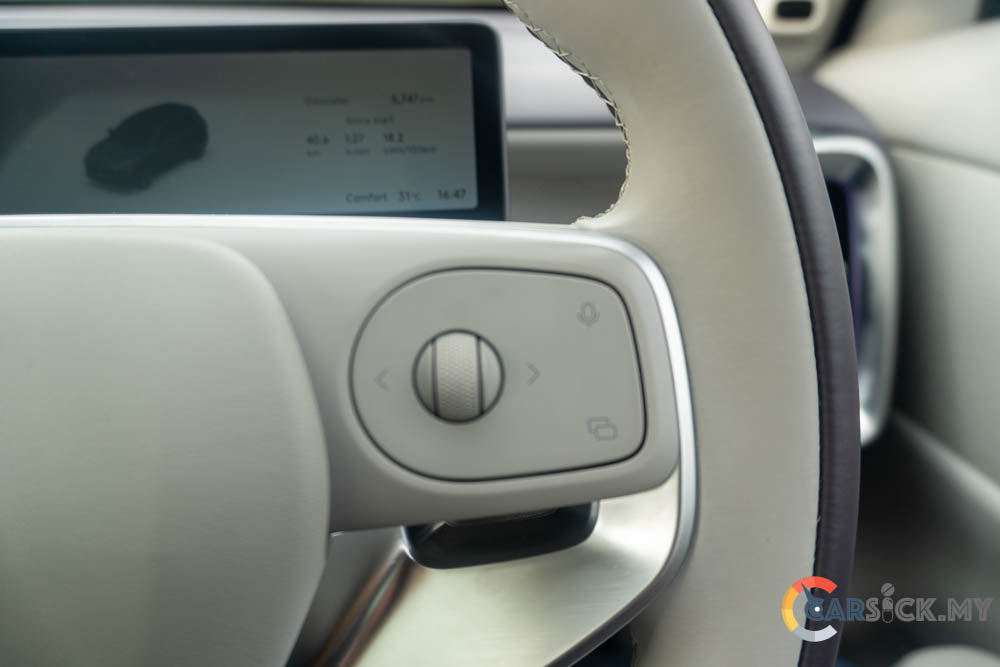
However, one feature that proved frustrating was the Lane Keeping Assist system, which activates when it detects driver fatigue. While well-intentioned, it can be overly sensitive. On several occasions, it activated when I was simply glancing at the instrument cluster, which became quite annoying.
Priced at RM109,800, the B10 represents strong value for money. Compared to the Atto 2, it offers a higher level of equipment and features. While it may not suit everyone—particularly those who prefer more control over driver-assist systems—it is undoubtedly a compelling option for tech-savvy buyers. Overall, the Leapmotor B10 has the potential to carve out a solid position in Malaysia’s growing EV market.
Check out the full photo album here.