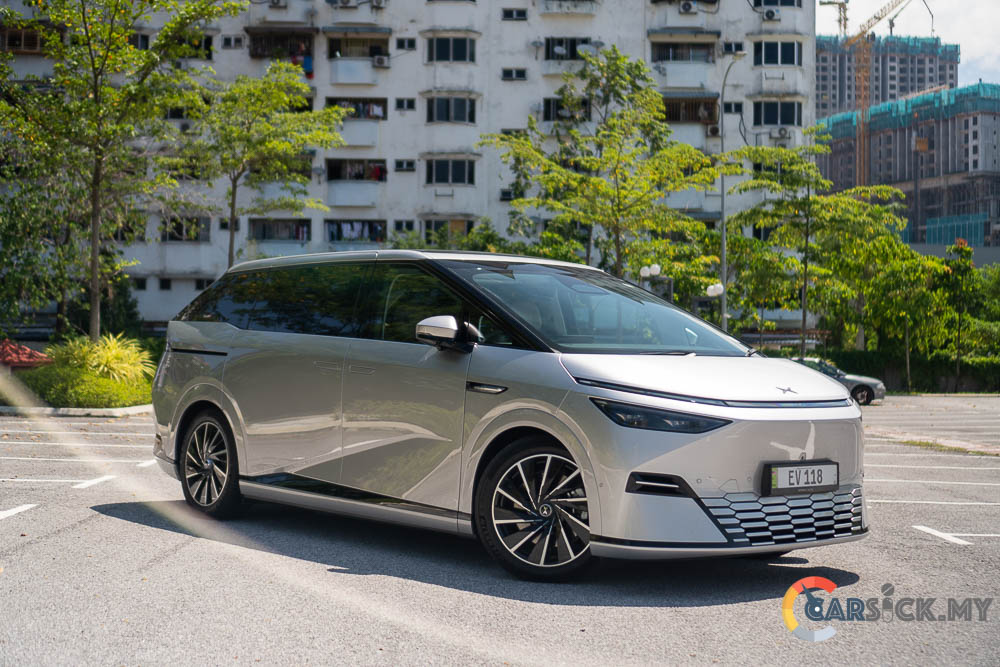

After reviewing the Xpeng G6 previously, I did mention that Xpeng should introduce more models to the Malaysian market. And here it is — their latest offering, the Xpeng X9 MPV. The X9 is a fully electric MPV, positioned to take on other Chinese electric MPVs like the Denza D9 and the Zeekr 009. Even though all of them claim to be targeting the Alphard and Vellfire segment, in reality, those vehicles are quite different as they are still ICE-powered. So at the end of the day, these EV MPVs are really competing among themselves.
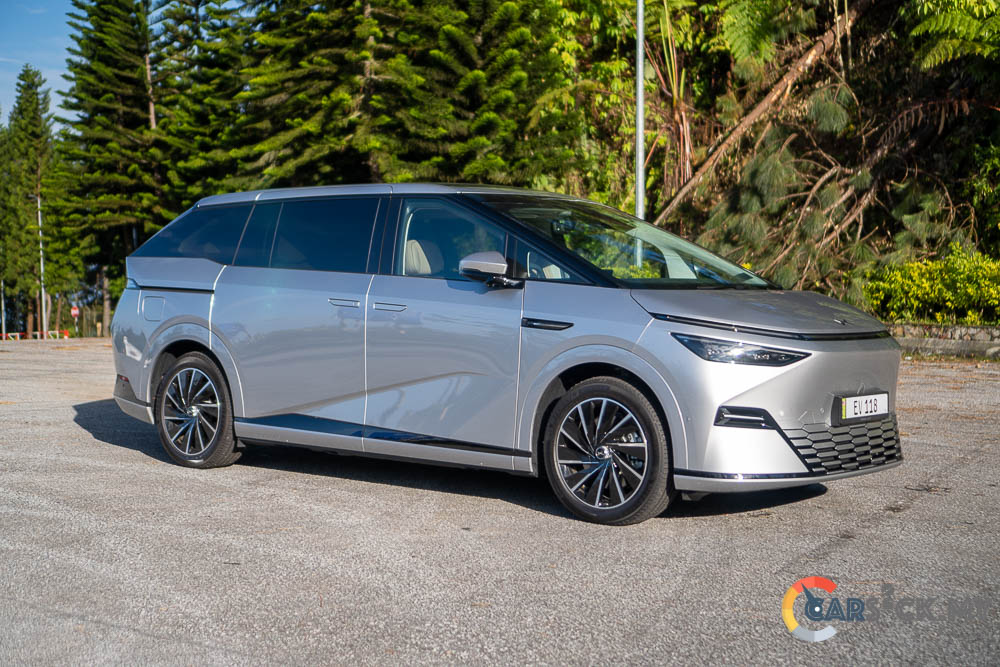
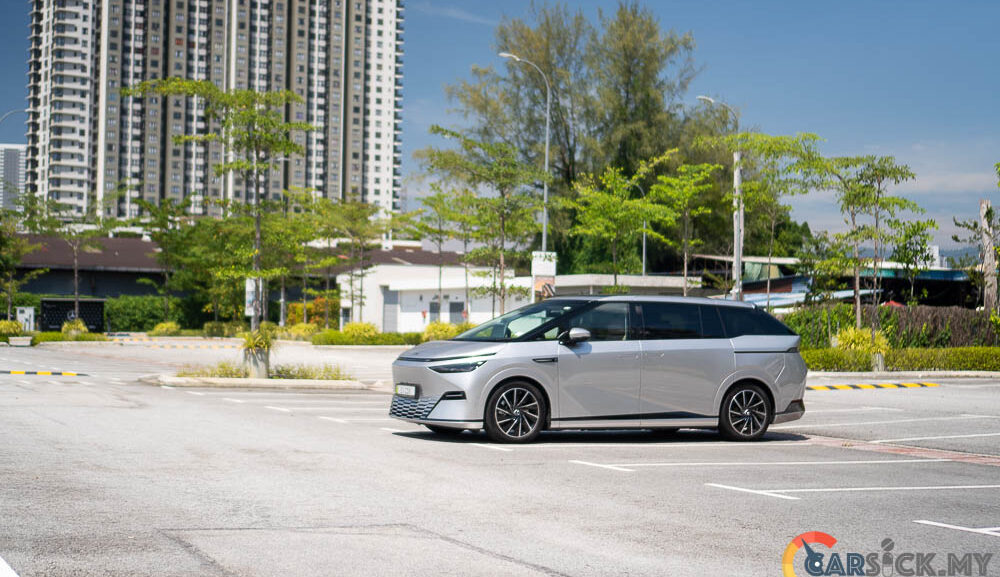
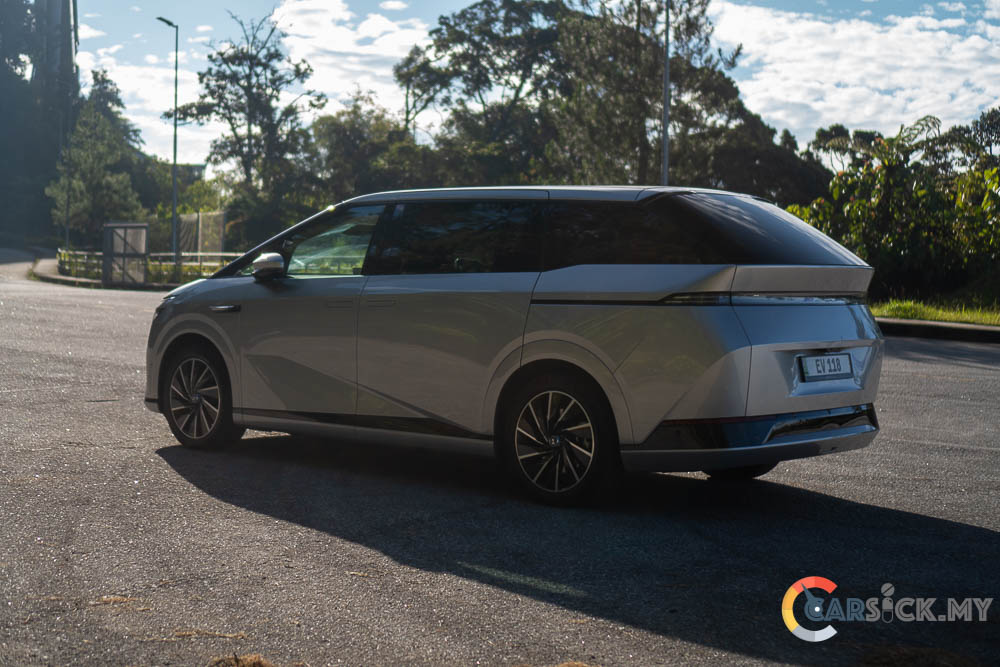 That said, since this is the first fully electric MPV I’ve tried among them, I’m curious to see whether it still has the ability to steal some sales from the Alphard and Vellfire crowd. When you first set eyes on the X9, the first word that comes to mind is “futuristic.” That’s clearly what Xpeng is going for with the design. But at the end of the day, the X9 still retains a conventional MPV shape. The difference is that, being an EV, the designers have more freedom to make it look unconventional.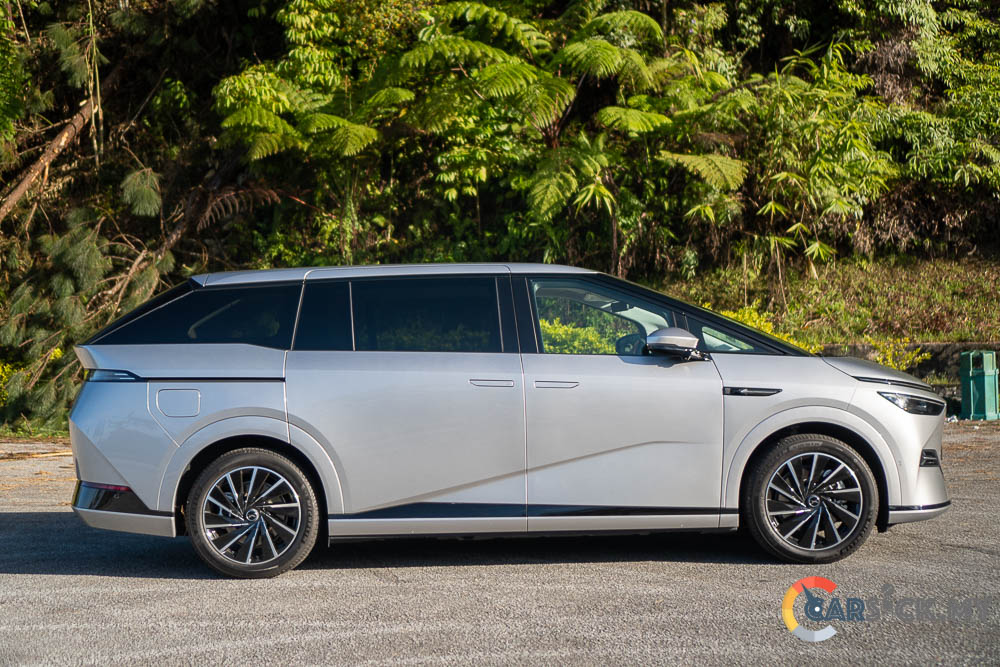
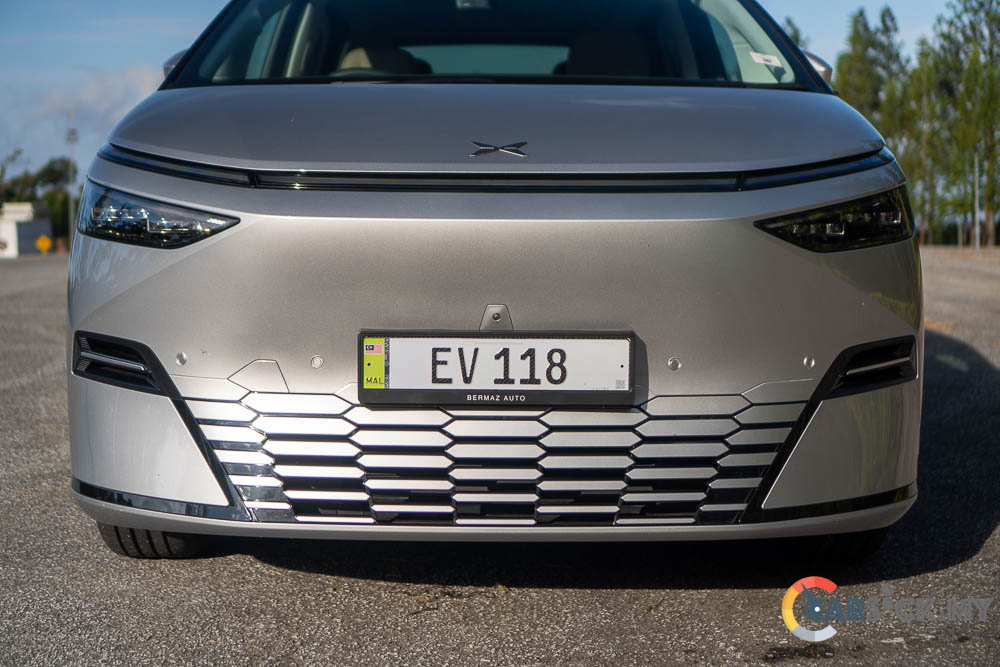
To be fair, I find the design quite minimalist, as it lacks the design details usually found on Japanese or German vehicles. But I guess there are those who will appreciate this clean approach — just not me. At the front, the X9 features a very sharp design, with a windscreen that is heavily slanted forward. The main defining element is the full-width light bar that runs across the front. The LED headlights are positioned lower down in the bumper, which enhances that futuristic look. There’s no front grille, as expected for an EV, although there are some hexagonal patterns at the lower bumper to add a bit of styling. 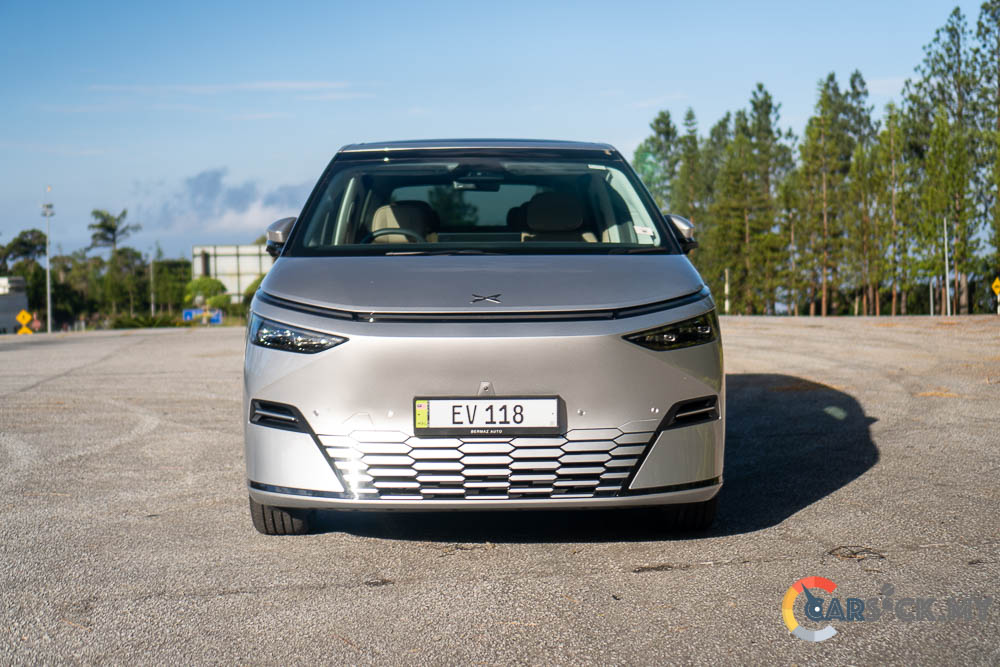
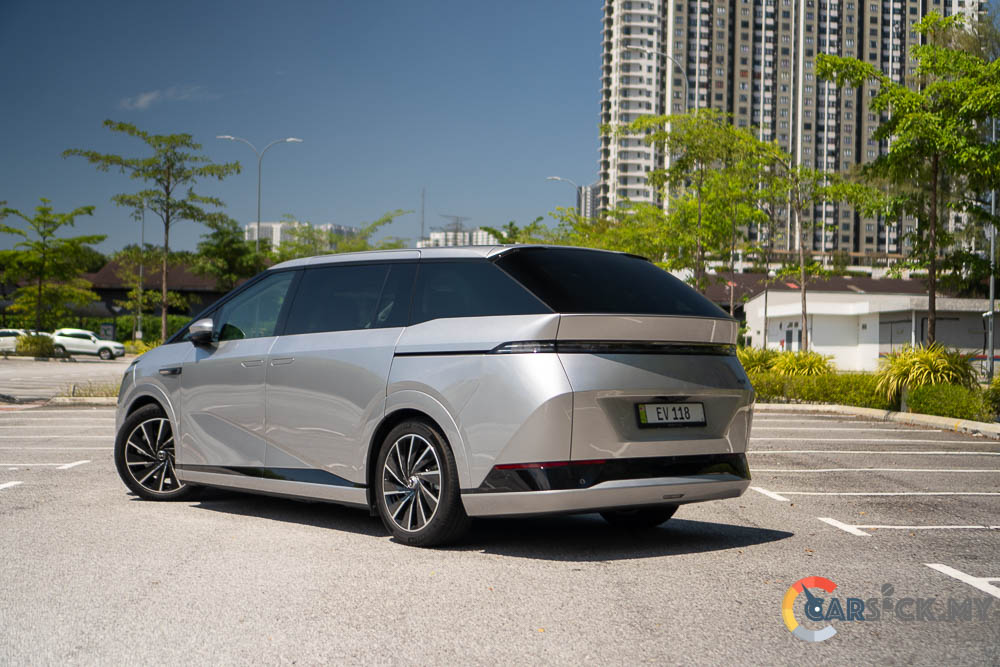
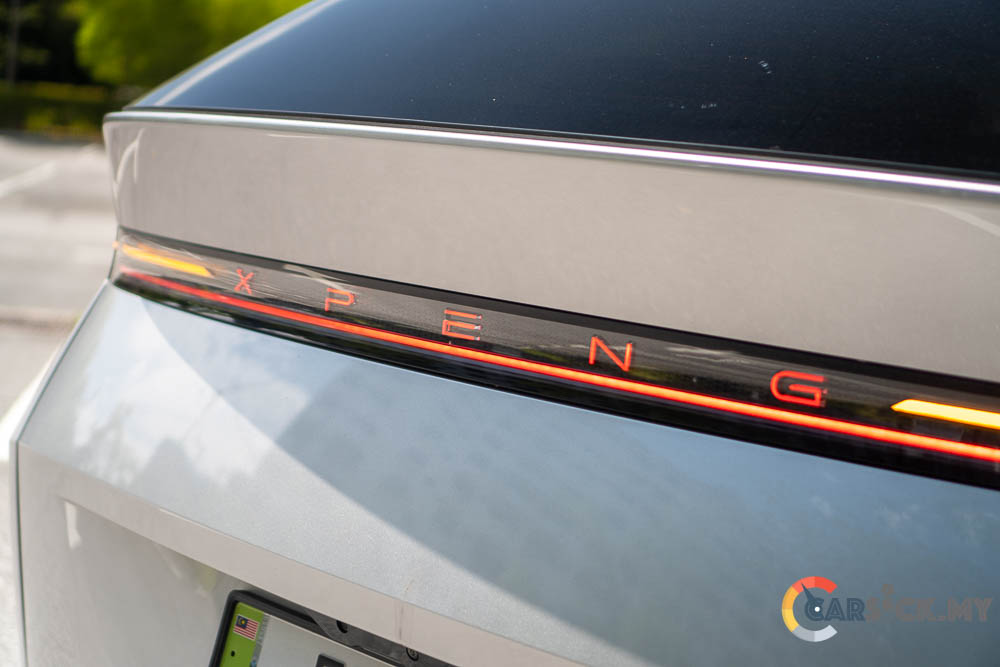
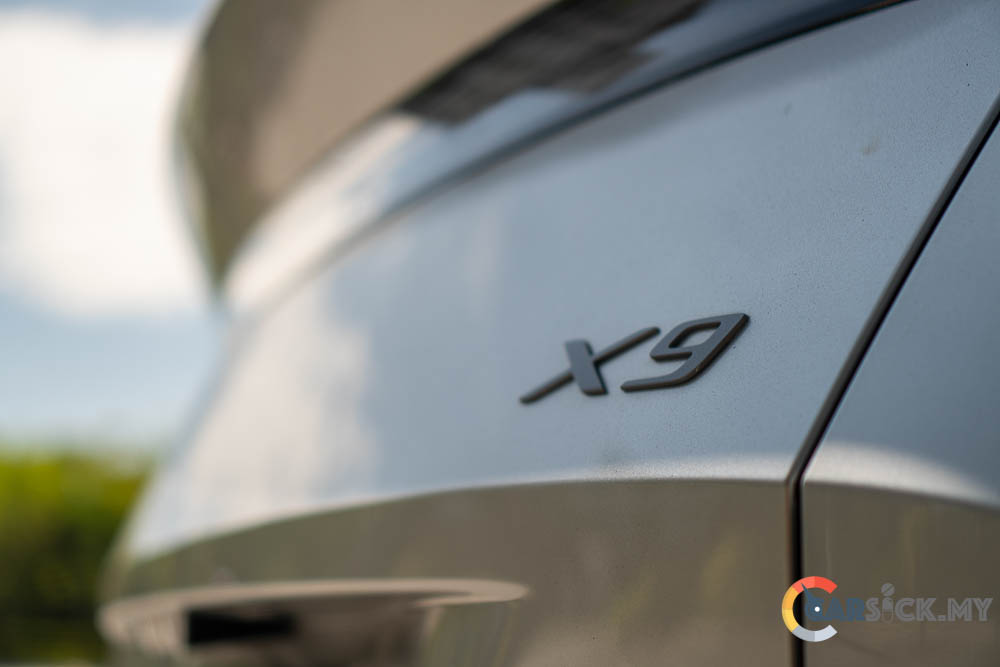
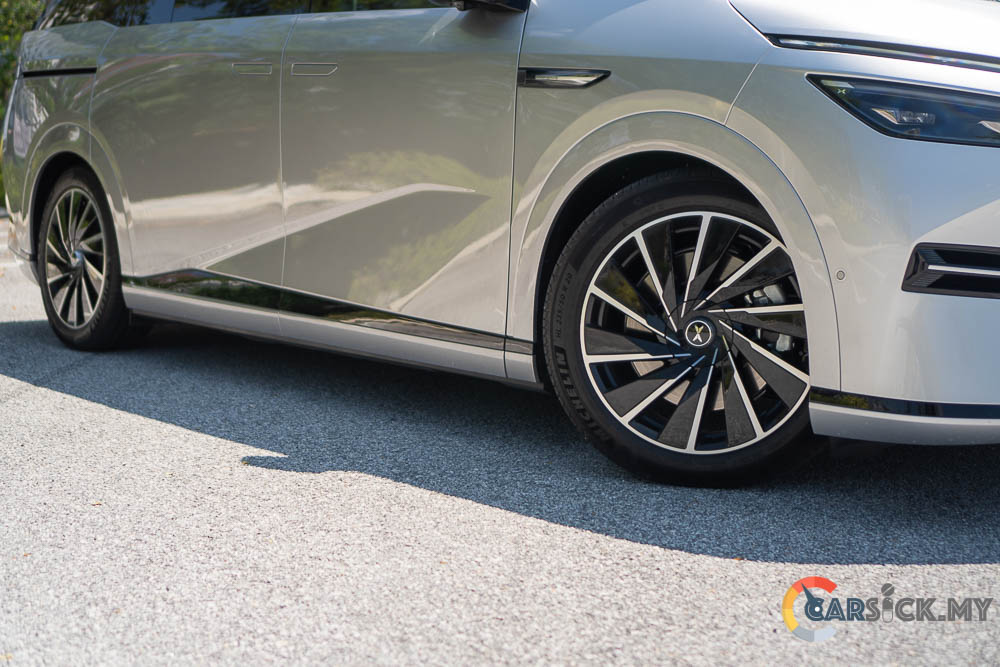
Moving to the side, the minimalist theme continues. The profile is very clean, with flat panels and minimal character lines. Xpeng has intentionally skipped complex body lines to achieve a cleaner look. This simplicity carries over to the rear as well, making it look uncluttered. At the back, the design mirrors the front with another full-width light bar. Practicality hasn’t been compromised either, as the X9 comes with a large tailgate. Rounding things off are the turbine-style 20-inch wheels, which add a bit of contrast to the otherwise simple design. 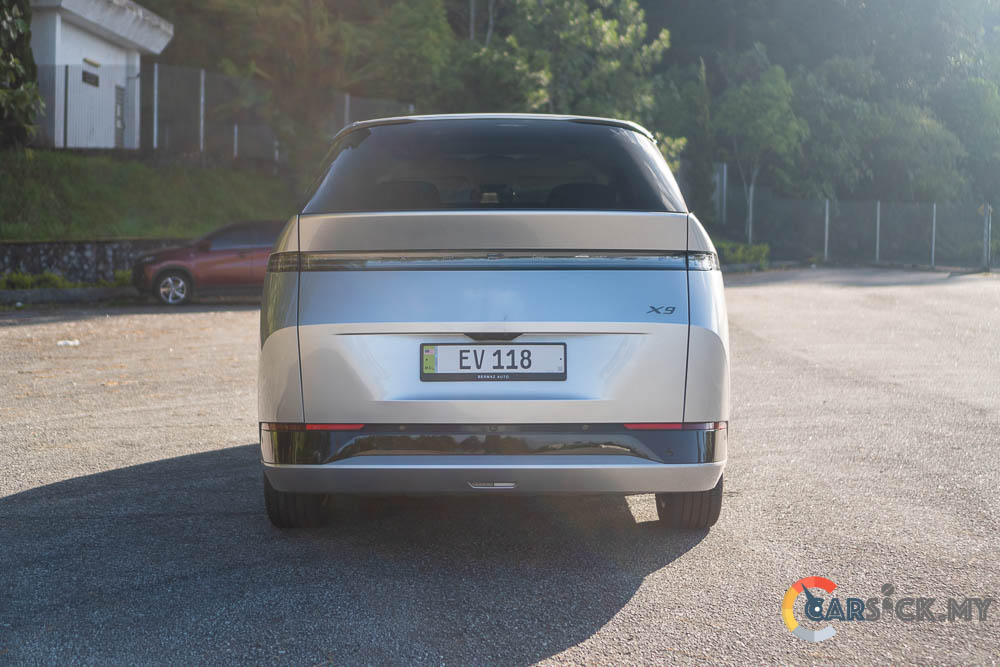
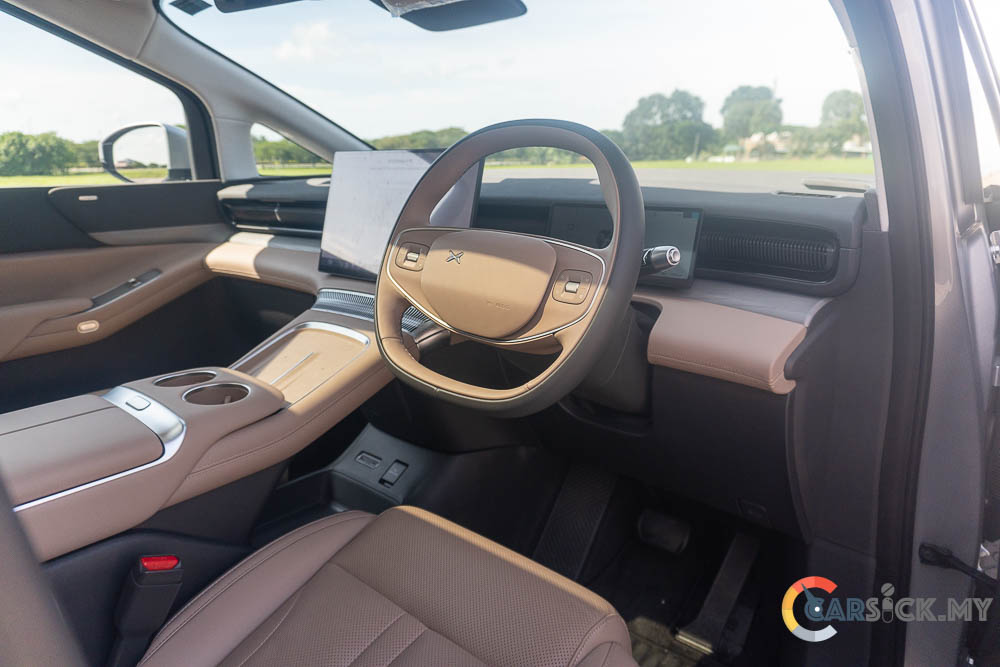
Stepping inside, you’ll immediately notice the typical dual-display minimalist layout. Since this is positioned as a premium vehicle, there are plenty of soft-touch materials throughout the cabin, and overall, it feels solid. Up front, you get a 10.25-inch instrument cluster and a large 17.4-inch infotainment screen. The instrument cluster is straightforward — easy to read and provides all the necessary information, although it doesn’t house any vehicle settings.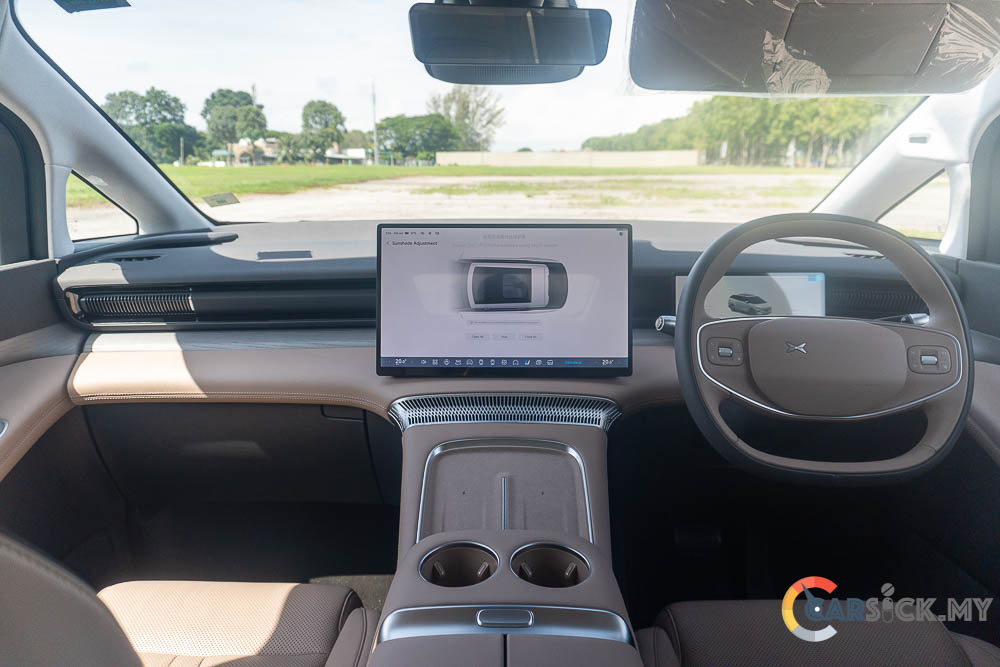
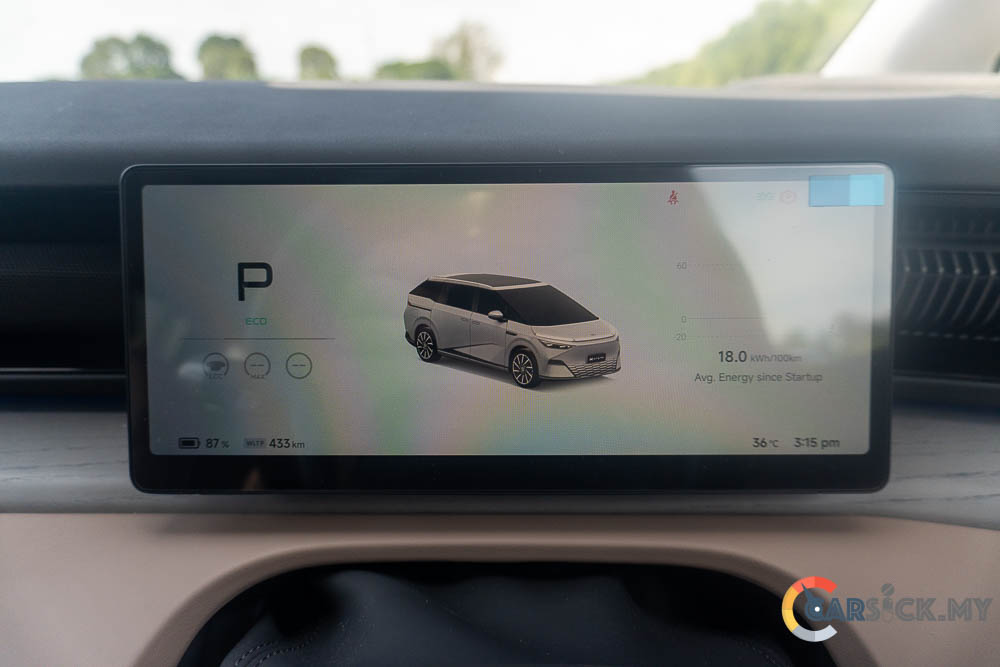
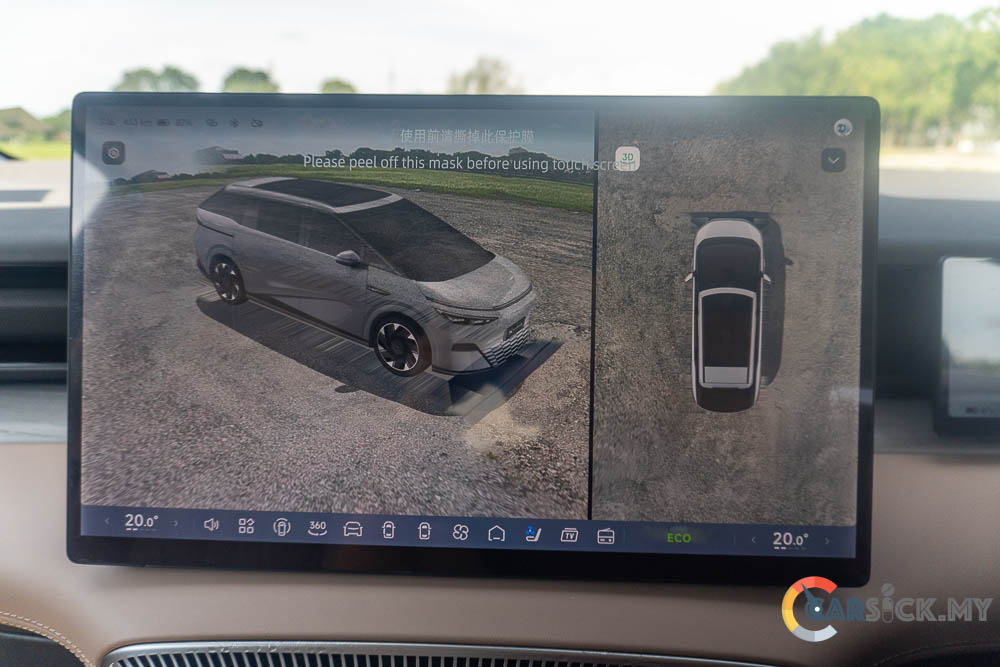
If you’re looking for settings, everything is integrated into the infotainment system. This is something Chinese brands tend to favour, as it reduces the need for physical buttons and wiring. The downside is that if the screen has issues, you essentially lose access to most vehicle functions. The infotainment system supports wireless Android Auto and Apple CarPlay, along with a 360-degree camera to help manoeuvre such a large vehicle in tight spaces. 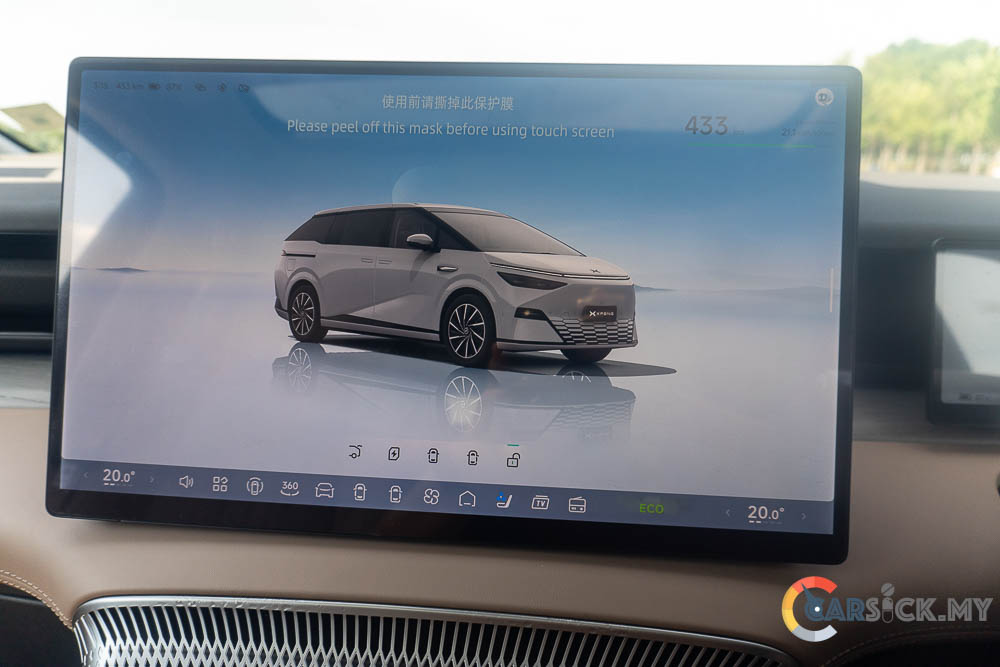
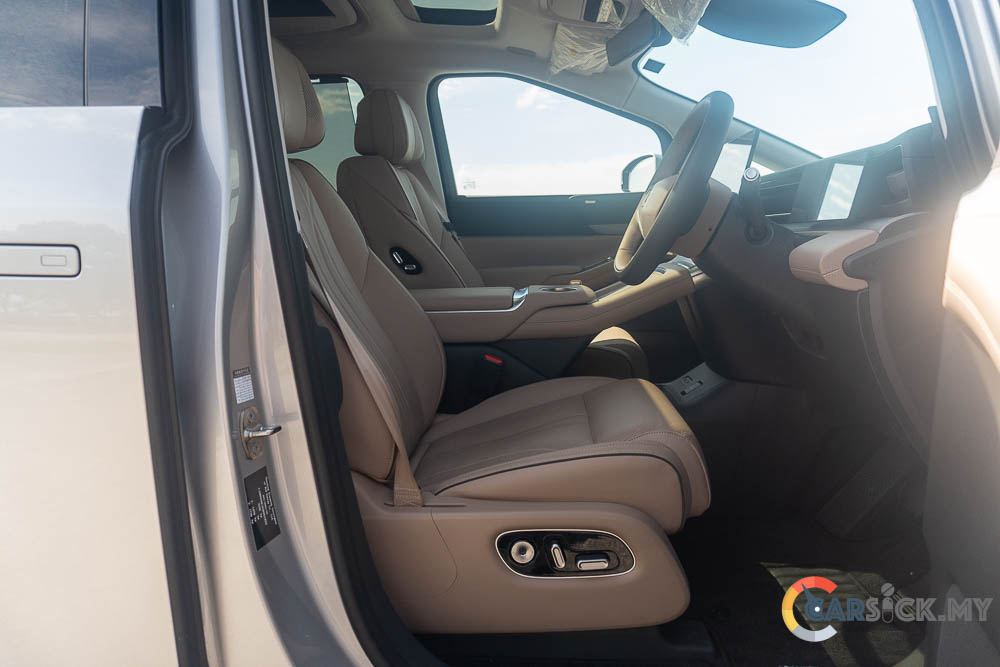
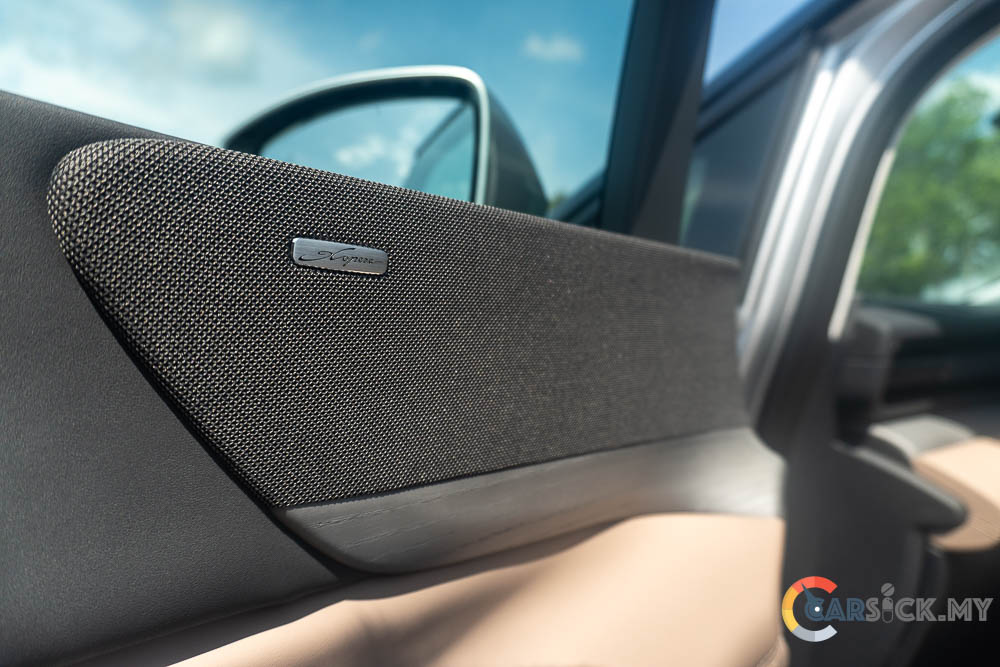
And if the two displays up front aren’t enough, the X9 also comes with a rear entertainment screen for passengers. This 21.4-inch roof-mounted display functions like a tablet, allowing rear occupants to enjoy their favourite content. To complement this, the X9 is equipped with a 23-speaker Xopera sound system capable of delivering up to 2,180W of output. The driver’s seat is a comfortable place to be, with plenty of adjustability to find a good driving position. However, as these are comfort-focused seats, they aren’t particularly supportive for spirited driving. Both front seats also come with heating and ventilation functions to enhance comfort. 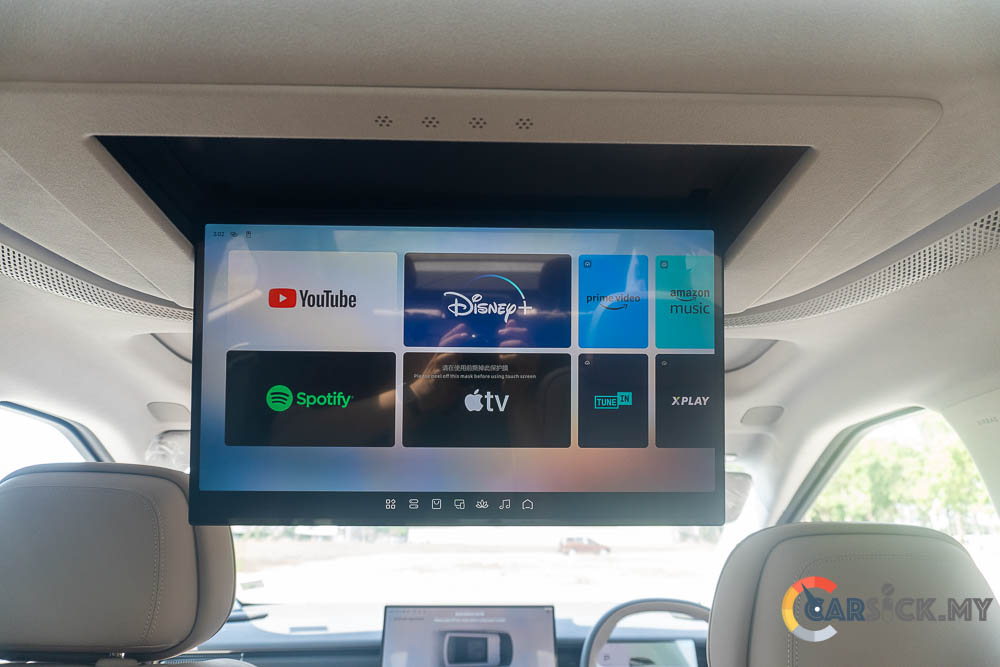
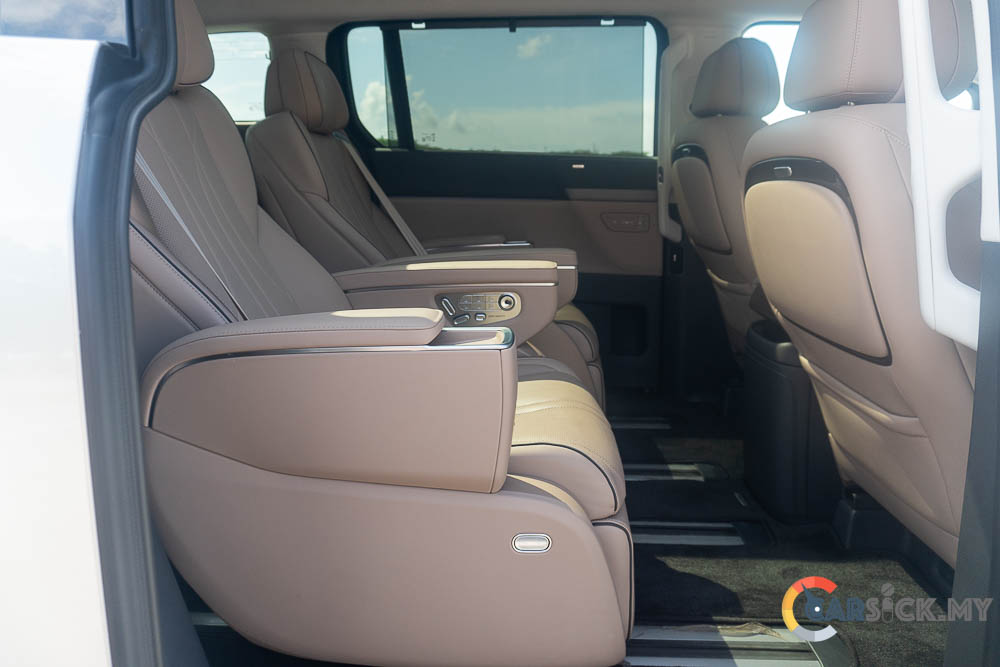
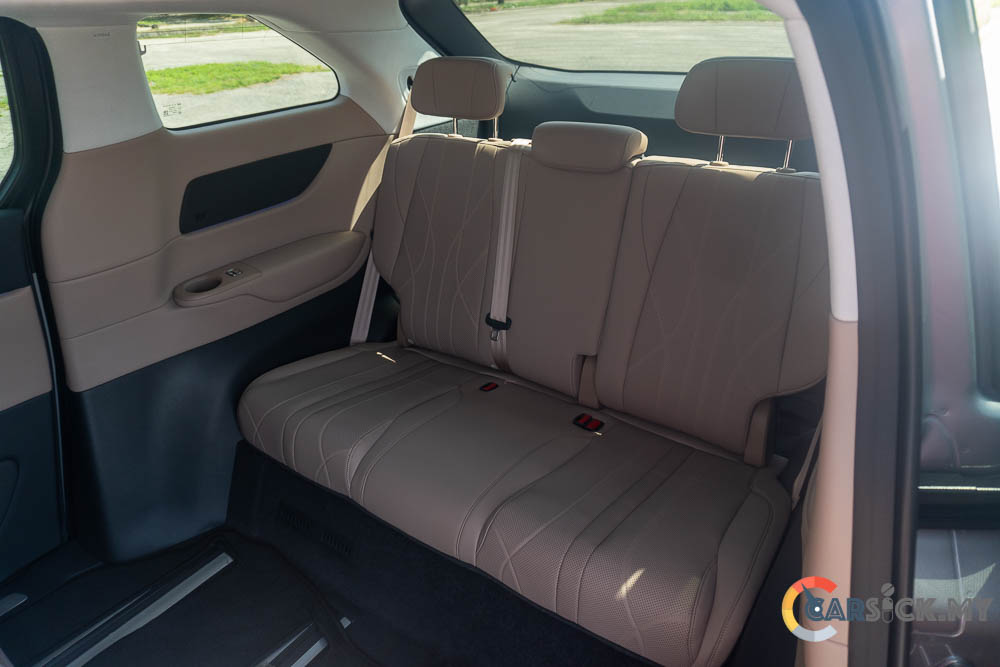
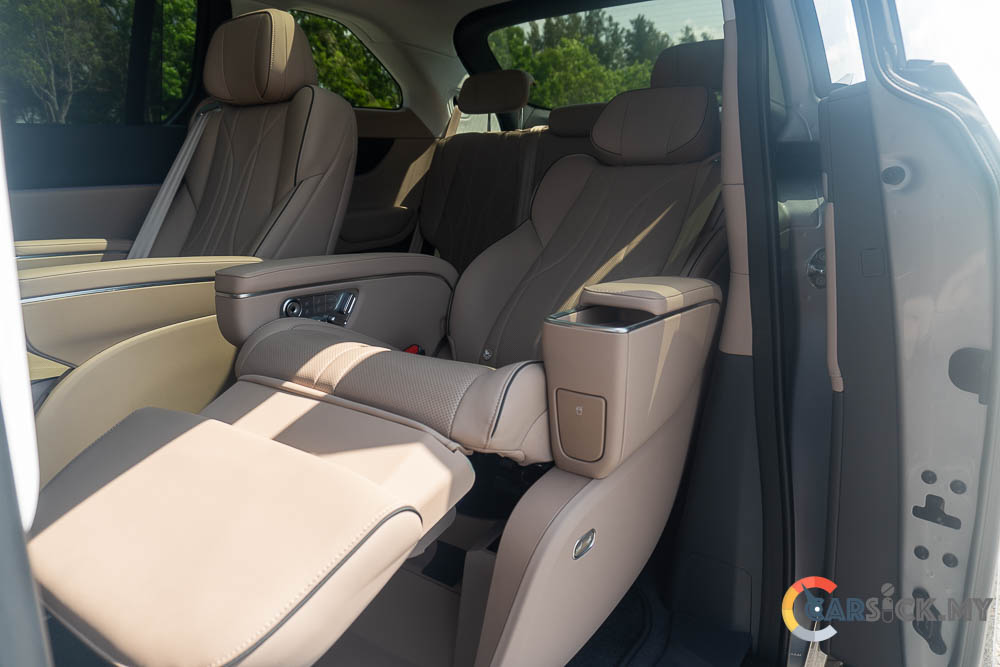
Moving to the second row, you’ll find two captain’s chairs loaded with features. They offer extensive adjustability, along with heating and ventilation. One of the highlights is the “zero-gravity” mode, which reclines the seat into a highly relaxed position. On top of that, the seats also come with a massage function, making it a very comfortable place to sit. In the third row, comfort is surprisingly good as well. It can accommodate three adults without much issue, offering decent headroom and legroom. The seatbacks are electrically adjustable, allowing passengers to recline as needed. Rear passengers also get dedicated air-conditioning vents and charging ports, ensuring everyone stays comfortable. 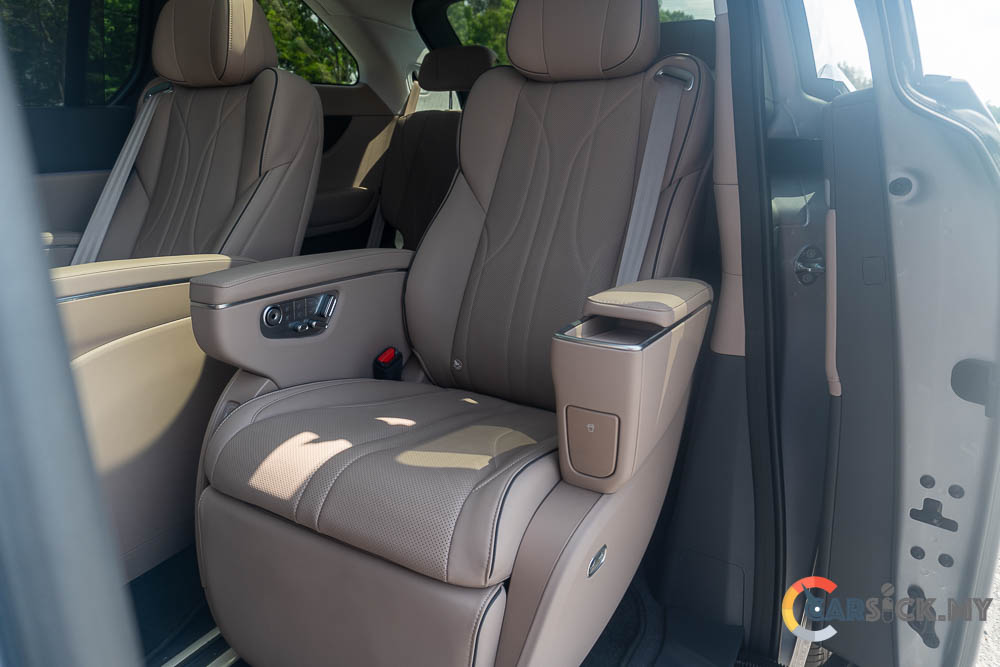
In Malaysia, the X9 is offered with a single-motor setup, with the main difference being battery range. The motor is mounted at the front, making it a front-wheel-drive vehicle. It’s powered by an 84.5 kWh battery, which delivers a claimed range of 500 km. The motor produces 315 hp and 450 Nm of torque, enabling a 0–100 km/h sprint in 7.7 seconds.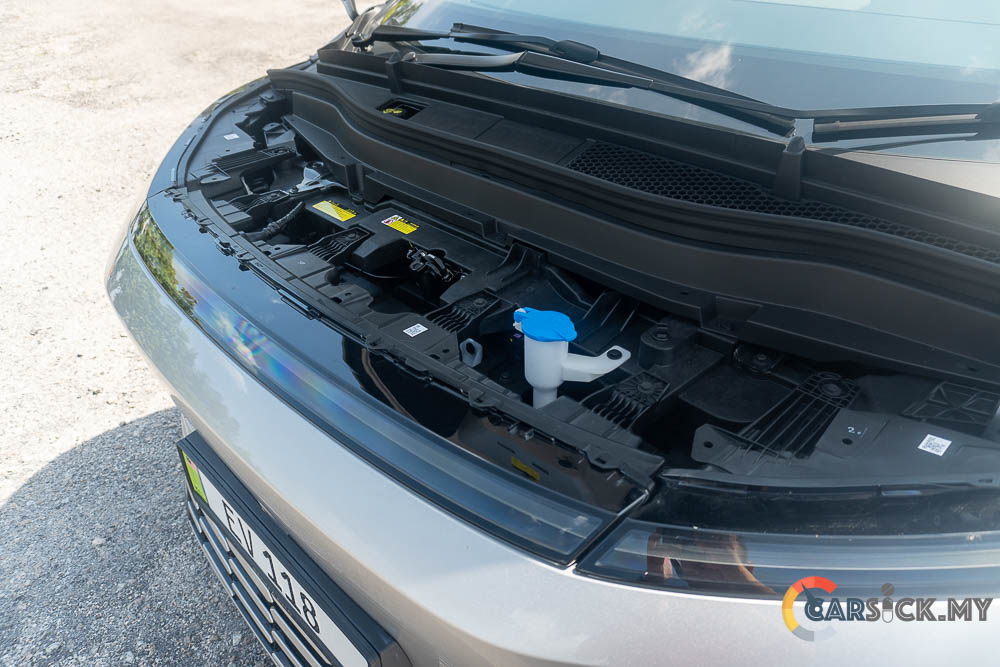
In terms of performance, the instant torque allows the X9 to keep up with traffic effortlessly. Acceleration is brisk, though not neck-snapping. Given the size and purpose of the vehicle, I often found myself driving in Eco mode, where power delivery feels smoother and more linear. It gives the sensation of the car simply wafting along, which not only improves efficiency but also reduces motion discomfort for passengers. During my time with the car, I averaged around 19 kWh/100 km. However, since my test period was relatively short, this figure may not be entirely representative.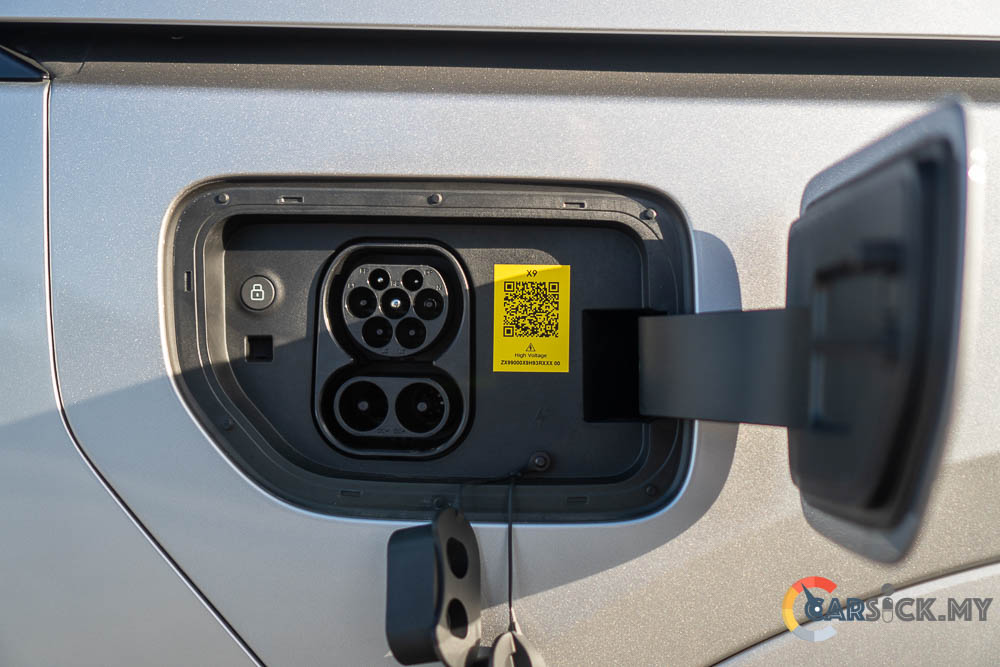
Ride comfort is one of the X9’s strong points. The suspension does an excellent job of isolating the cabin from road imperfections, absorbing bumps and uneven surfaces with ease. Passengers will definitely enjoy being inside the X9. However, from a driving perspective, it’s not a car that will wow you with its handling. While the steering is direct and reasonably well-weighted, the X9 isn’t meant to be driven aggressively. Its weight also means it doesn’t respond particularly well to quick directional changes. That said, at low speeds, the all-wheel steering system makes manoeuvring in tight spaces much easier — something that would be great to see in more large vehicles.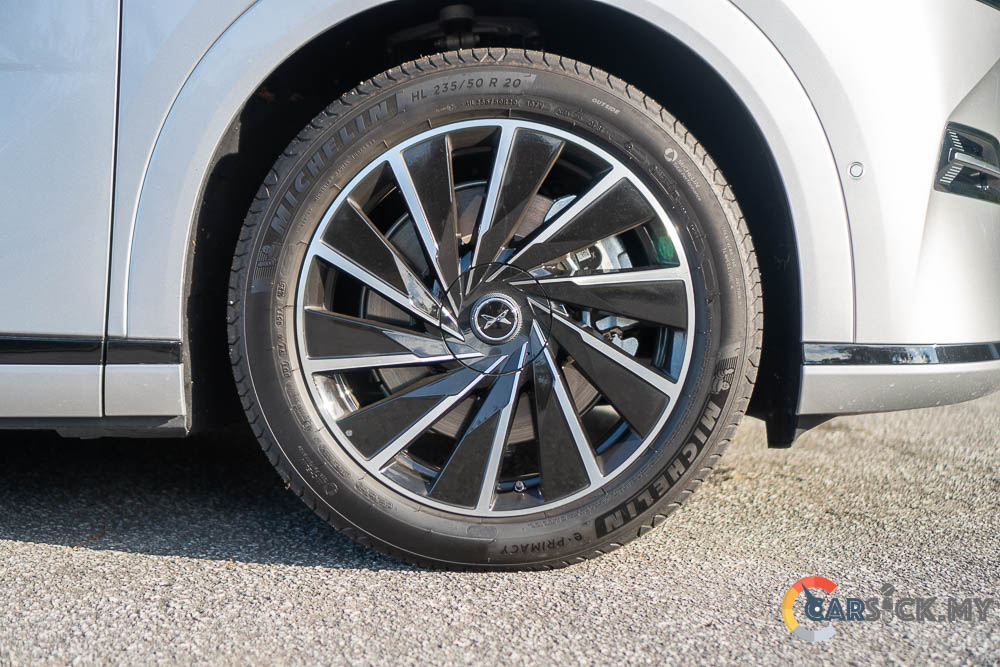
Braking performance is generally good, with a natural pedal feel that inspires confidence. The transition between regenerative and physical braking is smooth, although there are moments where it can be tricky to judge the exact rate of deceleration. Occasionally, you may need to apply a bit more pressure than expected to slow the car down smoothly.
Like most modern Chinese vehicles, the X9 comes fully equipped with advanced driver assistance systems (ADAS). While there are occasional beeps and alerts, they’re not as intrusive as in some other Chinese cars. The system includes features such as Pre-Collision Warning, Pre-Collision Braking, Adaptive Cruise Control with full-speed range, Lane Departure Alert, Lane Tracing Assist, Road Sign Assist, Automatic High Beam, Blind Spot Monitoring, and Rear Cross Traffic Alert. 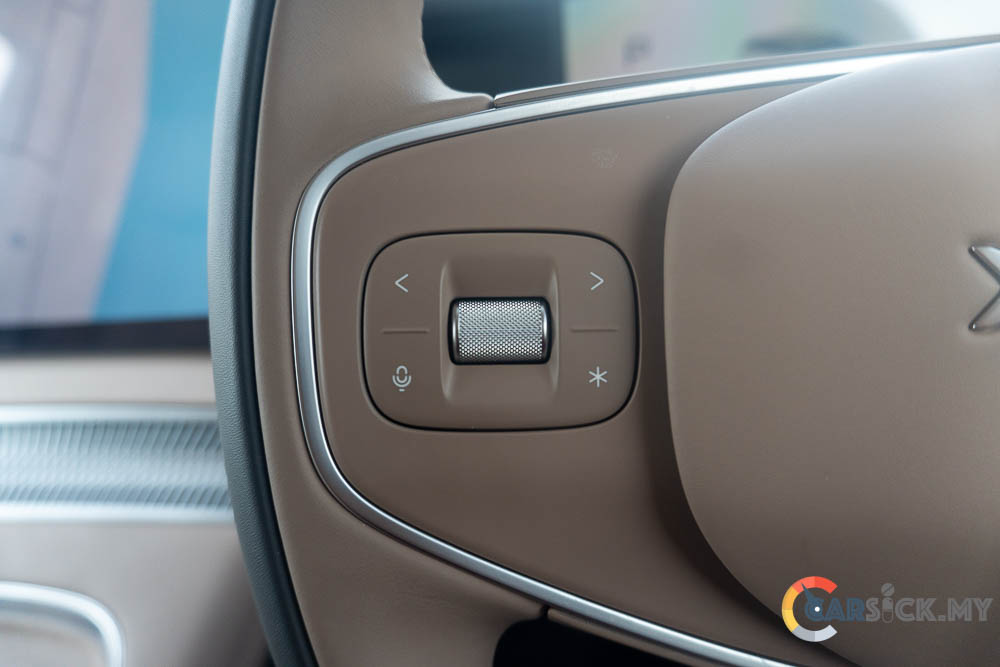
In Malaysia, the X9 Standard Range is priced at around RM270,708. While that may seem like a lot, you are getting a very large and well-equipped vehicle. The X9 offers the practicality of an MPV combined with a premium interior and plenty of tech to keep passengers entertained. With its smooth electric powertrain, it’s an easy car to drive on Malaysian roads. More importantly, it stands out in a growing sea of electric MPVs. If you’re someone who likes to be different, the X9 is definitely worth considering.
Check out the full photo album here.