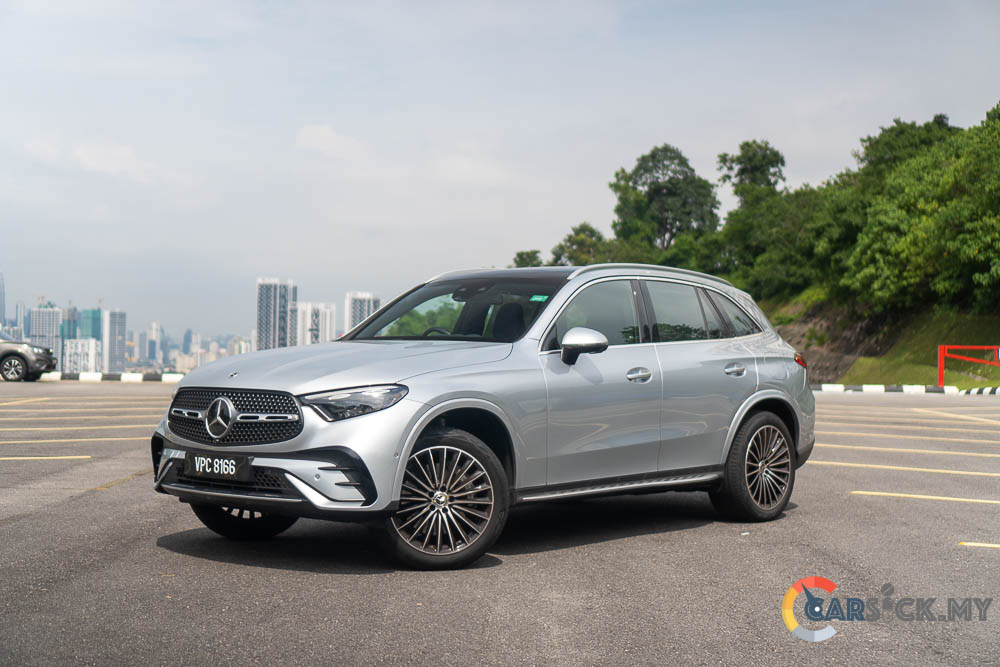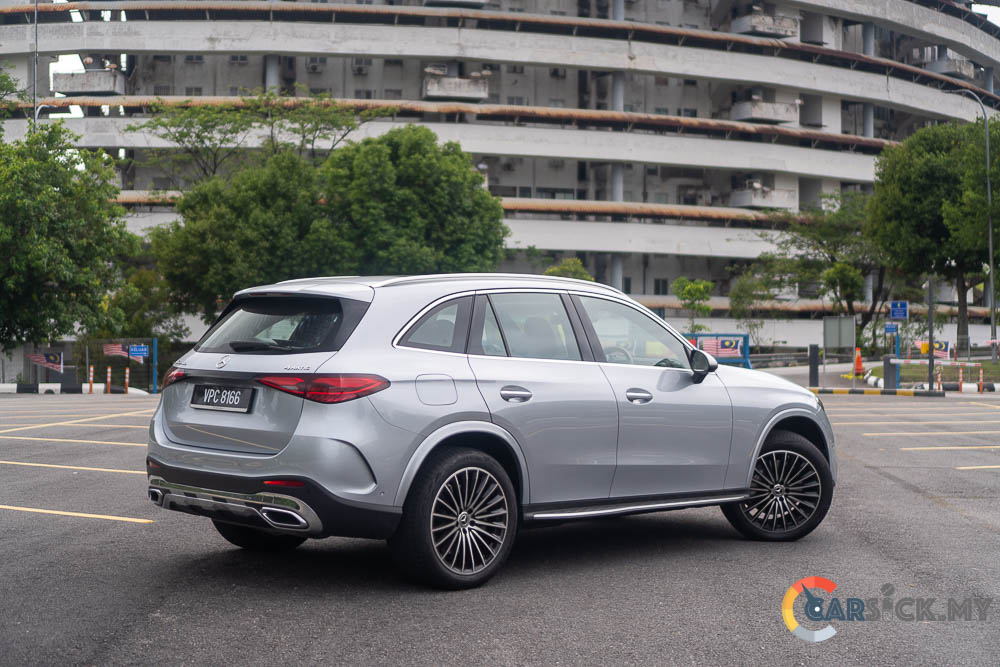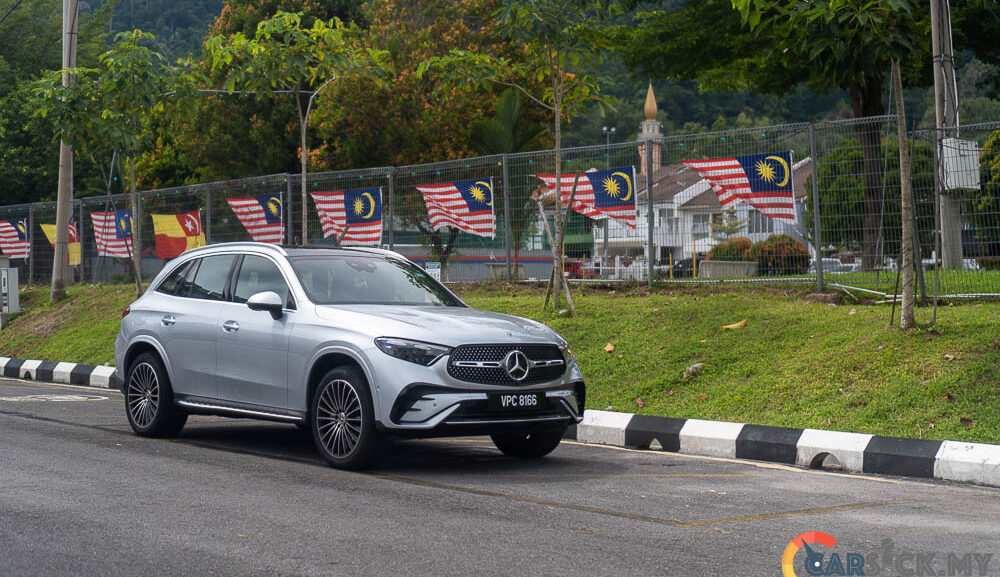

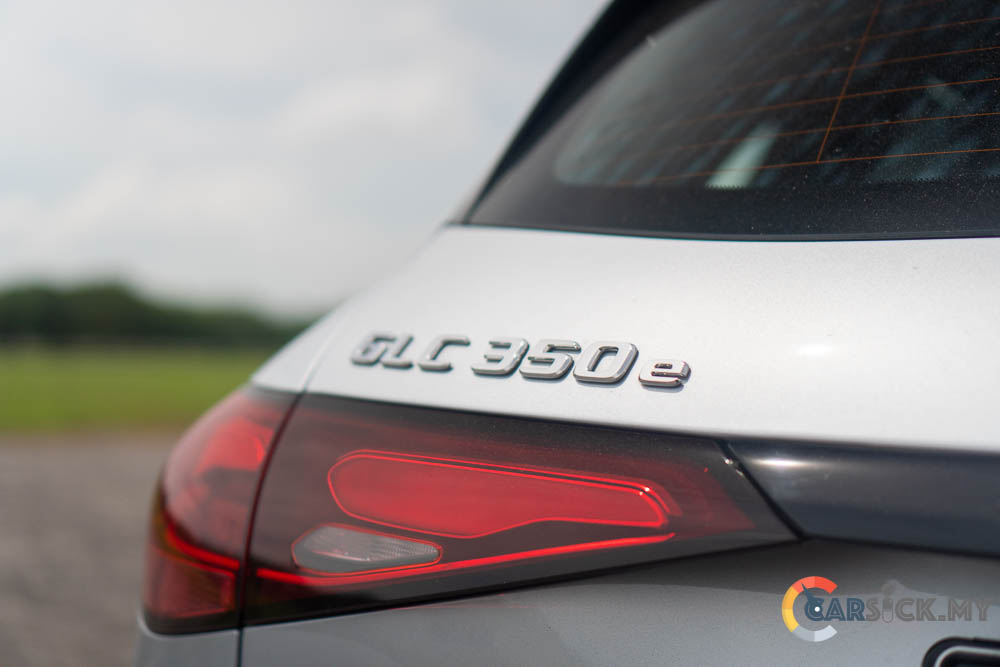
Mercedes-Benz Malaysia has been hard at work electrifying its lineup, and one of the models that has received an electrified powertrain is the GLC. The GLC I’m referring to here is the GLC 350e, where Mercedes-Benz has adopted the powertrain from the C 350e. This is a plug-in hybrid SUV, and it gets its electrified components from a rather large battery. But the question is: would the GLC 350e be better than the GLC 300? Let’s find out.
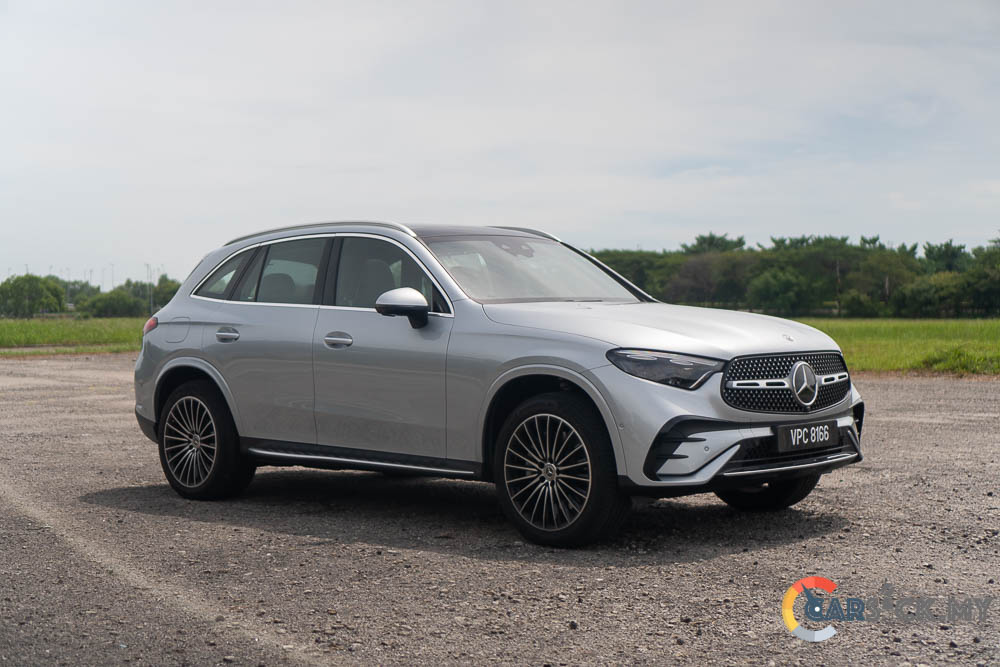
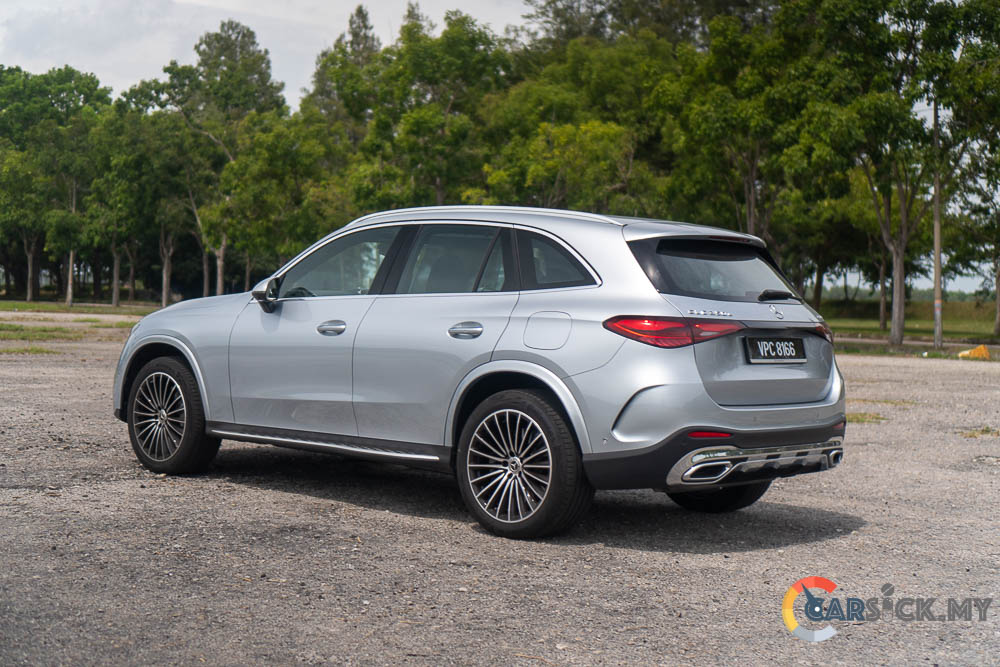 If you’ve been up close and personal with the GLC 300, you’ve probably already seen the GLC 350e. This is because both vehicles share almost identical features. On the exterior, the only difference is an additional flap on the opposite side of the fuel door, which hides the charging port for the hybrid system. And that’s pretty much the only difference on the outside.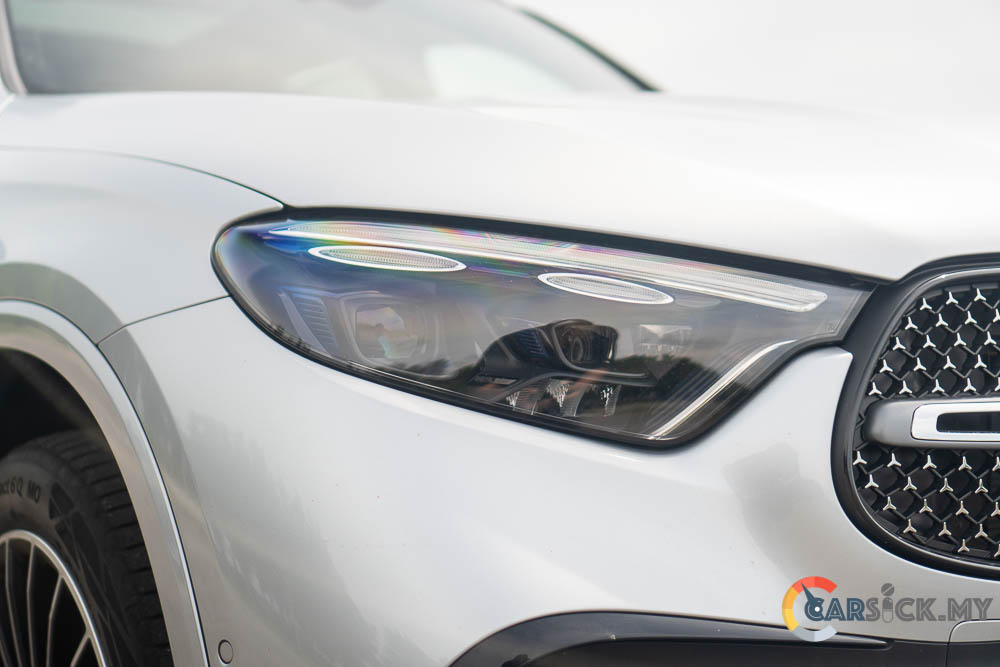
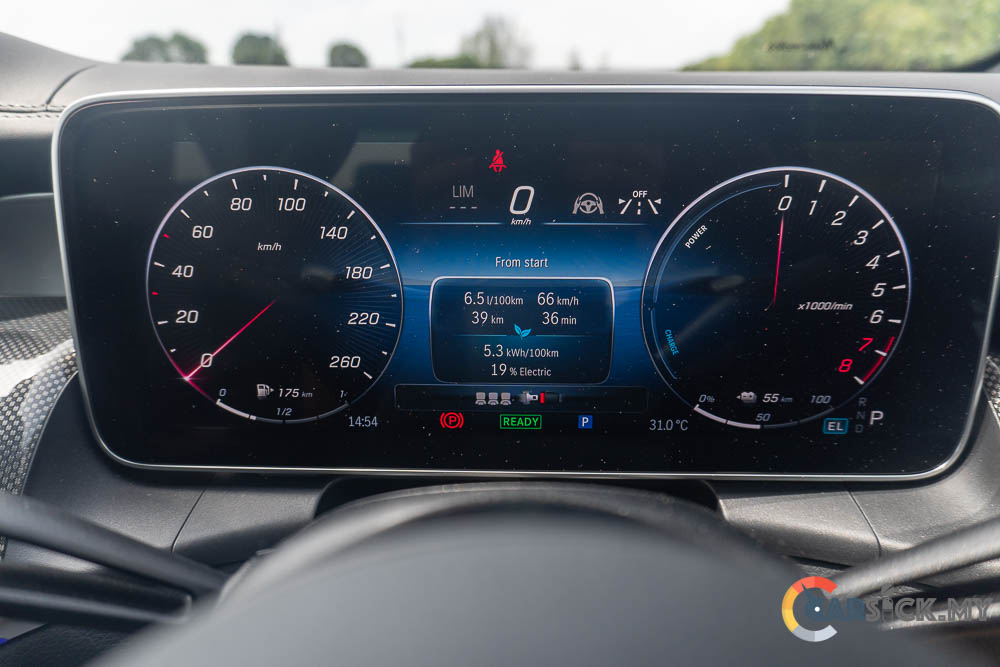
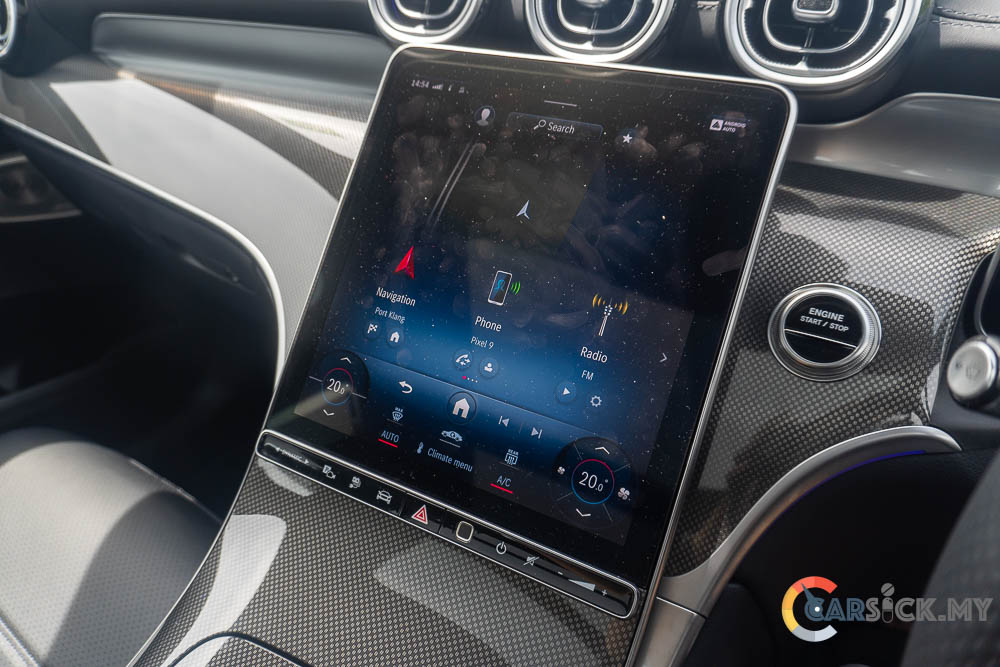
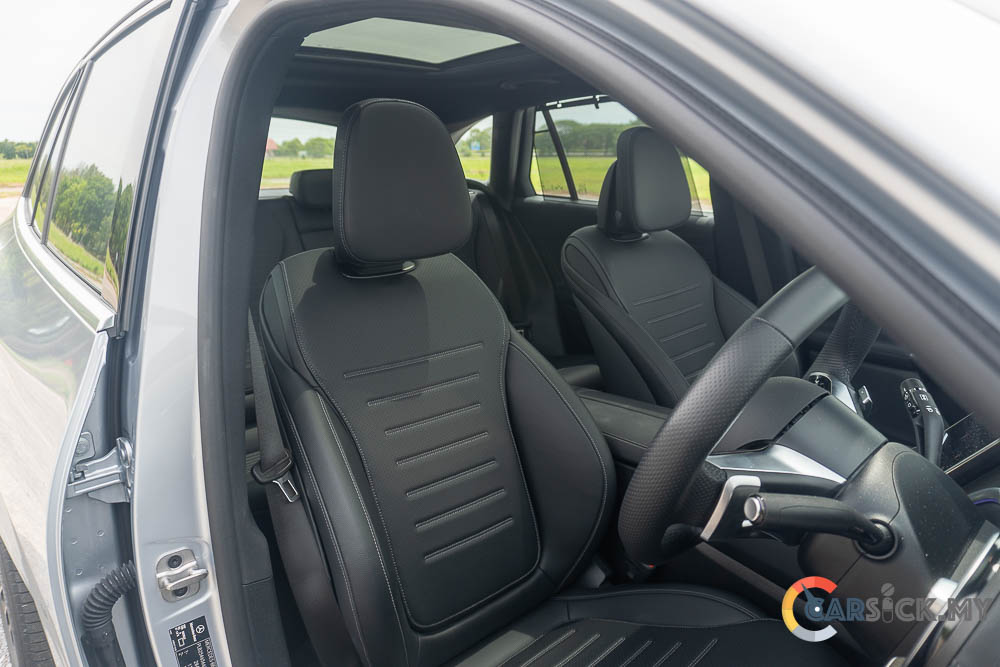
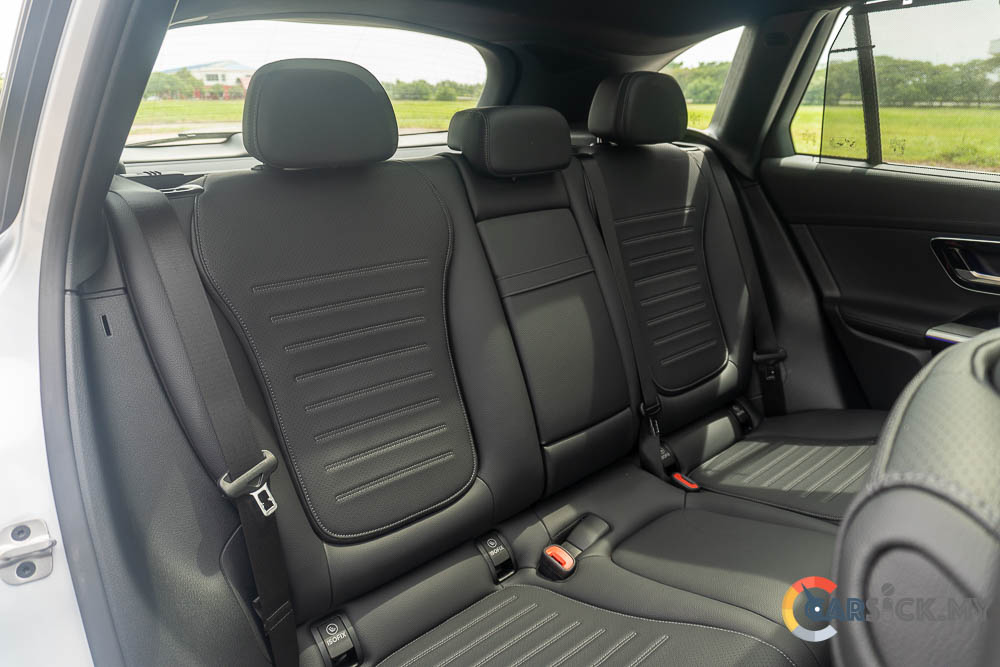
The interior changes are even more minimal—in fact, you could call them non-existent. Most of the dashboard is identical to the GLC 300. The only difference lies in some software tweaks within the infotainment system and instrument cluster, allowing the car to display hybrid system information. 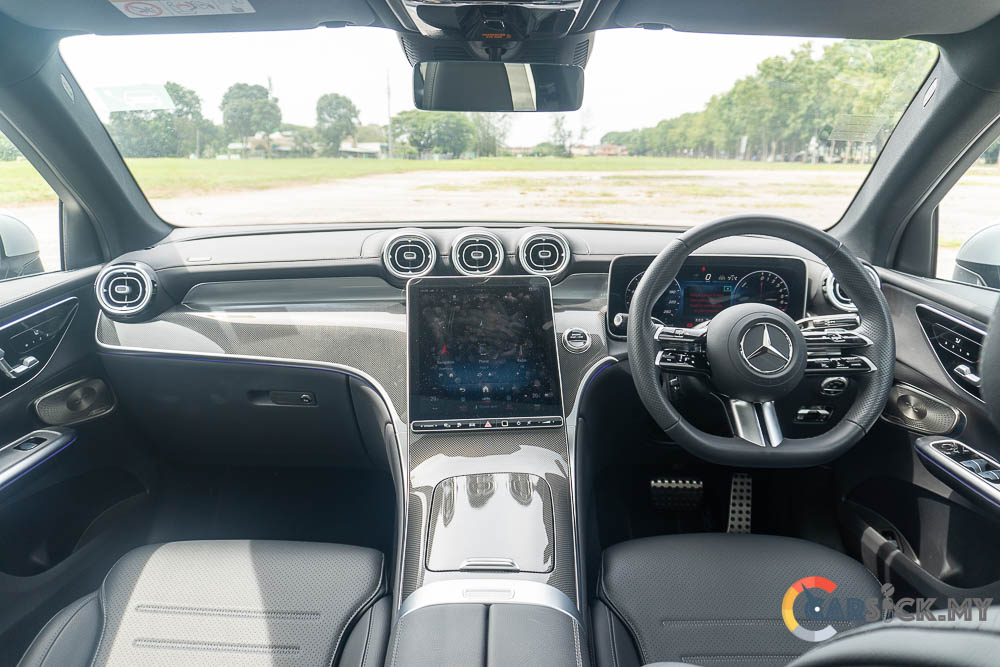
But what we’re really focusing on here is the powertrain. The GLC 350e uses the same 2.0L turbocharged engine, paired with a single electric motor. This motor is powered by a 31.2 kWh battery, which gives it an electric-only range of 131 km based on figures provided by Mercedes-Benz. The powertrain is mated to a 9-speed automatic transmission, with power sent to all four wheels through the 4MATIC system. It produces a combined output of 313 PS and 550 Nm of torque, allowing the GLC 350e to accelerate from 0–100 km/h in just 6.7 seconds, with a top speed of 218 km/h.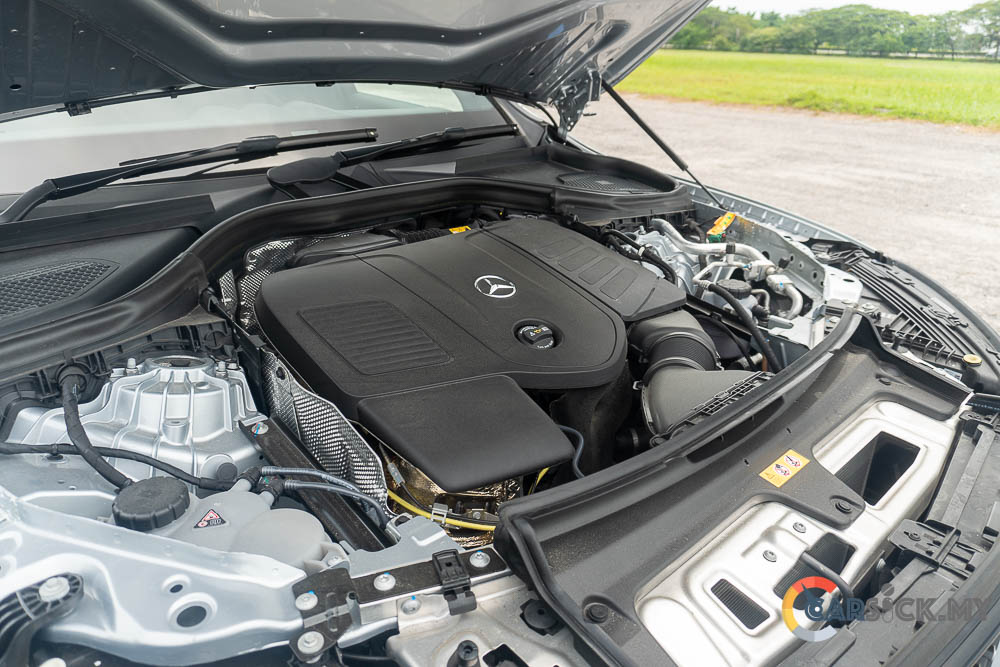
In terms of performance, you get a good amount of power from the overall setup. It brings the vehicle up to speed quite easily—provided you have sufficient battery charge. When the battery is low, the engine can feel a bit strained to keep up with traffic. Being a plug-in hybrid, the system prioritizes the electric motor over the engine, which is typical PHEV behavior. When both the engine and motor work together, the GLC 350e accelerates quite rapidly. The real advantage of a PHEV, however, is when your daily commute falls within its electric range—you’ll likely rely mostly on electric power, which helps save fuel.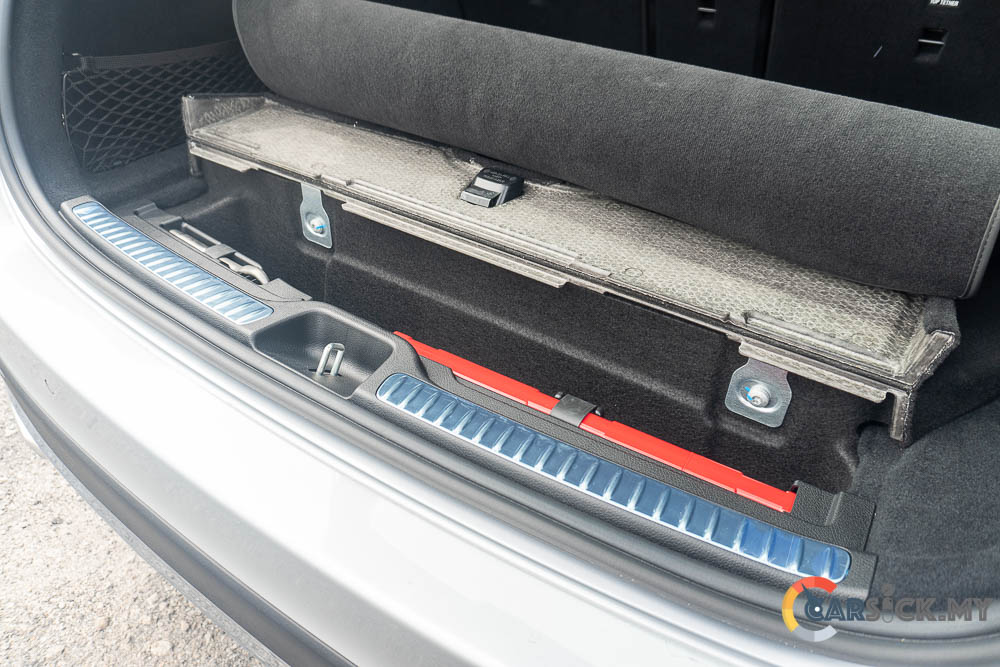
But the most important aspect of owning a PHEV is charging. If you use it like a regular hybrid (HEV), you won’t fully benefit from the fuel savings the large battery offers. The GLC 350e only supports AC charging, which is slower. While this works well for home charging, it means you can’t utilize faster DC charging facilities. Given the size of the battery, it would have been better if a DC fast-charging option were available.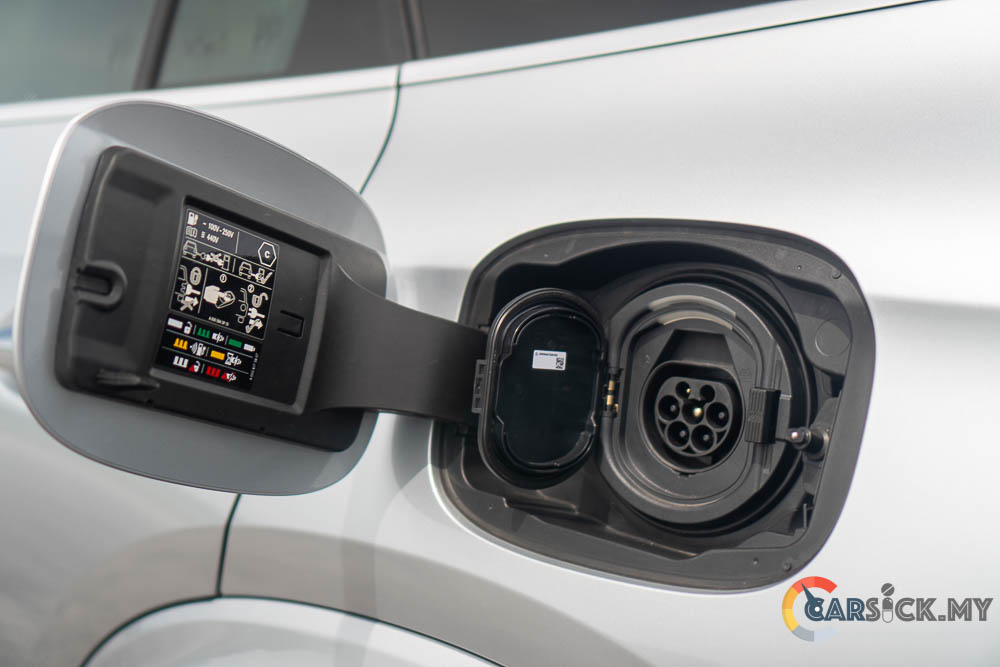
As for the ride, the GLC 350e feels very similar to the GLC 300. However, I could notice the extra weight at the rear, especially when going over humps. The rear tends to settle more quickly after passing over a bump, whereas the GLC 300 feels more composed and settles more gently. This is expected due to the additional weight over the rear axle. Overall, the suspension leans towards the firmer side, delivering that typical continental car feel.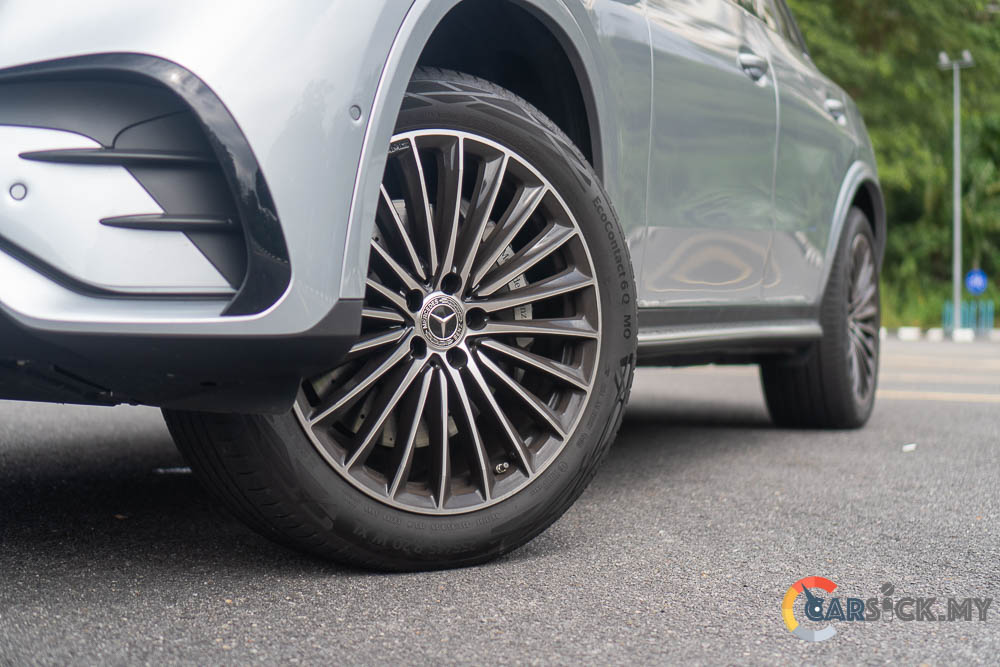
In terms of handling, the GLC 350e doesn’t feel as agile as the GLC 300. The rear feels slightly less responsive, and when entering corners, the added weight pushes the car forward more, making it feel more understeery. This means you’ll need to slow down more before entering corners. Additionally, during sudden direction changes, the SUV takes a bit longer to respond. That said, if you’re driving the GLC 350e on its own without comparing it to the GLC 300, it still feels perfectly acceptable.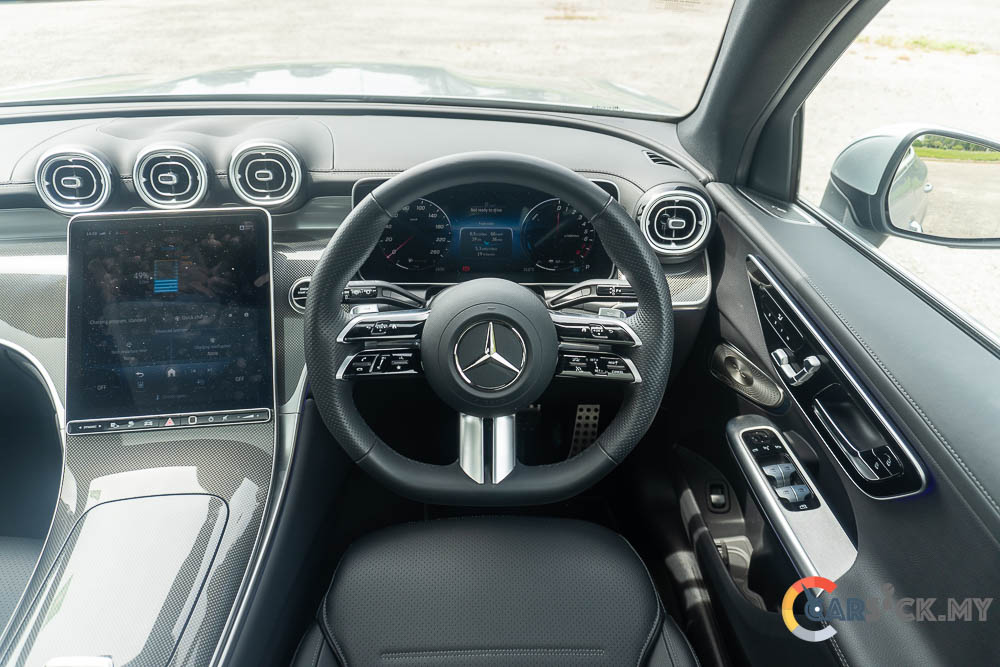
To bring this heavier vehicle to a stop, the braking system needs to be equally capable. Like most PHEVs, the GLC 350e uses a combination of regenerative and conventional braking. Similar to other German EVs and PHEVs, it also features smart adaptive regenerative braking. This system works with the front radar and camera to detect traffic conditions. If the road ahead is clear, the car coasts; if a vehicle is detected ahead, it adjusts deceleration based on distance. However, when switched to Sport mode, this feature is disabled, giving the driver full control. Overall, braking performance is strong and confidence-inspiring.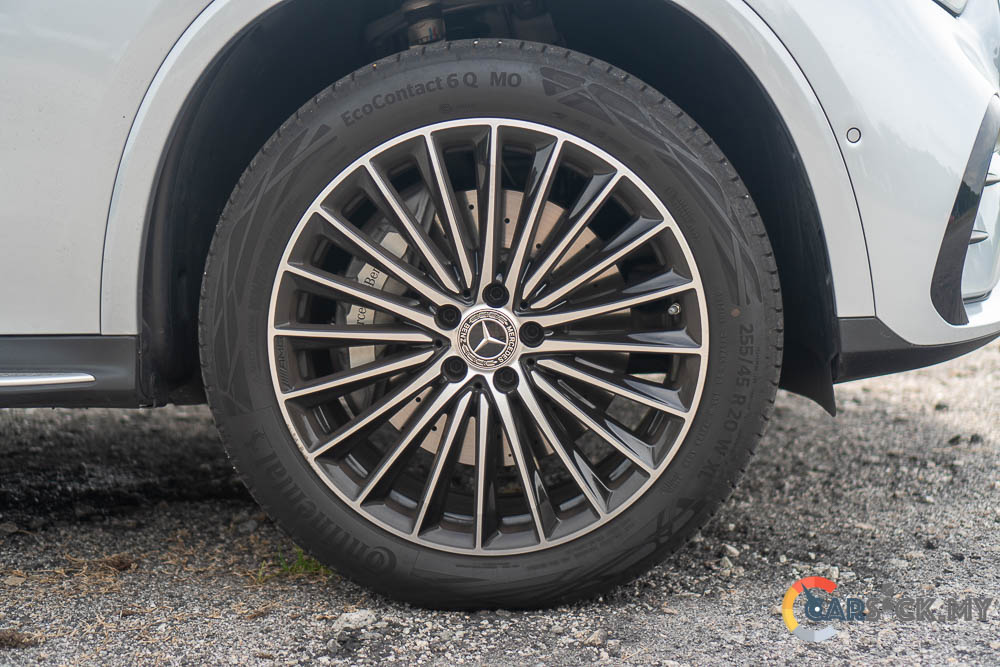
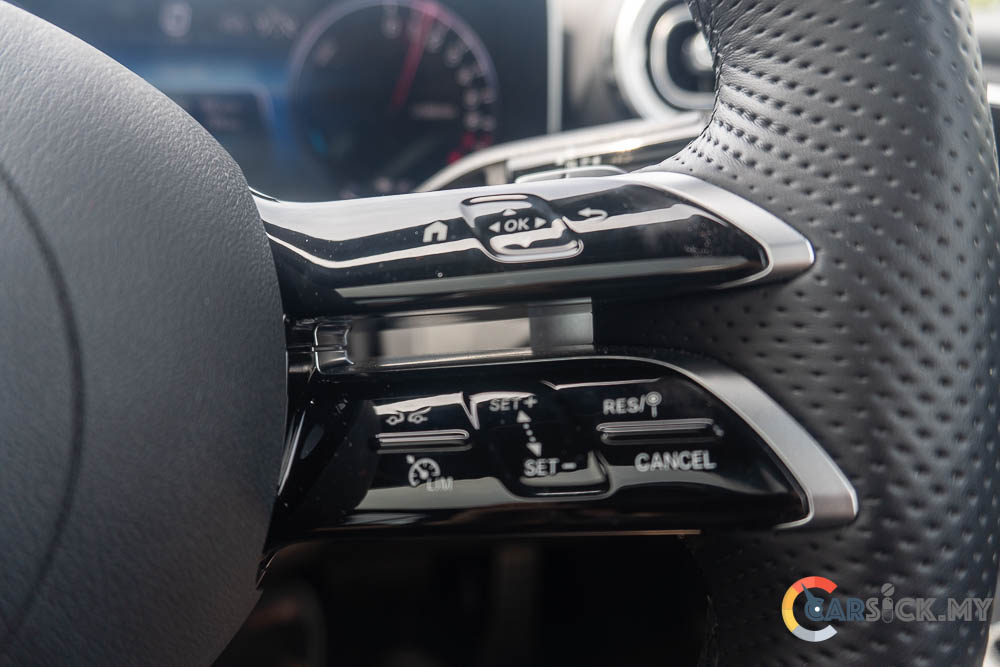
Like the GLC 300, the GLC 350e is well-equipped with modern driver assistance systems. These include the Driving Assistance Package Plus, Active Distance Assist DISTRONIC, Active Lane Keeping Assist, PRE-SAFE® Impulse Side, and extended automatic restart in traffic jams. 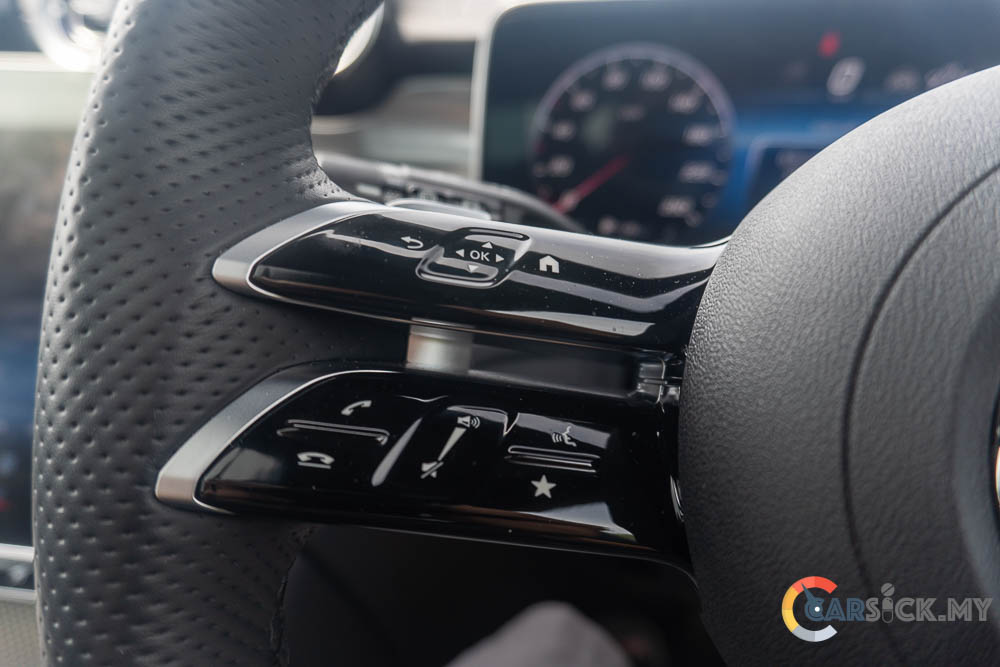
With a price increase of RM13,000, the GLC 350e is priced at RM398,888. At this price point, what you gain is a more efficient yet more powerful powertrain compared to the GLC 300. As a PHEV, Mercedes-Benz intends for you to enjoy fuel savings—but to fully benefit, having a home charger is essential. So, is it better than the GLC 300? If you’re looking for a more fuel-efficient vehicle, then yes—the GLC 350e is the better option. The GLC 300 may be easier to maintain in the long run, but unfortunately, there are no longer any new units available on the market.
Check out the full photo album here.