
Malaysia’s electric vehicle (EV) charging ecosystem continued its strong expansion throughout 2025, driven by a mix of private operators, energy companies and automotive brands racing to strengthen the country’s charging infrastructure. The latest rankings of charge point operators (CPOs) reveal significant growth across the sector, with several networks scaling rapidly to meet rising EV adoption and national electrification goals.
 At the forefront of the industry is ChargeSini, operated by ChargeHere EV Solution Sdn Bhd. The network retained its position as Malaysia’s largest EV charging operator, reaching 1,110 charging points in 2025. It also recorded the biggest expansion in absolute terms, adding 376 chargers within a year — representing a 51% increase over its 2024 network.
In second place, JomCharge (EV Connection Sdn Bhd) continued its steady expansion, growing from 476 charging points in 2024 to 680 in 2025, an increase of 204 chargers. Meanwhile, ChargeEV (Green EV Charge Sdn Bhd) emerged as one of the fastest-growing networks in the country, expanding from 196 to 501 charging points — a remarkable 155% growth.
Another notable player is Gentari, the green mobility arm of Petronas, which expanded its network to 395 charging points from 324 the previous year. Similarly, Charge N Go delivered one of the most aggressive expansions in 2025, nearly tripling its infrastructure from 134 to 378 chargers after adding 244 new points.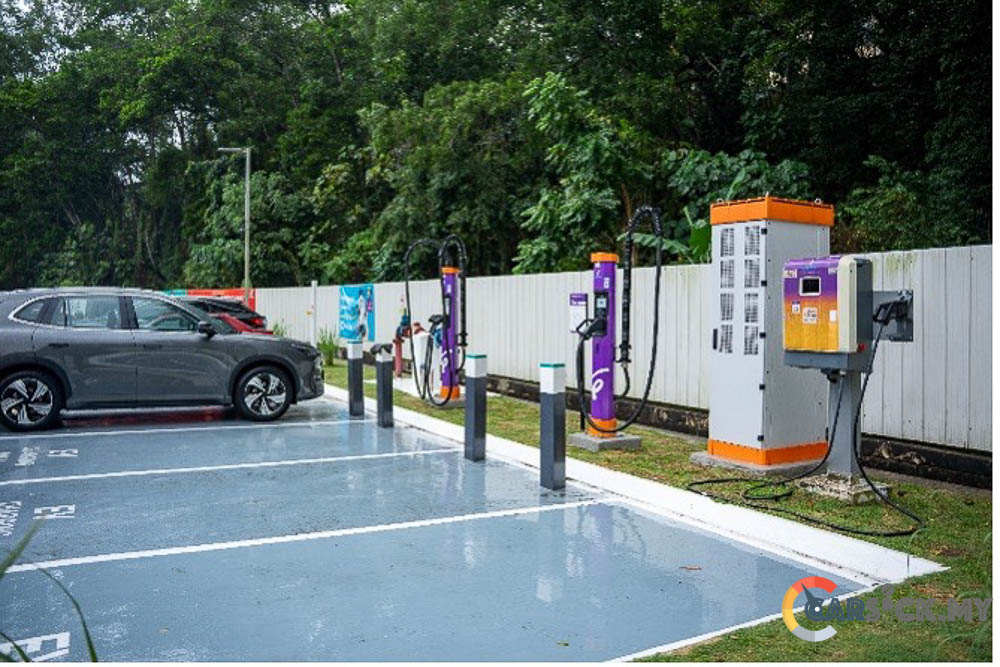
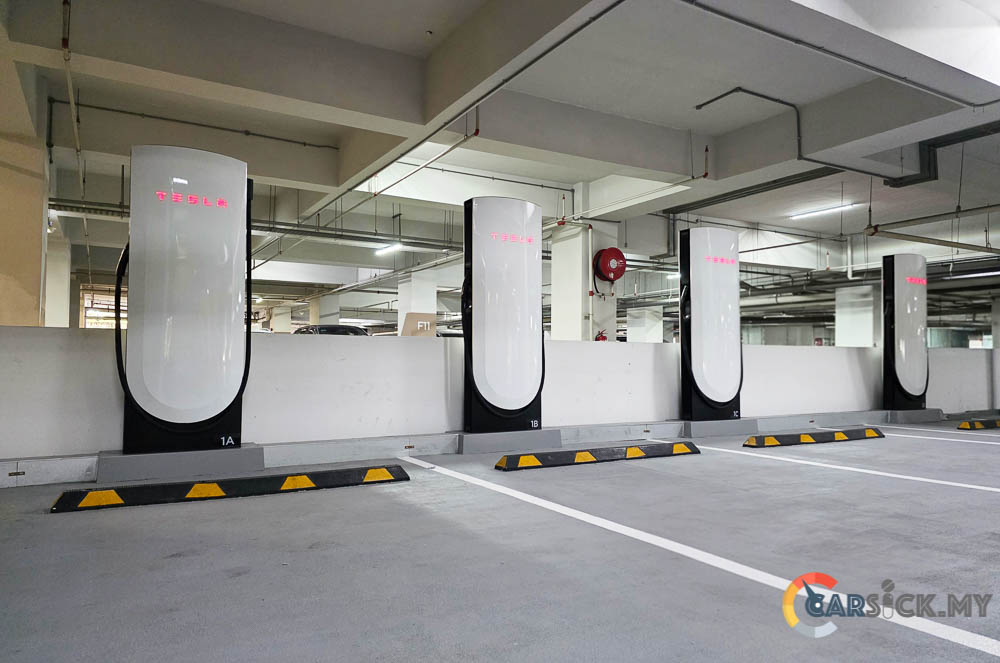
Several other operators also strengthened their presence across the country. Shell Recharge, operated locally by Pixelbyte Sdn Bhd, maintained a relatively stable footprint with 194 charging points. EV pioneer Tesla continued expanding its charging ecosystem as well, increasing its total charging points from 158 to 185.
Among the fastest-growing networks by percentage was TNBX Electron, which expanded dramatically from just 26 chargers to 164 in 2025 — representing an impressive 530% increase. Meanwhile, DC Handal continued its steady growth, expanding its network from 124 to 153 charging points.
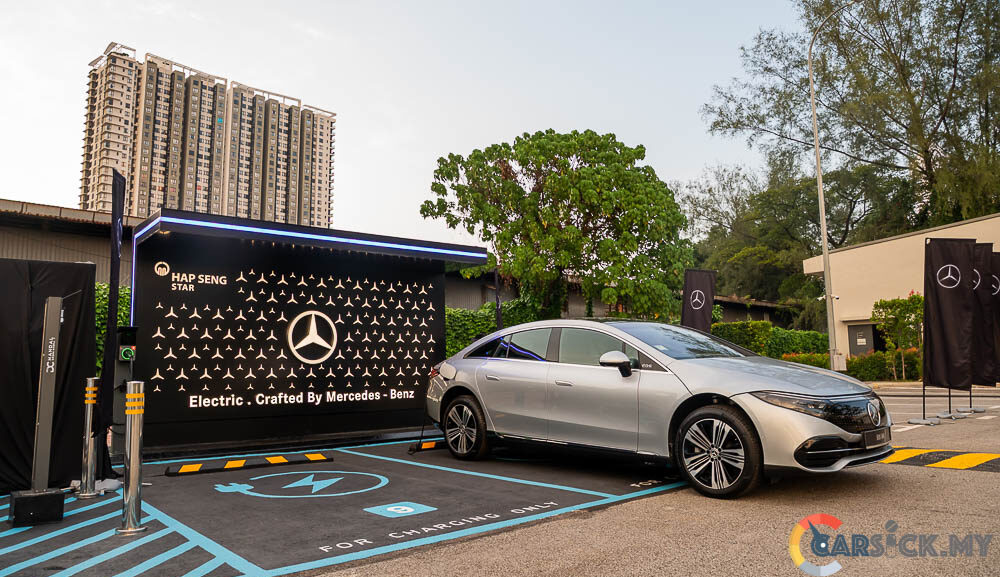
In contrast, Mercedes-Benz Malaysia maintained its existing network of 134 chargers during the same period without additional deployments.
Industry observers increasingly describe Malaysia’s EV charging development as having an “agility gap.” While government-linked companies and utility-backed operators continue expanding their infrastructure, private operators are often moving faster in identifying strategic locations, installing chargers and scaling their networks.
The rapid deployment by ChargeSini — which added 376 chargers within a single year — illustrates how agile operators are responding to growing demand for accessible public charging infrastructure.
At the same time, several companies are prioritising high-powered DC charging networks, which are becoming critical for EV users who rely on public charging for long-distance travel.
A key trend shaping Malaysia’s charging landscape is the growing focus on Direct Current (DC) fast chargers.
One major factor behind this shift is financial efficiency. AC chargers typically require vehicles to remain parked for five to eight hours, limiting the number of charging sessions that can take place each day. In contrast, DC fast chargers significantly reduce charging time, allowing operators to serve more vehicles and improve utilisation rates — ultimately strengthening return on investment.
Malaysia’s EV infrastructure expansion has also been guided by national targets under the Low Carbon Mobility Blueprint.
The blueprint set an ambitious goal of installing 10,000 public EV chargers nationwide by 2025, including a specific target of 1,500 DC fast chargers.
By early 2026, Malaysia had already exceeded that DC objective. More than 1,700 DC fast chargers have been deployed across the country, surpassing the original target by over 13%. This milestone reflects the rapid pace at which fast-charging infrastructure is developing and significantly improves the feasibility of long-distance EV travel nationwide.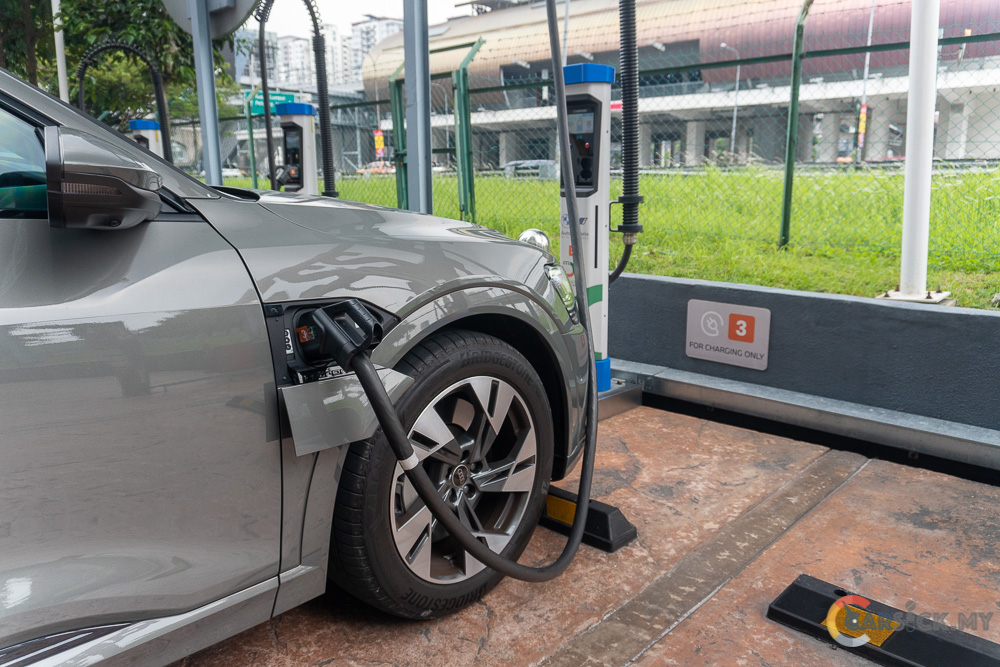
Looking ahead, several factors will influence the next phase of EV charging growth in Malaysia.
One of the most critical is grid readiness. The strong expansion of operators such as TNBX Electron suggests that improvements in electricity infrastructure are beginning to align with charger deployment.
At the same time, maintaining a balance between AC and DC chargers will remain important. While DC fast chargers enable quicker turnaround times at public locations, AC charging continues to play a vital role at homes, workplaces and long-duration parking facilities.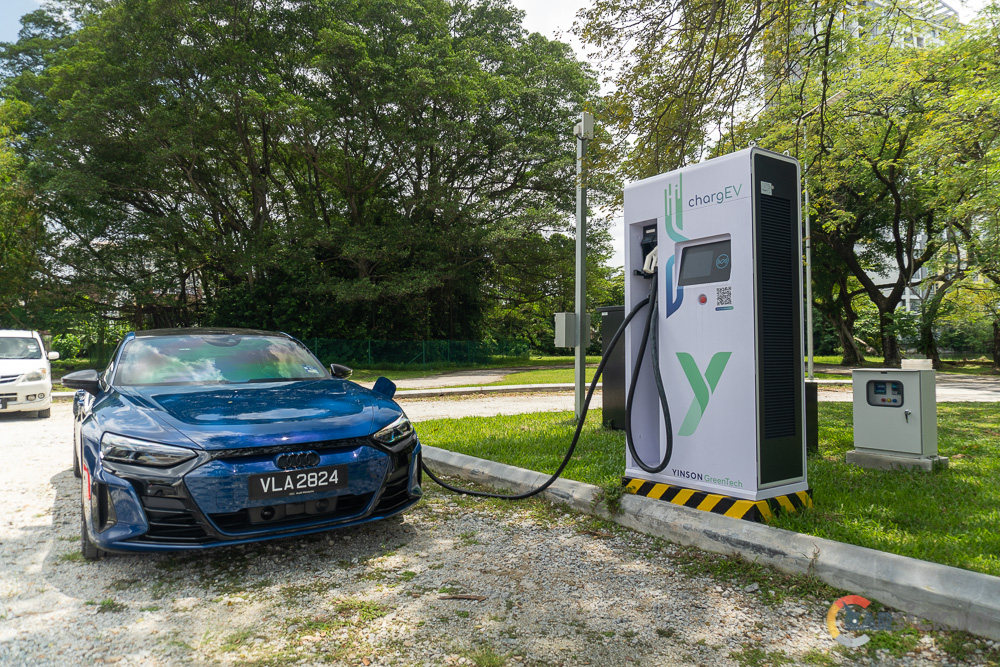
As Malaysia’s EV ecosystem matures, industry stakeholders are expected to focus increasingly on improving network reliability, ensuring interoperability between charging platforms and delivering seamless payment systems for users.
With a diverse mix of operators expanding their infrastructure across the country, Malaysia’s EV charging network is evolving rapidly. Continued collaboration between public agencies, private companies and industry partners will be essential in supporting the nation’s transition toward a more sustainable electric mobility future.