
Previously, the cheapest brand-new BMW you could buy in Malaysia was the 218i. And this is the same reason why BMW Malaysia managed to sell quite a number of them in our local market. After 5 years of success, the 218 Gran Coupé finally gets an update. This allows BMW to challenge the constantly updated A-Class that Mercedes has been bringing out every few years. The real question now is: has BMW made a vehicle that is able to compete with the A-Class? Let’s find out.
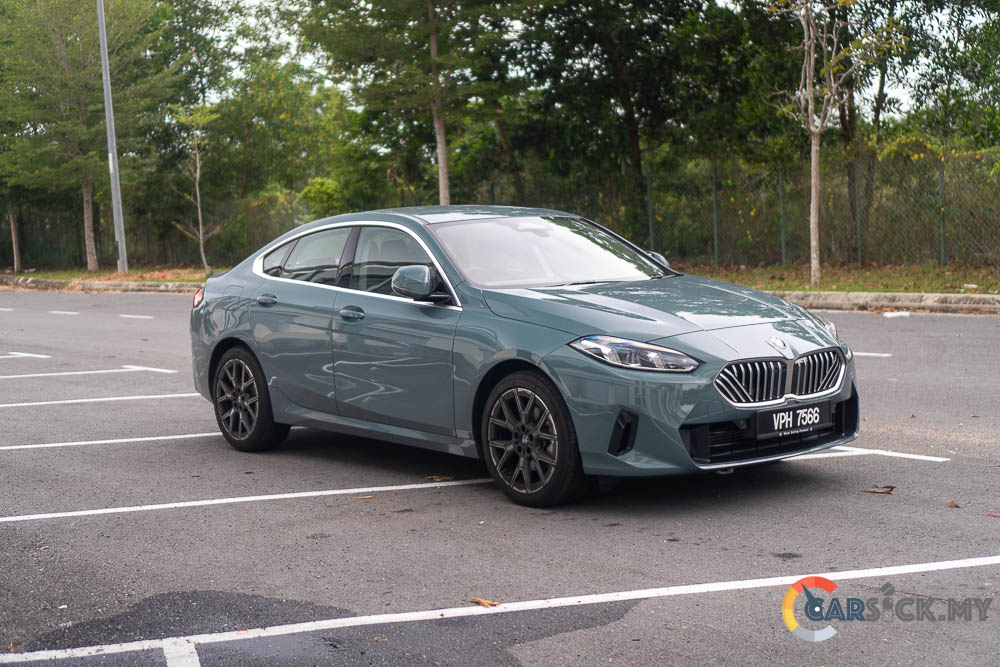
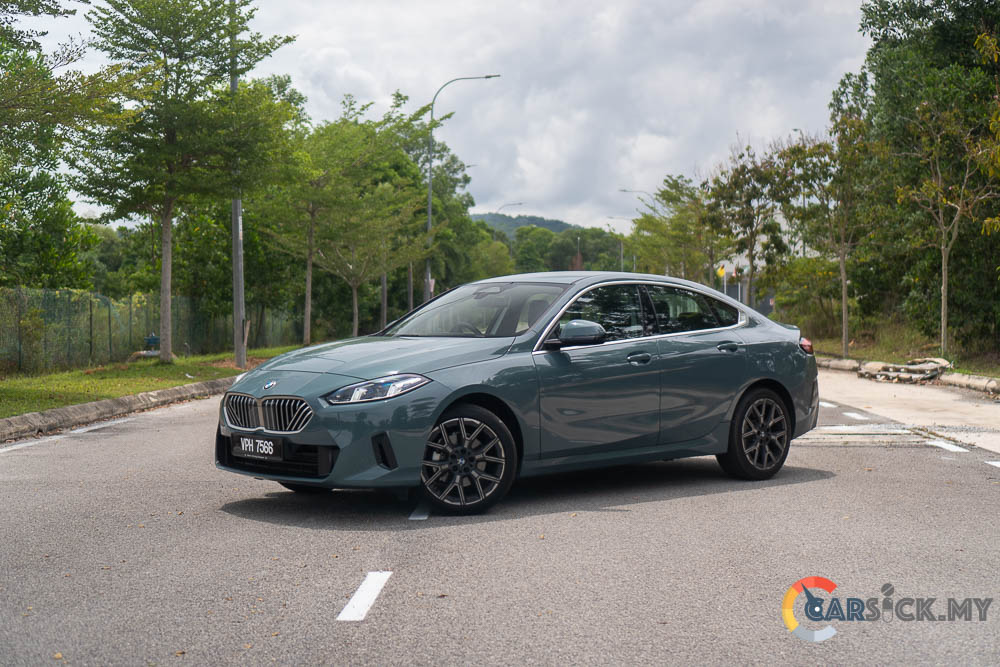
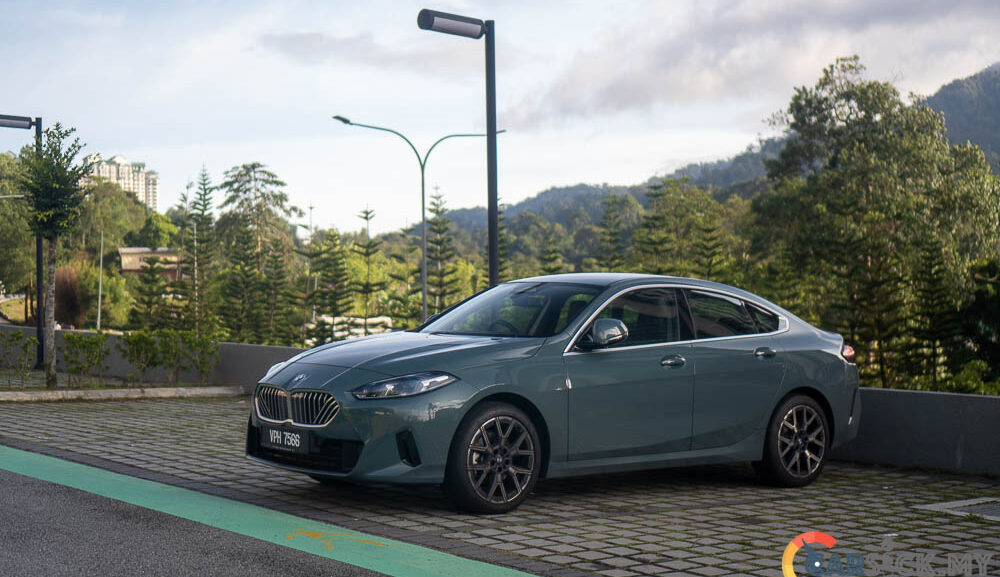
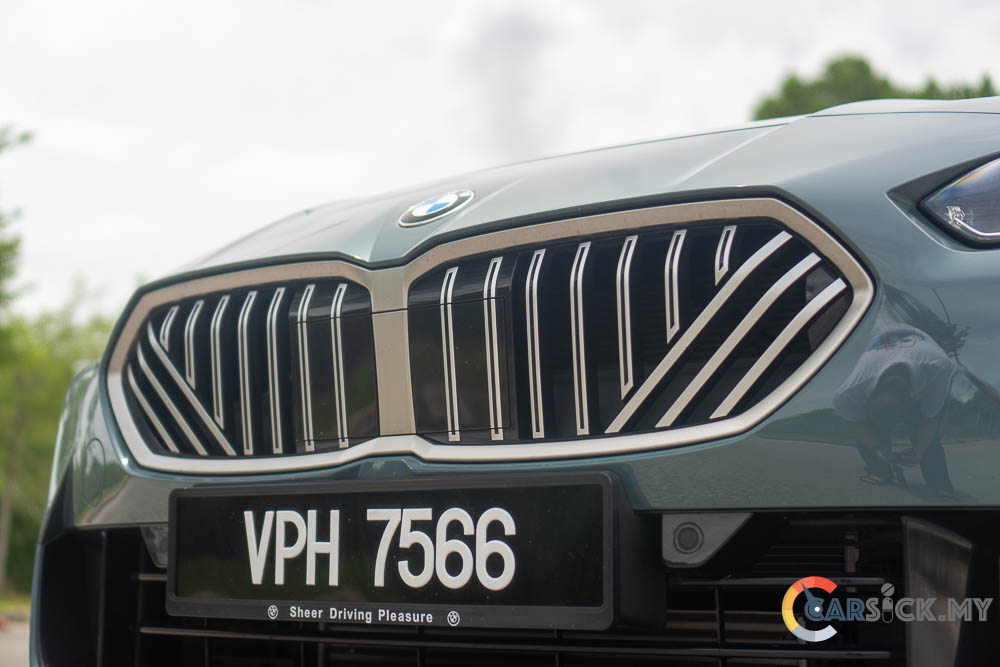
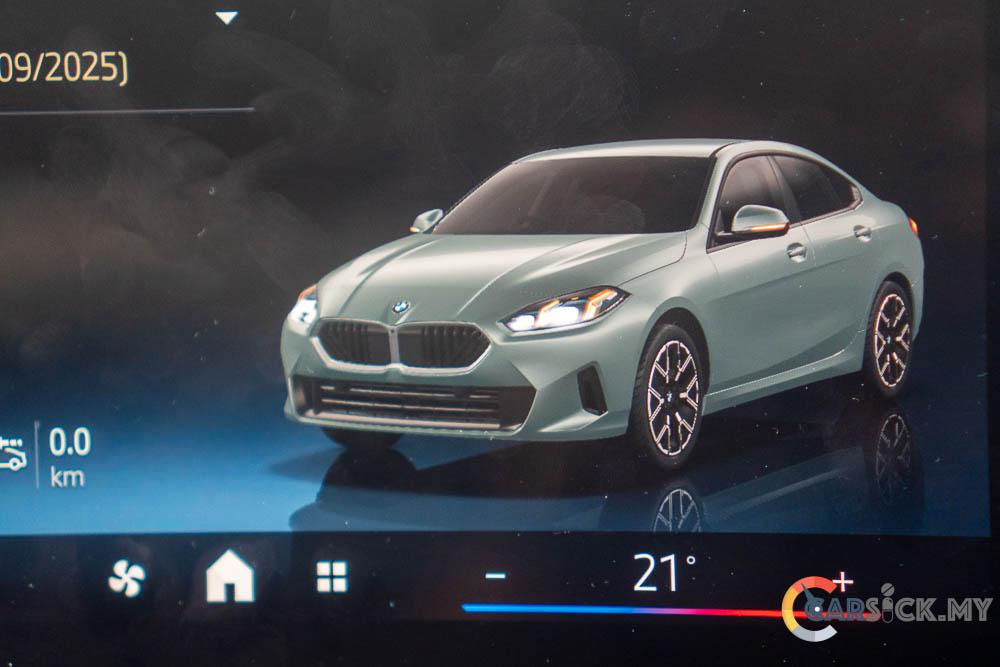
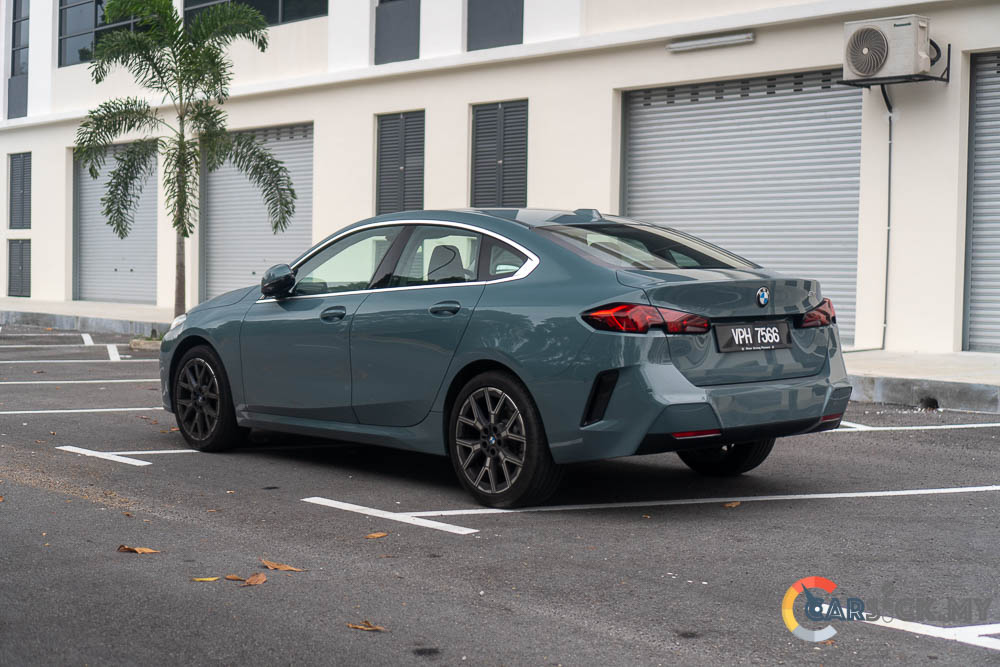 When BMW launched this latest 2 Series, I was actually quite skeptical about it. The new car didn’t look too special when I first set my eyes on it. But after spending some time with the new car, I actually grew to like it even more. Just from the looks alone, it actually grew on me throughout the test drive period. BMW has taken styling cues from their Neue Klasse concept car. The integration actually makes the new 2 Series look really handsome. The most obvious part of the integration is in the front grille, where the grille not only features vertical slats, but now also includes diagonal bars that were first seen on the concept vehicle.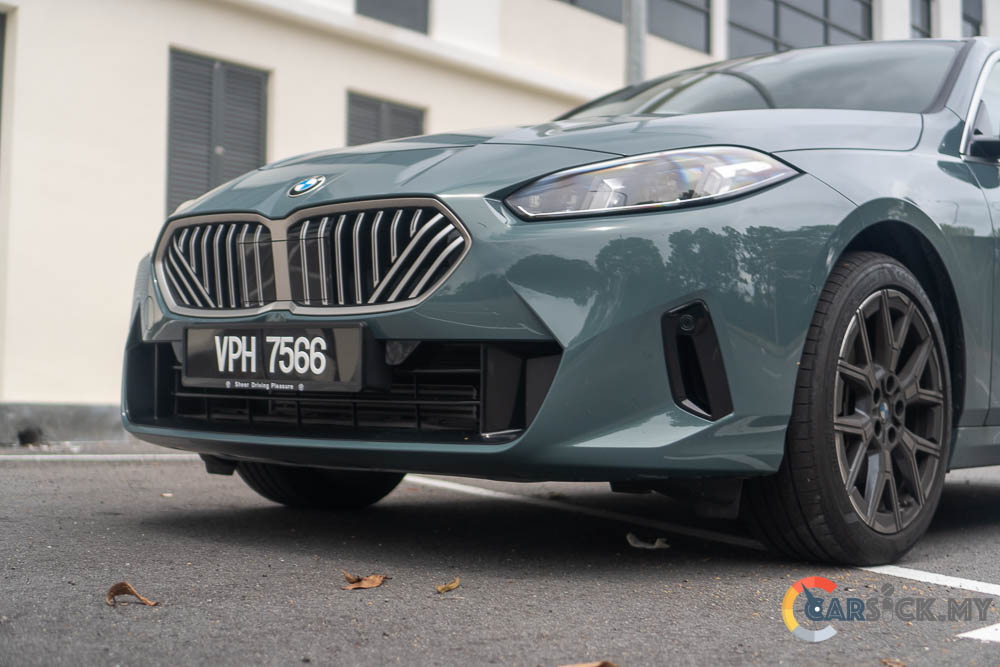
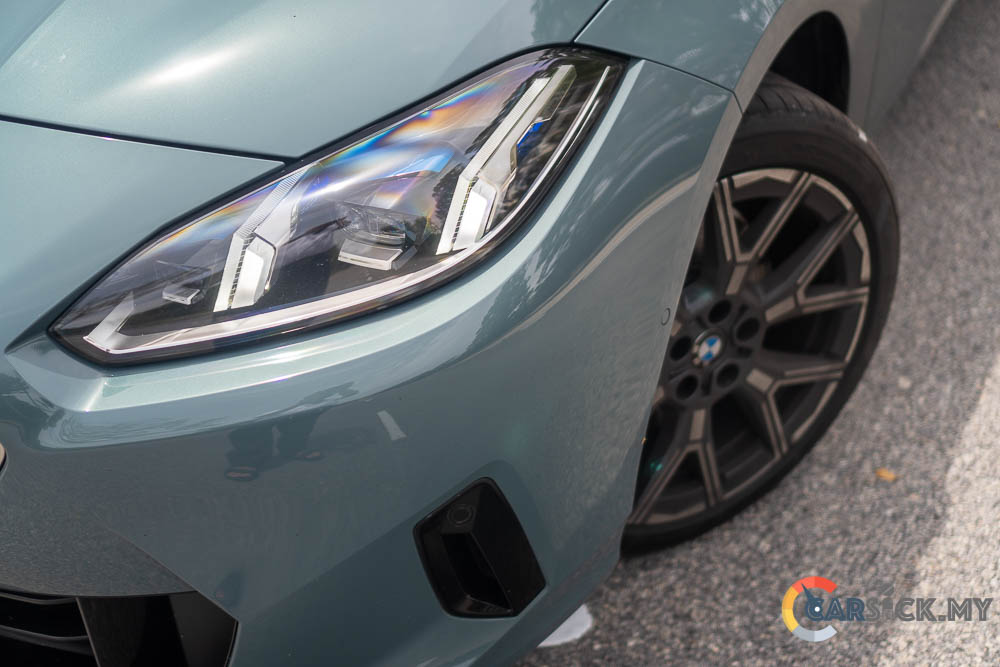
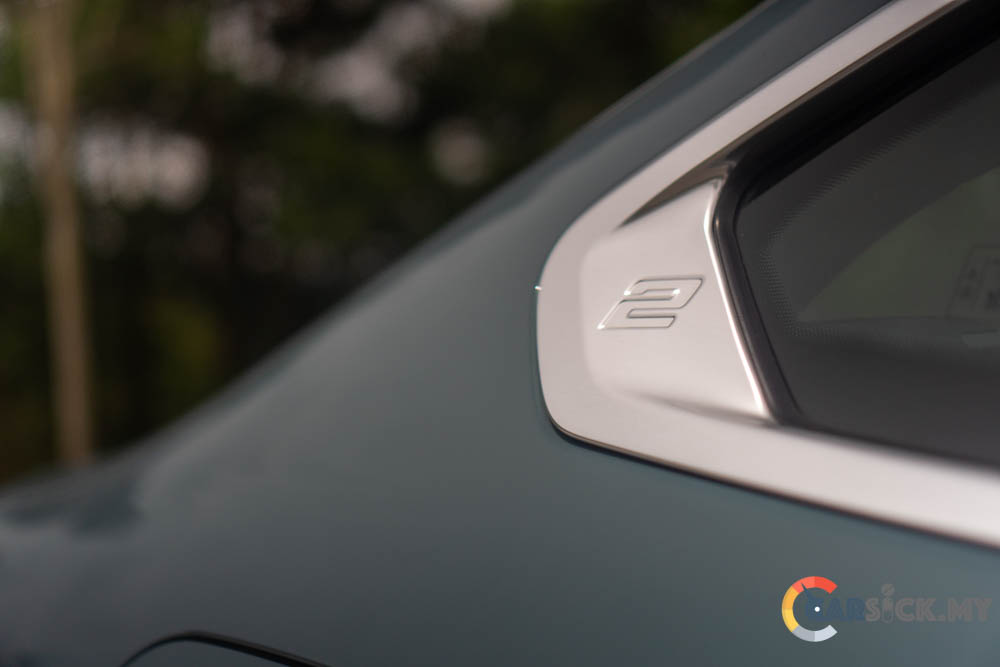
Besides the front grille, the full LED headlights give the new 2 Series a much more modern look. The new headlights actually remind me of the F-chassis 6 Series. It makes the vehicle look bigger than it is. The new headlights have a sophisticated yet elegant look to them, and they are very well integrated. On the side, the new 2 Series now gets a “2” etched on the C-pillar, just like all the new BMW models currently on sale. 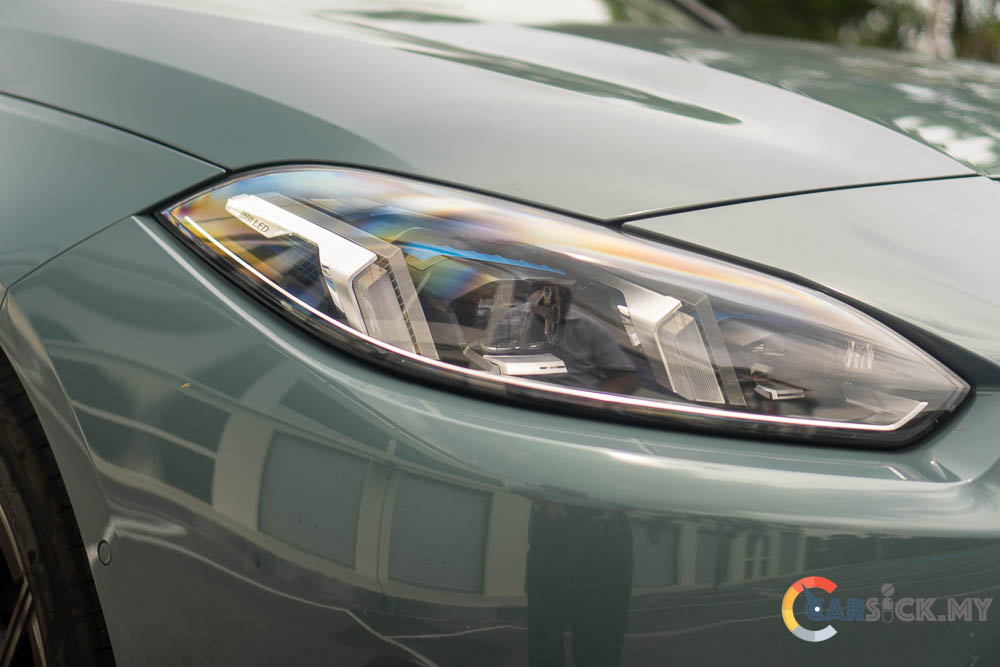
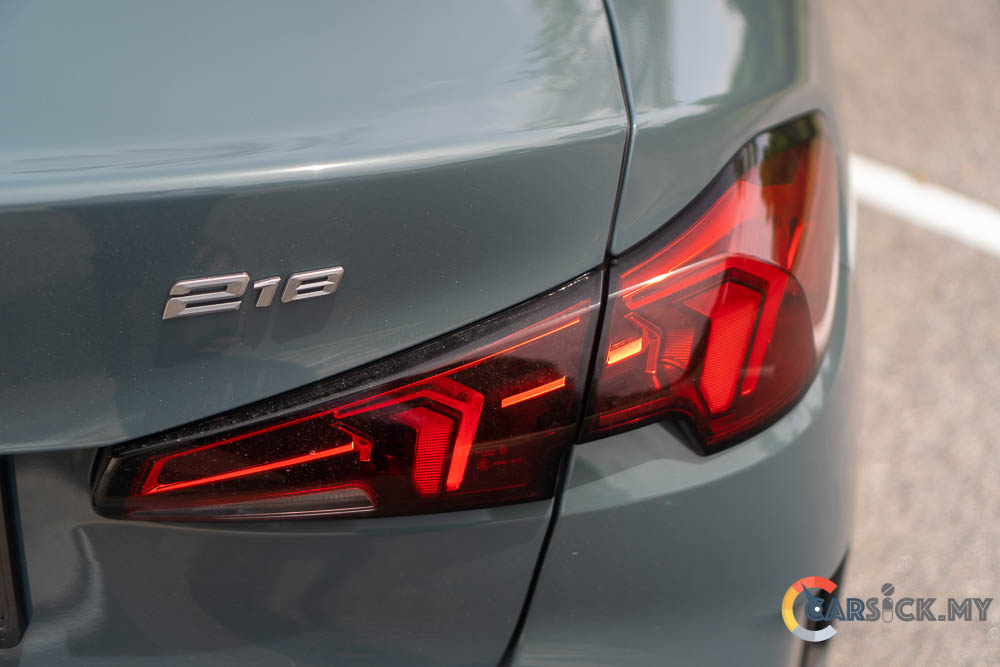
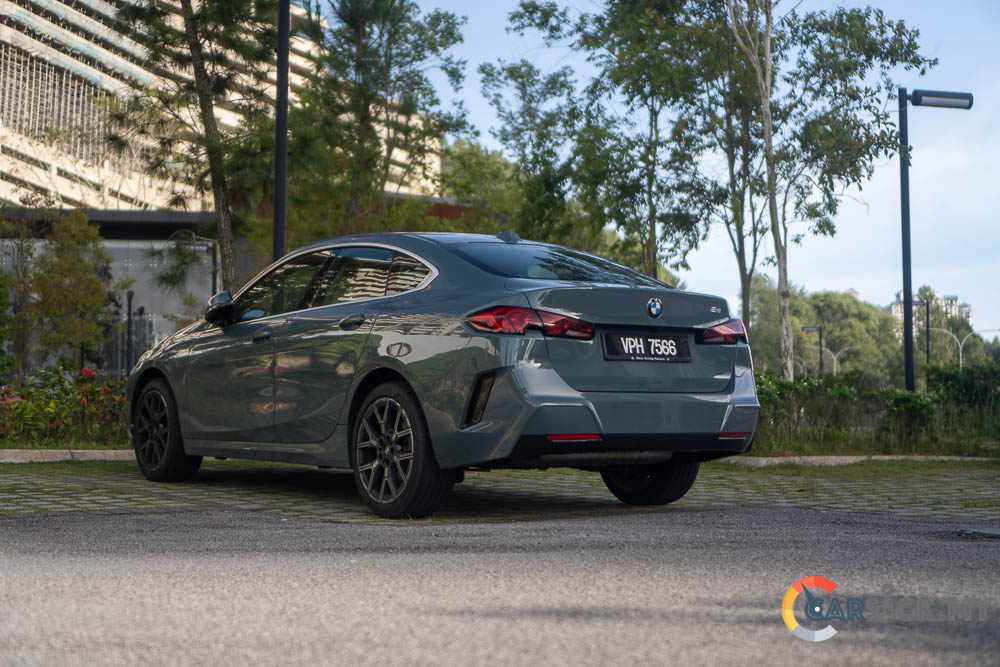
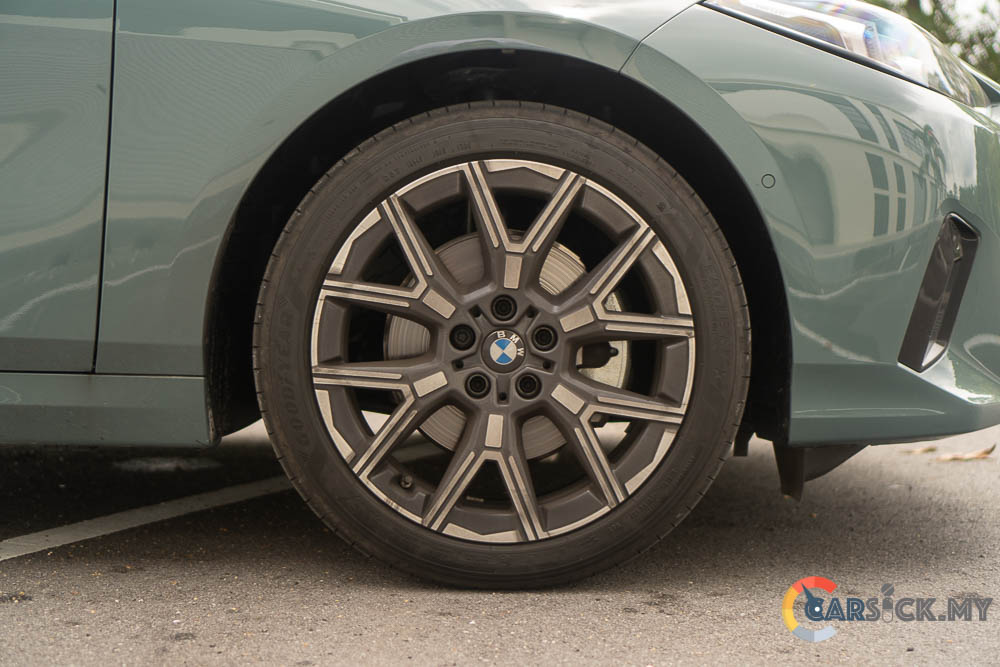
Moving to the rear, the new 2 Series carries a very similar design language to the X2. The difference is that on the 2 Series, the taillights are located lower because of the Gran Coupé profile. These taillights are full LED as well, and they look distinctively BMW. To top it all off, the 218 comes with a set of 18-inch rims. These rims are wrapped in 225/45 R18 tyres. These rims look nice on the new 218, but a more aggressive design would probably give the vehicle a sharper look. 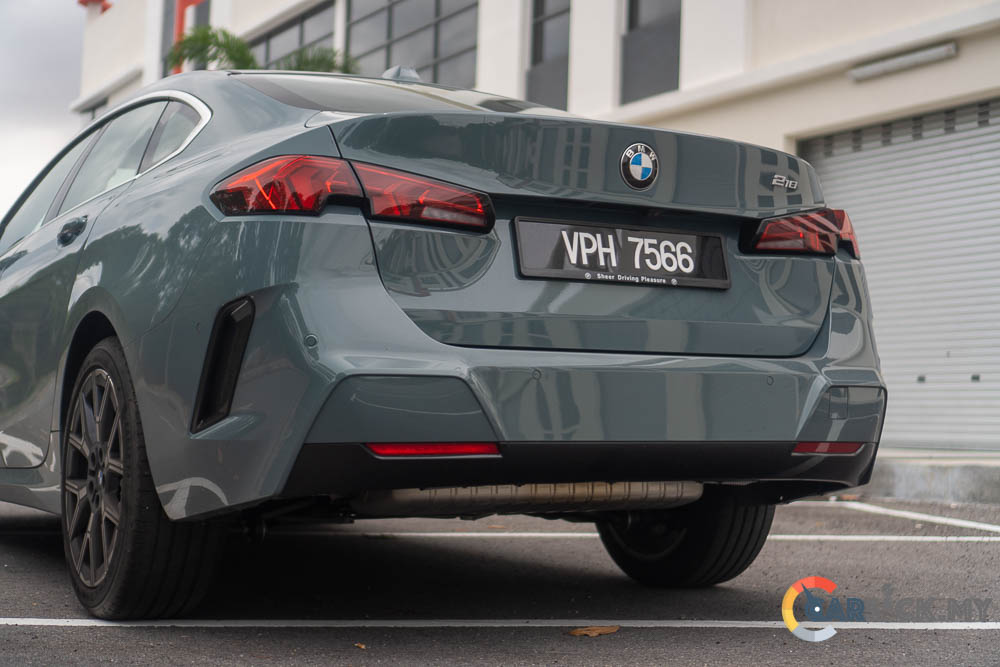
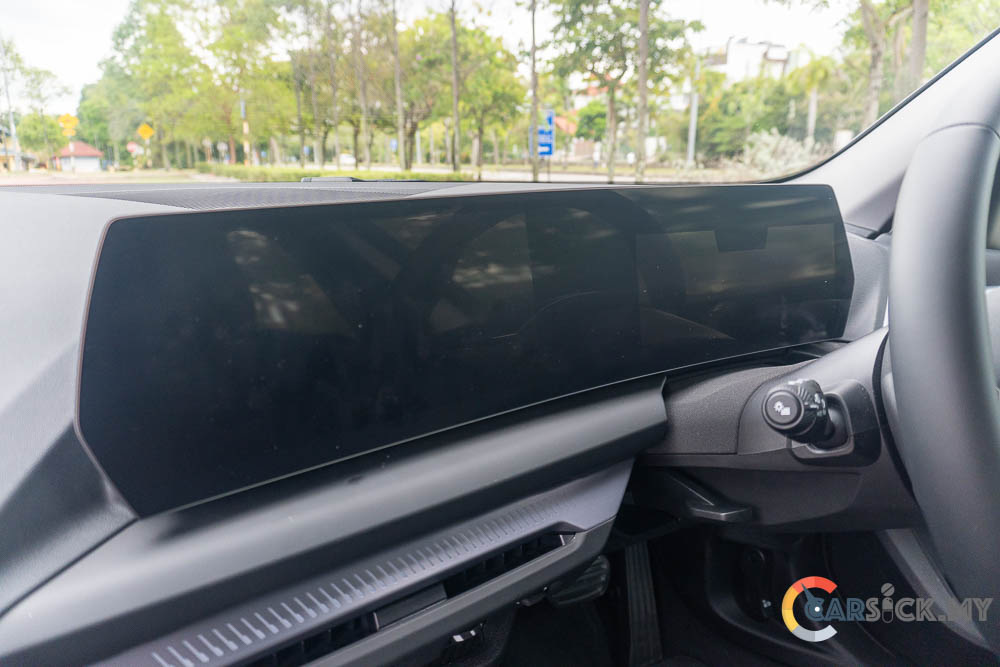
For the interior, the new 218 carries a slightly watered-down curved screen design. Even though it looks watered down, it’s actually still very modern. It has a sense of simplicity, yet it is pleasing to the eyes. I actually prefer this interior look over those large screens that many Chinese cars love to use. For an entry-level vehicle, this interior can be considered beautiful in my opinion. Coming back to the display, the 218 features a 10.7-inch infotainment screen and a 10.25-inch instrument cluster. These two displays are integrated into the curved display in front of the driver. 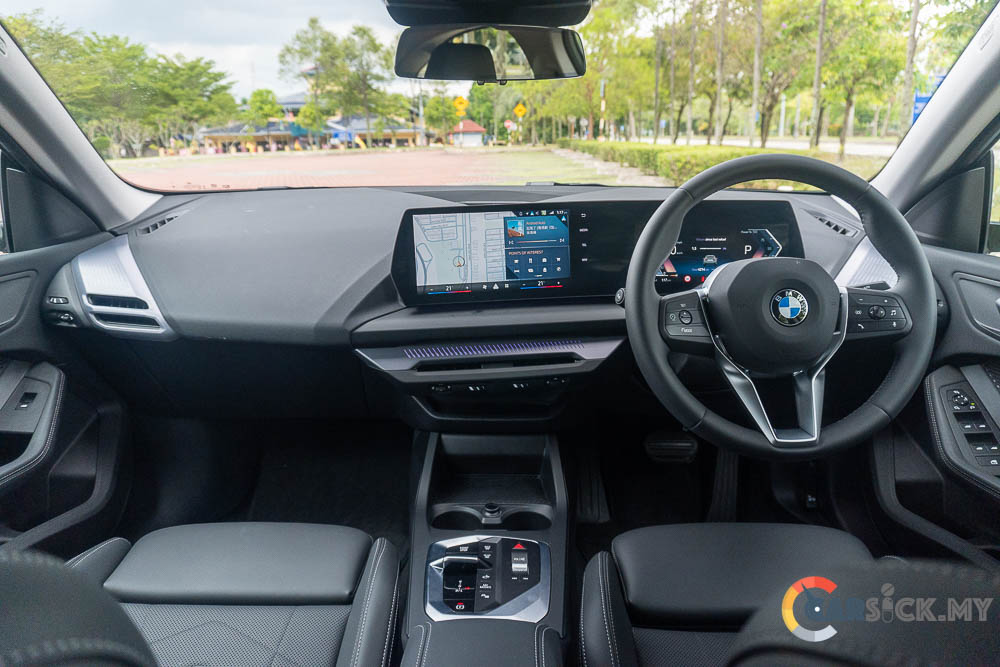
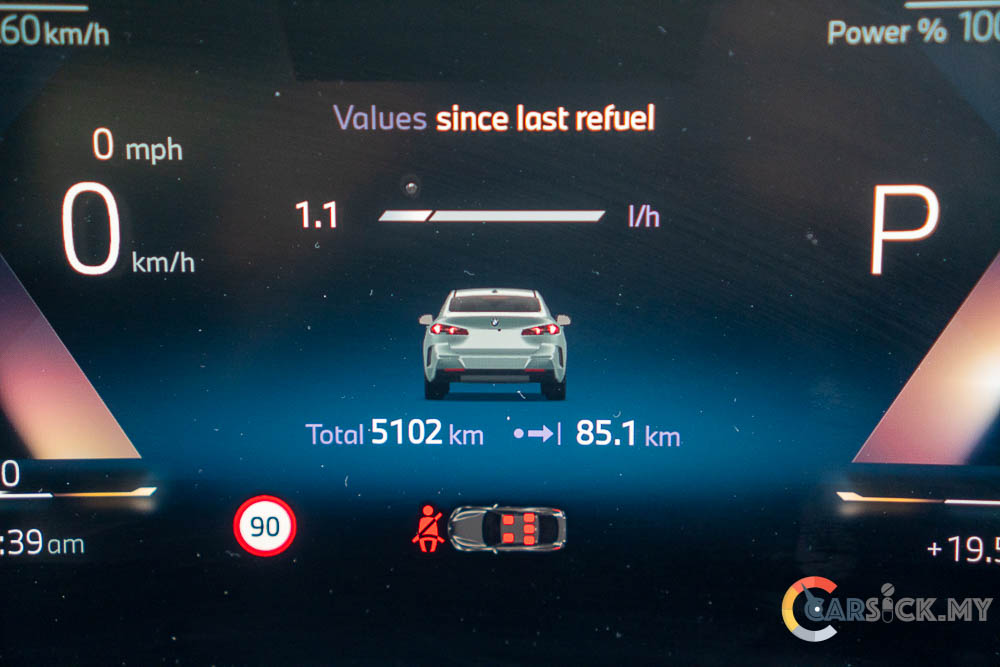
Starting with the instrument cluster, the graphics on the 218’s instrument cluster actually share their core design language with all the larger BMW models. The only difference here is that it has been downsized for the 218. Then again, the display still looks as sharp as you would expect in a BMW. The details on the display are clear, and most importantly, easy to read. I especially love the detail that BMW put into the display, where you can actually see when the indicator or the brake lights turn on for the little car shown inside the instrument cluster. 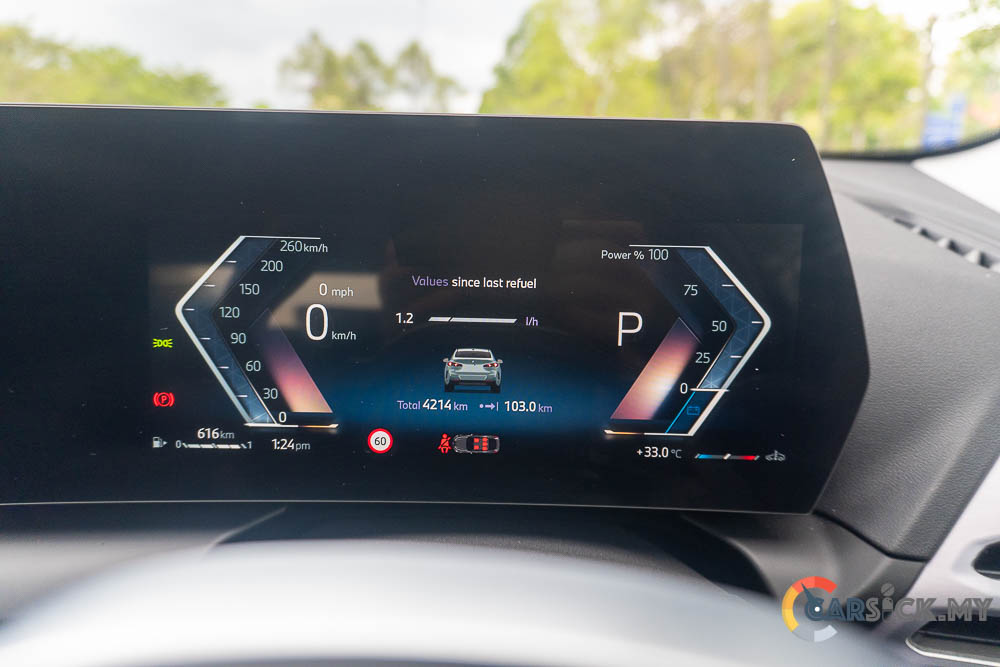
Next to the instrument cluster is where the infotainment system sits. This is where you will find all the different settings you need for a modern-day BMW. Even though BMW followed the footsteps of many Chinese vehicles by putting most of the settings into the infotainment screen, at least I still get shortcut buttons to access the climate control instantly. The shortcut button is also visible when Android Auto is in use. This shortcut button really eases the use of the infotainment screen. BMW is going fully wireless for its infotainment, as there are no more USB ports linked directly to the infotainment system. So Android Auto and Apple CarPlay can only connect wirelessly. 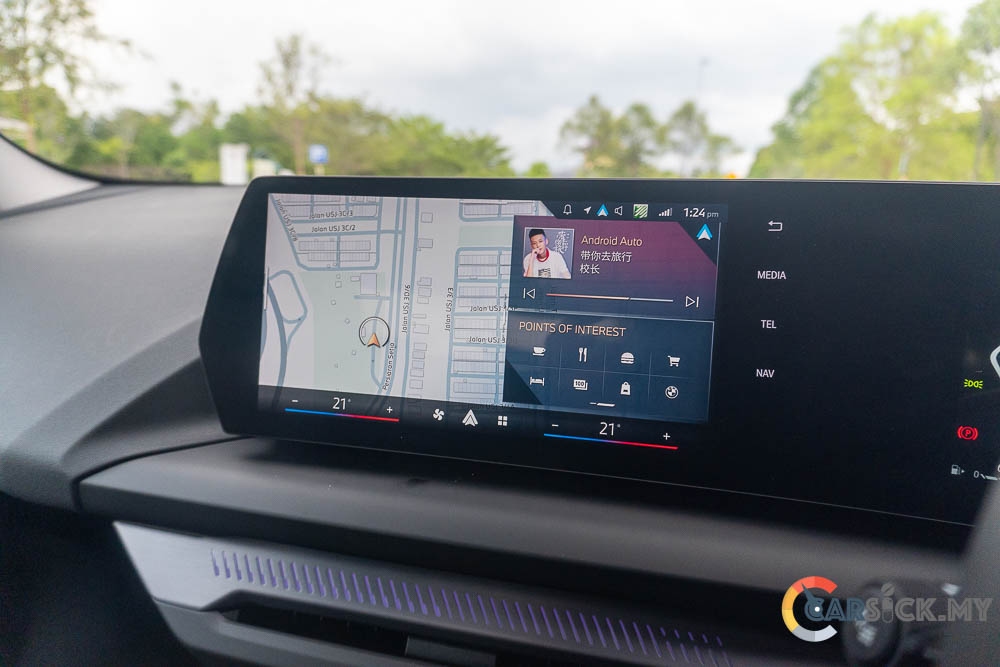
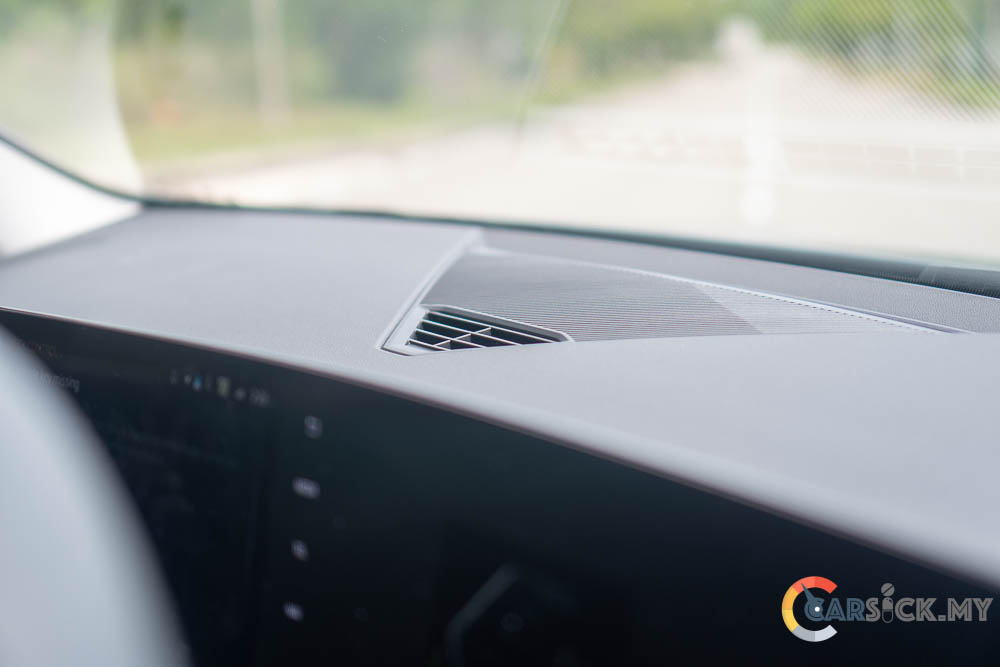
Other than that, the 218 only comes with a reverse camera for our market. Personally, it’s not really an issue for me, but I believe many people would complain about why there’s no 360-degree camera. As for the speaker count, the 218 only comes with 6 speakers as standard. But to my surprise, these standard speakers do provide good sound quality for what they are. And to counter the Malaysian heat from making the infotainment lag, BMW actually directs some cold air towards the infotainment display with an AC vent located directly behind it. I believe this will definitely help extend the lifespan of the electronics. 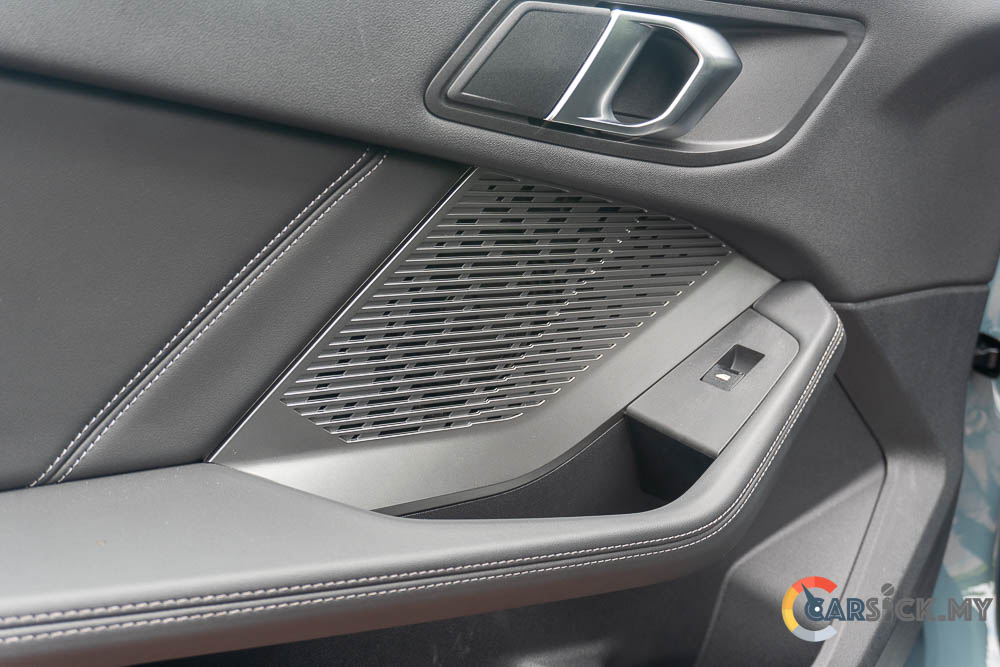
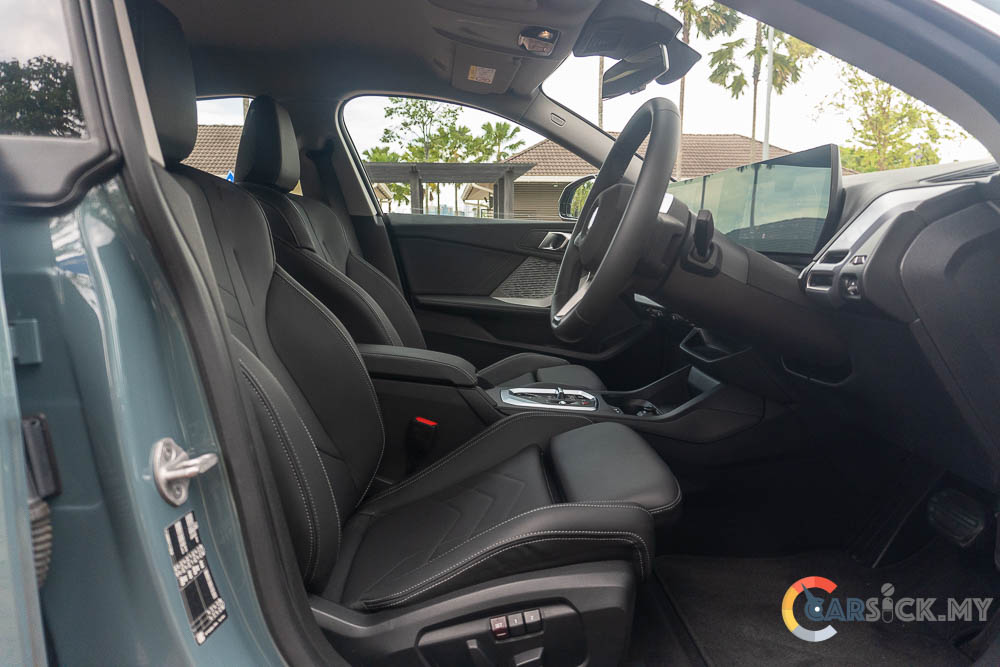
Sitting in the driver’s seat, I have to say the 218 provides a decent seating position. I really like the design of the seat, and they provide plenty of adjustments to let you get into your comfortable seating position. Apart from the usual adjustments, you also get side bolster adjustment to hug you tighter in the seat. To enhance that feature, there’s even a shoulder bolster to keep you snug within the seat. This adds to the special feeling of the driver’s seat. Even though you are cocooned by all the side support you need, the seat cushion is still soft enough to provide additional comfort. To be fair, this is one of the better seats I like that comes directly from the factory. 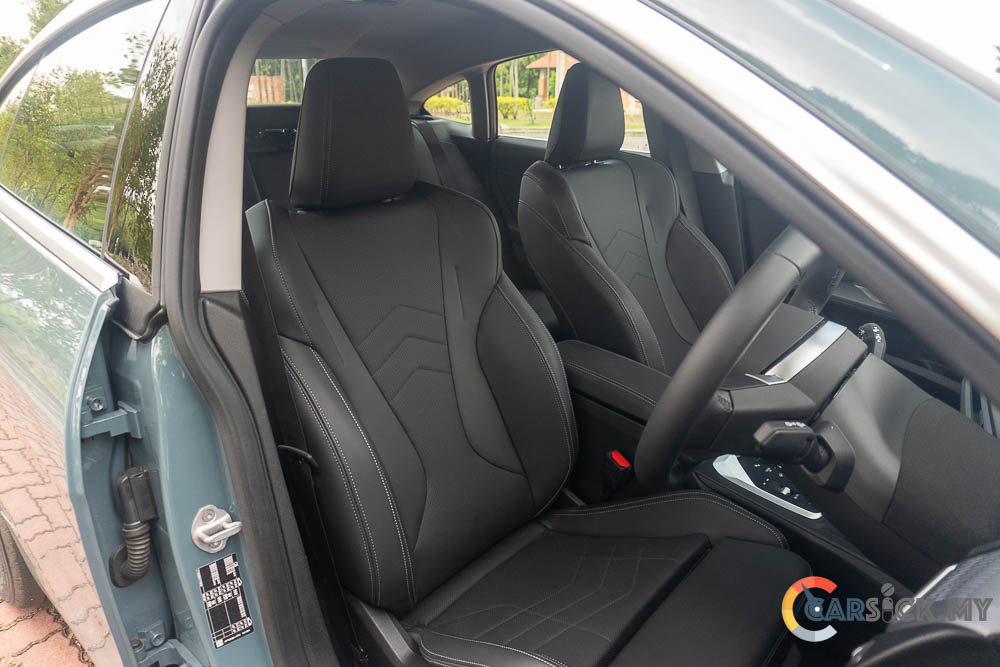
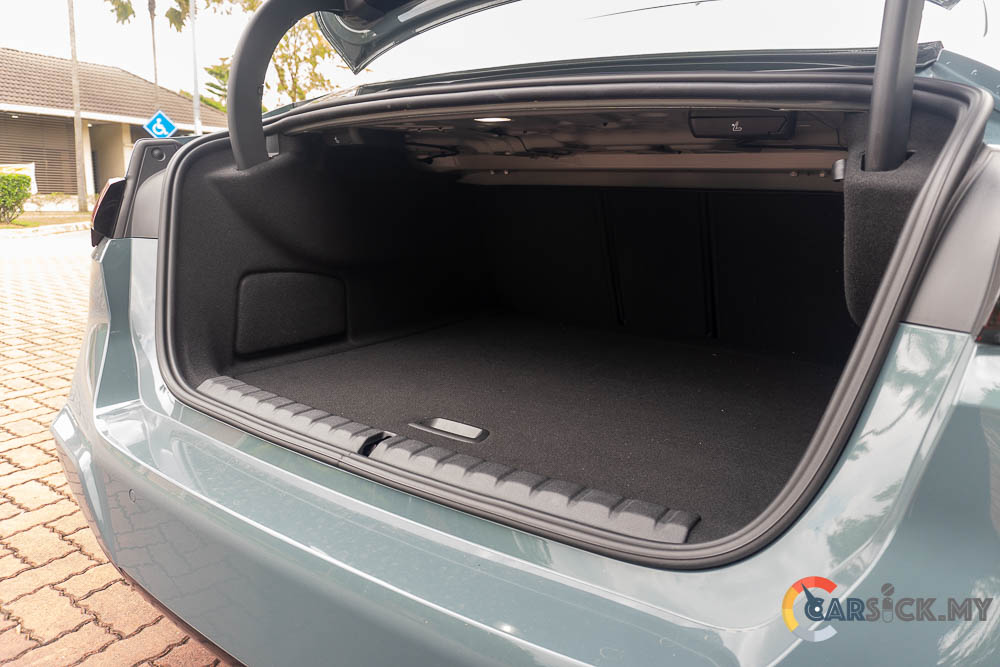
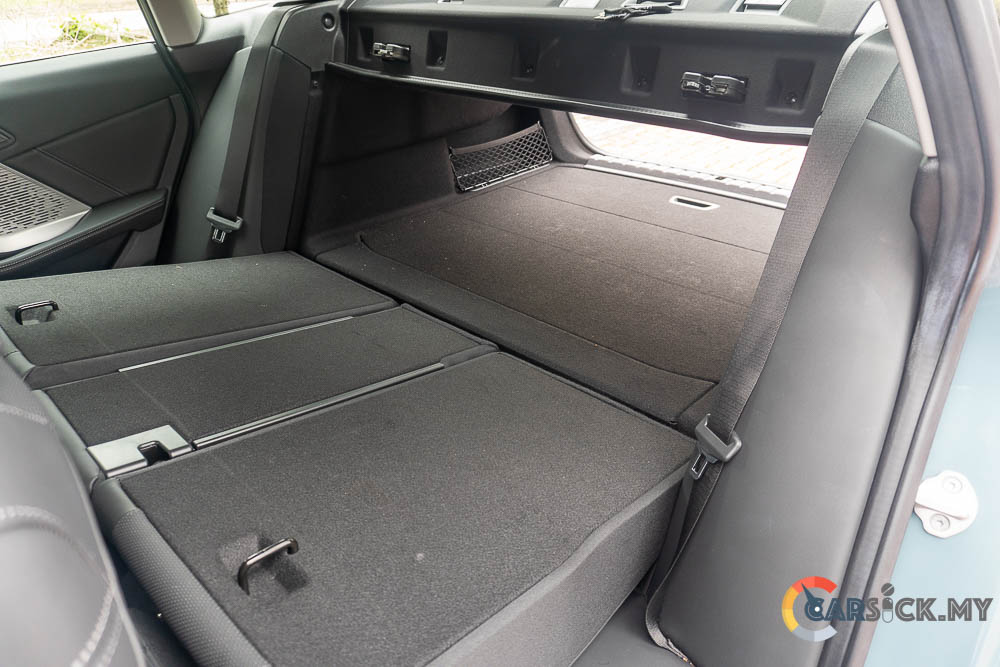
Moving to the rear seats, it’s a rather compact space at the back. As the 2 Series isn’t a large sedan, this is pretty much expected. Then again, you do get enough legroom and headroom to fit two adults in the rear seats without much compromise. On the downside, I do find that the seatback for the rear bench is a little too upright for my liking. Behind the rear seats, you get a 430L boot. This is a decently sized boot, and it’s definitely on par with the boot space you find in vehicles of a similar size. On top of that, you get the ability to fold down the rear seats to expand the boot space if you want to. 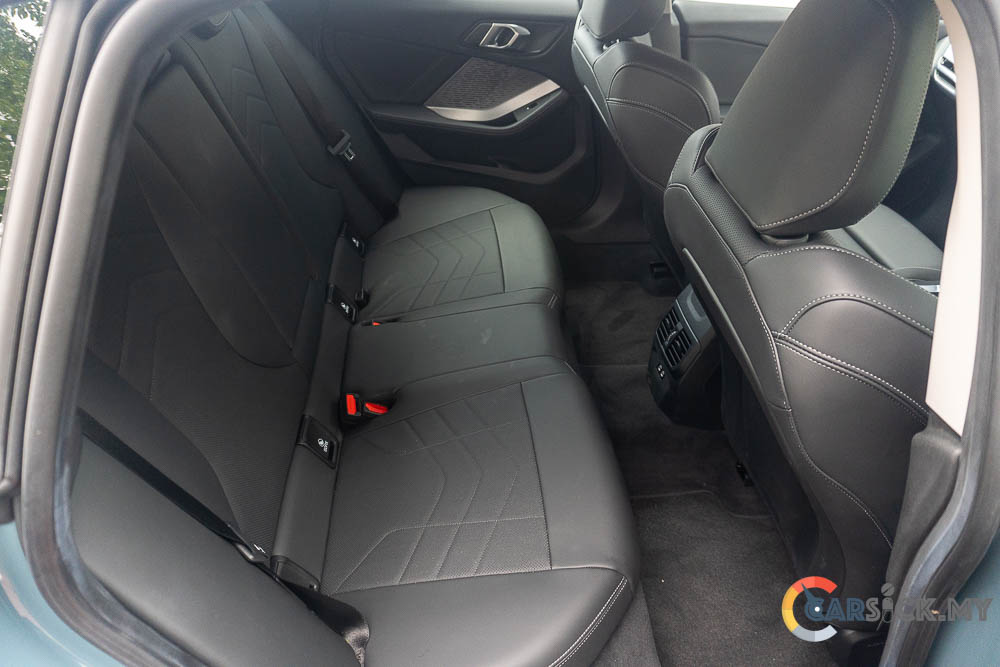
Under the hood, the 218 is still powered by the same 3-cylinder 1.5L turbocharged engine found in the previous 218i. But this engine now produces slightly more horsepower and torque than before. The transmission is still the same 7-speed dual-clutch transmission (DCT), and power is sent to the front wheels. This powertrain is capable of producing 156 hp and 230 Nm of torque. This allows the 218 to accelerate from 0-100 km/h in 8.6 seconds, and reach a top speed of 230 km/h. 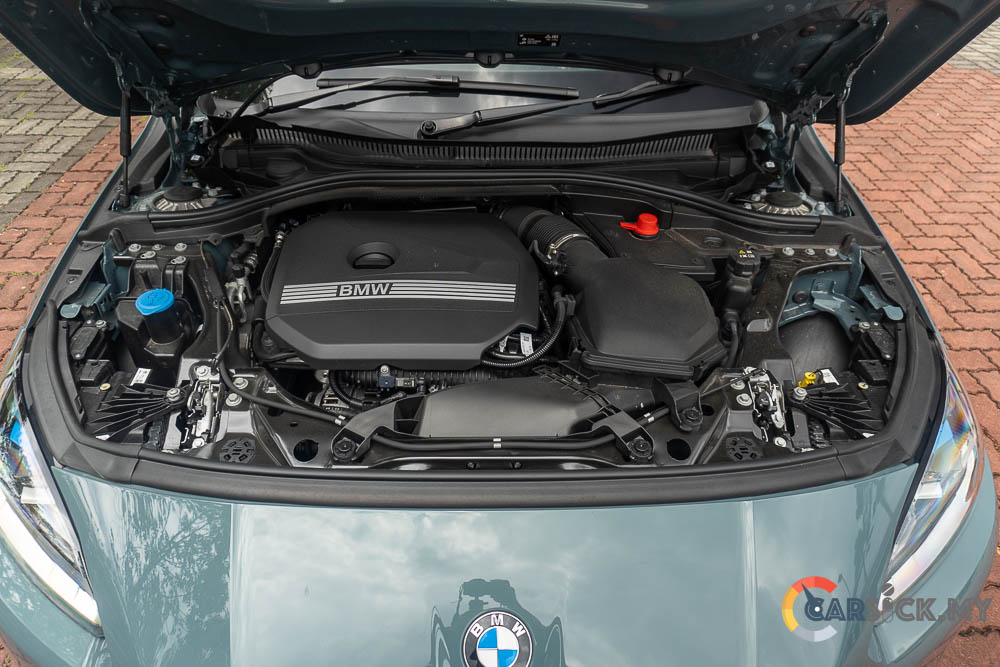
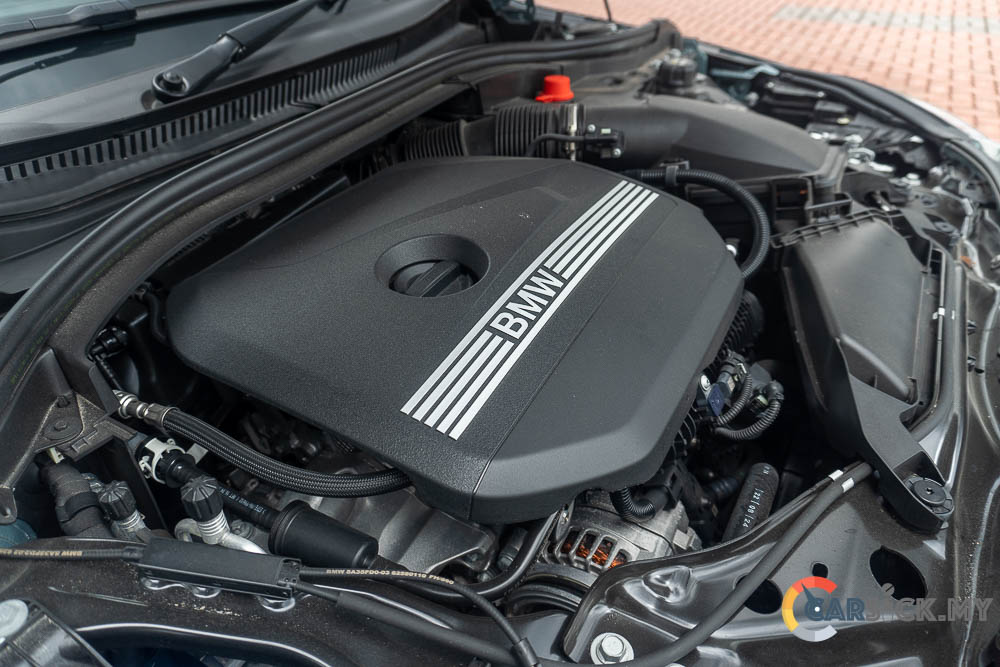
Even though the engine is still the same 3-cylinder unit, it actually feels very different in the new 218. BMW engineers not only managed to extract more performance from this powertrain, but they also improved the NVH levels of the engine. Most of the time, you can barely hear the engine when you’re sitting inside the car. To be fair, you can barely tell that this is a 3-cylinder engine at all. In terms of performance, there are no complaints about the power available from this powertrain. You can keep up with traffic easily, thanks to the strong low-end torque from the engine.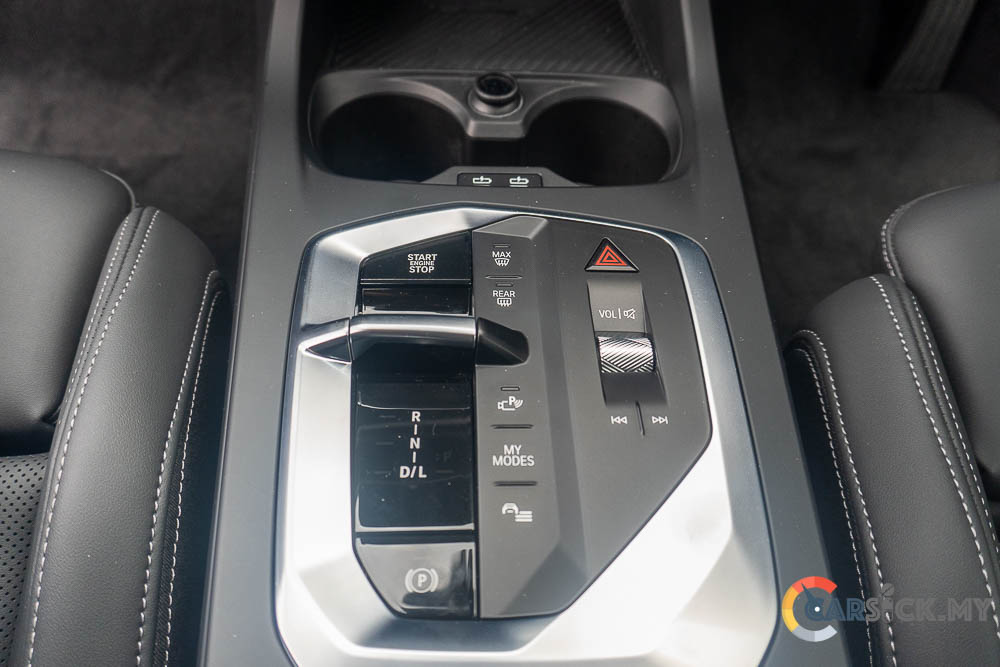
But to me, what’s really impressive about this engine is the fuel efficiency. With its 50-litre fuel tank, the 218 can actually reach close to 700 km on a single tank of fuel. And the fuel economy figure actually includes a Genting run as well. So far, this is one engine that impresses me with its fuel economy without any help from an electric motor. It is paired with the updated 7-speed DCT, which allows the engine to operate within its optimum power band. However, one downside about this transmission is that it doesn’t come with paddle shifters. This really deducts from the driving experience of the 218, especially since this is quite a sporty-looking vehicle.
Compared to the previous 218i, the new 218 actually rides and handles in a much more mature manner. Starting with the ride, the suspension on the 218 is tuned towards comfort. There’s a sense of softness when the vehicle goes over bumps and uneven roads. Yet, the ride still feels planted and mature even at higher speeds. This suspension setup really suits the many types of road conditions in Malaysia. No matter what, you will struggle to feel uncomfortable inside the new 218.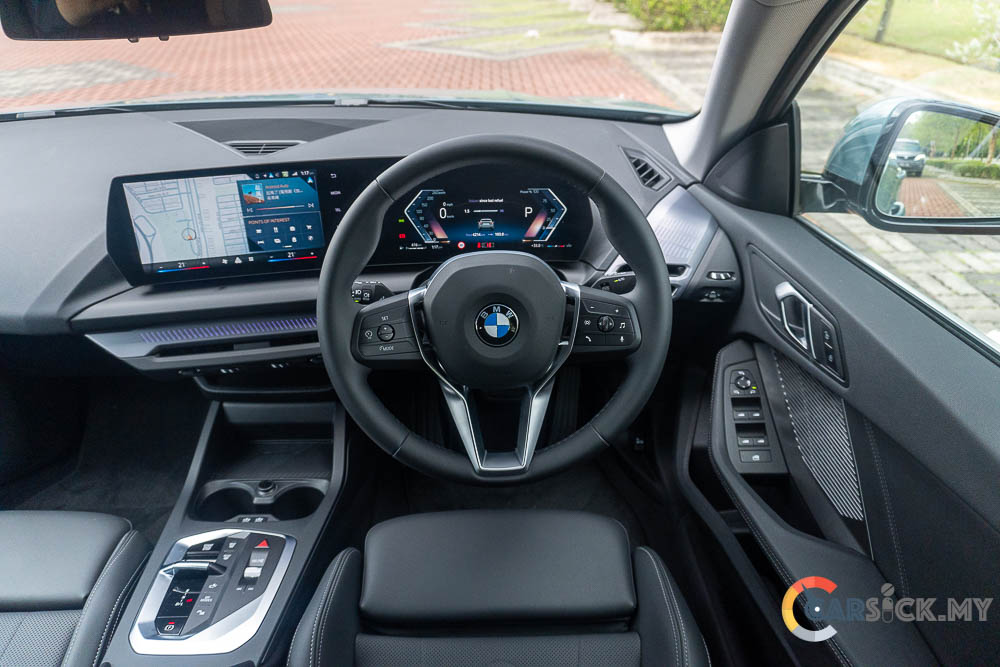
So with this comfort-focused suspension, did BMW sacrifice any handling characteristics? To be honest, the body roll of the vehicle in corners is noticeable, but it is still well controlled. Aided by the sharp steering, the 218 handles just like how a BMW should. However, there is also a downside. Even though the steering is sharp, it is a little over-assisted. But overall, the 218 still delivers a great driving experience.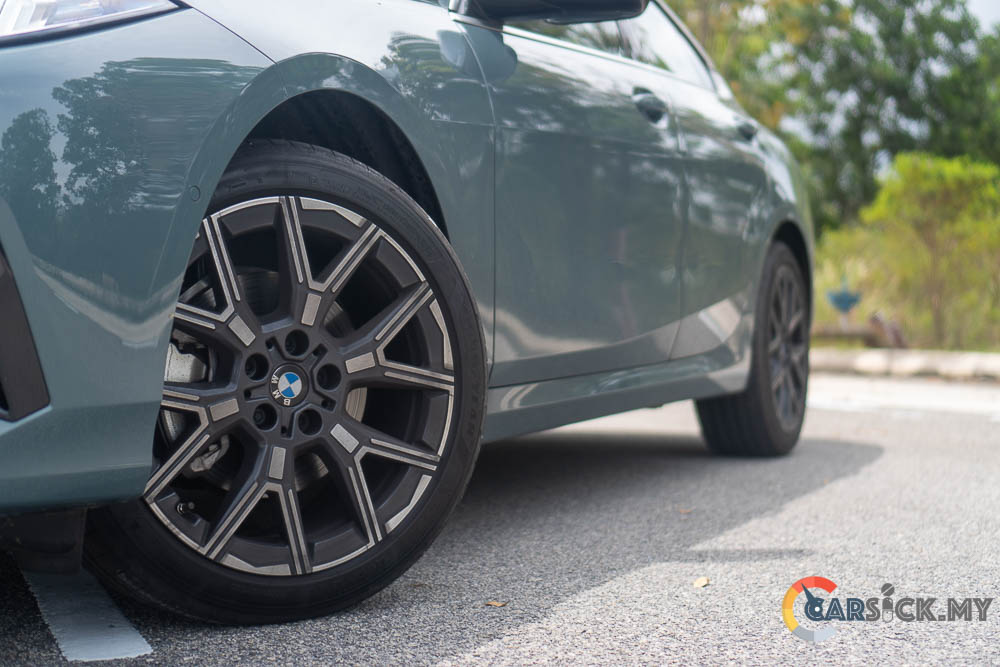
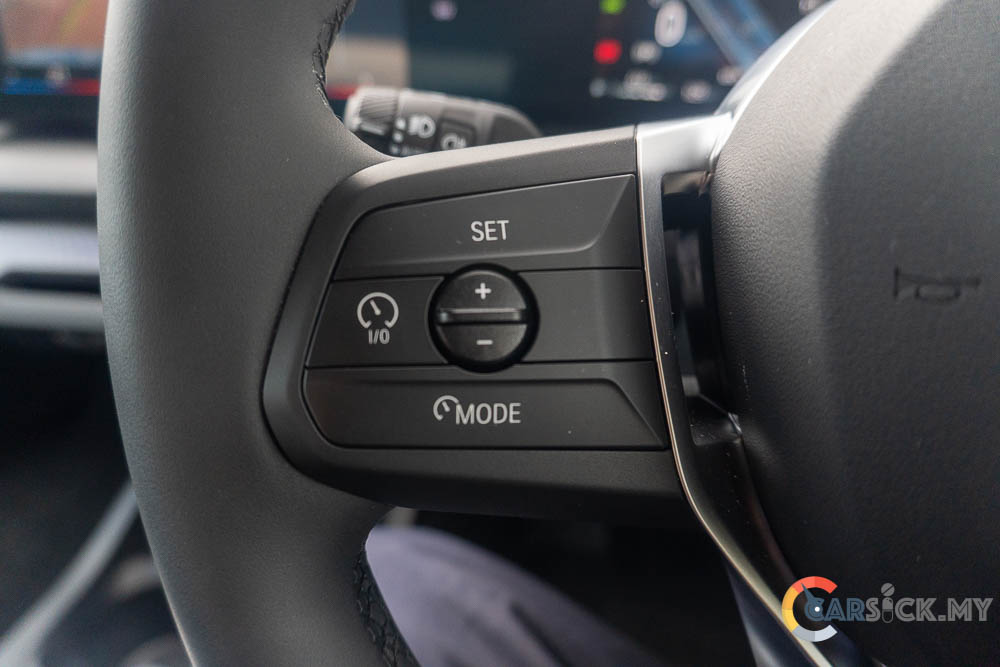
As for the brakes, they feel strong and consistent. This allows for predictable braking performance. Every time you step on the brake pedal, you will know exactly where the braking point starts, which helps with smooth braking. As a modern-day vehicle, the 218 also benefits from some Advanced Driver Assistance Systems (ADAS). While it doesn’t have the full suite of ADAS features, what you get in this car is more than sufficient. To me, this is actually a good thing, as it makes the car less annoying to drive. The 218 comes standard with Lane Change Warning with Active Return, Rear Emergency Braking Function, Rear Collision Warning, Exit Warning, Park Assist, and Reversing Assistant. 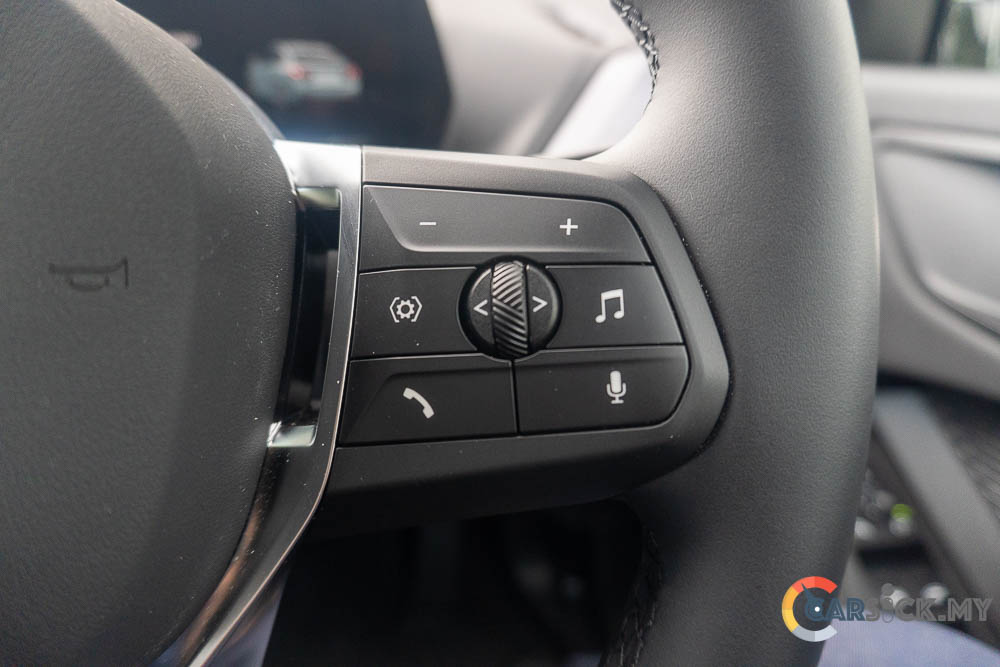
While the new 218’s price has now increased to RM241,000, it is still one of the cheapest BMWs you can buy. After driving it, I actually found myself falling for it more than I expected. It actually reminds me of the Volkswagen Golf R-Line, where it was meant to be a very easy car to drive and own. In my opinion, the 218 almost topples the Audi A3 as the nicest car that I love to drive as a daily driver. The only thing is that the Audi A3 has a slightly more powerful engine, which gives it the upper hand. But since the 218 is a much newer vehicle, it is definitely the more modern car compared to the A3. Compared to the A200, I think that car is simply too common on the road, so it doesn’t really tickle my fancy. The 218 is truly a nice entry-level vehicle that is worth trying from BMW, and they did a fantastic job enhancing the 218.
Check out the full photo album here.