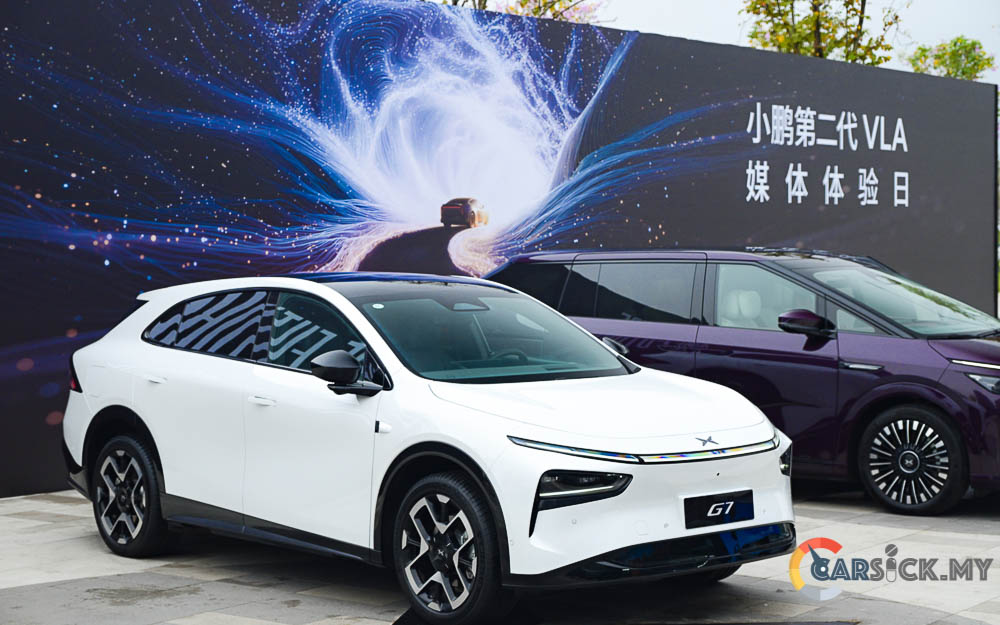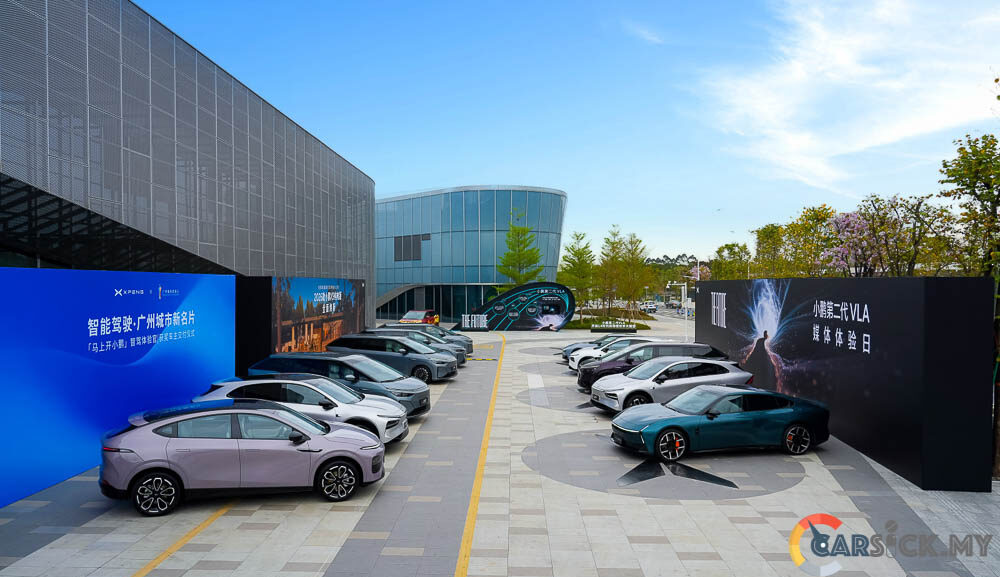

Chinese EV innovator XPENG has unveiled an ambitious roadmap for the future of intelligent mobility, confirming that global deliveries of its next-generation VLA 2.0 intelligent driving system will begin in 2027. Marking a significant industry milestone, the company also announced that Volkswagen will become the inaugural launch partner for VLA 2.0 in the Chinese market.
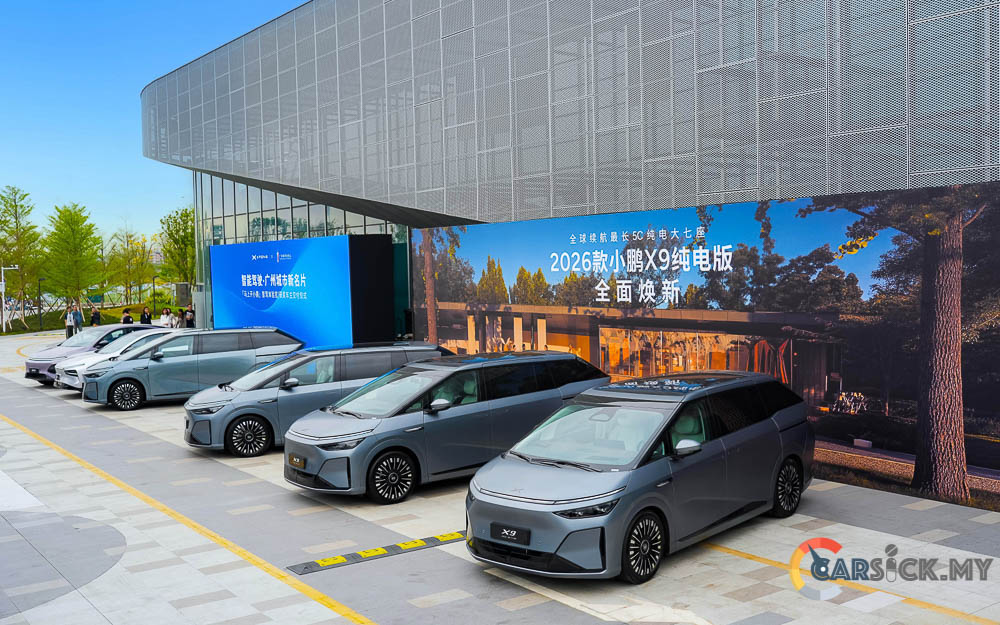 The announcement was made during XPENG’s “The Future” VLA Media Experience Day, where the company revealed both the technical architecture and international deployment plans for the advanced system.
At the heart of VLA 2.0 is a fundamental shift away from conventional modular autonomous driving frameworks. Instead of relying on separate perception, reasoning, and action layers—often supported by high-definition maps and rigid rule-based programming—XPENG has developed a unified AI foundation model that integrates all three components into a single system.
This end-to-end architecture allows the vehicle to interpret complex real-world scenarios and respond directly with driving actions, eliminating intermediate translation steps. The result is faster reaction times, greater efficiency, and improved adaptability across diverse environments.
According to XPENG, early testing shows that VLA 2.0 performs strongly in dense urban traffic and mixed-road conditions, with behavior increasingly resembling that of experienced human drivers.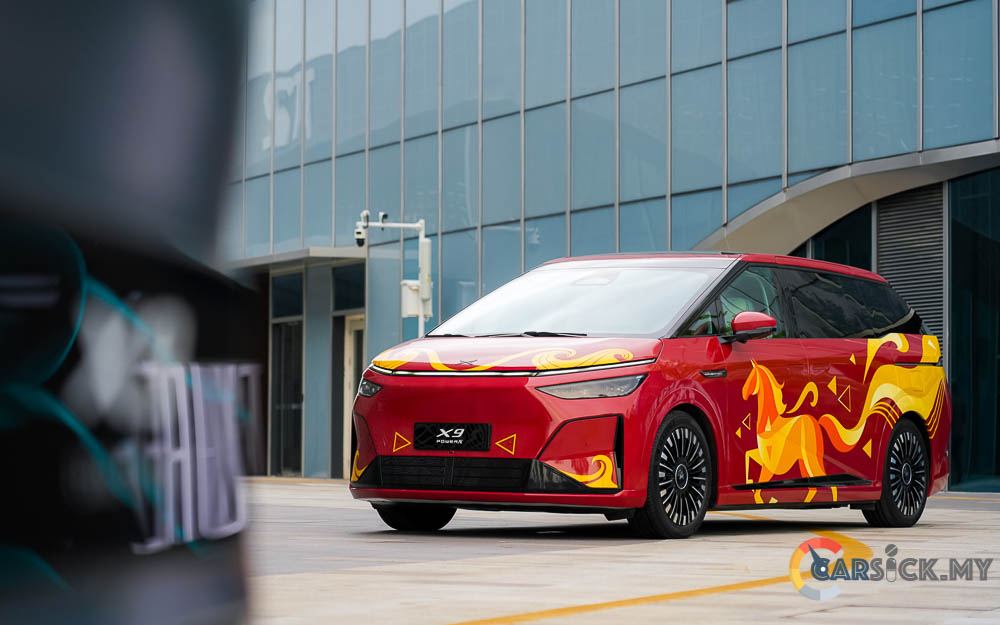
XPENG’s Robotaxi fleet equipped with VLA 2.0 has already commenced public road testing, with trial operations expected to begin later this year. International road testing is also set to follow as part of the company’s broader global rollout strategy.
The 2027 delivery target signals XPENG’s intention to accelerate the commercialization of full autonomous driving technology. Company Chairman and CEO He Xiaopeng emphasized the system’s transformative potential, stating that VLA 2.0 is designed as the company’s first version aimed at achieving full autonomy.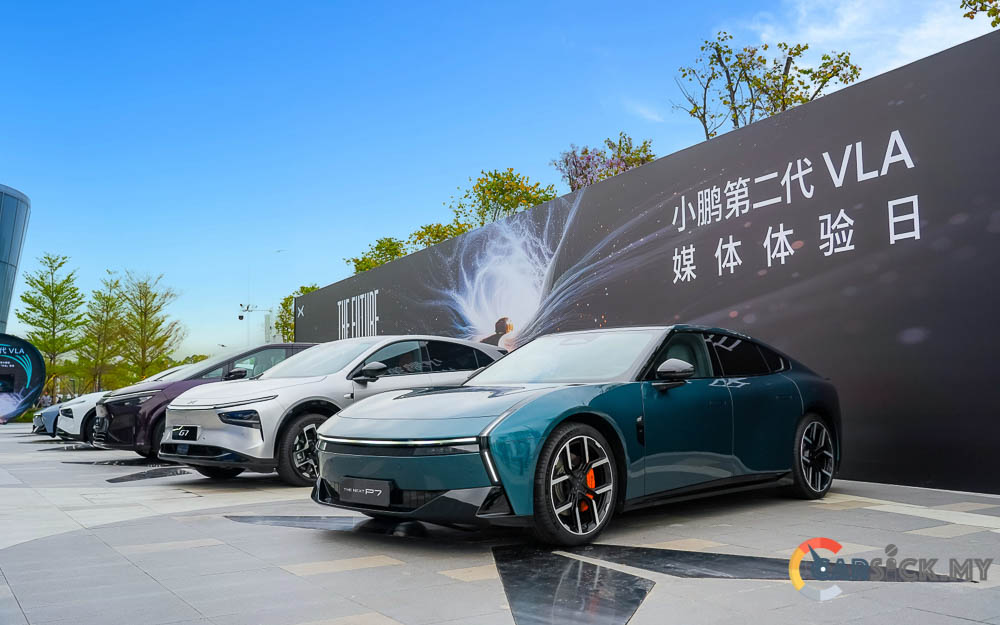
He further suggested that truly autonomous driving could become a natural part of daily travel within the next one to three years, highlighting XPENG’s confidence in rapid technological iteration.
A standout feature of VLA 2.0 is its ability to operate across virtually any drivable scenario. The system is engineered to handle campus lanes, rural dirt roads, and even non-navigable routes, while confidently managing tight lane passages and avoiding potholes or uneven surfaces.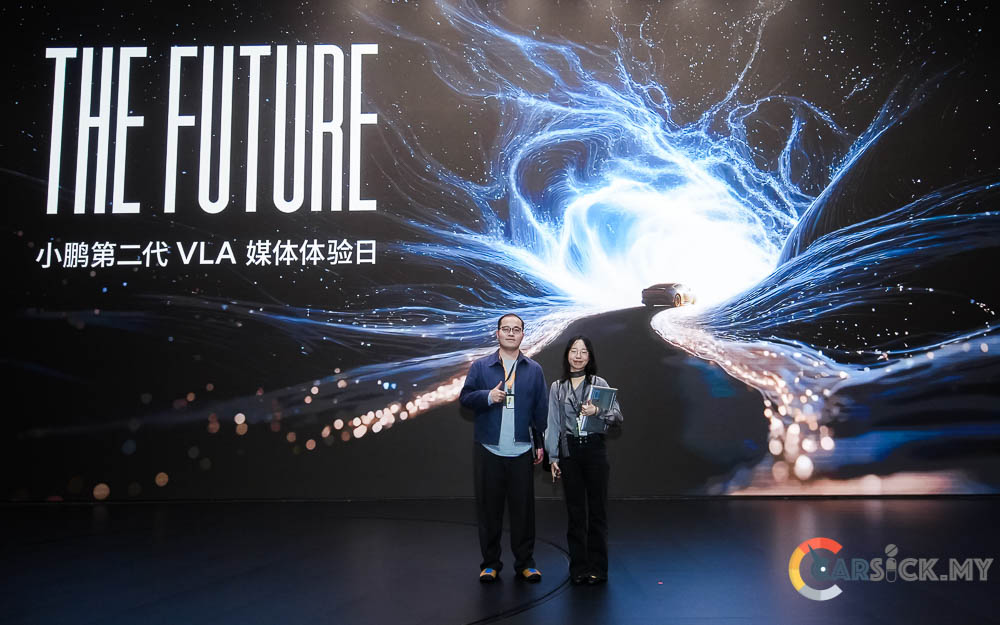
Unlike many current Level 2 systems, VLA 2.0 supports full-process assisted driving—from standstill start to complex maneuvering—offering a seamless and continuous driving experience.
During measured testing in Guangzhou’s evening rush hour, the system demonstrated a 23% improvement in traffic efficiency compared to traditional Level 2 intelligent driving systems and existing Robotaxi models. In some scenarios, its performance matched that of seasoned human drivers.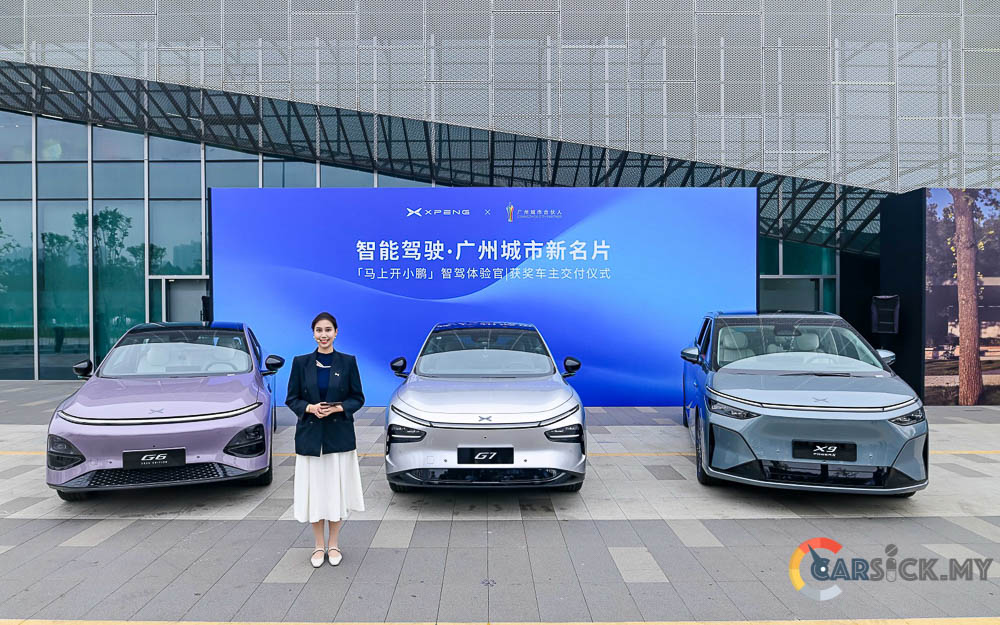
Beyond efficiency, XPENG places strong emphasis on comfort and confidence. VLA 2.0 is designed to proactively identify unpredictable vehicles, accident scenes, and irregular road conditions, adjusting its behavior to ensure safer and more dependable travel.
By reducing reliance on high-definition maps and rule-based programming, the system improves cross-scenario generalization—an essential step toward achieving true, scalable autonomy.
XPENG’s ambitions extend well beyond passenger vehicles. The AI foundation model powering VLA 2.0 is being deployed across multiple embodied AI platforms, including Robotaxi fleets, humanoid robots, and modular flying vehicle systems.
These initiatives form part of the company’s broader Physical AI strategy, aimed at creating a unified intelligence framework capable of powering machines operating autonomously in real-world environments.
With Volkswagen set to introduce VLA 2.0 in China and global deliveries scheduled for 2027, XPENG is positioning itself at the forefront of the intelligent driving revolution—signaling a future where autonomous mobility becomes not just possible, but commonplace.