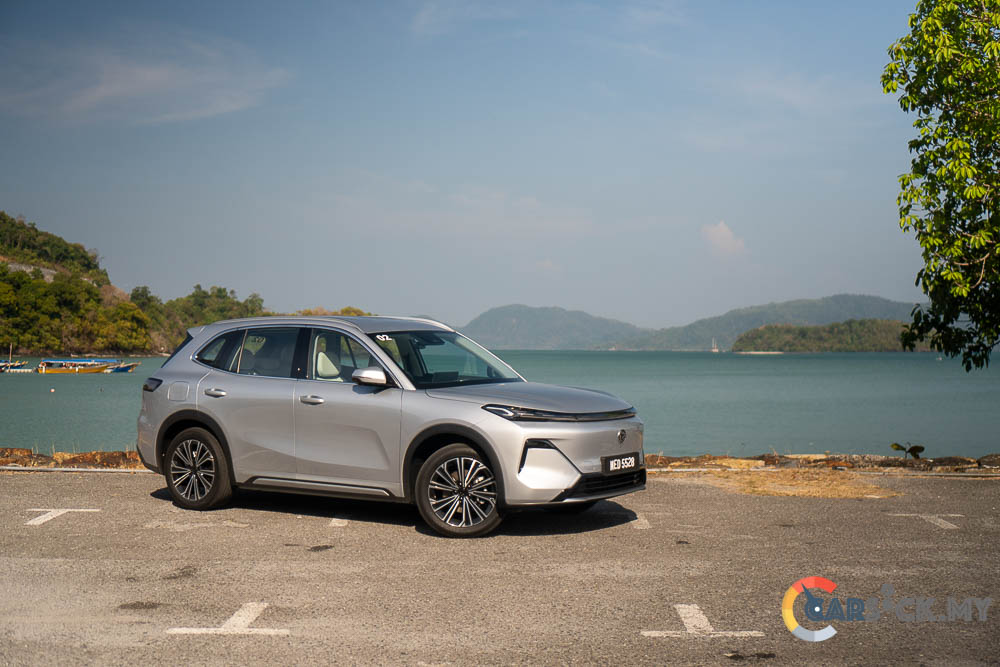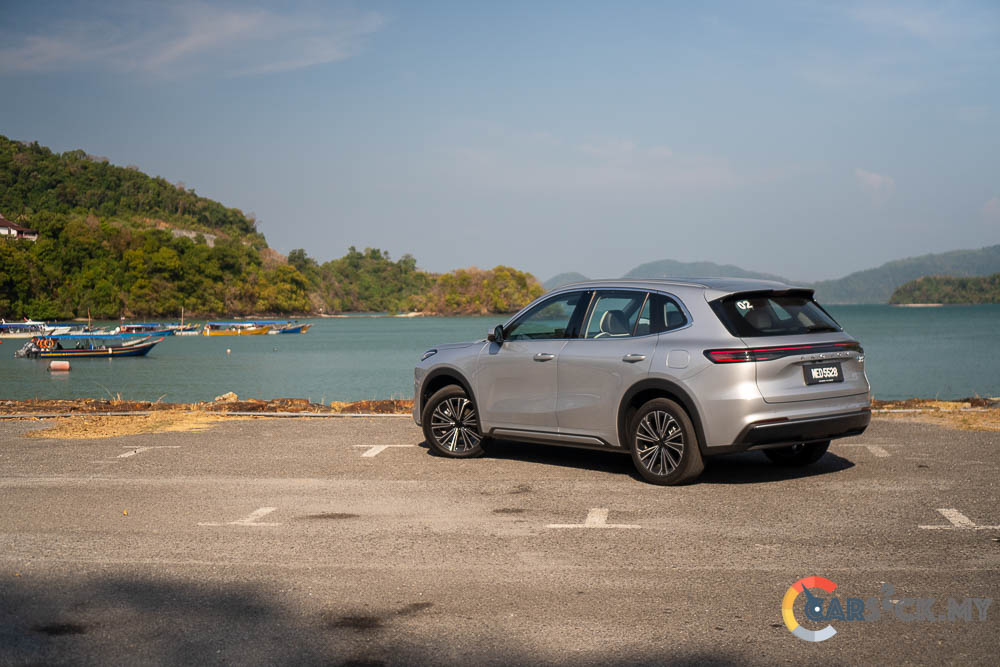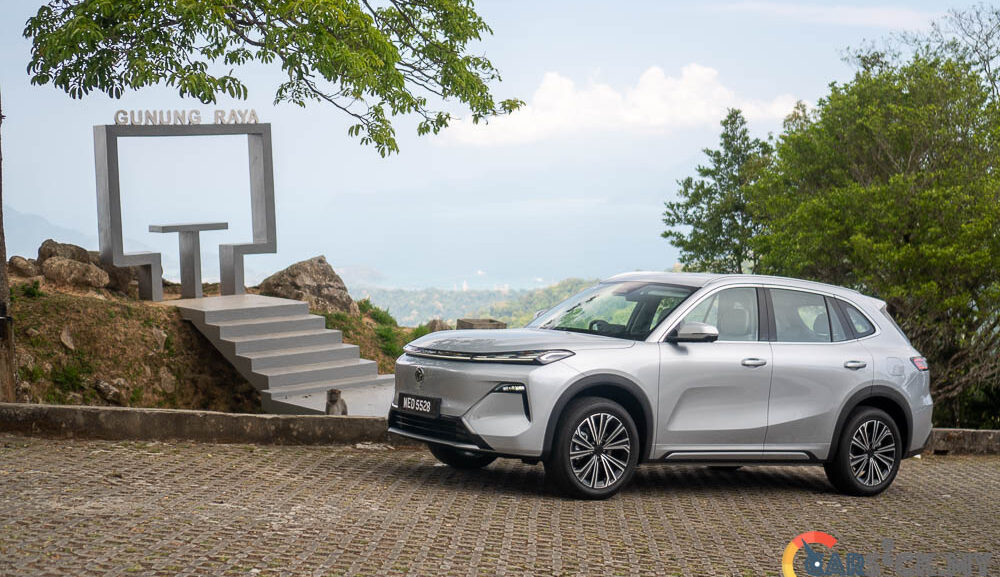

After the successful launch of the Proton eMAS 5, the PRO-NET team has already been busy working on their next product. This time around, it is no longer a BEV. Instead, Proton is introducing a PHEV – the new Proton eMAS 7 PHEV. With this model, buyers now have another electrified option to consider when shopping for a C-segment SUV.
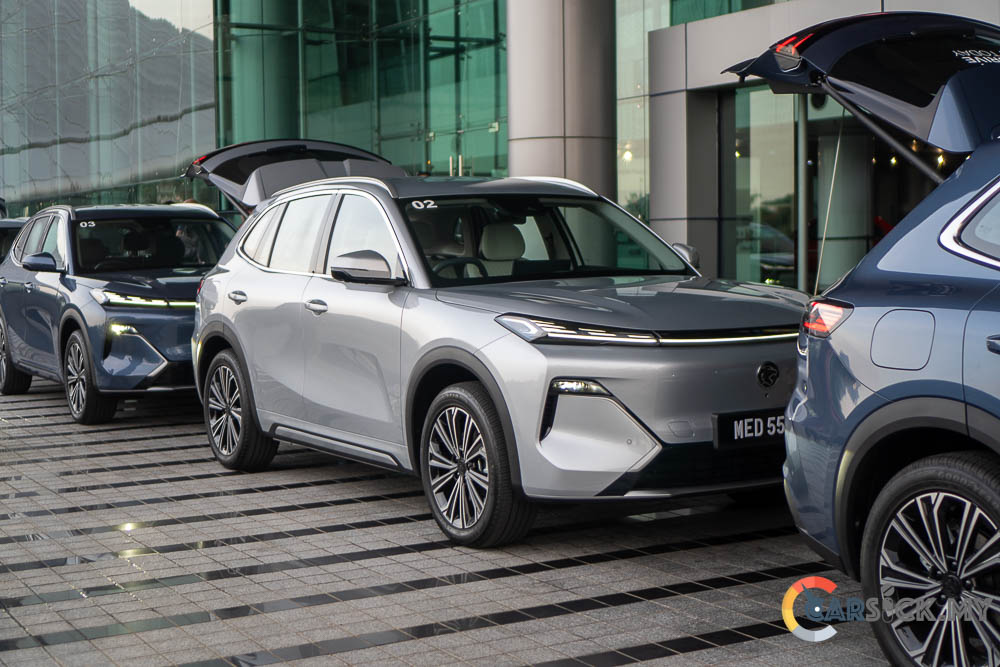 The Proton eMAS 7 will be offered in three variants: Prime, Premium, and the range-topping Premium Plus. All variants are powered by a 1.5-litre naturally aspirated engine paired with an electric motor. Power is sent to the front wheels through an 11-in-1 Dedicated Hybrid Transmission (DHT), producing a combined output of 262 hp and 262 Nm of peak torque.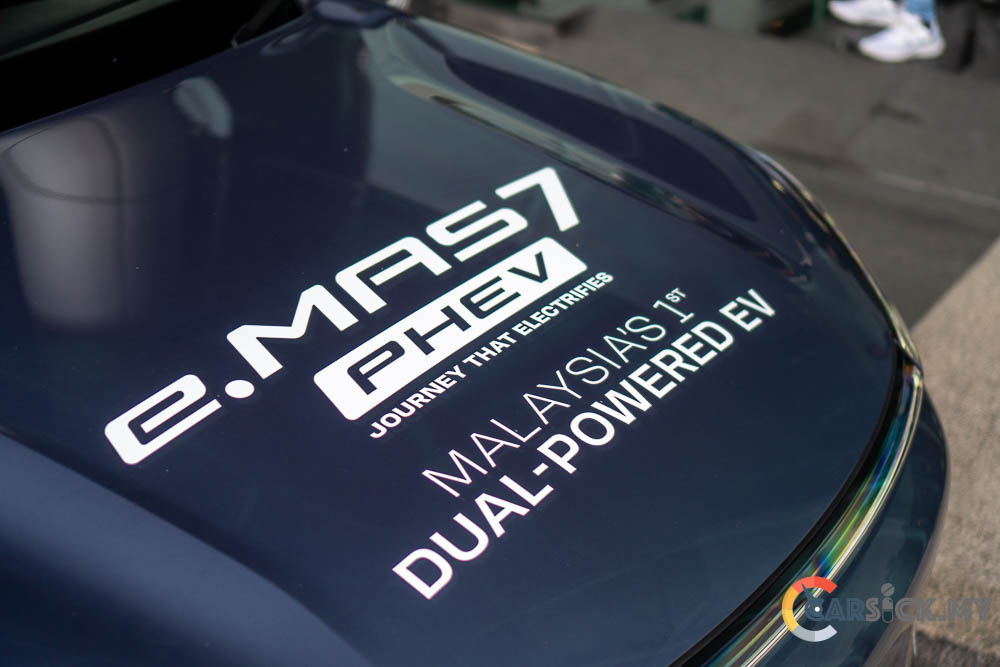
The main difference between the variants lies in the battery capacity and charging capability. The Prime and Premium variants are equipped with an 18.4 kWh CATL LFP battery, providing a full electric driving range of up to 105 km. This battery can also be charged via a 30 kW DC charger. The Premium Plus variant, on the other hand, receives a larger 29.8 kWh Aegis Short Blade LFP battery, extending the pure electric driving range to 170 km. Both figures are based on the NEDC testing cycle.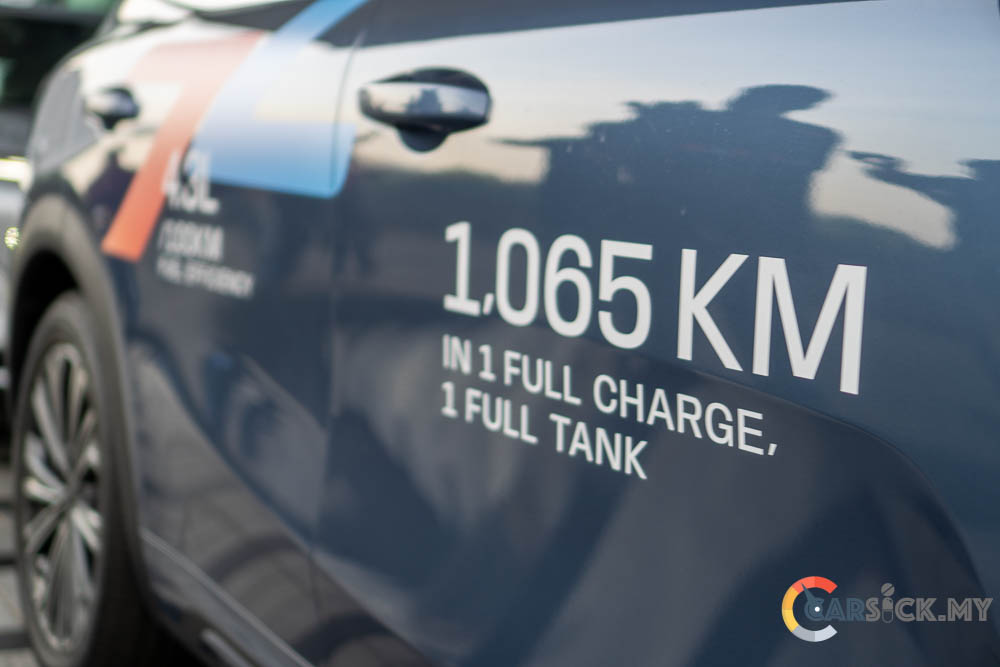
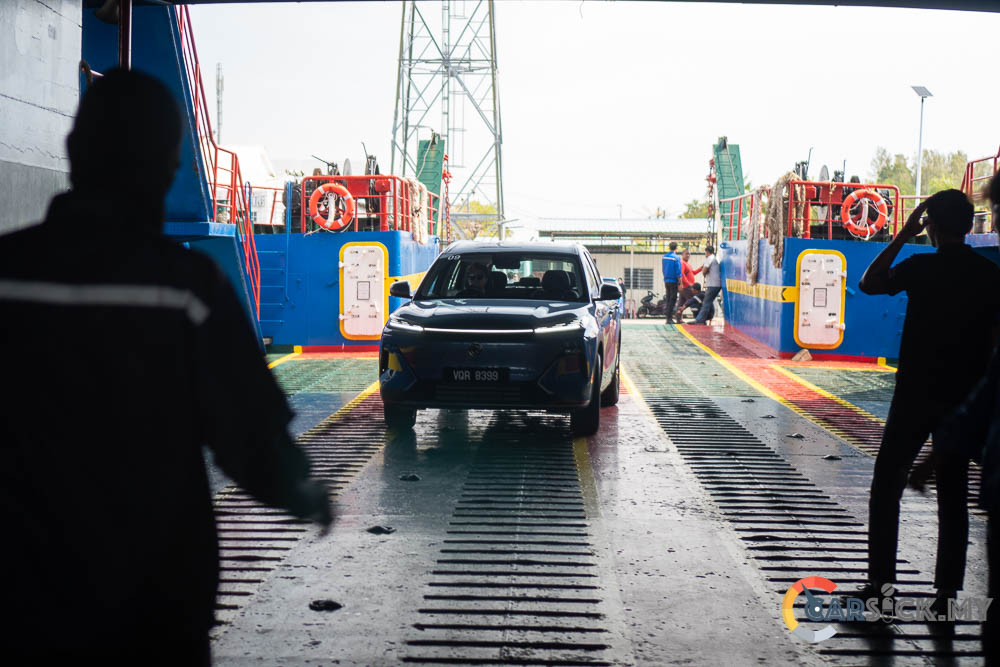
For our media drive, the route took us from Proton’s Centre of Excellence (COE) all the way to Langkawi and back. The journey included a long stretch along the North-South Highway before boarding a ferry to the island. In total, the trip covered around 1,000 km, with three members of the media sharing one car throughout the journey. Because we had to meet the scheduled ferry crossing, Proton decided not to impose a fuel economy challenge. Had we driven strictly for efficiency, it is unlikely we would have made it to the ferry terminal on time.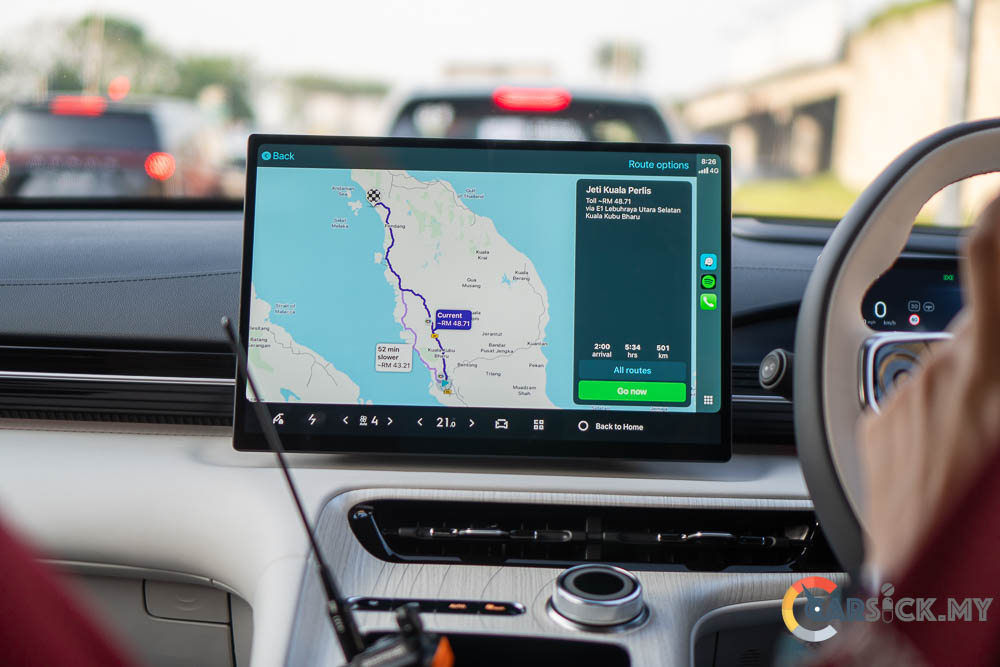
For the first stint of the journey, I was seated in the rear of the vehicle. The rear seats of the eMAS 7 PHEV are impressively spacious, and the white interior of the silver test car made the cabin feel even more airy and open. Since we started the day very early, I even managed to catch a quick nap in the back seat. The seats are soft yet supportive, making the rear a genuinely comfortable place to spend time in.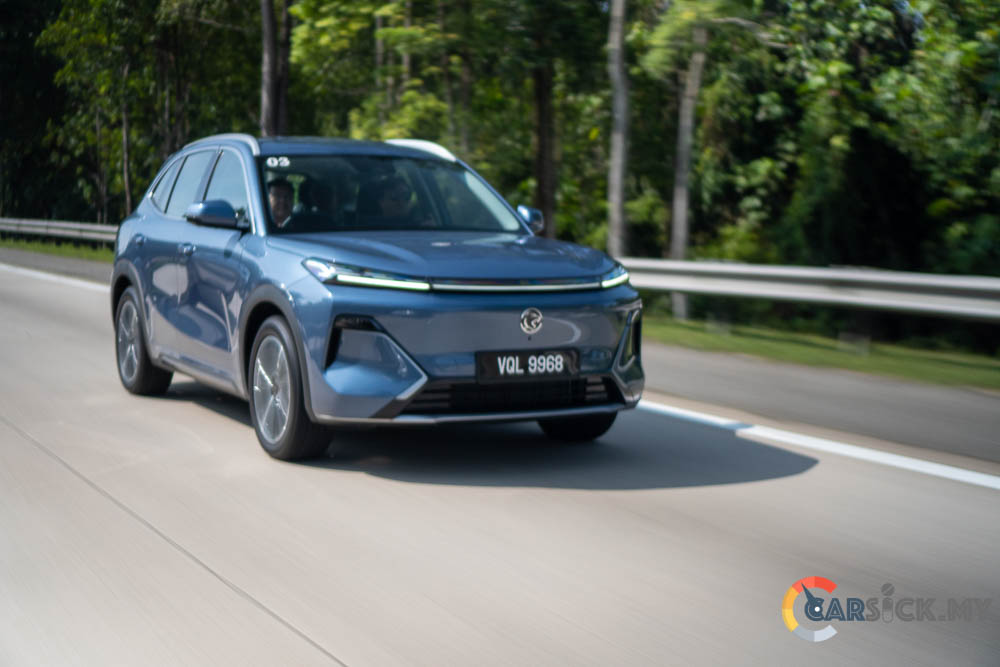
During the second stint, I moved to the front passenger seat. Comfort levels up front are just as good, with supportive seats that make long-distance travelling very pleasant. Overall, the cabin of the eMAS 7 PHEV feels well suited for extended journeys. For the third stint, I finally got behind the wheel. From the moment I started driving, I immediately noticed how smooth the SUV felt. At that point I was not pushing the car particularly hard, but the overall driving experience felt very refined.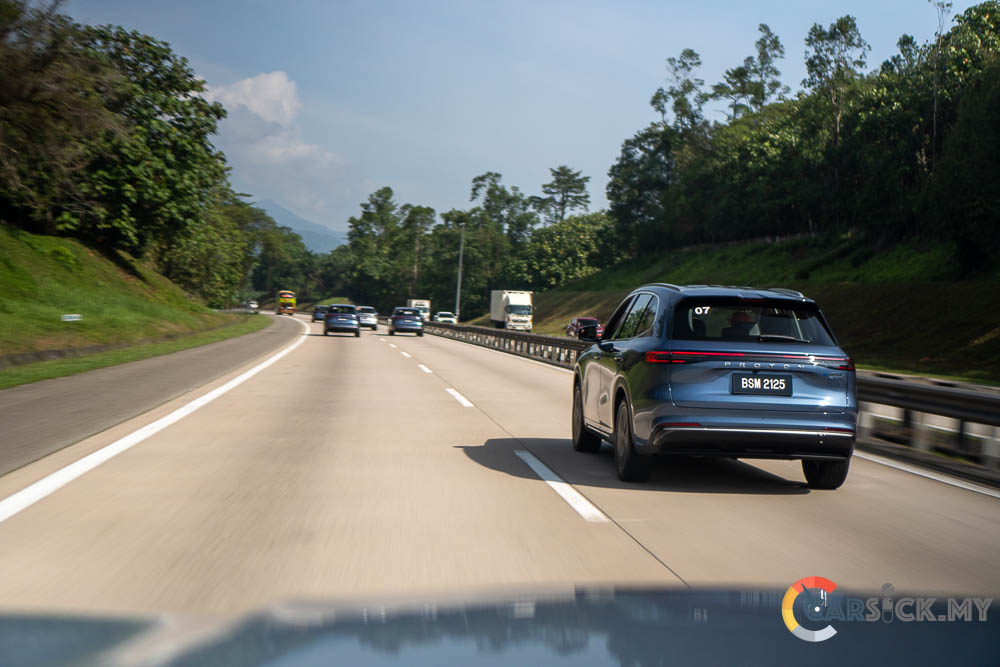
When merging onto the North-South Highway, the eMAS 7 PHEV reached the national speed limit with ease. Keeping up with traffic was effortless, and at highway speeds the SUV felt stable and well planted. Even when travelling slightly above the speed limit, the vehicle remained composed and did not feel floaty. This shows that the chassis has been well tuned for Malaysian road conditions.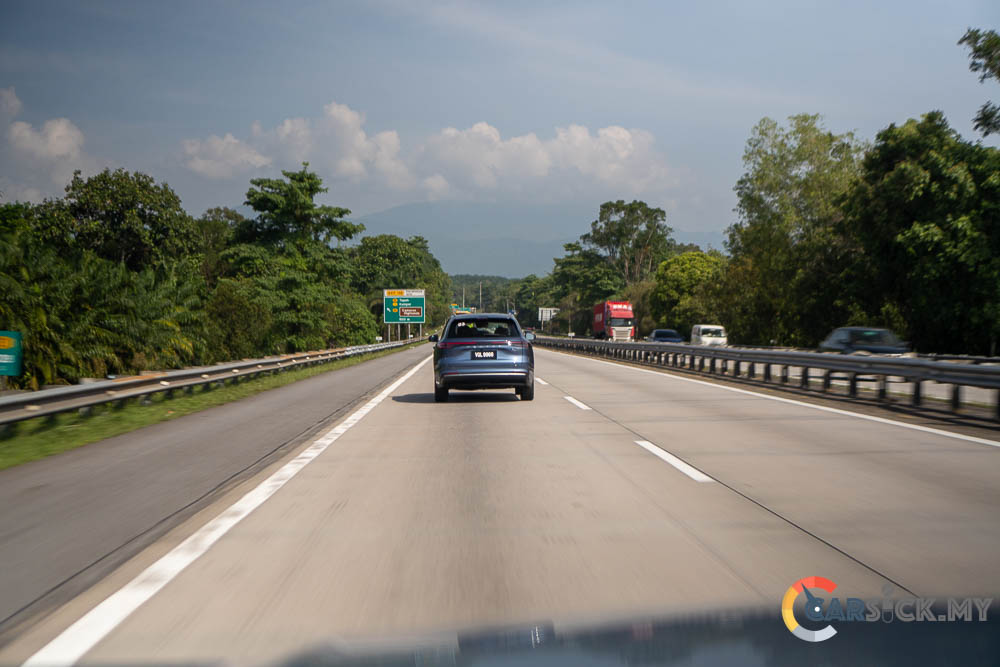
After leaving the highway, part of the journey took us through smaller back roads. These were two-way roads with a single lane on each side. While driving along these sections, I noticed that the steering felt quite light. Personally, I would have preferred a little more weight in the steering, as it would provide greater confidence when cornering. That said, the SUV still felt composed through the bends. Even when I carried a bit more speed through certain corners, the eMAS 7 handled them without any drama.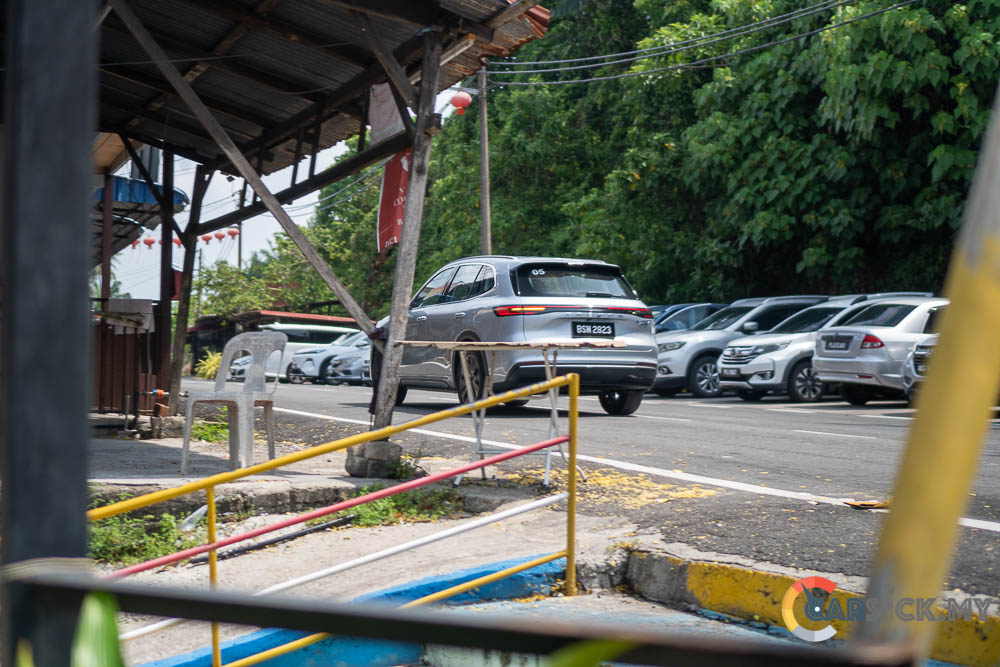
On the way to the jetty, we encountered a few traffic lights. During one of these moments, the eMAS 7 PHEV managed to out-accelerate a Proton X70 from a standstill. That genuinely surprised me, especially considering that the X70 uses a turbocharged 1.5-litre engine. By the time we reached Langkawi, the SUV was running low on fuel. This was mainly because we had been driving above the national speed limit in order to catch the ferry. The battery had also been largely depleted, as the car prioritised electric driving when we first left Selangor. 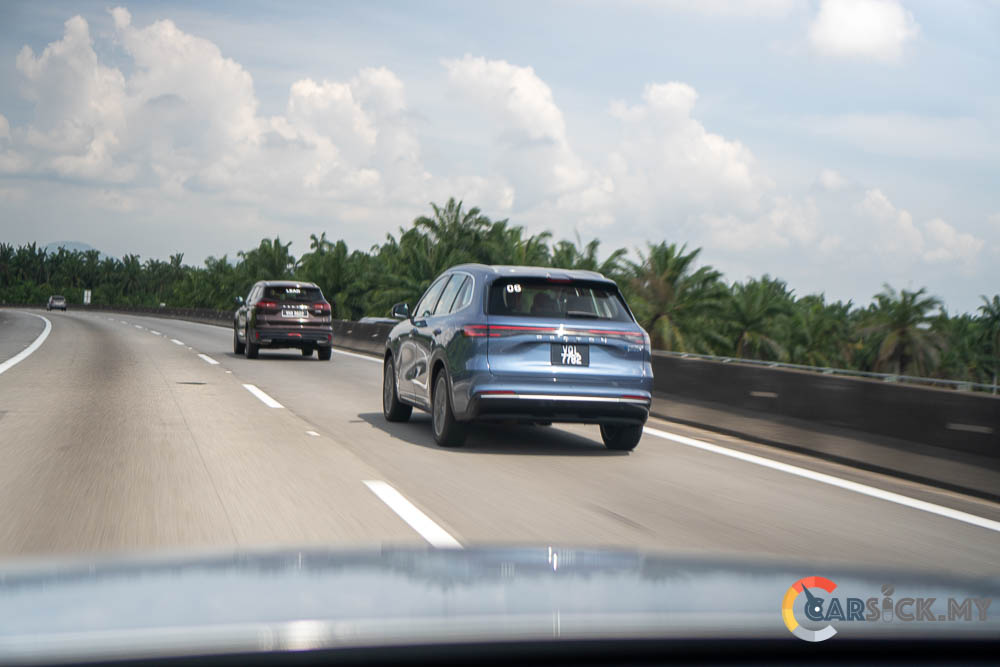
However, this is fairly typical behaviour for a PHEV. Even though the battery appeared empty, Proton actually reserves around 20% of its capacity. This ensures the electric motor still has enough energy to provide additional power when required. On the second day in Langkawi, I had the opportunity to drive the SUV around town. Driving it in typical urban conditions revealed just how comfortable and easygoing the eMAS 7 PHEV can be. The vehicle never pressures the driver to accelerate aggressively, making it very relaxing to drive around town.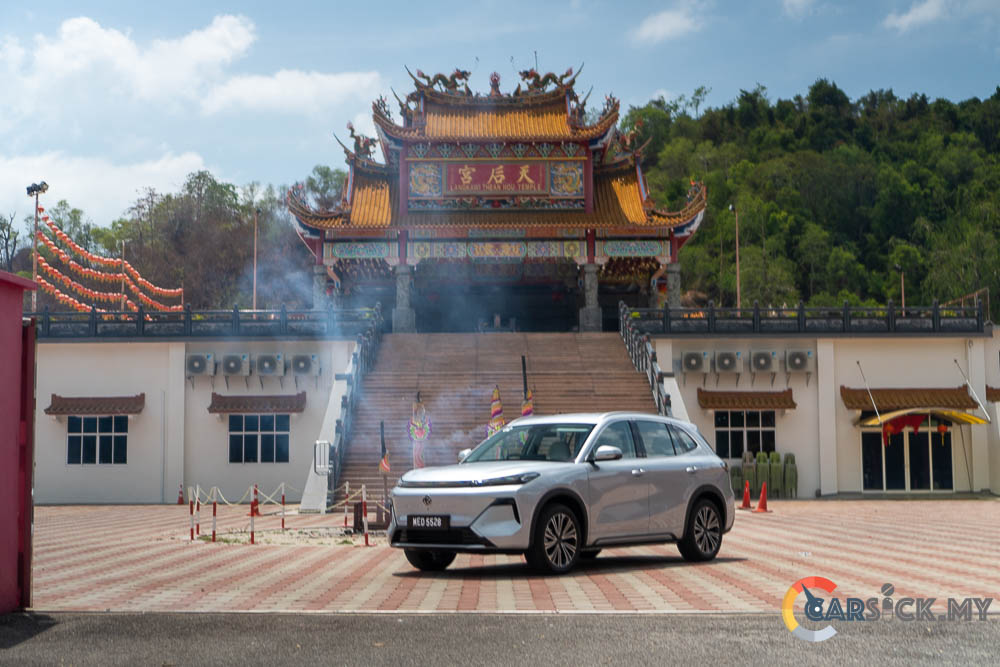
Later that evening, after returning to the hotel, another media member and I decided to test the sound system while waiting for dinner. We turned the volume close to its maximum level, and the system handled both high and low frequencies surprisingly well. While it may not match the premium systems found in more expensive vehicles, it is certainly impressive for a car in this price range.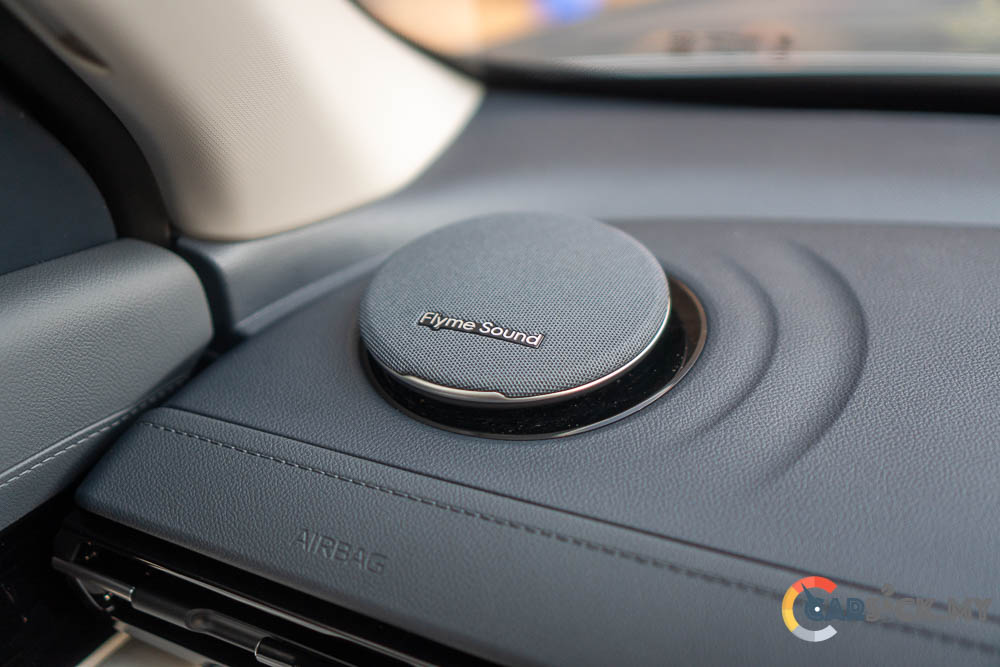
After spending three days and two nights with the Proton eMAS 7 PHEV, it is clear that this SUV offers strong value for money. With the Premium variant priced at RM119,800, buyers are getting a lot of car for the price. It may not be the perfect vehicle for everyone, but the eMAS 7 PHEV will easily fit into the lifestyles of most buyers. More importantly, it provides an excellent stepping stone for those who want to experience electrified driving but are not quite ready to commit to a fully electric vehicle. If you are currently in the market for a hybrid SUV, the Proton eMAS 7 PHEV is definitely one you should consider before looking elsewhere.