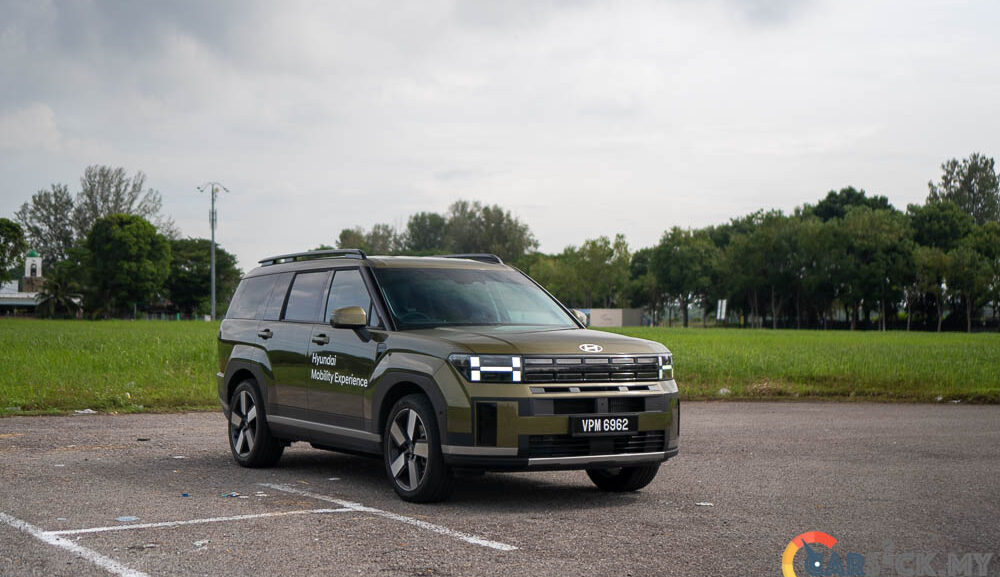

Hyundai has now officially landed in Malaysia as its own distributor. This allows the company to bring in more models at a more attractive price point with better specifications. During the announcement of its arrival, Hyundai introduced two updated models and one completely new model. The two updated models were the Tucson and Staria, while the Santa Fe is a totally new generation. Last year, I had the chance to drive the previous hybrid Santa Fe, and I instantly fell in love with its overall package despite it being an older vehicle. So with this updated model, would I still like it as much? Let’s find out.
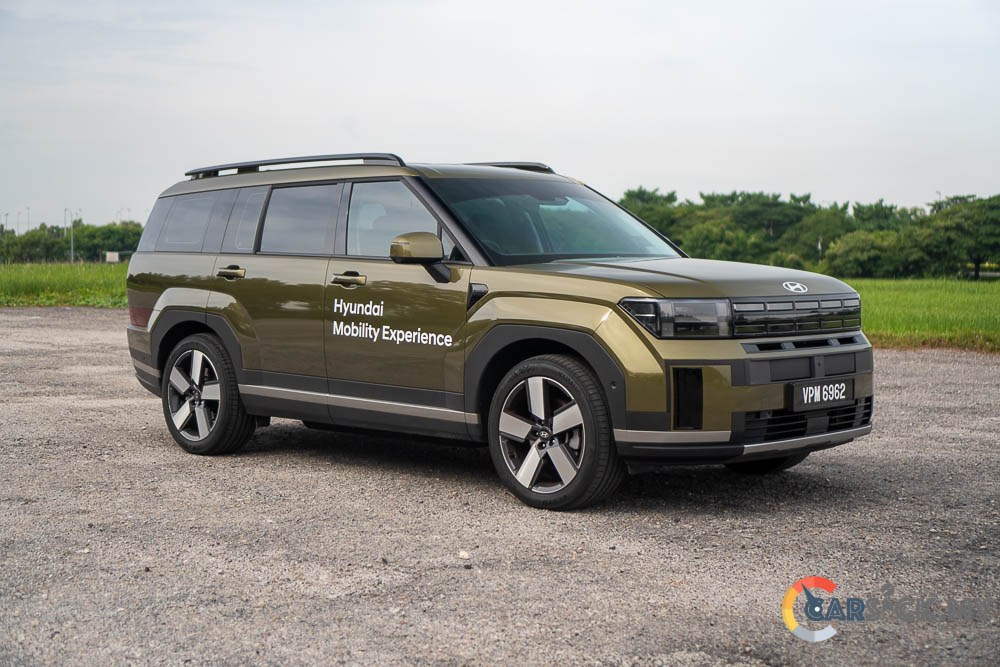
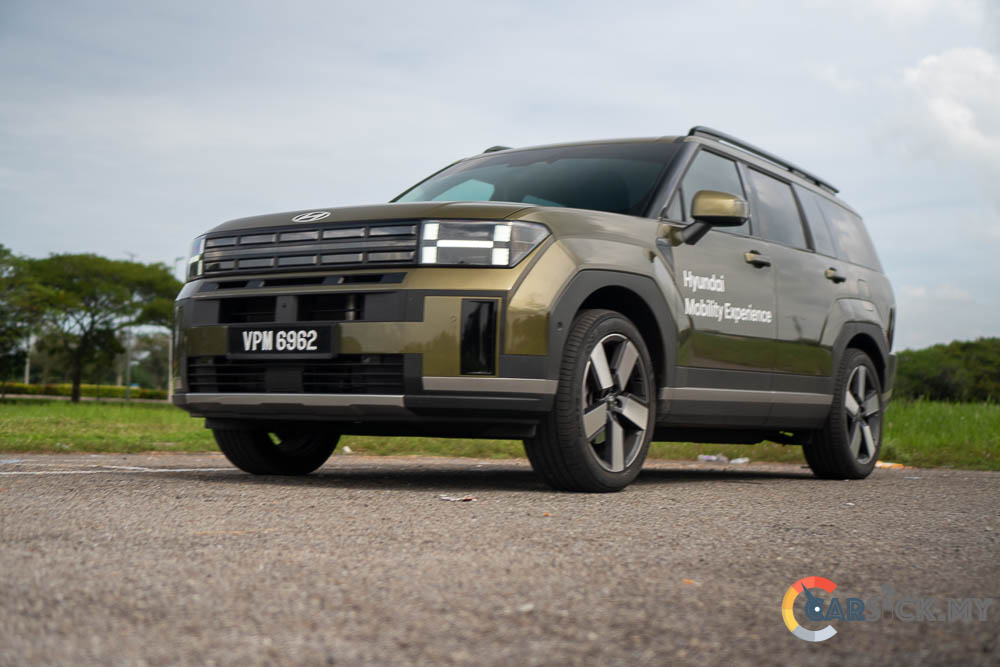
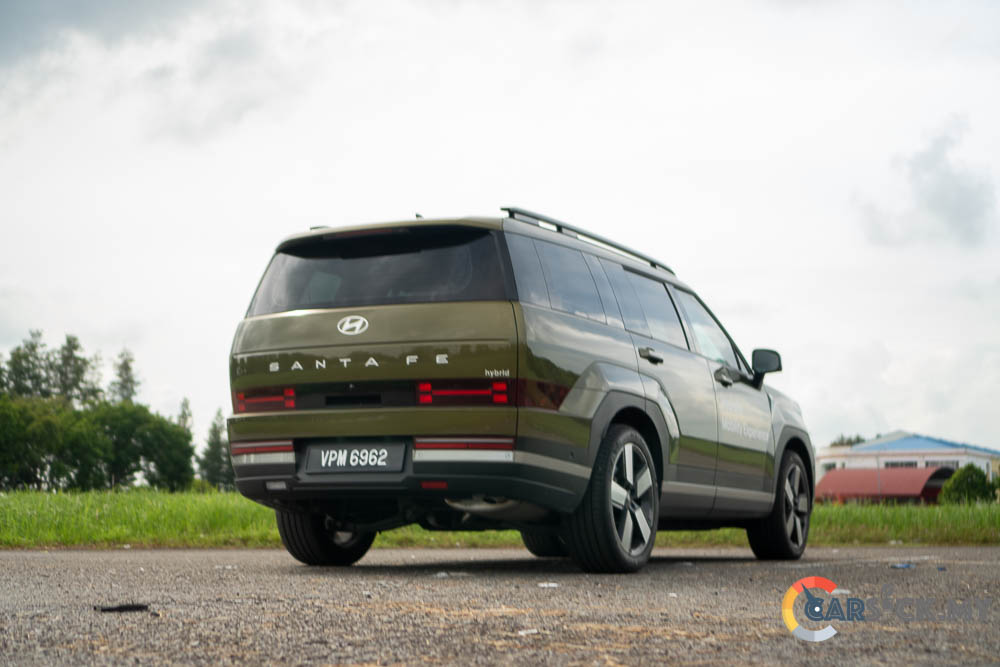
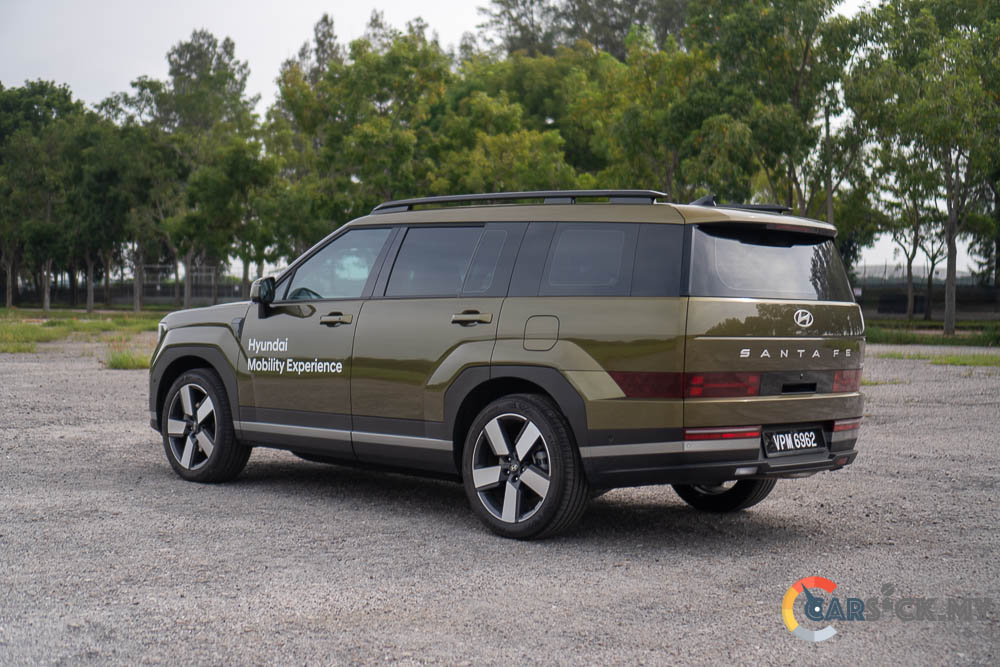 The Santa Fe in Malaysia comes in three different variants: Prime, Prestige, and Calligraphy. The Santa Fe that I requested was the 1.6L turbo hybrid powertrain variant in Prestige trim, which sits in the middle of the range. For this latest Santa Fe, it is a very handsome-looking vehicle, especially at the front. As for the rear, it is a tad controversial in terms of design, but we will address that later. The new Santa Fe has adopted a more boxy look, yet the whole vehicle still looks modern without being overdesigned. This makes the Santa Fe stand out from the crowd of SUVs.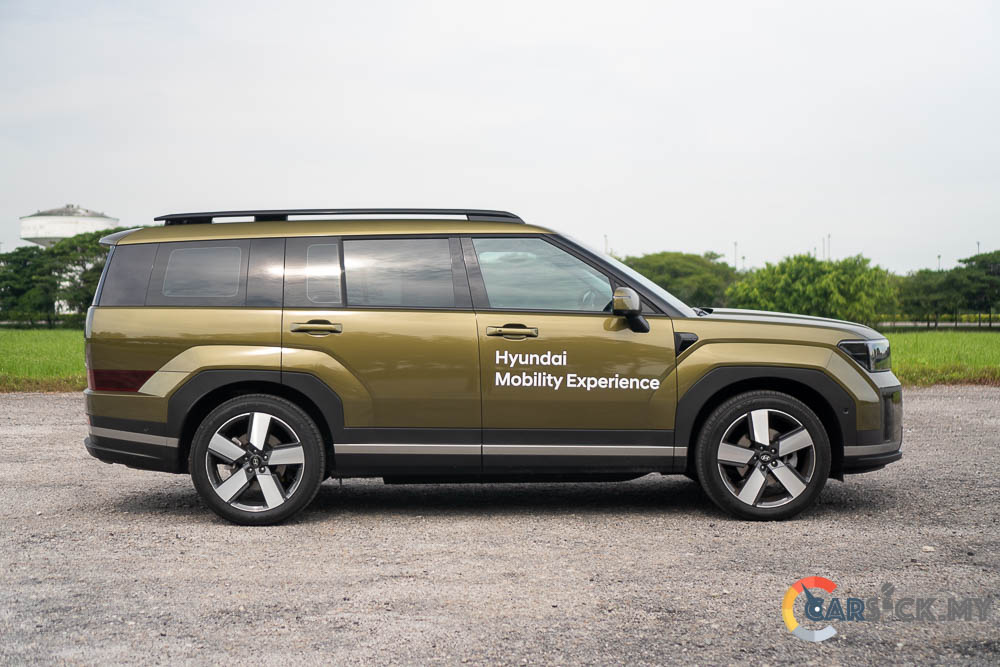
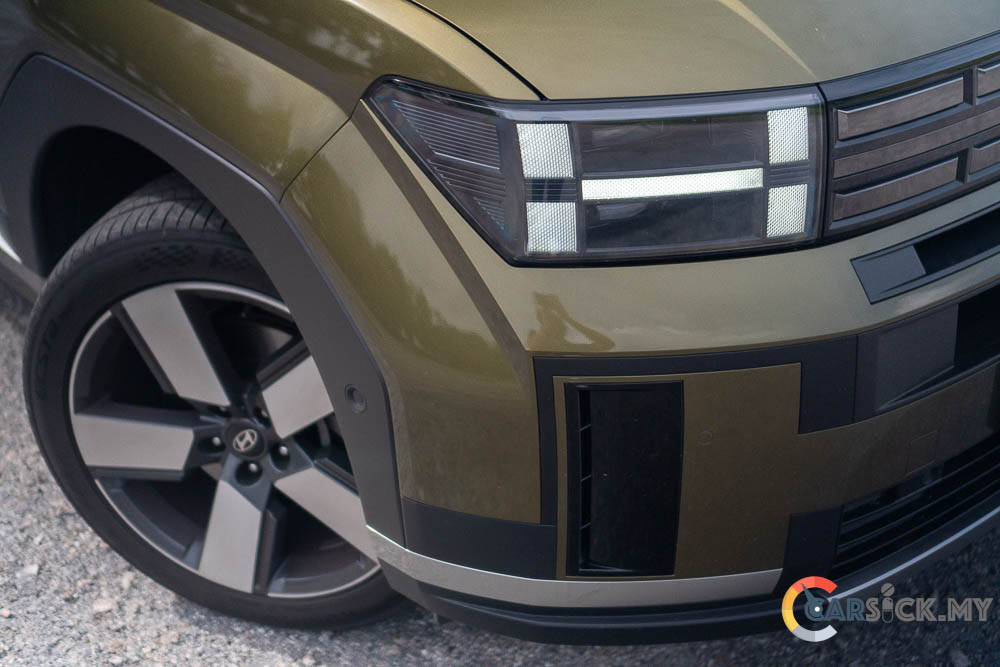
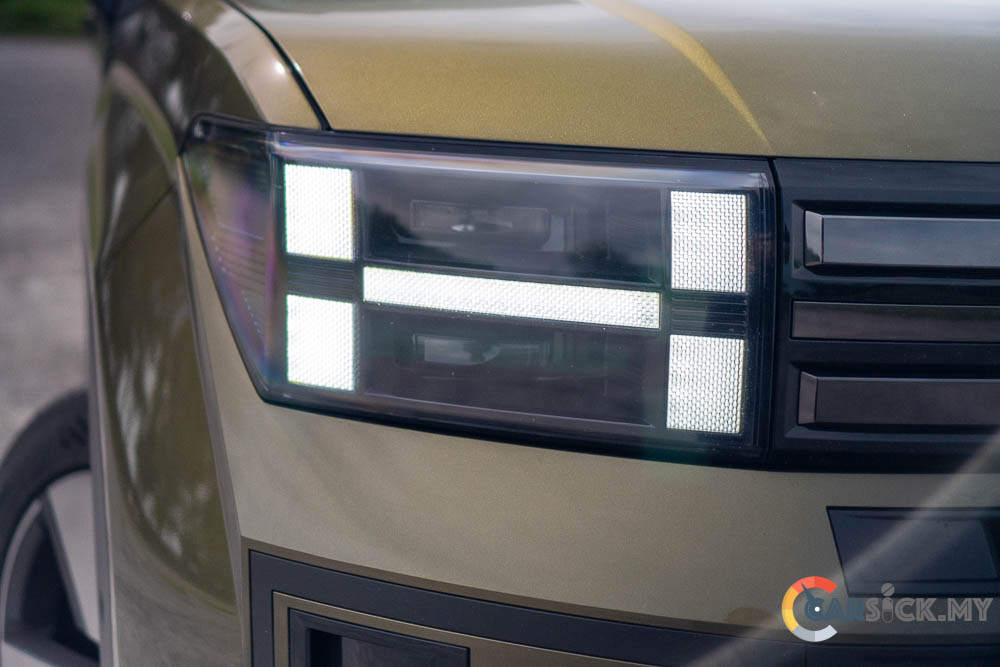
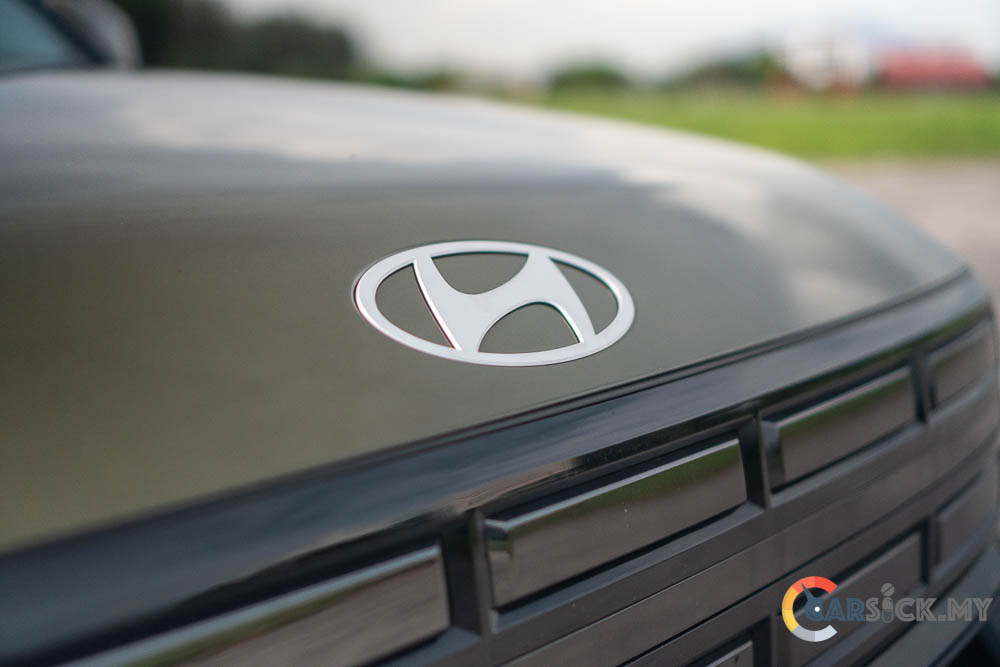
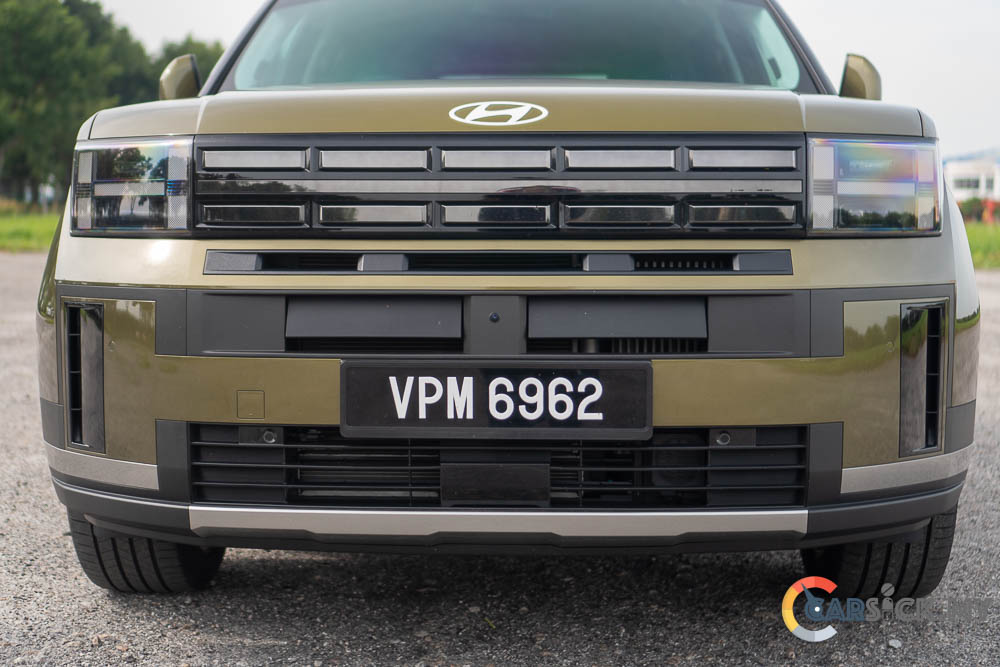
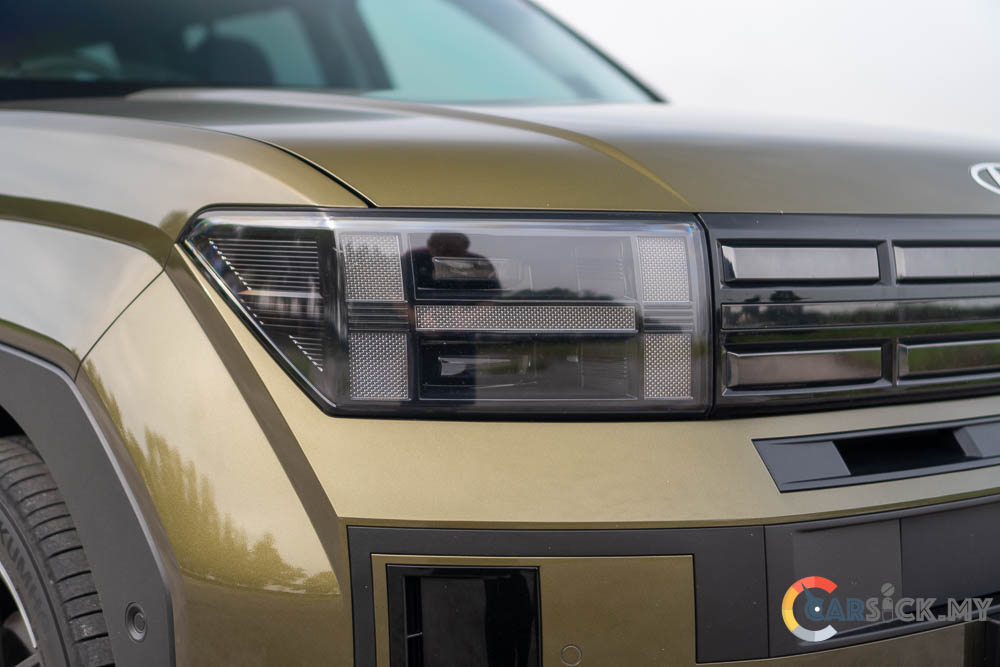
At the front, the Santa Fe gets a very square face. The rectangular front grille is matched with square headlights that define the boxy look of the vehicle. These headlights are full LED units, with LED daytime running lights represented in an H pattern. Below the front grille, you get two air vents that can open and close when necessary. This allows cool air to enter the engine bay when the vehicle is stationary, and close to reduce aerodynamic drag when the vehicle is moving. Even though it is boxy, the front of the Santa Fe actually looks really modern. 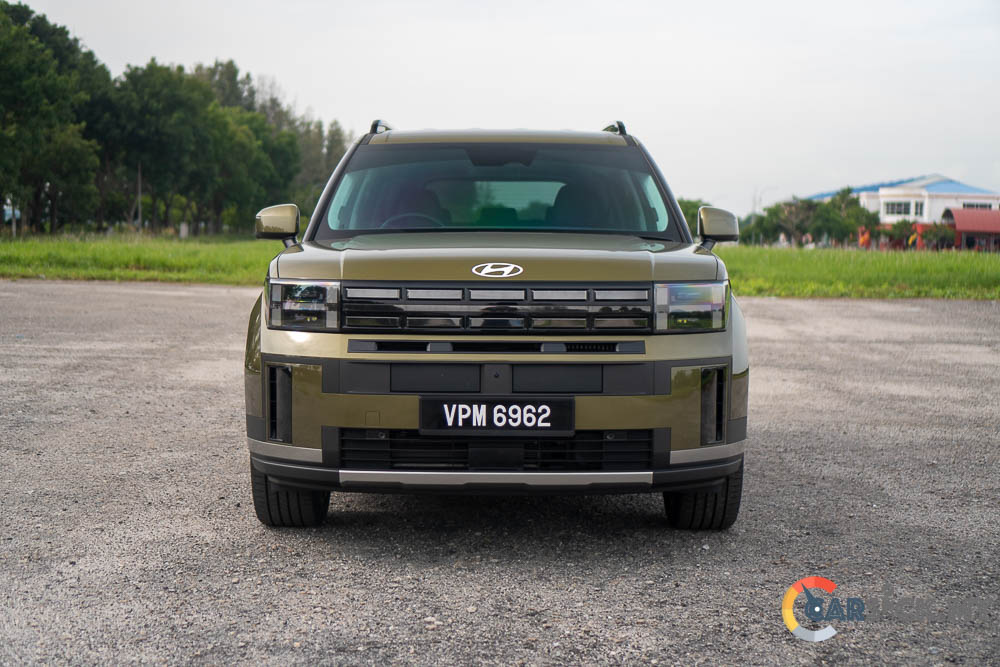
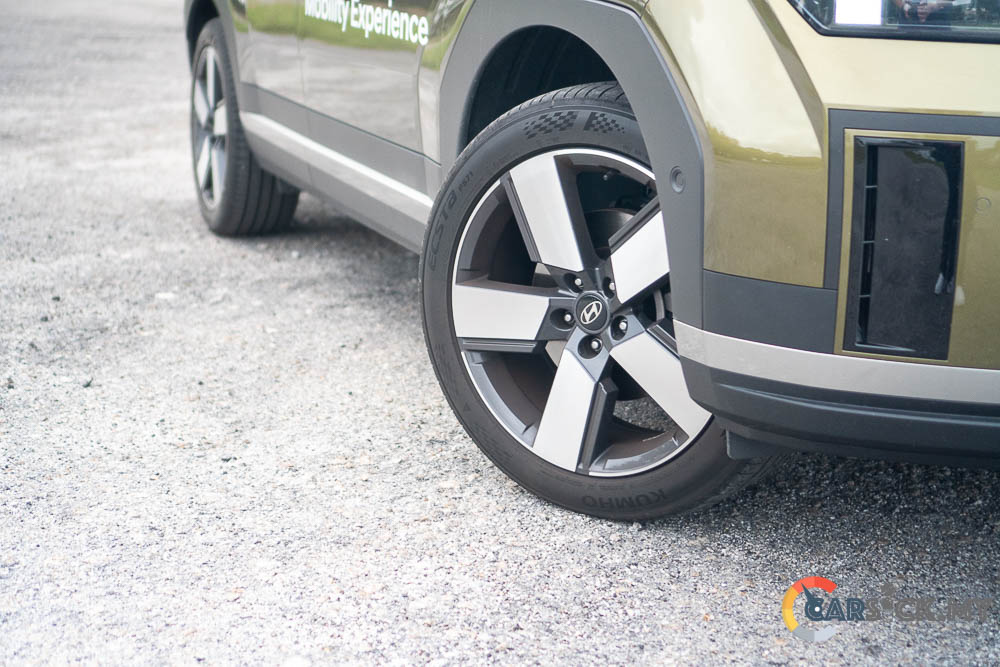
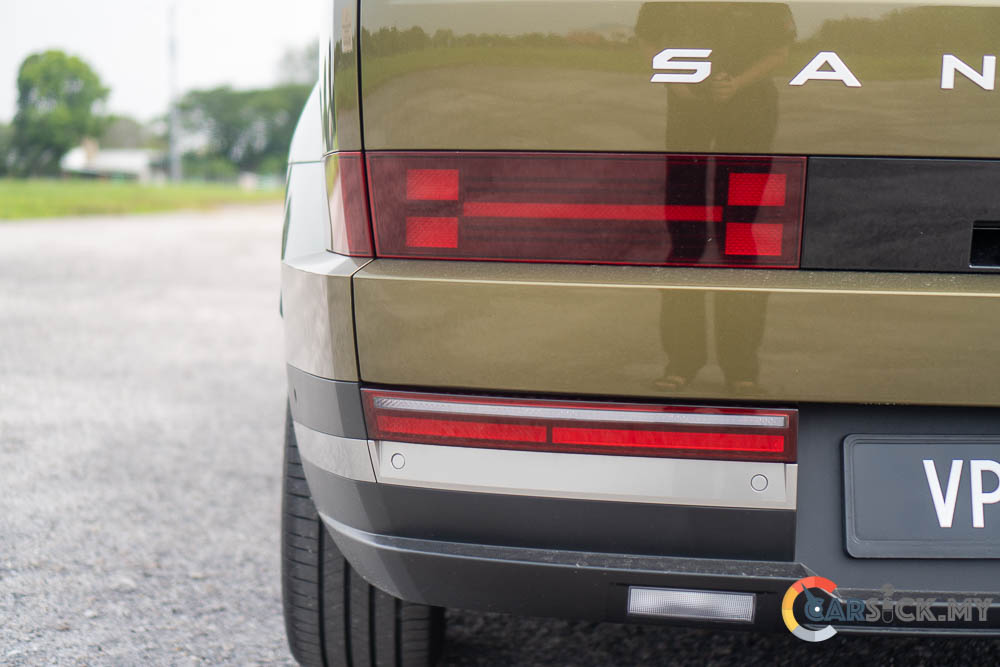
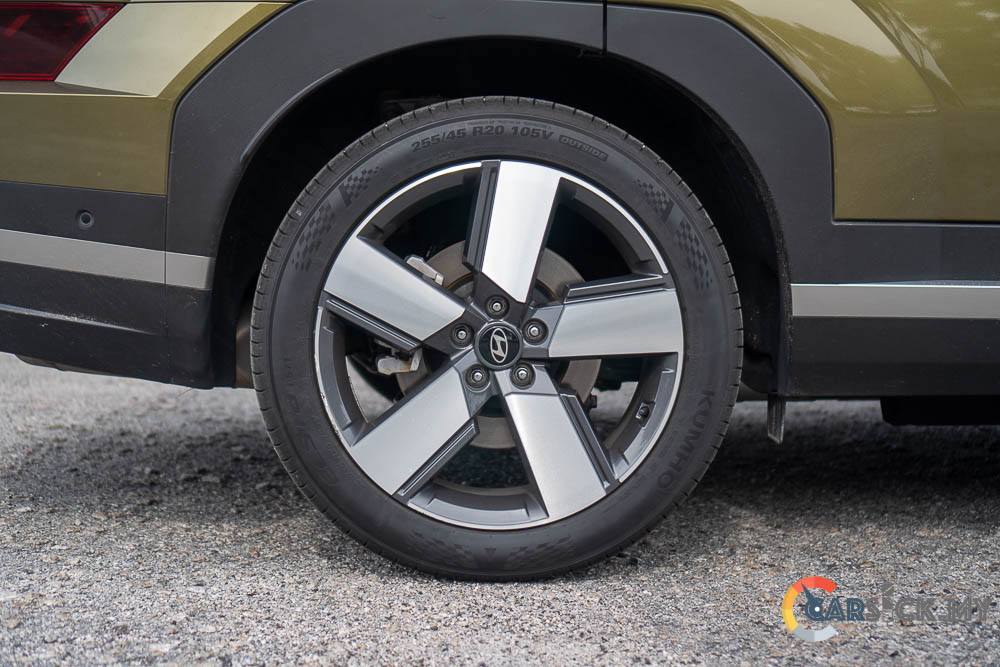
Moving to the rear, the reason it looks controversial is because the taillights are located very close to the rear bumper. This gives the rear of the Santa Fe quite an awkward look for many people. But to be fair, I did get used to it after a while. It does not look that bad in real life. To complete the exterior look, the Santa Fe comes with a set of 20-inch rims as part of the Prestige variant. These rims look good on the Santa Fe and are wrapped in 255/45 R20 tyres. 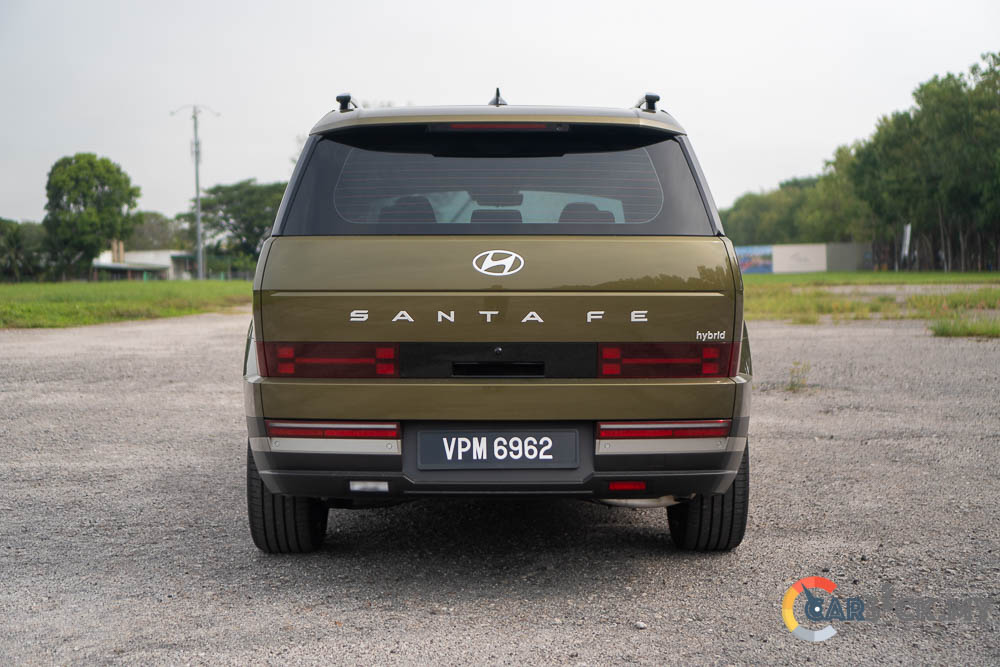
Inside the Santa Fe, you are greeted by Hyundai’s modern interior design. It feels very familiar and fits the modern aesthetic found in many new vehicles today. Around the cabin, you will find plenty of high-end, nice-to-touch materials used throughout the interior. This is particularly obvious with the roof liner, which is lined with suede-like material that feels very premium to the touch. On the dashboard, you will find two connected 12.3-inch displays that Hyundai uses as the instrument cluster and infotainment screen. 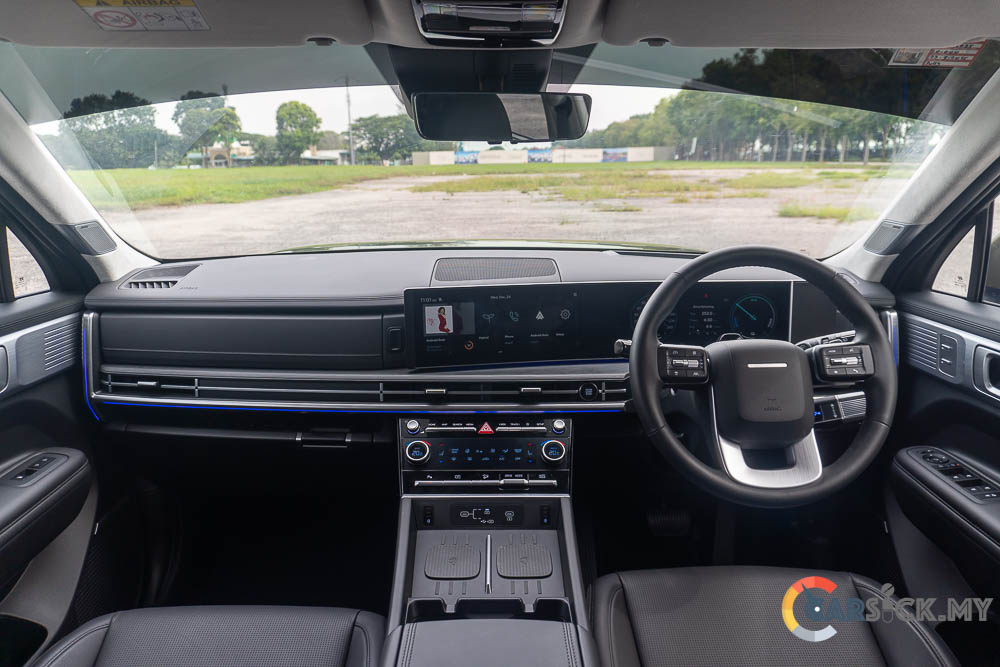
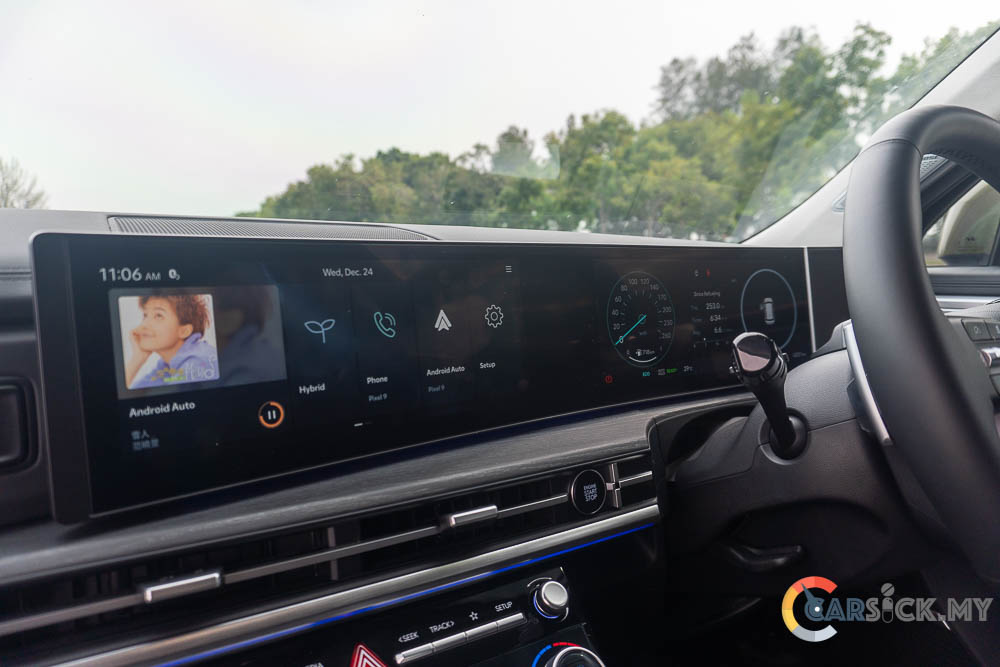
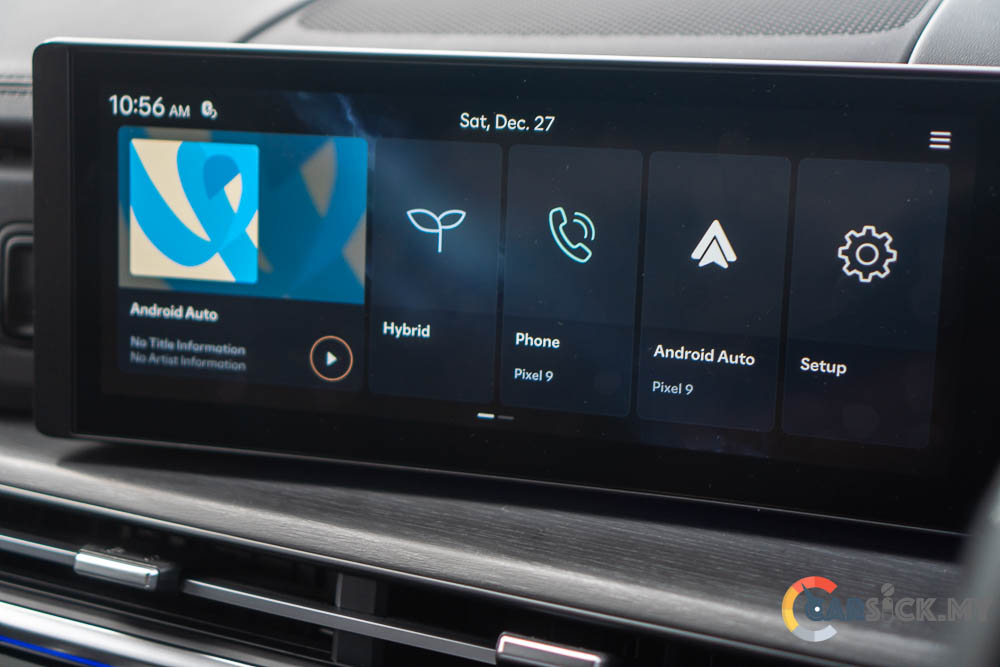
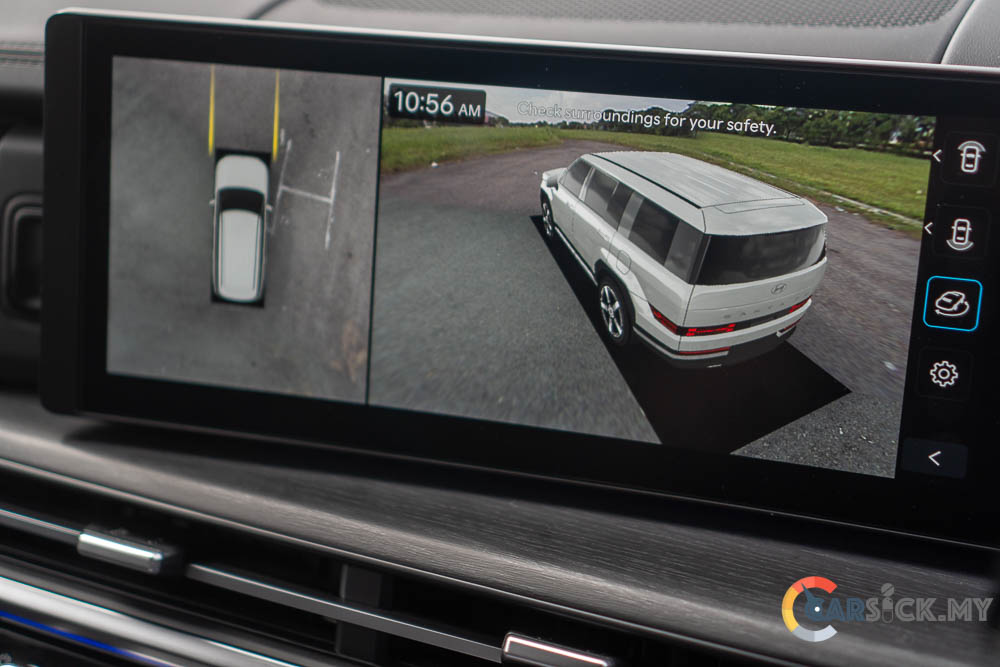
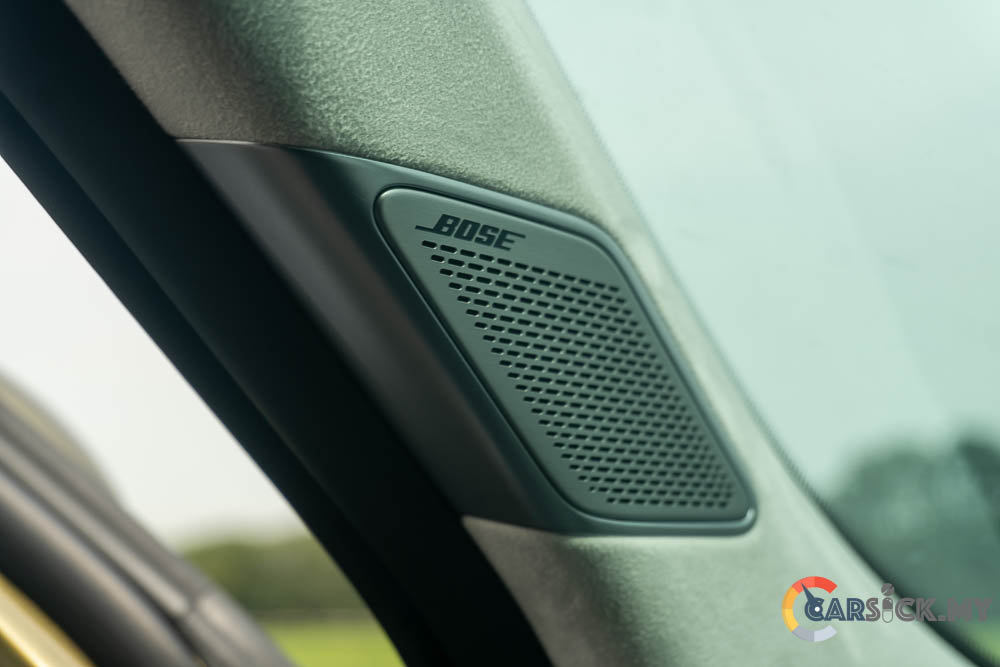
For the instrument cluster, it carries the latest Hyundai graphics. It features the same graphics you see in Hyundai’s electric vehicles such as the Ioniq 5 and Ioniq 6. They are super easy to understand and easy to read — the kind of instrument cluster that car enthusiasts will appreciate. There is nothing particularly new with the infotainment screen either, as it will feel familiar to anyone who has driven a Hyundai recently. You do get modern amenities like wireless Android Auto and Apple CarPlay. A 360-degree camera is also available to help you navigate tight spots when needed. In this Prestige variant, you even get a 12-speaker Bose Premium sound system to allow you to enjoy your favourite tunes on the go. 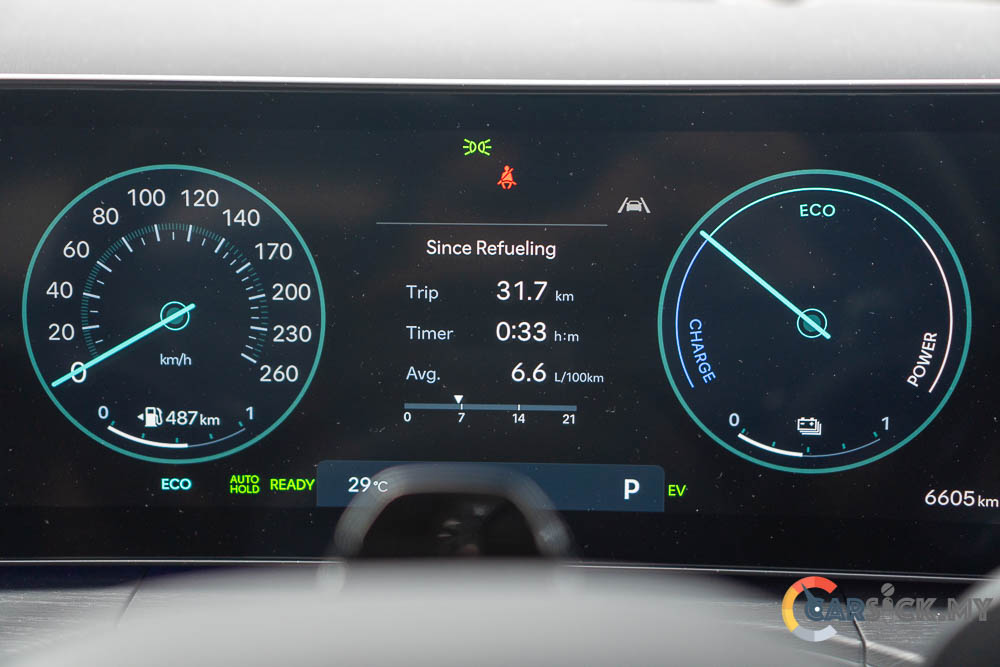
As for the front seats, you get a comfortable driver’s seat to boot. It is designed to fit most people, and there are plenty of adjustments available to help you find your ideal driving position. Even though I am on the bigger side, I found the driver’s seat immensely comfortable. Moving to the second row, it is also as comfortable as you would expect in an SUV. For this Prestige variant, you get bench seats in the second row. I personally prefer this seat configuration, as it allows you to carry five adults without needing to use the third row. As a second-row passenger, you also get plenty of legroom and headroom to feel comfortable. 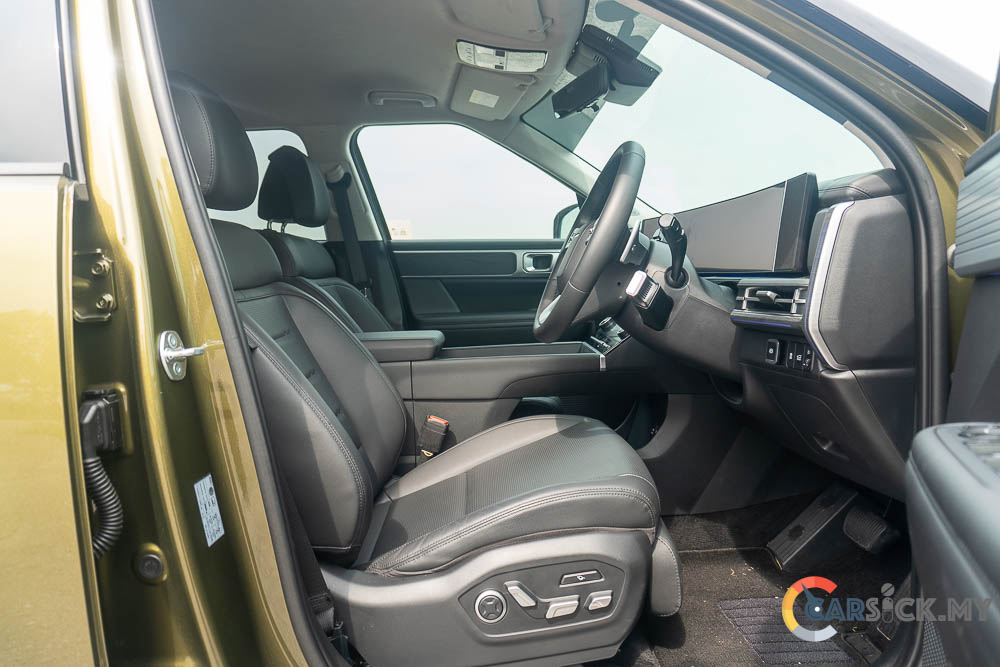
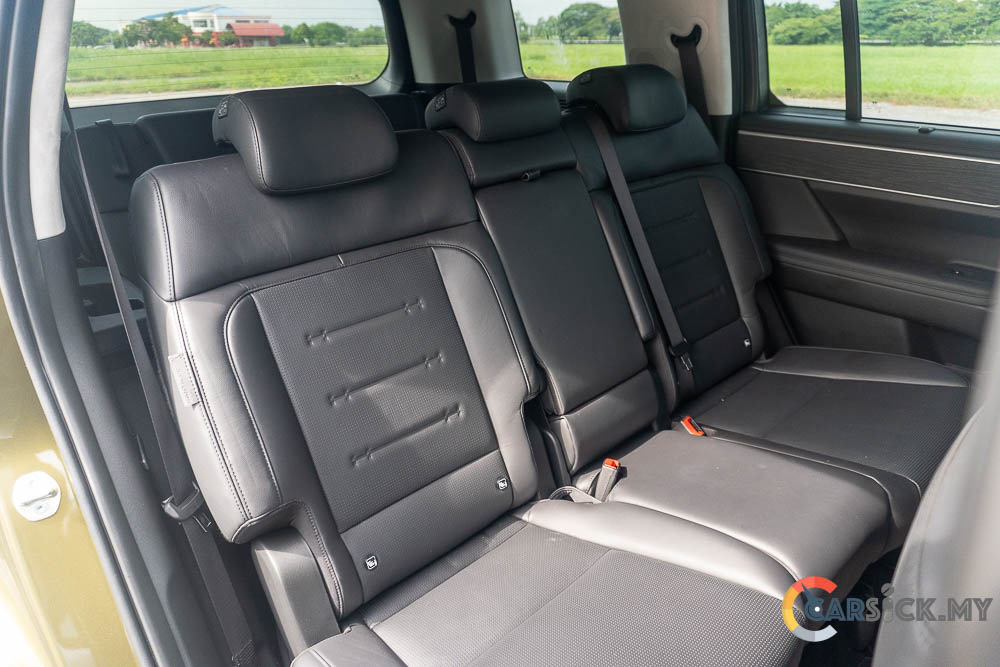
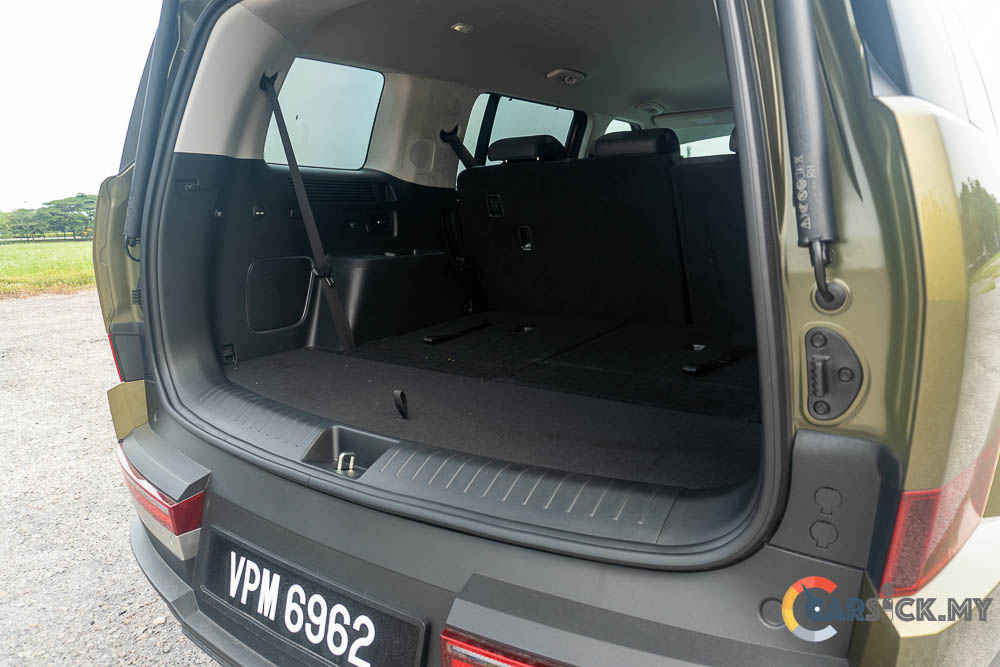
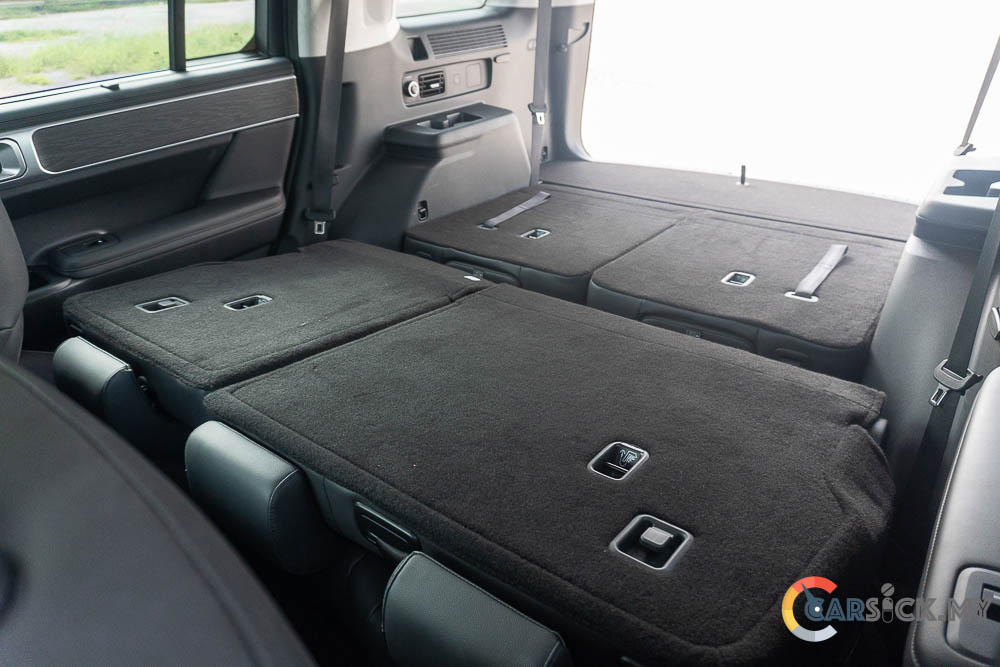
Further back, the third row is on the smaller side. While you can still fit adults in the back, it will not be very comfortable for long distances. You sit in a squatting position in the third row, but that is quite expected for any three-row SUV. These seats are mainly meant for those moments when you need to ferry two extra passengers nearby. With the third row up, you do not get much boot space either. Therefore, the third row is best left folded down, which opens up the boot space to 725L — about 100L more than the previous generation Santa Fe. If you really need to carry larger items, the second row can also be folded down to expand cargo capacity to 1,949L. 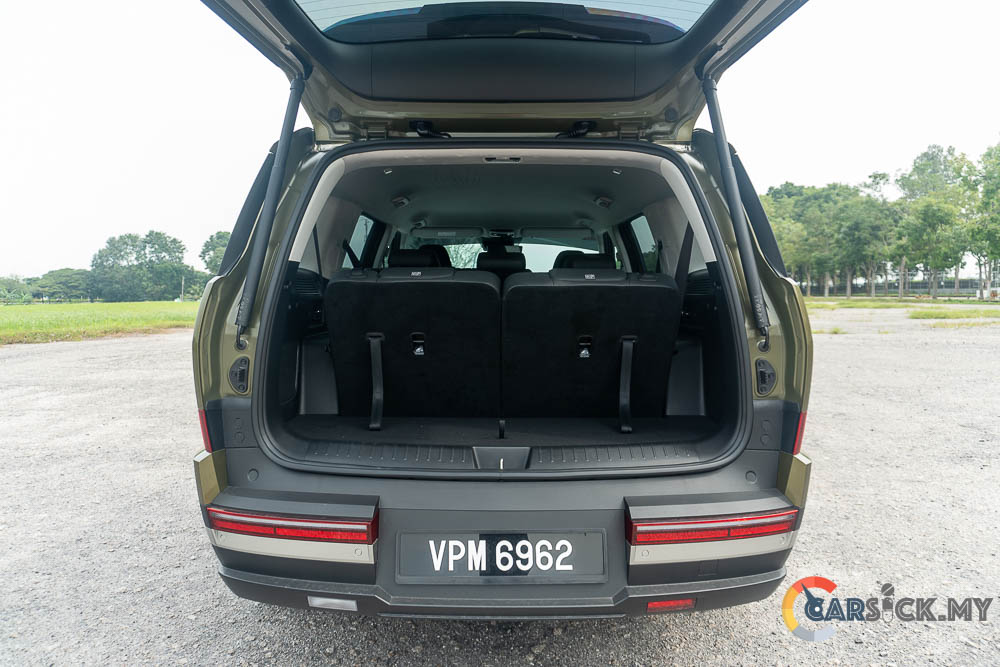
Under the hood, the Santa Fe Prestige is powered by a 1.6L turbocharged hybrid powertrain. This powertrain is mated to a 6-speed automatic transmission, with power sent to the front wheels, making the Santa Fe a front-wheel-drive vehicle. In total, the hybrid powertrain produces 235PS and 367Nm of torque. This setup allows the SUV to accelerate from 0–100 km/h in just 9.6 seconds. As with the previous generation Santa Fe hybrid, the latest model continues to impress in terms of its powertrain. The transition between the engine and the electric motor is seamless. You can barely tell when the engine kicks in.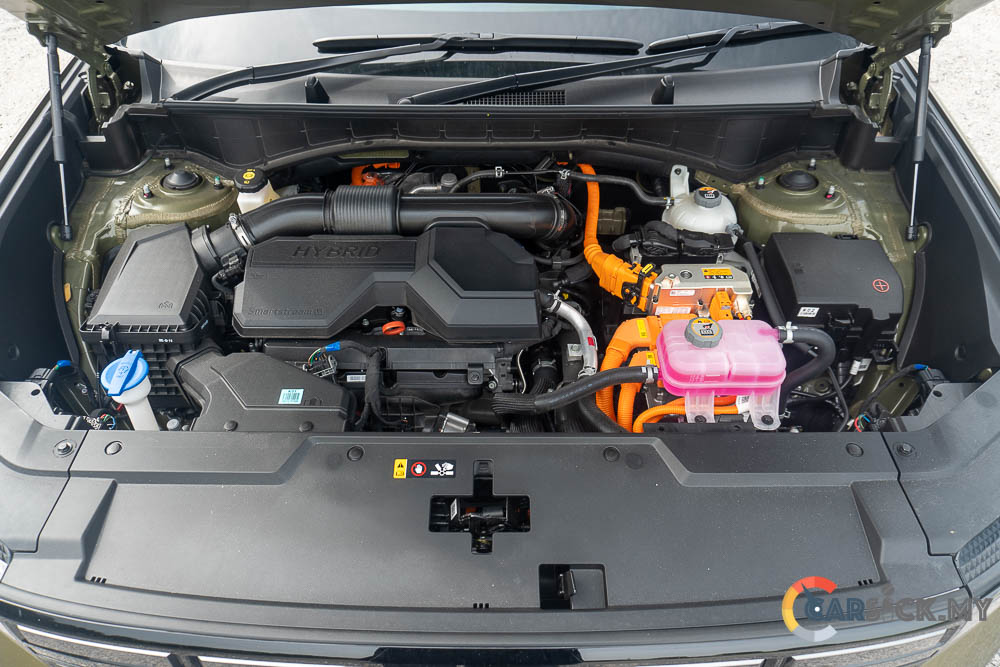
However, due to modern requirements, the new Santa Fe does feel a bit heavier. Based on the information I gathered, the latest Santa Fe is about 100kg heavier compared to the old model. This translates to a slightly slower 0–100 km/h acceleration time. However, during normal driving, you can barely notice the additional weight. Despite the increase in weight, the Santa Fe still delivers great fuel economy. I managed to achieve an average of about 6.8L/100km after driving it for around 600km. To be fair, the SUV can actually deliver close to 1,000km of range if you drive it carefully. I am not sure why Hyundai is not highlighting this figure more prominently, because it is quite impressive considering the weight and size of the vehicle. On top of that, the 6-speed automatic transmission does a good job of shifting gears smoothly.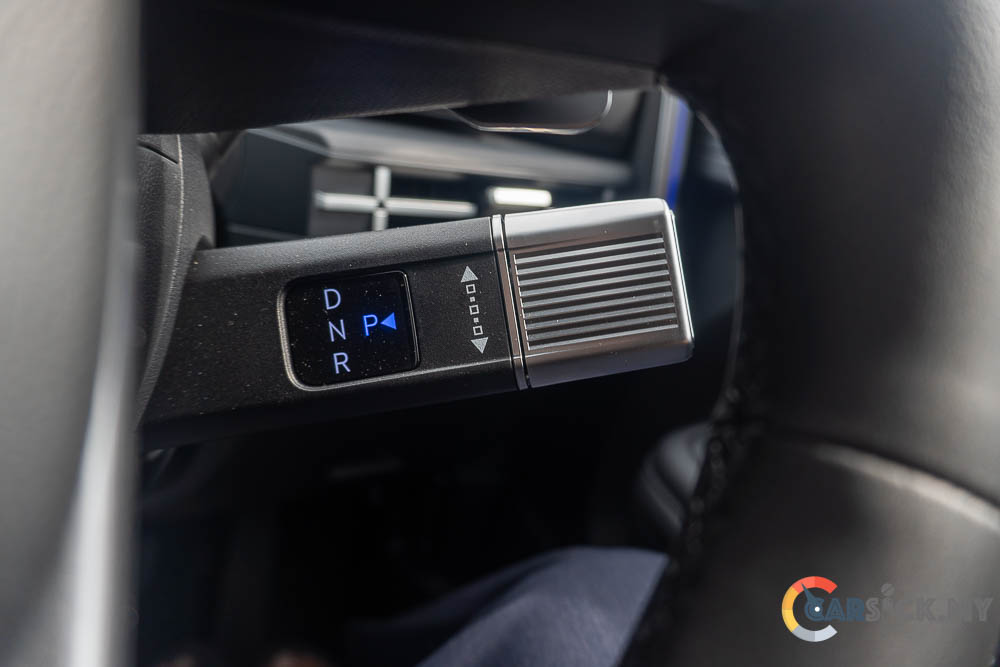
In terms of ride quality, the Santa Fe rides with a sense of sophistication. You will definitely notice this when driving over bumpy roads. The suspension soaks up road imperfections without breaking a sweat. You can barely feel any uncomfortable jolts entering the cabin. While the suspension is very comfortable, it also keeps the body movements well in check. Even during high-speed driving, the Santa Fe remains very planted. As for handling, the Santa Fe surprisingly performs well for a large SUV. When driven spiritedly, it gives the driver plenty of confidence when tackling corners. The steering is nicely weighted and provides sufficient feedback so the driver knows where the wheels are pointing. 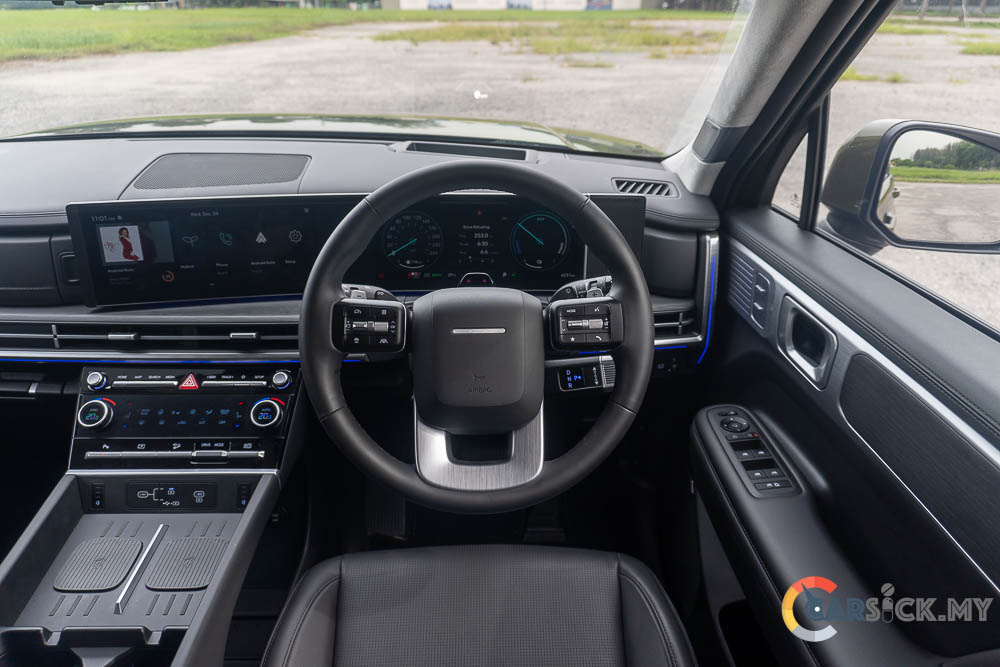
To slow the vehicle down, the Santa Fe hybrid features very natural-feeling brakes. From the brake pedal, I could clearly tell when the regenerative braking or the physical brakes were being engaged. This is one of the better-tuned brake pedals on a hybrid vehicle. In the safety department, the Santa Fe hybrid is loaded with modern advanced driver assistance systems. Most of the time, these systems work subtly in the background, which makes driving the SUV less intrusive and more enjoyable. However, in newer models like this Santa Fe, the Lane Keeping Assist automatically switches on every time you restart the vehicle. Luckily, you can switch it off with a button on the steering wheel — something some Chinese brands could learn from. 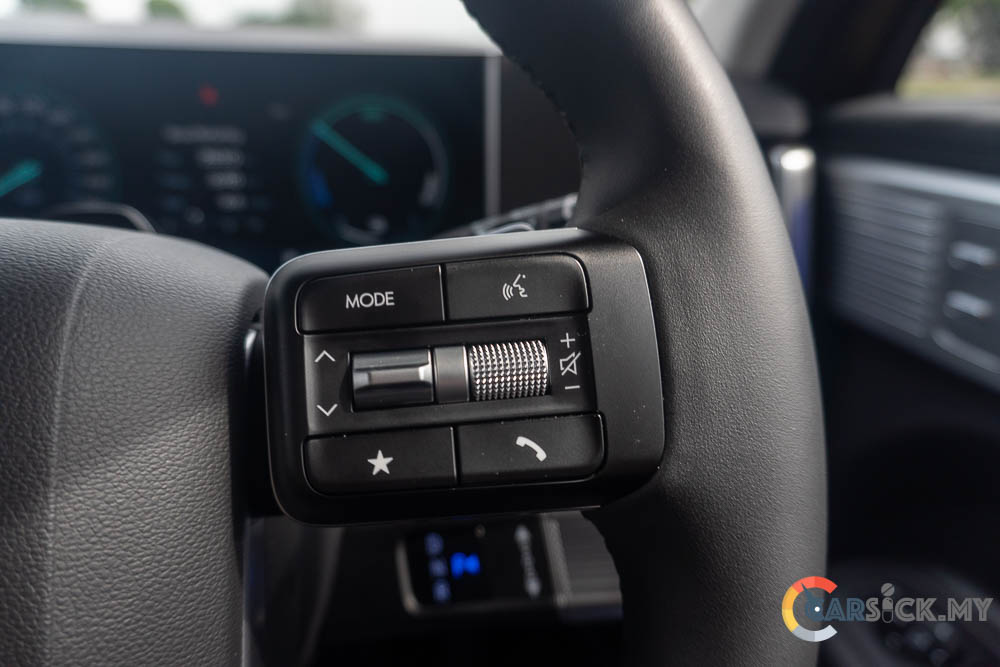
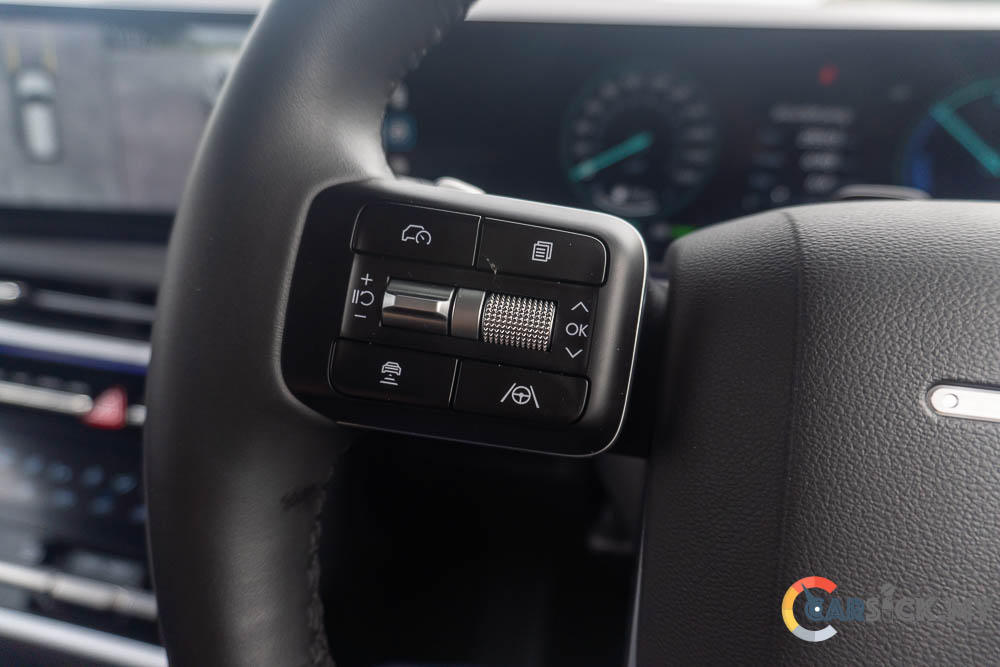
The ADAS features available on the Santa Fe include Blind-Spot Collision-Avoidance Assist (BCA), Blind-Spot View Monitor (BVM), Driver Attention Warning (DAW) with Leading Vehicle Departure Alert (LVDA), Forward Collision-Avoidance Assist (FCA 2.0), High Beam Assist (HBA), Lane Following Assist (LFA), Lane Keeping Assist (LKA), Parking Collision-Avoidance Assist – Reverse (PCA-R), Rear Cross-Traffic Collision-Avoidance Assist (RCCA), Safe Exit Assist (SEA), Rear Occupant Alert (ROA), Smart Cruise Control with Stop & Go (SCC w/ S&G), Surround View Monitor (SVM), Driving Rear-View Monitor (DRM), Trailer Connection Mode Remote, and Remote Smart Parking Assist (RSPA).
At the end of the day, I still really like what Hyundai has done with the Santa Fe. However, with a price tag of RM245,000, it is definitely not a cheap vehicle. That said, it offers a great overall package as a multi-purpose SUV. I like the fact that you can easily convert the 7-seater SUV into a large cargo-carrying vehicle. Paired with a super-efficient powertrain, you will not need to visit the fuel pump very often. While saving fuel, you are not being treated to a sluggish engine either. As a complete package, I really like the Santa Fe as a daily vehicle.
Check out the full photo album here.